15 Sofas Ideas Living Room Small Spaces Can Fit Well
A small living room doesn't mean you have to settle for a cramped or uncomfortable sofa. The right piece can anchor the space, offer plenty of seating, and still leave room to breathe.
It's all about choosing a shape, scale, and style that works with your layout—not against it. Whether you're working with a cozy apartment or a compact den, these 15 sofa ideas prove that small spaces can still feel warm and inviting.
From clever modular designs to classic loveseats with a twist, each option brings something different to the table. Let's walk through some real, livable choices that make your small living room feel bigger, better, and more like home.
1. A Slim-Arm Loveseat That Leaves Room for a Coffee Table
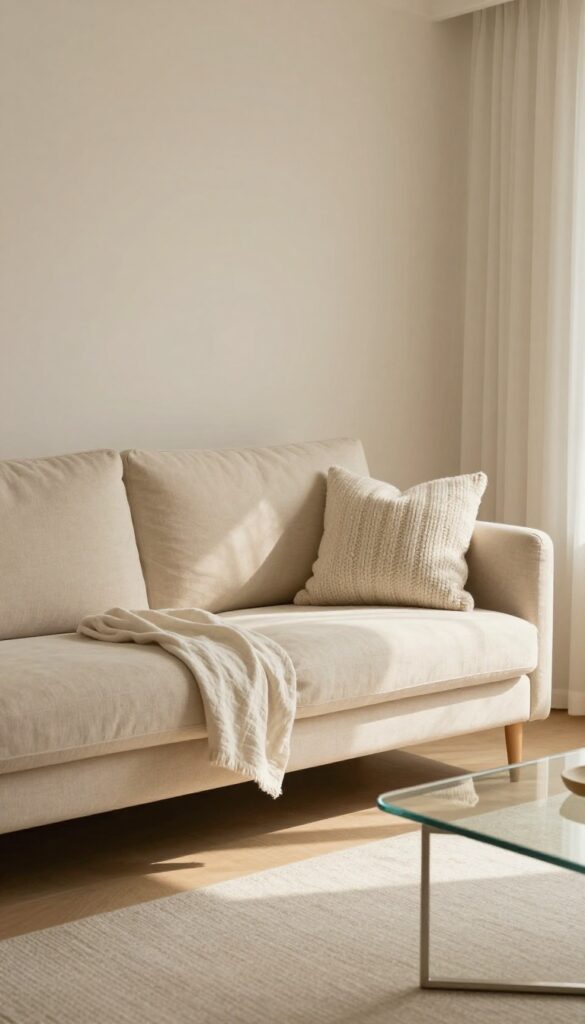
In a small living room, every inch counts. A bulky sofa can swallow up the space, leaving you with a cramped layout and no room for a coffee table. That's where a slim-arm loveseat comes in.
It's a smart, space-saving choice that keeps the room feeling open and functional. Plus, it still gives you a cozy spot to curl up.
A loveseat with narrow arms takes up less visual space and leaves more floor area for a coffee table or side table. Look for one with tapered legs to keep the look airy. The key is to choose a piece that doesn't overwhelm the room.
A slim-arm design lets you add a coffee table without the space feeling tight. It's perfect for apartment living or any room where square footage is precious.
Best Colors
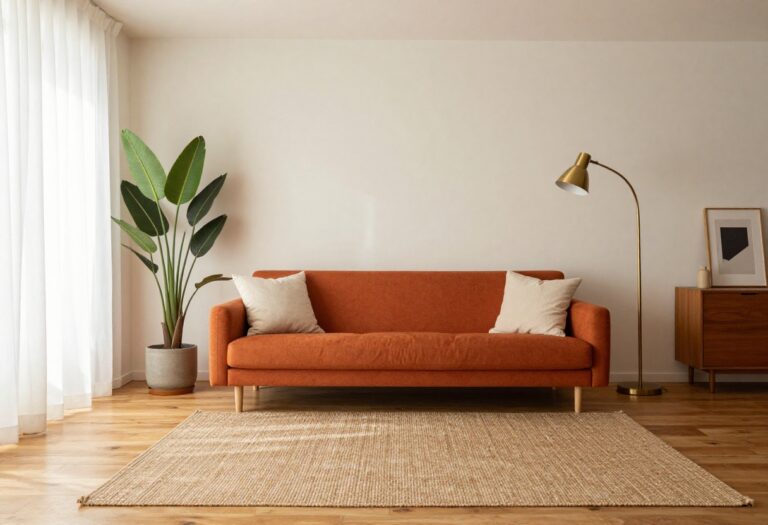
Stick with light neutrals like warm beige, soft gray, or cream to keep the room bright and open. If you want a little color, try a muted sage green or dusty blue. These shades add personality without making the space feel smaller.
Layout Tip
Place the loveseat against the longest wall to open up the center of the room. Then add a slim coffee table—glass or acrylic tops work great because they disappear visually. Keep the table small, about two-thirds the length of the loveseat, so you still have easy walkways.
Finishing Touch
Toss a couple of textured throw pillows on the loveseat for warmth. Think chunky knit or linen in complementary tones. A lightweight throw blanket draped over one arm adds a lived-in feel without cluttering the space.
2. An Armless Sofa That Doubles as a Lounger
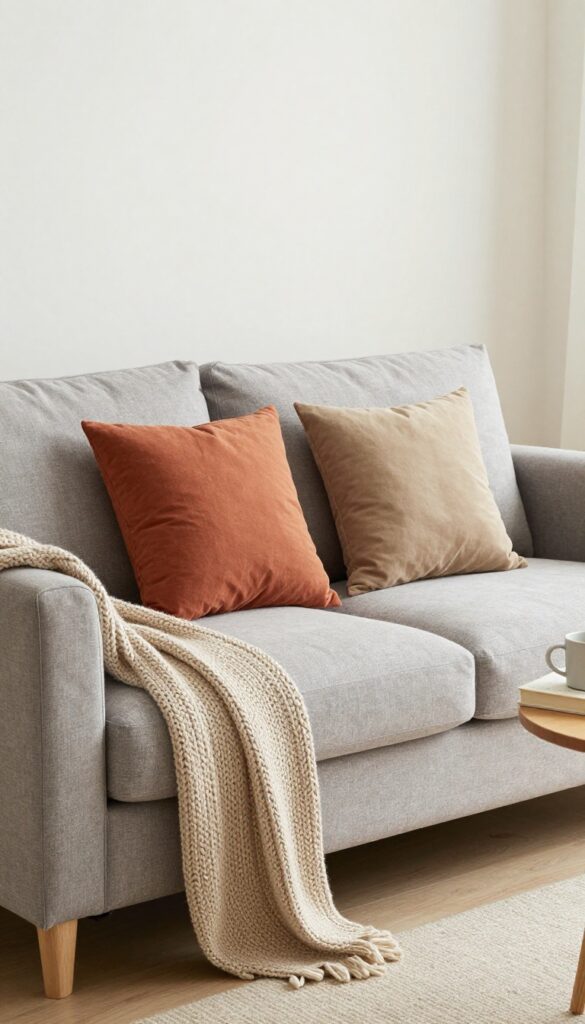
Arms can make a sofa feel bulky and closed off, especially in a tight living room. An armless sofa flips that script—it’s streamlined, open, and surprisingly versatile. Think of it as a daybed that can pull double duty: a cozy spot to stretch out alone or a casual seat for guests.
Without arms getting in the way, you can push it flat against a wall to save floor space or float it in the middle of the room to define a zone without blocking sightlines. It’s a smart, unfussy choice that makes a small space breathe easier.
The beauty of an armless sofa is how it adapts to your layout. Tucked against a wall, it feels like a built-in bench—perfect for a narrow living room or an awkward corner. Floating it in an open-plan space creates a subtle division between the living area and dining nook without closing things off.
The lack of arms also means you can lie down fully, which is a game-changer for afternoon naps or movie marathons. To make it work as a proper lounger, pile on a few soft throw pillows at one end for back support. Choose pillows in warm, earthy tones like terracotta, ochre, or dusty rose to keep the look inviting and lived-in.
A chunky knit throw draped over the side adds texture and a relaxed vibe. For the sofa itself, go with a performance fabric in a neutral like warm gray, beige, or olive—something that hides spills and feels soft to the touch. A low, solid base (think wooden legs or a sleek metal frame) keeps it from looking too heavy.
Add a small side table nearby for drinks or books, and you’ve got a spot that’s both practical and effortlessly cool.
Best Colors And Fabrics
- Stick with warm neutrals or muted earth tones to keep the room feeling cozy. A heathered oatmeal, soft camel, or sage green works beautifully. For fabric, choose a textured weave like a linen-cotton blend or a chenille—they add visual interest without being fussy.
- Avoid anything too shiny or stiff; you want it to feel like a piece you can actually curl up on.
Layout Tip: Float It For Flow
If your living room is long and narrow, try floating the armless sofa perpendicular to the wall to create a natural division. Place a slim console table behind it for extra surface space and to anchor the layout. This trick opens up the room and makes it feel larger by breaking up the floor plan into distinct areas.
Finishing Touch: Layered Pillows
Pillows are essential here—they provide the back support that arms normally would. Use three to four pillows in varying sizes and shapes (lumbar, square, and a round bolster) to create a casual, inviting look. Mix solids with subtle patterns like stripes or ikat, and keep the color palette cohesive with the rest of the room.
3. A Compact Sectional That Tucks Into a Corner
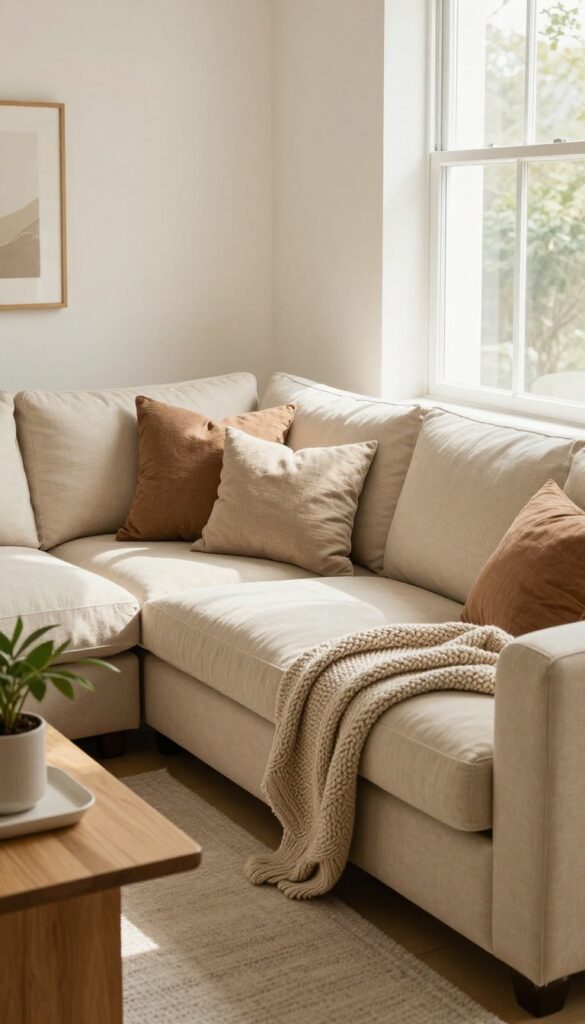
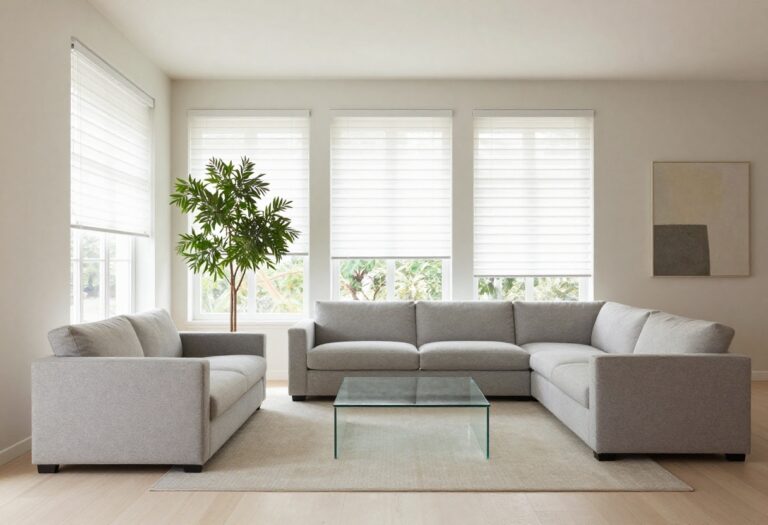
When your living room is on the smaller side, every piece of furniture has to earn its spot. A bulky sofa can swallow the whole space, but a compact L-shaped sectional is a different story. It hugs the corner, opening up the center of the room while still giving you plenty of seating for movie nights or casual hangs.
The key is finding one with a chaise that can be swapped to the left or right, so you can tailor the layout to your room's flow.
Think of it as a smart space hack that doesn't sacrifice comfort. The chaise gives you a spot to stretch out, and the corner configuration naturally defines the seating area without needing a separate chair. It's especially great in open-concept layouts where you want to carve out a cozy zone without walls.
Plus, many compact sectionals come with storage under the chaise or a pull-out bed, making them even more practical for small spaces.
Best Colors
Stick with light, neutral tones like warm beige, soft gray, or cream to keep the room feeling airy. If you want a bolder look, a deep navy or olive green can add richness without overwhelming the space. Just avoid dark, heavy colors that can make the room feel smaller.
Layout Tip
Place the sectional so the chaise is on the side that gets the most traffic—usually near the entrance or the TV. This creates a natural pathway and keeps the flow open. If your room is really tight, look for a sectional with a reversible chaise so you can switch it up later.
Texture Mix
Balance the solid form of the sectional with soft textures. Add a chunky knit throw and a few velvet or linen pillows. A woven basket for extra blankets nearby keeps things cozy and adds natural texture.
4. A Sleeper Sofa That Welcomes Overnight Guests
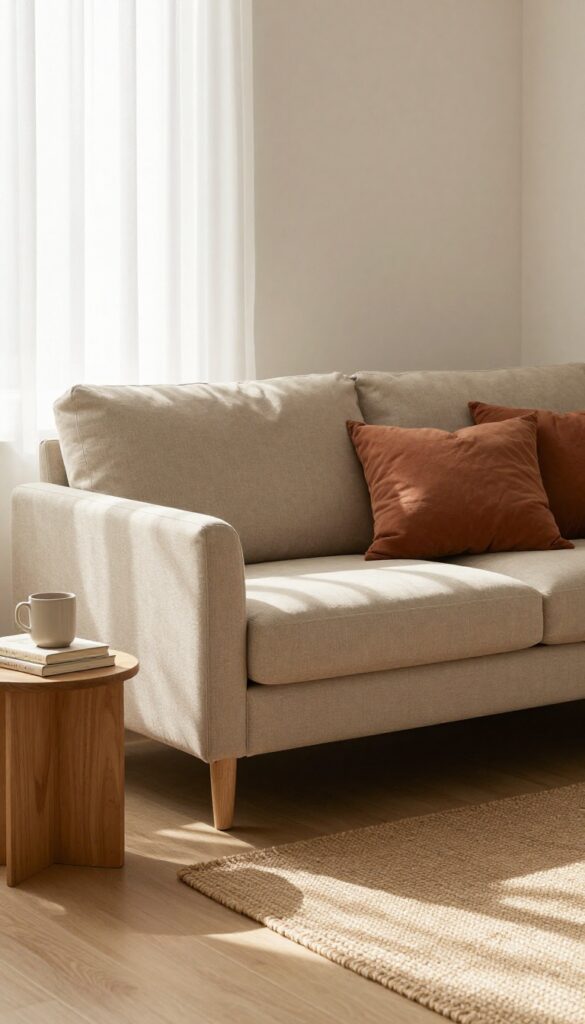
A sleeper sofa used to mean a lumpy mattress hidden under stiff cushions. Not anymore. Today's slim-profile designs fold out easily and often include built-in storage for bedding, so you're not hunting for pillows at midnight.
In a small living room, this piece pulls double duty without screaming "I'm a pullout couch." It keeps the space feeling like a cozy living area during the day and transforms into a real bed at night—perfect for those times when friends crash or family visits.
When you're short on square footage, every piece of furniture needs to earn its spot. A sleeper sofa does exactly that. It's a comfortable place to sit, a spot to nap, and a guest bed all in one.
The key is picking a model with a clean, low-profile frame that doesn't eat up visual space. Look for one with a chaise or a loveseat size if your room is tight. And don't forget to test the pullout mechanism—smooth operation makes all the difference when you're tired and just want to crash.
Best Colors And Fabrics
- Stick with warm neutrals like oatmeal, taupe, or a soft clay to keep the room feeling inviting. Performance fabrics are your friend here—they resist stains and wear, which matters when the sofa doubles as a bed. A textured weave or a subtle tweed adds visual interest without being loud.
- If you want a pop of color, go for a deep olive or a muted rust on the throw pillows instead.
Layout And Placement
- Place the sofa against a wall or in a corner so the pullout has room to extend. Leave at least two feet of clearance in front for the bed to open fully. A small side table on each end gives guests a place for their phone and a glass of water.
- If your room is narrow, consider a twin-size sleeper instead of a full—it saves space and still works for one person.
Storage And Finishing Touches
- Choose a model with a storage compartment under the seat or inside the chaise. Use it to keep extra sheets, a blanket, and a pillow ready to go. Top the sofa with a chunky knit throw and a couple of plush pillows to make it feel lived-in.
- When guests leave, just fold the bedding back into the storage and the room returns to normal in seconds.
5. A Low-Back Sofa That Keeps the Room Open
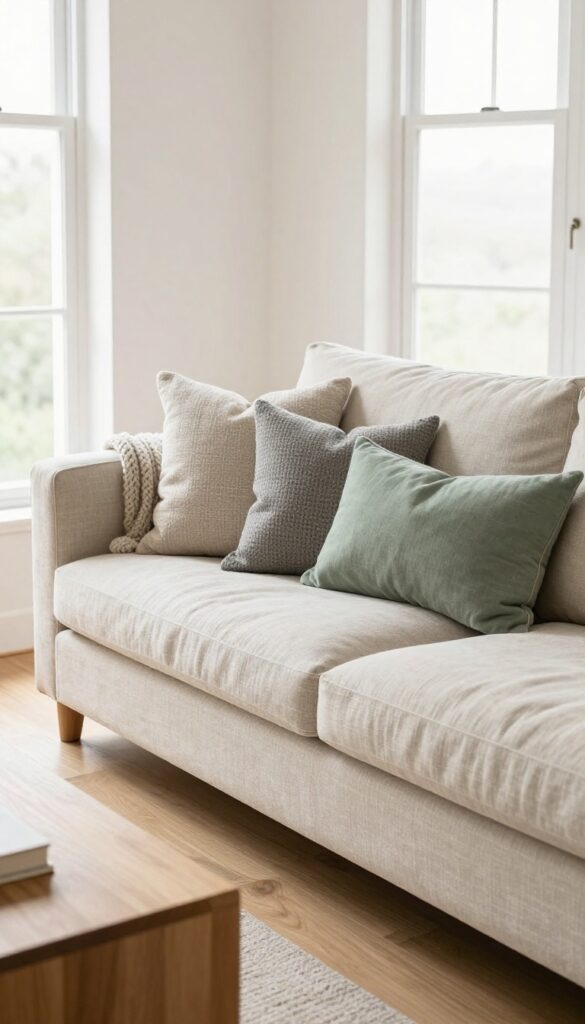
In a small living room, every piece of furniture affects how spacious the space feels. A low-back sofa is a smart choice because it doesn't block sightlines, allowing the eye to travel freely across the room. This makes the whole area feel more open and airy, even if the square footage is tight.
Plus, it fits beautifully under a window without covering up too much natural light—a huge win for cozy, well-lit spaces.
A low-back sofa is all about visual lightness. Instead of a tall, bulky silhouette that can feel overwhelming in a compact room, this style keeps things grounded and breezy. The lower profile also makes the ceiling seem higher, which is a classic trick for small spaces.
You get the seating you need without the visual weight. And because it doesn't compete with windows or artwork, it blends right into the room's architecture. For a warm, lived-in feel, look for soft, rounded edges and a slightly relaxed cushion—nothing too stiff or formal.
This sofa says, "Come sit and stay a while," without shouting for attention.
Best Materials For A Cozy Look
- Since the sofa is low and open, the fabric is key to setting the mood. Go for natural textures like linen, cotton, or a soft wool blend. These materials add warmth and feel inviting without being too fancy.
- A light beige, warm gray, or soft sage green keeps the room airy, while a chunky knit throw or a few textured pillows bring in that lived-in comfort. Avoid slick, shiny fabrics—they can feel cold and uninviting in a small space.
Layout Tip: Float It For Flow
- Instead of pushing the low-back sofa against the wall, try floating it a few feet into the room. This creates a natural walkway behind it and makes the space feel larger. Place a slim console table behind the sofa for lamps or books, or just leave it open to keep the sightlines clear.
- In a narrow living room, this trick can make all the difference—suddenly, the room breathes.
Finishing Touch: Low-profile Accents
- To keep the open vibe going, pair your low-back sofa with low-profile coffee tables and side tables. Think slim metal legs, glass tops, or light wood. Avoid chunky pieces that block the view.
- A simple tray on the coffee table with a candle and a small plant adds style without clutter. The goal is to let the sofa be the star while everything else stays visually quiet.
6. A Bench-Style Sofa for Clean, Uncluttered Lines
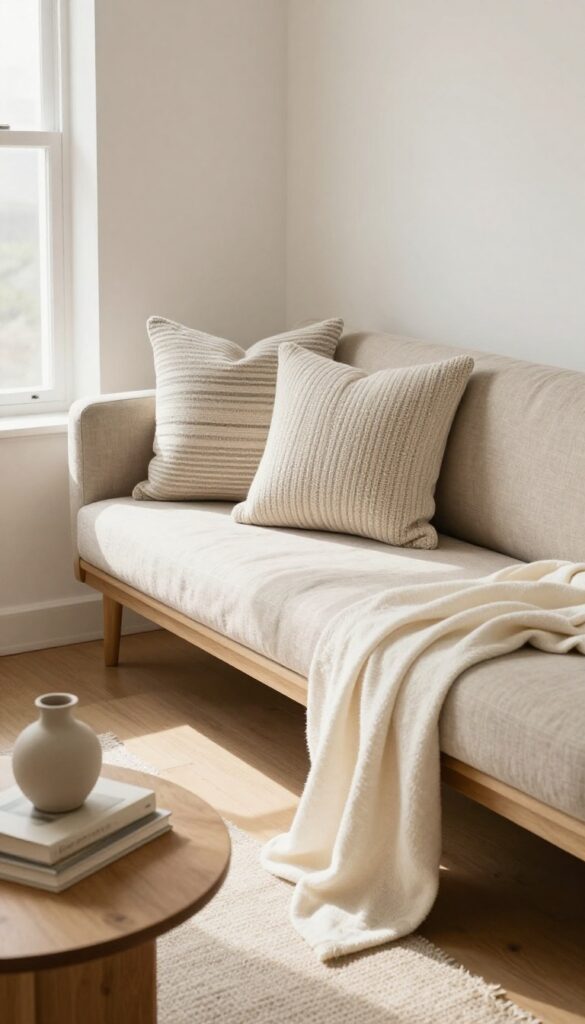
A bench-style sofa is basically a long, straight seat with a matching back—no curves, no tufting, just clean lines. In a small living room, that simplicity works wonders because it doesn't visually crowd the space. The straight shape also makes it easy to tuck into tight corners or align neatly along a wall.
Despite its minimal frame, it can feel warm and inviting when you layer on soft cushions and a chunky throw.
Bench-style sofas have a simple, straight-across seat and back, which looks streamlined in a small space. They're easy to dress up with textured cushions and a throw.
Best Fabrics For A Cozy Vibe
- Since the silhouette is so clean, the fabric does a lot of the heavy lifting for comfort. Go with a soft cotton or linen blend in a neutral like oatmeal or warm gray. If you want a bit more texture, a chenille or a washed velvet adds that lived-in softness without looking fussy.
- Avoid stiff leather or shiny materials—they can make the bench feel cold and uninviting.
Cushion And Throw Styling
- Because the seat is one long cushion, it can feel a little flat on its own. Break it up with two or three square cushions in different sizes and textures—think a chunky knit, a linen weave, and maybe one in a subtle stripe. Drape a soft throw over one end, not perfectly folded, just tossed casually.
- That little bit of imperfection makes the whole sofa feel relaxed and ready to curl up on.
Small-space Layout Tip
- Bench-style sofas are fantastic for narrow rooms because they don't have bulky arms that eat into walkways. Place it against the longest wall, and then pull a small round coffee table or a couple of poufs in front. The lack of arms also means you can push the sofa right into a corner, making use of every inch.
- Add a slim console table behind it if the room allows—it doubles as a spot for lamps and books without taking up floor space.
7. A Sofa with Storage Under the Seat
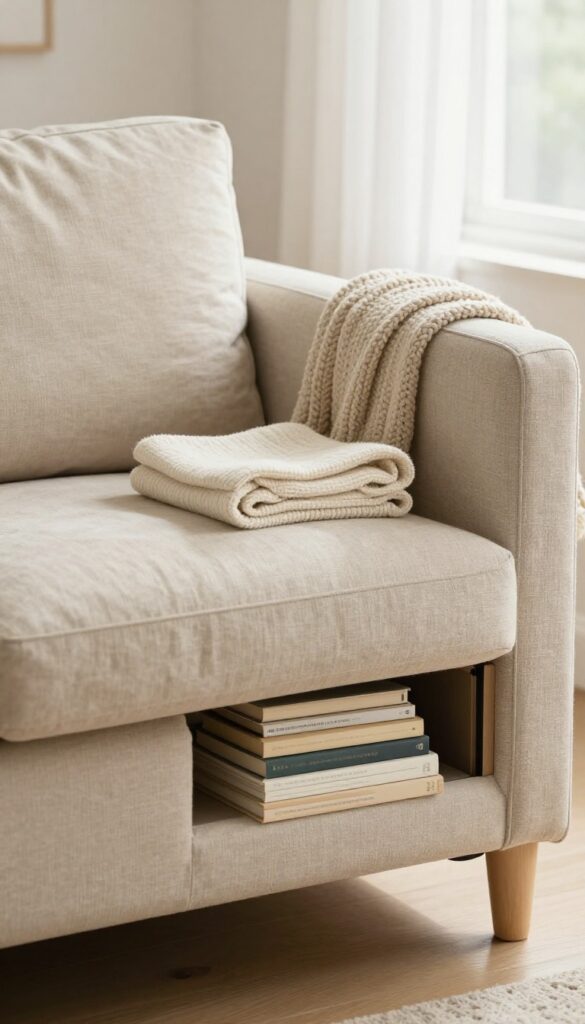
Small spaces demand smart solutions, and a sofa that hides storage right under where you sit is about as clever as it gets. It's not just a place to crash—it's a secret stash for all the things that would otherwise pile up on the coffee table or floor. Think cozy blankets, a stack of books, or even board games for impromptu game nights.
The best part? It looks like a regular sofa, so no one has to know your clutter is tucked away.
In a small living room, every square inch counts. A sofa with built-in storage under the seat cushions is a game-changer because it turns an essential piece of furniture into a multifunctional workhorse. You don't need a separate ottoman or trunk—the sofa itself does double duty.
And because the storage is hidden, the room stays visually clean and uncluttered. It's especially handy in apartments where closet space is tight. Plus, many of these sofas come in stylish designs that don't scream "storage unit." Look for models with a lift-up seat mechanism or pull-out drawers for easy access.
The key is to choose one that blends seamlessly with your decor while giving you that extra space to breathe.
Best Fabrics And Colors
- For a warm, lived-in feel, go with soft, textured fabrics like linen, cotton blends, or chenille. These materials feel cozy and inviting, and they hide minor stains better than sleek leather. In terms of color, earthy neutrals like warm beige, taupe, or a muted olive green work beautifully.
- They keep the room feeling open and airy, which is crucial in a small space. If you want a pop of personality, a deep rust or mustard yellow can add warmth without overwhelming the room.
Storage Tip: Organize Inside
- The storage compartment can become a black hole if you're not careful. Use small baskets or fabric bins inside to keep things sorted. Designate one bin for blankets, another for books, and maybe a third for electronics or kids' toys.
- That way, you can grab what you need without digging through a pile. Also, consider the depth of the storage—some sofas have shallow compartments, so bulky items might not fit. Measure your largest blanket or board game before you buy.
Layout And Placement
- In a small living room, every inch matters. Place the sofa against the longest wall to maximize floor space, or float it in the center if you have an open-concept layout. Avoid pushing it into a corner unless the room is very narrow—corner placement can make the space feel cramped.
- Instead, leave a few inches between the sofa and the wall for a slim console table or a floor lamp. This creates a sense of depth and gives you a spot for a drink or a plant.
8. A Two-Seater with a High Back for Cozy Nooks
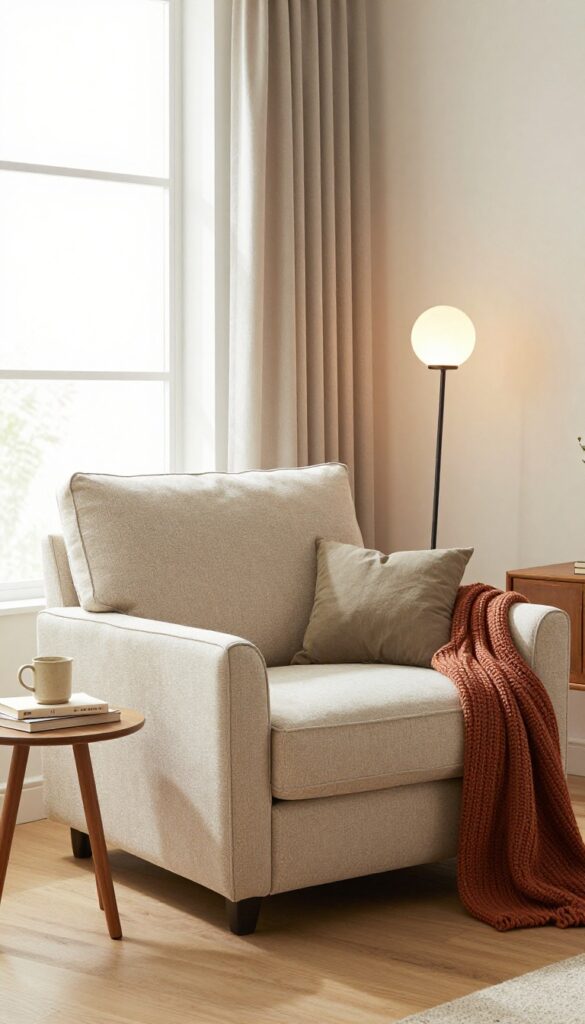
Tucking a sofa into a tight spot doesn't mean you have to sacrifice comfort or style. A high-backed two-seater is practically made for those awkward narrow walls or under a window where a full-size couch would feel cramped. The tall back creates a sense of enclosure, making the seat feel like a little escape—perfect for curling up with a book or a cup of tea.
It's a smart way to turn an unused corner into a destination.
In a narrow room or alcove, a high-backed two-seater creates a cozy, intimate feel. Pair it with a small round side table and a floor lamp for a reading corner. The high back also helps define the zone visually, so even in an open layout, this nook feels like its own little room.
Go for a warm fabric like chenille or a textured weave to keep it inviting. A soft throw and a couple of pillows in complementary tones finish the look without overwhelming the space.
Best Colors
Stick with warm neutrals like oatmeal, taupe, or a muted rust to keep the nook feeling snug. If you want a bit of depth, a deep olive or navy can work beautifully without making the area feel smaller. Avoid stark white or cold grays—they can make the corner feel flat rather than cozy.
Layout Tip
Place the two-seater against the longest available wall, but leave at least a few inches of breathing room behind it. Angle a small round side table on one side—square tables can feel too boxy in a tight spot. A floor lamp with a warm bulb on the other side adds both light and height, drawing the eye upward and making the nook feel larger.
Finishing Touch
Add a chunky knit throw in a contrasting texture, like a cable knit or a tasseled weave, draped over one arm. This not only looks inviting but also signals that this seat is meant for relaxing. A small tray on the side table for a mug or remote keeps things tidy without clutter.
9. A Modular Sofa That Grows with Your Needs
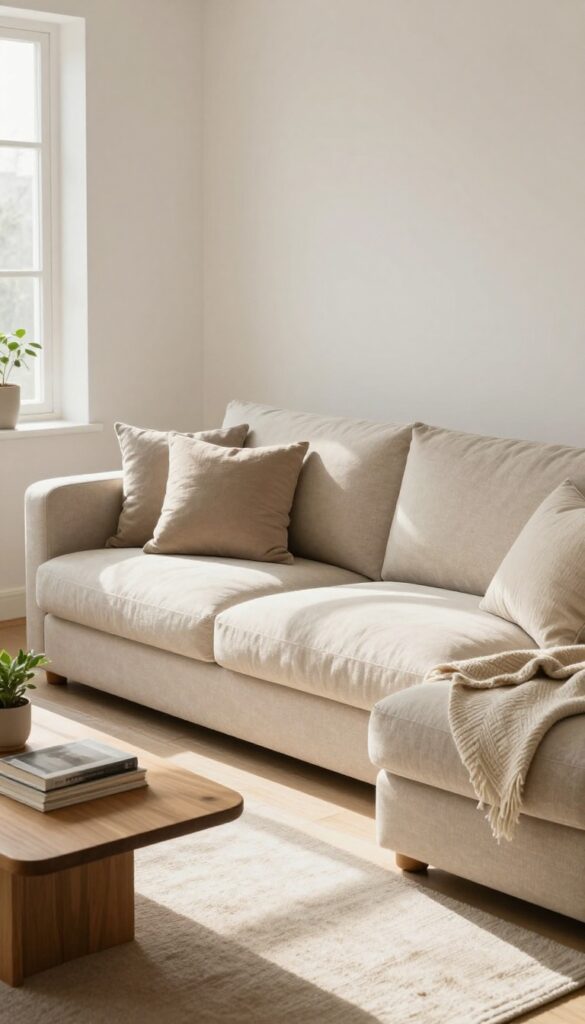
Small spaces change over time—maybe you start with a tiny apartment and later add a home office nook in the same room. That’s where a modular sofa shines. Instead of buying one fixed piece that might feel too big or too small later, you can start with a couple of seats and build outward as your layout or lifestyle shifts.
The beauty is in the flexibility: you can reconfigure it for movie night, a gathering with friends, or even a makeshift guest bed.
Modular sofas are the ultimate shape-shifters for compact living rooms. They typically come in separate sections—like armless chairs, corner pieces, ottomans, and chaises—that you can arrange in endless combinations. Start with a simple two-seater and a matching ottoman; later, add a corner piece to create an L-shape, or swap the ottoman for a chaise when you want to stretch out.
Many brands offer storage ottomans or pull-out sleepers within the same system, so you’re not sacrificing function. The key is choosing a style that feels warm and lived-in, not cold and corporate. Look for soft, rounded edges, plush cushions, and fabrics that invite you to curl up—like a cozy chenille or a textured bouclé.
Stick to neutral tones like warm gray, beige, or soft taupe to keep the room feeling open, then layer in color through pillows and throws. This way, your sofa adapts not just to your space, but to your evolving taste.
Best Fabrics For A Cozy Feel
- Since modular sofas are built to be rearranged, you want a fabric that’s durable but still soft to the touch. Performance velvets are a fantastic choice—they have a subtle sheen that catches light and a plush hand that makes the sofa feel inviting. Another great option is a textured linen blend, which adds visual interest without being scratchy.
- If you have pets or kids, look for high-performance polyester or microfiber that resists stains and pilling. Avoid stiff leather or slick materials—they can make the space feel cold and less lived-in.
Layout Tip: Start Small, Then Expand
- Begin with a two-seat configuration and a separate ottoman. Place the ottoman across from the sofa as a coffee table alternative, or tuck it beside the seats for extra lounging. As your needs grow, add a corner wedge to create an L-shape that defines the seating area without overwhelming the room.
- In a narrow living room, keep the sofa against one wall and use the ottoman as a movable perch. For a square room, float the modular pieces in the center to create a natural walkway behind them.
Finishing Touch: Pillows That Tie It Together
- Because modular sofas often have clean lines, pillows are your best friend for adding warmth and personality. Mix textures—a chunky knit, a velvet square, and a linen lumbar—in colors that echo the room’s palette. Stick to two or three hues, like warm terracotta, cream, and a muted olive, to keep the look intentional.
- Avoid too many patterns; instead, let one or two patterned pillows stand out against solid ones. This small effort makes the sofa feel custom and instantly more inviting.
10. A Sofa with Exposed Legs for an Airy Look
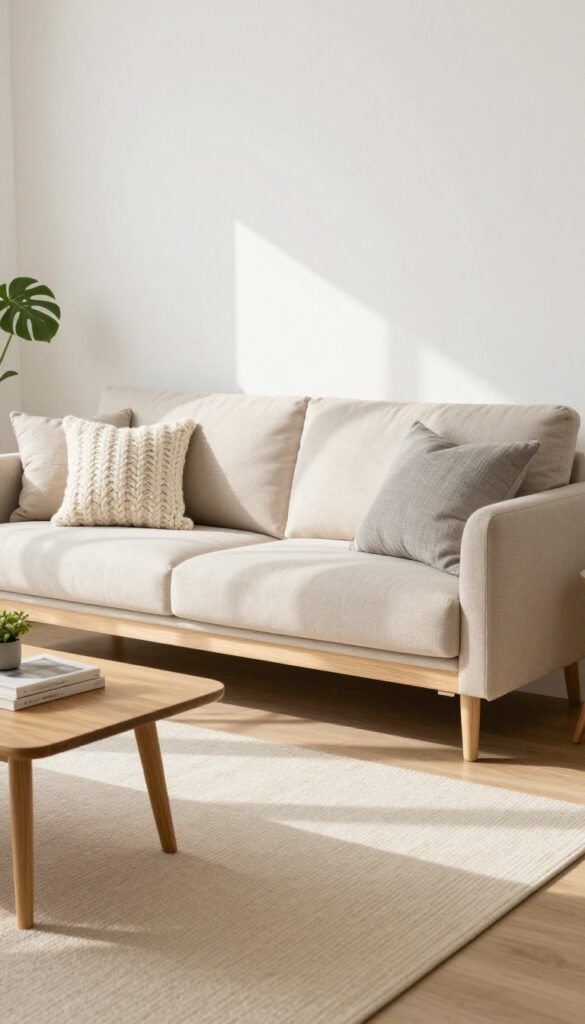
Exposed legs lift the sofa off the floor, creating a sense of openness that's perfect for small living rooms. When you choose slim metal or wooden legs in a light finish, the whole room feels lighter and less cramped. This trick works especially well in tight spaces where every inch of visual breathing room counts.
A sofa with exposed legs instantly makes a small living room feel more spacious. The gap underneath allows light to flow through, reducing visual weight and making the furniture appear to float. For a warm, lived-in vibe, pair it with a low-profile rug that doesn't compete for attention.
This style also makes cleaning underneath a breeze—a practical bonus for busy homes.
Best Materials For Legs
Slim metal legs in matte black or brushed brass add a modern touch, while tapered wooden legs in light oak or walnut bring warmth. For a cohesive look, match the leg finish to other metal or wood accents in the room, like lamp bases or picture frames.
Rug Pairing Tip
Choose a rug that sits under the front legs only, or go for a smaller rug that leaves the back legs exposed. This keeps the airy effect intact and prevents the sofa from feeling swallowed by the floor covering. A flatweave or low-pile rug works best to maintain a clean, streamlined silhouette.
Finishing Touch
Add a chunky knit throw or a few textured cushions to soften the look without weighing it down. Stick to light, neutral tones like cream, beige, or soft gray to keep the space feeling open and inviting.
11. A Curved Sofa That Softens Sharp Corners
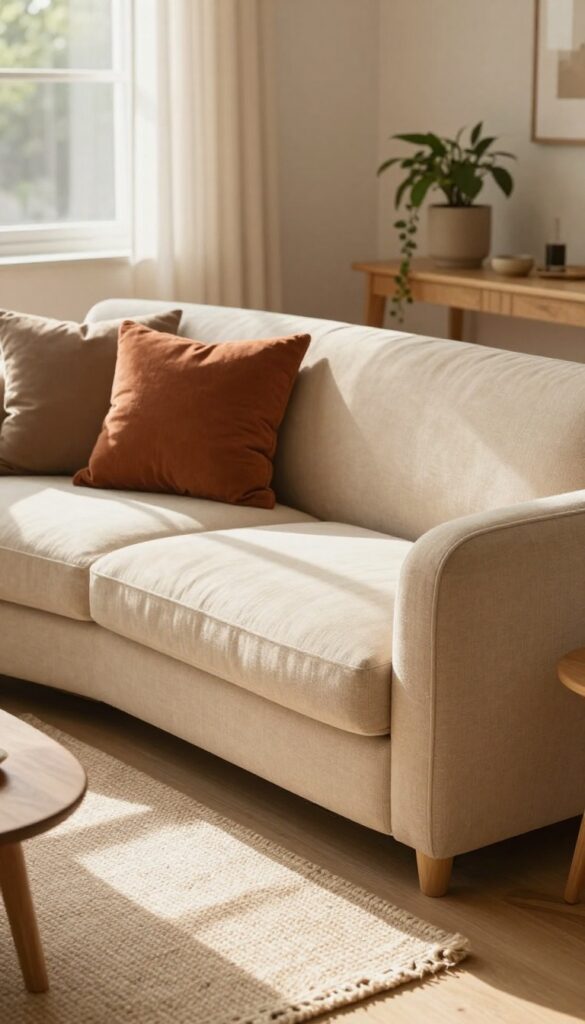
A curved sofa is one of those pieces that instantly makes a room feel more inviting. Instead of the usual boxy silhouette, the rounded shape softens the visual edges of your space and creates a natural flow. In a small living room, this can be a game-changer because it gently guides movement around the furniture rather than blocking it.
Plus, placing a curved sofa in the center of the room—rather than against a wall—actually makes the area feel more spacious and open.
Curved sofas have a way of making a small living room feel both cozy and airy. The organic shape breaks up all the straight lines from walls, windows, and other furniture, which instantly relaxes the overall look. Because the back is rounded, it doesn't create a hard visual barrier, so your eye travels smoothly around the room.
This makes the space feel larger than it actually is. For a warm, lived-in vibe, choose a fabric in a soft neutral like oatmeal, warm beige, or dusty rose. The key is to avoid anything too stiff or formal—think soft, touchable textures that invite you to sink in.
Best Colors For A Cozy Feel
- Stick with warm, earthy tones that enhance the relaxed mood. Cream, taupe, terracotta, or a muted sage green all work beautifully. These colors feel grounded and pair well with natural wood and soft lighting.
- If you want a little contrast, add a few throw pillows in a deeper shade like rust or chocolate brown.
Layout Tip: Float It In The Room
- Instead of pushing the sofa against a wall, try floating it a few feet into the room. This creates a natural divide between the seating area and the rest of the space, like an entry or dining nook. Leave enough room behind the sofa for a slim console table or a couple of floor plants.
- The rounded back will look just as good from behind as it does from the front.
Texture Mix For A Lived-in Look
Balance the smooth curve of the sofa with chunky knit throws, linen pillows, and a nubby wool rug. The contrast in textures keeps the room from feeling too polished or one-note. A woven basket for extra blankets adds another layer of warmth and practicality.
12. A Sofa with a Matching Ottoman for Flexible Seating
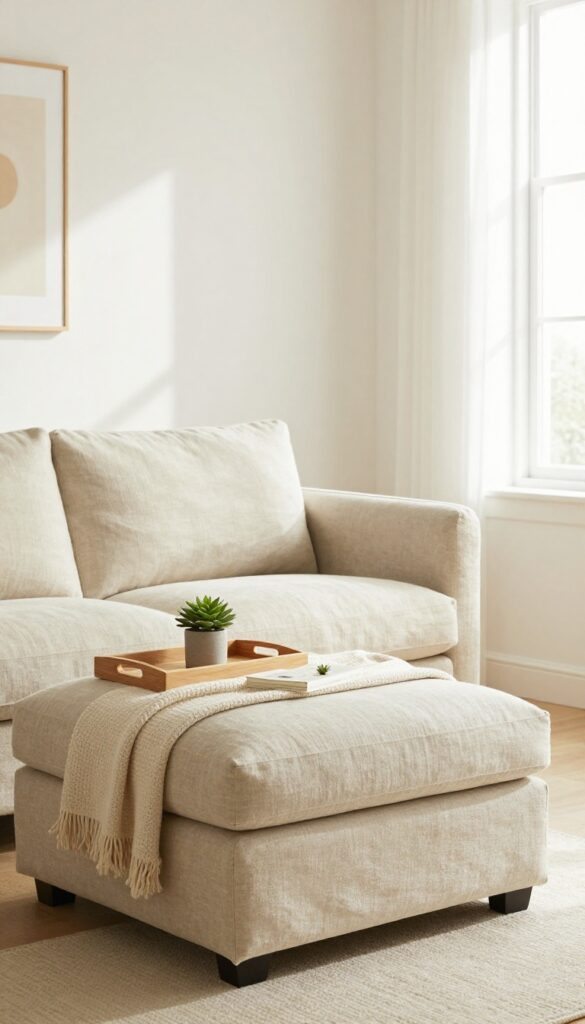
An ottoman might not seem like a big deal, but it can completely change how you use your sofa. In a small living room, every piece needs to earn its spot, and a matching ottoman does exactly that—offering extra seating, a footrest, or even a coffee table when you top it with a tray. It keeps the room feeling open while adding that lived-in, relaxed vibe you want.
When your sofa comes with a matching ottoman, you get a built-in flexibility that's hard to beat. Push it against the sofa for a chaise lounge effect on movie nights, pull it out for guests, or place a tray on top for drinks and remotes. The key is choosing one that matches your sofa's fabric and color so it blends in seamlessly, making the whole setup feel intentional rather than thrown together.
Best Colors And Fabrics
Stick with the same upholstery as your sofa for a cohesive look. Neutral tones like warm beige, soft gray, or dusty blue work well in small spaces because they don't visually clutter the room. For a cozy feel, go with a textured fabric like linen or cotton twill—it adds depth without being too formal.
Layout Tip
Place the ottoman directly in front of the sofa, leaving about 18 inches of space for easy walking. If your room is extra tight, use a smaller ottoman that can tuck under a console table when not in use. This keeps the floor plan open while still having that extra seat ready when you need it.
Styling Detail
Top the ottoman with a wooden or woven tray to create a stable surface for drinks, books, or a small plant. Add a cozy throw draped over one corner to soften the look and make it feel lived-in. This little touch turns a simple ottoman into a functional decor piece that ties the whole room together.
13. A Brightly Colored Sofa That Becomes the Focal Point
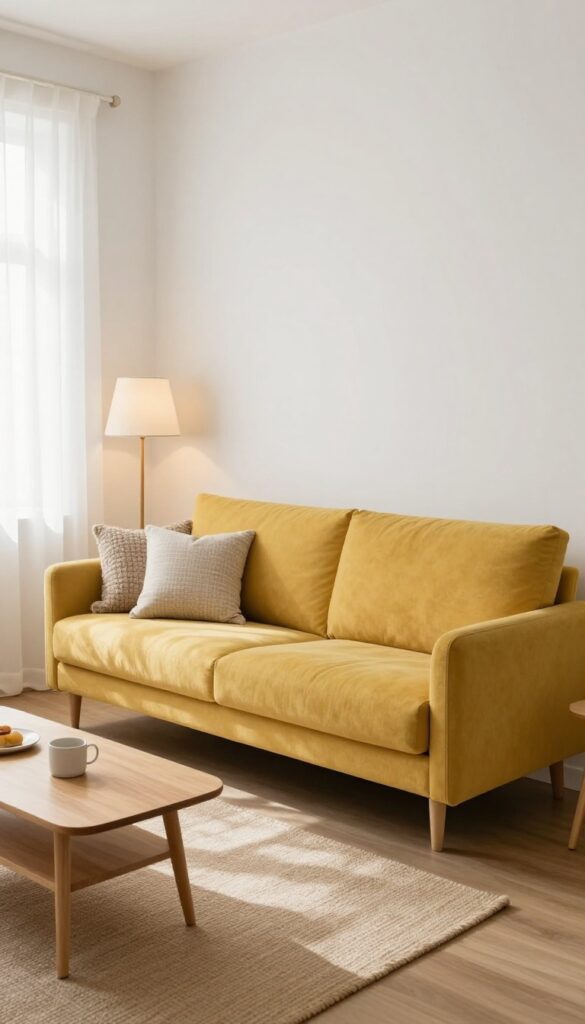
Small living rooms often play it safe with beige or gray sofas, but a bold color can actually make the space feel bigger by drawing the eye and creating a clear anchor. A mustard, teal, or blush sofa adds instant personality without taking up any extra square footage—it’s all about letting one piece do the heavy lifting. Keep the rest of the room simple and neutral, and you’ve got a cozy, lived-in look that feels intentional, not chaotic.
In a small neutral room, a bold sofa in mustard, teal, or blush adds personality without taking up extra space. Let it be the star and keep other furniture simple.
Best Colors For A Small Space
Mustard yellow brings warmth, teal adds depth, and blush keeps things soft. Stick with one saturated hue and echo it subtly in pillows or a throw to tie the room together without overwhelming it.
Layout Tip: Float It
Instead of pushing the sofa against the wall, try floating it a few inches away. This creates a little breathing room behind it and makes the seating area feel more defined—perfect for open-plan small spaces.
Finishing Touch: Neutral Surroundings
Pair your colorful sofa with a light coffee table, a jute rug, and sheer curtains. Keep wall art minimal and let the sofa be the main event. A single floor lamp with a warm bulb completes the cozy vibe.
14. A Sofa with a Slim Profile and No Skirt
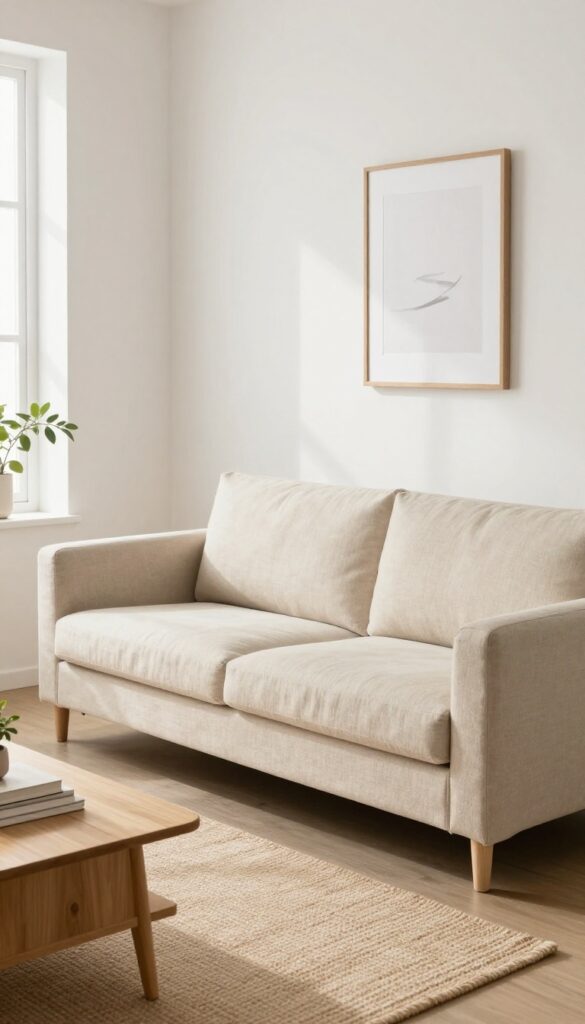
Skirted sofas have their place, but in a small living room, they can feel like they're taking up more visual space than they actually do. A slim, skirtless design with clean lines and visible legs does the opposite—it keeps the weight low and the room feeling modern and airy. Plus, you can actually see the floor underneath, which is a sneaky way to make a compact space feel bigger.
When you're working with limited square footage, every inch counts. A sofa with a slim profile and exposed legs creates a sense of openness that a bulky, skirted sofa just can't match. The legs lift the piece off the ground, letting light flow under it and making the room feel less crowded.
This style works especially well in open-concept layouts or apartments where you want to define the living area without boxing it in. Look for a frame that's streamlined—think straight arms, a low back, and minimal cushioning. The goal is to avoid anything that adds unnecessary bulk.
In terms of color, lighter neutrals like warm beige, soft gray, or even a muted blush keep the look airy, but a deeper shade like charcoal or navy can work if you balance it with light walls and a pale rug. The key is to let the sofa's silhouette do the heavy lifting.
Best Materials For A Sleek Look
- Since the sofa's shape is the star, choose a material that highlights the clean lines. A performance linen or cotton blend gives a relaxed, lived-in feel without looking sloppy. For a bit more polish, a velvet in a muted tone adds texture and depth, but stick to a low-pile version so it doesn't overwhelm the slim frame.
- Leather is another great option—it ages beautifully and gets softer over time, plus it's easy to clean. Avoid heavy chenille or thick tweeds, which can make even a sleek sofa look chunky.
Layout Tip: Let The Legs Show
- One of the biggest advantages of a skirtless sofa is that you can style the area underneath. Place the sofa on a rug that extends at least a few inches past the legs, so the rug anchors the space without hiding the legs. In a small room, consider floating the sofa away from the wall by a few inches—this creates a narrow walkway behind it and makes the room feel larger.
- If your sofa has metal or wooden legs, choose a finish that complements your other furniture. Light wood legs keep things airy, while black metal adds a touch of industrial contrast.
Cozy Detail: Add Warmth Without Weight
- A slim sofa can sometimes feel a bit stark, so layer in softness with a chunky knit throw draped over one arm and a couple of textured pillows in complementary tones. Stick to just two or three pillows to maintain the clean lines. A round coffee table or a soft ottoman in front of the sofa can balance the straight edges and add a cozy, inviting feel.
- The goal is to keep the room feeling warm and lived-in without sacrificing the airy, uncluttered vibe that makes a small space work.
15. A Vintage-Inspired Sofa with Character
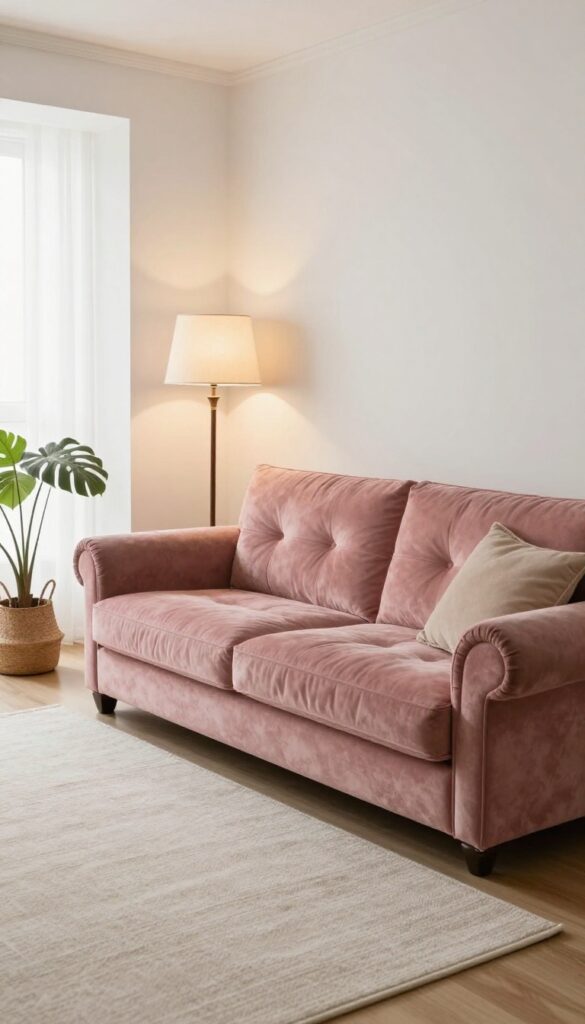
There’s something about a vintage-inspired sofa that instantly makes a small living room feel like it has a story. Think tufted back, rolled arms, and maybe a worn-in velvet or linen fabric. These sofas tend to have a shorter depth—usually around 34 to 36 inches—which means they won’t swallow your floor space.
That compact footprint is exactly what a tight room needs, but the classic silhouette still brings warmth and personality.
A small vintage sofa with tufting or rolled arms brings warmth and history. Look for one with a shorter depth so it doesn't overwhelm the room. Pair it with a light, neutral rug and a couple of throw pillows in muted tones to keep the look airy.
The key is choosing a piece that feels curated, not cramped.
Best Colors And Fabrics
Stick with warm, faded hues like dusty rose, olive, or a soft mustard. Velvet adds a touch of luxury, while linen keeps it casual and breathable. Avoid dark, heavy colors that can make a small room feel smaller.
Layout Tip
Place the sofa against the longest wall to open up the center of the room. If space allows, angle a small side table next to it instead of a bulky coffee table. This keeps the flow open and makes the sofa feel like a natural focal point.
Finishing Touch
Add a vintage-style floor lamp with a fabric shade beside the sofa. The warm glow softens the room and highlights the sofa’s curves. A low-profile plant in a woven basket on the opposite side balances the look without adding visual weight.
FAQ
What size sofa is best for a small living room?
A sofa around 60 to 72 inches wide works well for most small spaces. Measure your room first and leave at least 18 inches of walking space in front of the sofa.
Can I fit a sectional in a small living room?
Yes, but choose a compact L-shaped or modular sectional that fits into a corner. Avoid oversized pieces with a deep seat that eat up floor space.
How do I make a small living room with a sofa feel bigger?
Use a sofa with exposed legs, light-colored upholstery, and a low back. Add mirrors and keep the coffee table small or use nesting tables.
What color sofa is best for a small space?
Light neutrals like beige, light gray, or cream keep the room airy. If you want color, go for a bold shade as a statement piece and keep walls and floors neutral.
Should I get a sofa with storage for a small room?
Absolutely. A sofa with built-in storage under the seat is a great way to hide blankets, pillows, or magazines without adding extra furniture.
Conclusion
Choosing the right sofa for a small living room comes down to balancing scale, function, and style. Whether you go for a slim loveseat, a compact sectional, or a storage-friendly design, the goal is to create a space that feels open and inviting. Remember, a small room doesn't have to feel cramped.
With the right sofa, you can have a cozy spot that still leaves room for everything else you love. Happy decorating!