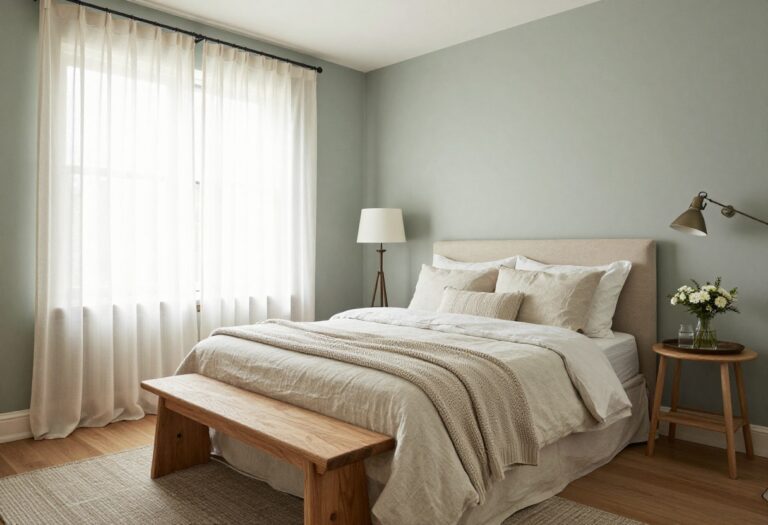
15 Living Room Decoration Ideas That Finish the Room
Your living room should feel like a hug at the end of a long day. But pulling together a space that's both stylish and comfortable can feel tricky, especially when you're watching your wallet. The good news?
You don't need a big budget to create a room that feels finished and inviting. These 15 ideas prove that small, intentional changes make the biggest difference. From swapping out a lamp to rearranging what you already own, each tip helps you layer in warmth without the splurge.
Ready to give your living room that cozy, put-together feel? Let's dive in.
1. Swap in Warm Lighting
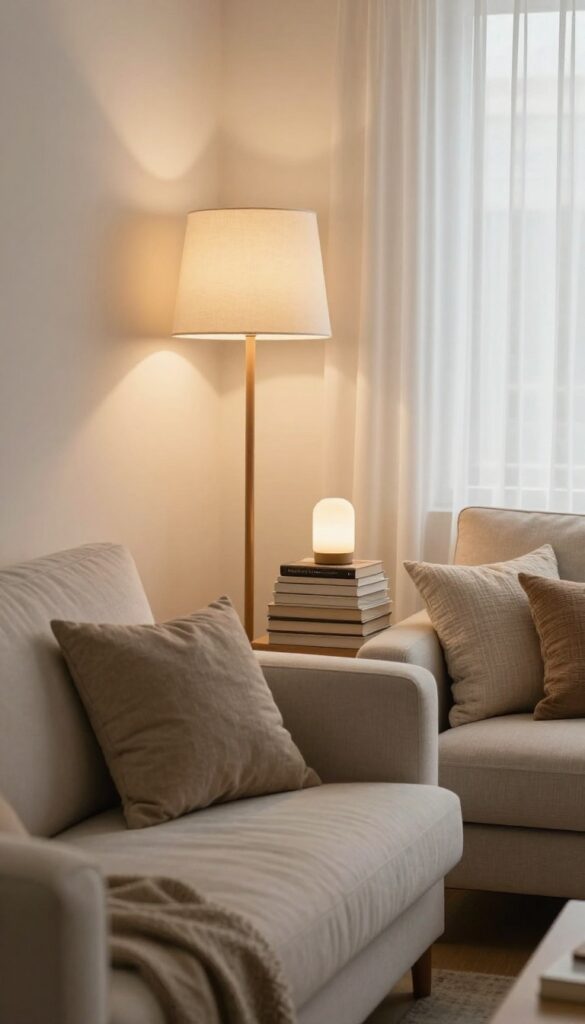
Lighting is the quickest way to change a room’s mood without spending much money. If your living room feels harsh or uninviting, the culprit is often cool white bulbs. Swapping them for warm-toned LEDs (2700K–3000K) softens every surface and makes the space feel instantly cozier.
Layering multiple light sources at different heights adds depth and eliminates shadows, turning a flat room into a welcoming retreat.
Start by replacing overhead bulbs with warm white LEDs. Then add a floor lamp in a corner and a table lamp on a side table or console. The goal is to create pools of light that draw the eye around the room.
Dimmer switches are a budget-friendly upgrade that let you adjust brightness throughout the day. Warm lighting works with any decor style, but it especially enhances neutral palettes and natural textures.
Lighting Tip
Aim for at least three light sources in the room: ambient (overhead or floor lamps), task (reading lamp), and accent (spotlight on art or a plant). Use warm bulbs in all of them to keep the color temperature consistent.
Budget-Friendly Swap
- Replace cool bulbs with warm LEDs for under $20. If you have existing fixtures, just change the bulbs. No need to buy new lamps.
- Look for bulbs labeled "soft white" or "warm white" around 2700K.
Cozy Detail
Place a table lamp on a low shelf or stack of books to create a soft glow at eye level. This adds warmth without overwhelming the space. A small lamp with a fabric shade diffuses light beautifully.
2. Thrift a Statement Coffee Table
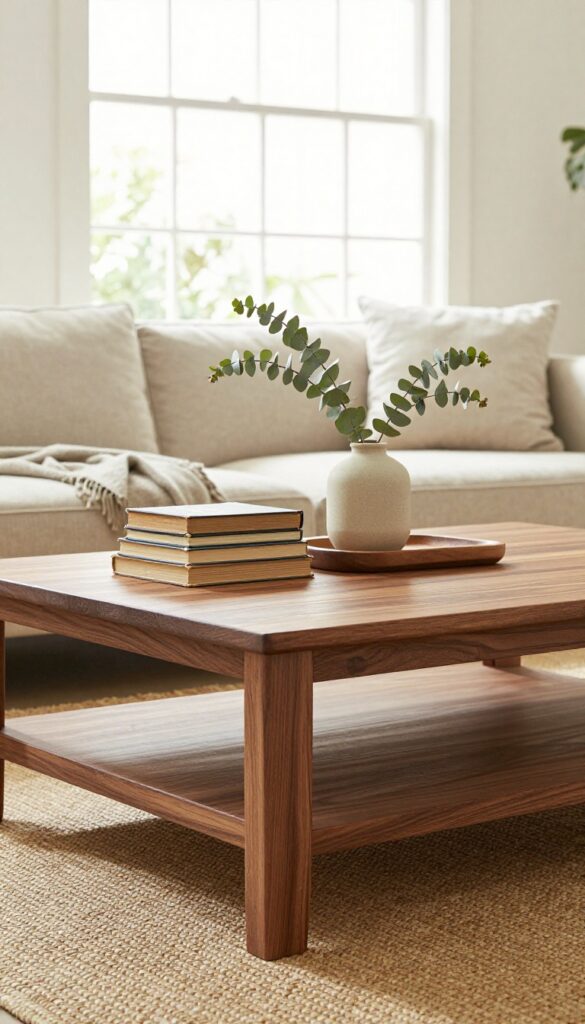
A coffee table is often the centerpiece of a living room, but that doesn't mean you have to spend a fortune. Thrift stores and flea markets are goldmines for solid wood tables just waiting for a second life. With a little sanding and a fresh coat of stain, you can transform a $20 find into a one-of-a-kind piece that adds warmth and character to your space.
Hunting for a wooden coffee table at a thrift store or flea market is a budget-friendly way to get a unique piece that feels intentional. Look for tables with good bones—solid wood, sturdy legs, and a shape that fits your room. A quick sand and stain can turn a tired piece into a warm, inviting centerpiece that anchors the room without breaking the bank.
What To Look For
- Focus on solid wood tables—avoid particleboard or veneer that can't be refinished. Look for simple, classic shapes like rectangular or round, and check for stability. Even if the finish is scratched or stained, that's easy to fix.
- A little patience pays off.
Finishing Touch
After sanding, choose a stain that complements your room's warm tones—like walnut or mahogany. Seal with a matte polyurethane for durability. Style the table with a stack of books, a ceramic vase, and a small tray to keep it functional and cozy.
Budget-Friendly Swap
If you can't find a thrifted table, check Facebook Marketplace or Craigslist for used solid wood tables. Often people sell them cheap just to get rid of them. A little elbow grease saves big money.
3. Add a Chunky Knit Throw
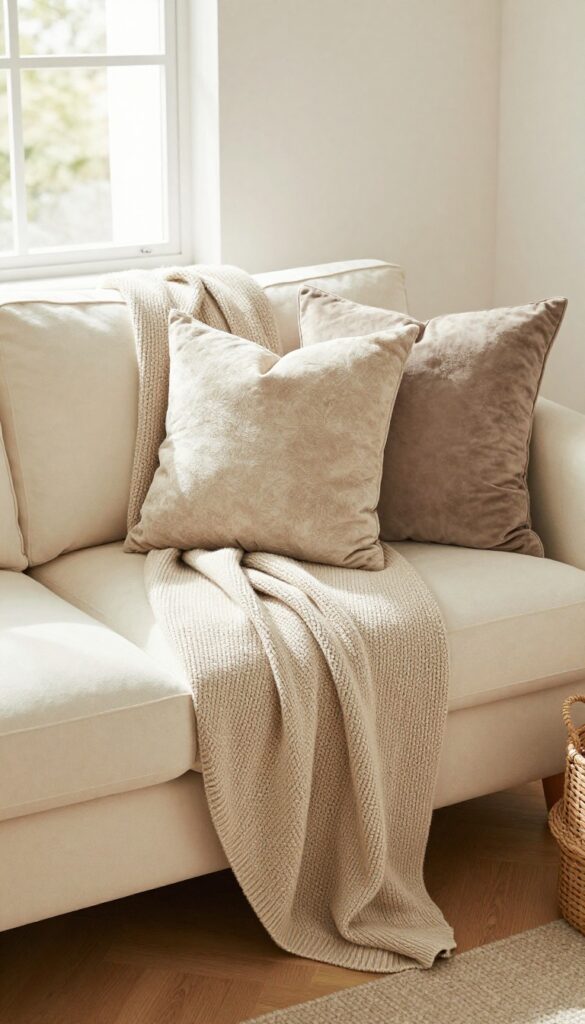
Nothing says cozy quite like a chunky knit throw draped over the edge of your sofa. The thick, textured yarn instantly adds warmth and visual interest without taking up much space. And the best part?
You don't have to spend a fortune—affordable options are easy to find at discount home stores or online.
A chunky knit throw is one of the simplest ways to introduce texture and a relaxed, inviting feel to your living room. The oversized stitches create a soft, sculptural look that contrasts beautifully with smoother surfaces like leather or velvet. Choose a neutral cream, oatmeal, or light gray to keep it versatile, or go for a muted earthy tone like rust or sage for a subtle pop of color.
Drape it loosely over the back of the sofa or fold it neatly on an armchair—either way, it signals that this is a room meant for relaxing.
Best Colors
Stick with warm neutrals like cream, beige, or taupe for a timeless look that blends with any color scheme. If you want a bit more personality, try a soft blush, dusty blue, or deep charcoal. The key is to choose a shade that complements your existing pillows and rug without clashing.
Budget-Friendly Swap
Real chunky knits can be pricey, but you can get the same look with a cable-knit or faux chunky throw made from acrylic or a cotton blend. Check stores like Target, HomeGoods, or Amazon for options under $40. Another tip: look for "chunky knit blanket" in the clearance section after the holiday season.
Styling Tip
For maximum visual impact, layer the throw with a few textured pillows—think velvet, faux fur, or woven linen. Drape it so the folds create natural curves, and let one corner hang slightly off the edge. This relaxed styling makes the room feel lived-in and effortlessly cozy.
4. Layer Secondhand Rugs
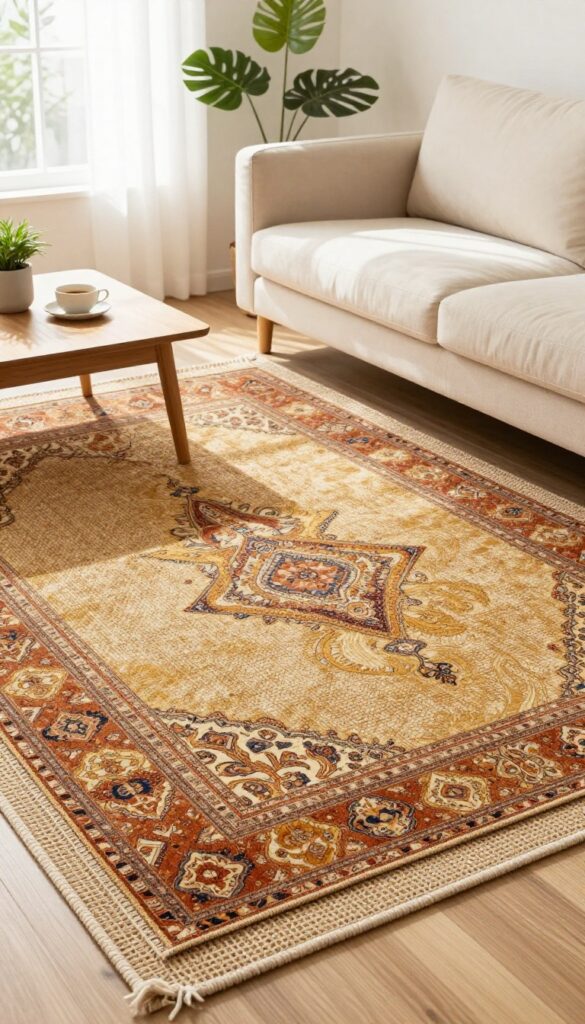
Mixing rugs is one of those designer tricks that looks expensive but doesn't have to be. By layering a smaller, patterned rug over a larger neutral one, you create instant depth and a collected-over-time feel. The best part?
You can do this with thrifted finds or budget-friendly options, so it's easy on your wallet and full of personality.
Start with a large, neutral rug—think jute, sisal, or a low-pile wool in beige or gray. This becomes your base layer. Then, top it with a smaller rug that has more pattern or color.
A vintage-style kilim, a faded oriental, or even a bold geometric print works beautifully. The contrast between the two textures and patterns adds visual interest without feeling busy. This trick also helps define zones in an open floor plan, like anchoring a seating area within a larger room.
Plus, if you find a small rug you love but it's too small for the space, layering solves that problem instantly.
Best Color Combos
- Stick with warm, earthy tones to keep the cozy vibe. A cream or tan base rug pairs well with a rust, mustard, or olive-toned top rug. If you want a bit more contrast, go for a deep navy or charcoal pattern over a lighter natural fiber rug.
- The key is to keep the base neutral so the layered rug pops without clashing.
Layout Tip
Place the layered rugs so the top rug sits at an angle or slightly off-center for a relaxed, intentional look. Make sure the front legs of your sofa and chairs rest on both rugs to tie the arrangement together. This creates a unified seating area that feels grounded and thoughtfully styled.
Budget-Friendly Swap
- You don't need expensive rugs for this to work. Check thrift stores, flea markets, or online marketplaces for secondhand finds. A worn-in look actually adds to the charm.
- If you're buying new, look for flatweave or low-pile rugs that won't create too much bulk when stacked.
5. DIY Abstract Wall Art
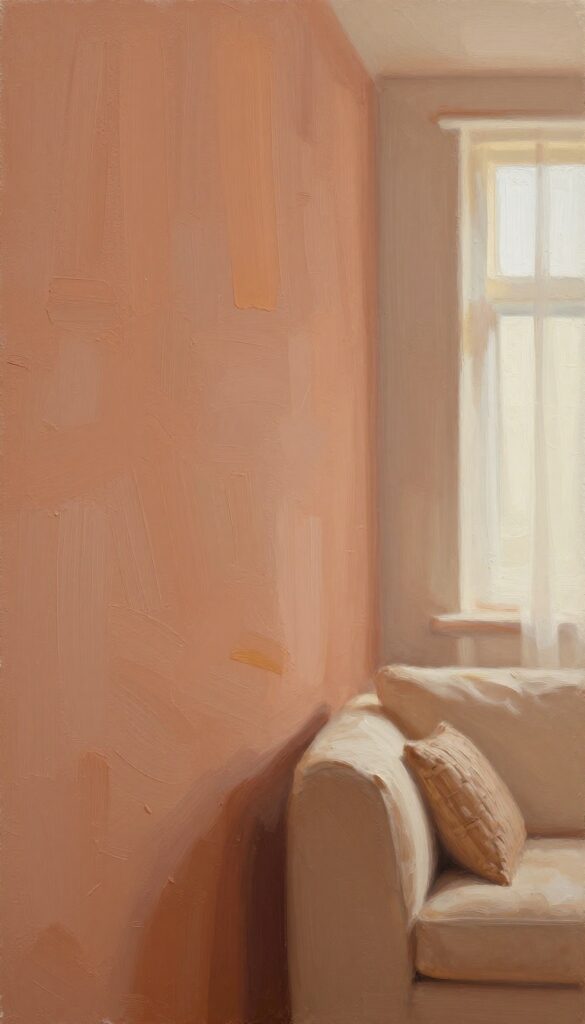
Blank walls can make a room feel unfinished, but filling them doesn't have to cost a fortune. With a few leftover paint cans and a blank canvas, you can create custom art that ties your whole color scheme together. This DIY project is forgiving, fun, and gives you total control over the final look—no artistic talent required.
Painting your own abstract canvas is one of the most budget-friendly ways to add personality to a living room. Use warm earth tones like terracotta, ochre, and soft brown to match a cozy vibe. The key is to work in layers: start with a base color, then add broad brush strokes in complementary shades.
Don't overthink it—let the paint move naturally. Once dry, lean the canvas against the wall or hang it low above a sofa for an instant focal point. This idea works especially well in rooms with neutral furniture, as the art becomes a subtle pop of color without overwhelming the space.
Best Colors For A Cozy Look
- Stick with warm, muted tones that blend with your existing palette. Think clay, rust, sand, and cream. These colors feel grounded and inviting, and they're easy to find in sample-sized paint pots if you don't have leftovers.
- Avoid bright neons or cool blues if you're aiming for a warm, snug atmosphere.
Budget-Friendly Swap
Instead of buying a new stretched canvas, repurpose an old painting or use a piece of plywood cut to size. You can even paint directly on a large piece of cardboard and mount it in a cheap frame. This keeps costs near zero and adds a handmade, imperfect charm that fits perfectly with the cozy aesthetic.
Finishing Touch
Once your art is complete, add a simple wood frame or let the canvas edges show for a modern, gallery-like feel. Place a small table lamp nearby to cast a warm glow on the texture of the paint strokes, making the piece feel even more dimensional and intentional.
6. Use Baskets for Storage and Style
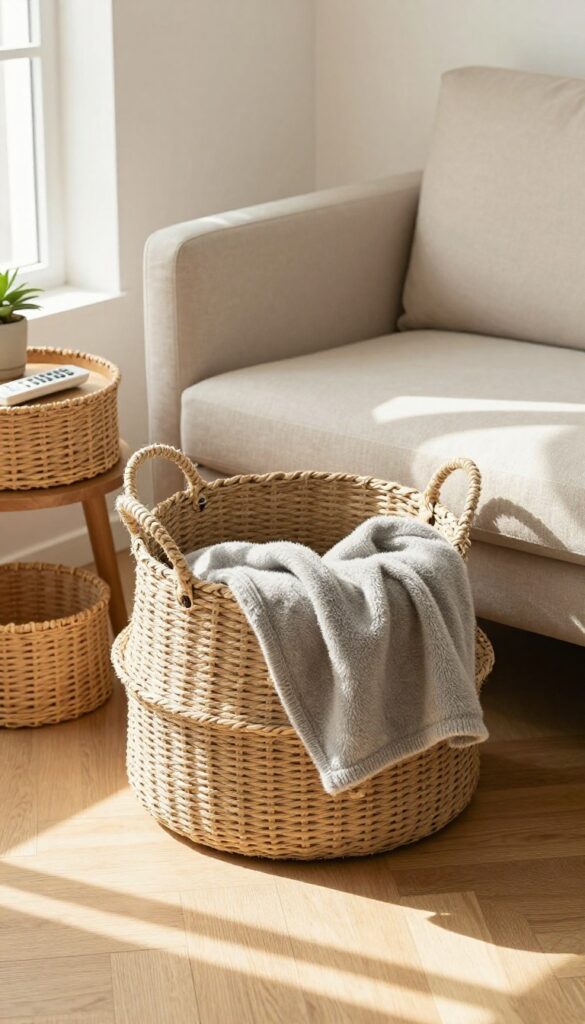
Baskets are one of those rare decor pieces that pull double duty without ever looking like they're trying too hard. Tuck them under side tables, nestle them next to the sofa, or line them up on open shelving—they instantly hide the clutter of blankets, remotes, and magazines while adding natural texture. For a warm and cozy living room on a budget, baskets are a total win.
Woven baskets bring an organic, earthy feel that softens the hard lines of furniture and keeps your space looking tidy without sacrificing style. They work in almost any room, but in the living room they're especially handy for corralling everyday items that tend to pile up. The best part?
You can find beautiful baskets at thrift stores, discount home shops, or even online for very little money. Choose a mix of sizes and weaves to create visual interest, and don't be afraid to use them as plant holders or side tables too.
Best Materials For Warmth
Stick with natural fibers like seagrass, rattan, jute, or bamboo to keep that cozy, organic vibe. These materials add warmth and texture that synthetic baskets just can't match. For a budget-friendly option, look for handwoven baskets from fair-trade sources or secondhand—they often have more character and cost less than new designer versions.
Placement Ideas
- Slide a large basket under a console table or coffee table to store throw blankets. Place a medium basket next to an armchair to hold books or remote controls. Use small baskets on shelves to corral charging cables, glasses, or decorative objects.
- Grouping two or three baskets of different heights in a corner creates a sculptural storage moment that feels intentional.
Budget-Friendly Swap
Skip expensive decorator baskets and repurpose affordable options like woven laundry hampers or market baskets. Spray-paint a tired-looking basket in a warm tone like terracotta or olive green to refresh it for pennies. You can also line a basic basket with fabric to make it feel more polished—just cut a piece of linen or cotton and drape it over the edge.
7. Rearrange Furniture for Conversation
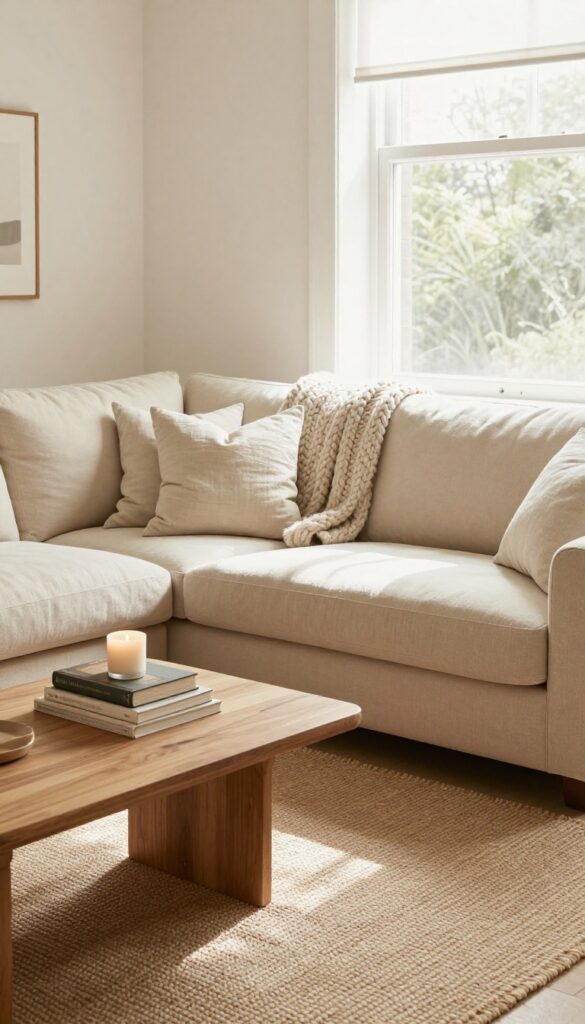
Sometimes the best decor change costs nothing at all. If your living room feels stiff or uninviting, the layout might be the culprit. Pulling seating away from the walls and angling chairs toward the sofa creates an instant conversation zone.
This simple shift makes the room feel more intimate and welcoming without spending a dime.
A furniture layout that faces inward rather than outward changes the whole energy of a room. Instead of lining pieces against the walls like a waiting room, group them around a central focal point—a coffee table, a fireplace, or even a large rug. Angle armchairs slightly toward the sofa so people can face each other comfortably.
Leave enough space for easy movement, but keep the grouping tight enough to feel cozy. This arrangement naturally encourages conversation and makes the room feel more connected.
Layout Tip
- Start by pulling your sofa away from the wall, even just a foot or two. Place a coffee table within easy reach—about 18 inches from the sofa edge. Then bring in one or two chairs at an angle, forming a U-shape or L-shape.
- This creates a cozy nook that feels intentional and inviting.
Budget-Friendly Swap
If you don't have extra seating, try using ottomans, floor cushions, or even a bench pulled up to the conversation area. These can double as extra seats when guests come over and tuck away easily when not in use.
Cozy Detail
Add a soft throw blanket draped over the back of the sofa and a couple of textured pillows to make the seating area feel even more snug. A low table with a few books or a candle completes the look without cluttering the space.
8. Incorporate Greenery (Real or Faux
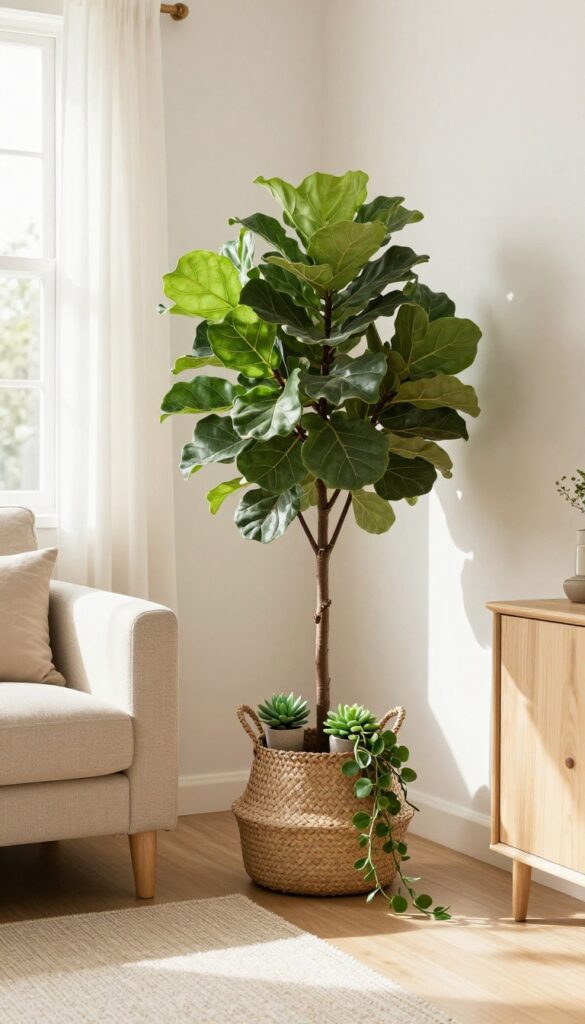
A living room without plants can feel a little flat, no matter how well you style it. Greenery adds softness, color, and a sense of life that instantly makes the space feel more inviting. The best part?
You don’t need a green thumb or a sun-drenched room to pull it off. Budget-friendly faux plants have come a long way, and a few well-placed leaves can warm up a corner without costing a fortune.
Plants are one of the easiest ways to bring a room to life, especially when you’re working with a tight budget. A single snake plant on a side table or a trailing pothos on a high shelf adds organic shape and breaks up all the straight lines in furniture. If natural light is scarce, high-quality faux plants from craft stores or big-box retailers still deliver that fresh, lively feel.
Look for varieties with realistic leaf texture and subtle color variation—avoid anything too shiny or perfectly uniform. Group a few different sizes together on a console table or in an empty corner to create a mini indoor garden that feels intentional. Even one large faux fiddle-leaf fig in a woven basket can anchor a seating area and make the whole room feel more finished.
Best Placement For Impact
- For the biggest visual payoff, place plants where they’ll frame the room’s main seating area. A tall plant next to the sofa or a cluster of small pots on a coffee table draws the eye and adds layers. Corners that feel empty are prime real estate—try a floor plant in a neutral ceramic pot to fill the gap without adding clutter.
- Shelves also benefit from a trailing plant cascading over the edge, which softens the hard lines of the shelf itself.
Budget-Friendly Swap
- Real plants can get pricey, especially if you need to replace them often. Faux options let you skip the upkeep and still get the look. Check craft stores for sales on artificial greenery, or even thrift stores for pots you can repaint.
- A single faux branch in a vase can cost under $10 and instantly refresh a side table. Mix real and faux if you want some living greenery without going overboard—just keep the faux varieties away from windows where sunlight might fade them.
Finishing Touch
- The pot or planter matters just as much as the plant itself. Stick with warm, natural materials like terracotta, woven seagrass, or matte ceramic in earthy tones. These complement the cozy vibe and keep the look grounded.
- For faux plants, opt for a pot with a bit of weight to it—nothing screams fake like a plastic pot that tips over easily. A simple basket or a thrifted ceramic vessel can elevate even the most basic greenery.
9. Swap Out Pillow Covers
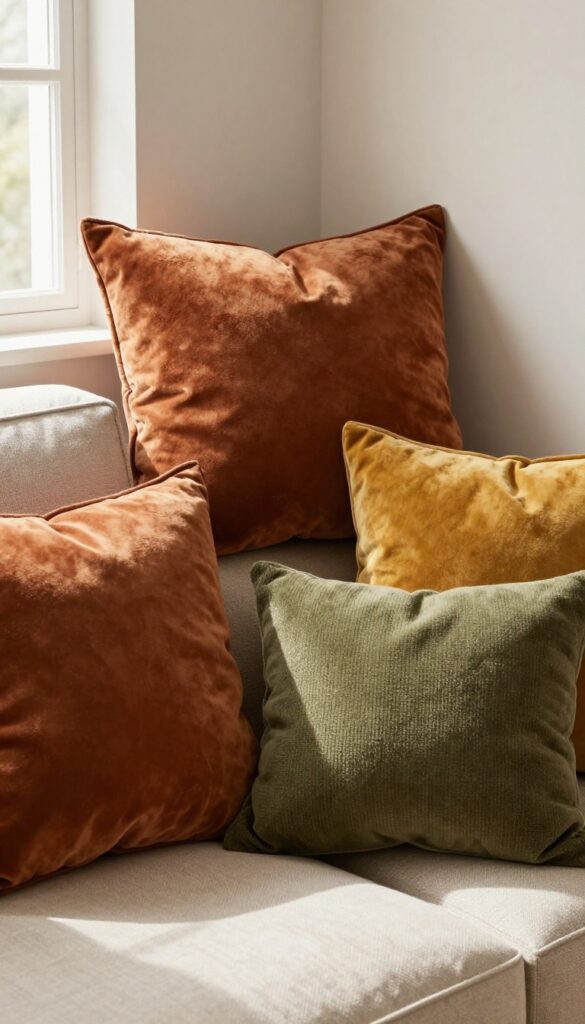
Pillows are the easiest way to shift your living room’s mood without spending much. Instead of buying whole new pillows, just swap the covers. It’s a budget-friendly move that lets you experiment with color and texture.
Warm tones like rust, mustard, and olive instantly make a sofa feel cozier, and mixing different fabrics adds depth without clutter.
Start by choosing two or three warm-toned covers in complementary shades. Rust and mustard pair beautifully, while olive adds a grounding natural note. Look for covers in velvet, linen, and knit to create contrast.
Velvet feels luxurious, linen is casual and breathable, and knit brings a handcrafted touch. Arrange them with the largest pillows in back, smaller ones in front, and vary the textures so each pillow stands out. This simple refresh takes ten minutes but completely changes the room’s energy.
Best Colors For A Warm Look
- Stick to earthy warm tones: rust, mustard, burnt orange, olive, and deep terracotta. These colors feel inviting and pair well with neutral sofas. If your sofa is already warm-toned, choose covers that are slightly darker or lighter for contrast.
- Avoid going too bright—muted shades keep the look sophisticated.
Texture Mix Tip
- Combine at least three different textures: a smooth velvet, a nubby linen, and a chunky knit. This mix creates visual interest and makes the sofa feel layered and lived-in. For a small sofa, stick to two textures to avoid overwhelming the space.
- Place the knit pillow in the center for a focal point.
Budget-Friendly Swap
- Buy covers instead of new pillows—they’re cheaper and easier to store. Look for sales at home decor stores or online marketplaces. You can also repurpose old throws by cutting them into pillow covers if you’re handy with a needle.
- This way, you can update the look every season without breaking the bank.
10. Create a Gallery Wall with Found Frames
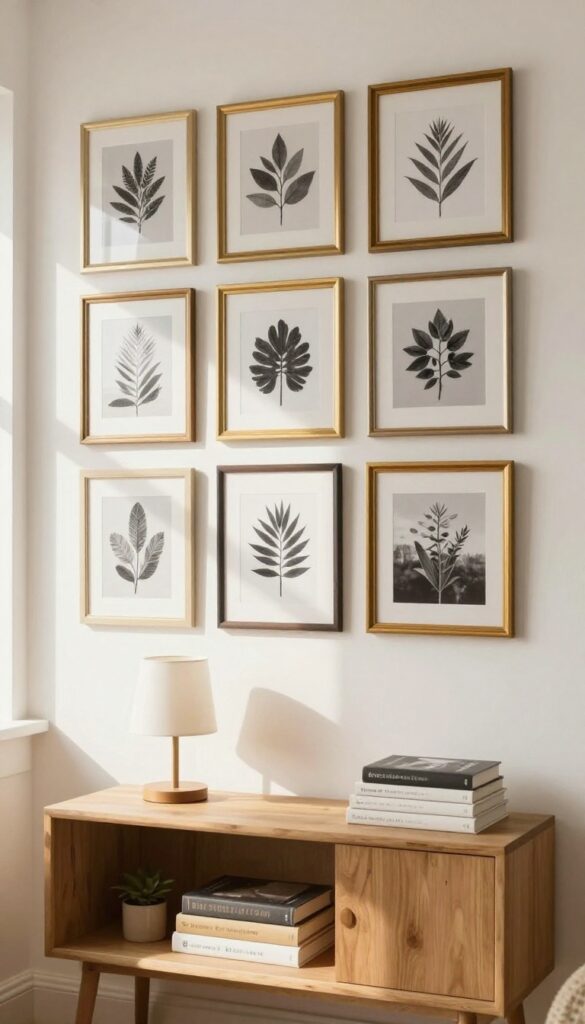
A gallery wall is one of the most personal ways to decorate a living room, but it doesn't have to cost a fortune. By collecting mismatched frames from thrift stores and giving them a uniform spray paint color, you can create a cohesive look that feels collected over time. Fill them with your own photos or free printables, and you've got a wall that tells your story without breaking the bank.
Start by scouting thrift stores, garage sales, or even your own attic for frames in various shapes and sizes. Don't worry if they're different colors or finishes—that's part of the charm. Once you have a good pile, spray paint them all the same shade.
A warm white, matte black, or soft brass works beautifully for a cozy, budget-friendly look. While the frames dry, gather your favorite photos or find free printables online that match your color scheme. Arrange the frames on the floor first to map out the layout, then hang them using a simple template method (trace each frame on paper, tape the paper to the wall, and adjust until it's perfect).
The result is a one-of-a-kind display that adds character and warmth to any living room.
Best Colors For A Cohesive Look
- Stick to one or two colors for the frames to keep the gallery wall from feeling chaotic. For a warm and cozy vibe, try a soft cream or antique gold. If you prefer a more modern contrast, go with matte black or deep navy.
- The key is to choose a color that complements your existing decor and ties the mismatched frames together.
Layout Tip For A Natural Flow
- Avoid rigid grids—instead, aim for an organic arrangement that feels collected over time. Start with the largest frame in the center or slightly off-center, then work outward with smaller frames. Leave about 2 to 3 inches between each frame for breathing room.
- Use a level to keep things straight, but don't stress over perfect alignment; a little variation adds to the charm.
Budget-Friendly Swap
If you can't find enough frames at thrift stores, consider using inexpensive poster frames from a discount store and painting the mats or frames yourself. You can also swap out the artwork in existing frames to match your theme. For a truly low-cost option, print your photos in black and white on regular paper and use washi tape to attach them directly to the wall in a grid—no frames needed.
11. Add a Floor Cushion or Pouf
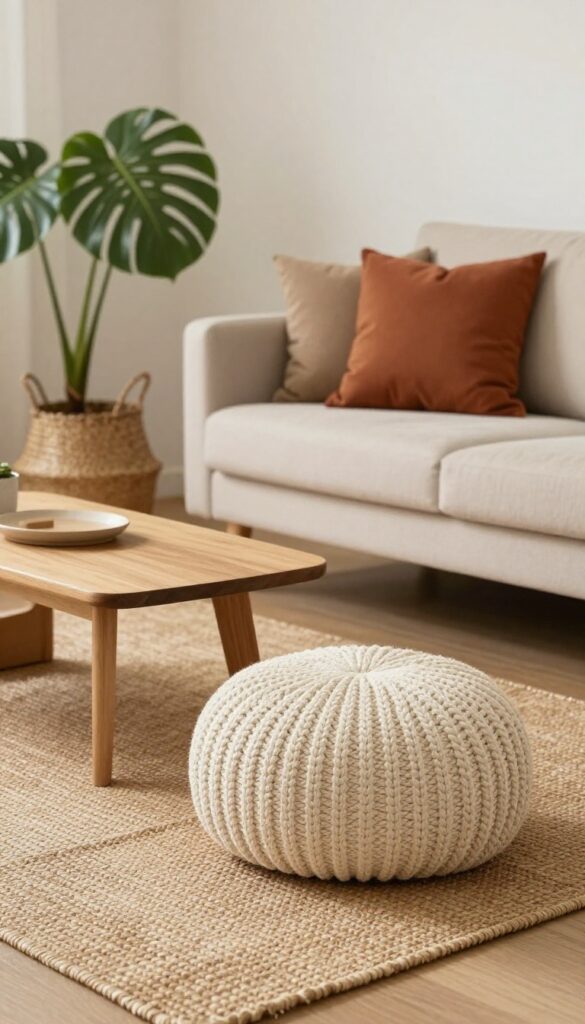
Sometimes the best seating doesn't come with legs. A large floor cushion or pouf plopped near the coffee table changes the whole energy of a room. It's an open invitation to sit low, lounge sideways, or pull it over for extra seats when friends drop by.
And since you can find great options for under $50, it's one of those budget-friendly moves that instantly makes a space feel more relaxed and lived-in.
Floor cushions and poufs are the unsung heroes of cozy living rooms. They add a soft, organic shape that breaks up all the straight lines from sofas and coffee tables. Tuck one beside an armchair for a spot to kick your feet up, or group two around a low tray table for an instant casual conversation nook.
The best part? They're easy to move and store, so you can rearrange your layout without breaking a sweat.
Best Materials For A Warm Look
- Stick with natural textures like wool, cotton, or woven jute to keep the warm and cozy vibe going. A chunky knit pouf in cream or oatmeal adds softness without trying too hard. If you want a pop of color, go for a muted rust or deep olive that ties into your throw pillows.
- Avoid shiny synthetics—they can feel cold and out of place in a relaxed room.
Where To Place It
- The sweet spot is right in front of the coffee table, about a foot away from the edge. That way, it's easy to pull in for lounging but doesn't block the walkway. If your living room is on the smaller side, tuck a pouf under a console table or next to a bookshelf when it's not in use.
- It's a smart way to keep extra seating handy without cluttering the floor.
Budget-Friendly Swap
- Can't find a pouf you love? A large floor pillow or even a stack of vintage floor cushions works just as well. Look for secondhand options at thrift stores or online marketplaces—you can often snag a high-quality one for a fraction of the price.
- Or try a DIY route: fill a sturdy fabric sack with old blankets or foam scraps and sew it shut. Instant cozy seating for next to nothing.
12. Paint an Accent Wall in a Warm Hue
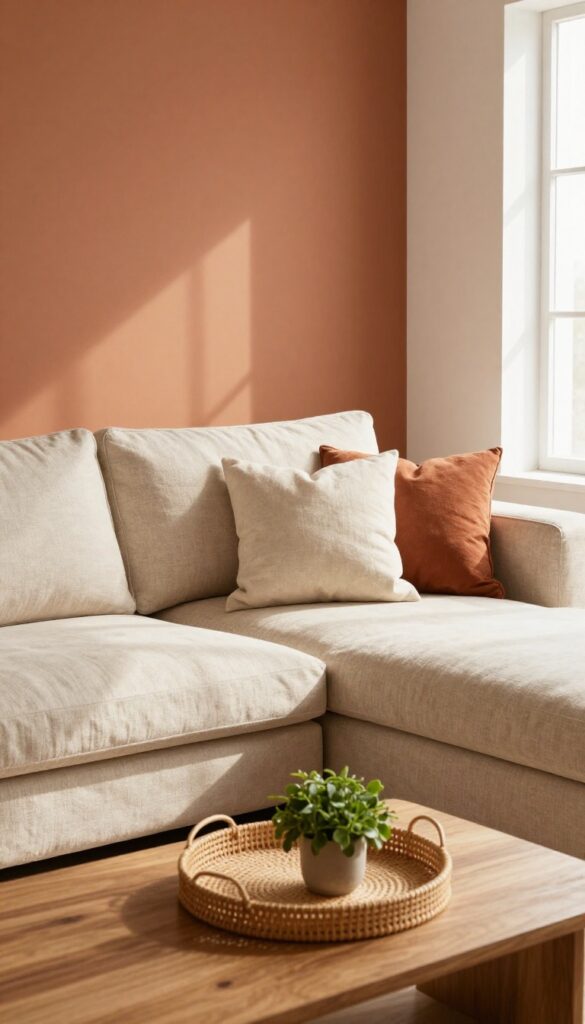
Sometimes the smallest change makes the biggest impact. A single wall painted in a rich, warm color can completely shift the mood of your living room without requiring a full renovation. Think terracotta, deep olive, or a soft rust—colors that feel grounded and inviting.
It’s a budget-friendly move that costs less than $50 for a gallon of paint, yet it instantly adds depth and personality. Plus, it’s a weekend project that even a beginner can tackle.
An accent wall in a warm hue acts like a visual anchor, drawing the eye and creating a cozy focal point. It works especially well behind a sofa or a media console, framing the furniture and making the room feel more intentional. The key is to choose a color that complements your existing decor—terracotta pairs beautifully with neutrals and wood tones, while deep olive adds a touch of nature.
Don’t be afraid to go bold; a darker shade can make a small space feel intimate rather than cramped.
Best Colors For A Warm Accent Wall
- Terracotta, burnt orange, deep olive, and muted rust are top picks for a cozy vibe. These colors have earthy undertones that feel grounding and pair well with natural materials like wood, rattan, and linen. For a softer look, try a warm blush or a clay pink.
- Stay away from cool tones like blue or gray if you want to keep the room feeling warm and inviting.
Where To Place The Accent Wall
- The wall behind your main seating area is a classic choice—it creates a backdrop that makes the sofa pop. Alternatively, choose the wall that first catches your eye when you enter the room. Avoid accenting a wall with too many windows or doors, as the color can feel chopped up.
- A solid, uninterrupted wall gives the best effect.
Finishing Touch: Style The Wall
- Once the paint is dry, style the wall with a few carefully chosen pieces. A large mirror or a set of framed prints in warm-toned frames can enhance the color. Add a floor lamp with a soft glow to highlight the hue in the evening.
- Keep the rest of the room neutral so the accent wall stays the star.
13. Display Books and Objects on Shelves
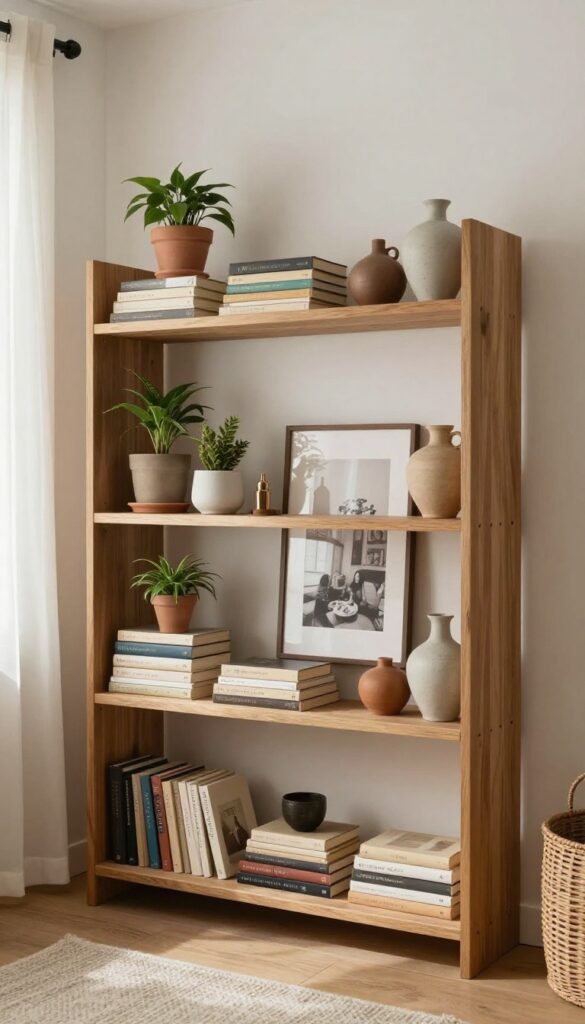
Open shelving can feel either cluttered or curated, and the difference often comes down to how you arrange what’s on display. The trick is to treat your shelves like a mini gallery—mixing books with small plants and thrifted ceramics creates a look that feels collected over time, not bought in one afternoon. This is a budget-friendly way to add personality because you can use items you already own or find unique pieces at thrift stores for just a few dollars.
Group items in odd numbers and vary heights to create visual rhythm. Start with a few stacked books as a base, then add a small plant or ceramic vase on top. Lean a framed photo or small art piece against the back of the shelf to add depth.
The goal is a balanced, lived-in look that feels intentional but not overly styled. For a warm and cozy feel, stick to natural materials like wood, clay, and linen, and keep the color palette neutral with occasional earthy accents.
Shelf Styling Tip
Use the rule of thirds: arrange items in groups of three, with one tall piece (like a candlestick or vase), one medium piece (a stack of books), and one small piece (a tiny plant or ceramic dish). This creates a natural flow and keeps the eye moving across the shelf.
Budget-Friendly Swap
Instead of buying new decor, shop your own home first. Move books from other rooms, repurpose kitchen jars as vases, or use dried branches from your yard. Thrift stores are goldmines for ceramic pieces—look for items with organic shapes and matte finishes that add texture without costing much.
Finishing Touch
Add a small lamp or string lights on the top shelf to create a warm glow. This not only highlights your display but also makes the whole room feel cozier in the evening.
14. Hang Curtains High and Wide
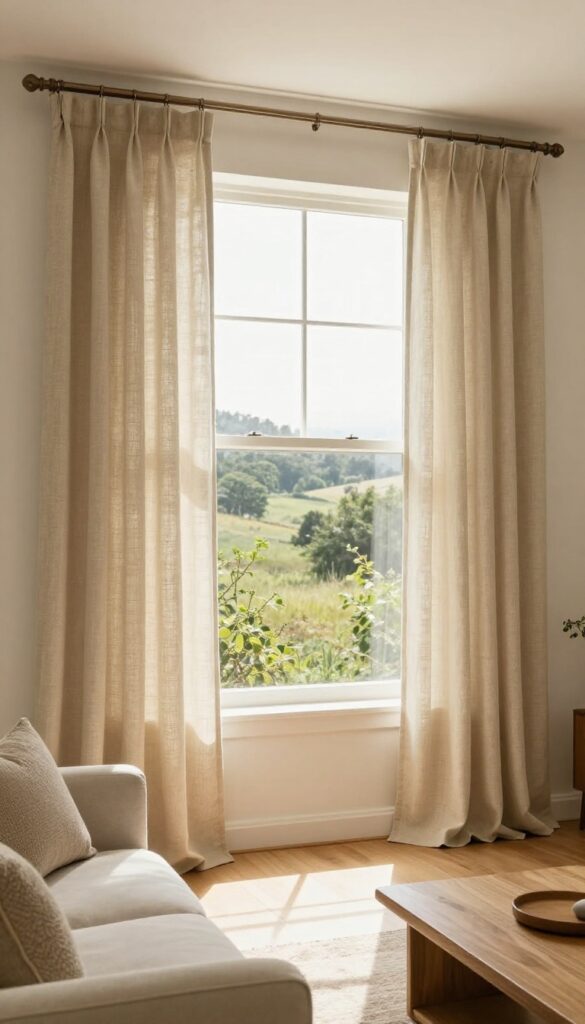
Curtains can make or break a room’s proportions, and hanging them the right way is one of the cheapest tricks in the book. Mounting rods close to the ceiling—not right above the window frame—draws the eye upward, making your ceilings feel higher than they actually are. Extending the rod past the window on each side lets in more light when the curtains are open and makes the window feel larger.
Floor-length panels in a warm neutral like oatmeal, taupe, or soft beige add cozy texture without overpowering the space.
This simple swap costs next to nothing if you already have basic curtain rods, yet it transforms the whole room’s energy. The vertical line of floor-to-ceiling fabric creates a sense of height, while the wider rod visually expands the window. For a budget-friendly upgrade, choose ready-made linen or cotton panels—they hang beautifully and feel warm without being heavy.
The trick is to keep the color soft and the fabric natural so the effect feels intentional, not fussy.
Budget-Friendly Swap
- You don’t need custom drapes to get this look. Standard 84-inch panels work fine if you mount the rod just below the ceiling and let the fabric kiss the floor. If they’re a bit short, add a simple hem tape or use clip rings to gain an extra inch or two.
- Thrifted or discount-store curtains in a neutral linen blend can be steam-pressed to look crisp and expensive.
Best Colors For Cozy
- Stick with warm neutrals like cream, beige, warm gray, or light terracotta. These shades soften the room and pair well with wood tones and textured fabrics. Avoid stark white or cool grays—they can feel clinical rather than cozy.
- If you want a subtle pattern, try a faint stripe or a small-scale geometric in the same neutral family.
Finishing Touch
Install the rod at least 4 inches above the window frame, and extend it 6 to 12 inches past each side. Use simple finials or even wooden knobs for a budget-friendly touch. For extra warmth, layer sheer curtains underneath the main panels—they soften light during the day and add depth without blocking the view.
15. Add a Personal Touch with DIY Candles
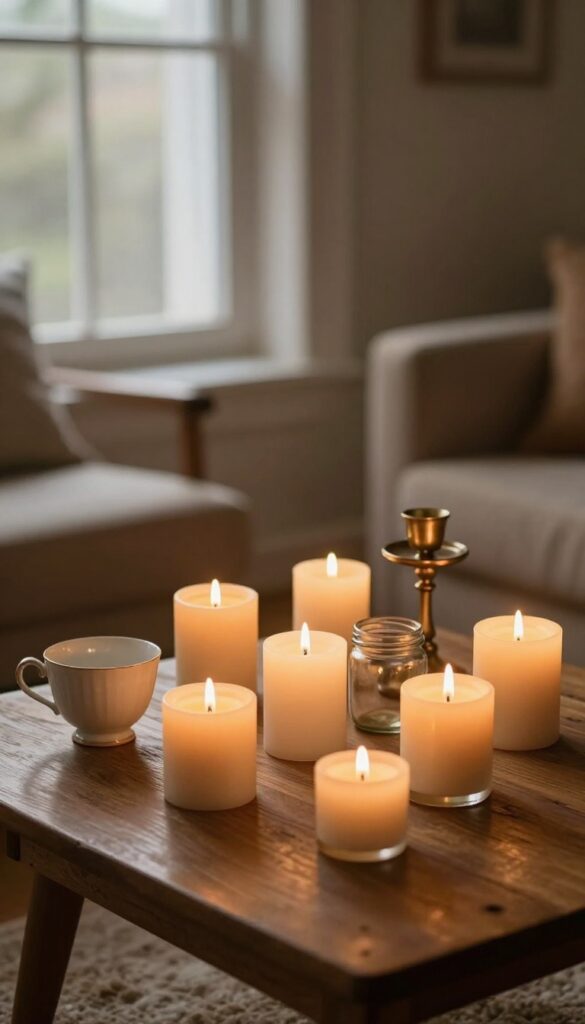
There's something about the warm flicker of a candle that instantly makes a room feel more inviting. But store-bought candles can get pricey, especially when you want to scatter a few around the living room. Making your own is not only budget-friendly—it also lets you customize the scent, color, and container to match your decor perfectly.
DIY candles are a simple weekend project that adds a personal, cozy touch to your living room. Use soy wax for a clean burn and mix in warm scents like vanilla, cinnamon, or sandalwood. Pour them into thrifted teacups, small mason jars, or vintage tins for an eclectic look.
Place a cluster of different heights on a wooden tray or an old candlestick holder to create a focal point on your coffee table or mantel. The best part? You control the color—add a few drops of candle dye to match your existing palette.
This is hygge on a budget, and it makes your space feel uniquely yours.
Best Scents For A Cozy Vibe
- Stick with warm, comforting fragrances that evoke relaxation. Vanilla, cinnamon, clove, and cedarwood are classic choices. If you prefer something lighter, try a subtle honey or oatmeal scent.
- Avoid sharp citrus or floral notes if you're going for a snug, hygge atmosphere.
Budget-friendly Container Ideas
- Hit up thrift stores for mismatched teacups, small glass jars, or brass candlesticks. You can also reuse old candle jars by cleaning them out. Tin cans with the labels removed add an industrial touch.
- Just make sure any container is heat-safe and wide enough to prevent tunneling.
Styling Tip: Grouping For Impact
Arrange your DIY candles in clusters of odd numbers—three or five—on a tray or a wooden slab. Vary the heights by using different container sizes or placing some on small books or coasters. This creates visual interest and makes the warm glow feel more intentional.
FAQ
How can I make my living room cozy on a tight budget?
Focus on lighting, texture, and layout. Swap bulbs to warm tones, add soft throws and pillows, and rearrange furniture to create intimate conversation zones. Small changes make a big difference.
What are the best colors for a warm living room?
Earthy tones like terracotta, rust, olive green, warm beige, and soft browns create a cozy feel. Use them on walls, pillows, or rugs to add warmth without overwhelming the space.
How do I decorate a living room without spending much?
Shop secondhand for furniture and decor, DIY art and accessories, and repurpose items you already own. Rearranging furniture and adding plants are free or low-cost ways to refresh the room.
What type of lighting makes a living room feel cozy?
Warm-toned bulbs (2700K–3000K) and multiple light sources at different heights create a soft, inviting glow. Avoid overhead lights alone; use floor lamps, table lamps, and candles instead.
How can I add texture to my living room on a budget?
Layer textiles like knit throws, linen pillows, and woven rugs. Add baskets, wooden accents, and plants. These elements add visual interest and warmth without costing much.
Conclusion
Finishing your living room doesn't require a designer budget or a total overhaul. Small, intentional choices—like swapping a lamp, adding a throw, or rearranging your furniture—can completely transform how the space feels. The best part?
Most of these ideas cost little to nothing, yet they make your room feel personal and complete. Start with one or two changes that speak to you, and let your living room evolve naturally. Before you know it, you'll have a warm, cozy space that truly feels like home.