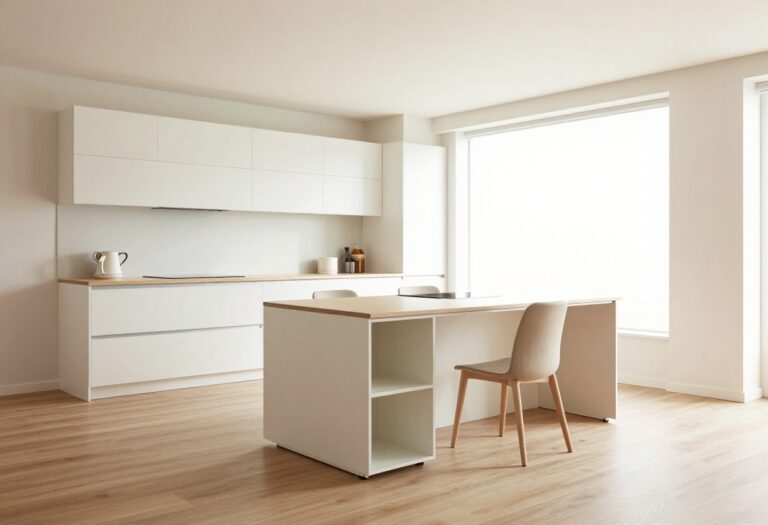
13 Sofas Ideas Living Room Luxury Spaces Can Style
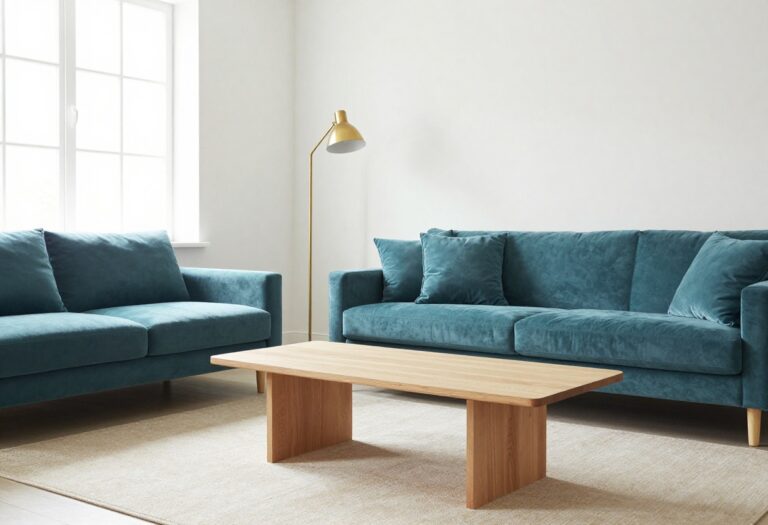
A great sofa can anchor your living room, but you don't need a designer budget to make it look luxurious. With a few smart choices, you can create a space that feels both high-end and welcoming.
Whether you're working with a small apartment or a sprawling family room, these 13 sofa ideas prove that style and savings can go hand in hand. From clever fabric picks to space-saving layouts, each tip is designed to help you get the most out of your seating without sacrificing comfort or aesthetics.
Ready to give your living room a luxury upgrade? Let's dive in.
1. Go for a Low-Profile Frame to Open Up the Room
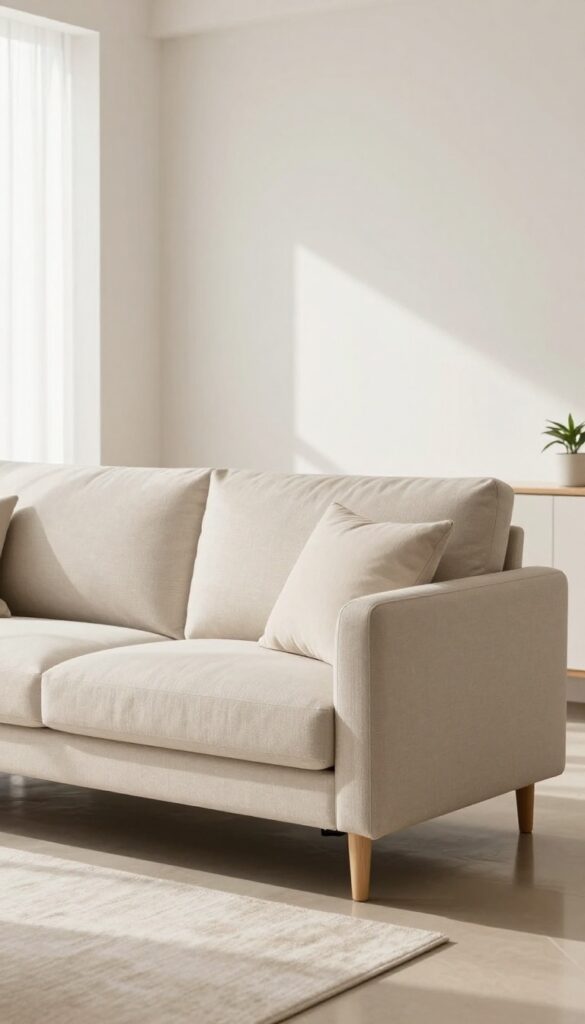
A sofa with a low back and slim arms creates visual space, making even a compact living room feel larger and airier. Look for clean lines and exposed legs to enhance the open feel. This style works especially well in apartments or smaller homes where every inch counts.
Choosing a low-profile sofa is a smart, space-aware move that instantly makes your living room feel more expansive. The key is to select a frame that sits low to the ground with minimal bulk. Exposed legs are a must—they let light flow underneath, which tricks the eye into seeing more floor space.
Pair it with a light-colored rug to amplify the effect. For a budget-friendly approach, consider a mid-century modern style from affordable retailers like IKEA or Target. The clean silhouette also makes it easy to swap out pillows or throws for seasonal updates without clashing.
Best Colors
Stick with neutral tones like beige, light gray, or soft white to keep the room feeling open. If you want a pop of color, go for a muted pastel or a warm earth tone—these won't overwhelm the space. Dark colors can work, but only if the room gets plenty of natural light.
Layout Tip
Float the sofa away from the wall by a few inches to create the illusion of depth. This small gap, combined with the low back, makes the room feel less boxed in. Place a slim console table behind it for extra storage without blocking the view.
Budget-Friendly Swap
If a new sofa isn't in the budget, try removing the legs from your existing couch and replacing them with shorter ones. You can also cut down the back cushion foam by a few inches—just be sure to re-cover it neatly. This DIY trick gives you the low-profile look for pennies.
2. Choose Performance Fabrics That Look Expensive
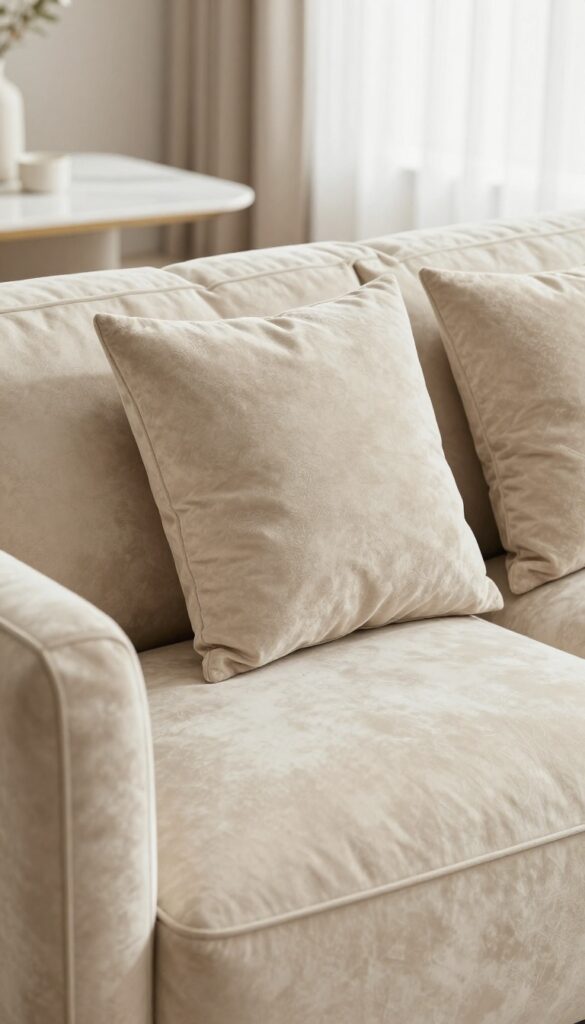
Not all luxury fabrics have to come with a high-maintenance price tag. Today’s performance textiles mimic the look and feel of high-end upholstery while standing up to real life—spills, pets, and daily wear. The trick is picking materials that read as refined but are secretly tough.
Velvet, for instance, now comes in stain-resistant versions that still catch the light beautifully. Textured weaves in neutral tones add depth without shouting for attention. You get that expensive sofa look without the anxiety every time someone sits down with a coffee.
Performance fabrics have come a long way. They’re not the stiff, plastic-feeling covers of the past. Modern options like Crypton, Sunbrella, and high-quality polyester velvets offer softness and durability.
The key is choosing fabrics with a tight weave and a subtle sheen or texture—these reflect light in ways that feel premium. Stick to neutral colors like warm beige, soft gray, or mushroom taupe. They hide minor stains better than white and feel timeless.
Plus, many performance fabrics are now bleach-cleanable, which is a game-changer for families. Your sofa will look polished for years, not just the first month.
Best Fabrics For The Look
- Look for velvet made from polyester or microfiber—it has that plush, rich appearance but resists crushing and staining. Textured weaves like basketweave or herringbone in cotton-linen blends (with a performance coating) also work well. They add visual interest without being loud.
- Avoid flat, matte fabrics—they show every wrinkle and wear pattern. Instead, choose materials with a slight luster or a subtle pattern that hides daily use.
Color And Maintenance Tips
- Stick to warm neutrals: greige, warm ivory, or dusty rose. These colors feel luxurious and are forgiving with dirt. For extra durability, ask about fabric protection treatments at the store.
- At home, vacuum your sofa weekly with a soft brush attachment to prevent dust from grinding into the fibers. Blot spills immediately with a clean cloth—never rub. Most performance fabrics can be spot-cleaned with mild soap and water, but always test in an inconspicuous area first.
Budget-Friendly Swap
- If you’re on a tight budget, look for sofas labeled "pet-friendly" or "family-friendly" from brands like IKEA, Article, or West Elm. These often use the same performance fabrics at lower price points. Another hack: buy a sofa in a budget-friendly fabric and have it reupholstered later in a performance velvet.
- This spreads the cost and lets you choose exactly the color and texture you want.
3. Add a Slim Console Table Behind the Sofa
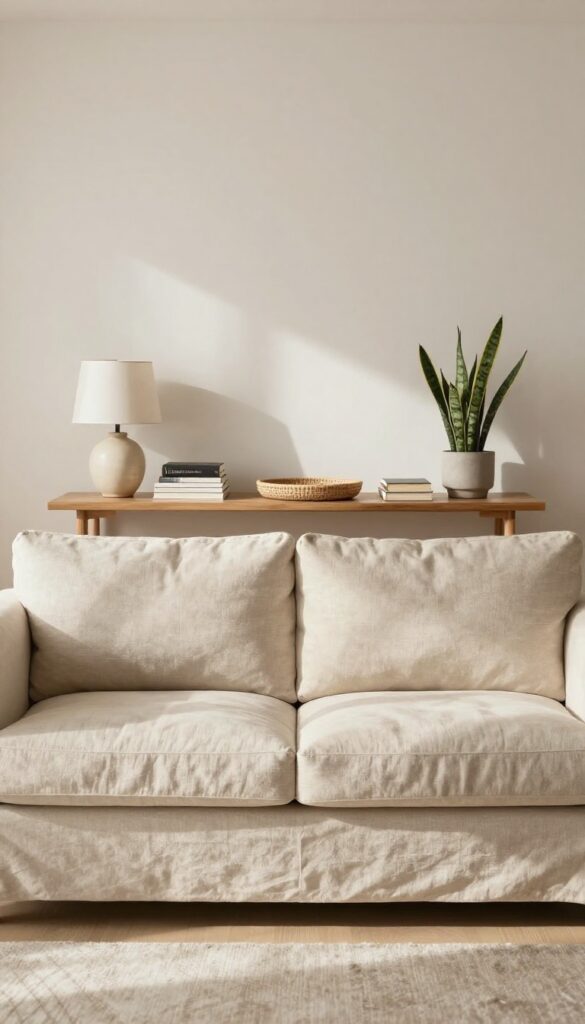
That gap between your sofa and the wall? It's prime real estate. A slim console table slides right in, giving you a spot for lamps, books, or a catch-all tray without stealing any floor space.
It's a smart, budget-friendly move that instantly makes your living room feel more layered and intentional.
A narrow console behind your sofa adds storage and display space without taking up floor area. Use it for lamps, books, or trays to create a layered, designer look. This trick works especially well in open-plan rooms where the sofa floats in the middle—it defines the seating area and gives you a place to set down a drink or your phone.
Plus, it's an easy way to introduce extra lighting or a pop of color without a big commitment.
Best Budget-friendly Find
- You don't need a custom piece. Look for a ready-made console table that's no deeper than 12 inches—anything wider will crowd the walkway. Secondhand stores and online marketplaces often have solid wood or metal options for under $100.
- A quick coat of paint can make it look custom.
Styling Tip: Layer Heights
- Keep the look airy by mixing heights. A tall table lamp on one side, a stack of books on the other, and a low tray in the middle creates visual rhythm. Add a small plant or a sculptural object for texture.
- Avoid clutter—leave some negative space so the console feels intentional, not stuffed.
Small-space Fix
In a tight living room, a slim console can double as a desk or a bar area. Use baskets or bins underneath for hidden storage of blankets or magazines. If your sofa is against a wall, try a console that's slightly shorter than the sofa back—it won't block the view and still offers surface space.
4. Layer Throw Pillows in Mixed Textures
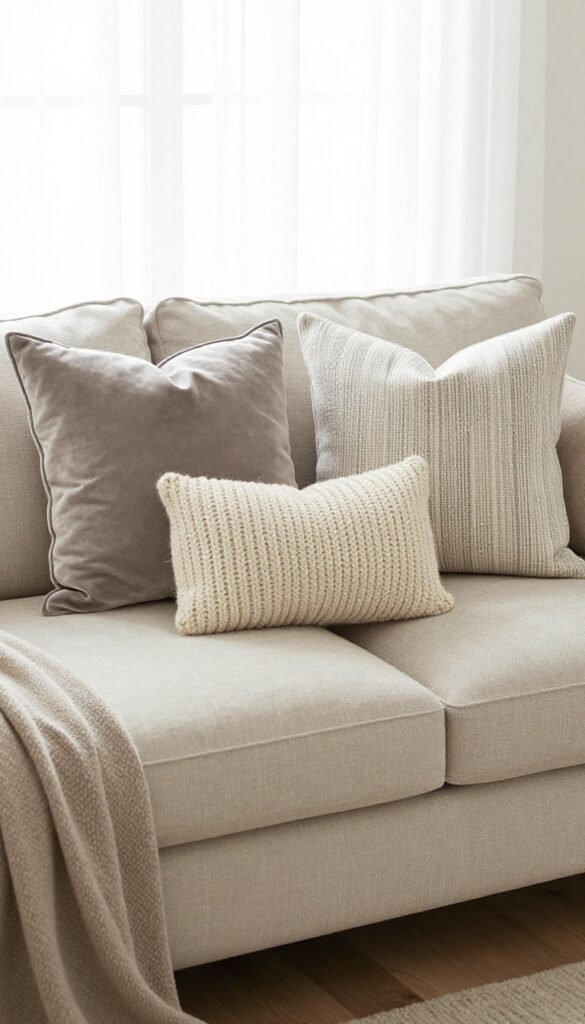
Throw pillows are one of the most affordable ways to make a sofa feel custom and expensive. By mixing textures like velvet, linen, and knit, you create visual depth that reads as layered and intentional. The trick is keeping the color palette tight so the variety in materials does the work.
Stick to two or three complementary colors and vary the finishes—think a smooth velvet square next to a chunky knit lumbar, then a linen pillow with a subtle pattern. This mix keeps the look from feeling flat or matchy-matchy. Aim for three to five pillows total; any more and the sofa starts to feel crowded, especially in smaller spaces.
For a budget-friendly approach, swap out covers instead of buying whole new pillows. Many retailers sell affordable covers in velvet and linen, so you can refresh the look seasonally without the expense.
Best Colors
Neutrals like cream, taupe, and warm gray are foolproof and easy to find. If you want a pop, choose one accent color—like a muted sage or dusty blush—and repeat it in two pillows. This keeps the palette cohesive without being boring.
Texture Mix
Pair a plush velvet square with a ribbed knit lumbar and a linen envelope pillow. The contrast between smooth, chunky, and crisp adds instant luxury. Avoid all pillows being the same size; varying dimensions (18×18, 12×20, 22×22) creates a more relaxed, layered look.
Small-space Fix
In a compact living room, limit pillows to three: two matching squares and one contrasting lumbar. This keeps the sofa from feeling swallowed. Choose lighter colors and smooth textures to reflect light and make the space feel airier.
5. Use a Light-Colored Sofa to Brighten the Room
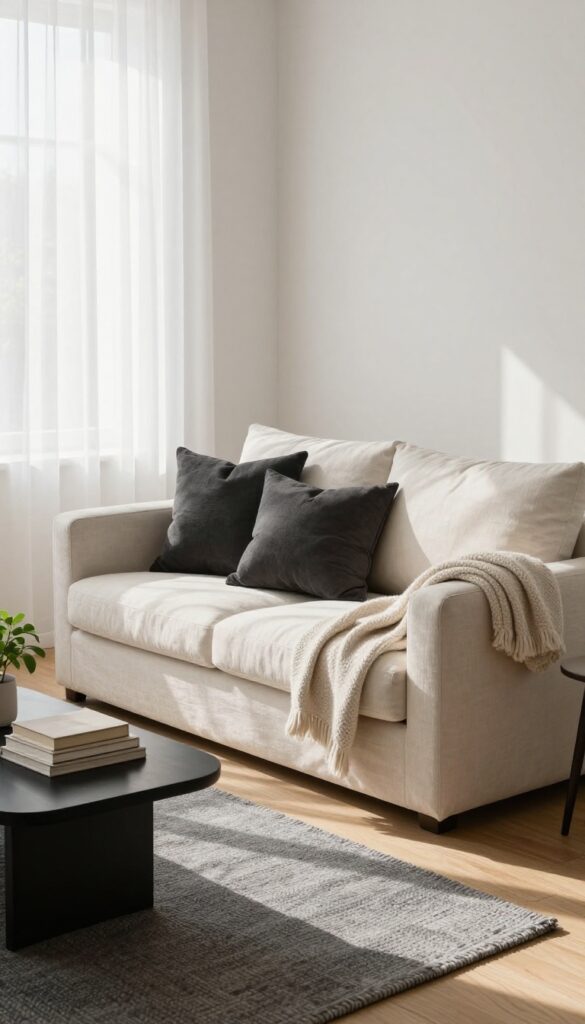
A light-colored sofa is one of the quickest ways to open up a living room without knocking down walls. Cream, beige, or light gray upholstery reflects natural light and makes the whole space feel airier and larger. The trick is balancing that softness with darker accent pieces so the room doesn't look washed out or one-dimensional.
It's a budget-friendly move because you can often find neutral sofas on sale or secondhand, and they work with almost any existing decor.
A light sofa acts like a canvas for the rest of your room. It brightens the space visually and makes small living rooms feel more expansive. To keep it grounded, layer in darker throw pillows, a charcoal area rug, or a black coffee table.
This contrast prevents the room from feeling too sterile or bland. For budget shoppers, look for sofas in durable performance fabrics that resist stains—light colors show dirt more easily, but washable slipcovers or fabric protection sprays can help maintain that fresh look.
Best Fabrics For Durability
- When choosing a light-colored sofa on a budget, prioritize fabrics that can handle daily life. Look for polyester blends, microfiber, or cotton-linen mixes that are easy to clean. Many affordable sofas now come with removable, machine-washable covers—perfect for keeping a cream sofa looking new.
- Avoid silk or delicate weaves that stain easily and require professional cleaning.
Budget-Friendly Swap
- If a new sofa isn't in the budget, try a light-colored slipcover over your existing couch. It's a fraction of the cost and instantly transforms the look. Pair it with a few dark throw blankets and pillows to create that same grounded contrast.
- Slipcovers also let you switch up the color seasonally without committing to a permanent change.
Styling Tip: Add Warmth With Wood
- A light sofa can feel cold if everything else is white or gray. Introduce warmth with wooden side tables, a rattan basket, or a walnut shelf. Wood tones add natural texture and keep the room cozy.
- Even a single wooden tray on the coffee table can make the whole setup feel more inviting.
6. Incorporate a Chaise for Extra Seating Without Clutter
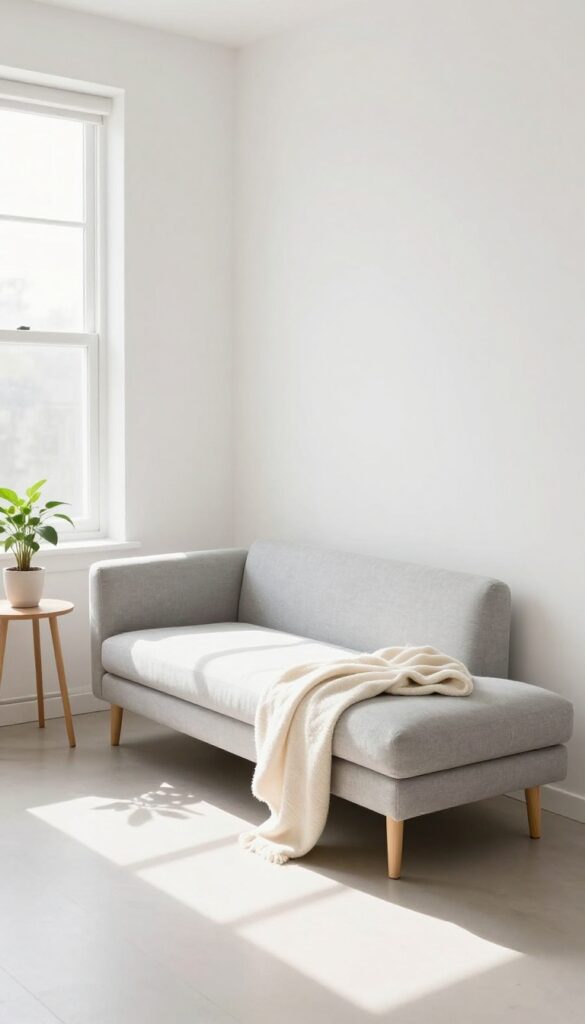
Not every living room needs a full sofa-and-armchair setup. A chaise lounge or a sofa with an attached chaise adds lounging space without the visual weight of extra chairs. It's a smart, space-aware choice that feels luxurious without eating up square footage.
Best of all, you can find budget-friendly versions that look far more expensive than they are.
A chaise gives you that stretch-out-and-relax vibe without crowding the room. In smaller living rooms, it replaces the need for a separate ottoman or side chair. Look for models with slim arms and exposed legs to keep the footprint light.
If you're working with a tight budget, consider a storage chaise that hides blankets or magazines inside—functional and clutter-free.
Best Colors For A Budget Chaise
Stick with neutral tones like cream, light gray, or taupe. These shades blend easily with existing decor and make the chaise feel like a natural extension of the room. If you want a pop of color, go for a muted jewel tone like olive or dusty blue—it adds personality without screaming for attention.
Layout Tip For Small Spaces
Place the chaise along a wall or at a right angle to your sofa to define a lounging zone without blocking walkways. In an open-plan room, use it to subtly separate the living area from the dining space. A chaise with a low back works well under a window, keeping the view open.
Budget-Friendly Swap
Skip expensive designer versions and look for a storage chaise or a sofa with a pull-out chaise section. Online retailers and secondhand shops often have solid options under $500. Add a textured throw and a couple of pillows to elevate the look instantly.
7. Style with a Large Area Rug Under the Sofa
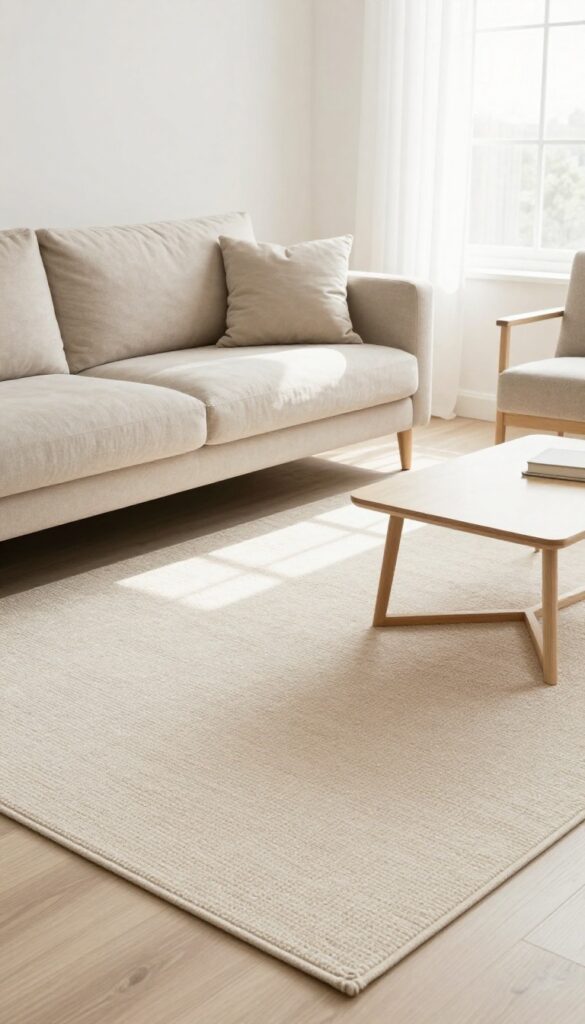
A rug that stretches beyond your sofa's edges does more than just warm up the floor—it defines the entire seating zone. In a luxury-inspired space, this trick makes the room feel intentional and grounded. The best part?
You don't need a high-end rug to pull it off. A budget-friendly flatweave or low-pile option in a neutral tone can create that same polished, pulled-together look without breaking the bank.
When your rug is large enough to sit under the front legs of the sofa (and ideally all the way under), it visually anchors the furniture and stops the room from feeling floaty. This is especially smart in open-plan layouts where the sofa needs to claim its own territory. Go for a rug that extends at least 6-8 inches beyond each side of the sofa—this gives you room for a coffee table or side chairs without the rug looking skimpy.
Stick to low-pile or flatweave materials; they're easier to clean and keep looking crisp, which matters when you're working with a tight budget.
Size And Placement
- Measure your sofa and add 18-24 inches to each side for the rug width. In a small living room, a 5×7 rug can work if your sofa is compact, but an 8×10 is usually the sweet spot for a standard three-seater. Place the rug so the front legs of the sofa rest on it—this creates a seamless look without needing a rug that covers the entire room.
- If you have a chaise or sectional, the rug should extend under the main seating portion at least.
Budget-friendly Material Picks
- Skip expensive wool or silk and go for polypropylene or cotton flatweaves. These mimic the look of natural fibers at a fraction of the cost. A jute or sisal-look rug adds texture and works well in high-traffic areas.
- For a touch of luxury on a dime, choose a rug with a subtle pattern or a border that echoes your sofa's color—this adds visual interest without the price tag.
Styling For A Smart, Space-aware Vibe
- Keep the rug's color light or medium to make the room feel larger. A cream, beige, or soft gray rug reflects light and opens up the space. Pair it with a slim coffee table that leaves plenty of visible rug area—this keeps the layout airy.
- Add a couple of floor cushions or a pouf on the rug for extra seating that doesn't crowd the room.
8. Add a Floor Lamp Behind the Sofa for Ambient Light
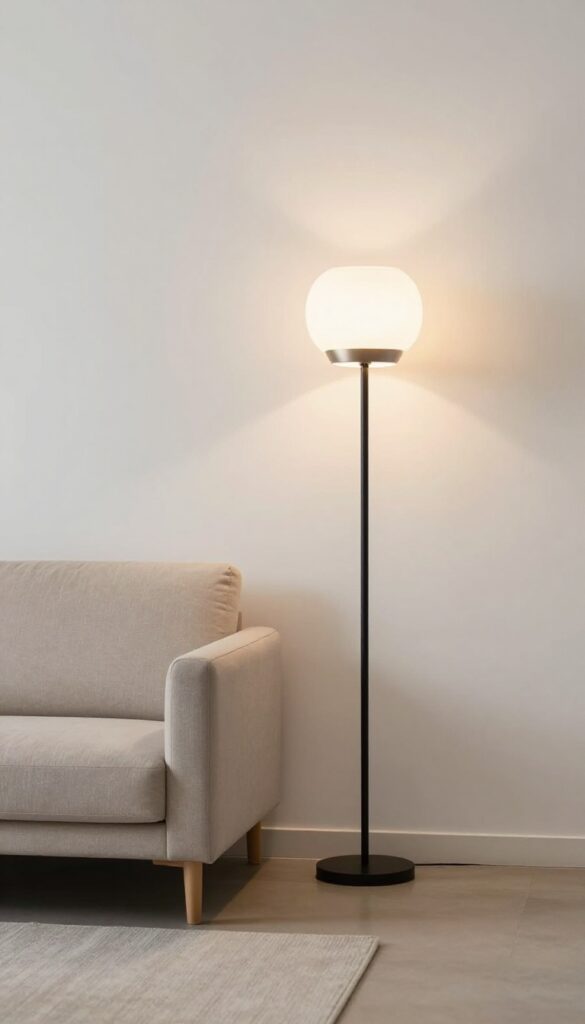
Lighting can make or break a room's atmosphere, and a floor lamp tucked behind the sofa is one of the easiest ways to add warmth without taking up valuable floor space. This trick works especially well in open-plan layouts where you want to define the seating area without adding bulky furniture. The soft glow from behind creates a halo effect that makes the whole space feel more inviting.
A tall, slim floor lamp placed just behind the sofa—either centered or slightly off to one side—throws light upward and outward, softening the edges of the room. This placement is a smart choice for renters or anyone who wants to avoid drilling into walls for sconces. The lamp becomes a subtle focal point that draws the eye up, making ceilings feel higher and the room more spacious.
For a budget-friendly approach, look for a sleek, minimalist design in black or brass that won't compete with your sofa. Pair it with a warm LED bulb (2700K–3000K) to create that cozy, lived-in glow. If your sofa is against a wall, the lamp can sit flush against it; if it floats in the room, position it slightly behind the backrest so the shade is visible but not intrusive.
Best Styles For A Budget-friendly Look
Stick with simple, modern shapes—a thin tripod base or a straight arc lamp works well and costs less than ornate designs. Matte black or brushed nickel finishes hide dust and blend into most color schemes. Skip the heavy fabric shades; instead, go for a metal or paper shade that lets light diffuse evenly.
Placement And Scale Tips
The lamp should be tall enough that the bottom of the shade sits above eye level when you're seated—typically around 58 to 64 inches high. Leave at least 4 to 6 inches between the lamp base and the back of the sofa so it doesn't get knocked over. In a small living room, one lamp is enough; in a larger space, try two flanking the sofa for symmetry.
Finishing Touch: Layer With Other Lighting
This lamp works best as part of a layered lighting plan. Combine it with a ceiling fixture or a table lamp on a side table to avoid dark corners. Use a dimmer switch if possible—it lets you adjust the mood from bright reading light to soft evening ambiance without spending extra.
9. Mix and Match with an Accent Chair
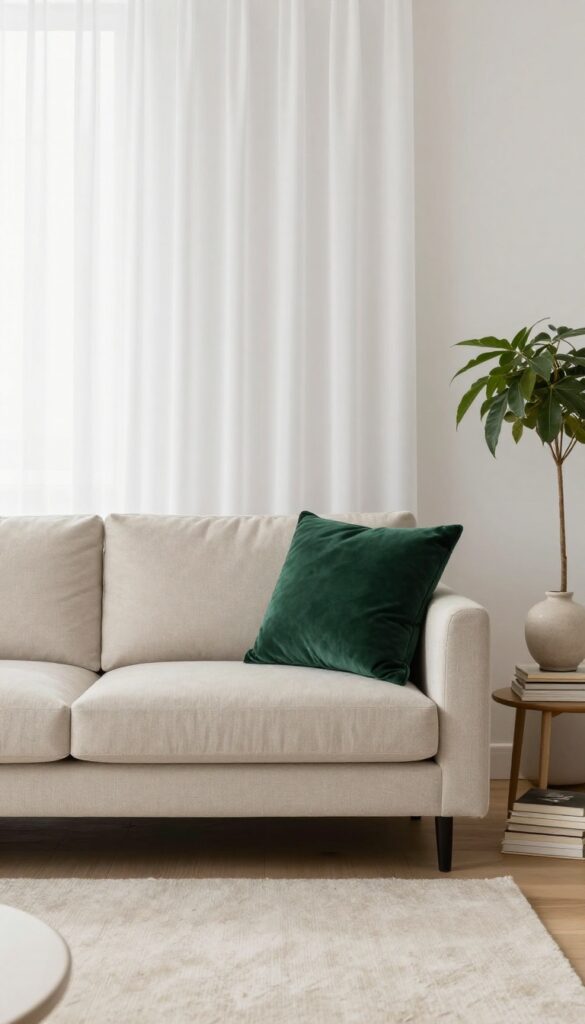
Adding a single accent chair next to your sofa is one of the smartest ways to break up a matching set without breaking the bank. It creates a layered, collected look that feels intentional and personal. Plus, it gives you extra seating that doesn't crowd the room — perfect for small spaces or open layouts.
The trick is to choose a chair that contrasts with your sofa in color, texture, or shape. A neutral sofa pairs beautifully with a bold velvet chair, while a leather sofa gets softened by a linen or bouclé accent. Keep the scale in check: the chair should feel like a companion, not a competitor.
Place it at a slight angle to the sofa to create an intimate conversation area, and anchor both pieces with a rug that ties the colors together.
Best Colors For Contrast
- If your sofa is gray or beige, try a deep emerald green, mustard yellow, or blush pink accent chair. For a darker sofa, go with a lighter tone like cream or pale blue. The goal is to create a visual pop that feels cohesive, not chaotic.
- A good rule of thumb: choose one color from your existing rug or throw pillows to repeat in the chair.
Budget-Friendly Swap
You don't need to spend a fortune on a designer chair. Look for secondhand finds on Facebook Marketplace or local thrift stores — a simple reupholstery or a slipcover can transform a dated piece. Another option: swap out the legs of a basic chair for something more modern, like brass or black metal, for an instant upgrade.
Layout Tip
In a small living room, place the accent chair diagonally across from the sofa to open up the floor space. Avoid pushing it against the wall — floating it slightly creates a more inviting arrangement. If you have a corner, tuck the chair in at a 45-degree angle with a small side table for a cozy reading nook.
10. Use a Tray on the Sofa for Functional Decor
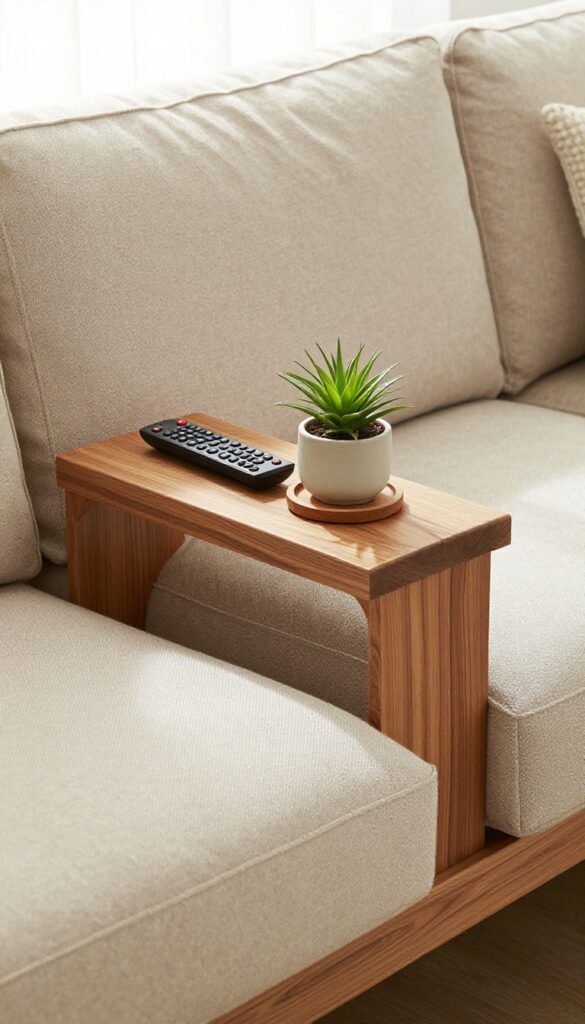
A tray on your sofa might sound like a small detail, but it pulls together the whole look while keeping daily clutter in check. Instead of digging between cushions for the remote or knocking over a coffee cup, you get a designated spot that feels intentional. It’s one of those budget-friendly tricks that makes any living room feel more polished without a big spend.
Placing a decorative tray on the sofa's seat or arm creates a mini landing zone for remotes, coasters, or a small plant. It keeps essentials handy while maintaining a tidy, curated look. Choose a tray that contrasts with your sofa color—like a dark wood tray on a light fabric or a metallic one on a neutral tone—to make it pop.
This small addition works especially well in open-concept spaces where every surface is visible. Plus, it’s easy to swap out trays seasonally or whenever you want a refresh.
Best Materials For Sofa Trays
- Look for trays in materials that balance durability with style. Wood trays add warmth and work with almost any decor, while acrylic or mirrored trays keep things light and airy. If your sofa gets heavy use, go for a tray with a raised edge or non-slip bottom to prevent sliding.
- A woven seagrass or rattan tray brings texture and a relaxed vibe, perfect for a boho or coastal living room.
Small-space Styling Tip
- In a compact living room, a tray on the sofa arm can replace a side table entirely. Use it to hold just two or three items: a coaster, a small vase with a single stem, and the remote. This keeps the surface from looking busy and makes the room feel larger.
- Choose a tray that’s slim enough to rest securely on the arm without tipping.
Budget-Friendly Swap
- You don’t need a designer tray to get this look. Thrift stores and discount home stores often have wooden or metal trays for under $10. If you find a plain one, give it a quick coat of spray paint in a finish that complements your room—brass, matte black, or even a bright color for a pop.
- It’s a five-minute upgrade that feels custom.
11. Opt for a Sofa with Built-In Storage
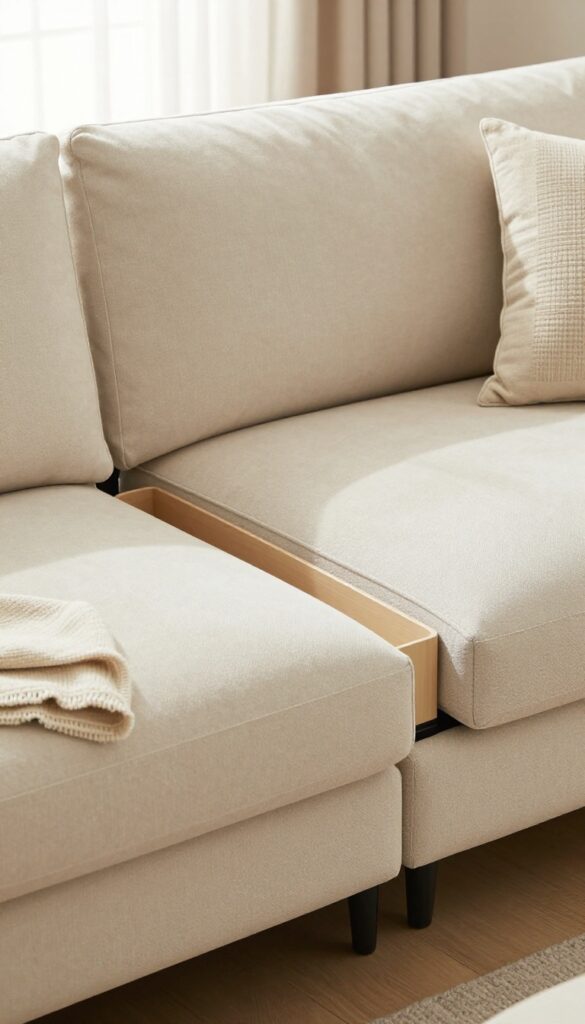
A sofa that hides storage inside isn't just practical—it's a style secret for small spaces. Imagine tucking away extra throws, board games, or kid toys without sacrificing your clean, airy vibe. These pieces look like regular couches but offer hidden compartments under the seat or within armrests.
They keep your living room looking tidy while giving you one less piece of furniture to buy.
Built-in storage sofas solve the eternal struggle between style and clutter. They work especially well in apartments or homes where every square foot matters. The best part?
You don't have to choose between a sleek look and a place to stash your stuff. Many modern designs feature lift-up seats or pull-out drawers that blend right into the frame. For a budget-friendly approach, look for models with simple storage under the seat cushions rather than complex mechanisms.
This keeps costs down while still giving you that hidden organization.
Best Colors
Stick with neutral tones like beige, light gray, or soft taupe to keep the sofa versatile. These shades hide minor wear well and make the storage feature feel like a natural part of the design. If you want a pop of color, go for a muted olive or dusty blue—they still feel calm but add personality.
Small-space Fix
Measure your room before buying. A storage sofa with a slim profile (around 30 inches deep) works better in tight spaces than a bulky sectional. Also, choose a model with storage in the armrests if you need quick access to remotes or magazines without lifting the whole seat.
Budget-Friendly Swap
Skip high-end custom storage sofas and look for ready-to-assemble options from brands like IKEA or Target. Their Kivik or Threshold lines often have hidden storage at a fraction of the cost. You can also add a storage ottoman that matches your sofa for extra hiding space without replacing the whole couch.
12. Add a Pop of Color with a Single Bold Throw
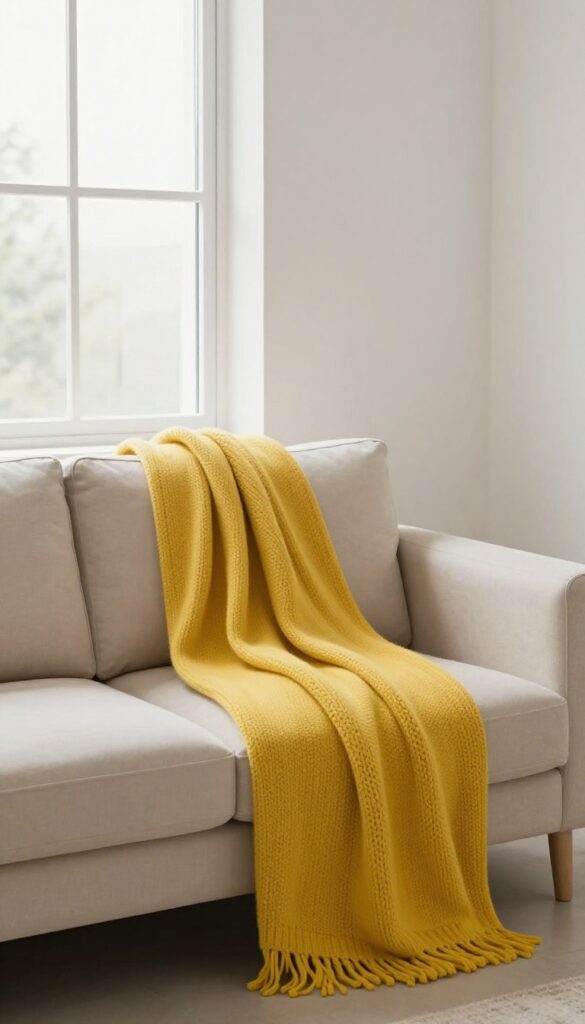
A neutral sofa is a blank canvas, but it doesn't have to stay that way. One vibrant throw blanket draped over the back or arm can completely change the energy of the room. It's a budget-friendly way to introduce personality without committing to a full redo.
Stick to a single bold hue—think mustard yellow, deep teal, or fiery coral—to keep the look intentional and sophisticated.
This trick works especially well in small spaces where you want color but can't afford a bulky accent chair. The throw becomes the focal point, drawing the eye and adding warmth. Plus, it's easy to swap out seasonally or whenever you crave a change.
Go for a chunky knit or a velvet texture to up the luxury feel without the price tag.
Best Colors For Impact
- Choose one saturated color that contrasts with your sofa. For a gray couch, try burnt orange or emerald green. With a beige sofa, go for cobalt blue or magenta.
- The key is to pick a shade that feels deliberate, not accidental. Avoid pastels if you want a bold pop—they tend to blend in rather than stand out.
Placement Matters
- Drape the throw casually over one corner of the sofa back, letting it hang down the side. Or fold it neatly over the arm for a more tailored look. Avoid symmetrical placement—it can feel staged.
- The goal is effortless style, so let it look a little undone.
Budget-Friendly Swap
You don't need a designer throw to make this work. Look for affordable options at stores like Target, IKEA, or even thrift shops. A $20 throw in a rich color can look just as luxe as an expensive one, especially if you choose a fabric with good drape, like cotton or a wool blend.
13. Create a Symmetrical Layout for a Formal Feel
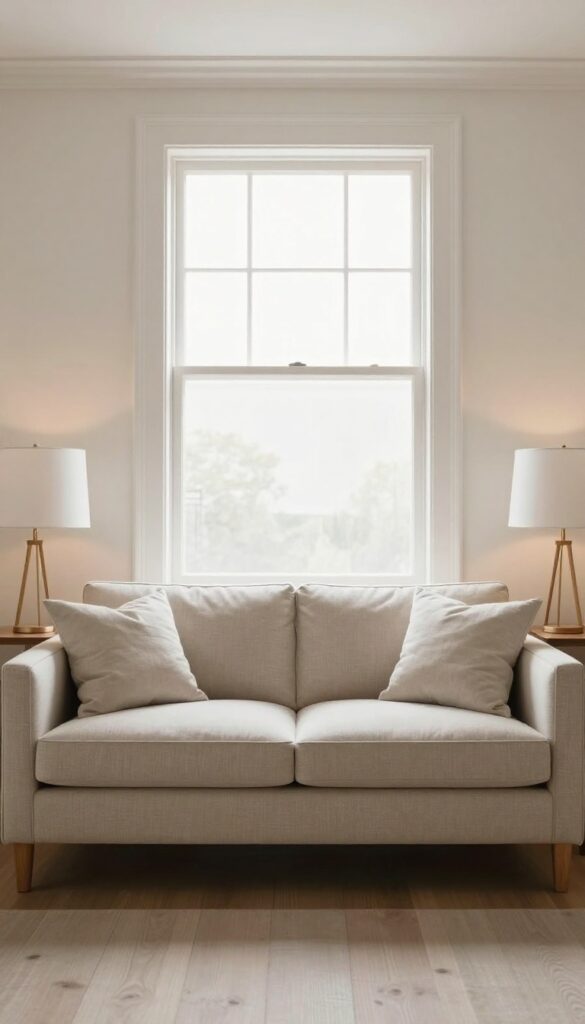
Symmetry is one of those design tricks that instantly makes a room feel more polished and intentional. By placing matching end tables and lamps on either side of your sofa, you create a balanced focal point that draws the eye and adds a sense of order. The best part?
You don't need to spend a lot to achieve this look—just pair what you already have or hunt for matching secondhand pieces.
A symmetrical layout works especially well in living rooms where you want to create a formal, elegant atmosphere. It's a classic approach that never goes out of style and can make even a budget-friendly sofa look like a high-end investment. The key is to keep the elements simple and consistent: same height lamps, same size tables, and similar decorative accents on each side.
This doesn't mean everything has to be identical down to the last detail, but the overall silhouette should mirror itself. For a smart, space-aware twist, choose slim end tables that don't overwhelm the room and lamps that provide ample light without taking up too much visual real estate.
Best Colors
Stick with neutral tones for the tables and lamps to let the sofa stand out. White, black, wood, or metallic finishes work well. If your sofa is already neutral, add a pop of color through the lampshades or a small vase on each table.
Budget-Friendly Swap
- You don't need to buy new furniture. Look for matching secondhand tables on Facebook Marketplace or at thrift stores. Spray paint them the same color for a cohesive look.
- For lamps, consider using identical floor lamps if end tables aren't an option.
Small-space Fix
In a compact living room, use narrow console tables behind the sofa instead of bulky end tables. Place matching lamps on each end of the console. This saves floor space while still creating symmetry and a formal feel.
FAQ
What is the best sofa shape for a small living room?
A low-profile sofa with exposed legs and a slim frame works best for small spaces. It creates an open, airy feel and can be paired with a chaise for extra seating without bulk.
How can I make a budget sofa look expensive?
Focus on details like adding textured throw pillows, a large area rug, and a stylish floor lamp. Choosing a neutral color and keeping the sofa clean also helps it look high-end.
What fabric is both durable and luxurious?
Performance velvet or textured weaves in neutral tones offer a luxurious look while being easy to clean. They resist stains and wear, making them ideal for busy homes.
How many pillows should I put on a sofa?
For a balanced look, use 3 to 5 pillows on a standard sofa. Mix different sizes and textures to add depth without overcrowding.
Can I use a sofa in a narrow living room?
Yes, choose a slim-profile sofa and place it against the longest wall. Avoid bulky armrests and consider a console table behind it for extra function without taking floor space.
Conclusion
Styling a luxury living room on a budget is all about smart choices and thoughtful details. From choosing the right sofa shape to layering textures and lighting, each idea helps you create a space that feels both elegant and personal.
Remember, you don't need to splurge to get that high-end look—just a little creativity and planning go a long way. We hope these 13 sofa ideas inspire you to transform your living room into a stylish retreat that reflects your taste and fits your lifestyle.