15 Smart Storage Ideas for Modern Wash Basins in Living Room Corners
Tucking a wash basin into a living room corner might sound unconventional, but it's a brilliant move for open-plan spaces or small homes. You get the convenience of a handy sink without dedicating an entire room to it.
The trick is making it feel intentional, not like an afterthought. That's where smart storage comes in.
By choosing the right basin, vanity, and surrounding shelving, you can create a functional nook that actually enhances your living area. These 15 ideas prove that a corner basin can be both practical and stylish, with plenty of hidden storage to keep clutter at bay.
1. Floating Vanity with Open Shelving Below
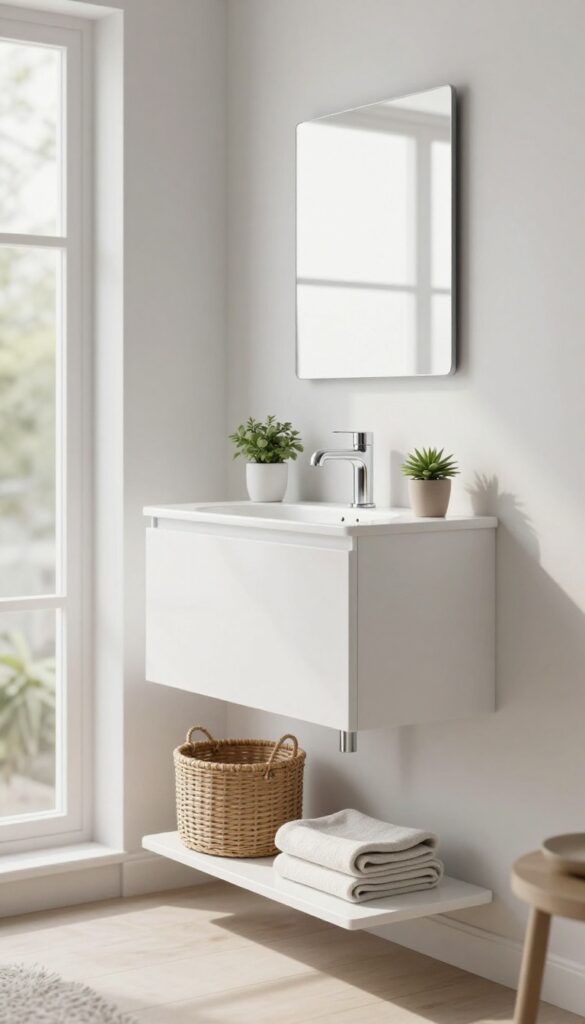
A wall-mounted vanity does more than just look sleek—it actually opens up the floor, making a tight corner feel airier and less cramped. The open shelf underneath gives you a spot to stash everyday essentials without cluttering the countertop. Toss in a couple of woven baskets, and suddenly that bare corner turns into a smart little station for quick hand washes or storing guest towels.
This setup works especially well in living rooms where you want a subtle wash zone without sacrificing square footage. The floating design keeps the visual weight light, while the open shelf below adds practical storage that's easy to access. Stick with a slim profile so the vanity doesn't overwhelm the corner, and choose a finish that complements your existing furniture—white or light wood keeps things bright, while dark tones add a touch of drama.
Best Materials
Go with a moisture-resistant material like solid wood with a sealed finish or high-quality MDF with a laminate coating. A glossy white lacquer reflects light and makes the vanity disappear into the wall, while a natural oak veneer brings warmth. Avoid raw particleboard—it won't hold up near any splashes.
Storage Tip
Use the open shelf for items you reach for often: a small tray for soap, a rolled hand towel, and maybe a tiny plant. For less pretty necessities like extra toilet paper or cleaning supplies, tuck them into woven baskets or ceramic canisters that match your room's color palette.
Layout Tip
Position the vanity so the sink is centered on the wall, leaving at least 6 inches of clearance on each side for easy access. If the corner is tight, consider a narrower vanity—around 18 to 24 inches wide—so you still have room for a small stool or trash can nearby.
2. Corner Console with Built-In Drawers
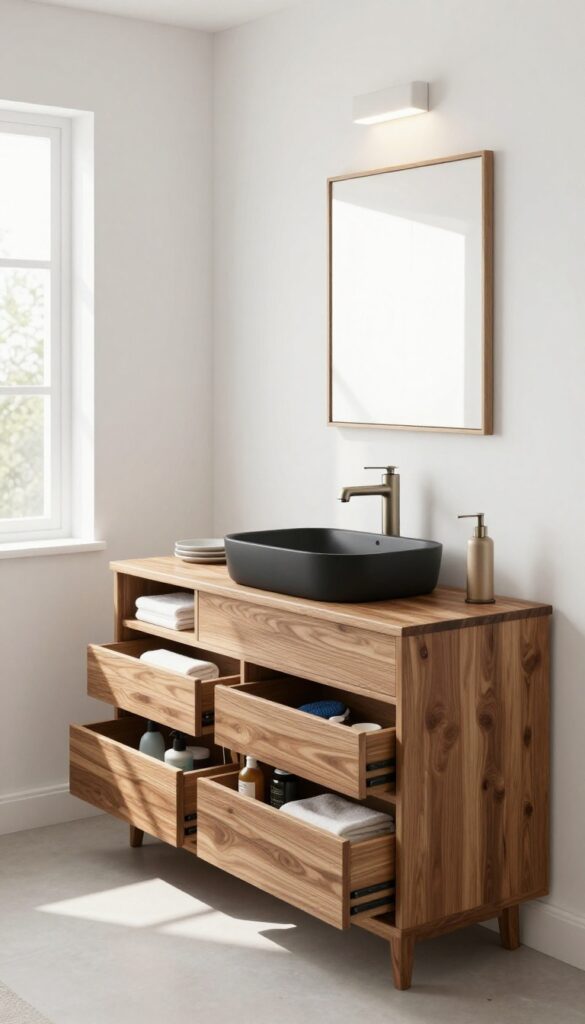
A corner console with built-in drawers turns an awkward nook into a hardworking station. The deep drawers hide all the clutter—cleaning supplies, extra towels, or spare toiletries—while the countertop holds a vessel sink for a sleek, modern look. It's the kind of setup that feels intentional, not squeezed in.
This idea works best when the console is custom-built or a close fit for your corner. The drawers should be deep enough to store bulkier items, and the counter needs to be waterproof or sealed around the sink. Choose a vessel sink in a contrasting material—like matte black or hammered copper—to make the corner a focal point.
Keep the faucet low-profile so it doesn't overwhelm the space. A mirror or small art piece above the sink completes the vignette without adding visual weight.
Best Materials
- Go with a moisture-resistant wood like teak or a high-quality MDF with a waterproof veneer. The countertop should be quartz, granite, or solid surface to handle splashes. For the sink, opt for stone, ceramic, or metal—each brings a different texture.
- Pair with a brushed nickel or matte black faucet for a cohesive finish.
Storage Tip
Use drawer dividers to keep supplies organized. Assign one drawer for cleaning products, another for linens, and a third for miscellaneous items like spare soap or candles. This prevents the drawers from becoming a catch-all and makes daily use effortless.
Lighting Idea
Install a small sconce or pendant light above the sink area. Warm LED lighting (2700K-3000K) creates a cozy glow and highlights the sink's texture. If you prefer a cleaner look, use under-cabinet strip lighting on the console's underside to softly illuminate the floor.
3. Slimline Pedestal Sink with Wall-Mounted Cabinet
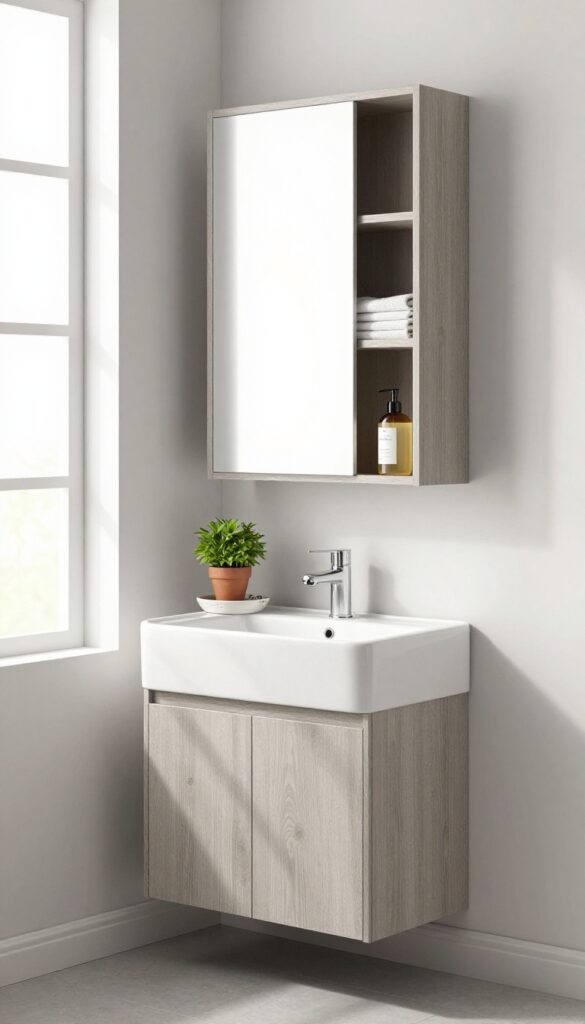
When floor space is at a premium, a slim pedestal sink is a lifesaver. It offers just enough basin for quick handwashing without overwhelming a small corner. Pair it with a tall, narrow cabinet mounted on the wall above, and you get a tidy storage solution that keeps soap, towels, and other essentials within easy reach.
The combination feels intentional and uncluttered, perfect for a modern living room that doubles as a guest-friendly space.
This setup works especially well in tight corners where a full vanity would feel cramped. The pedestal sink keeps the floor open, making the room appear larger, while the wall-mounted cabinet draws the eye upward and adds vertical storage. Choose a sink with clean lines and a compact profile, and match it with a cabinet that has a similar finish for a cohesive look.
The result is a functional wash station that doesn't sacrifice style or square footage.
Best Materials
Opt for a ceramic or porcelain pedestal sink for easy cleaning and a timeless finish. For the cabinet, consider solid wood with a matte lacquer or a sleek laminate in white or light gray. Glass shelves inside the cabinet add an airy feel, while a mirrored door can double as a quick grooming spot.
Storage Tip
Maximize the cabinet's interior with adjustable shelves and small bins. Store everyday items like hand soap, a small towel, and a candle on the lower shelf, and keep backups or less-used supplies on the top. A magnetic strip on the inside door can hold tweezers or nail clippers.
Finishing Touch
Add a small plant or a decorative tray on the sink's edge to soften the look. A warm-toned faucet, like brushed brass or matte black, introduces a subtle contrast against the white sink and cabinet. Keep the area around the sink clutter-free by limiting decor to one or two small pieces.
4. Repurposed Sideboard with Drop-In Basin
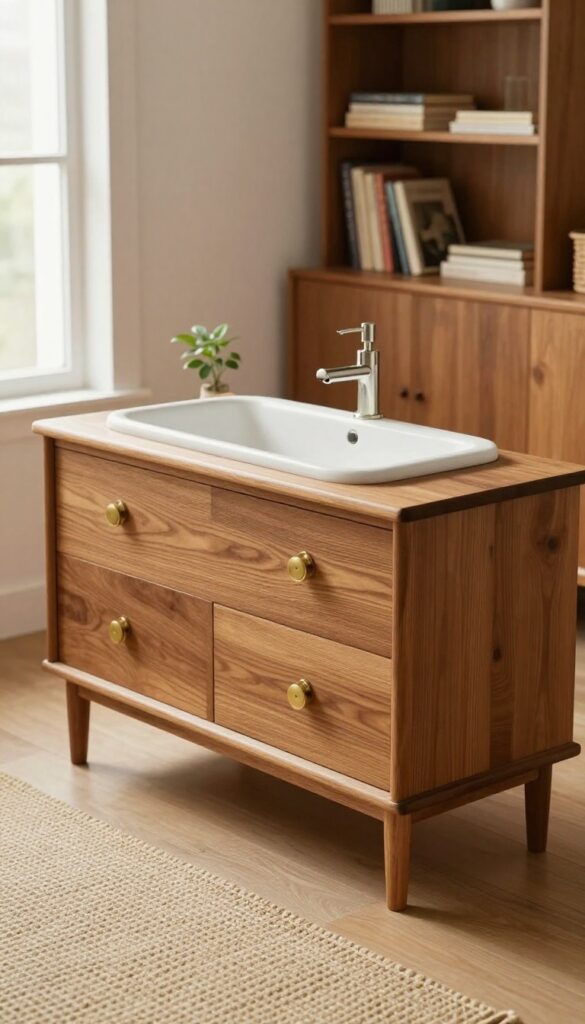
There's something deeply satisfying about giving old furniture a second life, especially when it solves a practical problem at the same time. A vintage sideboard or mid-century credenza can become the unexpected star of your living room corner when you add a drop-in basin. The existing drawers and cabinets hide all your bathroom essentials, so you get a vanity that looks like a piece of furniture, not a bathroom fixture.
This idea works best in a living room that already has a slightly eclectic or collected feel. The sideboard's original hardware and wood tones bring warmth, while the basin adds a clean, modern contrast. Keep the countertop clear except for a few everyday items like a soap dispenser and a small plant.
The real magic is in the storage: use the drawers for toiletries, towels, and cleaning supplies, and the cupboards for bulkier items like extra rolls of paper or a hair dryer. It's a setup that feels intentional and lived-in, not like a last-minute renovation.
Best Materials
- Choose a sideboard with a solid wood top that can support the weight of the basin and water. Teak, oak, or walnut work well because they handle moisture better than softer woods. For the basin, opt for a ceramic or stone drop-in model with a smooth, easy-to-clean surface.
- Avoid glass or very shallow basins, as they show water spots and splash more. If your sideboard has a laminate top, consider replacing just the top panel with a piece of quartz or butcher block before cutting the hole.
Layout Tip
- Position the sideboard so the basin is centered or slightly off-center depending on the room's symmetry. Leave at least 6 inches of counter space on one side for a small tray with hand soap and a lotion pump. If the sideboard is against a wall, mount a mirror above it that's slightly narrower than the piece itself.
- This keeps the visual weight balanced and prevents the setup from feeling top-heavy. For a corner installation, angle the sideboard at 45 degrees to make the most of the space.
Storage Tip
- Maximize the existing drawers by adding removable dividers or small baskets. Use the top drawer for daily-use items like toothbrushes and face wash, so you don't have to bend down every time. In the cupboards below, store a small trash can, extra towels, and a caddy with cleaning supplies.
- If the sideboard has open shelves, use woven baskets to hide clutter while keeping things accessible. Label each basket with a simple tag to maintain the furniture-like look.
5. Open Shelf Unit with Integrated Sink
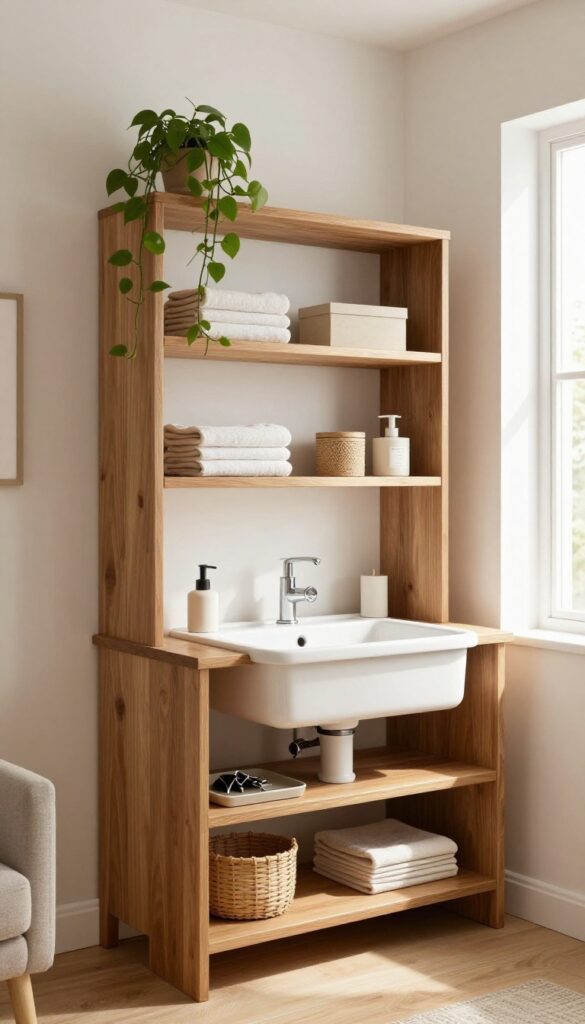
A floor-to-ceiling open shelf unit does double duty as a statement piece and a hardworking storage solution. By tucking a small sink into the unit at counter height, you create a functional wash station that blends seamlessly with the rest of your living room decor. The surrounding shelves become prime real estate for decorative baskets, everyday items, and a few personal touches that keep the whole setup feeling intentional.
This idea works especially well in corners that are too narrow for a full vanity but too awkward to leave empty. The vertical shelves draw the eye upward, making the ceiling feel higher and the corner more purposeful. Choose a sink that sits flush with the shelf surface for a clean, built-in look—vessel sinks can work too, but they tend to interrupt the shelf line.
Keep the countertop clear except for a small soap dispenser and a hand towel, so the space doesn't feel cluttered. The shelves above can hold neatly folded towels, a plant, or a few decorative boxes. Lower shelves are great for storing items you want within easy reach, like coasters or a small tray for keys.
Best Materials
- Go with warm wood tones like oak or walnut for the shelving to keep the unit from feeling too cold or commercial. A white or light-colored sink contrasts nicely and keeps the look fresh. If your living room leans modern, try black metal brackets and dark wood for an industrial edge.
- For a more natural vibe, use reclaimed wood shelves and a matte stone sink.
Shelf Styling Tip
Mix closed storage like woven baskets with open displays to avoid visual noise. Use baskets on the lower shelves for hiding less attractive items, and leave the upper shelves for things you want to show off—a small plant, a stack of books, or a ceramic vase. Keep the color palette cohesive: stick to two or three neutral tones so the unit feels curated, not chaotic.
Small-space Fix
If your corner is tight, opt for a narrower shelf unit (around 12–18 inches deep) and a compact sink that doesn't jut out too far. You can also skip the countertop and mount the sink directly on a reinforced shelf. Just make sure the plumbing is neatly hidden behind a false back or within the shelf structure.
6. Compact Vanity with Towel Rack Side Panel
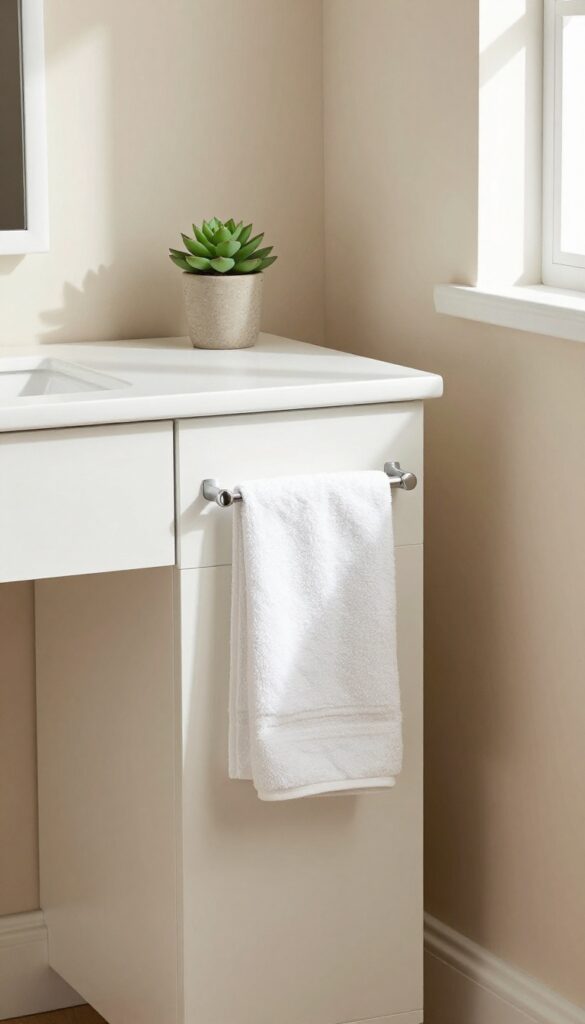
Tucking a vanity into a corner is smart, but adding a towel rack right on the side panel makes it even more functional. This setup keeps hand towels or a small decorative towel within easy reach without drilling extra holes in the wall. The vanity itself stays slim and uncluttered, while the side rack adds a practical layer that feels built-in, not bolted on.
It's a subtle upgrade that makes the corner feel intentional and ready for daily use.
A compact vanity with an attached towel rack side panel is ideal for living room corners where you want a quick hand-wash station or a spot to freshen up without heading to the bathroom. The towel rack is integrated into the vanity's side, so it doesn't protrude into the room or require additional wall space. This keeps the corner tidy and the towels always accessible.
Choose a vanity with a slim profile—around 12 to 16 inches deep—and a side panel that extends just enough to hold a folded towel or a small bar for hanging. The result is a polished, space-saving solution that blends storage and convenience.
Best Layout Tip
Position the vanity so the towel rack faces the most used path—usually toward the center of the room or the seating area. This makes grabbing a towel feel natural. If the corner is tight, opt for a vanity with a fold-down towel bar that tucks flat when not in use.
Storage Note
Use the vanity drawer or open shelf for spare towels, a small soap dispenser, and a candle. Keep the countertop clear except for a single decorative object or a small plant. The side rack should hold only one or two towels to avoid a cluttered look.
Finishing Touch
Add a small mirror above the vanity and a warm-toned sconce on the adjacent wall. This creates a mini grooming station that feels intentional. Choose a towel in a muted color or subtle pattern that complements the vanity's finish—brass hardware pairs well with white or light wood.
7. Wall-Mounted Basin with Under-Sink Caddy
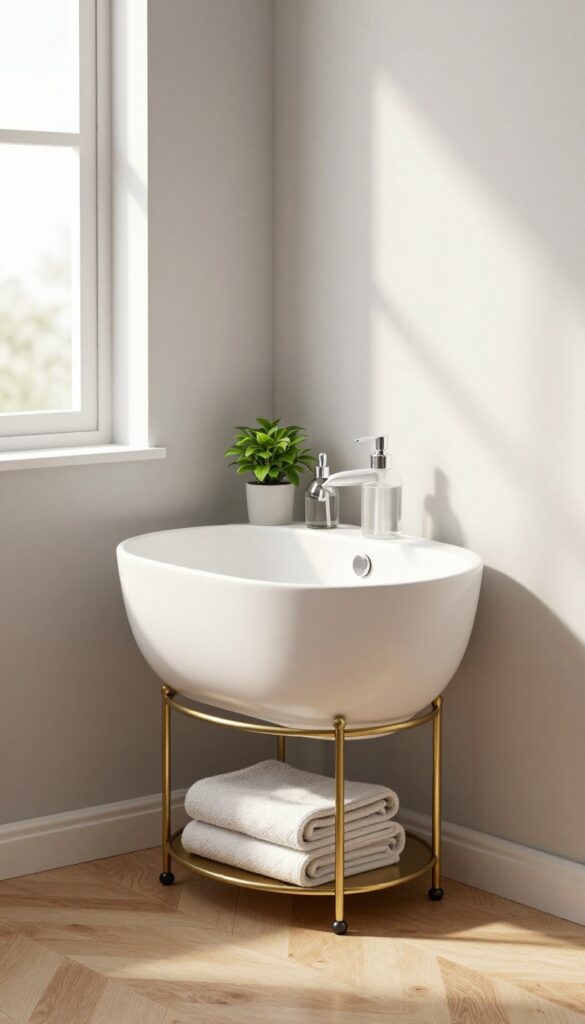
A wall-mounted basin is a smart choice when floor space is tight but you still want a stylish sink in the corner. By freeing up the area underneath, you create room for a slim rolling caddy or a tiered cart that tucks neatly out of sight. This setup keeps everyday essentials close at hand while maintaining an open, uncluttered look.
The key to making this work is choosing a basin with clean lines and a compact profile. A rounded or oval shape softens the corner, while a matte finish—like stone or brushed metal—adds texture without overwhelming the space. The caddy underneath should be narrow enough to slide in and out easily, and ideally on casters so you can move it for cleaning.
Use it to store hand towels, soap refills, or even a small plant for a touch of green. This idea is perfect for a living room corner that doubles as a mini bar or coffee station, keeping everything organized and accessible.
Best Materials
Go for a ceramic or stone-resin basin in a neutral tone like warm white, soft gray, or matte black. Pair it with a metal caddy in brass, chrome, or black to match your faucet finish. Avoid glossy surfaces that show water spots easily.
Storage Tip
Choose a caddy with two or three tiers to maximize vertical storage. Keep frequently used items on the top shelf and backups below. Add small bins or baskets to corral loose items like sponges or bottle brushes.
Layout Tip
Position the basin at least 6 inches from the corner walls to allow room for the caddy to slide out without hitting the baseboard. If the corner is tight, opt for a triangular or quarter-round caddy that fits snugly into the angle.
8. Corner Vanity with Mirrored Cabinet Above
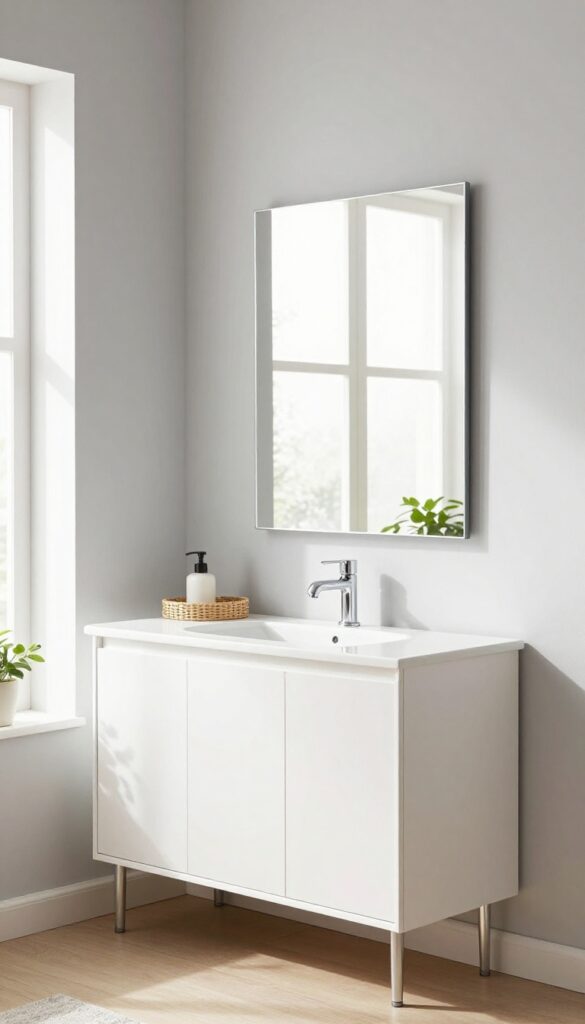
A corner vanity paired with a mirrored cabinet above is one of those ideas that feels almost too obvious once you see it. It combines a sink or small counter with storage and a mirror in one compact footprint, so you don't need extra wall space for separate pieces. This setup works especially well in small living rooms where every square inch counts, and it keeps the corner feeling intentional rather than like an afterthought.
The mirrored cabinet above the vanity reflects light around the room, making the corner feel bigger and brighter. Choose a cabinet with adjustable shelves inside so you can store toiletries, cleaning supplies, or even extra towels. The vanity itself can be a slim console table or a custom-built piece that fits the corner exactly.
A vessel sink or a small basin adds a modern touch without taking up much room. Finish with a sleek faucet and a backsplash that ties into the rest of the room's palette.
Best Materials
- Go for a vanity with a glossy or matte lacquer finish in white, light gray, or a soft wood tone. The mirrored cabinet should have a clean aluminum or chrome frame to keep the look contemporary. For the countertop, quartz or solid surface is easy to clean and doesn't show water spots.
- A glass vessel sink adds a transparent, airy feel that works well with the mirror.
Storage Tip
Use the mirrored cabinet for daily essentials and keep a small basket or tray on the vanity for items you reach for often. Add a slim pull-out drawer or a caddy underneath if the vanity has open space. This keeps the surface clutter-free and the corner looking tidy.
Lighting Fix
Install a small sconce on each side of the mirror or a pendant light above the vanity. This prevents shadows on your face and adds a warm glow to the corner. Dimmable bulbs let you adjust the brightness from task lighting to a softer evening ambiance.
9. Industrial Pipe Vanity with Wooden Shelf
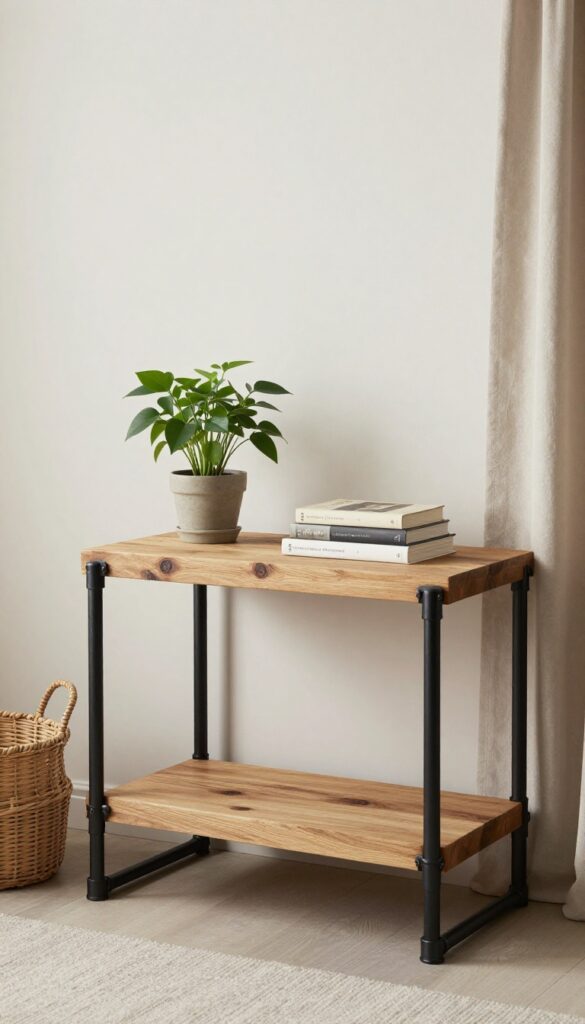
Raw metal and warm wood bring an unexpected edge to a living room corner. This industrial pipe vanity feels like a salvaged piece from a factory, but it’s totally intentional. The open design keeps the space airy while adding a rugged focal point that pairs well with soft textiles or plants.
A metal pipe frame supports a thick reclaimed wood plank, creating a simple yet striking vanity. Below, the open shelf offers room for a woven basket or a low stool, making the corner both decorative and functional. The mix of cool steel and warm wood tones balances the look, so it doesn’t feel too cold or too rustic.
This setup works especially well in corners near a window, where natural light highlights the textures.
Best Materials
Stick with black iron pipes for that true industrial feel, and choose a solid piece of reclaimed oak or pine for the shelf. The wood should have visible grain and maybe a few knots for character. Avoid glossy finishes—matte or raw looks best.
Storage Tip
Use the shelf below for a slim woven basket to hide small clutter like remotes or magazines. Alternatively, place a low wooden stool there for extra seating that can slide out when needed. Keep the top surface mostly clear except for a small plant or a stack of books.
Layout Tip
- Position the vanity in a corner that gets some natural light, even if indirect. The contrast between the dark pipes and bright wall will pop. Leave at least 18 inches of clearance above the shelf so it doesn't feel cramped.
- A tall floor lamp next to it can add a warm glow in the evening.
10. Built-In Nook with Hidden Pull-Out Drawers
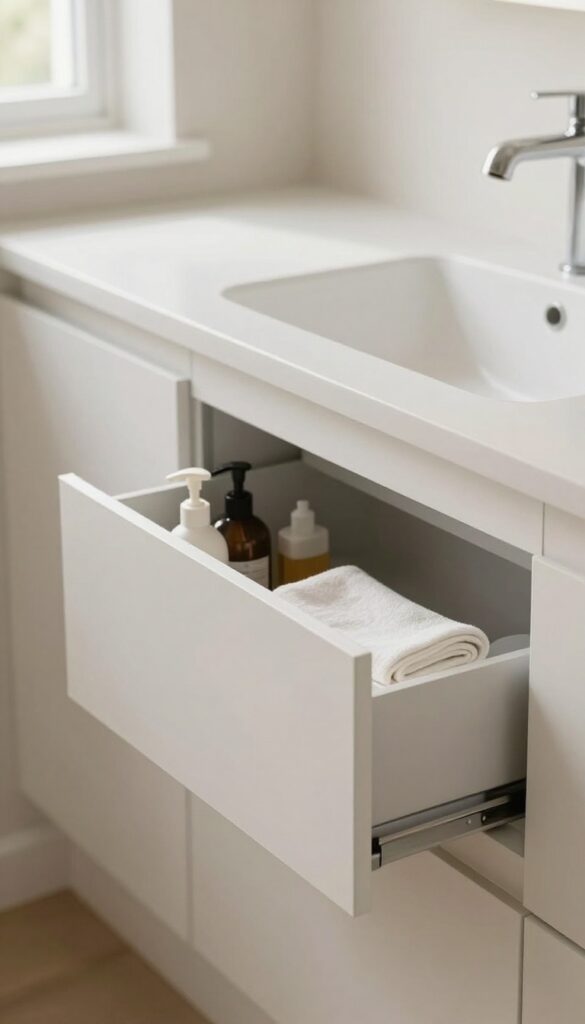
That awkward alcove or recessed corner that never seems to fit a piece of furniture? It's actually a secret opportunity. Instead of leaving it empty or cramming in a skinny console that looks like an afterthought, go custom.
A built-in nook with a wash basin and hidden pull-out drawers turns wasted space into a hardworking feature that feels like it was always meant to be there. The result is both visually seamless and incredibly practical—every inch earns its keep.
The beauty of this idea is how it blends into the room. The basin sits flush within the cabinetry, often with a slim countertop that matches your existing trim or wall color. Below, pull-out drawers hide toiletries, cleaning supplies, or extra towels, keeping the surface clutter-free.
It's the kind of detail that makes guests think, "Wow, this was designed by a pro." And the best part? You can tailor the depth and height to fit your exact space, so nothing feels forced.
Best Layout For Awkward Alcoves
- Measure the alcove's width, depth, and height carefully. A depth of at least 18 inches gives room for a vessel sink or a small drop-in basin. If the alcove is shallow, consider a wall-mounted faucet to save counter space.
- Leave a gap of at least 2 inches on each side for easy cleaning and a built-in look.
Storage That Actually Works
Go for full-extension drawer slides so you can reach everything in the back. Use dividers inside to keep small items like soap, sponges, and hand towels organized. If plumbing runs through the cabinet, design the drawers to wrap around it—or skip the bottom drawer and use that space for a hidden trash bin.
Finishing Touches
Paint the nook the same color as the wall to make it disappear, or use a contrasting shade to turn it into a focal point. A slim mirror above the basin and a small sconce on each side add function and style. Keep decor minimal—a single plant or a small tray for hand soap is plenty.
11. Mid-Century Credenza with Vessel Sink
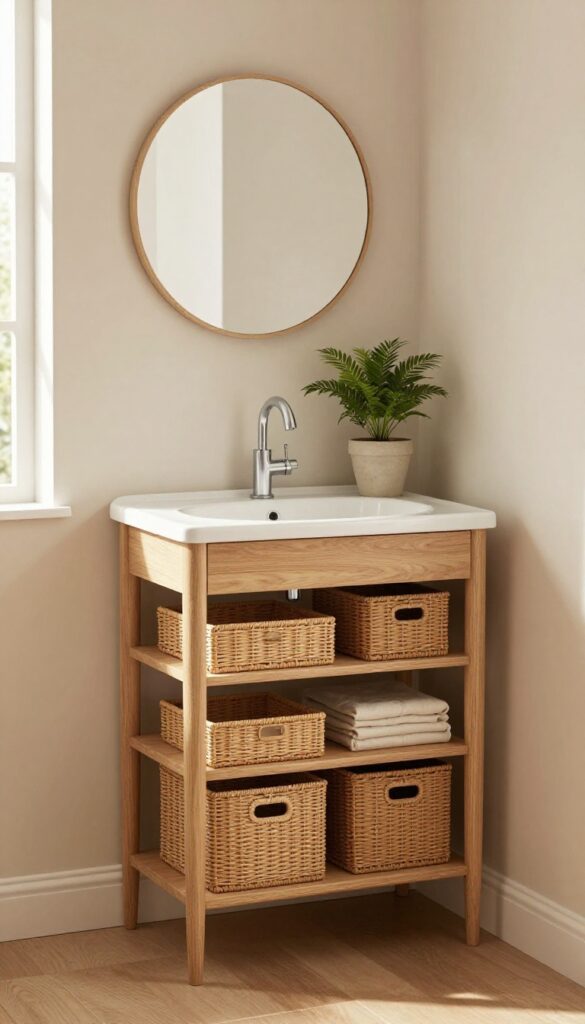
A low credenza with tapered legs brings mid-century charm to a living room corner while pulling double duty as a vanity. The key is choosing a piece with enough surface area for a vessel sink and drawers that hide toiletries or cleaning supplies. This setup feels intentional, not makeshift, especially when you match the credenza’s wood tone to other warm accents in the room.
Start by measuring your corner to ensure the credenza fits without crowding the space. Look for a solid wood or veneer piece with clean lines and angled legs—teak or walnut works beautifully. Place a round or oval vessel sink on top; ceramic or stone adds texture.
Use the drawers for storing hand towels, soap refills, or extra sponges. A gooseneck faucet with a high arc keeps the look sleek and functional. Finish with a small mirror above and a low-maintenance plant on one side.
Best Materials
Teak or walnut credenzas bring warmth, while a white or matte black vessel sink creates contrast. For the countertop, consider a thin marble slab or a waterproof butcher block insert to protect the credenza’s surface.
Storage Tip
Use drawer dividers to organize smaller items like cotton rounds and toothbrush heads. If your credenza has open shelves, add woven baskets for a tidy look that keeps daily essentials out of sight.
Lighting Note
Install a small sconce above the mirror or use a cordless LED puck light under the credenza’s lip. Soft warm light makes the corner feel like a intentional powder room nook, not an afterthought.
12. Wall-to-Wall Counter with Under-Counter Baskets
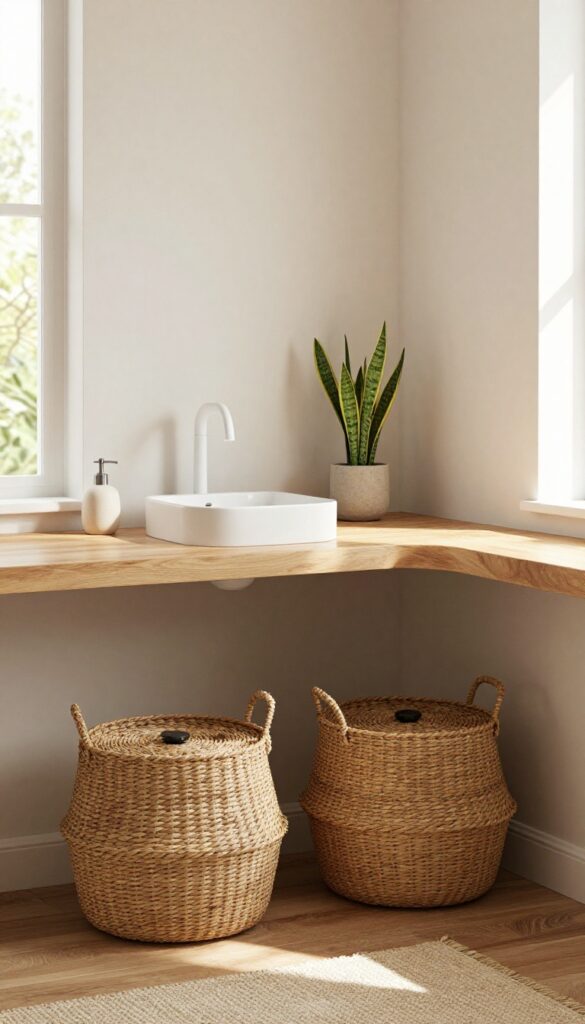
A continuous counter that spans the entire corner makes the sink feel like a natural part of the room, not an afterthought. Placing the basin in the middle creates symmetry, while the open space underneath becomes prime real estate for storage. Large woven baskets slide right under, keeping towels, toiletries, or even extra throws neatly tucked away but still easy to grab.
The look is clean and intentional, with the baskets adding warmth and texture against a sleek countertop.
This setup works especially well in living rooms that double as guest spaces or in open-plan layouts where the wash basin needs to blend in. The counter can be wood, quartz, or even a butcher block—whatever fits your existing palette. Go for a matte finish to keep things understated.
The baskets should be substantial in size, with natural fibers like seagrass or rattan to soften the hard lines of the counter. Keep the countertop mostly clear except for a small soap dispenser or a single plant to maintain that streamlined feel.
Best Materials
A warm wood countertop, like teak or oak, pairs beautifully with woven baskets and adds a natural touch. If your living room leans more modern, a white quartz or concrete counter keeps it crisp. The sink itself should be an under-mount or vessel style in a neutral tone—white, matte black, or brushed brass.
Storage Tip
Choose baskets with lids if you want to hide clutter completely, or open-top baskets for easy access to frequently used items. Labeling each basket (e.g., “guest towels,” “extra soap”) keeps everything organized and makes the setup feel intentional. For a cohesive look, stick to one basket material and color throughout.
Layout Tip
Measure the corner carefully so the counter extends at least 12 inches on each side of the sink. This gives enough room for the baskets to slide in without feeling cramped. If the corner is tight, consider a narrower counter depth (around 18 inches) and smaller baskets to keep proportions balanced.
13. Tall Linen Cabinet with Countertop Sink
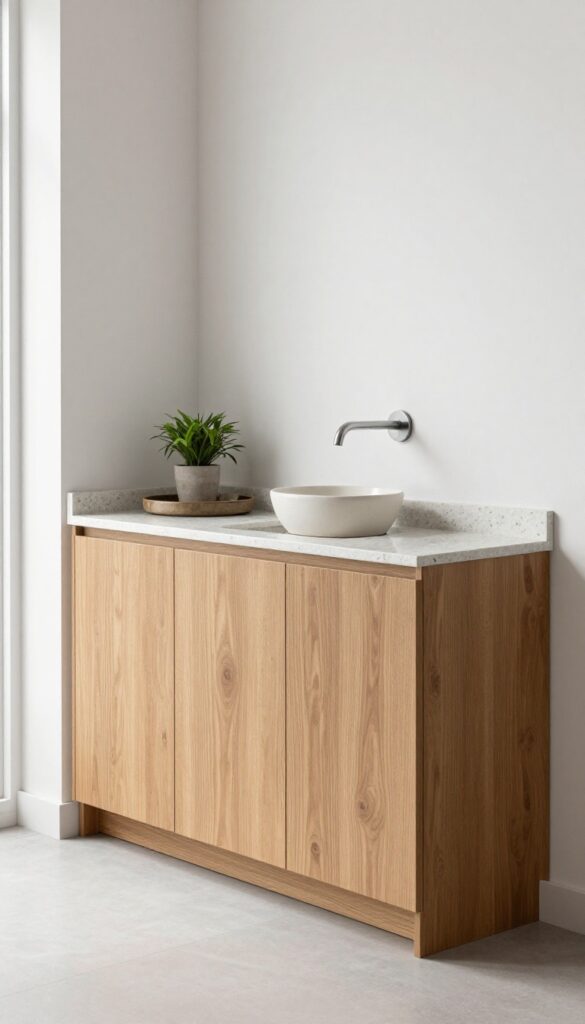
A tall linen cabinet isn't just for bathrooms. When you extend its countertop to include a small sink, you get a functional corner station that hides clutter while adding a sink where you need it most. This idea works especially well in living rooms that double as craft spaces or home bars.
The vertical storage keeps bulkier items like extra towels, cleaning supplies, or board games out of sight, while the countertop offers a place for a decorative tray or a small plant.
This setup is all about making a corner pull double duty. The cabinet itself provides generous closed storage, and the countertop extension creates a dedicated sink area without taking up extra floor space. Choose a slim, wall-mounted faucet to keep the countertop clear, and consider a vessel sink for a modern look.
The result is a polished, built-in feel that maximizes every inch of your living room corner.
Best Materials
Go for a solid wood cabinet with a clean, flat-panel door to keep the look modern. Pair it with a quartz or marble countertop that can handle occasional splashes. For the sink, a ceramic or stone vessel sink adds texture without overwhelming the space.
Layout Tip
Place the cabinet in a corner that's close to a water source if possible, or use a portable sink system with a water reservoir. Leave at least 12 inches of counter space on the sink side for setting down a glass or a soap dispenser.
Storage Smart
Inside the cabinet, use adjustable shelves to store tall bottles, baskets for cleaning supplies, or even a small trash bin. Add hooks on the inside of the door for hanging towels or a caddy. This keeps everything organized and easy to grab.
14. Minimalist Concrete Basin with Floating Shelf
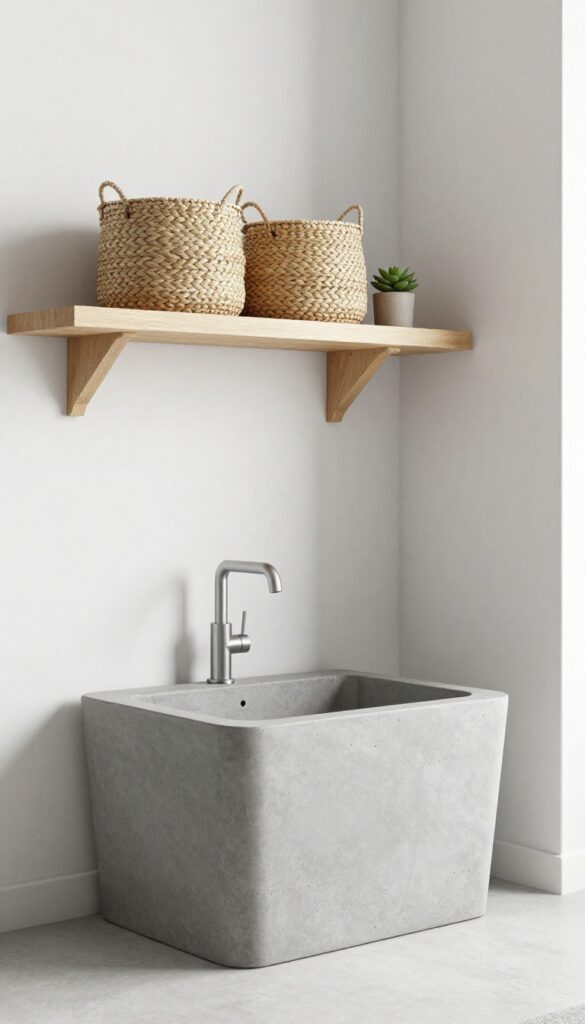
Concrete might not be the first material you think of for a living room sink, but in the right corner, it brings an unexpected edge. Paired with a floating shelf, this setup keeps the look airy and uncluttered while adding a raw, industrial texture that contrasts nicely with soft furnishings. It's a smart choice if you want a wash basin that feels more like a design statement than a utility fixture.
The beauty of this idea is how it balances heaviness with lightness. The concrete basin grounds the corner visually, while the floating shelf keeps the floor clear, making the room feel larger. Use the shelf for neatly stacked baskets to store hand towels, soap refills, or even a few small plants.
The key is to keep everything minimal—no overcrowding, just a few curated items that reinforce the clean, industrial vibe. This works especially well in living rooms with modern or Scandinavian decor, where the concrete adds warmth through texture rather than color.
Best Colors And Materials
Stick with a neutral palette: gray concrete, white or black fixtures, and natural wood or black metal for the shelf. Avoid glossy finishes—matte is your friend here. For the baskets, choose woven seagrass or dark metal wire to complement the industrial feel without adding visual noise.
Storage Smart Tip
Since the shelf is your only storage, make it count. Use two or three identical rectangular baskets that fit the shelf width exactly. Store everyday items like hand soap and a small towel inside, leaving the top of the basin clear for a single decorative object, like a small succulent or a sculptural soap dispenser.
Finishing Touch
Add a warm light source above the basin, such as a small pendant light or a wall-mounted sconce with a soft glow. This prevents the concrete from feeling cold and highlights the texture of the material, making the corner feel intentional and cozy.
15. Corner Vanity with Ladder Shelf
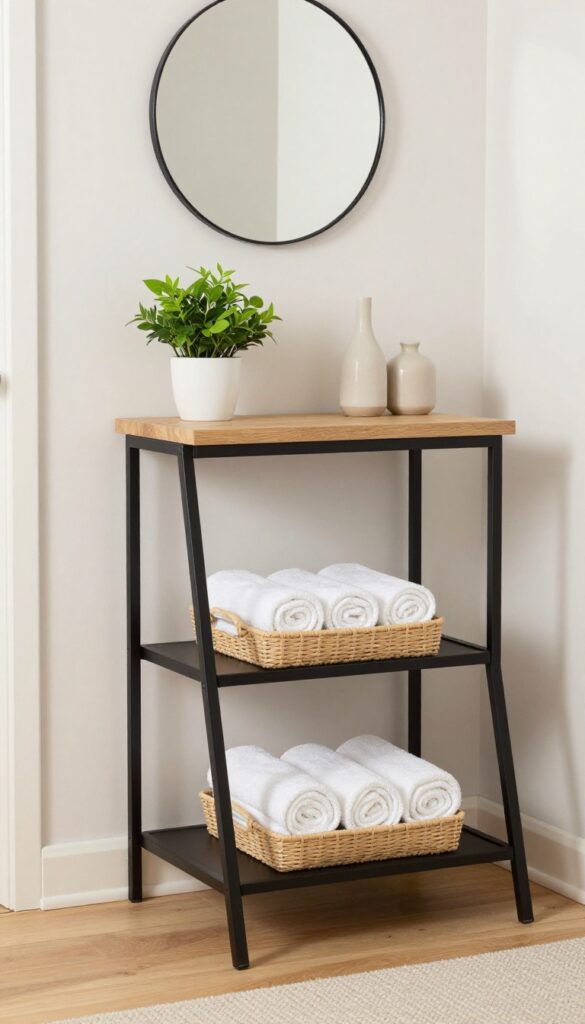
A corner that feels too small for a full vanity or console table can still become a functional, stylish spot. Pairing a compact vanity with a leaning ladder shelf transforms an awkward nook into a smart storage zone. The ladder keeps towels, baskets, and decorative objects within reach without adding visual bulk.
The combination of a petite vanity and a ladder shelf makes the most of vertical real estate. Choose a vanity with a slim profile and a drawer or two for hidden storage. The ladder shelf leans against the wall, offering open shelving for folded towels, small plants, or a stack of books.
This setup works especially well in living rooms that double as guest spaces or in open-plan layouts where every corner counts.
Best Materials
Opt for a vanity in warm wood tones like oak or walnut to add coziness, or go with a painted finish in a soft neutral for a lighter feel. The ladder shelf can match in wood or contrast in black metal for an industrial touch. Natural materials like rattan or cane on the vanity doors keep the look relaxed and airy.
Storage Tip
Use the ladder shelves for items you want to display but also need often. Rolled hand towels in a basket, a small tray for remotes, or a few ceramic vases keep the corner tidy. Reserve the vanity drawers for less pretty essentials like charging cables or notepads.
Finishing Touch
Add a small mirror above the vanity to make the corner feel larger and reflect light. A simple round or arched mirror works well. Place a low-growing plant like a pothos on the top ladder shelf so its vines trail down, softening the structure.
FAQ
Do I need plumbing for a wash basin in the living room?
Yes, you'll need access to water supply and drainage. It's best to plan this during renovation or choose a location near existing plumbing.
How do I keep the living room basin area from looking messy?
Use closed storage like cabinets or drawers for toiletries. Keep only a few decorative items on the counter to maintain a tidy look.
Can I install a wash basin in a small living room corner?
Absolutely. Choose a compact wall-mounted or corner-specific vanity to save space. Floating designs also help the room feel larger.
What style of basin works best for a living room?
Vessel sinks or under-mount basins in modern materials like ceramic, concrete, or stone blend well with living room decor. Avoid overly bathroom-like styles.
How do I hide plumbing under a floating vanity?
Use a decorative skirt, a false drawer front, or a small cabinet panel to conceal pipes. Some floating vanities come with built-in covers.
Conclusion
Adding a wash basin to your living room corner is all about balancing function with style. With the right storage solutions, you can keep the area clutter-free while making it a seamless part of your decor. Whether you go for a floating vanity or a repurposed sideboard, these ideas prove that a little creativity goes a long way.
Remember to prioritize what you need to store and let that guide your choice. A well-planned corner basin can become one of the most useful spots in your home.