11 Vintage Living Room Ideas Showing Collected Home Charm
Vintage style isn't about recreating a museum—it's about layering pieces that feel personal and lived-in. The best part?
You don't need a big budget or a giant room to pull it off. With a little patience and a few clever tricks, your living room can look like it's been curated over decades, not days.
These 11 ideas focus on what's achievable: thrifted treasures, smart layouts, and small swaps that make a big difference. Whether you're working with a tight space or a tight wallet, each tip keeps things practical and pretty.
1. Start with a Statement Vintage Sofa
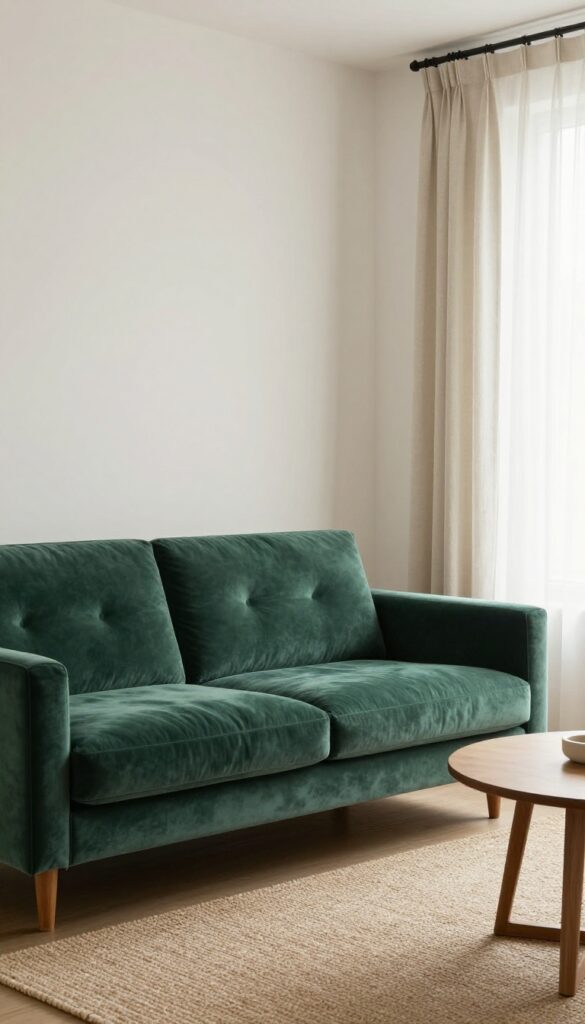
A vintage sofa is the kind of piece that instantly gives a room personality. Instead of buying new, hunt for a solid frame with classic lines—maybe a mid-century silhouette or a tufted velvet style. Even if the fabric is worn, a reupholstery job or a simple slipcover can bring it back to life without breaking the bank.
Keep the rest of the room calm and neutral so the sofa stays the star.
A single vintage sofa sets the tone for the whole living room. Look for sturdy frames with timeless shapes—mid-century modern or tufted velvet are great starting points. If the upholstery is dated, reupholster it in a fresh fabric or use a slipcover for a quick, budget-friendly refresh.
Then let the sofa shine by keeping walls, floors, and other furniture in soft, neutral tones. This approach makes the sofa feel intentional and collected, not cluttered.
Where To Find Affordable Vintage Sofas
Check thrift stores, estate sales, Facebook Marketplace, and Craigslist for solid wood frames. Look for brands like Heywood-Wakefield or Lane for mid-century options. A little wear is okay—you can always paint the legs or swap the cushions.
Best Neutral Pairings
Stick with warm whites, soft beiges, or light grays on the walls. Add a jute rug and linen curtains to keep the texture natural. This lets the sofa's color and shape stand out without competition.
Small-space Styling
In a compact living room, choose a sofa with exposed legs to keep the floor visually open. Place it against the longest wall and add a slim console table behind it for extra surface space. A round coffee table helps the layout feel less boxy.
2. Layer in Thrifted Textiles
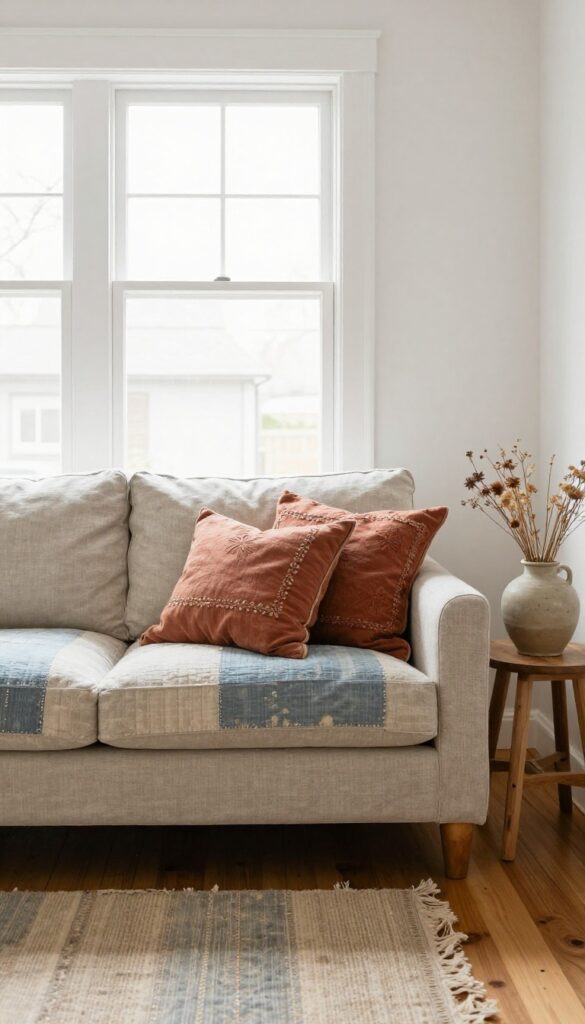
Nothing adds warmth and character quite like a pile of well-loved textiles. Thrifted quilts, embroidered pillows, and faded rugs bring instant coziness and a sense of history that new items just can't replicate. The trick is to keep a consistent color palette—think muted blues, warm creams, and faded rusts—so the mix feels collected, not chaotic.
You don't need a big budget to pull this off; estate sales and thrift stores are full of hidden gems waiting to be rediscovered.
Start with a neutral sofa or armchair as your base, then pile on layers of texture. Drape a vintage quilt over the back of the couch, stack a couple of embroidered pillows on the seat, and lay a faded wool rug underfoot. The contrast between smooth upholstery and nubby, worn fabrics creates a relaxed, lived-in look that feels both intentional and effortless.
Stick to your palette, and don't be afraid to mix patterns—a floral quilt can sit happily next to a geometric pillow if the colors tie them together.
Best Colors To Look For
- Focus on faded, muted tones that feel soft and aged. Muted blues (think denim or slate), warm creams (buttery off-whites), and faded rusts (terracotta or brick) work beautifully together. These colors blend easily with most existing decor and give the room a cohesive, serene vibe.
- Avoid bright or saturated colors that can clash with the vintage feel.
Where To Hunt
- Thrift stores, estate sales, flea markets, and online resale platforms are your best bets. Look for real wool or cotton pieces—they last longer and age gracefully. Check for stains or tears, but minor imperfections can add charm.
- A small hole in a quilt can be a conversation starter, not a dealbreaker.
Budget-Friendly Swap
If you can't find a full vintage rug, layer a new, low-pile rug in a neutral tone under a smaller thrifted rug. This saves money while still giving you that layered, collected look. Similarly, you can buy a few vintage pillow covers and stuff them with inexpensive inserts from a craft store.
3. Use Open Shelving for Curated Displays
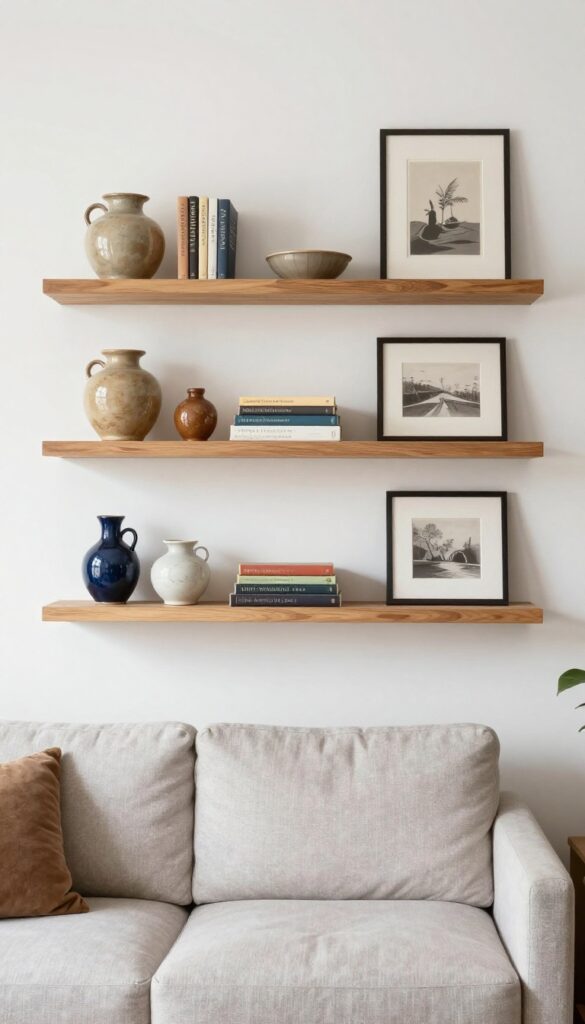
Floating shelves or a vintage hutch give you a stage for your favorite finds—ceramics, books, small art, maybe a thrifted vase. The trick is to edit ruthlessly. Group items by color or theme, and leave breathing room between objects.
This keeps the look intentional, not cluttered, and works especially well in a budget-friendly setup where each piece tells a story.
Open shelving is a smart, space-aware way to add vintage charm without buying bulky furniture. You can start with a single floating shelf above a sofa or a narrow hutch against a wall. The key is to treat each shelf as a miniature gallery.
Mix heights and textures: stack books horizontally, prop a small painting, and add a ceramic piece or two. Stick to a limited color palette—earth tones or blues and whites—so the display feels cohesive. And don't forget negative space; empty spots make the curated items pop.
For a budget-friendly twist, use items you already own or thrift store finds instead of buying new decor.
Shelf Styling Tip
- Start with a focal point—like a large vase or a framed print—and build outward. Vary the heights of objects using book stacks or small risers. Group odd numbers for visual balance, and step back to check the overall composition.
- A good rule: leave about 20% of each shelf empty to avoid a crowded look.
Budget-Friendly Swap
Instead of buying new shelves, repurpose an old wooden crate or a vintage ladder. Mount a crate sideways for a rustic shelf, or lean a ladder against the wall and hang small shelves from the rungs. This adds character and keeps costs low.
Finishing Touch
Add a small plant or a trailing vine to soften the edges of the shelving. A pothos or string of pearls draping over the edge brings life and a touch of green that ties the vintage pieces together.
4. Mix Wood Tones Intentionally
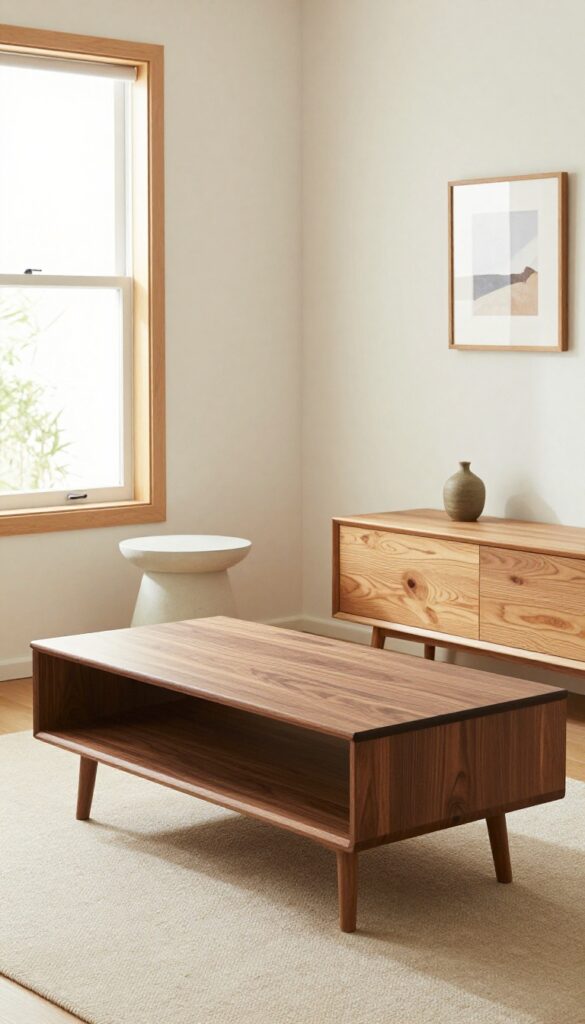
Forget the old rule that all your wood furniture has to match. A living room that mixes walnut, oak, and painted pieces feels collected and personal, not like a showroom. The trick is to repeat each tone at least twice so the room feels balanced rather than chaotic.
A dark coffee table paired with a lighter side table and a warm wood picture frame creates a natural rhythm that ties the space together.
Start with a dominant wood tone—usually the largest piece, like a coffee table or media console—and build around it. Then bring in a secondary tone with a side table or shelving unit. Add a third tone through smaller accents like a wooden lamp base, a carved bowl, or a mirror frame.
The key is repetition: if you bring in a dark walnut piece, make sure there's at least one other dark element somewhere in the room. This approach works especially well in open-plan spaces where you want distinct zones to feel connected.
Budget-Friendly Swap
You don't need to buy new furniture to mix wood tones. Try painting an old side table in a chalky finish to create a new tone, or swap out drawer pulls and legs on existing pieces. Thrift stores are gold mines for wooden accessories—a $5 walnut frame or a $10 oak stool can add the variety your room needs without breaking the bank.
Layout Tip
Place your lightest wood piece near a window to catch natural light and make it glow, and anchor darker pieces against a wall or in a corner. If you have a dark sofa, pair it with a light wood coffee table to keep the visual weight balanced. Repeat the dark tone with a small side table or a floor lamp on the opposite side of the room.
Texture Mix
Vary the finishes too—a glossy walnut table next to a matte oak shelf adds depth without extra cost. Introduce a woven jute rug or a linen throw to soften all the hard surfaces. The contrast keeps the eye moving and makes the room feel curated, not chaotic.
5. Incorporate Vintage Lighting
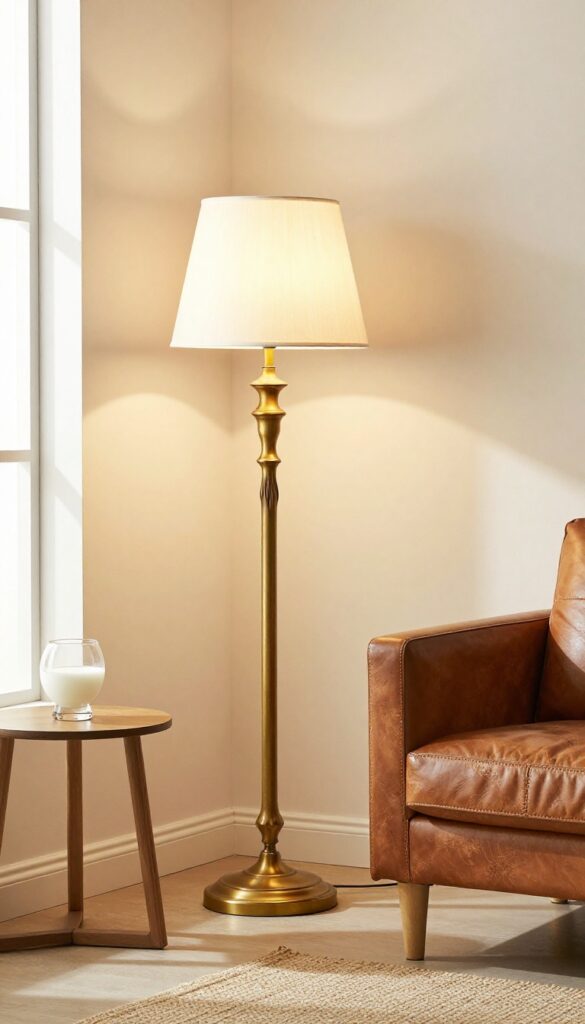
Lighting can make or break a room's mood, and vintage fixtures bring a warmth that modern designs often miss. Swapping a basic ceiling light for a brass or milk glass pendant instantly adds character without a full renovation. Thrifted floor lamps with sculptural bases become conversation starters while casting a soft, amber glow that makes any living room feel more inviting.
Vintage lighting doesn't have to be expensive or hard to find. Start by replacing your main overhead light with a secondhand brass pendant or a milk glass shade—these are common at flea markets and online resale sites. Then add a floor lamp with a unique base, like turned wood or ceramic, to create layered lighting.
Stick with warm bulbs (2700K) to replicate the cozy glow of old incandescent lights. This approach works in any living room, from small apartments to larger spaces, and instantly adds collected charm without breaking the bank.
Best Places To Hunt
- Check local thrift stores, estate sales, and Facebook Marketplace for affordable vintage fixtures. Look for solid brass or painted metal—these clean up nicely with a little polish. Milk glass shades are often priced under $20 and give off that soft, nostalgic light.
- Avoid fixtures with frayed wiring; rewiring is doable but adds cost.
Budget-Friendly Swap
- If you can't find a vintage ceiling light, try a modern reproduction with an antique finish. Spray-paint a thrifted lamp base in matte brass or copper for an instant upgrade. Swap the lampshade for a ribbed glass or fabric drum shade to mimic vintage styles.
- These small changes cost under $30 and transform the room's feel.
Layering Tip
- Combine your vintage pendant with a floor lamp and a table lamp to create depth. Place the floor lamp in a dark corner or next to a reading chair. Use warm bulbs everywhere to keep the glow consistent.
- This layered setup makes the room feel cozy and curated, not like a museum display.
6. Create a Gallery Wall with Found Frames
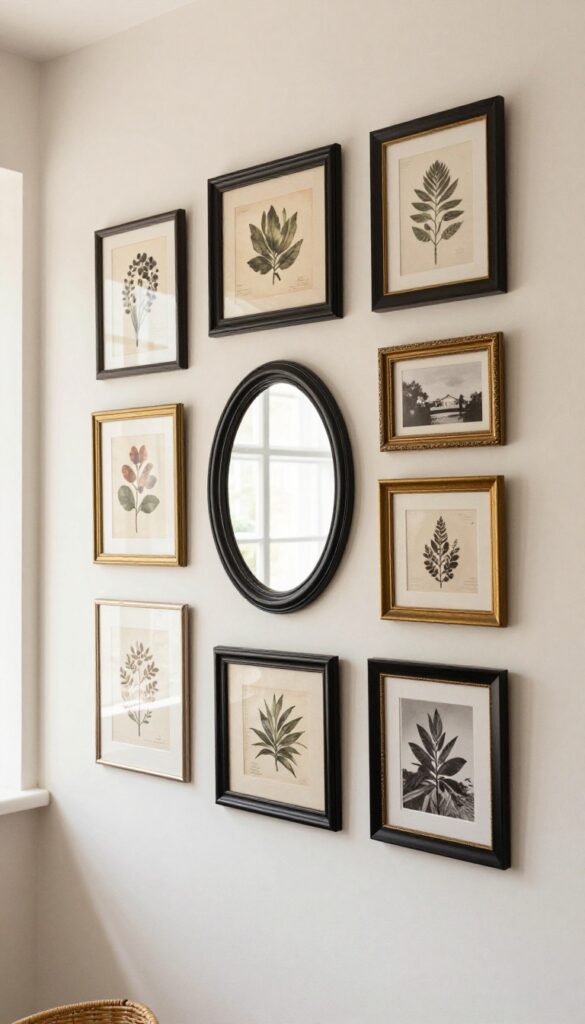
A gallery wall is a beautiful way to add personality, but buying all new frames can get expensive fast. The budget-friendly fix? Hit up thrift stores, flea markets, or even your own closets for mismatched frames.
A quick coat of spray paint in a unifying color—like matte black or antique brass—ties them together instantly. Fill them with vintage prints, old postcards, or your own photos for a collected, curated look that feels anything but random.
Start by gathering frames in various sizes and shapes—think ornate, simple, square, or rectangular. Lay them out on the floor first to perfect the arrangement before hammering any nails. Mix in a few non-frame items like a small mirror or a woven basket for texture.
The key is balance: cluster smaller frames around a larger centerpiece, and keep spacing consistent (about 2–3 inches apart). This approach turns a blank wall into a storytelling focal point without breaking the bank.
Best Colors For Unifying Frames
- Stick with one or two metallic tones for a cohesive look. Black works well in modern or industrial spaces, while brass or gold adds warmth to traditional rooms. If your room leans cool, silver or nickel frames blend seamlessly.
- For a pop of color, try a deep navy or forest green—just keep the rest of the gallery neutral to let the frames stand out.
Layout Tip: Map It Out First
- Avoid nail holes in the wrong spots by tracing each frame onto kraft paper, cutting out the shapes, and taping them to the wall. Move the paper templates around until the arrangement feels balanced. Snap a photo for reference, then hammer nails through the paper.
- This method saves time and frustration, especially for larger galleries.
Budget-Friendly Swap
- Can't find enough frames? Use embroidery hoops, vintage trays, or even old window panes as alternative displays. Spray-paint them the same color as your frames for a unified look.
- You can also print your own vintage-style art from free online resources—just use quality paper and a simple mat for a polished finish.
7. Add a Vintage Trunk as a Coffee Table
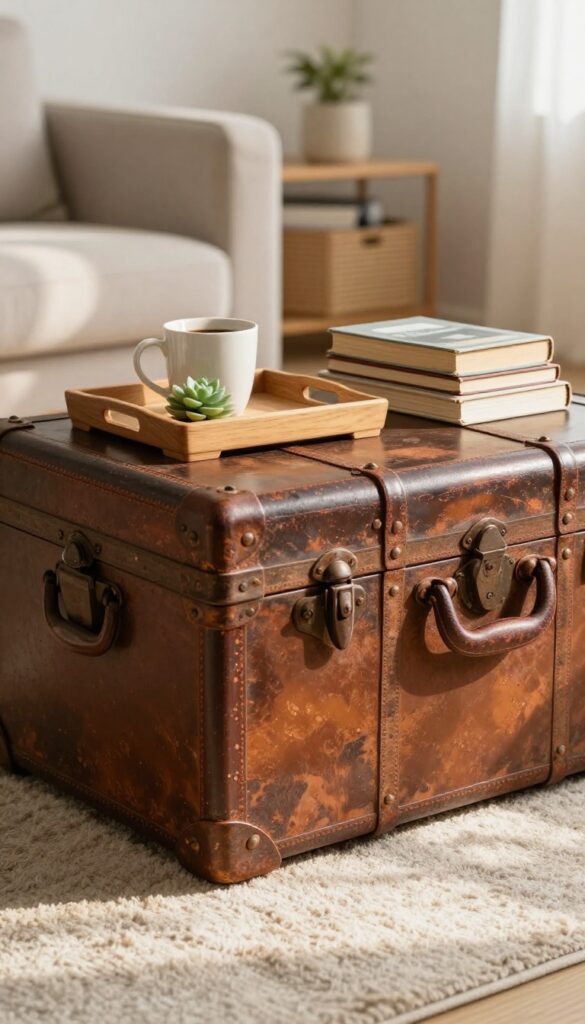
A vintage trunk or army footlocker pulls double duty as a coffee table and hidden storage. The worn leather, rusty hardware, and faded paint bring a sense of history into your living room without trying too hard. Place a tray on top for drinks, and you’ve got a functional surface that also sparks conversation.
Scouting for an old trunk doesn’t have to cost a fortune. Estate sales, flea markets, and even online marketplaces often have them for under $100. The key is to look for one with a sturdy lid and enough interior space to stash blankets, books, or board games.
A little wear and tear only adds to the charm, so don’t worry about scratches or dents. If the trunk is too tall for comfortable use as a coffee table, consider removing the casters or setting it on a low platform. For a cohesive look, choose a trunk that complements your existing color palette—think warm browns, deep greens, or muted blues.
The contrast between the rugged trunk and a soft rug or sleek sofa creates an appealing tension that feels curated, not cluttered.
Best Colors And Finishes
Dark leather or painted trunks in olive, navy, or charcoal work well with neutral sofas. A brass or iron lock adds a nice metallic accent. If your trunk is too shiny, a light sanding or a coat of matte wax can tone it down.
Storage And Styling Tip
Use the trunk to store extra throw pillows, magazines, or remote controls. Keep the top clear except for a tray and maybe a small plant or stack of books. This keeps the trunk functional without hiding its character.
Small-space Fix
In a tight living room, a trunk doubles as a coffee table and a storage ottoman. You can even use it as extra seating when guests are over—just add a cushion on top for comfort.
8. Use Mirrors to Amplify Light and Space
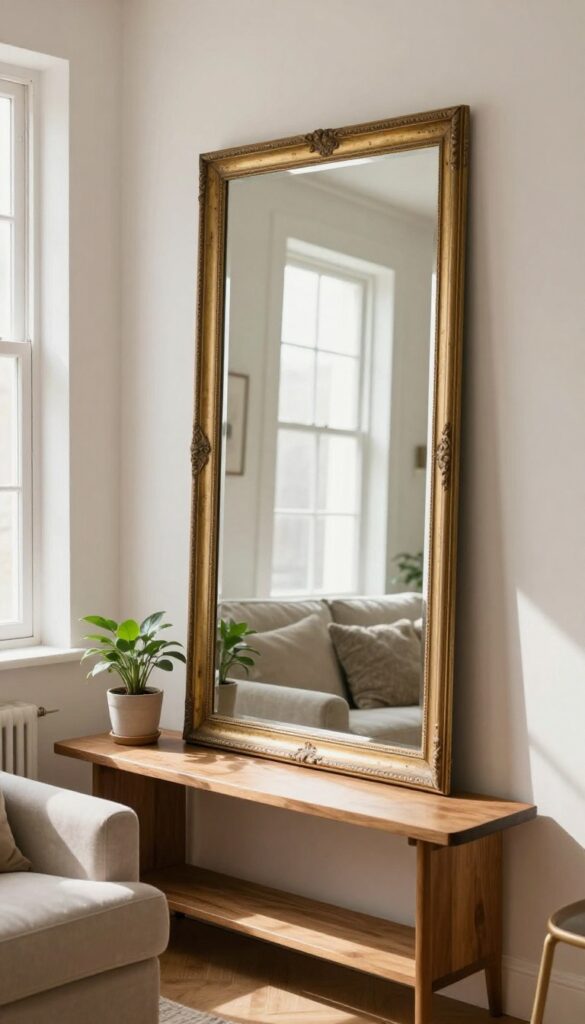
A well-placed vintage mirror can completely transform a room without costing a fortune. Ornate frames and mercury glass finishes add character while making small living rooms feel larger and brighter. Lean one against a wall or hang it opposite a window to bounce natural light around the space.
Mirrors are one of the most budget-friendly ways to open up a compact living room. A vintage mirror with a gilded or carved frame becomes a focal point while visually doubling the room. For a smart, space-aware look, choose a mirror with a patina or aged glass that adds depth without feeling heavy.
Place it where it can reflect a window or a light-colored wall to maximize brightness. This trick works especially well in rooms with limited natural light or awkward layouts, making the area feel airy and more expansive.
Best Placement
Hang a large mirror directly across from a window to reflect the outdoors and flood the room with light. In a narrow living room, position it on a long wall to create the illusion of width. Leaning a mirror against a wall adds a casual, collected vibe and works well on a console table or the floor.
Budget-Friendly Swap
Skip expensive antique shops and hunt for vintage mirrors at thrift stores, flea markets, or online marketplaces. Look for frames with chipped gold leaf or worn silvering—these imperfections add character and are often cheaper than pristine pieces. A quick clean with glass cleaner is usually all they need.
Styling Tip
Pair a vintage mirror with a simple shelf or a small plant to anchor it visually. Avoid cluttering the area directly in front of the mirror so the reflection stays clean and open. A low-profile lamp or a stack of books nearby can add warmth without competing with the mirror's effect.
9. Incorporate Vintage Barware or Books
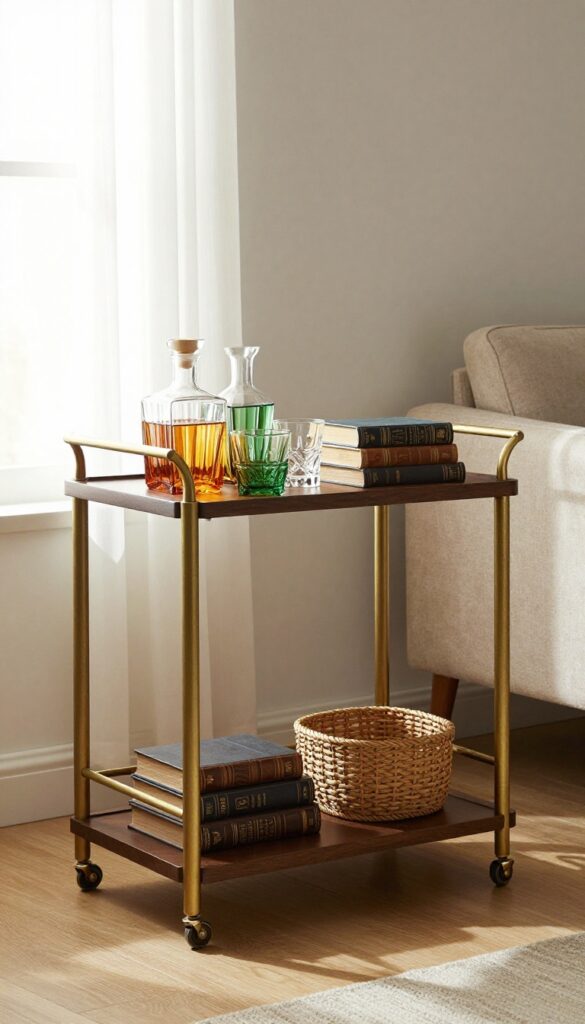
A small cart or side table stacked with old decanters, glassware, or a pile of vintage books adds instant character to any living room. You don't need to be a collector or entertain often—these pieces work as decor that tells a story. They bring a lived-in, collected feel to a corner without costing a fortune, especially when sourced from thrift stores or flea markets.
Vintage barware and books are budget-friendly ways to inject personality into a room. A simple rolling cart or a small wooden crate can hold a mix of glass bottles, tumblers, and a few leather-bound books. Style them in clusters of odd numbers for visual balance.
Even if you never pour a drink, the amber and green glass adds warmth, while the books bring texture and height. Place the cart near a reading chair or under a window to create a cozy vignette that feels curated, not cluttered.
Best Colors
Stick with amber, emerald green, and clear glass for a cohesive look. These colors pop against neutral walls and wood tones. Avoid bright or modern-colored bottles—they can clash with the vintage vibe.
Budget-Friendly Swap
Skip expensive antique stores. Hit thrift shops, garage sales, or online marketplaces for old bottles, decanters, and books. A few dollars can score you a stack of vintage paperbacks or a mismatched set of glasses that look charming together.
Layout Tip
Use a slim bar cart or a small side table to keep the display compact. If space is tight, stack books on a shelf and place a single decanter on top. This creates a focal point without taking up floor space.
10. Choose a Focal Point Wallpaper or Mural
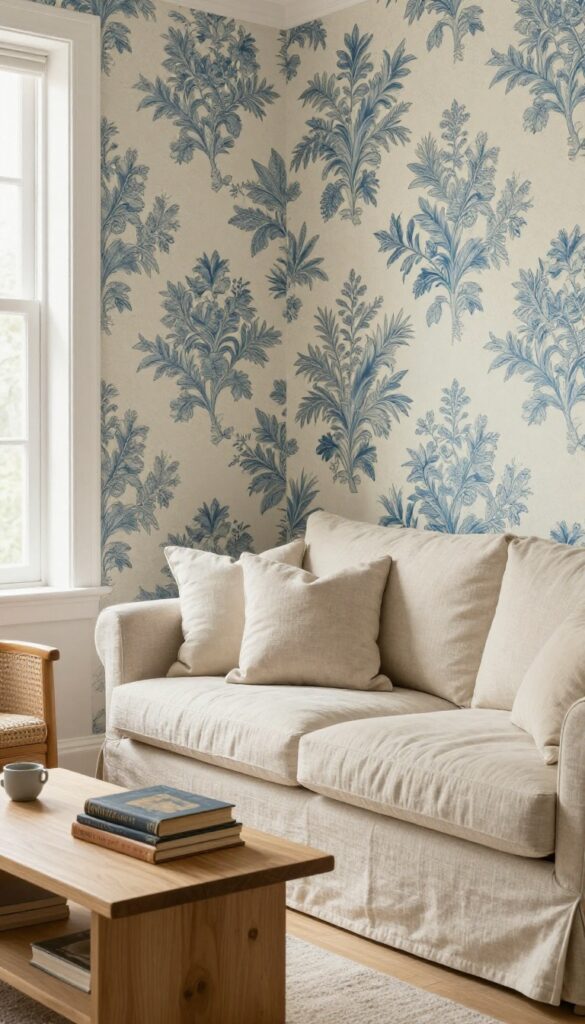
One accent wall with a vintage-inspired pattern can instantly give your living room that collected, lived-in feel. Think toile, faded floral, or a subtle geometric print—something that looks like it’s been there for decades. This approach adds depth and character without overwhelming the space, and it’s surprisingly budget-friendly.
Peel-and-stick wallpaper makes it renter-friendly, so you can take it with you when you move.
The key is to let the wallpaper be the star. Keep your furniture simple and neutral—a beige sofa, a wooden coffee table, maybe a cane armchair. This way, the pattern stands out without competing for attention.
It’s a smart, space-aware move because a single wall creates a visual anchor without making the room feel busy. Plus, you only need one roll, so it’s easy on the wallet.
Best Patterns For A Vintage Look
- Toile is a classic choice—its pastoral scenes instantly evoke a French countryside feel. Floral prints with muted colors (think dusty rose, sage, or butter yellow) work well for a softer, romantic vibe. If you prefer something more structured, a small-scale geometric pattern in warm tones can add a subtle retro touch.
- Avoid large, loud prints that might overwhelm a small room.
Budget-Friendly Swap
- Peel-and-stick wallpaper is your best friend here. It’s affordable (often under $30 per roll), easy to install, and removable without damaging walls. If you’re really pinching pennies, consider a fabric wall hanging or a large vintage scarf as a temporary mural.
- Just attach it with removable adhesive strips for a no-commitment focal point.
Finishing Touch
- Once your focal wall is up, keep the rest of the room minimal. A simple gallery frame around the wallpaper edge can make it look like a built-in mural. Add a floor lamp with a warm bulb to highlight the pattern in the evening.
- This draws the eye and makes the wall feel intentional, not accidental.
11. Finish with Vintage Accent Pieces
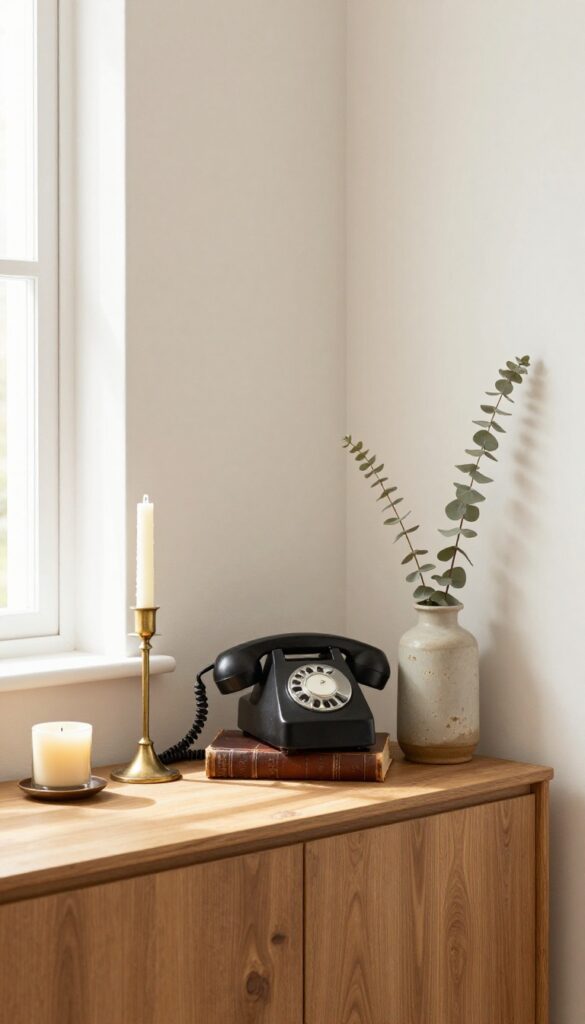
Vintage accent pieces are the secret to making a room feel collected rather than decorated overnight. A retro telephone, an old globe, or a ceramic vase with a worn finish can instantly add character without breaking the bank. The beauty is that these items don't need to be expensive—just authentic and personal.
Scatter them on side tables, shelves, or a console to create little moments of surprise that tell a story about your taste.
The key to pulling off vintage accents is restraint. Instead of cluttering every surface, choose two or three pieces that genuinely speak to you and give them breathing room. A single bakelite telephone on a stack of old books can be more impactful than a shelf crammed with knick-knacks.
Mixing eras also works well—a mid-century ceramic vase next to a modern lamp keeps the look fresh rather than costume-like. For budget-friendly finds, hit thrift stores, flea markets, or online resale sites. Look for items with patina, like a tarnished brass candlestick or a chipped enamel pitcher, because imperfections add authenticity.
Place them where they'll be seen and used, like a vintage ashtray for keys by the door or an old milk glass compote for fruit on the coffee table. This approach keeps your space smart and space-aware, proving that a little vintage goes a long way.
Best Materials To Look For
- Stick with materials that age gracefully: brass, wood, ceramic, glass, and natural fibers. A brass desk lamp with a green glass shade, a wooden carved bookend, or a stoneware jug all bring warmth and texture. Avoid cheap plastic or overly shiny finishes, which can look more dated than vintage.
- The goal is pieces that feel like they've lived a life, not just old junk.
Budget-Friendly Swap
- You don't need a huge budget to score authentic vintage. Swap a generic store-bought vase with a secondhand ceramic one for under $10. Replace a modern picture frame with a thrifted gold-toned one.
- Even a single vintage ashtray used as a catchall on a side table can shift the whole room's vibe. Pro tip: Look for items with maker's marks or hand-painted details—they're often higher quality and more unique.
Shelf Styling Tip
- When styling shelves with vintage accents, create small vignettes by grouping items in odd numbers. Stack a couple of old books horizontally, place a small brass object on top, and lean a vintage postcard against the wall behind. Leave negative space so each piece can breathe.
- This keeps the look curated, not cluttered, and works especially well in small living rooms where every inch counts.
FAQ
How can I decorate my living room vintage on a tight budget?
Focus on thrift stores, estate sales, and online marketplaces for key pieces like a sofa or lamp. Then layer in affordable textiles and DIY projects like spray-painted frames. The goal is a collected look, not a perfect one.
What colors work best for a vintage living room?
Muted, warm tones are your friends: sage green, dusty rose, mustard, navy, and cream. These colors feel timeless and pair well with wood and brass. Avoid bright, saturated hues unless they're small accents.
How do I mix vintage and modern pieces without it looking messy?
Anchor the room with one or two vintage statement pieces, then keep the rest simple and neutral. Repeat materials (like wood or brass) across both styles to create visual harmony. A modern sofa can look great with a vintage rug.
What are the best vintage furniture pieces to invest in?
A solid wood dining table, a well-built sofa, and a quality armchair are worth the splurge. These pieces last and can be reupholstered. Smaller items like lamps and mirrors are easier to find cheaply.
How can I make a small living room feel vintage without clutter?
Choose a few larger vintage pieces—like a trunk coffee table or a tall mirror—and keep surfaces mostly clear. Use vertical space for shelves and hang art. Stick to a cohesive color scheme to avoid visual noise.
Conclusion
Vintage charm isn't about having a room full of antiques—it's about choosing pieces that tell a story and make you smile. By mixing thrifted finds with smart, space-aware choices, you can create a living room that feels both collected and comfortable.
Start small, edit often, and let your space grow naturally over time.