10 Living Room Cabinet Ideas That Feel Fresh and Easy
Cabinets often get overlooked in living room design, but they can be one of the most useful pieces you own. Whether you need extra storage or a spot to display your favorite things, the right cabinet pulls the room together without trying too hard.
The key is choosing a style that feels natural and lived-in, not stiff or overly curated. A good cabinet does double duty—it hides clutter while showing off a bit of personality.
Think of it as a backdrop for your daily life, not a museum piece. The ideas here lean into that relaxed vibe, mixing function with a touch of character.
1. Open Shelving on Top, Closed Storage Below
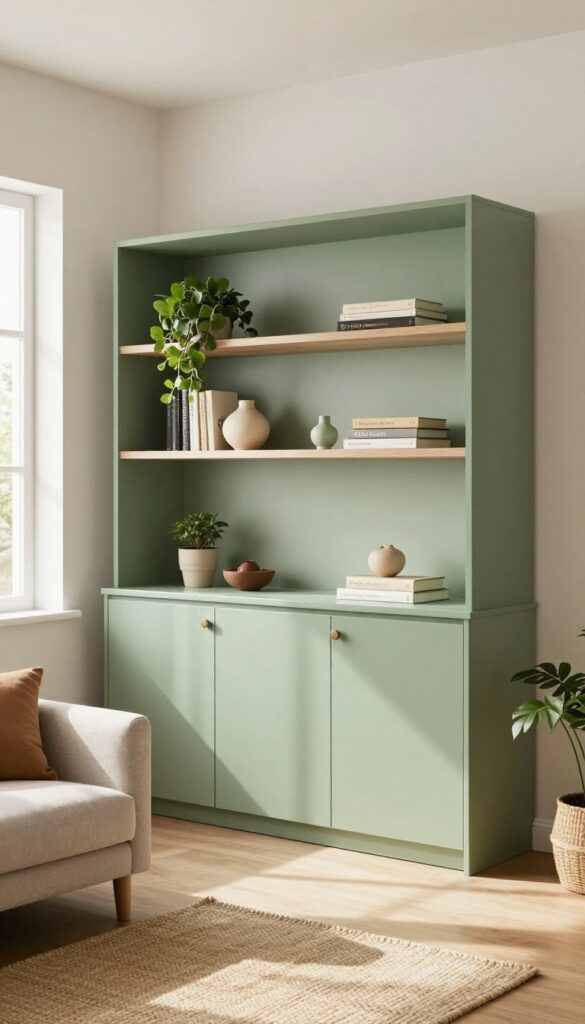
You don’t have to choose between showing off your favorite decor and hiding everyday clutter. By combining open shelving on top with closed cabinets underneath, you get that curated, gallery-wall feel without sacrificing a single inch of practical storage. It’s a setup that feels intentional and calming—like the cabinet knows exactly what to reveal and what to tuck away.
In a warm, lived-in living room, this mix keeps the space from feeling too precious or too chaotic.
Why It Works
The open shelves let you display books, plants, and ceramics that add personality and color, while the closed cabinets swallow up the less photogenic items—remotes, board games, extra blankets. This balance prevents visual clutter and makes the room feel both curated and cozy. Plus, the solid lower half anchors the piece, so it doesn’t look top-heavy or fussy.
Best For
This idea shines in family living rooms where you need to hide toys and media accessories but still want to show off your style. It’s also great for small spaces where every square foot of storage counts, because you’re maximizing vertical real estate without overwhelming the room.
Styling Tip
Keep the open shelves about one-third decorative items and two-thirds practical-but-pretty things like stacked coffee table books or woven baskets. On the closed side, choose cabinets with a warm wood tone or a soft, earthy paint color—think sage green or dusty blue—to keep the whole piece feeling grounded and inviting.
2. A Low Credenza with a Warm Wood Finish
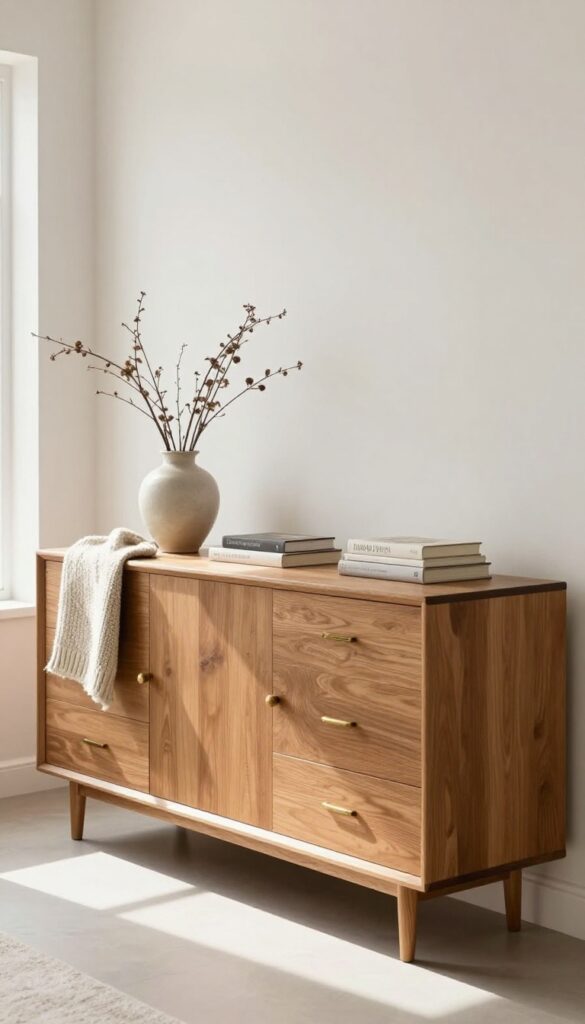
There's something about a low, long credenza that just makes a room breathe easier. In a warm oak or walnut finish, it becomes the kind of piece you want to lean on or set a drink down. It doesn't try to dominate the space—instead, it sits quietly, adding warmth and a touch of mid-century charm.
Whether you use it as a media console or a buffet for casual entertaining, its low profile keeps the room feeling open and grounded.
Why It Works
Warm wood tones instantly make a space feel more inviting. The low height draws the eye horizontally, which can make a room feel wider and more relaxed. Plus, the credenza offers hidden storage for clutter, so your living room stays tidy without sacrificing style.
Best For
This idea works great in open-plan living areas where you want to define the lounge zone without blocking sightlines. It's also a smart pick for small to medium rooms where a bulky cabinet would feel overwhelming.
Styling Tip
Balance the wood's warmth with soft textiles and a few metallic accents. Try a chunky knit throw draped over one end, a ceramic vase with dried branches on top, and brass or black hardware for contrast. Keep the surface mostly clear to maintain that airy feel.
3. Floor-to-Ceiling Built-Ins with a Painted Finish
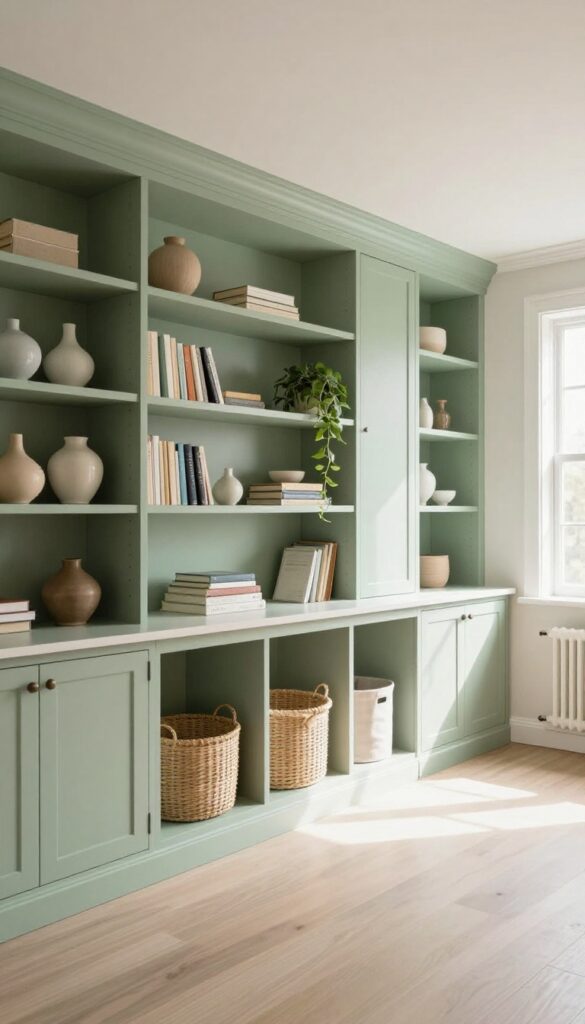
Custom built-ins can feel like a splurge, but they don't have to break the bank. Painting them a soft, warm white or a muted sage green instantly makes the room feel taller and more pulled together. The trick is using the upper shelves for decor and the lower cabinets for baskets and bins—it's a look that's both polished and practical.
Why It Works
Floor-to-ceiling built-ins draw the eye upward, making ceilings appear higher and the room more spacious. The painted finish in a soft, warm tone adds a cohesive, custom feel without the high price tag of natural wood.
Best For
Living rooms that need more storage without sacrificing style, especially those with awkward nooks or empty walls. It's also great for renters who can add freestanding units painted to match the room.
Styling Tip
Mix open shelving with closed storage to avoid a cluttered look. On the upper shelves, layer in a few ceramic vases, stacked books, and a trailing plant. Use woven baskets or fabric bins on the lower shelves to hide remotes, toys, or extra throws.
4. A Vintage Armoire as a Statement Piece
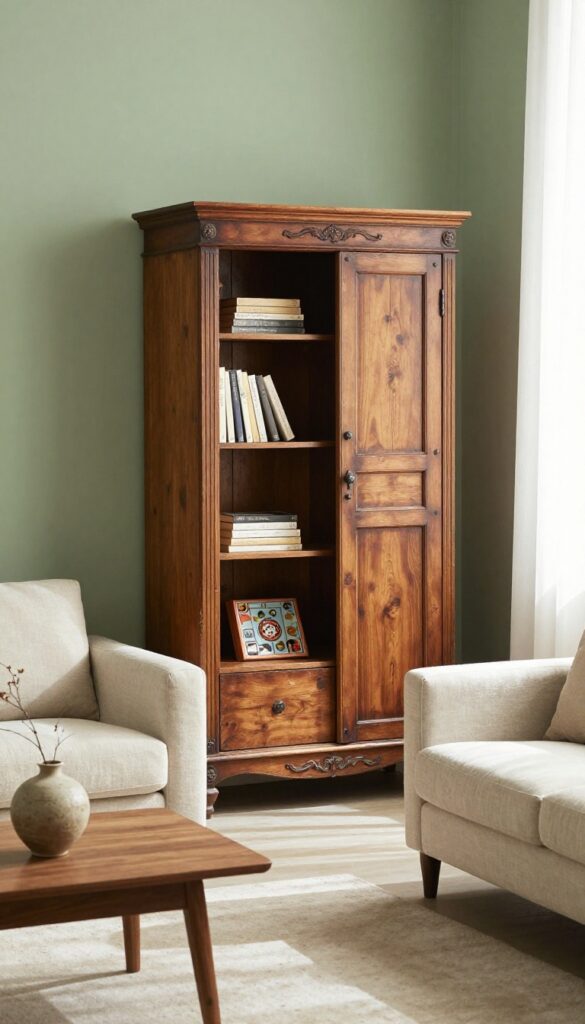
An antique or vintage armoire brings instant soul to a room. Unlike a standard media console or storage cabinet, it has history—scratches, worn edges, and hardware that tell a story. In a world of flat-pack furniture, that kind of character feels special.
It also works harder than you might think: hide away the TV behind its doors, stash board games and blankets inside, or turn it into a mini bar for gatherings. Against a neutral wall, its patina and carved details become the focal point without trying too hard.
Why It Works
A vintage armoire adds warmth and depth that new furniture often lacks. Its solid wood construction and unique finish bring a sense of permanence and craftsmanship. Plus, its generous size means you can store a lot while keeping clutter out of sight—a win for both style and function.
Best For
This idea shines in living rooms that need a strong visual anchor, especially in spaces with neutral or minimalist decor. It's also perfect for renters or anyone who wants to hide electronics without sacrificing charm. If you love mixing old and new, an armoire bridges that gap beautifully.
Styling Tip
- Let the armoire breathe—don't crowd it with accessories. Place it against a simple wall in a soft white, warm gray, or sage green. Style the top with a single large vase, a stack of vintage books, or a sculptural lamp.
- Keep the surrounding furniture low and clean-lined so the armoire remains the star.
5. Slim Cabinet for a Narrow Wall
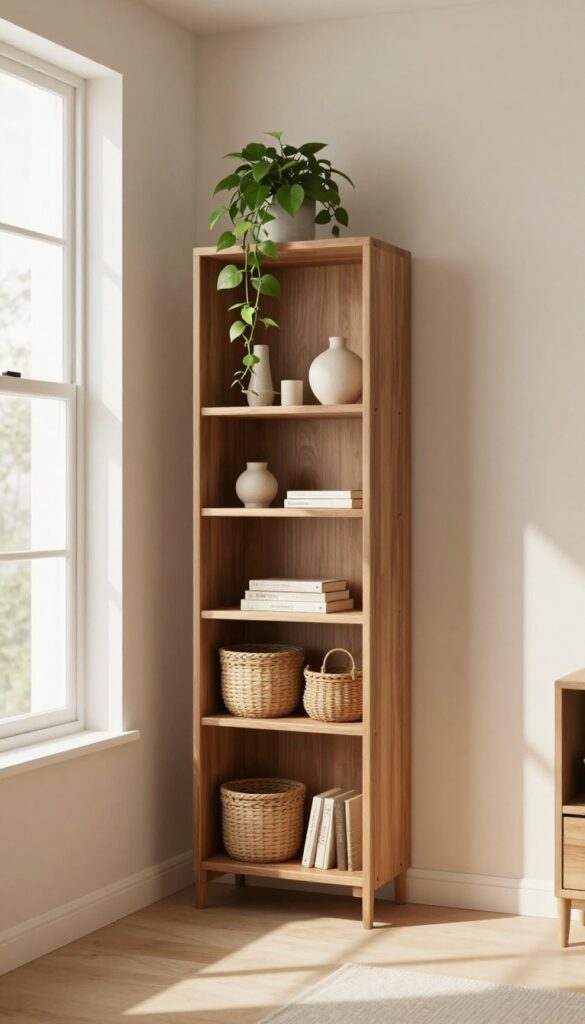
That awkward sliver of wall between a window and a doorway? It’s prime real estate for a tall, slim cabinet. Think of it as the unsung hero of small-space living—it tucks into tight spots without stealing floor space, yet offers surprising storage.
A narrow cabinet in a warm wood tone or a soft neutral instantly feels intentional, not like an afterthought. The vertical lines pull your gaze upward, making the ceiling seem higher and the room more airy.
Why It Works
Slim cabinets maximize every inch of wall space without crowding the room. Their tall, narrow proportions add architectural interest and a sense of height, which is especially valuable in rooms with lower ceilings. Plus, they keep clutter hidden behind closed doors, so the space stays calm and collected.
Best For
This idea is perfect for living rooms with awkward narrow walls, entryways that need a landing spot, or any room where you crave extra storage but can’t spare floor area. It’s also a smart solution for renters who can’t build in shelving but want a built-in look.
Styling Tip
Style the top shelf with a small lamp or a trailing plant to soften the vertical lines. Use the lower shelves for baskets that hide odds and ends, and leave one shelf open for a few favorite books or a ceramic vase. Stick to a cohesive color palette—warm wood, cream, and soft green—to keep the look relaxed and lived-in.
6. Two-Tone Cabinet for Visual Interest
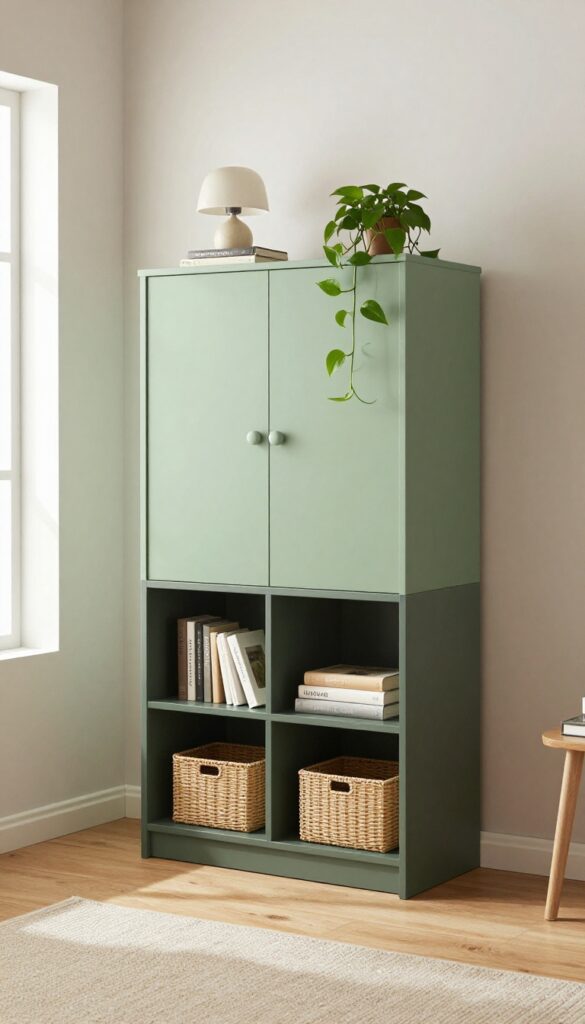
Breaking up a tall cabinet with two colors instantly gives it personality. Paint the upper section a soft, airy shade like cream or pale sage, and go for a deeper earthy tone like charcoal or terracotta on the bottom. The contrast creates a natural focal point and makes the piece feel built-in and intentional.
It's a simple trick that adds depth without a full renovation.
Why It Works
Two-tone cabinets draw the eye upward, making ceilings feel higher, while the darker base grounds the piece and hides scuffs better. The color break also adds visual texture to a flat surface, so the cabinet becomes more than just storage—it's a design statement.
Best For
This idea shines in living rooms that need a bit of drama without going bold. It's especially great for rooms with neutral walls, because the cabinet can carry the color story. Also perfect if you have a large cabinet that feels too monolithic—breaking it into two colors makes it feel lighter and more custom.
Styling Tip
Keep the top shelf clutter-free to let the light color breathe. Style the lower shelves with a mix of closed baskets and a few stacked books in tones that echo the darker paint. Add a small lamp or a trailing plant on top to soften the transition between the two colors.
7. Glass-Front Cabinets for Display
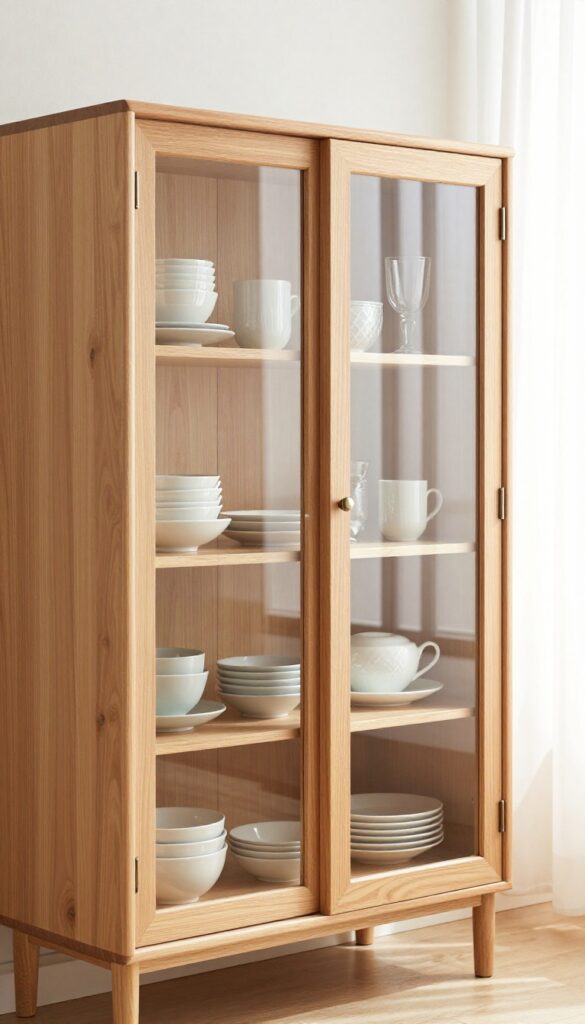
Glass-front cabinets strike a lovely balance between open shelving and closed storage. They let you curate a little gallery of your favorite ceramics, glassware, or books while keeping everything dust-free. The transparency adds visual depth to a room, making it feel more open and intentional without requiring a full edit of your belongings.
Why It Works
Glass doors create a display case effect that turns everyday objects into decor. They also break up the visual weight of a solid cabinet, making the piece feel lighter and more integrated into the room. Plus, the reflection and sparkle from the glass can bounce light around, making the space feel brighter.
Best For
This idea is perfect for living rooms where you want to showcase special pieces—like heirloom china, colorful glassware, or a curated book collection—without them becoming dusty or cluttered. It also works well in small spaces where open shelving can feel too busy, but you still want some visual interest.
Styling Tip
Arrange items in odd-numbered groups and vary heights for a relaxed, collected look. Mix in a few closed-door cabinets below to hide less attractive storage. For a softer effect, choose frosted glass—it hides some mess while still giving that airy feel.
8. A Cabinet with Integrated Lighting
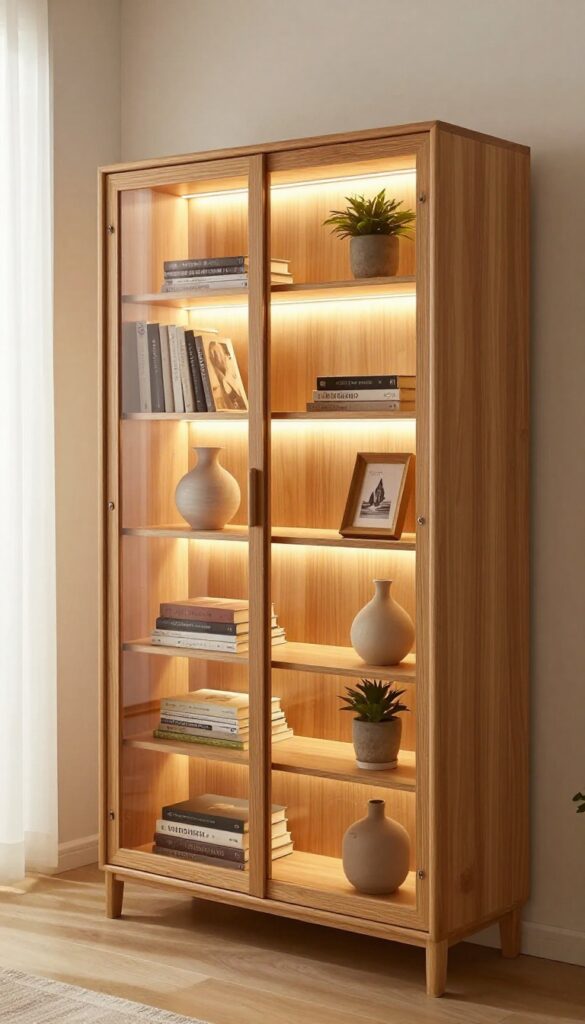
There's something magical about a cabinet that glows from within. Adding LED strip lights under the top edge or inside glass-front cabinets instantly transforms a simple storage piece into a warm focal point. The soft illumination highlights your favorite decor pieces—whether it's stacked books, ceramic vases, or curated collections—and creates a cozy, lived-in ambiance that feels especially inviting in the evenings.
It's a small upgrade that brings a big dose of personality and warmth to your living room.
Why It Works
Lighting is one of the easiest ways to change the mood of a room, and integrated cabinet lighting does it in a subtle, intentional way. The warm glow draws the eye to your displayed items, making them feel intentional and special rather than cluttered. Plus, it adds a layer of soft, indirect light that reduces harsh shadows and makes the whole space feel more relaxed and welcoming.
Best For
This idea shines in living rooms where you want to highlight a specific collection or create a cozy nook for reading or conversation. It's also great for small spaces where every lighting layer counts, or for anyone who loves a warm, lived-in aesthetic without going over the top.
Styling Tip
- Stick with warm white LED strips (2700K to 3000K) for that cozy glow—cool white can feel too clinical. Place the lights just inside the top edge of open shelves or behind the frame of glass-front cabinets so the source is hidden. Then style your shelves with a mix of heights and textures: a stack of books, a small plant, a ceramic bowl, and maybe a framed photo.
- The light will tie it all together beautifully.
9. Mix Open and Closed Storage in One Unit
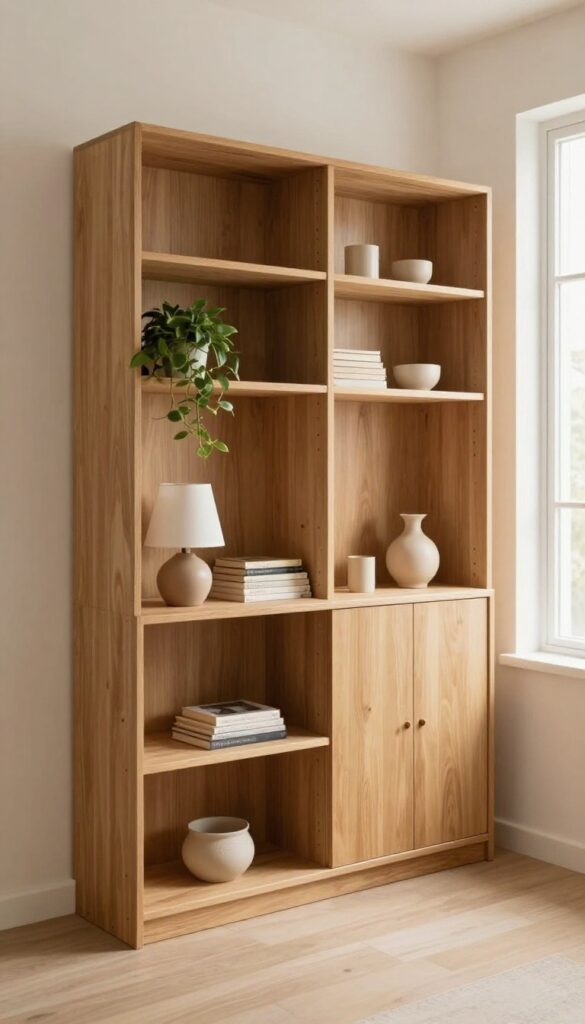
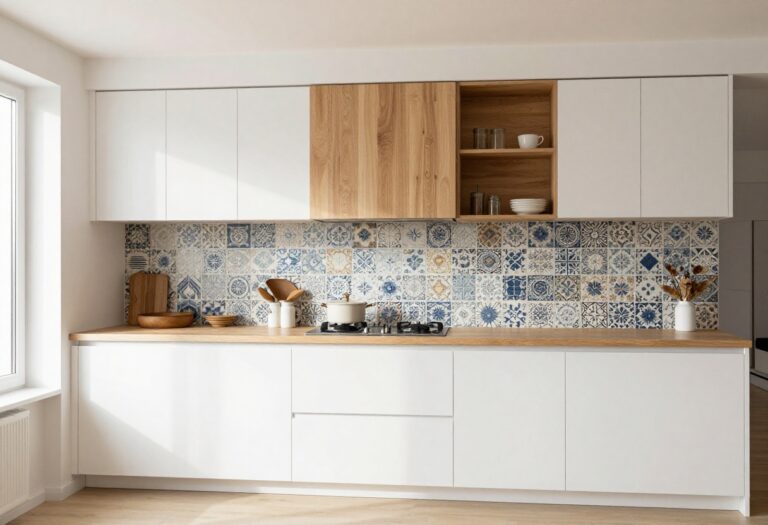
A cabinet that blends open shelving with concealed storage is a smart way to keep your living room looking both curated and calm. The open cubbies let you show off a favorite lamp or a stack of books, while the closed doors hide the remote controls, charging cables, and other everyday clutter. It’s a balanced look that feels warm and lived-in, not stiff or overly styled.
Why It Works
This setup gives you the best of both worlds: you get to display a few decorative pieces that add personality, and you also have a place to stash the things that don’t need to be on display. The mix of open and closed creates visual interest without making the room feel busy.
Best For
This idea works well in living rooms where you want a collected, casual feel but still need to keep the space tidy. It’s especially useful in family rooms or open-plan areas where you have a mix of daily-use items and decorative objects.
Styling Tip
Keep the open shelves intentionally sparse—maybe a ceramic lamp, a small stack of books, and a trailing plant. Use baskets or boxes inside the closed cabinets to corral smaller items like coasters, remotes, and notepads so everything stays organized.
10. A Painted Cabinet with Bold Hardware
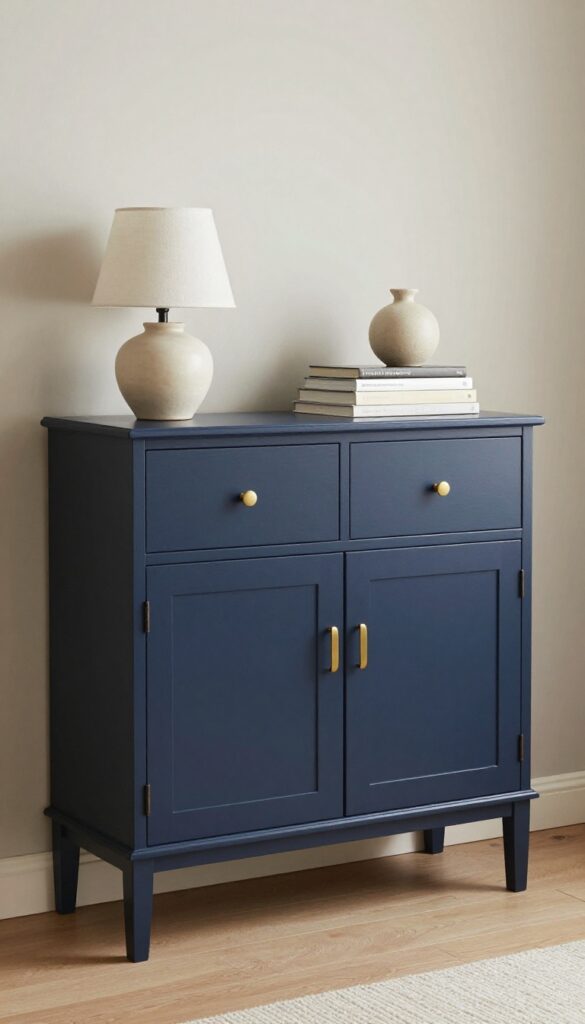
Painting a cabinet is one of those projects that instantly changes the whole feel of a room. Go for a deep blue or charcoal—colors that feel grounded and cozy—and then swap out the old hardware for something with personality. Brass or leather pulls add a tactile, warm contrast that makes the piece feel intentional and collected, not just painted over.
It’s a simple weekend job that brings a lot of character without a big budget.
Why It Works
The dark paint anchors the space and gives the cabinet a furniture-like presence, while the bold hardware becomes a subtle focal point. It’s an easy way to introduce color and texture without committing to a full wall or sofa. Plus, the mix of matte paint and metallic or leather details feels modern but still inviting.
Best For
This idea works great in living rooms that need a pop of color or a bit of edge, especially if the rest of the room leans neutral. It’s also perfect for renters or homeowners who want to refresh an existing piece without buying new furniture.
Styling Tip
Keep the top of the cabinet simple—maybe a small lamp, a stack of books, and a single ceramic vase. Let the cabinet itself do the talking. Inside, use woven baskets or fabric bins for storage so the look stays relaxed and uncluttered.
FAQ
What is the best height for a living room cabinet?
It depends on your ceiling height and the room's proportions. For a standard 8-foot ceiling, a cabinet around 30 to 36 inches tall works well for a credenza, while taller cabinets can go up to 72 inches. Leave some breathing room above for a balanced look.
How do I style the top of a living room cabinet?
Keep it simple and layered. Start with a large piece of art or a mirror leaning against the wall, then add a lamp, a stack of books, and a small plant or vase. Vary heights and textures for visual interest without cluttering.
Can I mix different cabinet styles in one room?
Absolutely. Mixing styles adds personality, but keep a common thread like color, wood tone, or hardware finish. For example, a vintage armoire and a modern credenza can coexist if they share a similar warm wood or black metal accents.
What color cabinet works best in a small living room?
Light colors like white, cream, or soft pastels make the room feel larger. If you want a darker cabinet, choose one with a slim profile and keep the surrounding walls light to maintain an open feel.
How do I make a cabinet look built-in without the cost?
Paint the cabinet the same color as the wall to help it blend in. Add crown molding to the top or baseboard trim around the bottom for a seamless look. This trick works especially well with floor-to-ceiling cabinets.
Conclusion
A well-chosen cabinet can quietly transform your living room, adding both storage and style without demanding attention. The best part is that these ideas are flexible—you can adapt them to your space, budget, and personal taste.
Start with one idea that feels right, and let the room evolve naturally. Whether you go for a vintage find or a simple paint update, the goal is a space that feels warm, lived-in, and completely yours.