10 Step Down Living Room Ideas Styling Sunken Room Levels
A step-down living room instantly adds architectural interest, but styling that sunken area can feel tricky. You want to honor the unique layout while making the space feel inviting and cohesive.
The key is to treat the lower level as a distinct zone without cutting it off from the rest of the room. With the right furniture placement, lighting, and layered textures, your sunken living room can become the coziest spot in the house.
These ten ideas will help you embrace the dip and turn it into a design feature that feels intentional and warm.
1. Define the Step-Down With a Large Area Rug
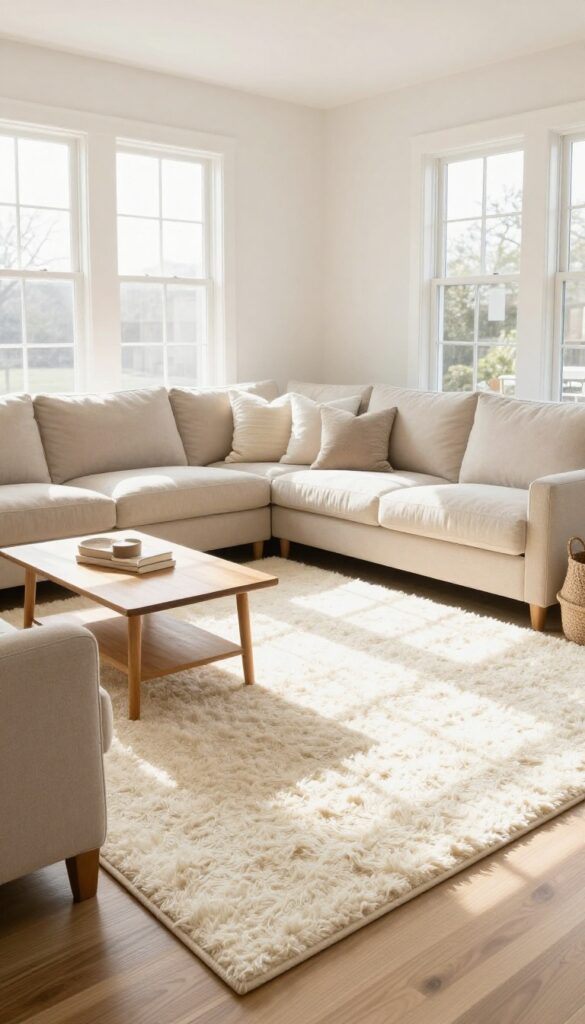
A step-down living room can feel disjointed if the two levels don't connect visually. The easiest way to anchor the sunken area and make it feel intentional is with a large area rug. Choose one that extends a few inches beyond the edge of the step, so it overlaps both levels just enough.
This creates a soft transition that ties the zones together without hiding the architectural feature.
A generously sized rug does more than just warm up the floor—it defines the entire conversation area. When the rug spills slightly onto the upper level, it visually connects the two spaces while still marking the lower zone as distinct. Go for a high-pile wool or shag rug for maximum coziness underfoot.
The texture invites you to sink into the space, both literally and figuratively. Keep the rug neutral or tonal to let the step-down be the star, or add a subtle pattern for extra visual interest.
Best Size And Placement
- Measure the sunken area from wall to wall, then add 6 to 12 inches on the side that meets the upper level. The rug should sit squarely within the lower zone, with just that overlap bridging the step. Avoid a rug that ends right at the edge—it can make the step feel like a trip hazard.
- Instead, let the rug extend far enough that furniture legs sit comfortably on it.
Texture And Material Choices
- Soft, plush materials like wool, shag, or a thick loop pile work best here. They add warmth and absorb sound, making the sunken area feel like a cozy retreat. If the step-down is in a high-traffic spot, consider a flatweave with a dense pad underneath for durability.
- Natural fibers like jute or sisal can work too, but layer a smaller soft rug on top for comfort.
Color And Pattern Strategy
- A solid neutral rug keeps the focus on the room's architecture and makes the space feel larger. If you want pattern, choose a low-contrast design that doesn't compete with the step. Tonal stripes or a subtle geometric can add interest without overwhelming.
- For a cohesive look, pull a color from the upper level's decor into the rug.
2. Use Low-Profile Furniture to Maintain Sightlines
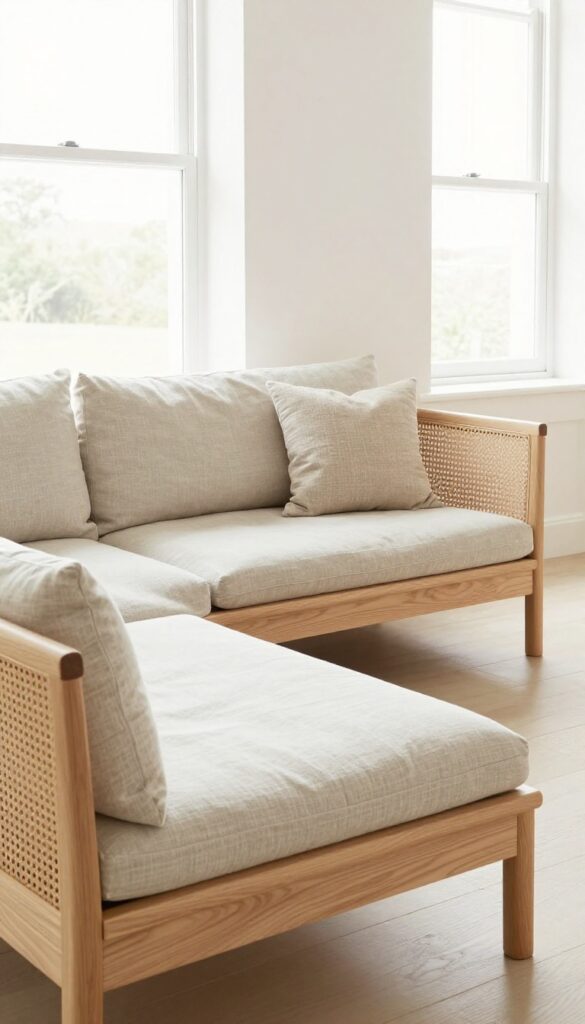
When you step down into a sunken living room, the whole point is to create a distinct zone without closing it off from the rest of the space. Bulky, high-backed furniture works against that—it blocks views and makes the sunken area feel like a separate cave. Low-profile pieces, on the other hand, keep the eye moving across the room and let the sunken effect shine.
Think sofas with slim arms or no arms at all, floor cushions, and backless benches. The result is an open, airy feel that still defines the conversation area.
Choosing furniture that sits close to the ground does more than just preserve sightlines—it also reinforces the cozy, grounded vibe that makes sunken rooms so inviting. Low profiles naturally draw the eye downward, which complements the recessed floor and makes the whole setup feel intentional. Plus, this style tends to look cleaner and less cluttered, which is a bonus in any living room.
For a truly cohesive look, stick with pieces that have exposed legs or a streamlined silhouette, and avoid anything too puffy or overstuffed.
Best Materials
- Natural materials like light wood, rattan, and linen work beautifully with low-profile furniture because they keep the visual weight light. A low wooden sofa frame with linen cushions feels airy and warm, while a rattan bench adds texture without bulk. For a more modern edge, try a slim metal frame with a low seat—just add soft throws or pillows to keep it cozy.
- Avoid dark, heavy upholstery that can make the furniture feel too grounded and visually heavy.
Layout Tip
Arrange your low-profile seating in a loose U-shape or a curved cluster to encourage conversation and keep the sightlines open from every angle. Leave a clear path from the step-down entry to the seating area so the sunken zone feels accessible, not hidden. If you have a coffee table, choose one with a low profile too—a shallow wooden tray on a low base or even a large floor cushion works perfectly.
Cozy Detail
Layer in soft textures to balance the low, clean lines. A chunky knit throw draped over a backless sofa, a few floor pillows in varying sizes, and a low-pile wool rug underfoot add warmth without raising the visual height. Stick to a neutral palette with one or two earthy accent colors—think warm beige, soft clay, or muted olive—to keep the look serene and layered.
3. Layer Lighting at Different Heights
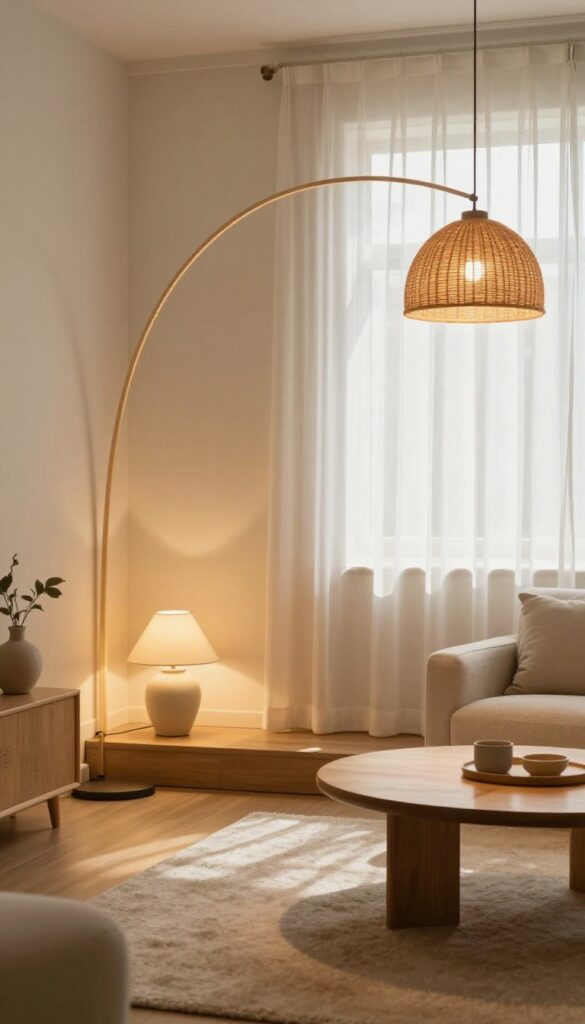
Lighting is the secret weapon in a sunken living room. By placing light sources at multiple levels, you create depth and drama that make the lowered area feel like its own cozy world. A mix of floor lamps, table lamps, and a low-hanging pendant works beautifully together, casting warm pools of light that guide the eye and soften the edges of the step-down.
Start with ambient light from a floor lamp placed near the edge of the sunken area—this defines the boundary without harsh lines. Add task lighting on a side table or console for reading or conversation. Then, hang a pendant low over the coffee table, just above eye level when seated.
This draws attention down into the space, making it feel intimate and anchored. Choose warm bulbs (2700K–3000K) to keep the glow inviting. Dimmers are a must for adjusting the mood from bright and social to soft and relaxed.
Best Fixtures For Layering
- Look for a slim arc floor lamp that can reach over seating without taking up floor space. For the pendant, go with a drum or globe shade in a natural material like rattan or linen—it diffuses light softly. Table lamps with ceramic or glass bases add a reflective touch.
- Avoid cool-toned metal shades that cast harsh shadows.
Placement Tips
- Position the floor lamp at the back corner of the sunken area to create a backdrop glow. Place the table lamp on a low console or shelf at the front edge—this balances the light from above. The pendant should hang directly over the coffee table, about 30–36 inches above the tabletop.
- Keep cords tidy by running them under rugs or along baseboards.
Cozy Detail
Add a dimmer switch to the pendant light so you can lower the brightness for movie nights. Pair with a few candles on the coffee table for flickering warmth. The combination of layered electric light and candlelight makes the sunken space feel like a retreat.
4. Add a Statement Coffee Table as a Focal Point
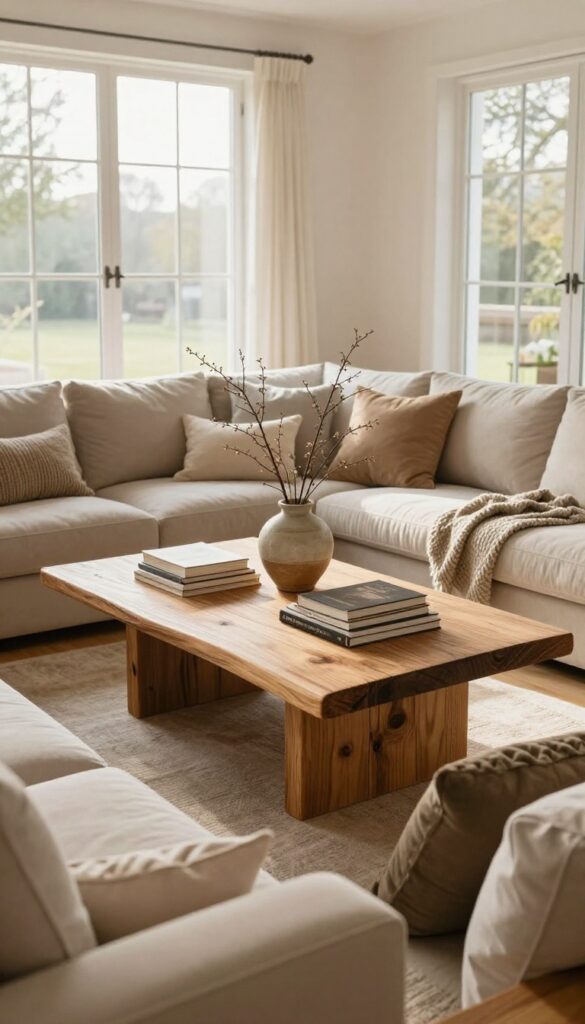
A sunken living room naturally draws the eye downward, so the coffee table you choose carries extra weight. It’s not just a place to set down a mug—it’s the visual anchor that holds the whole seating arrangement together. Pick one with real presence, like a sculptural wood slab or a sleek marble top, and watch how it transforms the lowered space into an intentional, conversation-friendly zone.
The coffee table in a step-down living room does double duty: it grounds the furniture layout and adds personality to the sunken area. Because the floor level already creates a sense of separation, the table becomes the natural centerpiece. A bold piece—think live-edge wood, a geometric metal base, or a polished stone top—gives the eye a place to rest and makes the whole arrangement feel purposeful.
Keep the surface styled simply: a stack of books, a low vase, or a sculptural tray. That way, the table stays the star without feeling cluttered.
Best Materials For Sunken Spaces
- Heavier materials like marble, travertine, or solid wood work well here because they hold their own against the lowered floor. A glass or acrylic table can feel too light and get visually lost. If you want warmth, go for a reclaimed wood top with visible grain.
- For a more polished look, a marble or stone finish adds subtle luxury. Just make sure the base is sturdy—sunken areas often get more foot traffic around the edges.
Shape And Scale Tips
Round or oval tables are especially forgiving in sunken rooms because they soften the hard lines of the step and encourage flow. A rectangular table can work if your seating is arranged in a U-shape, but leave at least 18 inches of clearance on all sides for easy movement. The table height should match your sofa seat height or be slightly lower—taller tables can feel awkward when you’re seated below the main floor level.
Styling The Surface
- Keep the top two-thirds clear for everyday use, and style the remaining third with a few curated objects. A ceramic vase with dried branches, a small stack of art books, or a low bowl adds character without blocking sightlines. In a cozy, layered room, a chunky knit throw draped over one corner of the table adds softness and invites guests to reach for it.
- Avoid tall centerpieces that interrupt conversation across the table.
5. Incorporate Plush Textiles for Warmth
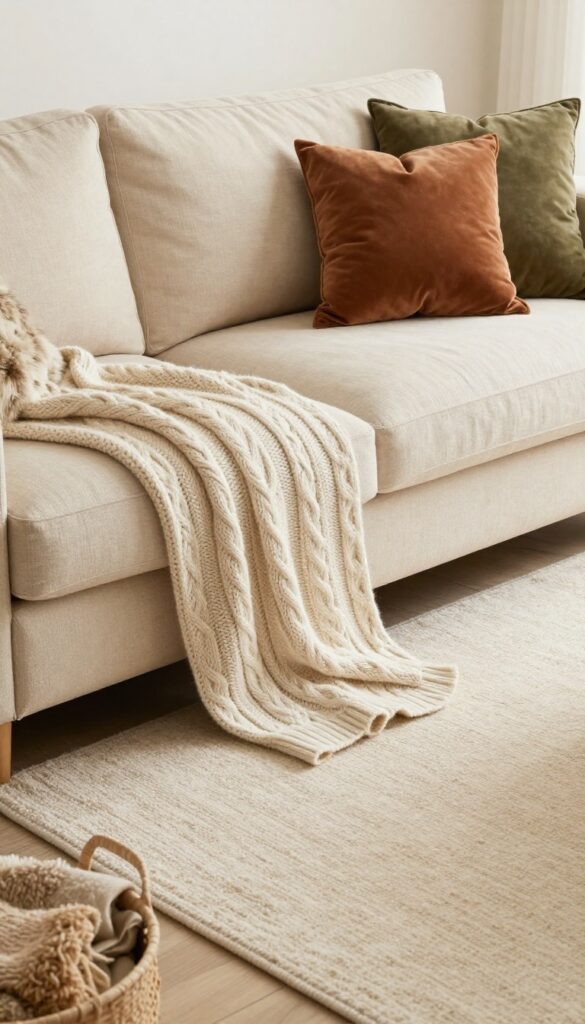
A sunken living room already feels like a designated hangout zone, but adding layers of soft textiles makes it downright irresistible. Think chunky knit throws casually draped over the back of a sofa, velvet pillows piled high, and a faux fur accent or two. These tactile elements not only warm up the space visually but also invite you to sink in and stay awhile—especially when the temperature drops.
The key is to mix textures without going overboard. Start with a neutral base—cream, taupe, or soft gray—then layer in deeper tones like rust, olive, or navy for contrast. A chunky cable-knit throw on the main sofa adds instant coziness, while velvet or faux fur pillows on accent chairs create visual variety.
Don't forget the floor: a high-pile rug or sheepskin underfoot makes the step-down feel even more intentional and snug.
Best Fabrics To Mix
Stick with natural fibers like wool, cotton, and linen for the base layers, then bring in synthetic plush like faux fur or velvet for that extra softness. The contrast between a smooth linen sofa and a chunky knit throw is what makes the look feel curated, not chaotic.
Color Palette Tips
- Keep the overall palette warm and earthy. Think oatmeal, camel, burnt sienna, and deep forest green. These tones complement the cozy vibe and work well with the lower-level architecture.
- Avoid icy blues or stark whites—they can make the sunken area feel cold.
Finishing Touch
Add a floor basket filled with extra throws near the step-down. It's both decorative and practical—guests can grab one without getting up, and it reinforces the idea that this area is meant for relaxing.
6. Create a Built-In Banquette Along the Step
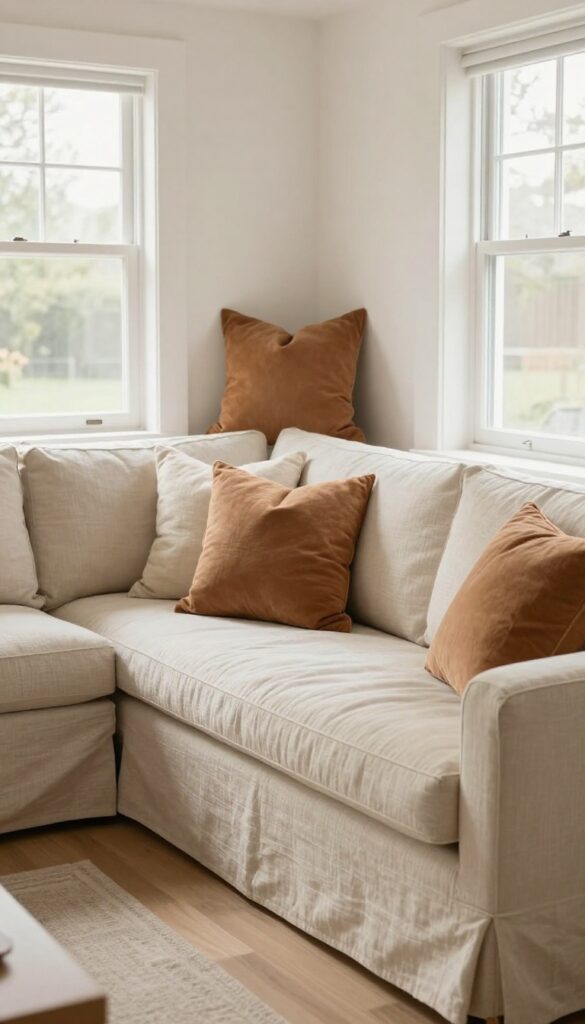
That transition between levels can feel awkward, but a built-in banquette turns it into the best seat in the room. By placing a cushioned bench right along the edge of the step, you create a natural spot to sit, lounge, or even stash extra pillows. The bench visually connects the two levels, making the whole space feel intentional and cohesive.
Plus, it defines the boundary without needing a railing, keeping the open, airy vibe intact.
A built-in banquette along the step does double duty: it provides extra seating and softens the hard edge between levels. The bench should be deep enough to sit comfortably—at least 18 inches—and topped with a thick foam cushion upholstered in a durable fabric like performance velvet or linen. Add a row of back cushions or a low backrest to make it lounge-worthy.
Toss in a few textured pillows in complementary tones to tie the banquette into your living room's color palette. This setup works especially well in sunken living rooms where you want to keep the sightlines open but still create a cozy nook for reading or chatting.
Best Materials
Choose a sturdy base like plywood or MDF, and consider adding hidden storage underneath with hinged lids or pull-out drawers. For the cushion, go with high-density foam wrapped in Dacron for comfort and longevity. Upholstery fabrics like Crypton or Sunbrella resist stains and fading, making them practical for high-traffic areas.
Layout Tip
Position the banquette so it faces the main seating area or a focal point like a fireplace or TV. If the step runs along a wall, extend the bench the full length for a continuous look. Leave a gap of at least 12 inches between the bench and any furniture to allow easy movement.
Cozy Detail
Layer in softness with a mix of lumbar pillows and square cushions in varying textures—think velvet, chunky knit, and linen. A small throw blanket draped over the end adds warmth and invites people to settle in. For evening coziness, tuck a strip of LED lights under the bench edge for a subtle glow that highlights the step.
7. Use Curtains to Frame the Sunken Area
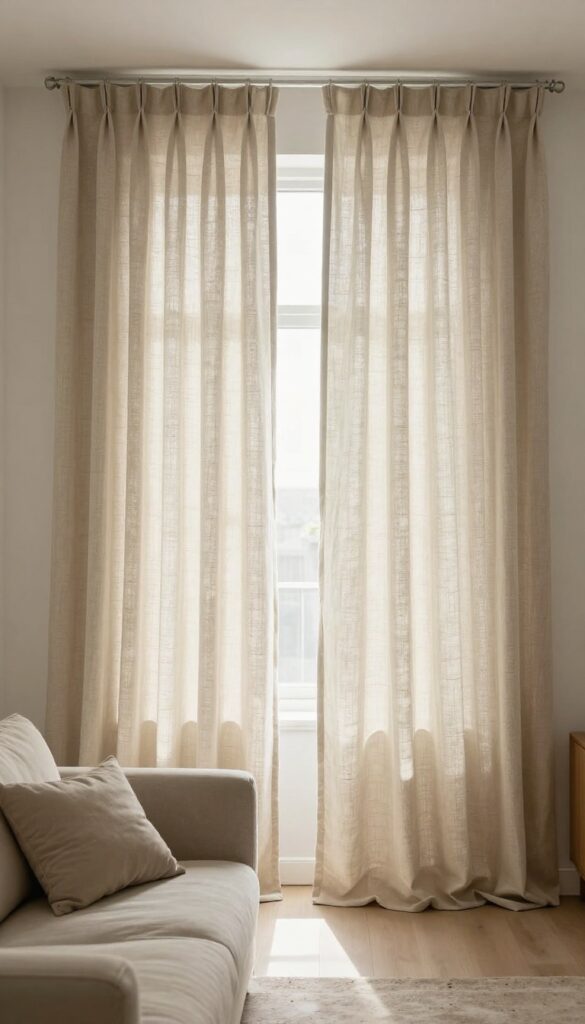
Floor-to-ceiling curtains do more than just dress a window. Around a sunken living area, they act like soft, movable walls that define the space without closing it off. When drawn, they create a cozy, intimate nook that feels like its own little room within the larger space.
The key is choosing a light, airy fabric that billows gently and keeps the whole setup feeling open rather than heavy.
Hang a curtain track around the perimeter of the sunken area, just inside the step-down. Use a continuous rod or track so the fabric can slide all the way around. When you want the room to feel open, pull the curtains back to expose the sunken space.
At night or during a movie, close them for a dramatic, tent-like enclosure that makes the seating area feel extra special. Stick to neutral tones like linen white, soft beige, or pale gray to keep the look clean and layered. Avoid heavy velvet or dark colors that could shrink the space visually.
Best Fabrics For The Job
- Linen and cotton blends are your best friends here. They're lightweight, breathe well, and have a natural drape that adds softness. Semi-sheer fabrics let light filter through while still providing privacy.
- Stay away from stiff materials that won't move easily or that feel too formal for a relaxed living room.
Installation And Hardware Tips
Use a ceiling-mounted track system for a seamless look. Make sure the track extends a few inches past the edges of the sunken area so the curtains can stack neatly to the sides when open. Curtain rings with clips make it easy to adjust the height and swap out panels if you want to change the look later.
Styling With Layers
Pair the curtains with a sheer inner layer and a slightly thicker outer panel for added depth. This lets you control light and privacy in stages. Tie back the outer panels during the day with fabric ties or decorative hooks to show off the sheer layer and keep the room feeling bright.
8. Play With Contrasting Floor Finishes
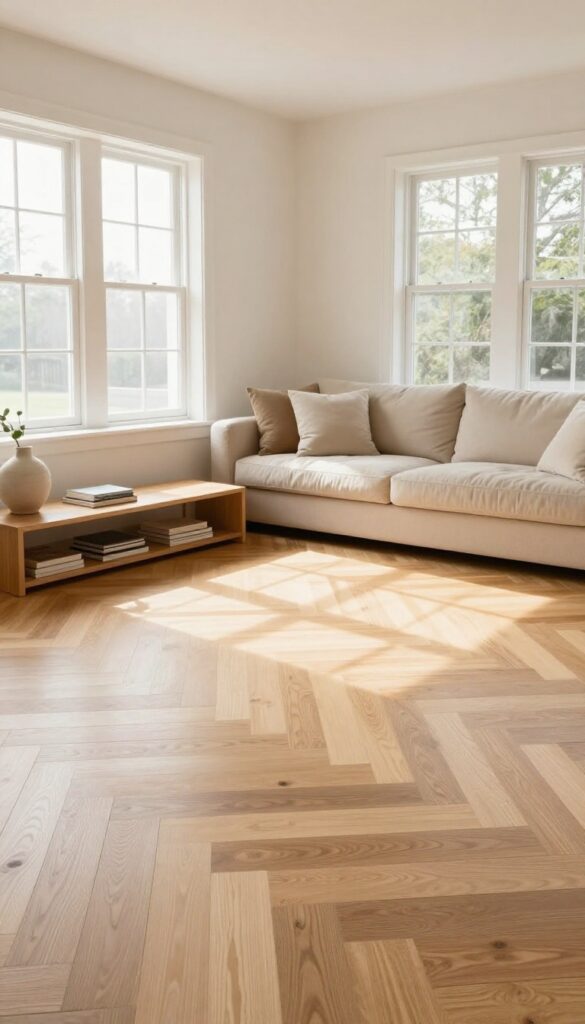
One of the simplest ways to make a sunken living room feel intentional is to let the floor do the talking. By choosing a different material or color for the lower area, you create a natural visual boundary that reinforces the change in level without needing a railing or step marker. This subtle shift adds depth and character, making the sunken zone feel like its own cozy destination.
If your home allows for it, consider laying darker hardwood, patterned tile, or even a rich stain in the sunken area while keeping the surrounding floor lighter. The contrast doesn't have to be dramatic—sometimes a warm walnut against a pale oak is enough to define the space. This trick works especially well in open-plan rooms where the sunken area is meant to feel intimate and separate from the main flow.
Just make sure the transition is smooth and safe, with no tripping hazards at the edge.
Best Material Pairings
For a cozy, layered look, try pairing wide-plank engineered wood in the main area with a herringbone or chevron pattern in the sunken zone. If you prefer tile, a soft grey porcelain upstairs and a warm terracotta or encaustic tile downstairs creates a beautiful contrast. Carpet is another option—use a low-pile neutral on the upper level and a plush, darker tone in the sunken pit for added softness.
Color And Texture Tips
- Stick to a cohesive color palette so the contrast feels planned rather than jarring. For example, if your main floor is a light blonde wood, choose a deep charcoal or espresso stain for the lower level. Texture also matters: a smooth, glossy finish upstairs pairs nicely with a matte, hand-scraped wood below.
- This variation adds visual interest without overwhelming the room.
Safety And Transition
When changing floor finishes at a step-down, use a subtle transition strip or a flush threshold to avoid a sharp edge. If the sunken area is just a few inches lower, you can even let the flooring butt up directly with a slight bevel. Always ensure the edge is clearly visible—consider adding a thin LED strip or a contrasting nosing strip to prevent accidents.
9. Add Greenery to Soften the Transition
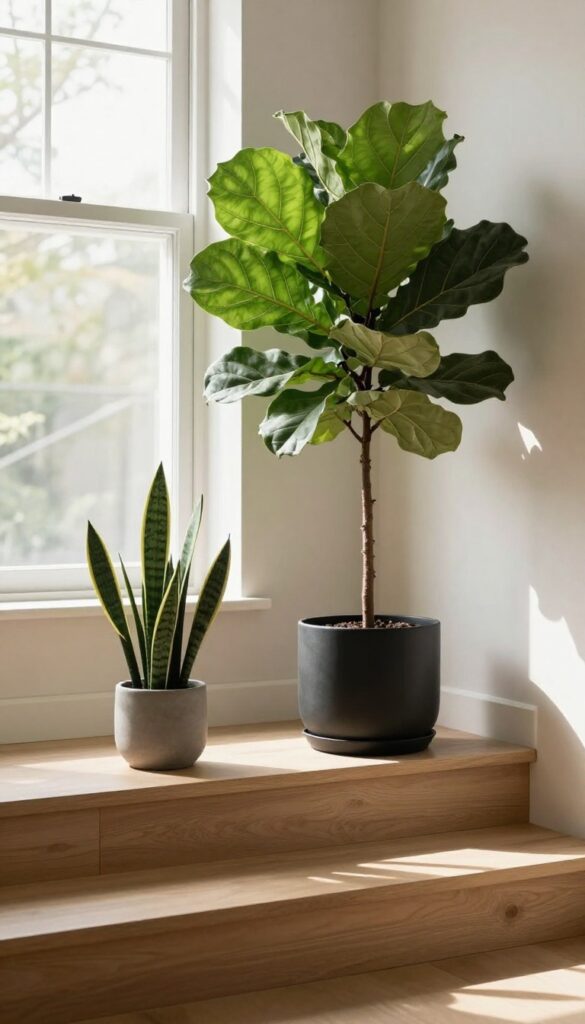
A sunken living room often has that one step that feels a little too abrupt. Hard edges can make the space feel more like a pit than a cozy retreat. That's where plants come in—they're the easiest way to blur that line and make the transition feel natural and inviting.
Tall potted plants near the step act like soft sentinels, guiding the eye down without a jarring stop. A fiddle leaf fig or a cluster of smaller plants like snake plants and pothos creates a lush, organic boundary. The greenery draws you in, making the sunken area feel like a secret garden nook rather than a hole in the floor.
Plus, the varying heights add visual interest and soften any harsh architectural lines.
Best Plant Choices
- Go for statement plants with broad leaves or tall, slender silhouettes. Fiddle leaf figs, rubber trees, and monstera are top picks for their dramatic presence. If you're low on light, snake plants and ZZ plants thrive in dimmer corners.
- Group three pots of different heights for a layered effect that feels intentional, not cluttered.
Placement And Styling Tip
- Position the largest plant right at the edge of the step, slightly offset to one side. This asymmetry feels more natural than centering it. Use a decorative pot that complements your room's palette—terra cotta for warmth, matte black for a modern edge.
- Add a smaller plant on the lower level to create a visual bridge between the two zones.
Cozy Detail
Tuck a small floor lamp behind the main plant to cast dappled shadows through the leaves. This soft lighting adds depth and makes the greenery feel even more lush in the evening. It also highlights the step without making it feel like a hazard.
10. Install Recessed Shelving on the Step Wall
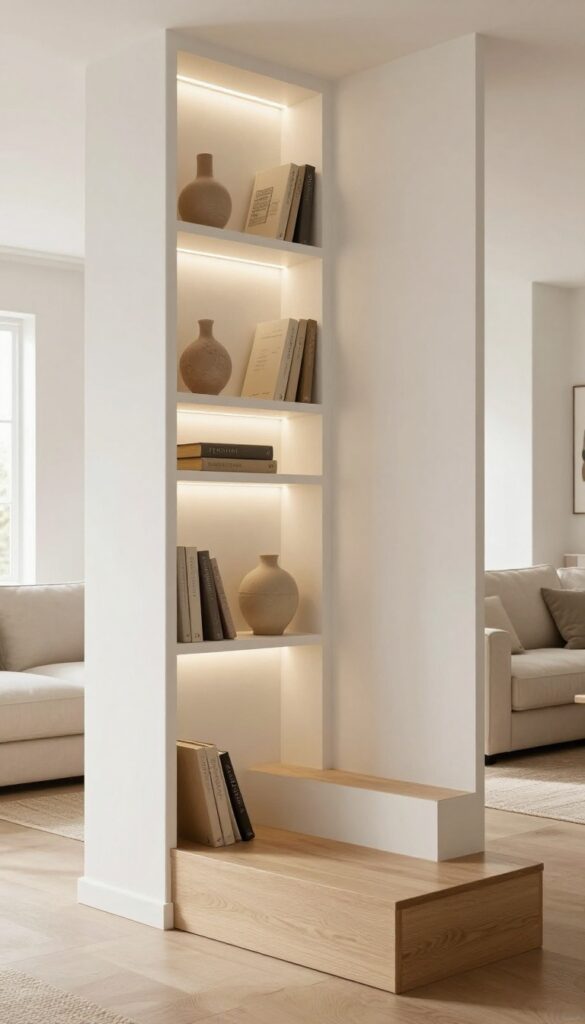
The vertical wall of a sunken step is often treated as a blank surface, but it’s prime real estate for storage and display. Recessed shelving turns that awkward riser into a curated ledge for books, ceramics, or small art pieces. It’s a smart way to add function without eating into floor space, and the built-in look feels intentional, not added on.
By carving shallow niches into the step wall, you create display pockets that feel like part of the architecture. This works especially well in living rooms where the step separates the sunken area from the main floor. The shelves can be painted to match the wall for a seamless look or lined with a contrasting color to make them pop.
Keep the styling minimal—a few stacked books, a matte vase, or a single sculptural object—so the shelves don’t look cluttered. The recessed design also protects items from being knocked over, which is handy in high-traffic zones.
Best Colors
For a cohesive look, paint the recessed shelves the same color as the wall to make them disappear. If you want the shelves to stand out, try a darker shade like charcoal or a warm earthy tone like terracotta. White or light wood shelves keep things airy, while dark shelves add depth and drama.
Shelf Styling Tip
Treat each shelf like a mini vignette. Group items in odd numbers, vary heights with book stacks and small plants, and leave negative space so the eye can rest. A small picture frame leaned against the back wall adds a personal touch without overwhelming the niche.
Lighting Tip
Install tiny LED strip lights along the top edge of each recessed shelf. The soft glow highlights your objects and creates a warm, layered effect in the evening. It also makes the step safer by subtly illuminating the change in floor level.
FAQ
How do I make a sunken living room feel safe?
Add subtle lighting along the step edge, like LED strip lights or small sconces, to highlight the change in level. Use contrasting flooring or a rug border to make the step visually obvious.
Can I use a sunken living room in a small space?
Absolutely. In a small room, a sunken area can make the space feel larger by creating distinct zones. Keep furniture low and use light colors to maintain an open feel.
What furniture works best in a step-down room?
Low-profile furniture like floor sofas, poufs, and low coffee tables work well. They keep sightlines clear and emphasize the sunken effect without overwhelming the space.
How do I decorate the step itself?
You can leave the step bare for a clean look, or add cushions, plants, or a runner. Built-in shelving on the step wall is also a great way to use that vertical space.
Is a sunken living room outdated?
Not at all. With modern styling, sunken living rooms feel fresh and intentional. The key is to use contemporary furniture, layered textures, and good lighting to update the look.
Conclusion
Styling a step-down living room is all about embracing the architecture and making it work for your lifestyle. By defining the sunken area with rugs, low furniture, and layered lighting, you can create a cozy nook that feels both separate and connected.
Whether you go for a built-in banquette or a statement coffee table, these ideas help you turn that dip into a design highlight. Remember, the goal is comfort and flow—so have fun with textures and let the room feel lived-in.