10 Cleaning Vinegar Hacks That Make Rooms Shine
White vinegar is a powerhouse cleaner that costs pennies per use. It cuts through grease, dissolves hard water deposits, and leaves surfaces gleaming without harsh fumes. These ten hacks turn ordinary cleaning vinegar into a streak-free, spotless solution for every room in your house.
From cloudy glass shower doors to sticky sticker residue, each tip delivers visible results with minimal effort. No need for expensive sprays or toxic chemicals—just a bottle of vinegar and a few simple tricks.
Ready to make your home shine? Let's dive in.
1. Streak-Free Windows and Mirrors
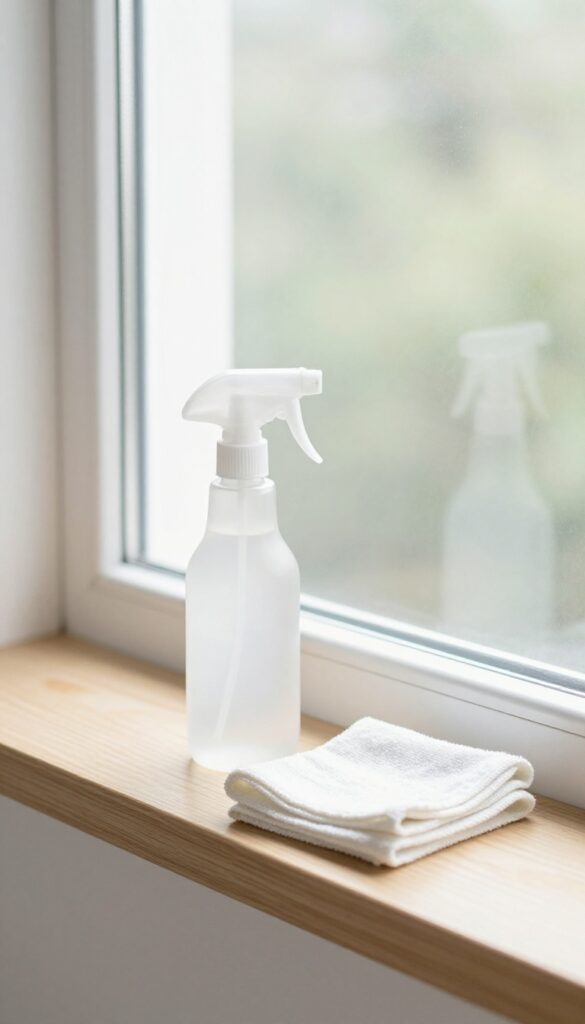
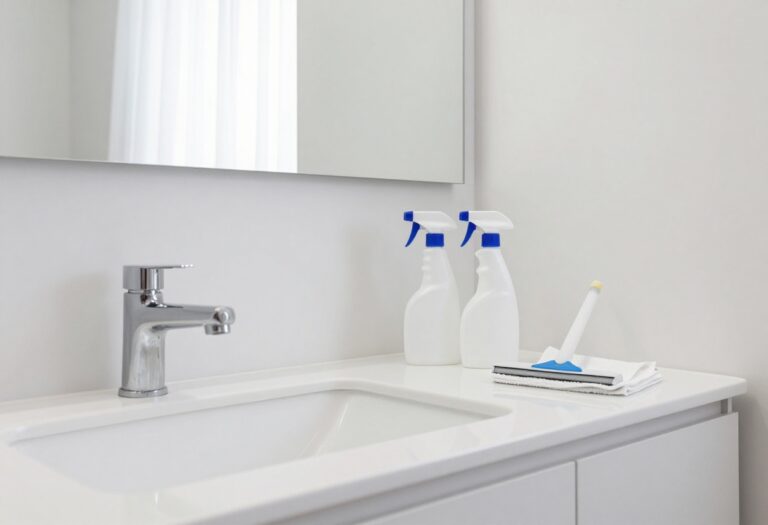
Forget the blue sprays that leave hazy streaks. A simple vinegar solution cuts through grime and dries crystal clear. It works on windows, mirrors, glass tabletops, and even shower doors.
The Perfect Ratio
Mix one part distilled white vinegar with one part warm water in a spray bottle. That's it. No soap, no additives.
The vinegar dissolves dirt and grease without leaving a film.
The Right Tool
Use a lint-free microfiber cloth, not paper towels. Paper towels leave fibers and can cause streaking. Wipe in an S-pattern from top to bottom to avoid missing spots.
Pro Tip For Stubborn Spots
For dried-on splatters or hard water spots, spray the area and let the vinegar sit for 30 seconds before wiping. For extra shine, buff with a dry microfiber cloth after the initial wipe.
2. Sparkling Glass Shower Doors
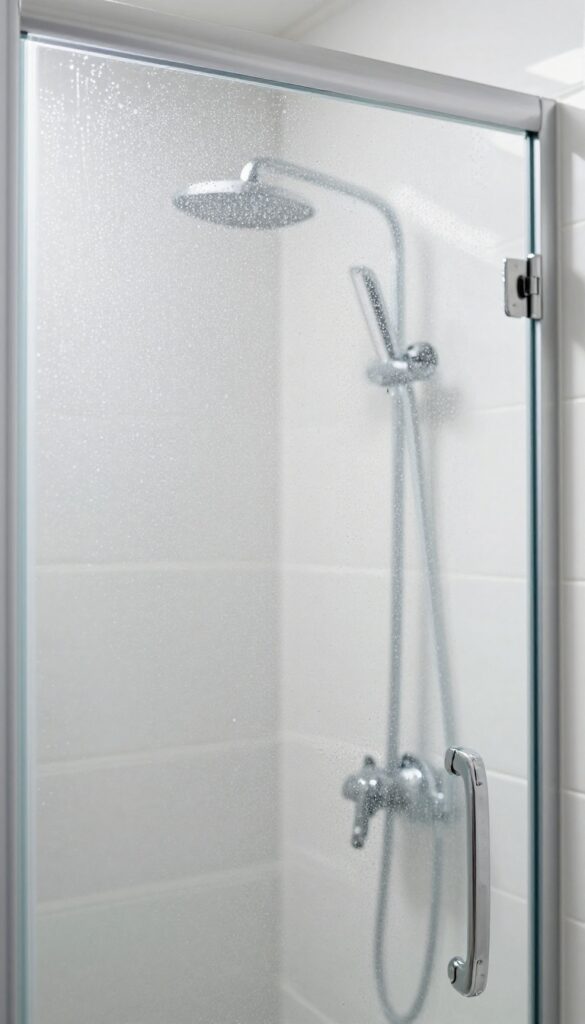
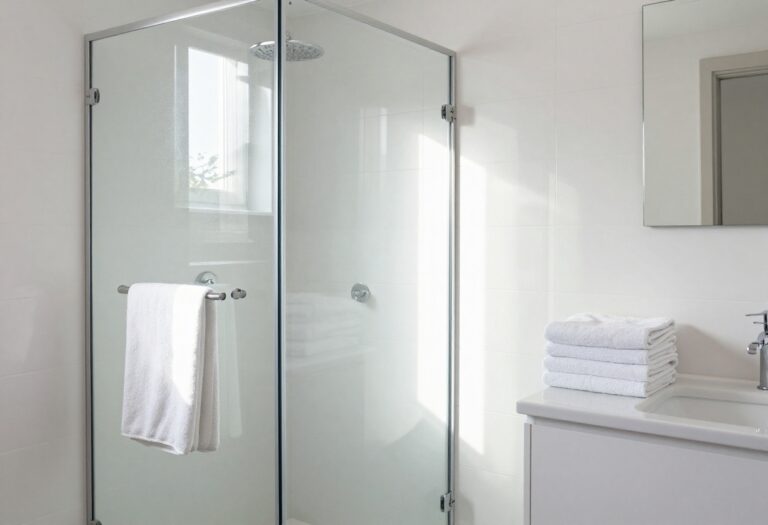
Cloudy, spotted shower doors are one of those bathroom annoyances that seem impossible to fix. But white vinegar makes the job almost effortless. It dissolves hard water minerals and soap scum without scratching the glass or leaving behind toxic fumes.
Spray undiluted white vinegar directly onto the glass, covering every inch. Let it sit for five minutes to break down the buildup. Then scrub with a non-abrasive sponge or a soft microfiber cloth.
Rinse thoroughly with warm water and finish with a squeegee to prevent new spots. The result is glass so clear it looks like it was just installed.
Why Vinegar Works So Well
Hard water contains calcium and magnesium that bond to glass and create a hazy film. Vinegar's mild acidity dissolves those mineral deposits on contact. It also cuts through the oils in soap scum, leaving the surface clean and residue-free.
The Squeegee Secret
After rinsing, use a squeegee to remove excess water. This step is critical because it prevents new spots from forming as the glass dries. Keep a squeegee in your shower and make it a habit after every rinse.
Avoid These Mistakes
Never use abrasive scrubbers like steel wool or harsh scouring pads—they can scratch the glass. Also, don't let vinegar sit for more than ten minutes on metal fixtures or seals, as prolonged contact may cause damage. Rinse everything well.
3. Fresh-Smelling Garbage Disposal
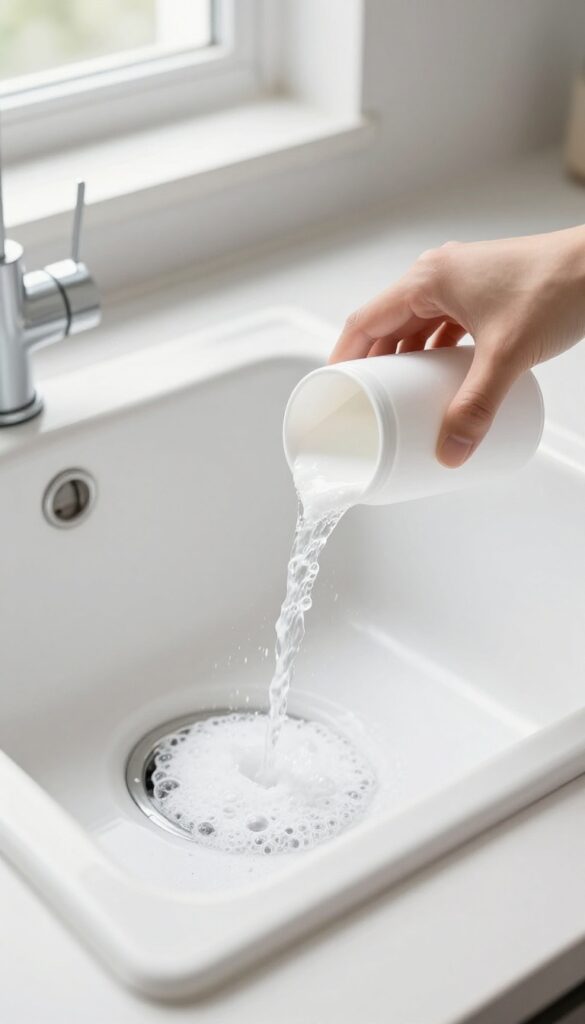
Garbage disposals can get funky fast. Food particles get trapped in the blades and crevices, creating a sour smell that lingers. But you don't need harsh drain cleaners or pricey deodorizing pods.
A simple fizzy reaction with vinegar and baking soda will leave your disposal smelling clean and fresh.
Pour 1/2 cup baking soda followed by 1 cup vinegar down the drain. Let fizz for 10 minutes, then flush with hot water. Odors vanish instantly.
Why This Works
The chemical reaction between baking soda and vinegar creates carbon dioxide bubbles that scrub away grime and stuck-on food particles. The fizzing action reaches into the nooks and crannies of the disposal blades and drain pipe, loosening debris that causes odors. Hot water then flushes everything away, leaving the drain clear and fresh.
Step-by-step Instructions
Start by turning off the disposal and ensuring no food scraps are visible. Pour 1/2 cup of baking soda directly into the drain. Follow immediately with 1 cup of white vinegar.
The mixture will bubble vigorously—that's normal. Let it sit for about 10 minutes to work its magic. Then, turn on the hot water and run the disposal for 30 seconds to rinse away all residue.
Extra Freshness Boost
For an even cleaner scent, add a few lemon or orange peels to the disposal after the vinegar treatment. Run the disposal with cold water for about 15 seconds. The citrus oils will leave a pleasant, natural fragrance.
You can also toss in a handful of ice cubes to help scrub the blades clean.
4. Revived Wood Cutting Boards
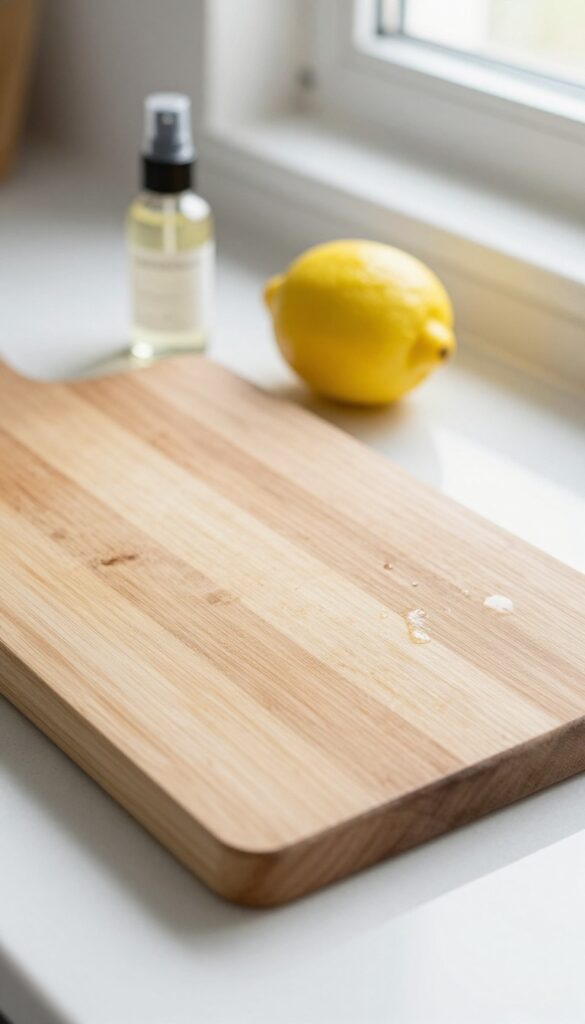
Wood cutting boards are workhorses in the kitchen, but they can get stained, smelly, and a little grimy over time. Before you think about tossing yours, grab that bottle of vinegar. A simple soak or scrub can bring it back to life, making it look and smell fresh again.
Daily Refresh
Mix equal parts white vinegar and water in a spray bottle. Spritz your cutting board after each use, let it sit for a minute, then wipe clean. This kills bacteria and neutralizes odors like garlic or onion.
Rinse with water and dry thoroughly to prevent warping.
Deep Stain Removal
For stubborn stains from beets, berries, or turmeric, make a paste with vinegar and salt. Sprinkle salt over the board, then pour on enough vinegar to form a paste. Scrub with a sponge or brush, let it sit for 10 minutes, then rinse.
The abrasive salt lifts stains while the vinegar disinfects.
Odor Elimination
If your board smells even after washing, soak it in a 1: 1 vinegar-water solution for 15 minutes. The vinegar absorbs and neutralizes strong odors. Rinse well and let it air dry completely.
For extra freshness, rub the board with a cut lemon half after the vinegar soak.
5. Clean Coffee Maker Without Chemicals
Your morning brew deserves a clean machine. Over time, mineral deposits and coffee oils build up inside your coffee maker, affecting both performance and taste. Instead of harsh descaling solutions, reach for vinegar—it's gentle, effective, and leaves no chemical aftertaste.
Running a vinegar cycle through your coffee maker breaks down limescale and residue without scrubbing. It's a set-it-and-forget-it method that takes about an hour, and your coffee will taste noticeably fresher afterward.
The Simple Vinegar Cycle
Fill the water reservoir with equal parts white vinegar and water. Start a brew cycle as usual, then let it sit for 30 minutes. Finish the cycle, empty the carafe, and rinse the reservoir.
This single step removes most buildup and odors.
Double Rinse For Pure Taste
After the vinegar cycle, run two full cycles with fresh water only. This flushes out any lingering vinegar smell and ensures your next pot of coffee tastes clean. If you still detect a faint scent, run a third rinse cycle.
Monthly Maintenance For Best Flavor
Repeat this process once a month if you use your coffee maker daily. For heavy use or hard water areas, every two weeks is better. Regular descaling keeps your machine running longer and your coffee tasting its best.
6. Brightened White Laundry
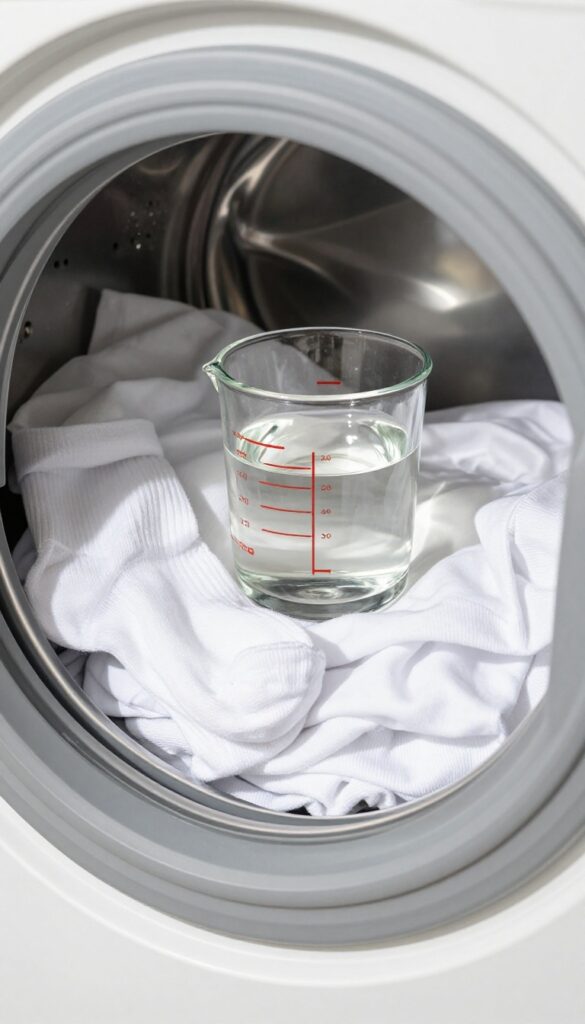
White socks, T-shirts, and sheets tend to lose their brightness over time. Commercial whiteners often contain bleach that weakens fibers, but vinegar offers a gentler alternative. A simple rinse-cycle addition can restore that fresh white look without damaging your fabrics.
Vinegar works by breaking down leftover detergent and minerals that cling to fabric fibers. These residues trap dirt and cause whites to look dingy. By adding vinegar to the rinse cycle, you remove that buildup, allowing whites to reflect light better.
The result is brighter, softer laundry without the harshness of bleach.
How To Use It
Add 1/2 cup of distilled white vinegar to your washing machine's fabric softener dispenser or directly into the rinse cycle. Run the cycle as usual. The vinegar smell disappears completely during the rinse and spin, so your clothes come out smelling fresh.
Bonus Softening Effect
Vinegar naturally softens fabrics by removing residue that stiffens fibers. You can skip store-bought fabric softener, which often leaves a coating that reduces absorbency. Towels, in particular, stay fluffy and more absorbent when rinsed with vinegar.
Safety And Compatibility
Vinegar is safe for most fabrics, including cotton, linen, and synthetics. Avoid using it on silk or wool, as the acidity can damage those delicate fibers. Always check care labels first.
For heavily soiled whites, you can pretreat stains with a vinegar paste before washing.
7. Carpet Stain Remover
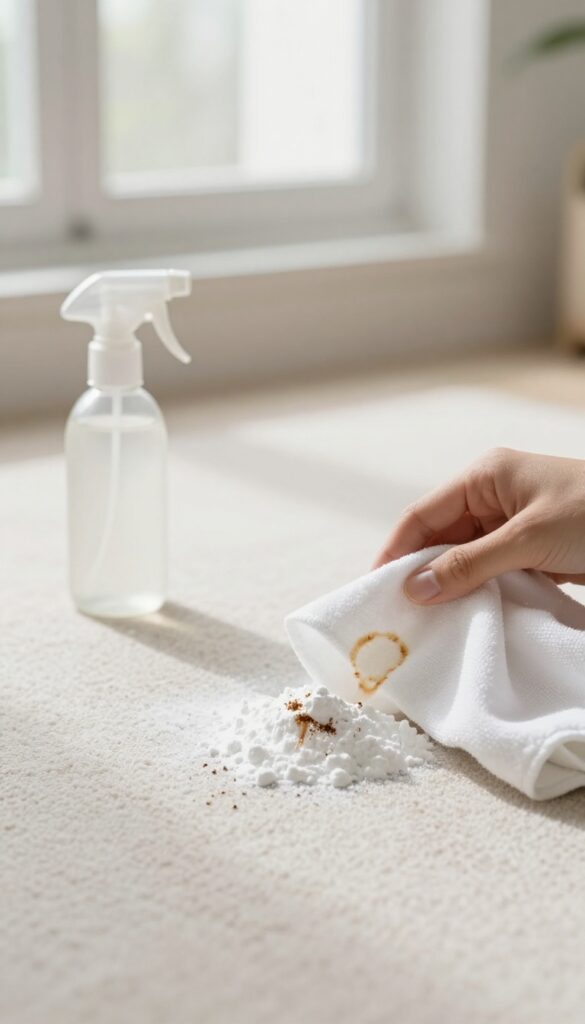
Spills happen, and when they do, you need a quick, effective solution. Vinegar is surprisingly good at lifting stains from carpet fibers without the harsh chemicals found in many commercial cleaners. The key is acting fast and using the right technique to avoid setting the stain deeper.
Blot fresh stains with a clean cloth to absorb as much liquid as possible. Mix a solution of 2 parts water to 1 part white vinegar in a spray bottle. Spray the stain lightly, let it sit for 5 minutes, then blot again with a dry cloth.
Sprinkle baking soda over the area and let it dry completely before vacuuming. This method works on coffee, wine, juice, and pet accidents.
Why Vinegar Works On Carpet Stains
Vinegar's mild acidity breaks down the compounds in many stains, especially those from food and drinks. It also neutralizes odors, which is a bonus for pet messes. The combination with baking soda creates a gentle fizzing action that helps lift residue from deep within the carpet fibers.
Step-by-step Stain Removal
Start by blotting the stain—don't rub, as that spreads it. Spray the vinegar solution and wait 5 minutes. Blot again, then cover with a thin layer of baking soda.
Let it sit until fully dry (a few hours or overnight). Vacuum thoroughly. For old or set-in stains, repeat the process or let the vinegar sit longer before blotting.
Tips For Best Results
Always test the vinegar solution on an inconspicuous area first to ensure it doesn't discolor the carpet. Use white vinegar only—apple cider or other vinegars can stain. For large stains, work from the outside in to prevent spreading.
If the stain persists, consider a second application or a commercial spot cleaner.
8. Dishwasher Spot-Free Finish
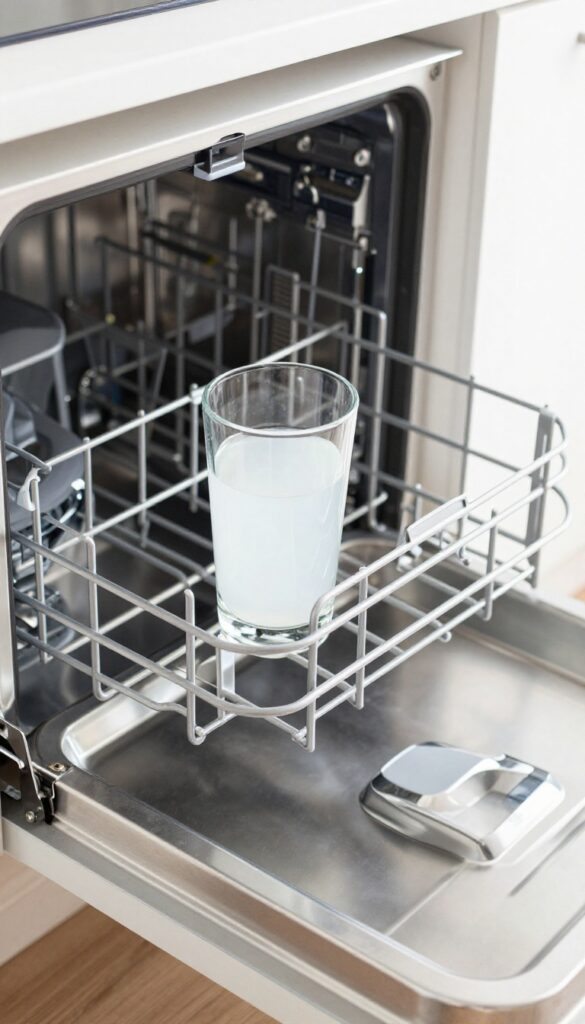
Hard water spots and cloudy film on glasses can make your dishwasher look like it's not doing its job. But before you buy a pricey rinse aid, grab a bottle of plain white vinegar. A simple cup placed on the top rack during a hot cycle dissolves mineral deposits and leaves your dishes sparkling clean.
Vinegar's mild acidity breaks down the calcium and magnesium that cause cloudy film and spots. It also helps remove lingering food particles and grease from the dishwasher interior. For best results, run the cycle on the hottest setting with no detergent—just the vinegar working its magic.
How To Use Vinegar In The Dishwasher
Fill a dishwasher-safe cup or bowl with about one cup of white vinegar. Place it upright on the top rack, then run a normal cycle with hot water. The vinegar will be sprayed throughout the wash and rinse cycles, cutting through buildup without harming your machine.
When To Do This
Use this hack once a month to maintain a spot-free shine. If your glasses are already heavily clouded, you might need two consecutive cycles. For extra stubborn film, let the vinegar sit in the cup for 15 minutes before starting the cycle.
Safety Tips
Never mix vinegar with bleach or dishwasher detergent—it can create harmful fumes. Also, avoid using vinegar on aluminum or cast iron items, as the acid can damage them. Stick to glass, ceramic, and stainless steel for best results.
9. Sticker and Label Residue Remover
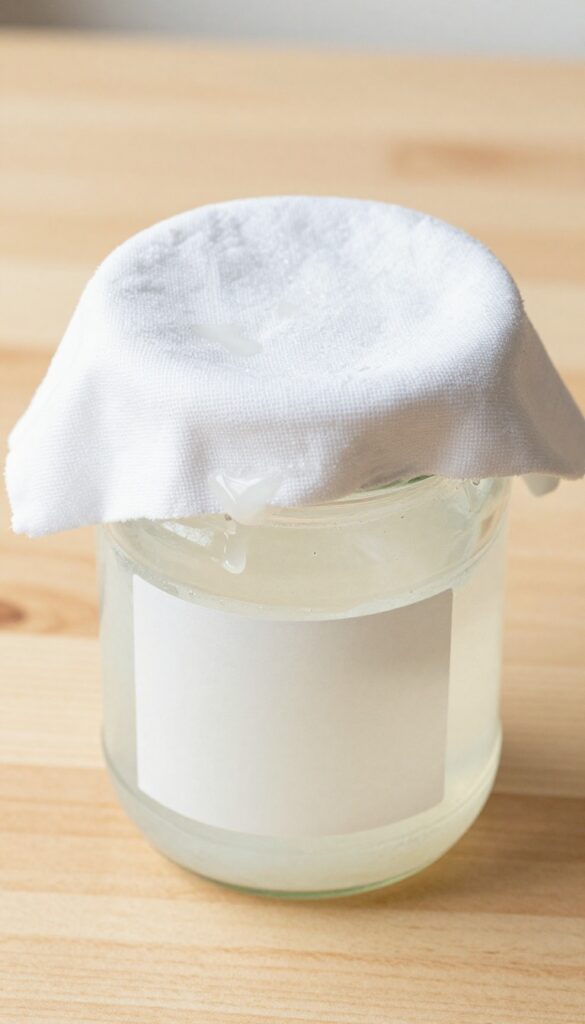
Peeling off a price tag or a stubborn sticker often leaves behind a sticky, gooey mess that's tough to remove. Scraping can damage the surface, and harsh solvents aren't always safe or pleasant to use. Vinegar offers a simple, gentle way to dissolve that residue without any elbow grease or chemicals.
How It Works
Vinegar's acetic acid breaks down the adhesive in sticker residue, making it lose its grip. The acid softens the glue, so it lifts away easily without scraping. This method works on glass, plastic, metal, and most sealed wood surfaces.
Step-by-step Application
Soak a clean cloth or paper towel in white vinegar and lay it directly over the sticky spot. Let it sit for 5 to 10 minutes to allow the vinegar to penetrate. Then, wipe the area with the same cloth—the residue should slide right off.
For stubborn spots, repeat or use a plastic scraper gently.
Best Surfaces And Precautions
This trick works wonders on glass jars, plastic containers, countertops, and even car windows. Avoid using vinegar on unsealed wood or delicate painted surfaces, as it may cause damage. Always test a small hidden area first if you're unsure.
10. Toilet Bowl Deep Clean
A sparkling toilet bowl doesn't require harsh bleach or expensive tablets. Vinegar tackles stains and odors naturally, leaving the porcelain gleaming. This simple method uses ingredients you already have in your pantry.
Pour one cup of white vinegar directly into the toilet bowl, aiming for the sides to cover stains. Let it sit for 30 minutes—the acid breaks down mineral deposits and grime. After the wait, scrub thoroughly with a toilet brush, then flush.
For stubborn rings or hard water stains, sprinkle a generous amount of baking soda into the bowl before adding the vinegar. The fizzy reaction lifts tough residue, making scrubbing easier. This combo is safe for septic systems and leaves no chemical residue.
Why Vinegar Works
Vinegar's acetic acid dissolves alkaline buildup like limescale and urine salts. Unlike bleach, it doesn't create toxic fumes when mixed with other cleaners, and it's gentle on pipes and seals.
Boost With Baking Soda
For extra cleaning power, add half a cup of baking soda after the vinegar. The fizzing action helps dislodge stuck-on grime. Let it bubble for 10 minutes before scrubbing and flushing.
Prevent Future Stains
To keep the bowl fresh between deep cleans, pour a cup of vinegar into the bowl once a week and let it sit overnight. Flush in the morning for a consistently clean toilet.
FAQ
Can I use any type of vinegar for cleaning?
White distilled vinegar is best because it's clear and has no added colors or flavors that could stain. Apple cider vinegar works in a pinch but may leave a slight scent.
Is vinegar safe for all surfaces?
No. Avoid vinegar on natural stone (marble, granite), hardwood floors, and waxed surfaces as the acid can damage them. Always test on a small area first.
Does vinegar kill germs?
Vinegar has mild disinfectant properties and can kill some bacteria, but it's not as effective as bleach or commercial disinfectants for high-risk areas like raw meat spills.
How do I get rid of the vinegar smell?
The smell dissipates quickly as it dries. Adding a few drops of essential oil (like lemon or lavender) to your vinegar solution can help mask the odor.
Can I mix vinegar with bleach?
Never mix vinegar with bleach or hydrogen peroxide. This creates toxic chlorine gas, which is dangerous to inhale. Stick to one cleaner at a time.
Conclusion
These ten vinegar hacks prove that a single ingredient can tackle everything from grimy windows to dingy grout. You don't need a cabinet full of specialty cleaners—just a bottle of white vinegar and a little know-how.
Start with the hack that solves your biggest headache, then work through the rest at your own pace. Your home will look brighter, smell fresher, and cost less to maintain.