11 Guest House Ideas That Feel Private Stylish and Practical
A guest house should feel like a private retreat, not just an extension of your home. But balancing style, comfort, and practicality often takes more than a bed and a nightstand.
You need smart layouts that respect your guests' independence while keeping maintenance easy for you. These 11 ideas focus on real solutions—privacy, self-sufficiency, and durability—so your guest space works as hard as it looks.
From clever zoning to thoughtful tech, each tip helps you create a stay that feels intentional and welcoming.
1. Separate the Sleeping Zone from the Living Zone
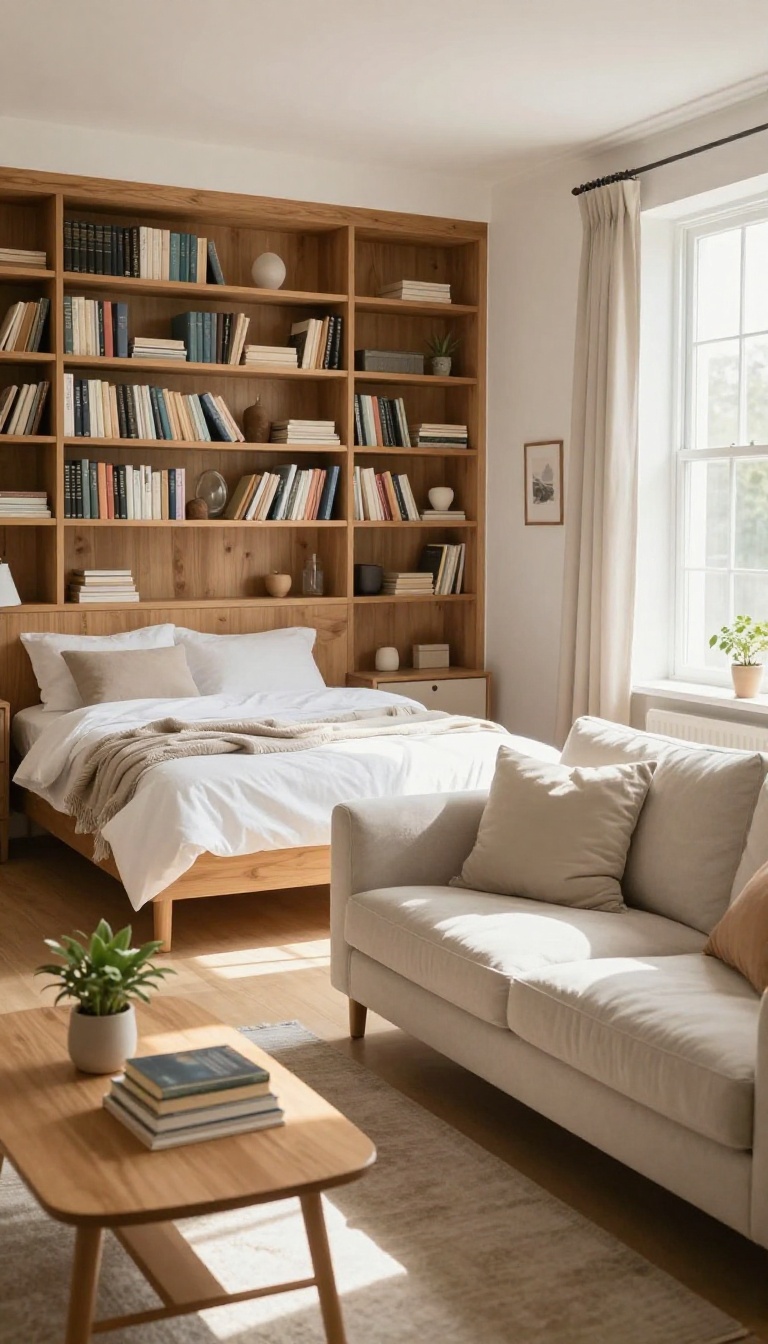
An open floor plan can feel spacious, but it blurs the line between rest and relaxation. When guests can see their bed from the couch, the space doesn't feel like a true retreat. A simple separation solves that, making the room feel more like a hotel suite than a spare room.
Start by defining each area with furniture placement. A tall bookshelf or a console table can act as a subtle divider without closing off the room. If you want something more flexible, consider ceiling-mounted curtains that can be drawn for privacy or pulled back for openness.
Even a large area rug can visually anchor the sleeping zone, giving it its own identity.
Use Furniture As A Divider
Position a low-profile dresser or a backless shelf perpendicular to the wall to create a partial screen. This adds storage without blocking light. A folding screen is another easy option—it's portable, affordable, and can be styled to match the decor.
Curtains For Flexible Privacy
Install a ceiling track with sheer or blackout curtains around the bed. This lets you close off the sleeping area at night and open it during the day. It's a soft, elegant solution that works especially well in studio-style guest houses.
Lighting Zones To Reinforce Separation
Use different lighting for each zone. A dimmable pendant or wall sconce near the bed creates a calm sleep environment, while a floor lamp in the living area provides brighter light for reading or socializing. This visual distinction reinforces the functional split.
2. Add a Mini Kitchenette for Self-Sufficiency
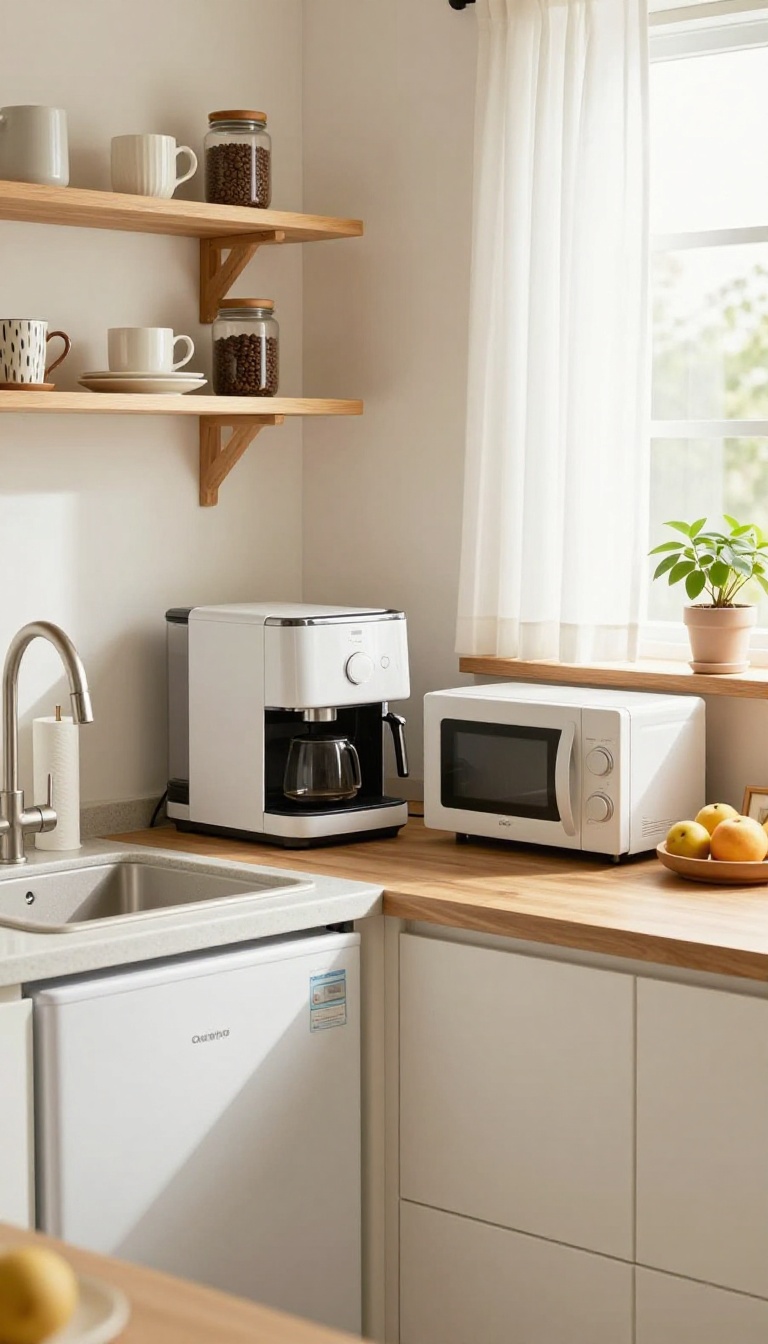
Guests often hesitate to ask for a glass of water or a snack, especially late at night. A mini kitchenette removes that awkwardness by giving them the tools to help themselves. It’s a small addition that makes a big difference in how independent and comfortable your guests feel.
A compact kitchenette with a microwave, mini-fridge, and coffee maker lets guests make their own meals and snacks, reducing the need to disturb you. It’s not about building a full kitchen—just the essentials that cover the most common requests. This setup is especially useful for longer stays, where guests might want to store leftovers or brew a fresh cup of coffee without hunting you down.
What To Include In A Compact Setup
Stick to the basics: a mini-fridge for perishables, a microwave for reheating, and a coffee maker (or an electric kettle for tea lovers). Add a small sink if plumbing allows—it makes cleanup far easier. If not, a countertop basin or a wet bar can work.
Don’t forget a few dishes, utensils, and a roll of paper towels. Keep it minimal to avoid clutter, but cover the essentials guests actually use.
Placement And Safety Considerations
Position the kitchenette near an outlet and away from heavy foot traffic. If you’re adding a sink, ensure proper ventilation and check local codes. For safety, install a smoke detector nearby and keep a small fire extinguisher accessible.
If you’re worried about spills, choose easy-to-clean surfaces like quartz or laminate, and add a mat under the coffee maker to catch drips.
How It Boosts Guest Comfort
When guests can fix a quick breakfast or a midnight snack, they feel more at home. It also cuts down on the number of times they have to ask for help, which many find awkward. For families with kids, a mini-fridge for milk and snacks is a lifesaver.
And for you, it means fewer interruptions and a smoother hosting experience overall.
3. Install Blackout Curtains and Soundproofing
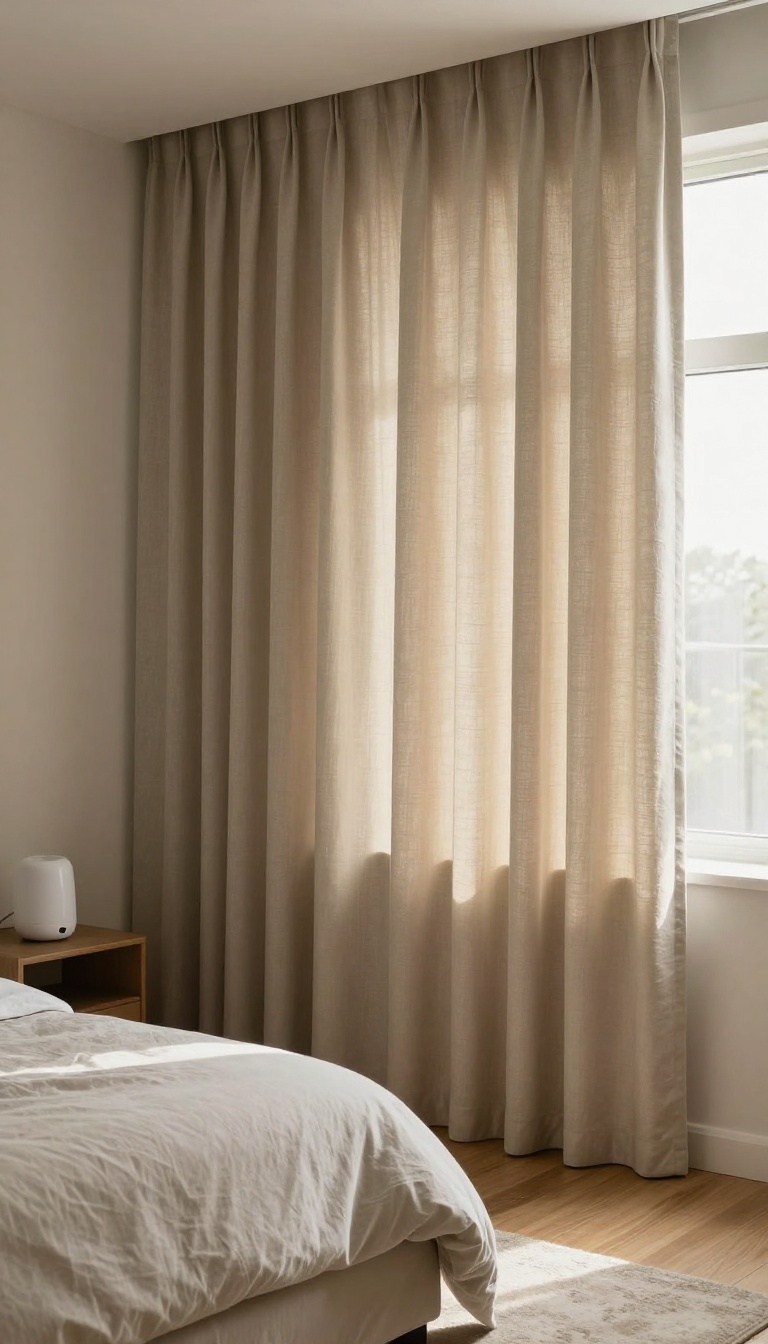
Nothing ruins a good night's sleep like a streetlight bleeding through the curtains or the neighbor's dog barking at 2 a. m. Your guest house might look beautiful, but if it doesn't feel quiet and dark, guests won't rest well. Blackout curtains and simple soundproofing fixes are affordable, easy to install, and make a huge difference in comfort.
They also add a layer of privacy that makes the space feel more like a retreat and less like a room off the hallway.
Start with the windows. Blackout curtains aren't just for nurseries—they're a game-changer for guest rooms. Look for thermal-lined panels that block light and also help regulate temperature.
In the summer, they keep the room cooler; in the winter, they add insulation. Choose a neutral color that matches your décor, and mount the rod a few inches above the window frame to make the ceiling feel higher and block more light. Soundproofing doesn't mean ripping out walls.
Simple fixes like adding a thick area rug, placing weather stripping around the door, or hanging heavy curtains can absorb noise and seal gaps. If the guest house shares a wall with the main house, consider adding a bookshelf or a heavy piece of furniture against that wall to dampen sound. Don't forget the little things: a white noise machine on the nightstand, earplugs in the bathroom, or even a small fountain outside can mask disruptive sounds.
When guests feel cocooned in silence, they'll wake up refreshed and grateful.
Choose The Right Curtains
Not all blackout curtains are created equal. Look for ones with a triple-weave fabric or a built-in thermal layer—they block light and help with temperature. Measure your windows carefully and add a few inches to the width so the panels overlap slightly in the middle.
This eliminates the gap that lets light sneak in. If you want a softer look, use a double rod: one for sheer curtains, one for blackout panels. That way, guests can have privacy during the day without darkening the room.
Seal The Gaps
Sound travels through even tiny cracks. Install weather stripping around the door and windows to block both noise and drafts. A door sweep at the bottom is an easy fix.
For windows, check the seals and replace any worn-out caulk. If there's a gap under the door, use a rolled-up towel or a draft stopper. These small fixes make a big difference in keeping the room quiet and comfortable.
Add Soft Layers
Hard surfaces reflect sound, so soften the space with textiles. A thick area rug on the floor, upholstered headboard, or fabric wall panels can absorb noise. Heavy curtains also help.
If the guest house has a lot of hard floors, add a few throw pillows and a blanket to the bed—they not only make the room cozier but also help muffle sound. Even a simple wall hanging or tapestry can reduce echo.
Consider A White Noise Machine
Sometimes you can't block every sound, but you can mask it. A small white noise machine on the nightstand can drown out traffic, barking dogs, or creaky floors. Many models also offer nature sounds or a gentle fan setting.
If you don't want to buy one, a simple fan or a phone app works too. Leave instructions on the nightstand so guests know how to use it.
4. Create a Dedicated Workspace with a View
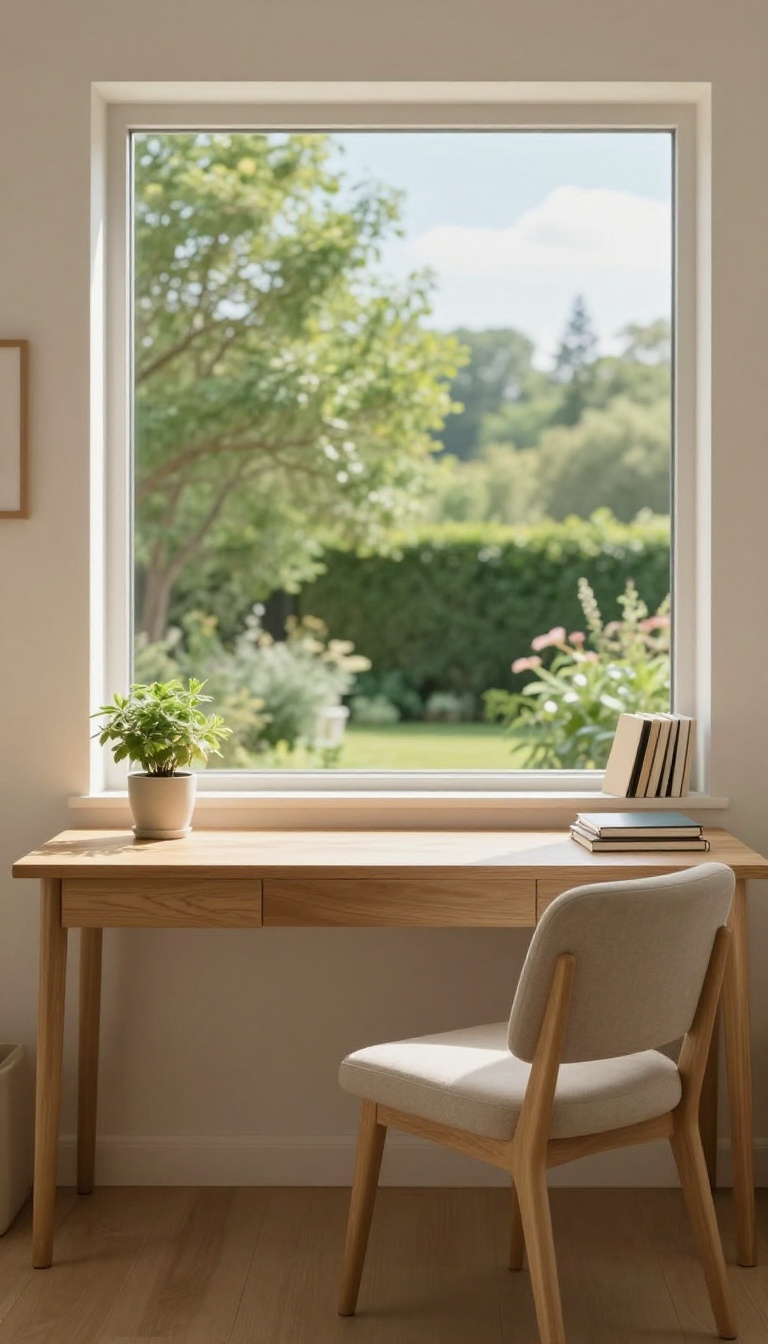
Not every guest is on vacation. Some are traveling for work, others want to journal or plan a road trip, and a few just need a quiet spot to check emails without camping out on the bed. A small desk near a window solves that instantly.
Good lighting and a comfortable chair make it feel like a real office, not a cramped corner. And when the view is pleasant, even a mundane task feels less like a chore. This little setup shows you've thought about their whole stay, not just their sleep.
A dedicated workspace doesn't need to be large or expensive. A compact desk, a supportive chair, and a lamp can transform an unused nook into the most appreciated spot in your guest house. Position it near a window to give guests natural light and something nice to look at while they work.
If the view isn't great, a small plant or a piece of art can do the trick. Keep the surface clear of clutter and add a couple of practical touches: a power strip, a coaster, and maybe a small tray for loose items. This way, guests can spread out their laptop, notes, and coffee without feeling like they're in the way.
It's a simple addition that makes your guest house feel more like a home away from home.
Pick The Right Spot
Look for a corner with natural light, preferably near a window that isn't directly in the sun's path. Avoid placing the desk right next to the bed, as it blurs the line between work and rest. A spot with a view of the garden, the street, or even just a bit of sky can make a big difference.
If space is tight, consider a wall-mounted fold-down desk that tucks away when not in use.
Comfort Matters More Than You Think
A flimsy chair or a wobbly desk will make guests avoid the workspace altogether. Invest in a chair with good lumbar support and adjustable height if possible. The desk should be sturdy and at a comfortable height for typing.
Add a small cushion or a footrest if you want to go the extra mile. Comfort encourages longer, more productive sessions without back pain.
Lighting And Tech Touches
Natural light is great, but not always enough. Add a desk lamp with adjustable brightness to reduce eye strain during evening work. Make sure there are enough power outlets nearby for a laptop, phone, and maybe a tablet.
A small power strip with USB ports is a thoughtful touch. Also, consider a coaster and a small trash bin to keep the area tidy.
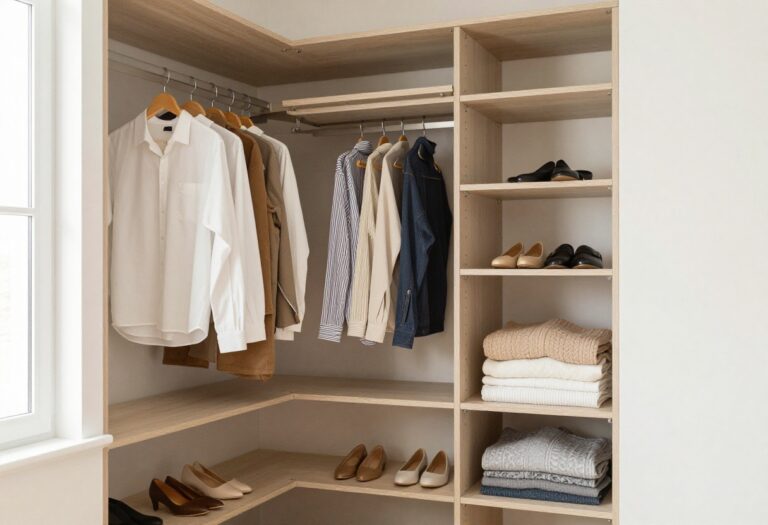
5. Provide Ample Storage with Smart Furniture
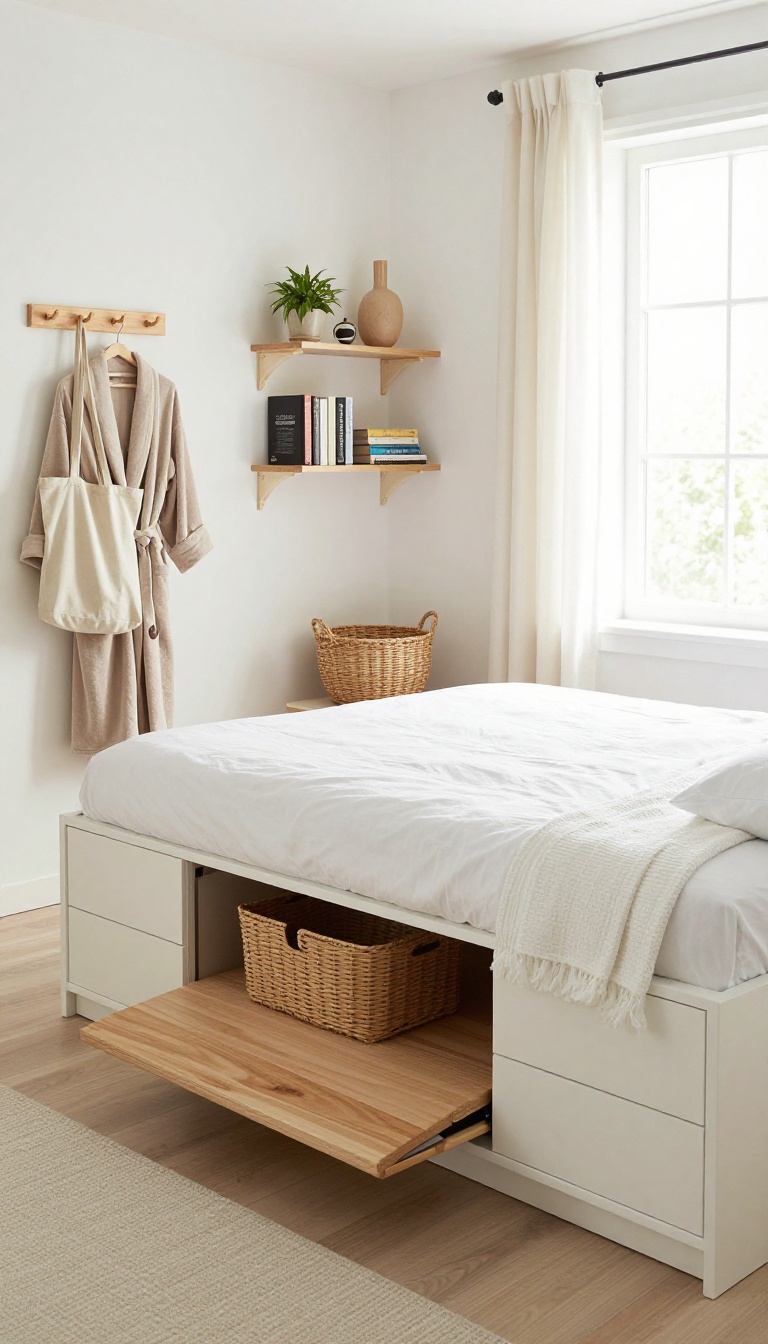
Clutter can make even the coziest guest house feel cramped and unwelcoming. But adding bulky dressers or wardrobes can eat up valuable floor space. The solution lies in choosing furniture that does double duty—pieces that store your belongings while also serving a primary function.
Smart storage isn't just about hiding stuff; it's about creating a calm, organized environment that helps guests feel at ease. When every item has a place, the room feels more spacious and intentional. Plus, you'll spend less time tidying up between visits.
Invest In A Storage Bed
A bed with built-in drawers or a lift-up mattress is a game-changer for guest rooms. You can store extra blankets, pillows, or even seasonal clothing without taking up any additional floor space. Guests won't even notice the hidden compartments, but they'll appreciate the extra room in the closet.
Add Multi-functional Ottomans And Benches
Place a storage ottoman at the foot of the bed or a bench with a lift-up top near the entryway. These pieces offer a place to sit or set down luggage, while secretly providing a spot for extra linens, shoes, or other items. They're stylish, practical, and easy to move around.
Use Wall-mounted Shelves And Hooks
Keep the floor clear by installing floating shelves above the desk or nightstand. These are perfect for displaying books, plants, or decorative items, and they give guests a spot for their phone or keys. Add a few hooks behind the door or on the wall for coats, bags, or robes—simple and effective.
6. Design a Luxurious Bathroom with Hotel Touches
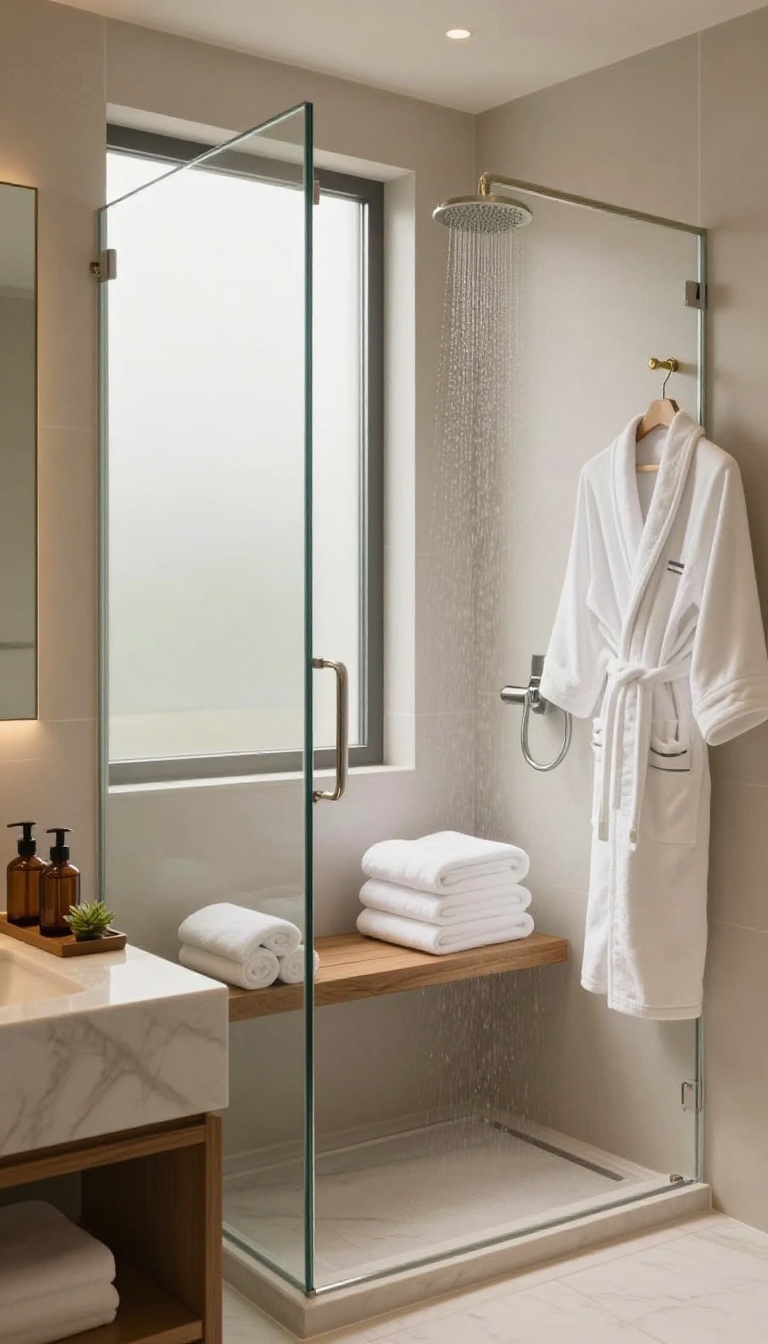
A guest house bathroom can make or break the stay. When it feels like a spa, guests remember it. You don't need a huge renovation—just a few thoughtful upgrades that mimic high-end hotels.
Start With Plush Towels And Robes
Hotels invest in thick, fluffy towels because they feel indulgent. Choose 100% cotton towels with a high GSM (600-800) for that soft, absorbent feel. Hang a couple of bathrobes on hooks—guests love wrapping themselves in a robe after a shower.
Keep extras neatly stacked on a shelf or in a basket.
Upgrade The Shower Experience
A rainfall showerhead is a classic hotel touch that instantly elevates the experience. It's a simple swap that doesn't require plumbing changes. Add a handheld sprayer for convenience, and install a shower bench or a small stool for safety and comfort.
If you have the budget, consider a thermostatic valve to keep water temperature steady.
Stock Quality Toiletries And Amenities
Hotels provide small, curated toiletries—shampoo, conditioner, body wash, lotion. Choose eco-friendly, refillable dispensers mounted on the wall to reduce waste and maintenance. Add extras like a sewing kit, cotton swabs, and makeup wipes in a cute tray.
A hairdryer, magnifying mirror, and a small basket of spare toothbrushes are thoughtful touches.
Add Warm Lighting And A Heated Towel Rack
Lighting matters. Install dimmer switches or a vanity light with warm bulbs to create a relaxing ambiance. A heated towel rack is a luxurious upgrade that keeps towels warm and dry, reducing musty smells.
If that's too much, place a small space heater in the room for chilly mornings.
7. Add a Private Outdoor Patio or Balcony
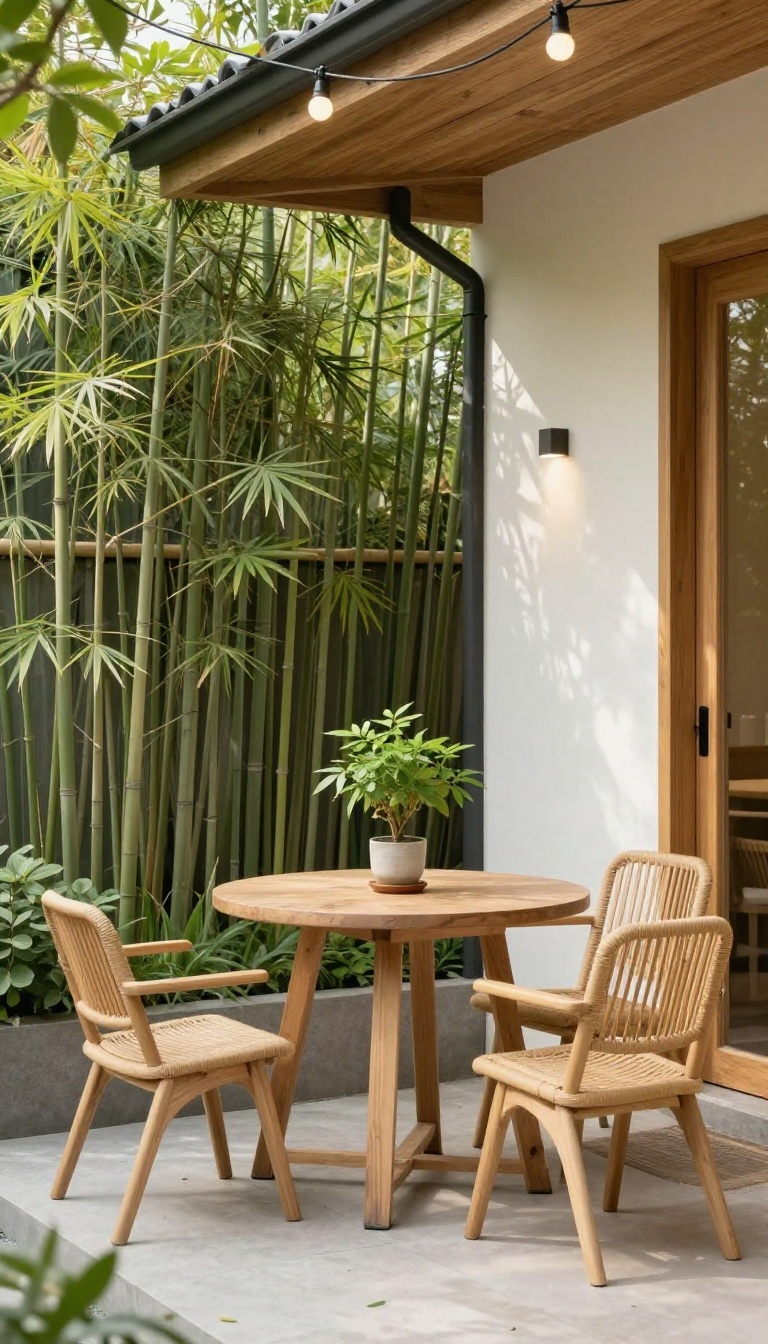
A private outdoor space can transform a guest house from a simple bedroom into a true retreat. Even a small patio or balcony gives guests a place to breathe fresh air without having to mingle with the household. It’s a simple addition that pays off in comfort and perceived luxury.
Think about what guests actually do when they’re not out exploring or visiting with you. They might want to read, sip coffee, or just enjoy the quiet. A dedicated outdoor nook gives them that option, and it doesn’t need to be large or elaborate.
A few square feet with a chair and a plant can work wonders.
Design For Privacy
The whole point of a private patio is privacy, so don’t skip the screening. Tall potted plants, a bamboo fence, or outdoor curtains can block sightlines from the main house or the street. Even a simple lattice with climbing vines can create a sense of seclusion.
Aim for a spot that feels tucked away, not on display.
Choose Durable Materials
Outdoor furniture takes a beating, so pick pieces that can handle weather and heavy use. Powder-coated aluminum, teak, or all-weather wicker are solid choices. Add cushions with water-resistant covers that can be wiped clean.
You want the space to look nice without needing constant maintenance.
Make It Functional
A tiny table for a coffee cup and a book is non-negotiable. If space allows, add a small side table or a bistro set. String lights or a lantern create a cozy evening vibe.
A small outdoor rug can define the area and make it feel more like a room. Don’t forget a place to set down a drink—guests will appreciate it.
Add Greenery For Ambiance
Plants soften the space and make it feel alive. Use a mix of potted plants, hanging baskets, or a vertical garden to add color and texture. Choose low-maintenance varieties that thrive in your climate.
Greenery also provides natural privacy and a sense of calm, which is exactly what a guest retreat should offer.
8. Use Smart Locks and Keyless Entry
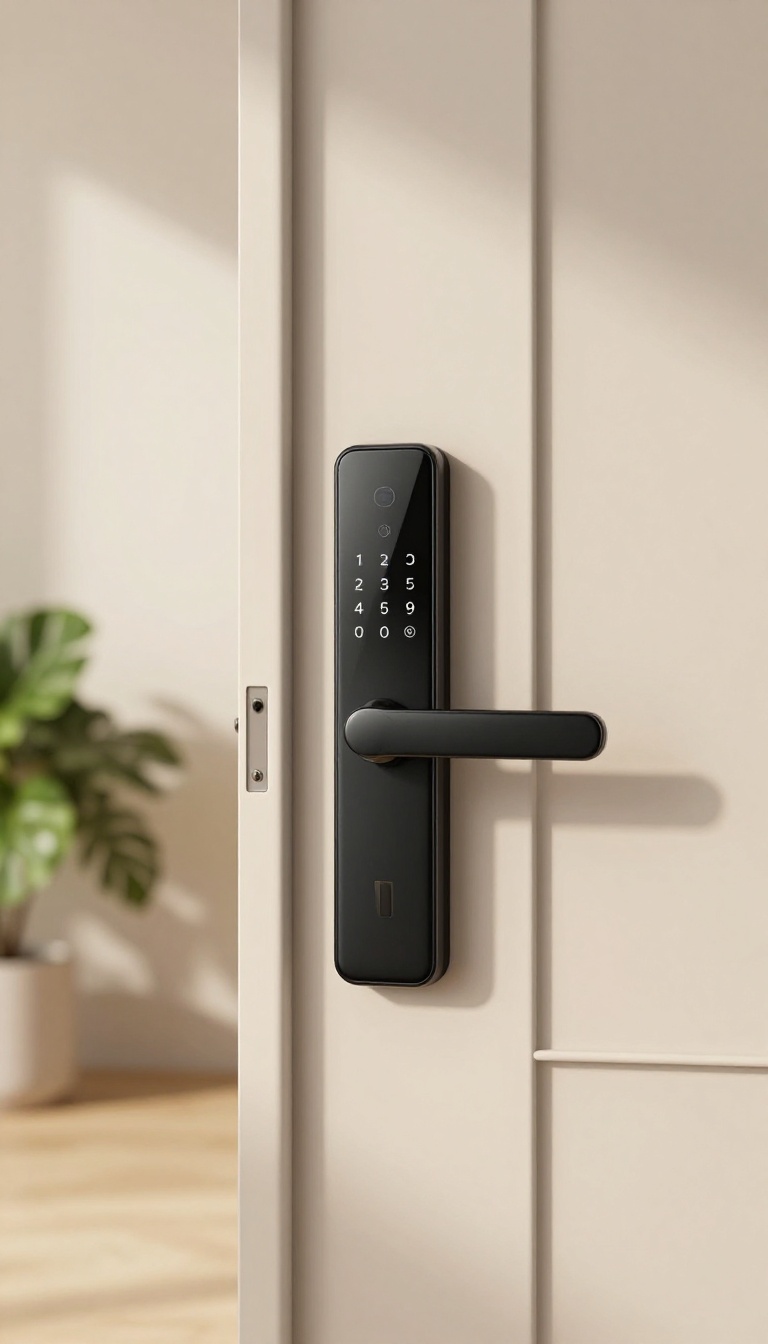
Handing over a physical key feels a bit old-school these days, especially when you're not around to greet your guests. A smart lock or keypad takes the awkwardness out of check-in and lets visitors come and go on their own schedule. It's a small upgrade that adds a layer of convenience and security for everyone.
Smart locks give you control without being there. You can create temporary codes for each stay and revoke them the moment your guests leave. That means no more worrying about lost keys or wondering if a previous visitor still has access.
It also saves you from hiding a spare under the mat—a habit that's both unsafe and easy to forget.
Choose The Right Lock For Your Setup
Look for a keypad lock that works with your existing door. Many models install in minutes and run on batteries, so you don't need to rewire anything. If your guest house is separate from your main home, a Wi-Fi or Bluetooth-enabled lock lets you manage it from your phone.
For a more budget-friendly option, a simple keypad lock without smart features still does the job.
Set Unique Codes For Each Guest
Assign a unique code to every reservation or visit. That way, you can activate it right before they arrive and deactivate it after checkout. It's a simple habit that keeps your space secure.
If you use a property management platform, some locks integrate directly, so codes are generated automatically.
Keep A Backup Plan In Place
Batteries die, and Wi-Fi can drop. Always have a physical key somewhere safe, or install a lock with a traditional key override. Let your guests know there's a backup option if they ever get locked out.
A little preparation goes a long way in avoiding a late-night call.
9. Layer Lighting for Every Mood
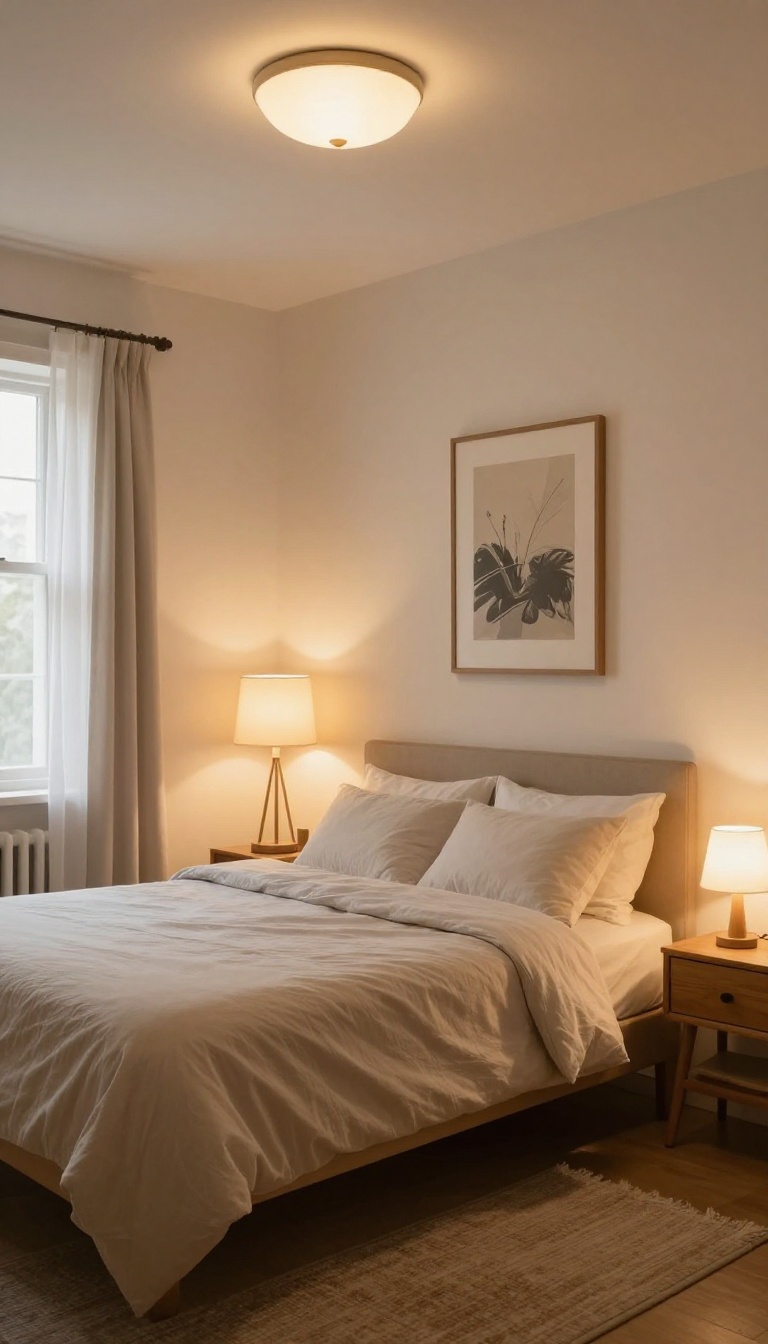
Lighting can make or break how a guest house feels. One overhead fixture often leaves the room feeling flat or harsh, especially in the evening. By layering different types of light, you give guests control over the atmosphere—bright for reading, soft for winding down, and everything in between.
Start with a mix of ambient, task, and accent lighting. Ambient light, like a ceiling fixture or recessed lights, provides the base. Task lights, such as a reading lamp by the bed or a desk lamp, focus light where it's needed.
Accent lighting, like a small spotlight on artwork or a shelf, adds depth and warmth. Dimmers are a game-changer—they let guests adjust the intensity to match their mood. Also, consider warm-toned bulbs (2700K–3000K) for a cozy feel, and place lamps at different heights to avoid glare.
Build A Base With Ambient Light
A single ceiling light can feel institutional. Instead, use a flush mount or semi-flush fixture with a warm bulb, and add a floor lamp in a corner for a softer glow. If the room has a ceiling fan with a light, make sure the light is on a separate switch so guests can run the fan without harsh brightness.
Add Task Lighting For Practical Needs
Every guest needs a spot to read, work, or get ready. Place a small table lamp on each nightstand with a shade that directs light downward. If there's a desk, add a clip-on or small desk lamp.
For the bathroom or entry, a wall sconce with a swing arm can double as a makeup mirror light.
Use Accent Lighting For Ambiance
Accent lights add character without overwhelming the space. Try LED strip lights under the bed frame or behind a headboard for a subtle glow. A picture light over a piece of art or a shelf with a small spotlight creates a gallery feel.
These details make the room feel intentional and cozy.
Give Guests Control With Dimmers And Smart Bulbs
Dimmers are inexpensive and easy to install. Put them on the main overhead light and any wall sconces. Smart bulbs with adjustable brightness and color temperature are another option—guests can use a phone app or a simple remote to set the scene.
Just make sure the instructions are clear and the setup is reliable.
10. Include a Welcome Kit with Local Favorites
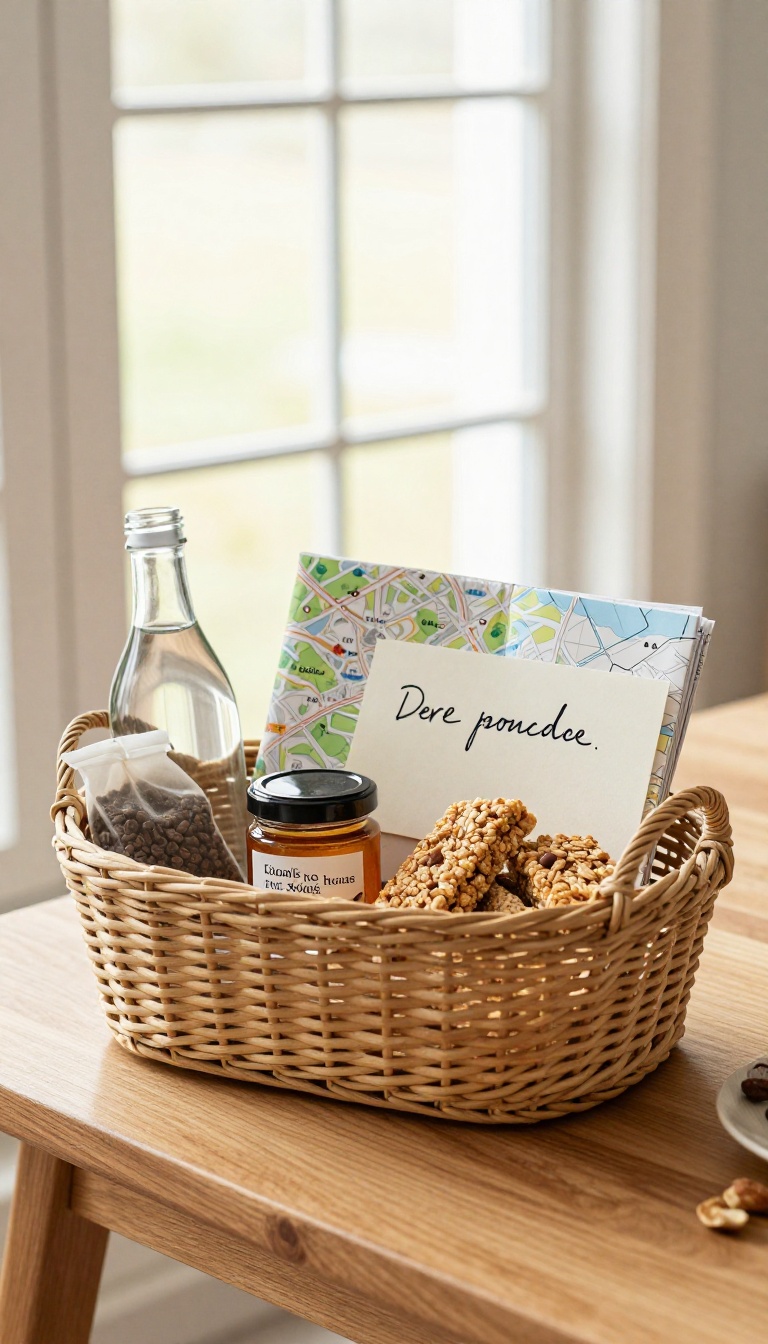
First impressions matter, and a welcome kit is a simple way to make your guests feel cared for from the moment they arrive. It’s not about fancy extras—just a thoughtful basket with essentials and local touches that show you’ve put in the effort. When guests can grab a snack or find a great restaurant without asking, they settle in faster and enjoy their stay more.
A welcome kit doesn’t need to be elaborate or expensive. The goal is to cover the basics and add a personal touch. Start with a few shelf-stable snacks like granola bars, nuts, or popcorn.
Add a small map of the area and a handwritten note with your top three recommendations for coffee, dinner, and a scenic walk. If you have local specialties—like a jar of honey from a nearby farm or a small bag of coffee beans from a local roaster—include those too. The key is to keep it useful and easy to replenish.
What To Put In The Basket
Think about what you’d want after a long drive. Bottled water, instant coffee or tea, and a few non-perishable snacks are a good start. Add a small notepad and pen for jotting down plans, plus a list of Wi-Fi passwords and house rules.
If you have room, throw in a local guidebook or a printed list of nearby grocery stores, pharmacies, and gas stations. The basket doesn’t have to be huge—just enough to cover the essentials and show you care.
How To Keep It Fresh
Check the basket between guests and swap out anything expired or half-eaten. Keep a small stock of refills in a cabinet so you can restock quickly. Rotate snacks seasonally—maybe hot cocoa in winter and lemonade mix in summer.
If you want to go the extra mile, add a QR code that links to a digital guide with live updates on local events or weather. That way, the kit stays relevant without constant repacking.
Personalize Without Overdoing It
A welcome kit is most effective when it feels personal, not generic. If you know your guests are visiting for a hiking trip, include trail mix and a trail map. If they’re coming for a wedding, add a small bottle of sparkling water and a congratulations card.
But don’t overthink it—a simple, well-stocked basket with a few local touches beats a cluttered one. The goal is to make guests feel looked after, not overwhelmed.
11. Choose Durable, Easy-Clean Materials
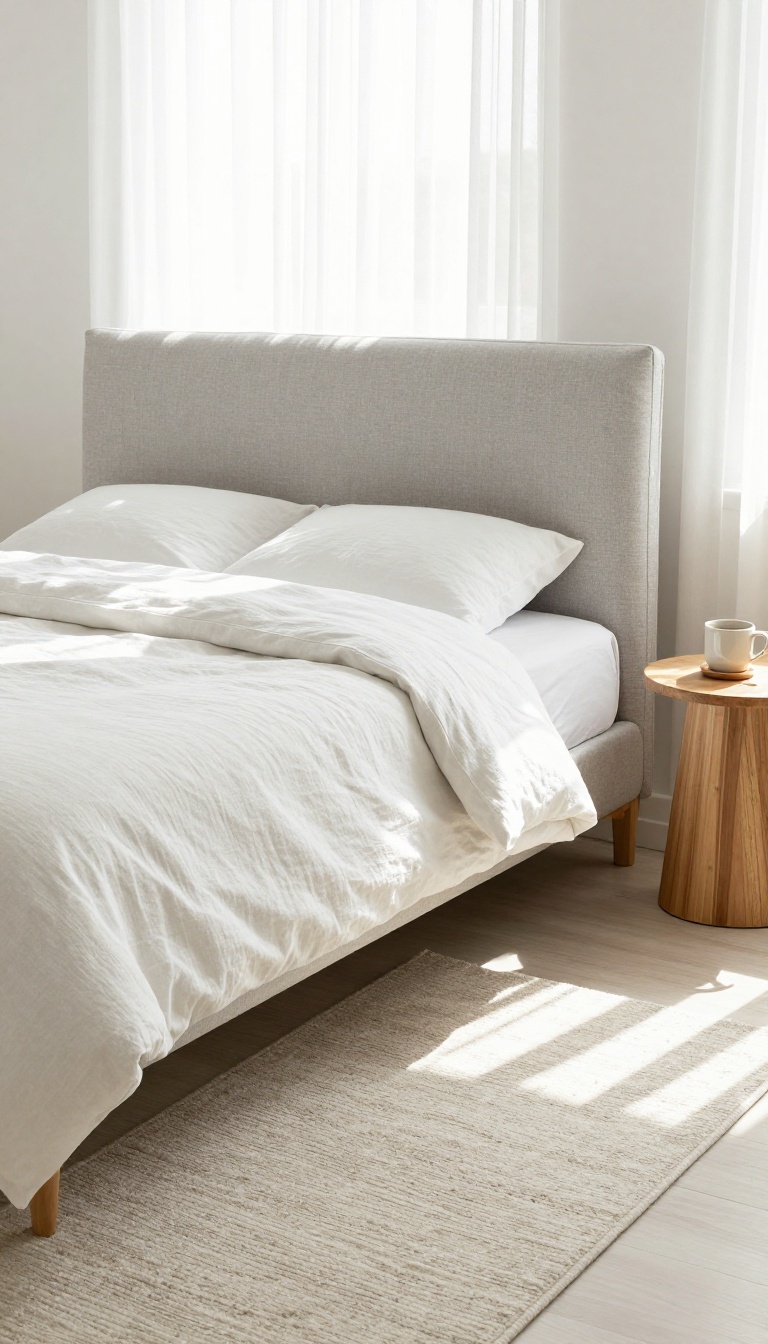
No matter how stylish your guest house looks, it won't stay that way for long if every spill or scuff turns into a major cleaning project. The secret to a space that always feels fresh is choosing materials that can handle real life—without looking worn or dated. From stain-resistant upholstery to washable rugs, these picks keep maintenance low and guest comfort high.
When you're furnishing a guest house, think about how it will actually be used. Guests might set down a coffee cup without a coaster, track in mud from a rainy walk, or spill something on the bedspread. Durable, easy-clean materials aren't just practical—they're a form of hospitality.
You're giving your guests the freedom to relax without worrying about damaging anything, and you're saving yourself from constant upkeep.
Start With Performance Fabrics
Look for upholstery and bedding made from performance fabrics like Crypton, Sunbrella, or tightly woven microfiber. These are engineered to resist stains, repel liquids, and stand up to frequent washing. For bedding, choose cotton with a high thread count that's also pre-washed or treated for stain resistance.
You'll get the soft, hotel-like feel without the stress of permanent marks.
Rugs That Can Take A Beating
Rugs are often the first thing to show wear, especially in high-traffic areas. Choose indoor-outdoor rugs made from polypropylene or other synthetic fibers—they're water-resistant, fade-resistant, and can be hosed down or tossed in the washing machine if they're small enough. Flatweave styles are easier to clean than high-pile options, and they add texture without trapping dirt.
Surfaces That Wipe Clean
For countertops, tables, and shelves, opt for non-porous materials like quartz, solid surface, or sealed wood. These resist stains and don't harbor bacteria, making them easy to wipe down with a damp cloth. Avoid highly polished stone or raw wood that can etch or stain.
In the bathroom, choose large-format tiles with minimal grout lines—they're easier to clean and look more modern.
Don't Forget The Walls And Floors
Paint walls with a satin or semi-gloss finish—they're more washable than flat paint and can handle a quick scrub. For flooring, consider luxury vinyl plank or tile that mimics wood or stone but is waterproof and scratch-resistant. These materials are comfortable underfoot and can be cleaned with a simple mop, making them perfect for a guest house that sees occasional use.
FAQ
How can I make my guest house feel private without adding walls?
Use room dividers, heavy curtains, or tall plants to create visual separation. Also, consider a separate entrance if possible.
What are the most important features to include in a guest house?
A comfortable bed, a private bathroom, basic kitchenette, and good lighting are top priorities. Add storage and a workspace for extra convenience.
How do I keep my guest house stylish on a budget?
Focus on small upgrades like fresh paint, new bedding, and thrifted decor. Use multi-functional furniture to save space and money.
Should I provide entertainment options in the guest house?
Yes, a TV with streaming services, a Bluetooth speaker, and a few books or board games can keep guests entertained without needing your company.
How can I ensure the guest house is safe and secure?
Install smart locks, ensure proper lighting outside, and add smoke detectors and a fire extinguisher. Also, provide clear emergency contact info.
Conclusion
A guest house works best when it feels like a natural extension of your home, not a separate project you have to fuss over. The ideas here are meant to be mixed and matched—pick the ones that solve your biggest headaches, whether that's a lack of privacy or a need for more storage.
Start with one or two changes, and let the space evolve as you learn what your guests actually use and appreciate. Small tweaks add up to a room that's both personal and practical, without turning your life upside down.