11 Small Bedroom Ideas with Wardrobe Placement That Works
A small bedroom can feel like a puzzle, especially when you're trying to fit a wardrobe without making the room feel like a closet. But here's the thing: the right placement can completely transform how your space looks and feels. You don't need to knock down walls or hire an architect to make a big difference.
Think of your wardrobe as a design element, not just a storage box. By positioning it thoughtfully, you can open up the room, create a focal point, and even make the ceiling seem higher.
It's all about working with what you have, not against it. In this guide, we'll walk through 11 practical, real-world ideas for placing a wardrobe in a small bedroom.
1. Tuck It into a Corner to Free Up Wall Space
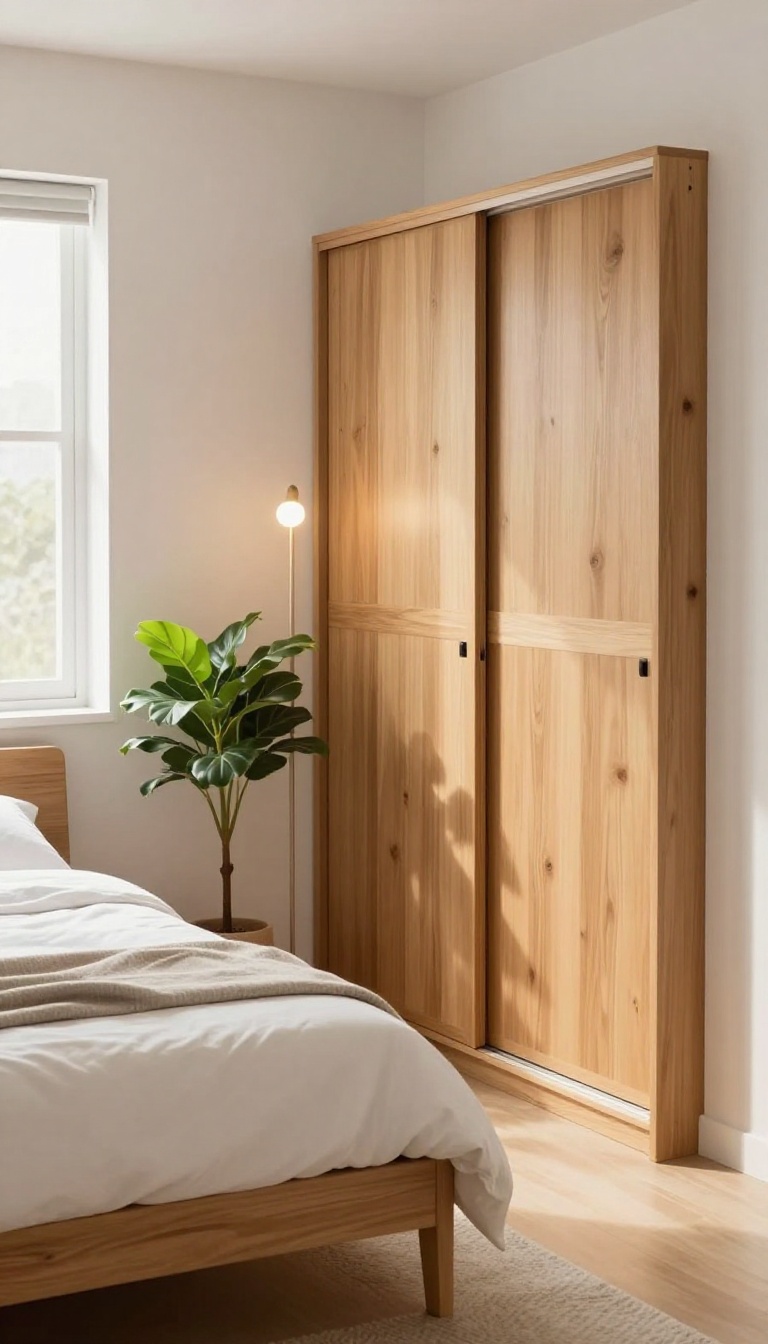
Corners often get ignored in small bedrooms, but they're prime real estate for a wardrobe. Sliding one into a corner instantly frees up the rest of your walls, giving you room for a bed, a desk, or just a clear walking path. It's a simple move that makes the whole room feel more open and less cramped.
When you place a wardrobe in a corner, you're using space that would otherwise sit empty. This leaves the longer walls available for other furniture or a more spacious layout. Plus, it creates a natural focal point that draws the eye upward, making the ceiling feel higher than it actually is.
Why Corner Placement Works
Corners are awkward for most furniture, but wardrobes fit right in. By tucking it there, you avoid breaking up the flow of the room. The rest of the walls stay clean, so you can place a bed against one wall and a dresser on another without feeling crowded.
How To Make It Look Intentional
Don't just shove the wardrobe into the corner. Leave a small gap between the back of the wardrobe and the wall to avoid a cramped look. Add a slim floor lamp or a tall plant next to it to soften the corner and make the wardrobe feel like part of the design.
Best Wardrobe Styles For Corners
Look for wardrobes with angled or rounded fronts that hug the corner more naturally. Sliding doors are a great choice because they don't need extra clearance to open, which is key when space is tight. If you're handy, a custom-built unit can maximize every inch.
2. Use a Sliding Door Wardrobe to Save Swing Space
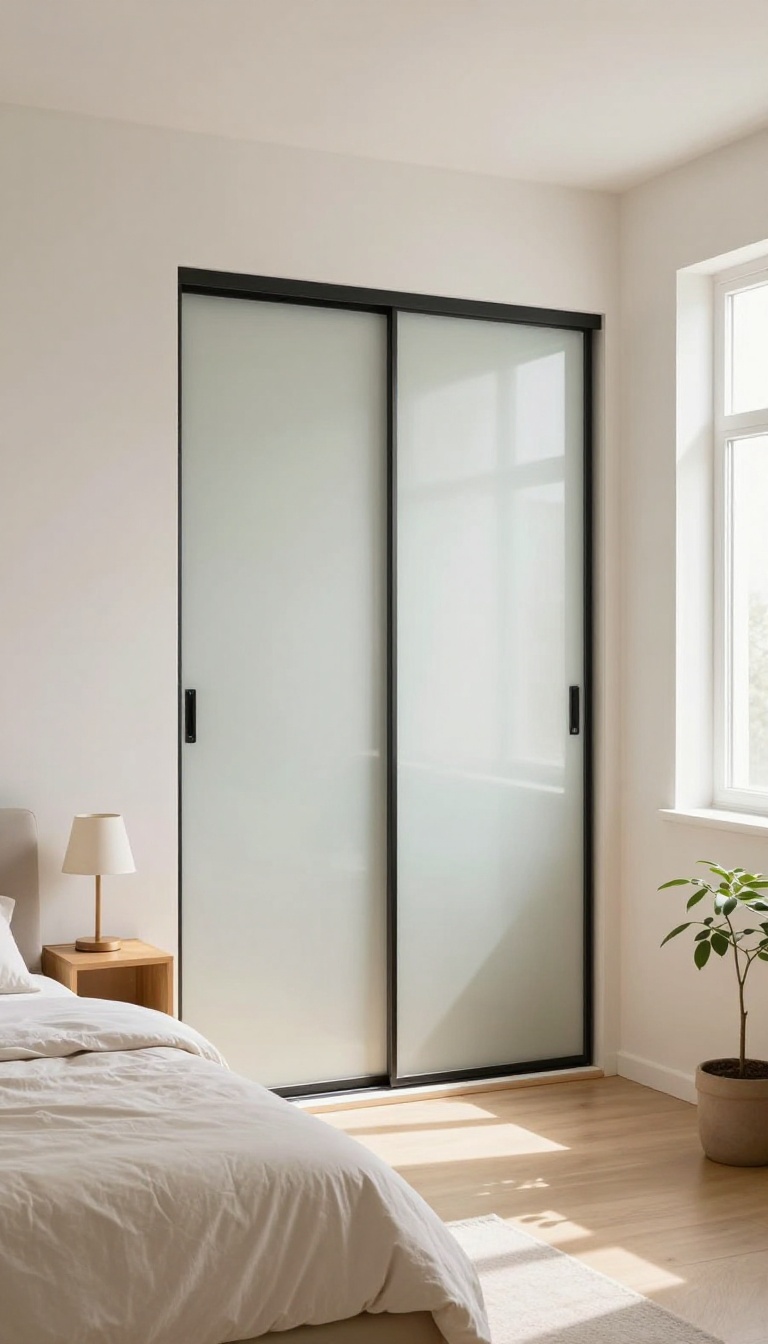
If your room is tight, every inch of clearance counts. A traditional hinged door swings outward, which can eat up precious floor space and make the room feel even smaller. Sliding doors glide along a track, so they don't need any extra room to open.
That means you can tuck the wardrobe right next to your bed or desk without worrying about a door banging into furniture. It's a simple swap that can make a huge difference in how your room functions.
Sliding door wardrobes are a smart choice for small bedrooms. They come in various styles, from mirrored to frosted glass to wood, so you can match your decor. The best part?
You can place them in spots where a hinged door would never work, like beside a nightstand or in a narrow alcove. When you're shopping for one, pay attention to the track quality and the door material. A smooth-gliding track will last longer and feel more premium.
Also, consider the internal layout—make sure it has enough hanging space and shelves for your needs.
Why Sliding Doors Are A Space Saver
The main advantage is obvious: no swing space. Hinged doors need a clear arc to open, which often means you have to keep that area empty. Sliding doors eliminate that requirement, so you can push the wardrobe flush against a wall or even partially behind a door.
This frees up valuable floor area for other furniture or just easier movement.
Placement Ideas That Work
You can place a sliding door wardrobe right next to your bed, leaving just a few inches of gap. It also works well in an alcove or between two windows. If you have a wall that's longer than the wardrobe, you can add a slim shelf on top for extra storage.
Just make sure the track has enough clearance on both sides for the doors to slide fully.
Style And Function Tips
Mirrored sliding doors are a classic pick because they bounce light around and make the room feel bigger. Frosted glass adds a modern touch while hiding clutter. If you prefer a warmer look, go for wood or laminate.
And don't forget the inside: use drawer dividers, shelf risers, and hanging organizers to maximize every inch.
3. Go Floor-to-Ceiling to Maximize Vertical Storage
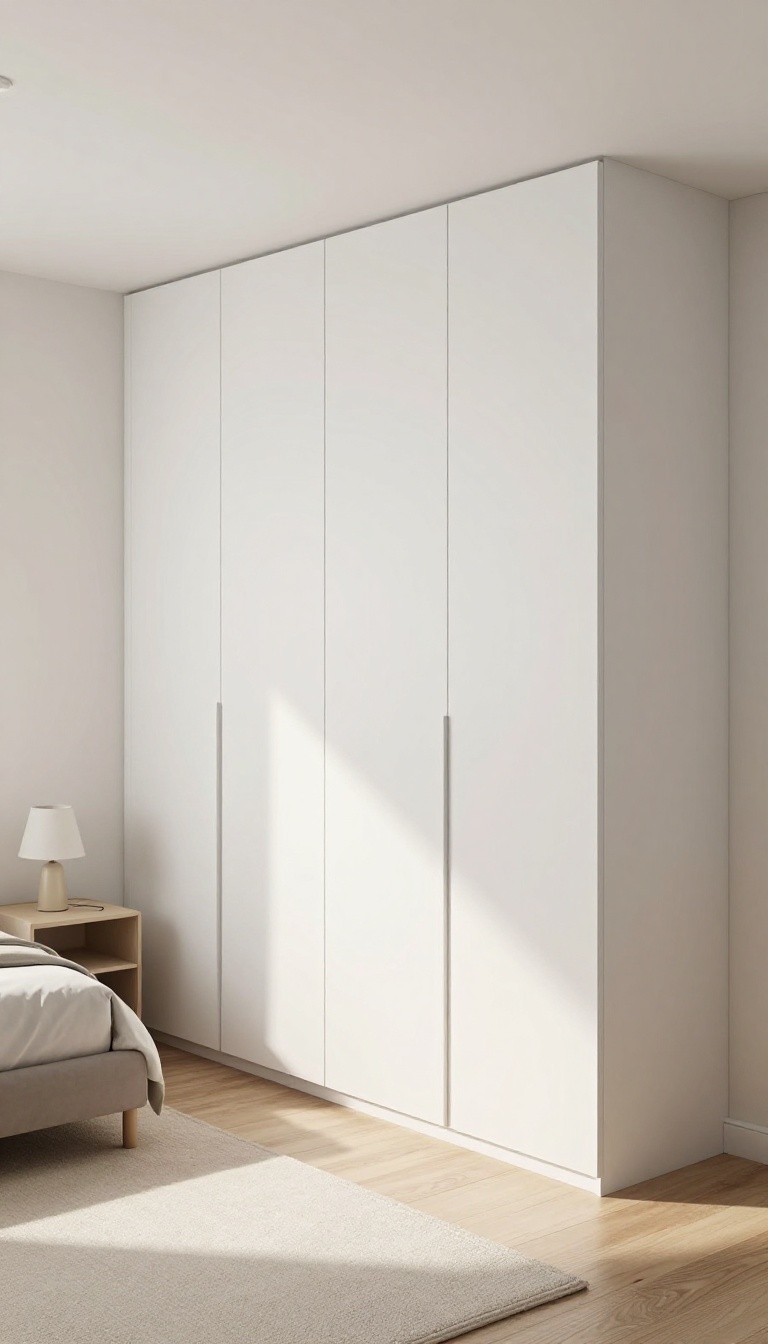
When floor space is limited, think up. A tall wardrobe that reaches the ceiling gives you tons of storage without taking up extra floor area. It also draws the eye upward, making the room feel taller.
Floor-to-ceiling wardrobes are a game-changer in small bedrooms. They use the often-wasted vertical space above your head, giving you more room for clothes, shoes, and other belongings. Plus, they create a sleek, built-in look that can make your room feel more polished and less cluttered.
Why It Works
By extending to the ceiling, you add storage without sacrificing floor area. This is especially helpful in rooms where every square foot counts. The continuous line from floor to ceiling also makes the wall look taller, which can make the whole room feel more spacious.
Choosing The Right Design
Look for a wardrobe with adjustable shelves and drawers so you can customize the inside to fit your needs. Sliding doors are a smart choice for tight spaces because they don't need clearance to open. If you want a custom feel, consider a modular system that you can configure to fit your exact wall height.
Making It Feel Built-in
To get that seamless, built-in look, paint the wardrobe the same color as your walls. This helps it blend in and makes the room feel more cohesive. You can also add crown molding at the top to match your room's trim, which makes the wardrobe look like it was always part of the architecture.
4. Place It Behind the Door for a Hidden Storage Solution
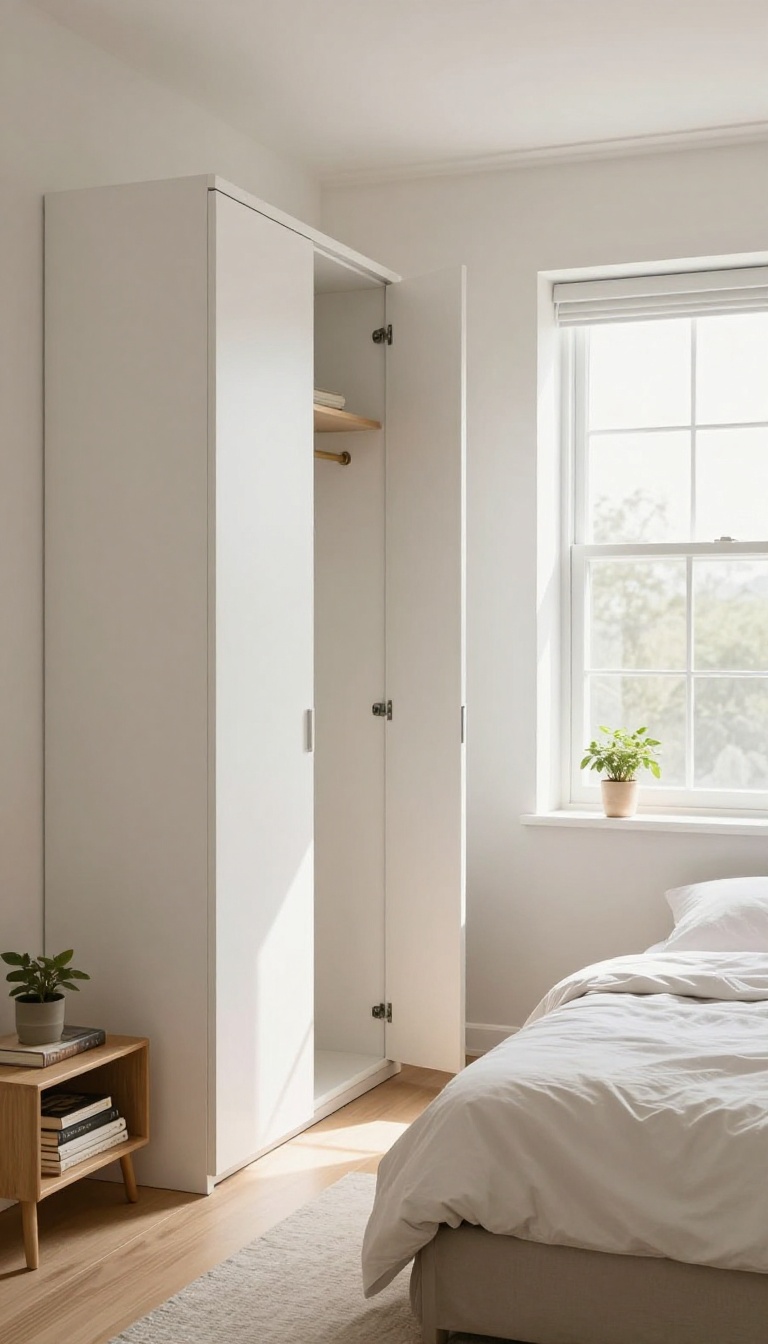
That awkward gap behind the door often goes to waste, but it's actually a goldmine for storage. A slim wardrobe tucked there stays out of sight and doesn't interfere with the door's swing. It's a clever way to add closet space without sacrificing precious floor area.
When the door opens, the wardrobe is hidden from view, making the room feel larger and more organized. This placement works best with shallow wardrobes (around 40-50 cm deep) and doors that open against a wall. You'll gain storage without the visual bulk, and it's perfect for narrow rooms where every centimeter counts.
Check Door Clearance
Before committing, measure the space between the door and the wall. You need enough room for the door to open fully without hitting the wardrobe. A gap of at least 10-15 cm is ideal.
If the door swings into the room, consider a sliding door or a wardrobe with a shallow depth to avoid collisions.
Choose A Slim Profile
Opt for a wardrobe that's not too deep—around 40 cm works well. This leaves room for the door to swing and keeps the hallway or entry area from feeling cramped. Look for models with sliding doors or open shelving to maximize accessibility without taking up extra space.
Maximize Vertical Space
Since the footprint is small, think tall. A floor-to-ceiling wardrobe behind the door uses vertical space efficiently, giving you hanging rods and shelves for all your clothes. Use stackable bins or baskets to keep smaller items organized and easy to reach.
5. Build a Wardrobe Around a Window or Alcove
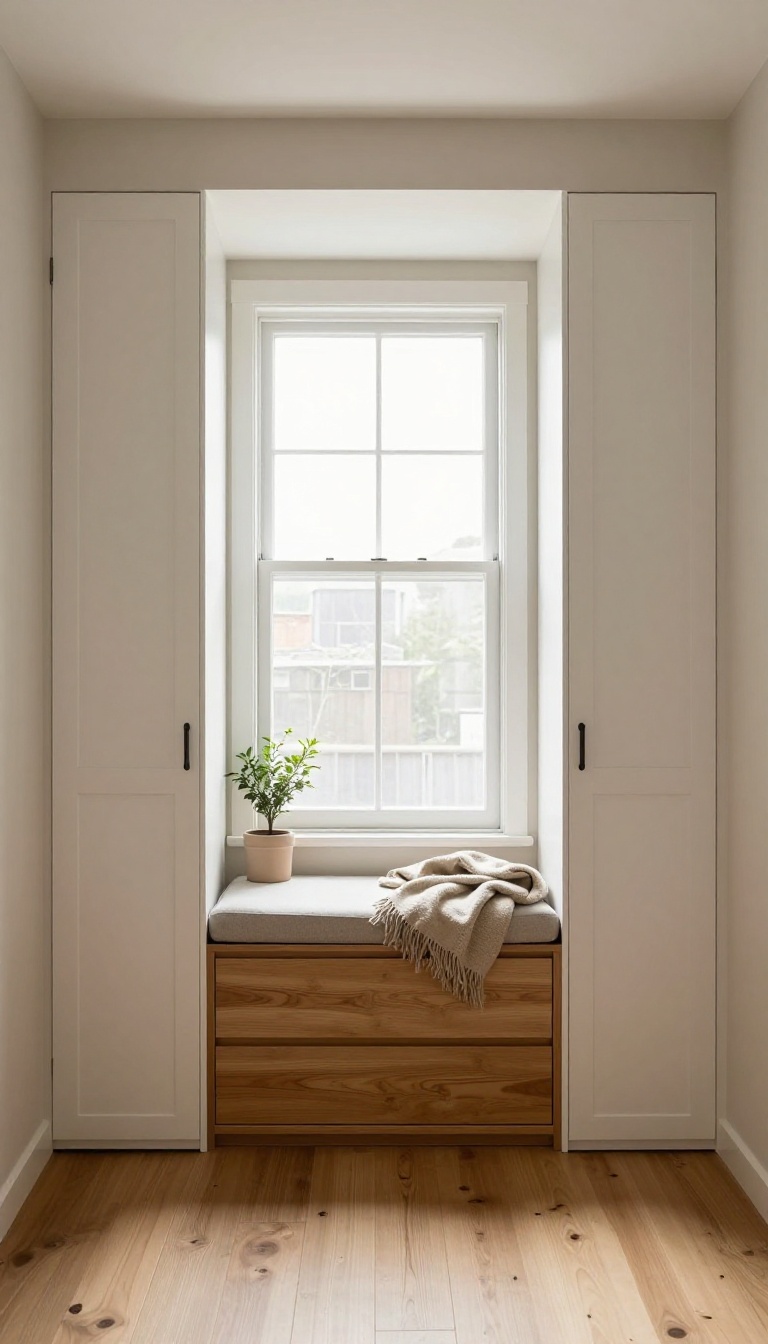
That awkward nook beside the chimney breast or the deep window sill you never use can become the most functional part of your bedroom. Instead of fighting the architecture, embrace it. Building a wardrobe around a window or alcove turns a problem spot into a custom storage solution that looks intentional and polished.
When you build around an existing feature, you gain more than just storage. You create a seamless, built-in look that makes the room feel larger and more organized. It’s a smart way to use space that would otherwise be hard to furnish, and it can even add value to your home.
Here’s how to make it work.
Why It Works
Alcoves and window recesses are often too shallow for standard furniture, but they’re perfect for slim wardrobes or open shelving. By building around them, you use every inch without blocking light or making the room feel cramped. The result is a custom fit that looks like it was always meant to be there.
Design Ideas To Try
For a window, consider floor-to-ceiling wardrobes on either side with a window seat or a low dresser underneath. This creates a symmetrical, elegant frame and adds seating or extra storage. In an alcove, opt for open shelving with baskets or a sliding-door wardrobe that tucks neatly into the recess.
You can also add a mirror on the inside of the doors to amplify light and space.
Practical Considerations
Measure carefully and account for skirting boards and light sources. Use slim hanging rails and pull-out drawers to maximize capacity. If you’re renting, look for freestanding units that can be fitted into the space with minimal alteration.
And remember to keep the area around the window clear so you can still open it and let in fresh air.
6. Choose a Low, Horizontal Wardrobe for a Modern Look
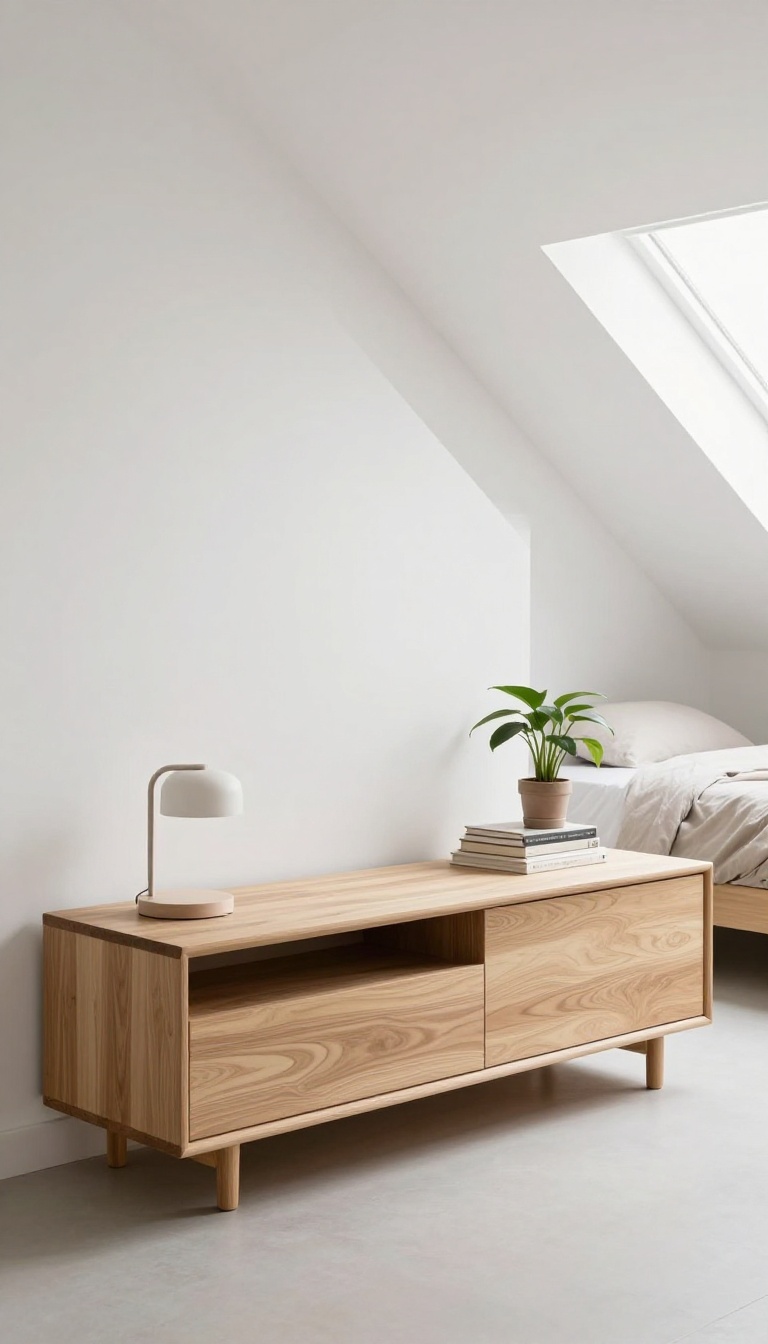
Tall wardrobes can dominate a small bedroom, making the ceiling feel lower and the space feel cramped. A low, horizontal wardrobe flips that script by keeping the visual weight near the floor. This style works especially well in rooms with sloped ceilings or where you want a sleek, contemporary vibe.
Beyond the modern aesthetic, a low wardrobe offers a practical bonus: a flat top that can double as a display surface. You can set a lamp, a few books, or even a small TV without needing extra furniture. It's a smart way to maximize function without sacrificing style.
A low, horizontal wardrobe is essentially a wide dresser with hanging space inside, often paired with drawers or shelves. Because it sits closer to the ground, it makes the room feel more open and airy. This is a great choice if you have a low ceiling or if you want to avoid the "tall box" look that can overwhelm a small space.
One of the best things about this style is its flexibility. You can place it against a wall, under a window, or even in the middle of the room as a room divider if you're feeling bold. The flat top is perfect for adding personality with decor, and you can easily access your clothes without stretching or bending too much.
Why It Works In Small Bedrooms
Low wardrobes create a sense of spaciousness by leaving the upper part of the wall visible. This draws the eye upward, making the ceiling appear higher than it is. They also feel less imposing, which is key in a room where every inch counts.
Plus, the horizontal lines can visually widen the room, making it feel larger than its actual dimensions.
Styling The Top Surface
The top of a low wardrobe is prime real estate. Use it to display a small plant, a stack of books, or a framed photo. If you need a spot for a TV, this is a natural place to put it—just make sure the height is comfortable for viewing from your bed.
Keep the decor minimal to avoid visual clutter, and consider using baskets or boxes to keep things tidy.
Placement Tips For Maximum Impact
Place the wardrobe against the longest wall to create a clean, unbroken line. If you have a window, position it underneath so the natural light highlights the top surface. Avoid placing it in a corner, as that can make it feel tucked away and less useful.
Instead, give it breathing room on both sides to maintain an open, balanced look.
7. Integrate the Wardrobe into a Wall Niche
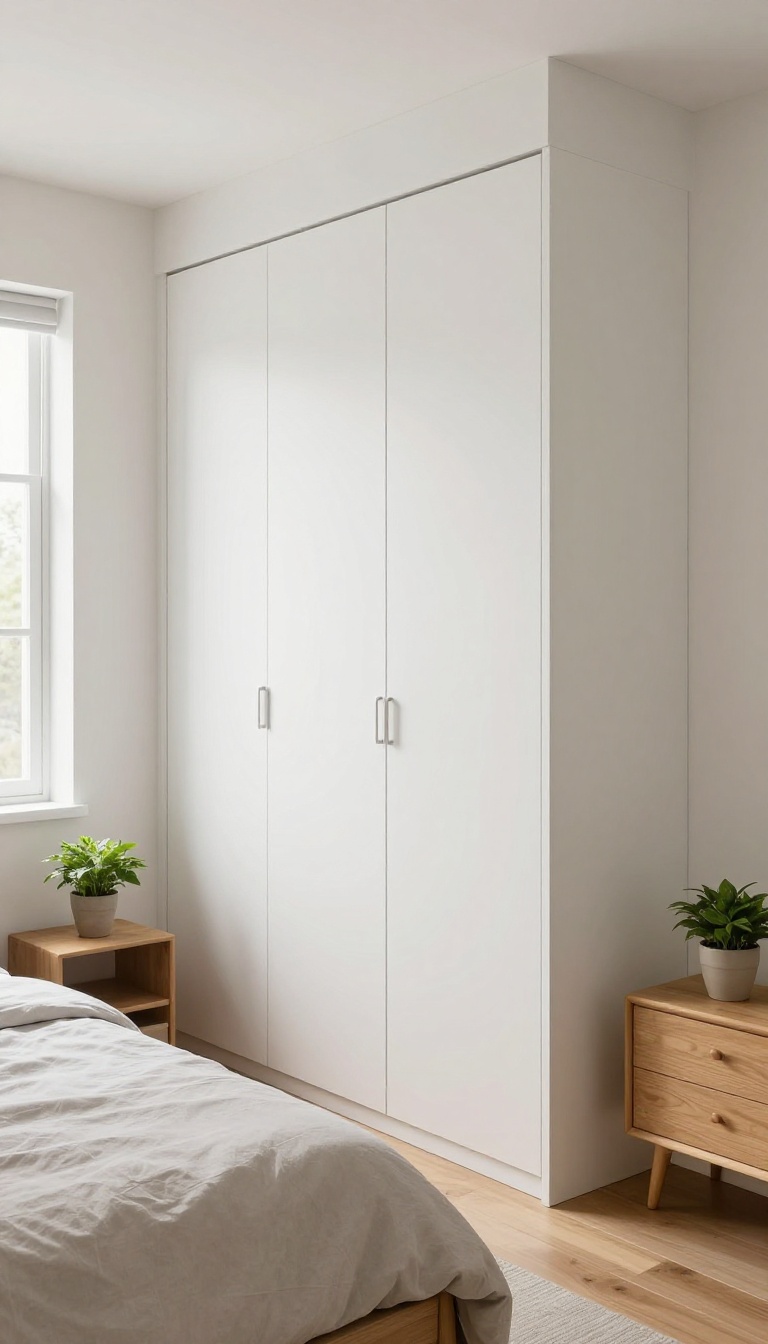
That recessed area in your wall might seem like a design flaw, but it's actually a built-in opportunity. Instead of fighting the awkward shape, let the niche define your wardrobe. A custom fit not only looks polished but also frees up the rest of the room for your bed, a desk, or just breathing space.
When you build a wardrobe into a niche, you're essentially making the storage disappear into the architecture. The result is a seamless look that makes the room feel larger and more intentional. Plus, you can maximize every inch of depth and height, which is a win in any small bedroom.
Measure Twice, Build Once
Start by measuring the niche's width, height, and depth at multiple points—walls are rarely perfectly straight. If you're handy, you can build a simple frame and add sliding doors or shelves. For a truly custom fit, consider hiring a carpenter or using a modular system that can be adjusted to your exact dimensions.
Choose The Right Door Style
Sliding doors are a smart choice because they don't swing into the room, saving precious floor space. If you prefer hinged doors, make sure they open fully without hitting furniture. Mirrored doors can also double as a full-length mirror and reflect light, making the space feel airier.
Style It To Blend In
Paint the wardrobe the same color as the wall to make it disappear, or use a contrasting shade to turn it into a feature. Add handles that match your room's hardware for a cohesive look. Inside, use adjustable shelving and drawer units to keep everything organized and easy to reach.
8. Use a Wardrobe as a Room Divider in Studio Layouts
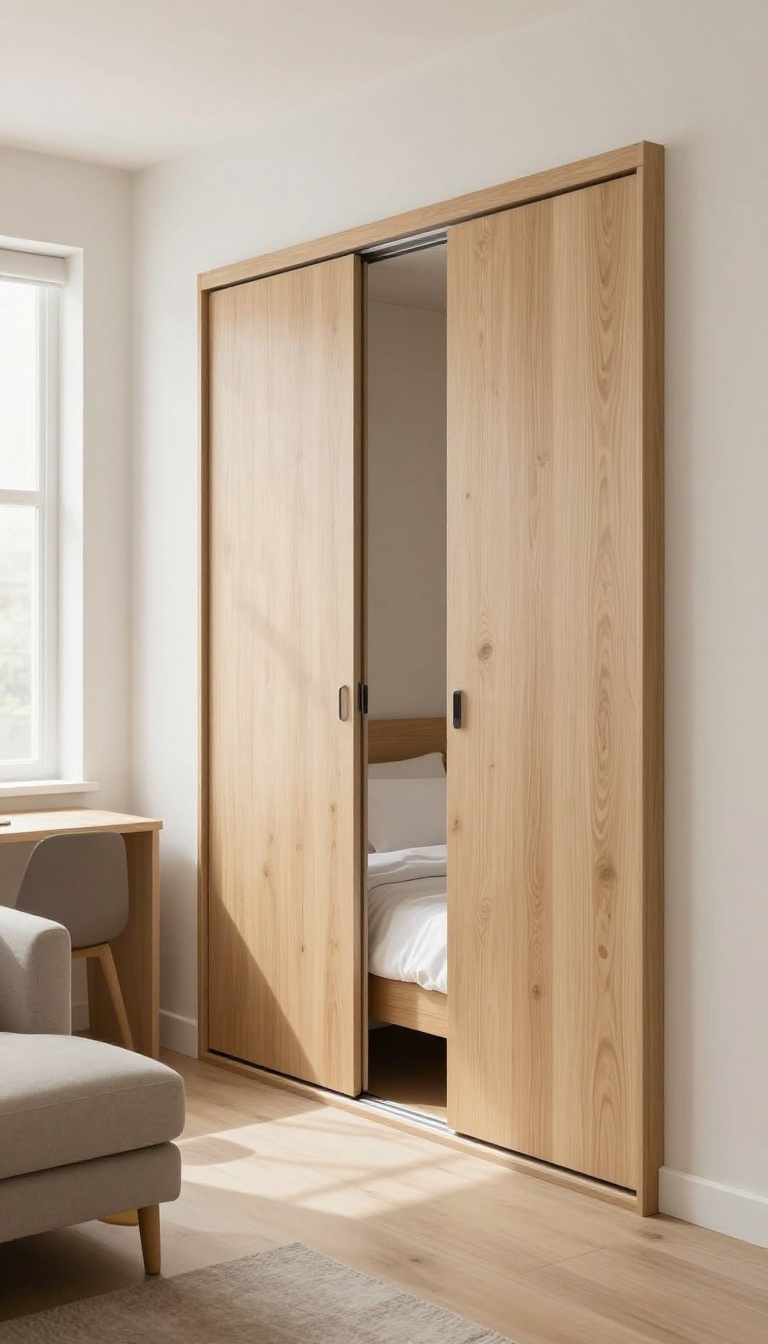
When your bedroom doubles as a living room or home office, finding a spot for a wardrobe can feel like a juggling act. Instead of squeezing it against a wall, let it do double duty as a room divider. By placing the wardrobe perpendicular to the wall, you can carve out a cozy sleeping nook without building a single wall.
This trick works best in studio apartments or open-plan spaces where you want a clear separation between zones. It’s not just about privacy—it also gives you a defined spot for your bed, making the room feel more organized and intentional. Plus, you get all the storage you need without sacrificing floor space.
Creating A Cozy Sleeping Nook
Position the wardrobe so it extends from the wall, creating an L-shaped barrier. This instantly forms a private alcove for your bed. If your wardrobe is tall, it can also block out light and noise from the rest of the room, helping you sleep better.
You can even hang a curtain on the open side for extra coziness.
Choosing The Right Wardrobe Style
Go for a wardrobe that looks good from both sides, like a double-sided model or one with a nice finish on the back. If you’re on a budget, you can place two smaller wardrobes back-to-back or use a freestanding shelving unit with doors. Make sure it’s stable and secure, especially if you have kids or pets.
Maximizing Light And Flow
To keep the space feeling open, avoid blocking windows or natural light. Choose a wardrobe with sliding doors or a lighter color to reduce visual weight. Leave a gap at the top or bottom to let light pass through, or use a wardrobe with open shelving on one side.
This way, the room doesn’t feel closed off.
9. Opt for a Corner Wardrobe with a Carousel or Lazy Susan
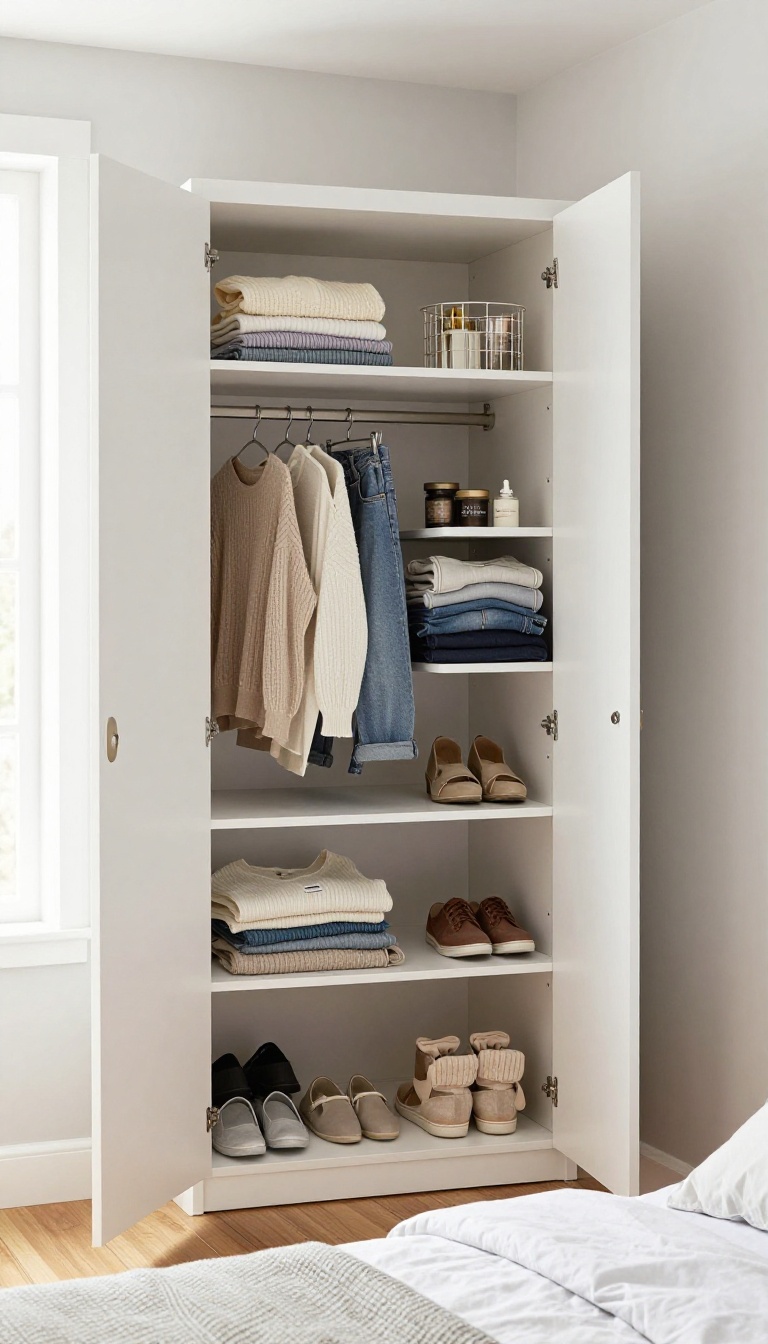
Corners often become dead zones in small bedrooms, but they can actually be the smartest spot for your wardrobe. A corner wardrobe with a carousel or lazy Susan takes advantage of that tricky space and turns it into a functional storage hub. The rotating shelves mean you can see everything at a glance, which makes getting dressed a breeze.
Corner wardrobes with rotating shelves are a game-changer for small rooms. Instead of cramming clothes into a dark, hard-to-reach corner, you get a unit that spins smoothly, bringing your items right to you. They hold more than you'd expect, and because the shelves rotate, you can easily access everything without digging around.
Plus, they free up wall space for other furniture or décor, making your room feel more open and organized.
Why A Carousel Works So Well In Tight Spaces
The rotating mechanism is the key. It lets you store a lot in a small footprint because you don't need deep shelves that are hard to see into. You simply spin the carousel to find what you need.
This design also reduces the 'black hole' effect, where items get lost at the back. It's perfect for small bedrooms where every inch counts.
What To Store On A Rotating Wardrobe
Use the shelves for folded items like sweaters, jeans, and t-shirts. You can also place shoes on the lower tiers and accessories like belts or scarves on the upper ones. Since the shelves rotate, you can categorize by type or season, making it easy to switch things out.
Just avoid hanging long garments here—this is mostly for folded or smaller items.
Installation And Space Tips
Measure your corner carefully, including the diagonal depth, to ensure the wardrobe fits without blocking windows or doors. Look for units with adjustable shelves to customize the layout. If you're handy, you can even convert a standard corner cabinet with a lazy Susan kit.
Remember to leave enough clearance for the door to swing open fully.
10. Place the Wardrobe Opposite the Bed for Balance
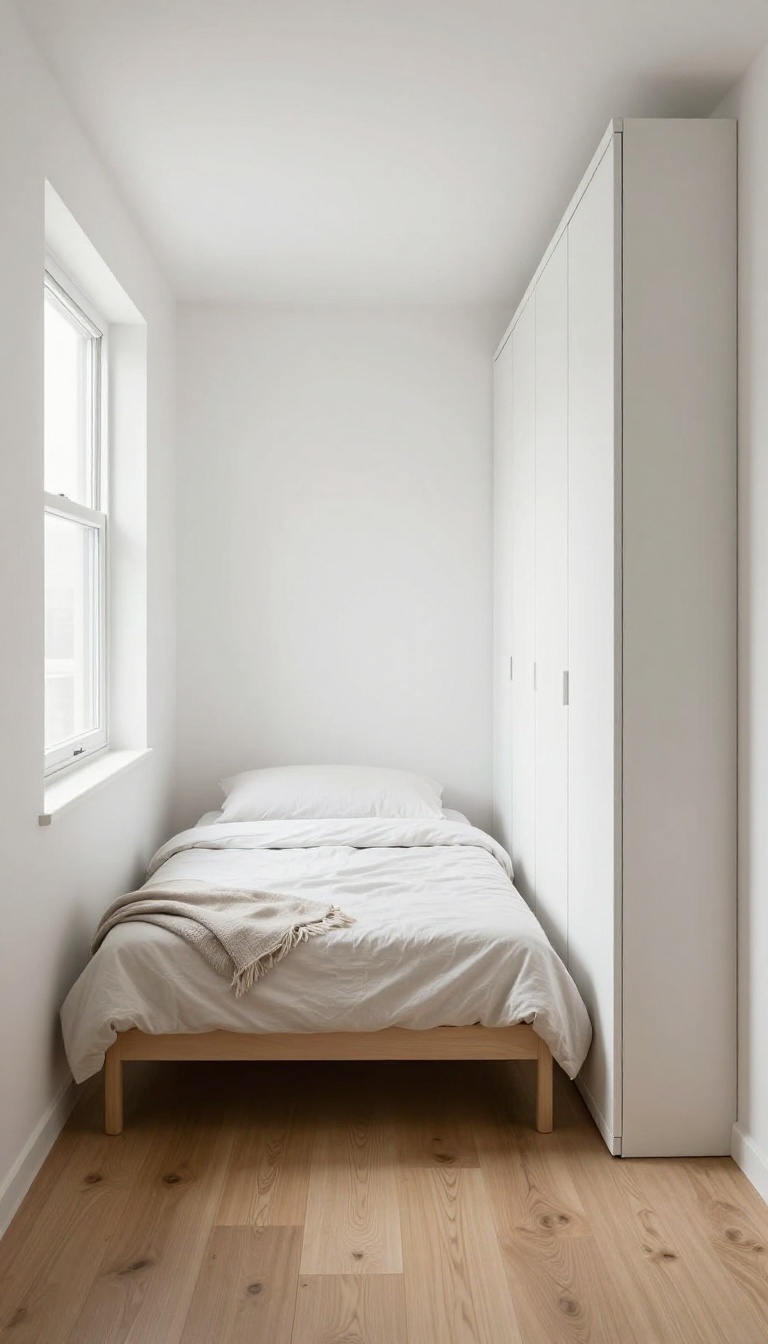
Got a narrow bedroom that feels like a hallway? Placing the wardrobe directly across from the bed can actually bring a sense of balance to the room. It’s a classic layout trick that works surprisingly well in tight spaces.
The key is to leave enough room to walk comfortably between the bed and the wardrobe. If you can open the doors without bumping into the bed, you’re golden. Plus, having your clothes right there makes getting ready in the morning a breeze.
When you position the wardrobe opposite the bed, you create a visual anchor that makes the room feel more intentional. The bed and wardrobe become the two main focal points, balancing each other out. This setup also opens up the walls on either side, which can make the room feel wider than it actually is.
To pull it off, measure the distance between the bed and the wardrobe. Aim for at least 24 inches of walking space. If that’s tight, consider a wardrobe with sliding doors instead of hinged ones—they take up less clearance.
You can also mount the wardrobe on the wall to free up floor space, making the room feel more open.
Measure For Comfort
Before you commit, grab a tape measure. You want at least 24 inches between the foot of the bed and the wardrobe. That gives you room to walk and bend down.
If you have a king bed, you might need a bit more. If space is really tight, a wardrobe with sliding doors is a lifesaver—they don’t need swing clearance.
Create A Focal Point
Opposite the bed, the wardrobe becomes a major visual element. Make it work for you by choosing a design that complements the room. A mirrored wardrobe can double the light and make the space feel larger.
Or go for a bold color to make a statement. Just keep the rest of the room simple so it doesn’t feel cluttered.
Boost Morning Efficiency
Having your wardrobe across from the bed means you can literally roll out of bed and pick your outfit. It’s a small change that can save you time and energy. Plus, you can lay out your clothes the night before and see them as soon as you wake up—a simple trick for a smoother morning.
11. Use a Wardrobe with a Built-In Mirror to Double the Light
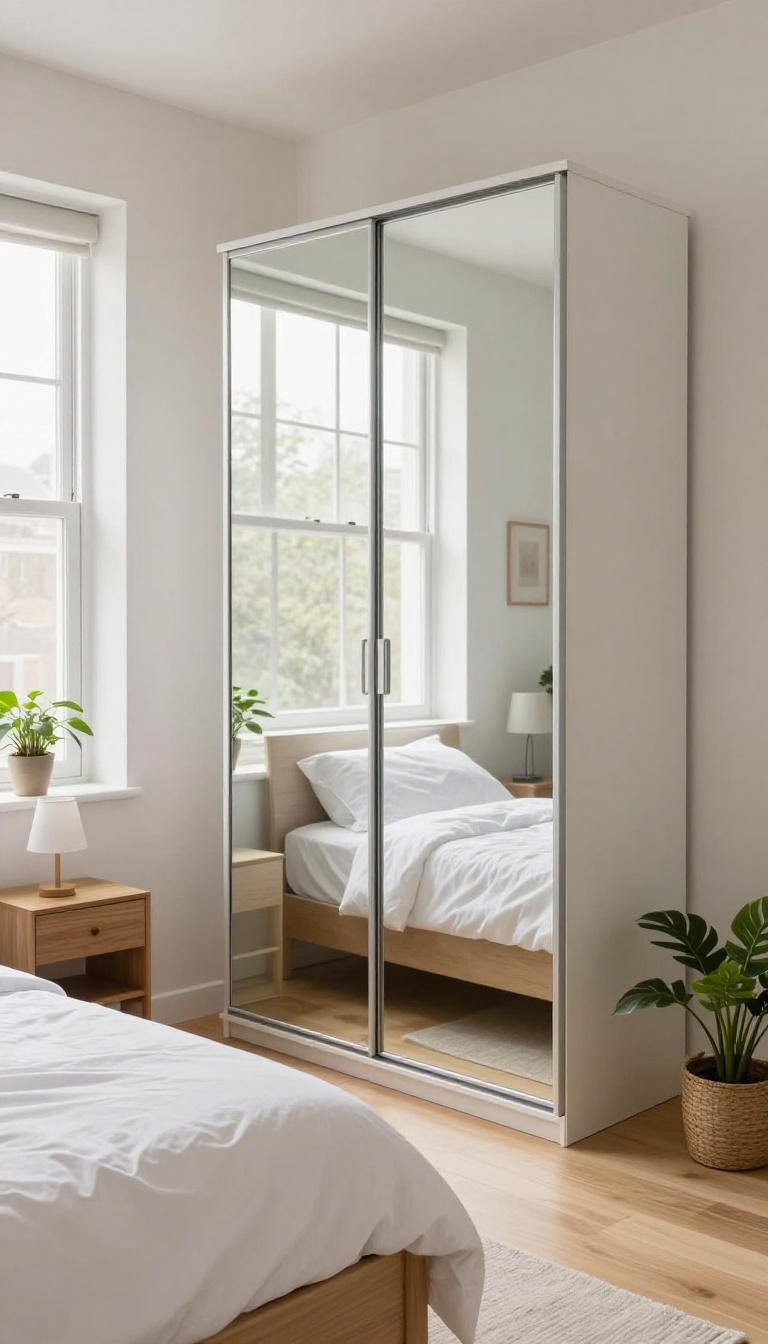
If your small bedroom feels dark or boxed in, a mirrored wardrobe can work wonders. The reflective surface bounces natural and artificial light around the room, instantly making the space feel larger and more open. Plus, you get a full-length mirror without needing extra wall space—a win-win for tight quarters.
A mirrored wardrobe isn't just a storage piece; it's a light multiplier. When placed opposite a window, it reflects daylight across the room, brightening even the dimmest corners. At night, it does the same with your lamps or overhead light, reducing the need for extra fixtures.
The effect is a room that feels twice as big and far more inviting.
Position It To Reflect Natural Light
The key is placing the mirrored doors where they can catch light from a window or doorway. If your bedroom has a window on one wall, position the wardrobe on the opposite wall so the mirror faces the light source. This bounces sunlight directly into the room, creating a brighter, airier feel.
Avoid placing it perpendicular to the window, as that reflects less light into the main area.
Go For Sliding Doors To Save Space
Sliding mirrored doors are a smart choice for small bedrooms. Unlike hinged doors that need clearance to open, sliders glide along tracks, so you can place the wardrobe flush against the wall or even beside the bed without blocking walkways. This frees up valuable floor space and lets the mirror work its magic without sacrificing functionality.
Use The Mirror To Create Depth
A full-length mirror on your wardrobe can visually double the depth of the room. When you look into it, your eye sees a continuation of the space, tricking the brain into perceiving more square footage. To enhance this effect, keep the area in front of the mirror clutter-free and let it reflect a clean, uncluttered part of the room.
This simple styling trick makes the bedroom feel more expansive.
FAQ
What is the best wardrobe placement for a small bedroom?
The best placement depends on your room's layout, but corner placement or behind the door are often the most space-efficient. Sliding door wardrobes also work well because they don't need extra clearance.
How can I make a small bedroom look bigger with a wardrobe?
Choose a wardrobe with sliding doors, a light color, and a mirrored front. Place it in a corner or against a wall that doesn't block natural light. Keeping the wardrobe flush with the wall and using vertical storage also helps.
Should I use a built-in wardrobe or a freestanding one in a small room?
Built-in wardrobes are great for maximizing space and creating a custom fit, but they're more expensive and permanent. Freestanding wardrobes are flexible and can be moved if you change your mind. It depends on your budget and needs.
How much space should I leave in front of a wardrobe?
For a standard hinged door, leave at least 24 inches (60 cm) of clearance to open it comfortably. For sliding doors, you only need enough space to walk past, usually around 18 inches (45 cm).
Can I put a wardrobe next to a bed in a small room?
Yes, but make sure there's enough room to open the doors. A sliding door wardrobe is ideal for this. Also, consider the visual weight—a tall wardrobe next to a low bed can feel imposing, so balance it with lighting and decor.
Conclusion
Finding the right spot for your wardrobe can completely change how your small bedroom feels. It's not just about storage—it's about creating a space that's comfortable and functional. Try one of these ideas and see the difference it makes.
Remember, the goal is to work with your room's unique shape, not against it. With a little creativity, you can have a stylish and organized bedroom, no matter the size. So go ahead, move that wardrobe, and enjoy your new space.