9 Luxury Living Room Ideas for a Cozy, Elevated Look
A living room that feels both cozy and luxurious isn't about filling every corner with expensive pieces—it's about making thoughtful choices that create warmth and depth. You can achieve that elevated look by focusing on layers of light, rich textures, and personal touches that make the space feel uniquely yours.
These nine ideas are practical, adaptable, and designed to help you transform your living room into a retreat that's as inviting as it is stylish.
From statement sofas to greenery, each suggestion brings you closer to that perfect balance of comfort and sophistication.
1. Layer Your Lighting for Instant Warmth
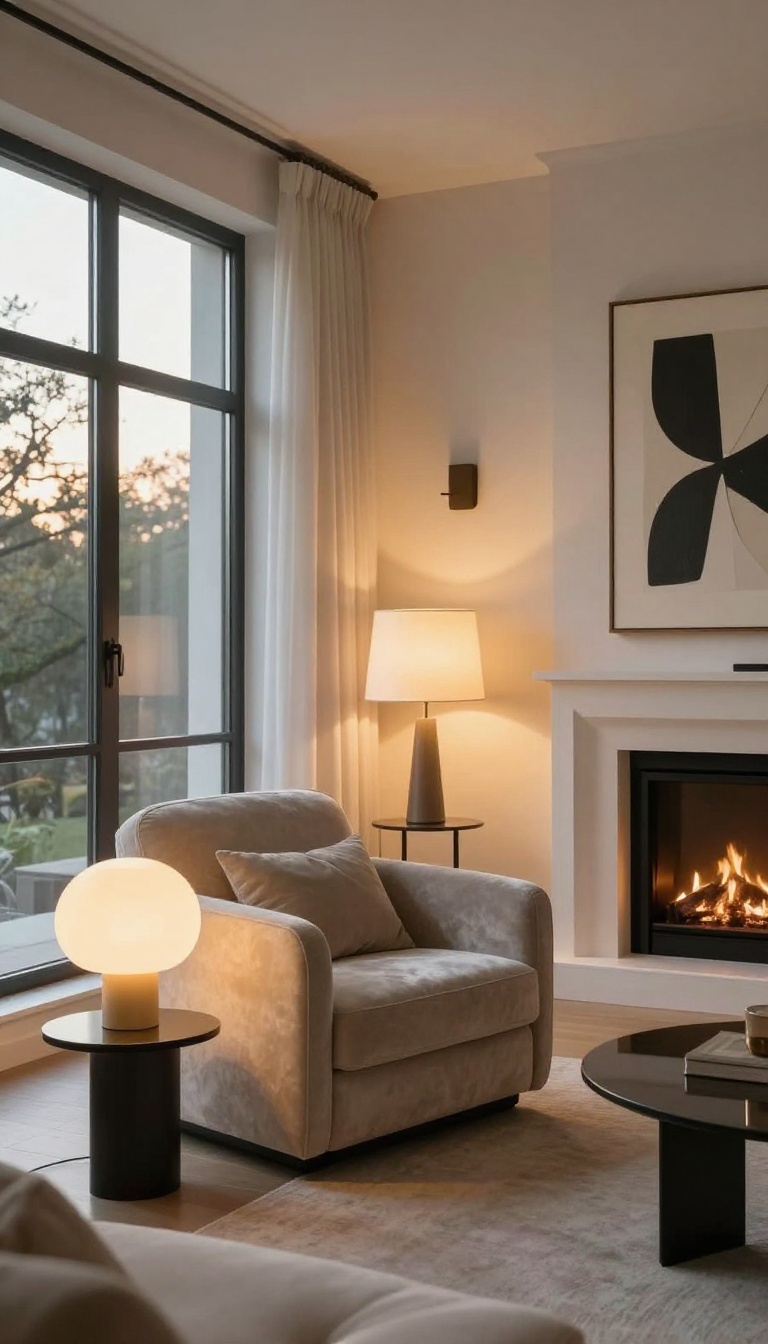
Lighting sets the mood more than any other element in a room. A single overhead fixture can leave the space feeling flat and harsh, while layered lighting creates depth and invites relaxation. The trick is to combine different types of light—ambient, task, and accent—so you can adjust the atmosphere to match the moment.
Start with a warm ambient base, like a dimmable ceiling light or a stylish floor lamp that washes the room in soft light. Then add task lighting where you need it—a reading lamp by your favorite chair or a sleek desk lamp on a side table. Finally, sprinkle in accent lighting to highlight artwork, architectural details, or a beautiful plant.
This layering not only makes the room feel more luxurious but also gives you control over the vibe, from bright and energetic to soft and intimate.
Choose Warm Bulbs And Dimmers
The color temperature of your bulbs matters more than you might think. Opt for bulbs labeled 'warm white' or 'soft white' (around 2700K) to cast a golden, flattering glow. Pair them with dimmer switches so you can lower the lights for cozy evenings or movie nights.
Dimmers are a small upgrade that instantly adds a touch of elegance.
Mix Floor, Table, And Wall Lights
Don't rely on a single source. Combine a floor lamp in a corner, a couple of table lamps on side tables, and perhaps a wall sconce to frame a mirror or piece of art. This variety creates visual interest and prevents any one area from feeling too dark or too bright.
Plus, you can play with heights and styles to add character.
Use Accent Lighting To Highlight Focal Points
Accent lighting is your secret weapon for a curated look. Use picture lights to illuminate a favorite painting, LED strip lights under a shelf to showcase collectibles, or a spotlight to draw the eye to a textured wall. These subtle touches add depth and make the room feel thoughtfully designed.
2. Invest in a Statement Sofa with Plush Fabrics
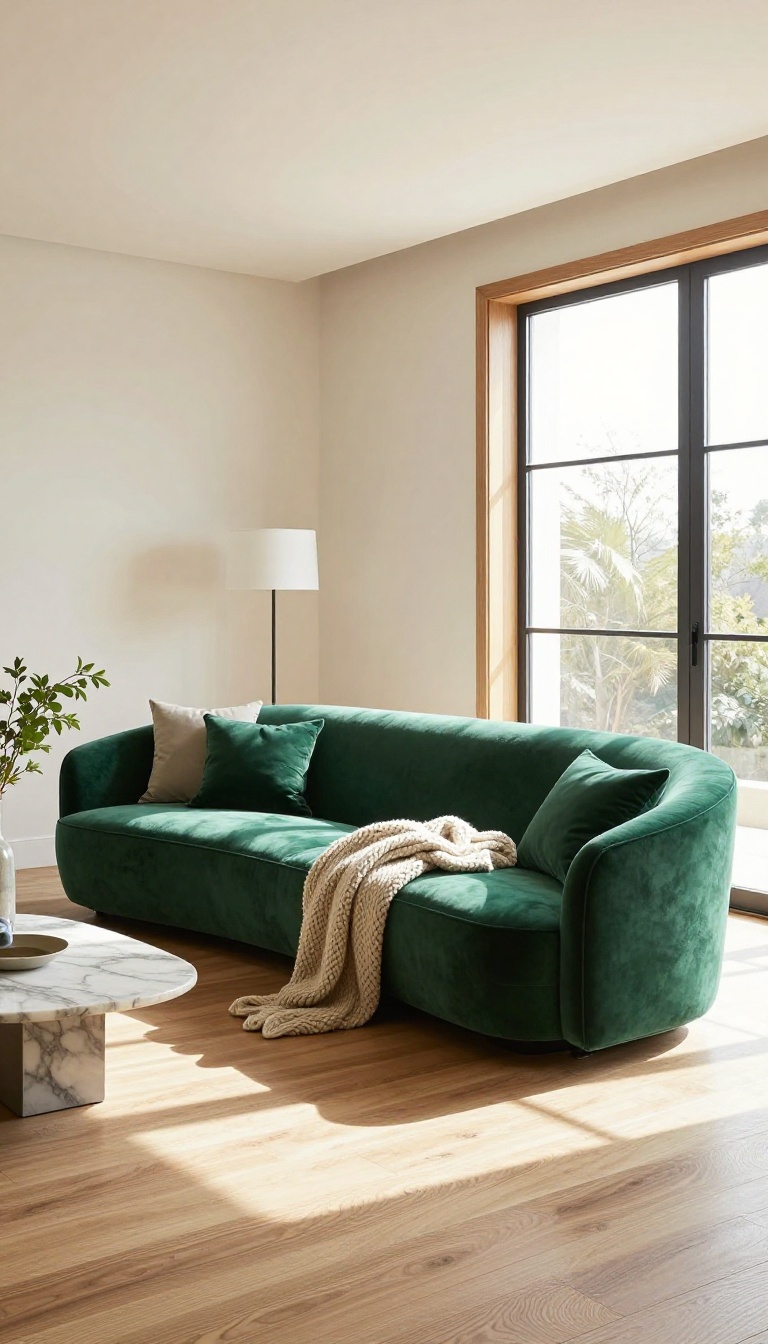
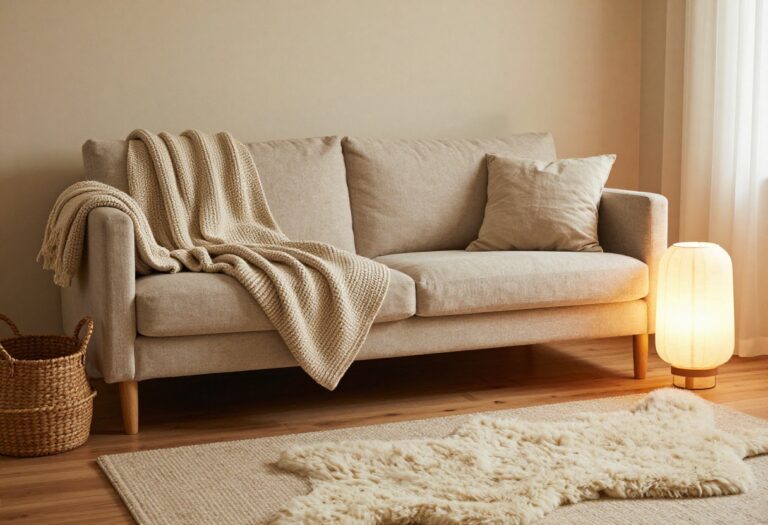
The sofa is the heart of any living room, and choosing one with plush, tactile fabric instantly elevates the space. Velvet and boucle not only feel luxurious but also add depth and warmth, making the room feel more inviting. A statement sofa anchors the design, setting the tone for the entire room.
When you invest in a statement sofa, you're not just buying furniture—you're creating a focal point that draws people in. Plush fabrics like velvet and boucle offer a rich texture that invites you to sink in and relax. These materials also have a timeless appeal that can make your living room look effortlessly chic, whether your style is modern, traditional, or eclectic.
Why Fabric Matters
The fabric you choose can make or break the comfort and style of your sofa. Velvet has a soft, lustrous sheen that catches light beautifully, while boucle's looped texture adds a cozy, nubby feel. Both are durable and easy to maintain with regular vacuuming, making them practical for everyday use.
Choosing The Right Color And Shape
For a statement piece, consider bold hues like deep emerald, mustard, or blush pink to add personality, or stick with neutral tones like ivory or taupe for a more understated elegance. The shape matters too—a curved sofa or a classic tufted design can instantly elevate the room's aesthetic, while a modular layout offers flexibility for different seating arrangements.
Balancing Comfort With Style
A statement sofa should be as comfortable as it is beautiful. Look for high-density foam cushions and deep seats that encourage lounging. Pair it with plush throw pillows and a soft blanket to enhance the cozy factor.
Remember, the goal is to create a space where you and your guests feel at ease, so test the sofa for comfort before committing.
3. Add Texture with Natural Materials
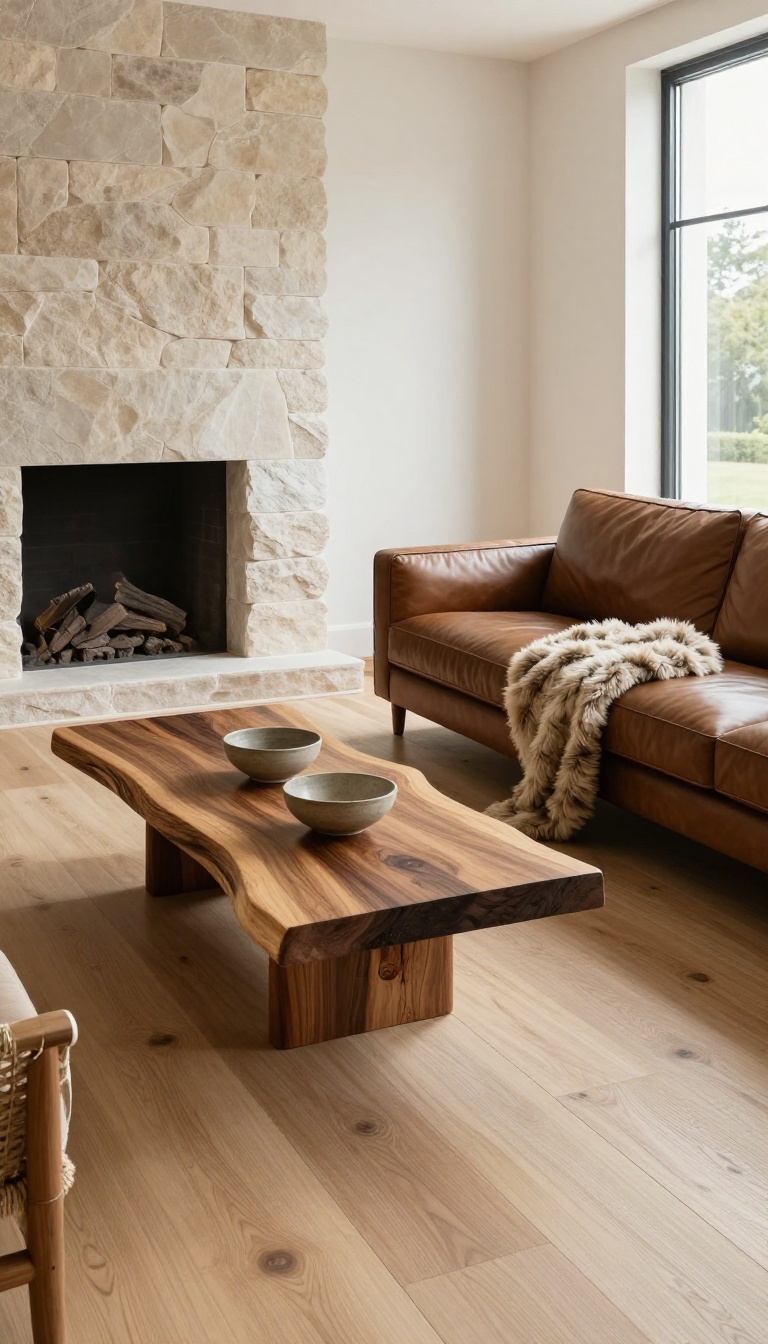
Texture is the quiet workhorse of interior design, especially when you're aiming for that cozy-meets-luxurious vibe. Natural materials like wood, stone, and woven fibers bring a sense of grounding and organic warmth that instantly makes a room feel more inviting and upscale. They add depth and visual interest without shouting for attention, creating a layered look that feels both curated and effortless.
Start by introducing a mix of natural elements across your furniture, decor, and architectural details. A live-edge wood coffee table, a stone fireplace surround, or a chunky wool throw are all simple ways to bring nature inside. The key is to combine different textures—smooth stone against rough wood, soft wool against sleek leather—to create a rich sensory experience that makes the space feel alive and comfortable.
Mix Wood Tones For Depth
Don't be afraid to mix wood tones in the same room. A light oak floor paired with a dark walnut console adds contrast and prevents the space from feeling flat. Use wood in different forms—furniture, flooring, wall paneling, or even decorative objects—to create a cohesive but layered look.
The goal is balance: too much of one tone can feel monotonous, while a thoughtful mix feels intentional and sophisticated.
Layer Stone And Ceramics
Stone and ceramics bring a cool, earthy counterpoint to warm woods. A marble coffee table, a travertine vase, or handmade ceramic bowls add subtle luxury and a tactile quality that’s hard to replicate with synthetic materials. Place them on wooden surfaces or woven textiles to highlight their natural beauty.
Even small touches, like a stone bookend or a ceramic catchall, can make a big difference in adding texture.
Incorporate Woven Fibers
Woven fibers like jute, rattan, and seagrass are perfect for adding casual, organic texture. A jute area rug underfoot, rattan pendant lights overhead, or a seagrass basket for blankets bring a relaxed, resort-like feel. These materials also soften the overall look, making a luxurious room feel more approachable.
Just be sure to balance them with smoother surfaces to avoid a too-busy appearance.
4. Create a Gallery Wall with Personal Art
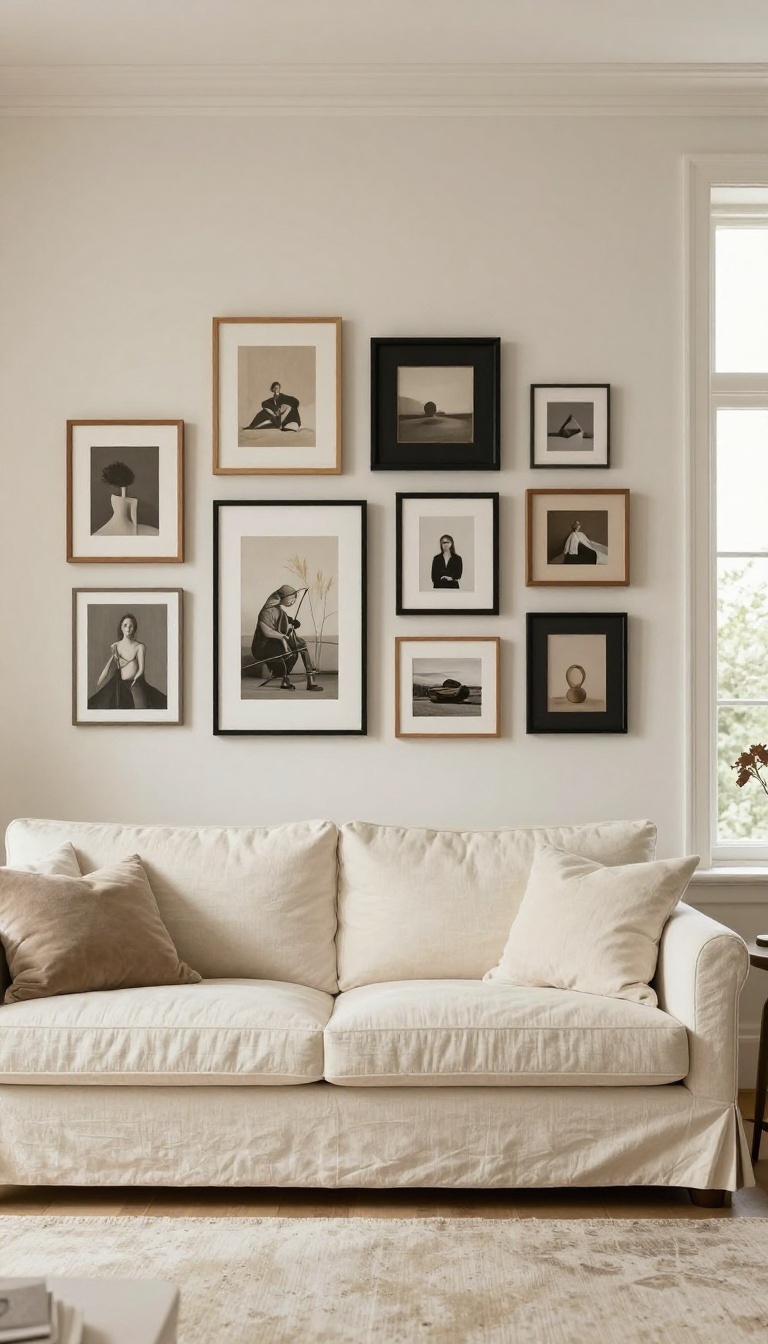
A gallery wall is one of the most personal ways to make a living room feel both curated and cozy. Instead of relying on generic decor, you can showcase pieces that tell your story—art you've collected, photos of loved ones, or even your own creations. The key is to mix and match with intention, creating a display that feels effortless yet polished.
When done right, a gallery wall becomes a focal point that adds depth, character, and a touch of luxury that no store-bought print can replicate.
Start by choosing a wall that naturally draws the eye, like the one above a sofa, console, or fireplace. Lay out your frames on the floor first to experiment with arrangement before committing to nails. Aim for a balanced mix of sizes, shapes, and finishes—think wood, metal, and black—to keep the eye moving.
Leave consistent spacing between frames (around 2 to 3 inches) for a cohesive look. Don't be afraid to include mirrors or sculptural objects to break up the pattern and add dimension.
Mix Art, Photos, And Objects
The most engaging gallery walls combine different types of pieces. Pair a large abstract painting with smaller family photos in vintage frames, or add a woven wall hanging for texture. Including personal items like a child's drawing or a postcard from a trip makes the wall uniquely yours.
This mix of art, photos, and objects creates a layered, collected-over-time feel that instantly elevates the room's aesthetic.
Choose A Cohesive Color Palette
While mixing is great, sticking to a loose color palette keeps the wall from feeling chaotic. Select frames in similar tones—like black, brass, or natural wood—and choose artwork that shares a few accent colors. This doesn't mean everything has to match perfectly; just pick a common thread, such as warm neutrals or muted blues, to tie the pieces together.
A cohesive palette makes even a random assortment look intentional and sophisticated.
Light It Like A Gallery
Proper lighting can transform a gallery wall from nice to stunning. Install a picture light above the main piece or use adjustable track lighting to highlight the art. If you prefer a softer glow, place a floor lamp nearby that casts warm light onto the wall.
Good lighting not only shows off your pieces but also adds a cozy, inviting ambiance to the room, making the space feel more luxurious.
5. Incorporate Metallic Accents for a Touch of Glam
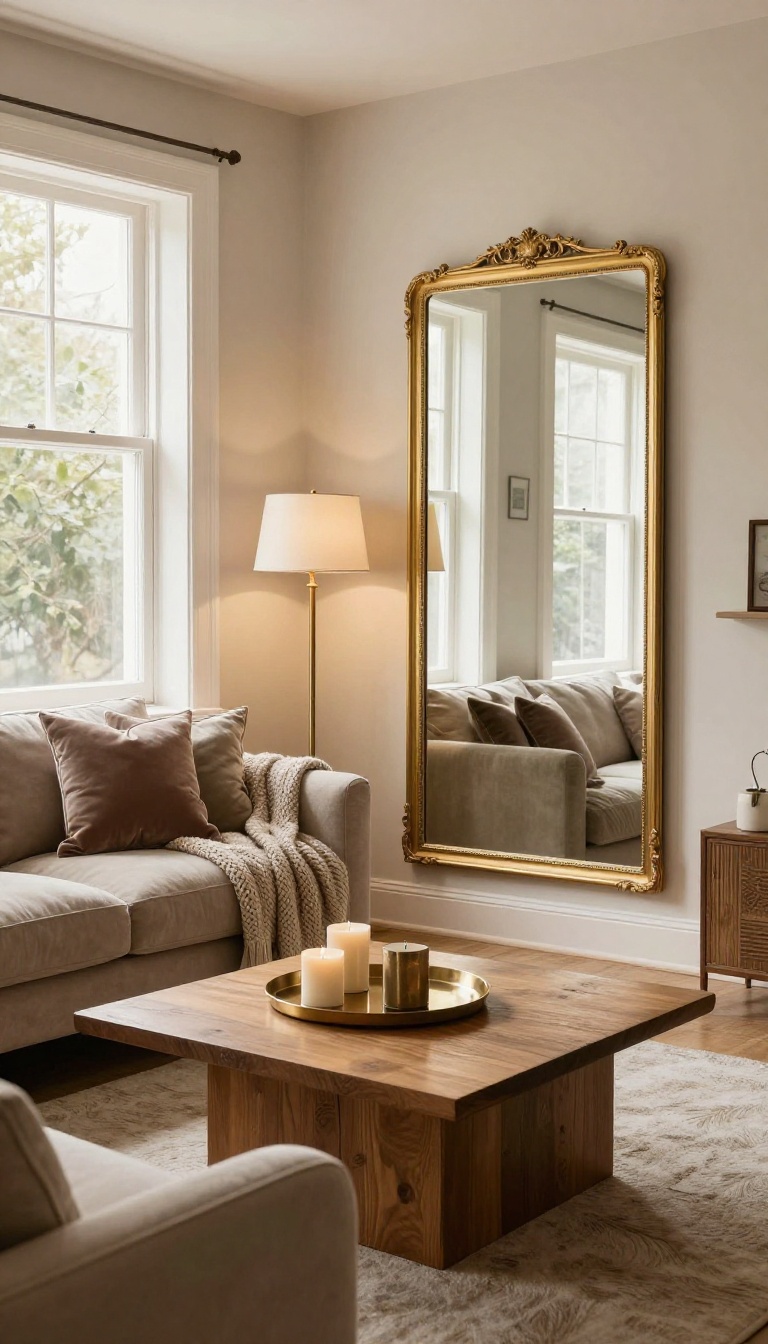
Metallics can feel intimidating, but when used sparingly, they bring a refined warmth that pairs beautifully with cozy textures. A hint of brass or gold catches the light and adds a subtle shimmer without overwhelming the room. The trick is to treat metals like seasoning—a little goes a long way.
Start by identifying one or two spots where a metallic accent will naturally draw the eye. A lamp base, a picture frame, or even the legs of a coffee table can do the job. The goal is to create small moments of shine that make the space feel more polished and intentional.
Choose The Right Metal For Your Palette
Warm metals like brass and copper work best with earthy tones and wood, while cooler metals like silver or chrome suit a more modern, neutral palette. Mixing metals is fine, but stick to one dominant finish to avoid visual chaos. A good rule is to use no more than two finishes in the same room, keeping them in similar undertones.
Place Metallic Accents Where Light Hits
Position metallic pieces near windows, lamps, or candles so they catch and reflect light. A brass tray on the coffee table or a gold-framed mirror opposite a window can brighten the whole room. Even a small metallic vase on a shelf can create a subtle glow that adds depth.
Balance Glam With Soft Textures
To keep the look cozy, pair metallic accents with plush textiles like velvet cushions, chunky knit throws, or a soft wool rug. The contrast between shiny and soft prevents the space from feeling cold or overly formal. Think of the metal as the jewelry on a comfortable outfit—it adds sparkle without sacrificing comfort.
6. Use Large Area Rugs to Define the Space
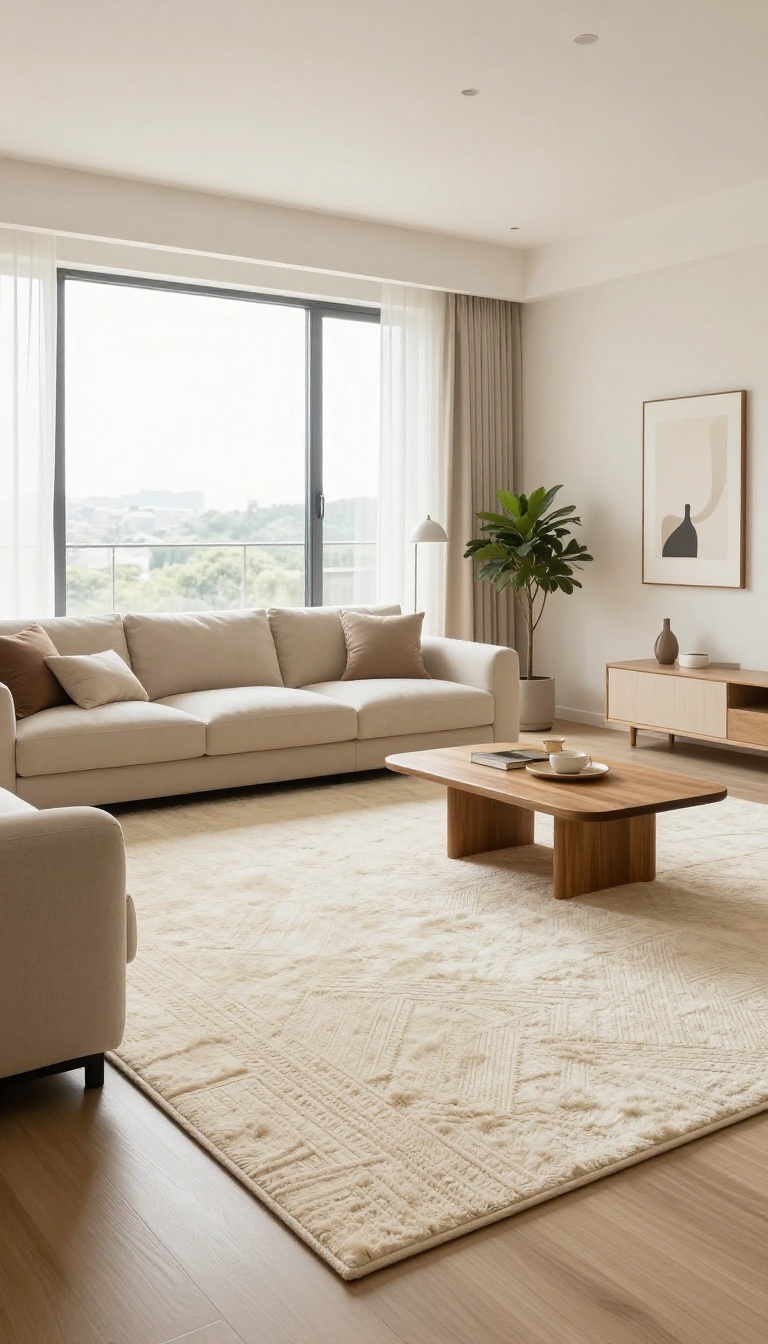
A rug does more than just cover the floor—it sets the stage for the entire room. When it's large enough, it pulls the seating area together, creating a clear boundary that makes the space feel intentional and grounded. The softness underfoot adds a layer of comfort that instantly makes the room more inviting, while the visual weight helps anchor your furniture arrangement.
Choosing the right size is the first step. A rug that's too small can make the room feel disjointed, while one that's too large might overwhelm the space. Aim for a rug that extends at least 12 inches beyond your sofa on all sides, or opt for one that fits under all the front legs of your furniture.
This creates a unified zone that feels cozy and polished.
Pick The Right Size And Shape
Measure your main seating area before shopping. For most living rooms, an 8×10 or 9×12 rug works well, but if you have a sectional, you might need a larger size. Round rugs can soften a room with lots of straight lines, while rectangular rugs are classic and versatile.
Don't be afraid to go bigger than you think—a larger rug makes the room feel more expansive.
Layer Rugs For Extra Depth
Layering a smaller, textured rug on top of a larger, neutral one adds visual interest and a custom look. Choose a jute or sisal base for natural warmth, then top it with a plush wool or faux fur rug. This combination not only feels luxurious underfoot but also adds a layer of sophistication that's easy to change with the seasons.
Choose Materials That Feel Luxurious
Wool is a top choice for its durability and softness, while silk or viscose blends add a subtle sheen. If you have pets or kids, consider a flatweave or low-pile option that's easier to clean. For a truly cozy feel, go for a high-pile or shag rug in a neutral tone—it's like walking on a cloud.
7. Install Floor-to-Ceiling Curtains for Drama
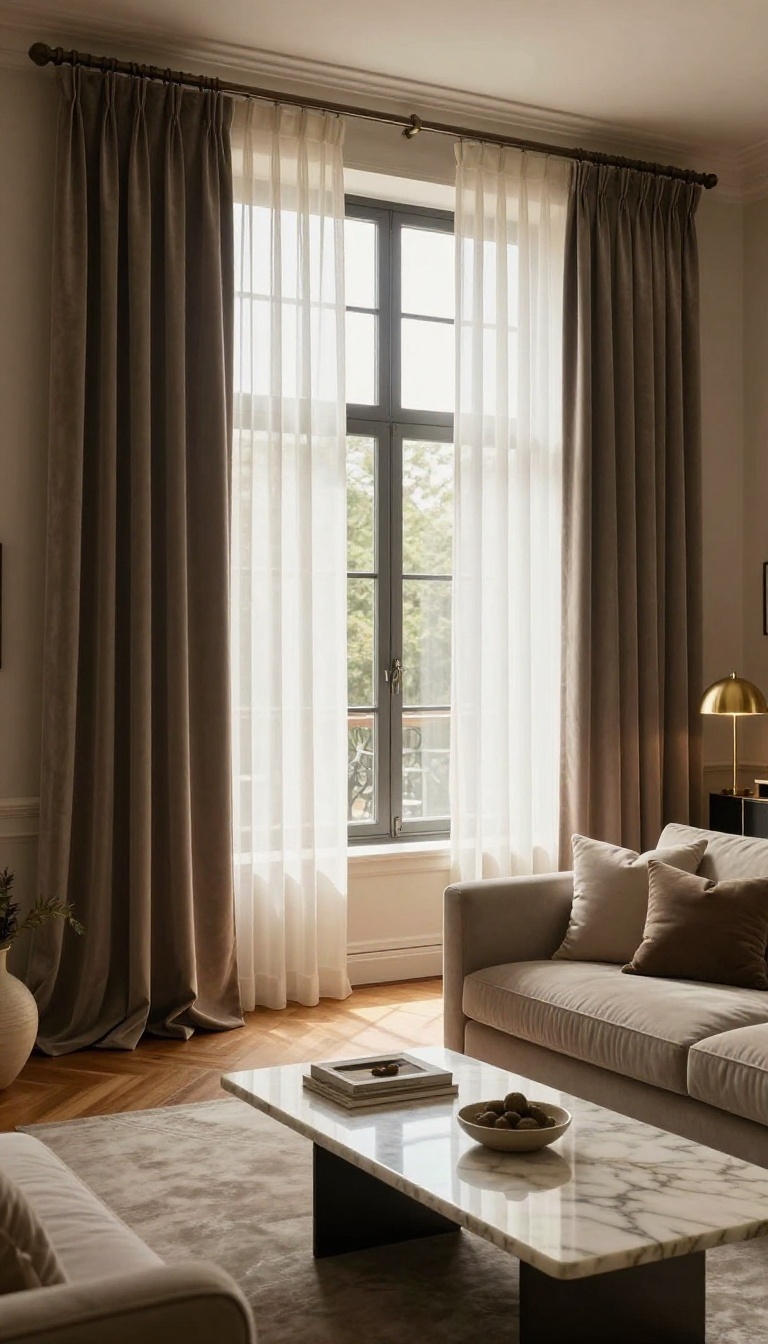
Curtains often get treated as an afterthought, but they can actually be the most transformative element in a room. When you take them all the way to the ceiling, something magical happens: the eye travels upward, and the whole space feels taller and more expansive. It's a simple trick that instantly adds a sense of grandeur, making your living room feel more polished and intentional.
Floor-to-ceiling curtains aren't just about length—they're about creating a continuous line that draws the eye up and adds a touch of theatrical elegance. This style works in almost any room, but it shines in living rooms where you want to make a statement without adding clutter. The key is to hang the rod close to the ceiling and let the fabric pool slightly on the floor for that luxurious, relaxed look.
Choose The Right Fabric
The fabric you pick sets the mood. Heavy velvet or linen in rich, muted tones adds warmth and a cozy, high-end feel. Sheer or light fabrics can soften the light and make the room feel airy, but they won't give you that dramatic, grounded look.
For a balance, consider a double layer: sheer for daytime privacy and a heavier panel for evening coziness.
Hang Them High And Wide
Mount the curtain rod about 4 to 6 inches below the ceiling, and extend it 6 to 12 inches beyond the window frame on each side. This makes the window appear larger and the ceiling higher. When the curtains are open, they should barely cover the window edges, so the light floods in while the fabric frames the view.
Play With Length And Light
Let the curtains break just a little on the floor—around 1 to 2 inches—for that relaxed, elegant feel. If you prefer a cleaner look, have them hover just above the floor. Also, think about how you want to control light.
Blackout linings can add insulation and make the room feel more intimate, while lighter fabrics keep things bright and breezy.
8. Mix Vintage and Modern Pieces for Character
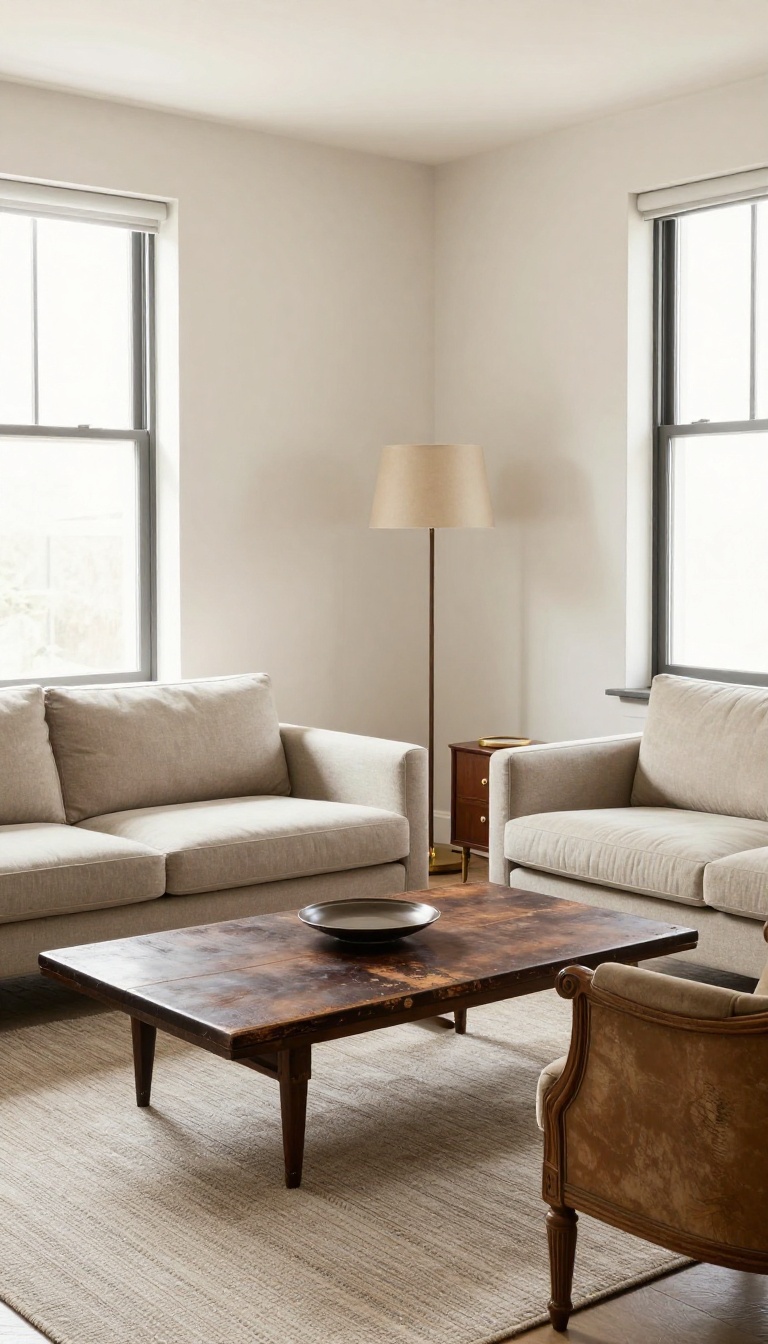
Blending old and new is one of the most effective ways to give your living room a sense of history and personality. When you pair a vintage piece with something contemporary, you create a visual conversation that feels curated rather than decorated. This mix adds depth and warmth, making the space feel collected over time rather than bought in one go.
Start with a modern sofa in a neutral tone, then introduce a vintage coffee table with character—maybe a worn leather trunk or a mid-century wood piece. The contrast between the clean lines of the sofa and the patina of the table instantly adds interest. You can also mix a contemporary rug with an antique armchair, or place a sleek floor lamp next to a vintage sideboard.
The key is to balance the proportions and let each piece shine without competing.
Why Mixing Works
Modern pieces bring clean lines and comfort, while vintage items add soul and craftsmanship. Together, they create a layered look that feels intentional and lived-in. This combination also prevents your room from feeling too showroom-perfect or too dated.
How To Choose Your Vintage Finds
Look for pieces with interesting shapes, unique materials, or a story—like a brass lamp from a flea market or a hand-carved wooden stool. Don't worry about perfection; small imperfections add charm. If you're new to vintage shopping, start with one statement piece, like a coffee table or an accent chair.
Balancing Old And New
Keep the overall palette cohesive so the mix feels harmonious. For example, if your vintage piece is dark wood, choose a sofa in a lighter fabric to balance it. Also, vary the scale—pair a low, long modern sofa with a tall, slender vintage bookshelf.
This creates visual rhythm and avoids monotony.
9. Add Greenery for Life and Freshness
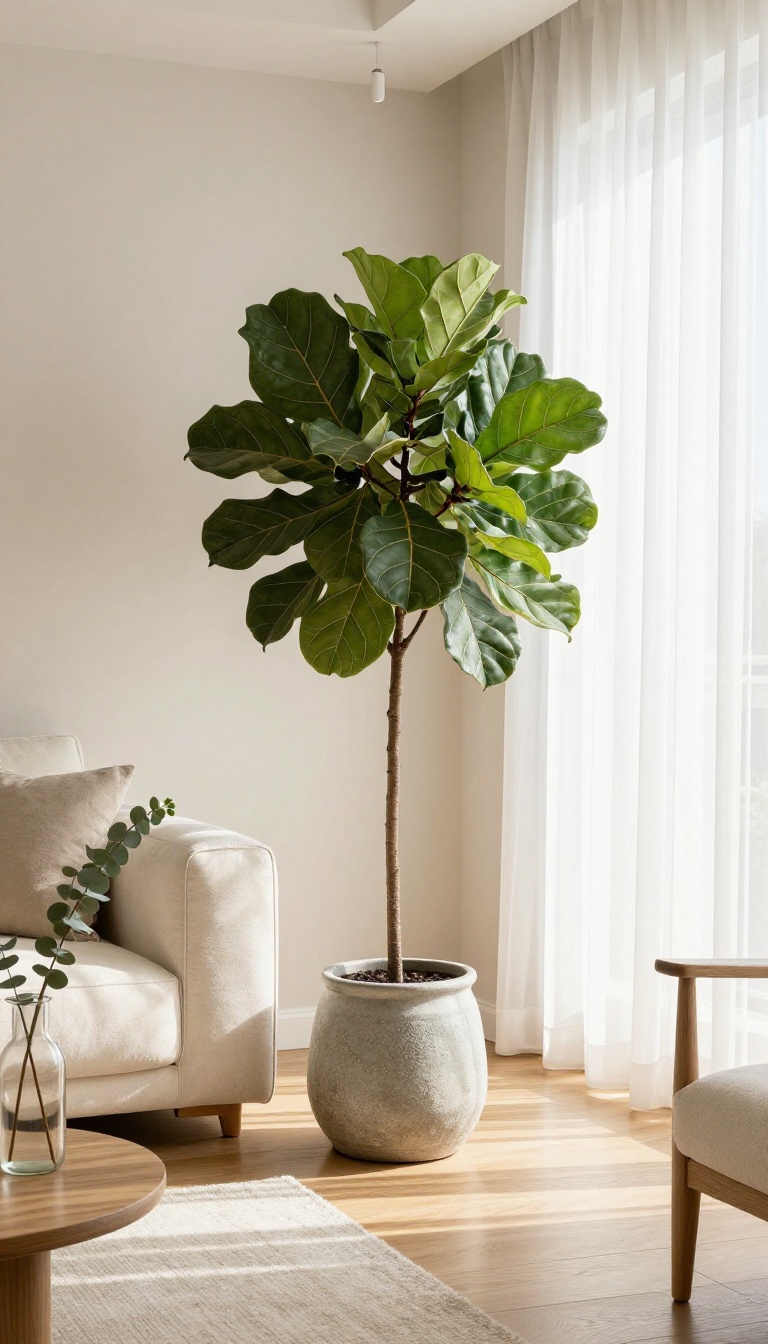
Plants do more than just fill an empty corner—they bring a sense of calm and vitality that few decor pieces can match. A few well-placed pots or a vase of fresh stems can soften the hard edges of furniture and add a natural, effortless luxury. The trick is choosing the right greenery for your space and styling it with intention.
Whether you have a green thumb or can barely keep a cactus alive, there's a way to make plants work for your living room.
Large potted plants or fresh flowers bring vitality and a sense of calm, softening the space and adding a natural luxury. They create a living focal point that changes with the seasons and gives the room a breath of fresh air.
Pick The Right Plants For Your Light
Not all plants thrive in every corner. If your living room gets plenty of natural light, go for statement plants like fiddle-leaf figs or monstera. For lower-light spots, snake plants and pothos are forgiving and still look lush.
Think about the size and shape of the plant in relation to your furniture. A tall plant can anchor a seating area, while trailing vines soften shelves or mantels.
Use Planters As Design Accents
The planter is just as important as the plant. Choose pots that complement your color palette and materials—think textured ceramic, woven baskets, or sleek metal. Grouping plants of varying heights in matching or coordinated pots creates a curated, intentional look.
Don't be afraid to mix materials. A woven basket next to a glossy ceramic pot adds depth and visual interest without feeling cluttered.
Incorporate Fresh Flowers For Instant Polish
Fresh flowers are the quickest way to make a room feel special. A simple bouquet of seasonal blooms on the coffee table or sideboard adds color and a delicate fragrance. Even a few stems in a bud vase can make a big impact.
Swap them out regularly to keep the space feeling fresh. You don't need an elaborate arrangement—sometimes a single stem in a beautiful vase is all it takes.
FAQ
How can I make my living room look luxurious on a budget?
Focus on small upgrades like new throw pillows, a stylish rug, or updated lighting. These changes can instantly elevate the look without a big spend.
What colors make a living room feel cozy and luxurious?
Warm neutrals like beige, cream, and taupe, along with deep jewel tones like emerald or navy, create a rich, inviting atmosphere.
How important is lighting in a luxury living room?
Lighting is crucial. Layered lighting—ambient, task, and accent—adds depth and warmth, making the space feel more polished and comfortable.
Can I mix modern and traditional furniture in a luxury living room?
Absolutely. Mixing styles adds character and prevents the room from feeling too matchy-matchy. The key is to balance proportions and colors.
What are some easy ways to add texture to a living room?
Incorporate materials like velvet, wool, wood, and rattan through pillows, throws, rugs, and furniture. These textures add visual interest and coziness.
Conclusion
Start with the idea that speaks to your current space—maybe it’s the layered lighting or the sculptural coffee table. Small shifts like these add up fast, turning a standard room into something that feels both polished and lived-in.
The best luxury is the kind you actually use every day. Mix comfort with a few elevated touches, and your living room will feel like a retreat without trying too hard.