11 Ideas for Living Room for a More Polished Space
A polished living room isn't about perfection—it's about intentional choices that make the space feel cohesive and inviting. You don't need a big budget or a full renovation to achieve that pulled-together look. Small tweaks in layout, lighting, and decor can have a surprisingly big impact.
Think of your living room as a stage where daily life happens. The goal is to create a backdrop that feels both stylish and livable.
Whether you're starting from scratch or just want to refresh a few details, these ideas will guide you toward a more refined space. From the way you arrange furniture to the finishing touches on your shelves, every element plays a part.
1. Layer Your Lighting for Depth and Warmth
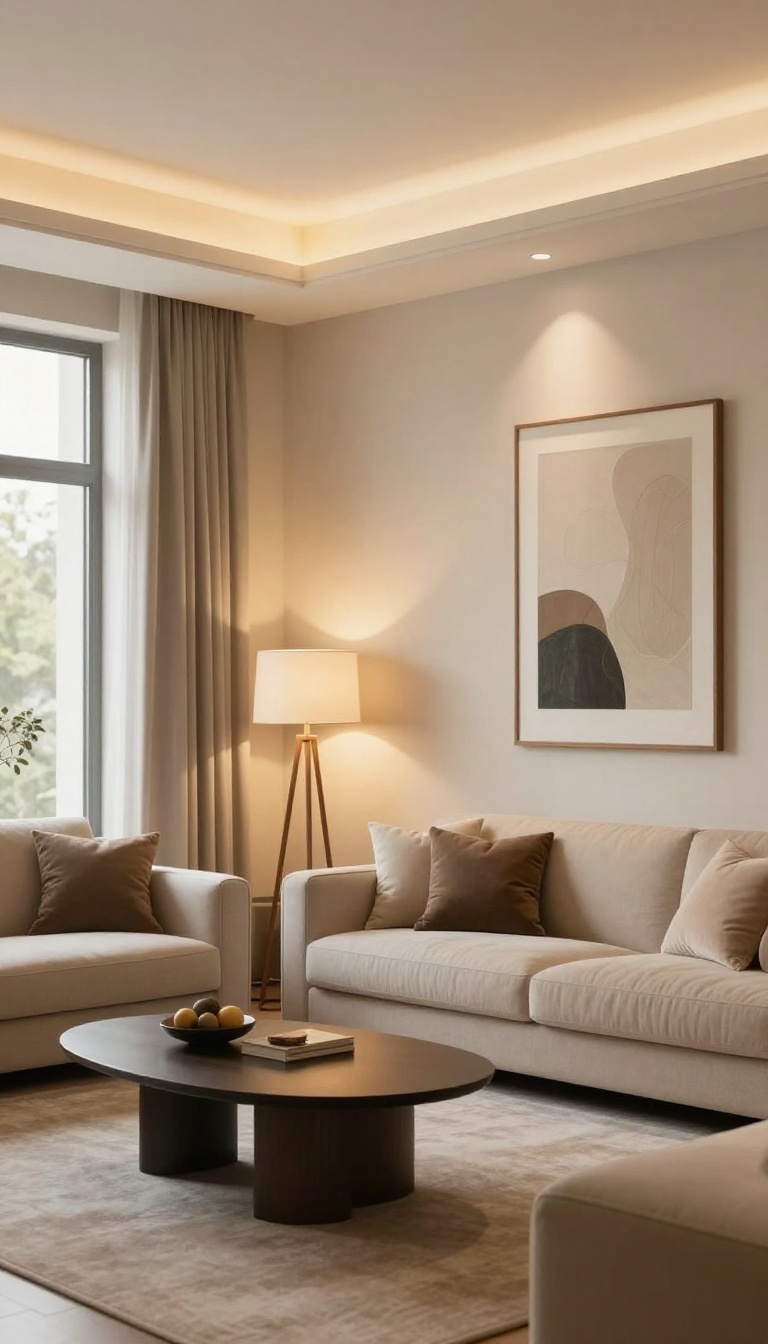
Lighting can make or break the mood of a room, yet it's often the most overlooked element. A single overhead fixture leaves you with harsh shadows and a flat, uninviting feel. The trick is to layer different types of light to create depth and warmth.
Start with ambient lighting for overall illumination, then add task lighting for specific activities like reading or working. Finally, use accent lighting to highlight artwork, plants, or architectural details. Dimmers are your best friend—they let you adjust the brightness to suit the time of day or the vibe you want.
The result is a flexible, welcoming space that feels polished and put together.
Start With A Solid Base
Your ambient lighting sets the foundation. Think ceiling fixtures, recessed lights, or track lighting. Choose warm bulbs (2700K–3000K) to create a cozy glow.
If you have a ceiling fan with a light, that can work too, but make sure it's not the only source. A dimmer switch here is essential—it lets you lower the lights for movie nights or dinner parties.
Add Task Lighting Where You Need It
Task lighting is for specific activities. A floor lamp next to your reading chair, a desk lamp on your workspace, or under-cabinet lights in a built-in bar area. These lights should be brighter and more focused.
Position them to reduce eye strain and make everyday tasks easier. They also add an extra layer that makes the room feel more dimensional.
Finish With Accent Lights For Drama
Accent lighting is the jewelry of the room. Use it to draw the eye to something special: a piece of art, a plant, or a textured wall. Picture lights, track heads, or even simple LED strip lights behind a TV or shelf can do the job.
These lights don't need to be super bright—just enough to create a focal point and add a sense of depth.
2. Anchor the Room with a Well-Proportioned Rug
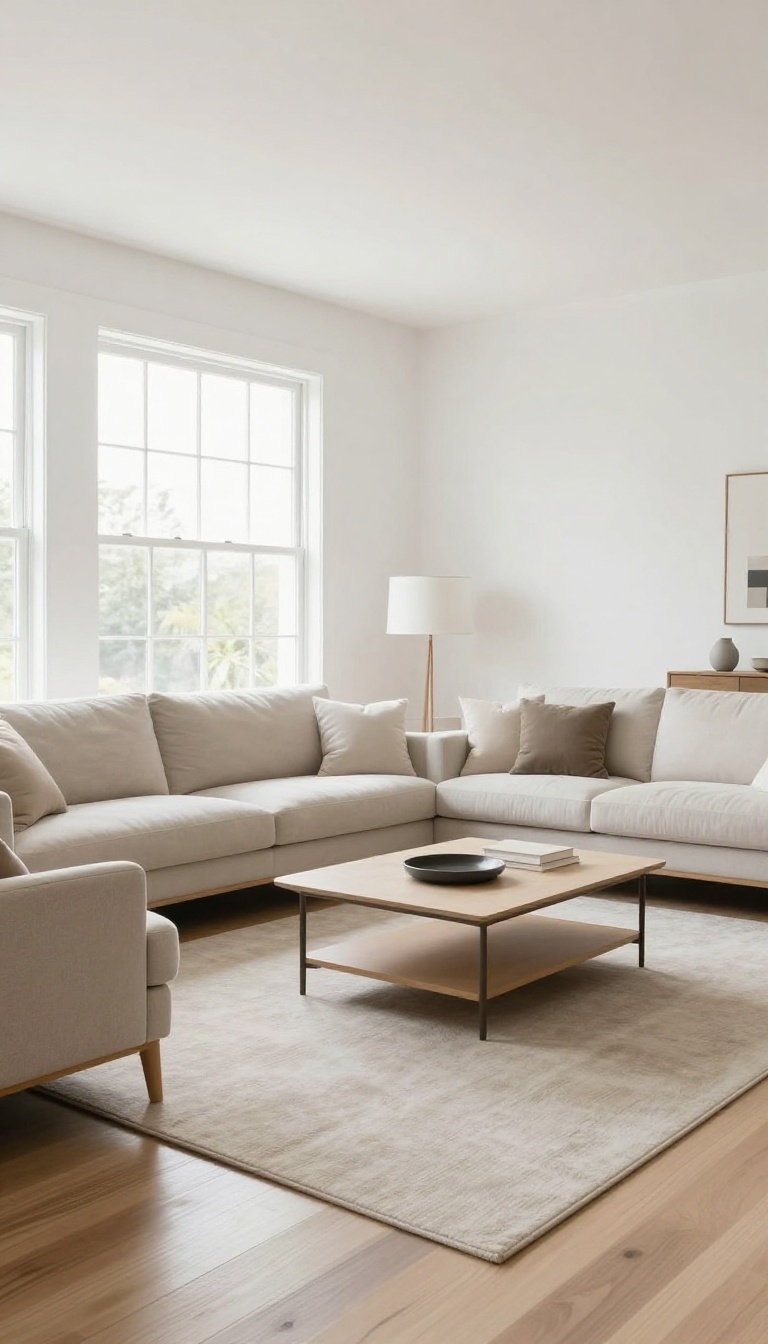
A rug does more than soften your floor—it visually ties the whole seating area together. When it's the right size, it makes the room feel intentional and grounded. Too small, and the space can feel disjointed; too large, and it overwhelms the layout.
Start by measuring your main seating zone. Ideally, the rug should extend at least 6–8 inches beyond the front legs of your sofa and chairs. That way, the furniture sits comfortably on the rug, creating a unified zone.
If you have an open floor plan, use the rug to define the living area without blocking walkways.
Picking The Right Size
A common mistake is choosing a rug that's too small. For a standard sofa, an 8×10 or 9×12 rug usually works best. In smaller rooms, a 5×8 can still anchor a loveseat and a couple of chairs.
Always leave about 12–18 inches of bare floor around the edges for a balanced look.
Texture And Pattern
Think about the mood you want to set. A low-pile wool rug adds warmth without competing for attention. A flatweave in a subtle geometric pattern brings a modern touch.
If your furniture is neutral, a rug with a bold pattern can be the star. If your sofa is already patterned, go for a solid or low-contrast rug.
Placement Tips For Awkward Layouts
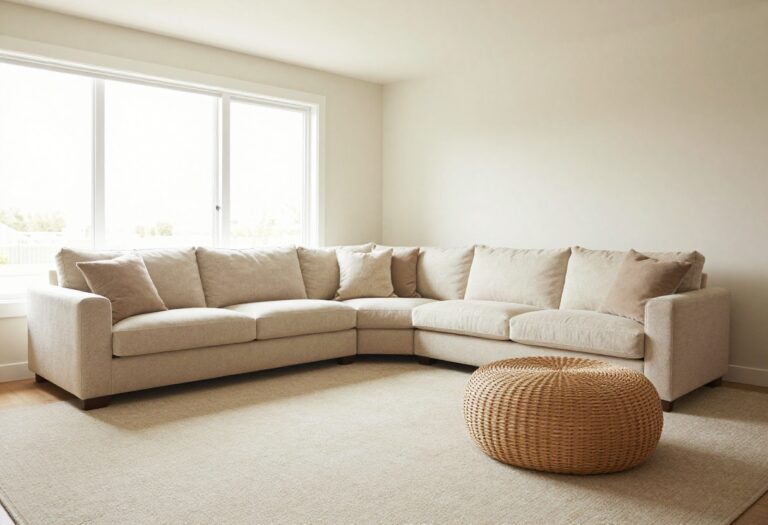
In long or narrow rooms, place the rug perpendicular to the sofa to break up the length. For L-shaped sectionals, center the rug under the main seating area, not the chaise. And if you have a coffee table, make sure it sits fully on the rug—this keeps the zone cohesive.
3. Create a Focal Point with Art or a Mirror
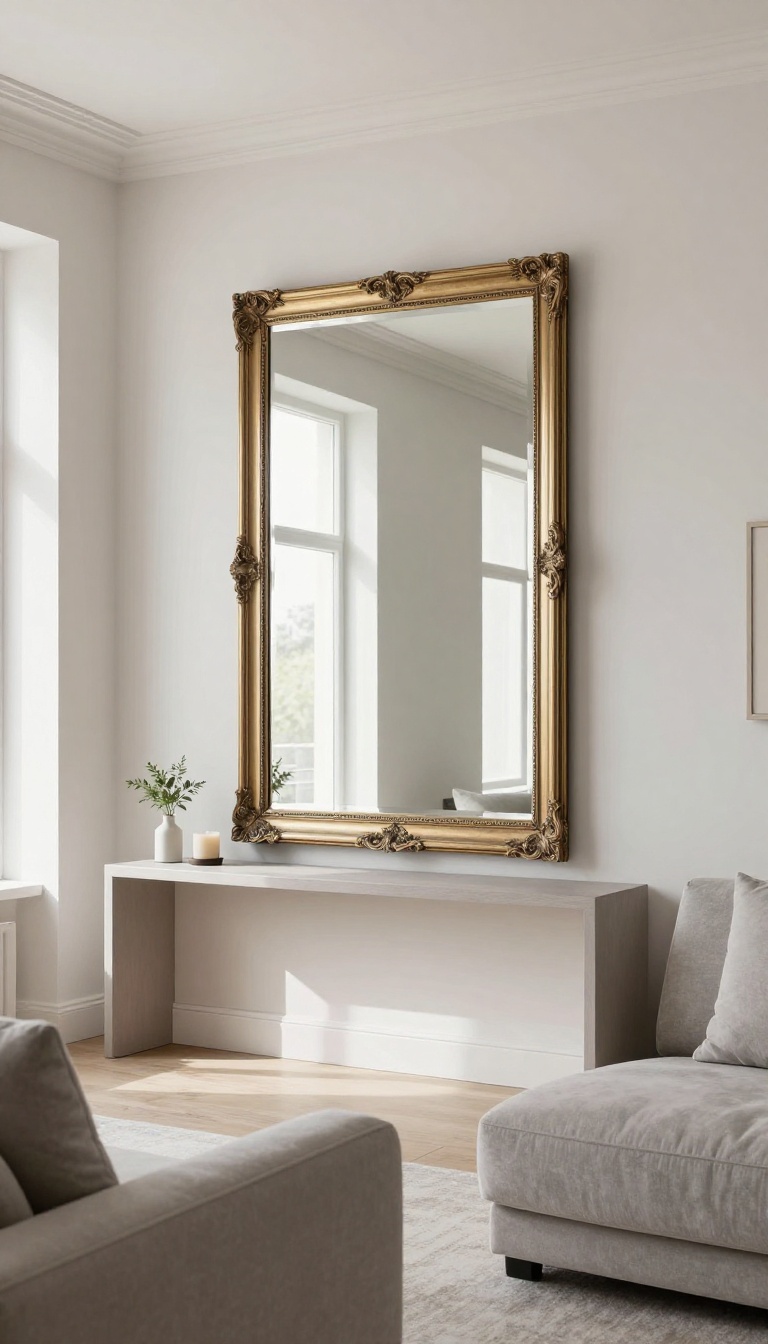
Every room benefits from a clear focal point—something that anchors the space and gives your eyes a place to rest. Without one, a living room can feel scattered, even if the furniture is arranged well. A single, well-chosen piece of art or a large mirror can do the heavy lifting, pulling the whole design together with minimal effort.
When you walk into a room, your gaze naturally seeks a point of interest. A striking piece of art or an oversized mirror can serve that role beautifully. The key is to pick something that resonates with your style and place it where it will get the attention it deserves—typically above the sofa, mantel, or a console table.
This simple addition instantly adds depth and a sense of intention to the space.
Choosing The Right Piece
Think about scale first. A piece that's too small will get lost, while one that's too large can overwhelm the room. A good rule of thumb is to choose art or a mirror that's about two-thirds the width of the furniture beneath it.
Also, consider the mood you want to create. A bold, colorful painting can energize the space, while a serene landscape or a minimalist mirror can keep things calm.
Placement Tips For Maximum Impact
The most common spot is above the sofa, but don't overlook other opportunities. A large mirror opposite a window can reflect light and make the room feel bigger and brighter. If you have a fireplace, that's a natural anchor—hang art or a mirror above the mantel to draw the eye upward.
For a more dynamic look, lean a large piece against the wall on a shelf or the floor instead of hanging it. This adds an effortless, curated vibe.
Mirrors As A Design Tool
Mirrors are especially versatile. They can visually expand a small room, brighten a dark corner, and even act as a statement piece. Choose a frame that complements your decor—whether it's sleek and modern or ornate and traditional.
A round mirror can soften the angles in a room full of straight lines, while a rectangular one adds structure. Just make sure it's positioned to reflect something interesting, like a window or a pretty light fixture.
4. Style Your Shelves with a Curated Mix
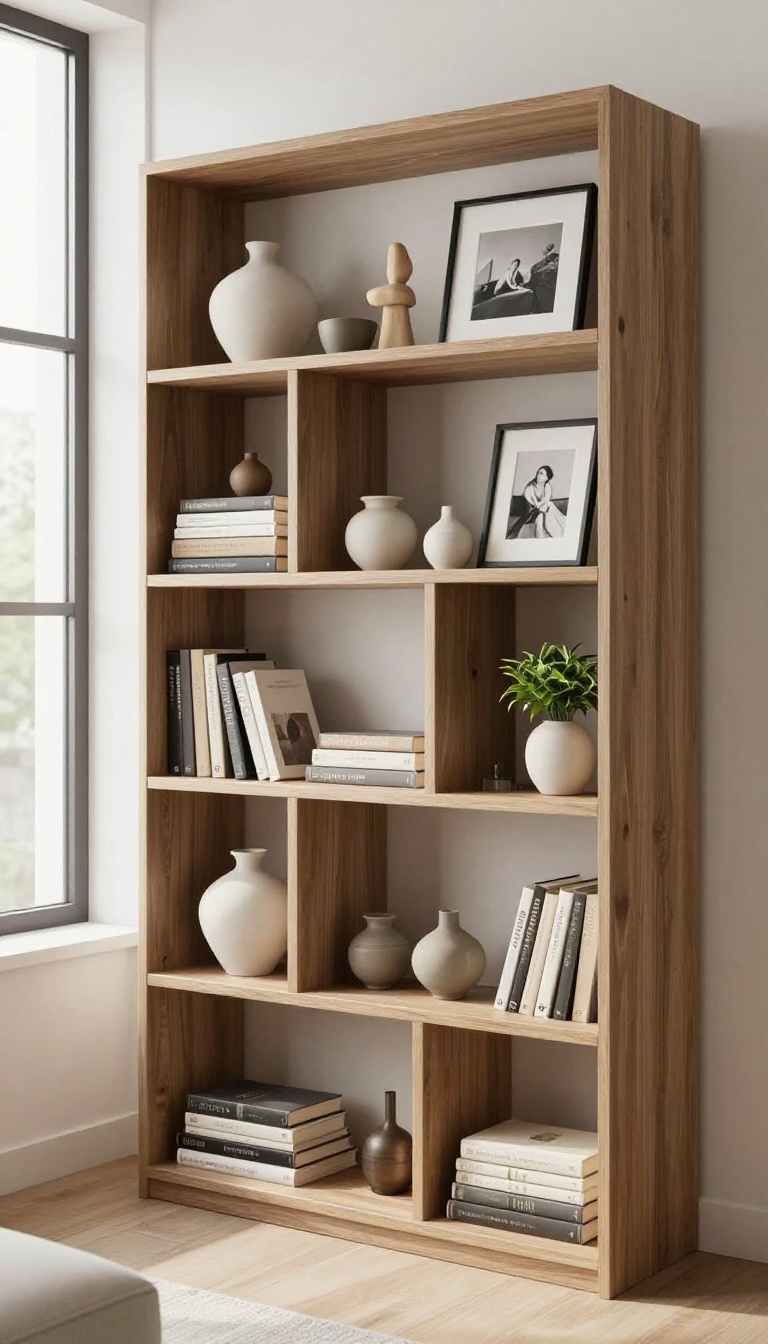
Shelves often become catch-all spots for random items, but with a little thought, they can be a highlight of your living room. The trick is to treat them like a mini gallery: a mix of books, objects, and personal touches arranged with intention. When done right, styled shelves add depth and personality without feeling busy or cluttered.
Start by clearing everything off your shelves. This gives you a clean slate and helps you see what you actually want to display. Then, group items by type or color to create a sense of order.
Aim for a balance between vertical and horizontal elements—stack some books, stand others up, and lean a few pieces for visual interest. Don't forget to leave empty space; breathing room lets each item shine.
Create Visual Balance
Balance doesn't mean symmetry. Instead, think about weight distribution. A large vase on one side can be offset by a stack of books on the other.
Vary heights by using bookends, small boxes, or plants. Mixing textures—like wood, metal, and ceramic—adds depth and keeps the eye moving.
Group In Odd Numbers
Odd numbers, like three or five, feel more natural and dynamic than even numbers. Group similar items together, such as three small plants or a collection of candles. This creates a cohesive look without looking too staged.
If you have a lot of small objects, cluster them on a tray or a small dish to keep them contained.
Incorporate Personal Touches
Your shelves should tell your story. Add framed photos, travel souvenirs, or items that make you smile. These personal touches make the space feel lived-in and warm.
Just be selective—choose pieces that have meaning or aesthetic value, and rotate them occasionally to keep the display fresh.
Edit Ruthlessly
Less is often more. After arranging, step back and see if anything feels off. Remove items that don't fit the overall vibe.
A curated look comes from editing, not adding. If a shelf feels crowded, take away a few pieces and see how it changes the feel. You can always add them back later.
5. Invest in Quality Window Treatments
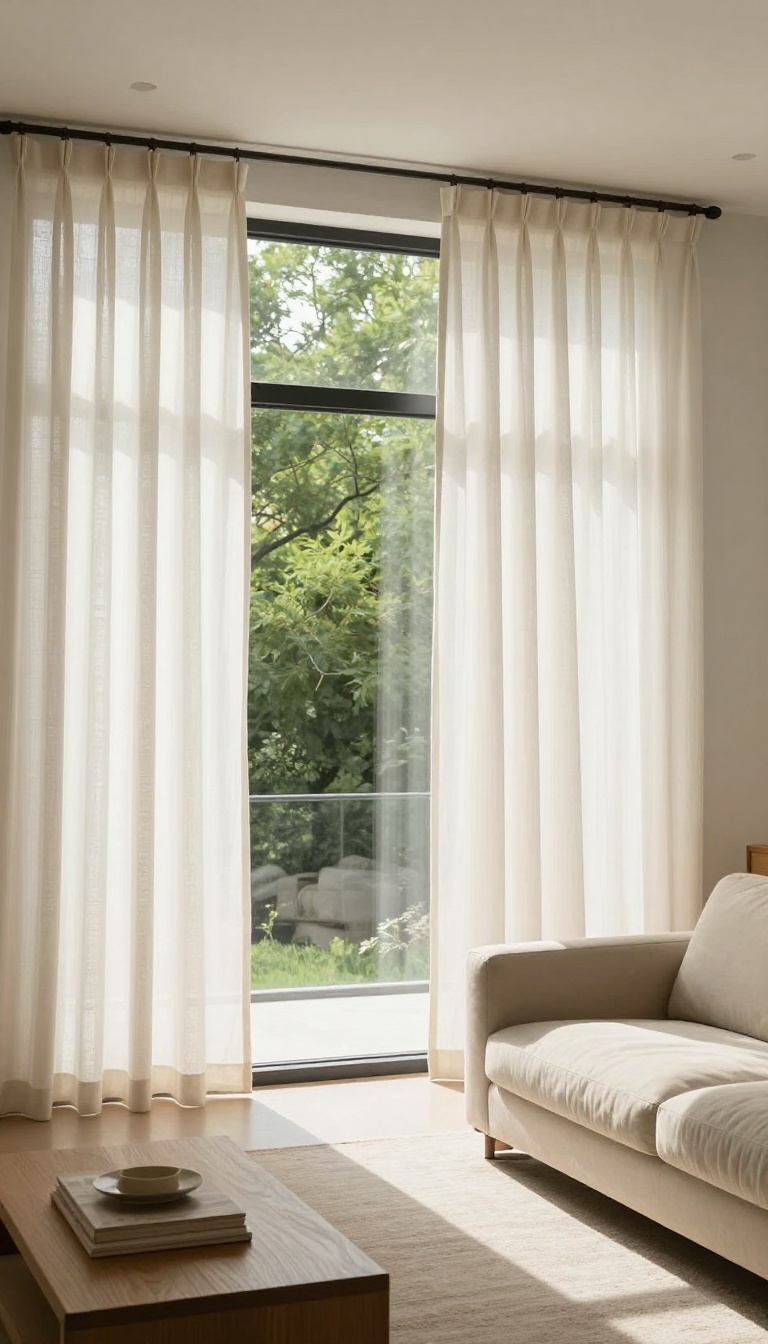
Windows are often the last thing people think about when decorating, but they're one of the first things your eyes notice. Good window treatments do more than block light—they frame the room and add a layer of sophistication. The right choice can make ceilings feel higher and the whole space feel more intentional.
Quality window treatments are a worthwhile investment because they instantly elevate the look of any room. Floor-to-ceiling curtains or sleek blinds not only control light but also add texture and color. When you hang them high and wide, they make windows appear larger and draw the eye upward, creating a more polished and spacious feel.
Choosing The Right Fabric
Fabric choice matters more than you might think. Light, airy linens soften the light and create a relaxed vibe, while heavier velvets or tweeds add warmth and a touch of luxury. Match the fabric to your existing color scheme—either blend in for a seamless look or add a subtle contrast for depth.
Don't be afraid to layer sheer and opaque panels for flexibility and a designer touch.
Hanging Them High And Wide
The golden rule for curtains is to hang them close to the ceiling, not right above the window frame. This trick instantly makes the room feel taller and more grand. Extend the rod a few inches beyond the window on each side so that when the curtains are open, they don't block any glass.
This simple adjustment can make a huge difference in how the space feels.
Blinds And Shades: A Sleeker Alternative
If you prefer a cleaner, more minimalist look, consider blinds or shades. Roller shades in a neutral tone offer a modern, uncluttered feel, while Roman shades add softness and texture. Motorized options are a nice upgrade for hard-to-reach windows, and they make adjusting light a breeze.
Just make sure the color and material complement your overall decor.
6. Add Greenery for Life and Freshness
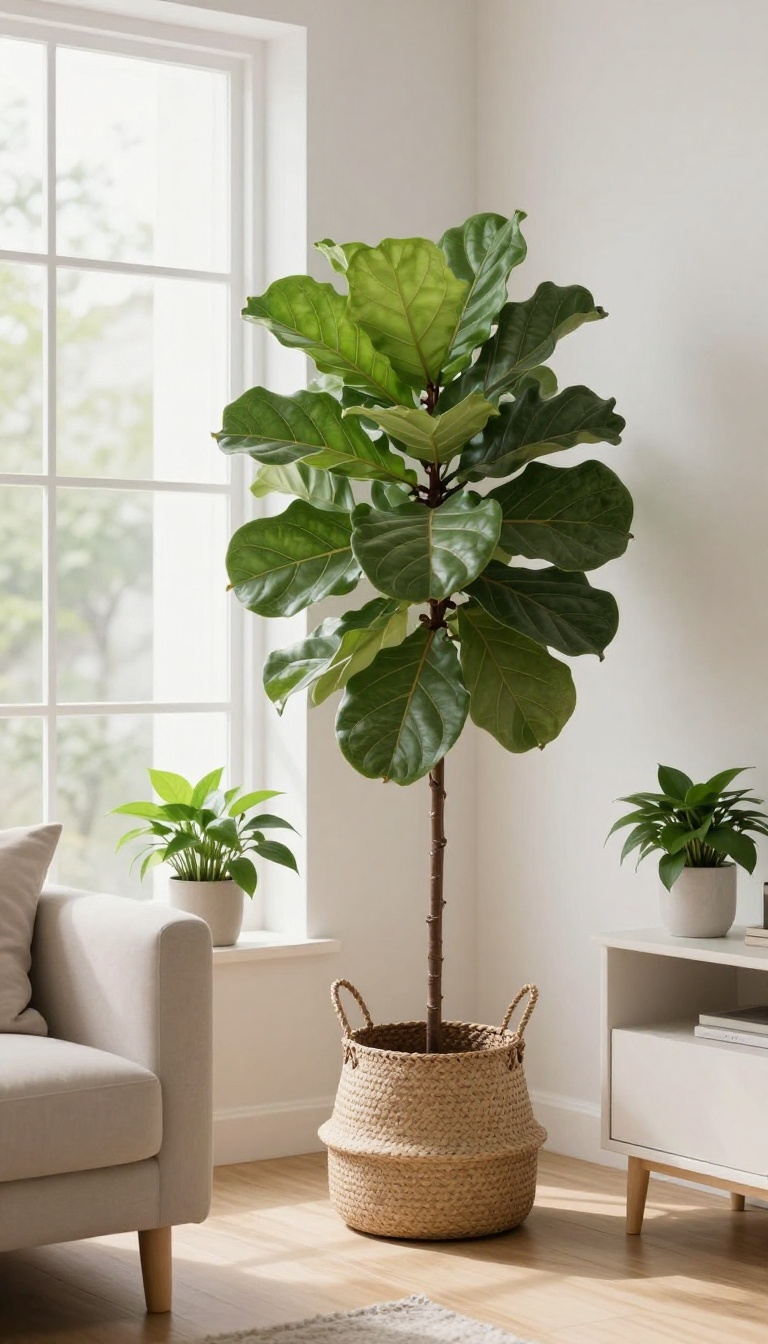
Plants do more than fill an empty corner—they soften the edges of a room and make it feel lived-in. Even a single well-placed fern can shift the energy of the whole space. The trick is to pick the right plants for your light and your lifestyle, so they thrive without demanding constant attention.
Start with easy-to-care-for varieties like pothos, snake plants, or ZZ plants. They tolerate low light and forgetful watering, making them perfect for busy households. If your room gets bright, indirect light, try a fiddle-leaf fig or a monstera for a bolder statement.
Match the pot to your decor—neutral ceramics for a minimalist look, woven baskets for a bohemian vibe, or sleek metal for an industrial edge. Group plants at different heights to create visual interest, and don't be afraid to mix a tall floor plant with smaller tabletop ones. A little greenery goes a long way toward making the room feel fresh and polished.
Choose Low-maintenance Varieties
Not everyone has a green thumb, and that's okay. Pick plants that forgive neglect. Snake plants and pothos are nearly indestructible.
They thrive in a range of light conditions and only need water when the soil is dry. ZZ plants are another great option—they can go weeks without a drink. Starting with these ensures your greenery stays alive and looking good.
Match Pots To Your Decor
The right pot can make a plant look intentional rather than thrown in. For a modern space, go with clean lines and neutral colors like white, gray, or terracotta. For a cozy, organic feel, use woven baskets or natural fiber pots.
If your style is more eclectic, mix and match colors and textures. Just make sure pots have drainage holes to keep roots healthy.
Placement For Maximum Impact
Think about where your eyes naturally land when you enter the room. A tall plant can fill an empty corner or frame a window. Smaller plants work well on shelves, side tables, or mantels.
Grouping three plants of varying heights creates a more dynamic display than scattering them. Also, consider trailing plants like ivy or string of pearls to add softness to high shelves or bookshelves.
7. Update Hardware and Small Details
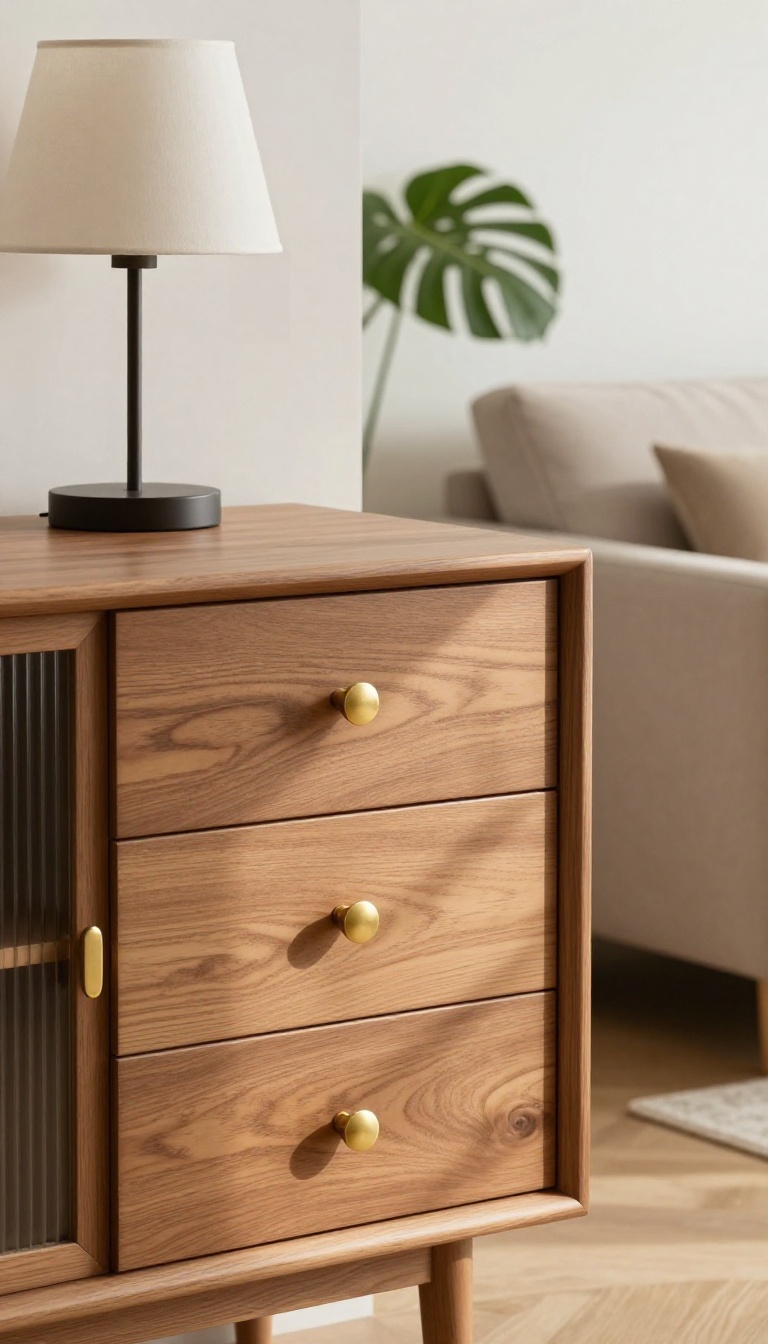
Sometimes the smallest tweaks make the biggest difference. When you walk into a room, your eyes naturally catch the details—drawer pulls, switch plates, lamp shades. If they're dated or mismatched, they can quietly drag down the whole space.
Swapping them out is a quick, budget-friendly way to elevate the look.
Start by scanning your living room for small, functional items that have seen better days. Cabinet knobs, outlet covers, curtain rod finials, and even door handles all contribute to the overall feel. Replacing them with something more modern or in a finish that matches your decor can instantly refresh the room.
It's a simple DIY project that doesn't require special skills, just a screwdriver and a little time.
Focus On The Most Visible Spots
Pay extra attention to areas you interact with daily. The hardware on a media console, sideboard, or built-in shelves is often right at eye level. Choose pieces that complement your existing finishes—brushed nickel for a cool look, brass for warmth, or matte black for a modern edge.
Even changing the switch plates in high-traffic areas can make a subtle but noticeable difference.
Mix Finishes With Confidence
You don't have to match every metal in the room perfectly. In fact, mixing finishes adds depth and personality. Just keep it intentional: pair brushed brass with matte black, or chrome with nickel.
The key is to limit yourself to two or three finishes so it doesn't look chaotic. Test a few options in person to see how they catch the light.
Don't Forget Lighting Details
Lamp shades are often overlooked, but they're a fantastic way to update a room. A drum shade in a neutral linen can soften the light and look more polished than a dated pleated shade. Also, consider swapping out pull chains on ceiling fans or adding finials to floor lamps.
These tiny touches tie the whole look together.
8. Define Zones for Conversation and Flow
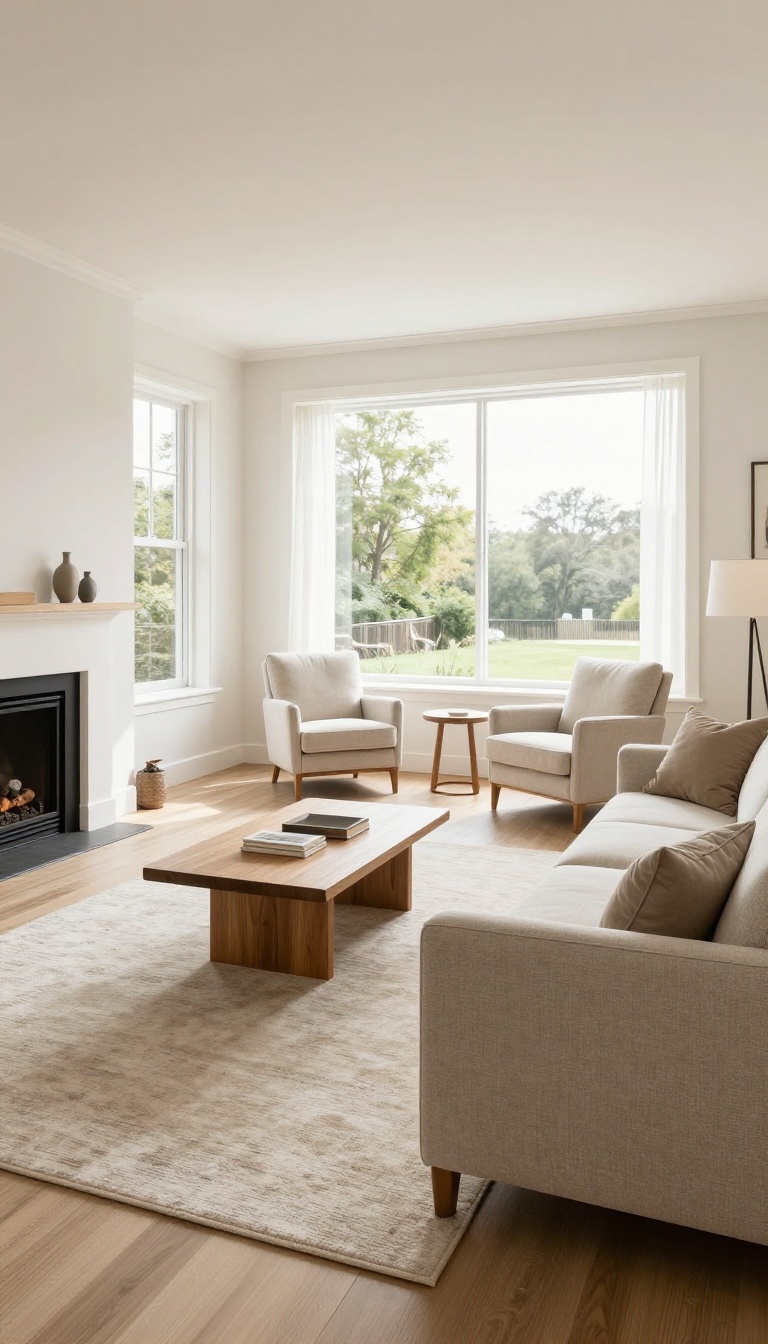
A living room that feels polished often has a clear sense of purpose. When furniture is pushed against walls or scattered without intention, the room can feel chaotic and unwelcoming. Defining zones for different activities—like chatting, reading, or entertaining—creates natural flow and makes the space more functional.
Start by thinking about how you actually use the room. Do you host lively gatherings? Need a quiet corner for a book?
By grouping furniture into distinct areas, you guide movement and encourage interaction. The result is a space that feels organized and inviting, without looking stiff or overdone.
One of the easiest ways to elevate your living room is to create distinct zones. This doesn't mean building walls—just using furniture, rugs, and lighting to carve out separate areas. A conversational grouping around the fireplace, a cozy reading nook by the window, and a clear path for walking all work together to make the room feel larger and more purposeful.
Start with the main seating area. Arrange sofas and chairs facing each other, not all pointed at the TV. This instantly makes the space more social.
Then, add a rug under the main grouping to anchor it. For a secondary zone, like a reading corner, use a smaller rug and a floor lamp to define it. Finally, keep walkways clear—at least 24 to 36 inches wide—so people can move comfortably without weaving through furniture.
Anchor The Main Seating Area
The primary conversation zone deserves a strong anchor. Place a large rug under the main furniture grouping—sofas, chairs, and coffee table—to visually pull them together. Make sure the rug is big enough that the front legs of your furniture sit on it, which creates a cohesive look.
Then, arrange seating so people can face each other easily. An L-shaped sofa with a couple of chairs opposite works well. This setup encourages conversation and makes the space feel more intimate, even in a larger room.
Carve Out A Cozy Reading Nook
If you have a corner that's underused, turn it into a reading nook. A comfortable armchair, a small side table, and a floor lamp are all you need. Place a small rug underneath to define the space.
Position the chair near a window for natural light, or add a reading lamp for evening use. This nook gives you a dedicated spot to unwind, and it adds a layer of depth to the room. It also breaks up the monotony of one large seating area.
Keep Pathways Clear And Inviting
Flow is just as important as furniture placement. Make sure there's a clear path from the entrance to the main seating area and to other parts of the room. Avoid placing furniture in high-traffic zones.
A good rule of thumb is to leave at least 24 inches for walking paths, and 36 inches if it's a main route. If you have an open floor plan, use a console table or a low bookshelf as a subtle divider, but don't block sightlines. This keeps the room feeling open and connected.
9. Mix Textures for Tactile Appeal
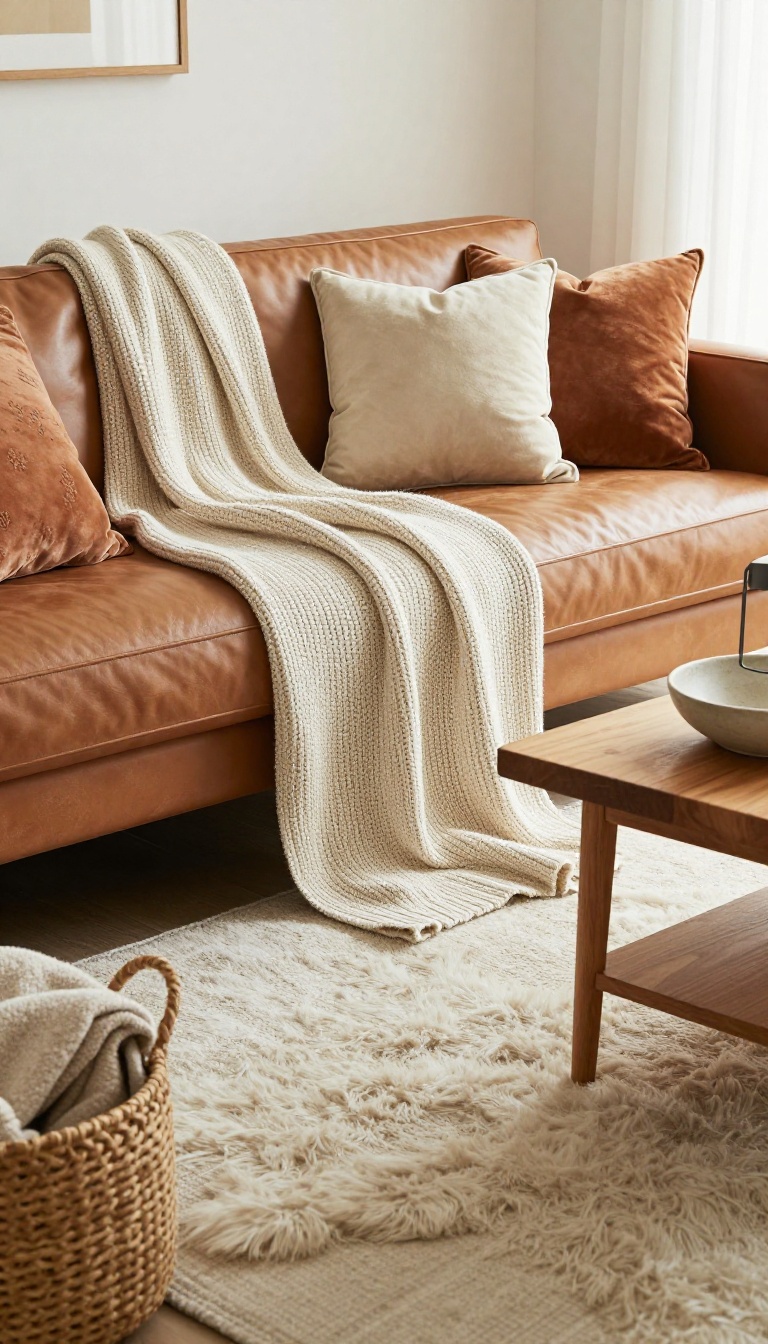
Flat surfaces and matching fabrics can make a room feel sterile, no matter how tidy it is. Texture is what gives a space warmth and invites you to touch. Layering different materials—like a chunky knit throw over a smooth leather sofa—creates visual interest without adding clutter.
Think of texture as the seasoning in a recipe. A little goes a long way, but the right mix makes everything taste better. You don't need to overhaul your furniture; small additions can transform the feel of the room.
Start with the largest pieces. A velvet sofa instantly adds richness, while a linen armchair brings a relaxed, organic vibe. If you're not ready to commit to new furniture, use upholstery as a starting point.
Then, build on that with pillows, throws, and rugs. Don't forget the hard surfaces. A wooden coffee table adds warmth, while a metal lamp or a glass vase introduces a cool contrast.
Mixing finishes—like matte and glossy—also adds depth. The goal is to create a balanced composition that feels curated, not chaotic. Finally, consider the details.
A woven basket for blankets, a ceramic bowl on the table, or a sheepskin rug underfoot all contribute to the tactile experience. These small touches make the room feel lived-in and inviting.
Start With Soft Furnishings
Soft furnishings are the easiest way to introduce texture. Swap out standard cotton pillows for ones in velvet, bouclé, or faux fur. Add a chunky knit throw to the back of a chair or sofa.
A textured rug—like a wool shag or a flatweave with a pattern—can anchor the space and add warmth underfoot. Layering different fabrics creates a sense of depth. Mix a smooth linen cushion with a ribbed velvet one, or pair a nubby wool throw with a silky accent pillow.
The contrast in touch and appearance makes the room feel more dynamic.
Incorporate Natural Materials
Natural materials like wood, rattan, and stone bring an earthy, grounded feel. A wooden coffee table with visible grain, a rattan chair, or a stone vase all add texture. These materials also age well, developing character over time.
Don't limit natural texture to furniture. Consider a jute rug, a bamboo shade, or a woven wall hanging. These elements add a handmade quality that makes the space feel personal and inviting.
Balance Hard And Soft Surfaces
A room that's all soft—carpet, curtains, upholstery—can feel heavy, while one that's all hard—tile, glass, metal—can feel cold. The key is balance. Pair a plush sofa with a sleek metal coffee table, or a glass console with a chunky knit throw.
Think about the contrast between surfaces. A smooth ceramic lamp next to a rough wooden side table creates visual tension that's pleasing to the eye. Similarly, a shiny metal frame around a textured fabric artwork adds depth.
The mix of hard and soft makes the room feel more layered and polished.
10. Keep Surfaces Clutter-Free with Smart Storage
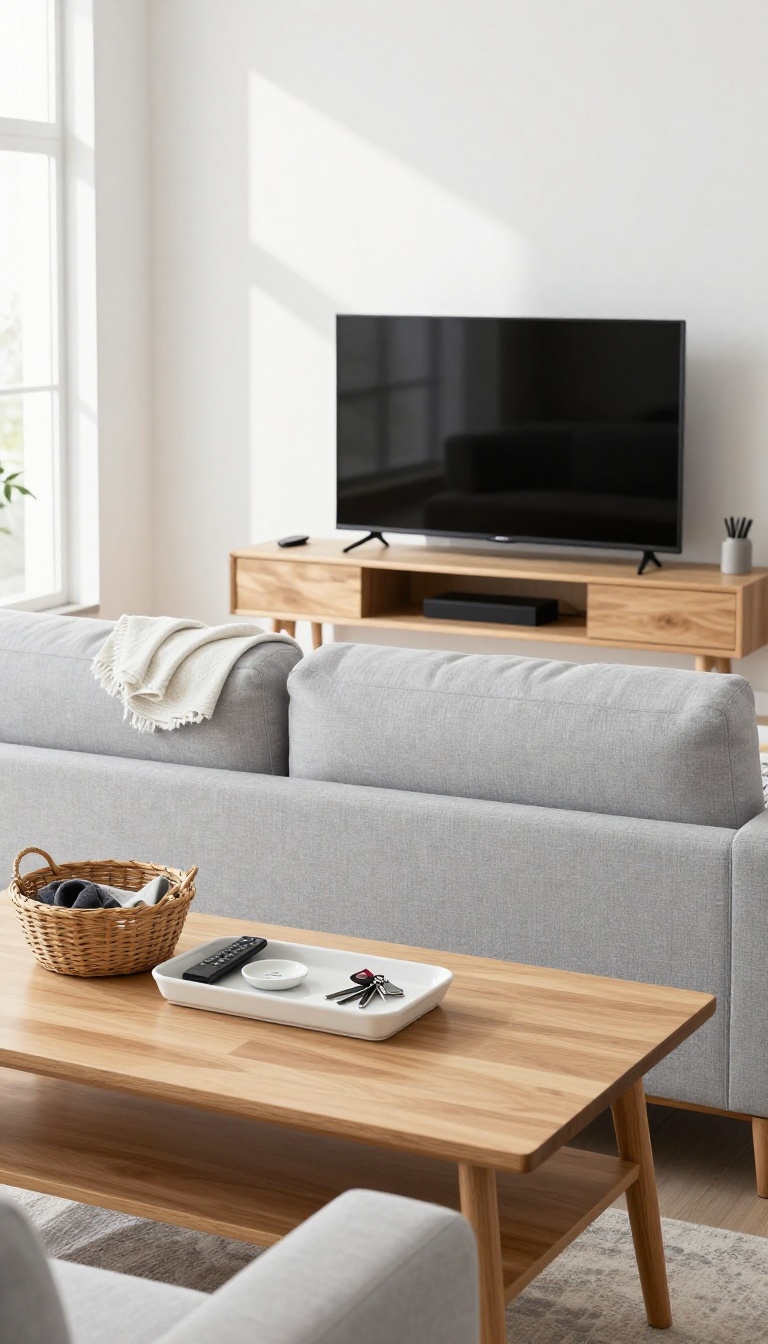
Clutter is the fastest way to undo a polished look. Even the most beautiful sofa and rug can be overshadowed by piles of remotes, magazines, and loose odds and ends. The fix isn't to live like a minimalist—it's to give everything a home that looks intentional.
A tidy space instantly feels more refined, and smart storage makes that possible without sacrificing convenience. By using baskets, trays, and hidden compartments, you can keep everyday items within reach while maintaining a clean, curated aesthetic.
Corral Small Items With Trays And Bowls
Designate a tray or bowl for the things that tend to scatter: remotes, keys, glasses, or even a few favorite coasters. Place it on the coffee table or a console where it's easy to grab. A simple wooden tray or a ceramic dish adds texture and keeps visual noise down.
Use Baskets For Throw Blankets And Pillows
Throw blankets and extra pillows can quickly make a sofa look messy. Keep a stylish basket or a storage ottoman nearby to tuck them away when not in use. Woven baskets add warmth, while a leather or fabric bin can blend into your existing decor.
Hide Cords And Electronics
Visible cords are a common culprit behind a cluttered feel. Use cable clips, cord covers, or a power strip with a built-in surge protector to tuck wires out of sight. For media consoles, consider a box or tray to hold remotes and small devices, and use drawer dividers to keep everything organized.
11. Personalize with Meaningful Accents
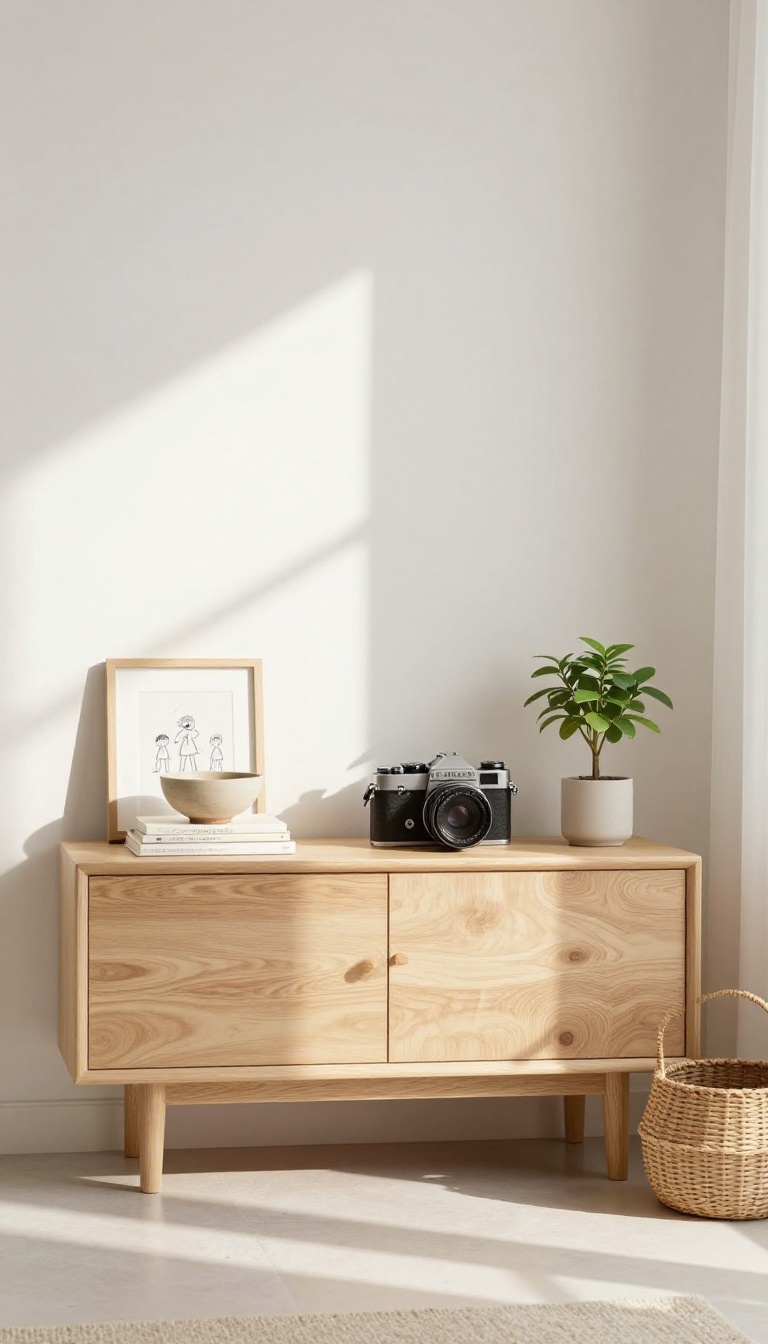
A room full of generic decor can feel nice, but it rarely feels like yours. The most polished spaces have a layer of personality that makes them unmistakably personal. Meaningful accents—like a vintage camera from a trip or a child's hand-drawn frame—add warmth and depth that no store-bought accessory can replicate.
The trick is curation, not accumulation. You don't need to display everything; just choose pieces that spark joy or tell a story. When arranged with intention, these items become conversation starters and visual anchors, elevating the room from simply decorated to truly lived-in and refined.
Choose Items With A Story
Look around your home for objects that carry memories: a shell from a beach vacation, a ceramic bowl from a local market, or a stack of well-loved books. These pieces have built-in character. Instead of hiding them in boxes, give them a spot where they can be seen and appreciated.
Mix them with your existing decor. A woven basket from Morocco can sit beside a modern lamp, and a vintage clock can hang next to contemporary art. The contrast makes each piece stand out and adds layers to your design.
Arrange In Groups, Not Rows
When displaying personal items, avoid lining them up like soldiers on a shelf. Instead, group them in odd numbers—three or five—and vary the heights. Use stacks of books to elevate a small sculpture, or lean a framed photo against the wall for a relaxed look.
Leave breathing room between objects. A cluttered shelf feels messy, but a well-spaced arrangement feels curated. Step back and adjust until the eye has a clear path to rest on each piece.
Rotate Seasonally Or When You Need A Refresh
Personal accents can become invisible if they stay in the same spot for years. Give your display a fresh feel by swapping items with the seasons or when you're in the mood for a change. Bring out summer seashells in June, or switch to cozy blankets and warm-toned ceramics in fall.
This rotation keeps the room feeling alive and gives you a reason to appreciate your treasures again. It's a simple way to keep your living room polished without buying anything new.
FAQ
What is the most important element for a polished living room?
Lighting is often the most impactful. Layering different types of light creates warmth and depth, instantly elevating the room's feel.
How can I make my living room look polished on a budget?
Focus on small changes like decluttering, adding plants, updating hardware, and rearranging furniture. These cost little but have a big visual impact.
What rug size is best for a living room?
A rug should be large enough that the front legs of your furniture sit on it, ideally extending 18-24 inches beyond the seating area to anchor the space.
How do I choose a focal point for my living room?
Look for an architectural feature like a fireplace or large window, or create one with a bold piece of art or a large mirror above the main seating.
How can I add texture without making the room feel busy?
Stick to a cohesive color palette and vary textures within that palette. Use a mix of smooth, rough, soft, and hard materials in moderation.
Conclusion
A polished living room is less about perfection and more about making deliberate choices that fit how you actually live. Try one idea that feels like the easiest win—maybe swapping a lamp or rearranging the furniture—and let that momentum guide you. Small, thoughtful adjustments add up faster than you'd expect.
Once you see how a single change lifts the whole space, you'll want to keep going. Start with what feels right, and let the room evolve into something you genuinely enjoy coming home to.