13 Very Small Living Room Ideas Indian for a Home That Feels Finished
Small living rooms in Indian homes often feel cramped, but a few smart choices can change that completely. The trick is blending traditional warmth with space-saving cleverness, so the room feels open yet cozy.
From low seating that echoes Indian style to mirrors that bounce light around, these ideas are practical and budget-friendly. Whether you're in a compact apartment or a modest-sized home, each tip helps you use every inch without losing character.
Ready to make your small living room feel finished and inviting? Let's dive in.
1. Low Seating with Floor Cushions
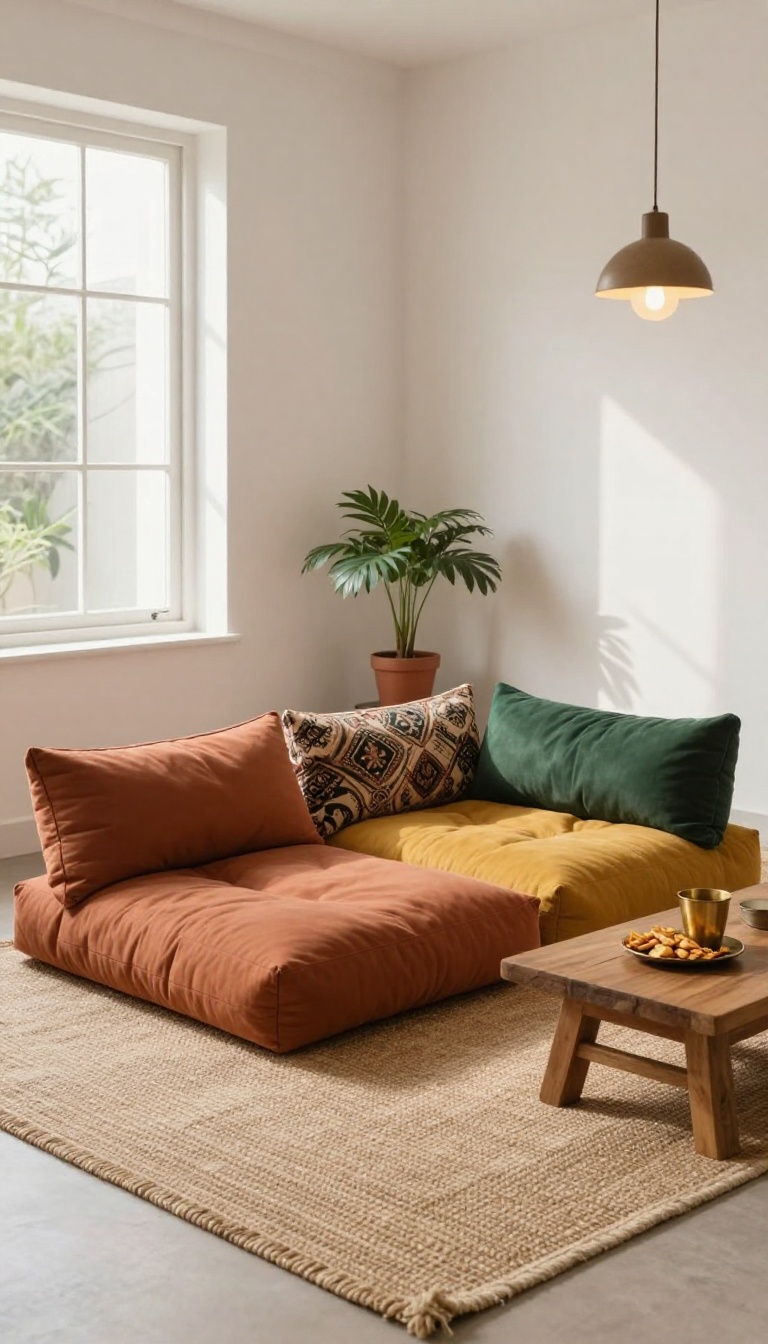
When space is tight, the floor becomes your best friend. Low seating with floor cushions is a classic Indian solution that instantly opens up a room. It’s not just about saving square footage—it brings a relaxed, grounded feel that’s perfect for everyday living.
Floor seating is a smart way to make a small living room feel bigger. By skipping bulky sofas and chairs, you free up visual space and make the room feel airier. Plus, it’s a natural fit for Indian homes, where sitting on the floor is already part of the culture.
You can mix and match cushions, bolsters, and low wooden stools to create a cozy, flexible setup that works for everything from morning chai to movie nights.
Why It Works In Small Spaces
Low seating lowers the visual height of the room, making ceilings seem taller. It also allows you to use corners and walls more effectively. Without bulky furniture, you can easily rearrange the setup for different occasions, whether it’s a family gathering or a quiet evening.
Choosing The Right Cushions And Stools
Go for firm, floor-friendly cushions that are easy to clean. Cotton or linen covers in earthy tones work well and blend with Indian decor. Pair them with low wooden stools or a small table for holding cups and snacks.
This keeps everything within reach without taking up extra space.
Styling Tips For A Finished Look
Layer cushions in different sizes and patterns to add depth. Use a central rug to anchor the seating area. Add a few floor lamps or hanging lights to create a warm glow.
Keep the palette cohesive—think terracotta, mustard, and deep greens—to tie the room together.
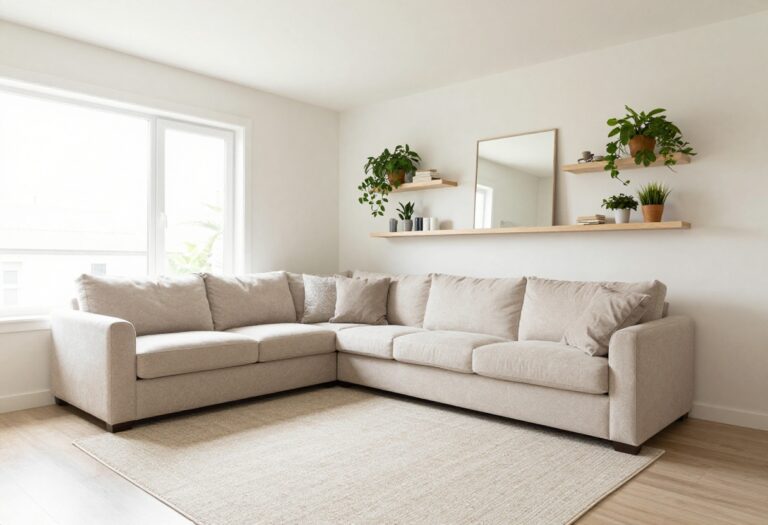
2. Wall-Mounted Shelves for Display
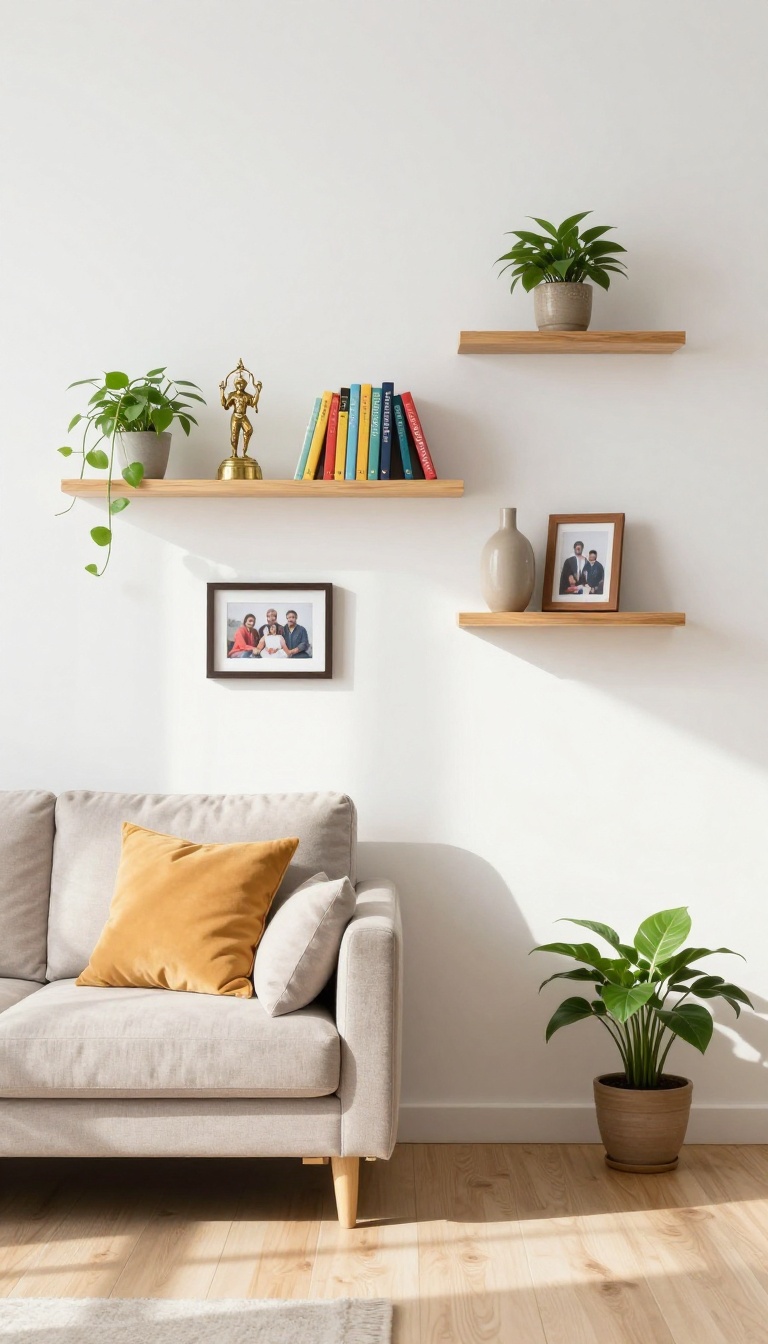
Floors in small living rooms are precious real estate. Once you start stacking furniture and decor on them, the space quickly feels cluttered. Wall-mounted shelves shift that weight upward, giving your eyes a place to rest and your room a sense of airiness.
These shelves aren't just for storage—they're a chance to show off your personality. A few well-placed pieces can turn a blank wall into a focal point, without taking up a single square foot of floor space.
When you're working with a compact Indian living room, every inch counts. Wall-mounted shelves are a simple, effective way to add both function and style. They keep your floor clear, which makes the room feel larger and easier to move around in.
Plus, they're perfect for displaying items that reflect your taste, from family photos to beloved books. One of the best parts? You can install them at any height.
This flexibility lets you create a custom look that suits your room's layout and your personal style. Whether you prefer a minimalist arrangement or a more eclectic mix, wall shelves give you the freedom to change things up whenever you like.
Mix Function With Personality
Don't just use shelves for storage—make them a mini gallery. Combine a few books with a small plant, a framed photo, or a souvenir from your travels. The key is to balance items of different heights and textures.
In an Indian home, you might add a brass idol, a small potted money plant, or a stack of colorful cushions that aren't in use. This way, the shelves feel intentional, not cluttered.
Choose The Right Wall And Height
Pick a wall that's visible but not in the way—above a sofa, beside a window, or near the TV unit. Eye level is a good starting point, but you can go higher if you want to draw the eye up. Just make sure the shelves are securely anchored into the wall, especially if you're placing heavier items.
In older Indian homes, walls might be plastered, so use proper wall plugs and screws.
Style With A Light Touch
Avoid overloading the shelves. A few well-chosen pieces look better than a crowded display. Leave some breathing room between items.
You can also mix in small baskets or boxes to hide odds and ends, keeping the look tidy. If you're worried about dust, choose items that are easy to wipe clean, and give the shelves a quick dusting every week.
3. Multi-Functional Furniture Pieces
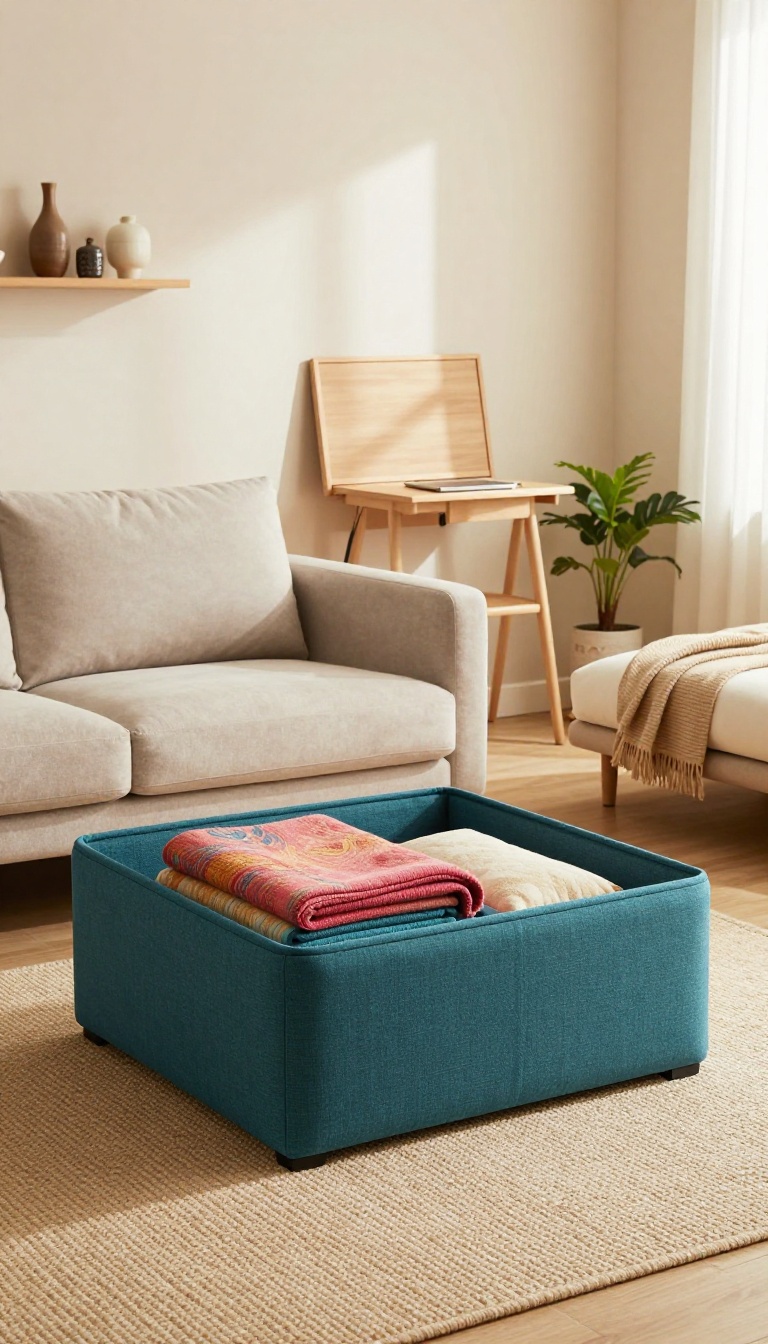
When every square foot counts, furniture that does double duty becomes your best ally. A piece that stores, seats, or sleeps can transform a cramped corner into a flexible zone. In Indian homes, where guests often drop by unannounced, having a spare bed or extra seating hidden in plain sight is a game-changer.
Think beyond the basic sofa and coffee table. A storage ottoman can hold blankets, board games, or extra cushions while serving as a footrest or extra seat. A sofa bed is perfect for overnight guests without dedicating a whole room.
Even a dining table with built-in shelves or a fold-down desk can add function without stealing space.
Storage Ottomans: The Unsung Heroes
These soft, upholstered cubes are more than just footrests. Lift the lid, and you'll find room for throws, pillows, or kids' toys. Place two in front of your sofa for extra seating during gatherings.
Choose a fabric that matches your decor, and you've got a stylish, space-saving solution that works overtime.
Sofa Beds: Comfort Meets Convenience
A sofa bed is a lifesaver for small Indian living rooms that double as guest rooms. Modern designs are sleek and comfortable, not the bulky fold-outs of the past. Look for a futon or a daybed that can be dressed up with cushions during the day and turned into a cozy bed at night.
This way, you're always ready for overnight visitors without sacrificing style.
Fold-down Desks And Wall-mounted Tables
If you need a workspace but lack a separate study, a fold-down desk mounted on the wall is a brilliant pick. When closed, it's a slim cabinet or a piece of art. Open it up, and you have a compact desk for your laptop and books.
Similarly, a wall-mounted table can serve as a breakfast nook or a mini bar, then fold away to free up floor space.
4. Mirrors to Create an Illusion of Space
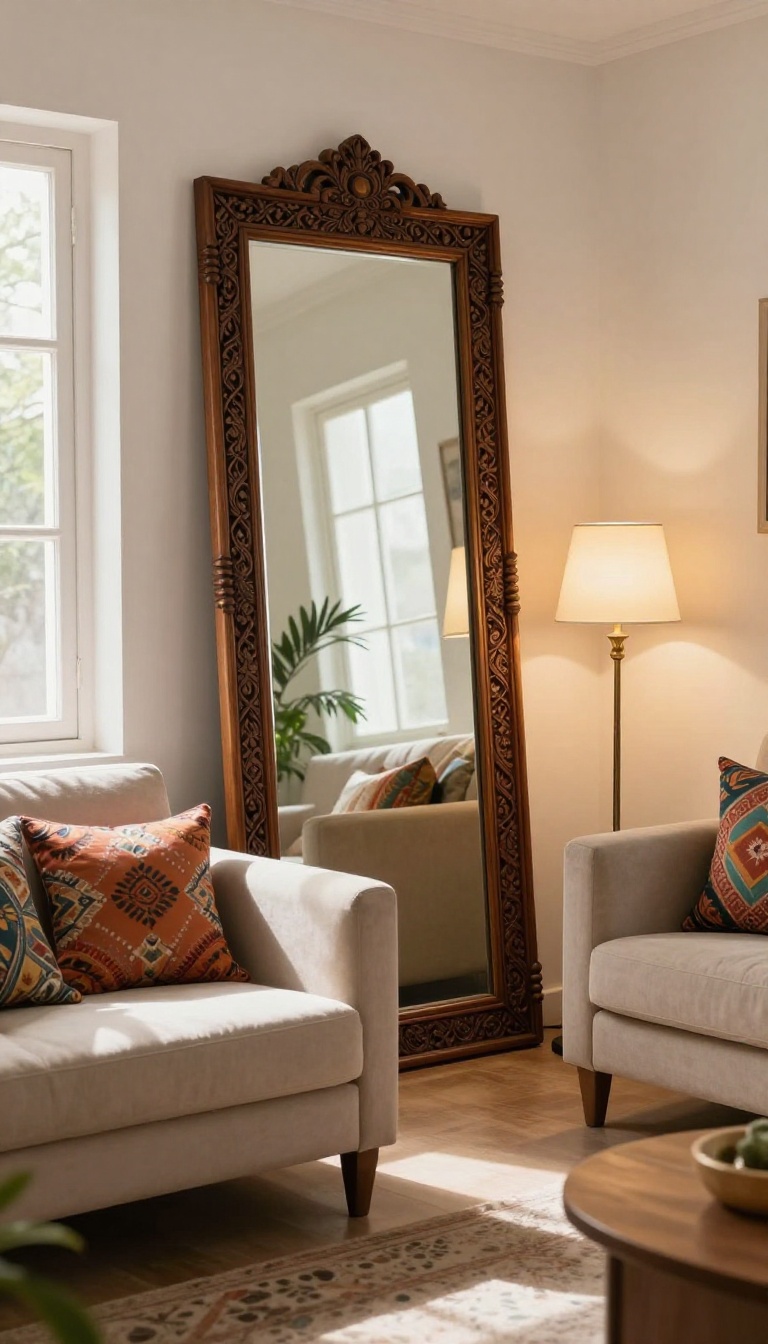
Mirrors are a classic trick for small rooms, and they work wonders in Indian living spaces too. A well-placed mirror can make a compact room feel airy and bright, almost doubling the visual space. Plus, with so many stylish designs available, mirrors double as decor that adds character to your walls.
The magic of mirrors lies in their ability to reflect light and views. When you place a large mirror opposite a window, it bounces natural light around the room, making it feel more open. Even in rooms with limited sunlight, a mirror near a lamp or pendant light can amplify the glow.
Beyond the practical benefit, mirrors come in various frames—carved wooden, brass, or sleek modern—so you can match your Indian decor style.
Where To Place The Mirror
The placement matters more than the size. Ideally, hang a large mirror on a wall perpendicular to a window to catch the light. Avoid placing it directly opposite a cluttered corner, as it will double the visual mess.
A mirror behind a sofa or near the entrance can also create a sense of depth, making the room feel longer or wider.
Choosing The Right Frame
The frame can make or break the look. In Indian homes, ornate wooden frames with intricate carvings add a traditional touch, while simple metal frames in gold or black suit a more contemporary vibe. If your room is already busy, go for a frameless mirror or a thin border to keep things light.
Remember, the mirror itself is the star—let it shine.
Mirror Styling Tips
Don't just hang a mirror—style it. Lean a large mirror against the wall for a casual, modern look. Group smaller mirrors together as a gallery wall to add interest.
Or place a mirror above a console table with a few plants or decor pieces to create a focal point. Just ensure the reflection is pleasing—what it shows becomes part of your decor.
5. Foldable and Stackable Seating
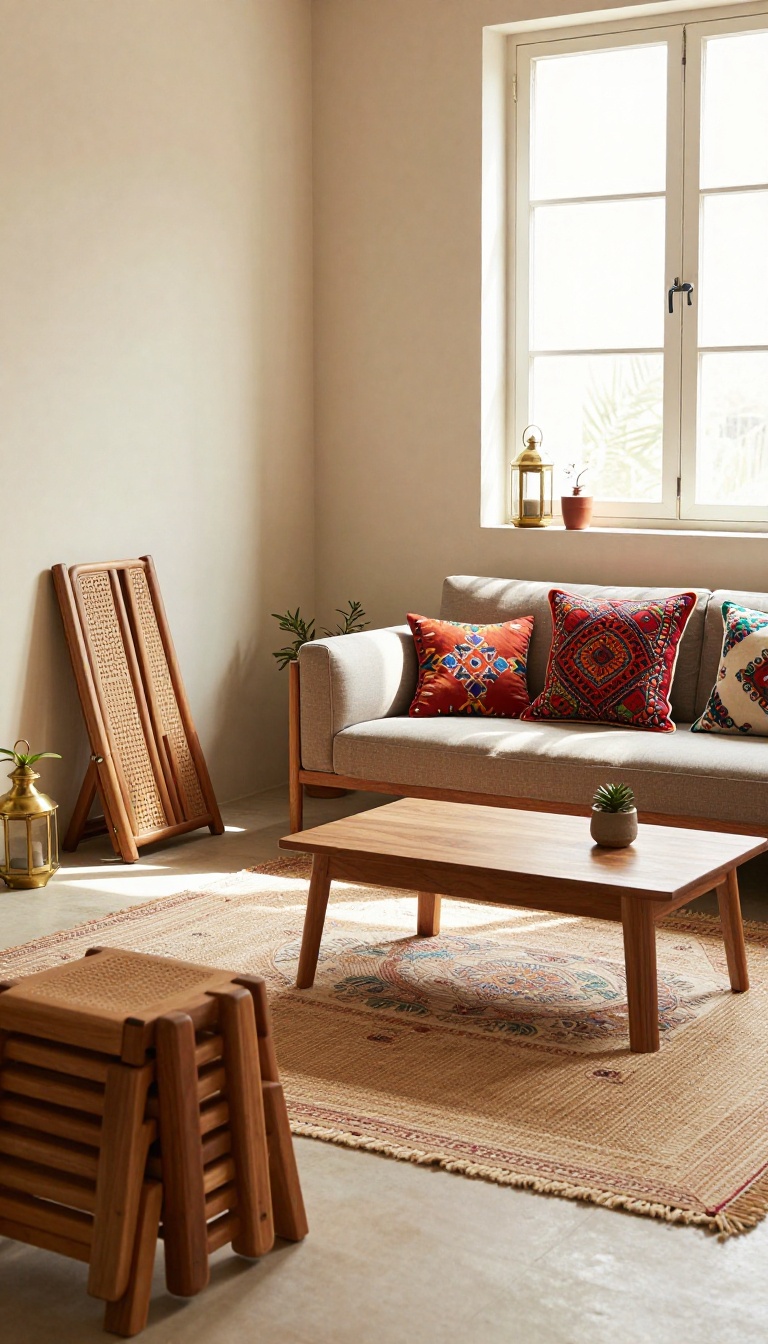
Guests can turn a cozy evening into a squeeze if you’re short on seats. Instead of bulky furniture that eats up floor space, go for foldable chairs or stackable stools that stay out of sight until needed. These clever options keep your living room airy and open, yet ready for company at a moment’s notice.
Foldable and stackable seating is a lifesaver in compact Indian homes where every square foot matters. You get the flexibility to host extra people without permanently sacrificing space. Plus, these pieces are often lightweight and easy to move, making them perfect for homes that love multi-functional living.
Choose Space-saving Designs
Look for folding chairs that collapse flat and can be stored behind a door or under a bed. Stackable stools are another great option—they pile up neatly in a corner when not in use. Some designs even double as side tables or footrests, adding extra function without extra bulk.
Blend With Your Decor
You don’t have to sacrifice style for practicality. Pick foldable chairs in wood or cane to match traditional Indian interiors, or go for sleek metal frames for a modern look. When folded, they can lean against a wall like a piece of art, or you can store them in a stylish basket that adds to the room’s charm.
Store Them Smartly
Keep your extra seating close but out of the way. A slim cabinet or a bench with storage can hide folding chairs, while stackable stools can sit under a console table or in a closet. The key is to have them easily accessible when guests arrive, without them becoming permanent clutter.
6. Light Color Palette with Bold Accents
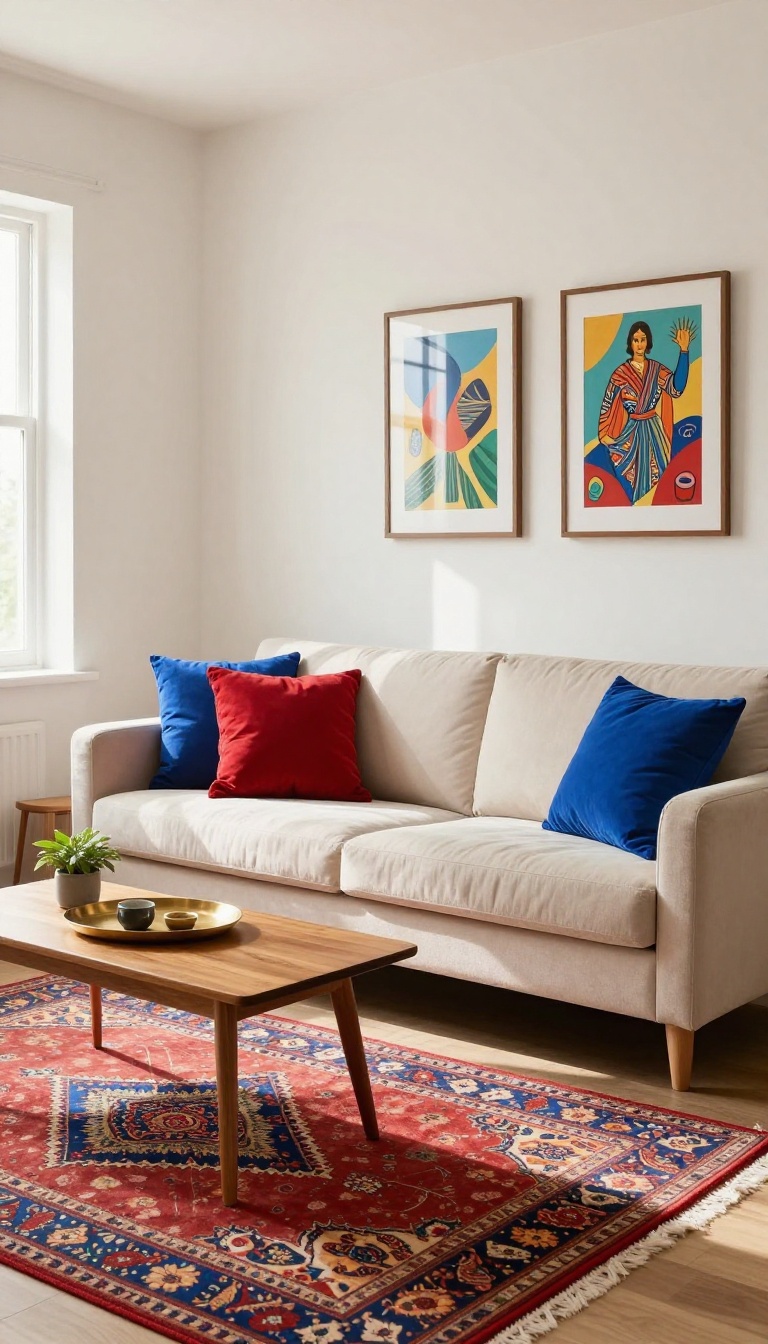
A light color palette is a reliable way to make a small living room feel airy and open. In Indian homes, where natural light can be limited, white or pastel walls reflect whatever sunlight enters, making the space appear larger and more welcoming. But going all-light can feel sterile, so the trick is to introduce bold accents that add energy and personality without overwhelming the room.
Start by painting your walls in soft shades like off-white, cream, or light pastels such as mint green or powder blue. These colors create a neutral base that visually expands the room. Then, layer in bold accents through textiles and decor.
Bright cushions in jewel tones like deep red or royal blue, a patterned rug with vibrant motifs, or a piece of colorful wall art can instantly lift the space. The key is balance: keep the large surfaces light and let the accents do the talking. This approach not only makes the room feel bigger but also gives it a finished, curated look that feels both modern and rooted in Indian aesthetics.
Choosing The Right Light Base
The base color sets the tone for the entire room. Opt for warm whites or off-whites with a hint of yellow to keep the space cozy, not clinical. Pastels like soft peach or light lavender add a subtle hint of color without darkening the room.
Avoid stark white if you want a warmer feel. Test a few shades on your wall to see how they look in different lighting throughout the day.
Where To Add Bold Accents
Accents work best when they are concentrated in a few key areas. Think cushions on your sofa, a statement rug, or a piece of artwork. You can also add a bold-colored pouf or a vibrant planter.
The idea is to create focal points that draw the eye without cluttering the space. In an Indian living room, a traditional Madhubani painting or a bright block-printed throw can add cultural flair while keeping the palette light.
Balancing Traditional And Modern
This color strategy blends seamlessly with Indian decor. Pair light walls with dark wood furniture for contrast, or add brass accents that pop against pastels. A jute rug with a colorful border can tie the room together.
The bold accents can be traditional, like a red and gold cushion, or modern, like a geometric print. The mix keeps the room feeling fresh and personal.
7. Smart Storage Under the Sofa
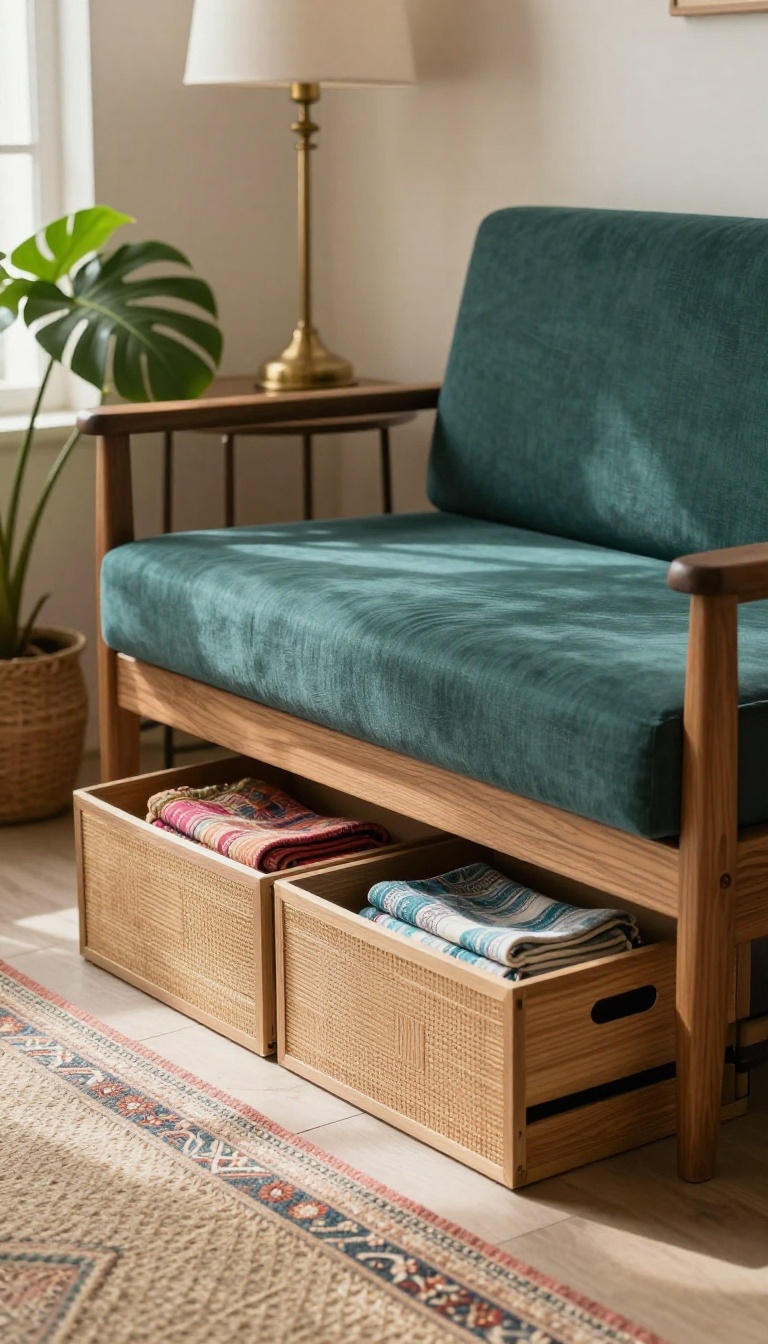
The space beneath your sofa is often ignored, but it's a goldmine for storage. In a small Indian living room, every inch counts, and that gap can hold a surprising amount of clutter. By using it well, you can keep the room tidy without sacrificing style.
Under-sofa storage is one of the easiest ways to add hidden space. It works especially well in Indian homes where we tend to accumulate extra cushions, throws, and kids' toys. Instead of letting them pile up in corners, tuck them away neatly.
This trick also keeps the floor clear, making the room look bigger and more open.
Built-in Drawers Vs. Storage Boxes
If you're buying a new sofa, look for one with built-in drawers. These are sleek and keep everything out of sight. If you already have a sofa, don't worry—flat storage boxes on wheels slide under easily.
Choose boxes with lids to keep dust out, and label them if you want extra organization.
What To Store Under There
The best items for under-sofa storage are things you don't need daily. Think extra bed linens, winter blankets, or festive decorations. In Indian homes, we often have special occasion items that only come out a few times a year.
Storing them here frees up your cupboards and keeps them handy but hidden.
Keep It Easy To Reach
The key is to make it effortless to access. Use boxes with handles or wheels so you can pull them out without a struggle. If you have kids, store their toys in lightweight bins they can manage themselves.
This way, the storage actually gets used, and the room stays neat.
8. Vertical Gardens or Hanging Plants
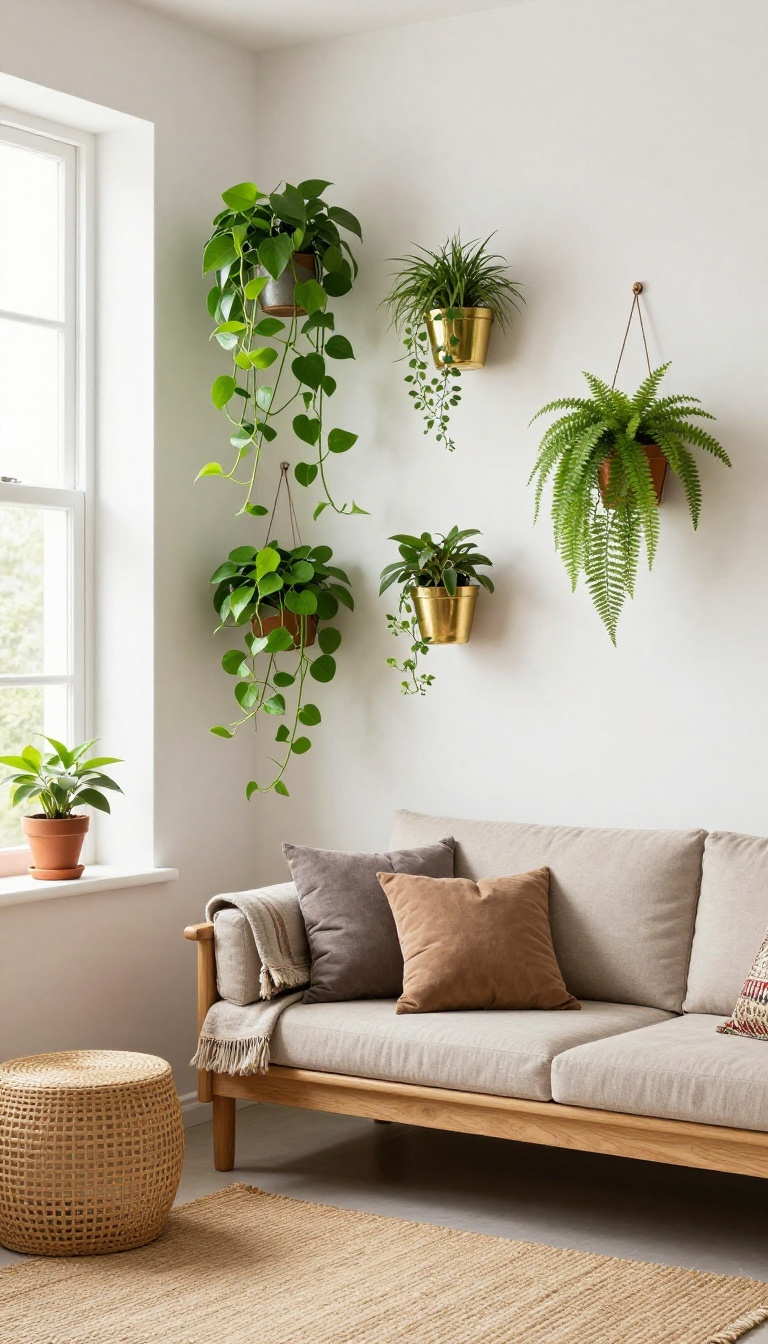
Plants can transform a small living room, but floor space is precious. Vertical gardens and hanging planters let you enjoy greenery without sacrificing an inch. They add a fresh, lively touch that makes the room feel more finished and inviting.
In Indian homes, where balconies are often small or nonexistent, bringing nature indoors is a game-changer. A vertical garden on a bare wall or a few hanging pots near a window can instantly lift the mood. It’s an easy way to add color, texture, and a sense of calm without cluttering your floors.
Why Vertical Greenery Works In Small Spaces
When floor space is limited, the walls are your best friend. A vertical garden uses upward space, making the room feel taller and more open. Plus, plants improve air quality and create a soothing atmosphere, which is especially nice in compact homes.
Choosing The Right Plants For Indian Climates
Not all plants thrive indoors, so pick ones that suit Indian conditions. Money plants, pothos, spider plants, and ferns are hardy and do well in indirect light. For a pop of color, try flowering plants like bromeliads or orchids, but make sure they get enough humidity.
Diy Vertical Garden Ideas
You don’t need to spend a lot. Use a wooden pallet, a metal grid, or even a shoe organizer to create a vertical planter. Hang small pots on a sturdy rod or use wall-mounted pockets.
For a traditional touch, repurpose old brass or copper vessels as planters.
Placement Tips For Maximum Impact
Place your vertical garden on a wall that gets some natural light but not direct harsh sun. Hanging planters near a window or in a corner can soften the edges of the room. Keep them at eye level or slightly above so they don’t interfere with seating or walking paths.
9. Curtains That Let in Natural Light
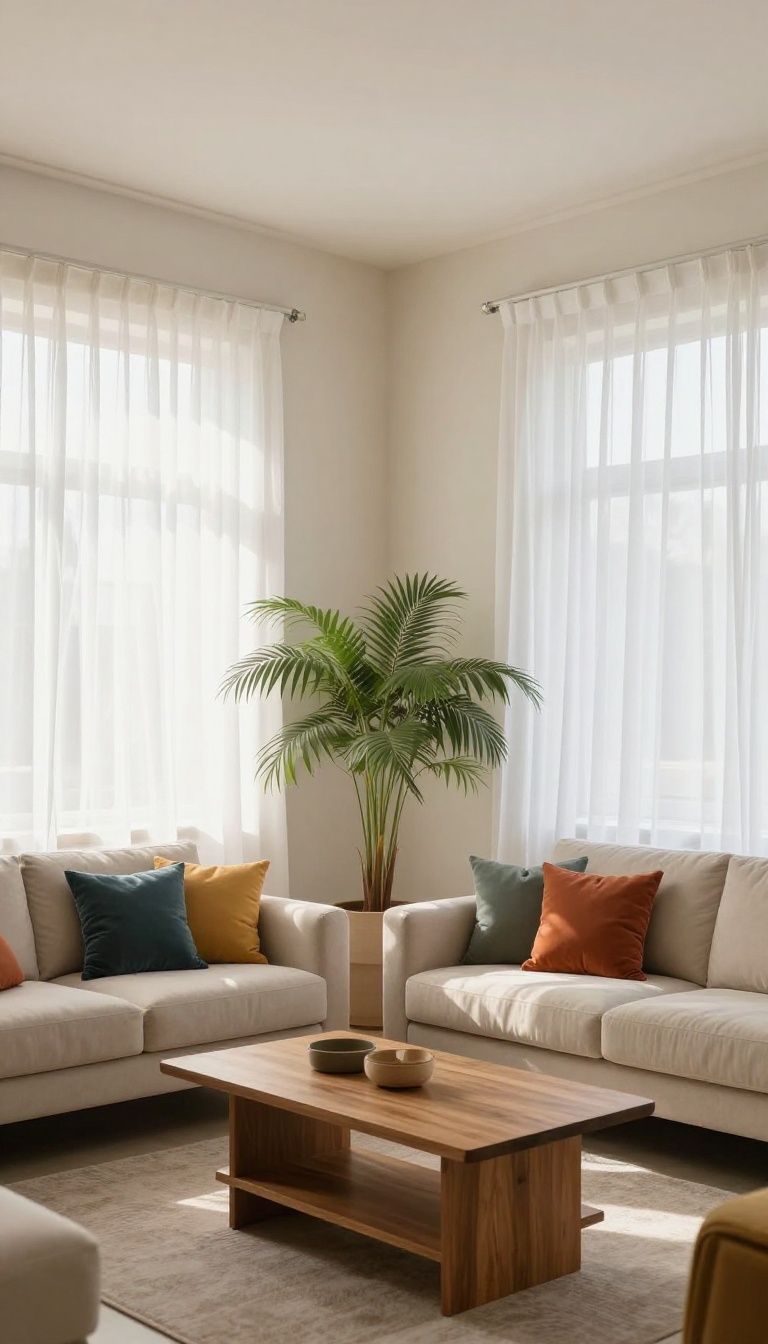
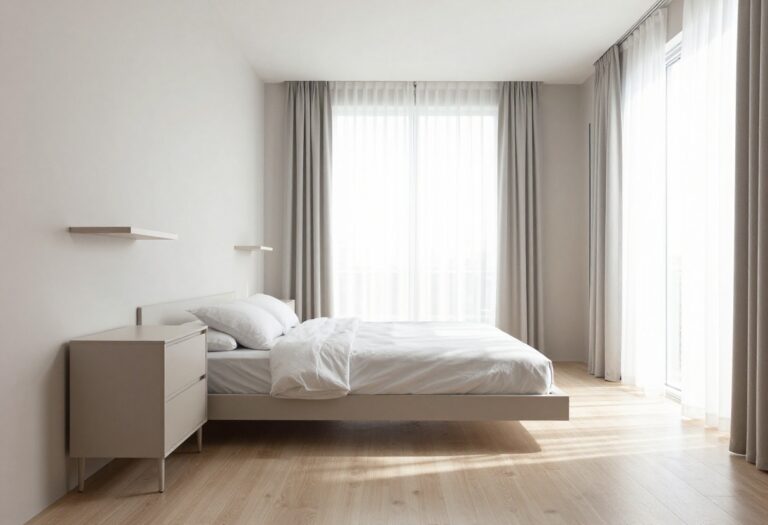
Natural light can make a small room feel twice its size, and the right curtains are key to letting it in. Heavy drapes or dark fabrics can swallow daylight and make the space feel boxy. Swapping them for sheer or light-colored options is an easy, affordable fix that instantly brightens your living room.
When you choose curtains for a compact Indian living room, think light and airy. Sheer fabrics like muslin, organza, or cotton voile allow sunlight to filter through softly, creating a warm glow without the harsh glare. Light colors—white, cream, pastel shades—reflect light rather than absorb it, making the walls seem to recede and the ceiling feel higher.
Avoid heavy velvet or dark brocade, which can weigh down the room visually and block precious daylight. If privacy is a concern, layer sheer curtains with a light-colored blackout panel that can be drawn only when needed. This way, you keep the room open during the day and still have coverage at night.
Also, mount the curtain rod a few inches above the window frame and let the curtains fall to just above the floor. This draws the eye upward and creates an illusion of height—a simple trick that makes the room feel more spacious.
Choose Sheer Fabrics For Soft Light
Sheer fabrics are your best friend in a small living room. They diffuse sunlight, reduce glare, and still let you see outside. Muslin, organza, and cotton voile are breathable and suit Indian climates well.
They come in a range of colors, but white and off-white work best for bouncing light around the room. You can also find sheers with subtle patterns that add texture without overwhelming the space.
Light Colors Reflect, Dark Colors Absorb
Color plays a huge role in how light moves. Light-colored curtains—cream, pale yellow, soft beige—reflect natural light deeper into the room, making it feel brighter and more open. Dark colors like maroon, navy, or deep green absorb light, making the room feel smaller and gloomier.
If you love a bold shade, use it as a trim or in a small pattern rather than as the main fabric.
Layer For Privacy Without Losing Light
You don't have to sacrifice privacy for light. Layer sheer curtains with a second set of light-colored blackout or semi-sheer panels. During the day, keep the sheer layer closed and the blackout panels open.
At night, close both for full coverage. This gives you flexibility and keeps the room feeling airy even when you need more seclusion.
Hang High And Wide For An Illusion Of Space
Where you hang the rod matters as much as the fabric. Install the rod 4-6 inches above the window frame and extend it a few inches beyond each side. This makes the window appear larger and the ceiling taller.
Let the curtains skim the floor or pool slightly for a polished look. Avoid heavy pleats or excessive fabric, which can add visual bulk and block light.
10. Compact Entertainment Unit
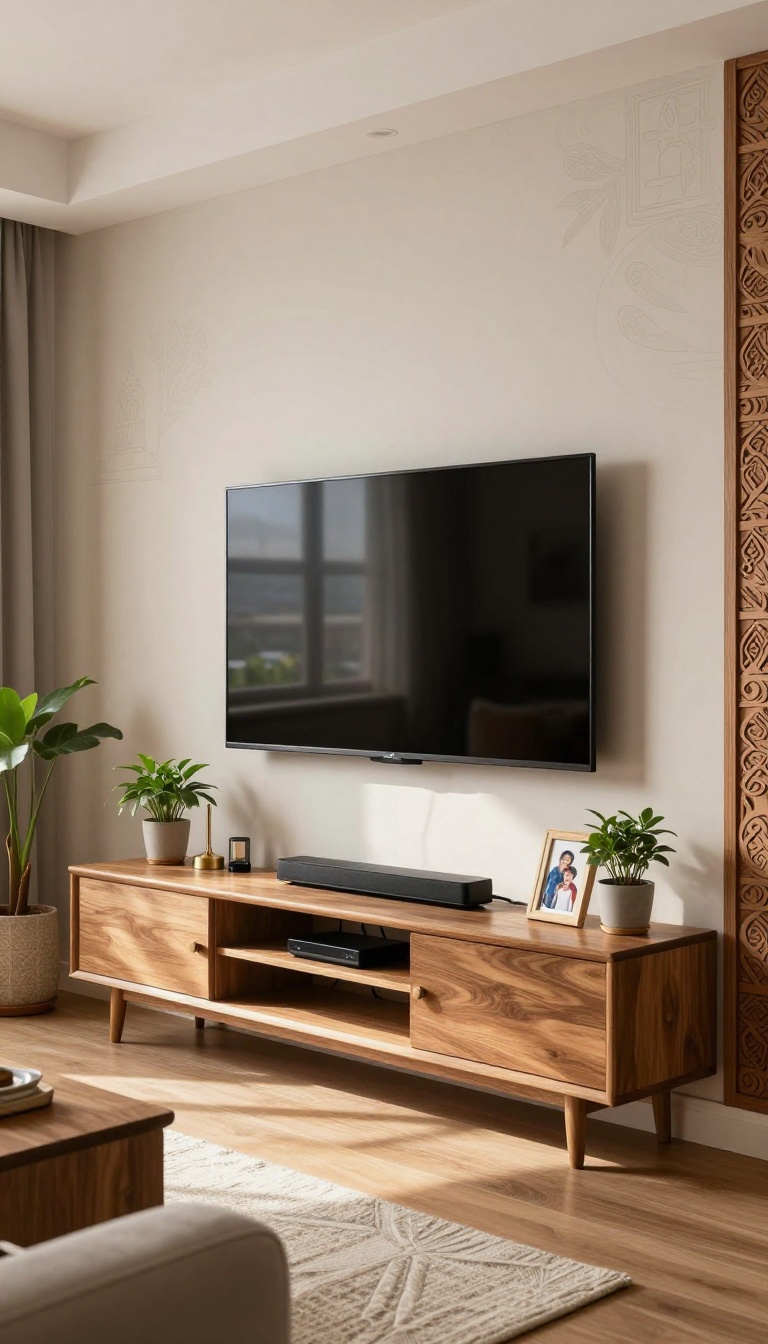
A wall-mounted TV with a slim console underneath is a classic space-saver. It keeps the floor clear, making the room feel larger and less cluttered. This setup is especially useful in Indian living rooms where space is tight and every inch counts.
Wall-mounting the TV frees up valuable floor space that a bulky entertainment center would otherwise occupy. Pair it with a slim console table that holds just the essentials—a set-top box, a soundbar, and maybe a few decorative pieces. This keeps the area functional without overwhelming the room.
Pick A Slim Console
Choose a console that’s narrow in depth—around 30–35 cm is ideal. This gives you a surface for daily items without jutting too far into the walkway. Look for one with open shelves or drawers to hide cables and remote controls, keeping the look tidy.
Manage Cables Smartly
Cables can quickly turn a neat setup into a mess. Use cable clips or a cord cover to run wires along the wall and down to the console. If possible, hide the wires behind the TV and console, so they’re out of sight.
This small step makes the whole unit look polished.
Add A Personal Touch
The console is a great spot to show off a few personal items. A small brass lamp, a family photo, or a potted plant can add warmth without taking up too much room. Just keep it to two or three pieces to avoid visual clutter.
11. Use of Traditional Indian Textiles
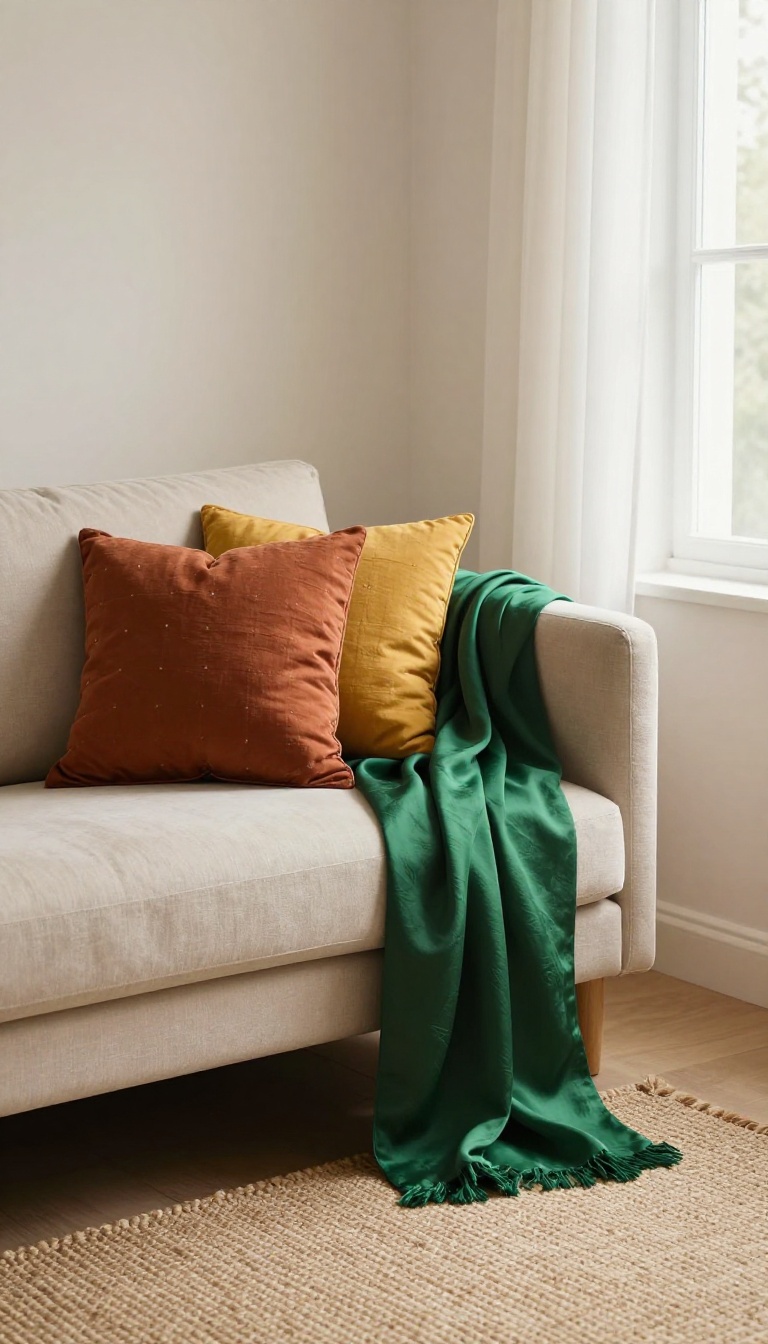
Textiles are the easiest way to bring Indian character into a small living room without adding bulk. A block-printed cushion here, a jute rug there—these pieces add color, texture, and warmth in a way that feels intentional, not cluttered. The key is to use them in layers, not piles, so the room stays airy and calm.
Traditional Indian textiles are perfect for small spaces because they're lightweight, flexible, and full of personality. You can swap them seasonally or mix and match with your existing furniture. Plus, they're often handmade, which adds a story to your decor.
Start With A Jute Or Cotton Rug
A natural jute rug grounds the room and adds texture underfoot. It's durable, easy to clean, and works with any color scheme. Choose a neutral tone to keep the space feeling open, or go for a subtle striped pattern for a bit of visual interest without overwhelming the floor area.
Add Block-printed Cushions And Throws
Block-printed cushions in indigo, rust, or mustard bring vibrant color without taking up floor space. Mix two or three patterns on your sofa, and drape a lightweight cotton or silk throw over the armrest. This adds depth and a handcrafted feel that's distinctly Indian.
Use A Silk Or Velvet Throw For Elegance
For a touch of luxury, add a silk or velvet throw in a rich jewel tone like emerald or maroon. Keep it folded on the back of a chair or the end of a sofa. It catches the light and adds a subtle sheen, making the room feel finished without being fussy.
12. Corner Utilization with a Reading Nook
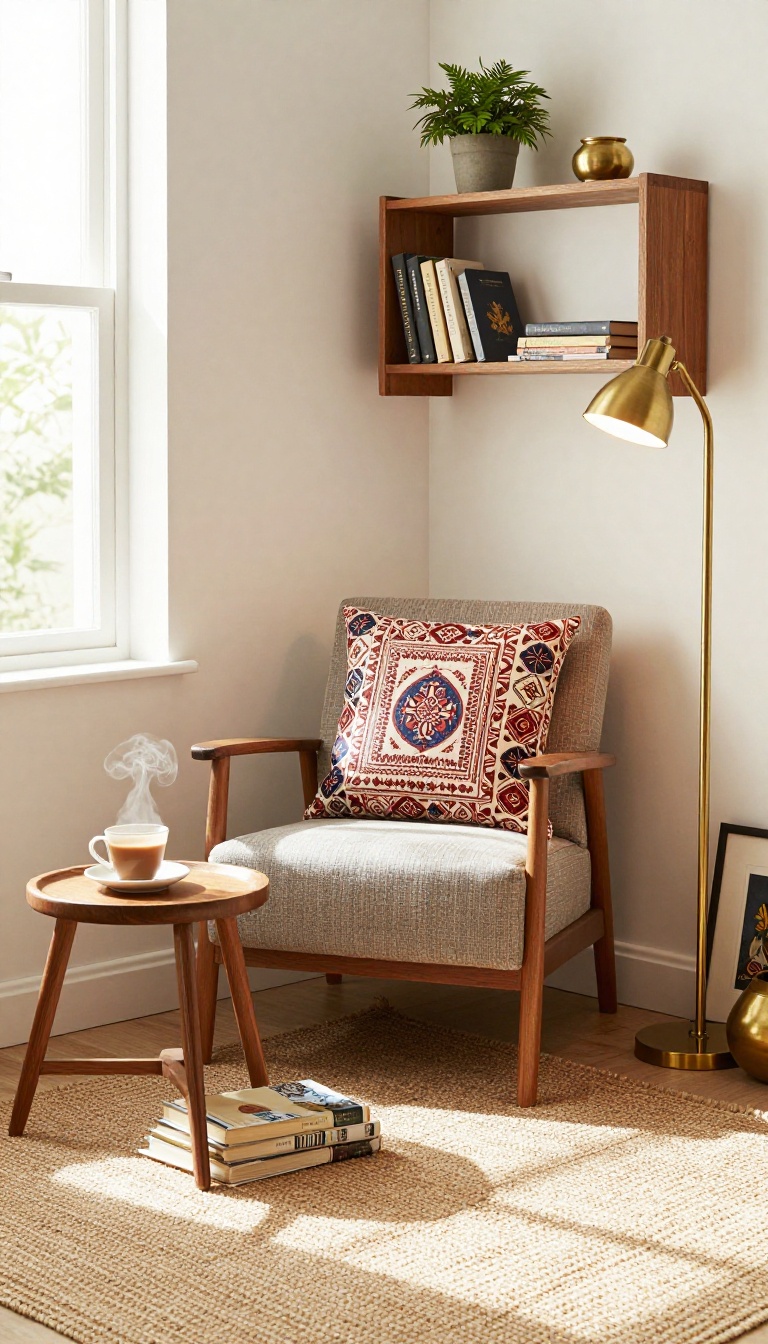
That awkward corner by the window or beside the door often ends up holding a random plant or just gathering dust. But in a small Indian living room, that same corner can become your favorite spot in the house. Turning it into a reading nook is a smart way to add function and charm without taking up much floor space.
A reading nook doesn't need a lot of room. With a comfortable chair, a small lamp, and a slim bookshelf, you can create a cozy retreat that makes the most of every inch. Plus, it gives your living room a finished, intentional look that feels both personal and practical.
A reading nook is more than just a chair in the corner. It's about creating a dedicated spot that invites you to sit, relax, and enjoy a book or a cup of chai. In a small living room, this nook can double as a quiet corner for phone calls or just a place to unwind after a long day.
The key is to choose pieces that fit the scale of the room and don't overwhelm the space. Start by picking the right corner. It could be near a window for natural light, or a spot that's a bit away from the TV and main seating area.
Then, add a comfortable chair that doesn't take up too much room—think armless chairs or a cozy pouf. A small side table or a wall-mounted shelf can hold your books, a cup of tea, or a small plant. Lighting is crucial too; a floor lamp or a wall sconce can make the nook usable in the evening without adding clutter.
For Indian homes, you can mix in traditional elements like a jute rug, a brass lamp, or a cushion with block prints. This adds warmth and personality while keeping the nook functional. The goal is to make the corner feel like a natural extension of the room, not an afterthought.
With a little creativity, you can turn an unused corner into the most inviting part of your living room.
Pick The Right Chair
The chair is the heart of your reading nook. In a small space, you want something that's comfortable but not bulky. A wingback chair adds a classic touch, but a simple armchair or even a cushioned floor seat can work well.
If you're tight on space, consider a folding chair or a stackable option that you can tuck away when not in use. Look for chairs with slim arms and a light frame to keep the visual weight low. Adding a soft throw or a couple of cushions can make it extra cozy.
Lighting That Works
Good lighting is essential for a reading nook, especially in the evening. A floor lamp with an adjustable arm is a great choice because it directs light exactly where you need it without taking up table space. Alternatively, a wall-mounted swing arm lamp is perfect for tight corners.
For a warm, Indian-inspired glow, consider a lamp with a fabric shade in a rich color or a brass finish. Make sure the light is bright enough for reading but not harsh on the eyes.
Storage That Blends In
You don't need a big bookshelf to store your reading material. A slim, tall bookcase can fit into a narrow corner without eating up floor space. Or, use floating shelves above the chair to keep books within arm's reach.
A small basket or a wooden crate under the chair can hold magazines and current reads. If you want to keep things minimal, a stack of books on a side table works just fine. The idea is to have your books close by without making the corner feel cluttered.
13. Minimalist Decor with a Statement Piece
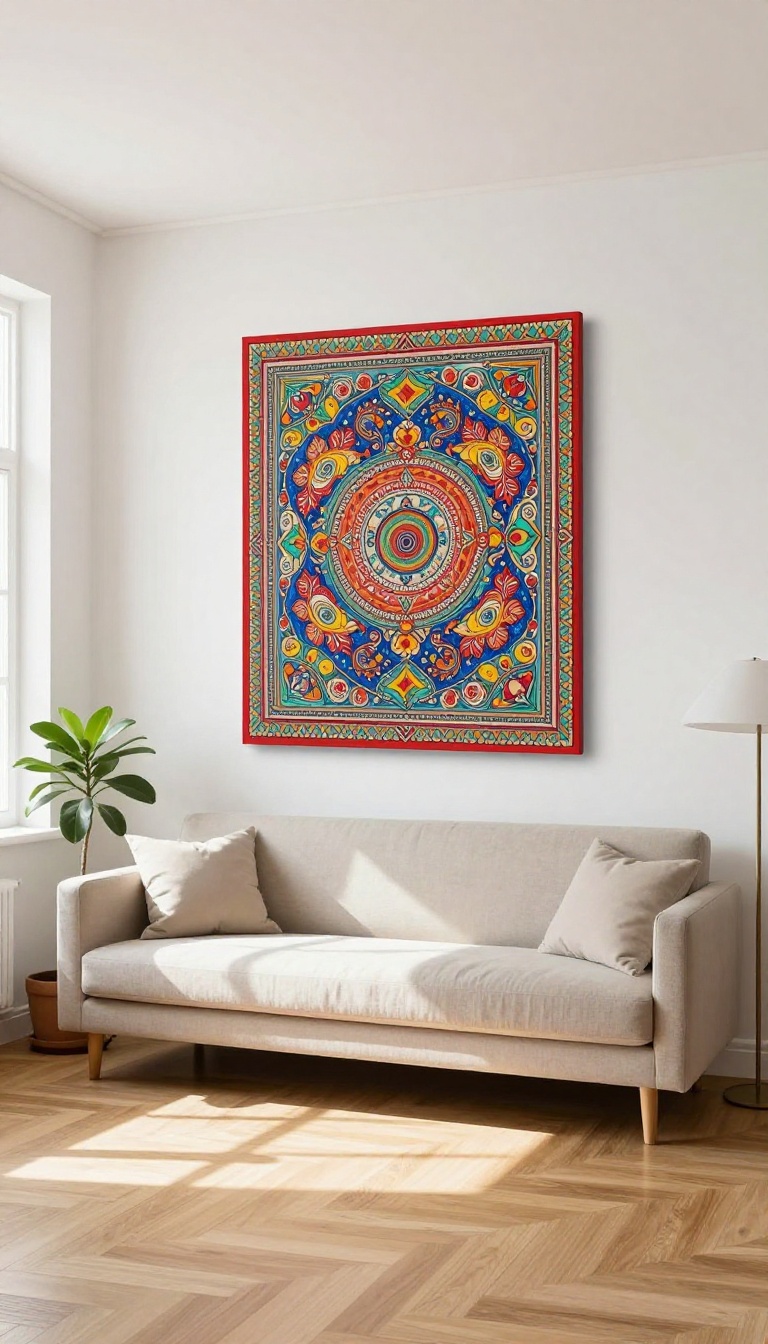
Sometimes, less really is more. In a small Indian living room, too many decorations can make the space feel cluttered and chaotic. Instead, try keeping things minimal and let one standout piece do the talking.
A large painting, an antique trunk, or a bold rug can become the focal point that gives the room character.
This approach works especially well in compact homes where every inch counts. By stripping away the extras, you create a sense of calm and openness. The statement piece draws the eye and anchors the room, making it feel intentional and polished.
It’s a simple way to make your living room feel finished without overwhelming the space.
Choose One Focal Element
Pick a single item that you love and that fits the scale of the room. It could be a vibrant Madhubani painting, a vintage brass trunk that doubles as a coffee table, or a handwoven dhurrie with a bold pattern. The key is to let it stand alone, without competing elements around it.
Position it where it naturally draws attention, like above the sofa or in the center of the room.
Keep The Rest Simple
Once you have your statement piece, keep the rest of the decor minimal. Use neutral colors for walls and larger furniture, and avoid adding too many small accessories. This doesn’t mean the room has to feel bare—just that the other elements should support, not compete with, the focal point.
A few cushions or a simple lamp are enough.
Let The Piece Tell A Story
A statement piece often has a story behind it, whether it’s a family heirloom or a piece you picked up on your travels. Let that story shine by giving it space to breathe. You can even arrange the room around it, so it becomes a conversation starter when guests visit.
This adds a personal touch that makes the room feel truly yours.
FAQ
What is the best color for a small living room in India?
Light colors like white, cream, or pastel shades work best for small living rooms as they reflect light and make the space feel larger. You can add bold accents through decor items.
How can I make my small living room look bigger with furniture?
Choose furniture with exposed legs, multi-functional pieces, and avoid bulky items. Use wall-mounted shelves and foldable seating to free up floor space.
Are there traditional Indian decor ideas that work in small spaces?
Yes, you can use low seating with floor cushions, traditional textiles like block prints, and brass or wooden decor pieces. These add cultural charm without taking up much space.
How do I incorporate storage in a small living room without cluttering?
Use hidden storage like under-sofa drawers, ottomans with storage, and wall-mounted shelves. Keep surfaces clutter-free and use baskets or boxes to organize items.
Can I have a TV in a small living room without it dominating the space?
Mount the TV on the wall and use a slim console. You can also hide it behind a cabinet or use a projector to save space and maintain a clean look.
Conclusion
Small living rooms in Indian homes don’t have to feel cramped or unfinished. A few clever tweaks—like a foldable table, a slim console, or light curtains—can open up the space and add character without breaking the bank. Start with the idea that solves your biggest pain point, whether it’s seating or storage.
Once you make that first change, you’ll see how quickly the rest falls into place. Your living room can feel both cozy and complete, no matter the square footage.