13 Small Living Room Layout Ideas for a Home That Feels Finished
A small living room can feel like a puzzle—you want it to look put-together without cramping your style. The right layout makes all the difference, turning tight square footage into a space that feels open, inviting, and intentional.
These 13 ideas focus on practical moves like floating furniture, zoning with rugs, and choosing pieces that work harder for you. Whether you're renting or own your place, each tip is easy to adapt and designed to help your room feel finished, not just filled.
Let's walk through the options and find the setup that fits your space.
1. Float Furniture Away from the Walls
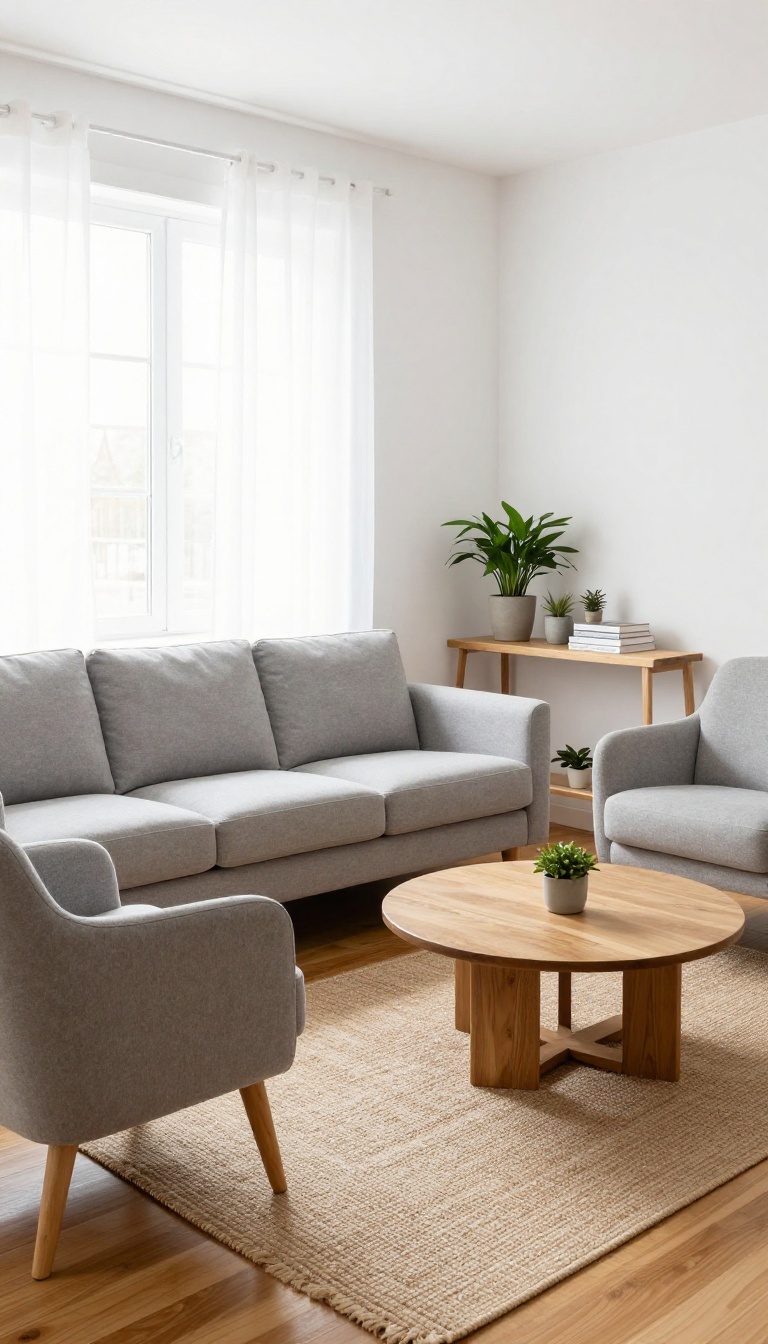
Pushing every piece against the wall is a reflex, but it often leaves a small living room feeling like a waiting area. When you pull your sofa and chairs toward the center, you instantly create a more intimate conversation zone. Plus, that sliver of space behind the furniture tricks the eye into seeing more floor area, which makes the whole room feel bigger.
Start by measuring your room and figuring out the longest wall—that's usually where the sofa goes. But instead of hugging the wall, bring it out 12 to 18 inches. If your room is narrow, even a few inches can make a difference.
Then angle your chairs toward the sofa, not the TV, to encourage face-to-face chatting. This simple shift breaks up the 'bowling alley' effect and gives the room a cozy, gathered feel.
Create A Focal Point
Once your furniture is off the wall, anchor the arrangement with a central focal point. It could be a coffee table, a large rug, or even a fireplace. The idea is to give the eye a place to rest, so the room feels purposeful.
If you don't have a natural focal point, a bold piece of art or a mirror above the sofa works wonders.
Leave Breathing Room Behind
Don't block the path behind the sofa. Keep at least 24 to 30 inches of clearance so people can walk behind without squeezing. If your room is really tight, push the sofa out just enough to create a visual break—even 6 inches helps.
This also gives you a spot for a slim console table or a row of plants, adding depth without taking up floor space.
Use The Back Of The Sofa
Floating furniture gives you a new surface to style. The back of your sofa can hold a narrow shelf, a stack of books, or a few baskets for throws and remotes. This turns an awkward gap into a functional feature.
Just keep it low so it doesn't block sightlines or make the room feel cluttered.
2. Zone with a Rug to Define the Seating Area
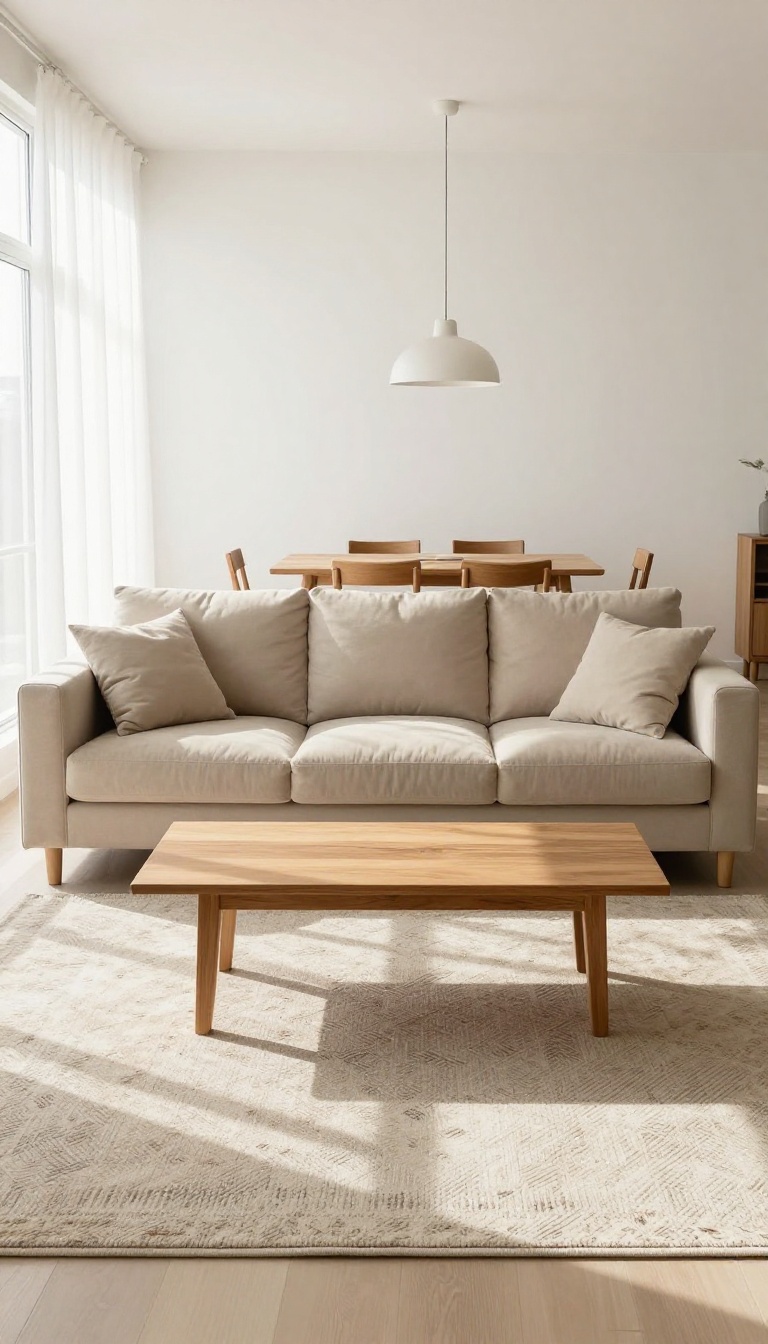
When your living room shares space with a dining nook or a home office, it can start to feel chaotic. A rug is the simplest tool to carve out a clear seating zone, giving the eye a boundary that says, "this is where the conversation happens. " It anchors your furniture and makes the whole room feel more deliberate.
A rug does more than add color or texture—it creates a visual anchor for your seating group. In a small room, this is especially powerful because it helps separate different functions without building walls. Choose a rug that fits under the front legs of your sofa and chairs, or go larger if space allows.
The goal is to make the seating area feel like its own island, even if it's just a few feet away from a desk or dining table.
Pick The Right Size And Shape
Size matters more than you might think. A rug that's too small makes the room feel scattered, while one that's too large can swallow the space. In a small living room, aim for a rug that's at least large enough to fit under the front legs of your main pieces.
Round rugs can soften corners and work well in tight spots, while rectangular rugs define a classic seating area.
Layer For Extra Warmth And Style
Layering rugs is a clever trick for small rooms. Start with a neutral, low-pile base rug that covers most of the zone, then add a smaller, patterned rug on top. This adds depth and interest without overwhelming the space.
It also lets you switch up the style seasonally without a full redesign.
Anchor The Furniture, Not The Walls
Instead of pushing your sofa against the wall, pull it slightly forward and place the rug underneath. This creates a more intimate seating arrangement and makes the room feel larger by leaving a walkway behind. Even a few inches can make a big difference in how open and inviting the space feels.
3. Angle the Sofa for a Dynamic Look
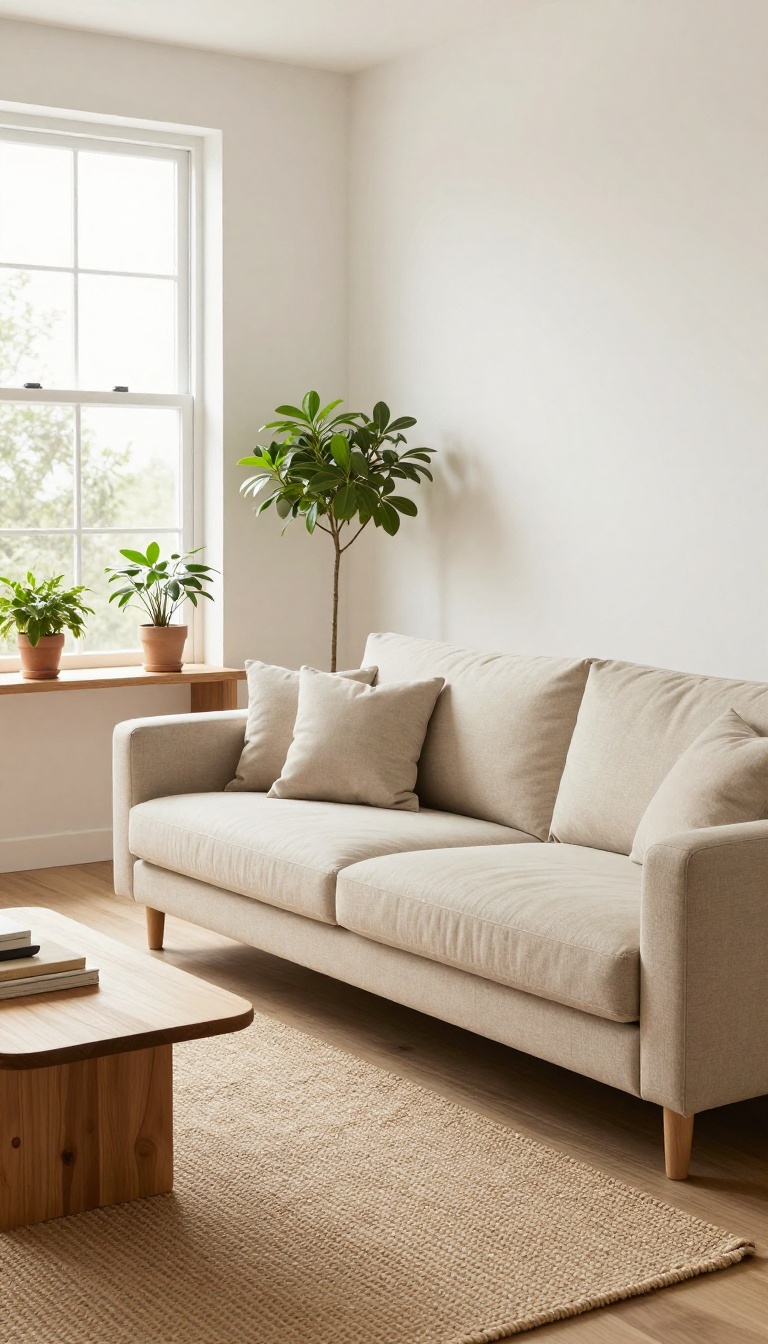
Straight lines are safe, but they can also be predictable. If your living room feels a little flat, try turning your sofa at an angle. It instantly breaks up the boxy feel and adds a sense of movement that makes the space more interesting.
This simple shift can also make the room feel larger. By creating diagonal sightlines, you draw the eye across more of the floor, which gives the illusion of extra square footage. Plus, it naturally creates a cozier conversation nook, even in a compact area.
Angling your sofa isn't just about looks—it's a smart way to define zones and improve flow. Here's how to pull it off without making the room feel awkward. Start by pulling the sofa away from the wall and turning it so the back faces a corner or a window.
This opens up the rest of the room and gives you a clear path for walking. If you're worried about wasted space behind the sofa, add a slim console table or a row of plants to make it feel intentional. Keep the angle moderate—about 30 to 45 degrees works best.
Too sharp, and it can feel like the furniture is floating without purpose. Balance the diagonal with a rug that anchors the seating area, and position a coffee table within easy reach. You'll end up with a layout that feels relaxed and thoughtfully arranged.
Why It Works In Small Spaces
A diagonal sofa breaks the visual monotony of parallel walls, which tricks the eye into seeing more depth. It also softens the hard lines of a rectangular room, making the space feel less like a box and more like a designed area. In small rooms, this subtle shift can make a surprising difference in how open and airy the space feels.
How To Anchor The Angle
To keep the angled sofa from looking random, anchor it with a large area rug that follows the same diagonal. Place the front legs of the sofa on the rug, and add a coffee table that's proportionate to the space. You can also use a floor lamp or a tall plant at the open end of the angle to balance the visual weight.
What To Avoid
Don't angle the sofa so much that it blocks a doorway or makes walking around feel tight. Also, avoid pushing it into a corner at a sharp angle—that can make the room feel cramped. Keep the angle gentle and leave at least 18 inches of clearance behind the sofa for easy movement.
4. Use a Loveseat Instead of a Full Sofa
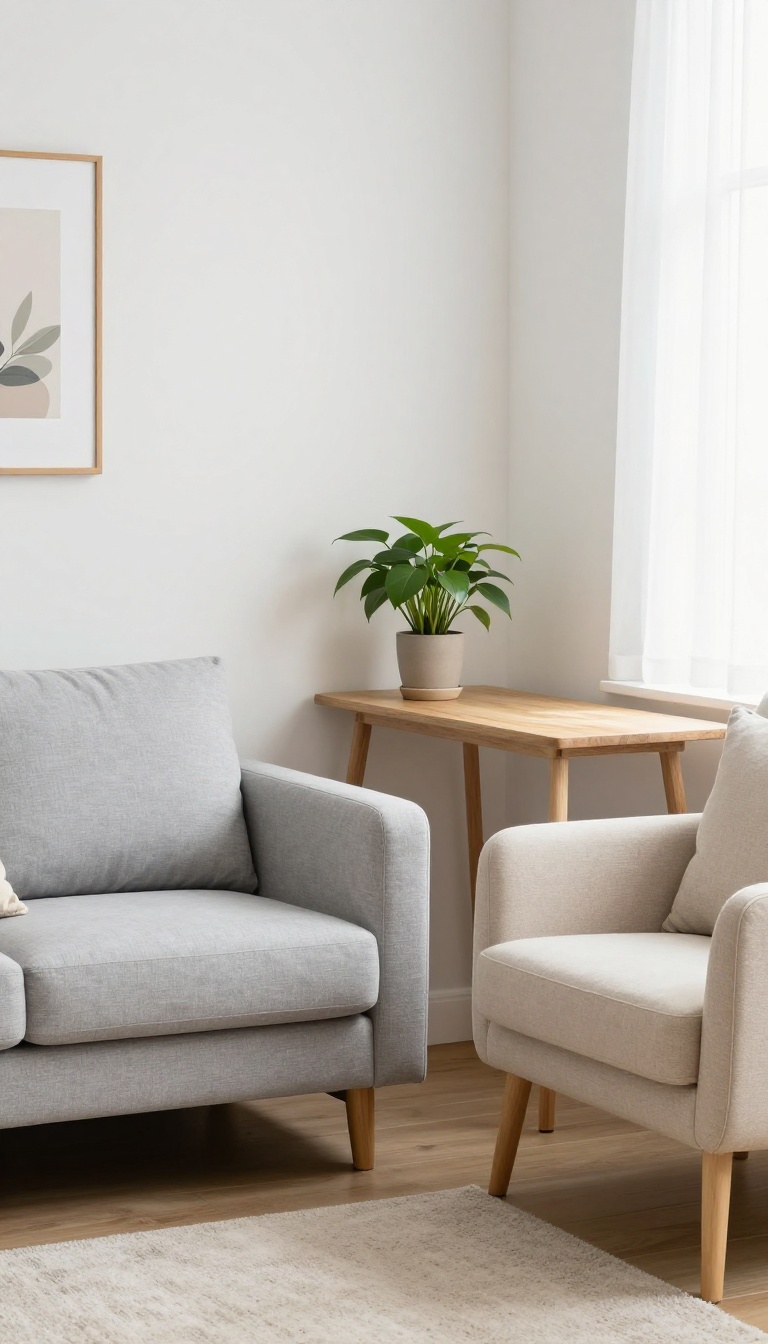
A full-size sofa can dominate a small living room, leaving little room for anything else. Swapping it for a loveseat is a simple way to free up floor space while keeping the seating you need. You can then add a chair or a console without the room feeling cluttered.
Loveseats are the underrated heroes of compact living. They offer the same comfort as a sofa but in a smaller footprint, making them perfect for tight spaces. Plus, they often come in the same styles and fabrics, so you don't have to sacrifice looks for practicality.
Why A Loveseat Works
A loveseat typically measures around 60 inches wide, compared to a standard sofa's 72 to 84 inches. That extra foot or two of floor space can be used for a slim console, a plant, or just more open floor to make the room feel bigger. It also encourages a cozier, more intimate seating arrangement, which suits small spaces well.
Pair It With An Accent Chair
To keep the seating flexible, pair your loveseat with a compact accent chair. This gives you extra seating when needed without permanently taking up space. Place the chair at an angle to the loveseat to create a natural conversation area and make the layout feel more dynamic.
Add A Slim Console Behind
If your loveseat floats in the room, a slim console table behind it can serve as a catch-all for keys, books, or decor. It also helps define the seating zone and adds visual interest without taking up much space. Choose a console with open shelves or a narrow profile to keep the room feeling airy.
5. Create a Symmetrical Setup for Balance
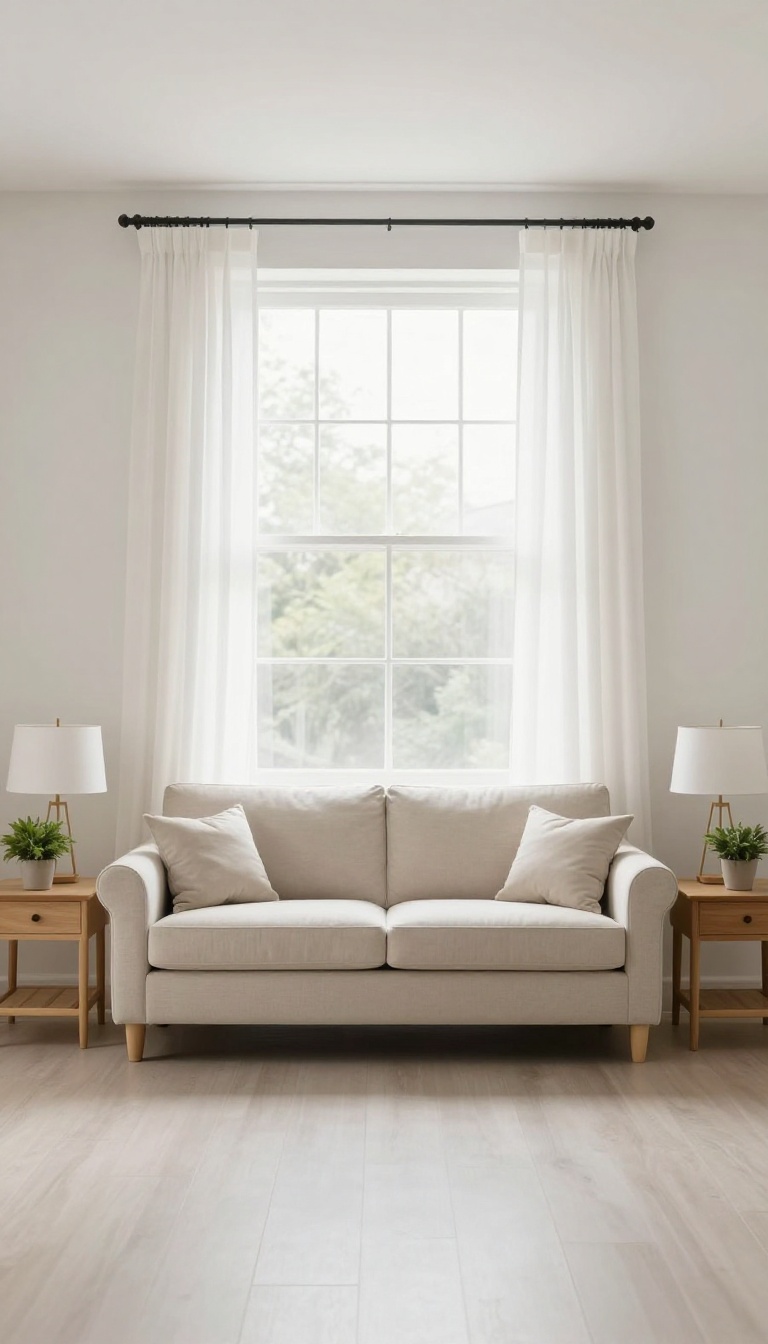
Symmetry is a quiet superpower in a small room. When you mirror furniture on either side of a focal point—like a fireplace, TV, or large window—the space instantly feels more orderly and intentional. It’s a trick designers use to make cramped areas appear larger and more polished, without adding a single piece.
This layout works because our eyes love patterns. When things match, the brain registers calm and balance, which makes the room feel less chaotic. Plus, symmetry often means you can use matching pairs—lamps, chairs, or side tables—which can be easier to shop for than trying to mix and match.
Start by picking your focal point. That’s the anchor everything else will mirror. It could be a media console, a fireplace, or even a large piece of art.
Once you’ve chosen it, place identical (or very similar) furniture on both sides. For example, two armchairs flanking a sofa, or two matching floor lamps on either side of a console. If you’re working with a sofa, center it on the focal point and add matching end tables on each side.
Then, top them with identical lamps or small plants. This creates a clear, balanced line that draws the eye across the room. Even in a tight space, this simple move can make the layout feel intentional and complete.
Don’t worry about being too matchy-matchy. Symmetry doesn’t mean everything has to be identical. You can use the same style but different colors, or same color but different shapes.
The goal is visual balance, not a showroom replica. And if your room isn’t perfectly square, you can still create symmetry by focusing on one wall or one seating area.
Pick Your Focal Point First
Before you move anything, decide what the room should revolve around. In many small living rooms, that’s the TV or a fireplace. But it could also be a window with a great view or a striking piece of furniture.
Once you’ve got that anchor, you can build your symmetrical setup around it. If you don’t have a natural focal point, create one—hang a large mirror, add a bold rug, or place a standout console against the main wall.
Use Matching Pairs To Anchor The Space
Matching pairs are the easiest way to achieve symmetry. Think two identical armchairs facing each other with a small table between them, or two matching floor lamps on either side of a sofa. These pairs don’t have to be expensive—even simple, clean-lined pieces work.
The key is that they visually weigh the same. If you’re short on floor space, use pairs of smaller items like stools, poufs, or even potted plants.
Balance Without Cloning Your Furniture
Symmetry doesn’t mean every piece has to be a twin. You can balance a large sofa with two smaller chairs on the opposite side, or use a tall plant on one end and a floor lamp on the other—as long as they have similar visual weight. This keeps the room from feeling too stiff while still giving you that orderly, finished look.
Try mixing textures or materials to add warmth without breaking the balance.
6. Place the TV on a Swivel Mount for Flexibility
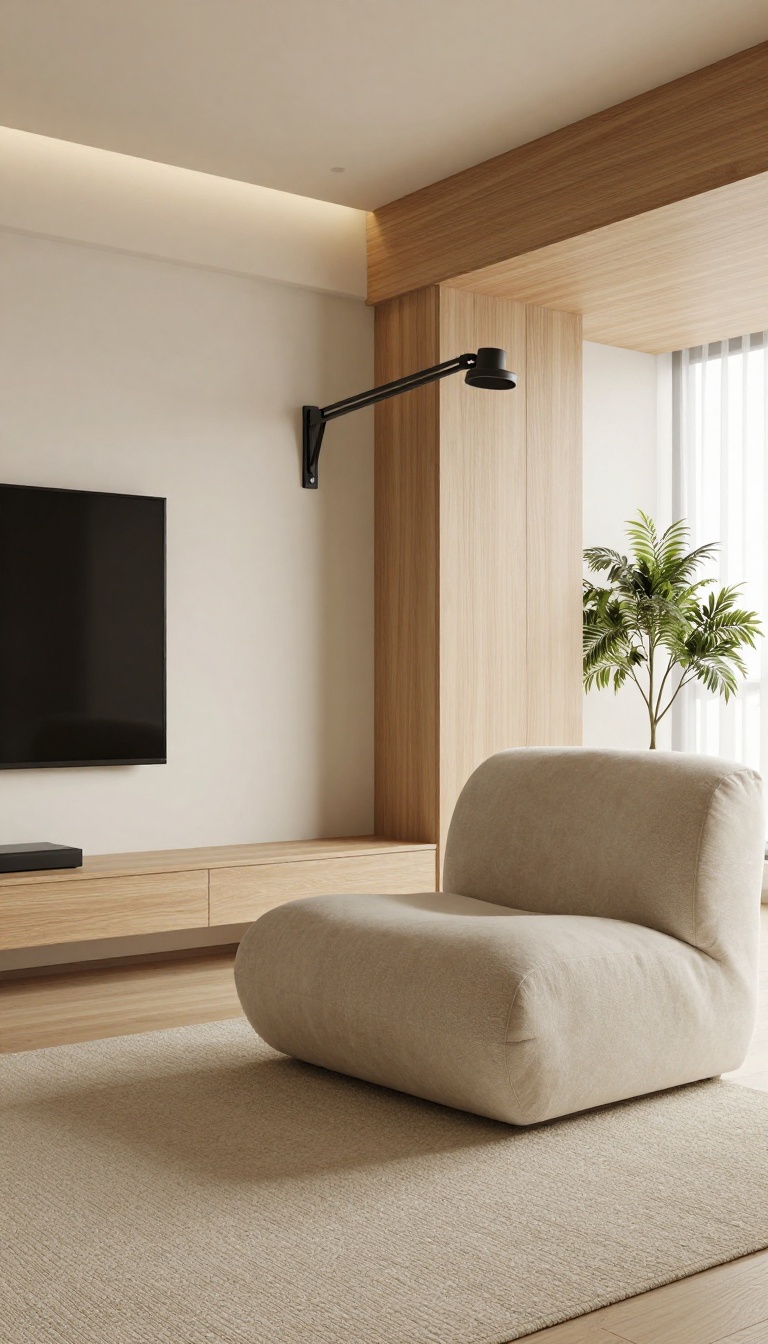
Mounting your TV on a swivel arm changes how you use the room. Instead of being locked into one viewing angle, you can tilt the screen toward whatever seating area is active. That means you can arrange furniture for conversation, reading, or work without giving up movie nights.
A swivel mount also helps when your living room doubles as a dining or multi-purpose space. You can angle the TV toward the kitchen or a desk when needed, then swing it back for movie time. It's a simple upgrade that makes a small room feel more adaptable.
Swivel mounts come in different ranges of motion. Some allow side-to-side swiveling, while others also tilt up or down. For a small living room, you want a mount that can turn at least 45 degrees in each direction, so you can adjust from a nearby armchair or a dining table.
Check the weight and VESA pattern of your TV to pick a compatible mount. Installation is straightforward if you have a stud finder and a drill. Make sure the mount is securely attached to a wall stud, not just drywall.
If you're renting, ask your landlord or plan to patch the holes when you move out. Once it's up, you'll wonder why you didn't do it sooner.
Arrange Furniture Around The Viewing Angle
With a swivel mount, you don't have to point all seating toward one wall. Place a sofa perpendicular to the TV and a chair opposite it for conversation, then swing the screen toward whichever spot you're using. This setup keeps the room social without sacrificing TV access.
Make The Most Of Corner Spaces
A corner can be a dead zone, but a swivel mount lets you angle the TV into the room from a corner. This frees up wall space for shelving or art and opens the floor plan. Just be sure the mount extends enough to pull the TV away from the wall for a good viewing angle.
Keep Sightlines Clear From Multiple Zones
If your living room flows into a dining area or home office, a swivel mount lets you adjust the screen based on where you're sitting. You can angle it toward the dining table for casual viewing during meals, then swing it back to the sofa for dedicated movie time. It's a practical way to serve multiple functions in one room.
7. Use a Corner Sofa to Maximize Seating
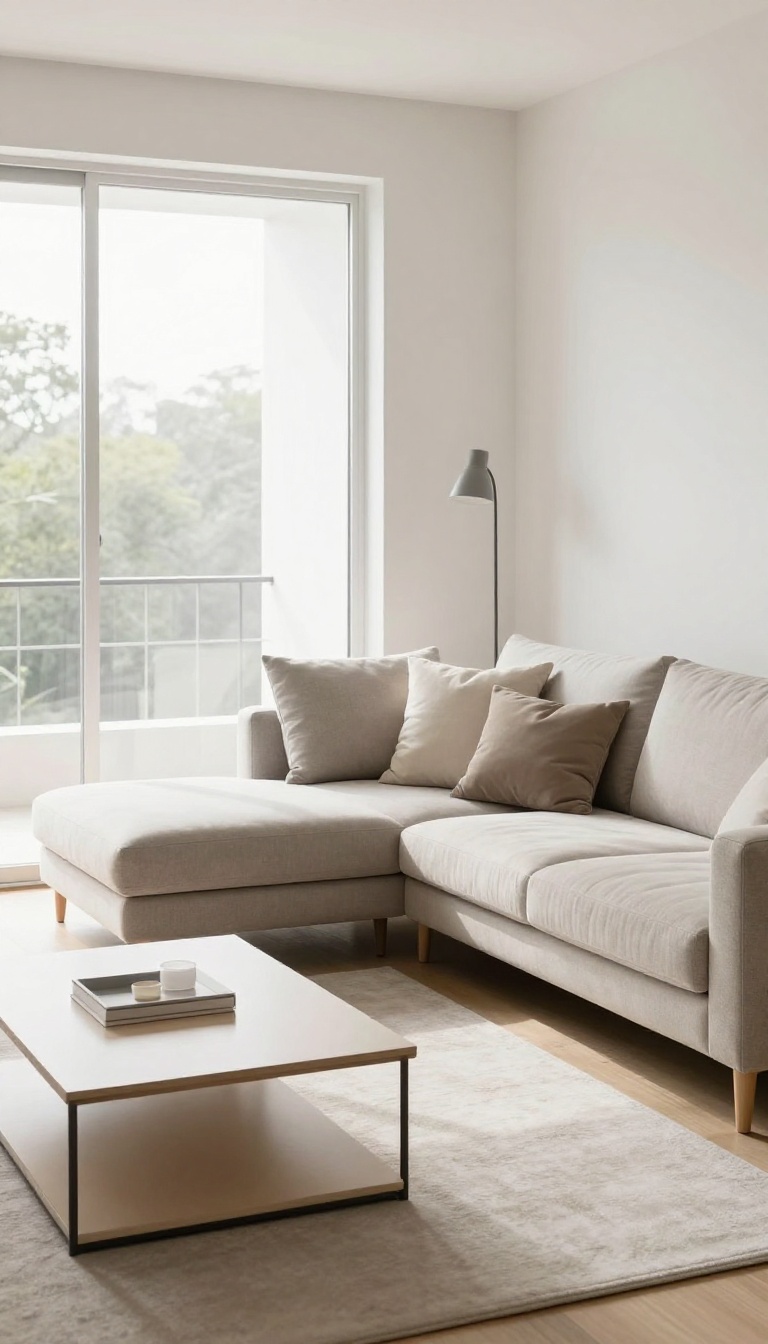
When floor space is tight, every seat counts. A corner sofa tucks neatly into a corner, freeing up the middle of the room for walking and other furniture. It often includes a chaise, giving you a spot to stretch out without needing an extra chair.
Corner sofas are a smart choice for small living rooms because they use dead space efficiently. Instead of a bulky three-seater that blocks traffic, you get a continuous seating surface that wraps around the corner. This layout opens up the rest of the room, making it feel larger and more functional.
Pick The Right Configuration
Not all corner sofas are the same. Look for a compact L-shape with a chaise on the shorter side, or a modular piece you can rearrange. A reversible chaise lets you switch sides if you move or change the room's flow.
Measure your corner first—leave at least 15 inches of clearance for easy movement.
Balance The Visual Weight
A large corner sofa can dominate the room, so balance it with lighter pieces. Use a slim coffee table, open shelving, or a floor lamp to avoid a heavy feel. Keep the color light or neutral to blend with the walls, or add a bold throw pillow for a pop without overwhelming the space.
Use The Chaise As A Room Divider
In an open-plan layout, the chaise can subtly separate the living area from a dining spot or entryway. Position it so the back faces the other zone, creating a natural boundary without walls. This keeps the room airy while defining each function.
8. Add a Slim Console Behind the Sofa
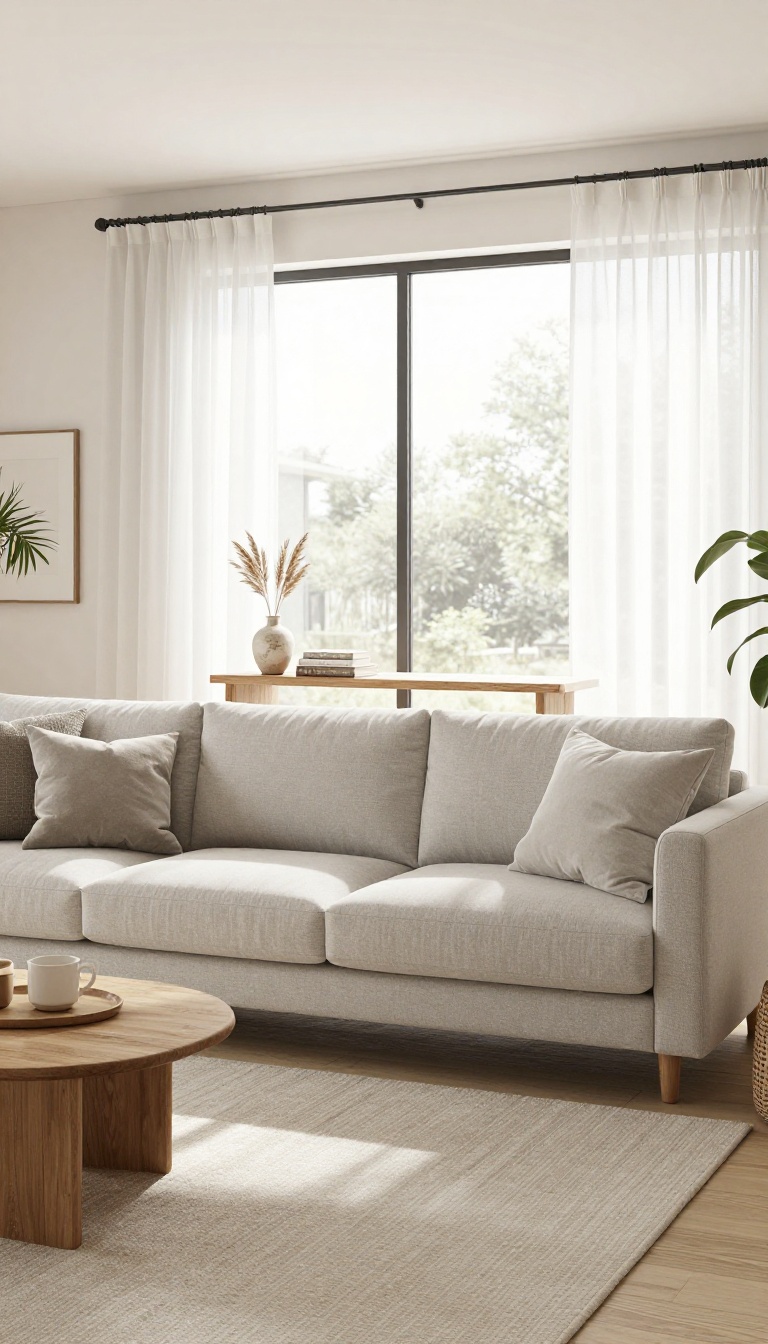
That gap between your sofa and the wall often ends up as wasted space or a dust bunny graveyard. A slim console table can turn it into a functional zone without eating into your floor area. It's a simple addition that makes the room feel more deliberate and layered.
In an open-plan layout, a console behind the sofa acts as a subtle divider, giving the seating area a defined boundary. It also provides a handy surface for everyday items like keys, remotes, or a stack of books. Choose a piece that's not too deep—around 12 to 18 inches—so it doesn't block the walkway or make the room feel cramped.
Pick The Right Size And Style
Measure the length of your sofa and aim for a console that's roughly the same width or slightly shorter. A floating shelf or a wall-mounted console can save floor space if you're really tight. For style, go with something that complements your existing furniture, whether that's a rustic wood piece or a sleek metal frame.
Style It Without Cluttering
Keep the surface simple: a small lamp, a bowl for odds and ends, or a few framed photos. Add a basket underneath for extra storage—blankets or magazines stay hidden but within reach. Avoid piling on too many decor items, or the console will start to feel like a catch-all.
Use It To Define The Space
In an open-plan room, a console behind the sofa creates a visual break between the living area and the dining or entry zone. It also gives you a place to set down a drink or a book when you're walking through. If you have a long wall, you can even place a pair of consoles back-to-back for a symmetrical look.
9. Incorporate Multi-Functional Furniture
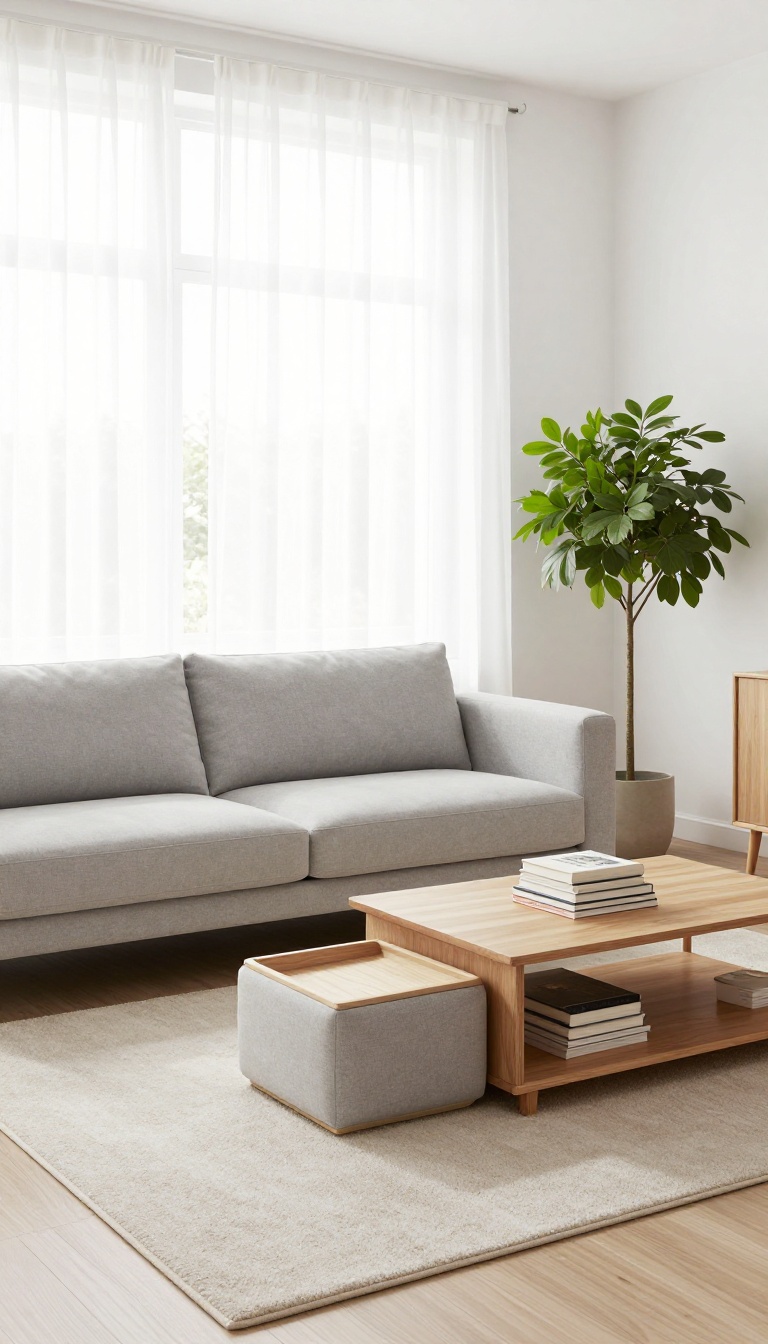
When every square foot counts, furniture that does more than one job is a lifesaver. Multi-functional pieces like storage ottomans, nesting tables, and sofa beds help you maximize space without sacrificing style. They keep clutter at bay and let you adapt your room to different needs throughout the day.
Multi-functional furniture isn't just a trend—it's a smart solution for small spaces. By choosing pieces that serve double duty, you can reduce the number of items in your room while increasing its versatility. This approach allows you to have everything you need without the room feeling crowded or chaotic.
Ottomans With Hidden Storage
An ottoman with built-in storage is a fantastic addition to any small living room. Use it as a footrest, extra seating, or a coffee table alternative. Inside, you can stash blankets, magazines, or remote controls, keeping the space tidy and clutter-free.
Look for one with a sturdy lid that can double as a tray surface for drinks or snacks.
Nesting Tables For Flexibility
Nesting tables are a clever way to have multiple surfaces without taking up extra floor space. When you need them, pull them out for guests or for setting down snacks; when you don't, tuck them neatly under the main table. They come in various styles and materials, so you can easily find a set that matches your decor.
This flexibility makes them perfect for small living rooms that need to adapt to different occasions.
Sofa Beds For Overnight Guests
A sofa bed is a classic space-saving solution that turns your living room into a guest room in seconds. Modern designs are comfortable as sofas and as beds, so you don't have to sacrifice comfort. Look for models with a compact folding mechanism that's easy to operate.
This way, you're always ready for unexpected visitors without needing a separate guest room.
10. Go Vertical with Tall Shelving
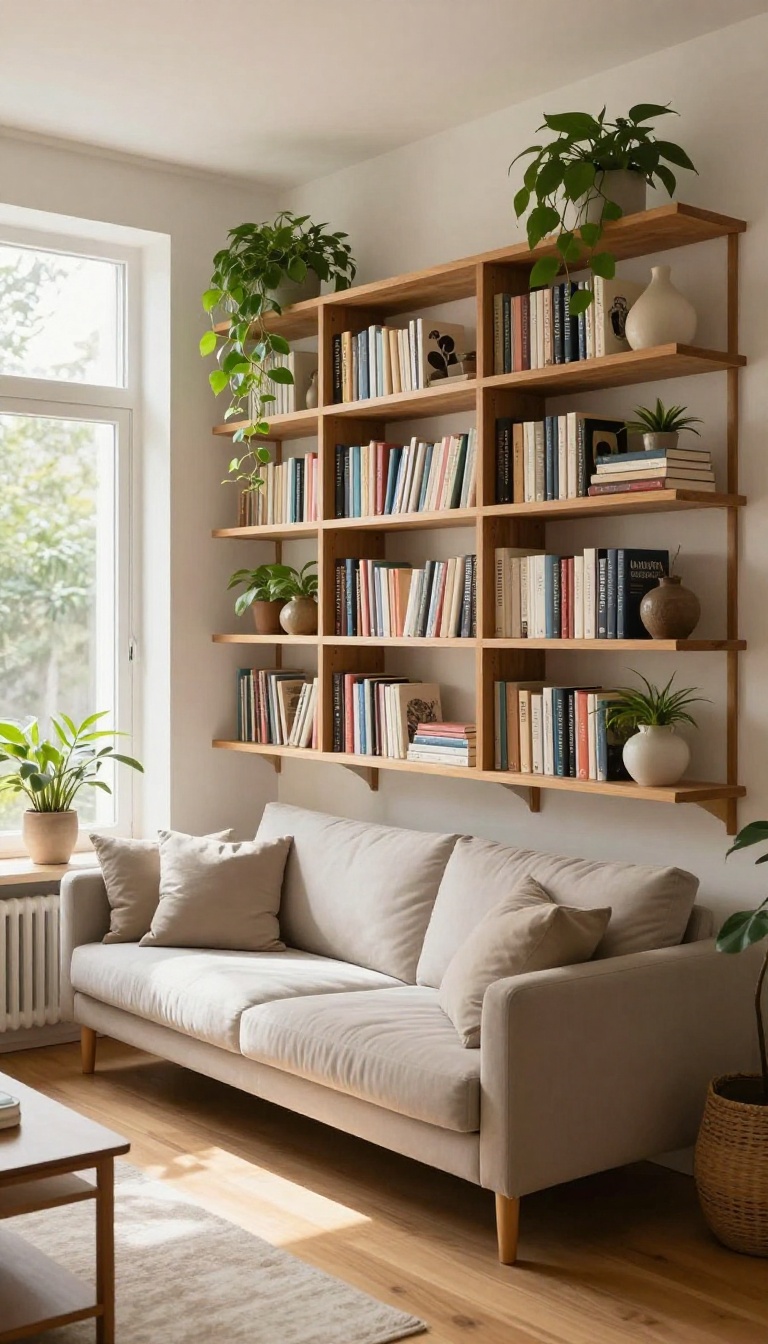
When floor space is at a premium, the walls are your best friend. Tall, slim bookshelves draw the eye upward, making the ceiling feel higher and providing ample storage without eating into floor space. This trick not only adds function but also creates a sense of height that makes the room feel more open and airy.
Tall shelving units are a smart way to maximize storage in a small living room. By using vertical space, you free up the floor for seating and movement, which is crucial in a compact area. Plus, the upward lines of tall shelves naturally guide the eye, making the ceiling appear taller than it is.
This simple visual trick can transform a cramped room into one that feels spacious and polished.
Choose Slim, Open Designs
Opt for shelving that is narrow in depth but tall in height. Open shelves keep the visual weight light, preventing the room from feeling boxed in. Look for units with clean lines and a finish that complements your existing decor.
A slim profile means you can place them in tight spots, like beside a doorway or flanking a window, without overwhelming the space.
Style With Intention
Avoid cramming every shelf with items. Instead, curate a mix of books, plants, and decorative objects, leaving some breathing room. Group items in odd numbers and vary the heights to create visual interest.
Use baskets or bins for smaller items to keep the look tidy. This approach makes the shelving feel like a deliberate design feature rather than just storage.
Anchor The Room With Symmetry
If you have two tall shelves, place them on either side of a focal point, like a sofa or a media console. This symmetrical arrangement creates a balanced, grounded feel, making the room appear more organized and intentional. It also frames the area, drawing the eye upward and adding architectural interest without any major renovations.
11. Use a Rug to Create a Focal Point
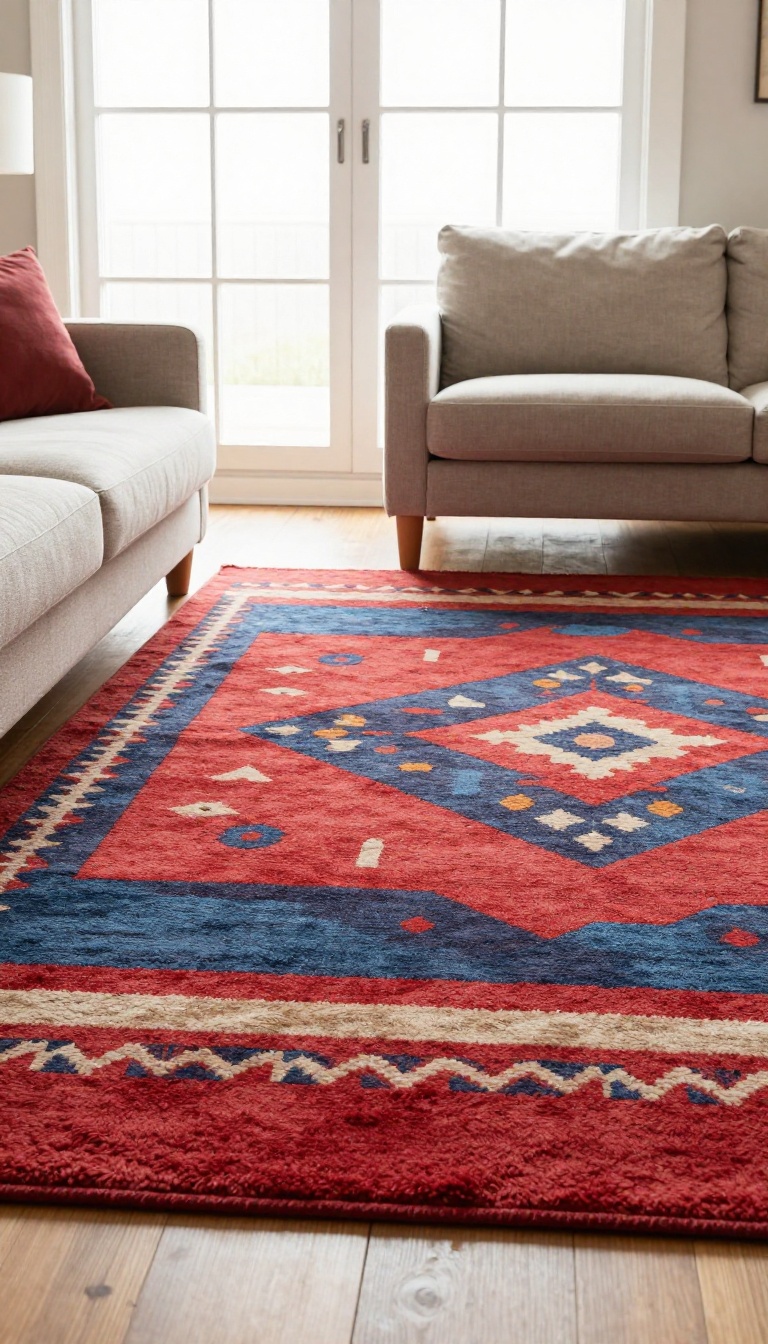
A rug does more than soften your steps—it can anchor the whole room. When your living area is small, a bold or generously sized rug draws the eye to the floor and away from the limited wall space. It becomes the visual centerpiece, giving the room a clear sense of purpose and style.
Choosing the right rug size and pattern can transform how your living room feels. A rug that’s too small makes the space look disjointed, while one that’s too large can overwhelm. The goal is to find a rug that defines the seating area and acts as the foundation for your furniture arrangement.
With the right rug, you can make a small room feel more cohesive and intentional.
Size Matters: Go Big Or Go Home
In a small living room, a larger rug is your friend. Aim for a rug that fits under the front legs of your sofa and chairs, or even extends beyond them. This visually expands the space and creates a unified zone.
A common mistake is choosing a rug that’s too small, which makes the room feel choppy. Measure your seating area and pick the biggest rug that still leaves a border of floor around it—usually 6 to 12 inches of bare floor on each side.
Pattern And Color: Make A Statement
A bold pattern or vibrant color can become the room’s focal point, especially if your walls and furniture are neutral. Geometric designs, abstract prints, or even a classic oriental rug add personality and draw the eye. If you prefer a more subtle look, choose a rug with a textured weave or a tone-on-tone pattern.
The key is to pick something that feels intentional and complements your existing decor.
Placement: Define Your Seating Zone
The rug should anchor your main seating area. In a small room, that usually means placing it under the coffee table and extending it toward the sofa. If your layout is open, use the rug to separate the living area from a dining nook or entryway.
Make sure all the key pieces—sofa, chairs, and coffee table—sit on or partially on the rug. This creates a clear visual boundary and makes the room feel organized.
12. Create a Cozy Reading Nook in a Corner
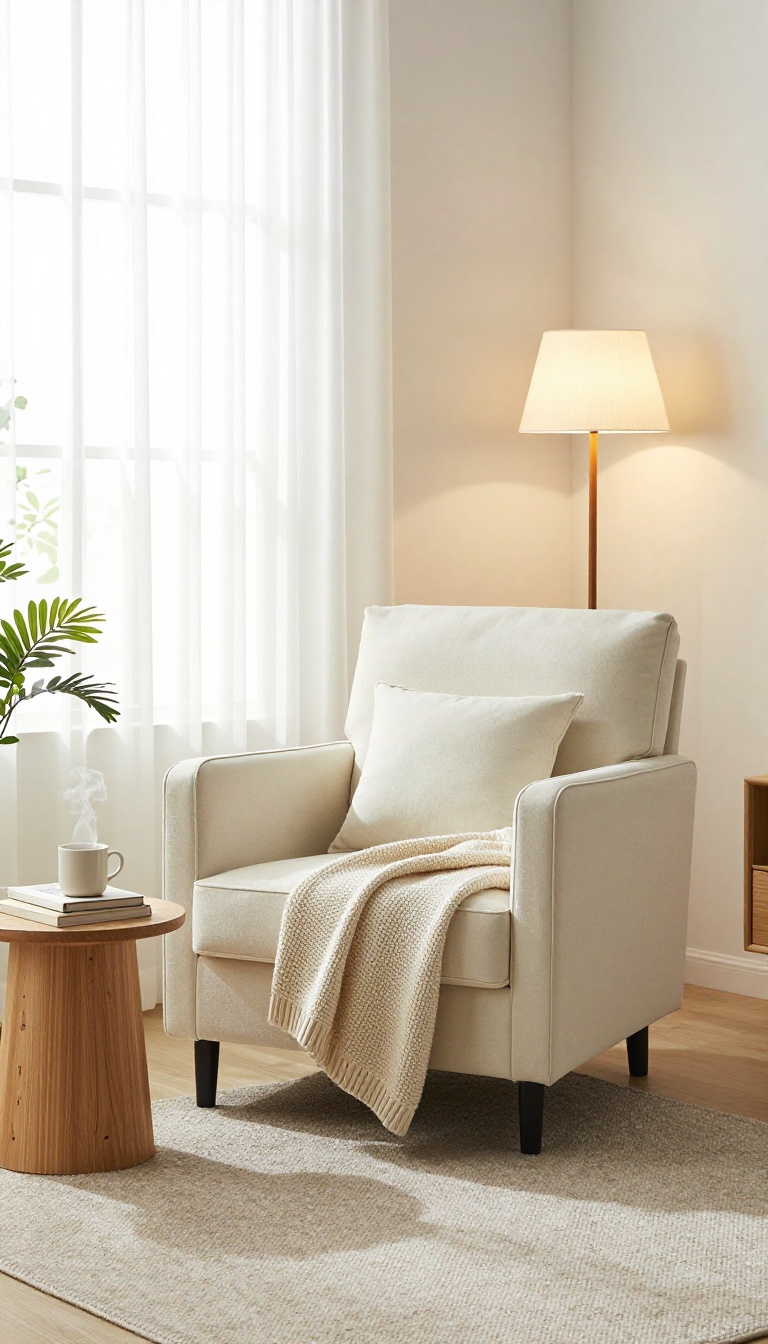
Corners often become dumping grounds for random items or just sit empty. That's a missed opportunity, especially in a small living room where every inch counts. Instead of letting a corner go to waste, turn it into a dedicated reading nook that adds both function and charm.
With just a few pieces, you can create a spot that invites you to sit down, relax, and escape into a good book.
A reading nook doesn't need much—just a comfortable chair, a small side table for your coffee or tea, and a floor lamp to provide good lighting. Choose a chair that fits the scale of your room; a slim armchair or a cozy accent chair works well without overwhelming the space. Place a small round or square table within arm's reach, and add a floor lamp that directs light over your shoulder.
This simple setup turns an unused corner into a purposeful and inviting area, making your living room feel more complete.
Pick The Right Corner
Not all corners are created equal. Look for one that's naturally quiet and away from high-traffic areas, like near a window or beside a bookshelf. If you have a corner that gets natural light, that's a bonus—just position the chair so you can enjoy the daylight without glare on your pages.
Avoid placing the nook too close to the TV or other distractions, so it feels like a separate retreat.
Layer In Comfort
Make the nook inviting with a few soft touches. Add a plush throw blanket over the chair and a small cushion for extra back support. A small rug under the chair can define the space and add warmth.
These layers not only make the spot cozier but also visually anchor it, making the corner feel intentional rather than an afterthought.
Maximize Function
If space is really tight, look for a chair with built-in storage, like one with a pocket on the side for books or magazines. Alternatively, use a small stool that can double as a side table and extra seating when needed. A wall-mounted shelf above the nook can hold a few favorite reads or a plant, keeping everything within reach without taking up floor space.
13. Keep the Center Clear for Flow
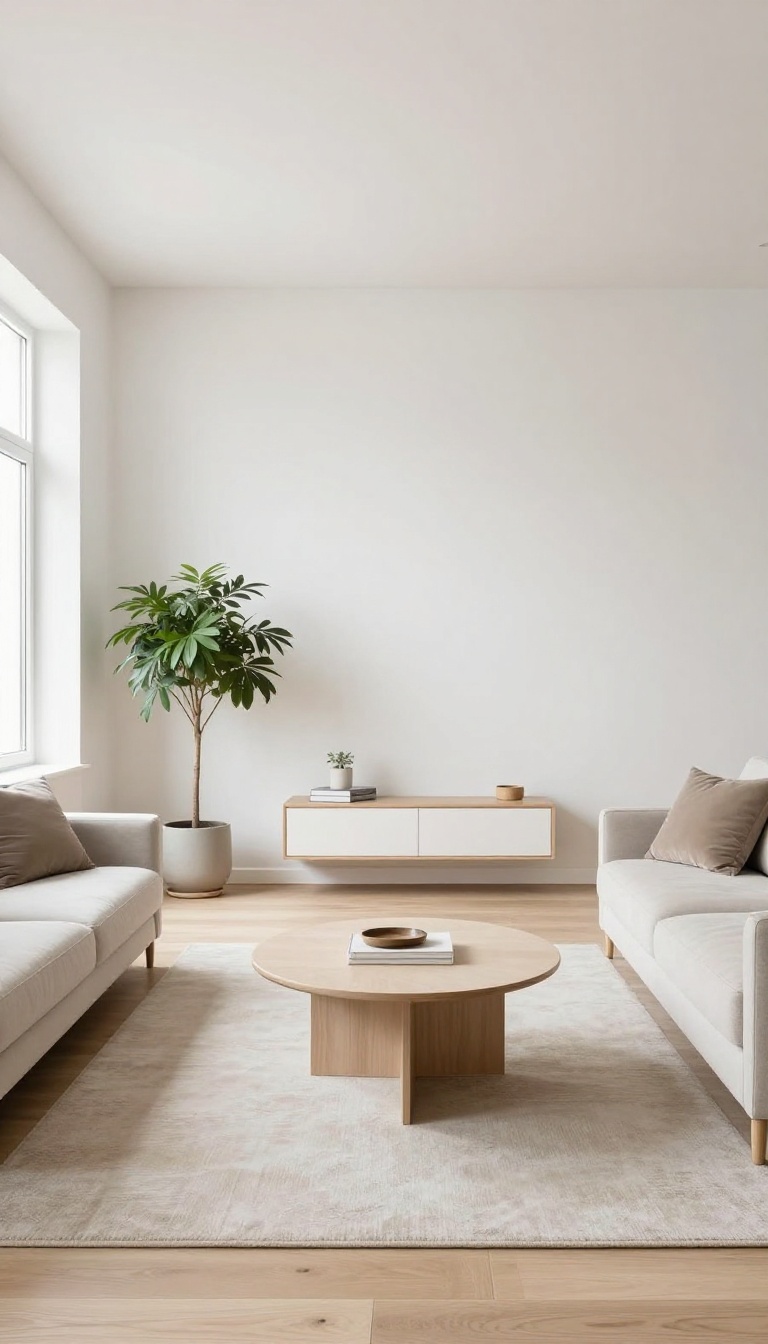
When a room is small, it's tempting to push every piece of furniture against the walls to open up the middle. But that often leaves a big empty void that feels awkward and makes the space seem disjointed. Instead, think of the center as a pathway—a clear lane that lets you move naturally from the door to the window, from the sofa to the kitchen.
Keeping the center of your living room clear is one of the simplest ways to make it feel larger and more welcoming. Without a coffee table or ottoman blocking the way, you create an uninterrupted flow that makes the room feel more open. This doesn't mean you have to sacrifice style—just be strategic about what goes in the middle and what stays on the edges.
Use A Rug To Define The Path
A rug can help anchor the seating area without physically blocking the center. Choose a rug that sits under the front legs of your sofa and chairs, leaving a clear border of floor around it. This visually creates a zone while keeping the walkway open.
If you have a long, narrow room, place the rug perpendicular to the length to encourage movement along the sides.
Float Furniture Away From Walls
Instead of lining every wall, pull your sofa and chairs a few inches away from the walls. This creates a small gap that makes the room feel more spacious and adds depth. Floating furniture also allows for a natural walking path behind the sofa, which can be a game-changer in a small space.
Just make sure there's enough room to walk comfortably—at least 18 inches.
Choose A Slim Coffee Table Or Skip It
If you love having a coffee table, opt for a slim, round one that doesn't dominate the center. A round table with a narrow profile takes up less visual space and makes it easier to navigate around. Alternatively, consider using a couple of small side tables or a nesting set that can be moved out of the way when you need extra floor space.
This keeps the center clear without sacrificing function.
FAQ
How do I arrange furniture in a small living room?
Start by identifying the room's focal point, like a window or TV. Then place the largest piece (sofa or loveseat) facing it, and add smaller chairs or ottomans to create a balanced conversation area. Keep walkways clear and avoid pushing everything against the walls.
What is the best sofa size for a small living room?
A loveseat (around 60-70 inches wide) or a compact 2-seater sofa is usually ideal. If you need more seating, consider a corner sofa or a sofa with a chaise that fits snugly into a corner. Measure your space first to ensure it doesn't overwhelm the room.
How can I make a small living room look bigger?
Use light colors on walls and furniture, incorporate mirrors to reflect light, choose furniture with exposed legs to create a sense of openness, and keep the floor area clear. Also, use vertical storage to draw the eye upward.
Should I put a rug in a small living room?
Yes, a rug can help define the seating area and make the room feel more cohesive. Choose a rug that is large enough to fit at least the front legs of your furniture, or go bigger to make the space feel more expansive. Avoid small rugs that make the room look cluttered.
How do I arrange furniture in a narrow living room?
In a narrow room, place the sofa against one long wall and put chairs or a loveseat opposite, leaving a clear walkway in the middle. Use a slim console table behind the sofa for extra storage, and avoid bulky furniture that blocks the flow.
Conclusion
Small living rooms don't need a full redesign to feel finished—just a few smart layout tweaks can change how the space works and feels. Start with the idea that solves your biggest headache, whether it's seating, flow, or storage, and build from there. Once you make that first change, you'll see how quickly the rest falls into place.
Pick one or two ideas that fit your daily habits, and let your room evolve naturally. The goal isn't perfection—it's a living room that feels comfortable, functional, and genuinely yours.