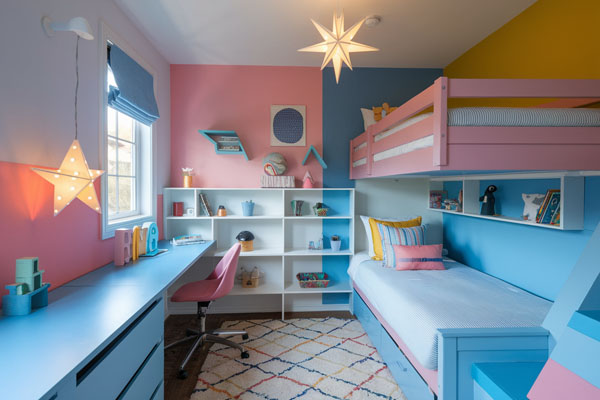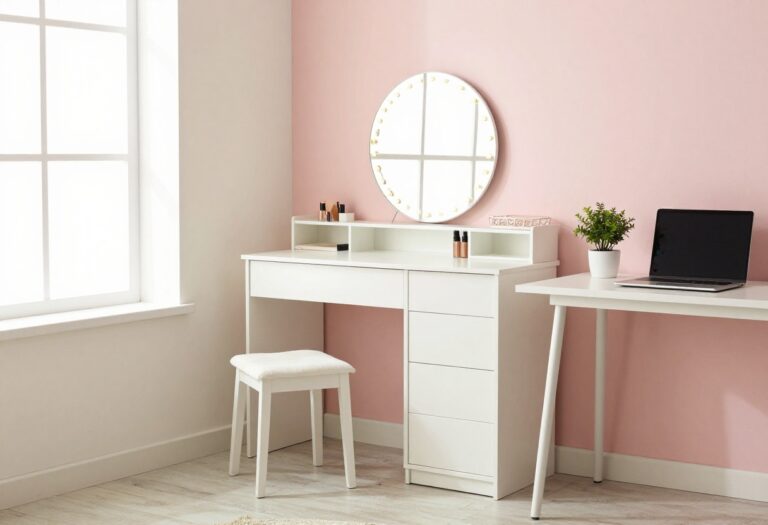
10 Shared Bedroom Ideas for a Boy and Girl That Feel Cozy and Balanced
Sharing a bedroom can be a beautiful experience for siblings, but designing a space that feels equally personal to a boy and a girl takes some thought. You want the room to feel cohesive, not chaotic, and cozy enough for both to relax and play.
The key is layering textures, colors, and zones that respect each child's personality while keeping the overall look harmonious.
These ten ideas focus on creating a balanced, inviting room where both kids feel at home.
1. Neutral Base with Pops of Individual Color
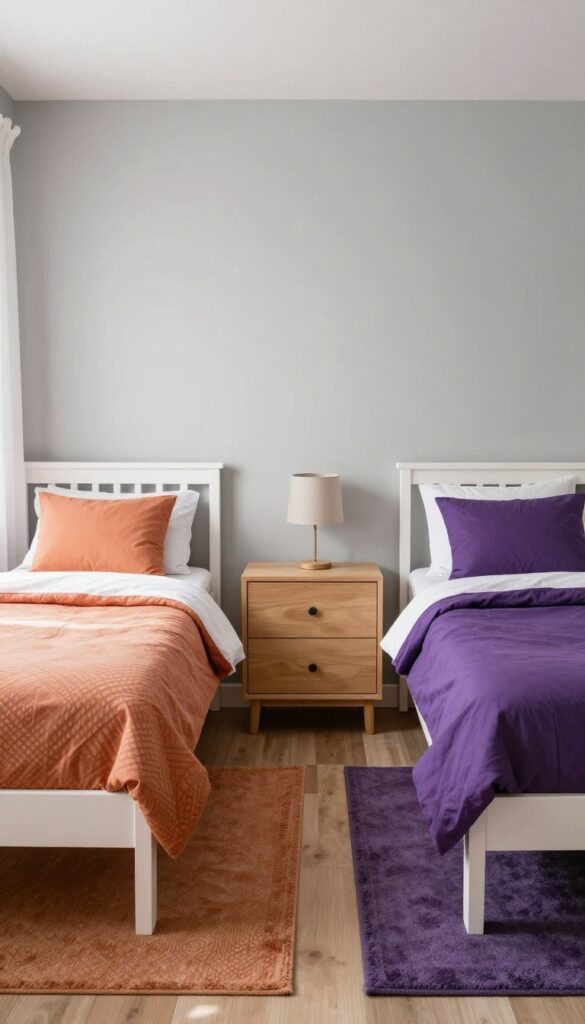
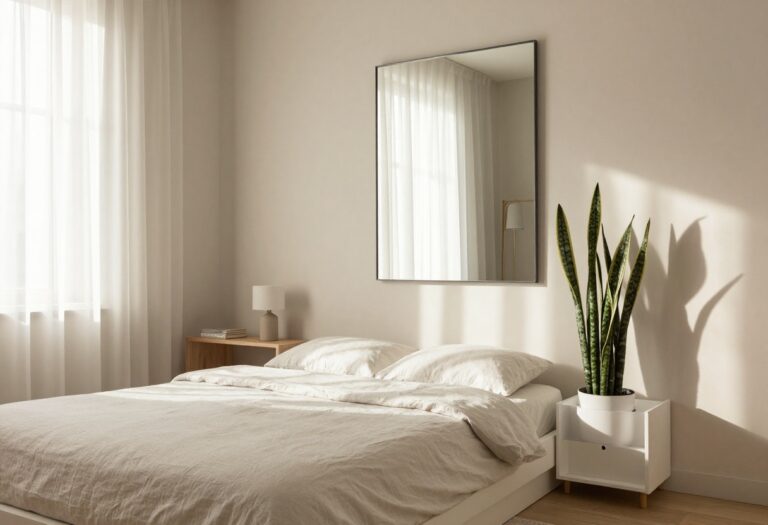
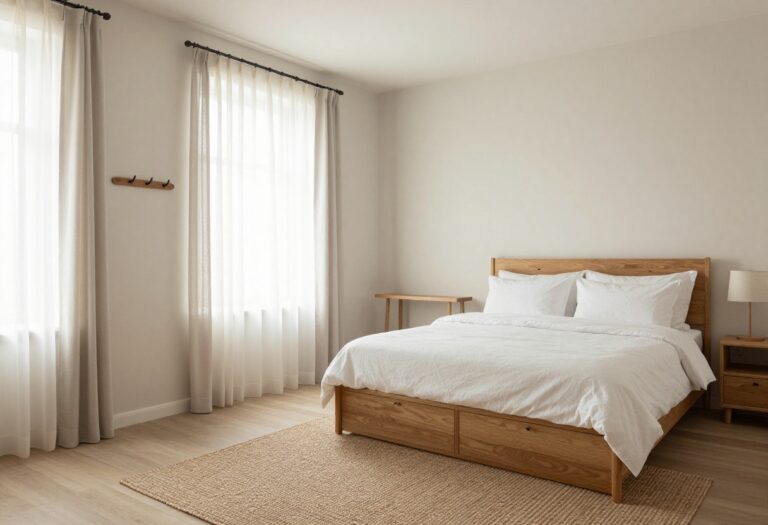
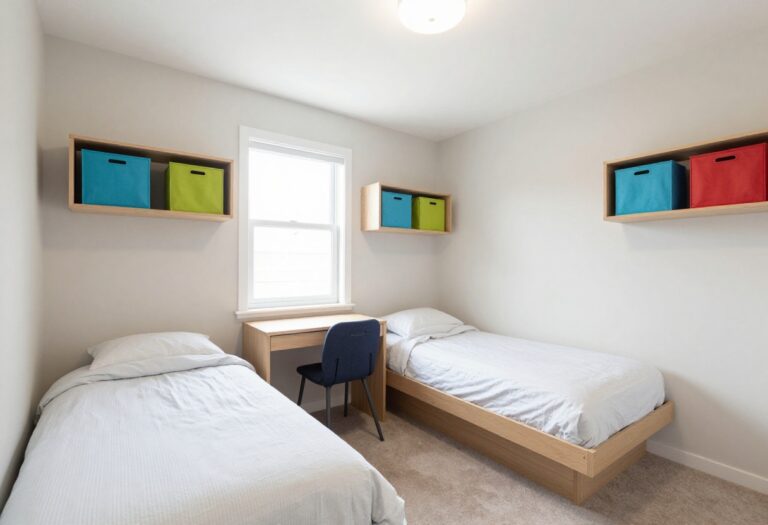
A shared bedroom for a boy and girl doesn't have to feel like a tug-of-war between pink and blue. Starting with a soft neutral backdrop—think warm beige, creamy white, or soft gray—creates a calm, cohesive foundation that lets each child's personality shine through in smaller doses. The trick is letting them each pick one signature accent color, then weaving it into their own bedding, a throw pillow, or a small rug on their side of the room.
This approach keeps the space feeling layered and cozy, not chaotic, and makes it easy to update as tastes change.
Why It Works
Neutrals visually expand the room and provide a quiet canvas that absorbs the energy of two distinct color choices. By confining each child's color to their own zone, you create personal territory without visual clutter. The result feels intentional and balanced, not like a compromise.
Best For
This idea works beautifully for siblings with very different color preferences—say, one loves bright orange and the other prefers deep purple. It's also ideal for families who want a room that grows with the kids, since swapping out a duvet or rug is far simpler than repainting walls.
Styling Tip
Choose one neutral for the walls (like a warm greige) and repeat it in larger furniture pieces such as the bed frames or a shared dresser. Then let each child select two to three accent items in their color—a patterned bedspread, a cozy throw, and a small basket for toys. Keep the rest of the room's accessories (lamps, curtains, wall art) in the neutral palette to maintain visual calm.
2. Shared Canopy or Tent for a Cozy Reading Nook
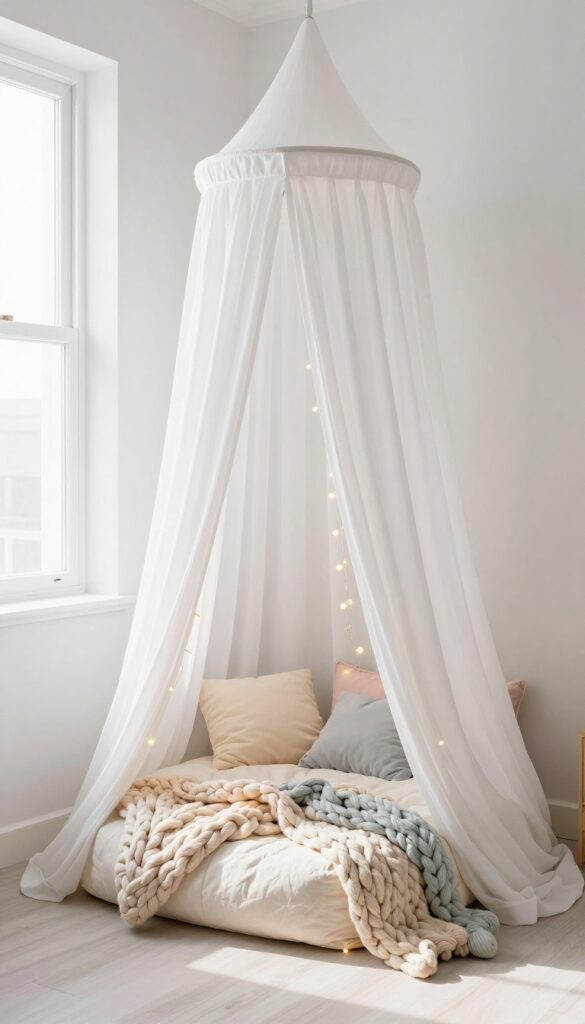
A canopy or tent transforms a plain corner into a magical hideaway that both kids can claim as their own. Draped fabric softens the room's edges and adds a sense of privacy without closing anyone off. Layer the floor with plush cushions, a chunky knit blanket, and a string of warm fairy lights to create an inviting spot for stories, quiet play, or just a break from the day.
Why It Works
This setup gives each child a shared retreat that feels special and intentional. The canopy or tent defines a clear zone for relaxation, which helps reduce conflicts over personal space while still encouraging togetherness.
Best For
Rooms with an unused corner, a low ceiling, or a nook near a window. It also works well in smaller rooms where a permanent furniture piece might feel too bulky.
Styling Tip
Choose a neutral or soft-toned canopy that complements the room's color scheme, then add pops of color with pillows or a patterned blanket. Keep the fairy lights on a timer to create a gentle evening glow without draining batteries.
3. Bunk Beds with Built-In Privacy Curtains
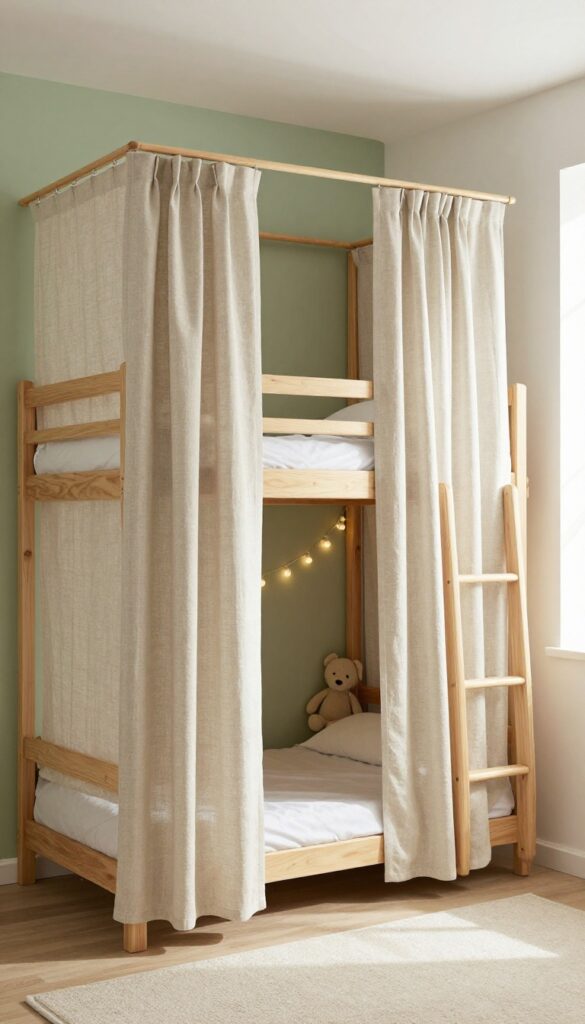
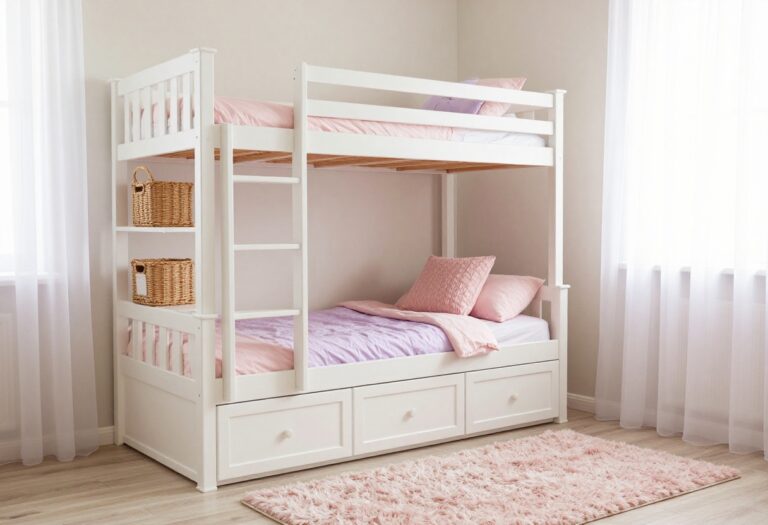
Bunk beds are a classic space-saver, but adding privacy curtains turns them into something special. Each child gets their own cozy nook, complete with a curtain they can draw shut for quiet time or reading. Choose a soft, neutral fabric like linen or cotton canvas to keep the room feeling airy, then let each kid personalize the inside with a favorite stuffed animal or a string of fairy lights.
Why It Works
Curtains give each child a visual boundary without closing off the room entirely. This setup reduces arguments over personal space and makes bedtime feel more inviting. The layered fabric also softens the room acoustically, making it feel calmer.
Best For
This idea works well for siblings with a moderate age gap—older kids appreciate the privacy, while younger ones enjoy the cozy hideaway feel. It's also great for rooms with high ceilings, where the upper bunk feels less exposed.
Styling Tip
Use curtain rods that mount directly to the bunk frame or ceiling for a built-in look. Choose a fabric that coordinates with the room's main color palette—soft grays, warm beiges, or muted greens work beautifully. Add a small clip-on reading light inside each bunk for function.
4. Color-Blocked Wall to Define Zones
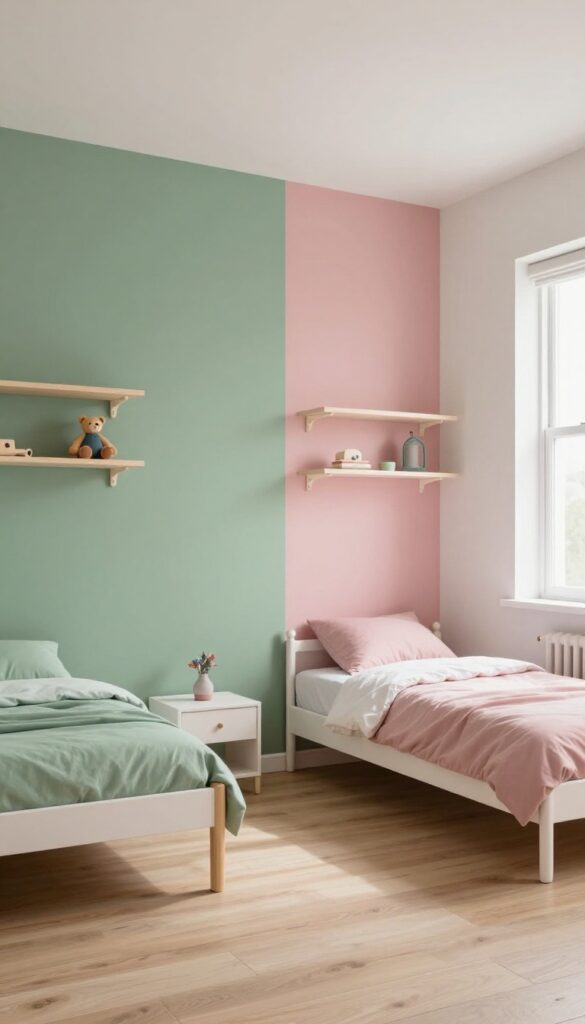
When two kids share a room, it helps to give each one a visual anchor. A color-blocked wall does exactly that—painted in two complementary hues split vertically or diagonally, it carves out distinct territories without adding a single piece of furniture. The rest of the room stays light and airy, so the wall becomes a playful focal point that feels intentional, not chaotic.
It’s a cozy, layered way to honor each child’s personality while keeping the space unified.
Why It Works
The bold color divide creates an instant psychological boundary, so each child feels ownership over their side. Because the palette is limited to two tones, the room still reads as cohesive—especially when you carry those colors into bedding or accessories. It’s a low-commitment renovation that packs a big visual punch.
Best For
Siblings with very different tastes—one loves soft pastels, the other bright primaries—or when you want to avoid full-on themed decor. It also works well in long, narrow rooms where a natural midline makes sense.
Styling Tip
Choose one neutral and one accent color, or two muted tones like sage green and dusty rose. Paint the ceiling and remaining walls in the lightest shade to keep the room open. Add a floating shelf on each side for personal treasures.
5. Shared Gallery Wall for Personal Art and Photos
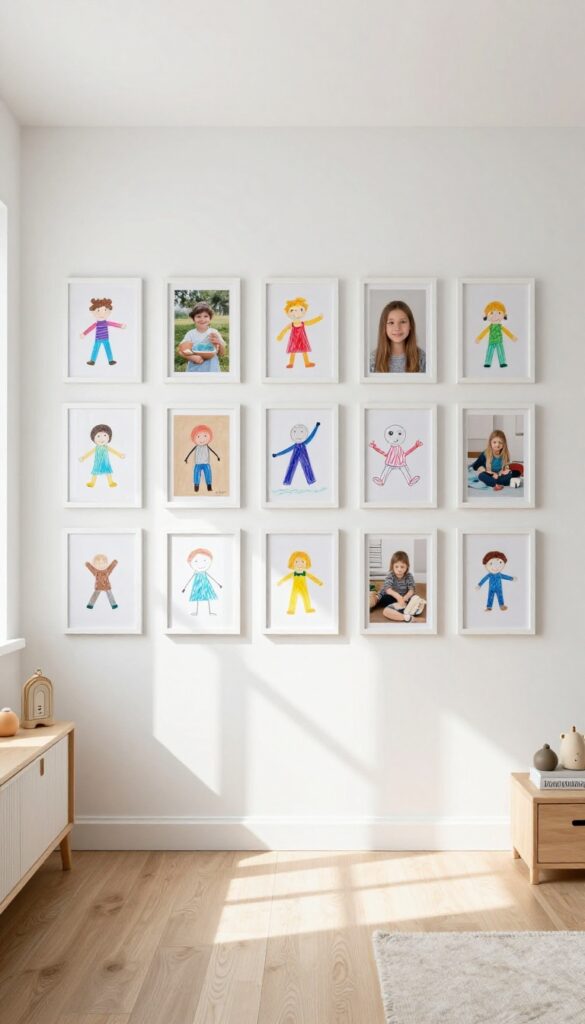
A gallery wall in a shared kids' room does more than fill empty wall space—it gives each child a place to shine. By mixing frames of the same finish but letting the artwork and photos vary, you create a cohesive look that still feels personal. This setup grows with them as they swap out old drawings for new masterpieces, keeping the room feeling fresh and loved.
Why It Works
It turns the wall into a neutral canvas where both personalities can coexist without clashing. The uniform frames provide visual order, while the changing content keeps the display dynamic and meaningful. It also reduces the urge to scatter art all over the room, cutting down on visual clutter.
Best For
This works well for siblings close in age who both enjoy drawing, collecting photos, or displaying small treasures. It's especially effective in rooms where wall space is limited because it consolidates all the personal touches into one curated area.
Styling Tip
Stick to one frame color—white, black, or natural wood—and use a mix of sizes and orientations. Lay out the arrangement on the floor first to find a balanced composition, then hang the frames about 3–4 inches apart. Add a few clip frames or wire grids so kids can swap art easily without re-hanging.
6. Layered Rugs for Texture and Softness
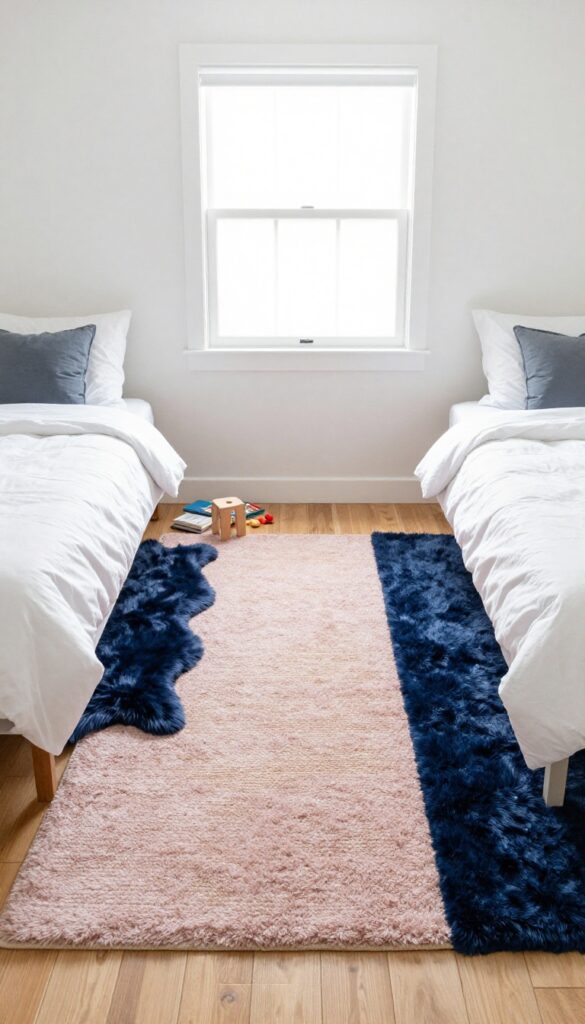
Layering rugs is one of those tricks that instantly makes a room feel more curated and cozy. In a shared boy-girl bedroom, it does double duty: it adds warmth underfoot and carves out distinct zones for each child. Start with a large neutral jute or wool rug that anchors the whole space, then top it with a smaller, softer rug on each side of the room.
This creates a clear visual boundary for each child's area while keeping the overall look cohesive. The mix of textures—rough natural fibers against plush, fluffy piles—adds depth and makes the floor feel inviting for playtime or reading.
Why It Works
Layering rugs gives each child a defined personal territory without needing bulky furniture or dividers. The neutral base rug ties the room together, while the individual top rugs let each child express their style—maybe a soft pink shag on one side and a navy blue faux-fur on the other. The added cushioning also makes sitting on the floor more comfortable, which is a big plus for kids who love to sprawl out with toys or books.
Best For
This idea works well in medium to large shared bedrooms where you want to create separate zones without closing off the space. It's especially effective if the room has hardwood or laminate floors that need warming up. If you're dealing with a smaller room, stick to a single large neutral rug and use smaller accent rugs only on the sleeping sides to avoid overwhelming the floor.
Styling Tip
- Keep the base rug in a neutral tone like beige, gray, or cream so it blends with the rest of the room. For the top rugs, choose colors that pick up accents from each child's bedding or wall art. Make sure the top rugs are about two-thirds the size of the base rug and placed slightly off-center for a casual, layered look.
- Use rug pads underneath to prevent slipping and add extra cushioning.
7. Shared Bookshelf with Individual Baskets
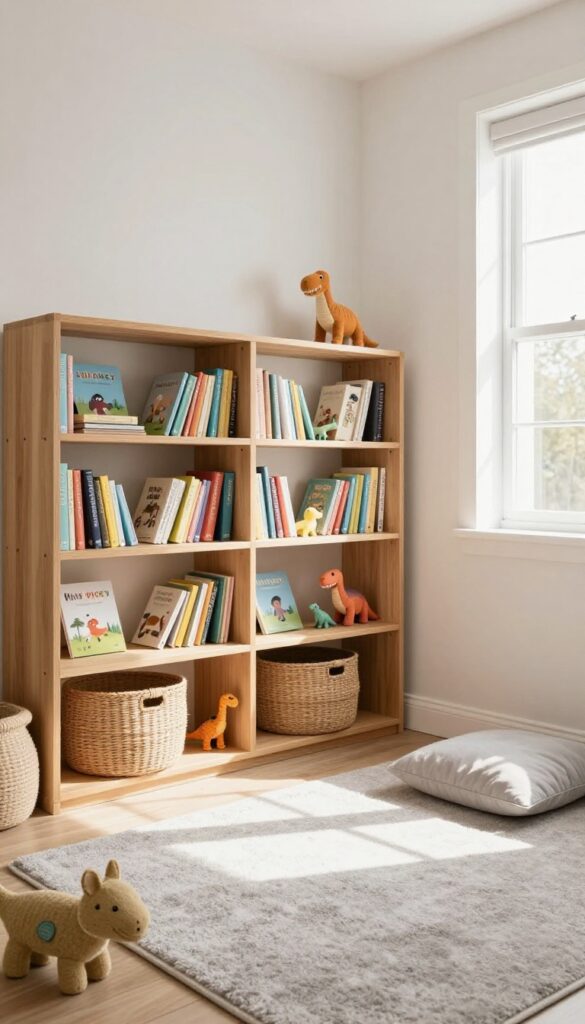
A low bookshelf running along the wall becomes a grounding anchor in a shared kid's room. It's low enough for little hands to reach and long enough to hold everyone's treasures. The trick is to weave in personal baskets or bins—one per child—so each has a dedicated spot for their special keepsakes, from favorite picture books to tiny dinosaur figurines.
This setup keeps the room feeling cohesive while respecting each child's need for a bit of personal territory.
Why It Works
It solves the classic shared-room problem of mingled belongings and potential squabbles. Each child sees their own labeled basket and knows exactly where their things live, which builds independence and reduces cleanup battles. The shared shelf above still allows for communal items like board games or a family photo, striking a balance between togetherness and individuality.
Best For
This idea shines in rooms where kids are close in age but have different interests or attachment to specific toys. It's also perfect for small spaces where a separate bookshelf per child isn't possible, and for parents who want to teach organization without being overly strict.
Styling Tip
Choose baskets in a neutral tone like seagrass or soft gray so they blend visually, then add a small label or a piece of washi tape in each child's favorite color. Place the shelf in a cozy corner with a floor cushion or a small rug nearby to create a mini reading nook that invites quiet time together.
8. Canopy Beds with Different Drapes
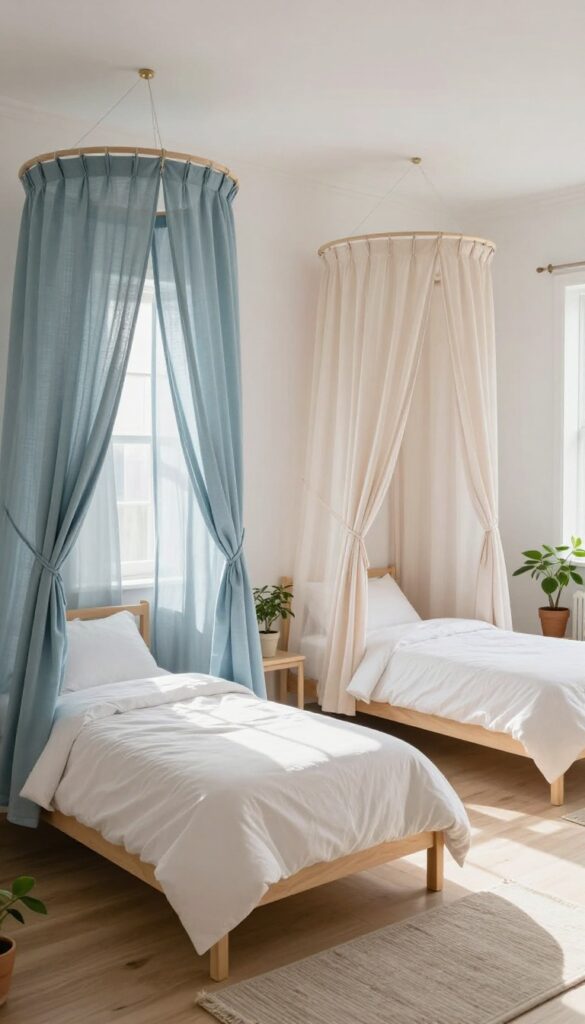
There's something magical about a canopy bed, especially for kids sharing a room. By adding simple frames over twin beds and dressing each with its own fabric, you create two distinct little worlds under one roof. Choose colors that feel connected—like a dusty blue and a soft blush—so the room stays cohesive even as each side feels personal.
The draped fabric adds softness and warmth, making the space feel cozy and layered without being busy.
Why It Works
Canopy beds carve out visual territory for each child, giving them a sense of ownership in a shared space. The drapes also absorb sound and soften the room, which helps with both privacy and a calm atmosphere.
Best For
This setup works beautifully for siblings with a moderate age gap or different tastes, since each canopy can reflect their personality. It's also great for rooms with high ceilings, where the vertical frame draws the eye upward and makes the space feel grand.
Styling Tip
Keep the canopies light and airy—think cotton or linen—so they don't overwhelm the room. Tie the drapes back during the day to let in light, and let them fall loose at bedtime for a cocooning effect. Add a string of fairy lights inside one canopy for a subtle glow.
9. Shared Desk with Two Distinct Work Areas
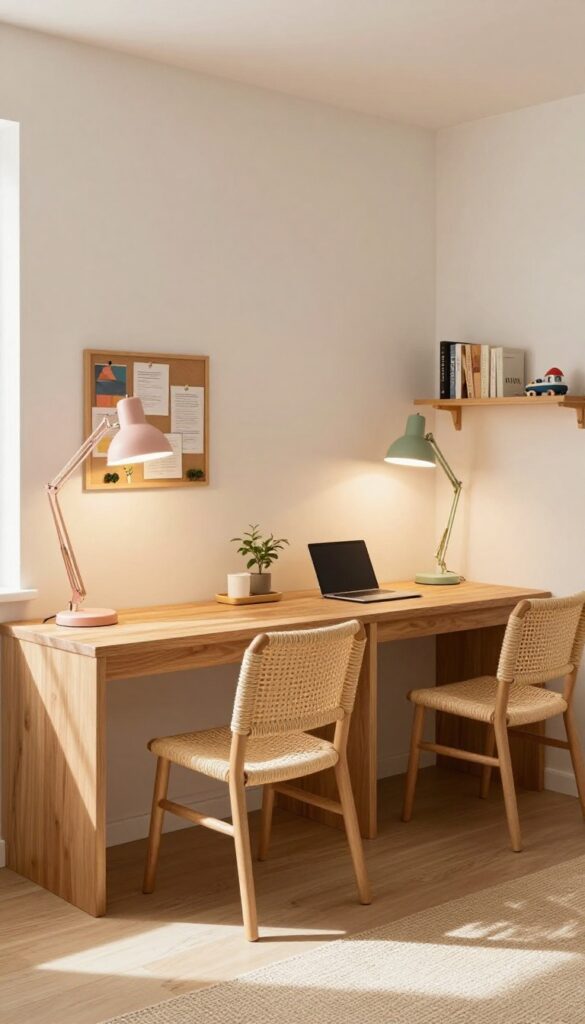
A long desk stretched along one wall does more than just save floor space—it creates a quiet command center for both kids. By carving out two separate zones with desk dividers or individual task lamps, each child gets a defined spot that feels like their own. A small bulletin board or shelf above each workspace holds school papers and tiny treasures, turning the desk into a personal gallery of what matters most to them.
Why It Works
This setup gives each child a clear sense of ownership without needing separate furniture. The visual separation reduces distractions and squabbles over territory, while the shared surface keeps the room feeling open and uncluttered.
Best For
School-age siblings who need a dedicated homework area but share a compact bedroom. It's especially useful when the room lacks space for two separate desks.
Styling Tip
Choose a warm wood desk to keep the room cozy, and add a soft woven runner under the chairs for texture. Use clip-on lamps in different colors (like blush and sage) to define each side without taking up desk space.
10. Ceiling Decor That Unites the Room
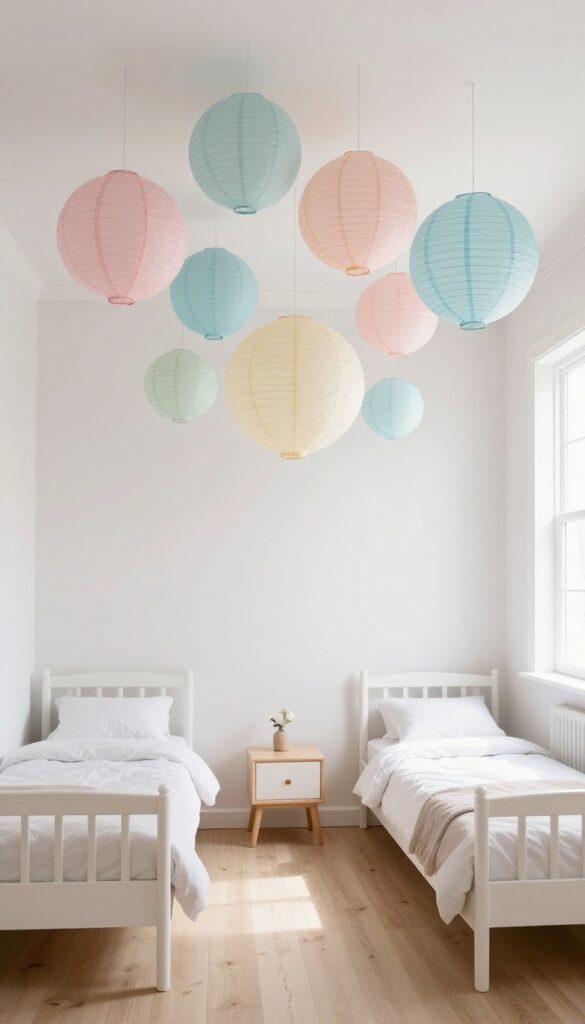
When floor space is tight and walls are already claimed, the ceiling becomes an unexpected canvas. A shared mobile, a cluster of paper lanterns, or a simple fabric swag hung overhead draws the eye upward and creates a focal point that belongs to both kids equally. This trick adds a whimsical, cozy layer without favoring one side of the room—perfect for a shared space that needs a unifying touch.
The best part? It’s easy to swap out as they grow, so the room can evolve with their tastes.
Why It Works
Ceiling decor instantly softens the room and adds visual interest without taking up any floor or wall space. It creates a shared zone above both beds or play areas, making the room feel intentional and cohesive rather than divided. The upward pull also makes the ceiling feel higher, which is especially helpful in smaller rooms.
Best For
This idea shines in rooms where the two sides feel disconnected—maybe because of different bed styles or color preferences. It’s also great for low-ceilinged spaces that need a touch of height, or for families who want a quick, low-commitment decor update that both kids can agree on.
Styling Tip
Keep the palette neutral or choose one accent color that appears in both kids’ bedding or accessories. For a DIY version, string a garland of felt stars or paper cranes across the ceiling. If you go with a mobile, hang it off-center to avoid blocking sightlines, and use clear fishing line so the decor appears to float.
FAQ
How do I make a shared bedroom feel personal for both a boy and a girl?
Let each child choose one or two accent colors or patterns for their bedding or decor. Use a neutral base for walls and large furniture, then add personal touches like pillows, art, or a small rug in their chosen style.
What's the best way to divide space in a shared bedroom?
Use furniture placement, area rugs, or color-blocked walls to create visual zones. Bunk beds or twin beds with a low shelf between them can also define personal areas without making the room feel cramped.
How can I keep the room cozy without it feeling cluttered?
Focus on layered textures like soft rugs, curtains, and throw blankets. Use storage baskets and shelves to keep toys and books organized. Stick to a cohesive color palette to maintain a calm, inviting atmosphere.
What colors work well for a boy-girl shared bedroom?
Soft neutrals like beige, gray, or white work as a base. Then add accents in complementary colors like sage green and blush, navy and coral, or mustard and teal. These pairs feel balanced and gender-neutral.
How do I handle storage in a small shared bedroom?
Use under-bed storage bins, wall-mounted shelves, and a shared bookshelf with labeled baskets. A storage bench at the foot of the bed or a closet organizer can also maximize space without adding visual clutter.
Conclusion
Balancing a shared bedroom for a boy and girl doesn't have to mean sacrificing style or comfort. With a few thoughtful layers and personal touches, the room can become a cozy haven where both kids feel seen and at ease.
Start with one or two ideas that resonate most, and build from there. The goal is a space that feels unified yet personal—a place where sibling bonds can grow.