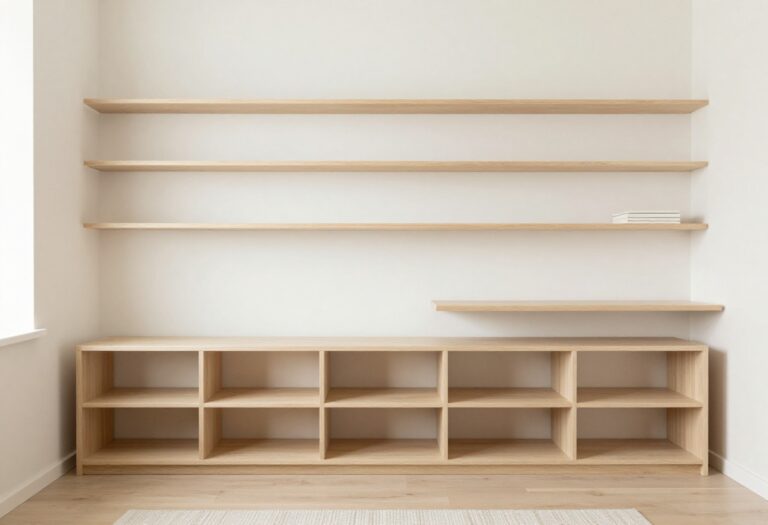
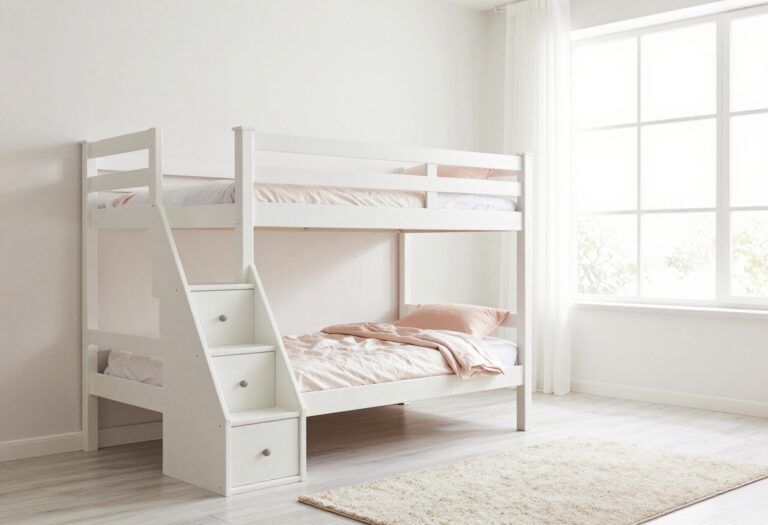
10 Cozy Small Bedroom Ideas for Two Kids That Feel Spacious and Layered
Sharing a bedroom can be a beautiful part of childhood, but making it work in a small space takes some creativity. You want the room to feel cozy and inviting, not cramped or chaotic.
The secret lies in layering textures, colors, and smart furniture choices that give each child their own zone without wasting a single square foot.
Whether you're starting from scratch or refreshing an existing layout, these ten ideas will help you create a shared bedroom that feels spacious, warm, and full of personality.
1. Bunk Beds with Built-In Storage Stairs
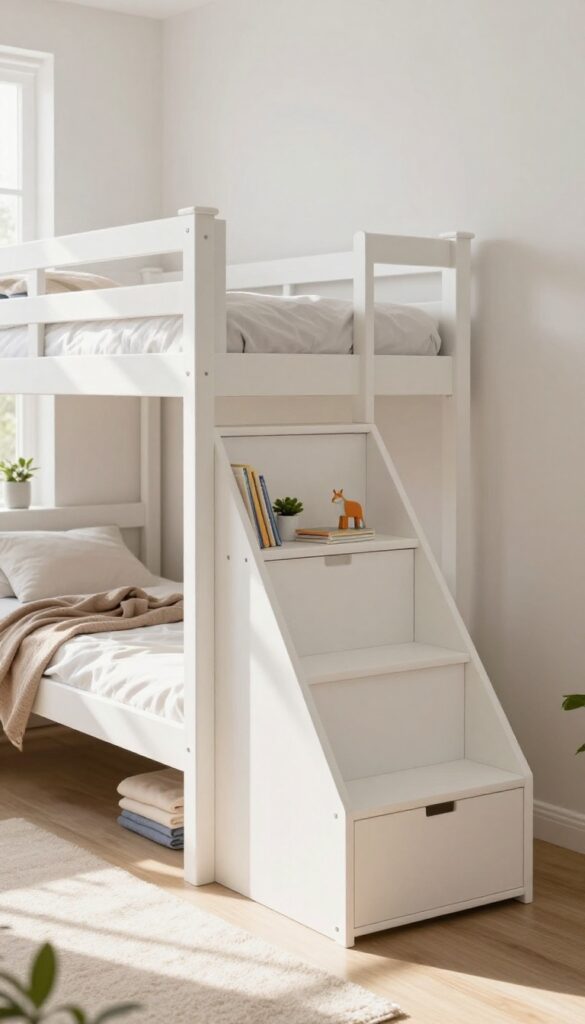
Picture this: a bunk bed that doesn't just stack sleeping spaces but also tucks away the clutter. With stairs that double as drawers or cubbies, every step becomes a home for books, toys, or clothes. The result is a clean, open floor that feels cozy rather than cramped, and the built-in look adds a touch of custom charm that makes the room feel thoughtfully designed.
Why It Works
By turning the staircase into storage, you eliminate the need for extra dressers or bins, which means more floor space for play or movement. The vertical design also draws the eye upward, making the room feel taller and airier, while keeping essentials within easy reach for little hands.
Best For
This idea is ideal for shared bedrooms where floor space is at a premium, especially if the kids are close in age and comfortable sharing a bunk. It works beautifully in rooms with standard ceilings, as long as there's enough headroom for the top bunk.
Styling Tip
Choose a bed with a light wood finish or white paint to keep the room feeling bright and open. Add a soft rug underneath in a warm neutral or muted pastel, and use the cubbies to display a few favorite books or a small plant for a cozy, layered look.
2. Loft Beds with Separate Play or Study Zones
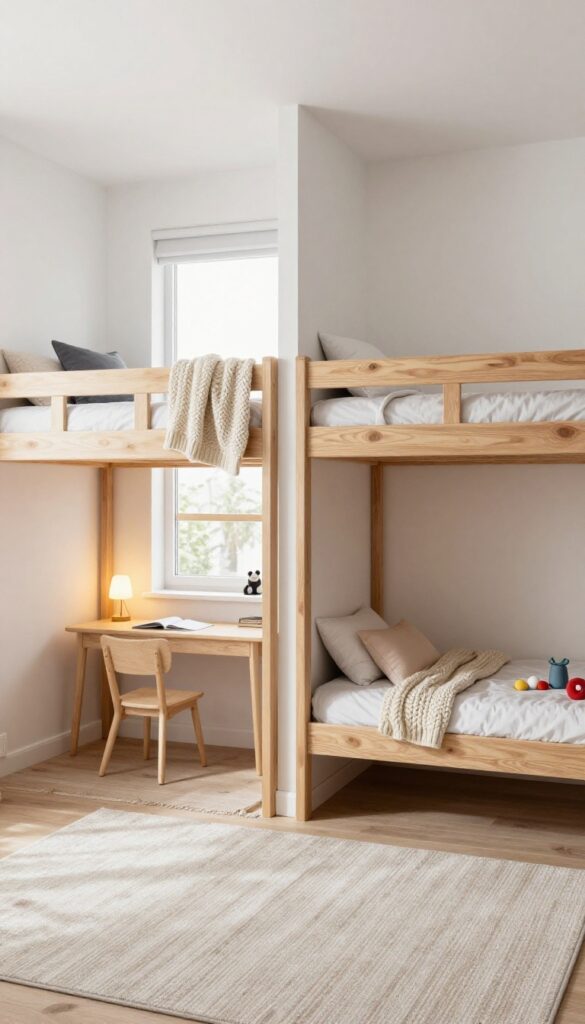
Raising a bed off the floor instantly changes the whole dynamic of a shared kids' room. Instead of two beds taking up all the available space, you get a vertical layout that leaves room for a desk, a tiny reading nook, or even a play mat underneath. The trick is to treat each lofted area like its own little room—add a soft rug, a small lamp, and maybe a curtain for privacy.
The result feels less like a cramped bedroom and more like a cozy, layered hideout where each child has their own corner.
Why It Works
Loft beds are a classic space-saver because they use vertical square footage that would otherwise go unused. By stacking sleep above activity, you effectively double the usable floor area without expanding the room. This separation also helps reduce sibling squabbles over territory, since each child gets a defined zone for different activities.
Best For
This setup works best for school-age kids who need a dedicated homework station and a place to unwind. It's especially useful in narrow or square rooms where traditional bunk beds would block windows or limit layout options.
Styling Tip
Keep the lofted bed feeling warm and inviting by layering textures: a chunky knit throw, a plush pillow, and a low-pile rug underneath. Use a cordless clip-on reading light to avoid dangling wires, and paint the underside of the loft in a soft, calming color to make the zone below feel intentional.
3. Twin Beds in an L-Shape with a Shared Headboard
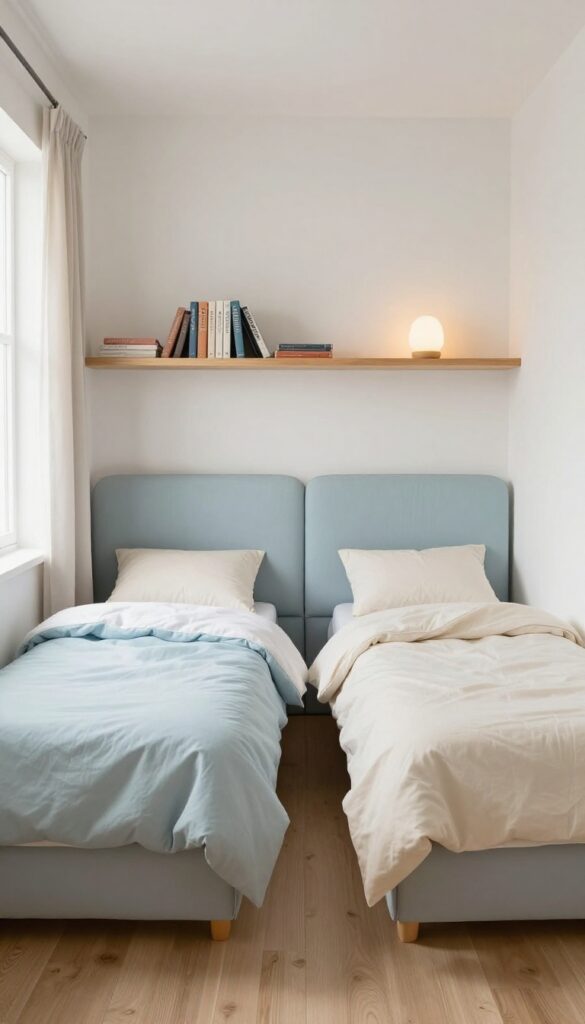
An L-shaped bed arrangement is a clever way to carve out personal space without sacrificing floor area. By pushing two twin beds against perpendicular walls, you create a cozy nook that feels intentional and connected. A continuous headboard or shelf running along both sides ties the look together, making the room feel cohesive rather than cramped.
This setup works especially well in narrow or square rooms where standard side-by-side beds would block pathways or windows.
Why It Works
The L-shape maximizes corner space that often goes unused, freeing up the center of the room for play or storage. Each child has their own defined sleeping zone, reducing arguments over territory. The shared headboard adds a unifying element, making the beds feel like a built-in feature rather than separate pieces.
Best For
This layout is ideal for small shared bedrooms where floor space is limited but you still want each child to have a distinct area. It works well in rooms with an awkward corner or an irregular shape, as it turns a potential dead zone into a functional sleeping spot.
Styling Tip
To keep the look cohesive, use matching bedding in complementary colors or patterns. Add a long shelf above the headboard for storing books, nightlights, or small treasures. For a cozy touch, hang a shared canopy or string lights above the L-shaped nook to create a dreamy reading corner.
4. Trundle Beds with a Cozy Daybed Vibe
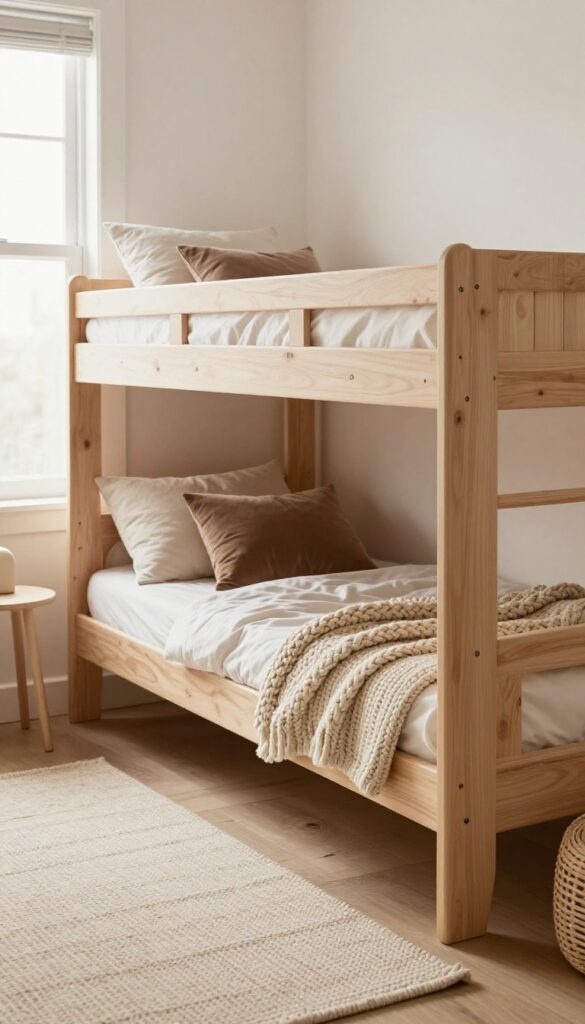
A trundle bed is a smart solution when two kids share a room but floor space is limited. During the day, the top bed transforms into a comfy daybed with plush pillows and a soft throw, while the lower bed slides out of sight. At night, simply pull out the second mattress for a sleepover-ready setup.
The layered look—think chunky knit blankets, velvet cushions, and a textured rug—makes the whole arrangement feel intentional and warm, not like a compromise.
Why It Works
It gives you two separate sleeping areas in the footprint of a single bed, freeing up valuable floor space for play or storage. The daybed styling makes the room feel inviting and multifunctional, so the bed doesn't dominate the room during waking hours.
Best For
Tight shared bedrooms where you need two beds but want to avoid a cramped layout. It's also ideal for rooms that double as a play space, since the lower bed tucks away cleanly.
Styling Tip
Choose a trundle with a low profile so the top bed sits at standard sofa height. Add a backrest of oversized pillows in coordinating neutrals, and finish with a chunky throw draped over the side. A small side table with a lamp completes the daybed look.
5. Vertical Storage Towers Instead of Bulky Dressers
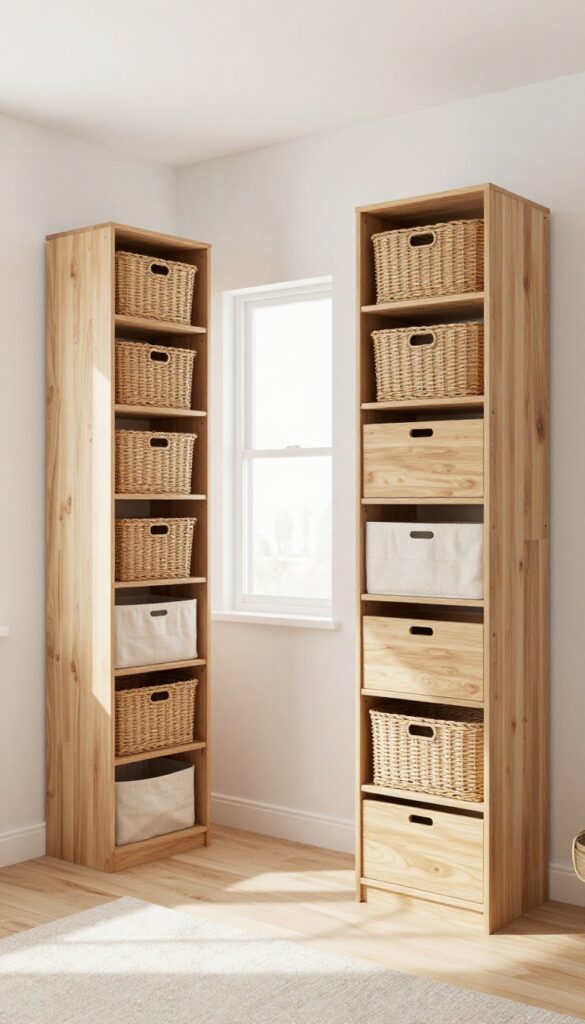
When floor space is at a premium, the smartest move is to build upward. Swap those wide, space-hogging dressers for tall, narrow storage towers that climb the wall instead of spreading across the room. Each child gets their own dedicated tower with a mix of bins, baskets, or drawers, keeping their belongings organized without stealing precious floor area for play or movement.
The result feels intentional and tidy, with a cozy, layered look that comes from mixing textures—think woven baskets, soft fabric bins, and smooth wooden fronts.
Why It Works
Vertical storage maximizes every square inch of wall height, leaving more open floor for activities, beds, or a shared play zone. Each tower gives each child a personal storage spot, reducing arguments over space and making cleanup easier. The slim profile also makes the room feel less cluttered and more spacious.
Best For
This idea is perfect for small shared bedrooms where floor space is tight and each child needs their own organized area. It works especially well in rooms with high ceilings or unused wall space above furniture.
Styling Tip
Choose towers in a light wood tone or white to keep the room airy, then add colorful bins or baskets that match each child's favorite color. Top each tower with a small plant or a framed photo to add personality without clutter.
6. Shared Wall-Mounted Desk with Two Workstations
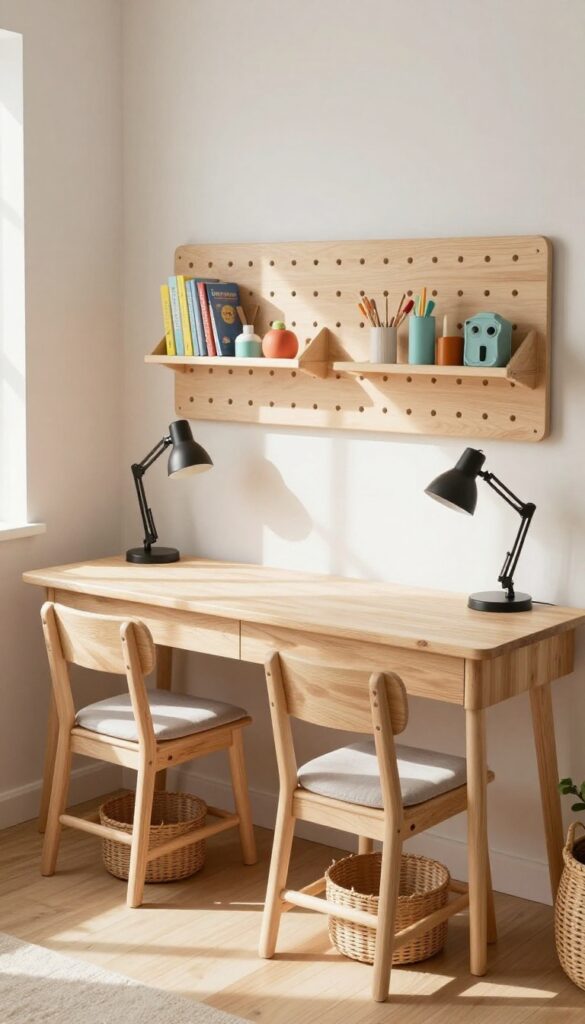
A long floating desk running along one wall turns an empty stretch into a focused homework hub. Two chairs sit side by side, each with its own task lamp, so both kids have their own zone without competing for space. Above the desk, pegboards or slim shelves keep pencils, notebooks, and art supplies within arm's reach, creating a clean, layered look that feels cozy rather than cluttered.
Why It Works
By mounting the desk on the wall, you free up precious floor area that would otherwise be taken up by bulky furniture. Each child gets a dedicated workspace with personal storage, which reduces arguments over supplies and keeps the room tidy. The continuous surface also doubles as a display ledge for books or small plants when not in use.
Best For
This setup works best in rooms where wall space is available but floor space is limited. It's ideal for school-age kids who need a quiet spot for homework and crafts, and it can be adapted for a shared bedroom or even a small nook in a hallway or playroom.
Styling Tip
Choose a warm wood tone for the desk to add coziness, and pair it with soft, adjustable LED task lights in a brass or matte black finish. Add a small woven basket under each chair for extra storage, and let each child pick a different color for their pegboard accessories to personalize their zone.
7. Canopy or Tent Over One Bed for Personal Space
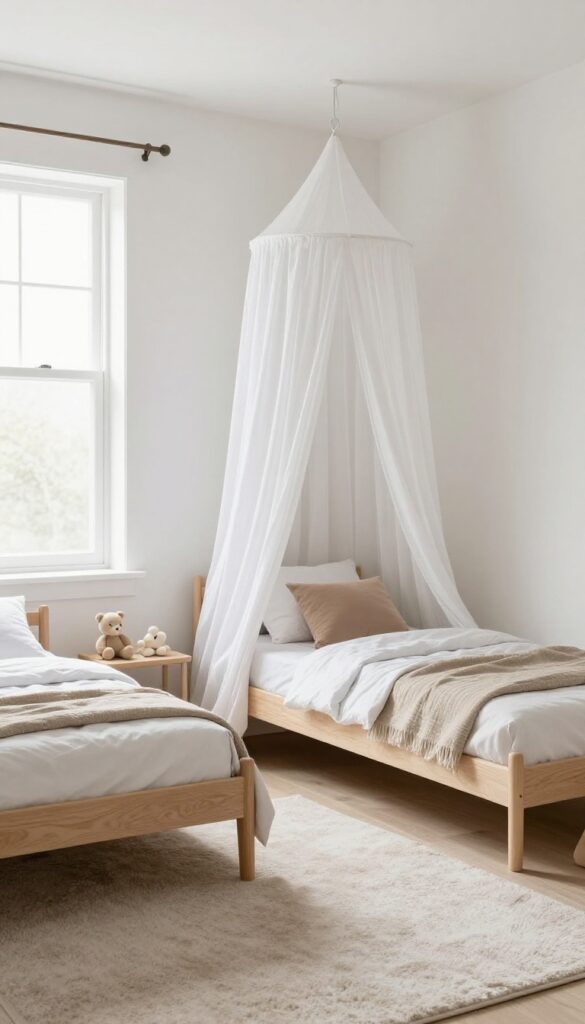
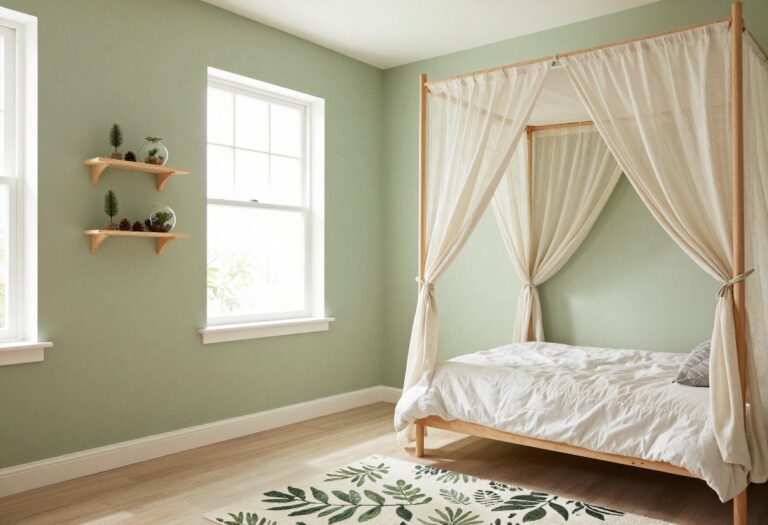
In a shared bedroom, a little separation goes a long way. Draping a lightweight canopy or hanging a small tent over one bed instantly carves out a private nook for one child, while the other still enjoys the open layout. The soft fabric adds a cozy, layered texture that makes the room feel more like a snug retreat than a cramped sleeping quarters.
It’s a simple trick that brings both visual warmth and a sense of ownership to each side of the room.
Why It Works
A canopy or tent defines personal territory without taking up extra floor space. The enclosed feel helps kids relax and focus, whether they’re reading, playing, or winding down for sleep. It also softens the overall look of the room with gentle folds and fabric, making the shared space feel more intimate and less cluttered.
Best For
This idea works especially well when one child is older or craves more privacy, or when the beds are arranged side by side with limited room for dividers. It’s also great for rooms with high ceilings where you can hang the canopy from a ceiling hook, or for bunk beds where a tent can be attached to the lower bunk.
Styling Tip
Choose a canopy in a neutral tone like cream, linen, or pale gray to keep the room airy, or go with a muted pastel for a subtle pop of color. For a tent, look for one with a simple frame that’s easy to assemble and remove. Add a string of battery-operated fairy lights inside the canopy for a magical glow at bedtime.
8. Under-Bed Drawers and Rolling Bins for Hidden Storage
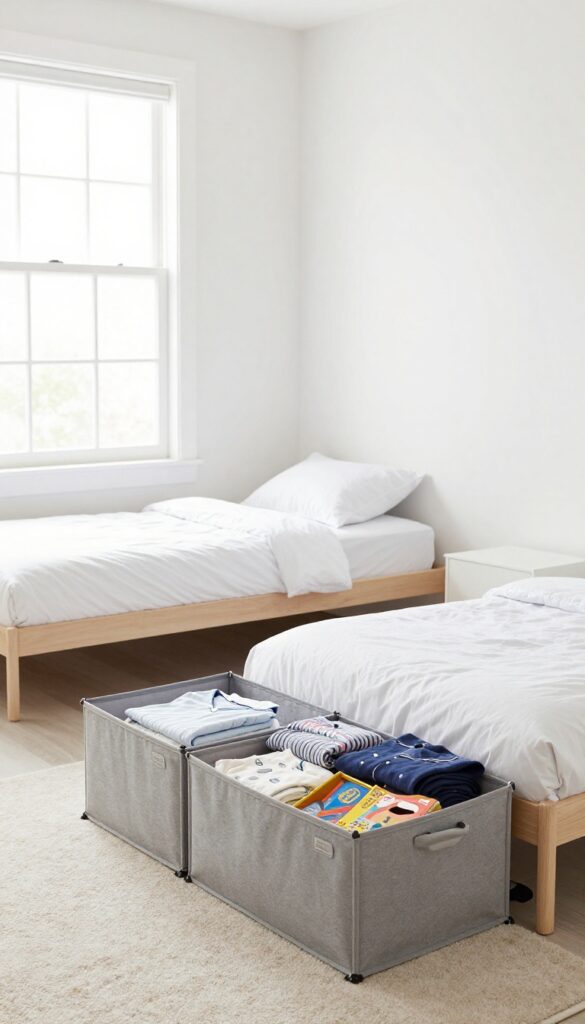
In a shared kids' room, every inch counts—especially the space beneath the beds. Instead of letting that gap collect dust bunnies and lost socks, turn it into a stealth storage zone. Low-profile rolling bins or custom pull-out drawers slide neatly under each bed, holding everything from off-season pajamas to board games.
The best part? When the bins are closed, the room looks tidy and spacious, with no visual clutter.
Why It Works
Under-bed storage makes use of dead space without eating into the floor area kids need for playing. Rolling bins are easy for little ones to slide out on their own, encouraging independence and making cleanup feel like less of a chore. The hidden nature keeps the room feeling calm and uncluttered, which is key for a shared space.
Best For
This idea is ideal for rooms with low beds or platform frames where standard drawers won't fit. It's also a lifesaver when closet space is limited, giving each child a dedicated spot for extra clothes or toys without adding bulky furniture.
Styling Tip
Choose bins in a neutral tone like woven seagrass or soft gray to keep the room feeling airy. Add a small label on each bin (use chalkboard tags or simple stickers) so kids know where things go. For a cohesive look, match the bin style to the bed frame—sleek metal bins for modern beds, or fabric bins with a subtle pattern for a cozier vibe.
9. Color-Coded Zones with Soft Rugs and Wall Art
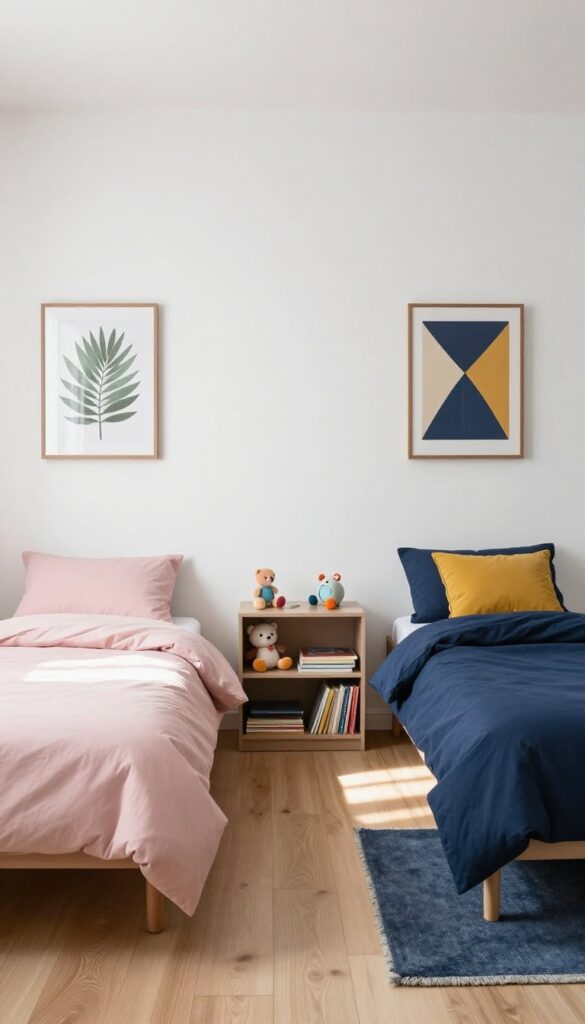
When two kids share a room, giving each a sense of personal territory can be a challenge. Color-coded zones offer a simple solution that feels more layered than loud. By assigning each child a subtle palette—think blush and sage for one, navy and mustard for the other—you can define their space without adding visual clutter.
Soft rugs anchor each zone, while wall art reinforces the color story, making the room feel both cohesive and distinctly theirs.
Why It Works
This approach creates clear visual boundaries without the need for bulky furniture or permanent dividers. The neutral base keeps the room calm and spacious, while the personal colors add warmth and identity. It’s easy to update as tastes change—just swap out bedding or art for a fresh look.
Best For
Pairs of siblings with different color preferences, especially in rooms where floor space is limited and a physical divider would feel cramped. It works well for toddlers through tweens, as the palette can mature with them.
Styling Tip
Choose one neutral wall color (like warm white or light gray) and let each child’s zone pop with a low-pile rug in their main hue. Hang a framed print or fabric wall hanging above each bed that echoes that color. Keep shared items like a central bookshelf or toy bin in the neutral tone to maintain harmony.
10. Corner Bookshelves and Reading Nooks
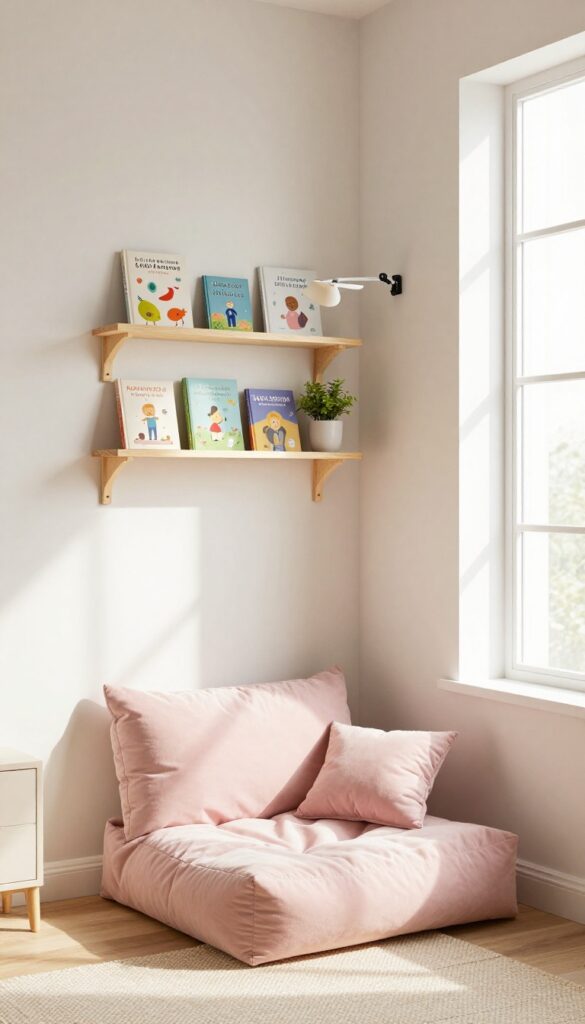
Even the smallest bedroom has a corner that goes unused—often the one near the window or beside the closet. That forgotten space can become the coziest spot in the room with just a few additions. A low chair or a plush floor cushion paired with wall-mounted shelves turns it into a quiet reading nook where one child can curl up with a book while the other sleeps or plays nearby.
The layered look—soft textiles, warm lighting, and stacked books—makes the corner feel intentional and inviting, not like an afterthought.
Why It Works
This idea makes use of dead space without taking up valuable floor area. The shelves keep books organized and within reach, while the seating stays compact. By creating a designated quiet zone, it gives each child a personal retreat in a shared room, which can reduce conflicts and encourage independent play.
Best For
Bedrooms with an awkward corner, a window alcove, or a spot that’s too small for a full desk but big enough for a chair. It’s especially useful in rooms where kids have different sleep schedules, so one can read quietly while the other rests.
Styling Tip
Choose a chair or cushion in a warm neutral or a soft pastel to keep the nook calming. Add a small wall lamp or a clip-on reading light to avoid harsh overhead glare. Use baskets or bins on the lower shelves to hide smaller toys and keep the look tidy.
FAQ
What is the best bed layout for a small shared kids' bedroom?
Bunk beds or loft beds are top choices because they use vertical space. If the ceiling is low, consider twin beds in an L-shape or a trundle bed to keep the floor open.
How can I give each child privacy in a shared room?
Use canopy curtains, room dividers, or tall bookshelves to create visual separation. Assigning personal zones with color-coded decor also helps each child feel ownership.
What colors work best in a small bedroom for two kids?
Light, neutral walls (white, cream, soft gray) keep the room airy. Add pops of color through bedding, rugs, and accessories so the space feels layered but not overwhelming.
How do I maximize storage without making the room feel cluttered?
Go vertical with tall shelving units and use under-bed storage. Built-in options like stair drawers or wall-mounted cubbies keep items organized and off the floor.
Can I fit a desk in a small shared bedroom?
Yes, a wall-mounted floating desk with two chairs works well. Alternatively, use a fold-down desk or a narrow table that can be tucked away when not in use.
Conclusion
Decorating a small bedroom for two kids doesn't mean sacrificing style or comfort. With thoughtful layouts, layered textures, and smart storage, you can create a space that feels both spacious and warmly inviting.
Each idea here is designed to be practical and easy to adapt, so you can mix and match to fit your room's unique shape and your children's needs. The goal is a room where they can sleep, play, and grow together—cozy, organized, and full of character.