11 Ideas for Nordic Christmas Decorations in Your Home
Nordic Christmas decor earns its keep because it looks good in real rooms, not just in photos. A few natural materials, soft light, and a restrained palette can make your whole house feel warmer without a single trip to a crowded craft store.
The style leans on what winter already gives you: wood, wool, greenery, and candlelight. It also forgives everyday mess, which matters when your hallway is full of boots and your kitchen counter is covered in cookie dough.
Below are eleven ideas you can borrow one at a time or layer together. Start with the ones that fit the rooms you actually use, and skip anything that feels like a chore.
1. Start With a Calm, Natural Color Palette

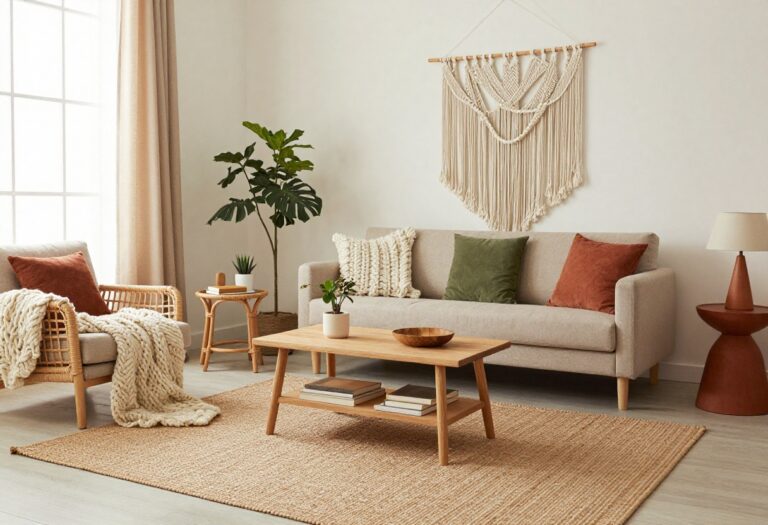
Before you hang a single ornament, decide what colors are allowed in the room. Nordic decor works because it holds back. A quiet base of whites, warm greys, muted greens, and natural wood tones gives everything else room to breathe.
Pick one accent color and treat it as a guest, not a resident. Deep red or soft blue both work well, and either one will feel festive without turning your living room into a candy cane. The restraint is the point, not a compromise.
A calm palette reads as festive because it echoes the season itself. Winter is already bright and busy outside, with early darkness and lights everywhere. Inside, soft whites and greys give your eyes somewhere to rest, and the greens and woods keep it from feeling clinical.
Empty space is part of the design. A shelf with three well-chosen pieces looks intentional. The same shelf crammed with twelve looks like storage.
Nordic homes lean into that gap on purpose, and it's why a simple arrangement can feel warmer than a fully decorated one.
Build The Base Before You Add Anything
Start with what's already in the room. Most furniture sits in the white, grey, or wood family, which means your existing sofa and shelves are already doing half the work. You don't need to repaint or replace anything.
Add a few neutral textiles to soften the edges: a wool throw, linen cushions, a plain table runner. These become your canvas. Once that base feels calm, the accent color has somewhere to land instead of fighting the room.
Choose One Accent And Stick To It
Deep red is the classic choice, and a little goes a long way. Think ribbon on a wreath, a few baubles, a candle, or a striped runner. Soft blue works just as well and feels a bit cooler and quieter, which suits bedrooms and hallways.
Resist the urge to add a second accent halfway through. If you started with red, keep the blues in the cupboard until January. One color repeated in small doses looks deliberate.
Two colors competing looks accidental.
Keep Your Everyday Furniture In The Mix
You don't need to clear a room to decorate it. Leave the books on the shelf and the lamp on the side table. Tuck greenery around them instead of pushing them aside.
A bowl of pinecones next to your usual stack of magazines works fine. So does a single candle on the coffee table you actually use. The goal is a decorated home, not a showroom, so let your normal things stay where they live.
2. Swap Bright Lights for Warm, Low Glow

Overhead lights can make even the coziest room feel like a dentist's office. Nordic homes lean on small pools of warm light instead—candles, string lights, and paper lanterns that glow softly and leave the corners a little dim. It's a simple switch, but it changes the whole mood.
The goal is low, warm, and scattered. You want enough light to move around safely, but not so much that the room feels flat. Think of it as lighting for atmosphere, not for tasks.
Start by turning off your main ceiling lights after dark. Then add layers of small, warm sources at different heights. The effect is instantly calmer, and you'll be surprised how little light you actually need.
Warm-white String Lights
Go for warm white (around 2700K), not cool white or daylight. Cool white reads as blue and harsh, especially against wood and wool. Drape a strand along a mantel, window frame, or bookshelf—not across the whole room.
Battery-powered strands with a timer save you from hunting for outlets and remembering to switch them off.
Candles, Safely
Real candles are the heart of Nordic coziness, but safety comes first. Keep them on stable, heatproof surfaces away from curtains, paper, and kids. Never leave them burning when you leave the room or go to bed.
If you want the look without the worry, LED candles have come a long way—some even flicker convincingly.
Paper Lanterns And Diffused Light
Paper lanterns soften light beautifully and add a sculptural element. Hang them low over a table or in a corner, but keep them away from heat sources. A simple white or natural paper shade works best—avoid shiny or patterned ones that fight the calm vibe.
Avoiding The Over-lit Look
The biggest mistake is using too many bulbs at full brightness. Put your string lights on a dimmer or use fewer strands than you think you need. Mix in candlelight and let some corners stay dark.
The contrast is what makes the glow feel warm rather than clinical.
3. Bring in Real Greenery (and Keep It Simple)
Real branches do more for a room than any garland you can buy. They smell like a forest, they throw soft shadows on the wall, and they look a little different every time you arrange them. The trick is to stop treating them like a formal centerpiece.
Nordic homes let greenery drape, lean, and sprawl a bit, and that looseness is what makes it feel calm instead of fussy.
Spruce, pine, eucalyptus, and ivy are the workhorses here. Spruce gives you that sharp, classic Christmas scent, pine holds its needles longer, eucalyptus adds a soft grey-green that breaks up the dark tones, and ivy brings a trailing quality that works on shelves and around doorframes. Mix two or three of them rather than committing to just one.
A bundle of spruce with a few eucalyptus stems tucked in looks far more interesting than a perfectly matched set.
Where To Find Branches Without Spending Much
Florists and garden centers sell bundles of spruce and pine through December, and they're usually cheaper than you'd expect. Ask for the offcuts from Christmas tree sellers too, since many will hand over trimmings for free or a few coins. If you have a garden or a willing neighbor, a quick prune of ivy or a few eucalyptus stems costs nothing at all.
Just check before you cut anything that isn't yours.
Keep It Fresh For Weeks
Trim the ends at an angle before you use them, the same way you would with flowers. Stand bundles in a bucket of water overnight so they drink before they go on display. Once they're up, mist them every few days and keep them away from radiators and open fires.
Eucalyptus dries beautifully and holds its shape, so it can stay up well into January even after the spruce starts to drop.
Styling Mantels, Shelves, And Tables
On a mantel, lay branches flat and let the ends hang over the edge instead of wiring everything upright. On shelves, drape a single long stem so it trails down between books and candles. For tables, keep it low and spread out so people can still see each other across the room.
A loose runner of pine with a couple of candles nested inside beats a tight, symmetrical arrangement every time.
4. Make a Statement With a Minimal Tree

A sparse tree can look more intentional than a packed one. Instead of covering every gap, you let the branches show and give each ornament room to be seen. The trick is treating the tree itself as part of the design, not just a stand for decorations.
This approach suits Nordic style because it leans on shape, texture, and light rather than volume. Fewer pieces also means you can spend a little more on each one and reuse them for years. Here's how to pull it off without the tree looking unfinished.
The first thing people notice about a minimal tree is its silhouette. Get that right and the rest falls into place.
Pick A Tree With Good Bones
A sparse tree only works if the branches are evenly spaced and the shape is balanced. Look for a fir or pine with open growth rather than dense, bushy needles. If you're using an artificial tree, fluff it lightly and resist the urge to fill every hole.
Size matters too. A slim tree in a corner reads as elegant, while a wide one with big gaps can look sad. Match the height to your ceiling and keep the base narrow enough that it doesn't crowd the room.
A simple wooden stand or a woven basket hides the hardware and keeps the focus on the branches.
Choose Fewer, Bigger Ornaments
Swap a box of tiny baubles for a handful of larger pieces. Wooden stars, felted shapes, and ceramic bells all hold their own on an open branch. Stick to two or three materials and let the natural tones do the work.
Hang them with space between each one, and don't be afraid to leave whole sections bare. A single oversized ornament near the top can anchor the whole tree. If you want a little shine, add one or two glass pieces and keep the rest matte.
Light It To Glow, Not Glare
Warm white lights are the safe bet, and fewer strands actually look better here. Wrap them close to the trunk and let the light filter out through the branches. That's what creates the soft glow instead of a harsh wash of brightness.
Skip the blinking settings and the colored bulbs. A dimmer switch or a timer helps you drop the brightness in the evening. If you want extra warmth, tuck a couple of candles nearby on a safe surface and let the tree stay quietly lit.
5. Use Paper and Straw Ornaments

Paper and straw ornaments bring a handmade, nostalgic feel that fits Nordic decorating perfectly. They add texture and warmth without weighing down your tree or shelves. You can buy them affordably or make them yourself with simple materials.
The key is to use them sparingly so they stand out rather than clutter.
Scandinavian Christmas traditions lean heavily on paper and straw because they're inexpensive, lightweight, and beautiful in their simplicity. A few well-placed stars, hearts, or straw figures can make a room feel festive without overwhelming it. The trick is to treat them as accents, not the main event.
Classic Shapes To Look For
Paper stars, woven hearts, and straw goats or pigs are the most recognizable. You'll also find paper cones for hanging and straw angels. These shapes have been used for generations and instantly read as Nordic.
Look for them in craft stores, Scandinavian import shops, or online.
Make Your Own (it's Easier Than You Think)
Woven paper hearts are a great starter project—all you need is colored paper and scissors. Paper stars can be folded from strips of paper or bought as kits. Straw ornaments are trickier but doable with online tutorials.
Making a few with family can become a nice tradition.
Where They Look Best
Hang paper stars in windows or above a dining table. Woven hearts work well on the tree or tied to gift packages. Straw figures look charming on a shelf or mantel, especially grouped with candles or greenery.
Keep clusters small and spread them out to avoid a cluttered look.
6. Dress Windows With Simple Light and Greenery

Windows do a lot of quiet work in a Nordic home. From outside, a single warm glow in each one reads as welcome, and from inside, a little greenery frames the dark instead of fighting it. The trick is restraint.
One star lantern or one small wreath per window, repeated with a steady hand, beats a cluttered sill every time. You want the house to look calm from the street, not like a display window at a department store.
Start with the windows people actually see. The front-facing ones and anything along the driveway or path get first priority, since those carry the glow. Bedroom windows can wait.
Once you've picked your spots, keep the treatment identical from window to window. Same shape, same height, same warmth of light. That repetition is what makes the whole house feel considered rather than decorated in a hurry.
Keep The Rhythm Even
Hang each star or wreath so the center sits at the same height in every window. Eyeball it from the street, not from inside the room, because the view from the curb is the one that matters. If your windows are different sizes, match the top edge of the wreath or the top point of the star rather than the middle.
Your eye reads the top line first, and it will look tidier.
Tame The Cords
A dangling cord ruins the whole effect. Run the cord straight down one side of the frame and clip it to the trim with small adhesive hooks that peel off cleanly in January. For battery lanterns, skip the cord entirely and put a timer on them so they come on at dusk.
It's one less thing to remember and one less wire to hide.
Handle Condensation Honestly
Cold glass and warm rooms make water, and water and electrics don't mix. Keep any plug or battery pack off the sill and mount it on the frame or wall instead. If your windows stream with condensation, wipe the sill every couple of days and choose a lantern rated for damp spots.
Real greenery can also soak up moisture and go slimy, so swap in a faux wreath or a dried one on those windows.
7. Layer in Wool, Sheepskin, and Chunky Knits

Nordic rooms stay warm in winter because of what's on the sofa, not just what's on the walls. Textiles do the heavy lifting here. A wool throw over a chair arm or a sheepskin on a wooden bench changes how a room feels the second you walk in.
The good news is you probably already own half of what you need. The trick is choosing the right textures and amounts so the space reads calm and soft rather than cluttered and fuzzy.
Start with the seats people actually use. A folded wool throw on the armchair, a sheepskin draped over a dining bench, and a couple of chunky knit cushion covers on the sofa will do more than a whole bag of novelty decor. Soft neutrals — oatmeal, greige, pale grey, undyed cream — keep things Nordic and let your greenery and candles stand out.
Floor rugs matter too. A wool rug under the coffee table or a small sheepskin beside the bed adds warmth underfoot and makes cold floors feel less punishing in January. If you have hard floors, this is the single easiest upgrade you can make.
Mix Textures, Not Colors
The trick to layering without the fuzz overload is sticking to one color family and varying the texture instead. Pair a smooth wool throw with a nubby chunky knit cushion and a fluffy sheepskin, all in similar tones. Your eye reads calm; your hands read cozy.
Skip anything shiny or synthetic if you can. Natural fibers catch the light in a softer way, which is exactly the look you want next to candlelight and tree lights.
Keep It Clean With Pets And Kids
Wool and sheepskin are tougher than they look, but a few habits save you grief. Choose throws you can machine wash on a gentle cycle, and keep the dry-clean-only pieces on high shelves or the backs of chairs. Shake rugs out weekly and keep a lint roller near the sofa.
If you have a dog that claims every blanket as its own, pick a darker sheepskin or a washable wool blend so the everyday wear doesn't show.
Edit Before You Add More
It's tempting to keep piling on throws until the sofa disappears. Resist that. One throw per seat, one rug per room, and two or three cushions is usually the sweet spot.
If a corner feels busy, remove something rather than adding. Nordic style is as much about what you leave out as what you bring in.
8. Set a Cozy Table With Natural Touches
The table does more work at Christmas than any other surface in the house. It holds the food, the candles, the elbows, and most of the conversation, so it deserves a little thought without turning into a styling project. Nordic tables stay calm.
A linen runner, a few candles, and something green do most of the job, and the plates and bowls you already own finish it off. The goal is a table that looks cared for but still lets you pass the potatoes.
You don't need a centerpiece that blocks the view across the table. What you want is texture under the plates, warm light at eye level, and a few natural pieces that feel gathered rather than arranged. That approach works for a Tuesday dinner just as well as Christmas Eve.
You can scale it up or down in minutes, and nothing breaks if a kid knocks it over.
Start With A Linen Runner
Skip the full tablecloth and run a length of washed linen down the middle instead. It softens the table, hides small scratches, and leaves the wood showing at the edges, which is the whole Nordic look. Natural flax, oatmeal, or a muted charcoal all work.
Leave the ends loose or give them a quick fold, and don't worry about ironing it flat. A few creases read as relaxed, not sloppy.
Candles At Eye Level
Candles do more for a winter table than any other single thing. Tall taper candles in simple holders put the light right where people look, and the warm glow flatters everyone. Keep them thin and uncolored, and group them in odd numbers so the height varies.
If you have kids at the table, move the flames to the sideboard and use a couple of low pillar candles within reach instead.
Small Greenery, Not A Wall Of It
A few sprigs go further than a big arrangement. Tuck small pieces of spruce, pine, or eucalyptus along the runner, or lay one short branch across the middle and let it drape slightly. You can also tie a single sprig to each napkin with a bit of twine.
It takes two minutes, looks intentional, and doesn't crowd the plates.
Wood And Ceramic Serveware
Let the serving pieces carry the texture. A wooden board for bread, a stoneware bowl for potatoes, and a plain ceramic jug for water cover almost everything you need. Mixing matte and glazed finishes keeps it interesting without pattern.
Stick to two or three materials total, and the table stays quiet even when it's full of food.
Keep The Centerpiece Low
The best test for any centerpiece is whether you can see the person across from you. Keep everything under about 30 cm (12 inches) tall, or use tall, thin candles that don't block sightlines. If you want height, put it at the two ends of the runner rather than the middle.
That way the conversation stays open and nobody has to lean around a branch to ask for gravy.
Everyday Versions And The Big Meal
For a normal weeknight, the runner, one candle, and a small bowl of greens is plenty. It takes a minute to set and makes dinner feel a little less like a scramble. For the big meal, add a second candle cluster, a folded napkin at each place, and one extra wooden board.
Same pieces, slightly more of them. That's the whole upgrade.
9. Create a Small Hyggelig Corner

One deliberate cozy spot does more for a room than a dozen decorated surfaces. Pick a chair by a lamp, a window seat, or a bench, and give it a candle, a blanket, and a book. That small zone becomes the place you actually want to sit, which is the whole point of Nordic Christmas decor.
Most of us spread decorations everywhere because it feels festive. But a house with a single, well-made corner often feels warmer than one with tinsel on every shelf. A hyggelig corner gives your eye a place to rest and gives your body a reason to stop moving.
It also solves a practical problem: you don't need to decorate the whole room. You just need one spot that works. The rest of the space can stay simple, and the corner carries the mood.
Why One Corner Beats Every Surface
Decorating every surface creates visual noise. Your eye jumps from the mantel to the sideboard to the windowsill, and nothing feels settled. A single cozy corner creates focus.
It says, sit here, and the rest of the room can breathe. It's also easier to maintain. One blanket to fold, one candle to replace, one book to keep out.
You get the feeling of Christmas without turning your home into a display case.
How To Pick The Right Spot
Choose a corner you already gravitate toward. Maybe it's the chair near the radiator, the window seat that catches afternoon light, or the bench in the hallway where you drop your bags. The best spot is the one you pass by daily and occasionally have five minutes to enjoy.
Avoid corners that are purely decorative. If you never sit there, the candle will just collect dust. Look for a place where you naturally pause, and make that pause more comfortable.
What To Put There (and What To Leave Out)
Start with light: a small lamp or a candle, ideally both. Add a soft wool blanket and one book or magazine you actually want to read. A tiny vase with a sprig of pine or a single ornament is enough.
Keep the palette simple: white, wood, grey, maybe a touch of red. Leave out anything that needs fussing. No trailing garlands that knock over, no fragile figurines on the armrest.
The corner should feel inviting, not like a display you have to protect.
10. Style the Entryway for Winter Arrivals

Your entryway takes the hardest hit of any room in December. Every guest, every grocery run, and every school pickup dumps wet boots, damp coats, and a gust of cold air right at the door. A little Nordic thinking turns that chaos into something that actually feels welcoming.
The goal here is practical first and pretty second, though the two overlap more than you'd expect. Think of it as a landing zone that can handle slush without looking like a yard sale.
Nordic homes treat the hall as a working room, not just a pass-through. That mindset is the whole trick. You give wet things somewhere to go, and the space stays calm instead of collapsing into a pile of soggy gear.
Start With A Wreath That Can Take The Weather
A door wreath sets the tone before anyone steps inside. Skip the fragile ribbon and go for spruce, pine, or eucalyptus that shrugs off cold and damp. A simple wire base with fresh or good faux greenery and a single wide linen bow reads more Nordic than a glittery explosion.
Hang it low enough to see through the window, and check that it clears the door swing. If your door faces wind and rain, a faux wreath will outlast a fresh one and still look convincing from the street.
Give Boots A Place To Land
A sturdy boot tray near the door is the single best upgrade you can make. Choose one with raised edges and a material that won't warp when it's wet, like galvanized metal or heavy rubber. Line it with a few smooth stones so boots drain instead of sitting in a puddle.
Keep a small stack of absorbent cloths nearby for quick mop-ups. If your floor is wood or tile, a washable runner in wool or a flat-weave cotton adds grip and hides the grit that always follows winter shoes inside.
Make Room For Coats And Cold Hands
A row of hooks at the right height beats a crowded closet every time. Put low hooks for kids and higher ones for adults, and leave a couple free for guests. Wooden pegs on a simple board feel warm and hold up to heavy winter coats.
Add a small stool or bench so people can sit to pull boots on and off. A shallow basket on top catches hats, gloves, and scarves so they don't scatter across the floor.
Add One Soft Light Source
Entryways are often the darkest spot in the house, and harsh overhead light makes wet floors look grim. A small lamp on a console or a plug-in wall light gives a warm glow that greets people properly. Keep the bulb warm white rather than cool.
If you have an outlet, a timer means the light is already on when you get home. A single candle in a lantern works too, as long as you actually remember to light it.
11. Keep It Calm With Storage and Simple Pack-Down

January has a way of making December's decorations feel like clutter. The trick isn't to skip decorating, it's to choose pieces that come down easily and store flat, then set up a packing routine that takes an afternoon instead of a weekend. A calm pack-down starts long before you put anything away.
The best Nordic decorations are often the ones that fold, stack, or roll. Think paper stars, fabric garlands, felt ornaments, and wooden pieces that nest together. These pack down small, survive a year in a box, and come out looking the same as they did in December.
Buying less but better pays off here, because a few sturdy pieces outlast a pile of fragile ones that break in storage. When you shop, ask yourself one question: will this still look good after eleven months in a box? If the answer is no, leave it on the shelf.
Label The Boxes, Not The Lids
Write on the side of each box, not the lid, so you can read it on a shelf. Group by room or by type, like 'mantel greenery' or 'tree ornaments, ' and keep a short list taped inside the lid of the main box. Next year you'll know exactly where the star goes without opening six containers.
Give Fragile Pieces Their Own Home
Wrap glass and ceramic ornaments in tissue or old newspaper and pack them in a small, sturdy box that doesn't get buried. Keep the heavy items low and the light ones high. A little care now saves you from finding a cracked bauble in November.
Make The Pack-down Part Of The Fun
Put on a playlist, pour something warm, and pack with someone if you can. Store the boxes somewhere you can reach without a ladder, and keep the empty ones labeled and ready. The easier the put-away, the more likely you are to enjoy the setup next year.
FAQ
Do I need to replace all my existing decorations to get a Nordic look?
No. Pull out what you already own in whites, naturals, wood, and muted greens, then set the rest aside for the year. A few well-placed additions usually do more than a full overhaul.
Is Nordic Christmas decor expensive?
It can be very budget-friendly. Branches from the garden, paper ornaments, candles, and textiles you already own cover most of the look. Spend where you'll see it daily, like lights and a good wreath.
How do I keep real greenery from drying out?
Keep branches away from radiators and direct heat, mist them every couple of days, and recut stems before placing them in water. For mantels and shelves, a small water source or floral foam helps a lot.
Can I do this style with kids and pets in the house?
Yes, with a few swaps. Use battery candles or place real ones out of reach, choose unbreakable ornaments low on the tree, and secure heavier items so they can't be knocked over.
How early should I start decorating?
Most people start in late November or the first week of December. Since this style leans on fresh greenery, it's worth waiting a bit so branches and wreaths still look good on Christmas Day.
Conclusion
Nordic decor works because it never tries too hard, and these eleven ideas give you plenty of room to make that calm, cozy look your own. Start with the pieces that fit your space and your schedule, whether that's a paper star in the window or a simple straw ornament on the tree. You don't need to redo every room or buy a cartload of new things.
Pick two or three ideas that feel right, add a little candlelight, and let the season do the rest. A home that feels warm and quiet is the whole point.