10 Single Wide Living Room Ideas That Feel More Open
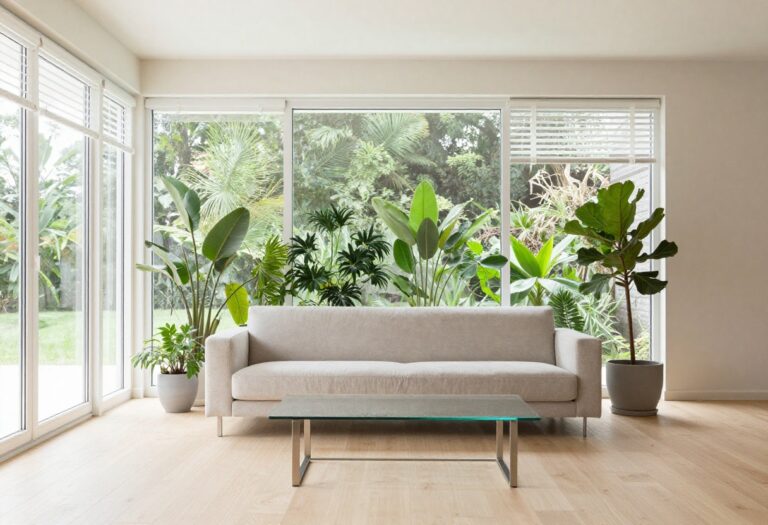
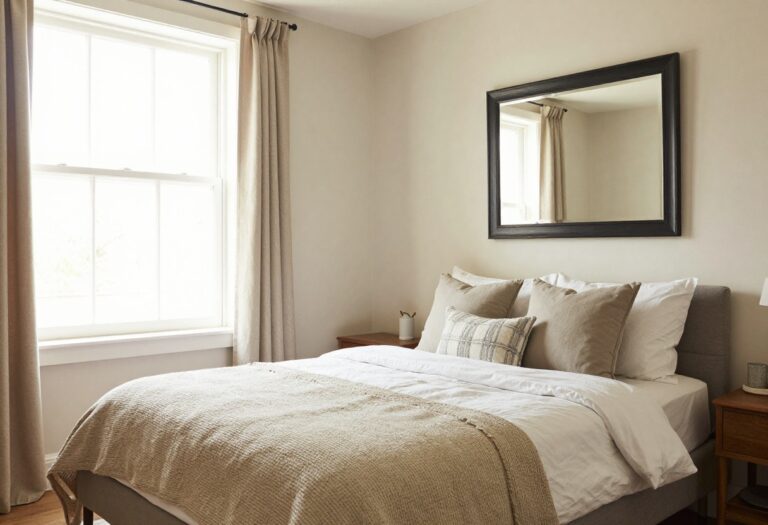
Living in a single wide home doesn't mean you have to feel cramped. With the right layout and decor choices, you can make your living room feel open, airy, and inviting. The key is to focus on clean lines, light colors, and smart furniture that doesn't overwhelm the space.
Modern design is all about simplicity and function. By cutting back on clutter and choosing pieces that serve multiple purposes, you can create a room that feels much larger than it actually is.
Plus, a few strategic tricks with mirrors, lighting, and vertical space can work wonders. Ready to transform your single wide living room?
1. Stick to a Light and Neutral Color Palette
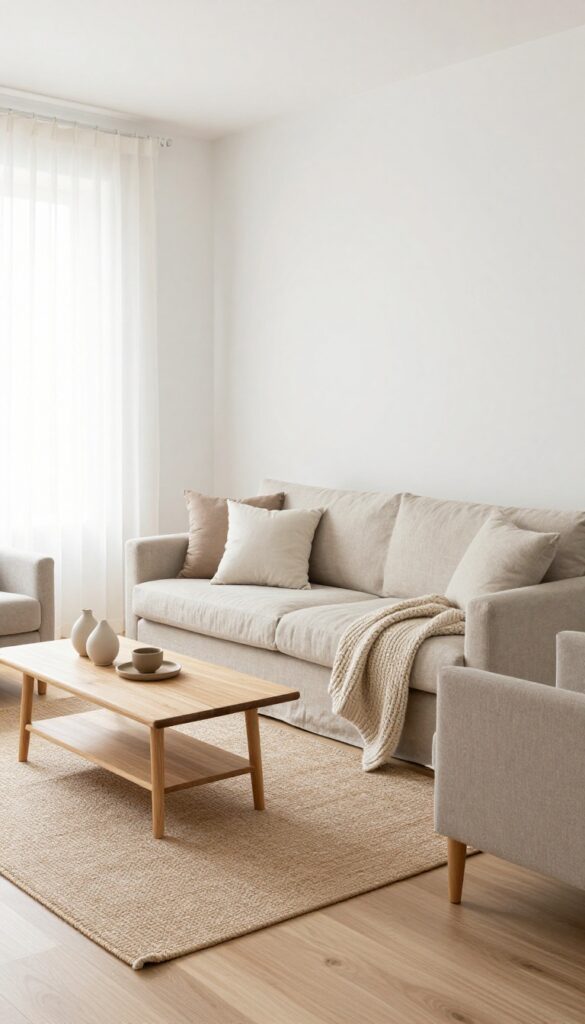
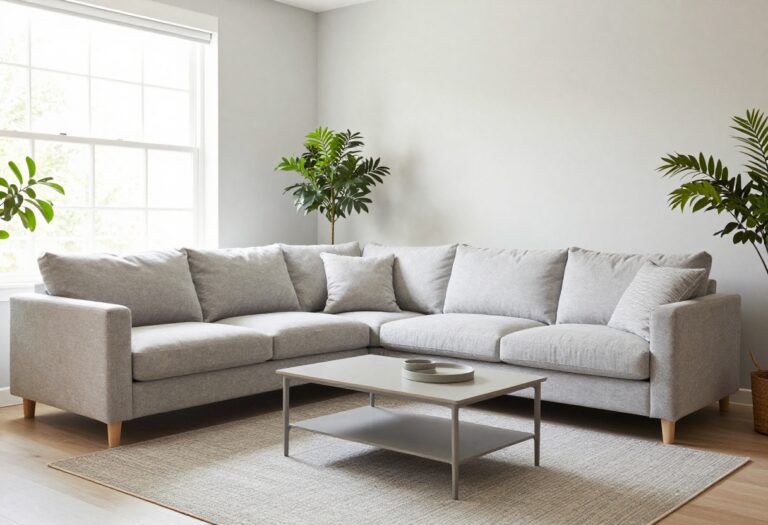
Nothing opens up a narrow living room quite like a light, airy color scheme. White walls bounce natural light around the space, making every corner feel brighter and less cramped. Soft beiges, warm greiges, and pale taupes create a calm backdrop that lets your furniture breathe without overwhelming the room.
The trick is to keep the main surfaces light while layering in subtle texture so the space doesn't feel flat or boring.
When you're working with a single wide living room, the color palette is your best friend. Light neutrals on walls, floors, and large furniture pieces visually recede, tricking the eye into seeing more square footage than there actually is. But all-white rooms can feel sterile, so the secret is to bring in warmth through natural materials and soft, tonal layers.
Think linen curtains, a jute rug, chunky knit throws, and matte ceramic accessories. These add depth without adding visual clutter. The goal is a space that feels serene, spacious, and effortlessly put together.
Best Colors To Start With
- Stick to shades with warm undertones to keep the room cozy. Off-white, cream, light greige, and soft taupe are your go-tos. Avoid stark white, which can feel cold and clinical, and skip dark accent walls that will shrink the room.
- If you crave a hint of color, try a pale blush, dusty blue, or sage green on an accent pillow or throw—not on the walls.
Texture Mix For Depth
- Since your palette is neutral, texture becomes the star. Combine smooth surfaces like a linen sofa or a lacquered coffee table with rough textures like a wool rug or a chunky cable-knit throw. Add a touch of natural wood or rattan for warmth.
- This contrast keeps the eye moving and prevents the room from feeling one-dimensional.
Finishing Touch: Layer The Lighting
- A neutral room needs layered lighting to avoid looking flat. Use a mix of overhead ambient light, floor lamps for soft pools of light, and table lamps for task lighting. Warm white bulbs (2700K–3000K) enhance the cozy, inviting feel.
- A dimmer switch on the main light lets you adjust the mood from bright and open to soft and intimate.
2. Choose Furniture That Does Double Duty
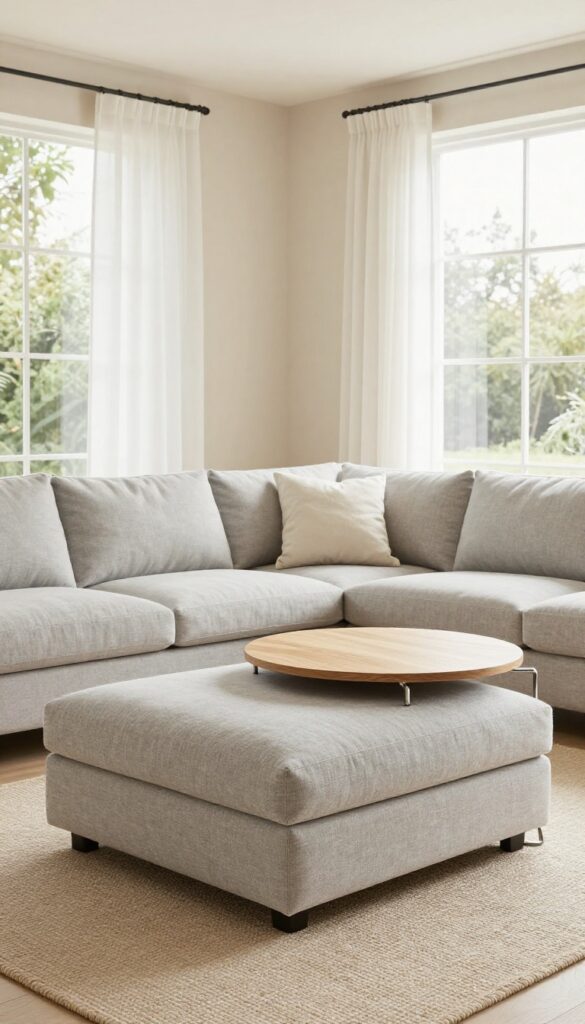
Multifunctional furniture is a game-changer in a single wide living room. Pieces like ottomans with storage, sofa beds, or nesting tables save space and reduce clutter. A coffee table with hidden compartments or a bench that works as seating and storage keeps the room tidy and open.
The key is to pick items that earn their keep without looking bulky or utilitarian.
In a compact living room, every piece of furniture should pull its weight. That doesn't mean sacrificing style—modern designs now offer sleek lines with built-in function. Look for a storage ottoman that can serve as a footrest, extra seating, and a place to stash blankets.
Nesting tables are perfect for when you need surface space but want to tuck them away later. A sofa with a pull-out bed is ideal for guests without needing a separate guest room. The trick is to choose pieces that blend in visually so the room feels intentional, not cluttered.
Best Materials
Stick with light woods, metal accents, and neutral upholstery to keep the room airy. A white or light gray storage ottoman in linen or cotton adds texture without weight. For coffee tables, consider a lift-top design with a wood or glass top—it hides remotes and magazines while giving you a surface for meals or work.
Layout Tip
Place your largest multifunctional piece, like a sofa bed, against the longest wall. Then float a storage ottoman or nesting tables in front to create a natural traffic flow. Avoid blocking pathways—leave at least 18 inches between furniture pieces so the room feels open.
Small-space Fix
If you're tight on floor space, try a wall-mounted desk that folds down when needed. Pair it with a slim storage bench underneath for seating and extra storage. This setup works wonders in a corner, giving you a workspace without sacrificing the living area.
3. Hang Curtains High and Wide
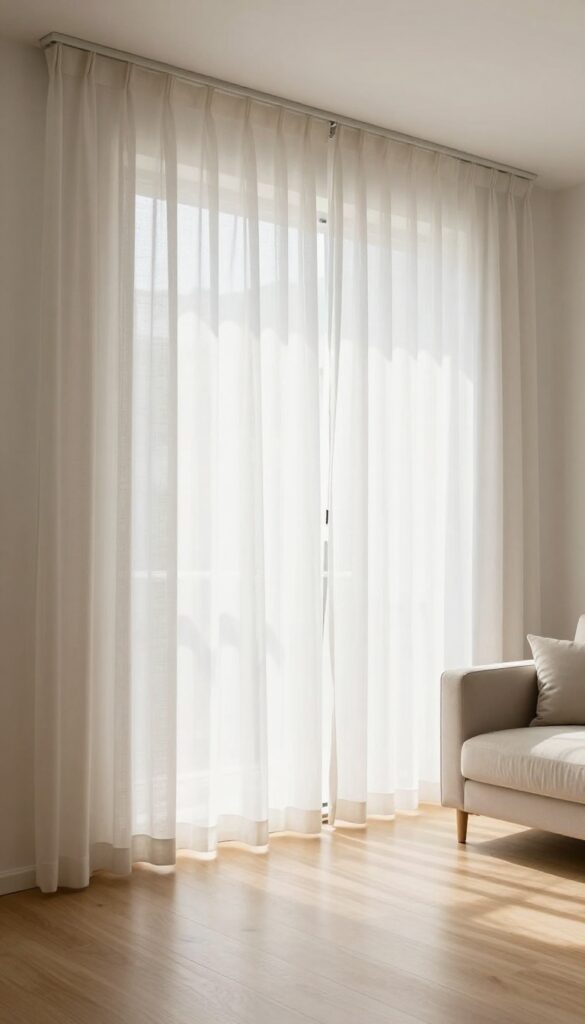
One of the easiest ways to trick the eye into seeing a larger space is by rethinking your window treatments. Most people hang curtains right above the window frame, but that actually cuts the room off visually. By mounting your curtain rod closer to the ceiling and extending it well past the window on both sides, you create the illusion of taller walls and a wider room instantly.
Floor-length drapes in a light, airy fabric like linen or cotton voile add softness without weighing the room down. Sheer panels are especially effective because they let natural light filter through while still providing privacy. The vertical lines draw the eye upward, making the ceiling feel higher, and the extra width on the sides makes the window—and the whole wall—feel more expansive.
It's a simple swap that costs little but changes the whole feel of the room.
Best Fabric Choices
- Stick with lightweight, natural fabrics that move easily. Linen, cotton, or a linen-cotton blend work beautifully. Avoid heavy velvet or blackout linings in a small space—they absorb light and make the room feel smaller.
- If you need darkness for TV viewing, layer sheer curtains with a roller shade behind them.
Mounting Tip
Install the rod 4 to 6 inches below the ceiling or crown molding, and extend it 6 to 12 inches past each side of the window frame. This makes the window look larger and lets the curtains stack back onto the wall rather than blocking the glass. Use a rod that's sturdy enough to hold the weight of floor-length drapes.
Finishing Touch
Let the curtains just kiss the floor—no puddling, no floating. A slight break at the bottom looks intentional and keeps the line clean. Pair with a simple, modern rod in matte black or brushed nickel to keep the look streamlined and contemporary.
4. Use Mirrors to Reflect Light and Space
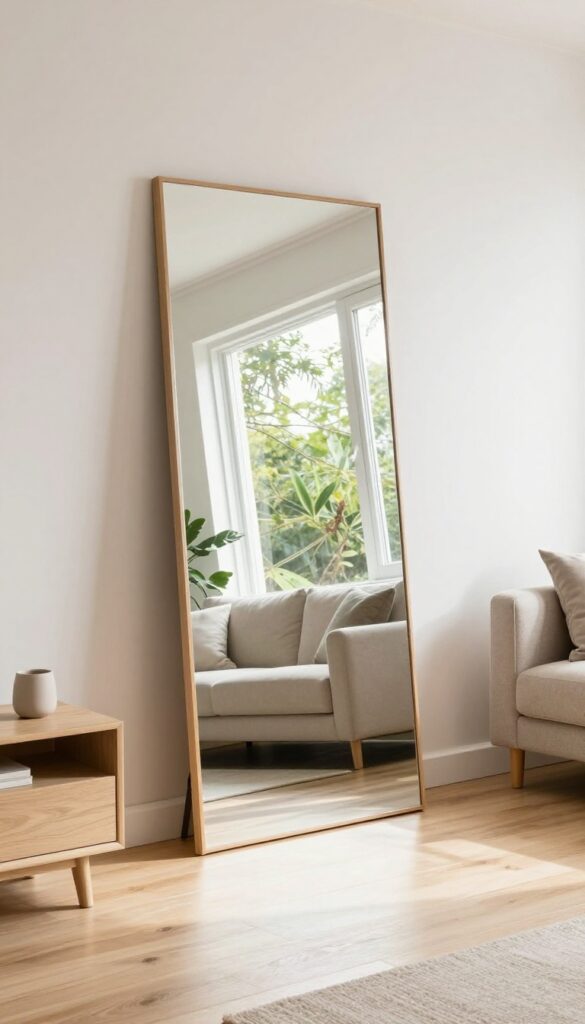
Mirrors are like magic tricks for small rooms. A well-placed mirror can instantly make your single-wide living room feel twice as big by bouncing light around and creating depth. The best part?
You don't need to knock down walls or buy new furniture—just hang or lean a mirror where it can do the most work.
The key is positioning. A large mirror opposite a window will reflect the outdoors, bringing in more natural light and making the room feel airy. If your living room lacks windows, place a mirror near a lamp or sconce to amplify artificial light.
Go for one big statement mirror rather than several small ones—it creates a cleaner, more expansive look. Lean a floor-length mirror against a wall for a casual, modern vibe, or hang a round or rectangular mirror above a sofa or console table. Avoid heavy frames that eat up visual space; slim, metallic, or frameless designs keep things light.
Best Placement Tips
- The mirror's job is to reflect something worth seeing—preferably a window, a light source, or an attractive part of the room. Avoid placing it directly across from a cluttered corner or a blank wall, which just doubles the mess. In a narrow living room, hang a large mirror on the longest wall to visually widen the space.
- For a low ceiling, a tall vertical mirror draws the eye upward, making the room feel taller.
Style And Frame Choices
- Stick with clean, simple frames that match your modern and clean angle. A thin black metal frame adds an industrial touch, while a brass or gold frame brings warmth without feeling heavy. If you want a more minimalist look, go frameless or choose a mirror with a beveled edge.
- Avoid ornate, bulky frames that can make a small room feel crowded.
Budget-Friendly Swap
- You don't need to spend a fortune. Check thrift stores or online marketplaces for large mirrors at a fraction of the retail price. A quick coat of spray paint can update an old frame to match your decor.
- Another option: buy a frameless mirror tile and mount it directly on the wall for a sleek, custom look on a budget.
5. Opt for Low-Profile Furniture
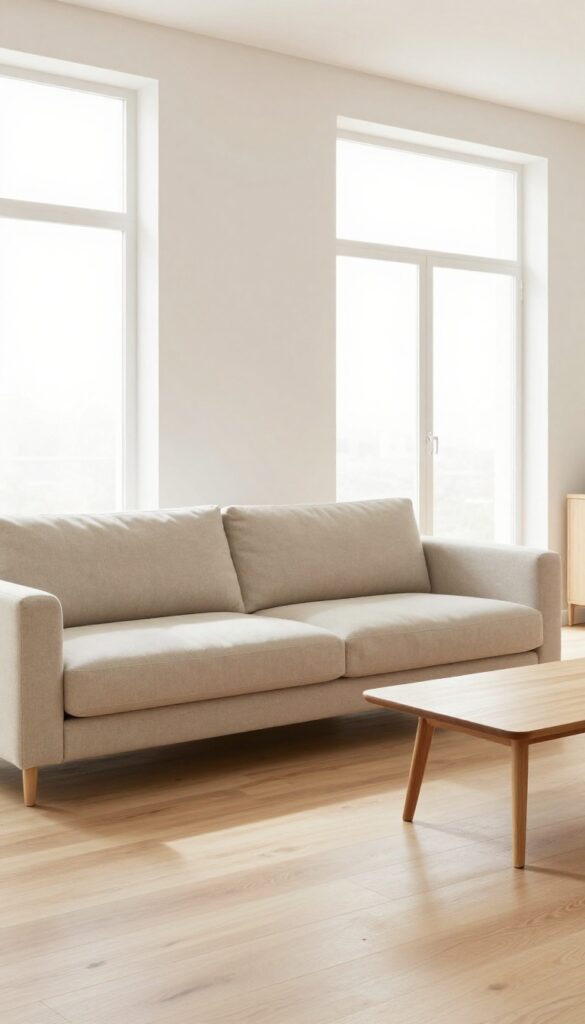
Bulky sofas and oversized chairs can swallow a small living room whole. Low-profile furniture—think sofas with shorter backs, armless chairs, and slim-legged tables—keeps sightlines wide open. This trick makes ceilings feel higher and the whole room breathe easier.
Plus, the clean lines add a modern, uncluttered look that feels fresh and intentional.
When every inch counts, the height of your furniture matters more than you might think. Low-profile pieces sit closer to the floor, which means your eyes travel freely from one end of the room to the other without getting blocked. That visual flow is what makes a space feel larger.
A low sofa with a back height around 28 to 30 inches works perfectly. Pair it with an armless chair or a simple lounge seat, and suddenly the room feels open and airy. Tables with slender legs—like a skinny metal or wood frame—add to that lifted feeling.
Avoid thick, blocky bases that anchor the eye and make the floor feel crowded. The goal is to keep everything light and visually unobtrusive. This style also happens to be super on-trend right now, so you’re getting both function and fashion.
Best Colors For A Low-profile Look
- Stick with light neutrals like warm white, soft beige, or pale gray for your main seating pieces. These shades recede visually, making the furniture feel less dominant. If you want a pop of color, add it through throw pillows or a lightweight blanket—not the sofa itself.
- Darker low-profile pieces can work too, but they’re better suited for accent chairs or a slim console table rather than the main sofa.
Layout Tip To Maximize Openness
- Float your low-profile sofa away from the wall by about 6 to 12 inches. This small gap creates a sense of depth and makes the room feel larger. Place a slim-legged coffee table in front, leaving at least 18 inches for easy movement.
- Avoid pushing everything against the walls—it actually shrinks the space visually.
Finishing Touch: Leggy Accents
- Carry the low-profile theme into your accessories. Choose floor lamps with thin metal stands, open shelving with visible legs, and plant stands that elevate greenery off the floor. Every piece with visible legs reinforces that airy, modern vibe.
- Just keep the overall silhouette clean and simple—no chunky bases or heavy skirts.
6. Create a Focal Point That Draws the Eye Up
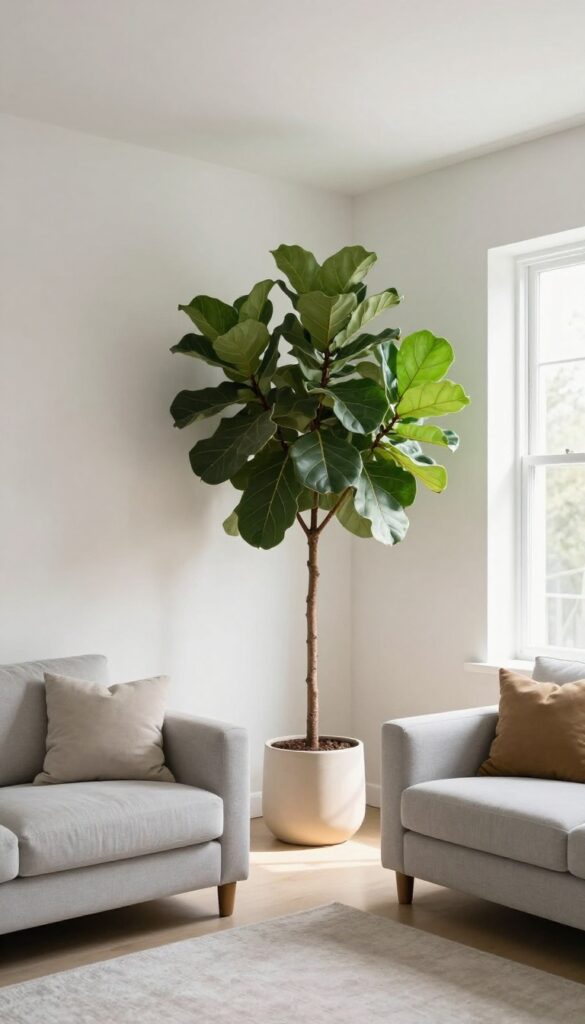
In a single wide living room, every inch counts, but that doesn't mean you have to keep everything at eye level. By creating a focal point that pulls the gaze upward, you can make the ceiling feel higher and the whole room more expansive. Think of it as visual trickery that actually works—without any construction or expensive renovations.
The trick is to choose one vertical element that becomes the star of the room. A tall plant like a fiddle leaf fig, a floor-to-ceiling bookshelf, or a vertical gallery wall all do the job beautifully. The key is keeping it simple and uncluttered so the eye can travel up without getting distracted.
This approach not only adds height but also gives the space a curated, intentional feel.
Best Colors
Stick with a monochromatic or neutral palette for your vertical focal point. White, soft gray, or warm beige shelves blend into the wall and make the items on them pop. If you're using a tall plant, choose a pot in a tone that complements your flooring or furniture—terracotta, matte black, or cream works well.
Layout Tip
Position your vertical focal point on a wall that's visible from the main seating area, but not directly behind the TV. A corner spot works great for a tall plant or a ladder shelf. For a gallery wall, start at eye level and extend upward, leaving a few inches from the ceiling to maintain breathing room.
Finishing Touch
Add a small spotlight or picture light aimed at the top of your focal point. This casts a soft upward glow that emphasizes height and creates a cozy, dramatic effect in the evening. A simple LED strip behind a bookshelf works just as well.
7. Let in as Much Natural Light as Possible
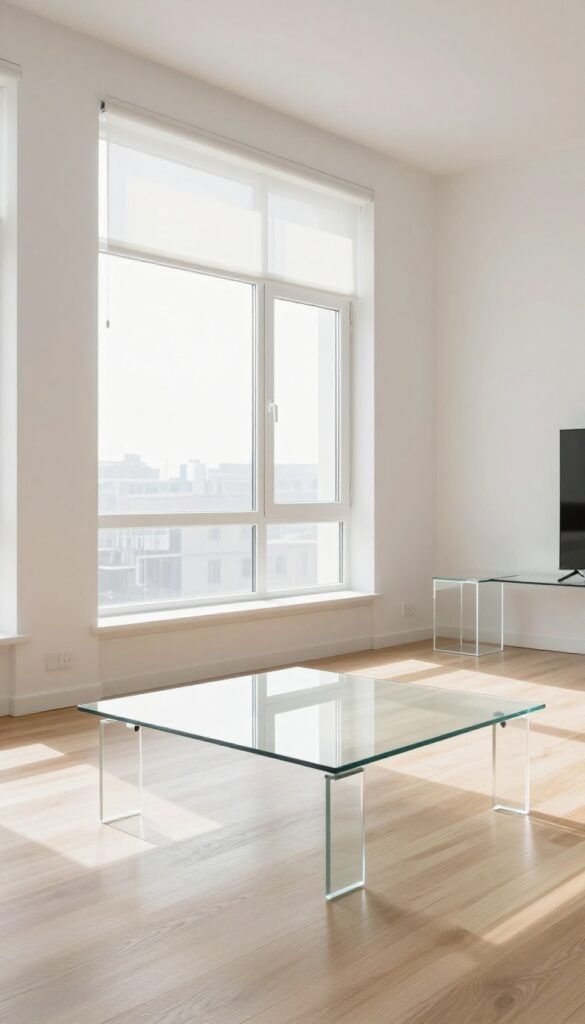
Nothing opens up a single wide living room quite like flooding it with natural light. Heavy drapes and dark blinds can make even the airiest space feel cramped and closed off. By letting sunlight pour in, you instantly create a brighter, more expansive atmosphere that makes every square foot feel larger.
Start by swapping out heavy curtains for light-filtering shades or, if privacy isn't a concern, go with bare windows. Keep windowsills completely clear—no stacks of books or decorative knickknacks that block light. Then bring in glass or acrylic furniture like a clear coffee table or lucite side table; these pieces visually disappear, letting light flow through and making the room feel less cluttered.
The result is a clean, airy space that feels open and inviting.
Best Window Treatments
Skip the velvet and go for roller shades, sheer linen curtains, or bamboo blinds that let light filter softly. Top-down/bottom-up shades are a great option—they let in light from the top while still offering privacy at eye level. If you need total privacy, try frosted window film that mimics etched glass and still allows plenty of daylight.
Furniture That Disappears
- Glass, acrylic, and lucite furniture are your best friends here. A glass coffee table or a clear acrylic console table takes up visual space without blocking light. Even a mirrored coffee table can help bounce light around the room.
- Keep the frames slim and the finishes reflective to maintain that open feel.
Mirror Placement Trick
Place a large mirror directly across from a window to double the natural light and make the room feel twice as big. Lean a floor mirror against the wall or hang a statement mirror above a console table. The reflection will bounce light deep into the room, brightening even the darkest corners.
8. Define Zones with Rugs, Not Walls
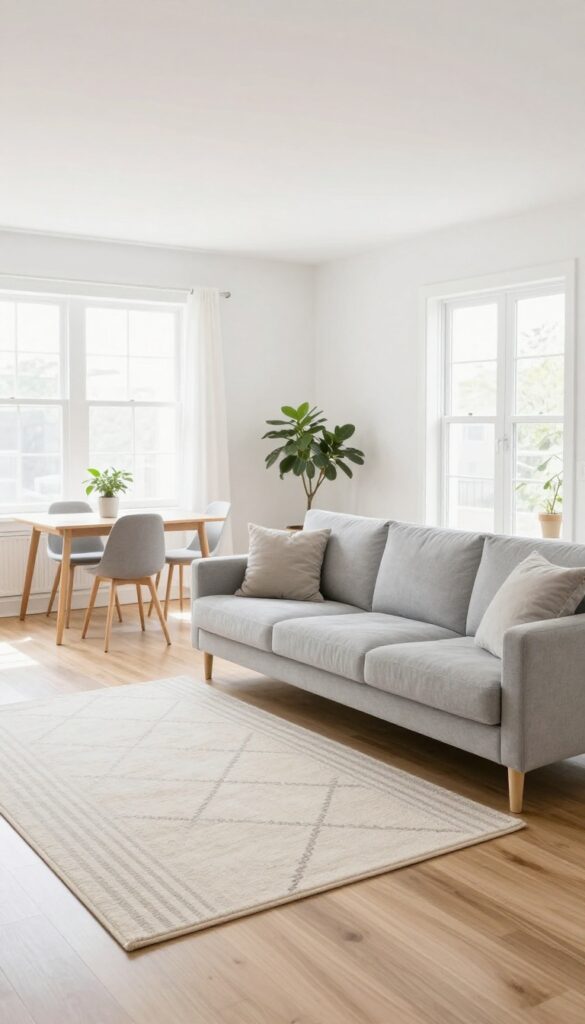
Open floor plans are great for flow, but they can leave a single-wide living room feeling a bit undefined. The trick is to carve out separate zones without putting up any walls or bulky dividers. Area rugs are your best friend here.
They anchor each space visually, so your living area, dining nook, or work corner each feel intentional and separate, all while keeping that airy, open vibe intact.
Area rugs are a gentle way to create boundaries in a small, open living room. Instead of closing things off, they suggest different uses for different spots. A rug under the sofa and coffee table says “this is the lounge zone,” while a different rug under a desk or small dining table marks that as a separate area.
The key is choosing rugs that feel cohesive—stick to light colors and simple patterns to keep the floor looking expansive. This approach maintains sightlines and natural light flow, making the room feel larger than it is.
Best Colors And Patterns
- For a modern, clean look, go with rugs in soft neutrals like cream, light gray, or pale beige. Subtle patterns—think thin stripes, low-contrast geometrics, or tone-on-tone textures—add interest without visual clutter. Avoid dark or busy rugs that can shrink the space visually.
- If you want a pop of color, keep it to a muted accent like a dusty blue or sage green that echoes other decor elements.
Layout Tip: Overlap And Flow
- In a single-wide room, you might not have space for a rug in every zone. Try using one larger rug that extends under both the sofa and the dining table, then place a smaller rug on top in the dining area to define it further. This layered look adds depth while keeping the floor unified.
- Make sure the front legs of furniture sit on the rug to anchor each zone without cutting the room in half.
Finishing Touch: Rug Pads And Edges
Don’t forget rug pads—they keep rugs from slipping and add a cushy feel underfoot. For a polished look, choose rugs with a low pile or flatweave so they don’t create tripping hazards at the edges. If you have hardwood floors, a thin, natural-fiber rug like jute or sisal works beautifully for a clean, textural foundation.
9. Keep Decor Minimal and Intentional
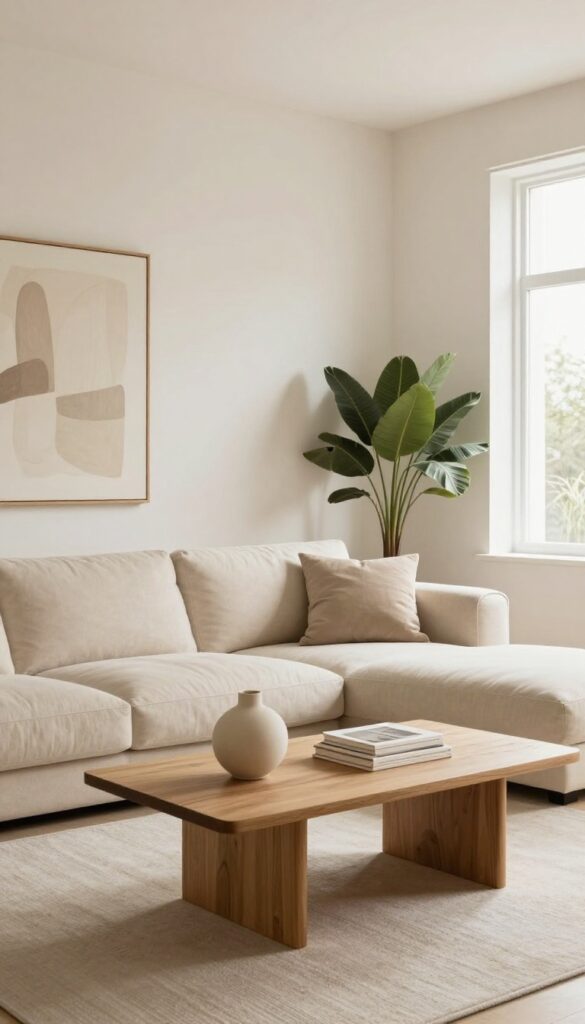
You don't need a lot of stuff to make a room feel finished. In fact, the opposite is often true in a single wide living room. When every piece has a purpose and a place, the whole space breathes easier.
The trick is to edit ruthlessly and only keep what truly adds value—whether that's visual interest, function, or a little bit of joy.
Start by clearing off surfaces like coffee tables, console tables, and shelves. Then add back just a few carefully chosen items. A single large piece of art makes a stronger statement than a cluster of small frames.
One sculptural vase on a side table draws the eye without creating clutter. A couple of well-placed plants bring life and softness. The result is a room that feels calm, intentional, and surprisingly spacious.
Best Colors For A Minimal Look
- Stick with a neutral base—think warm whites, soft beiges, or light greiges. Then add one or two accent colors through your curated pieces. A deep olive green throw or a burnt orange ceramic planter adds personality without overwhelming the space.
- The key is to keep the palette tight so the eye isn't bouncing around.
Shelf Styling Tip
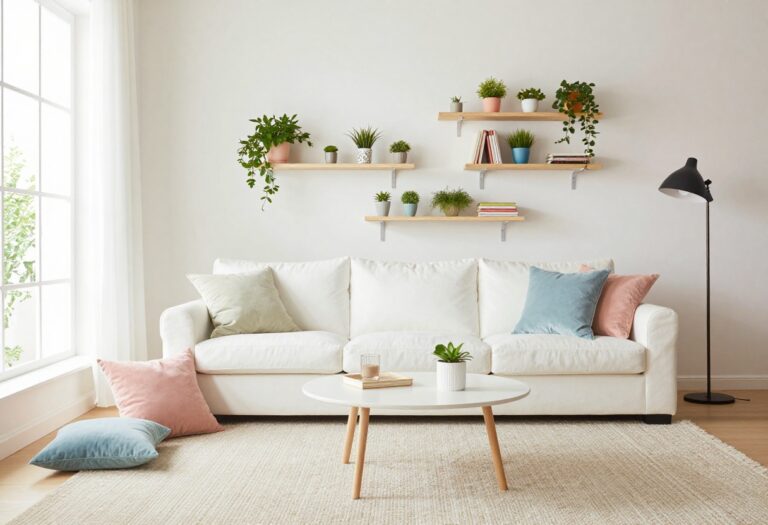
On open shelves, follow the rule of thirds: group items in odd numbers, vary heights, and leave plenty of empty space. A stack of books, a small plant, and a ceramic object create a balanced vignette. Resist the urge to fill every inch—negative space is your friend in a small room.
Finishing Touch
A large mirror opposite a window amplifies natural light and makes the room feel twice as big. Choose a simple frame that blends with your decor. Lean it against the wall for an effortlessly chic look that also adds depth.
10. Use Vertical Storage Solutions
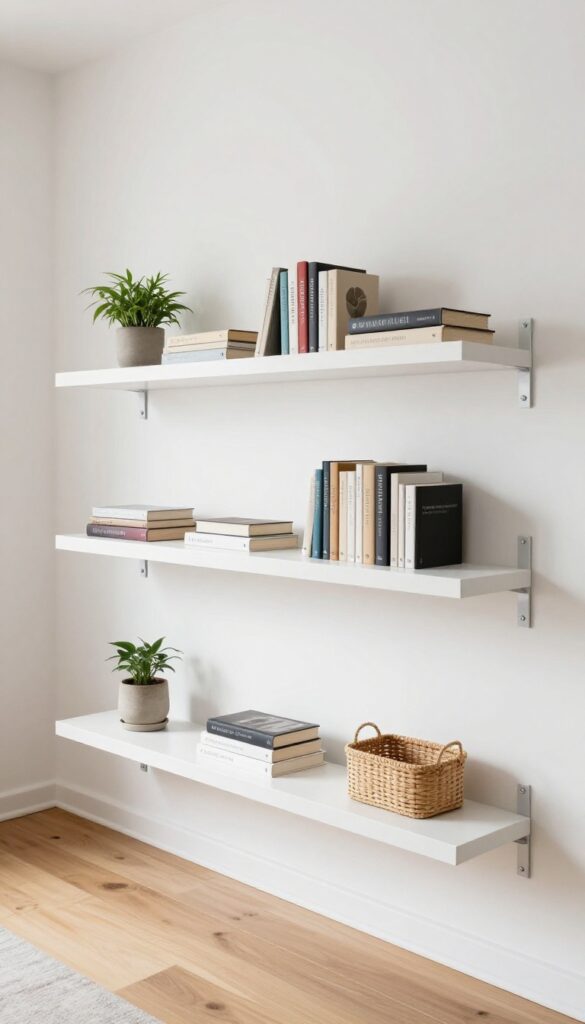
When floor space is at a premium, the only way to go is up. Vertical storage is a game-changer for narrow or small living rooms because it puts your walls to work without eating into your square footage. Floating shelves, tall bookcases, and wall-mounted cabinets keep clutter off the floor, which instantly makes the room feel more open and airy.
Plus, drawing the eye upward creates the illusion of higher ceilings—a huge win for single wide spaces.
The trick is to keep everything looking intentional and not like a cluttered catch-all. Start by choosing a consistent color or material for your shelving—white or light wood blends in and feels less bulky, while dark tones add contrast and depth. Arrange items in groups of three or five, mixing books with small plants, baskets, or ceramic vases.
Leave some breathing room between objects so the shelves don't feel stuffed. A tall bookcase against the narrowest wall can double as a room divider if you leave a few inches of space behind it, adding definition without closing things off.
Best Materials For A Clean Look
- Stick with streamlined materials that won't visually weigh down the room. Floating shelves in matte white or light oak keep things light and modern. For a taller unit, go with a slim metal-and-wood design—open shelving with thin frames feels less imposing than a solid block of furniture.
- Avoid dark, heavy woods unless your room gets plenty of natural light; they can make a small space feel cave-like.
Styling Tip: Less Is More
- Resist the urge to fill every inch. Leave about 30 percent of each shelf empty or use it for a single statement piece like a large art book or a sculptural vase. This negative space is what gives the room that clean, uncluttered vibe.
- Also, tuck small baskets or boxes on lower shelves to hide remotes, chargers, and other daily clutter—out of sight, but still easy to grab.
Layout Tip: Go High And Tight
- Install your highest shelf just below the ceiling line to really stretch the room upward. Then space the remaining shelves 12 to 15 inches apart. Keep the bottom shelf at least 18 inches off the floor so you can still slide a low basket or a small plant underneath.
- This vertical rhythm makes the wall feel like a designed feature, not just storage.
FAQ
What colors make a single wide living room look bigger?
Light neutrals like white, cream, soft gray, and pale beige are best. They reflect light and make walls seem farther away. You can add subtle contrast with light wood tones or pastel accents.
How can I make my single wide living room feel taller?
Hang curtains high near the ceiling, use vertical stripes or tall artwork, and choose low-profile furniture. Also, avoid bulky ceiling fixtures; opt for flush mounts or recessed lighting.
What furniture should I avoid in a small living room?
Avoid oversized sofas, heavy dark wood pieces, and bulky recliners. Instead, choose slim, armless sofas, glass or acrylic tables, and furniture with exposed legs to keep the space airy.
Can I use dark colors in a single wide living room?
Yes, but use them sparingly. A dark accent wall can add depth, but balance it with light furniture and plenty of light. Too much dark can make the room feel smaller.
How many pieces of furniture should I have in a small living room?
Stick to the essentials: a sofa, a coffee table, and maybe one or two accent chairs. Avoid extra pieces like large consoles or ottomans unless they serve double duty.
Conclusion
Making a single wide living room feel open is all about smart choices and a light touch. By focusing on light colors, multifunctional furniture, and strategic use of mirrors and lighting, you can create a space that feels spacious and welcoming.
Remember, less is often more in a compact room. Keep your decor intentional and your layout uncluttered, and your living room will feel like a breath of fresh air every time you walk in.