15 Bedroom Ideas That Give Small Spaces a More Polished Look
A small bedroom doesn't have to feel cramped or unfinished. With the right styling tricks, you can make it look polished, airy, and intentional—no square footage required.
These 15 ideas focus on smart furniture choices, clever storage, and visual tricks that instantly elevate the room. Expect practical tips you can apply this weekend, from low-profile frames to layered lighting.
Each one is designed to work with tight spaces, not against them, so you get a bedroom that feels both functional and refined. Ready to transform your space?
1. Use a Low-Profile Bed Frame to Open Up the Room
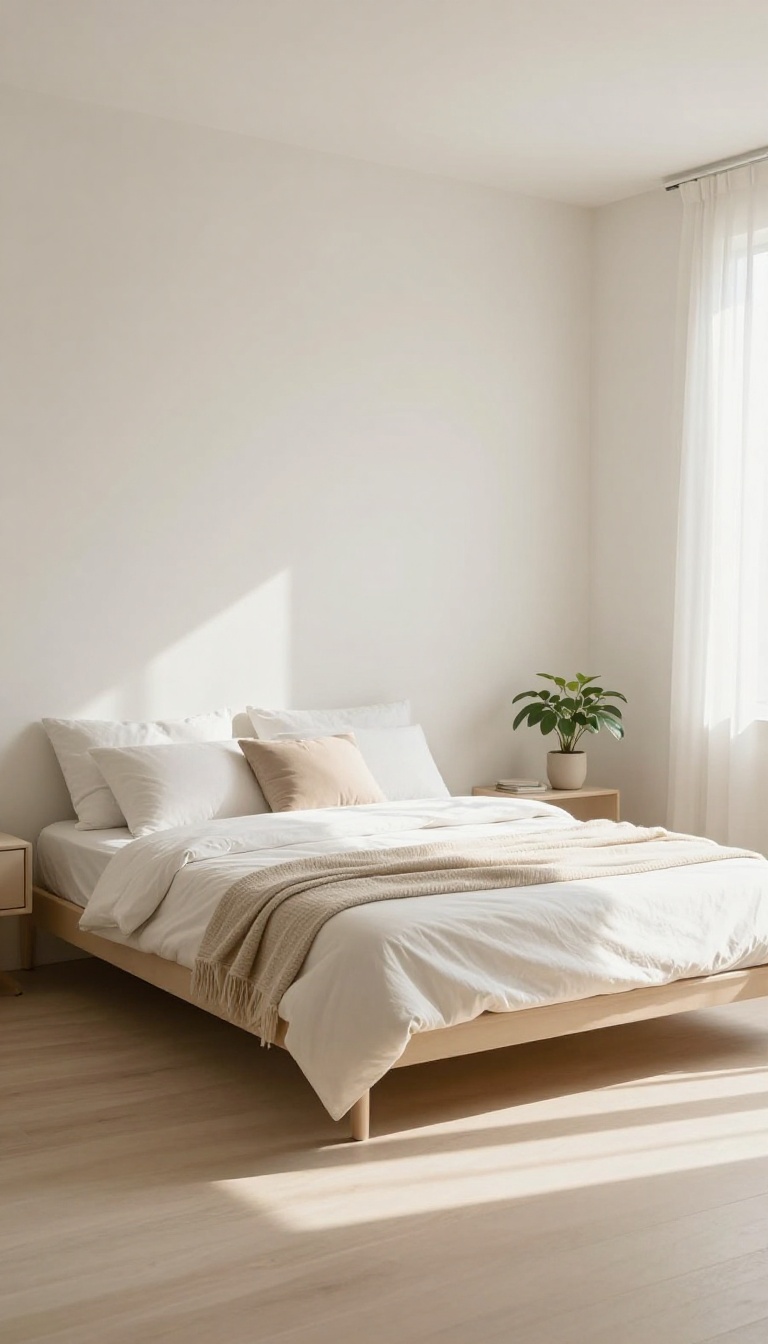
A low bed frame does more than just change the look of your bed—it changes the whole feel of the room. By bringing the bed closer to the floor, you free up visual space above it, making the ceiling seem higher and the floor area appear larger. This simple swap can make a small bedroom feel instantly more open and polished.
When you're working with a small bedroom, every inch counts. A towering bed frame can dominate the space and make the room feel top-heavy. A low-profile frame, on the other hand, keeps the eye level low, which creates a sense of calm and spaciousness.
It's a subtle change that makes a big difference.
Why Low-profile Works In Small Spaces
Low-profile beds sit closer to the ground, which means there's less visual bulk in the room. This makes the ceiling appear higher and the floor area seem larger. Plus, it gives the room a more modern, grounded look that feels intentional and polished.
How To Choose The Right Low Bed Frame
Look for a frame that sits about 10 to 12 inches off the floor. Platform beds are a great option because they don't need a box spring and have a sleek, minimal profile. If you want extra storage, choose a low frame with built-in drawers underneath—that way you don't lose any functionality.
Styling Tips To Complete The Look
Once your low bed is in place, keep the bedding simple and light. Use a low headboard or none at all to maintain the airy feel. Add a couple of throw pillows and a textured blanket for warmth without adding visual clutter.
The goal is to keep the eye moving horizontally, not vertically.
2. Add a Large Mirror to Double the Visual Space
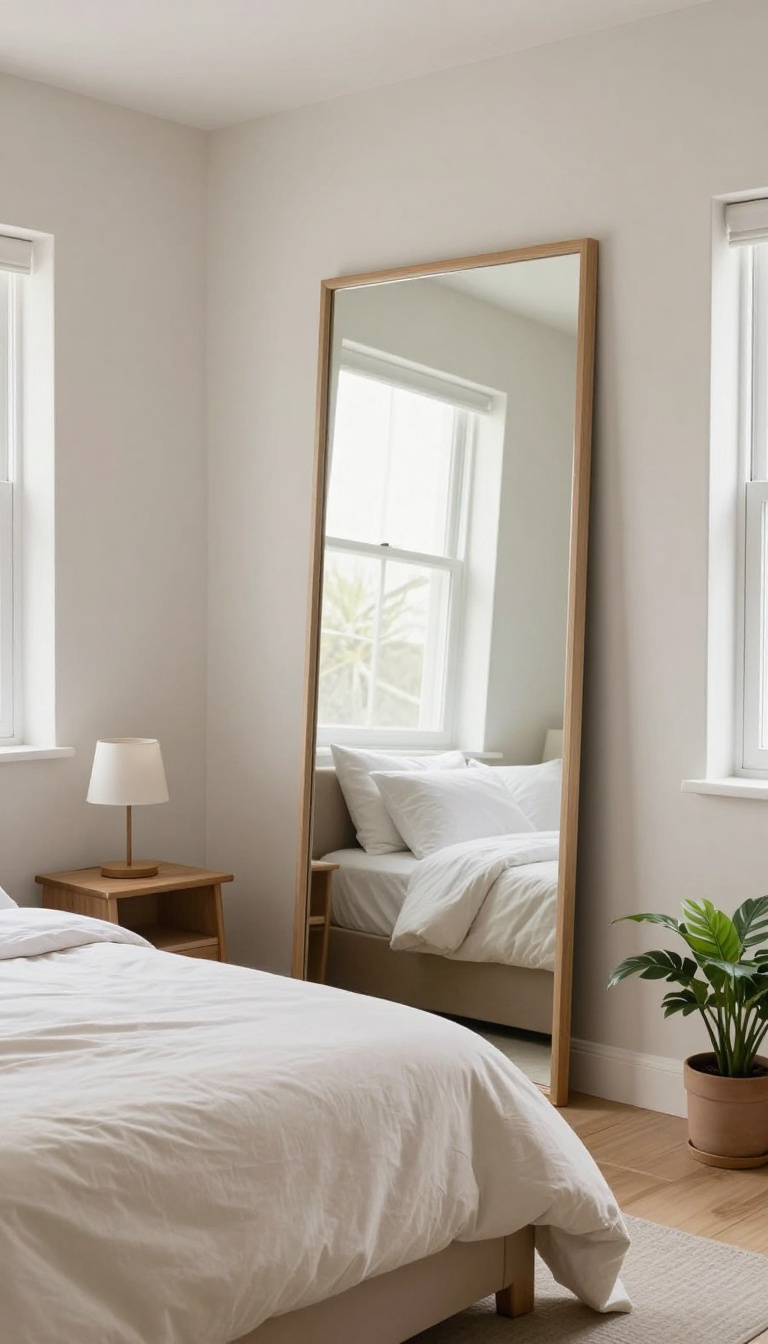
Mirrors are the oldest trick in the small-space playbook, and for good reason. A large mirror reflects light and makes the room feel twice as big. It’s an instant upgrade that costs less than most furniture and takes about five minutes to hang.
Place your mirror opposite a window to bounce natural light around the room. This not only brightens dark corners but also creates the illusion of another window, which visually expands the space. For the best effect, choose a mirror with a slim frame or no frame at all—it blends seamlessly into the wall.
Pick The Right Spot
The classic move is to hang the mirror across from a window, but that’s not your only option. Try leaning a large mirror against the wall behind your bed, or mount it on the back of your closet door. If you have a narrow hallway leading into the bedroom, a mirror there can make the approach feel wider.
Choose A Style That Fits
A round mirror softens the sharp lines of a room, while a rectangular one adds structure. For a polished look, match the frame to your existing hardware—brass, black, or natural wood. If you’re short on wall space, go for a floor mirror that leans; it doubles as a decorative piece.
Use It To Brighten Dark Areas
If your bedroom lacks natural light, position the mirror to reflect whatever light you have—even a lamp or a string of fairy lights. The reflection will spread the glow, making the room feel cozier and less cave-like. Just avoid placing it directly opposite a cluttered corner, or you’ll just double the mess.
3. Install Floating Shelves for Display and Storage
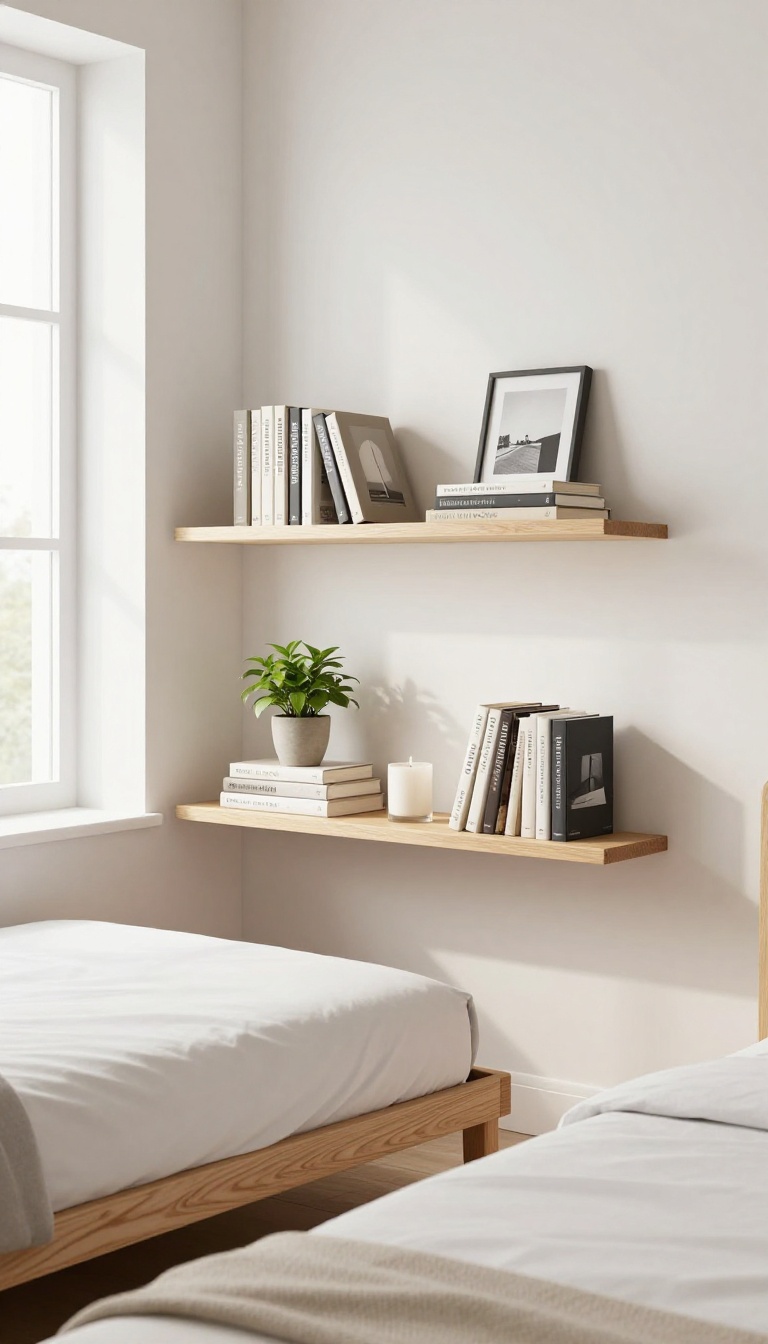
When floor space is tight, the walls become your best friend. Floating shelves give you a spot for the things you love without eating into your walking area. They add a clean, modern line to the room and make it feel more put-together, almost like a gallery wall that doubles as storage.
Floating shelves are a small-space superhero. They keep your floor clear, which instantly makes the room feel bigger. Plus, they draw the eye upward, making the ceiling feel higher.
The key is to style them with intention—mixing books, plants, and a few personal pieces so they look curated, not cluttered.
Choose The Right Height And Placement
Where you put your shelves matters. A common trick is to install them at eye level or slightly above, so they don't crowd the room. If you have a low bed, place shelves above the headboard to create a focal point.
In a narrow room, put them on the longest wall to visually widen the space. And if you're short on wall space, consider a corner shelf—it uses dead space without taking up floor area.
Style Them Like A Pro
The magic is in the mix. Start with a few books—stack some horizontally, stand others up. Add a small plant or two for life, and throw in a candle or a framed photo for personality.
Keep it balanced: don't overcrowd, and leave a little breathing room. A good rule is to group items in odd numbers and vary the heights. That creates a natural, effortless look.
Make Them Work For Storage
Floating shelves aren't just for looks—they're practical. Use them to store everyday items like glasses, skincare, or a small basket for odds and ends. In a bedroom, they can hold your nighttime essentials: a book, a glass of water, or a phone charger.
Just keep it tidy. Baskets or boxes on the lower shelves can hide clutter while still looking stylish.
4. Choose a Light, Neutral Color Palette
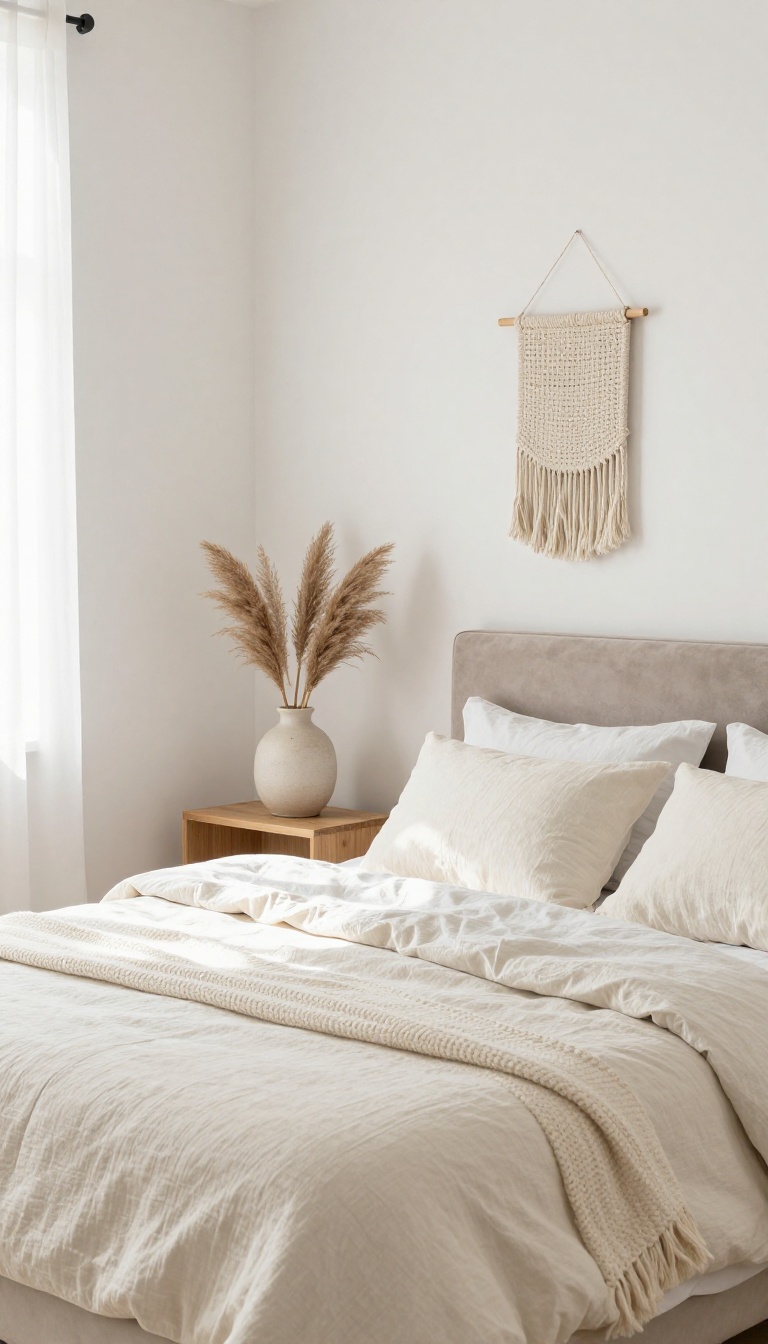
Color sets the mood of a room, and in a small bedroom, it can also influence how spacious it feels. Light, neutral tones like white, beige, or soft gray are your best friends here. They reflect natural light, making walls seem to recede and the whole space feel more open and airy.
Plus, they provide a calm, versatile backdrop that lets you play with texture and accent pieces without overwhelming the room.
Neutrals aren't boring—they're a strategic choice for small spaces. They create a seamless flow that makes the room feel larger and more cohesive. And they're incredibly forgiving when it comes to styling: you can easily switch out accent colors or add pops of personality with textiles and decor.
The key is to pick a palette that feels warm and inviting, not stark or sterile. Think creamy whites, warm greiges, or soft greys with a hint of warmth.
Why Light Colors Make A Room Feel Bigger
Light colors reflect more light, both natural and artificial, which brightens the room and reduces shadows. This tricks the eye into perceiving more space. Dark colors absorb light, making walls feel like they're closing in.
By keeping your base palette light, you create an open, breathable atmosphere that instantly makes the room feel more polished and expansive.
How To Add Depth Without Dark Colors
You might worry that all-light equals flat and boring. The trick is to layer in depth through textures and subtle tonal variations. Think a chunky knit throw in oatmeal, linen bedding in ivory, or a velvet headboard in a slightly deeper greige.
These add visual interest and dimension without introducing heavy, space-shrinking colors. You can also use a slightly darker shade on an accent wall or behind the bed to create a focal point while keeping the overall feel light.
The Best Neutral Shades For Small Bedrooms
Not all neutrals are created equal. Warm whites like Alabaster or Swiss Coffee have a soft, cozy feel. Greige—a mix of gray and beige—adds warmth without being too yellow.
Soft greys with a blue or green undertone can feel calm and spa-like. Avoid stark, cool whites that can feel clinical. Test a few shades on your wall and observe them at different times of day to see which one makes your space feel most inviting.
5. Incorporate Vertical Storage Solutions
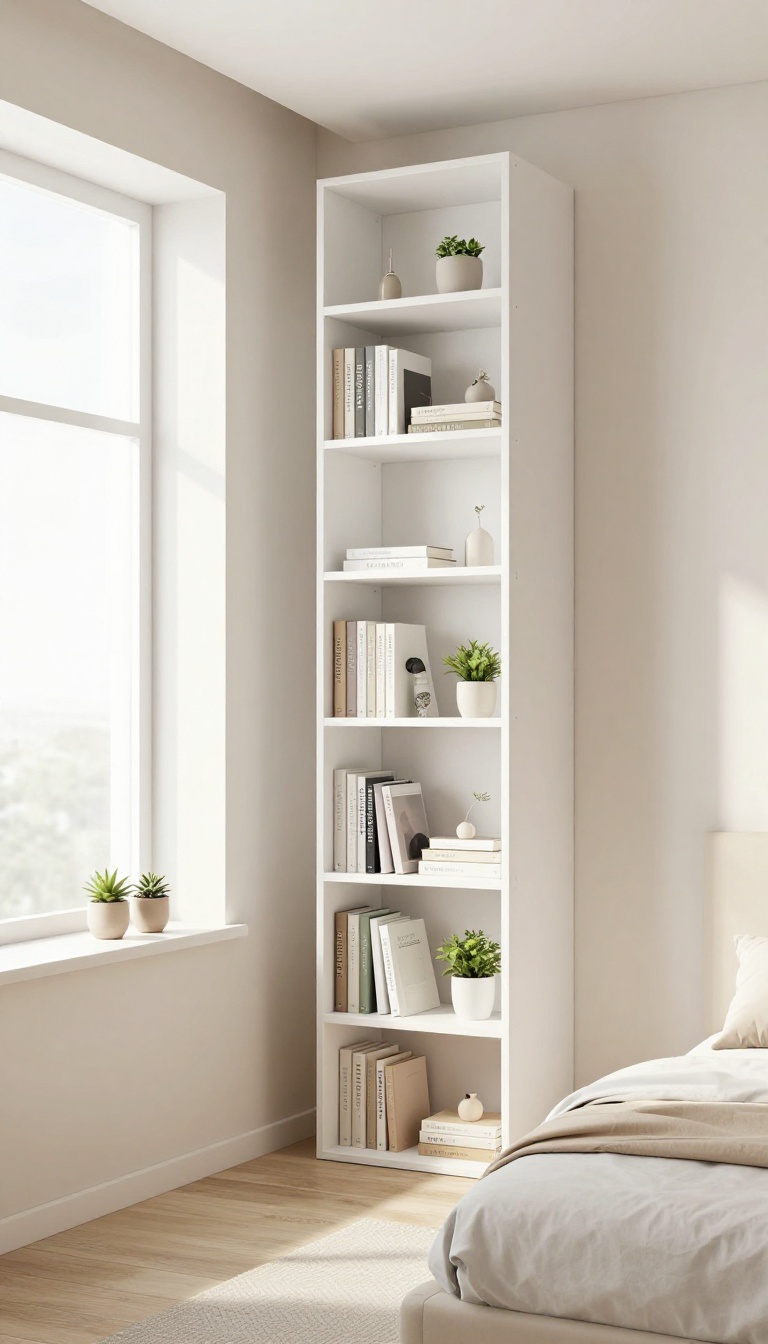
Tall bookshelves or wardrobes draw the eye upward, making the ceiling feel higher. Use every inch of vertical space to store items neatly. When floor space is limited, going up is the smartest move you can make.
Vertical storage isn't just about cramming more stuff in—it's about creating a sense of height and order. By utilizing the full height of your walls, you free up precious floor area and keep everything within easy reach. Here's how to make it work seamlessly in a small bedroom.
Choose Tall, Slim Furniture
Opt for a tall, narrow bookshelf or a wardrobe that reaches close to the ceiling. This not only maximizes storage but also makes the room feel taller. Look for pieces with clean lines and a light finish to avoid visual heaviness.
Use Over-the-door Organizers
The back of your door is prime real estate. Hang an over-the-door organizer for shoes, accessories, or even extra linens. It's an easy, no-drill solution that keeps clutter off the floor and out of sight.
Install Floating Shelves
Floating shelves are a minimalist's dream. Install them above your bed, desk, or along an empty wall to display books, plants, or decor. They add storage without taking up any floor space, and you can style them to match your aesthetic.
Maximize Closet Verticality
Inside your closet, use stackable shelves, hanging organizers, and even a second rod for shorter items. This doubles your storage capacity without adding any square footage. Keep frequently used items at eye level and store seasonal pieces higher up.
6. Layer Lighting for a Warm, Inviting Glow
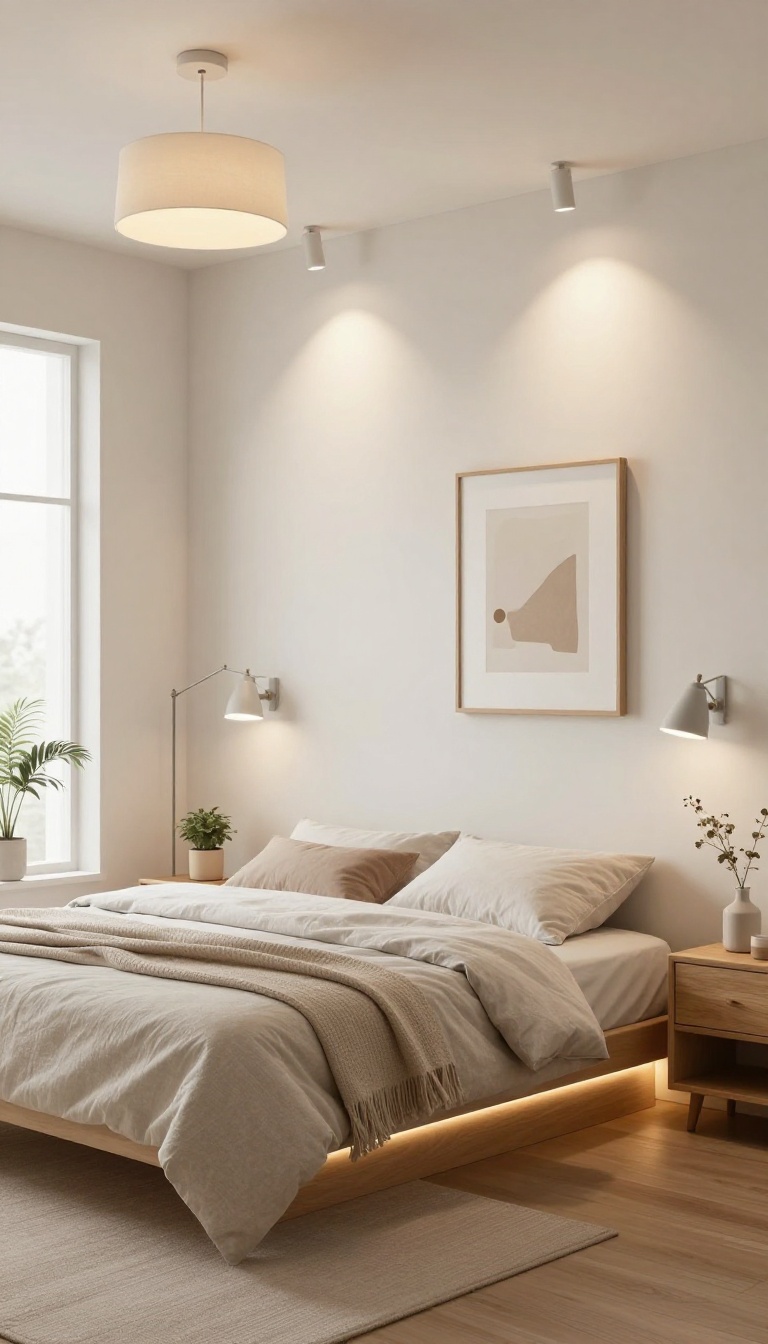
Lighting can make or break a small bedroom. A single overhead fixture often leaves corners dark and the space feeling flat. By layering different types of light, you can create depth, warmth, and a sense of coziness that makes the room feel larger and more inviting.
Start with a ceiling light for general illumination, then add task lighting for reading or dressing, and accent lighting to highlight artwork or architectural details. Dimmers on all fixtures let you adjust the mood from bright and energetic to soft and relaxing. This approach not only improves functionality but also adds a polished, designer look.
Start With A Ceiling Light That Fits The Room
Choose a flush mount or semi-flush mount fixture to avoid taking up visual space. A drum shade in a light fabric diffuses light evenly and adds a soft touch. If you have low ceilings, skip pendant lights that hang too low—they can make the room feel cramped.
Add Task Lighting Where You Need It
Wall-mounted sconces beside the bed free up nightstand space and provide focused light for reading. Swing-arm sconces are adjustable and perfect for tight spots. For a desk area, a sleek LED desk lamp with a flexible arm gives you bright, directed light without cluttering the surface.
Use Accent Lighting To Create Depth
String lights, LED strips under the bed or behind a headboard, or a small picture light above a favorite print can add a warm glow and draw the eye. These accents also create subtle shadows that make the room feel layered and interesting. Consider a dimmable floor lamp in a corner to fill dark areas with soft light.
Install Dimmers For Total Control
Dimmers let you transition from bright mornings to calm evenings with a simple turn. They also save energy and extend bulb life. If you're not comfortable wiring, plug-in dimmers or smart bulbs that work with an app are easy alternatives.
7. Use Multi-Functional Furniture
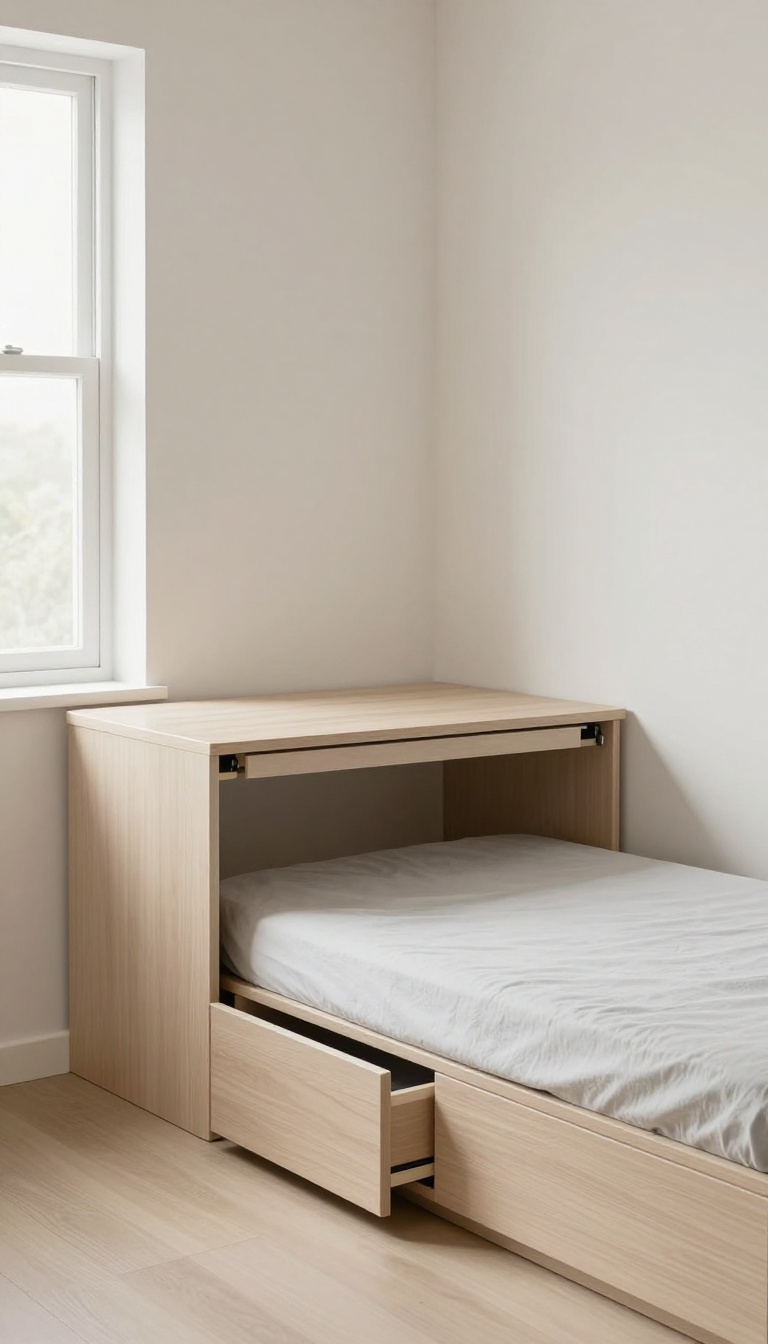
In a small bedroom, every piece of furniture should earn its keep. That's where multi-functional pieces come in—they pull double duty, saving space and reducing clutter. Think of a bed with built-in drawers, a desk that folds away, or an ottoman that stores blankets.
These smart choices keep the room tidy and make it feel more polished, because everything has a place.
Multi-functional furniture is a game-changer for small bedrooms. It allows you to have the functionality you need without the visual bulk of separate pieces. By combining storage with seating, sleeping, or working, you free up floor space and minimize visual noise.
The result is a room that feels organized, airy, and intentional—exactly the polished look you're after.
Beds With Built-in Storage
A bed frame with drawers underneath is a classic small-space solution. It turns the often-wasted space below your mattress into valuable storage for linens, off-season clothes, or extra pillows. Platform beds with integrated drawers or hydraulic lifts are sleek and eliminate the need for a bulky dresser.
This keeps the floor clear and the room looking streamlined.
Folding Desks And Wall-mounted Tables
If you need a workspace in your bedroom, a folding desk or a wall-mounted drop-leaf table is a smart pick. These can be tucked away when not in use, freeing up precious floor space. Pair it with a slim chair that can slide underneath or fold flat.
This gives you a functional work area without making the room feel crowded.
Ottomans And Benches With Hidden Storage
An ottoman at the foot of the bed or a bench by the window can serve as seating and a storage spot. Look for pieces with removable lids or drawers inside. They're perfect for stashing throws, books, or shoes.
This adds a layer of functionality while keeping the room looking neat and uncluttered.
8. Add a Bold Headboard as a Focal Point
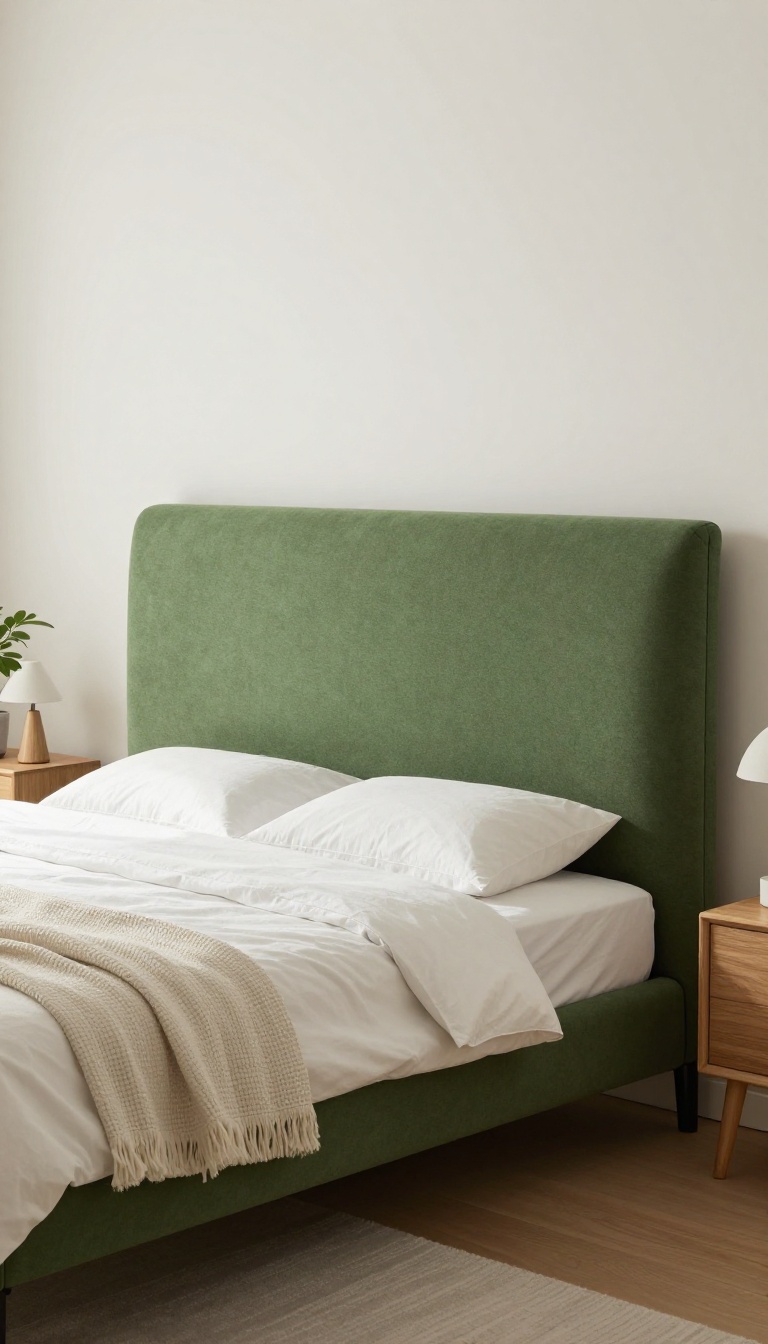
A headboard often gets overlooked in small bedrooms, but it's one of the easiest ways to make a big impact. A bold design draws the eye upward and gives the bed a polished, anchored look without eating into your floor space. Whether you go for a tall upholstered panel or a dramatic shape, it instantly becomes the room's centerpiece.
When you're working with limited square footage, every piece should do double duty. A headboard not only adds style but can also provide back support for reading or lounging in bed. Plus, it visually separates the bed from the wall, making the room feel more intentional and less like a storage afterthought.
Choose A Tall, Slim Profile
A tall headboard that reaches toward the ceiling creates the illusion of height, making the room feel larger. Look for slim designs that don't jut out too far, like a simple fabric panel or a wooden slat version. This way, you get the drama without sacrificing precious inches.
Play With Patterns And Textures
Don't shy away from bold patterns or rich textures. A velvet headboard in a deep jewel tone adds warmth and luxury, while a rattan or woven style brings in natural texture. These elements make the bed the obvious focus, so the rest of the room can stay simple and uncluttered.
Diy Options For Tight Budgets
If you're handy, consider making your own headboard. A large piece of plywood covered in fabric or a collection of framed panels can mimic the look of a custom piece. You can even repurpose an old door or a folding screen.
It's a budget-friendly way to get a custom feel.
9. Keep the Floor Clear with Wall-Mounted Nightstands
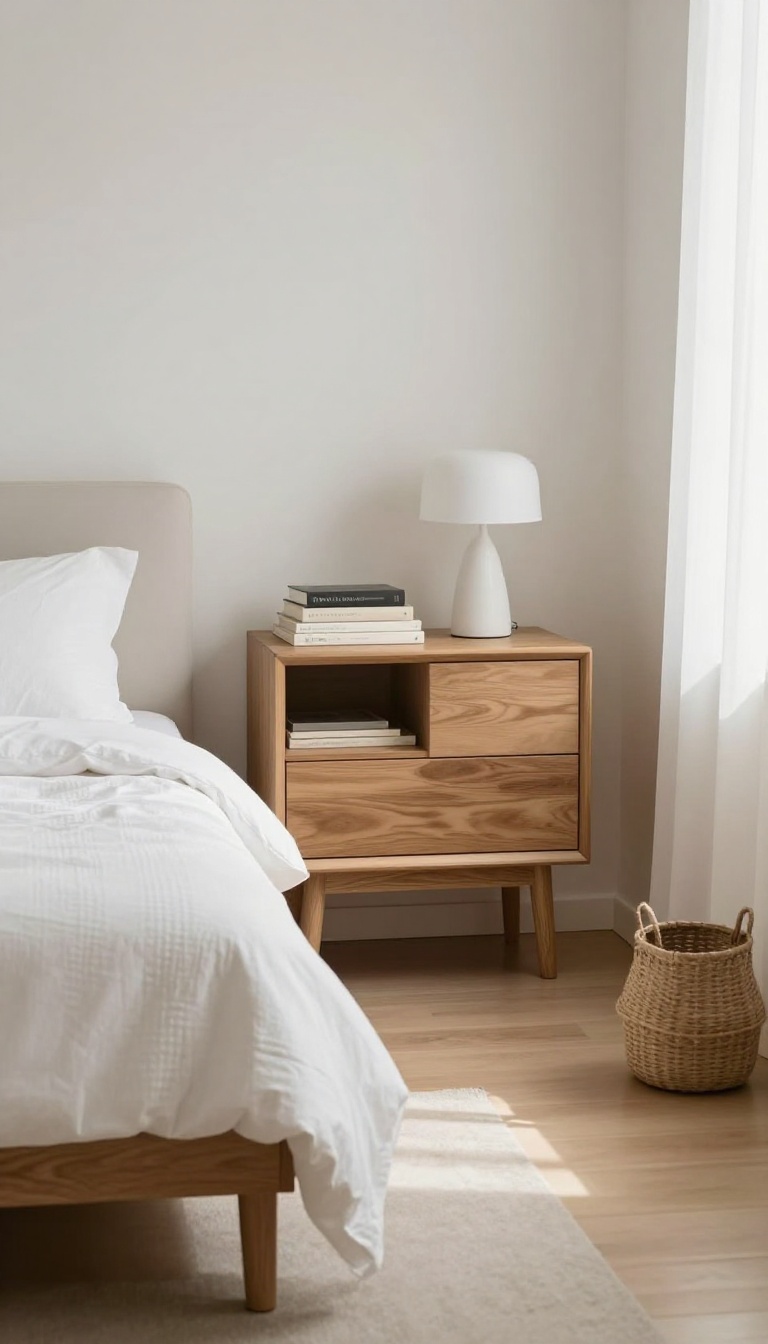
Floor space is precious in a small bedroom, and traditional nightstands can eat up more of it than you realize. Wall-mounted nightstands change the game by lifting storage off the ground and opening up the visual flow of the room. They also bring a sleek, modern edge that instantly makes the space feel more curated and intentional.
Swapping bulky nightstands for wall-mounted versions is one of the quickest ways to make a small bedroom feel bigger. With the floor left open, your eye travels further, and the room feels less cluttered. Plus, cleaning becomes a breeze when you can sweep right under the furniture without moving anything.
Why Wall-mounted Works So Well
The main benefit is obvious: no legs or base means more visible floor, which tricks the eye into seeing a larger room. But there's also a design payoff. Floating shelves or cabinets look streamlined and intentional, giving the space a custom, built-in feel.
They also free up space for a small stool or a basket underneath, adding function without visual weight.
Picking The Right Style And Height
Choose a design that matches your room's vibe—wood for warmth, white for airiness, or black metal for an industrial touch. Mount them at the same height as your mattress top or slightly lower for easy reach. If you're a side-sleeper, keep them close enough to grab a glass of water without stretching.
For a cohesive look, pair them with a floating shelf above or a wall lamp to avoid taking up surface space.
Installation Tips For A Secure Fit
Always anchor into wall studs or use heavy-duty drywall anchors, especially if you plan to store books or electronics. Check the weight rating before buying. If you're renting, look for damage-free mounting options or ask your landlord for permission.
A little extra effort in installation ensures your nightstand stays put and looks polished for years.
10. Use Curtains to Create Height and Softness
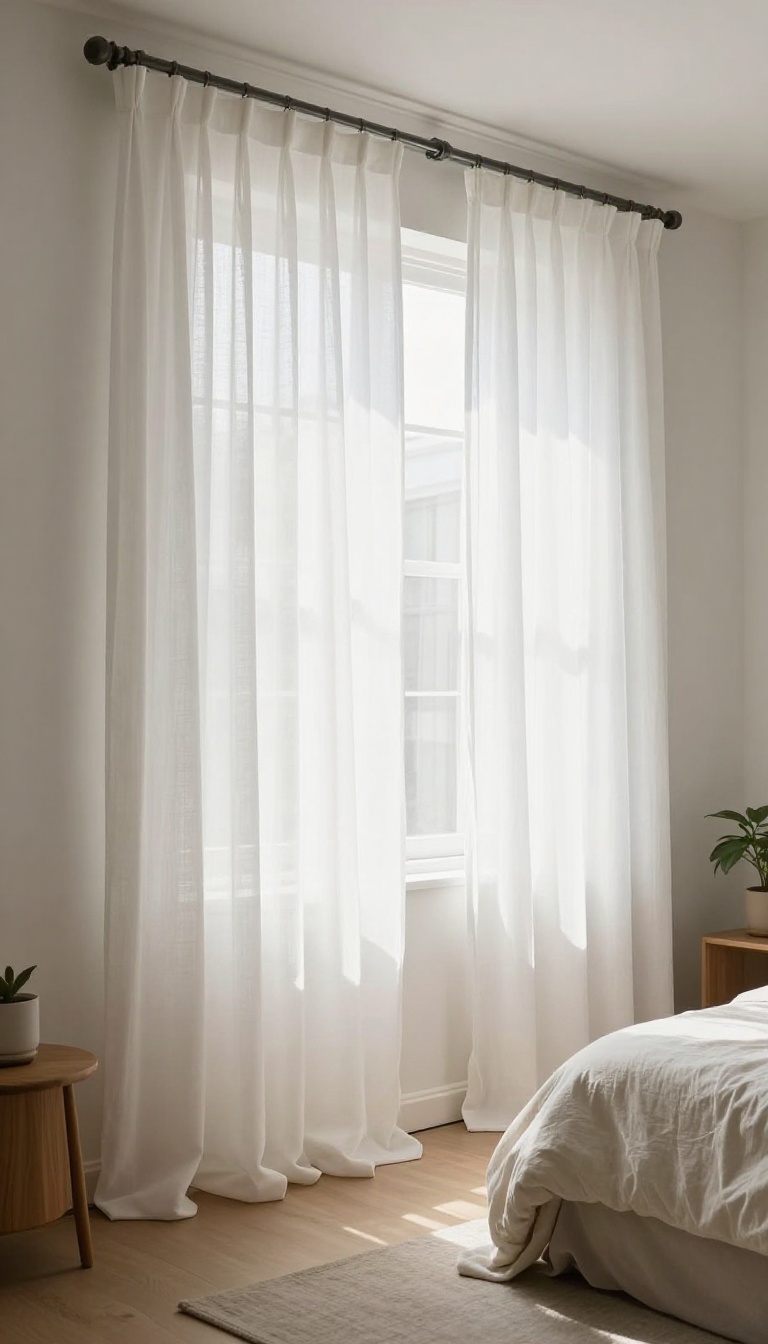
Curtains often get treated as a purely functional addition, especially in small bedrooms where every inch counts. But the right curtain setup can actually do double duty: it adds visual height and brings a soft, finished feel to the room. The trick lies in how you hang them, not just what you choose.
When you hang curtains high above the window frame and let them skim the floor, your eye follows the vertical line upward. This makes the ceiling feel taller and the whole room more expansive. Plus, the gentle pooling of fabric at the bottom softens the edges of the room, making it feel cozier and more intentional.
Hang High And Wide
Mount the curtain rod about 4 to 6 inches above the window frame, and extend it a few inches beyond each side of the window. This makes the window appear larger and draws the eye up, creating the illusion of height. Even if your window is small, this simple adjustment changes the whole proportions of the room.
Choose The Right Fabric
Light, airy fabrics like linen or cotton voile let in natural light while adding a soft, relaxed texture. Heavier fabrics like velvet can feel luxurious but may darken the room, so balance them with lighter sheers if you want both. The key is to avoid stiff, shiny materials that look formal and can make the space feel cramped.
Let Them Pool Or Break Clean
For a polished look, let the curtains break just at the floor or pool slightly—about 1 to 2 inches of extra fabric creates a soft, romantic feel. If you prefer a cleaner line, hem them to hover just above the floor. Either way, make sure they don't bunch up too much, as that can collect dust and look messy.
11. Add a Rug to Define the Space
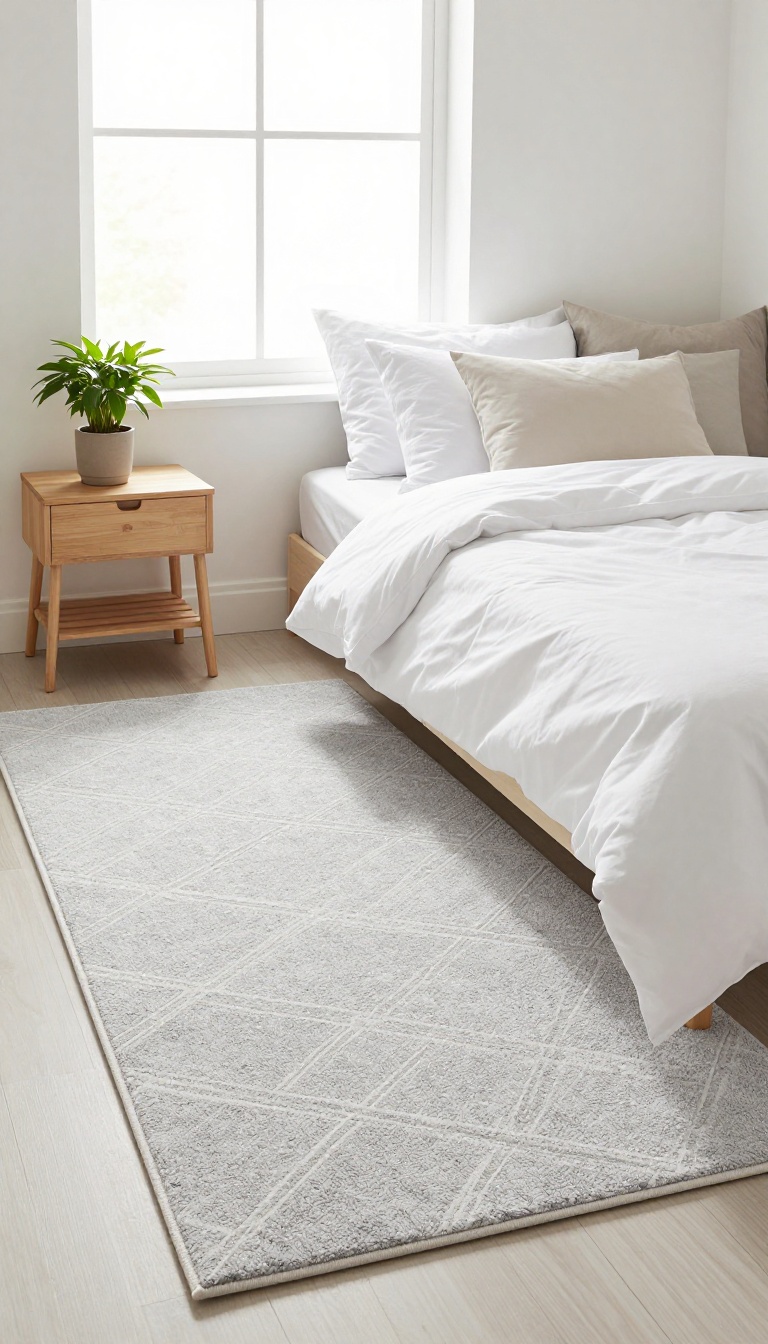
A rug is more than just a soft spot for your feet—it's a visual anchor that can make a small bedroom feel intentional and grounded. When placed correctly, a rug defines the bed area, adds warmth, and even tricks the eye into seeing more space. The trick is choosing the right size and placement, which can transform a cramped room into a cozy retreat.
Choose The Right Size
In a small bedroom, a rug that's too small can make the room feel disjointed. Aim for a rug that extends at least 18–24 inches beyond the sides and foot of the bed. This creates a generous border that visually expands the floor area.
If your room is tight, a runner on each side of the bed works too, but a single larger rug under the bed is the classic choice.
Place It Under The Bed
Position the rug so it sits under the lower two-thirds of the bed, leaving the headboard area bare. This anchors the bed without covering the whole floor, which can make the room feel smaller. If you have a bed frame with legs, tuck the rug just under the foot of the bed to create a cohesive look.
For platform beds, center the rug under the bed and let it peek out on all sides.
Pick A Pattern That Opens Up The Room
Light, neutral rugs with subtle patterns can make a small space feel airier. Avoid busy, dark designs that can visually shrink the room. A soft geometric or textured rug in a light tone adds depth without overwhelming.
If you love color, use it in small doses—like a border or a few accent lines—to keep the space feeling calm and polished.
12. Incorporate Hidden Storage in Unexpected Places
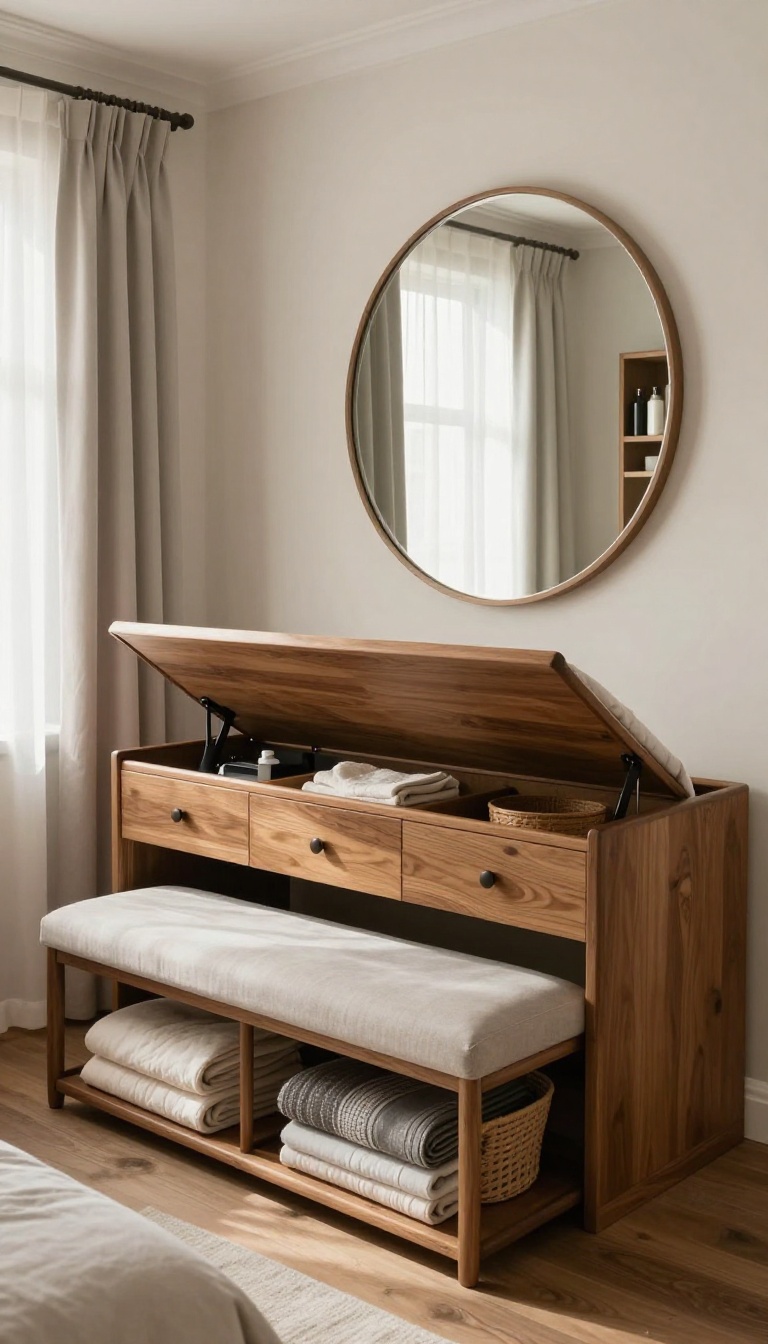
Clutter is the fastest way to make a small bedroom feel chaotic. Even if you have a place for everything, visible piles of stuff can visually shrink the room and steal that polished vibe you're after. That's where hidden storage comes in—it lets you keep necessities close without letting them take over your space.
The trick is to look at every piece of furniture and every empty corner as a potential storage opportunity. You don't need to add bulky cabinets or extra shelves; you just need to get creative with what you already have. Think under, behind, and inside.
Under The Bed: The Ultimate Hidden Zone
The space under your bed is prime real estate, and it's often wasted. Swap your standard frame for one with built-in drawers, or use low-profile storage bins that slide neatly underneath. Store off-season clothes, extra bedding, or shoes in labeled containers so you can find things easily.
If you use a bed skirt, you can hide even bulky bins while keeping the floor clear.
Ottomans And Benches: Seating That Stores
A storage ottoman at the foot of the bed or a bench with a lift-up top does double duty. It gives you a spot to sit while getting dressed, and inside you can stash blankets, pillows, or even your everyday bags. Choose one with a sturdy lid and a style that blends with your decor—it'll look intentional, not like a toy box.
Mirrors That Hide More Than Reflections
A full-length mirror can be more than a way to check your outfit. Look for a mirror that swings open to reveal a shallow cabinet, or install a mirrored medicine cabinet on an interior wall. These are perfect for jewelry, accessories, or toiletries, and they keep your surfaces clear.
The mirror also reflects light, making the room feel bigger—a double win.
13. Mix Textures for a Luxurious Feel
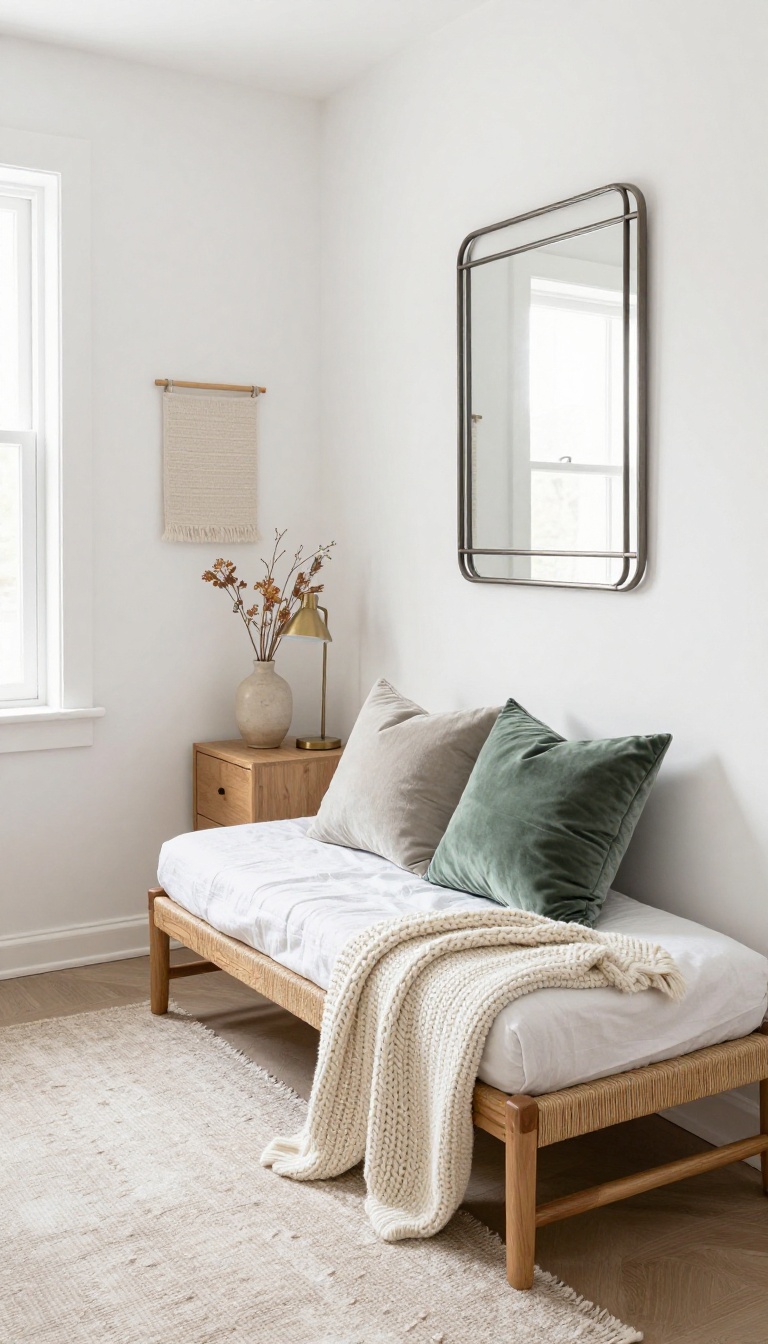
Texture is a silent game-changer in small bedrooms. When you blend materials like linen, velvet, wood, and metal, you add depth that tricks the eye into seeing more dimension. A space that feels rich and layered automatically reads as more polished, even if it's compact.
Start with a base of soft, breathable linen for your bedding, then introduce a velvet throw pillow or a chunky knit blanket. Add a wooden bench or a metal-framed mirror to bring in contrasting elements. The key is balance—too much of one texture can feel flat, while a thoughtful mix creates visual interest without overwhelming the space.
Layer Soft And Hard Surfaces
Pair a plush area rug with a sleek metal bed frame or a wooden nightstand. The contrast between soft and hard surfaces adds a tactile quality that makes the room feel curated. A small tray on the nightstand can hold a ceramic vase and a linen coaster, tying the textures together.
Use Textiles To Add Warmth
In a small bedroom, textiles are your best friend. Swap out synthetic materials for natural ones like wool, cotton, or bamboo. A woven wall hanging or a textured throw at the foot of the bed can break up large expanses of wall or bedding, making the space feel cozier and more intentional.
Incorporate Metallic Accents
Metallic accents—like brass drawer pulls, a copper lamp, or a gold-framed mirror—add a touch of luxury and reflect light, making the room feel brighter. Use them sparingly to avoid a cluttered look. A single metallic element can elevate the entire texture palette.
14. Choose a Statement Lighting Fixture
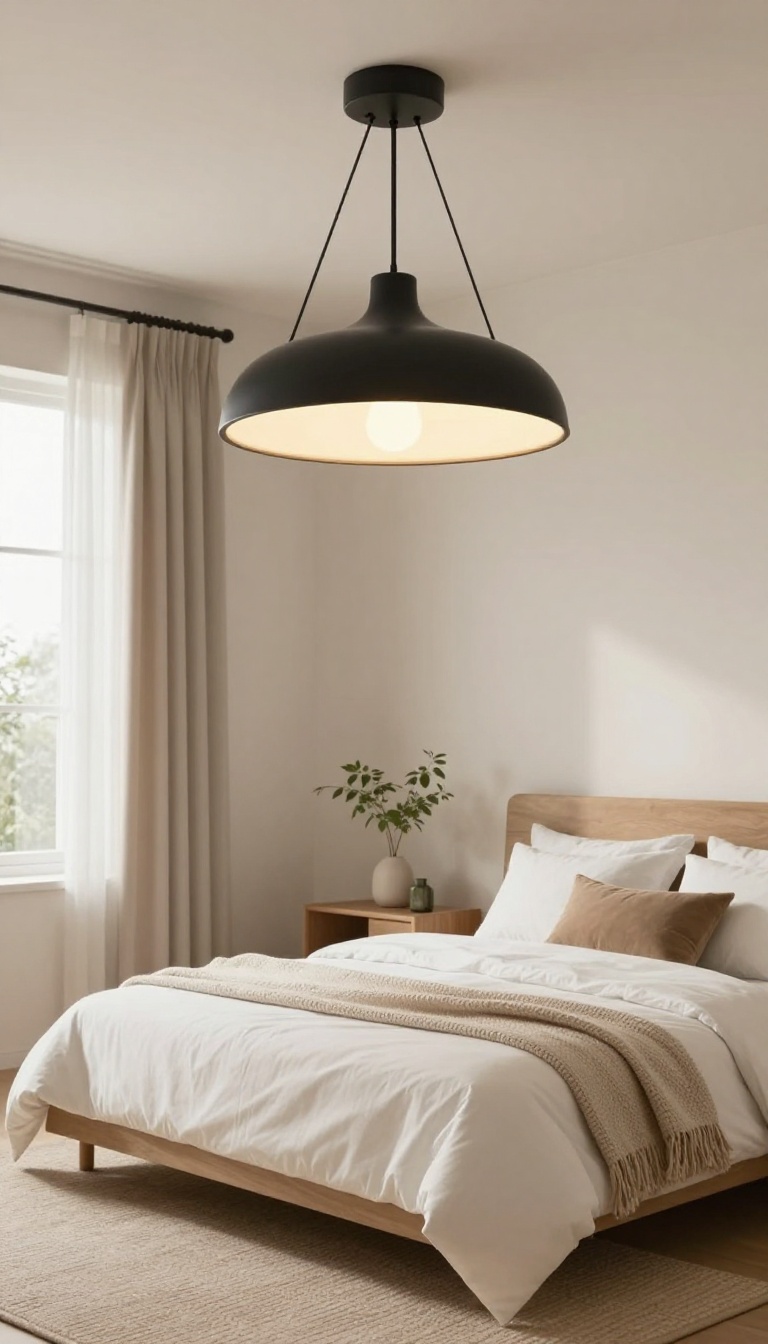
A small bedroom often relies on overhead lights that do nothing for the mood. Swapping a plain fixture for something sculptural changes the entire feel of the room without taking up any floor space. This is one of the easiest swaps to make a compact space look intentional and stylish.
A statement light isn't just about illumination; it's a piece of art that hangs from the ceiling. It draws the eye upward, making the ceiling feel higher and the room more expansive. Choose a fixture that complements your style—whether that's a modern globe, a rustic wood pendant, or a sleek brass chandelier.
The key is to pick something that stands out but doesn't overwhelm the scale of the room.
Scale And Placement
In a small bedroom, the fixture should be proportionate to the space. A huge chandelier can feel heavy, while a tiny pendant might get lost. Aim for a diameter that's about half the width of the bed, and hang it so the bottom sits about 7 feet from the floor—or slightly higher if you have low ceilings.
If you're placing it over a nightstand, keep it centered and out of the way.
Style That Fits Your Vibe
Think about the overall look you want. A matte black sputnik fixture adds a modern edge, while a woven rattan pendant brings warmth and texture. For a touch of glam, a crystal or glass globe reflects light beautifully.
Don't be afraid to mix materials—just keep the finish in line with your room's hardware and decor.
Lighting Layers Matter
A statement fixture works best when it's part of a layered lighting plan. Add a dimmer switch to control the intensity, and pair it with a small lamp or wall sconce for reading. This way, you can set the mood for relaxation or brighten things up when needed.
The statement piece becomes the star, but the other lights support the function.
15. Add Greenery for a Fresh, Polished Look
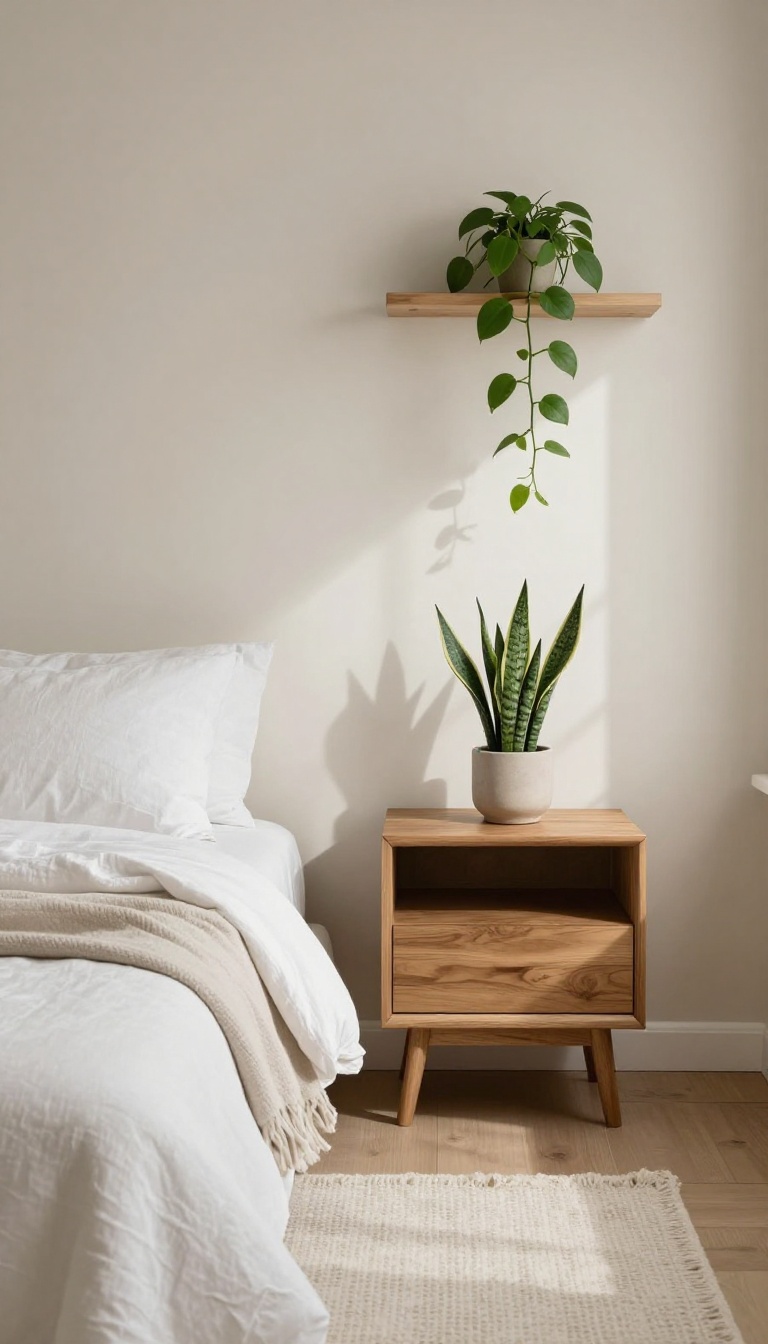
Plants are the easiest way to breathe life into a small bedroom. They add a pop of color, improve air quality, and make the space feel more intentional. Even a single leafy friend on a nightstand can change the whole vibe.
Greenery instantly makes a room feel more polished and alive. In a small bedroom, plants work double duty: they soften hard edges and bring a touch of nature indoors. The trick is to choose the right plants and place them where they won't get in the way.
Pick Low-maintenance Varieties
Not everyone has a green thumb, and that's okay. Go for plants that thrive on neglect: snake plants, pothos, or ZZ plants. They handle low light and irregular watering, so they'll stay looking great even if you forget about them for a week.
Use Vertical Space
Floor space is precious in a small bedroom, so think up. Hang a few small pots from the ceiling or mount a wall planter. A floating shelf with trailing vines adds greenery without taking up any floor space.
Place Plants Near Natural Light
Most plants need some sunlight, so put them on a windowsill or a shelf near a window. If your bedroom is on the darker side, choose low-light lovers like ferns or peace lilies. Just make sure they're not blocking your view or getting in the way.
FAQ
What is the best color for a small bedroom?
Light, neutral colors like white, cream, or soft gray are ideal because they reflect light and make the room feel more spacious and airy.
How can I make my small bedroom look bigger?
Use mirrors, keep the floor clear, choose low-profile furniture, and maximize vertical storage. These tricks create the illusion of more space.
What type of bed is best for a small bedroom?
A platform bed with built-in storage or a low-profile bed frame works well. It saves space and adds a modern, polished look.
How do I add storage to a small bedroom without clutter?
Use hidden storage like under-bed bins, wall-mounted shelves, and multi-functional furniture. Keep surfaces clear and organized.
Can I use dark colors in a small bedroom?
Yes, but use them sparingly as accents. Dark walls can make a room feel smaller, so opt for light walls and add dark touches through decor or a feature wall.
Conclusion
A polished small bedroom isn't about adding more—it's about choosing details that pull the room together. Whether you swap in a slim headboard, layer lighting, or rethink your storage, each tweak brings you closer to a space that feels intentional and calm. Start with the idea that solves your biggest frustration, then build from there.
Even one or two changes can shift the whole feel of the room. So pick a tip, try it out, and enjoy the upgrade.