25 Cleaning Tips for Glass Shower Doors Without Streaks
Glass shower doors look beautiful when they're spotless, but keeping them that way can feel like a losing battle. Hard water stains, soap scum, and streaks seem to appear overnight, no matter how often you wipe them down. The good news is that you don't need harsh chemicals or expensive products to get that crystal-clear shine.
With a few simple tricks and the right tools, you can banish streaks for good. These 25 tips cover everything from daily habits to deep-cleaning methods, all designed to save you time and effort.
Whether you're dealing with stubborn mineral deposits or just want to maintain a pristine look, you'll find practical solutions that actually work. Let's dive in.
1. Start with a Daily Squeegee Routine
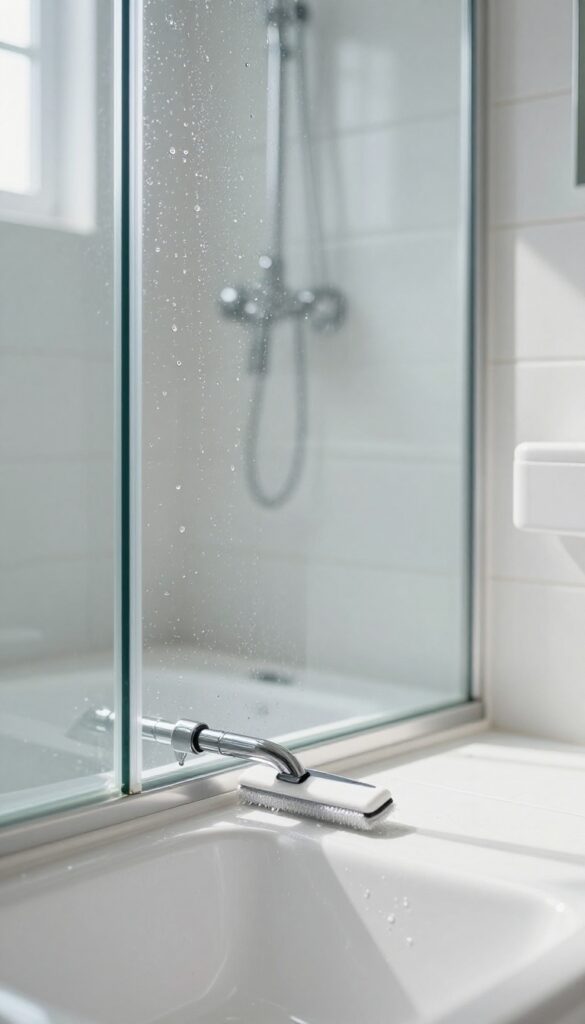
The most effective way to keep your glass shower doors streak-free is to stop water spots before they form. A quick squeegee after every shower takes less than a minute and dramatically reduces the buildup of hard water minerals and soap scum. This simple habit cuts down on deep cleaning sessions and keeps your doors looking freshly cleaned every day.
Using a squeegee after each shower is the single best preventive measure you can take. Water left to dry on glass leaves behind mineral deposits that create those cloudy, streaky spots. By removing the water immediately, you eliminate the problem at its source.
It's a small effort with huge payoff.
Choose The Right Squeegee
Not all squeegees are created equal. Look for one with a rubber blade that's at least 6 inches wide and has a soft, flexible edge. A stainless steel or plastic handle with a built-in hook makes storage easy.
Replace the blade every few months to avoid streaking from a worn edge.
Perfect Your Technique
Start at the top corner and pull the squeegee across in overlapping horizontal strokes. Wipe the blade with a microfiber cloth after each pass to prevent redepositing water. Finish with a vertical stroke down the sides to catch drips.
The whole process should take about 30 seconds.
Keep It Handy
Store your squeegee inside the shower or hang it on a hook within arm's reach. If it's hidden in a cabinet, you're less likely to use it consistently. A suction cup holder on the tile or glass keeps it accessible and reminds you to squeegee before you step out.
2. Use White Vinegar for Hard Water Stains
Hard water stains are the toughest enemy of clear shower doors. Those white, crusty spots are actually mineral deposits left behind when water evaporates. White vinegar is a natural acid that dissolves these minerals without any harsh scrubbing or toxic fumes.
White vinegar is cheap, non-toxic, and incredibly effective. The acetic acid breaks down calcium and lime scale, making it easy to rinse away. For best results, use distilled white vinegar straight from the bottle.
How To Apply It
Pour undiluted white vinegar into a spray bottle. Spray the entire glass surface generously, making sure to cover all stained areas. Let it sit for 5-10 minutes — longer if the stains are thick or old.
The vinegar will start fizzing slightly as it works.
Rinsing And Drying
After the wait time, rinse thoroughly with warm water. Use a squeegee to remove all moisture, pulling from top to bottom in overlapping strokes. This prevents new streaks and ensures a spotless finish.
If you notice any remaining spots, repeat the process.
Safety And Precautions
White vinegar is safe for most glass surfaces, but avoid using it on natural stone or unsealed grout, as the acid can etch them. Always test on a small hidden area first. The smell dissipates quickly once rinsed, so no worries about lingering odor.
3. Try a Dish Soap and Vinegar Spray
If you want a streak-free shine without buying a cabinet full of cleaners, this DIY spray is your new best friend. White vinegar cuts through hard water minerals and soap scum, while dish soap breaks down grease and grime. Together, they create a powerful yet gentle solution that leaves glass sparkling.
This simple two-ingredient spray is surprisingly effective. The vinegar dissolves mineral deposits, and the dish soap lifts oily residues that cause streaks. It's safe for most glass doors and won't damage seals or hardware when used correctly.
How To Mix And Use It
Combine equal parts white vinegar and dish soap in a spray bottle. Shake gently to mix, then spray generously onto the glass. Let it sit for a few minutes to break down grime, then scrub with a soft sponge or microfiber cloth.
Rinse thoroughly with warm water and squeegee dry for a spotless finish.
Why It Works So Well
Vinegar's acidity breaks the bond between minerals and glass, while dish soap encapsulates grease so it rinses away cleanly. Unlike many commercial cleaners, this combo doesn't leave a film that causes streaks. It's also non-toxic and inexpensive.
When To Avoid This Method
Don't use this spray on natural stone or unsealed grout, as vinegar can etch or damage them. Also avoid if your shower door has a special coating that may react to acidic cleaners. In those cases, stick to a mild soap-and-water solution.
4. Apply a Rain-X Style Water Repellent
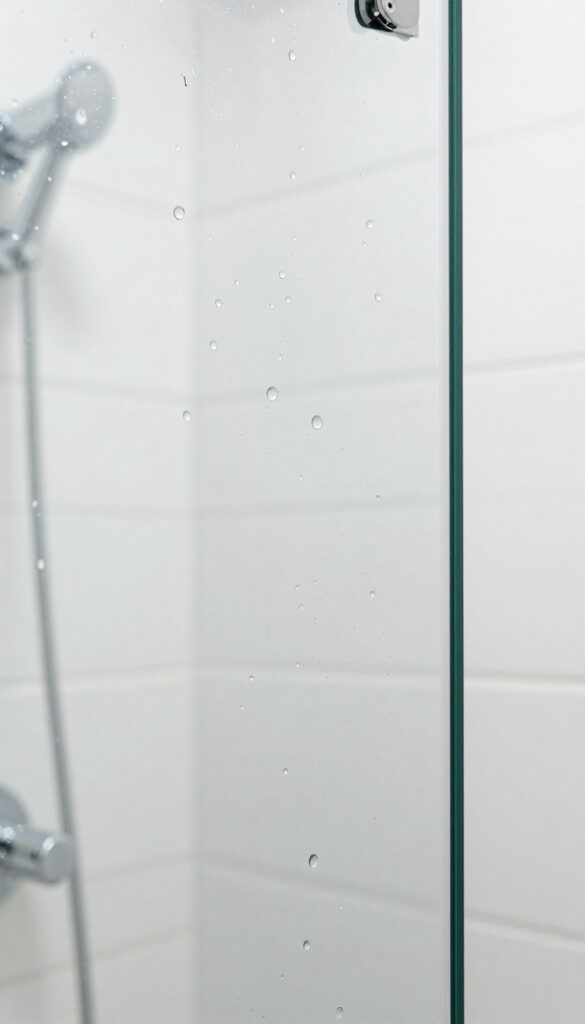
You know how water beads up and rolls off your car windshield after you apply Rain-X? The same trick works wonders on glass shower doors. A water-repellent coating creates a slick surface that water can't stick to, so it slides right off instead of leaving behind spots and streaks.
It's like giving your shower door a force field against hard water stains.
Applying a water repellent is a simple DIY job that pays off for weeks. You can buy a dedicated shower glass repellent or use automotive Rain-X—just check that it's safe for glass. The coating makes water sheet off instantly, so after every shower, you barely need to wipe.
Fewer droplets mean fewer minerals left behind, which means less scrubbing later. Plus, it keeps soap scum from bonding as tightly, so your regular cleaning becomes much easier.
How To Apply It Right
Start with a perfectly clean, dry door. Any leftover grime will get sealed under the coating. Spray the repellent onto a microfiber cloth, not directly on the glass, to avoid overspray.
Buff it on in circular motions, then let it haze over before wiping off the excess. Work in small sections so it doesn't dry too fast. A second thin coat after the first cures gives even better results.
How Long It Lasts
Most water repellents hold up for two to four weeks with daily shower use. You'll know it's wearing off when water stops beading and starts leaving spots again. When that happens, just reapply.
Some people do it every other weekend as part of their cleaning routine. Over time, the coating can build up, so every few months, do a deep clean with a glass-safe cleaner to strip any residue before reapplying.
5. Use a Microfiber Cloth for Drying
Drying your glass shower doors after every use is the simplest way to prevent streaks. But the type of cloth you use makes all the difference. Microfiber is the clear winner here because it absorbs water like a sponge without leaving behind lint or fibers.
A microfiber cloth traps water and minerals inside its tiny fibers, so you get a clean, dry surface without streaks. To make it a habit, keep a dedicated microfiber cloth hanging near the shower. After your last rinse, give the doors a quick wipe from top to bottom.
This takes less than a minute and keeps your doors looking clear day after day.
Why Microfiber Works Best
Microfiber has split fibers that create a large surface area, allowing it to absorb many times its weight in water. Unlike cotton towels, it won't shed lint or redeposit minerals onto the glass. This means you get a streak-free shine with minimal effort.
How To Use It Effectively
Use a dry microfiber cloth on wet glass for best results. Wipe in long, overlapping strokes from top to bottom. Avoid circular motions, which can spread water around.
For extra shine, follow up with a second pass using a dry section of the cloth.
Caring For Your Microfiber Cloths
Wash microfiber cloths separately from cotton items to prevent lint transfer. Use mild detergent and skip fabric softener, which clogs the fibers. Air dry or tumble dry on low heat.
Replace cloths when they lose their absorbency or start to smell musty.
6. Baking Soda Paste for Stubborn Spots
Sometimes a simple spray isn't enough to cut through years of grime. That's where baking soda steps in. It's mildly abrasive, so it can scrub away stubborn spots without scratching the glass.
Mixed with a little water, it forms a paste that clings to vertical surfaces, making it perfect for shower doors.
Making The Paste
Combine three parts baking soda with one part water in a small bowl. Stir until it forms a thick, spreadable paste. If it's too runny, add more baking soda; if too thick, add a few more drops of water.
The consistency should be similar to toothpaste.
How To Apply
Use a soft sponge or microfiber cloth to scoop up a small amount of paste. Apply it directly onto the stubborn spots, working in gentle circular motions. Focus on areas with hard water stains or soap scum buildup.
Let the paste sit for five minutes to break down the grime.
Rinsing And Finishing
Rinse the door thoroughly with warm water, making sure no residue remains. Use a squeegee to remove excess water and prevent new spots. For extra shine, follow up with a vinegar spray (one part white vinegar to three parts water) and wipe dry with a clean microfiber cloth.
7. Lemon Juice for a Fresh Scent and Shine
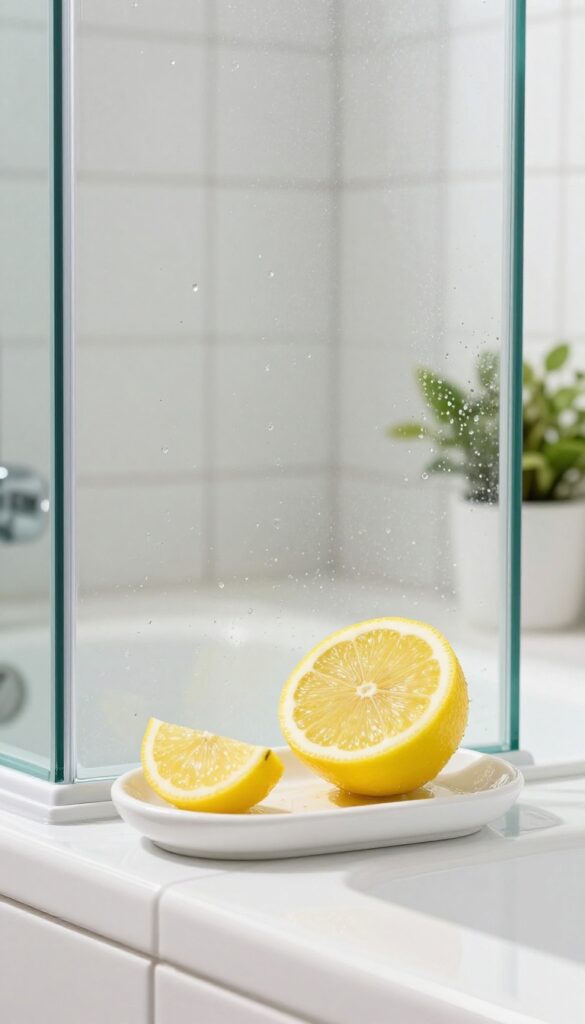
Lemon juice isn't just for cooking or adding to your water. Its natural acidity makes it a powerful cleaner for glass shower doors, breaking down mineral deposits and soap scum while leaving behind a bright, citrusy scent. Plus, it's gentle enough to use regularly without worrying about harsh fumes.
Using lemon juice is straightforward and effective. The citric acid dissolves hard water stains and helps lift grime, making it easier to wipe away. You'll get a streak-free shine and a fresh bathroom smell without any artificial fragrances.
How To Use Lemon Juice
Start by cutting a lemon in half and squeezing the juice into a spray bottle, or use bottled lemon juice if that's easier. Add an equal amount of water to dilute it slightly—pure lemon juice can be too strong on some surfaces. Spray the mixture onto the glass door, covering all the areas with spots or film.
Let it sit for about 5 to 10 minutes so the acid can work on the deposits. Then, wipe the door down with a microfiber cloth or a squeegee. For tough stains, you can scrub gently with a soft sponge before rinsing.
Rinse thoroughly with water to remove any leftover juice, then dry with a clean cloth to prevent new streaks.
When To Use This Method
Lemon juice works best for light to moderate buildup—things like daily water spots or a thin layer of soap scum. If your door has years of hard water scale, you might need a stronger cleaner first. But for regular maintenance or a quick refresh, lemon juice is a fantastic natural option.
Use it once a week to keep your shower door looking clear and smelling great.
Tips For Best Results
Always rinse the lemon juice off completely, because if it dries on the glass, it can leave a sticky residue. Pair it with a squeegee after each shower to keep the door in top shape. And if you have natural stone or marble nearby, be careful not to let the lemon juice splash onto those surfaces—the acid can etch them.
Stick to glass and tile only.
8. Use a Squeegee with a Rubber Blade
A squeegee might seem like a basic tool, but the type you choose makes a big difference. The key is a soft rubber blade that glides smoothly over glass without scratching. Cheap plastic blades can leave streaks or even damage the surface over time.
Investing in a high-quality squeegee pays off with every use.
Using a squeegee after every shower is the single best habit for preventing water spots and soap scum buildup. It takes just 30 seconds and keeps your doors looking pristine between deep cleans. The rubber blade should be flexible and free of nicks to work effectively.
Choose The Right Squeegee
Look for a squeegee with a stainless steel handle and a replaceable rubber blade. The blade should be soft enough to conform to the glass but firm enough to remove water in one pass. Avoid squeegees with hard plastic blades, as they tend to skip and leave streaks.
Proper Technique Matters
Start at the top corner and pull the squeegee across in a straight, overlapping stroke. Wipe the blade dry with a microfiber cloth after each pass to avoid redepositing water. Work your way down the door, overlapping each stroke slightly for complete coverage.
Maintain Your Squeegee
Rinse the blade after each use to remove soap residue and mineral deposits. Replace the rubber blade every few months or as soon as you notice streaking. A well-maintained squeegee will last for years and keep your glass streak-free.
9. Try a Commercial Glass Cleaner with Ammonia
Ammonia-based cleaners are a go-to for professionals, and for good reason. They evaporate quickly, leaving behind zero residue or streaks. Unlike some natural alternatives that can leave a film, ammonia cuts through grease and grime in seconds, making it ideal for glass shower doors that see daily use.
If you're tired of buffing and re-buffing, an ammonia-based cleaner might be your shortcut to a streak-free finish. These products are widely available and affordable, but they do require a bit of care—ammonia fumes can be strong, so good ventilation is key. Still, for the results they deliver, many people find them worth the extra caution.
How Ammonia Works
Ammonia is a powerful degreaser that breaks down soap scum and hard water deposits on contact. Its fast evaporation rate means it doesn't linger long enough to leave streaks, unlike some surfactants that dry slowly and create a cloudy film. This makes it especially effective on glass that's prone to water spots.
Best Practices For Application
Spray the cleaner onto a dry or damp microfiber cloth first, rather than directly onto the door, to avoid overspray and control the amount. Wipe in a horizontal or vertical pattern, then flip the cloth to a dry side and buff immediately. Work in small sections to stay ahead of drying time.
Always open a window or turn on the exhaust fan to minimize fume exposure.
10. Rinse with Hot Water Before Cleaning
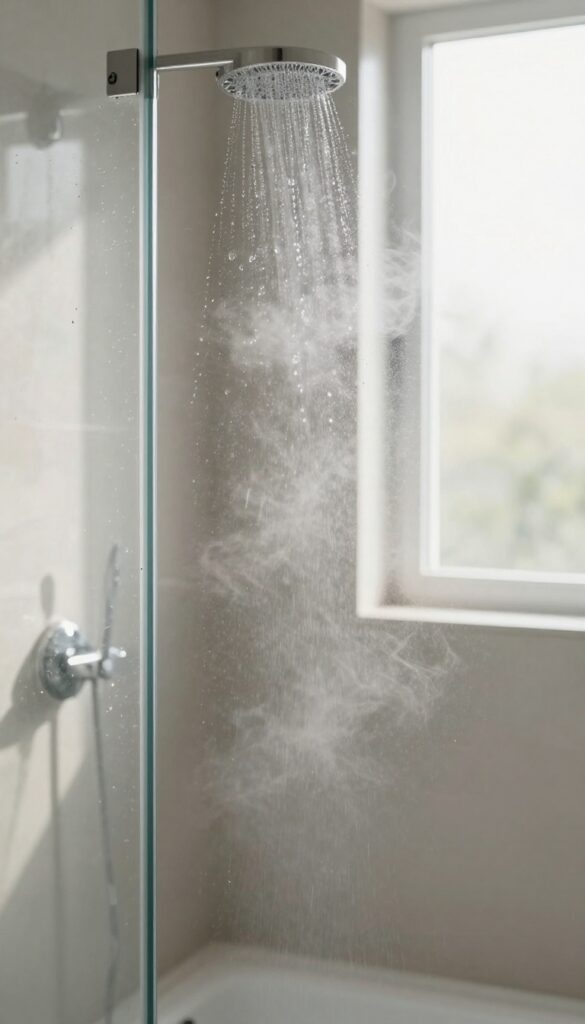
Before you even reach for a cleaner, give your glass shower door a thorough rinse with hot water. This simple step loosens soap scum and mineral deposits, making the actual cleaning far more effective. Hot water softens the grime so it lifts away easily, reducing the elbow grease needed.
Why Hot Water Works
Soap scum and hard water stains are stubborn because they form a tight bond with glass. Hot water breaks down that bond by dissolving oils and softening minerals. Think of it like pre-washing a greasy pan—the heat does the heavy lifting before you scrub.
How To Do It Right
Turn your shower to the hottest setting and let the water run over the door for two to three minutes. Make sure the entire surface gets covered, including corners and edges. If your shower has a handheld sprayer, use it to target stubborn spots.
The glass should feel warm to the touch before you proceed.
When To Skip This Step
If your glass is very cold, avoid extreme temperature changes—don't blast hot water on a freezing door in winter. Also, skip this if you're using a cleaner that reacts poorly to heat (check the label). For most routine cleaning, hot water is a safe and effective first step.
11. Use a Magic Eraser for Tough Spots
Sometimes a simple spray and wipe just won't cut it. Stubborn water spots or soap scum can cling to glass even after multiple cleaning attempts. That's where a melamine foam eraser, commonly known as a Magic Eraser, comes in handy.
It gently buffs away tough stains without scratching the glass, making it a lifesaver for those hard-to-remove spots.
Magic Erasers work like a fine sandpaper, lifting grime through micro-abrasion. They're especially effective on dried water spots and soap residue that resist regular cleaners. However, because they are mildly abrasive, always test on a small, inconspicuous area first to ensure your glass finish isn't affected.
For best results, dampen the eraser slightly and rub the spot in a circular motion. Rinse the area thoroughly afterward to remove any residue.
When To Reach For The Eraser
Use a Magic Eraser only after standard cleaners have failed. It's ideal for isolated tough spots, not for whole-door cleaning. Avoid using it on tinted or etched glass, as it may damage the finish.
How To Use It Safely
Wet the eraser until it's damp but not dripping. Gently rub the stain with light pressure—let the eraser do the work. Over-scrubbing can wear down the foam quickly.
Rinse the glass with water and dry with a microfiber cloth to prevent streaks.
Alternative Options
If you don't have a Magic Eraser, a paste of baking soda and water applied with a soft sponge can achieve similar results. Just be sure to rinse thoroughly to avoid any abrasive residue.
12. Dry with a Chamois or Leather Cloth
You've scrubbed and rinsed, but the final step can make or break that streak-free finish. Chamois cloths, originally designed for drying cars, are a game-changer for glass shower doors. Their super-absorbent, lint-free material wipes away water without leaving behind streaks or fuzz.
Once you've cleaned the glass, grab a clean chamois or leather cloth. Start at the top and work your way down in overlapping strokes. The cloth will pull moisture off the surface, leaving it spotless and shiny.
No need to buff—just one smooth pass does the trick.
Why Chamois Works Best
Chamois cloths are made from natural or synthetic leather that holds many times its weight in water. Unlike microfiber or cotton, they don't shed fibers or leave lint. Their smooth texture glides over glass, absorbing every drop without smearing.
How To Use A Chamois Correctly
Wring out the chamois until it's just damp—not soaking wet. Fold it into a manageable pad and wipe the glass in long, straight strokes. Overlap each pass slightly to avoid missing spots.
Rinse and wring the cloth as needed to keep it effective.
Caring For Your Chamois
After use, rinse the chamois with clean water and hang it to air dry. Never put it in the washing machine or dryer, as heat can damage the material. With proper care, a quality chamois can last for years.
13. Make a Homemade Rinse Aid with Vinegar
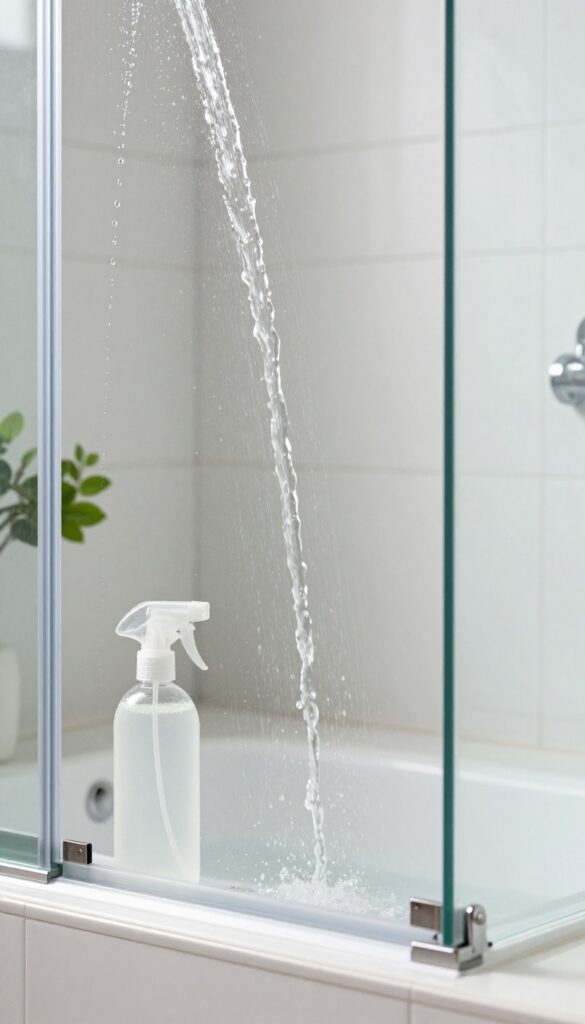
Commercial rinse aids work well, but you can whip up an effective DIY version with ingredients you already have. This simple spray helps water sheet off the glass, preventing those stubborn mineral spots from forming. It's cheap, non-toxic, and takes just seconds to mix.
Why Vinegar Works
Vinegar is mildly acidic, which helps break down mineral deposits and soap residue. When combined with a tiny bit of dish soap, it reduces the surface tension of water, causing it to slide off in sheets rather than beading up. Fewer beads mean fewer spots when the water evaporates.
How To Make And Use It
Fill a spray bottle with 1 cup of water, 1 cup of white vinegar, and add just a drop of liquid dish soap—too much soap will leave streaks. Shake gently to combine. After cleaning your shower door, spray this mixture onto the glass and let it sit for a few seconds, then rinse with warm water.
No need to wipe; let it air dry for a spot-free finish.
Pro Tips For Best Results
Use distilled white vinegar for consistent results. If your water is very hard, increase the vinegar ratio slightly. For extra shine, buff the glass with a microfiber cloth after the rinse aid dries.
Store the mixture in a labeled bottle away from direct sunlight.
14. Clean the Tracks and Hinges Regularly
Dirty tracks and hinges are often overlooked, but they can transfer grime right back onto your freshly cleaned glass. A quick weekly scrub keeps the entire door system clean and prevents buildup from spreading.
Why Tracks And Hinges Matter
When you slide the door open, any gunk in the tracks can smear onto the glass. Hinges collect soap scum and hard water deposits, which can drip down and create streaks. Keeping these areas clean is essential for a truly spotless shower door.
The Best Tools For The Job
A small stiff-bristled brush (like an old toothbrush) works perfectly for scrubbing tracks. For hinges, a microfiber cloth wrapped around a thin tool can reach tight spots. Use a 50/50 white vinegar and water solution to dissolve mineral deposits without scratching.
A Simple Cleaning Routine
Spray the tracks and hinges with the vinegar solution, let it sit for a few minutes, then scrub with the brush. Rinse thoroughly with warm water and wipe dry with a clean cloth. Do this weekly to prevent buildup and keep your glass streak-free.
15. Use a Soft-Bristled Brush for Corners
Those tight corners and edges along your glass shower door are prime real estate for grime. A soft-bristled brush is the perfect tool to get into those spots without scratching the glass. Regular attention to these areas prevents buildup that can lead to streaks when you clean the main surface.
A small brush, like a toothbrush or a dedicated cleaning brush with soft bristles, can reach into the crevices where a sponge or cloth can't. Dip it in your cleaning solution and gently scrub along the edges, focusing on the bottom track and the hinge side. Rinse well afterward to remove any loosened debris.
Why Corners Matter
Soap scum and hard water minerals accumulate in corners and along seals. If you only clean the flat glass, these hidden deposits can redeposit onto the surface during the next shower, causing streaks. A quick corner scrub keeps the whole door streak-free.
Choosing The Right Brush
Look for a brush with nylon or other soft bristles to avoid scratching. An angled brush head helps reach awkward spots. You can also repurpose an old toothbrush—just make sure it's clean and reserved for this task.
How Often To Brush Corners
Incorporate this into your weekly cleaning routine. If you have hard water, you might need to do it more often. A quick once-over after your regular shower cleaning keeps buildup from becoming stubborn.
16. Try a Paste of Cream of Tartar and Lemon
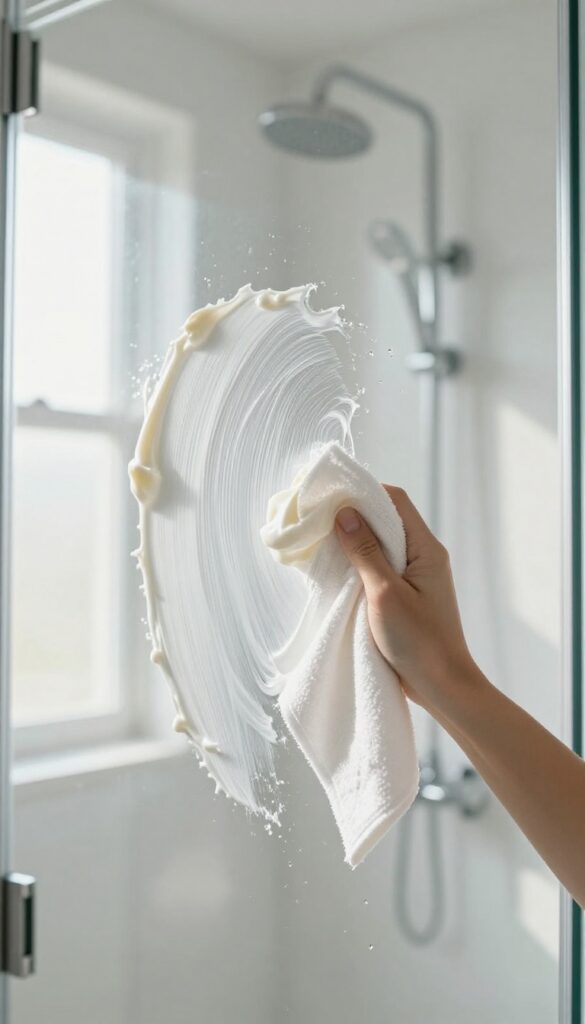
When water spots have baked onto your glass, a simple spray might not be enough. Cream of tartar, a common pantry staple, teams up with lemon juice to form a gentle yet effective polishing paste. This natural abrasive cuts through mineral deposits without scratching the glass, leaving it smooth and streak-free.
Mix equal parts cream of tartar and lemon juice to form a thick paste. Apply it to the glass with a soft cloth or sponge, focusing on stubborn spots. Let it sit for a few minutes, then scrub gently in circular motions.
Rinse thoroughly with warm water and dry with a microfiber cloth for a brilliant shine.
Why This Combo Works
Cream of tartar is a mild acid that breaks down alkaline mineral deposits, while lemon juice adds extra acidity to dissolve soap scum. Together, they create a paste that polishes the glass surface, smoothing out microscopic roughness that traps dirt and water.
Best Application Method
Use a non-abrasive sponge or an old toothbrush for tight corners. Apply the paste only to the affected areas to save effort. For large doors, work in sections to keep the paste from drying out before you rinse.
Rinsing And Drying Tips
After scrubbing, rinse the glass with warm water until all paste is gone. Any residue left behind can cause new spots. Dry immediately with a clean microfiber cloth to prevent water from sitting and forming new streaks.
17. Avoid Paper Towels – They Leave Lint
Paper towels seem convenient, but they're actually one of the worst things you can use on glass. The fibers break down easily, leaving behind a fine layer of lint that makes your door look dull. Plus, they often contain binders or lotions that can create a hazy film.
Microfiber Cloths Are A Game Changer
Microfiber is designed to trap dust and moisture without shedding. The ultra-fine split fibers grab onto water and soap residue, pulling it away from the glass instead of pushing it around. Use a dry microfiber cloth after your final rinse to buff the surface to a streak-free shine.
Cotton Cloths Work Too – If They're Lint-free
Not all cotton is created equal. Old, well-washed cotton t-shirts or flour sack towels are excellent alternatives because they've lost their loose fibers. Avoid terry cloth towels, as the loops can leave lint and even tiny scratches on the glass.
The Two-cloth Method For Best Results
Use one damp microfiber cloth to wipe down the door after cleaning, then immediately follow with a second dry microfiber cloth to buff. This two-step process ensures no moisture is left behind to dry into spots or streaks. It takes an extra minute but makes a huge difference.
18. Use a Spray Bottle with a Fine Mist
The way you apply your cleaning solution matters just as much as what's in it. A spray bottle with a fine mist setting distributes the liquid evenly across the glass, preventing puddles and oversaturation. This simple swap can make a big difference in how your glass dries, reducing the chance of streaks and spots before you even start wiping.
Most spray bottles have a stream or jet setting that blasts liquid in one spot, which can leave too much product on the glass. That excess solution then drips down, carrying dirt and creating uneven drying. A fine mist coats the surface lightly, so you use less product and get a more uniform layer.
This is especially helpful if you're using a vinegar-based or DIY cleaner, where even coverage helps break down soap scum without pooling.
Why Mist Beats Stream
A stream setting might seem faster, but it often forces you to spray multiple times to cover the whole door. That leads to over-wetting, which means more wiping and more streaks. A fine mist covers a wider area in one pass, saving you time and effort.
Plus, it reduces the chance of cleaner dripping onto the floor or into the tracks, where it can cause buildup.
Choosing The Right Bottle
Not all spray bottles are created equal. Look for one with an adjustable nozzle that has a dedicated mist setting. Some bottles have a fan spray that's similar, but true fine mist nozzles produce tiny droplets that cling to the glass.
Glass cleaner bottles often have this feature, but you can also buy empty bottles at the store. Just test the nozzle before you buy to make sure it mists evenly.
Best Practices For Mist Application
Hold the bottle about 6 to 8 inches from the glass and spray in a steady, sweeping motion from top to bottom. This ensures full coverage without saturating any one spot. Let the solution sit for a few seconds to break down grime, then wipe with a microfiber cloth.
For stubborn spots, you can give the area a second light mist before wiping.
19. Clean in the Shade or Cool Glass
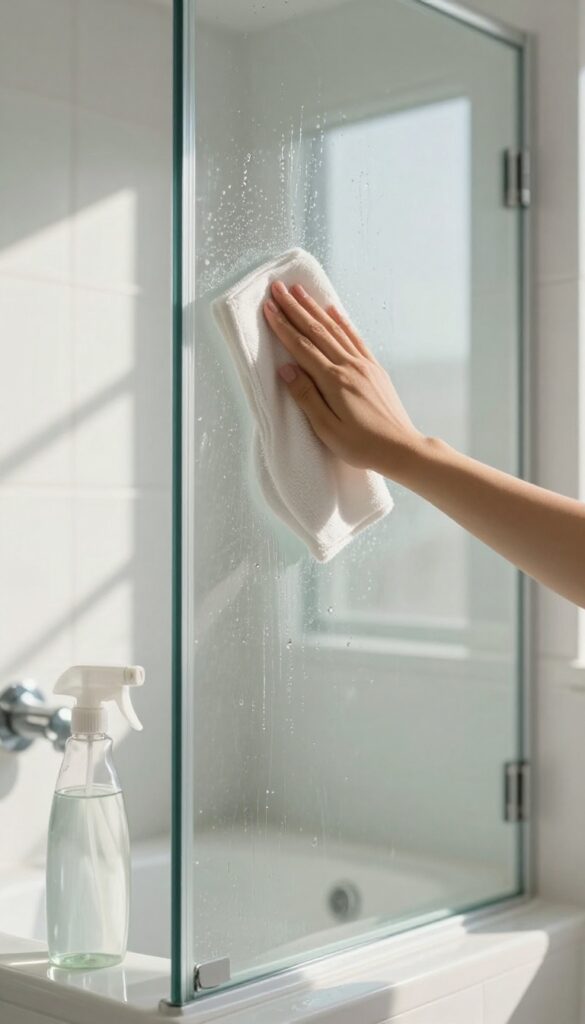
Timing matters more than you might think when cleaning glass shower doors. Direct sunlight can sabotage your efforts by drying cleaning solutions before you've had a chance to wipe them off properly. That rapid evaporation leaves behind residue and streaks that defeat the whole purpose.
Working when the glass is cool and out of direct sun gives you more control. You can spread the cleaner evenly, let it sit if needed, and wipe it away without the solution turning into a sticky mess. It's a simple adjustment that makes a big difference.
The science is straightforward: heat accelerates evaporation. When sunlight hits wet glass, the water in your cleaning solution vanishes quickly, leaving behind the dissolved minerals and surfactants as visible streaks. By choosing a cooler moment—early morning, late evening, or a cloudy day—you slow down the drying process and give yourself time to buff the glass to perfection.
Cool glass also means less thermal shock. If you've been running hot water in the shower, let the door cool for a few minutes before spraying on a cleaner. Sudden temperature changes can cause glass to crack, especially if there are existing chips or stress points.
It's safer for both you and the door.
Why Sunlight Causes Streaks
Think of it like painting a wall in direct sun—the paint dries unevenly and leaves lap marks. Same principle here. The heat from the sun accelerates the evaporation of water and cleaning agents, so the residue gets deposited in patches instead of being wiped away cleanly.
This is especially problematic with homemade vinegar solutions, which rely on slow evaporation to work effectively.
Best Times To Clean
Early morning before your shower or late evening after the bathroom has cooled down are ideal. Cloudy days work great too. If you must clean during the day, close the blinds or curtains to block direct light.
You can also wet the glass with plain water first to cool it down and add a bit of moisture, which slows drying.
Bonus: Check The Glass Temperature
Before you start, touch the glass. If it feels warm to the hand, wait. A cool surface not only prevents streaks but also makes it easier to see where you've already wiped.
Warm glass can also cause cleaning cloths to leave lint or fibers behind as they heat up. A few minutes of patience can save you a second round of cleaning.
20. Try a Commercial Hard Water Stain Remover
Sometimes, natural cleaners just don't cut it. If you've tried vinegar, baking soda, and lemon juice but those stubborn white spots won't budge, it's time to bring in the big guns. Commercial hard water stain removers are specially formulated to dissolve the tough mineral deposits that cause cloudiness and streaks.
Products like CLR, Lime-A-Way, and other calcium-lime-rust removers work fast because they contain stronger acids than household ingredients. They break down the bond between the minerals and the glass, making it easy to rinse away years of buildup. Just be sure to follow the instructions carefully—these are potent solutions that need proper ventilation and rinsing.
How To Use Them Safely
Always wear gloves and open a window or turn on the bathroom fan before using these products. Spray or apply the remover directly onto the dry glass, let it sit for the time specified on the label (usually 30 seconds to a few minutes), then scrub gently with a non-abrasive sponge or cloth. Rinse thoroughly with water and dry immediately to prevent new spots.
When To Choose This Method
Commercial removers are best for heavy-duty cleaning—when your glass has a thick, white film that won't come off with milder methods. They're also great for an initial deep clean before switching to a maintenance routine. Use them sparingly, maybe once every few months, to avoid overexposing the glass to harsh chemicals.
21. Use a Toothbrush for Detail Work
An old toothbrush is perfect for scrubbing around handles, hinges, and other small areas where grime collects. These spots often get overlooked during regular cleaning, but they can harbor stubborn buildup that detracts from an otherwise spotless door.
Don't toss that worn-out toothbrush—repurpose it as a precision cleaning tool. Its small bristles can reach into crevices where sponges and cloths can't, making it ideal for tackling the nooks and crannies of your shower door hardware.
Target Grime Hotspots
Focus on areas like the hinges, handle bases, and the track where the door slides. These spots collect soap scum and hard water deposits over time. Dip the toothbrush in your cleaning solution and scrub gently in circular motions to loosen buildup.
Pair With A Paste For Tough Spots
For stubborn deposits, make a paste of baking soda and white vinegar. Apply it to the grimy areas, let it sit for a few minutes, then use the toothbrush to scrub. The mild abrasiveness of baking soda combined with the vinegar's acidity cuts through mineral buildup without scratching the glass.
Finish With A Damp Cloth
After scrubbing, wipe away any residue with a damp microfiber cloth. This ensures no cleaning solution or loosened grime is left behind. For an extra streak-free shine, follow up with a dry cloth.
22. Apply a Protective Coating Weekly
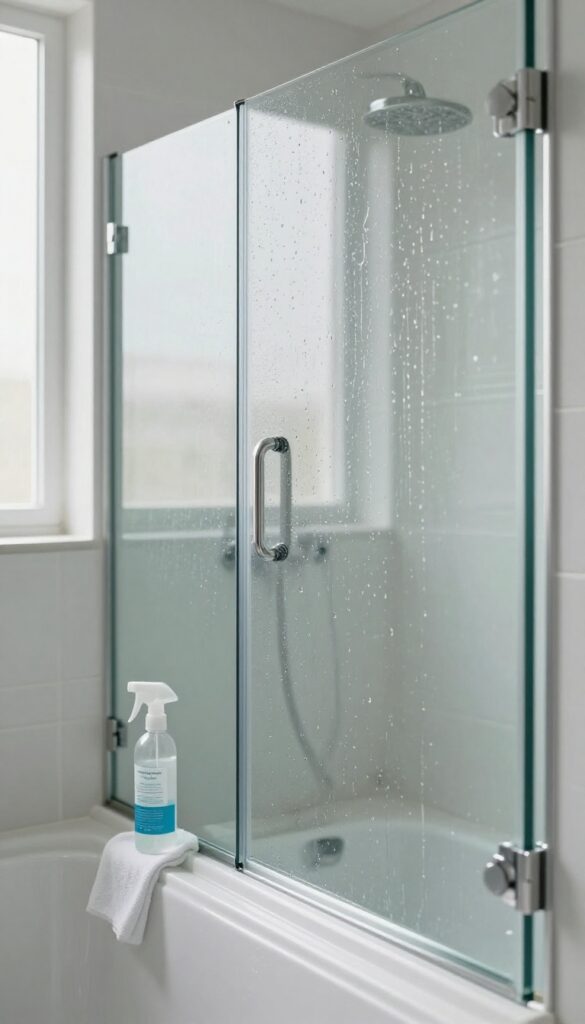
A weekly spray of a glass protectant creates a barrier that repels water and dirt, keeping doors cleaner longer. Think of it like waxing your car—the surface becomes slick and hard for grime to stick to. This simple habit cuts down on scrubbing and helps maintain that just-cleaned look.
Protective coatings are designed to fill microscopic pores in glass, making it hydrophobic. Water beads up and rolls off, carrying soap scum and minerals with it. You can buy dedicated glass protectants or make your own with a mix of distilled water and a few drops of dish soap.
Apply after cleaning, let it dry, then buff lightly. Reapply weekly for best results.
Why It Works
Glass is porous at a microscopic level. Dirt and minerals get trapped in those tiny pits. A protectant seals them, so water and grime slide right off.
This means less buildup and fewer streaks between cleanings.
How To Apply It Right
First, make sure the glass is completely clean and dry. Spray the protectant evenly, then wipe with a microfiber cloth in one direction. Let it sit for a minute, then buff off any excess.
Don't skip the buffing—it prevents a hazy residue.
Diy Vs. Store-bought
Store-bought options like Rain‑X or dedicated shower glass sprays are convenient and effective. For a DIY version, mix 1 cup of distilled water with 1 tablespoon of white vinegar and a drop of dish soap. It's cheaper but may need more frequent reapplication.
23. Mix Rubbing Alcohol and Water for a Quick Shine
When you need a fast fix for a streaky shower door, rubbing alcohol is your secret weapon. It evaporates almost instantly, leaving zero residue behind. Mix it with water for a simple, effective spray that cuts through soap scum and hard water spots without any smearing.
The Perfect Ratio
Combine equal parts rubbing alcohol (70% or higher) and distilled water in a spray bottle. Distilled water prevents mineral deposits that tap water can leave. Add a drop of dish soap if you're dealing with heavy soap scum, but for regular maintenance, just alcohol and water do the trick.
How To Apply For Best Results
Spray the solution generously onto the glass, then wipe with a clean microfiber cloth. Work in small sections to prevent the alcohol from evaporating before you can wipe. Use a dry section of the cloth to buff the glass to a brilliant, streak-free shine.
When To Use This Method
This mixture is perfect for a quick touch-up between deeper cleans. Use it after a shower to prevent water spots, or as a final polish after using a stronger cleaner. It's also safe for tinted or coated glass, but test a small area first to be sure.
24. Use a Steam Cleaner for Deep Cleaning
When your shower door has layers of baked-on grime that scrubbing alone won't budge, a steam cleaner can be a game changer. It uses hot vapor to loosen dirt without any chemicals, making it perfect for a deep, streak-free clean. This method is especially handy for tackling those tough spots that build up over time.
A steam cleaner works by heating water to produce high-temperature steam that breaks down soap scum, hard water deposits, and mildew. The steam softens the grime so you can wipe it away effortlessly with a microfiber cloth. It's also great for reaching into corners and along edges where a sponge can't fit.
Plus, since no chemicals are involved, it's safe for the environment and your family.
How To Use A Steam Cleaner On Glass Doors
Start by filling the steam cleaner with water according to the manufacturer's instructions. Let it heat up until steam is produced. Hold the nozzle a few inches from the glass and move it slowly across the surface, focusing on areas with heavy buildup.
After steaming, immediately wipe the glass with a clean, dry microfiber cloth to prevent streaks. For best results, work in small sections.
Tips For Best Results
Use distilled water in your steam cleaner to avoid mineral deposits. Always test a small, inconspicuous area first to ensure the glass is heat-resistant. Wear gloves to protect your hands from the heat.
For stubborn spots, let the steam sit for a few seconds before wiping. Follow up with a squeegee to remove any remaining moisture for a flawless finish.
25. Establish a Weekly Deep Clean Routine
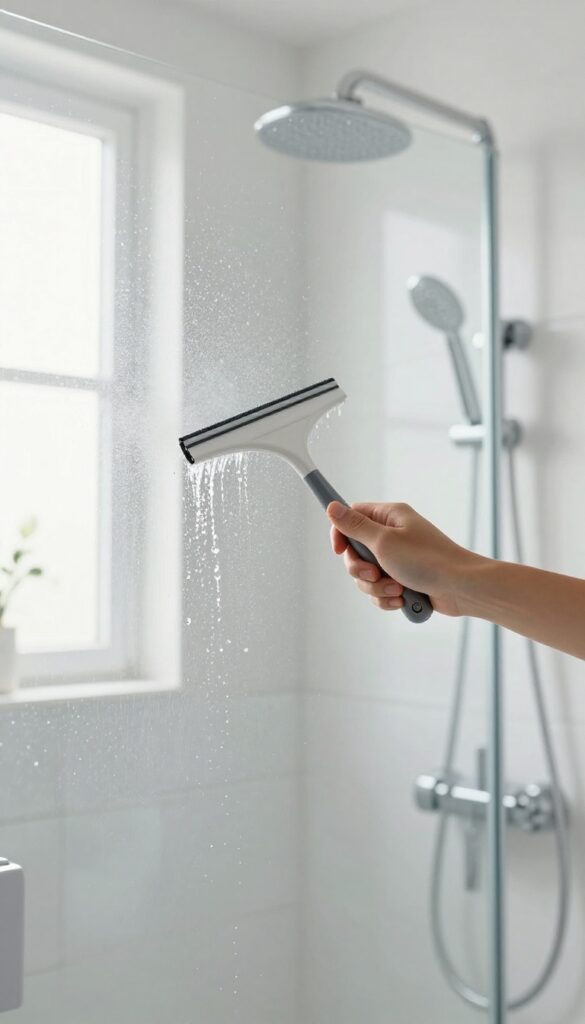
Consistency is the secret to streak-free glass. Instead of waiting until the buildup is obvious, set aside just 10 minutes each week for a thorough cleaning. This simple habit prevents soap scum and hard water stains from taking hold, keeping your doors looking brand new with minimal effort.
A weekly deep clean doesn't have to be a chore. By breaking it down into a few quick steps, you can maintain that just-cleaned sparkle without spending hours scrubbing. The key is to use the right tools and products that cut through grime without leaving residue.
Gather Your Supplies
Before you start, have everything ready: a squeegee, a microfiber cloth, a spray bottle with a vinegar-water solution or a gentle glass cleaner, and a soft sponge. Keeping these items in the bathroom makes it easy to stick to the routine.
Spray And Scrub
Mist the entire door with your cleaning solution. Let it sit for a minute to loosen any film, then gently scrub with the sponge. Focus on corners and edges where buildup tends to hide.
Rinse thoroughly with warm water.
Squeegee And Buff
Use the squeegee to remove excess water, starting from the top and pulling down in overlapping strokes. Follow up with a dry microfiber cloth to catch any remaining droplets. This step is what prevents streaks from forming as the glass dries.
FAQ
What is the best homemade cleaner for glass shower doors?
A mixture of equal parts white vinegar and dish soap in a spray bottle works wonders. It cuts through soap scum and hard water stains without leaving streaks.
How often should I clean my glass shower doors?
For best results, squeegee after every shower and do a quick wipe-down daily. A deep clean once a week will keep doors streak-free.
Can I use Windex on shower doors?
Yes, but Windex works best on light dirt. For heavy soap scum or hard water stains, use a vinegar-based cleaner or a dedicated glass cleaner first.
Why do my glass shower doors still have streaks after cleaning?
Streaks often come from using too much cleaner, cleaning in direct sunlight, or using a cloth that leaves lint. Try a microfiber cloth and work in the shade.
How do I remove hard water stains from glass shower doors?
Spray white vinegar on the stains, let it sit for 10-15 minutes, then scrub with a non-abrasive pad. For tough spots, use a baking soda paste or a commercial hard water remover.
Conclusion
Keeping your glass shower doors streak-free doesn't have to be a chore. With these 25 tips, you can choose the methods that fit your routine and preferences. A little daily maintenance goes a long way toward preserving that sparkling look.
Start with a few simple changes, like using a squeegee or a microfiber cloth, and build from there. Your shower doors will thank you with a clear, beautiful shine that makes your bathroom feel fresh and clean every day.