25 Garbage Disposal Cleaning Tips for a Fresher Sink
Your garbage disposal works hard every day, but leftover food particles and grease can turn it into a smelly, grimy mess. A funky odor or slow drain doesn't mean you need a plumber—simple household ingredients can restore freshness fast.
From ice cube scrubs to citrus peels, these 25 tips target odors and buildup without harsh chemicals. Each method is quick, affordable, and designed to keep your sink smelling clean.
Ready to banish that garbage disposal stench for good? Let's dive into the best cleaning tricks you can try tonight.
1. Ice Cubes and Salt Scrub
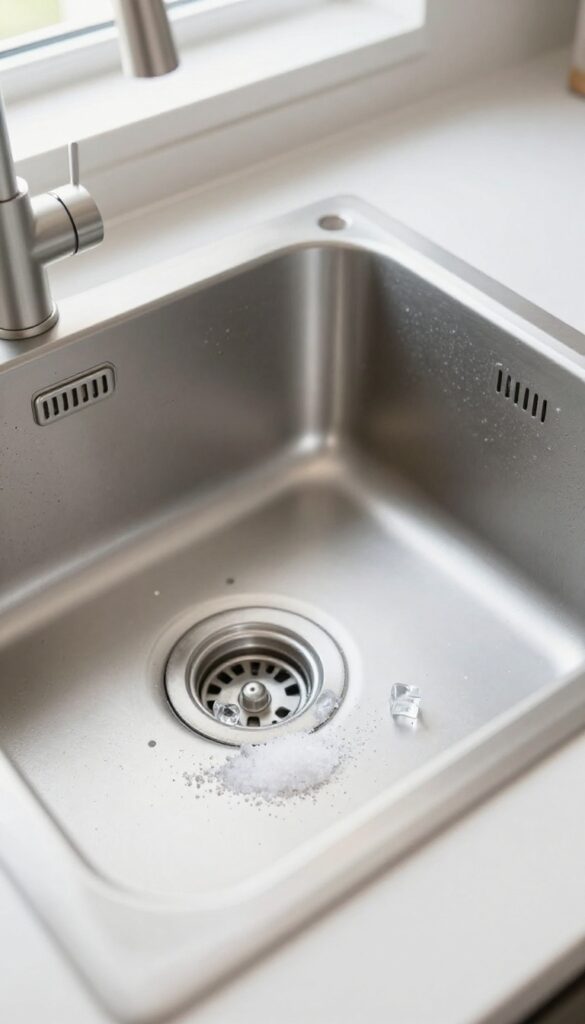
You don't need a fancy cleaner to knock off the gunk hiding in your disposal blades. A handful of ice cubes and some coarse salt can do the job in seconds. The ice hardens any grease or food residue, making it brittle enough to break away, while the salt acts like a gentle scrubber that won't damage the metal parts.
This method is a go-to for routine maintenance because it's fast, cheap, and surprisingly effective. The combination of ice and salt physically scours the grinding chamber without harsh chemicals. Plus, the cold water helps solidify any lingering fats so they get flushed down the drain instead of clinging to the blades.
How It Works
Ice cubes are the key—they're hard enough to dislodge stuck-on debris but will melt and wash away harmlessly. Coarse salt adds abrasion to scrub off residue without scratching the disposal's components. Running cold water throughout keeps everything moving and prevents the motor from overheating.
Step-by-step Instructions
Drop about a cup of ice cubes into the disposal, then add a tablespoon of coarse salt (kosher or sea salt works great). Turn on the cold water faucet and flip the disposal switch. Let it run for 30 seconds to a minute until you hear the ice fully grind down.
The water should carry away all the loosened gunk.
When To Use This Method
Use the ice and salt scrub once a week as part of your regular sink routine. It's especially helpful after processing greasy or sticky foods like bacon fat, potato peels, or leftover sauces. If you notice a mild odor or sluggish draining, this trick often fixes it without any extra effort.
2. Lemon and Citrus Peels
Citrus peels aren't just for composting—they're a powerhouse for deodorizing your garbage disposal. The natural oils in lemon, lime, and orange peels cut through grease and leave behind a bright, fresh scent. Plus, it's a zero-cost trick if you save peels from your morning juice.
How To Use Citrus Peels Safely
Drop a few small peels into the disposal while running cold water. Turn it on for about 15–30 seconds, then let the water run for another 10 seconds to flush everything through. Cold water keeps any oils solid so they can be chopped effectively.
Why It Works
Citrus oils contain d-limonene, a natural solvent that breaks down grease and neutralizes odors. The abrasive texture of the peels also helps scrub the blades and inner walls without damaging them.
Don't Overdo It
Too many peels at once can clog the drain or jam the blades. Stick to a handful of small pieces, and avoid thick peels like grapefruit unless you cut them into tiny bits. A weekly citrus treatment keeps smells at bay without overloading the system.
3. Baking Soda and Vinegar Fizz
Baking soda and vinegar aren't just for science fair volcanoes—they're a dynamic duo for cleaning your garbage disposal. The fizzy reaction helps loosen stuck-on grime and neutralize odors without harsh chemicals. It's one of the simplest, most effective methods you can try.
This classic cleaning combo works because the acid in vinegar reacts with the alkaline baking soda, creating carbon dioxide bubbles that agitate debris. The fizzing action scrubs the blades and inner walls of the disposal, while the vinegar cuts through grease. After the fizz settles, hot water flushes everything away, leaving your sink smelling fresh.
Why It Works So Well
The chemical reaction between baking soda and vinegar is mild but powerful enough to dislodge food particles and grease buildup. Baking soda is a gentle abrasive that scrubs without scratching, and vinegar is a natural degreaser and deodorizer. Together, they tackle odors at the source.
Step-by-step Instructions
Start by pouring 1/2 cup of baking soda directly into the disposal. Follow with 1 cup of white vinegar—you'll hear it fizz immediately. Let the mixture sit for 10 minutes to work its magic.
Then, run hot water for 30 seconds and turn on the disposal to flush everything out.
Tips For Best Results
Use white vinegar, not apple cider or balsamic, for maximum cleaning power. If your disposal is extra smelly, repeat the process or let the fizz sit longer. Always flush with hot water, not cold, to help dissolve grease.
Avoid using this method more than once a week to prevent wear on rubber seals.
4. Boiling Water Flush
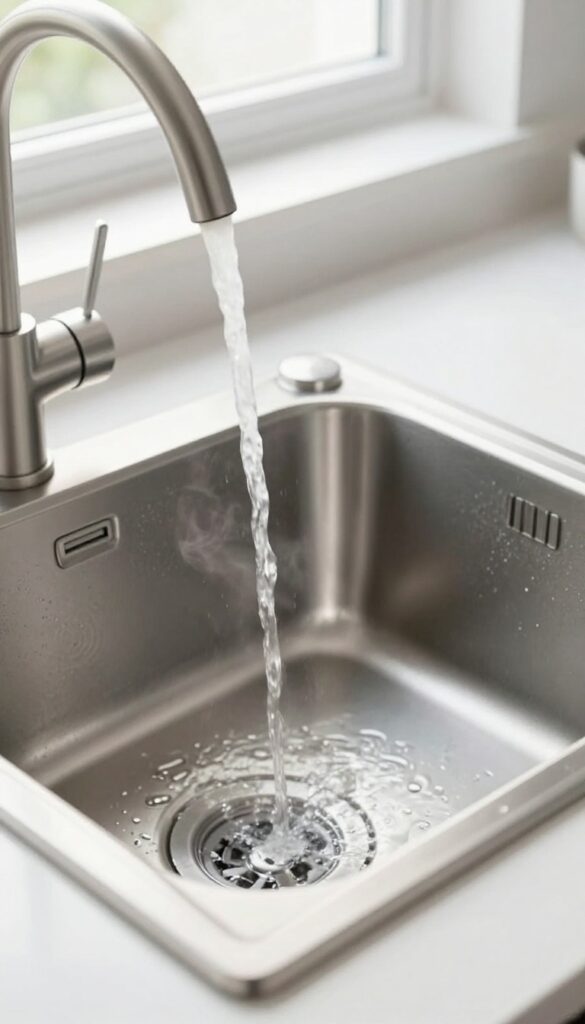
Sometimes the simplest solution is the most effective. A pot of boiling water can work wonders on a sluggish or smelly garbage disposal. The heat melts away grease and loosens stuck-on food particles that cold water just can't budge.
This quick weekly habit takes only a minute and costs nothing.
Boiling water is a grease-busting powerhouse. Over time, fats and oils solidify inside the disposal and drainpipe, trapping food debris and causing odors. A steady stream of hot water liquefies that gunk and flushes it down the drain.
For best results, do this after you've already run cold water during grinding—the hot water then clears out any remaining residue.
Why Hot Water Works
Grease solidifies at room temperature, clinging to disposal walls and blades. Boiling water raises the temperature well above the melting point, turning sticky buildup into a liquid that flows away easily. It also helps sanitize the unit, killing some bacteria that contribute to smells.
How To Do It Safely
Boil a full kettle of water (about 4 cups). Turn off the disposal and ensure no food is inside. Pour the water down the drain in a slow, steady stream—not all at once—to avoid splashing.
Let it sit for 30 seconds, then run cold water for 10 seconds to cool the pipes. Never pour boiling water directly into a hot disposal or overfilled sink.
When To Use This Method
A weekly boiling water flush is ideal for maintenance, especially if you cook with oils or butter often. It's also a great first step before using other cleaning methods like baking soda or citrus peels, as it clears out loose debris so those ingredients can work better.
5. Dish Soap and Hot Water
Sometimes the simplest solution is the most effective. A squirt of dish soap and a blast of hot water can work wonders on a greasy, smelly disposal. This method is gentle on the unit but tough on grime, making it a great go-to for quick maintenance.
Squirt a few drops of liquid dish soap into the disposal. Run hot water and let it run for 30 seconds. The soap cuts through grease and leaves it clean.
Why Dish Soap Works
Liquid dish soap is designed to break down grease and food oils. When combined with hot water, it creates a powerful cleaning action that loosens stuck-on residue. Unlike harsh chemicals, it's safe for your disposal's rubber seals and blades.
Step-by-step Instructions
Start by running a stream of hot water into the sink. Squirt about a tablespoon of liquid dish soap directly into the disposal opening. Turn on the disposal and let it run for 30 seconds while the water continues to flow.
Finally, turn everything off and let the hot water rinse for another 10 seconds.
Pro Tips For Best Results
Use a grease-cutting dish soap like Dawn or a natural castile soap. Avoid using too much soap—excess suds can overflow. For extra cleaning power, add a handful of ice cubes after the soap to scrub the blades.
6. Borax Deodorizer
If you want a deep clean that tackles both odors and bacteria, borax is your go-to. This natural mineral is a powerhouse for neutralizing smells and disinfecting surfaces. It's gentle enough for your disposal but tough on grime.
Borax works by breaking down organic matter and balancing pH levels, which helps eliminate the source of bad smells. It's also a mild disinfectant, so you're not just covering up odors—you're actually cleaning the disposal. Plus, it's cheap and easy to find at any grocery store.
How To Use Borax In Your Disposal
Start by measuring out 1/2 cup of borax. Sprinkle it directly into the disposal drain, making sure it lands on the blades and sides. Let it sit for 15 minutes—this gives the borax time to work on the grime and bacteria.
Then, turn on the cold water and run the disposal for about 30 seconds to flush everything down. The hot water helps dissolve the borax and carry away loosened debris.
Why Borax Works So Well
Borax has a high pH, which makes it alkaline. This alkalinity helps break down acidic food residues and grease that often cause odors. It also disrupts the cell walls of bacteria, effectively sanitizing the disposal.
Unlike harsh chemical cleaners, borax is non-toxic and safe for pipes when used as directed.
When To Use This Method
Use the borax deodorizer once a month for maintenance, or whenever you notice a persistent smell that other methods haven't fixed. It's especially effective after processing strong-smelling foods like fish, onions, or garlic. For an extra boost, follow up with citrus peels to leave a fresh scent.
7. Hydrogen Peroxide Rinse
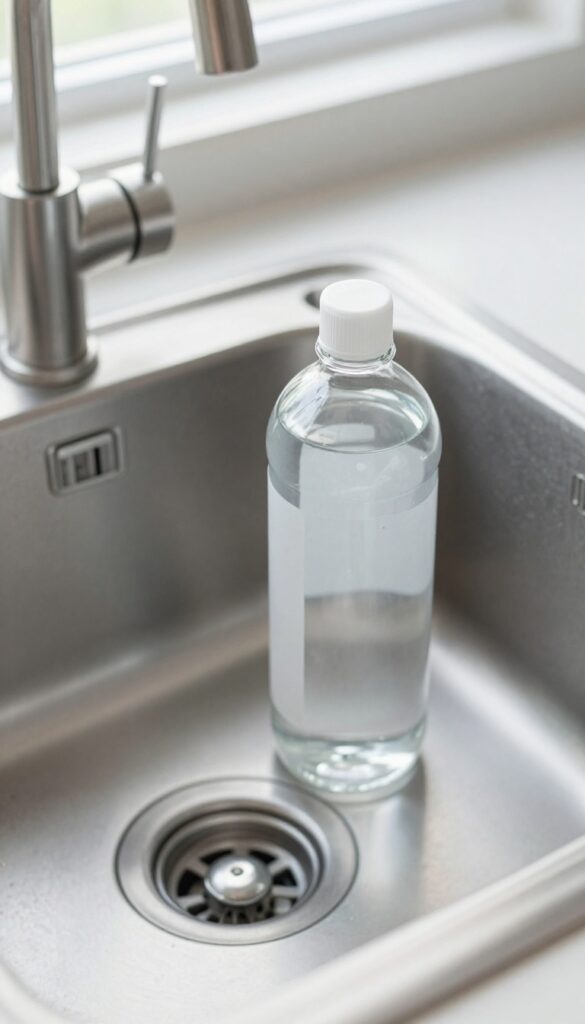
Hydrogen peroxide isn't just for first aid—it's a powerful cleaner that can tackle bacteria and odors in your garbage disposal. A simple rinse with this common household staple leaves your disposal sanitized and looking brighter inside.
Pour 1/2 cup of 3% hydrogen peroxide down the disposal. Let it fizz and sit for 10 minutes to kill germs and break down grime. Then run cold water for 30 seconds to flush everything away.
This method is especially effective after handling raw meat or fish.
Why It Works
Hydrogen peroxide releases oxygen bubbles that lift debris and destroy bacteria without leaving chemical residue. It's a natural disinfectant that also whitens the rubber splash guard and interior walls.
Best Practices
Always use 3% hydrogen peroxide straight from the bottle—no dilution needed. Avoid mixing with other cleaners, especially vinegar, as that creates a corrosive acid. For a deeper clean, follow with a few ice cubes to scrub away loosened particles.
8. Coffee Grounds Freshener
Used coffee grounds aren't just for compost or your morning brew—they can also give your garbage disposal a quick, natural deodorizing. The grounds act like a gentle abrasive, scrubbing away stuck-on food particles and absorbing foul smells as they pass through. Plus, they leave behind a subtle coffee scent that masks any lingering odors.
To use coffee grounds as a freshener, simply scoop a small amount—about a tablespoon—into the disposal while running cold water. Turn on the disposal for 15-20 seconds to let the grounds work their magic. The cold water is key because it keeps the grounds solid enough to scrub without turning into a paste that could clog the drain.
Finish by running cold water for another 10 seconds to flush everything through.
Why It Works
Coffee grounds are slightly gritty, which helps dislodge gunk from the disposal blades and inner walls. Their porous texture also traps and neutralizes odor molecules, leaving a fresher smell. Unlike harsh chemicals, grounds are safe for your pipes and the environment.
How Often To Use
Once a week is plenty. Overusing coffee grounds can lead to buildup in the drain over time, especially if you have a septic system. Stick to small amounts and always follow with plenty of cold water to keep things flowing smoothly.
Pro Tips
Use grounds from your morning coffee—fresh or used both work, but used grounds are less likely to stain. Avoid adding any coffee filters or large clumps. If you want a stronger scent, mix the grounds with a few drops of lemon essential oil before running them through.
9. Vinegar Ice Cubes
Vinegar is a powerhouse cleaner, but it can be messy to pour directly into your disposal. Freezing it into ice cubes gives you a controlled, scrubbing delivery system that cleans and deodorizes at the same time. As the ice cubes tumble around, they knock off stuck-on gunk while the vinegar works on odors and bacteria.
How To Make And Use Them
Fill an ice cube tray with white vinegar and freeze until solid. Drop 3 to 4 cubes into the disposal, then run cold water and turn on the disposal for about 30 seconds. The ice cubes will grind up, scraping the blades and inner walls clean, while the vinegar neutralizes smells.
Why It Works So Well
The ice provides abrasive action without damaging the disposal's components. Vinegar's mild acidity dissolves grease and mineral deposits while killing odor-causing bacteria. Together, they leave your disposal fresh and free of residue.
Pro Tips For Best Results
Use full-strength vinegar—don't dilute it. For extra cleaning power, add a few lemon or lime juice drops to the ice cube tray before freezing. Do this once a week to keep odors at bay without any harsh chemicals.
10. Citrus Vinegar Spray
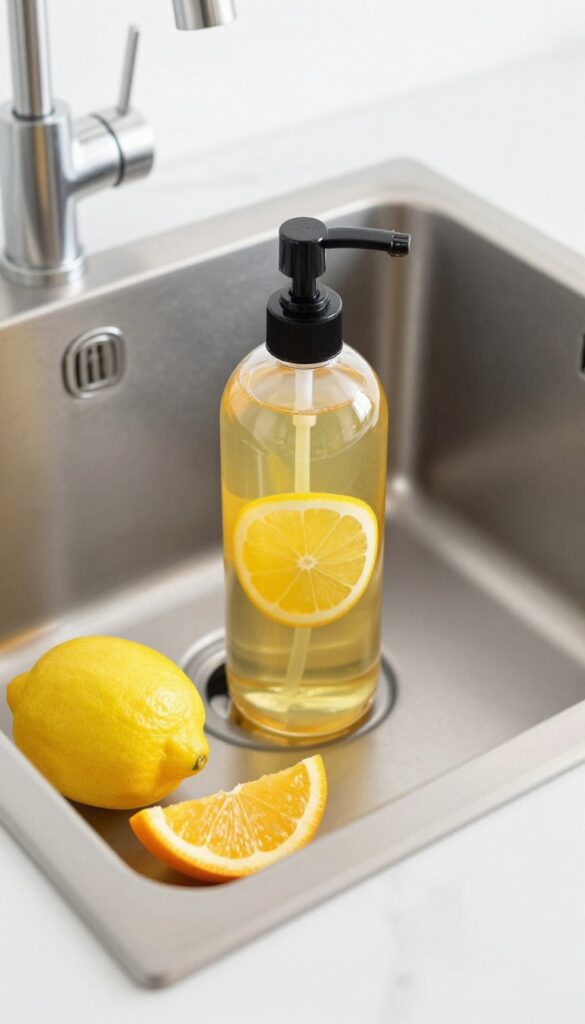
If you love the fresh scent of citrus, this DIY spray is a game-changer. Instead of tossing lemon or orange peels, save them up and let them infuse in white vinegar for two weeks. The result is a natural, powerful cleaner that tackles both odors and grime without any harsh chemicals.
Once your citrus vinegar is ready, strain out the peels and pour the liquid into a spray bottle. A few spritzes inside the disposal, a short wait, and a rinse with cold water leave your sink smelling like a citrus grove. It's that simple.
Why It Works
Citrus peels contain natural oils that break down grease and leave a fresh scent. White vinegar is acidic enough to kill bacteria and neutralize odors. Together, they create a powerful combo that's safe for your disposal and the environment.
How To Make It
Fill a jar with citrus peels—lemon, orange, lime, or grapefruit all work. Pour in enough white vinegar to cover the peels. Seal the jar and store it in a cool, dark place for two weeks.
Shake it every few days to help the oils infuse.
How To Use It
After straining, transfer the liquid to a spray bottle. Spray generously inside the disposal, making sure to coat the rubber splash guard. Let it sit for 10–15 minutes, then rinse with cold water while running the disposal.
Repeat weekly for best results.
11. Essential Oil Freshener
Essential oils aren't just for aromatherapy—they can also transform your garbage disposal into a fresh-scented zone. Oils like lemon, tea tree, and peppermint have natural antibacterial properties that help kill odor-causing bacteria while leaving a pleasant, lasting fragrance. This method is incredibly simple and takes less than a minute.
To make your own essential oil freshener, add 5–10 drops of your chosen essential oil to a cup of water. Pour the mixture down the disposal while it's running with cold water. Let it run for another 30 seconds to flush everything through.
The oil will coat the blades and inner walls, providing ongoing freshness. You can repeat this daily or as needed.
Best Oils To Use
Lemon oil is a top choice for its bright, clean scent and natural degreasing power. Tea tree oil is excellent for its strong antimicrobial properties, making it ideal for fighting stubborn odors. Peppermint oil leaves a crisp, refreshing smell and also helps repel insects.
You can even mix a few drops of each for a custom blend.
Safety Tips
Always dilute essential oils in water before adding them to the disposal—neat oil can be too concentrated and may damage rubber seals over time. Stick to high-quality, pure essential oils without synthetic additives. Avoid using oils that are known to be irritating or toxic if ingested, and keep the disposal running with plenty of cold water to ensure proper dilution.
12. Bleach Tablet (Careful)
Bleach tablets designed specifically for garbage disposals can nuke stubborn odors and kill bacteria. But they're potent—use them sparingly to avoid damaging the rubber splash guard or seals. One tablet every month or two is plenty.
Drop one disposal-safe bleach tablet into the unit. Let it fully dissolve and sit for 15 minutes. Then flush with cold water for 30 seconds while running the disposal.
Never use regular bleach tablets or pour liquid bleach directly—they can corrode metal parts.
Why Use A Bleach Tablet?
Bleach tablets target deep-set smells that baking soda and vinegar can't touch. They're especially effective after grinding fish, meat, or dairy. The fizzing action helps scrub the grinding chamber and drainpipe.
Safety First
Always wear gloves when handling bleach tablets. Keep the disposal off during the soak. After flushing, run cold water for another 15 seconds to ensure no residue remains.
Never combine bleach with other cleaners—toxic fumes can result.
When To Skip This Method
If your disposal has old or cracked rubber components, skip bleach tablets. They can accelerate wear. Also avoid if you have a septic system—bleach kills beneficial bacteria.
Stick to natural methods in those cases.
13. Regular Cold Water Flush
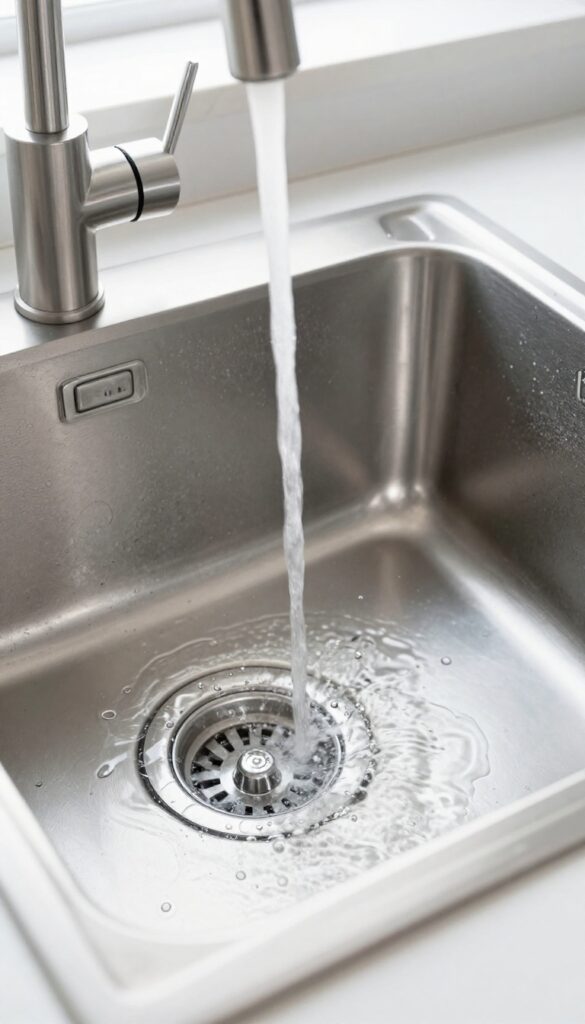
Most people know to run water while using the disposal, but the temperature matters more than you think. Hot water might seem like a good idea for cleaning, but it can actually make grease problems worse. A quick cold water flush after each use is one of the simplest ways to keep your disposal fresh and functioning.
Cold water keeps fats and oils solid so the disposal blades can chop them into small particles that wash away easily. Hot water melts grease, which then coats the blades and drain pipes, leading to clogs and odors. Make it a habit to run cold water for 15–20 seconds after every use—it takes almost no effort and pays off in fewer smells and less buildup.
Why Cold Water Works
Grease and oil are liquid when hot, but they solidify as they cool. Running cold water ensures these substances stay solid long enough to be ground up and flushed out. If you use hot water, the grease stays melted and can cling to the disposal's internal parts and downstream pipes, creating a sticky film that traps food particles and breeds bacteria.
How Long To Flush
A quick 5-second rinse isn't enough. Aim for 15 to 20 seconds of cold water after the disposal finishes grinding. This gives the water time to push all the debris through the trap and into the main drain.
For heavy use—like after grinding fibrous foods or large scraps—extend the flush to 30 seconds.
Combine With A Final Ice Cube Grind
Once a week, grind a handful of ice cubes while running cold water. The ice helps dislodge any stuck-on residue and sharpens the blades. Follow with the standard cold water flush to wash away the loosened particles.
It's a quick one-two punch for cleanliness.
14. Avoid Fibrous Foods
Not everything belongs in your garbage disposal. In fact, some common kitchen scraps can do more harm than good. Fibrous foods are notorious for causing jams, dulling blades, and leading to costly repairs.
Knowing what to keep out is just as important as knowing how to clean.
Your disposal's blades are tough, but they're not invincible. Stringy, fibrous materials can wrap around the spinning parts, creating a tangled mess that stalls the motor or blunts the cutting edges. Over time, this buildup also traps food debris and bacteria, making odors worse.
The fix? Simply toss these items in the trash or compost bin instead.
The Usual Suspects
Celery stalks, corn husks, onion skins, and artichoke leaves are prime offenders. Their long, tough fibers easily entangle the blades. Even small amounts can cause problems, so it's best to avoid them entirely.
If you accidentally drop a piece in, run plenty of cold water and let the disposal grind slowly to help flush it through.
What About Banana Peels?
Banana peels are also fibrous, but they're softer than celery or corn husks. Many people grind them without issue, but they can still contribute to buildup over time. If you do use them, cut them into small pieces and run plenty of water.
For best results, stick to citrus peels for a fresh scent instead.
Better Alternatives For Scraps
Instead of risking a jam, compost fibrous scraps or toss them in the trash. Your disposal will thank you with fewer clogs and less odor. If you want to freshen the sink, use ice cubes, baking soda, or lemon wedges—they clean without the fiber risk.
15. Grind Eggshells for Sharpness
Don't toss those eggshells just yet—they're actually a secret weapon for your garbage disposal. Running a few crushed shells through the disposal with cold water helps sharpen the blades and scrub away stuck-on gunk. It's a simple trick that costs nothing and keeps your disposal working like new.
Eggshells are abrasive enough to clean the grinding chamber without damaging the blades. As they're pulverized, the small particles scrape off residue and help maintain sharpness. Just be sure to use cold water to keep any fats or oils solid so they can be flushed away.
How Many Shells To Use
Stick to 3 to 5 eggshells per cleaning. Any more and you risk clogging the drain or overworking the disposal. Crush them lightly in your hand first so they break into smaller pieces.
Always Use Cold Water
Cold water keeps grease and fats from melting and sticking to the disposal parts. Run the water for at least 15 seconds after the shells are fully ground to flush everything through.
Follow Up With A Fresh Scent
Eggshells don't leave a smell, but they also don't deodorize. After grinding, toss in a lemon wedge or a few ice cubes with vinegar to leave your sink smelling clean.
16. Use a Disposal Cleaner Brush
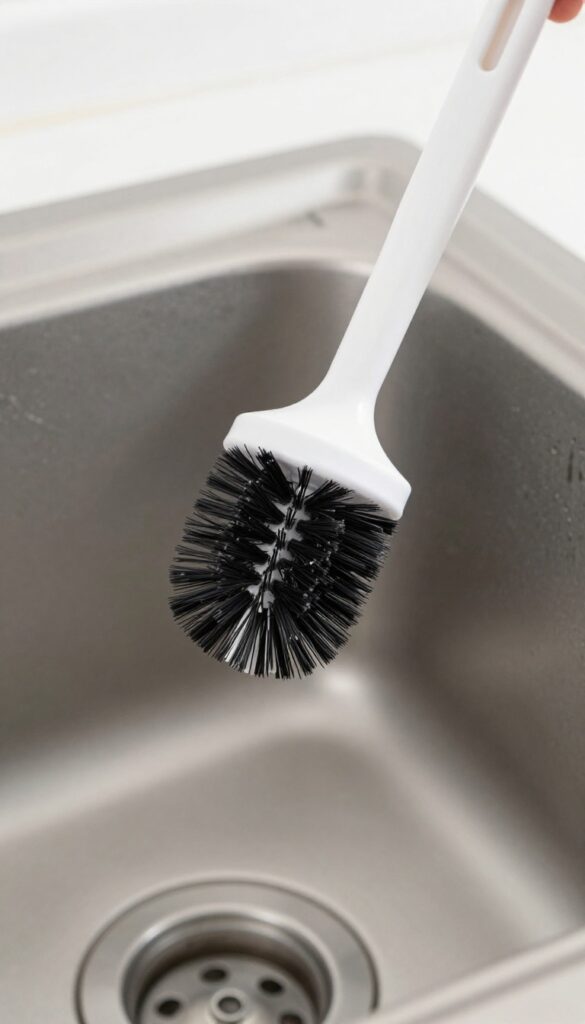
A dedicated disposal cleaner brush is one of the best tools you can buy for deep cleaning. Unlike a sponge or dish brush, it's designed to reach the nooks and crannies where slime and food particles hide. The long handle keeps your hands safely away from the blades while you scrub.
Using a disposal cleaner brush is straightforward. First, make sure the disposal is turned off and unplugged or the circuit breaker is flipped. Insert the brush into the disposal and scrub the rubber splash guard—this is where most of the slimy buildup collects.
Then, work the bristles around the interior walls and under the grinding ring. Rinse the brush and run hot water for 30 seconds to flush away loosened debris.
Why A Dedicated Brush Matters
Regular dish brushes or sponges can't reach all the tight spaces inside a disposal. A purpose-built brush has angled bristles and a curved head that conforms to the splash guard and housing. It also prevents cross-contamination from other kitchen cleaning tasks.
How Often To Scrub
For best results, give your disposal a thorough brush cleaning once a week. If you notice odors or slime developing, increase the frequency. A quick daily scrub after heavy use can keep buildup from forming in the first place.
Brush Care Tips
After each use, rinse the brush with hot water and let it air dry. Replace it every few months or when the bristles start to fray. Some brushes are dishwasher safe—check the manufacturer's instructions for easy sanitizing.
17. Clean the Splash Guard
The rubber splash guard inside your sink opening does a great job keeping food from splashing back at you, but it's also a magnet for gunk and odors. Over time, slimy residue builds up in those flexible flaps, and rinsing alone won't cut it. Giving the splash guard some dedicated attention can make a surprising difference in how fresh your sink smells.
Start by checking if your splash guard is removable. Many models simply pop out with a gentle tug. If it comes off, soak it in warm, soapy water for a few minutes to loosen any stuck-on debris.
Use an old toothbrush to scrub each flap and the inner ring, paying special attention to the crevices where grime hides. Rinse thoroughly and snap it back into place. If your splash guard isn't removable, you can still clean it in place—just spray with a degreaser or all-purpose cleaner and scrub with a toothbrush, then rinse well with hot water.
Why The Splash Guard Gets So Dirty
The splash guard sits right at the entrance of the disposal, so it's constantly exposed to food particles, grease, and moisture. Those rubber flaps create tiny pockets where bacteria thrive, leading to that sour smell you notice near the drain. Because it's out of sight, it's easy to overlook during routine cleaning.
How Often To Clean It
Aim to clean the splash guard once a week if you use your disposal daily. If you notice a smell or visible buildup, do it more often. Regular cleaning prevents odors from setting in and keeps the rubber flexible and free of cracks.
Extra Tips For Stubborn Grime
For heavy buildup, try soaking the removable splash guard in a mixture of white vinegar and baking soda. The fizzing action helps dislodge stuck-on gunk. You can also run the disposal with a few ice cubes and lemon peels after cleaning the splash guard to freshen the entire system.
18. Deep Clean with Baking Soda Paste
Baking soda is a powerhouse when it comes to neutralizing odors and cutting through grime. Turning it into a paste gives it extra sticking power so it can cling to the sides of your disposal and break down stubborn buildup. This method is gentle enough for regular use but tough on smells.
Mix about half a cup of baking soda with just enough water to form a thick, spreadable paste. Use an old toothbrush or a small scrub brush to coat the inside of the disposal chamber, focusing on the rubber baffle and the grinding blades. Let the paste sit for 15 minutes to work its magic, then flush it away with a stream of hot water while the disposal is running.
Why Baking Soda Works So Well
Baking soda is a mild alkali that reacts with acids to neutralize odors. Its fine grit also provides gentle abrasion to scrub away residue without damaging the disposal's components. Combined with hot water, it helps dissolve grease and food particles that cause lingering smells.
How To Apply The Paste Effectively
For best results, turn off the disposal and unplug it or flip the circuit breaker for safety. Dip your brush into the paste and scrub every surface you can reach, including under the rubber splash guard. Pay extra attention to the grinding ring and any visible gunk.
Let it sit undisturbed for a full 15 minutes.
Rinsing And Following Up
After the paste has sat, run hot tap water and turn on the disposal. Let the water flush the paste and loosened debris down the drain for about 30 seconds. For an extra fresh boost, follow up with a lemon wedge or a few ice cubes to polish the blades.
19. Run the Disposal Weekly
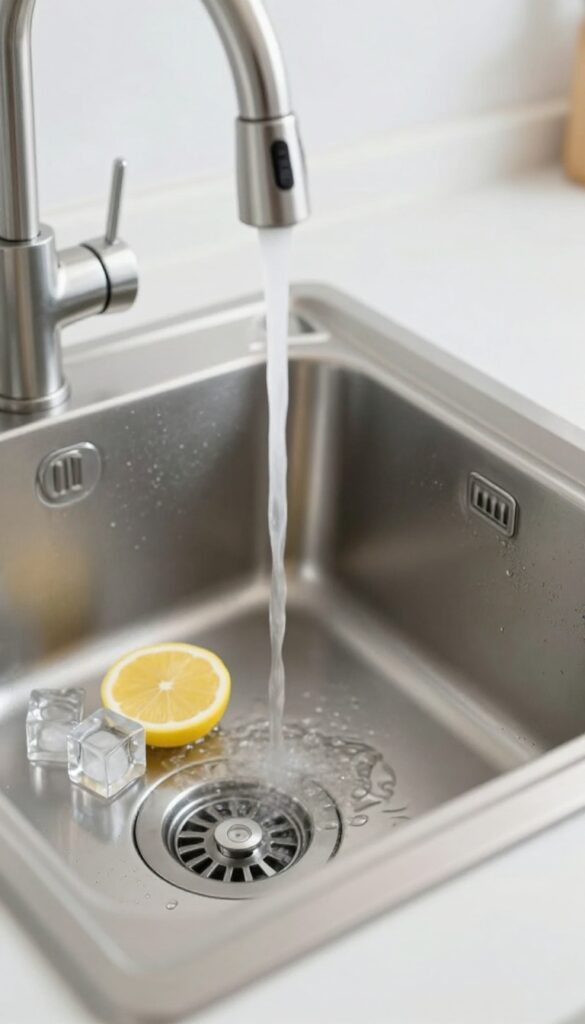
Even if you rarely use your garbage disposal, it still needs regular attention. A disposal that sits idle for weeks can develop rust on the internal metal parts, and the seals can dry out, leading to leaks. Running it once a week with cold water is a simple maintenance habit that prevents these issues and keeps the motor in good working order.
Running your disposal weekly is one of the easiest ways to extend its life. The motion and water flow help lubricate the motor bearings and keep the blades from seizing up. Plus, it flushes out any stagnant water that might be lurking in the chamber, which can cause odors over time.
Just turn on the cold water, flip the switch, and let it run for about 30 seconds. That's it—no food scraps needed.
Why Cold Water Matters
Always use cold water when running the disposal. Hot water can melt any lingering grease or fat, which then cools and solidifies further down the drain, causing clogs. Cold water keeps grease solid so it gets chopped up and flushed away easily.
It also prevents the motor from overheating during operation.
What About Ice Cubes?
For an extra cleaning boost during your weekly run, toss a few ice cubes in before turning it on. The ice helps dislodge stuck-on debris and sharpens the blades. You can even add a slice of lemon or a splash of vinegar to the ice for a fresh scent.
Just remember to keep the cold water running the whole time.
20. Use a Drain Strainer
A simple mesh strainer can be your first line of defense against smelly disposals. Catching large food scraps before they go down the drain keeps the grinding chamber cleaner and reduces odor-causing buildup. It's a cheap, low-effort habit that pays off fast.
Installing a mesh strainer over your sink drain is one of the easiest ways to prevent food particles from entering the disposal. These strainers catch rice, pasta, vegetable peels, and other scraps that can rot and cause smells. Emptying the strainer into the trash instead of rinsing it down keeps the disposal from working overtime and reduces the need for deep cleaning.
Choose a stainless steel or silicone strainer that fits snugly in your drain opening—most are under $10 and last for years. Make it a habit to scrape plates into the trash first, then rinse, and the strainer will catch anything that slips by. Your disposal will stay fresher, and you'll notice fewer clogs and odors.
Why It Works
A drain strainer physically blocks large debris from entering the disposal, where it would otherwise get trapped and decompose. Less organic matter means less bacterial growth and fewer bad smells. It also protects the disposal blades from dulling on hard scraps like bones or fruit pits.
Best Types Of Strainers
Look for a flat mesh strainer that sits flush with the sink bottom—rubber or silicone edges create a tight seal. Stainless steel is durable and easy to clean, while silicone versions are flexible and gentle on sink finishes. Avoid plastic strainers that can warp or crack over time.
Daily Maintenance Tips
Empty the strainer into the trash after each use, then rinse it quickly under hot water. Once a week, scrub it with a small brush and dish soap to remove any film. If you notice lingering odors, soak the strainer in a vinegar solution for 10 minutes.
21. Grind Small Bones for Cleaning
Chicken bones might seem like the last thing you'd want to put down your disposal, but small, soft bones can actually help clean the blades. The bone fragments act as a natural abrasive, scrubbing away grime and buildup as they're ground. Just stick to small, soft bones like those from chicken or fish—avoid large, hard bones like beef or pork, which can damage the unit.
How It Works
When you grind small bones, they break into tiny, gritty particles that scrape against the metal blades and the interior chamber. This abrasive action helps dislodge stuck-on food residue and mineral deposits. The bones also absorb some odors as they're pulverized.
Which Bones To Use
Chicken wings, drumsticks, and fish bones are perfect. Avoid turkey or large roast bones—they're too dense and can jam the disposal. If you're unsure, err on the side of smaller.
A handful of chicken wing bones once a month is plenty.
Step-by-step
Run cold water, turn on the disposal, and drop in a few small bones one at a time. Let it run for 15–20 seconds after the last bone to flush everything through. Follow with a citrus peel for a fresh scent.
22. Avoid Chemical Drain Cleaners
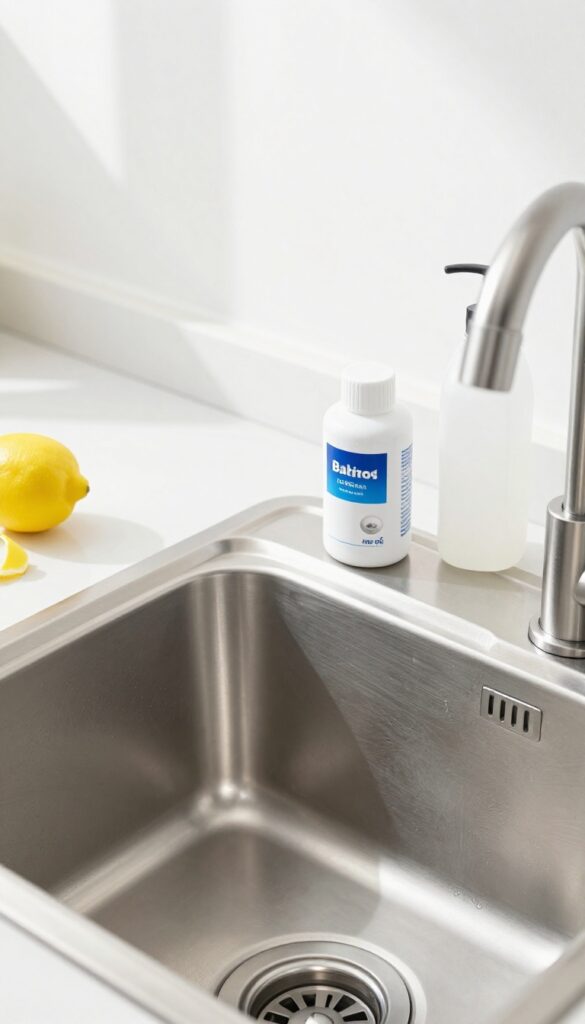
It might be tempting to pour a bottle of chemical drain cleaner down the sink when odors strike, but that's a risky move. Harsh chemicals can eat away at the rubber seals and metal components inside your disposal, leading to leaks or costly repairs. Plus, they're bad for the environment and your pipes.
Stick with natural cleaning methods that are just as effective without the damage. Baking soda and vinegar create a fizzy reaction that lifts grime and deodorizes. A simple routine of baking soda followed by vinegar, then hot water, keeps your disposal fresh and functional without any harsh side effects.
Why Chemicals Are Harmful
Chemical drain cleaners contain strong alkalis or acids that generate heat and dissolve organic matter. While that sounds effective, the heat and corrosion can warp rubber gaskets, pit metal blades, and even damage PVC pipes over time. Once those seals fail, you'll face leaks or a disposal that won't spin properly.
Natural Alternatives That Work
Baking soda and vinegar are your best friends for garbage disposal cleaning. Start by pouring half a cup of baking soda down the drain, then add one cup of white vinegar. Let it fizz for 10–15 minutes, then flush with boiling water.
For an extra boost, toss in a few lemon peels or ice cubes and run the disposal.
Preventive Habits
Avoid pouring grease, oil, or starchy foods like potato peels down the disposal. Run cold water while grinding food scraps to keep fats solid and flush particles away. A weekly baking soda treatment can prevent buildup before it starts, so you never feel the need for harsh chemicals.
23. Freshen with Mint Leaves
Fresh mint isn't just for cocktails or tea—it's a natural deodorizer that can transform your garbage disposal. The strong, clean scent of mint leaves cuts through lingering food odors and leaves behind a refreshing aroma. Plus, the leaves themselves are gentle on the blades and won't cause any damage.
Grab a handful of fresh mint leaves from your garden or the grocery store. Drop them into the disposal while running cold water, then turn it on for about 15 seconds. The grinding action releases the mint's essential oils, which neutralize odors and coat the interior with a pleasant scent.
For an extra boost, follow up with a few ice cubes to dislodge any stuck-on grime.
Why Mint Works So Well
Mint leaves contain natural oils that are antimicrobial and deodorizing. Unlike chemical sprays, mint won't leave a harsh residue. The leaves are soft enough to break down easily, so they won't clog your disposal.
Plus, the scent is strong enough to mask even the toughest smells, like old fish or onion.
How To Use Mint Leaves
Start with a small handful of fresh mint leaves. Turn on the cold water to a steady stream, then drop the leaves into the disposal. Flip the switch and let it run for 10–15 seconds.
The leaves will be ground up and flushed away, leaving behind a minty freshness. You can repeat this weekly or whenever you notice an odor.
Mint Alternatives And Combos
If you don't have fresh mint, dried mint leaves work too—just use a tablespoon. For a stronger effect, combine mint with citrus peels or a splash of lemon juice. You can also freeze mint leaves in ice cubes for a dual-action scrub and deodorizer.
Just toss a few mint ice cubes down the disposal and run it with cold water.
24. Use a Disposal Deodorizer Pod
Sometimes you just want a no-fuss solution for a smelly disposal. That's where commercial deodorizer pods come in. These little tablets are designed to break down grime and neutralize odors with minimal effort on your part.
Deodorizer pods are a convenient option when you're short on time or don't have fresh citrus on hand. They're widely available at grocery stores and online, and they work in just a few minutes. Just drop one in, run hot water, and turn on the disposal—the fizzing action helps clean the blades and flush away odor-causing residue.
How They Work
Most pods contain citric acid, baking soda, or enzymes that break down food particles and neutralize smells. When activated by water, they create a fizzy reaction that scrubs the interior surfaces of the disposal.
When To Use Them
These pods are perfect for a quick refresh between deeper cleans. Use them once a week or whenever you notice a lingering odor. They're also great after grinding strong-smelling foods like fish or onions.
Tips For Best Results
Always follow the package instructions. Typically, you'll run hot water for 15 seconds before and after dropping the pod. Avoid overusing them—once a week is plenty to keep things fresh without wasting product.
25. Schedule a Monthly Deep Clean
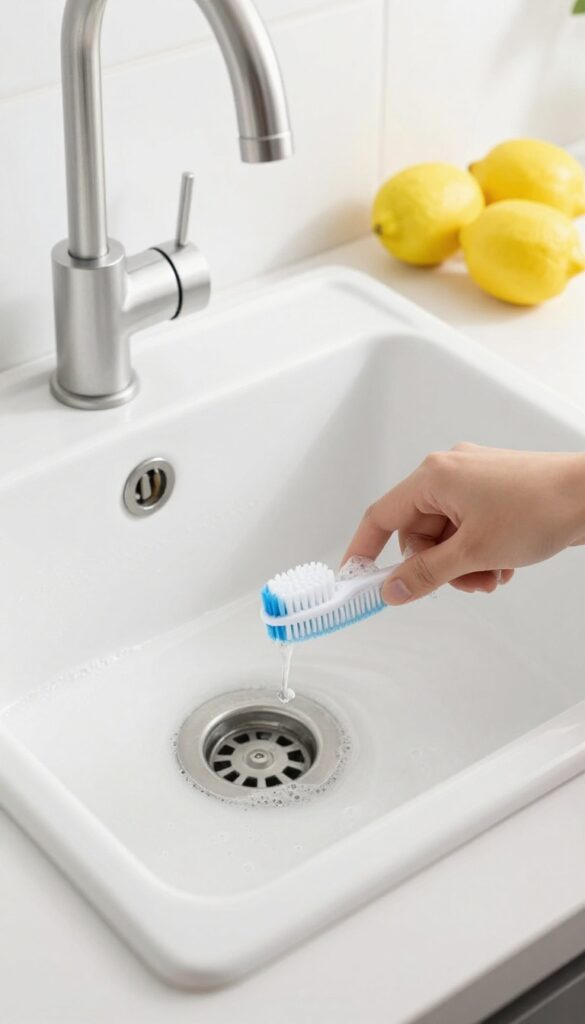
Daily maintenance is great, but even the best weekly freshening routines can miss hidden grime. Over time, grease and food residue build up under the splash guard and along the grinding chamber walls. A monthly deep clean resets your disposal, preventing stubborn odors and keeping the blades sharp.
Remove And Scrub The Splash Guard
The splash guard is a magnet for slimy buildup. Gently pry it off (most pop out with a flathead screwdriver) and soak it in warm, soapy water for 10 minutes. Use an old toothbrush to scrub every rubber flap, then rinse thoroughly.
While it's off, wipe down the exposed rim of the disposal with a damp cloth.
Baking Soda And Vinegar Fizz
Pour 1/2 cup of baking soda directly into the drain, then slowly add 1 cup of white vinegar. Let the mixture fizz for 5–10 minutes—it will break down grease and loosen stuck particles. Follow with a flush of hot tap water for 30 seconds.
Boiling Water Flush
Boil a full kettle of water and carefully pour it down the drain in two stages. The heat melts away any remaining grease and sanitizes the chamber. Let the water run for another 15 seconds to clear everything out.
Ice And Salt Blade Polish
Drop a handful of ice cubes into the disposal, then add 1 tablespoon of coarse salt. Turn on the cold water and run the disposal until the ice is gone. The ice knocks off residue, while the salt acts as a mild abrasive to sharpen the blades.
FAQ
Can I put coffee grounds down the garbage disposal?
Yes, in small amounts. Coffee grounds can help scrub away odors, but too many can clump and clog the drain. Use sparingly and always flush with plenty of cold water.
Is it safe to use bleach in a garbage disposal?
Only if you use a bleach tablet specifically designed for disposals. Liquid bleach can damage rubber seals and metal parts. Follow the product instructions carefully.
Why does my garbage disposal smell even after cleaning?
Odors often come from trapped food under the rubber splash guard or in the drainpipe. Clean the splash guard thoroughly and try a baking soda and vinegar treatment. If the smell persists, check for hidden buildup.
How often should I clean my garbage disposal?
For maintenance, do a quick clean (like ice cubes and salt) once a week. Perform a deep clean (baking soda and vinegar or boiling water) once a month to prevent odors and buildup.
Can I put eggshells in the garbage disposal?
Yes, crushed eggshells can help sharpen the blades and clean the interior. However, avoid putting large pieces or the membrane, which can wrap around the blades.
Conclusion
A fresh-smelling garbage disposal doesn't require harsh chemicals or expensive products. These 25 tips give you simple, effective ways to keep odors away and your sink running smoothly. Pick a few that fit your routine and stick with them.
Your kitchen will smell cleaner every time you flip the switch. Try one or two methods this week and notice the difference.