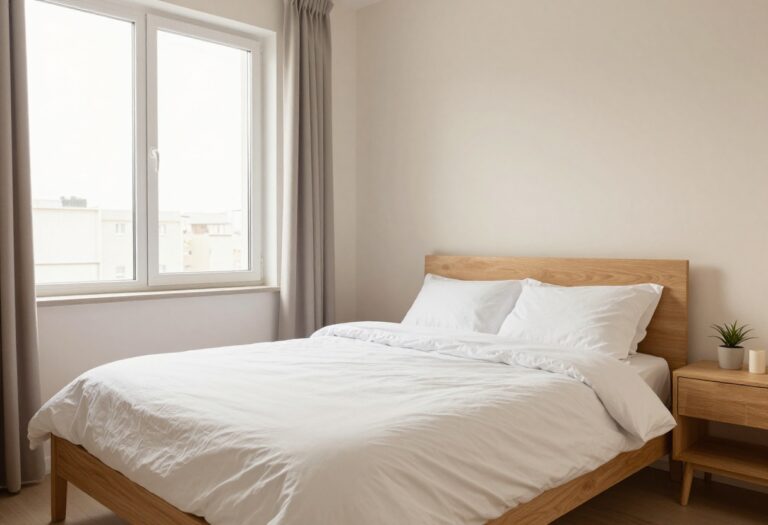
13 Cosy Bedroom Ideas for Small Rooms with a Collected Feel
Small bedrooms often get a bad rap, but with the right approach, they can become the most functional and fun rooms in the house. The secret is to focus on warmth and personality rather than square footage. A collected feel—where every piece looks like it has a story—can make a tiny space feel intentional and inviting.
You don't need a big budget or a full renovation to achieve this. Simple changes like swapping out lighting, adding texture, or rearranging furniture can transform the vibe.
The goal is to create a room that feels like a retreat, not a storage unit. In this guide, we'll walk through 13 specific ideas that work wonders in small bedrooms.
1. Layer Your Bedding for Instant Warmth
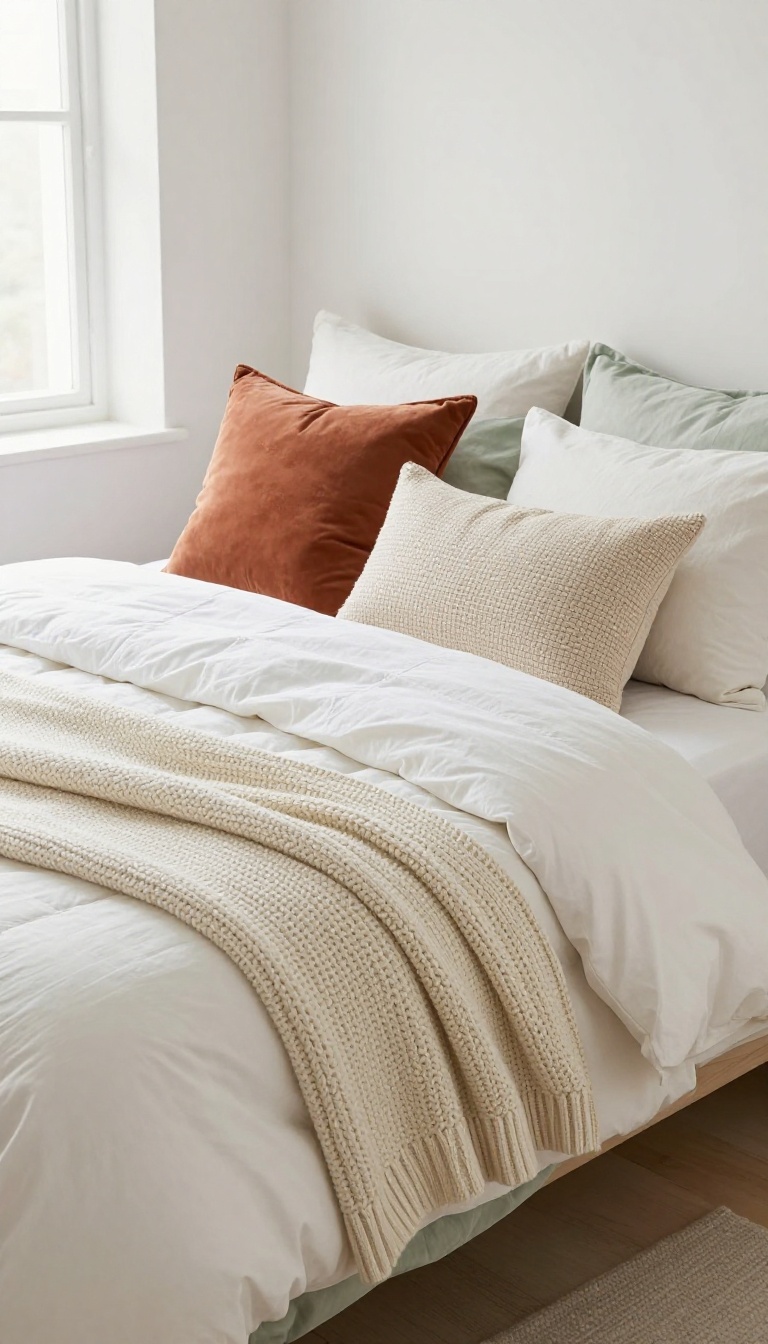
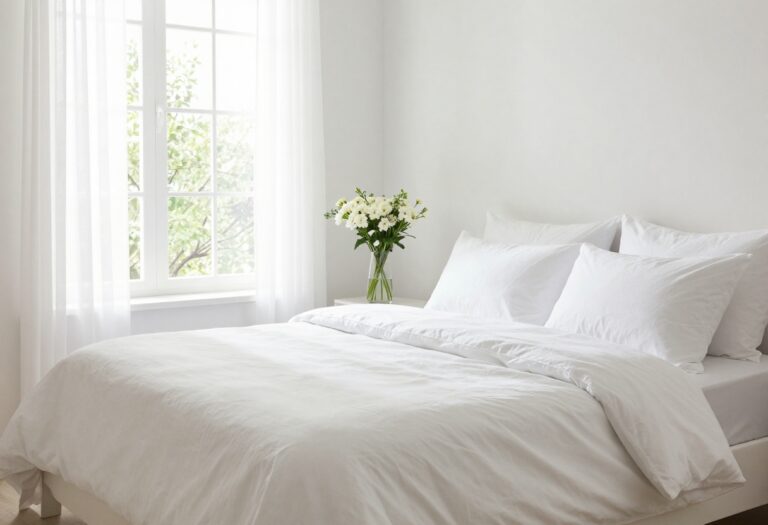
When space is tight, your bed becomes the centerpiece of the room, so make it work harder. Layering bedding is one of the simplest ways to add texture, color, and that collected, lived-in feel without taking up a single extra inch of floor space. Mixing and matching throws, quilts, and pillows in complementary tones creates depth and invites you to snuggle in.
Start with a neutral base—a crisp white or soft cream duvet—then build up with textured layers. A chunky knit throw at the foot of the bed adds visual weight and warmth, while a quilt folded in a contrasting hue brings in pattern. Finish with an assortment of pillows in different sizes and fabrics, like velvet, linen, or woven cotton.
The key is to keep the palette cohesive so the mix feels intentional, not chaotic.
Choose A Cohesive Color Palette
Pick two or three colors that complement each other and stick to them. For a calm, collected vibe, go with earthy tones like terracotta, sage, and cream. If you prefer a bit more contrast, try navy, mustard, and white.
Keeping the palette limited ensures the layers don't overwhelm the small space.
Mix Textures For Depth
Texture is what makes layered bedding feel luxurious. Combine smooth cotton with chunky knits, soft velvet, or nubby linen. A woven blanket at the foot, a velvet pillow in the middle, and a linen duvet cover all work together to create a rich, tactile experience that draws you in.
Don't Forget Practicality
Layers aren't just for looks—they're functional. In a small room, you can adjust the bedding to suit the season without storing extra blankets. Add or remove a quilt or throw as the temperature changes.
This keeps your bed comfortable year-round and reduces clutter.
2. Use a Corner for a Reading Nook
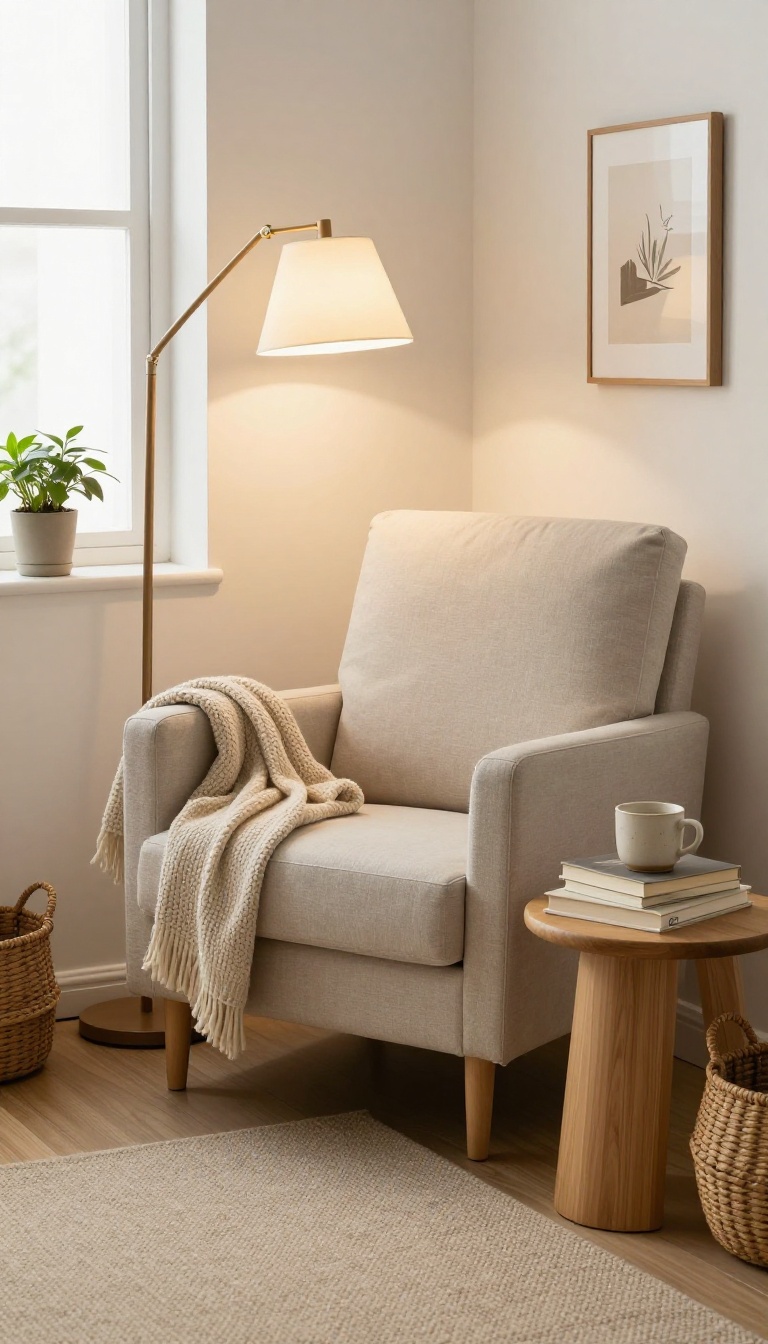
A tiny corner can become a favorite spot in your bedroom without eating up much floor space. Tuck a comfy chair into an unused nook, add a warm light source, and you've got a personal retreat that's both practical and full of character. It's a simple way to make a small room feel more layered and lived-in.
Carving out a reading corner doesn't require a lot of room—just a few square feet and a little creativity. Start by choosing a chair that fits the scale of your space, like a slim armchair or a cozy papasan. Place it at an angle to make the corner feel intentional, and add a small side table or floating shelf for your book and a cup of tea.
A floor lamp with a warm bulb creates the right glow for evening reading, and a soft throw blanket adds texture and comfort. This nook becomes a visual anchor, drawing the eye and making the room feel more complete.
Pick The Right Chair
Look for a chair that's compact but supportive. A wingback chair or a small accent chair with a high back works well. If floor space is really tight, a floor cushion or a low lounge chair can do the trick.
Test the comfort level—you want a spot you'll actually use.
Lighting Matters
Good lighting is key for a reading nook. A floor lamp with an adjustable arm or a wall-mounted swing arm lamp saves space. Choose a warm, soft white bulb to create a cozy atmosphere.
If you prefer a more ambient glow, add a small table lamp on the side table.
Add Personal Touches
Make the corner yours with a few personal items. A stack of your favorite books, a small plant, or a framed photo on the shelf adds character. A woven basket underneath the chair can hold extra blankets or magazines, keeping the area tidy and functional.
3. Install Floating Shelves for Display
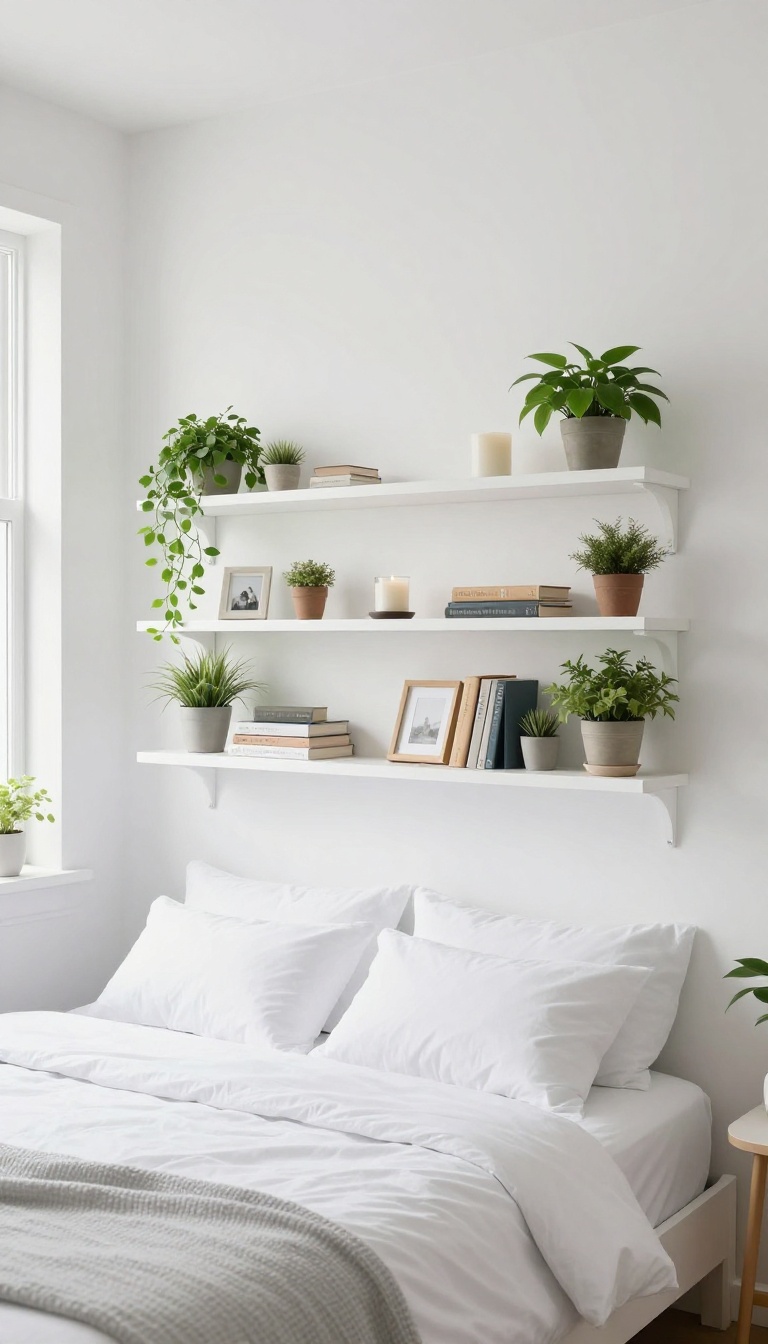
Floating shelves are a small bedroom's best friend. They give you a place to show off your favorite things without taking up any floor space. Plus, they add a layer of visual interest that makes the room feel curated and personal.
Floating shelves are a small bedroom's best friend. They give you a place to show off your favorite things without taking up any floor space. Plus, they add a layer of visual interest that makes the room feel curated and personal.
Choose The Right Height
Mount shelves at eye level or slightly above, but leave enough room above the bed if they're going there. You want them to be easily accessible and visually balanced with the rest of the room. A good rule is to place them 12 to 18 inches below the ceiling.
Mix Function With Style
Don't just stack books—combine them with small plants, framed photos, or a pretty candle. The trick is to group items in odd numbers and vary the heights. This creates a mini gallery that feels intentional, not cluttered.
Keep It Light And Airy
In a small room, heavy shelves can feel overwhelming. Opt for slim, light-colored wood or metal shelves that blend with the wall. Avoid overloading them—leave some breathing room between objects so the wall doesn't feel crowded.
4. Choose a Bed with Built-In Storage
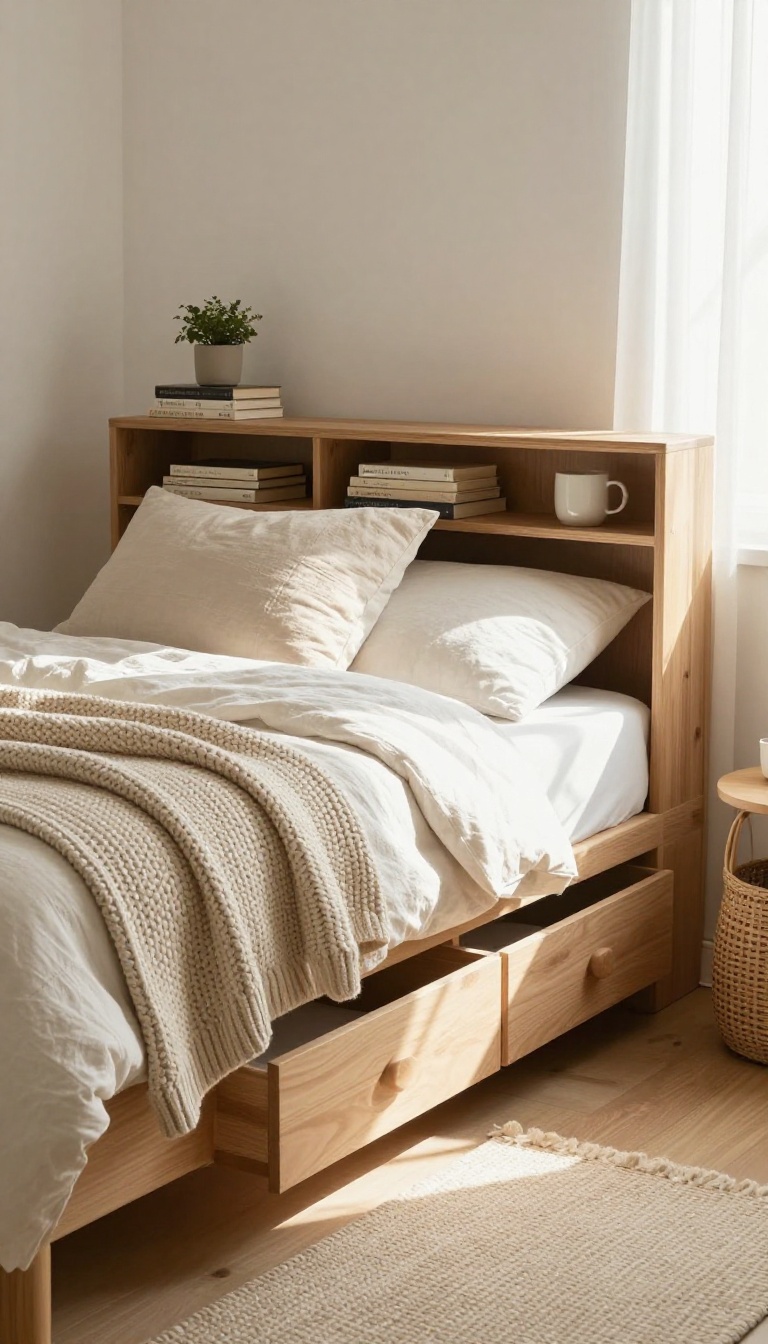
Your bed can do more than just hold a mattress. In a small room, a bed with built-in storage is a game-changer. It hides away bulky items you don't need every day, freeing up closet and floor space.
Plus, it keeps everything within arm's reach when you need it.
A bed with built-in storage comes in many forms: drawers underneath, a lift-up base, or even shelves in the headboard. Each option offers a clever way to stash extra linens, off-season clothes, or holiday decorations. The best part?
You'll never have to crawl under the bed to find something again.
Drawer Beds: Easy Access And Organization
Beds with drawers are perfect for storing folded clothes, extra pillows, or blankets. Look for models with smooth-gliding drawers that open fully. Use drawer dividers to keep socks, scarves, and other small items neat.
This setup makes getting dressed a breeze, even in a tiny room.
Lift-up Beds: Maximum Space For Bulky Items
If you need to store larger items like a suitcase or winter coats, a lift-up bed with gas pistons is a smart choice. The entire mattress lifts up, revealing a deep storage compartment. Use it for items you only need occasionally, so you're not digging through it daily.
Just make sure the mechanism is sturdy and easy to lift.
Headboard Shelves: Keep Essentials Close
Don't overlook the headboard. A headboard with built-in shelves or cubbies gives you a spot for books, glasses, or a phone charger. This keeps your nightstand clutter-free and makes your bed feel more like a cozy nook.
Choose a design that matches your room's style, from rustic wood to sleek modern.
5. Hang Curtains High and Wide
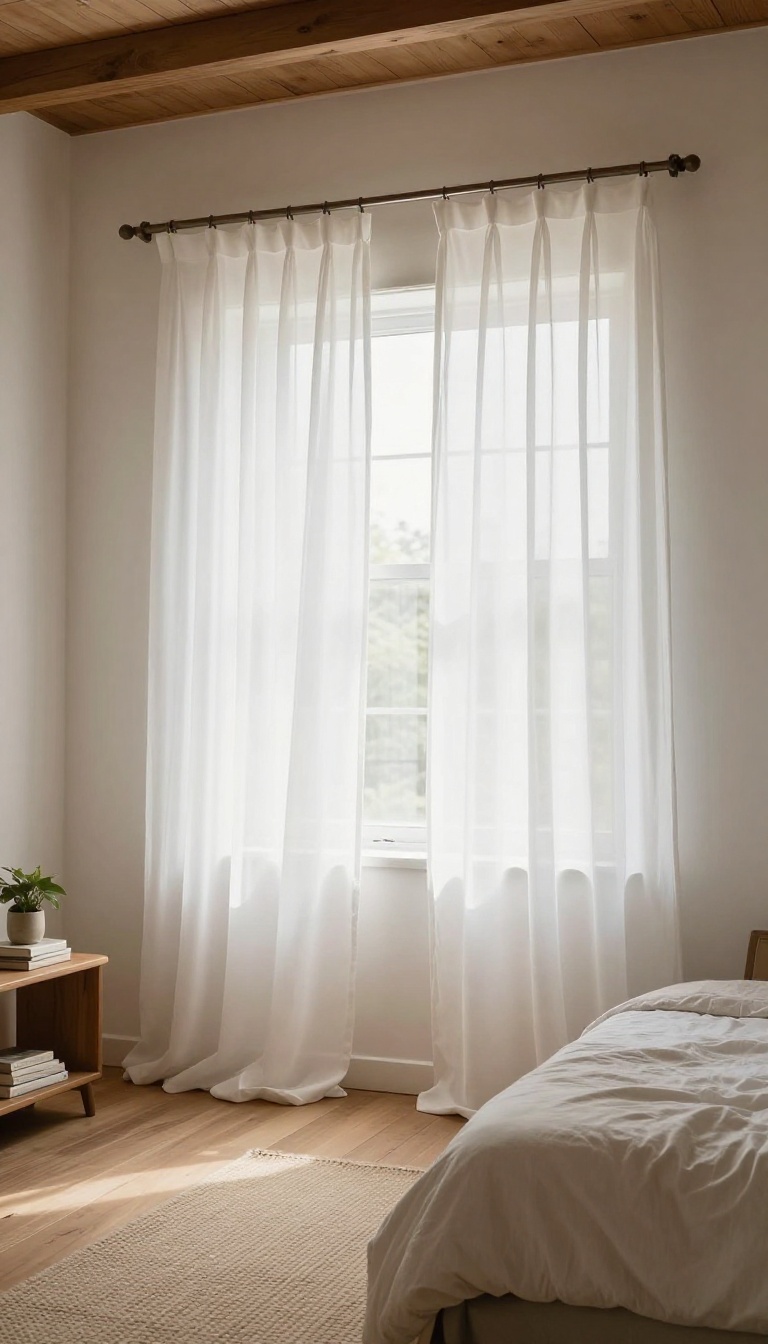
Most people hang curtain rods right above the window frame, but that's a missed opportunity. By mounting the rod closer to the ceiling and extending it well past the window's edges, you instantly trick the eye into seeing a taller, wider room. This simple tweak costs little and takes just a few minutes, yet it makes a small bedroom feel more open and airy.
When you raise the curtain rod, you draw the eye upward, emphasizing the vertical space. Extending the rod beyond the window width means the curtains can be pulled fully to the sides, letting in maximum light and making the window appear larger. Together, these adjustments create a sense of height and openness that's perfect for a cozy but compact bedroom.
Measure Before You Mount
Before you start, measure the distance from the ceiling to the top of your window frame. Aim to mount the rod about halfway between the ceiling and the frame, or even right at the ceiling if you have crown molding. For width, add 6 to 12 inches on each side of the window frame.
This gives you enough room to pull the curtains fully open without blocking the glass.
Pick The Right Curtains
The fabric and length of your curtains matter just as much as the rod placement. Choose curtains that are long enough to puddle slightly on the floor or at least touch the floor—this adds to the vertical illusion. Light, sheer fabrics let in more light and keep the room feeling breezy, while heavier fabrics can add warmth and coziness.
Just make sure they're not too bulky for a small space.
Extend The Rod For A Wider Look
Don't be shy about extending the rod well beyond the window frame. This not only makes the window seem larger but also allows you to push the curtains completely off the glass, maximizing natural light. If you have a radiator or a piece of furniture under the window, consider using a rod that extends even further so the curtains can hang outside that area, keeping the heat flow unobstructed.
6. Add a Rug That Anchors the Space
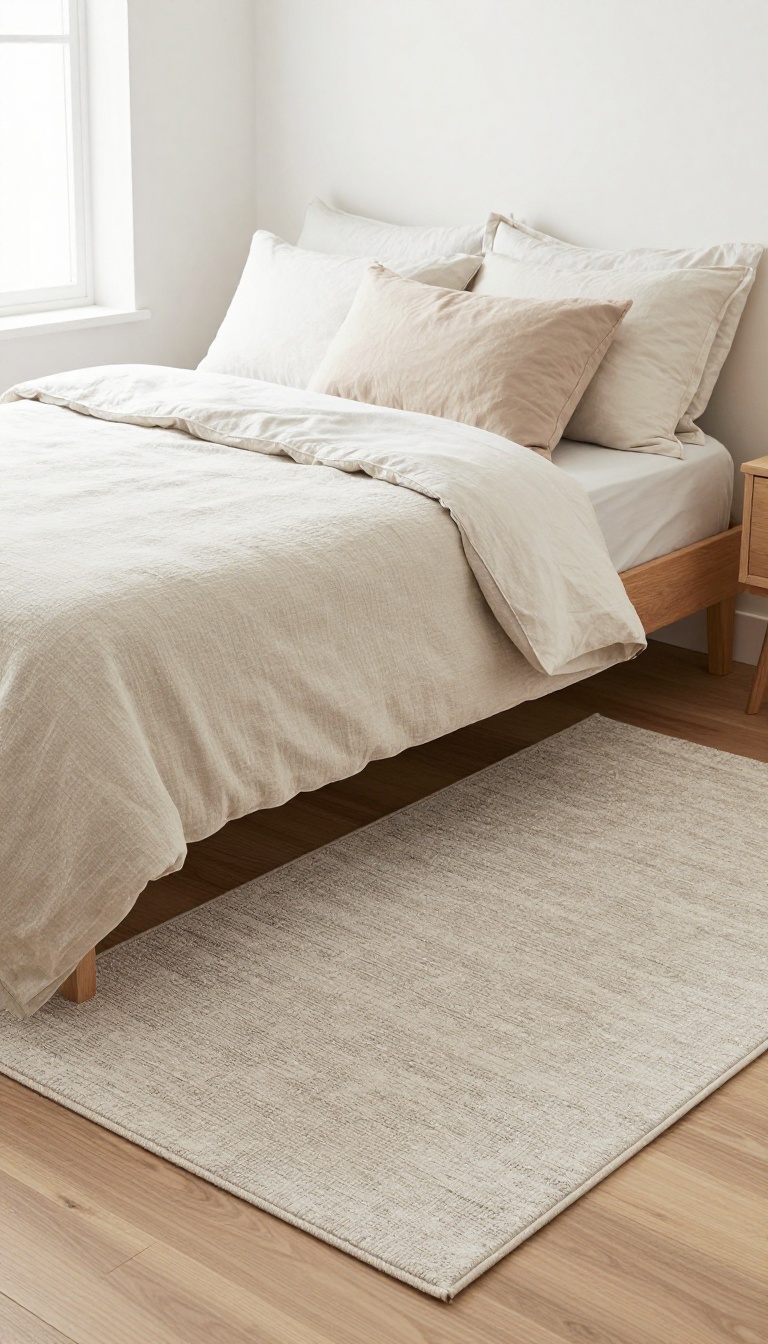
A soft rug under the bed does more than just warm your toes in the morning. It visually defines the sleeping area, creating a cozy island in the middle of a small room. This simple addition grounds the bed, making the whole space feel more intentional and put-together.
Choosing the right rug size is crucial. In a small bedroom, a rug that extends just beyond the sides and foot of the bed works best—it frames the bed without overwhelming the floor. For a twin or full bed, a 5×8 rug fits nicely; for a queen or king, look for an 8×10 or larger if space allows.
If your room is extra tight, a runner along the side of the bed can still add texture and warmth without eating up visual space. Placement matters too. Center the rug under the bed, leaving a border of bare floor around the edges.
This creates a clear boundary for the sleeping zone and makes the room feel larger. If you have a bed against the wall, you can tuck the rug partially under it, leaving a generous strip visible at the foot and sides. Beyond size and placement, the rug's material and color can change the mood.
A plush, high-pile rug adds softness and makes the room feel more luxurious. A flatweave or low-pile option is easier to clean and works well in high-traffic areas. Choose a color that either complements your bedding or adds a subtle contrast.
A neutral rug with a textured pattern can tie the room together without competing for attention.
Size And Placement Tips
Measure your bed and leave at least 18 inches of rug visible on each side and at the foot. This ensures the rug feels intentional, not like a small mat. For a twin bed, a 5×8 rug works well; for a full, a 6×9; for a queen, an 8×10; and for a king, a 9×12 if your room can handle it.
If your room is narrow, place the rug horizontally across the bed to widen the visual space.
Material And Texture Ideas
In a small room, texture adds depth without taking up space. A chunky wool rug brings warmth and durability, while a soft shag adds a cozy, cloud-like feel. If you have allergies or pets, consider a low-pile, washable rug in cotton or synthetic fibers.
Natural jute or sisal rugs offer a more organic look and are surprisingly durable.
Color And Pattern Choices
Light-colored rugs can make a small room feel airy and open, while darker rugs add a sense of grounding and coziness. If your bedding is neutral, a rug with a subtle geometric or floral pattern can inject personality. Avoid overly busy patterns that might make the room feel cluttered.
A simple border or a textured solid can be just as effective.
7. Mix Vintage and Modern Pieces
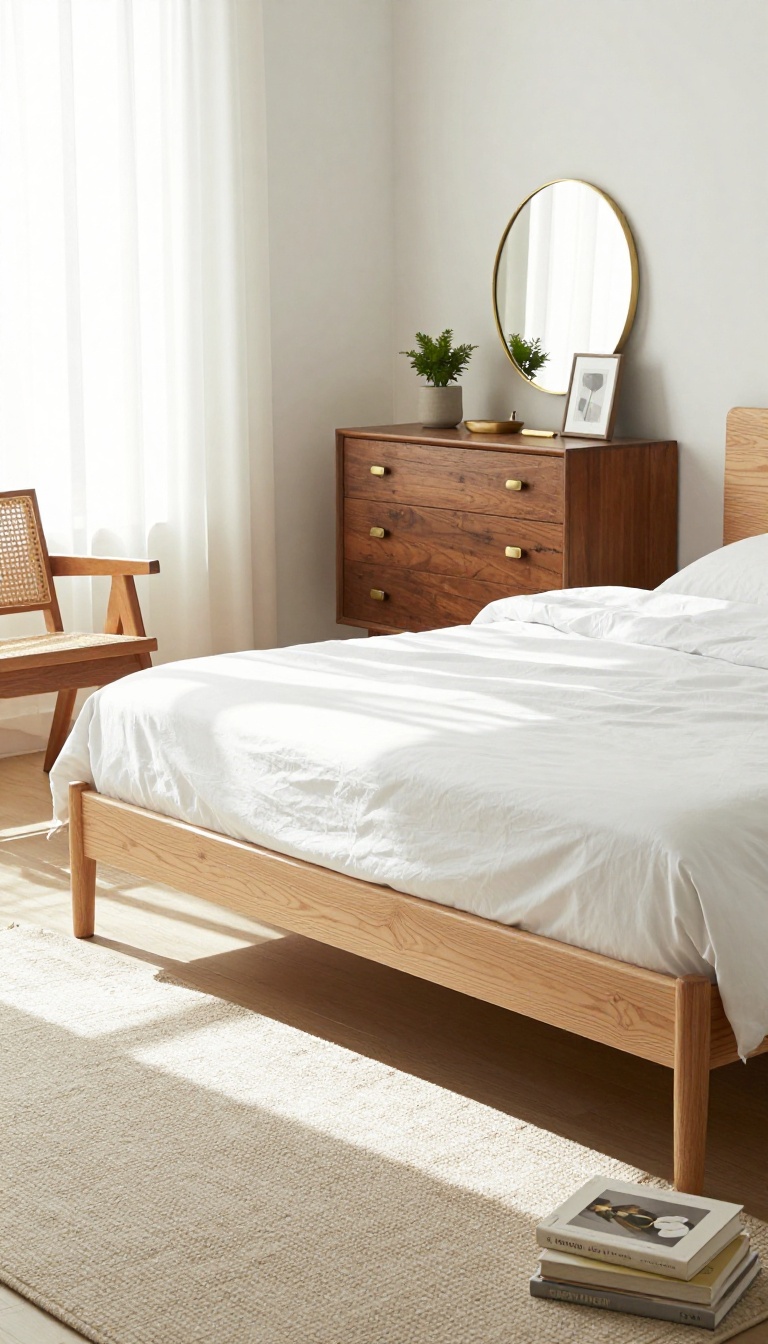
Pairing a sleek modern bed frame with a weathered vintage dresser instantly adds depth and character to a small room. The contrast between old and new creates a layered, collected look that feels personal rather than staged. It’s a styling trick that works in any space, but it’s especially effective in compact bedrooms where every piece needs to earn its spot.
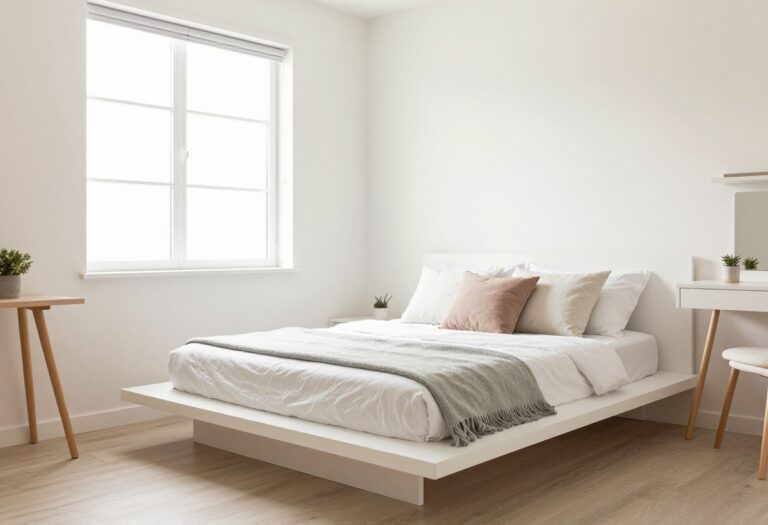
Start with a clean, modern foundation—think a low-profile bed frame or a simple upholstered headboard. Then introduce one or two vintage finds that have a story, like a mid-century dresser, a brass mirror, or a cane chair. The key is balance: too many antiques can make a room feel heavy, while all-modern can feel cold.
Mixing eras keeps the eye moving and makes the room feel curated over time.
Choose A Focal Point
Pick one vintage piece to anchor the room. A dresser with character or an ornate mirror can become the focal point, while the modern bed stays understated. This creates a clear visual hierarchy and prevents the space from feeling cluttered.
For small rooms, a single statement piece is more effective than several smaller ones.
Balance Textures And Finishes
Pair smooth, modern surfaces with natural, aged materials. A sleek metal bed frame looks great against a reclaimed wood dresser, while a velvet headboard softens the lines of a vintage cabinet. Mixing finishes—like matte black and brushed brass—adds subtle contrast without overwhelming the space.
Stick to a cohesive color palette to keep the mix intentional.
Keep It Functional
In a small room, every vintage piece should also serve a purpose. A vintage trunk can double as a coffee table or storage, and a antique ladder can hold towels or throws. Avoid purely decorative items unless they have a practical use.
This way, you get the collected look without sacrificing precious square footage.
8. Use Wall-Mounted Lamps to Free Up Space
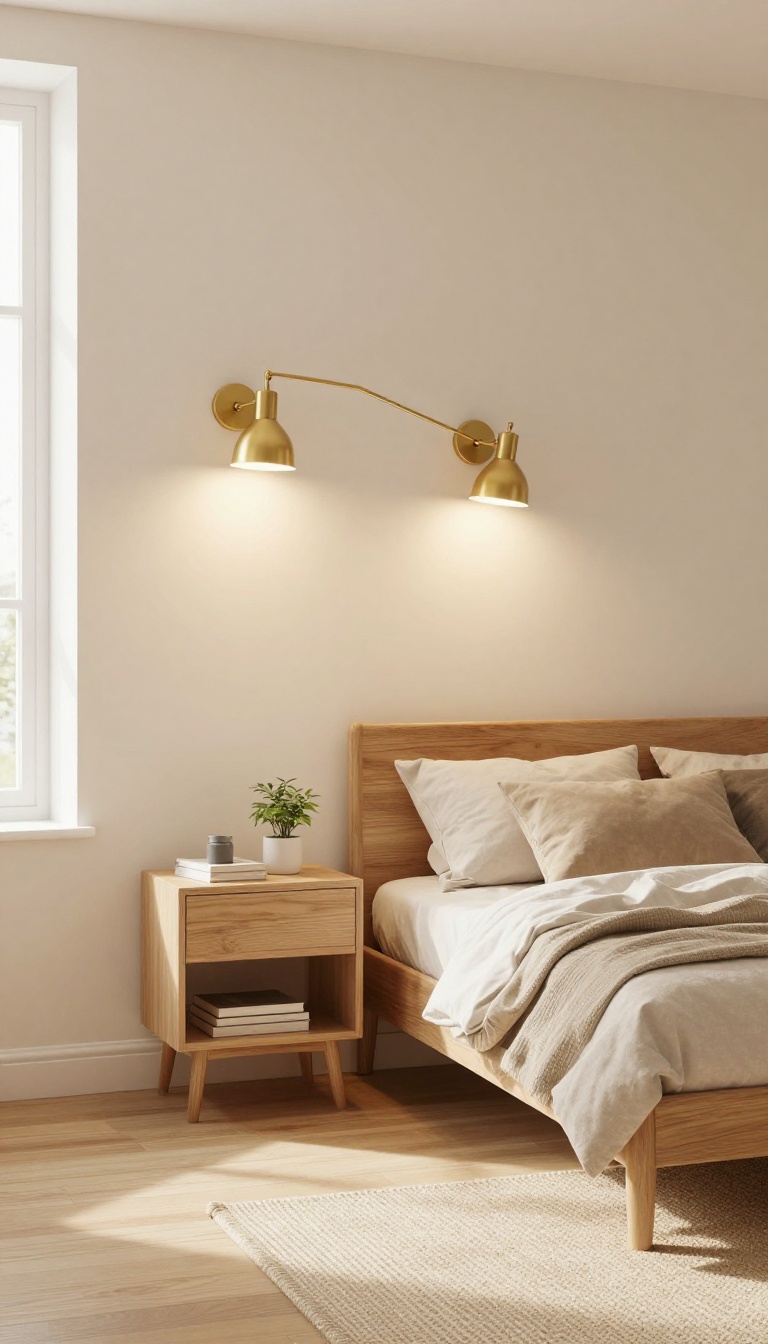
Nightstands in small bedrooms often end up buried under books, glasses, and phone chargers. A bulky table lamp only makes the clutter worse. Wall-mounted sconces or swing-arm lamps solve that by taking lighting off the surfaces entirely.
They attach directly to the wall, so you get light exactly where you need it without sacrificing precious real estate. Plus, they add a warm, collected glow that makes the room feel cozy and intentional.
Wall-mounted lamps come in a variety of styles, from industrial swing arms to minimalist sconces. They're perfect for small rooms because they free up nightstand space and can be positioned to suit your reading or relaxing needs. The key is to choose a fixture that complements your room's aesthetic and provides the right amount of light.
Pick The Right Style
Think about the overall vibe of your bedroom. A brass swing-arm lamp adds a vintage touch, while a sleek black sconce feels modern. For a collected feel, mix materials—maybe a wood-backed sconce or a fabric shade.
The fixture itself becomes part of the decor, so choose something you love.
Positioning Matters
Mount sconces about 60 to 70 inches from the floor, or just above the nightstand height. For reading, position the lamp so the light shines over your shoulder, not directly into your eyes. If you have a bed with a headboard, you can mount them on the wall just outside the headboard for a balanced look.
Wiring Options
If you're renting or don't want to deal with electrical work, look for plug-in sconces with a cord that you can hide along the wall. Or choose battery-operated LED sconces that stick on without any wiring. Both options are easy to install and can be moved when you rearrange.
9. Incorporate Natural Textures
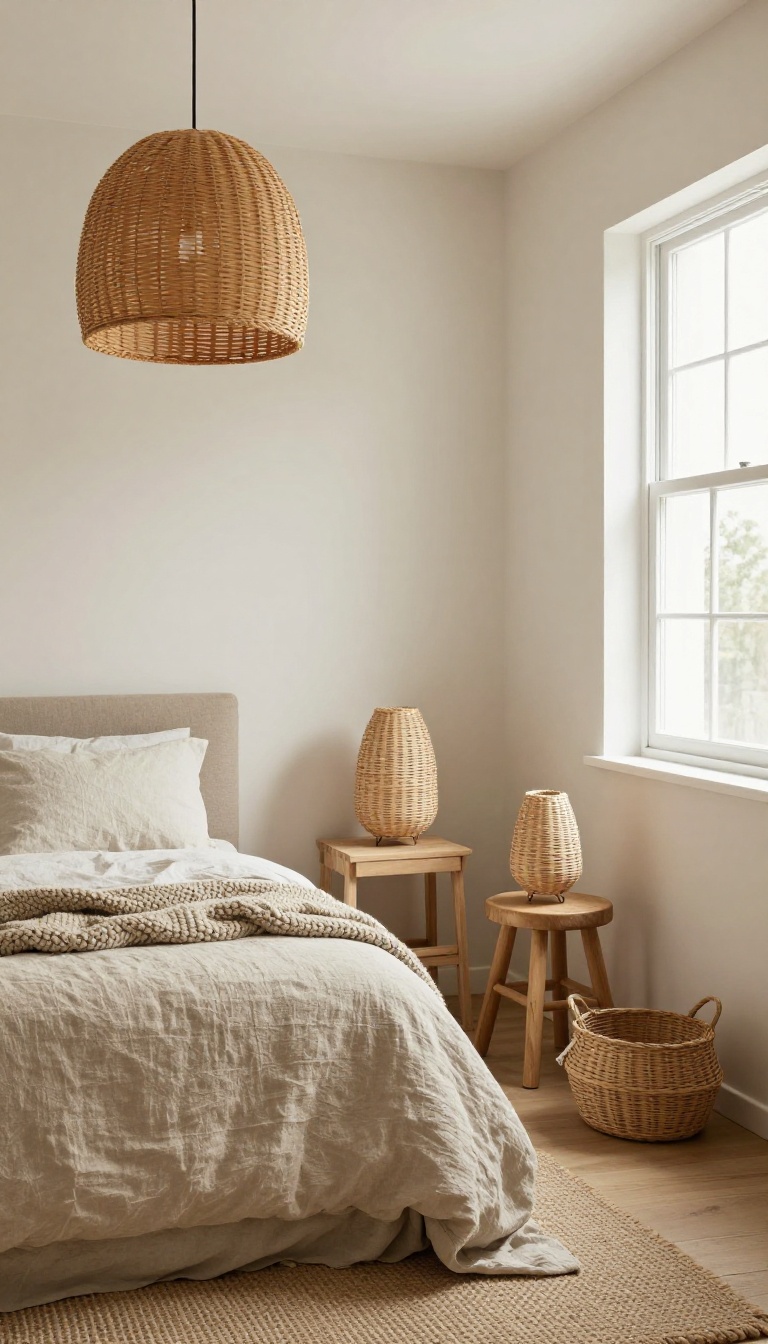
Bringing in natural materials is one of the easiest ways to make a small bedroom feel grounded and welcoming. Wood, rattan, and linen add a tactile warmth that instantly softens the space, making it feel more like a retreat. You don't need to overhaul the room—just a few well-chosen pieces can do the trick.
Start With The Bedding
Swap synthetic sheets for linen or cotton with a slubby texture. A chunky knit throw or a woven blanket at the foot of the bed adds depth and invites you to touch it. Layering different natural fabrics creates a relaxed, collected look without much effort.
Add Wood And Rattan Accents
A wooden stool as a nightstand, a rattan pendant light, or a bamboo shelf brings organic lines into the room. These pieces don't take up much visual space, so they're perfect for small areas. Mixing light and dark woods adds contrast and keeps things interesting.
Use Baskets For Storage
Woven baskets are both practical and pretty. Tuck one under a bench for extra blankets, or use a tall one in the corner for laundry or extra pillows. They help reduce clutter while adding a natural, earthy touch that fits the collected vibe.
10. Create a Gallery Wall with Personal Art
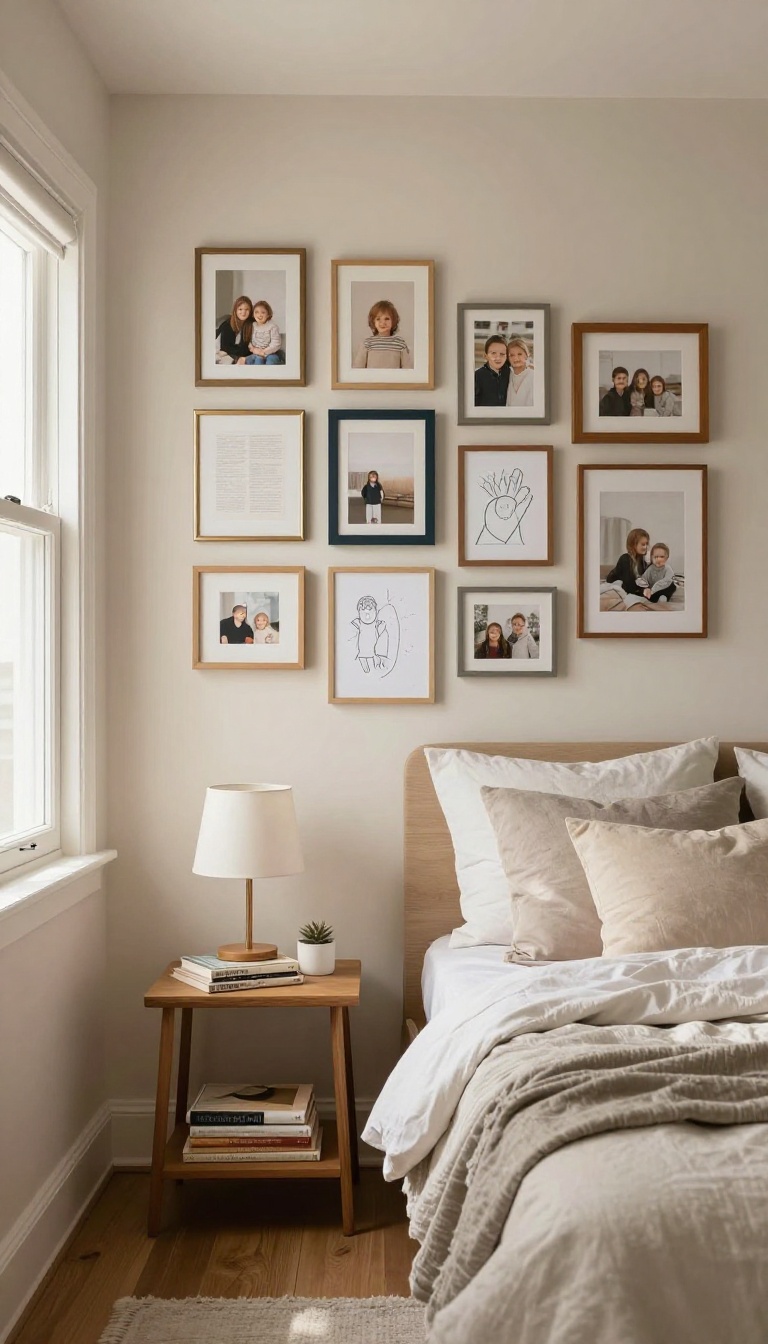
When floor space is tight, your walls become prime real estate. A gallery wall is a clever way to add layers of personality without sacrificing an inch of floor. It’s like hanging your favorite memories and inspirations right where you can see them every day.
You don’t need to be an art collector to pull this off. Mixing family photos, postcards, kids’ drawings, or even pages from old books can create a wall that feels curated and meaningful. The key is to treat it like a composition, not just a random assortment.
Start by gathering a mix of frames and prints that speak to you. You can thrift frames for a few dollars and spray-paint them the same color for a cohesive look, or keep them mismatched for a more eclectic vibe. Lay everything out on the floor first to play with the arrangement before you commit to hammering nails.
A gallery wall works best on a wall that’s visible when you walk in or lie in bed. It becomes a focal point that draws the eye upward, making the ceiling feel higher and the room more expansive. Plus, it’s a great conversation starter when guests peek in.
Mix Frame Styles For A Collected Look
Don’t stress about matching every frame perfectly. A mix of wood, metal, and painted frames adds texture and feels more organic. Try combining a few large pieces with smaller ones to create visual balance.
If you’re unsure, stick to a unifying element like a color or material—say, all black frames or all natural wood—to keep it from feeling chaotic.
Plan Your Layout Before Hanging
Use kraft paper or newspaper to trace each frame’s outline, cut them out, and tape them to the wall. This lets you test different arrangements without making extra holes. Aim for a layout that feels balanced but not too symmetrical.
A little asymmetry makes it look more effortless and collected.
Incorporate Personal Touches
Your gallery wall should tell your story. Include a ticket stub from a favorite concert, a pressed flower from a hike, or a handwritten note. These small items add a layer of intimacy that store-bought art can’t replicate.
If you’re worried about clutter, keep the rest of the room simple so the wall can shine.
11. Use a Bench or Stool at the Foot of the Bed
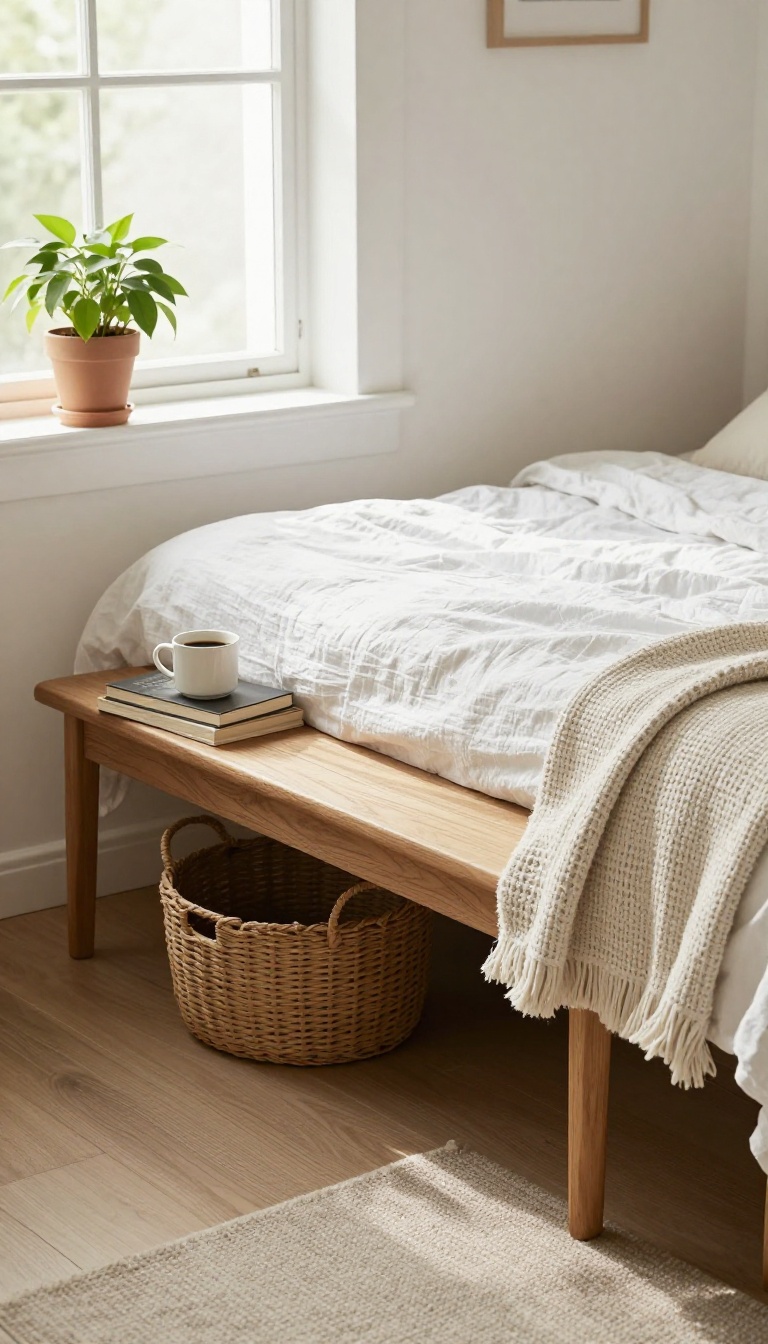
A bench or a couple of stools at the foot of the bed can be a game-changer in a small bedroom. It gives you a spot to sit while putting on shoes, a place to toss a throw or extra pillows, and it makes the room feel more complete. Plus, it's a practical way to add seating without taking up much floor space.
When you're working with a small room, every piece of furniture needs to earn its keep. A bench or stool does that by offering extra seating and a surface for everyday items. It also breaks up the visual monotony of the bed and adds a layer of style.
Choose a slim bench that doesn't stick out too far, or go with two small stools that can be tucked under a console or used as side tables when needed.
Pick The Right Size And Style
Measure the width of your bed and leave at least 12 inches of clearance on each side. A bench that's slightly narrower than the bed looks balanced. For style, think about the overall vibe: a upholstered bench adds softness, a wooden one brings warmth, and a metal one feels industrial.
If you're short on space, a couple of small stools can be just as effective and more flexible.
Make It Multi-functional
Use the bench as a landing spot for a tray with your morning coffee or a stack of books. Place a woven basket underneath to store extra blankets or off-season clothing. If you go with stools, they can double as nightstands or a place to rest a laptop.
The key is to think beyond just seating—this piece can work hard for you.
Style It For A Collected Look
Add a textured throw draped over one end and a couple of cushions that pick up colors from your bedding. A bench with a natural wood finish pairs well with a chunky knit throw. Or, if you have a vintage stool, let it stand out with a simple cushion.
The goal is to make it look like it's been there for years, not just bought yesterday.
12. Keep a Tray on Your Dresser for Daily Essentials
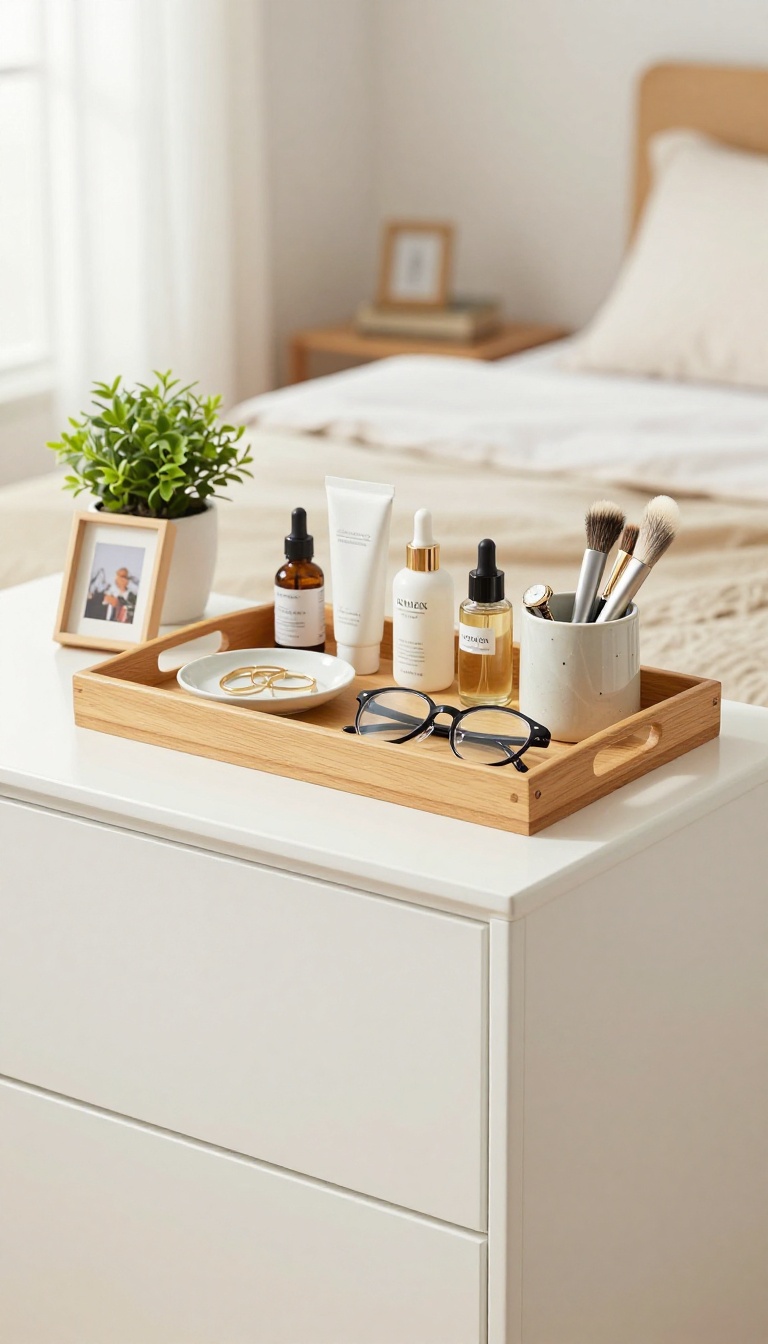
A dresser top can quickly become a catch-all for loose change, receipts, and random clutter. But with a simple tray, you can turn that same surface into a tidy, intentional spot that adds to the room's collected vibe. It's a small change that makes a big difference in how the space feels each morning.
A tray corrals the small items you reach for every day, so they're easy to find but don't visually clutter the room. It also gives you a designated place to put things down, which helps keep the rest of the dresser clear. Plus, the tray itself can be a decorative piece that adds texture and personality to your bedroom.
Pick A Tray That Fits Your Style
Look for a tray that matches the vibe of your room. A wooden tray adds warmth, a mirrored tray feels elegant, and a ceramic one can bring in color or pattern. Just make sure it's big enough to hold your daily items without overflowing.
Arrange Items With Intention
Group similar items together, like jewelry in one corner and glasses in another. Use small dishes or cups inside the tray to keep things separated and easy to grab. This not only looks neater but also saves you time when you're getting ready.
Keep It To The Essentials
The tray works best when it holds only what you use daily. If it starts to overflow, it's time to edit. A cluttered tray defeats the purpose, so be selective and store less-used items elsewhere.
13. Embrace a Dark, Moody Paint Color
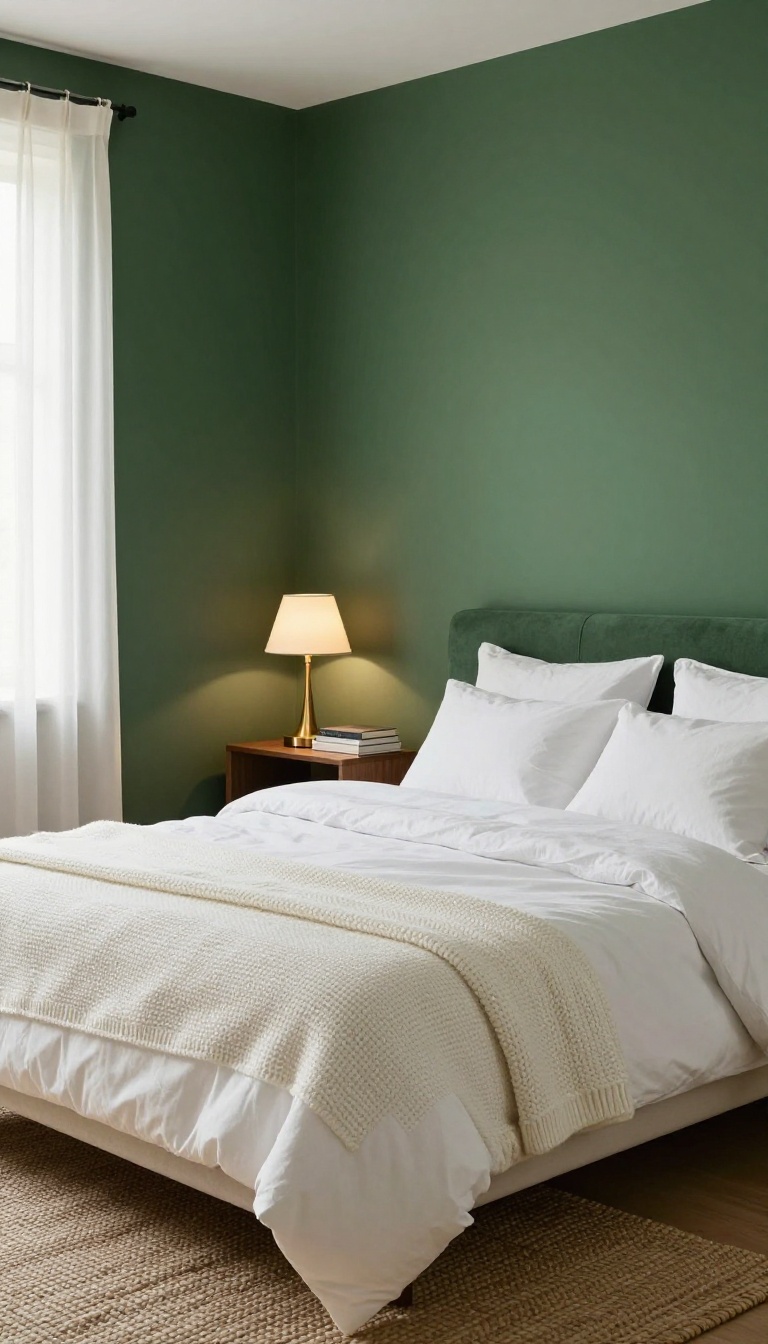
Dark paint might feel like a risk in a small room, but it can actually be your best friend. Deep shades like navy, forest green, or charcoal create a cocooning effect that wraps the room in warmth. Instead of making the space feel smaller, it blurs the edges and makes the walls recede, giving the room a cozy, intimate vibe.
When you paint a small bedroom in a dark color, you're not just adding color—you're setting a mood. The richness of the pigment absorbs light and softens the overall look, making the room feel like a retreat rather than a cramped box. Plus, dark walls are incredibly forgiving when it comes to hiding scuffs and stains, which is a win for any busy space.
Why Dark Works In Small Spaces
The trick is that dark colors make the walls less noticeable. Your eye naturally focuses on the bed and the furniture, not the boundaries of the room. This shift in focus makes the space feel more substantial and less boxed in.
It also adds a layer of sophistication that lighter shades often miss.
Choosing The Right Shade
Not all dark colors are created equal. For a small bedroom, look for shades with a hint of warmth—like a navy with a touch of green or a forest green with a brown undertone. These tones feel cozy rather than cold.
Avoid pure black or very cool grays, as they can feel stark and uninviting.
Balancing The Darkness
To keep the room from feeling like a cave, balance the dark walls with lighter bedding, rugs, and artwork. A crisp white duvet or a light linen throw can break up the darkness and add contrast. Also, make sure you have plenty of layered lighting—overhead, bedside lamps, and maybe a floor lamp—to keep the room from feeling gloomy.
FAQ
How can I make a small bedroom look bigger?
Use light colors, hang curtains high, and keep the floor clear. Mirrors also reflect light and create the illusion of more space.
What is the best bed for a small room?
A bed with built-in storage, like drawers underneath, is ideal. Consider a platform bed to save space and add function.
How do I add a collected feel without clutter?
Choose a few meaningful items and display them on shelves or a tray. Rotate pieces seasonally to keep the look fresh without overcrowding.
Can I use dark colors in a small bedroom?
Yes, dark colors can make a room feel cosy and intimate. Pair them with good lighting and light bedding to balance the mood.
What type of lighting works best for a small bedroom?
Use layered lighting: overhead for general light, task lighting for reading, and accent lighting like sconces to create warmth.
Conclusion
Creating a cosy, collected bedroom doesn't require a lot of space or money. It's about making thoughtful choices that add warmth and personality. Start with one or two ideas that resonate with you and build from there.
Remember, the best rooms evolve over time. Mix what you love, keep what works, and let your space reflect who you are. With these tips, your small bedroom can become your favourite spot in the house.