13 Bedroom Ideas for Boys Who Need a Small Flexible Setup
Designing a bedroom for a boy who needs flexibility means thinking beyond a standard bed and dresser setup. The goal is to create a space that adapts as he grows, switching between sleep, study, and play without a major overhaul.
These 13 ideas focus on compact, multi-use pieces that save floor space and keep clutter in check. Whether you're working with a tight budget or just want smarter layouts, each suggestion is practical and easy to pull off.
Let's look at ways to make the room work harder for him.
1. Loft Beds with Built-In Desk
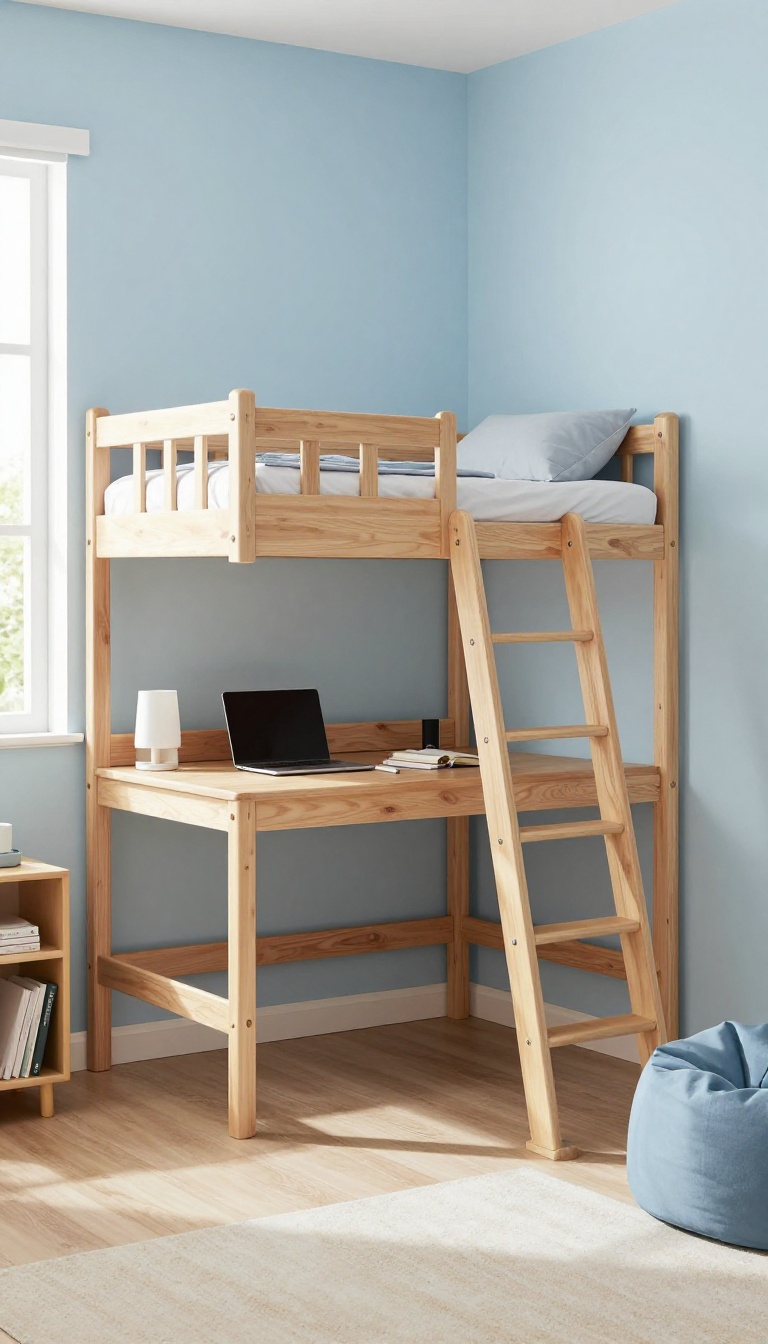
When floor space is tight, going vertical is the smartest move. A loft bed raises the sleeping area, leaving the ground level open for a desk, a reading nook, or a spot to dump LEGO creations. It’s a classic small-room solution that doubles as a study zone without eating up extra square footage.
Loft beds with built-in desks are a practical investment for a growing boy. They combine two essential functions in one footprint, which is ideal for rooms that need to do double duty. Plus, kids often love the novelty of climbing up to their bed—it feels like a fort or a treehouse, making bedtime a little more fun.
Why It Works For Small Spaces
A loft bed instantly frees up the entire floor area underneath. That space can hold a desk, a small bookshelf, or even a beanbag chair for lounging. In a room that’s only 8 by 10 feet, this setup can make the difference between feeling cramped and feeling spacious.
Choosing The Right Model
Look for a loft bed with a sturdy built-in desk that’s the right height for your child. Some models come with shelves and drawers, which add extra storage without taking up more room. If the desk is too small, you can always slide a separate table underneath, but make sure there’s enough legroom.
Safety And Comfort Considerations
Make sure the loft bed has guardrails on all sides and a secure ladder. The desk area should have good lighting, either from a nearby window or a clip-on lamp. Also, check the weight limit to ensure it can hold your child plus any gear he might stash up top.
2. Modular Storage Cubes
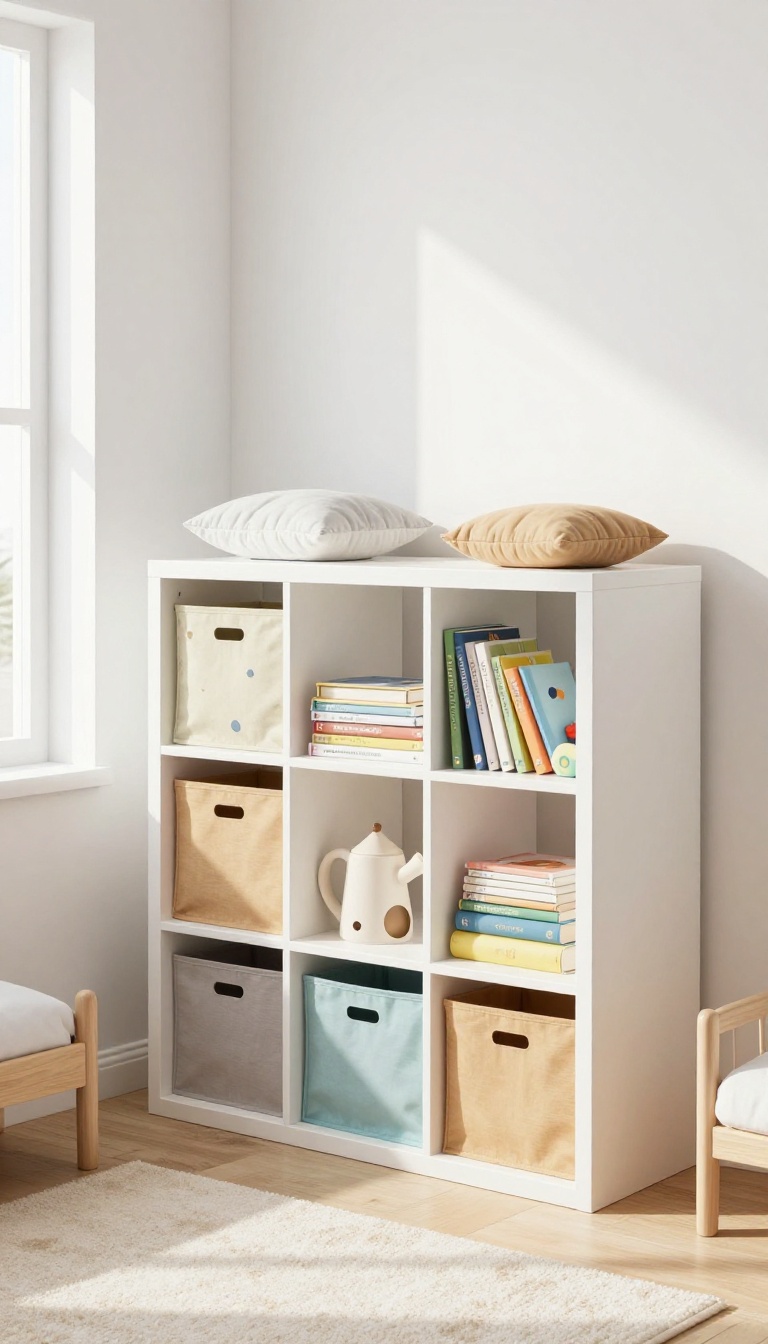
Storage cubes are the chameleons of kids' rooms. They start as toy bins, morph into bookshelves, and can even become a bench when you flip them on their side. Because they're modular, you can stack, rearrange, or add more as your son's interests shift.
The beauty of modular cubes is their adaptability. You can buy a few now and expand later without repainting or buying new furniture. They're lightweight, so a kid can move them around to create forts, display LEGO builds, or organize a growing collection of sports cards.
Plus, the open bins make cleanup easy—just toss everything in and slide it out of sight.
Start With A Simple Grid
Begin with a basic 2×2 or 2×3 cube unit. Use fabric bins for smaller toys and open shelves for books or a favorite action figure display. This gives structure without locking you into one layout.
As he grows, swap the bins for baskets or leave shelves open for trophies and art projects.
Make It Multi-functional
Flip a cube unit on its side and add a cushion on top for a window seat or extra seating when friends come over. Use the cubbies underneath for shoes, games, or extra bedding. This trick saves floor space and gives him a cozy corner to read or chill.
Go Vertical For Small Rooms
If floor space is tight, stack cubes to the ceiling. Tall units store more without taking up extra floor area. Anchor them to the wall for safety, and use the top shelves for items he doesn't need daily, like seasonal clothes or keepsakes.
This keeps the room feeling open and airy.
3. Wall-Mounted Shelves and Hooks
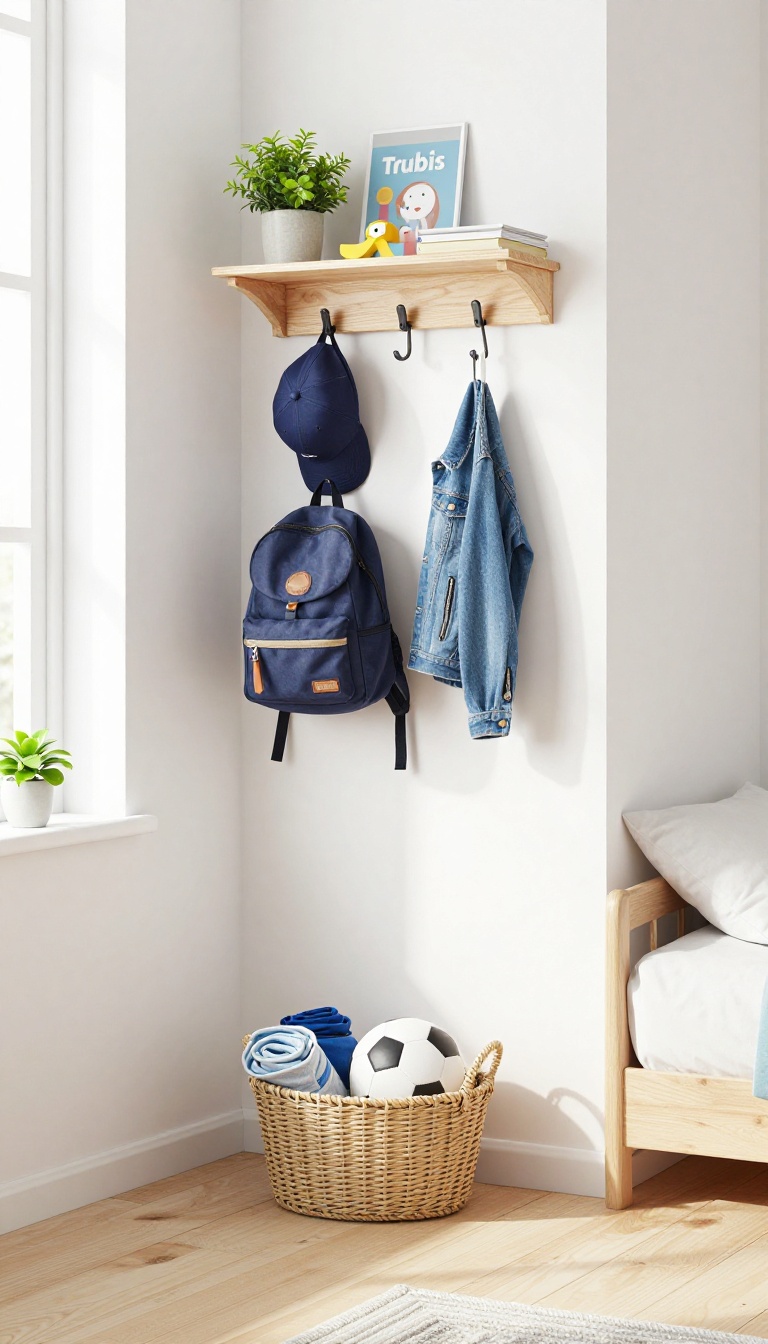
When every square foot counts, look up. Wall-mounted shelves and hooks turn empty vertical space into a landing zone for his daily gear. This keeps the floor clear and makes it easy for him to grab things on the go.
A few well-placed shelves and a row of sturdy hooks can do a lot in a small room. They give him a spot for backpacks, hats, jackets, and even a few favorite books or toys. The key is to keep everything within reach and make it part of the room’s natural flow.
Pick The Right Height
Mount shelves and hooks at his eye level, not yours. That way he can actually use them without asking for help. For a younger boy, that might be around three feet off the ground.
For a teen, higher is fine. Adjust as he grows.
Mix Open Shelves With Closed Storage
Open shelves are great for displaying things he’s proud of, like trophies or Lego builds. But they can also get messy fast. Add a few baskets or bins to corral smaller items.
That way, the shelves look tidy even when they're full.
Use Hooks For The Daily Stuff
Hooks are perfect for the things he uses every day. Hang a backpack by the door, a jacket near the bed, or a hat by the desk. Just make sure the hooks are strong enough to hold the weight.
A simple row of three or four hooks can make a big difference.
Keep It Flexible
Don't nail everything down permanently. Use adhesive hooks or shelves that can be moved easily. That way, when his interests change or he needs a different layout, you can switch things up without patching holes.
4. Fold-Down Desk or Murphy Desk
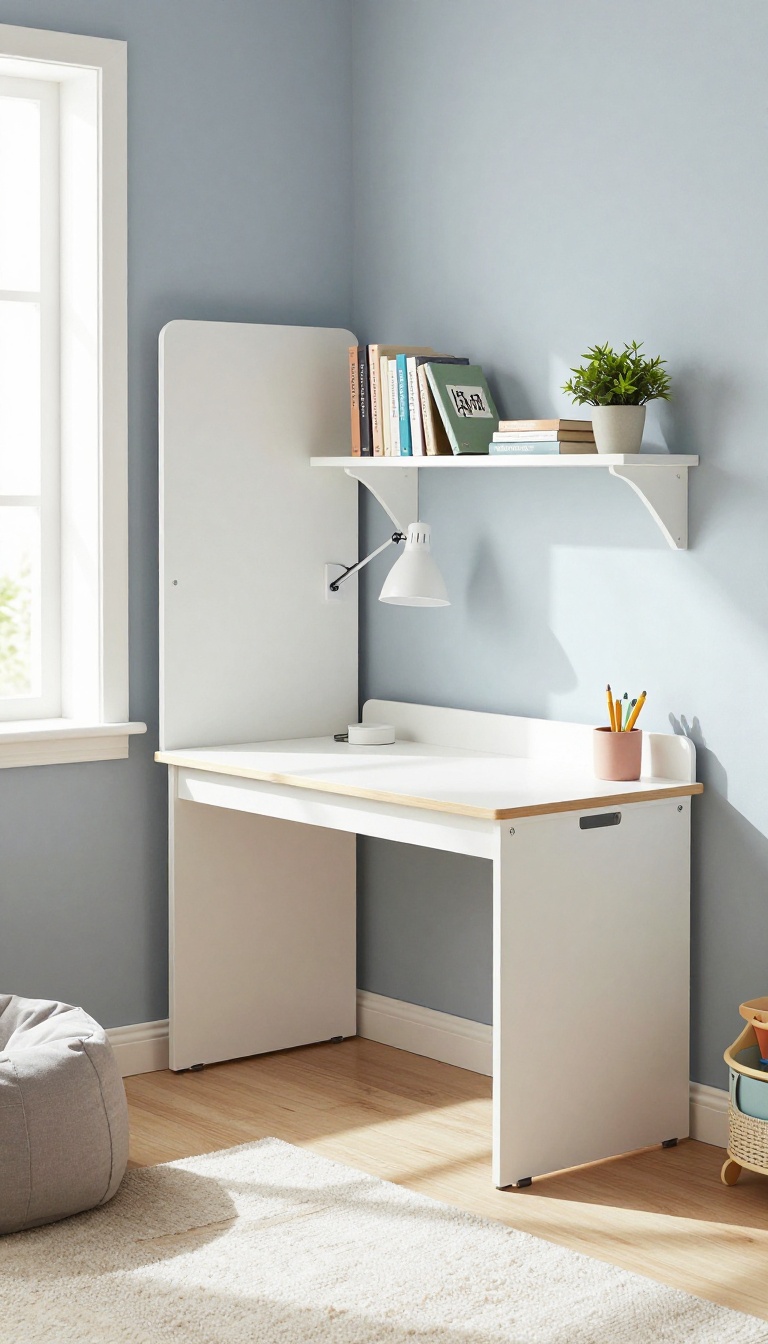
A fold-down desk is a game-changer for a small bedroom that needs to multitask. It gives him a proper workspace when he needs it, then disappears when he doesn't. You get the function without the permanent footprint.
This setup is perfect for rooms where floor space is precious. During the day, it's a homework station with everything within reach. After school, fold it up and the room instantly becomes a play zone.
The key is to make it feel intentional, not like a temporary afterthought.
Why It Works For Small Rooms
A fold-down desk attaches to the wall, so it takes up zero floor space when closed. That means more room for a beanbag chair, a small tent, or just open floor for building blocks. It also keeps the visual clutter down, which makes the room feel bigger and calmer.
Picking The Right Style
Look for a sturdy model with a solid hinge mechanism. A shelf above the desk can hold books and supplies, so he doesn't need a separate bookshelf. If you're handy, you can even build one with a plywood top and a couple of brackets.
Add a magnetic strip underneath for pens and clips.
Lighting And Accessories
Good lighting is non-negotiable. A wall-mounted lamp with an adjustable arm gives focused light without taking up desk space. Use a small caddy or cup holder attached to the side for pencils and markers.
That way, everything has a home, and cleanup is quick.
5. Trundle Bed for Sleepovers
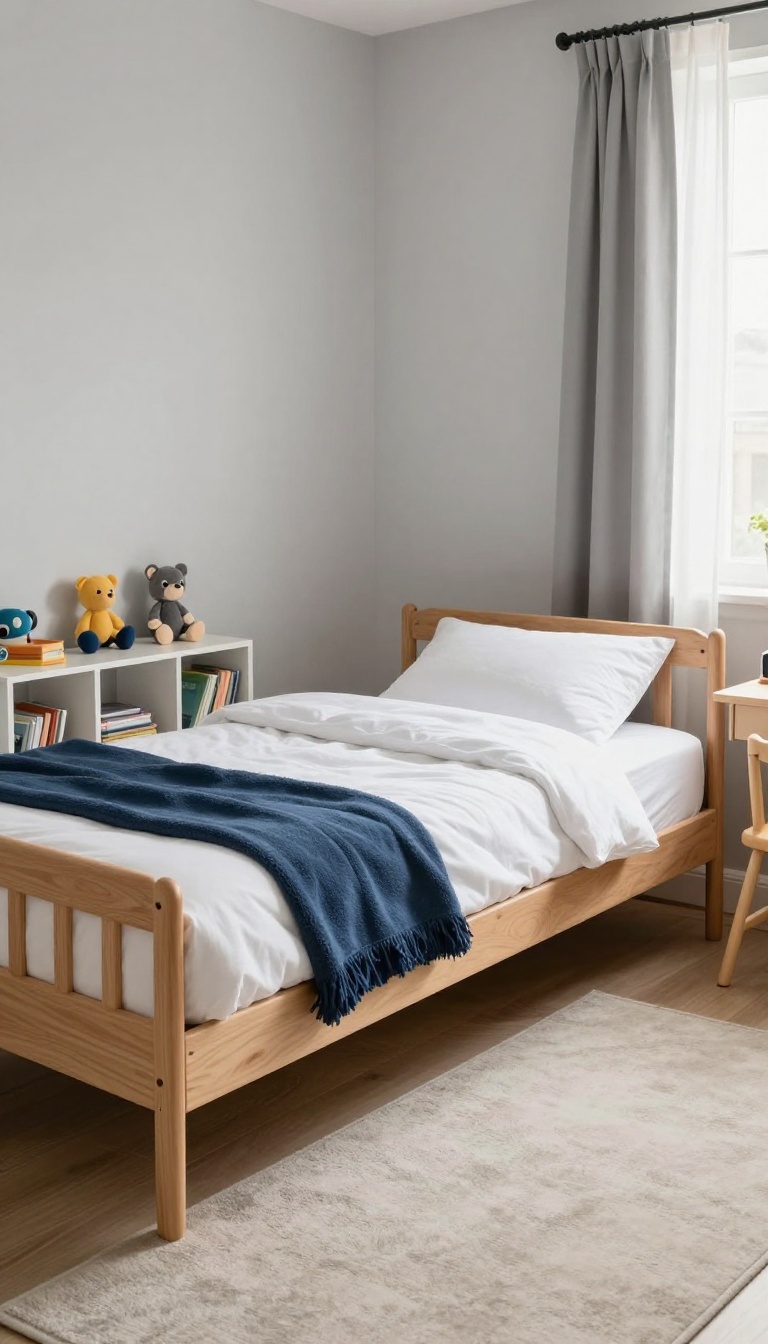
Sleepovers are a big deal for boys, but a spare bed isn't always practical. A trundle bed solves that by tucking a second mattress under the main frame. It's there when needed, invisible when not, and keeps the floor open for daytime play.
A trundle bed is a smart pick for a small, flexible bedroom. It gives you an extra sleep spot without sacrificing floor space. During the day, the trundle slides away, so the room still feels open and ready for action.
At night, just pull it out, and you've got a cozy spot for a friend or sibling. It's a simple solution that makes the room work harder for sleep and play.
Why A Trundle Works In A Small Room
The biggest win is the space savings. A trundle bed uses the same footprint as a single bed, so you're not adding a whole other bed frame. That leaves room for a desk, a play area, or just open floor space.
It's also great for rooms that double as a guest space or a hangout spot. Plus, many trundles come with storage drawers underneath, giving you a place for extra bedding or toys.
Choosing The Right Trundle Style
There are a few types to consider. A pop-up trundle lifts the second mattress to the same height as the main bed, which makes it more comfortable for older kids. A standard pull-out trundle sits lower, but it's fine for younger children.
You can also find trundles that work with a daybed or a loft bed, depending on the room's layout. Think about how often it'll be used and who'll be sleeping on it.
Making It Comfortable And Fun
A trundle bed can be more than just a spare mattress. Add a cozy mattress topper and some fun pillows to make it inviting. Let your son pick out a themed blanket or a set of sheets he likes.
You could even add a small curtain or canopy around the trundle to give it a fort-like feel. That way, it's not just a backup bed—it's part of the adventure.
Safety And Practical Tips
Make sure the trundle bed has a sturdy frame and a locking mechanism so it stays in place when pulled out. Check that the mattress fits snugly and isn't too thick, or it might not slide under the main bed. Keep the area around the trundle clear so it can open fully.
And when it's not in use, it's a good spot to store extra pillows or a sleeping bag.
6. Multi-Functional Furniture (e.g., Bed with Drawers)
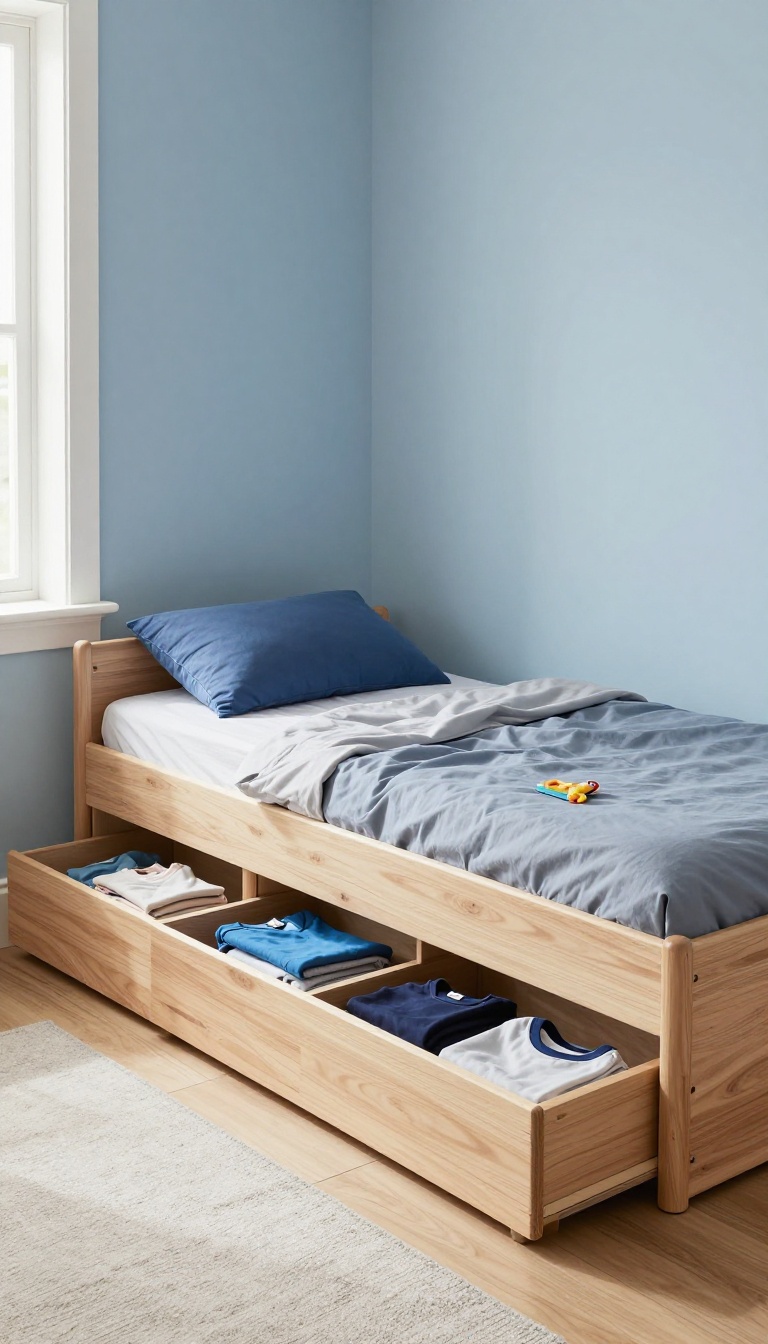
When space is tight, every piece of furniture should earn its keep. Multi-functional pieces like a bed with built-in drawers or a loft bed with a desk underneath can completely change how the room works. They combine two or more functions into one footprint, freeing up floor space for play or study.
This approach is especially useful for boys who need a room that can shift from sleeping to homework to hanging out without feeling cramped.
Start by identifying what functions the room needs most—sleeping, storage, studying, or playing. Then look for furniture that can handle two of those at once. A bed with drawers underneath is a classic choice because it replaces a bulky dresser.
Loft beds are another winner: they lift the sleeping area and create a spot below for a desk, a reading nook, or even a mini fort. Even simple pieces like an ottoman with storage or a desk with built-in shelves can make a big difference. The key is to choose quality pieces that will last and actually get used, not just trendy gadgets.
Bed With Drawers: The Classic Space Saver
A bed with drawers built into the base is one of the easiest ways to add storage without taking up extra floor space. These drawers are perfect for clothes, toys, or extra bedding. They slide out smoothly and keep everything within reach.
When shopping, look for sturdy drawer slides and solid construction—kids can be rough on furniture. This option works best when you want to eliminate a separate dresser and free up wall space for other things.
Loft Beds: Sleep Up, Play Down
Loft beds are a game-changer for small rooms. They raise the mattress high enough to create a usable area underneath. That space can hold a desk, a beanbag chair, or even a small play tent.
For boys who love to build or read, a cozy corner under the loft becomes their private hideaway. Just make sure the bed is rated for his weight and that the ladder is secure. Also, consider the ceiling height—loft beds need enough headroom to sit up safely.
Combining Storage With Study Areas
Another smart approach is to combine storage with a study zone. For example, a desk with built-in shelves or a hutch gives him a place to do homework and store books and supplies. Some desks even have a pull-out keyboard tray or a side cabinet.
If you're short on space, a wall-mounted desk that folds down can work, but a dedicated desk with storage is more practical for daily use. Look for pieces that have a clean, uncluttered look so the room doesn't feel overcrowded.
7. Corner Desk Setup
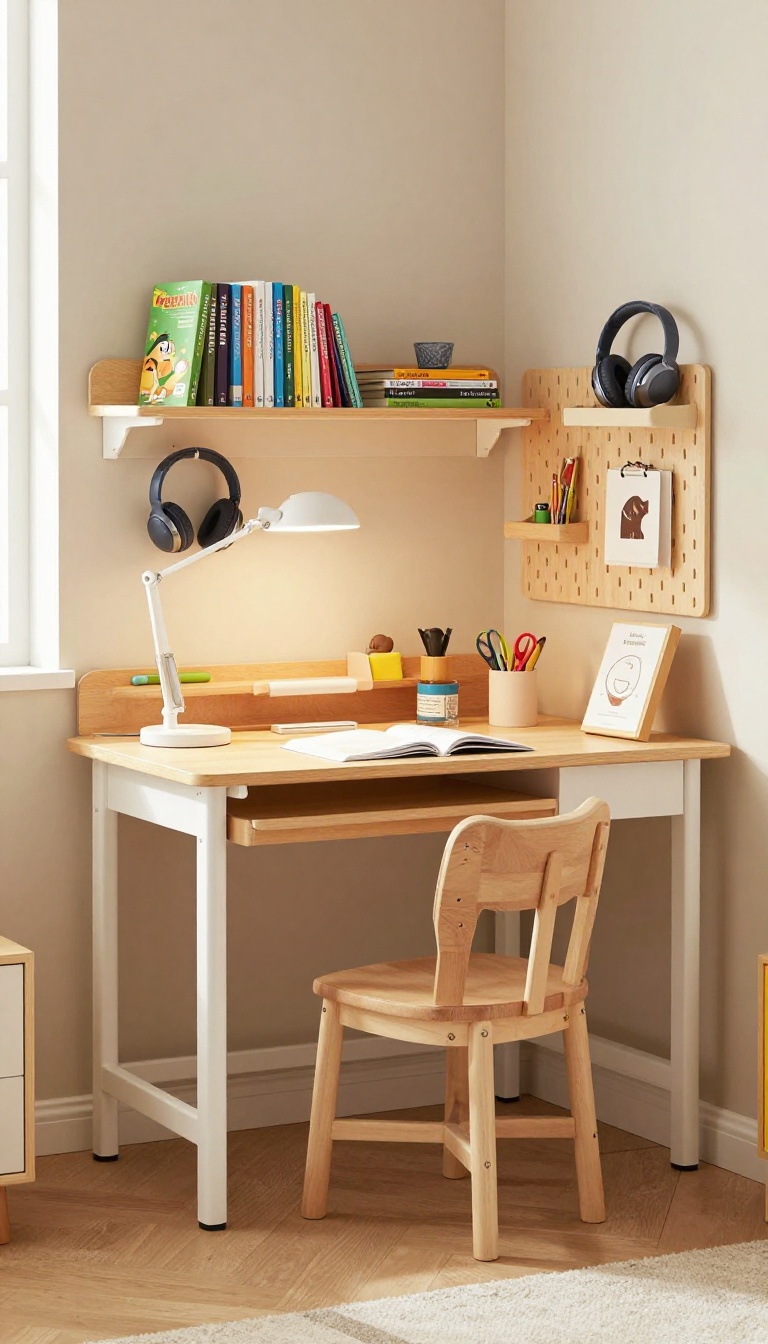
Corners often become dumping grounds for random toys and clothes. Turning that wasted space into a compact desk gives him a clear spot for homework or hobbies. It also keeps the center of the room open for playing and moving around.
A corner desk setup is a smart way to add function without sacrificing floor space. Choose a desk that fits snugly into the corner, and pair it with a small chair that can tuck underneath when not in use. This creates a dedicated study area that doesn't dominate the room.
Pick The Right Corner Desk
Look for a desk with a triangular or L-shaped top that maximizes the corner footprint. If space is really tight, a wall-mounted fold-down desk works well too. Measure the corner to ensure the desk fits without blocking windows or doors.
Keep It Organized
Add a few shelves above the desk for books and supplies, and use a small caddy or drawer organizer to keep pens and papers in check. A pegboard on the wall next to the desk is great for hanging headphones, scissors, or other frequently used items.
Make It Comfortable
Choose a chair that's the right height and provides good support. A simple stool or an ergonomic chair with wheels can work, as long as it slides under the desk easily. Add a small desk lamp with adjustable brightness to reduce eye strain during homework sessions.
8. Hanging Organizers for Closet or Door
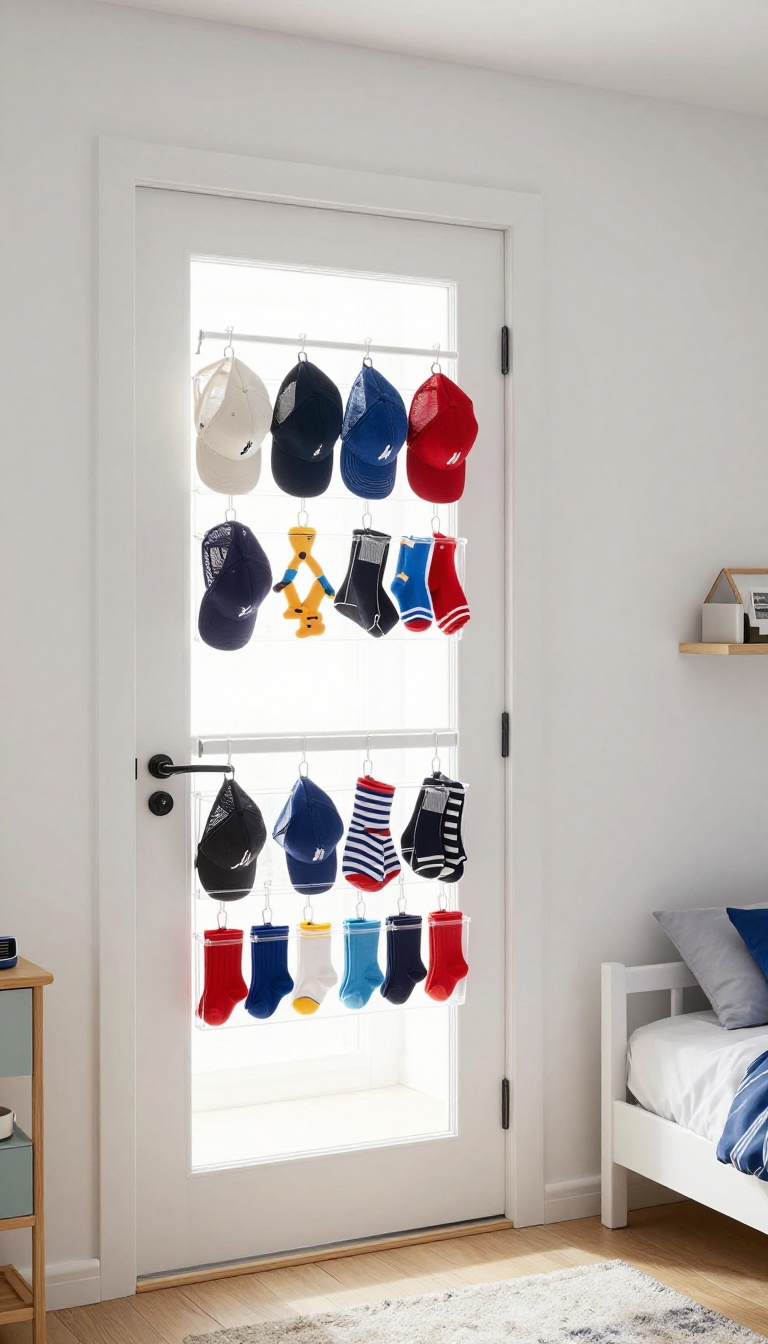
If the closet is already packed and the floor is covered with toys, hanging organizers offer a quick fix. They use vertical space that often goes ignored, turning a door or closet rod into extra storage. This is especially handy for items that tend to scatter, like shoes, hats, or small art supplies.
Hanging organizers come in many styles, from clear pocket versions to fabric ones with multiple compartments. They're easy to install—just hook them over a door or hang them from a closet rod. No tools required, which makes them perfect for renters or anyone who wants a no-commitment storage solution.
These organizers work best for lightweight items. Think socks, underwear, belts, or small toys. Avoid loading them with heavy books or bulky sweaters, as that can strain the hooks or door.
For a boy's room, they can also hold sports gear like baseball caps or swim goggles, keeping them visible and within reach. One of the biggest perks is that everything is out in the open. No more digging through a drawer to find a matching pair of socks.
Plus, kids can easily see what's stored, which helps them put things back in the right spot—most of the time, anyway.
Pick The Right Style
Clear pocket organizers are great for seeing contents at a glance, which helps kids find things fast. Fabric ones with solid pockets look tidier but can hide items. Mesh options offer a middle ground.
Consider the door type too—standard doors work with over-the-door hooks, but sliding closet doors may need a hanging version that fits over the top edge.
Assign Zones
Use different rows or pockets for different categories—shoes on the bottom, accessories in the middle, and art supplies up top. Labeling each pocket with a marker or tape can help younger kids remember where things go. This turns the organizer into a simple system that keeps the room tidy without much effort.
Keep It Light And Safe
Don't overload the organizer. Heavy items can pull the door off its hinges or damage the closet rod. Stick to lightweight gear and check the hooks regularly for wear.
If using on a bedroom door, make sure it doesn't block the door from closing fully or hit the frame when opened.
9. Wall-Mounted Fold-Out Table
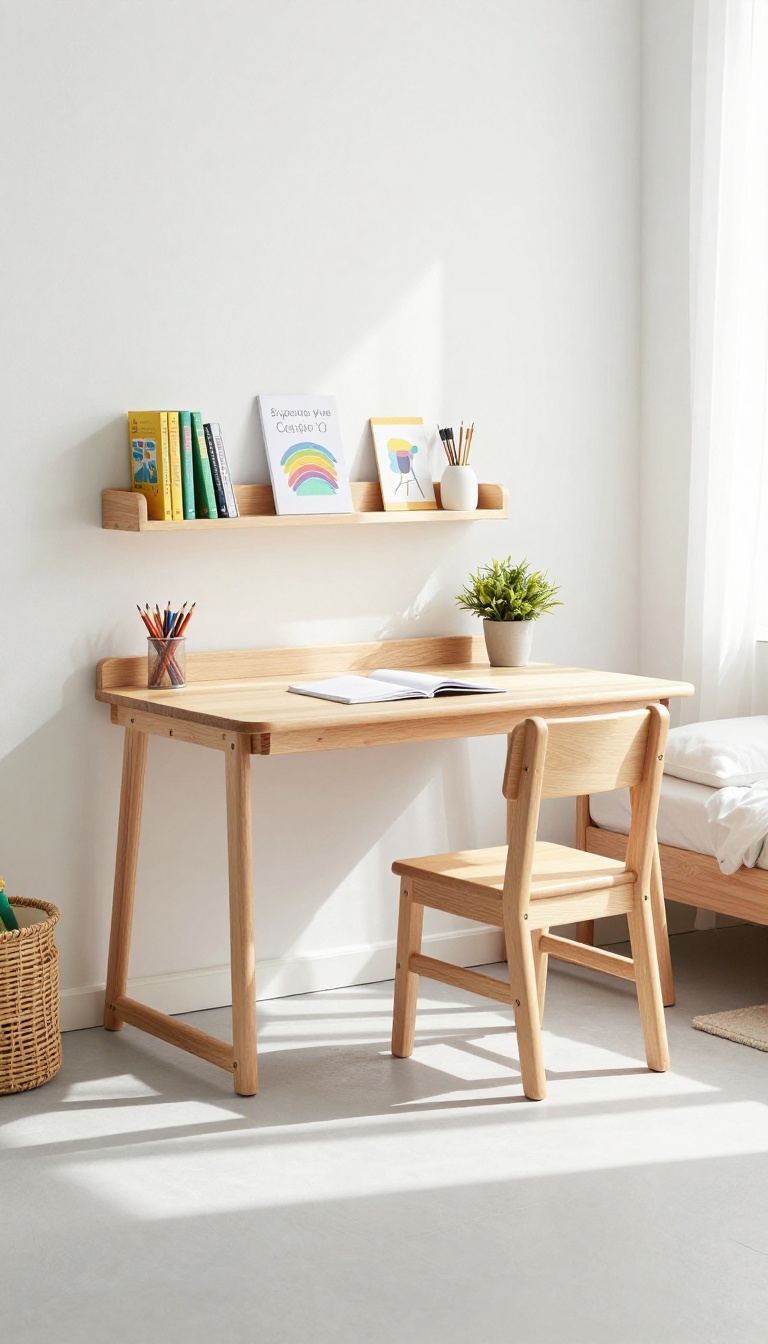
A wall-mounted fold-out table is a smart pick when floor space is precious. It gives him a dedicated spot for homework, hobbies, or snacks, and then disappears when he needs room to move. The trick is choosing the right size and height, plus a sturdy hinge that can handle daily use.
This table is all about flexibility. Mount it at desk height for study sessions, or lower it for a craft table or game surface. When it's folded up, it's out of the way, leaving the floor clear for play or extra seating.
You can even add a few hooks or a small shelf above it to keep supplies within reach.
Pick The Right Size And Height
Measure the wall space you have and think about what he'll use it for. A standard desk height is around 29-30 inches, but if he's younger, you might want it lower. Consider a table that folds down to about 4-6 inches deep when closed, so it doesn't stick out too much.
Also, check the weight limit—make sure it can hold a laptop, books, or art supplies without sagging.
Add A Pull-out Leg For Extra Support
Many fold-out tables come with a folding leg that swings out for stability. This is key if he'll be writing or using a computer, because it prevents the table from bouncing. If the table doesn't have one, you can add a simple hinged leg or use a sturdy bracket system.
Just make sure it locks securely when open.
Style It To Match The Room
A wall-mounted table doesn't have to look utilitarian. Choose a wood finish that matches his other furniture, or paint it a fun color. You can also add a small cushion or a piece of felt on top to protect it from scratches.
When folded, it can double as a display shelf for a small plant or a favorite toy.
10. Under-Bed Storage Bins
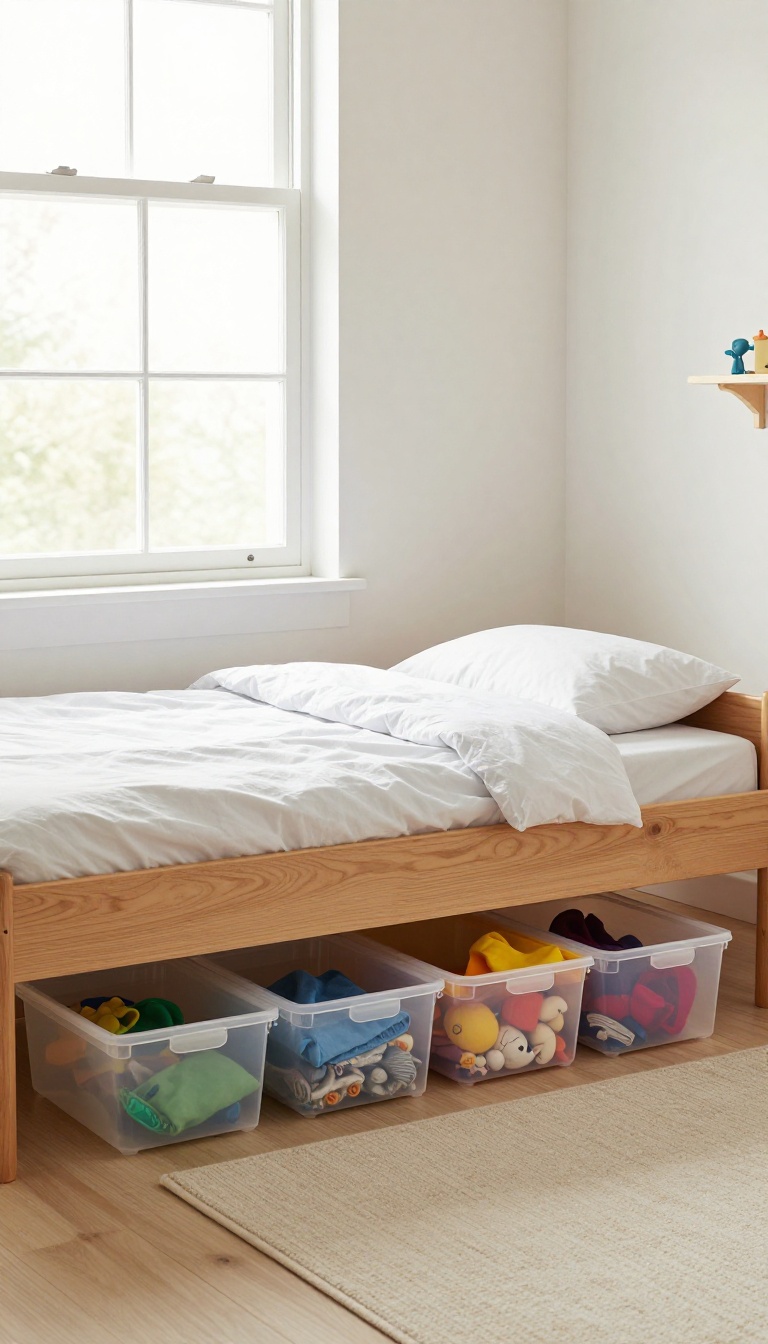
When floor space is at a premium, the area under the bed often goes unused. Rolling bins turn that dead zone into a smart storage spot that keeps the room looking neat without taking up extra square footage. They're a simple, low-cost solution that can adapt as his needs change.
Rolling bins under the bed work well for toys, out-of-season clothes, or extra bedding. Because they're on wheels, he can slide them out easily and tuck them back in without a struggle. This hidden storage keeps the room tidy and makes it easy for him to swap items as needed, so the setup stays flexible.
Pick The Right Bin Size
Measure the clearance under the bed before buying. Low-profile bins are best if there's not much space, while taller ones can hold bulkier items. Clear bins let him see what's inside, while colored ones hide messes.
Choose a set that fits snugly but still rolls smoothly.
Label For Quick Access
Use simple labels like 'LEGO' or 'Winter Clothes' so he knows where things go. This encourages him to put items back and find them later without dumping everything out. If he's too young to read, use pictures or color-coded bins to make it intuitive.
Make It A Habit
Set a rule that toys go back in the bins before bed or after playtime. With bins on wheels, cleanup becomes a quick push-and-roll instead of a chore. Over time, this routine keeps the room from turning into a disaster zone and teaches him to stay organized.
11. Chalkboard or Whiteboard Wall
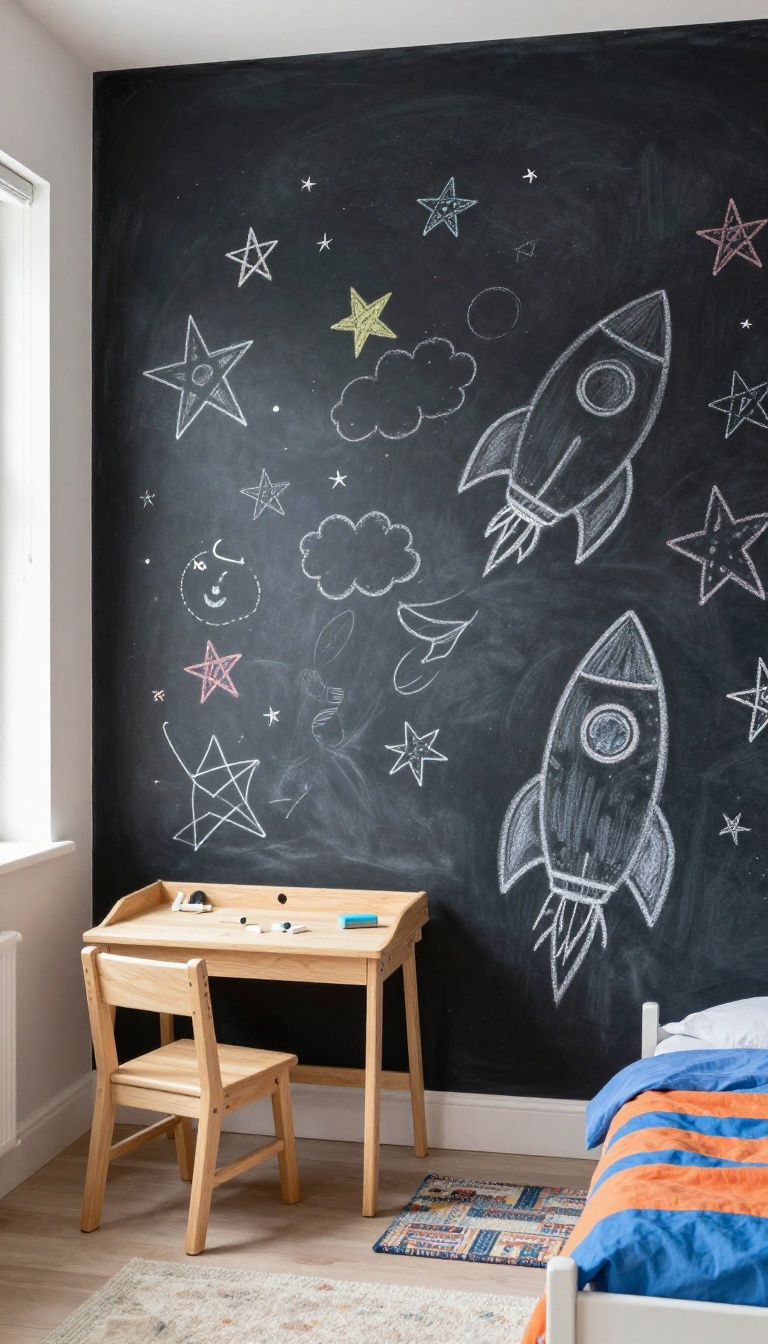
A chalkboard or whiteboard wall turns an ordinary bedroom into a creative studio. It gives him a dedicated spot to doodle, practice spelling, or sketch out ideas without wasting paper. Plus, it adds a fun, interactive element that can change with his interests.
Painting one wall with chalkboard or whiteboard paint is a budget-friendly way to add a huge creative surface. It's perfect for kids who love to draw or write, and it keeps messes contained to one area. You can use it for homework help, leaving notes, or just letting imagination run wild.
The best part? It's easy to update the look by simply wiping it clean and starting fresh.
Choosing The Right Wall
Pick a wall that's easily accessible and has enough clear space for him to stand or sit comfortably. A wall near his desk or bed works well. Avoid walls with lots of outlets or light switches, as they can interrupt the drawing surface.
If you're worried about paint smell, use low-VOC chalkboard paint and let it cure for a few days before use.
Picking The Right Paint
Chalkboard paint is classic, but whiteboard paint is another option. Chalkboard is great for a rustic, tactile feel, while whiteboard is smoother and easier to erase. You can also buy magnetic paint as a base layer to let him hang artwork or notes with magnets.
Think about what he'll use it for most and choose accordingly.
Making It Flexible
Turn the wall into a multi-purpose zone by adding a small shelf for chalk, markers, and erasers. You can also attach a string or a small tray to hold supplies. If he outgrows the drawing phase, you can easily paint over it with regular paint later.
That's the beauty of this idea—it's not permanent, so it can change as he does.
12. Bean Bag Chairs or Floor Cushions
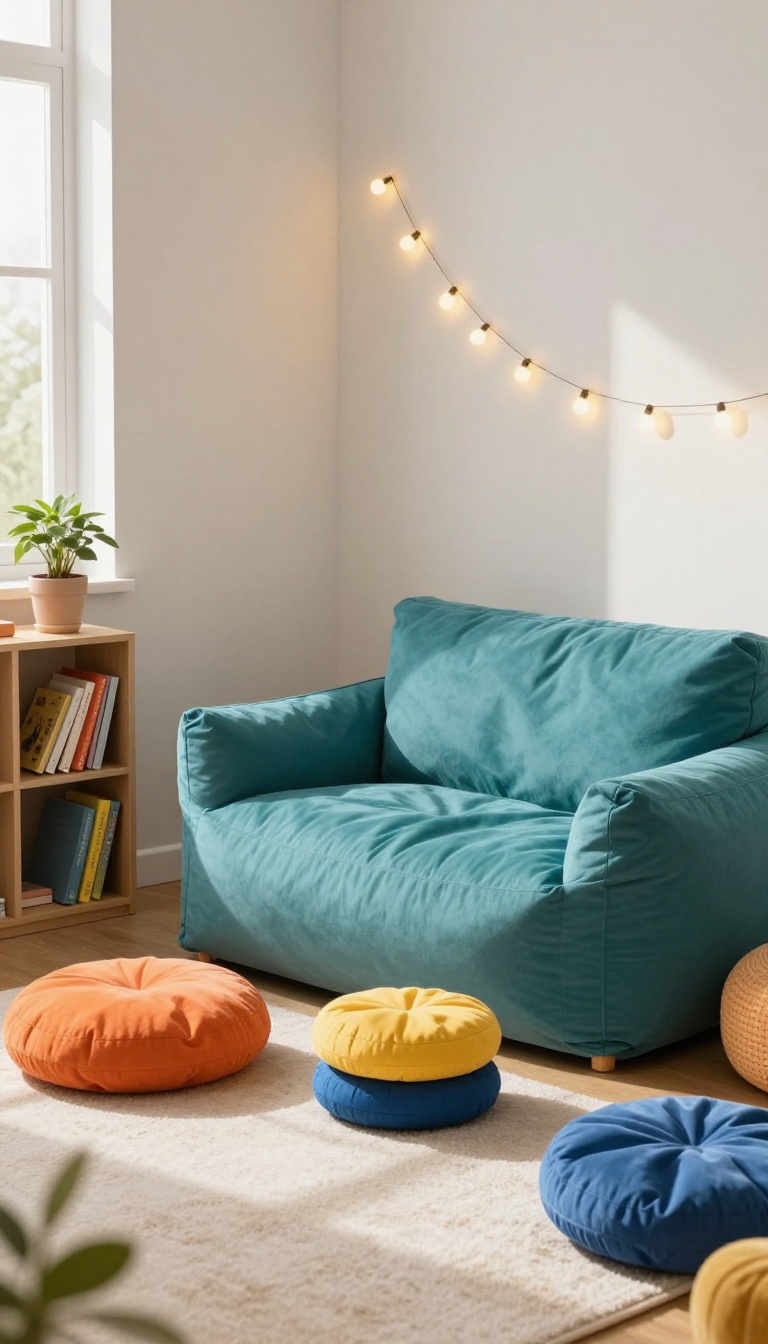
When a bedroom needs to shift from homework zone to hangout spot in minutes, flexible seating is the answer. Bean bags and floor cushions are light enough for a kid to drag across the room, and they stack neatly in a corner when it's time to clear the floor. They're also a budget-friendly way to add color and comfort without committing to bulky furniture.
Bean bags and floor cushions aren't just for lounging—they can define a reading nook, create extra seating for sleepovers, or double as a landing pad for jumping off the bed. Because they're portable, you can rearrange the room whenever his interests change. And when guests come over, they're easy to pull out and even easier to stash away.
Pick The Right Size And Fill
Go for bean bags with durable, washable covers and high-quality filling that holds its shape. For younger kids, a medium size works well; older boys might want a larger one they can sink into. Look for options with handles or straps so he can carry them around easily.
Create A Cozy Corner
Tuck a bean bag or a pile of floor cushions into a corner with a small bookshelf or a string of fairy lights. That instantly becomes his go-to spot for reading or gaming. Add a small side table for a drink or controller, and you've got a functional mini-lounge.
Easy Storage Solutions
When the floor needs to be clear, bean bags can be stacked in a closet or against a wall. Floor cushions can slide under the bed or into a storage ottoman. Choose pieces that are lightweight and compressible so they don't become permanent floor fixtures.
13. Vertical Bunk Beds with Play Area Below
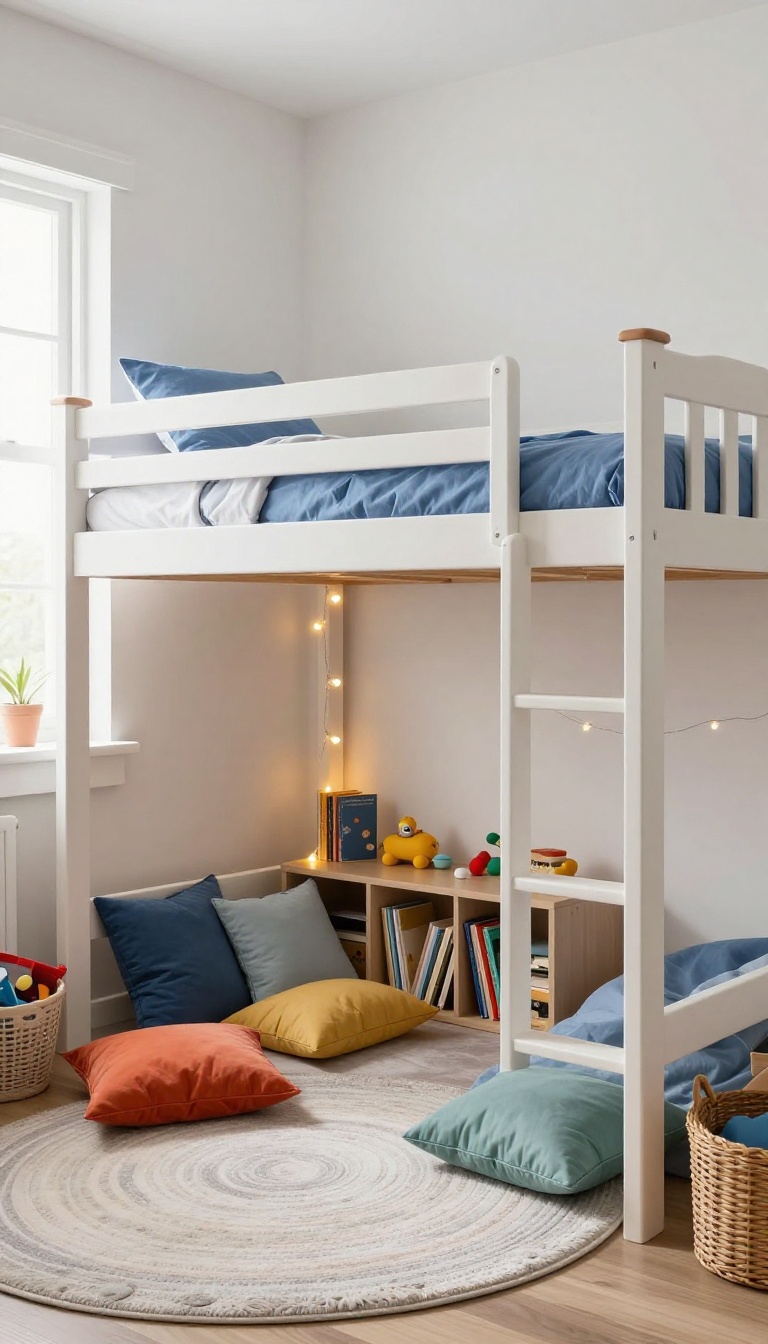
When space is tight and he still wants room to play, a vertical bunk bed with a play area underneath is a game-changer. The top bunk gives him a cozy sleep spot, while the bottom becomes a fort, reading nook, or storage zone. It’s a smart way to double the function of one footprint, especially in shared rooms or small bedrooms.
This setup works best when you think about what he’ll actually do down there. Some boys want a hideaway for quiet time, others need a spot to stash toys or books. The key is to design the lower area around his current interests, so it doesn’t just become a dumping ground.
With a few simple additions, you can turn that under-bed space into his favorite part of the room.
Pick The Right Bunk Style
Not all bunk beds are the same. Look for a model with a solid lower area that’s open on one side, so it feels more like a cave than a crawl space. Some come with built-in shelves or a small desk, which can be handy for homework or displaying LEGO builds.
If he’s older, consider a loft bed with a higher ceiling underneath, giving him room to stand or sit comfortably.
Make The Lower Zone Inviting
Add a soft rug, a couple of floor pillows, and some string lights to make the space feel cozy. A small curtain or canopy can turn it into a secret hideout, which kids love. If he’s into reading, attach a wall-mounted book ledge or a small shelf within arm’s reach.
For storage, use low bins or baskets that slide under the bed, keeping toys and clothes out of sight but easy to grab.
Keep Safety And Comfort In Mind
Always follow the manufacturer’s weight limits and age recommendations. Install a sturdy ladder and consider a guardrail on the top bunk if he’s younger. Make sure the ceiling height is enough for the top bunk to feel safe, not cramped.
Add a nightlight or a clip-on lamp for the lower area so he can play or read without needing the main overhead light.
FAQ
What is the best bed for a small boy's bedroom?
A loft bed or a bed with built-in storage is often the best choice because it maximizes vertical space and provides extra functionality like a desk or drawers underneath.
How can I make a small bedroom feel bigger?
Use light colors, keep the floor clear with wall-mounted storage, and choose furniture that serves multiple purposes. Mirrors can also create an illusion of more space.
What are some budget-friendly ideas for a flexible bedroom?
Repurpose existing furniture, use DIY storage solutions like crates or hanging organizers, and invest in modular pieces that can be reconfigured as needs change.
How do I create a study area in a small bedroom?
Look for a compact desk that can fit in a corner or a fold-down desk that mounts on the wall. Use a small chair that can be tucked away when not in use.
What if my son's interests change often?
Choose furniture and decor that are neutral and can be easily updated with accessories like bedding, wall art, or removable decals. This allows you to refresh the room without a major overhaul.
Conclusion
A flexible setup is all about giving your boy room to grow without constant rearranging. Start with one or two ideas that fit his current routine, then add as his needs change. The goal isn't perfection—it's a space that adapts to him.
Pick a starting point, try it out, and adjust from there. Small tweaks now can save you from a full redo later, and he'll appreciate a room that actually works for how he lives.