13 Bedroom Organization Ideas for Small Rooms Made Simple
A small bedroom often feels like a puzzle where every piece has to earn its spot. The trick isn't just about tidying up—it's about creating smart systems that work with your space, not against it.
These 13 ideas focus on practical, low-cost solutions that make the most of every inch, from vertical storage to hidden organizers. Whether you're dealing with a tiny rental or a compact room at home, each tip is simple to implement and can transform how your bedroom functions.
Let's dive into the ones that will make the biggest difference.
1. Maximize Vertical Space with Tall Shelving
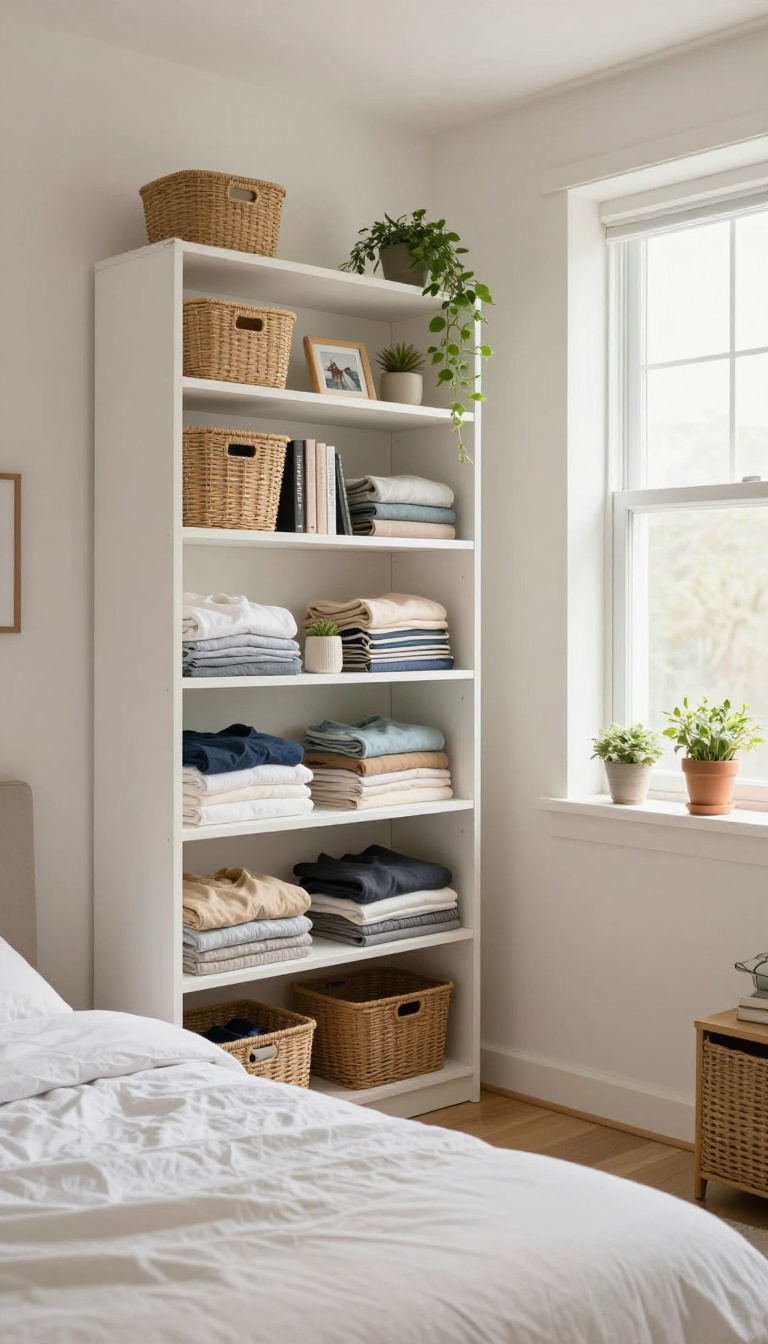
When floor space is tight, the only way to go is up. Tall shelving units and floating shelves turn empty walls into valuable storage real estate, keeping your belongings organized without crowding the room. This approach not only frees up floor area but also draws the eye upward, making the ceiling feel higher and the room more spacious.
Start by assessing your wall space. Look for areas above doors, windows, or beside furniture where tall shelves can fit without blocking light or movement. Choose slim, vertical units that don't jut out too far, and anchor them securely to the wall for safety.
Use the shelves to store items you use regularly but don't need constant access to, like off-season clothes, extra bedding, or decorative pieces that add personality to the room.
Choosing The Right Shelving
Not all shelving is created equal. For small rooms, opt for open shelving to avoid visual clutter, or use baskets and bins to keep items hidden. Adjustable shelves offer flexibility as your storage needs change.
Consider materials that match your decor, like light wood for a warm feel or metal for an industrial touch.
Organizing By Zone
Group similar items together on the shelves. Keep books and decor on upper shelves, while storing folded clothes or accessories in lower baskets. Use the top shelf for items you rarely touch, like luggage or seasonal decorations.
Label bins or baskets to make finding things easy and maintain the system.
Styling Without Clutter
Even functional shelves can look great. Mix storage bins with a few personal touches, like a small plant, a framed photo, or a stack of your favorite books. Leave some breathing room between items to avoid a crowded look.
The goal is to create a storage solution that feels intentional and adds to the room's aesthetic.
2. Use Under-Bed Storage Bins and Drawers
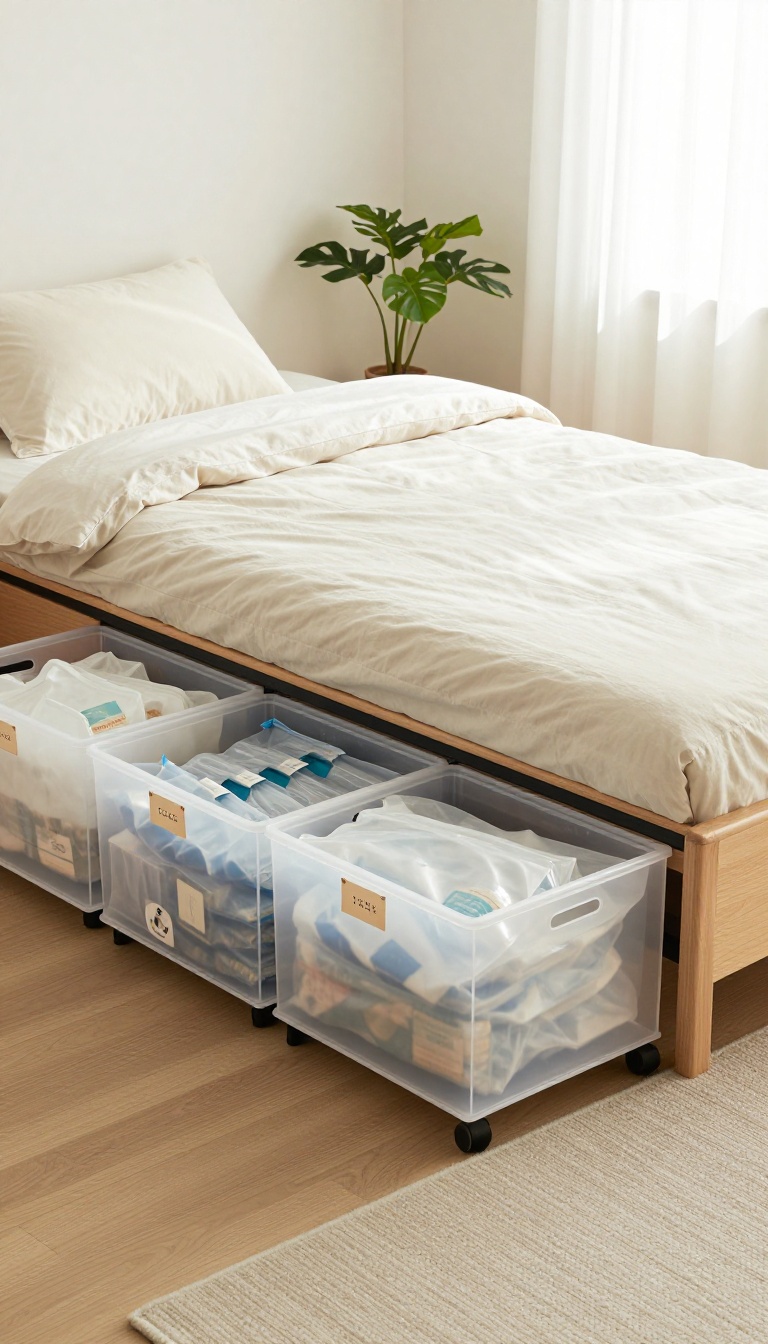
The space under your bed is prime real estate that often goes to waste. With the right containers, you can turn it into a hidden storage powerhouse without sacrificing style or accessibility. From rolling bins to vacuum-sealed bags, there's a solution for every need and budget.
Start by measuring the clearance under your bed frame. This tells you what height of containers will fit. Then, think about what you store most: off-season clothes, extra bedding, shoes, or rarely used items.
Choose bins that are sturdy, easy to slide in and out, and ideally transparent or labeled so you know what's inside at a glance.
Rolling Bins For Easy Access
Low-profile rolling bins are a game-changer. They glide out smoothly, so you can grab what you need without wrestling with heavy boxes. Look for bins with wheels and a flat lid that can double as a surface for extra storage.
Use them for shoes, seasonal accessories, or even craft supplies.
Vacuum-sealed Bags For Bulk Items
If you're short on closet space, vacuum-sealed bags are your best friend. They compress bulky items like comforters, winter jackets, and sweaters to a fraction of their size. Place them in flat, under-bed storage containers to keep them protected and organized.
Just remember to leave a little air in the bag to prevent creases.
Low-profile Drawers For Daily Use
For items you need more often, consider low-profile drawers that fit neatly under the bed. These are perfect for pajamas, workout clothes, or extra towels. They come in various sizes and materials, from fabric to wood, and can be stacked or used individually.
With drawer organizers, you can keep everything tidy and visible.
3. Install a Pegboard on an Empty Wall
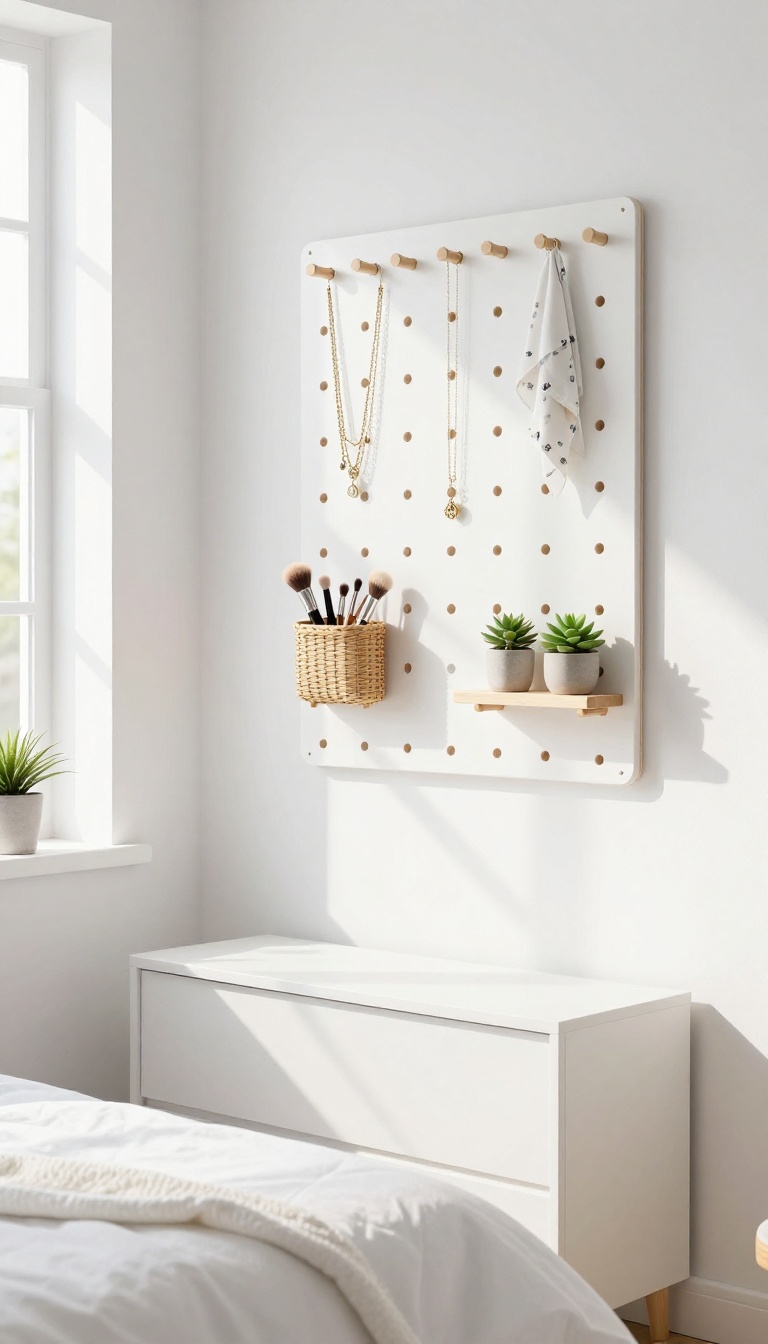
An empty wall is a blank canvas for organization. Instead of letting it sit bare, turn it into a flexible storage hub with a pegboard. It's a simple DIY that can hold everything from jewelry to hats, and you can change the layout whenever you want.
Pegboards are incredibly versatile. You can paint them to match your decor, cut them to fit any space, and outfit them with a mix of hooks, baskets, and shelves. This makes them perfect for small bedrooms where every inch counts.
Plus, they keep items visible and within reach, so you'll never lose your favorite earrings again.
Choose The Right Spot
Pick a wall that's not already crowded. Above a dresser, beside a mirror, or even on the back of a door (if it's thin enough) works well. Make sure it's easy to reach and doesn't block any walking paths.
A spot near your closet or vanity makes getting ready a breeze.
Mix Hooks, Baskets, And Shelves
The real magic happens when you combine different accessories. Use small hooks for necklaces and scarves, deeper hooks for hats or bags, and attach a few small baskets to corral makeup, hair ties, or sunglasses. Add a tiny shelf for a plant or a framed photo to make it look intentional.
Style It To Match Your Room
A pegboard doesn't have to look utilitarian. Paint it the same color as your wall for a seamless look, or go bold with a contrasting shade. Use wooden pegs and natural baskets for a warm feel, or black metal for a modern edge.
The options are endless, and you can easily swap things out when you want a refresh.
4. Choose Multi-Functional Furniture
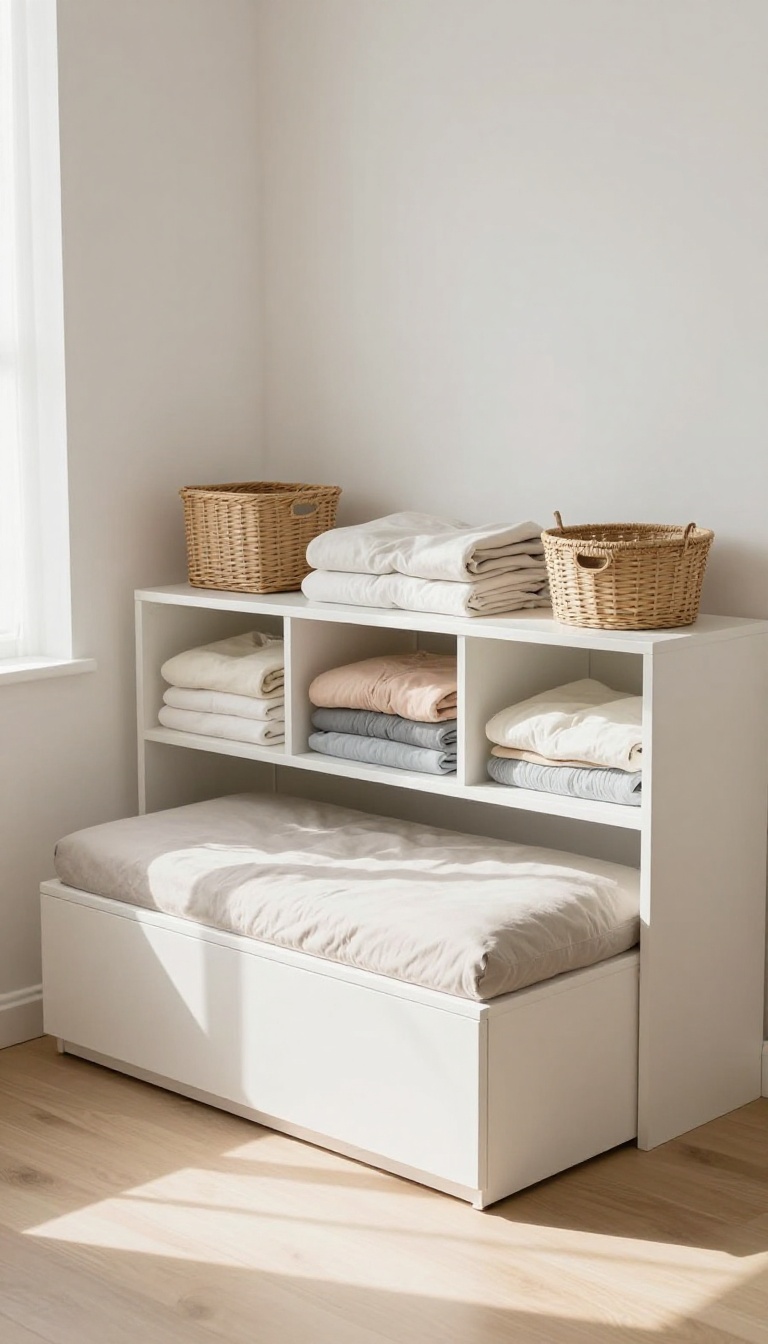
When every square foot counts, furniture that does more than one job is a game-changer. Instead of filling your room with single-purpose pieces, look for items that combine storage, seating, or work surfaces. This approach cuts down on clutter and frees up valuable floor space, making your small bedroom feel larger and more functional.
Multi-functional furniture is all about getting the most out of every piece. A bed with built-in drawers replaces a bulky dresser, while a storage ottoman offers both seating and a place to stash extra linens. A fold-down desk can disappear when you need more room to move.
These smart choices help you stay organized without sacrificing style or comfort.
Beds With Built-in Storage
Your bed is the largest piece in the room, so why not make it work harder? Look for a platform bed with drawers underneath or a lift-up mattress that reveals hidden compartments. These are perfect for off-season clothes, extra bedding, or shoes.
You'll free up closet space and keep everything within easy reach.
Ottomans And Benches That Hide Stuff
A storage ottoman at the foot of your bed doubles as a seat and a catch-all for blankets, pillows, or even books. A bench with a hinged top can hold bulky items like luggage or winter gear. Place one near the door for a convenient drop zone that keeps clutter out of sight.
Fold-down Desks And Wall-mounted Tables
If you need a workspace but don't have room for a full desk, a fold-down desk or wall-mounted table is a brilliant solution. When closed, it takes up just a few inches of wall space. Open it up when you need to work or study, then fold it away to reclaim the floor.
Pair it with a compact chair that can slide underneath or be tucked into a corner.
5. Add Over-the-Door Organizers
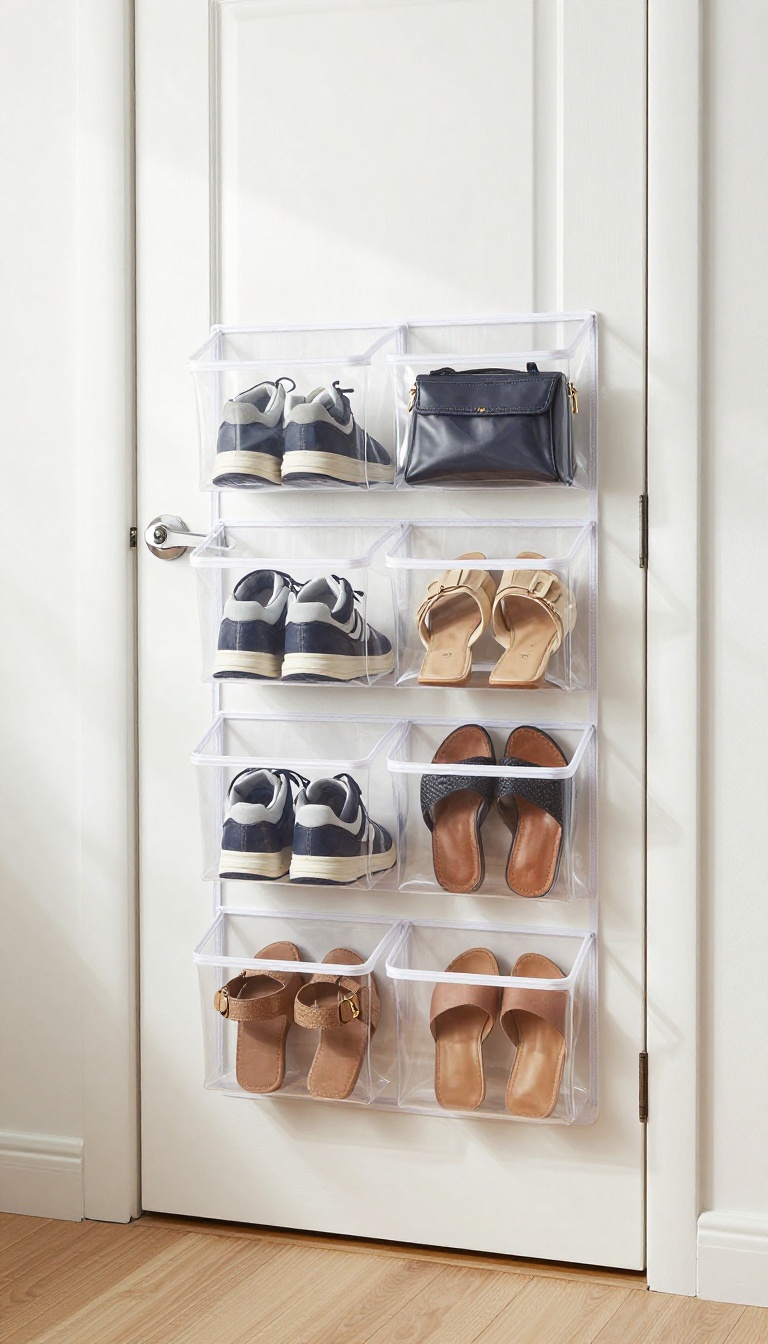
Your bedroom door is one of the most underused surfaces in the room. It's right there, always accessible, and perfect for holding things you need on a daily basis. Over-the-door organizers come in all shapes and sizes, from clear-pocket versions to fabric ones with multiple compartments.
They're especially handy for small rooms because they add storage without taking up any floor or wall space. You can hang them on the inside or outside of the door, depending on what works best for your layout. Plus, they're easy to install—no drilling required, just hook them over the top edge.
Over-the-door organizers are a simple, low-cost solution that can dramatically increase your storage capacity. They work best for items you reach for often, like shoes, accessories, or toiletries. The clear pockets are a bonus because you can see what's inside at a glance, saving you time and frustration.
When choosing an organizer, think about what you need to store. Some have deep pockets for shoes, while others have smaller slots for jewelry or makeup. You can even find ones with hooks for hanging items like hats or scarves.
The key is to pick one that fits your specific needs and the width of your door. Installation is a breeze—just slip the hooks over the top of the door and you're done. Most organizers are lightweight and won't damage the door.
If you're worried about scratching, you can add a piece of felt or a small towel under the hooks. One thing to keep in mind: don't overload it. Over-the-door organizers can hold a surprising amount, but if you stuff them too full, the door might not close properly.
Stick to lighter items and reserve heavy things for shelves or drawers.
Pick The Right Organizer For Your Needs
Not all over-the-door organizers are created equal. For shoes, look for one with clear, deep pockets that can hold a pair each. For accessories like belts, scarves, or ties, a version with smaller, shallow pockets works better.
If you want to use it for toiletries, choose a waterproof material that's easy to wipe clean. Also, consider the size of your door. Standard doors are about 30 inches wide, but measure yours to be sure.
Some organizers are designed for narrower doors, so check the dimensions before buying.
Where To Hang It For Maximum Convenience
The inside of your bedroom door is a great spot for items you grab as you leave, like a jacket or bag. The outside of the door works well for things you need when you enter, like a robe or slippers. Some people even hang one on the back of the closet door for extra storage without taking up closet space.
Think about your daily routine. If you always grab your shoes on the way out, hang the organizer near the exit. If you like to keep your jewelry within reach when getting ready, place it on the inside of the door near your dresser.
Keep It Tidy And Functional
To get the most out of your organizer, assign a specific spot for each item. That way, you'll always know where to find things and where to put them back. Regularly declutter the pockets to avoid buildup of things you don't use.
If you have kids, over-the-door organizers are perfect for storing small toys, art supplies, or hair accessories. Just make sure the organizer is securely hung and out of reach of very young children to prevent accidents.
6. Use Baskets and Bins to Corral Clutter
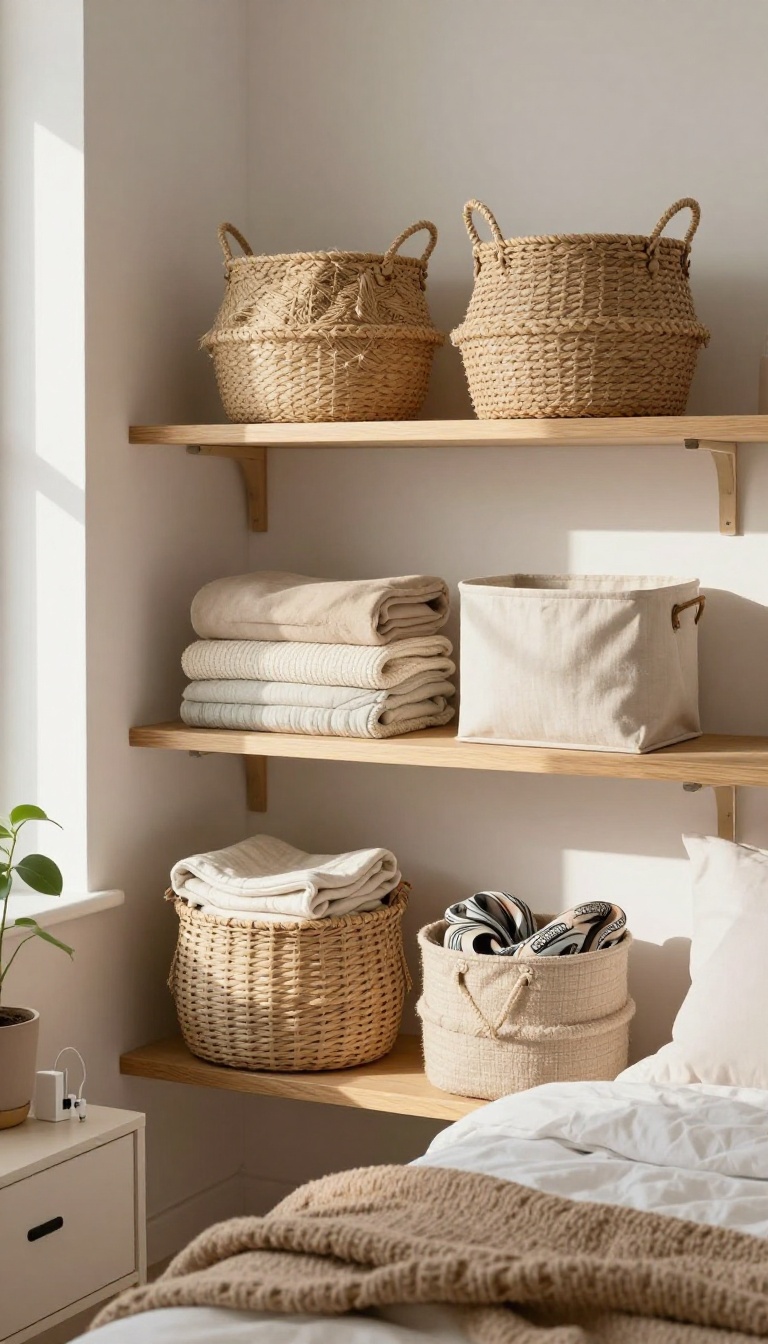
Baskets and bins are like magic for small spaces. They give everything a home without making the room feel crowded. The best part?
They come in all shapes and sizes, so you can find ones that fit your style and your storage needs.
Grouping similar items in baskets or bins instantly makes a space look neater. Instead of a pile of scarves on a shelf, you have a tidy basket. Instead of loose chargers on a nightstand, you have a small bin.
It's a simple swap that makes a big difference.
Pick The Right Size And Shape
Measure the space you're working with before you shop. A tall, narrow basket fits in a corner, while a wide, shallow bin slides under a bed. For shelves, choose bins that fit snugly without wasting vertical space.
Mixing sizes adds visual interest, but keep them cohesive with a similar color or material.
Label Everything
Labels take the guesswork out of staying organized. You can use chalkboard tags, fabric labels, or even a simple piece of tape. When everything has a clear home, you're more likely to put things back where they belong.
Plus, labels add a neat, intentional look.
Style Them For A Cozy Look
Baskets and bins aren't just practical—they're decor. Choose natural woven baskets for a warm, boho vibe, or sleek fabric bins for a modern feel. Place them on open shelves, under a console table, or on top of a dresser.
They add texture and color while keeping clutter out of sight.
7. Create a Capsule Wardrobe
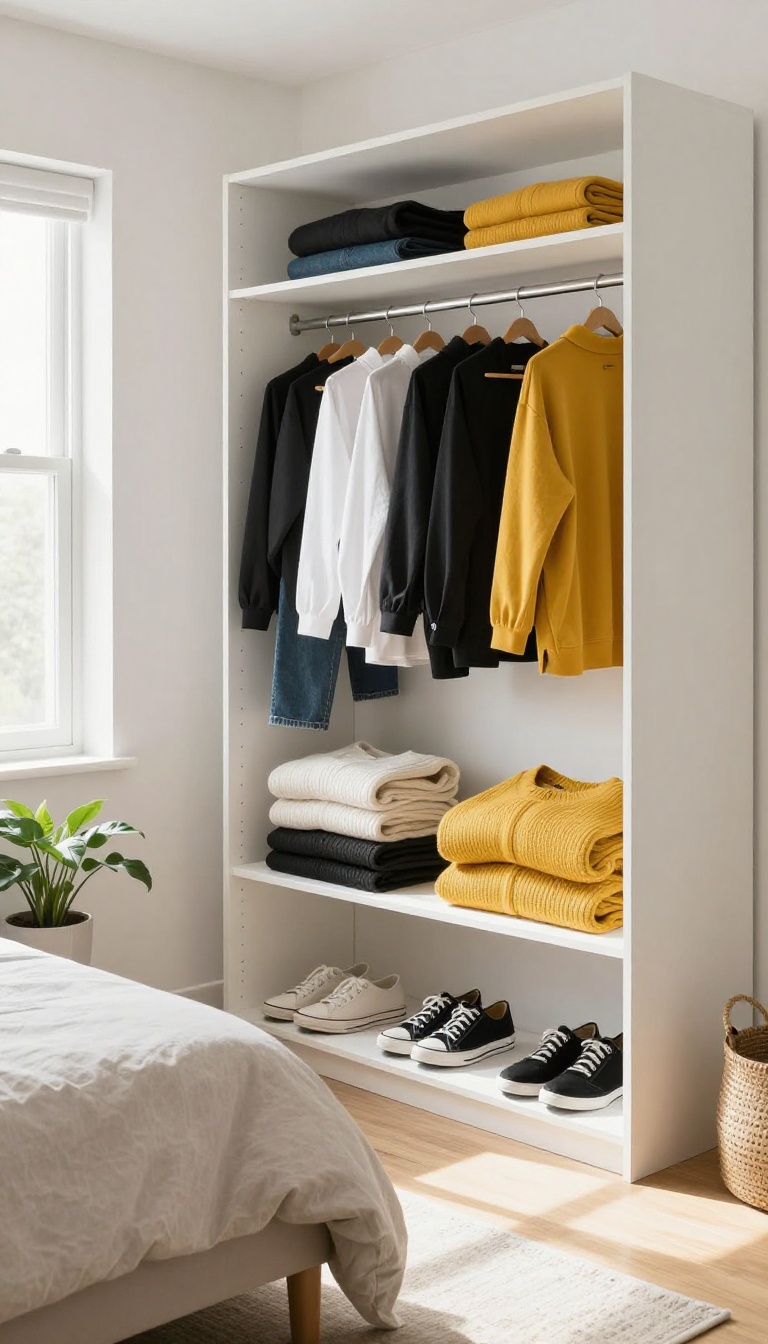
Clothes can quickly take over a small bedroom, especially when you hold onto pieces you rarely wear. A capsule wardrobe flips that by keeping only versatile items that mix and match easily. This cuts down on clutter and makes choosing an outfit a lot faster.
A capsule wardrobe isn't about owning less for the sake of it—it's about owning the right things. When you trim your closet to a few quality staples, you free up drawer and hanging space, and you stop wrestling with overflowing shelves every morning. Here's how to make it work in a small room.
Start With A Color Palette
Pick two or three neutral base colors (like black, white, and denim) and one accent color. This makes every top and bottom work together, so you need fewer pieces overall. You'll also notice that getting dressed becomes simpler because everything already coordinates.
Use A One-season Rule
Keep only the clothes that fit the current season in your main closet, and store off-season items in a bin under the bed or on a high shelf. This rotation keeps your everyday wardrobe small and manageable, without forcing you to get rid of favorites.
Make Every Piece Earn Its Place
Before keeping an item, ask if it's comfortable, fits well, and gets worn at least once a month. If not, donate or sell it. For pieces you're unsure about, try a 'maybe box'—store them for a month, and if you don't reach for them, let them go.
8. Install a Wall-Mounted Desk or Folding Table
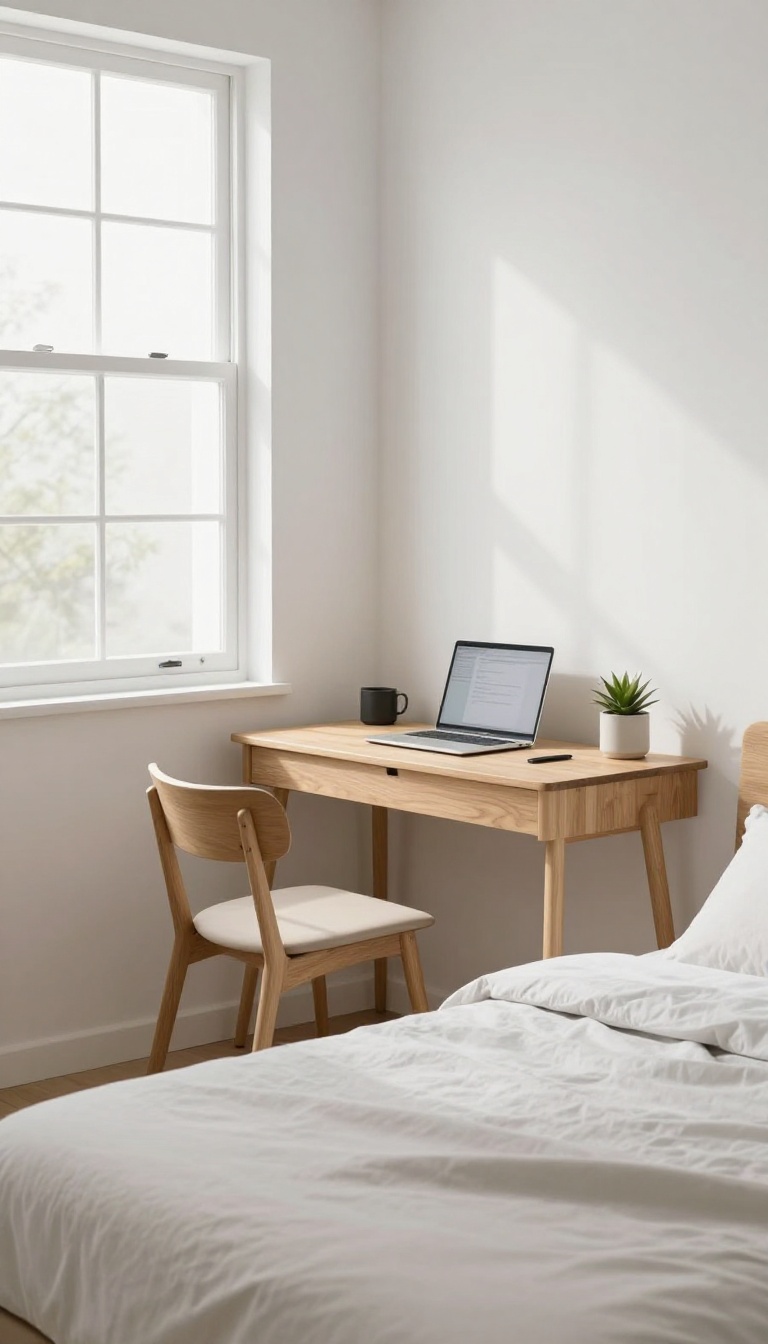
A tiny bedroom might not have room for a traditional desk, but that doesn't mean you have to work from your bed. Wall-mounted desks and folding tables are clever solutions that give you a dedicated workspace without stealing precious floor space. These setups are perfect for small rooms because they only take up space when you're actually using them.
When you're done, just fold it away or clear the surface, and your room instantly feels bigger.
Wall-mounted desks are a game-changer for small bedrooms. They attach directly to the wall, so there's no bulky legs or frame taking up floor space. You can find them in various sizes, from compact laptop stands to longer desks that can hold a monitor and a few essentials.
Folding tables are another great option. They can be mounted to the wall and fold down when you need them, then tucked away flat when you don't. Some even come with built-in shelves or cubbies for extra storage.
When choosing a wall-mounted desk, think about how you'll use it. If you just need a spot for a laptop, a small shelf-style desk might be enough. If you need to spread out paperwork or craft supplies, look for a larger model with a sturdy bracket system.
Make sure to install the desk at a comfortable height for sitting, and pair it with a slim chair that can slide underneath. This way, the desk doesn't block your walking path when not in use.
Maximize Vertical Space
Wall-mounted desks are perfect for utilizing vertical space. By going up instead of out, you free up the floor for other storage or furniture. You can even install a shelf above the desk for books, plants, or decorative items, making the most of the wall area.
Choose The Right Style
There are many styles of wall-mounted desks, from sleek modern designs to rustic wooden options. Choose one that matches your room's decor. Some come with drawers or hutches, which can add extra storage without taking up more floor space.
Folding Options For Flexibility
If you need a workspace that can disappear completely, a folding table is your best bet. These tables hinge down from the wall and can be lifted up and locked in place when you need them. When not in use, they fold flat against the wall, taking up just a few inches of space.
9. Use Tension Rods for Creative Storage
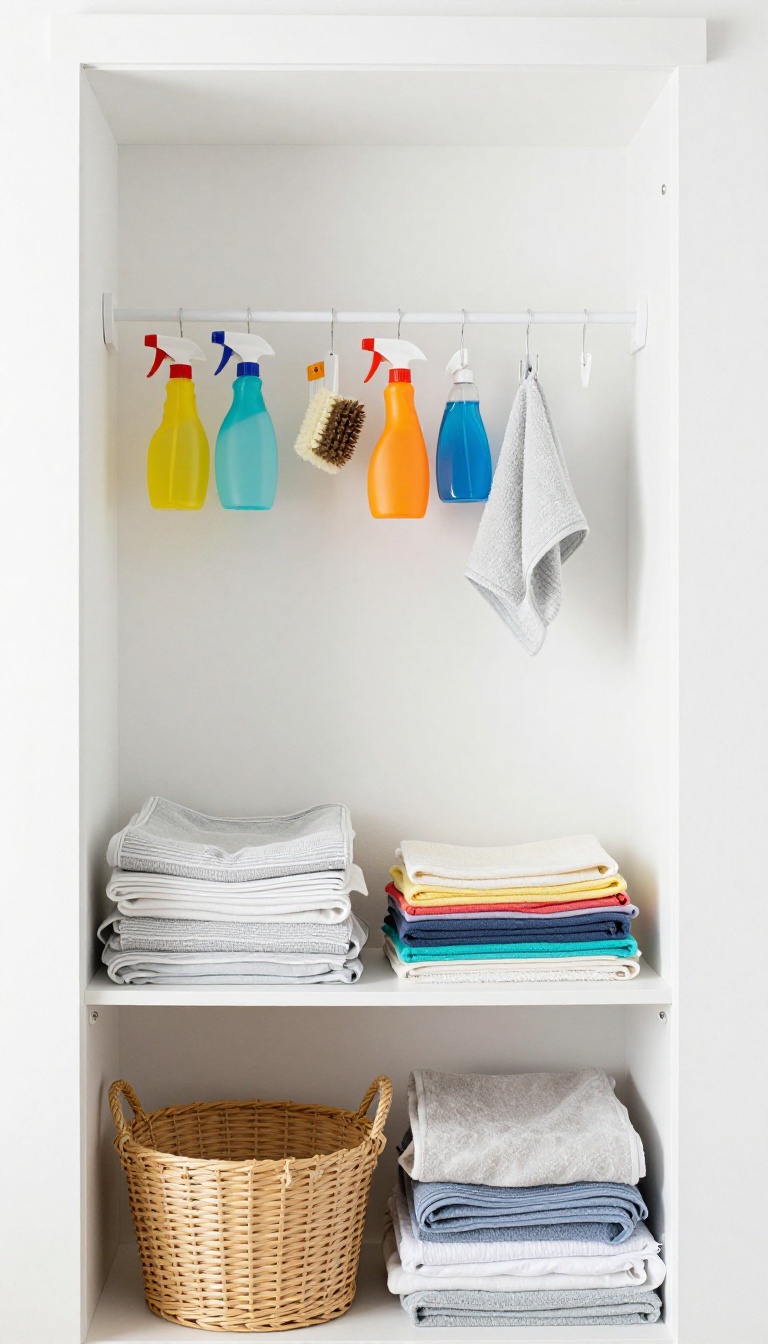
Tension rods are the unsung heroes of small-space organization. They don't require any drilling or permanent fixtures, making them perfect for renters or anyone who wants a flexible setup. You can place them in spots you'd never think to use, instantly creating vertical storage that keeps items visible and within reach.
The beauty of tension rods lies in their simplicity. They expand to fit snugly between two surfaces, like the sides of a closet or the space under a sink. Once in place, they can hold a surprising amount of weight, especially if you choose sturdy rods with good tension.
This makes them ideal for hanging items that might otherwise clutter your counters or floor. Plus, they're easy to remove and reposition whenever your needs change.
Under The Sink: A Cleaning Caddy Alternative
If you have a small bathroom or a vanity in your bedroom, the space under the sink is often wasted. Install a tension rod horizontally near the top of the cabinet, and you can hang spray bottles by their necks. This keeps them off the floor and makes it easy to grab what you need.
You can also use small hooks on the rod to hang scrub brushes or microfiber cloths. It's a simple upgrade that makes cleaning supplies accessible without taking up shelf space.
In The Closet: Maximize Vertical Space
Closets often have unused vertical space above the hanging rod or below the shelves. Place a tension rod vertically in a corner to create a narrow storage column. Use it to hang scarves, belts, or even lightweight bags.
For shoes, you can install a rod horizontally at the bottom of the closet and hang heels or flip-flops by their straps. This frees up floor space and keeps your footwear organized and visible.
Behind Doors: Instant Accessory Organizer
The back of your bedroom door is prime real estate. Install a tension rod across the door frame (if it's wide enough) or between the door and the wall if you have a gap. You can then hang hats, necklaces, or even a small fabric organizer with pockets.
This keeps accessories off your dresser and makes them easy to see when you're getting ready. Just make sure the rod is secure and doesn't interfere with the door's swing.
10. Add a Bedside Caddy or Pocket Organizer
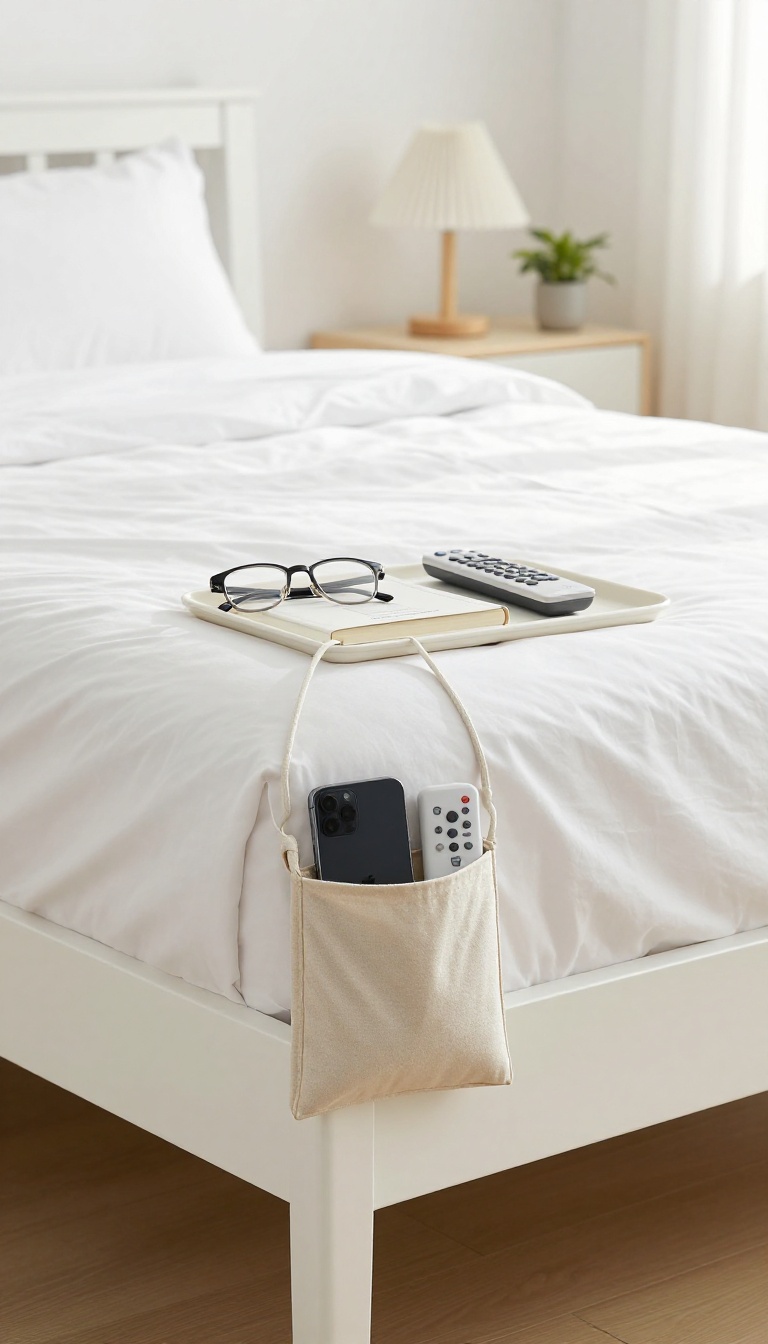
When floor space is tight, the side of your bed becomes prime real estate. A bedside caddy or pocket organizer turns that slim gap between mattress and frame into a handy storage spot. It keeps your nightly essentials close without adding a bulky nightstand.
You can find fabric caddies that slip over the mattress or hang from the bed frame, with multiple pockets for different items. Some attach to the headboard with straps or hooks. Choose one with deep pockets for larger items like tablets or books, and smaller slots for your phone, glasses, or remote.
Pick The Right Style
Consider how you use your bedside space. If you read before sleep, a caddy with a book pocket and a small side slot for a reading light works well. For tech users, look for a caddy with a cord management hole or a dedicated phone pocket.
Some caddies have a stiff bottom, so they hold their shape even when empty.
Installation Tips
Most caddies are easy to install—just slide the flat panel under your mattress and let the pockets hang over the side. For headboard-mounted options, use adhesive hooks or straps that won't damage the finish. Make sure the caddy is secure and doesn't interfere with getting in and out of bed.
What To Store
Keep it to the essentials: phone, glasses, a book, maybe a small water bottle or lip balm. Avoid overloading, or the caddy will sag and become an eyesore. Rotate seasonal items, like a small fan remote in summer or a hand cream in winter.
11. Utilize the Back of the Closet Door
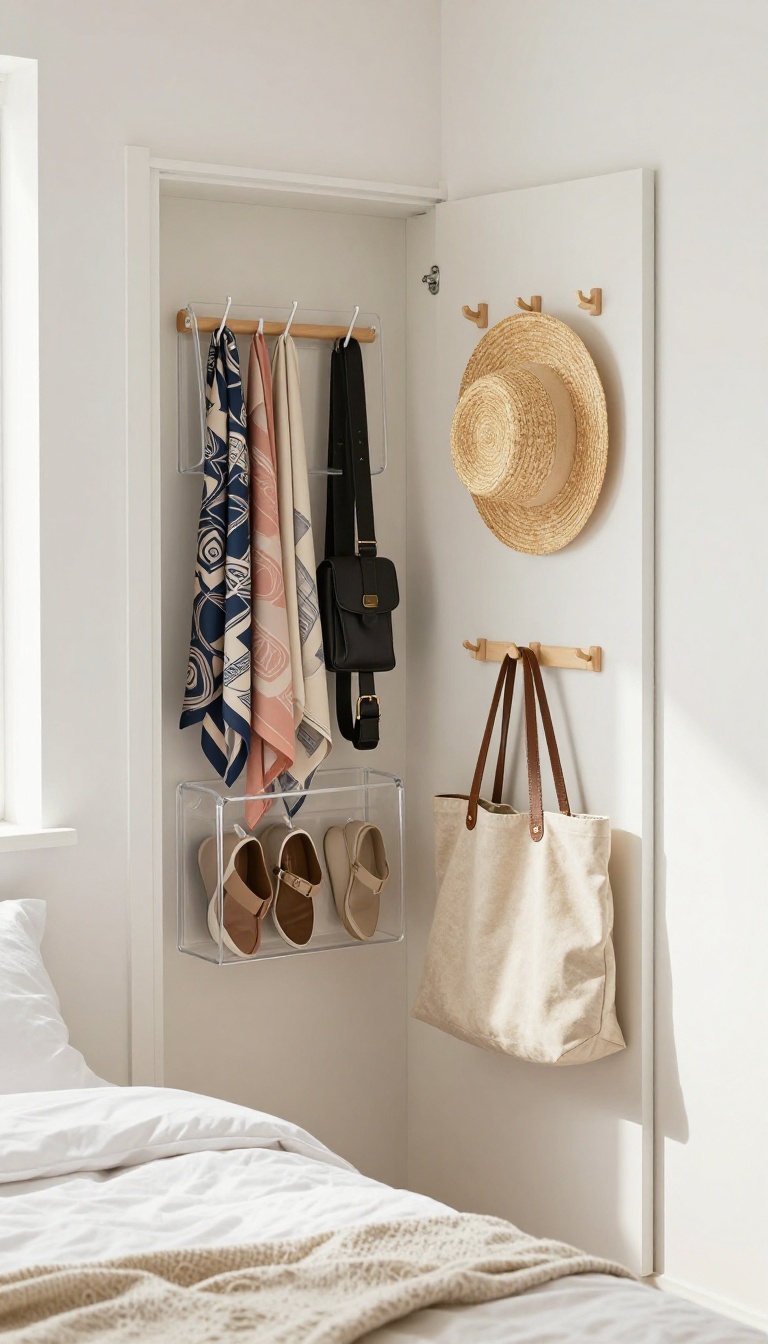
That closet door opens and closes dozens of times a day, yet the inside surface probably sits completely empty. It's a hidden goldmine for vertical storage that costs almost nothing to put to work. With a few simple additions, you can turn that flat panel into one of the most functional spots in your room.
The back of the closet door is often ignored because it's not a typical shelf or drawer. But it's perfect for hanging items you reach for daily, like belts, scarves, or bags. You can also use it to store shoes, jewelry, or even cleaning supplies.
The key is to choose the right organizers and install them securely so they don't interfere with the door closing.
What To Hang
Start with the items that clutter your dresser or nightstand. Hooks are great for robes, hats, and lightweight bags. An over-the-door shoe organizer can hold not just shoes but also accessories, toiletries, or craft supplies.
For jewelry, a clear pocket organizer keeps necklaces and earrings tangle-free and visible.
Installation Tips
Most over-the-door organizers slip right over the top edge, but for heavier loads, use hooks that screw into the door or adhesive strips rated for the weight. Make sure the door still closes smoothly and that the organizer doesn't scrape the frame. If you're in a rental, choose damage-free options like command hooks or tension rods.
Keep It Tidy
Avoid overloading the door. Stick to items you use regularly so it doesn't become a catch-all. Group similar things together, like all scarves on one hook or all belts on another.
A quick weekly check helps you remove anything that doesn't belong, keeping the door functional and clutter-free.
12. Incorporate Floating Nightstands
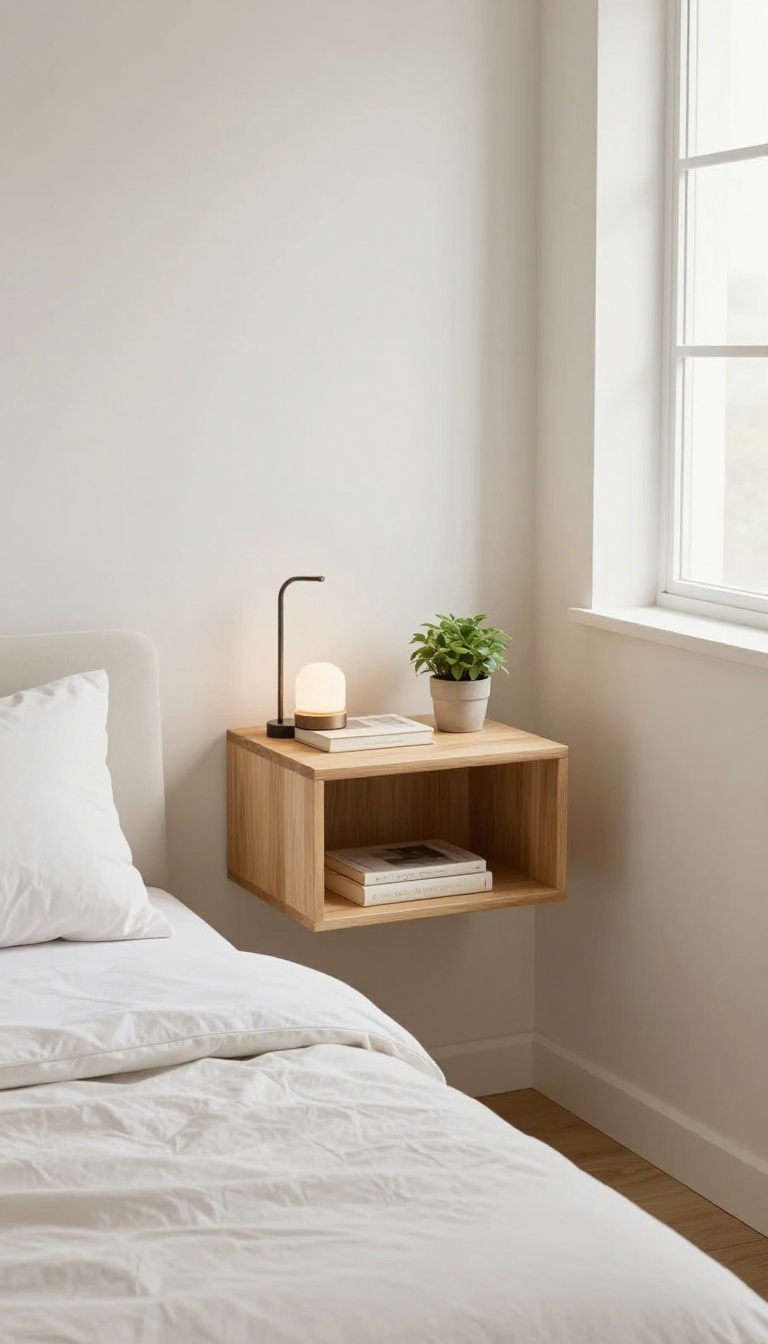
Wall-mounted nightstands are a game-changer when floor space is scarce. By attaching a compact shelf or cabinet directly to the wall, you create a handy spot for your phone, glasses, or a glass of water—without sacrificing precious square footage. This simple swap can make your bedroom feel more open and airy.
Floating nightstands are perfect for small rooms because they free up the floor, making the space appear larger. They also eliminate the visual clutter of bulky furniture legs, giving your room a cleaner, more modern look. Plus, you can install them at the exact height that feels most comfortable from your bed, which is a nice bonus.
Choosing The Right Style
When picking a floating nightstand, think about what you need to store. A simple shelf works if you only need a spot for a lamp and your phone. If you need a little more storage, opt for a wall-mounted cabinet with a drawer or a small door.
Look for options with a sturdy mounting system—you don't want it to wobble or fall.
Installation Tips For Success
Before drilling, locate the wall studs to ensure a secure mount. Use a stud finder and mark the spots clearly. If you're attaching to drywall only, use heavy-duty wall anchors rated for the weight of the nightstand and its contents.
Follow the manufacturer's instructions carefully, and double-check that the surface is level before tightening everything down.
Styling Your Floating Nightstand
Keep the top surface clutter-free to maintain the airy feel. A small lamp, a book, and a tiny plant are all you need. Use a small tray to corral loose items like jewelry or reading glasses.
If you chose a cabinet style, store extra items inside to keep the visual space clean and serene.
13. Declutter Regularly with a 'One In, One Out' Rule
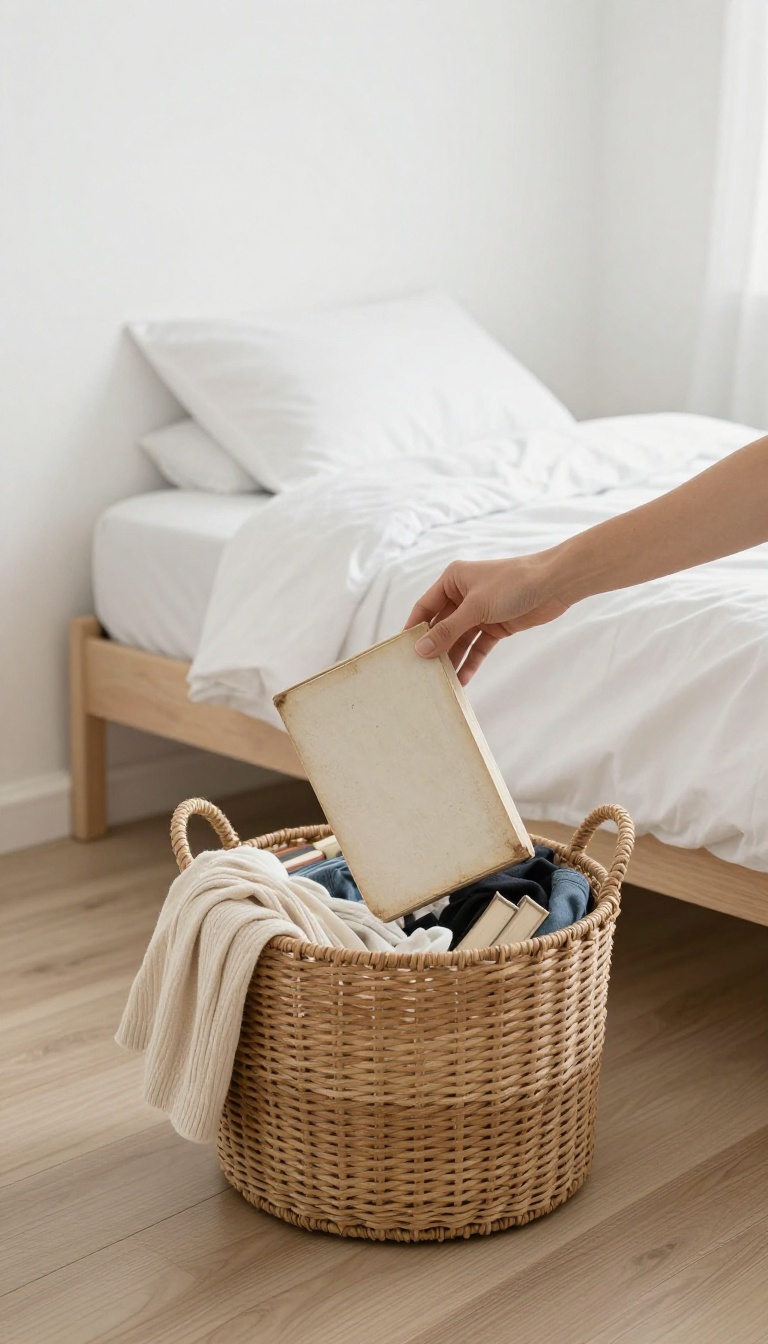
Small rooms have a way of filling up fast, especially when you're not paying attention. The 'one in, one out' rule is a simple commitment that keeps your space from becoming a storage unit. Every time you bring something new into your bedroom, you let go of something old.
It's a habit that takes seconds but pays off in the long run.
This rule isn't about being strict or minimalistic—it's about maintaining a balance. When you buy a new throw pillow, donate an old one. When you get a new book, pass along one you've already read.
Over time, this prevents the slow creep of clutter that makes a small room feel even smaller. It also forces you to think before you buy, which is a bonus for your wallet and your peace of mind.
Why It Works In A Small Space
In a small room, every item takes up visual and physical space. The one-in-one-out rule keeps the total number of items steady, so your room never reaches a breaking point. It's easier to maintain than a big purge because it's a constant, gentle flow rather than an overwhelming cleanup.
You'll notice that your surfaces stay clearer and your drawers stay manageable.
How To Make It Stick
Start by identifying categories that tend to accumulate: clothes, accessories, books, or decor. Place a donation box in your closet or under your bed. When you bring something new in, put the old item in the box immediately.
Once a month, drop off the box. This creates a routine that doesn't require much effort, and it becomes second nature after a few weeks.
What To Do When You're Attached
Sometimes it's hard to let go of items with sentimental value. In that case, take a photo of the item before you pass it on. That way, you keep the memory without keeping the clutter.
If you're still hesitant, try the 'maybe box'—store items you're unsure about in a box for three months. If you don't miss them, donate them. This makes the rule more flexible and less stressful.
FAQ
How can I make my small bedroom look bigger?
Use light colors on walls and bedding, incorporate mirrors to reflect light, and keep clutter off the floor. Vertical storage and multi-functional furniture also free up space, making the room feel more open.
What is the best way to store clothes in a small bedroom?
Maximize closet space with slim hangers, shelf dividers, and over-the-door organizers. Use under-bed storage for off-season items and consider a capsule wardrobe to reduce the number of clothes you need to store.
How do I organize a small bedroom on a budget?
Repurpose items you already have, like using baskets or shoe boxes for storage. DIY solutions like tension rods and pegboards are inexpensive. Thrift stores and dollar stores often have affordable bins and organizers.
What are some space-saving furniture ideas for a small bedroom?
Look for beds with built-in drawers, loft beds, wall-mounted desks, folding tables, and storage ottomans. These pieces serve multiple purposes and reduce the need for extra furniture.
How often should I declutter my bedroom?
Aim to declutter seasonally or at least twice a year. Regularly evaluate what you use and love, and donate or discard items that no longer serve you. This prevents clutter from building up.
Conclusion
Small bedrooms reward smart choices, not big budgets. Pick one idea that addresses your biggest frustration—whether it's clutter, floor space, or storage—and start there. Even a single change, like adding under-bed drawers or a wall-mounted shelf, can make the room feel noticeably larger and more organized.
Once you see how much difference one tweak makes, you'll likely want to try another. The goal isn't a perfect room overnight; it's building a space that works for how you actually live. Choose an idea, give it a shot, and enjoy the extra breathing room.