10 Room Ideas That Give a Small Bedroom More Breathing Space
Making a small bedroom feel bigger often comes down to a few clever design moves rather than a full remodel. You don't need to knock out walls or spend a fortune—just rethink how you use what you already have.
From color tricks to smart storage, these ten ideas focus on practical, budget-friendly ways to open up your space. Each one is easy to apply, even if you're working with tight square footage.
Let's dive into the simple changes that can give your room that much-needed breathing room.
1. Embrace the Power of Light Colors
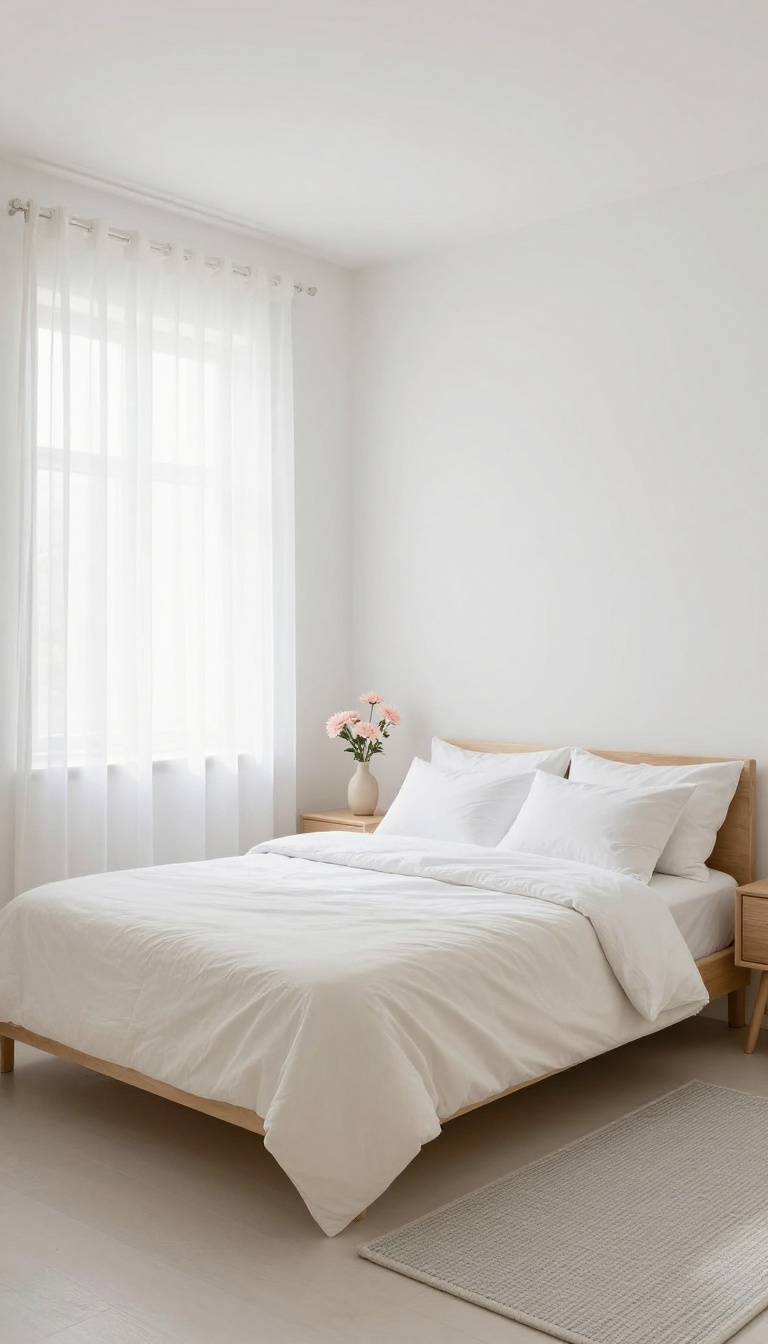
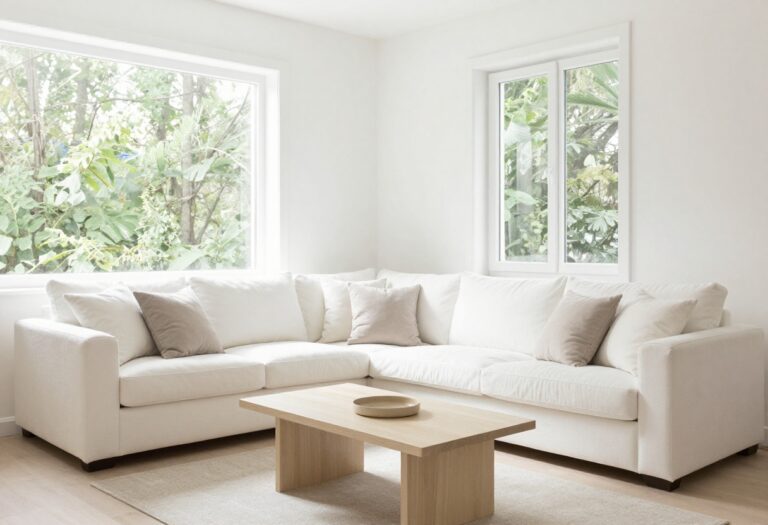
Color is one of the fastest ways to trick the eye into seeing more space. Light shades reflect natural light, making walls seem to recede and the ceiling feel higher. It’s a simple, low-cost change with a big payoff.
Start by painting the walls and ceiling in a soft white, cream, or pale gray. These hues bounce light around the room, eliminating dark corners that make a space feel closed in. Carry the same light palette into your bedding and curtains to create a seamless, airy look.
You don’t have to go stark white—warm off-whites or very light pastels work just as well and add a touch of personality.
Why Light Colors Work
Light colors reflect more light than dark ones, which visually expands the room. They also make the boundaries of the room less defined, so your eye doesn’t stop at the walls. This effect is strongest when you use the same color on walls and ceiling, blurring the line between them.
Choosing The Right Shade
Not all light colors are equal. Cool whites with a hint of blue or green feel crisp and modern, while warm creams and beiges add coziness. Test a few samples on your wall to see how they look in different lighting throughout the day.
Remember, the goal is to make the room feel open, not sterile.
Extending The Palette To Furniture And Fabrics
Once your walls are light, keep the momentum going. Choose a light-colored bed frame, dresser, or nightstand if you can. For bedding, opt for white, ivory, or soft pastel linens.
Sheer curtains in a light tone let in more daylight while maintaining privacy. This consistent palette creates a cohesive, uncluttered look that feels bigger.
2. Use Mirrors to Double the Visual Space
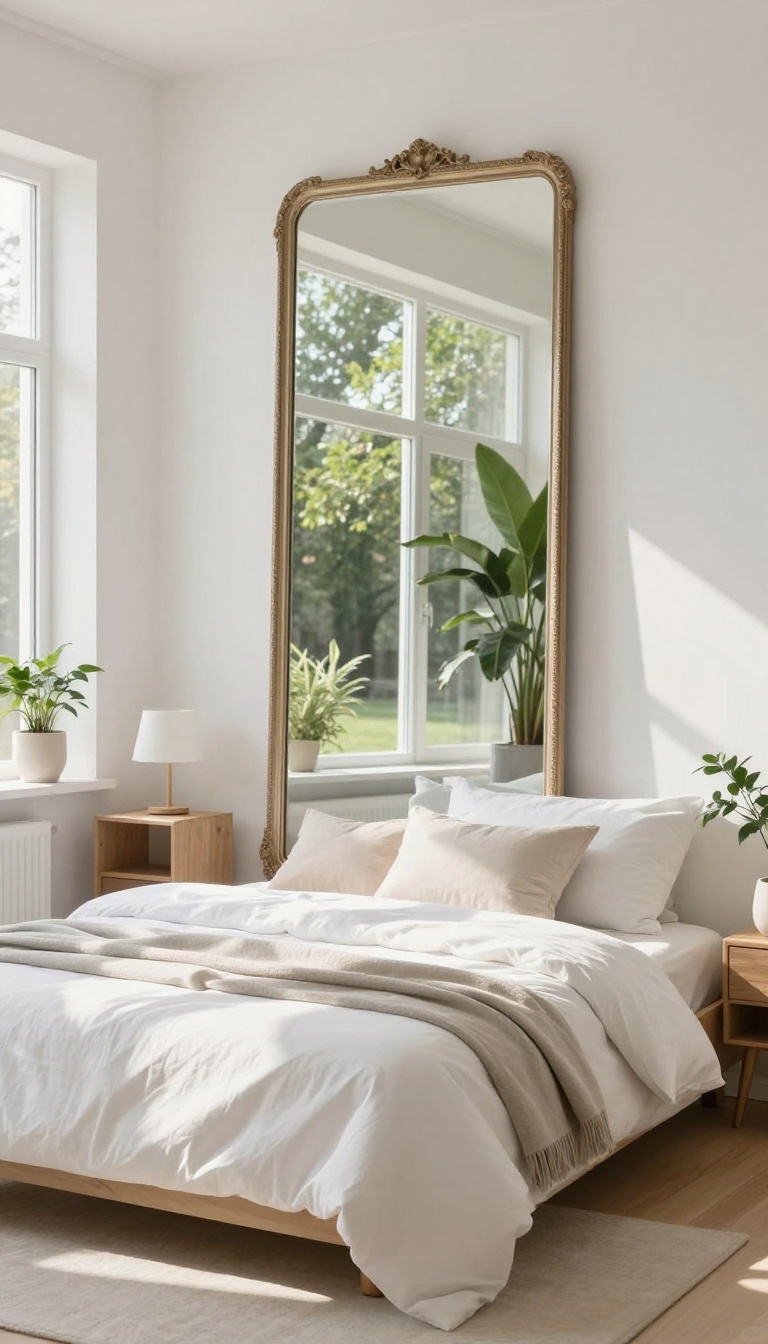
Mirrors are the oldest trick in the book for making a room feel larger, and for good reason. They reflect light and views, instantly adding depth and brightness. In a small bedroom, a well-placed mirror can make the walls seem to melt away, giving you that open, airy feeling without moving a single piece of furniture.
The key is to position mirrors thoughtfully. A large mirror opposite a window will bounce natural light around the room, making it feel brighter and more spacious. Mirrored closet doors are a classic choice because they hide clutter while expanding the visual field.
If you prefer a less permanent option, a tall floor mirror leaning against a wall can create a similar effect, especially if it reflects a pleasant corner or a piece of art.
Place Mirrors Across From Windows
The most effective spot for a mirror is directly across from a window. This setup captures the outdoor view and spreads it across the room, making the space feel twice as large. Even a modest window can work wonders when its light is multiplied by a reflective surface.
Try a large rectangular mirror on the wall opposite the window, or a round one for a softer look.
Go Big With Mirrored Closet Doors
If your bedroom has sliding closet doors, swapping them for mirrored versions is a game-changer. Not only do they make the room feel much bigger, but they also eliminate the need for a separate full-length mirror. The reflection adds depth and brightness, and you’ll never have to guess if your outfit works from head to toe.
Lean A Floor Mirror For Flexible Depth
A floor mirror is a versatile piece that can be moved around as needed. Lean it against a wall at a slight angle to create a sense of depth, or place it near a lamp to amplify the light. Choose a mirror with a slim frame to keep the look airy, and position it so it reflects something interesting—like a plant or a cozy reading nook—rather than just a blank wall.
3. Go Vertical with Storage
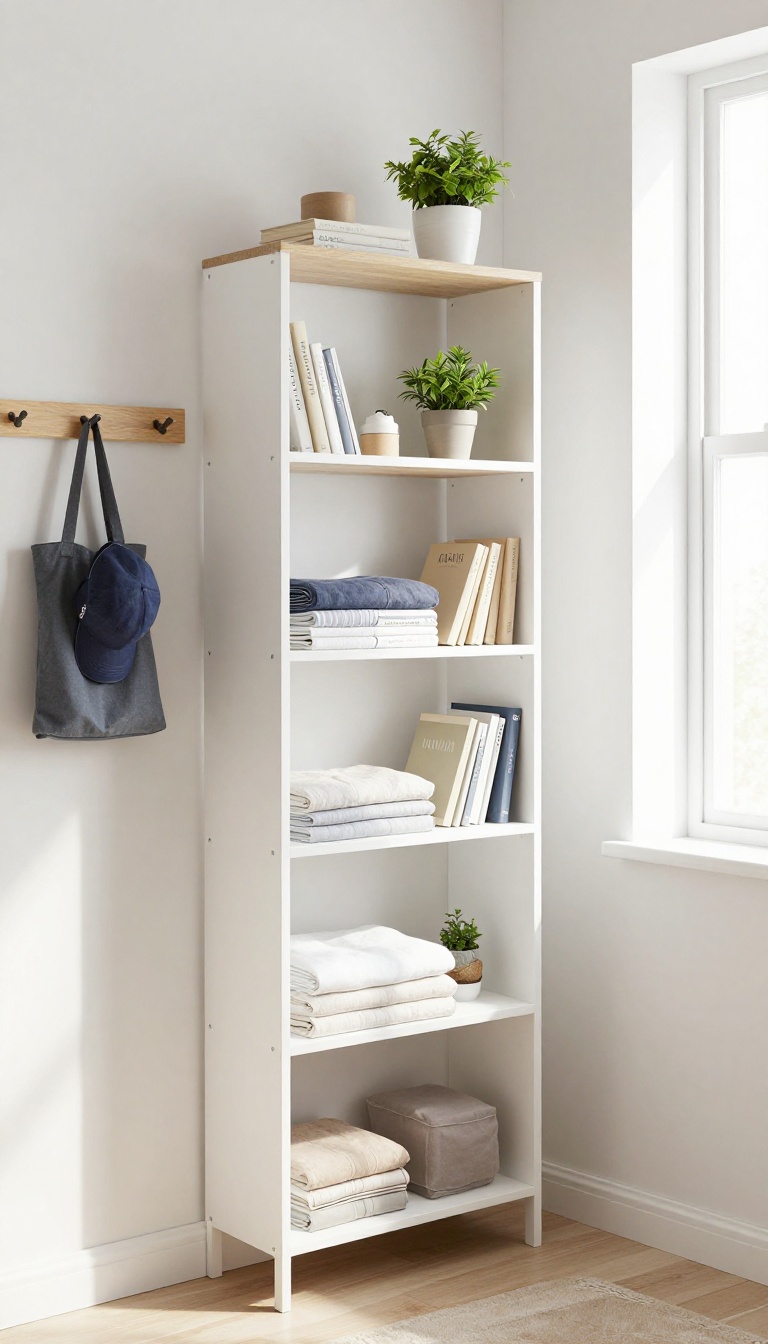
When floor space is precious, the walls become your best friend. Instead of letting clutter pile up on surfaces, shift your storage upward. Tall shelving and wall-mounted solutions free up the floor, which instantly makes the room feel more open and less cramped.
Vertical storage is about more than just adding shelves—it's a mindset. By keeping things off the floor and within reach, you create visual breathing room. Plus, drawing the eye upward makes the ceiling seem higher, which is a classic trick for small spaces.
Tall Shelving Units
Look for bookcases or shelving units that go high rather than wide. A tall, narrow unit can hold a surprising amount without eating up floor space. If you're worried about a bulky look, choose open shelves in a light color that blends with the wall.
This way, storage feels airy, not heavy.
Floating Shelves
Floating shelves are a minimalist's dream. They mount directly to the wall, leaving the floor completely clear. Use them above the bed, beside a window, or in awkward corners.
They're perfect for displaying a few favorite items or storing everyday essentials without visual clutter.
Wall-mounted Hooks And Organizers
Don't underestimate the power of hooks. Install a row of hooks behind the door for bags, hats, or robes. Use a wall-mounted organizer for jewelry, keys, or mail.
Hanging organizers with pockets can hold shoes, accessories, or even toiletries. Every item you hang is one less thing on the floor or furniture.
4. Choose Multi-Functional Furniture
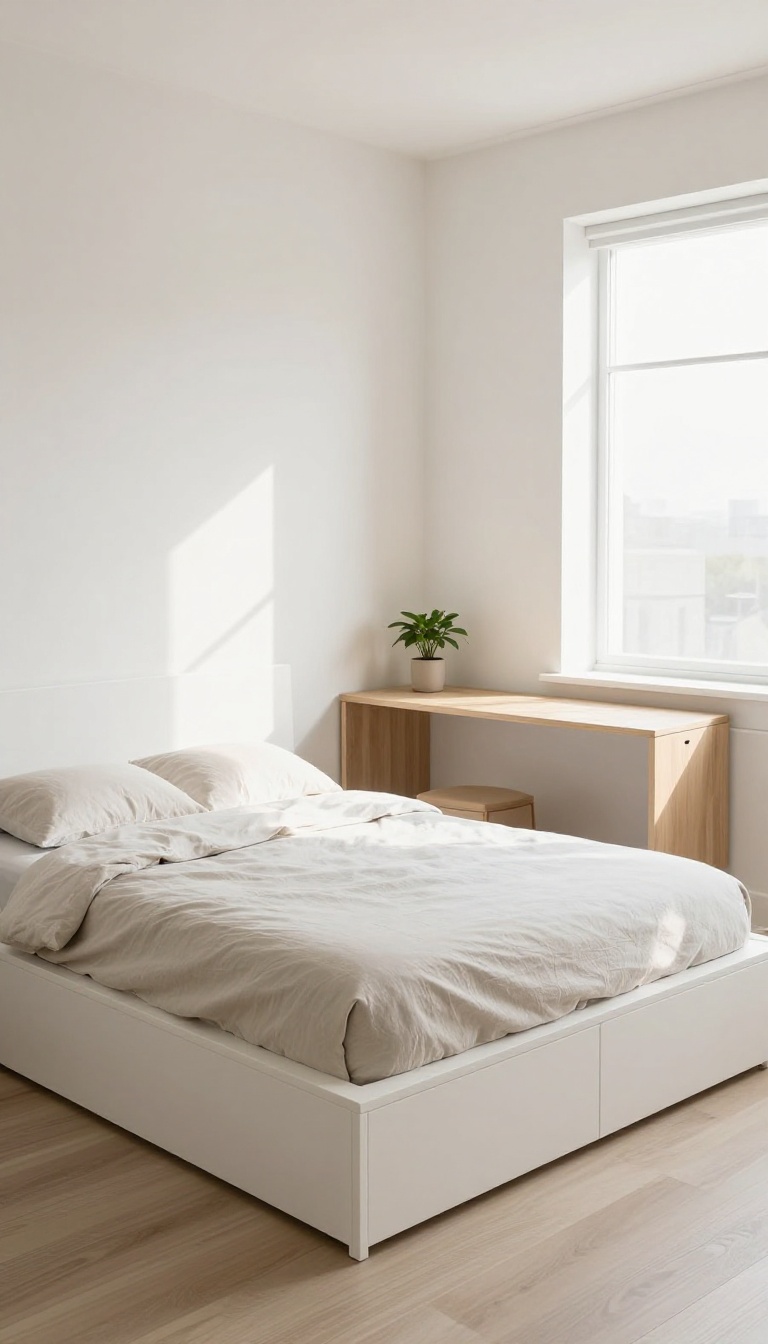
Every piece of furniture in a small bedroom should earn its keep. That doesn't mean you need to sacrifice style—just look for items that pull double duty. A bed with built-in drawers, a storage ottoman, or a fold-down desk can replace several single-purpose pieces, freeing up floor space and cutting clutter.
It's a simple shift in how you shop, but it can transform the feel of your room.
Multi-functional furniture is about making every square inch count. Instead of having a separate dresser, a bed with drawers underneath gives you storage without taking up extra floor space. A storage ottoman can serve as seating, a footrest, and a place to stash blankets.
A fold-down desk can be a workspace when you need it and disappear when you don't. The goal is to reduce the number of items in the room while keeping all the functions you need.
Beds With Built-in Storage
A bed with drawers or a lift-up mattress base is a game-changer for small bedrooms. You can store off-season clothes, extra bedding, or shoes without needing a bulky dresser. Look for beds with deep drawers that slide smoothly, or consider a platform bed with cubbies underneath.
This one swap can free up several feet of floor space and make the room feel less cluttered.
Convertible Desks And Tables
If you work or study in your bedroom, a fold-down desk or a wall-mounted table is a smart choice. When you're done, just fold it up and the room instantly feels larger. Some designs even come with built-in shelves or a mirror, so they double as a vanity.
This way, you get a functional workspace without permanently sacrificing floor space.
Storage Ottomans And Benches
A storage ottoman at the foot of your bed is a versatile piece. It gives you a place to sit while getting dressed, a spot to rest your feet, and a hidden compartment for throws, pillows, or even books. If you need more seating, a bench with a lift-up top can serve the same purpose.
These pieces add function without visual bulk.
Nesting Tables And Stackable Seating
Nesting tables are perfect for small spaces because they can be separated when you need extra surfaces and tucked away when you don't. Similarly, stackable stools or chairs can be stored in a corner or under a bed when not in use. This flexibility lets you adapt the room to different needs without filling it with permanent furniture.
5. Let in Natural Light
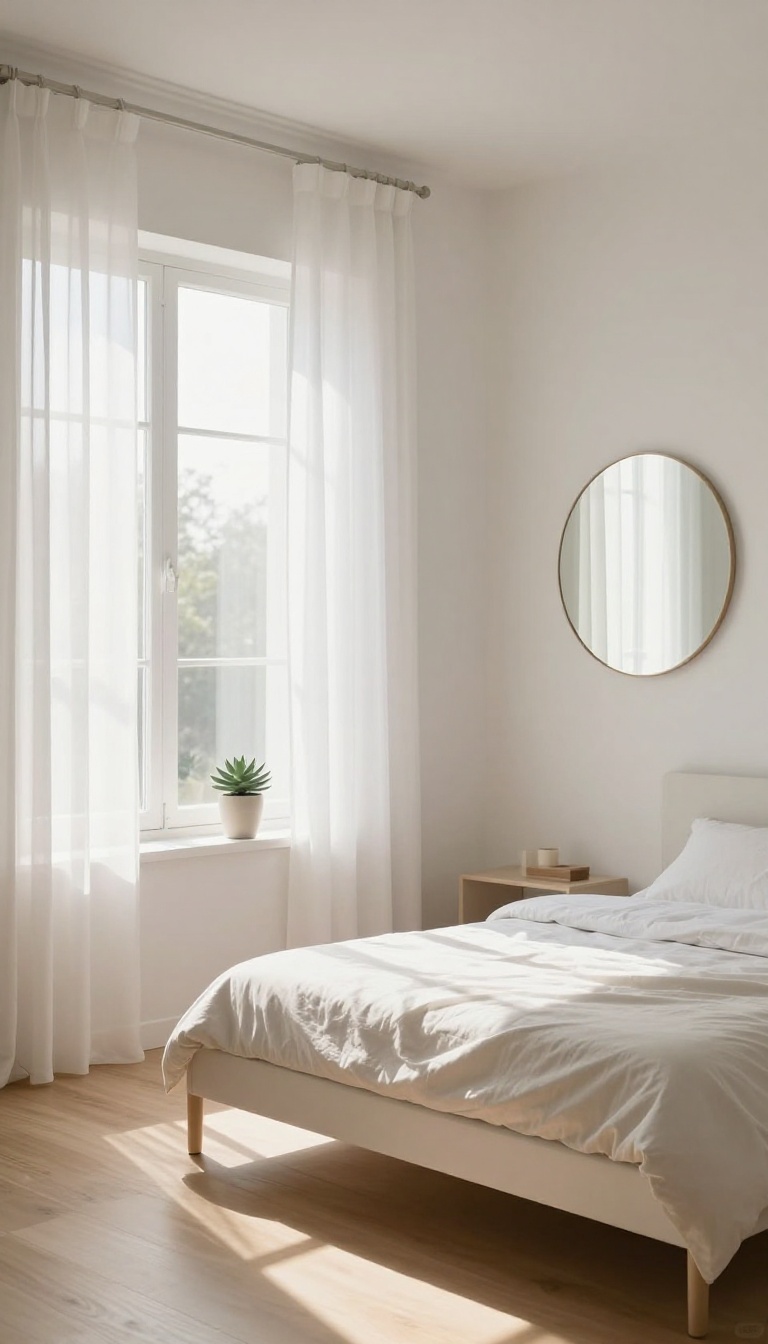
Natural light can make even the tiniest room feel airy and open. Heavy drapes and dark curtains can swallow up daylight, making the space feel smaller and more closed in. Swapping them for sheer or light-filtering options is a simple change that can transform the whole mood of your bedroom.
Start by replacing heavy curtains with sheer panels or light-filtering blinds. These let sunlight stream in while still giving you privacy. Keep windowsills clear of clutter to maximize the light that enters.
If you need more privacy at night, consider layering sheer curtains with blackout shades that you can pull down when needed.
Choose Sheer Or Light-filtering Window Treatments
Sheer curtains in a light color, like white or soft beige, diffuse sunlight beautifully and make the room feel soft and bright. Alternatively, light-filtering roller shades or cellular shades offer a clean, modern look while still letting in plenty of daylight. Avoid heavy velvet or thick thermal drapes unless you absolutely need them for insulation—they tend to darken the room.
Keep Windowsills Clear
A cluttered windowsill blocks light and makes the window look smaller. Clear off any stacks of books, plants, or decorative items that hog the sill. If you want to add a touch of greenery, choose one small plant that doesn't block the view.
This simple decluttering step can make a big difference in how much light enters the room.
Use Mirrors To Amplify Light
Place a mirror opposite or adjacent to the window to bounce natural light around the room. This trick can make the space feel brighter and more open without adding any extra fixtures. A large mirror with a thin frame works best, as it won't overwhelm the wall and will reflect the light effectively.
6. Create a Focal Point to Distract the Eye
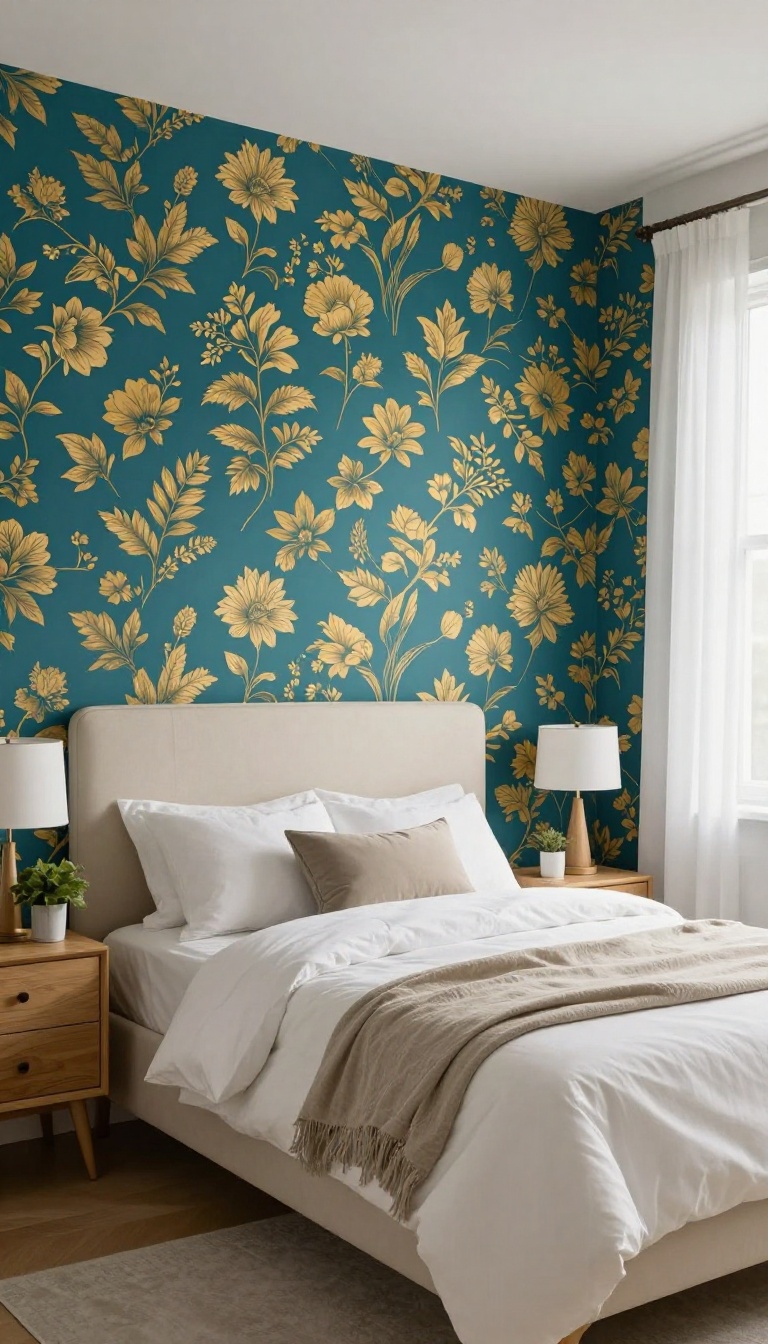
Sometimes the best way to make a small room feel bigger is to give your eyes something else to focus on. When you walk into a space, your gaze naturally lands on the most interesting feature. If that feature is a bold wall or a striking headboard, the room's size becomes secondary.
A strong focal point draws attention and adds personality, making the room feel intentional rather than cramped. It's a simple trick that shifts the narrative from "how small is this room? " to "look at that amazing wall.
"
Creating a focal point doesn't require a huge budget or a complete redesign. It's about choosing one element and letting it shine. Here's how to make it work in a small bedroom.
Pick One Wall To Transform
An accent wall is a classic way to create a focal point. Choose the wall behind your bed, as it's the natural center of attention when you enter the room. You can use wallpaper with a bold pattern, a dramatic paint color, or even wood paneling for texture.
The key is to keep the rest of the room neutral so the accent wall stands out without overwhelming the space.
Let Your Headboard Do The Talking
If you're not ready to commit to an accent wall, a statement headboard can achieve the same effect. Look for a headboard with an interesting shape, upholstered in a vibrant fabric, or with a unique pattern. It becomes the visual anchor of the room, drawing the eye upward and away from the floor, which helps the ceiling feel higher.
Balance The Visual Weight
A focal point only works if it's balanced. If you have a bold accent wall, keep the rest of the room simple and cohesive. Use matching bedding and minimal decor on other walls.
This prevents the room from feeling chaotic and ensures the focal point remains the star. The goal is to create a sense of order that makes the space feel calm and open.
7. Keep the Floor Plan Open
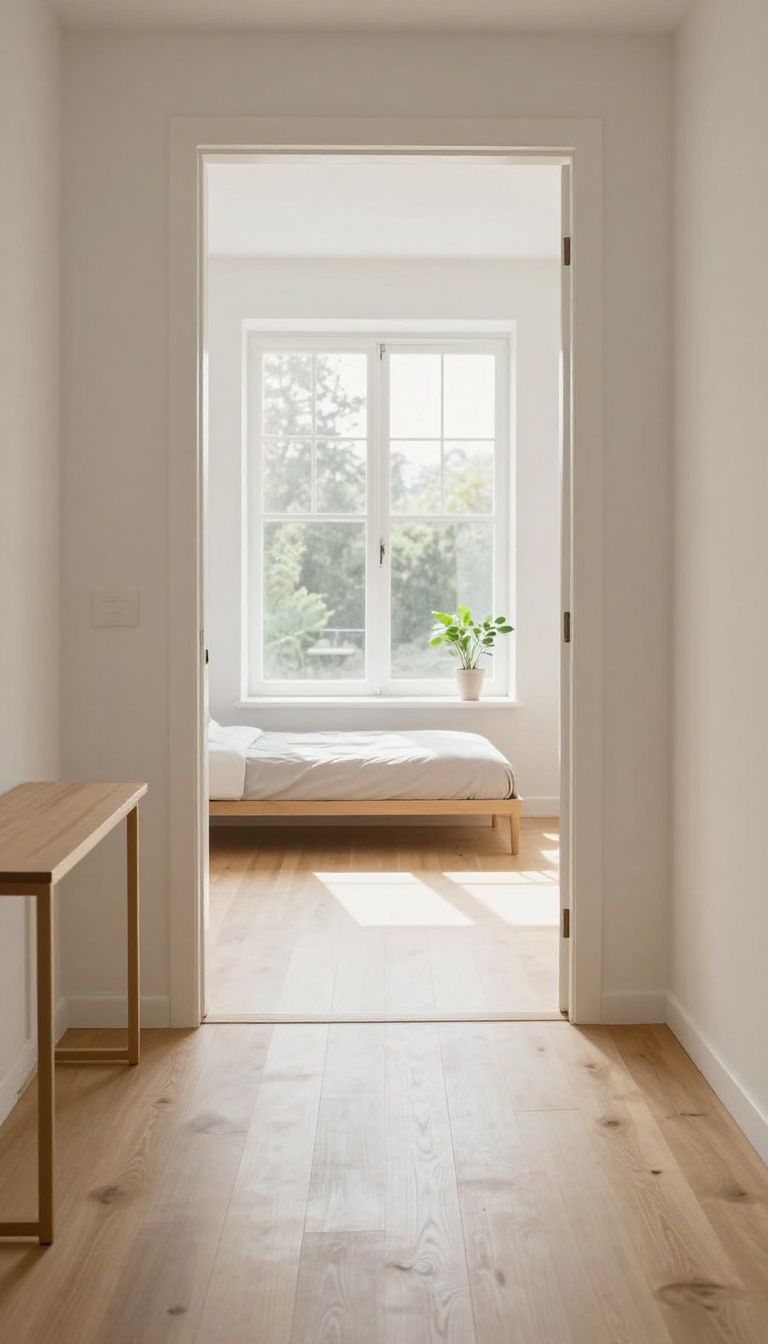
A cluttered floor plan can make a small bedroom feel even smaller. When furniture blocks the natural paths through the room, your eye has nowhere to rest, and the space feels tight and chaotic. By keeping the center of the room clear and arranging furniture to encourage easy movement, you create a sense of flow that instantly opens things up.
It’s not about having less furniture—it’s about positioning it smarter.
Start by mapping out the room’s main walkways. You want a clear, unobstructed path from the door to the window, and ideally around the bed. Avoid placing large pieces like dressers or armchairs in the middle of these routes.
Instead, push them against walls or tuck them into corners where they won’t interrupt the flow. Another trick is to float furniture away from the walls. It sounds counterintuitive, but pulling a bed or a chair a few inches off the wall creates a visual gap that makes the room feel more spacious.
It also makes cleaning easier and adds a sense of depth. Finally, consider the visual weight of each item. Choose pieces with legs or open bases, like a platform bed or a console table, so you can see the floor beneath them.
This keeps the sightline clear and prevents the room from feeling boxed in.
Map Your Walkways
Before moving anything, sketch a simple floor plan. Mark the door, window, and any built-in features. Then draw the most natural walking paths—usually straight lines from the door to the bed, window, or closet.
Keep these paths clear of furniture. If you have to squeeze past a dresser to get to the window, it’s time to rearrange.
Float Furniture For Depth
Floating means placing furniture away from the walls, leaving a small gap behind it. For example, instead of pushing your bed against the wall, pull it out a few inches. This creates a shadow line that gives the illusion of more space.
It works especially well with low-profile pieces like platform beds or benches. Just make sure the gap is wide enough to walk through comfortably.
Choose Leggy Pieces
Furniture that sits directly on the floor, like a boxy dresser or a bed with a solid base, can make a room feel heavy. Opt for pieces with visible legs—think mid-century modern or Scandinavian styles. This lets light pass underneath, making the floor appear larger.
If you already have bulky furniture, consider adding risers or replacing the base with a simple frame.
8. Use Rugs to Define Zones
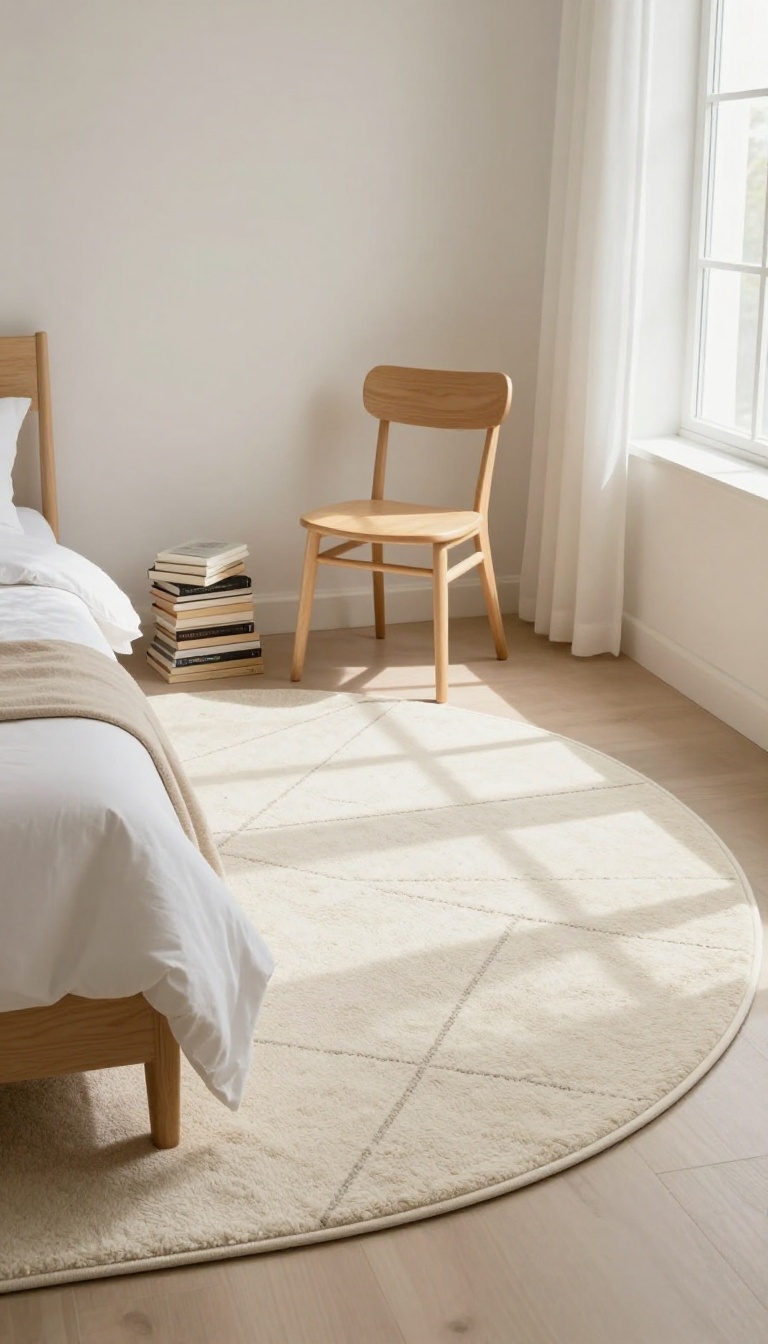
An area rug can do more than warm up your toes in the morning. In a small bedroom, it's a subtle but powerful tool for carving out distinct zones without adding walls or dividers. A well-placed rug anchors your bed and gives the room a sense of order, making it feel more intentional and spacious.
The trick is choosing the right size. A rug that's too small can make the room feel disjointed, like a postage stamp in the middle of a bare floor. One that's too large can swallow the space and make it feel cramped.
The goal is to find a rug that fits the proportions of your room and the furniture you're working with.
Anchor The Bed
Place a rug under the bed, extending at least 18–24 inches beyond the sides and foot. This creates a visual anchor that grounds the bed and defines the sleeping area. If your room is narrow, opt for a runner along the side of the bed instead of a full rug to keep the floor visible and the room feeling open.
Create A Cozy Nook
If you have a small seating area or a reading corner, use a rug to separate it from the sleeping zone. A round rug under a chair or a small bench can carve out a distinct spot without breaking the visual flow. This trick works especially well in studio apartments or bedrooms that double as workspaces.
Match The Rug To The Room
Consider the shape and pattern of the rug in relation to the room. A rectangular rug works best under a bed, while a round rug can soften sharp corners. Keep patterns subtle—bold prints can overwhelm a small space.
Choose a rug that complements your color scheme and doesn't compete with other elements.
9. Declutter with Hidden Storage
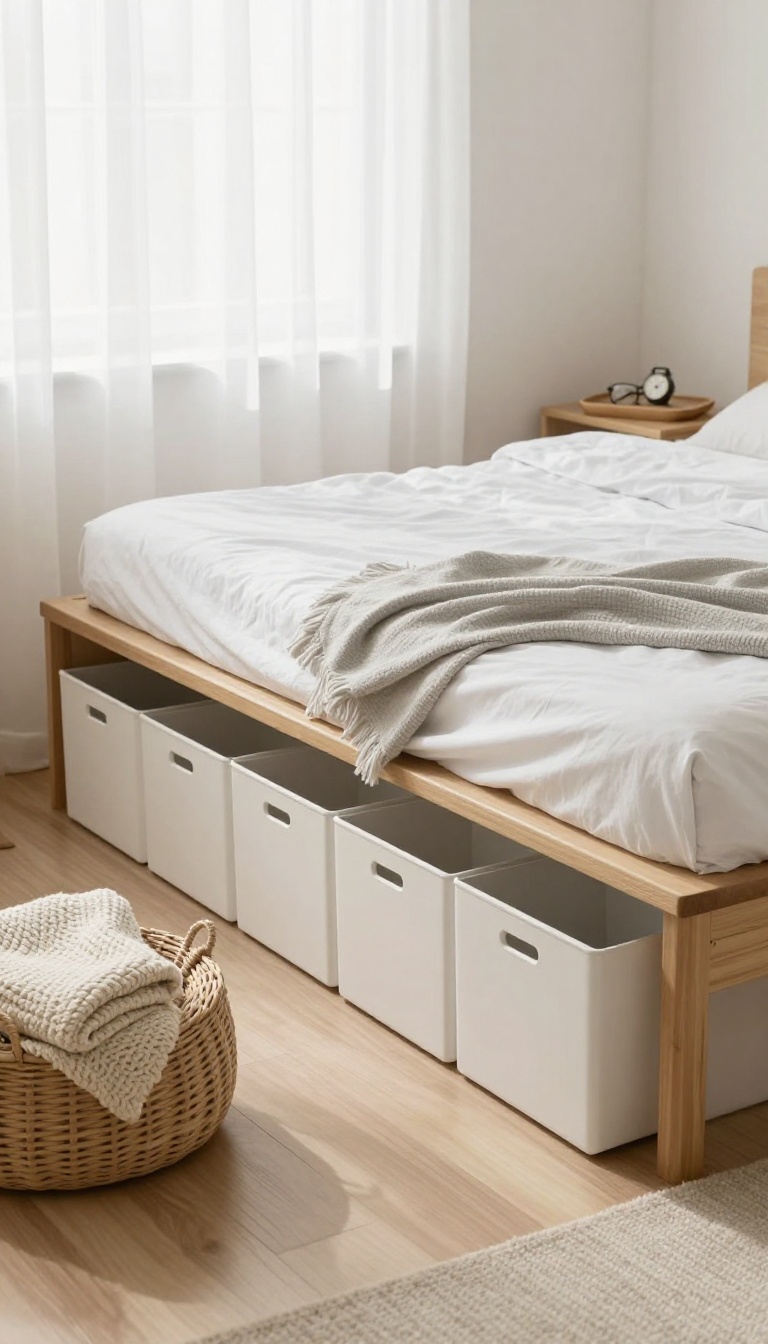
Clutter is the silent enemy of small spaces. Every stray item on a nightstand or dresser adds visual weight, making the room feel tighter than it really is. The fix isn't just tidying up—it's giving everything a designated home that's out of sight.
Hidden storage lets you keep necessities close without sacrificing that open, airy feel.
Under-bed Bins: The Ultimate Space Saver
The area under your bed is prime real estate that often goes to waste. Invest in low-profile bins or rolling drawers that slide neatly beneath the frame. Use them for off-season clothes, extra bedding, or shoes you don't wear daily.
This instantly frees up closet space and keeps bulky items from piling up in corners.
Multi-purpose Furniture With Built-in Storage
Choose furniture that works double duty. A storage bench at the foot of the bed can hold blankets or pillows while giving you a spot to sit. An ottoman with a hollow interior hides books or electronics.
Even a headboard with shelves or cabinets can stash nighttime essentials. Every piece should offer a place to tuck something away.
Baskets And Trays For Surface Control
Not everything can be hidden away, but you can corral small items into attractive containers. Use a woven basket for throw pillows or extra throws, and a tray on your dresser to hold jewelry, watches, or keys. This keeps surfaces looking intentional and uncluttered, which makes the room feel more open.
10. Add Vertical Stripe Accents
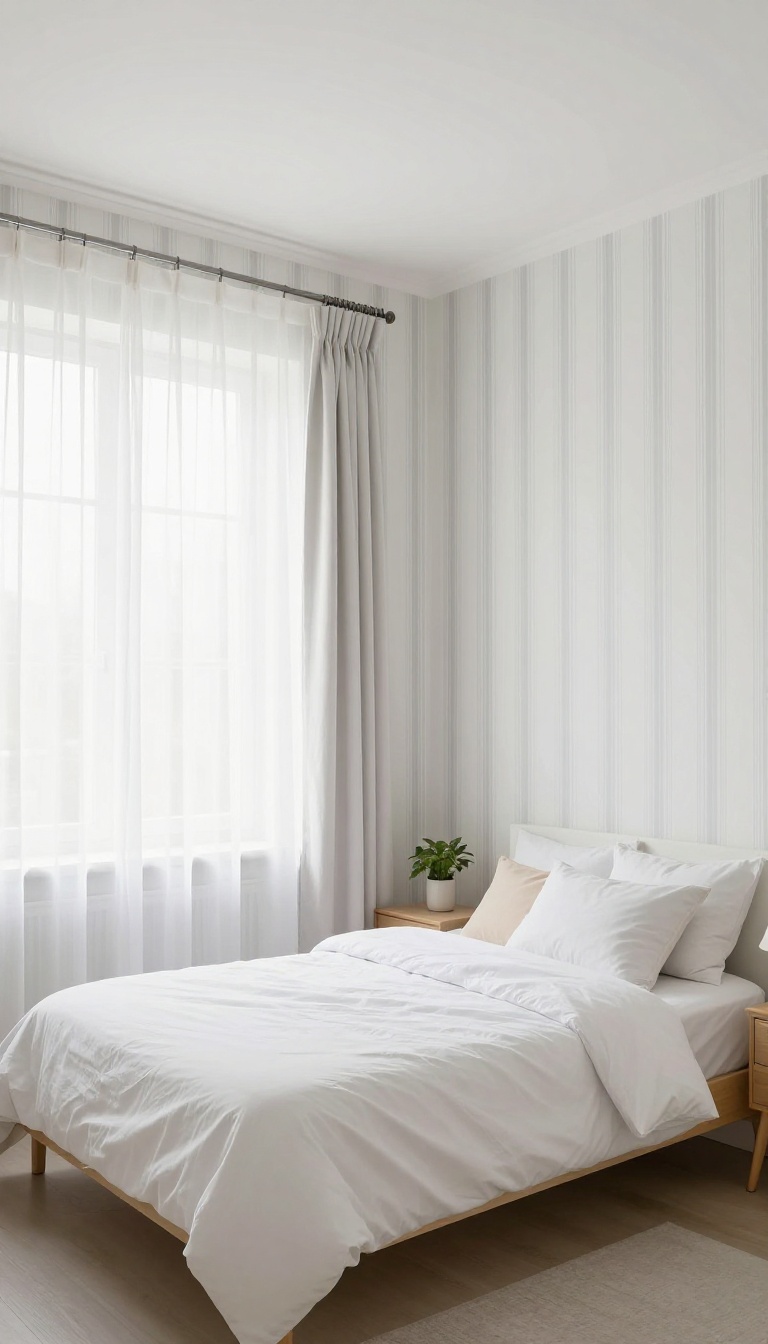
Vertical stripes are a classic trick for making a room feel taller and more spacious. By drawing the eye upward, they create the illusion of higher ceilings and a more open atmosphere. This simple design element can be introduced in several ways, from wallpaper to paint or even fabric, and it works beautifully in small bedrooms.
The key is to choose stripes that complement your existing decor without overwhelming the space. Thin, subtle stripes in a tone-on-tone palette add texture and interest, while bolder stripes can make a statement. Whichever you choose, vertical lines will instantly give your room a sense of height and airiness.
Wallpaper Wonders
Striped wallpaper is the most straightforward way to add vertical lines. Opt for a wallpaper with thin stripes in colors that match your bedding or curtains. Apply it to a single accent wall behind your bed to create a focal point, or cover all walls for a more dramatic effect.
If you're renting, consider removable wallpaper that won't damage the paint.
Paint It Up
If you prefer a DIY approach, painting vertical stripes is a budget-friendly option. Use painter's tape to create crisp lines, and choose two shades of the same color for a subtle look, or go with contrasting colors for a bolder statement. You can also paint a single wide stripe in a darker shade to draw the eye upward, making the ceiling feel higher.
Curtain Call
Hanging curtains with vertical stripes can also work wonders. Choose floor-to-ceiling curtains in a striped pattern to add height and elegance. Make sure the curtain rod is mounted close to the ceiling and extends beyond the window frame to maximize the effect.
This not only adds visual interest but also makes the windows appear larger.
FAQ
What is the best color for a small bedroom?
Light colors like white, soft gray, and pastel tones are ideal because they reflect light and make the room feel airier. You can add pops of color through accessories.
How can I make my small bedroom look bigger without spending much?
Simple changes like decluttering, using mirrors, and letting in natural light can make a big difference. Rearranging furniture to open up floor space also helps, all at little or no cost.
Should I use a large rug in a small bedroom?
Yes, but choose a rug that fits the room's proportions. A rug that's too small can make the space feel disjointed, while one that's too large can overwhelm. Aim for a rug that extends beyond the sides of the bed.
How do I choose furniture for a small bedroom?
Opt for multi-functional pieces like beds with storage or fold-down desks. Keep furniture scaled to the room's size and avoid oversized items that dominate the space.
Can vertical stripes really make a room look taller?
Yes, vertical stripes draw the eye upward, creating the illusion of height. This can make a small bedroom feel more expansive and less boxy.
Conclusion
Small bedrooms get a bad rap, but the right layout changes everything. You don't need a bigger house—just a few smarter moves that free up floor space and make the room feel lighter. Start with the idea that solves your biggest headache, whether that's the bed placement, storage, or visual clutter.
Even one change can make a real difference. Pick a starting point, give it a weekend, and enjoy the extra breathing room.