10 Bedroom Ideas for Small Rooms Couples Can Share Well
Sharing a small bedroom with your partner can feel like a constant game of Tetris. You're tripping over each other's shoes, fighting for closet space, and wondering if you'll ever have a peaceful night's sleep.
But with a few smart adjustments, you can turn that cramped room into a cozy retreat that works for both of you. It's not about squeezing in more furniture or making the room look bigger—it's about creating a space that respects both of your needs.
Whether you're dealing with a tiny apartment or a compact house, these ideas focus on practicality, comfort, and a little bit of style.
1. Use a Divider to Create Personal Zones
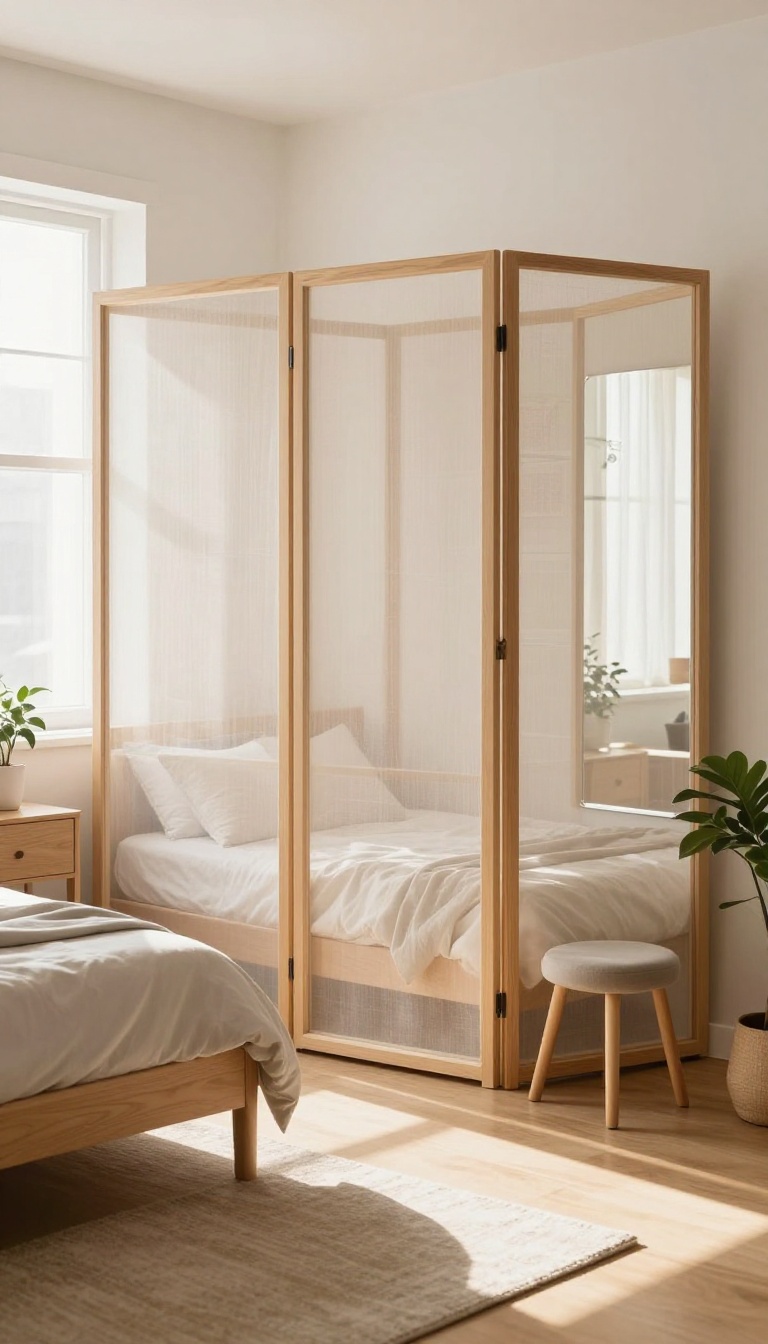
A room divider or curtain can carve out separate areas for sleeping, dressing, or working, giving each person a sense of personal space without adding walls. This is especially helpful when you have different schedules or need a quiet corner to focus. You don't have to go for a full wall—just a simple partition can make a world of difference.
In a shared small bedroom, personal space is often the first thing to go. A divider lets you create distinct zones without losing the open feel of the room. It's a flexible solution that can be adjusted as your needs change.
Plus, it adds a layer of privacy that can help reduce tension and make the room feel more balanced.
Choose The Right Type Of Divider
Think about what you need: a foldable screen for easy repositioning, a ceiling-mounted curtain for a soft partition, or a bookshelf that doubles as storage. Each has its pros and cons, so consider your space and how you want to use it. For example, a curtain is lightweight and easy to install, while a bookshelf adds function but takes up floor space.
Define Each Zone Clearly
Once you have a divider, assign a purpose to each side. Maybe one side is for sleeping and the other is a mini dressing area. Use rugs, lighting, or even color to visually separate the zones.
This helps your brain switch gears and makes each area feel intentional.
Keep It Flexible
Your needs will change, so choose a divider that can adapt. A curtain can be pulled back during the day to open up the room, while a folding screen can be moved to create different configurations. This flexibility is key in a small space where every square foot counts.
2. Opt for a Low-Profile Bed Frame
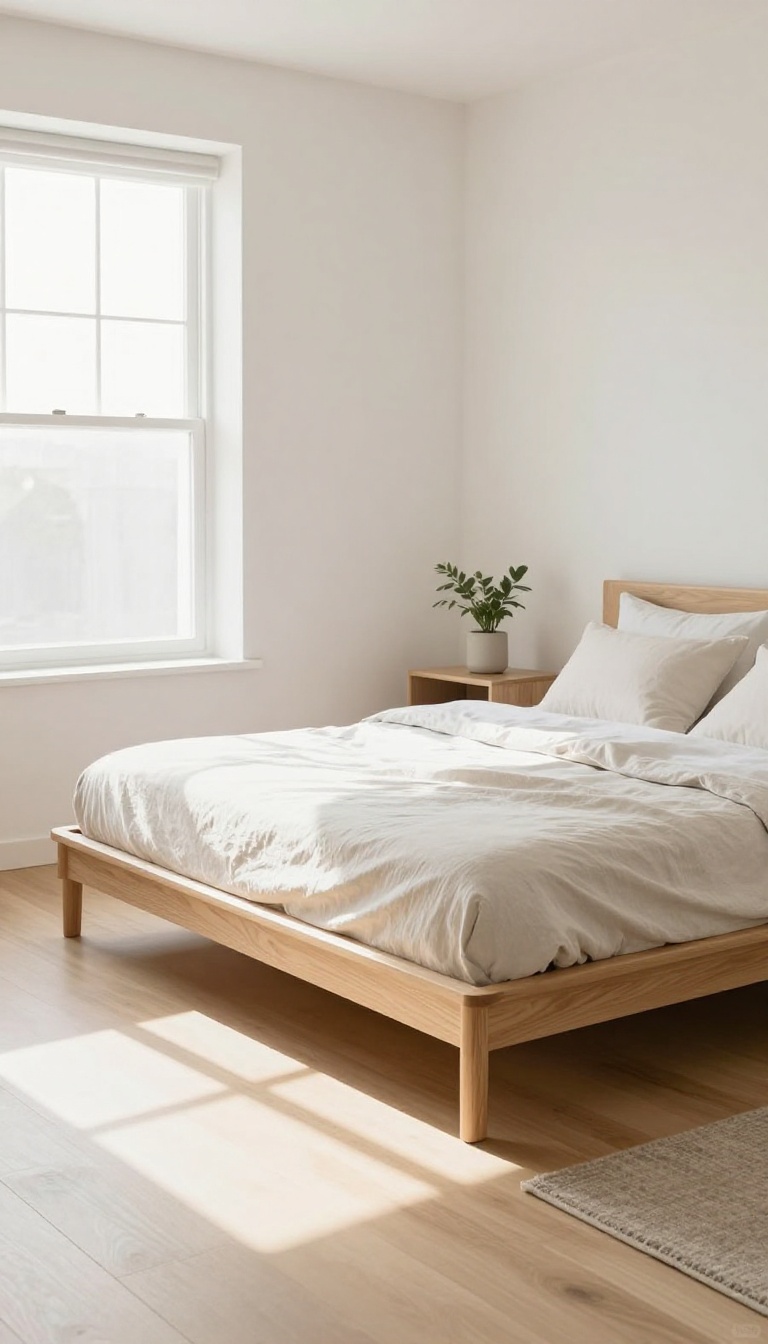
A tall, bulky bed frame can make a small room feel even tighter. Switching to a low-profile bed frame changes the whole vibe. It lowers the visual weight of the bed, making the ceiling seem higher and the floor space more open.
Plus, a low bed feels more grounded and intimate. It’s like sleeping on a cozy platform rather than a towering piece of furniture. This simple swap can make your shared bedroom feel airier and more inviting.
When you and your partner share a small room, every inch counts. A low-profile bed frame helps in two big ways: it opens up the room and it makes the space feel calmer. Here’s how to make the most of this idea.
Why Low Beds Work In Small Spaces
Low beds create a sense of openness because they don’t block sightlines. Your eyes can travel across the room without hitting a tall headboard or thick frame. This makes the room feel larger than it is.
They also add a modern, minimalist look that reduces visual clutter. With less furniture bulk, the room feels tidier and more relaxing—perfect for a shared space where you both need to unwind.
Choosing The Right Low Bed Frame
Look for a platform bed with a low profile, ideally no more than 12–18 inches off the floor. Wood or upholstered frames in neutral tones blend well with any decor. Make sure it’s sturdy enough for two people.
A solid wood or metal frame with center support is a good choice. Avoid frames with heavy footboards that can make the room feel cramped.
Styling Around A Low Bed
With a low bed, you can add a low bench or storage ottoman at the foot for extra seating and storage. Use a few large pillows and a light-colored duvet to keep the bed looking plush without adding bulk. Wall-mounted sconces or pendant lights can free up nightstand space and keep the floor clear.
This keeps the room feeling open and organized.
3. Install Wall-Mounted Nightstands
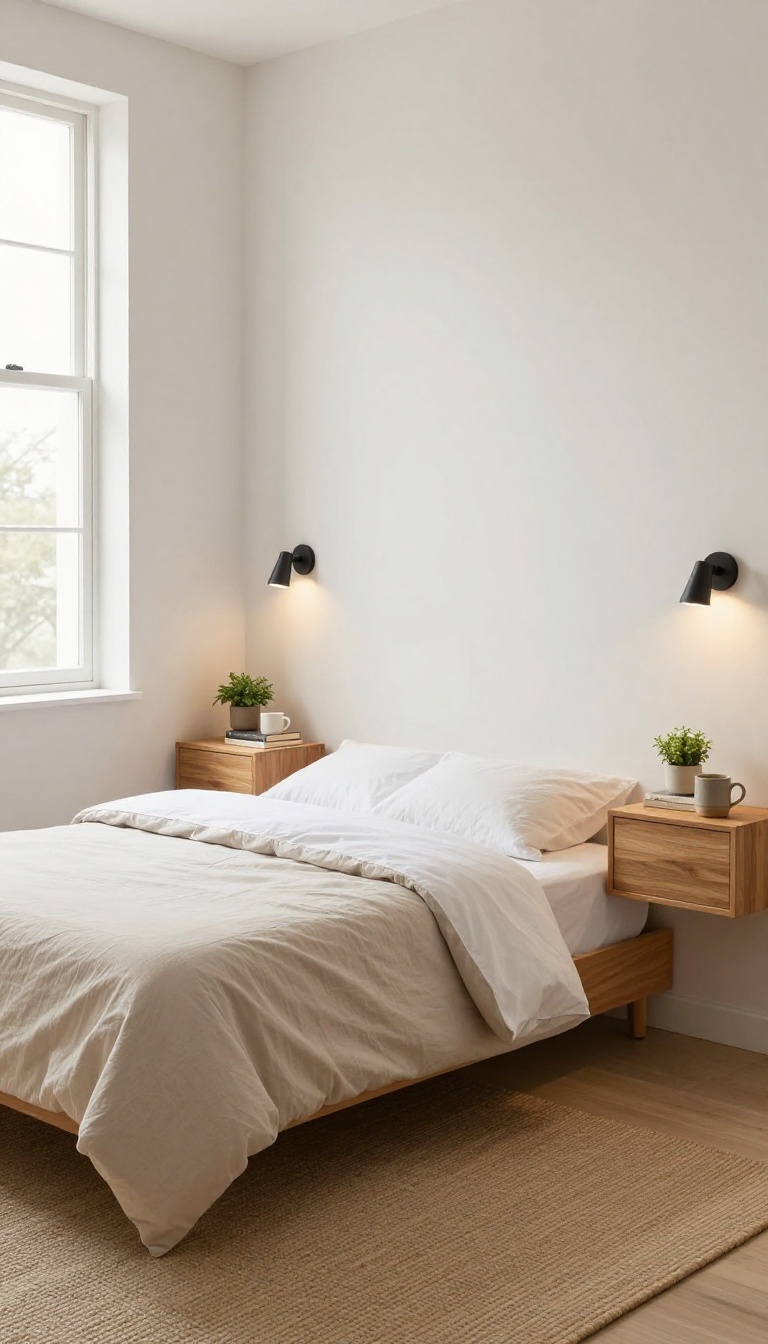
Floor space is precious when you're sharing a small bedroom. Traditional nightstands eat up valuable square footage and often become dumping grounds for clutter. Wall-mounted shelves or slim ledges offer a sleek alternative that keeps your essentials within arm's reach without crowding the room.
Mounting nightstands on the wall frees up floor space and makes the room feel more open. You can choose floating shelves, slim ledges, or even repurposed wooden crates. The key is to keep them shallow—about 8 to 12 inches deep—so they don't intrude into the walking path.
Place them at mattress height or slightly above for easy access. This setup also makes cleaning easier since there are no legs to sweep around.
Pick The Right Depth And Height
Measure your bed and the available wall space before installing. Aim for a depth of 8–12 inches so the shelf doesn't stick out too far. Mount it so the top sits level with the top of your mattress—this makes reaching for a phone or glass of water effortless.
If you're taller or shorter, adjust accordingly.
Choose Materials That Match Your Style
Wood shelves add warmth, while metal or glass options feel more modern. Floating shelves with hidden brackets create a clean, seamless look. You can also use a narrow wall-mounted cabinet with a door to hide clutter.
Just make sure the material can handle the weight of your nightly essentials.
Add Lighting And Charging
Consider installing small wall sconces above each shelf to free up even more surface space. For charging, use a power strip with a flat plug that can be mounted underneath the shelf, or install a shelf with built-in USB ports. This keeps cords off the floor and out of sight.
4. Maximize Vertical Storage with Tall Shelves
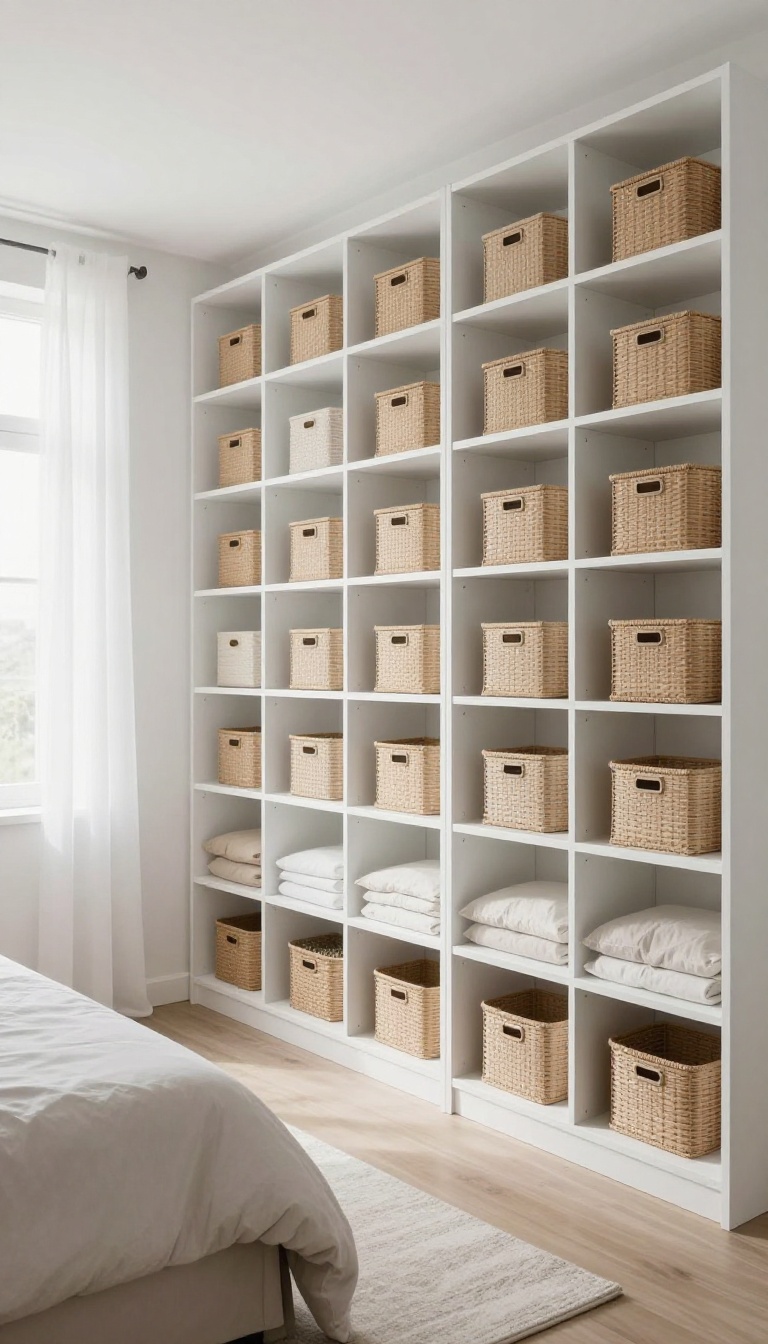
When floor space is tight, the only direction left is up. Tall, narrow shelves or cabinets can hold a surprising amount of your stuff without eating into your walking area. They make the room feel taller and more open, which is a win-win for a shared space.
Start by measuring your wall height and choosing units that go as high as possible—ideally up to the ceiling. Look for slim designs that don't stick out too far, so they don't overwhelm the room. Use the top shelves for items you rarely need, and keep everyday things within easy reach.
Pick The Right Shelving Unit
Go for tall, narrow bookshelves or cabinets with closed storage to hide clutter. Open shelves are fine for a few decorative pieces, but closed cabinets keep the visual noise down. Consider units with adjustable shelves so you can customize the spacing for your belongings.
Divide And Conquer
Assign each person their own shelf or section. That way, you both know where your stuff lives, and you won't have to dig through each other's things. Use baskets or bins to group smaller items like accessories, tech gear, or hobby supplies.
Use The Top Shelf Wisely
The top shelf is prime real estate for out-of-season clothes, extra bedding, or luggage. Store these in labeled bins or vacuum bags to keep them dust-free and easy to identify. This frees up lower shelves for daily essentials.
5. Choose a Murphy Bed or Wall Bed
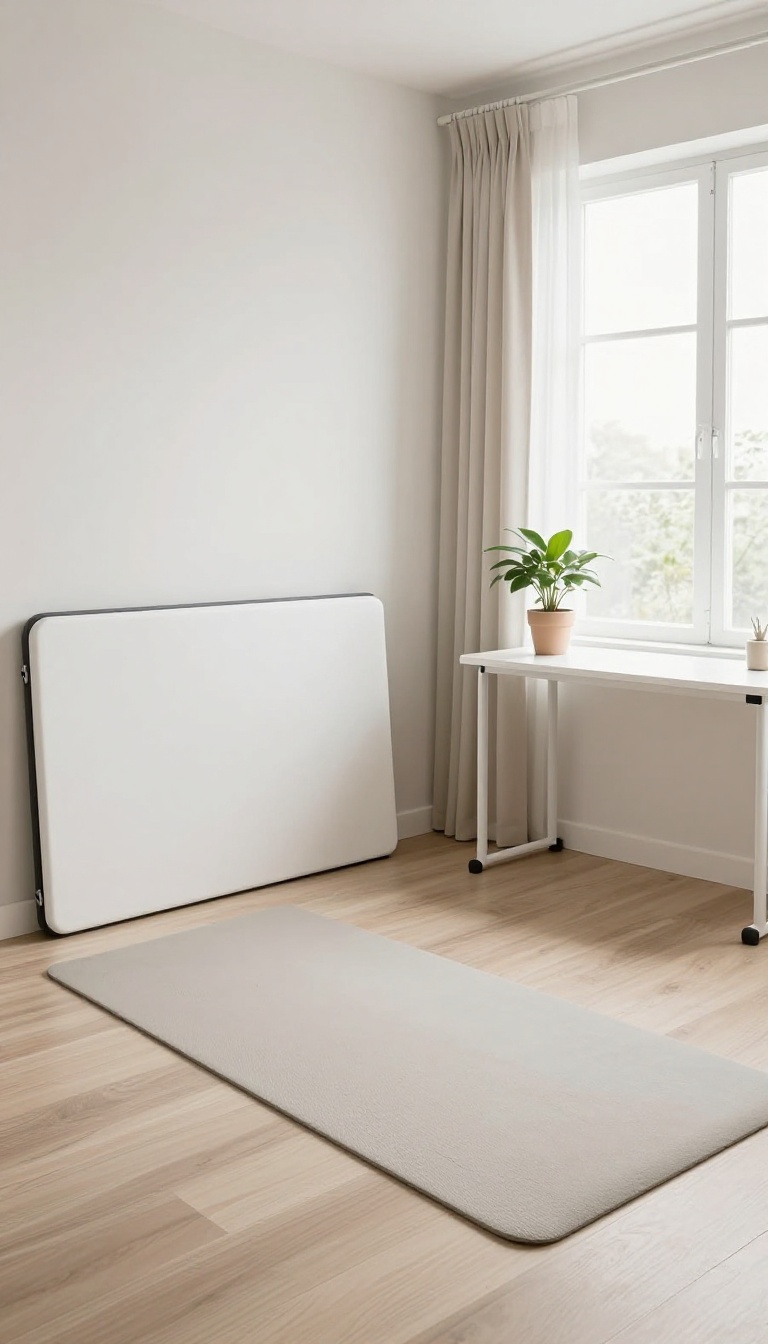
Sleeping arrangements can be the biggest headache in a small shared bedroom. A traditional bed eats up floor space day and night, leaving little room for anything else. That's where a Murphy bed—or wall bed—changes the game.
It folds up vertically against the wall when not in use, instantly opening up the room for other activities. For couples who need their bedroom to double as a home office, gym, or lounge, this is a practical, space-saving solution that feels almost magical.
A Murphy bed isn't just a clever space saver; it's a lifestyle upgrade. When you fold it away, you gain a clear floor area that can be used for yoga, working out, or simply moving around without bumping into each other. The key is to choose a model that's easy to operate and fits your room's dimensions.
Many modern designs come with built-in shelving, lighting, or even a desk, making them even more versatile. Plus, with a quality mattress and proper installation, you won't sacrifice comfort for space. It's a win-win for couples who want both functionality and coziness.
Why It Works For Couples
For two people sharing a small room, a Murphy bed eliminates the daily battle of making the bed and the constant presence of bulky furniture. When the bed is up, you have a clear, open area that feels twice as large. This is especially helpful if one partner works from home or if you enjoy having friends over—your bedroom can transform into a living space in seconds.
The psychological benefit is huge too: a room that doesn't always look like a bedroom feels less claustrophobic and more flexible.
What To Look For
Not all Murphy beds are created equal. Look for a mechanism that's smooth and reliable, with a spring or piston system that makes lowering and raising easy. Measure your room carefully—both the wall height and the floor space when the bed is down.
Consider a model with integrated storage, such as shelves or cabinets on the sides, to maximize every inch. Also, check the weight capacity and mattress thickness; most Murphy beds work best with a mattress around 8-10 inches thick. And don't forget to factor in installation—some models require professional mounting to ensure safety.
Making It Feel Like A Real Bed
One concern couples have is that a Murphy bed might feel like a temporary cot. But with the right mattress and bedding, it can be just as comfortable as a traditional bed. Invest in a high-quality mattress that offers good support, and use your regular sheets and pillows.
Some models even allow you to leave the bedding on when you fold it up, thanks to straps or a special cover. That means you can skip the daily bed-making routine and just fold it away—a small luxury that saves time and effort.
6. Use Under-Bed Storage Strategically
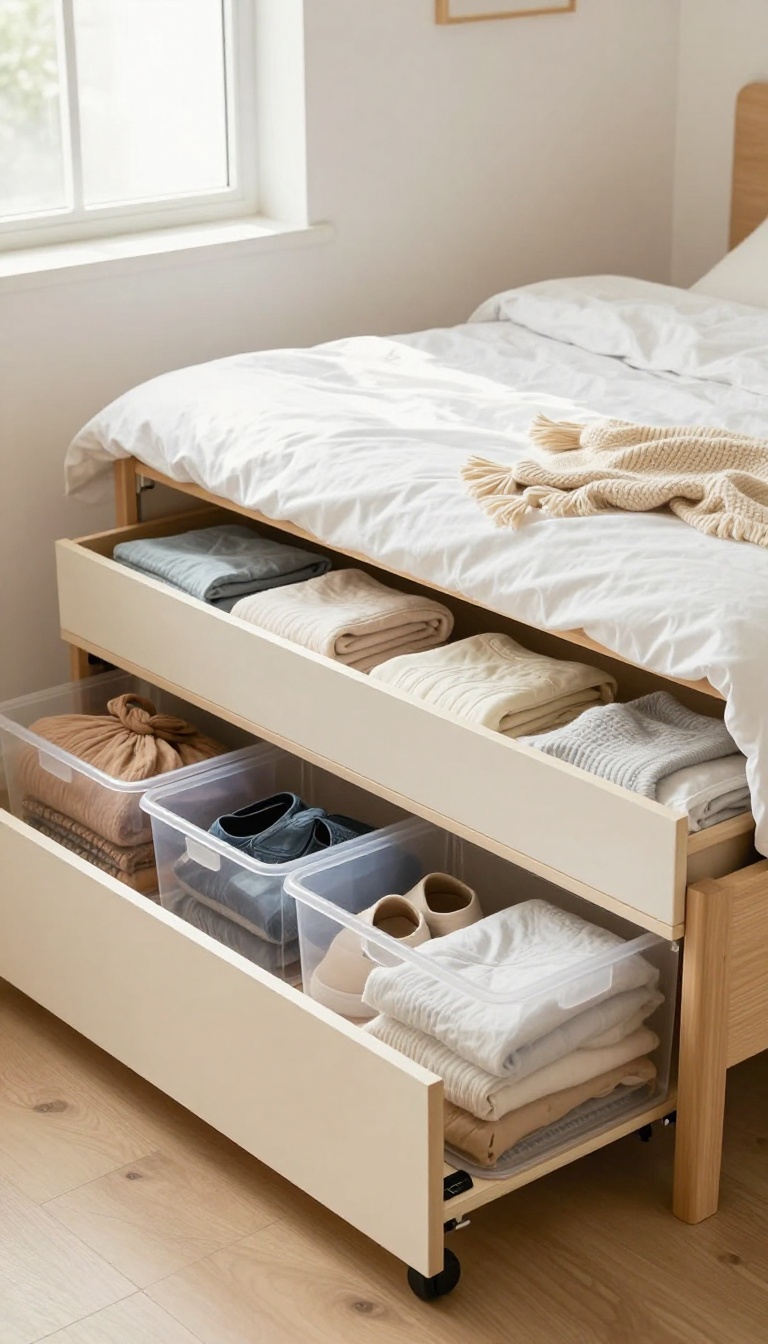
Roll-out bins, drawers, or vacuum-sealed bags under the bed can hold off-season clothes, extra linens, or shoes, keeping them out of sight but within reach. This trick is a lifesaver when you're short on closet space and need to share every inch. Plus, it's a low-cost solution that doesn't require any fancy installation.
Under-bed storage is one of the easiest ways to reclaim floor space and keep your shared bedroom clutter-free. By using the area beneath your bed, you can store bulky items that would otherwise crowd your closet or sit in piles on chairs. The key is to choose storage that slides smoothly and stays organized, so you can grab what you need without pulling everything out.
Pick The Right Storage Containers
Not all under-bed storage is created equal. Look for low-profile bins with wheels or sturdy drawers that roll out easily. Vacuum-sealed bags are perfect for bulky items like comforters or winter coats, as they shrink down to fit in tight spaces.
For shoes, clear, stackable boxes let you see what's inside without opening each one.
Divide And Conquer With Labels
When you're sharing the space, organization is everything. Use separate bins for each person's belongings, and label them clearly. For example, one bin for your sweaters, another for your partner's gym gear.
This way, you both know exactly where to find things and can avoid the frustration of digging through each other's stuff.
Keep It Accessible For Everyday Items
Store items you use frequently near the foot of the bed, where they're easiest to reach. Reserve the back area for seasonal or rarely used items. If you have a bed frame with built-in drawers, use those for everyday essentials like pajamas or extra pillows.
The goal is to make the storage work for you, not just hide things away.
7. Add a Full-Length Mirror to Reflect Light
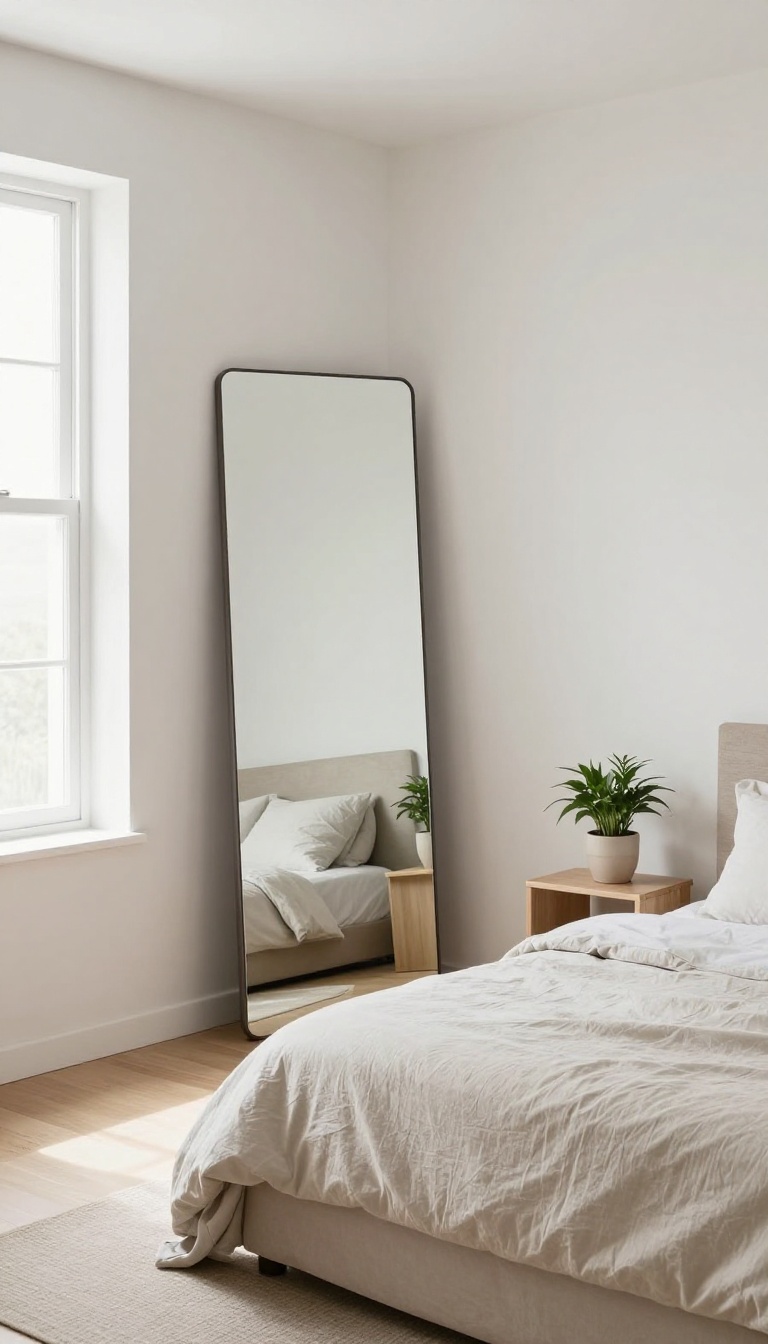
Mirrors are magic in small spaces. A full-length mirror doesn’t just help you check your outfit—it bounces natural light around the room, making the whole place feel airier and more open. For a couple sharing a tight bedroom, that’s a win-win: you get a practical dressing aid, and the room instantly feels less boxed in.
Place it strategically across from a window to maximize the effect. Even on cloudy days, the mirror will brighten dark corners and give the illusion of extra square footage. Plus, it’s a budget-friendly trick that doesn’t require any major renovation.
When you’re sharing a small bedroom, every inch counts. A full-length mirror can be a game-changer, but only if you position it right. Here’s how to make it work for both of you.
Where To Place It
The best spot is opposite a window, so it reflects natural light and makes the room feel twice as big. If that’s not possible, lean it against a wall near a lamp or sconce to bounce artificial light. Avoid placing it directly facing the bed—it can be distracting and make the room feel cluttered.
Style Options For Small Rooms
Skip bulky framed mirrors that eat up wall space. Instead, go for a sleek, frameless design or a mirror with a thin metal frame. You can also lean a tall mirror against the wall for a casual, modern look that doesn’t require drilling.
Another option: a mirror wardrobe door, which combines storage and reflection in one piece.
Dual-use Ideas
Make the mirror work harder. Attach small hooks or a slim shelf to the side of the mirror for jewelry, keys, or a watch. Or choose a mirror with a built-in storage cabinet behind it—perfect for toiletries or accessories.
That way, you’re not just adding light, you’re adding storage without taking up extra floor space.
8. Incorporate Dual-Purpose Furniture
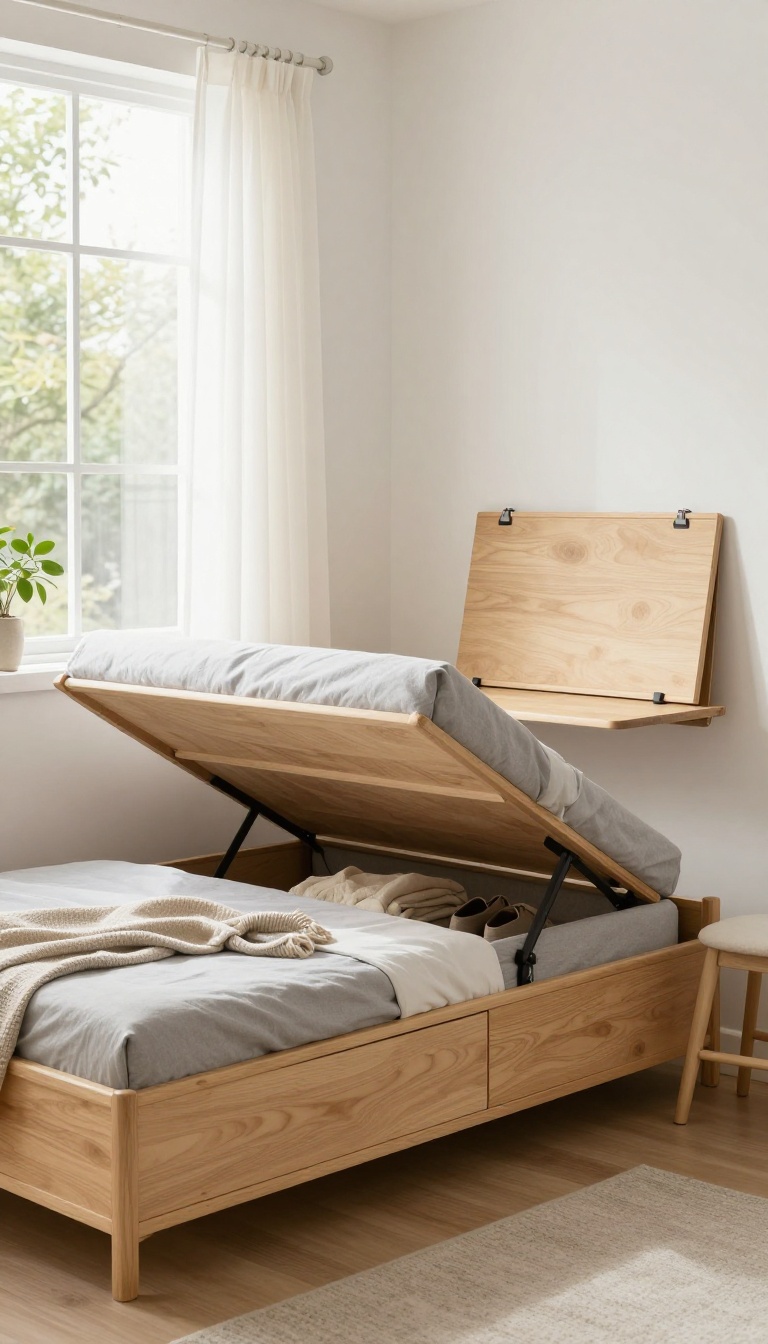
When you're sharing a small bedroom, every piece of furniture should earn its keep. That's where dual-purpose pieces come in—they solve two problems at once, saving both space and money. Think of a bench that stores shoes, a desk that folds away, or an ottoman that hides extra blankets.
These smart finds cut clutter and add function without making the room feel crowded.
Start by looking at your room's biggest pain points. Maybe you need a place to sit and get dressed, but there's no room for a chair. Or you want a workspace, but a full desk would block the closet.
Dual-purpose furniture tackles these issues head-on. For example, a storage bench at the foot of the bed gives you a spot to sit and a hidden spot for off-season clothes. A wall-mounted fold-down desk can serve as a vanity or workspace, then tuck away when you need floor space.
And an ottoman with a lift-top can double as a coffee table, extra seating, and a catch-all for clutter.
Look For Storage In Unexpected Places
The best dual-purpose pieces hide storage where you least expect it. A bed frame with built-in drawers is a classic, but don't stop there. Look for headboards with shelves, nightstands that double as charging stations, or a window seat with a lift-up lid.
These pieces give you a place for everything without adding extra bulk.
Choose Pieces That Adapt To Your Routine
Think about how you and your partner actually use the room. If one of you works from bed, a rolling laptop cart might be more useful than a fixed desk. If you both love reading, a bench with a flip-down tray could serve as a shared nightstand.
The goal is to find furniture that flexes with your daily habits, not just something that looks good in a catalog.
Don't Forget About Visual Space
Dual-purpose furniture can also make the room feel more open. A fold-down desk frees up floor space when not in use, and a storage ottoman can replace a bulky coffee table. Choose pieces with legs that expose the floor, or go for a light color to keep the room airy.
This way, you get the function without the visual weight.
9. Create a Cozy Reading Nook in a Corner
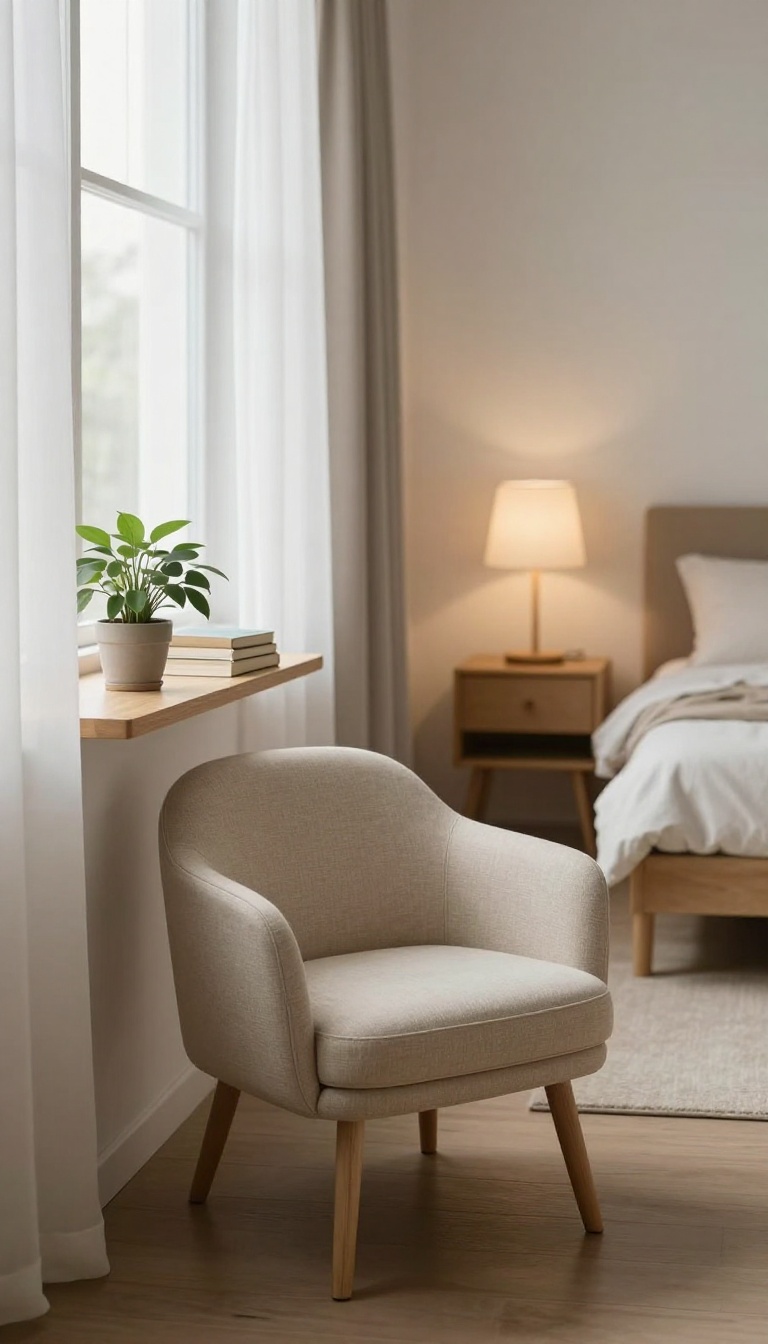
Even the smallest bedroom has a corner that's just begging to be turned into a personal hideaway. A reading nook doesn't need much—just a comfortable seat, a light source, and a spot for your current book. This becomes your partner's solo retreat when you need a moment apart without leaving the room.
Carving out a reading nook is about more than just finding a place to sit. It's about creating a visual separation from the rest of the room, even if it's just a few square feet. With the right setup, you can have a cozy corner that feels like a mini escape, perfect for unwinding with a novel or catching up on magazines.
Pick The Right Spot
Look for a corner that's relatively quiet and has enough wall space for a chair and a small shelf. If you have a window, that's a bonus—natural light makes reading easier and the spot more inviting. Avoid high-traffic areas like the foot of the bed or right next to the door.
Choose A Chair That Fits
You don't need a bulky armchair. A compact accent chair, a papasan chair, or even a sturdy floor cushion with a backrest can work. Measure your corner first to ensure the chair doesn't overwhelm the space.
If you're tight on room, consider a hanging chair or a wall-mounted fold-down seat that you can tuck away when not in use.
Lighting And Storage
A small floor lamp or a wall-mounted swing arm lamp provides focused light without taking up floor space. For storage, install a floating shelf just above the chair to hold books, a reading glass, or a mug. If you're worried about clutter, keep it to just a few items—this nook should feel peaceful, not packed.
Make It Yours
Add a soft throw blanket and a small cushion to make the chair extra comfortable. A tiny side table or a stool can hold your cup of tea. Personal touches like a framed photo or a small plant make the nook feel like a special spot that's all yours.
10. Use Lighting to Set the Mood
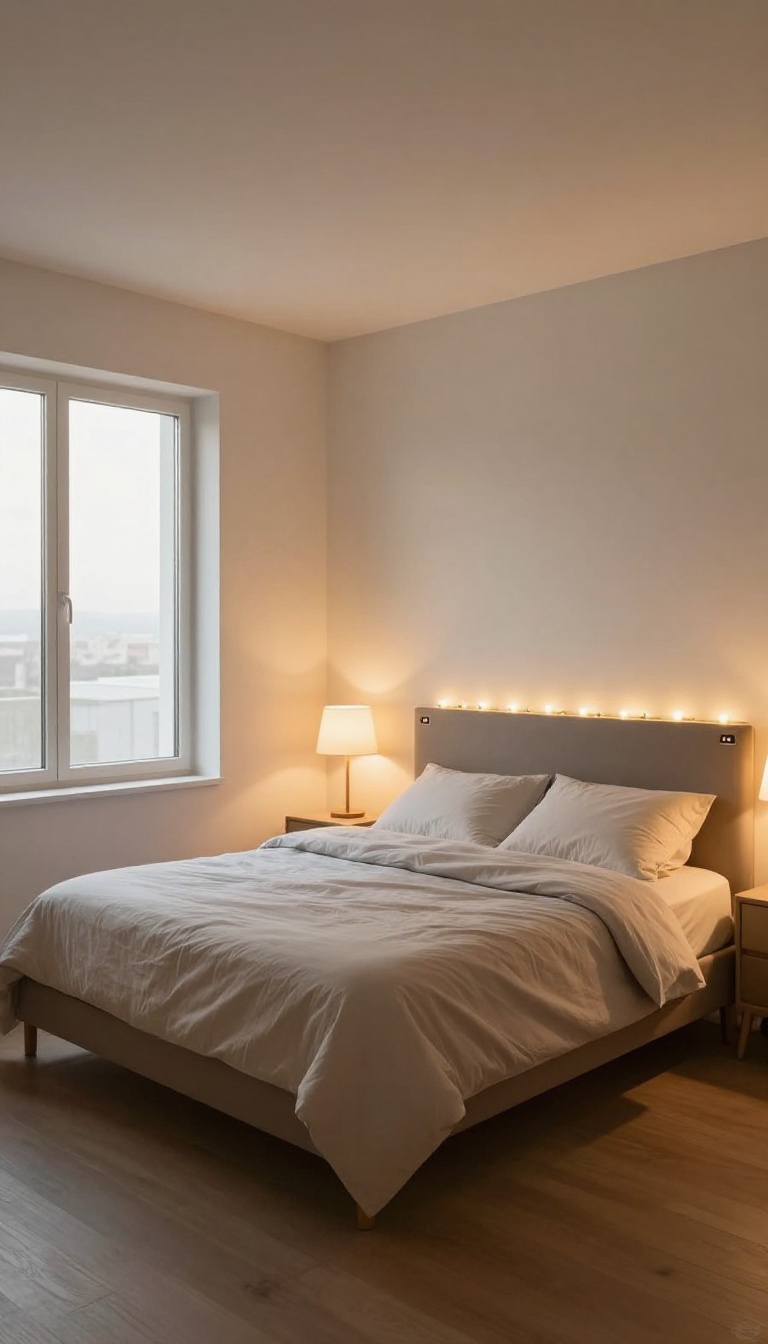
Lighting can make or break a small shared bedroom. Too bright and it feels like a hospital room; too dim and you're squinting to find your pajamas. The right mix of light sources lets you both adjust the ambiance to match your mood—whether that's winding down with a book or getting ready for a night out.
The key is to layer different types of lighting so you're not stuck with one harsh overhead fixture. Start with a dimmable ceiling light for general illumination, then add bedside lamps for reading or relaxing. String lights or a small floor lamp can add a soft, cozy glow without taking up much space.
With separate controls, you and your partner can each set the light level you prefer without disturbing the other.
Layer Your Light Sources
Combine ambient, task, and accent lighting. Use a ceiling fixture with a dimmer for overall light, clip-on reading lights for each side of the bed, and a small table lamp or LED strip for a warm evening glow. This way, you can adjust the brightness to suit different activities—bright for dressing, soft for relaxing.
Give Each Person Their Own Switch
Avoid fights over lighting by giving each of you control. Install separate bedside lamps with individual switches, or use smart bulbs that you can control from your phone. That way, one person can read while the other sleeps, or you can both dim the lights together for movie night.
Use Bulbs That Flatter Everyone
Choose warm white bulbs (2700K-3000K) for a cozy, flattering light that makes everyone look good. Avoid harsh fluorescent or cool white bulbs that can feel sterile. If you want to get fancy, consider smart bulbs that let you change color temperature throughout the day.
FAQ
How can we make a small bedroom feel less cluttered?
Start by decluttering regularly and using hidden storage solutions like under-bed bins, wall-mounted shelves, and multi-functional furniture. Keep surfaces clear and adopt a 'one in, one out' rule for new items.
What is the best bed size for a small room shared by a couple?
A queen-size bed is often the sweet spot for couples, but if space is really tight, a full-size bed can work. Consider a low-profile frame to make the room feel more open.
How can we create personal space in a small bedroom?
Use room dividers, curtains, or even tall plants to create visual separation. Assign each person a specific storage area or a small corner for their own belongings.
Are there any space-saving furniture ideas for small bedrooms?
Yes! Look for Murphy beds, wall-mounted nightstands, fold-down desks, and ottomans with storage. These pieces maximize functionality without taking up extra floor space.
What lighting is best for a small bedroom shared by a couple?
Use a mix of ambient, task, and accent lighting. Dimmable overhead lights, individual reading lamps, and warm string lights can create a cozy, flexible atmosphere.
Conclusion
Sharing a small bedroom doesn't mean you have to sacrifice comfort or style. With a few thoughtful changes, you can create a space that feels both functional and intimate.
Start with the ideas that resonate most with your needs, and don't be afraid to mix and match. The goal is to make the room work for both of you—so you can relax, recharge, and enjoy each other's company, even in the coziest of spaces.