11 Basement Shower Ideas That Brighten Below Grade Bathrooms
Basement bathrooms often get the short end of the stick—literally. With limited natural light and low ceilings, they can feel more like a cave than a spa. But you don't have to settle for a gloomy shower.
The right design choices can make a below-grade bathroom feel airy, open, and even sunlit. From glass panels that bounce light around to clever lighting tricks that mimic daylight, there are plenty of ways to brighten up your basement shower.
Whether you're finishing a basement or renovating an existing one, these ideas will help you create a shower that feels far from underground. Let's dive into 11 basement shower ideas that will transform your below-grade bathroom into a bright, welcoming retreat.
1. Glass Enclosures: Let Light Flow Through
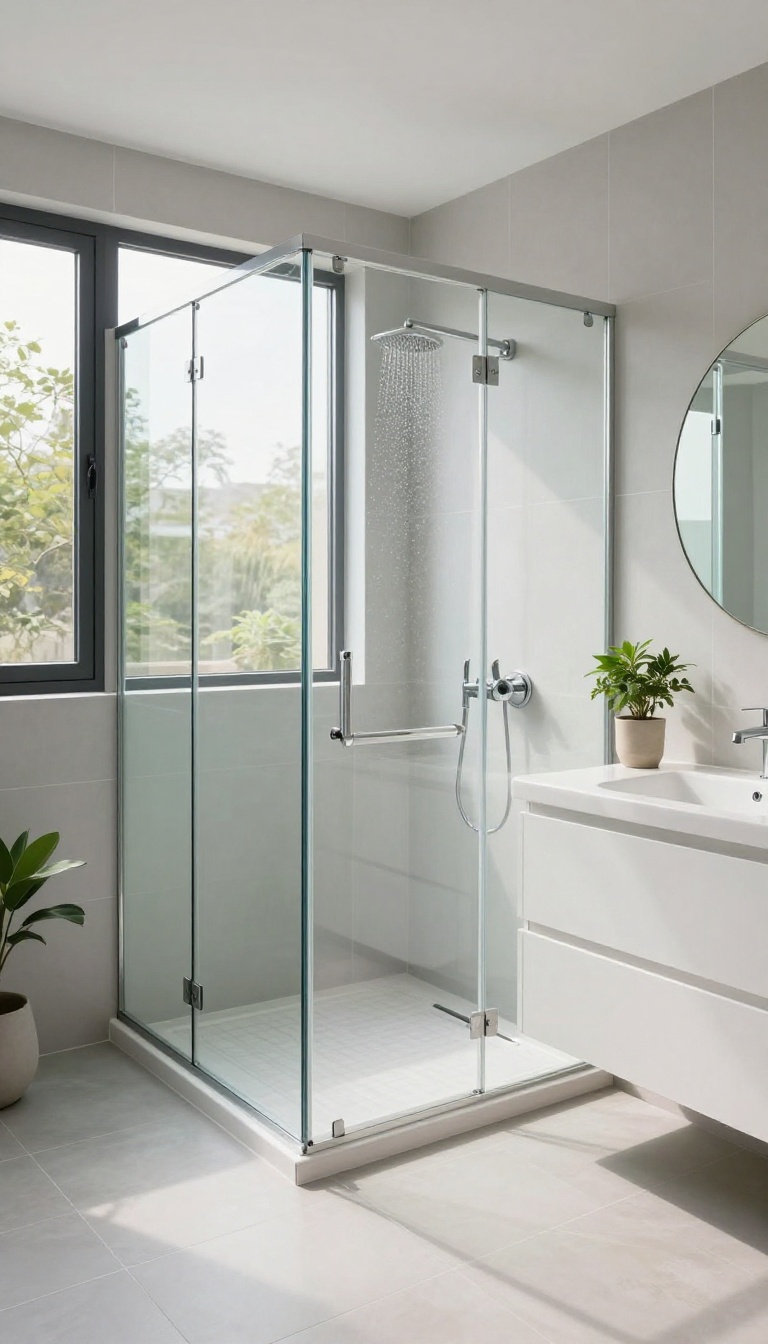
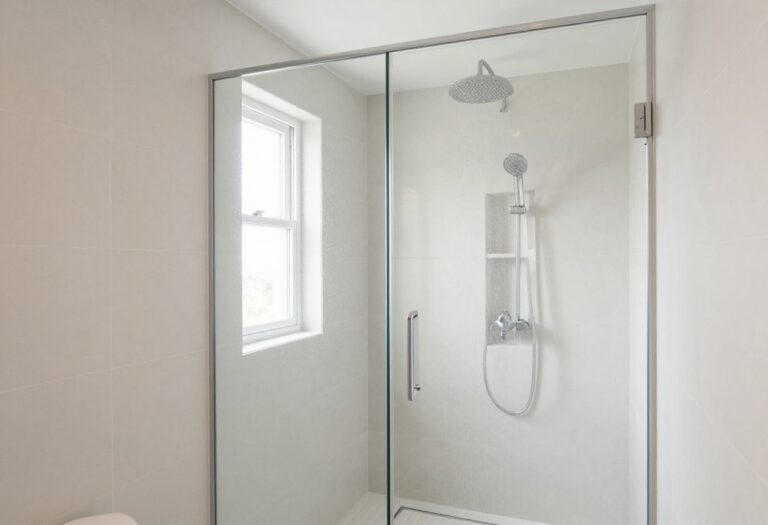
Swapping heavy curtains or opaque doors for clear glass is one of the simplest ways to open up a basement shower. Without solid barriers, light from the rest of the bathroom can travel freely, making the whole space feel brighter and more expansive. Plus, glass has a sleek, modern look that instantly upgrades the aesthetic.
Clear glass enclosures do more than just look good—they work hard to maximize every bit of available light. In a basement, where natural light is often scarce, letting even a little light pass through can make a big difference. Glass also visually connects the shower to the rest of the room, which helps the area feel less cramped and more integrated.
Why Clear Glass Wins In Tight Spaces
Opaque doors and heavy curtains block light and create visual barriers. Clear glass, on the other hand, allows your eye to travel beyond the shower, making the bathroom feel larger. It's a simple swap that can transform a dark corner into a bright, open area.
Frameless Vs. Framed: Which To Choose
Frameless glass panels have a minimal, airy look that's perfect for small bathrooms. They use fewer metal parts, which means less visual clutter. Framed options are often more budget-friendly and easier to install, but they can make the space feel more enclosed.
For a basement, frameless is usually the way to go.
Keep It Spotless With Easy-care Glass
Worried about water spots and soap scum? Modern glass treatments can help. You can apply a protective coating that makes water bead up and roll off, reducing buildup.
Or choose glass with a built-in easy-clean layer. This keeps your shower looking bright and clear with minimal effort.
2. Skylights: Bring the Outdoors Downstairs
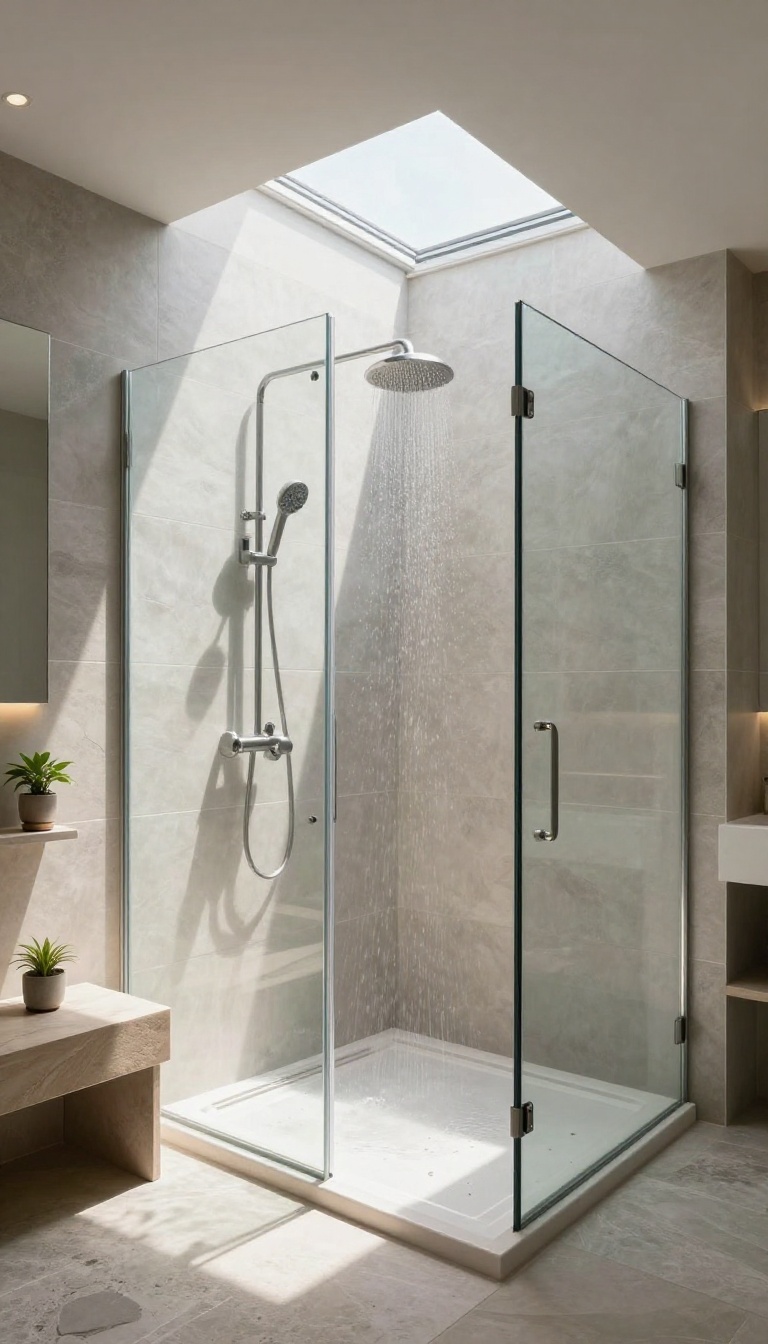
If you have access to the ceiling above, a skylight can flood your shower with natural light. Even a small tubular skylight can make a big difference in a basement. It’s one of the most effective ways to combat that underground feeling.
Skylights aren’t just for attics—they’re a game-changer for basement showers. By channeling sunlight from above, you can brighten the space without adding a single fixture. The trick is choosing the right type and placement for your specific ceiling setup.
Tubular Skylights: Small But Mighty
Tubular skylights, also known as sun tunnels, are perfect for tight spaces. They use a reflective tube to funnel light from the roof down to your shower. Installation is less invasive than a traditional skylight, and they can fit between joists.
Even a 10-inch tube can add a surprising amount of brightness.
Traditional Skylights For A Grander Feel
If you have enough ceiling space, a traditional skylight can turn your shower into a sunlit oasis. Consider a fixed or venting skylight with a clear or frosted glass. Frosted glass offers privacy while still letting in light.
For a dramatic effect, position it directly above the showerhead.
Placement And Light Direction
Where you place the skylight matters. North-facing skylights provide soft, consistent light, while south-facing ones bring in stronger, warmer rays. East-facing skylights are great for morning showers, and west-facing ones give you a golden glow in the evening.
Think about when you’ll use the shower most and orient accordingly.
3. Light-Colored Tiles: Reflect and Amplify
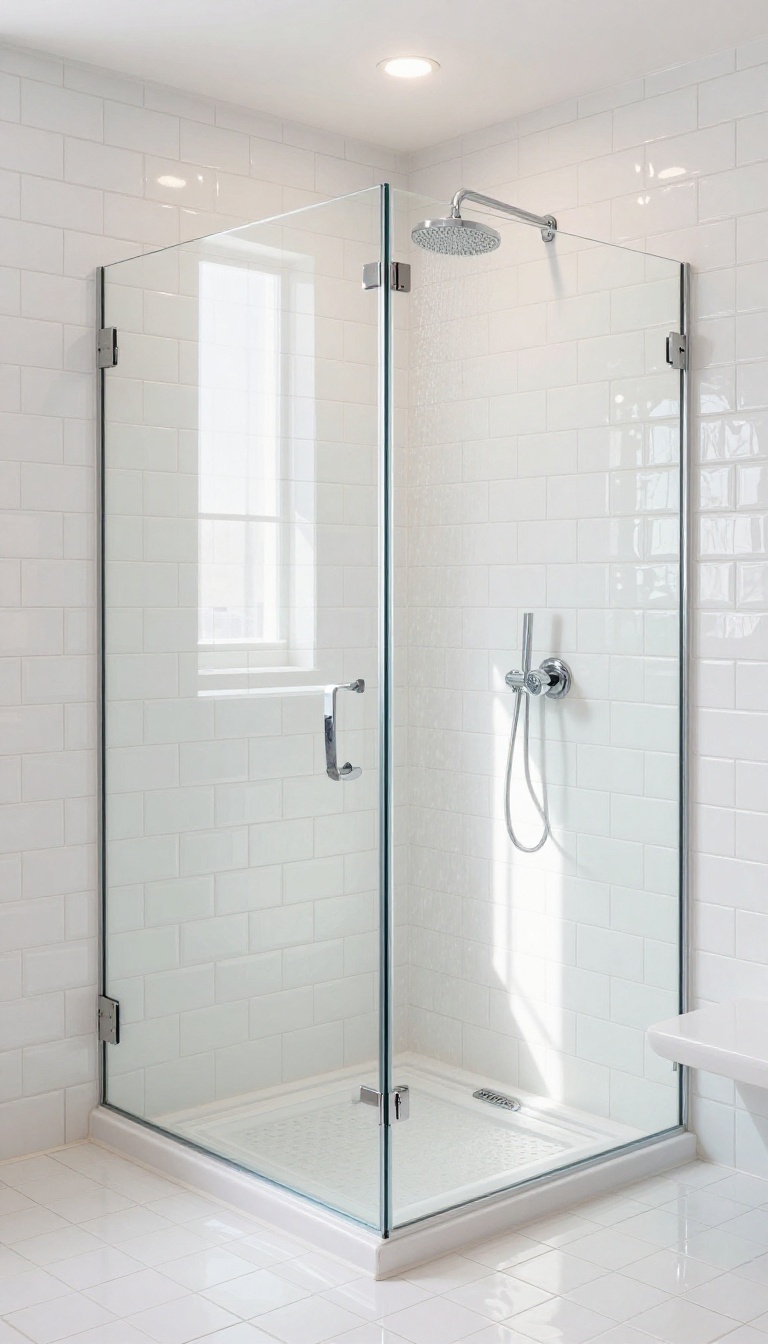
When you're working with a basement shower, every bit of light counts. One of the most effective ways to make the space feel brighter is to choose the right tile color. Light-colored tiles—think white, cream, or soft gray—act like mirrors, bouncing whatever light is available around the room.
Beyond just color, the size of the tiles matters too. Large-format tiles mean fewer grout lines, which creates a smoother, more seamless surface that visually expands the space. This simple swap can make a huge difference in how open and airy your shower feels.
Choosing light-colored tiles is a straightforward yet powerful strategy for brightening a basement shower. The reflective quality of these shades helps distribute light more evenly, reducing dark corners and making the area feel more spacious. Plus, the clean, minimalist look they provide never goes out of style.
Why Light Tiles Work In Basements
Basement showers typically lack natural light, so every artificial light source needs to work harder. Light-colored tiles have a higher light reflectance value (LRV) than dark ones, meaning they bounce more light back into the room. This makes the space feel brighter and more welcoming.
Additionally, light tones create a visual sense of cleanliness and calm, which is perfect for a shower.
Choosing The Right Shade And Finish
White and off-white are classic choices, but don't overlook soft grays and warm creams. These shades add a touch of warmth without sacrificing brightness. For the finish, a glossy or polished tile will reflect more light than a matte one, but be mindful of slip resistance on the floor.
A subtle texture or a mix of finishes can balance aesthetics with safety.
Large-format Tiles For Fewer Grout Lines
Large-format tiles, such as 12×24 inches or larger, are a smart pick for small showers. They reduce the number of grout lines, which not only creates a more seamless look but also minimizes places where dirt and mildew can build up. The fewer interruptions in the surface, the more continuous and expansive the wall appears, helping the shower feel larger and brighter.
4. LED Lighting: Set the Mood and Brighten Up
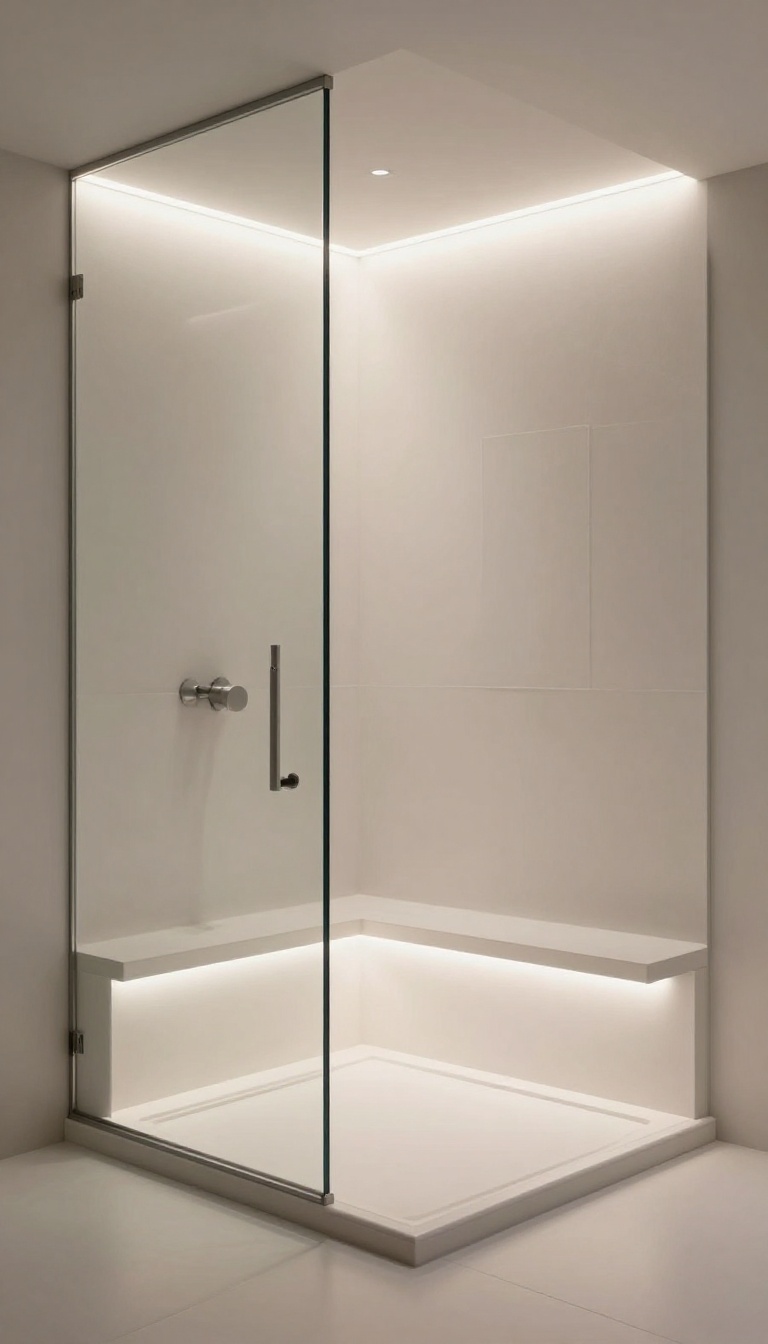
Lighting can make or break a basement shower. Since natural light is often scarce, the right LED setup can transform the space from dull to dazzling. LED strips are a flexible, energy-efficient way to add brightness exactly where you need it most.
Place LED strip lights around the shower niche, along the ceiling perimeter, or behind the mirror. They provide even illumination that eliminates dark corners and shadows. Many LED options let you adjust color temperature, so you can switch from a cool, energizing daylight to a warm, relaxing glow.
Placement Ideas For Maximum Effect
Think about where shadows tend to fall. Recessed LED strips under the shower bench or along the floor can create a floating effect. Overhead strips in a cove or tray ceiling wash light downward without glare.
Around the mirror, they ensure your face is well-lit for grooming.
Choosing The Right Color Temperature
For a basement shower, aim for a color temperature between 4000K and 5000K to mimic natural daylight. This helps the space feel more like a spa and less like a cave. If you prefer a cozier vibe, opt for adjustable LEDs that let you switch to warmer tones in the evening.
Smart Controls And Automation
Wireless smart LED systems let you control brightness and color from your phone or voice assistant. Set schedules so the lights gradually brighten in the morning or dim at night. Motion sensors can also turn on the lights automatically when you enter, adding convenience and safety.
5. Large Mirrors: Double the Light
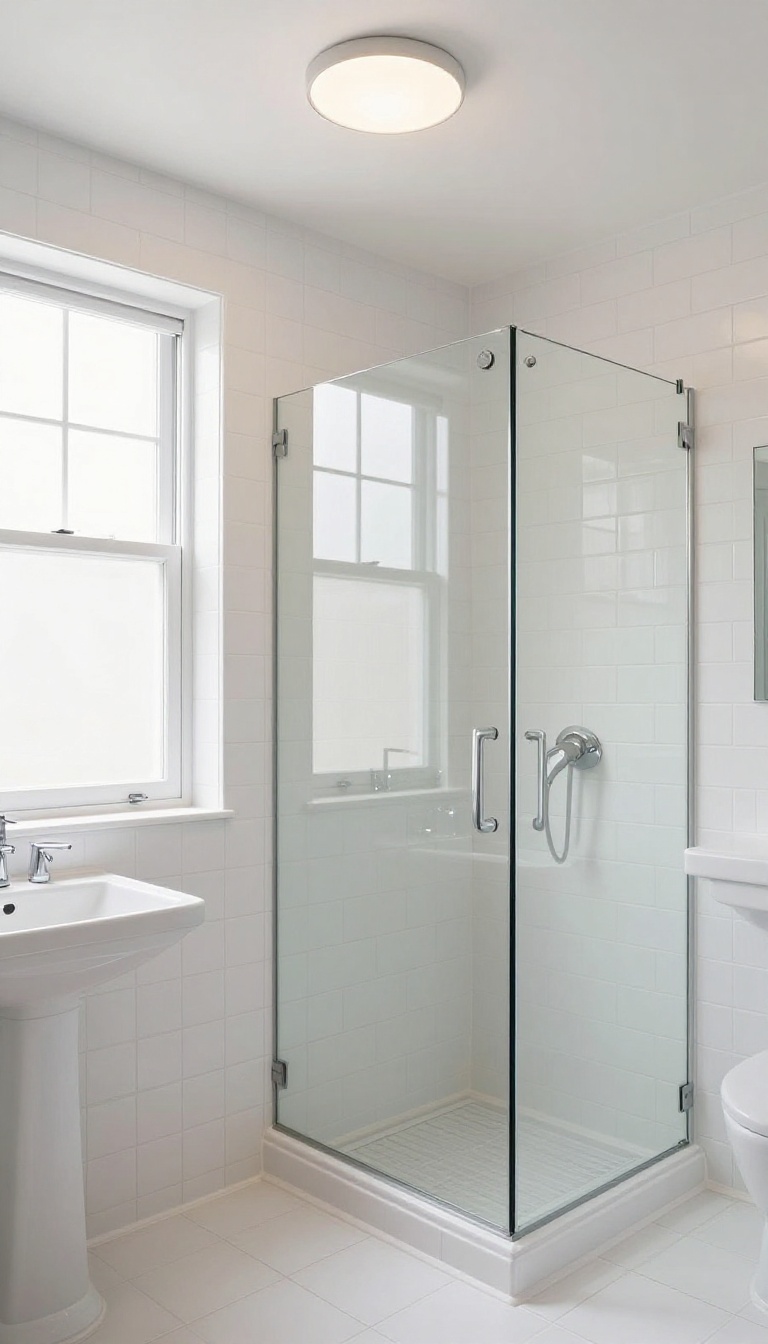
Mirrors are the ultimate trick for making a small, dark space feel bigger and brighter. In a basement shower, where natural light is scarce, a well-placed mirror can reflect every bit of available light—whether it's from a light fixture, a window, or even the shower itself. This simple addition not only amplifies brightness but also adds a touch of elegance and depth to the room.
Placing a large mirror near your shower can transform the entire feel of the space. It bounces light around, making the area look more open and airy. Plus, mirrors are a classic design element that never goes out of style.
Here’s how to make the most of this trick in your basement bathroom.
Choosing The Right Spot
The key is to position the mirror so it reflects the brightest light source in the room. If you have a small window, place the mirror directly across from it to bounce that light deeper into the shower area. If your light comes from a ceiling fixture, angle the mirror to catch and scatter that glow.
Avoid placing it where it will just reflect a dark wall—that won't help.
Size And Style Matter
Go as large as you reasonably can—a big mirror makes a stronger impact than a small one. Choose a frame that complements your bathroom's style, whether that's sleek and modern, rustic, or classic. A frameless mirror can also work well for a seamless, clean look that doesn't compete with the shower design.
Safety And Maintenance
In a humid basement, moisture can be an issue. Make sure to use a mirror rated for bathroom use, with proper moisture resistance. Clean it regularly with a squeegee to prevent water spots.
And if you're concerned about humidity, consider a mirror with a built-in demister pad to keep it clear.
6. White Grout and Bright Fixtures: Small Details, Big Impact
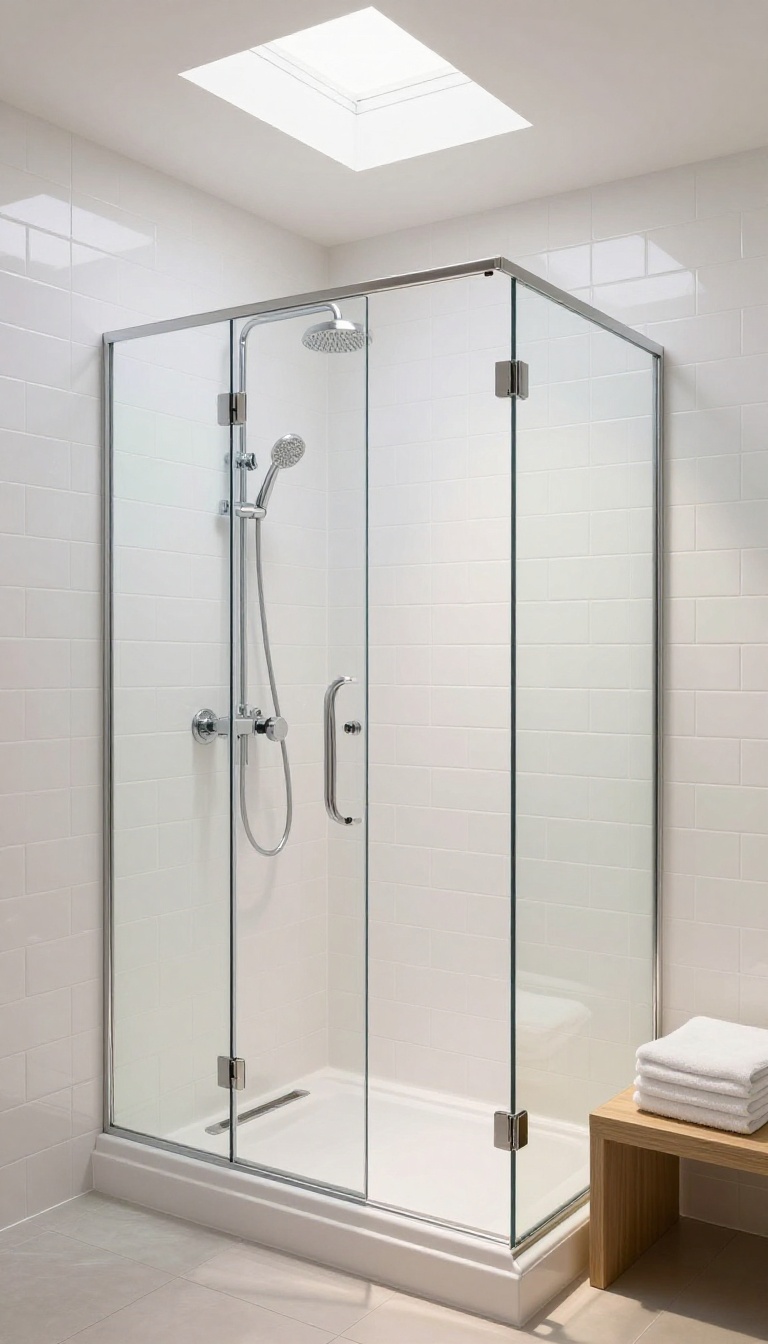
Sometimes the smallest choices make the biggest difference. In a basement shower, where every square inch counts, the details you pick can either weigh the space down or lift it up. White grout and bright fixtures might seem minor, but together they can completely change how open and airy your shower feels.
When you're dealing with a below-grade bathroom, you want to avoid anything that makes the space feel heavier. Dark grout lines can visually break up your tile and create a busy, shadowy pattern. Swapping to white or light-colored grout keeps the eye moving smoothly across the wall, making the whole shower feel more cohesive and brighter.
It's a simple change that has a surprisingly big effect.
Why White Grout Works Wonders
White grout reflects light instead of absorbing it, which is exactly what you need in a basement. It also makes your tile choice stand out without competing for attention. Plus, it gives the shower a clean, crisp look that feels fresh and modern.
Just make sure you use a high-quality, stain-resistant grout and seal it properly to keep it looking bright for years.
Choosing Bright Fixtures
Chrome and brushed nickel are your best friends in a basement shower. Their reflective surfaces bounce light around the room, adding a subtle glow. They also pair well with white grout, creating a cohesive, polished look.
Don't forget the showerhead, faucet, and even the drain cover—every little bit of shine helps.
Balancing Light And Dark
You don't have to go all-white. If you love dark tiles, white grout will actually make them pop while preventing the space from feeling like a cave. The key is to balance the dark with bright accents and fixtures.
This way, you get the drama of a dark tile without sacrificing the light, airy feel you're after.
7. Glass Block Windows: Privacy with Light
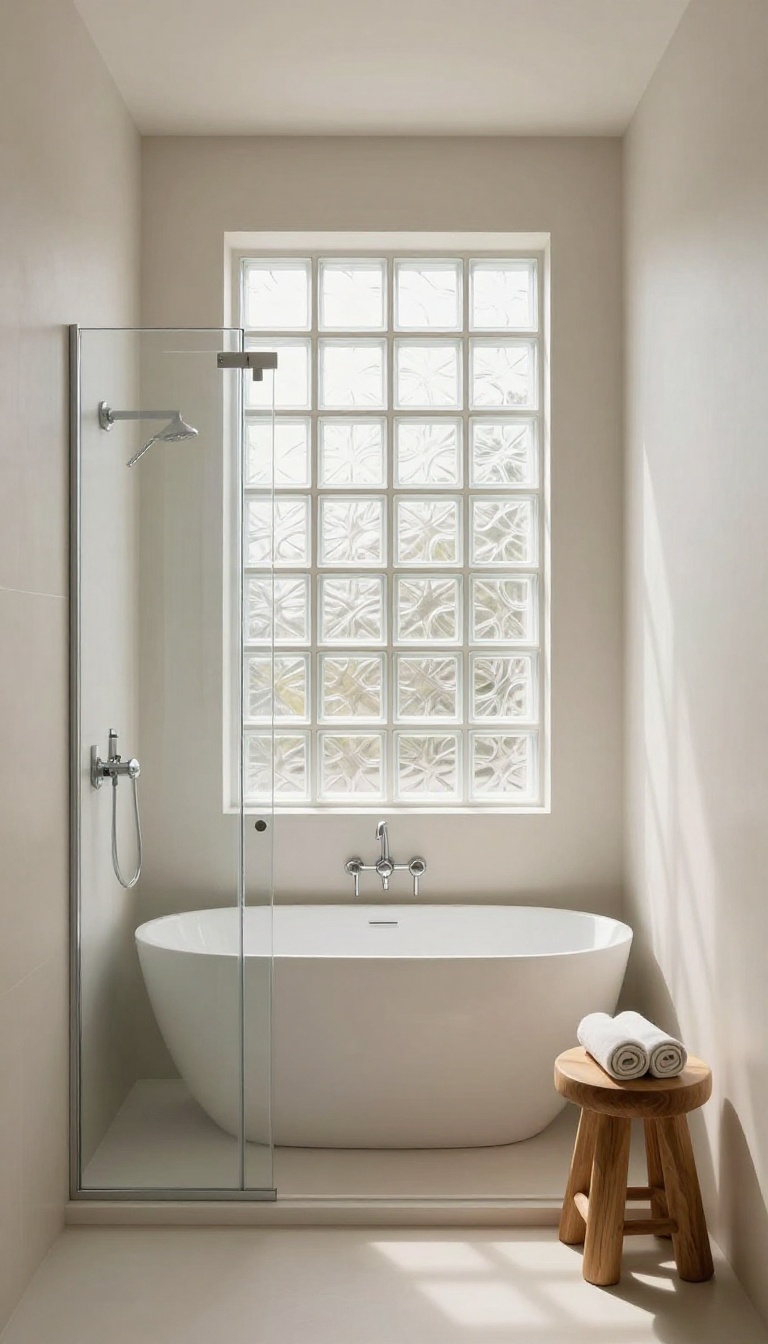
If you're lucky enough to have a window in your basement bathroom, glass block windows are a game-changer. They let in natural light while keeping your shower private, and they add a cool, architectural touch that feels modern and clean. Unlike regular windows, glass blocks diffuse light softly, so you get that bright, airy feel without anyone peeking in.
Glass block windows are a practical and stylish solution for basement showers. They offer privacy without sacrificing daylight, and they can make a below-grade space feel more open and inviting. Here's why they work so well and how to use them effectively.
Why Glass Blocks Work In Basements
Basement windows are often at ground level, which can make privacy a concern. Glass blocks obscure the view while still allowing light to filter through. They also provide better insulation than standard windows, helping to keep the bathroom warmer and more energy-efficient.
Plus, they're durable and low-maintenance, which is perfect for a high-moisture area.
Maximizing Light With Glass Blocks
To get the most light, choose clear or frosted glass blocks that are designed to transmit light efficiently. Position the window to capture whatever natural light is available, even if it's indirect. You can also pair glass blocks with a light-colored wall or mirror to bounce the light around the room.
If you want even more brightness, consider adding a light tube or solar tube above the shower to supplement the window.
Design Ideas For Glass Block Windows
Glass blocks come in various sizes, shapes, and patterns. You can go with classic square blocks for a timeless look, or choose larger blocks for a more contemporary feel. Some blocks have a wavy texture that adds visual interest.
You can also install a glass block window that opens for ventilation, which is great for reducing humidity. Pair the window with a simple, clean shower design to let the natural light shine.
8. Light-Colored Stone or Porcelain: Elegant and Bright
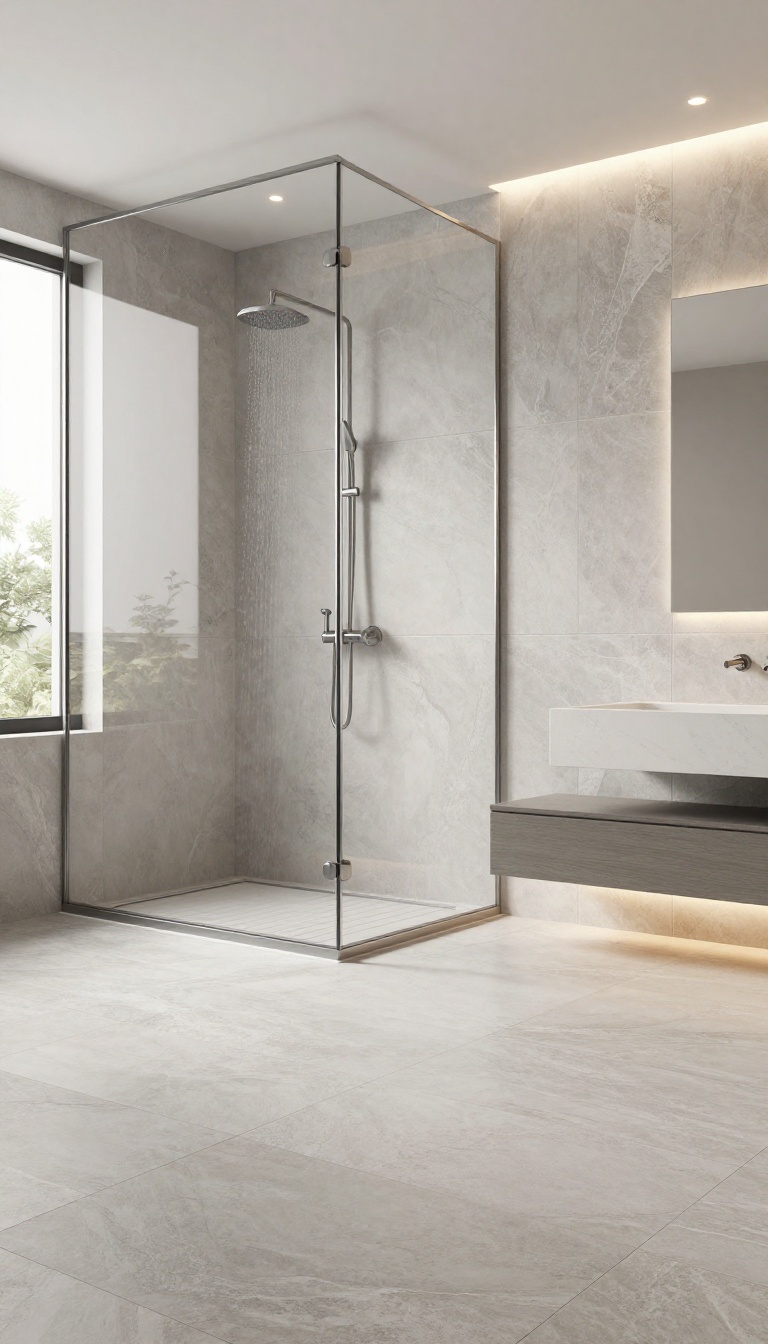
When your basement shower lacks natural light, the materials you choose can make all the difference. Light-colored stone or porcelain tiles reflect whatever light is available, helping the space feel airy and open. Plus, they bring a touch of elegance that turns a utilitarian shower into a spa-like retreat.
Light-colored stone like marble or travertine has a timeless appeal that instantly brightens a dim space. The subtle veining and soft tones add texture without overwhelming the eye. If you're worried about maintenance, porcelain tiles that mimic stone are a practical alternative—they offer the same look with greater durability and easier care.
Why Light Tones Work
Light colors reflect more light than dark ones, so they help bounce around whatever illumination you have. In a basement, where natural light is scarce, this can make the shower feel significantly brighter. Plus, light tones create a sense of openness, making the space appear larger than it is.
Choosing The Right Tile
For a seamless look, go with large-format tiles in shades like white, cream, or light gray. They minimize grout lines, which keeps the surface visually clean and bright. If you prefer a bit of pattern, consider a subtle marble-look tile with gentle veining—it adds interest without darkening the space.
Maintenance And Durability
Natural stone requires sealing and regular upkeep to prevent staining. Porcelain, on the other hand, is non-porous and resistant to moisture, making it ideal for a shower. It's also less slippery when textured, which is a smart choice for safety.
With porcelain, you get the elegance of stone without the high maintenance.
9. Recessed Lighting: Even, Glare-Free Illumination
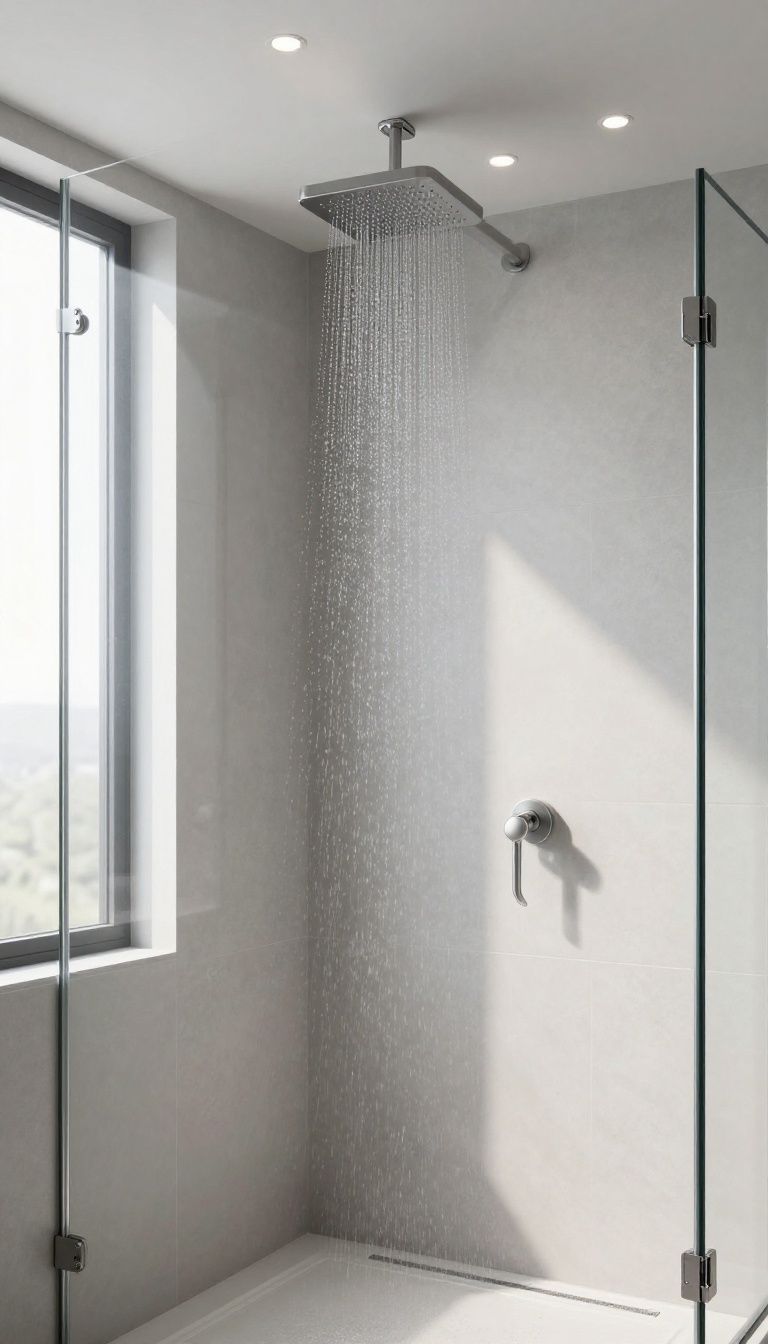
Basement showers often suffer from uneven lighting—bright spots near the fixture and dark corners elsewhere. Recessed lighting solves this by spreading light evenly across the whole space. With dimmers, you can adjust the brightness to match your mood, whether you're waking up or winding down.
Recessed lights are a smart choice for basement showers because they sit flush with the ceiling, keeping the visual space open and uncluttered. They work especially well with low ceilings, where hanging fixtures might feel intrusive. By placing them strategically, you can eliminate shadows and make the shower area feel larger and more inviting.
Placement Matters
Think about where you need light most. Position fixtures above the showerhead and along the edges of the shower to avoid casting shadows on your body. A common trick is to place lights at a 45-degree angle from the shower entrance, so light hits you from the side rather than directly overhead.
This reduces harsh shadows and creates a more flattering, even glow.
Dimmers For Control
Adding dimmers to your recessed lights gives you total control over the atmosphere. Brighten things up for a morning rinse or lower the lights for a relaxing evening soak. Dimmers also help save energy and extend the life of your bulbs.
Just make sure to use dimmable LED bulbs and a compatible dimmer switch for best results.
Wet-rated Fixtures Are A Must
In a shower, moisture is everywhere, so you need fixtures rated for wet or damp locations. Wet-rated recessed lights are sealed to prevent water from getting inside, reducing the risk of electrical issues. They're designed to handle steam and splashes, so you can enjoy your shower without worrying about safety.
Look for IC-rated housings if the lights will be in contact with insulation.
10. Light-Colored Ceiling: Open Up the Space
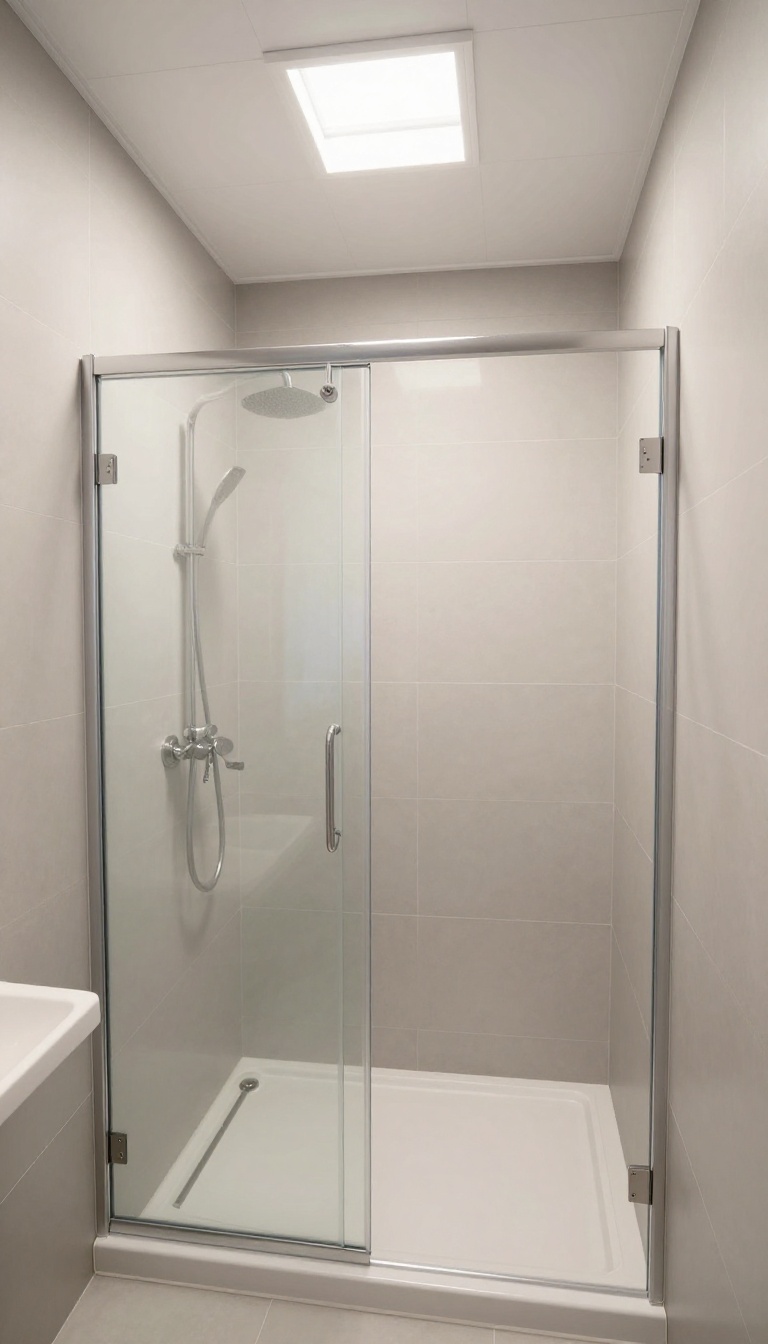
Most people focus on walls and floors when trying to brighten a basement shower, but the ceiling often gets ignored. That's a missed opportunity. A dark ceiling can make a low room feel even more cramped and cave-like.
Painting the ceiling a light color, like white or pale blue, is a simple, budget-friendly trick that can visually lift the space. It reflects whatever light you have, making the room feel taller and more open. It's one of those small changes that makes a big difference.
The ceiling is the fifth wall in any room, and in a basement shower, it's especially important. Since below-grade ceilings are typically lower than the rest of the house, a dark shade can make the space feel like it's closing in on you. A light-colored ceiling, on the other hand, creates the illusion of height and airiness.
This trick works because light colors reflect light, while dark colors absorb it. By painting the ceiling white or a soft pastel, you bounce every bit of available light—whether from a window, a light fixture, or a shower light—back into the room. The result is a brighter, more welcoming shower that doesn't feel like you're standing in a basement.
Plus, it's one of the easiest and most affordable updates you can make. A gallon of paint and a few hours of work can completely change the feel of your basement shower.
Why A Light Ceiling Works
A light-colored ceiling does more than just reflect light; it also helps the eye perceive the room as larger. When the ceiling is dark, it draws the eye downward and makes the space feel smaller. A light ceiling, in contrast, creates a sense of openness and lift.
In a basement shower, where natural light is often scarce, this trick is especially valuable. It maximizes the impact of whatever light sources you have, from overhead fixtures to wall sconces. The effect is subtle but noticeable—the room feels taller, brighter, and more comfortable.
Best Colors To Choose
White is the most obvious choice, and for good reason. It's clean, timeless, and reflects the most light. But you don't have to stick with plain white.
Soft pastels like pale blue, light gray, or even a hint of mint can add a touch of color without darkening the space. If you're worried about a sterile look, consider an off-white with a warm undertone, like cream or ivory. These shades still reflect light but add a bit of warmth to the room.
Just avoid anything too dark or saturated—the goal is to keep the ceiling light and airy.
Don't Forget The Trim And Moldings
Painting the ceiling is a great start, but don't stop there. For a cohesive look, paint the trim and moldings in the same light color or a complementary shade. This ties the whole room together and prevents the ceiling from feeling like an afterthought.
If your basement shower has exposed pipes or ductwork, painting them the same color as the ceiling can help them blend in and disappear. This creates a cleaner, more polished look that makes the space feel more intentional and less like a basement.
11. Minimalist Design: Less Clutter, More Light
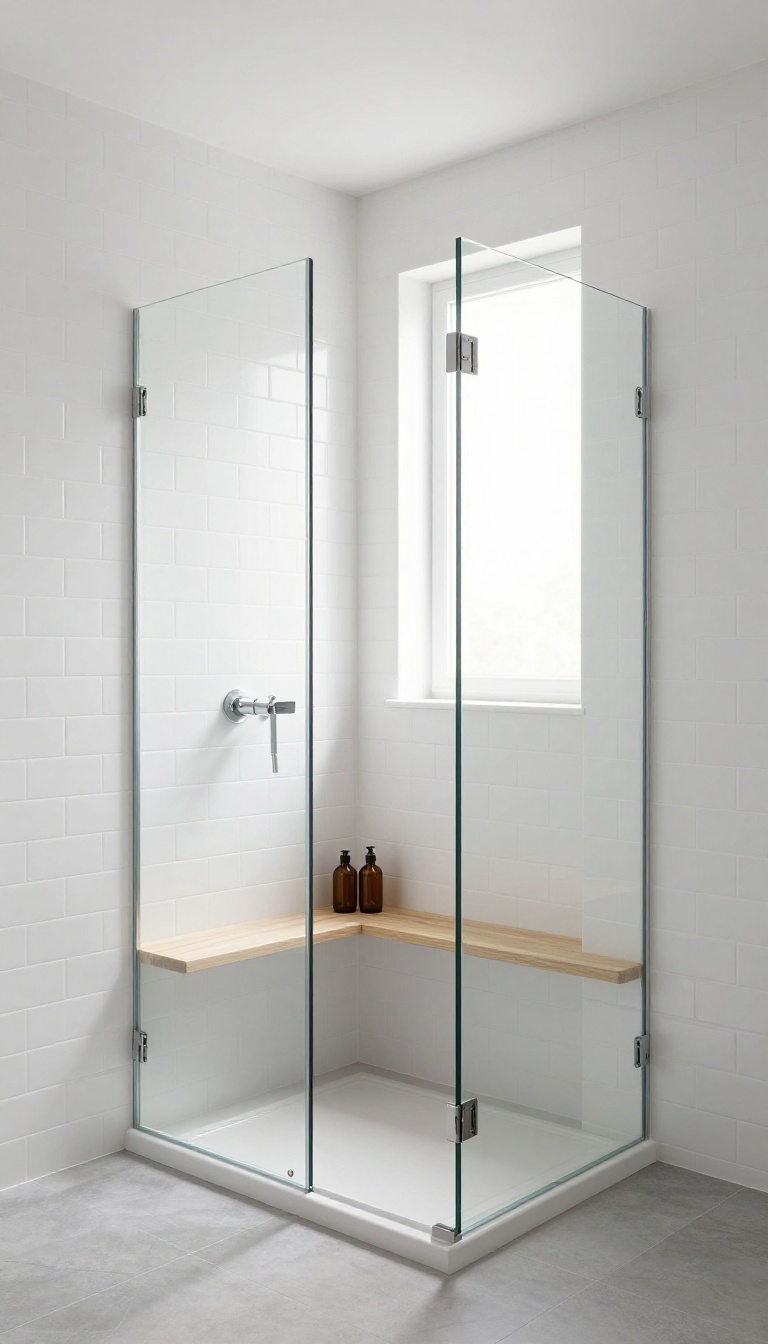
A cluttered shower can feel even more cramped and dark. By stripping away unnecessary items and keeping surfaces clear, you allow light to bounce around freely. Minimalism isn't just a style—it's a practical way to make a small basement shower feel bigger and brighter.
Start by removing anything that doesn't serve a purpose. That means no bulky shampoo bottles lining the floor, no hanging caddies overloaded with products. Instead, incorporate built-in niches in the shower wall—they're sleek, keep everything within reach, and don't block light.
Choose a frameless glass door or a simple curtain that lets light pass through. Keep the color palette light and consistent: white, soft gray, or light wood tones. Every item you add should earn its place, so the space feels airy and open.
Built-in Niches Over Caddies
Caddies that hang over the showerhead or attach to the wall cast shadows and visually clutter the space. Built-in niches, on the other hand, sit flush with the tile, so they don't interrupt the flow of light. They also give you a designated spot for shampoo, soap, and razors without taking up visual space.
If you're renovating, plan for a niche at a comfortable height. If you're not ready for a full remodel, consider a recessed shelf unit that can be installed during a tile update.
Clear Glass Or A Light Curtain
A frosted or opaque shower door can block light, making the shower feel like a dark box. Clear glass lets light travel through the entire bathroom, so the shower area feels connected to the rest of the space. If you prefer a curtain, choose a light-colored, semi-sheer fabric that allows some light to filter through.
Avoid dark, heavy curtains that absorb light and make the shower feel smaller.
Streamlined Storage Solutions
Instead of a bulky storage tower, use a small, open shelf outside the shower for towels and a few essentials. Keep it minimal—just a folded stack of towels and maybe a small plant. Inside the shower, limit yourself to the products you actually use daily.
Store extras in a cabinet or drawer outside the bathroom. The less you have to look at, the more open and bright the space will feel.
FAQ
Can I install a skylight in my basement shower?
Yes, if you have access to the ceiling above and the roof structure allows. Tubular skylights are a great option for basements as they can be installed with minimal disruption and bring in natural light.
What is the best tile color for a basement shower?
Light colors like white, cream, or light gray are best because they reflect light and make the space feel brighter. Large-format tiles also reduce grout lines, creating a cleaner look.
How can I make my basement shower feel more spacious?
Use glass enclosures, large mirrors, and light-colored tiles. Keep the design minimalist and avoid bulky fixtures. Recessed lighting can also help eliminate shadows and make the space feel open.
Are glass block windows a good idea for basement showers?
Absolutely. Glass block windows let in natural light while maintaining privacy. They diffuse light evenly and add a modern touch to the bathroom.
What type of lighting is best for a basement shower?
LED lights are ideal because they are energy-efficient and provide bright, even illumination. Recessed lighting with dimmers allows you to adjust the brightness to suit your mood.
Conclusion
Brightening a basement shower isn't just about adding more light—it's about making smart design choices that reflect and amplify what you have. From glass enclosures to light-colored tiles, these ideas can transform a dark, cramped space into a welcoming retreat. Start with one or two changes that fit your budget and style.
You'll be surprised at how much of a difference a few thoughtful updates can make. Your basement bathroom can become a favorite spot in your home.