13 Unique Living Room Ideas to Instantly Refresh Your Space
Refreshing your living room doesn't have to mean a full renovation or a big budget. Sometimes, it's the small, unexpected swaps—like trading a coffee table for a vintage trunk or rearranging furniture for better flow—that make the biggest difference.
These 13 ideas range from quick weekend projects to slightly bigger changes, so you can pick what fits your space and your energy.
Whether you're renting or own your place, each tip is practical, budget-aware, and designed to help you create a living room that feels fresh, personal, and genuinely inviting.
1. Swap Your Coffee Table for a Vintage Trunk
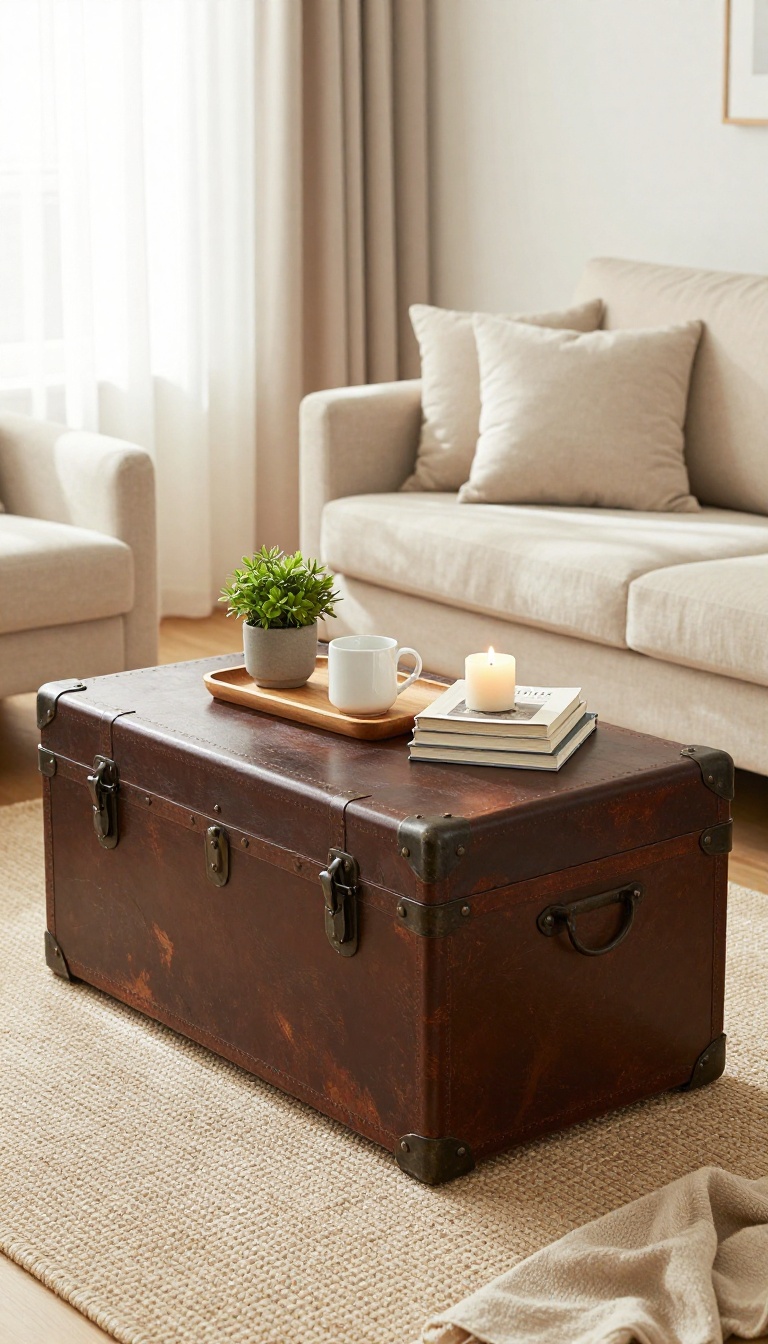
If your living room feels a bit predictable, a vintage trunk can shake things up without much effort. It’s not just a table—it’s a storage solution, a seat, and a story piece all in one. Plus, it adds a layer of texture and history that a standard coffee table just can't match.
The beauty of a vintage trunk is its dual purpose. You get a sturdy surface for your coffee mug and books, but also a hidden compartment for blankets, board games, or remote controls. It’s a practical upgrade that doesn’t scream for attention but quietly makes the room more interesting.
And because each trunk has its own wear and tear, it brings a unique personality that no mass-produced piece can replicate.
Why A Trunk Works Better Than You Think
Trunks are naturally low and wide, which makes them perfect for coffee table duty. They’re also incredibly durable—these things were built to survive ocean voyages and attic storage. So they can handle daily use, including the occasional foot rest.
Plus, the storage space is a game-changer for keeping your living room tidy without adding extra furniture.
How To Style It Without Overdoing It
Keep the top simple: a tray for drinks, a small stack of books, and maybe a candle or a small plant. That’s enough. The trunk itself is the statement, so you don’t need to pile on decor.
If you want to soften the look, throw a textured runner or a folded blanket over one corner. That adds warmth and makes it feel intentional, not cluttered.
Where To Find One That Fits Your Budget
You don’t need to spend a fortune. Check flea markets, estate sales, or online marketplaces like Facebook Marketplace and Craigslist. Often, you can find trunks for under $100, especially if they need a little cleaning or a new latch.
Even a scuffed one can be sanded and oiled to look beautiful. If you’re handy, a quick restoration project adds even more personal value.
2. Create a Gallery Wall with Found Objects
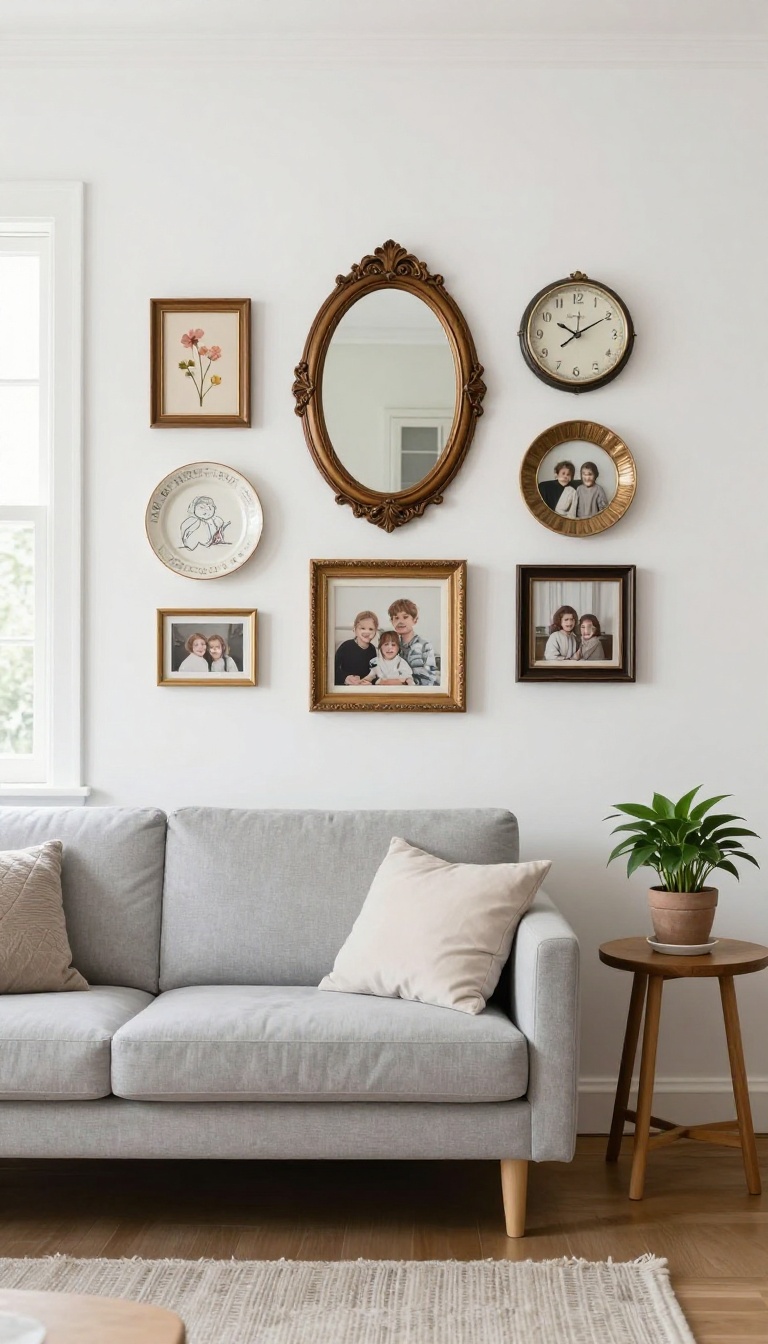
Gallery walls don't have to be expensive or perfectly curated. In fact, the most interesting ones come from mixing frames, mirrors, and odd treasures you already own or find at thrift stores. This idea is about telling your story through objects that have meaning, not just buying a matching set from a store.
Start by gathering a collection of items that speak to you—old family photos, a vintage mirror, a child's drawing, a quirky clock, or even a decorative plate. Lay them out on the floor first to experiment with arrangements. You don't need a theme; just look for balance in size, color, and texture.
Once you're happy, transfer the layout to the wall using paper templates or just go for it with a hammer and nails. The result is a wall that feels personal, conversational, and totally unique.
Hunt For Treasures
Thrift stores, flea markets, and garage sales are goldmines for unique pieces. Look for frames with interesting shapes or finishes, even if they're empty—you can fill them with fabric, postcards, or pressed flowers. Mirrors add depth and light, so grab one or two in different styles.
Don't overthink it; if an object makes you smile, it's worth considering.
Mix And Match Frames
Forget the matching frame sets. Instead, combine wood, metal, painted, and ornate frames for an eclectic look. If you have frames that clash, a coat of spray paint in a unifying color can tie them together.
Or leave them as-is for a more bohemian vibe. The key is to vary sizes and orientations—some landscape, some portrait, some square—to keep the eye moving.
Arrange Before You Hammer
Avoid wall full of holes by planning first. Trace each frame on paper, cut out the shapes, and tape them to the wall with painter's tape. Move them around until the arrangement feels balanced.
A good rule is to leave about 2 to 3 inches between pieces. Once you're happy, mark the nail spots and start hanging.
Add Unexpected Elements
Don't limit yourself to frames. Hang a vintage clock, a woven basket, a ceramic plate, or even a small shelf with a tiny plant. These objects break up the rectangular pattern and add dimension.
You can also lean a large mirror on the floor against the wall for a casual, layered look that's easy to change.
3. Use Floor Lamps to Change the Mood
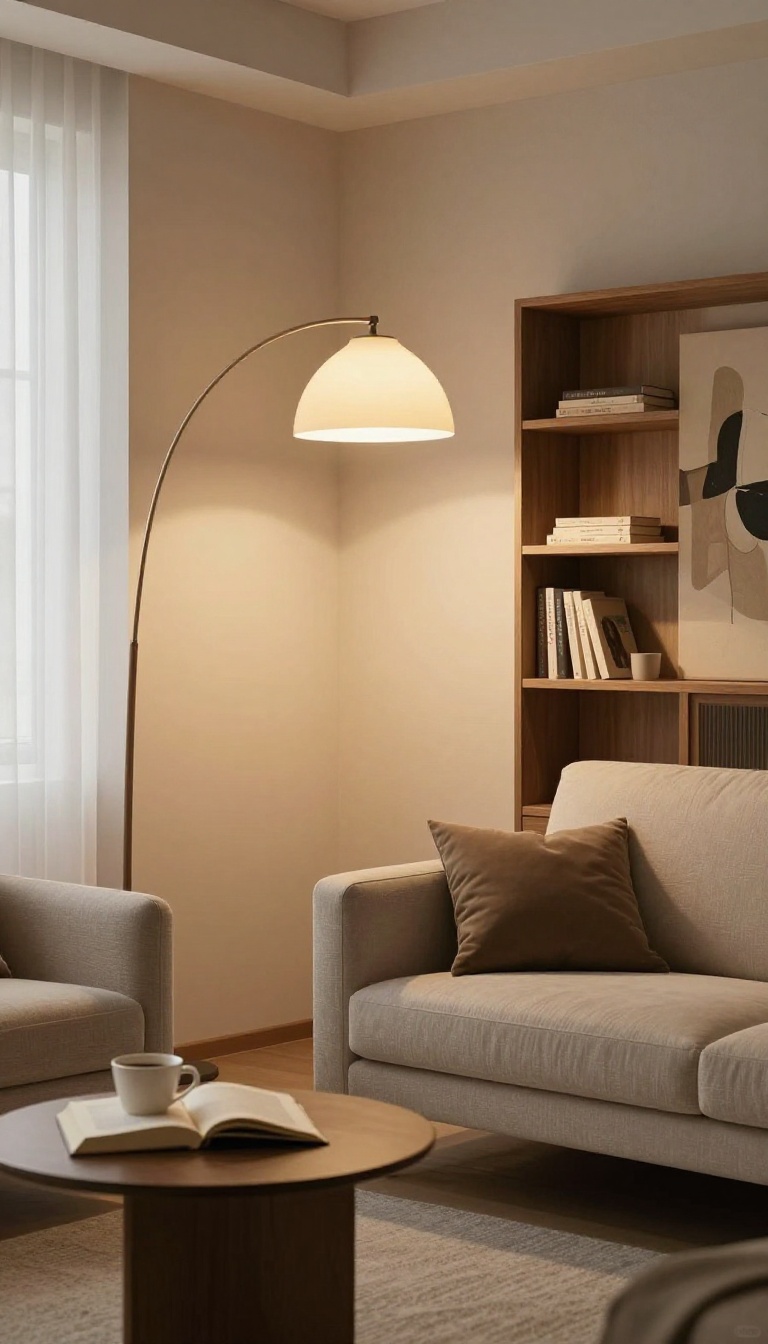
Lighting can make or break a room, and floor lamps are one of the easiest ways to shift the vibe without rewiring anything. They add warmth, define spaces, and can turn a bright, busy area into a calm retreat at the flip of a switch. Instead of relying on a single overhead light, think of floor lamps as your living room's mood dial.
A well-placed lamp can create a cozy reading nook, highlight a piece of art, or simply make the room feel more inviting after sunset.
Floor lamps are versatile tools for layering light. They come in all shapes and sizes, from sleek arcs to classic tripods, so you can match your style while solving practical lighting problems. The key is to position them thoughtfully—not just in corners, but where they actually serve a purpose.
Start by assessing your room's current lighting. If you have harsh overhead lights, use floor lamps to soften the overall glow. If you have a dark corner, a lamp can bring it to life.
The goal is to create pools of light that guide the eye and make the space feel more dynamic.
Create A Cozy Reading Corner
Pick a corner with an armchair or a chaise, and place a floor lamp behind or beside it. Choose a lamp with a shade that directs light downward, like a torchère or a pharmacy-style lamp, so you get focused illumination for reading. Add a small side table for your coffee or book, and you've got a snug spot that invites you to unwind.
Highlight Architectural Details
Use a floor lamp to draw attention to features you love—a textured wall, a tall bookshelf, or a piece of art. Position a lamp with an adjustable head to aim light upward or sideways, creating shadows and depth. This trick adds visual interest and makes the room feel more intentional, even if the rest is simple.
Layer Light For Evening Ambiance
Instead of flipping on the overhead light at night, turn on two or three floor lamps at different corners. Mix warm and cool bulbs to set the desired mood—warm for cozy, cool for alertness. This layered approach makes the room feel softer and more inviting, perfect for movie nights or conversations.
4. Add a Bold Accent Wall with Removable Wallpaper
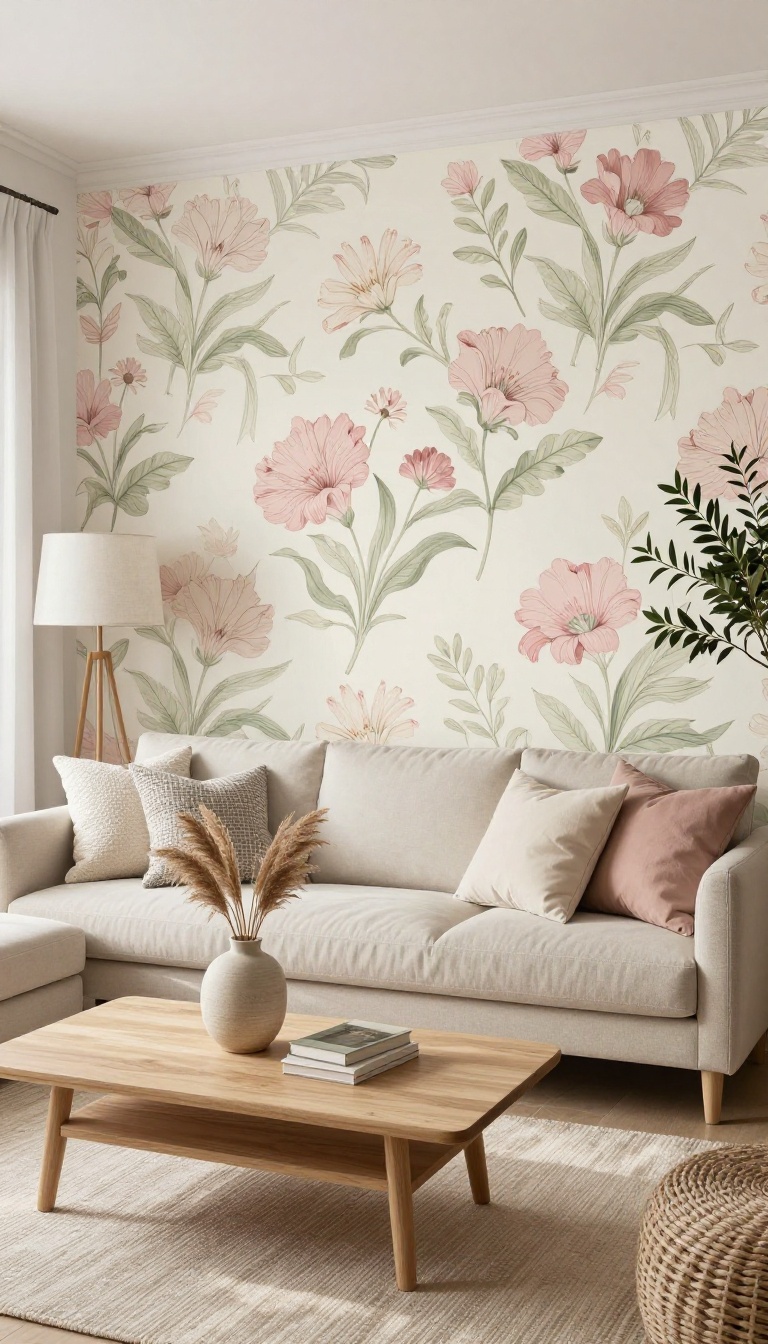
Accent walls have always been a reliable way to inject personality into a living room, but the idea of committing to a permanent pattern can be intimidating. Removable wallpaper changes that. It gives you the freedom to go bold, try a trend, or just see how a dramatic print feels in your space—without the dread of a future removal project.
Whether you're renting or simply love switching things up, this approach lets you experiment with color and texture on your own terms.
The beauty of removable wallpaper lies in its flexibility. You can cover a single wall, a section behind a sofa, or even a bookshelf backing. It's also forgiving: if you mess up the alignment, you can peel it off and start again.
Plus, modern options are durable and easy to clean, so they're not just for temporary fixes. With a bit of patience and a smooth surface, you can transform an entire room in an afternoon.
Picking The Right Pattern
When choosing a design, think about the mood you want to create. Large-scale florals add a romantic, airy feel, while geometric patterns bring a modern, energetic edge. If you're hesitant, start with a subtle texture like grasscloth or a muted stripe—it adds depth without overwhelming the space.
Also, consider the room's existing palette. A complementary color or a print that ties in your throw pillows can make the whole design feel intentional.
Installation Tips For A Smooth Finish
Preparation is key. Make sure your wall is clean, dry, and free of bumps. If you're covering a textured wall, you might need to smooth it first or choose a wallpaper designed for textured surfaces.
When applying, use a smooth plastic spatula to press out air bubbles and work in small sections. Most removable wallpapers are repositionable, so don't stress if you need to lift and reapply. Just take your time and align the pattern carefully.
Styling Around Your Accent Wall
Once your wall is up, let it be the star. Keep furniture and decor simple so the pattern shines. If your wallpaper is busy, choose solid-colored furniture and minimal accessories.
For a more subtle print, you can layer in complementary textures like a chunky knit throw or a velvet chair. Also, consider lighting—a well-placed floor lamp or pendant can highlight the wall's texture and colors, making the whole room feel cohesive.
5. Incorporate Natural Elements Like Wood and Stone
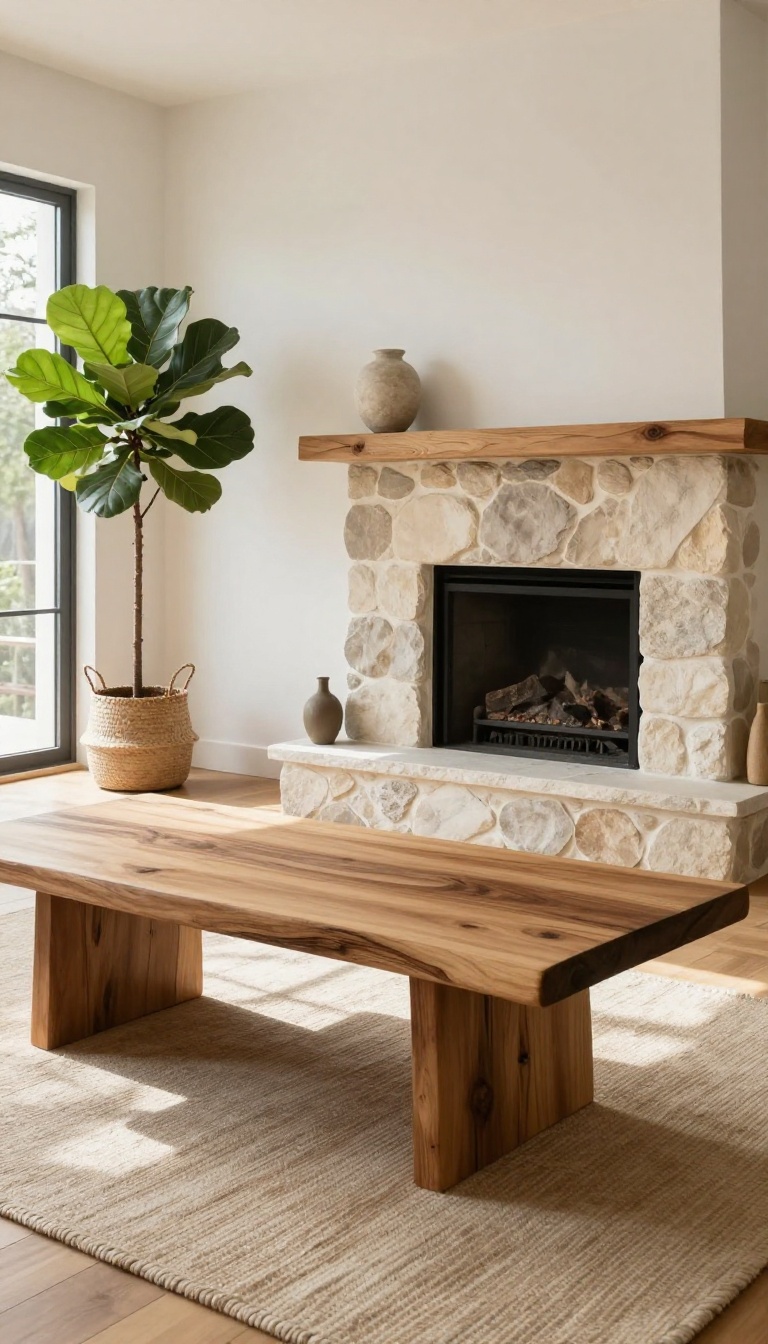
There's a reason nature feels so calming—it brings a sense of balance and authenticity that’s hard to replicate with synthetic materials. Adding wood, stone, or even a few plants doesn't just fill empty corners; it grounds the room and makes it feel more like a retreat. Best of all, these elements don't have to be expensive or permanent.
A few thoughtful touches can transform the entire vibe without a major overhaul.
Start with the floor or a single focal point. A wooden coffee table, stone fireplace surround, or even a large potted plant can anchor the space. If you're renting or on a budget, consider removable options like peel-and-stick stone veneer or a wood slice side table.
The key is to mix textures—pair a smooth stone vase with a rough-hewn wooden shelf, or place a soft rug over a wood floor to create contrast. These natural materials also age beautifully, developing character over time, which adds a layer of warmth that synthetic items just can't match.
Start With A Statement Piece
Choose one natural element to be the hero of the room. It could be a reclaimed wood media console, a live-edge coffee table, or a stone accent wall. This piece sets the tone and gives you a reference point for other textures.
If you're not ready for a big commitment, try a large stone bowl or a wooden floor lamp—small but impactful.
Layer Textures For Depth
Mix different natural materials to create visual interest. Pair a smooth stone sculpture with a woven jute rug, or place a wooden tray on a leather ottoman. The contrast between rough and smooth, light and dark, makes the space feel curated rather than accidental.
Don't forget plants—their organic shapes soften hard lines and add a pop of green.
Use Nature To Create Balance
Natural elements work well in any design style, from minimalist to boho. They bring a sense of calm and connection to the outdoors, which is especially valuable in urban settings. To avoid a cluttered look, stick to a neutral palette and let the textures speak for themselves.
A few well-placed stones, a wooden bowl, and a snake plant can do wonders.
6. Rearrange Furniture for Better Flow
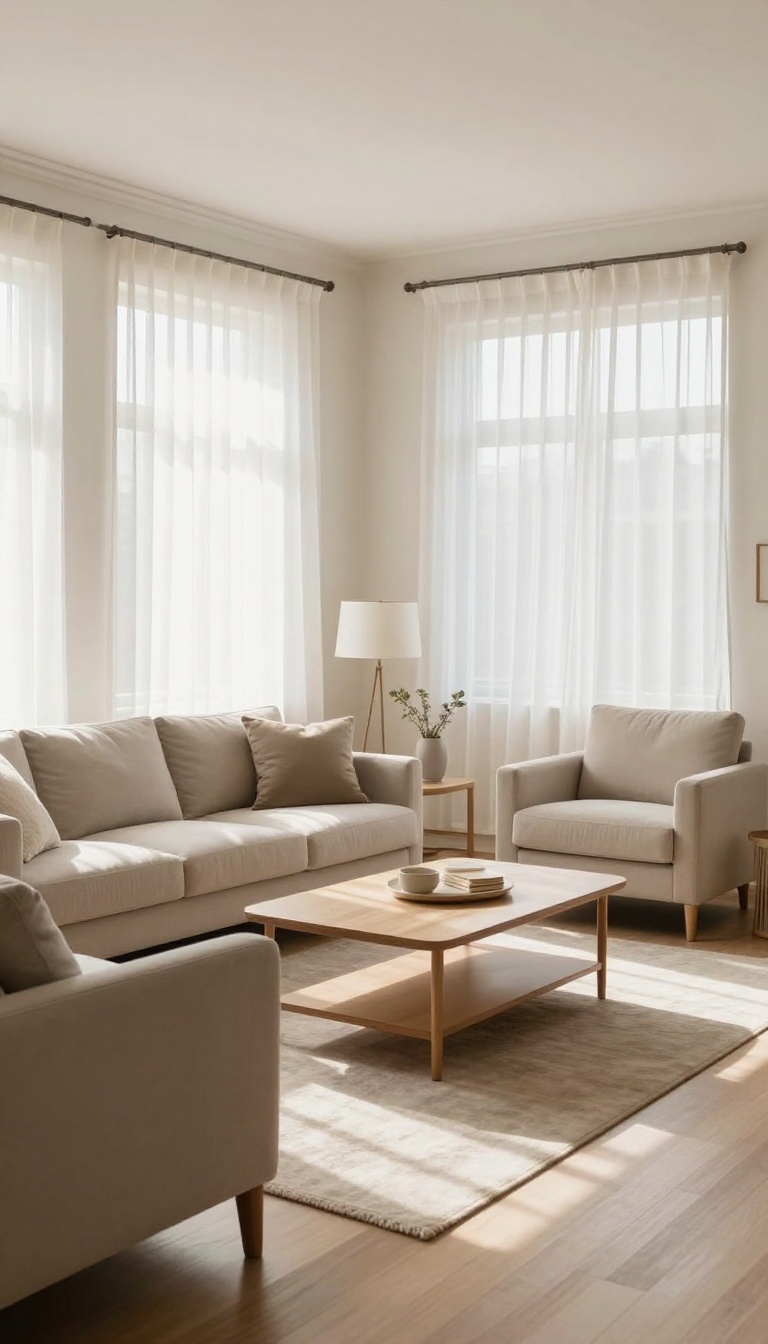
Before you buy anything new, take a hard look at what you already have. Sometimes the same pieces in a different arrangement can completely change how a room feels. A simple shift in layout can open up space, improve conversation, and make the whole area more inviting.
Start With A Focal Point
Every room benefits from a clear focal point, whether it's a fireplace, a large window, or a media console. Arrange your main seating to face that feature, then build the rest of the layout around it. This creates a natural gathering spot and gives the eye a place to rest.
Create Clear Pathways
Walk through your living room as if you're entering for the first time. Is there a clear path from the door to the sofa? Are you constantly bumping into the coffee table or the armchair?
Aim for at least 18 inches of walking space between pieces, and avoid blocking doorways or high-traffic routes. A simple rule: if you have to squeeze past something, it's too tight.
Zone For Conversation
If your living room is large or open-plan, think about creating distinct zones. Angle chairs toward each other instead of lining them up against the walls. Pull the sofa away from the wall a few inches to define the seating area.
You want people to be able to chat without shouting across the room.
Experiment Before You Commit
Don't be afraid to try something and then change it. Use painter's tape to mark out where you're thinking of placing furniture, or just push pieces around until it feels right. Live with the new layout for a few days—if it doesn't work, you can always switch back.
The goal is a room that feels comfortable and functional, not just looks good on paper.
7. Mix Textures with Throws and Pillows
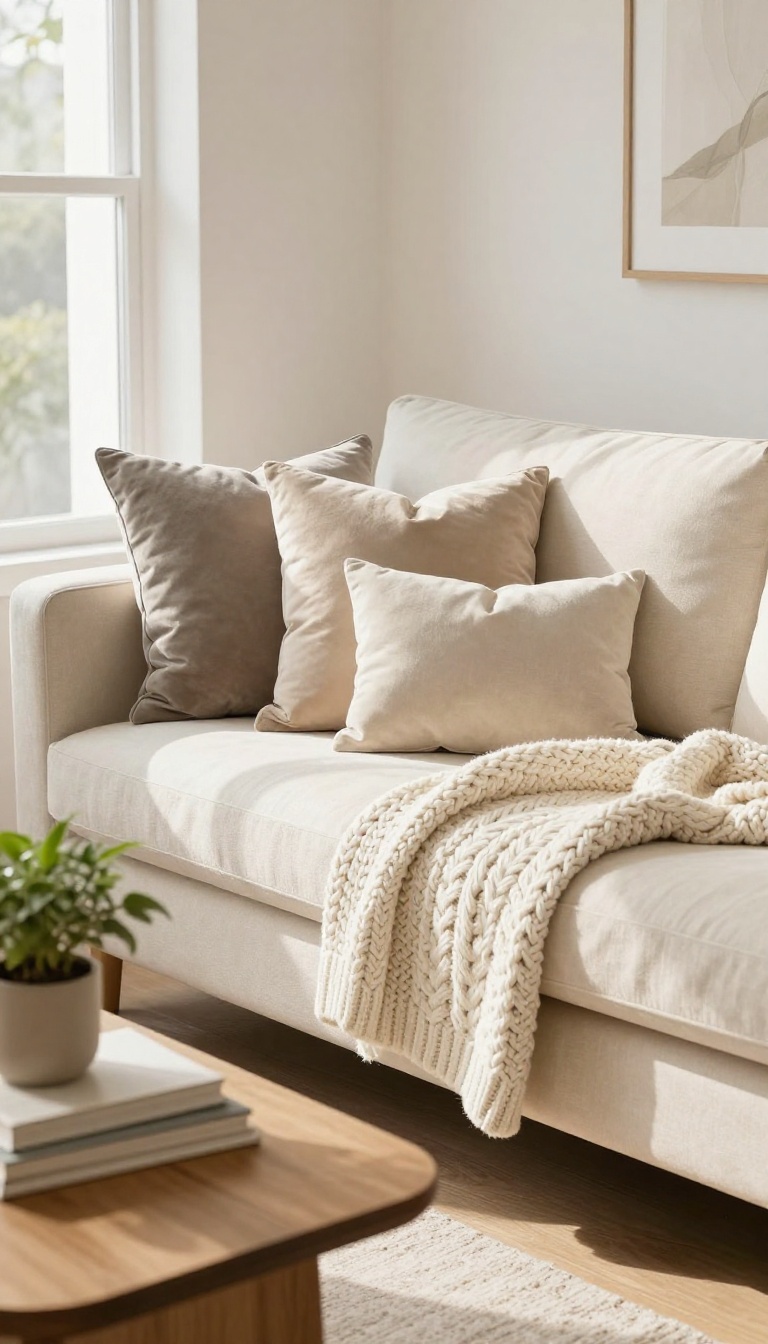
If your living room feels a little flat, the quickest fix isn't a new sofa—it's layering textures. Throws and pillows are the easiest way to add warmth, depth, and a touch of luxury without spending a fortune. Mixing different fabrics like chunky knits, velvet, and linen creates a space that feels inviting and lived-in, not just decorated.
Start by choosing a color palette that complements your existing furniture, then experiment with contrasting textures. A chunky knit throw over a sleek leather sofa instantly softens the look, while velvet pillows add a hint of richness. Don't be afraid to mix patterns and solids—the key is to keep the colors cohesive so the overall effect feels intentional, not chaotic.
Start With A Neutral Base
If you're unsure where to begin, layering neutral tones is a foolproof strategy. Think cream, beige, gray, and warm taupe. These shades provide a calm backdrop that lets texture take center stage.
Mix a chunky cable-knit pillow with a smooth linen one, and add a faux fur throw for a touch of softness. The result is sophisticated and serene.
Play With Scale And Weight
Texture isn't just about fabric type—it's also about visual weight. A large, oversized throw draped over the arm of a chair feels casual and cozy, while a neatly folded throw across the back of a sofa looks more polished. Similarly, mix large floor pillows with smaller accent pillows to create variety.
This interplay of scale keeps the eye moving and adds dimension.
Don't Forget Seasonal Swaps
One of the best things about throws and pillows is that they're easy to swap out with the seasons. In summer, choose lightweight cotton or linen in bright, airy colors. When winter rolls around, switch to chunky knits, faux fur, and deeper hues like burgundy or forest green.
This simple change can make your living room feel fresh all year long.
8. Install Floating Shelves for Display and Storage
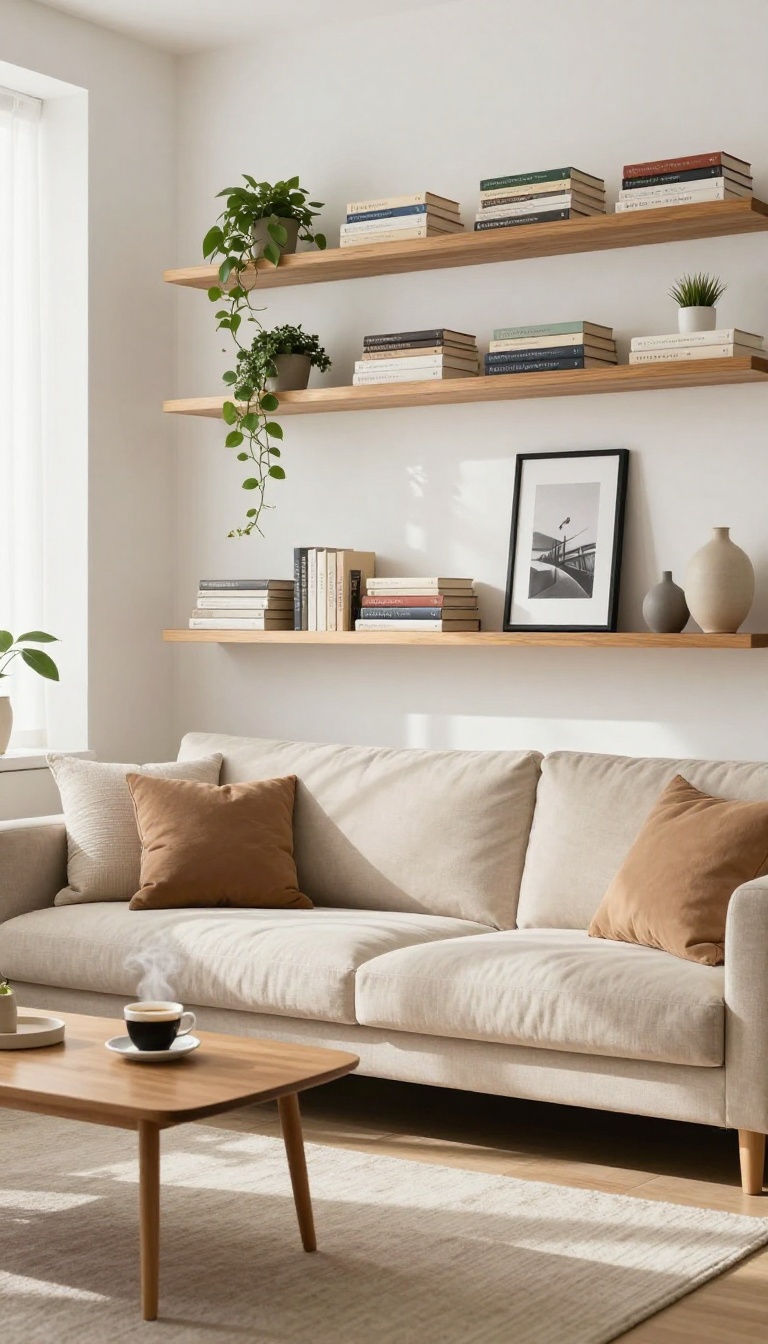
If your living room feels cluttered but you're short on floor space, floating shelves can be a game-changer. They draw the eye upward, making the room feel taller and more open, while giving you a dedicated spot to showcase your favorite things. Plus, they're a weekend project that doesn't require a contractor.
Floating shelves work in almost any living room, whether you have a blank wall above the sofa, a awkward corner, or a narrow stretch next to a doorway. The key is to think of them as functional decor, not just storage. Mix books with plants, small framed photos, and a few sculptural objects to create a curated look that feels personal and intentional.
Start with a few shelves and build from there—too many can make the room feel busy, but a well-spaced arrangement adds depth and character.
Choosing The Right Spot
The best location for floating shelves is often above furniture, like a sofa or console, where they won't interfere with daily use. Aim for about 12 to 18 inches of clearance above the furniture to avoid a cramped feel. If you have high ceilings, place shelves higher to draw the eye up; in smaller rooms, keep them at eye level to make the space feel larger.
Avoid placing them where they'll block natural light or feel in the way.
Styling Tips That Work
A common mistake is lining up items in a straight row. Instead, vary heights and depths—stack a few books horizontally, lean a framed print, and add a trailing plant to soften the edges. Group items in odd numbers (three or five) for a more natural look.
Leave some negative space so the shelves don't feel overcrowded. Rotate items seasonally to keep the display fresh without buying new decor.
Installation Made Simple
You don't need to be a DIY expert to install floating shelves. Most systems come with a template and hidden brackets that screw into studs. Use a stud finder to locate solid anchors, and a level to ensure they're straight.
If you're renting, consider removable adhesive shelves that hold up to 15 pounds—just follow the instructions carefully to avoid wall damage. For heavier items, opt for traditional floating shelves with sturdy metal brackets.
9. Add a Statement Rug to Anchor the Room
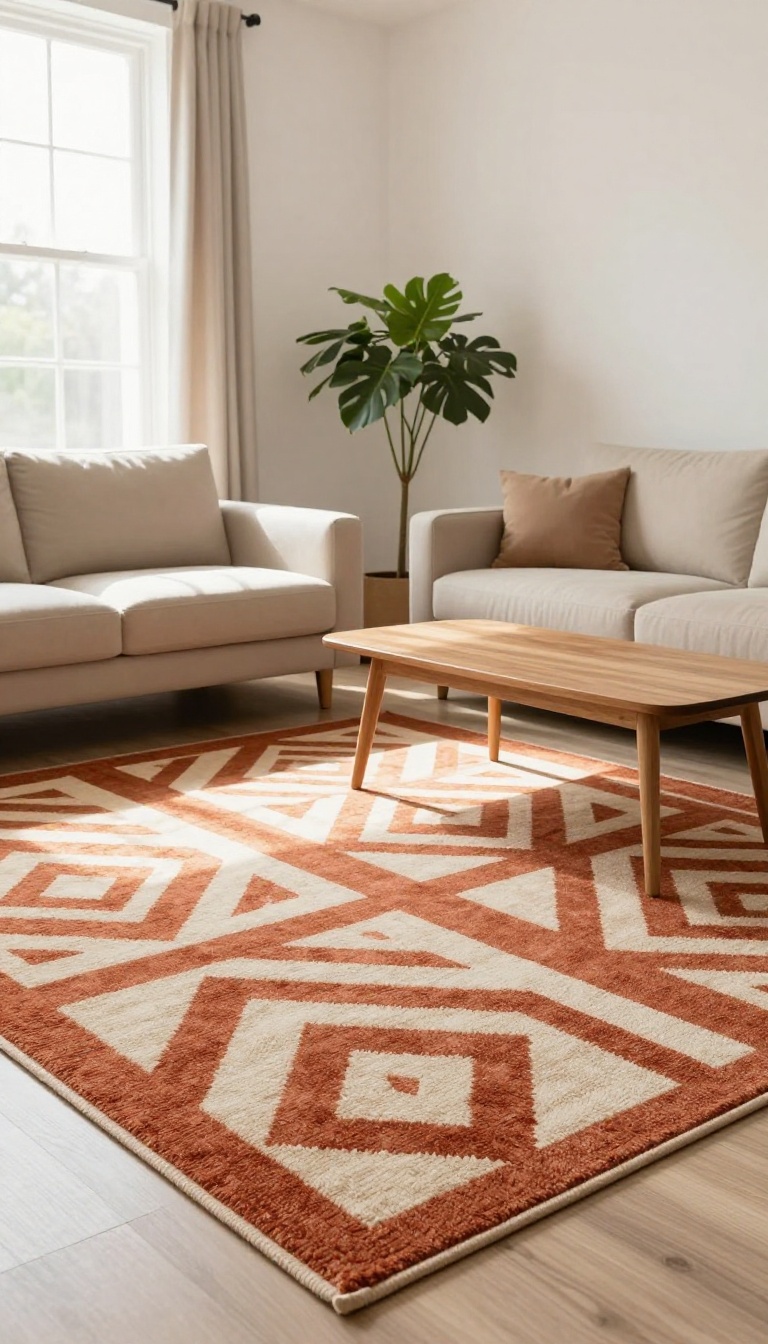
A rug does more than keep your feet warm—it visually ties the whole room together. If your seating area feels disconnected or lost in the space, a bold rug can define the zone and give it a clear focal point. It's one of the easiest ways to inject color, pattern, and texture without committing to paint or new furniture.
When choosing a statement rug, think about the mood you want to create. A high-contrast geometric pattern adds energy, while a soft, abstract design brings a calm, organic feel. Don't be afraid to go bigger than you think you need—a rug that's too small can make the room feel disjointed.
Aim for at least the front legs of your furniture to sit on the rug, or go for the full 'all legs on' look for a more grounded feel.
Pick The Right Size
The most common mistake is choosing a rug that's too small. A tiny rug floating in the middle of the room makes the space feel scattered. For a standard living room, a 8×10 or 9×12 rug works well.
If you have a smaller space, a 5×8 can still work if you keep all furniture on it. Measure your seating area and leave at least 6-8 inches of bare floor around the edges for a balanced look.
Play With Patterns And Textures
A statement rug is your chance to introduce a pattern you love—whether it's bold stripes, a Moroccan trellis, or a modern abstract. If your furniture is neutral, go for a vibrant pattern. If you already have colorful pieces, opt for a rug with a subtler pattern but rich texture, like a high-low pile or a flatweave with a woven design.
Mixing textures adds depth without visual chaos.
Layering For Extra Depth
For a more curated look, try layering a smaller rug on top of a larger, neutral one. This works especially well with a jute or sisal base and a patterned wool rug on top. It adds dimension and makes the room feel intentionally styled.
Just make sure the top rug is large enough to anchor the main seating area, and don't be afraid to experiment with different shapes—round rugs can soften a room full of straight lines.
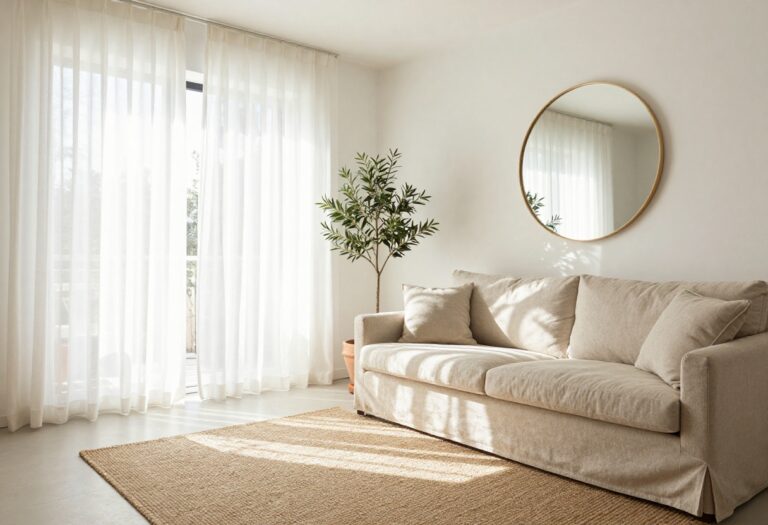
10. Use Mirrors to Make the Room Feel Bigger
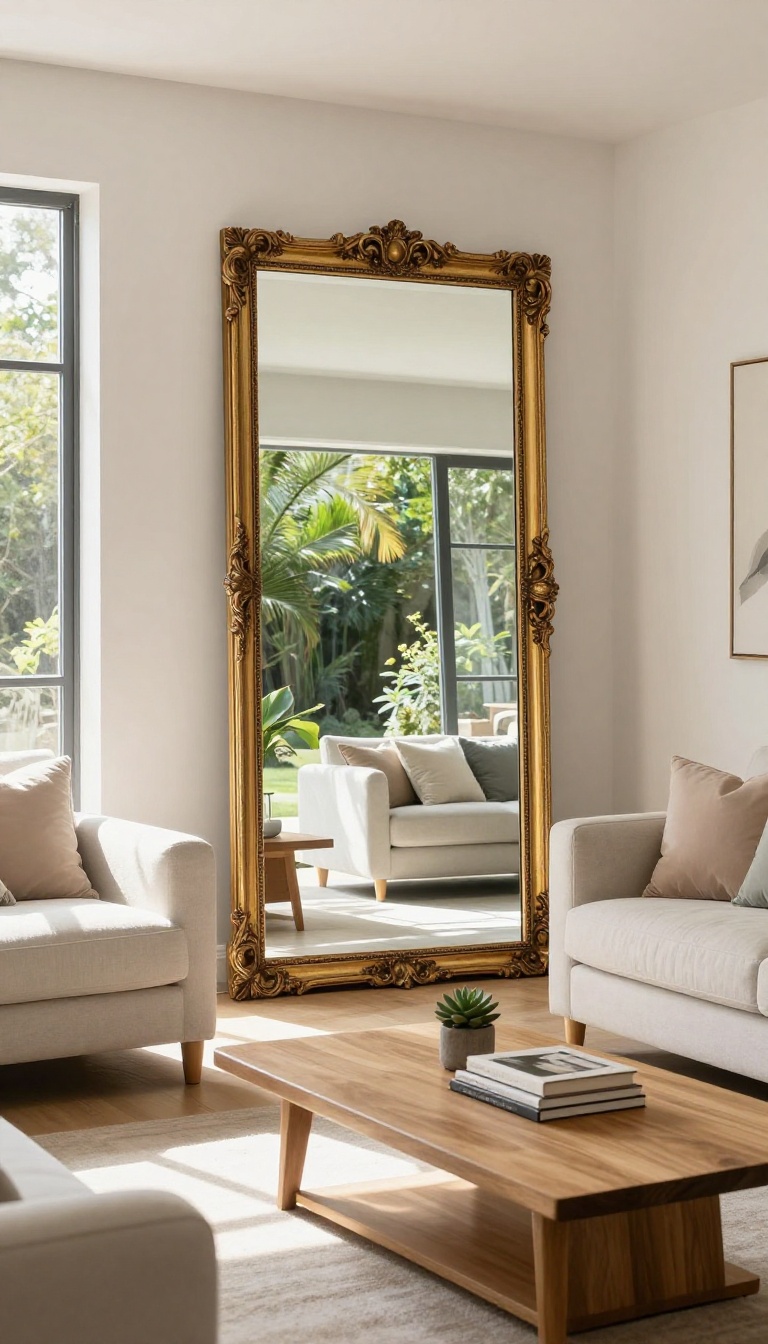
If your living room feels a little cramped, a mirror might be the simplest fix you haven't tried yet. Mirrors bounce light around the room and trick the eye into seeing more depth, making even a snug space feel airy and open. The best part?
You don't need to knock down walls or buy new furniture—just hang a mirror in the right spot and watch the room transform.
The key is placement. A large mirror placed across from a window will reflect the outdoors, doubling the natural light and creating a sense of openness. If your room is narrow, position a mirror on the longest wall to visually widen it.
For a dark corner, lean a tall mirror against the wall to bounce light into the shadows. You can also use multiple smaller mirrors in a cluster to add interest and amplify the effect.
Where To Place Mirrors For Maximum Impact
Think about what you want the mirror to reflect. Placing it opposite a window brings the outside in, making the room feel larger and brighter. If you have a beautiful piece of art or a unique light fixture, position the mirror to catch it—this adds depth and draws the eye.
Avoid placing mirrors where they'll reflect clutter or a messy area; instead, aim for a clean view that enhances the room's best features.
Choosing The Right Mirror Style
The mirror's frame matters more than you might think. A light, thin frame keeps the look airy and modern, while a bold, ornate frame can become a statement piece. For a seamless, expansive feel, go frameless or use a mirror with a beveled edge.
If you're working with a small budget, consider a floor-length mirror propped against the wall—it's both functional and stylish, and it doesn't require any drilling.
Creative Mirror Arrangements
Don't limit yourself to one mirror. A gallery wall of assorted mirrors can add character and reflect light from different angles. Or, place a large mirror behind a console table to double the visual space and make the table's decor pop.
For a more sculptural look, group three or four mirrors in different shapes and sizes above the sofa—this creates a focal point while making the room feel more open.
11. Incorporate Smart Storage Solutions
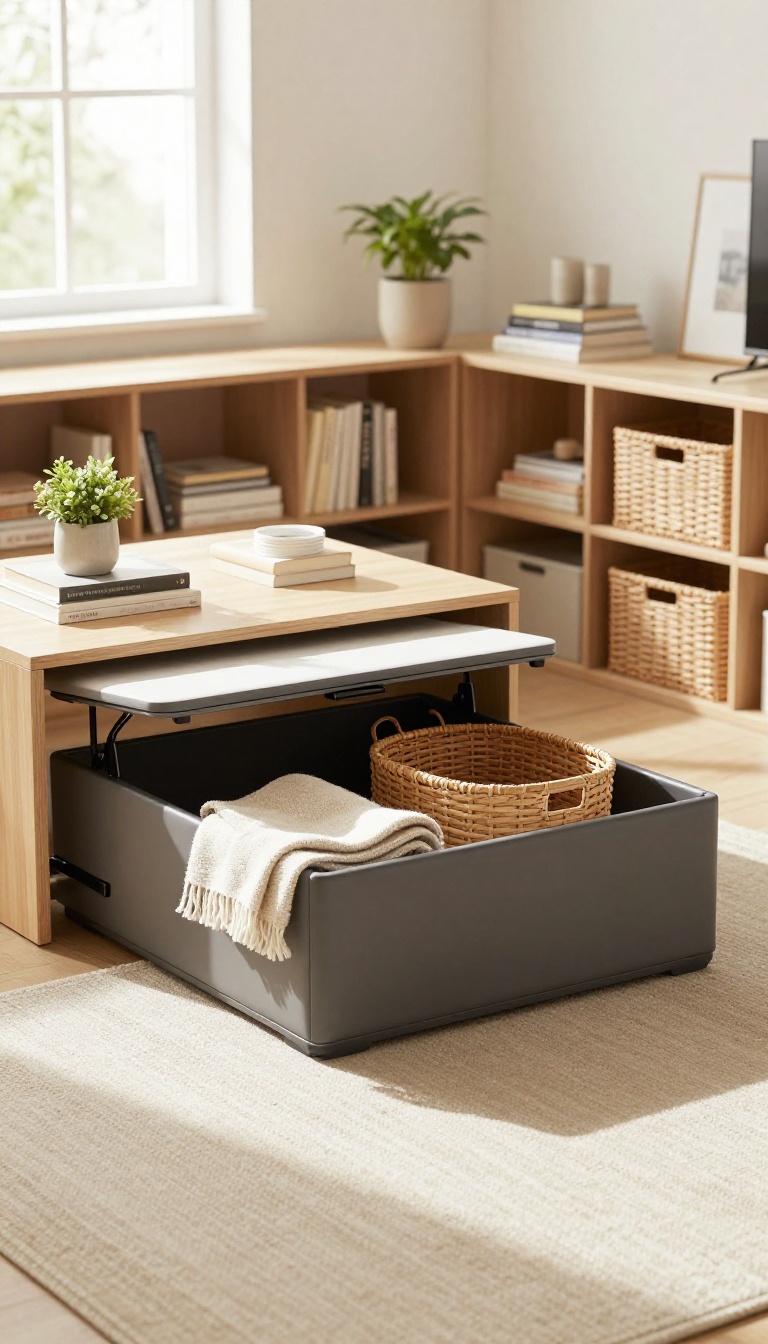
A tidy living room instantly feels more inviting, but keeping it that way can be a challenge. The trick isn't just buying more organizers—it's choosing pieces that blend into your decor while quietly hiding the mess. Smart storage turns everyday furniture into multitaskers, so you can keep essentials close without visual clutter.
Think beyond the obvious storage bins and baskets. Look for furniture that does double duty: an ottoman with a hollow interior, a coffee table with drawers, or a bench with a lift-up top. These pieces stash remotes, blankets, and board games out of sight, yet they're always within reach.
Built-in shelves along an unused wall or around a doorway can also hold books and decor while freeing up floor space.
Hidden Gems: Multi-functional Furniture
Choose pieces that hide storage in plain sight. A storage ottoman can serve as extra seating, a footrest, and a place to toss throw blankets. A console table with drawers or baskets keeps mail and chargers organized behind closed doors.
When you're shopping, look for terms like 'storage' or 'lift-top'—they often mean the piece has a secret compartment.
Built-in Brilliance: Shelves And Nooks
If you have an awkward alcove or a blank wall, built-in shelving can turn it into a storage powerhouse. Floor-to-ceiling shelves hold books, decor, and bins, while a window seat with drawers underneath adds charm and function. Even a simple floating shelf above a sofa can keep small items off surfaces and add visual interest.
Basket Case: Stylish Containers
Baskets are a renter-friendly way to add storage without permanent changes. Use woven baskets to corral toys, extra pillows, or magazines. Place them on the floor, on shelves, or inside an open cabinet.
Choose baskets that match your room's texture—seagrass for a coastal feel, felt for a modern look—and they'll blend right in.
12. Add a Pop of Color with Painted Furniture
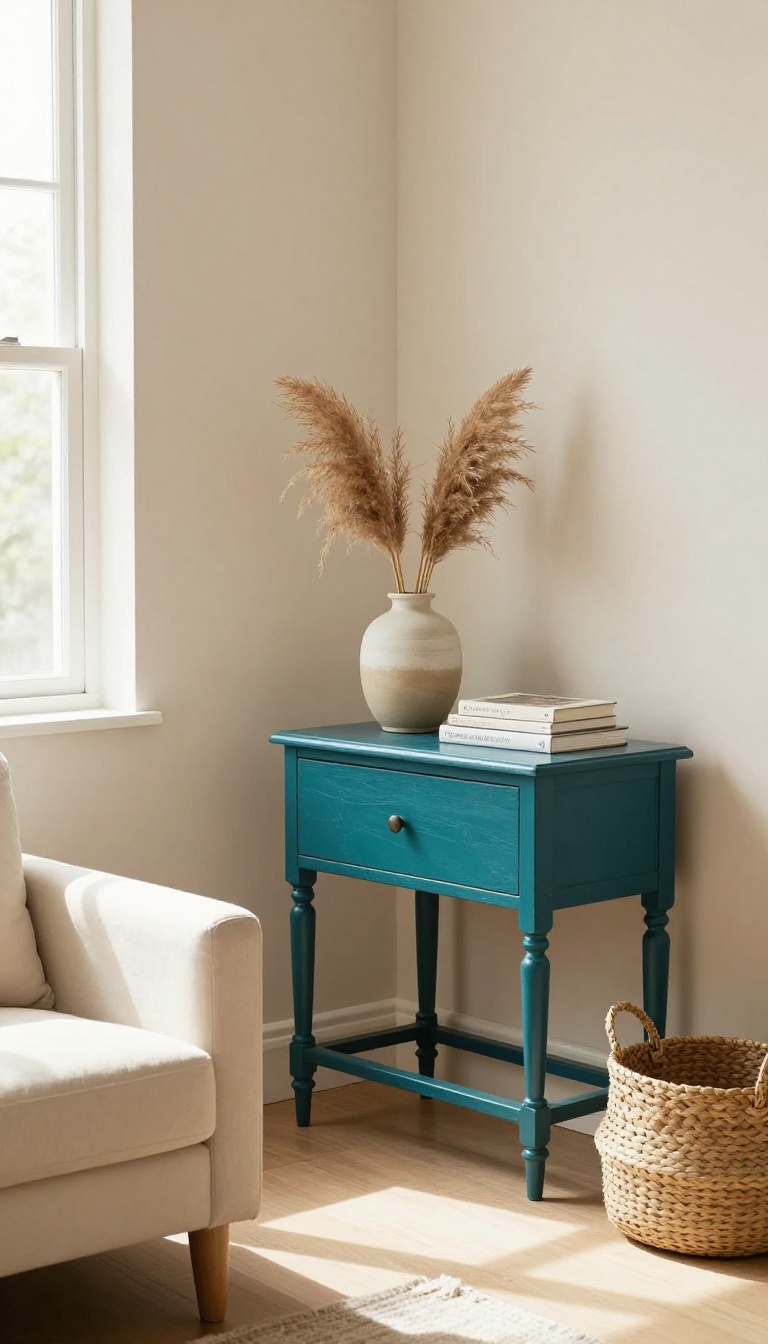
A fresh coat of paint is one of the most affordable ways to inject life into a tired living room. Instead of repainting entire walls, focus on a single piece of furniture—a side table, bookshelf, or even an old dresser. Choosing a bold, unexpected hue can turn that piece into a striking focal point that anchors the whole space.
Painting furniture is a weekend project that delivers instant gratification. It’s also a smart way to upcycle pieces you already own, saving money and reducing waste. The key is to pick a color that complements your existing palette—maybe a deep teal against neutral walls or a sunny yellow to brighten a dark corner.
Don’t be afraid to go bold; the right shade can make your room feel curated and personal.
Choosing The Right Piece And Color
Start with a piece that has good bones but needs a visual lift. A sturdy wooden table or a bookshelf with clean lines works well. For color, think about the mood you want: warm terracotta for coziness, cool sage for calm, or vibrant coral for energy.
Test a few swatches on the piece to see how they look in your lighting throughout the day.
Prep Work Makes Perfect
Proper prep ensures the paint adheres well and lasts. Clean the surface with a mild degreaser, lightly sand any glossy areas, and apply a primer if the piece is dark or the new color is light. Use a high-quality paint—chalk paint or a satin enamel works well for furniture.
Don’t skip the drying time between coats; patience pays off.
Styling Your Painted Piece
Once your piece is dry, style it to enhance its new look. On a painted bookshelf, mix books with plants and ceramics for visual interest. A painted side table can hold a lamp and a stack of coffee table books.
The goal is to let the color shine without overwhelming the room—balance it with neutral accessories.
13. Bring in Greenery with Low-Maintenance Plants
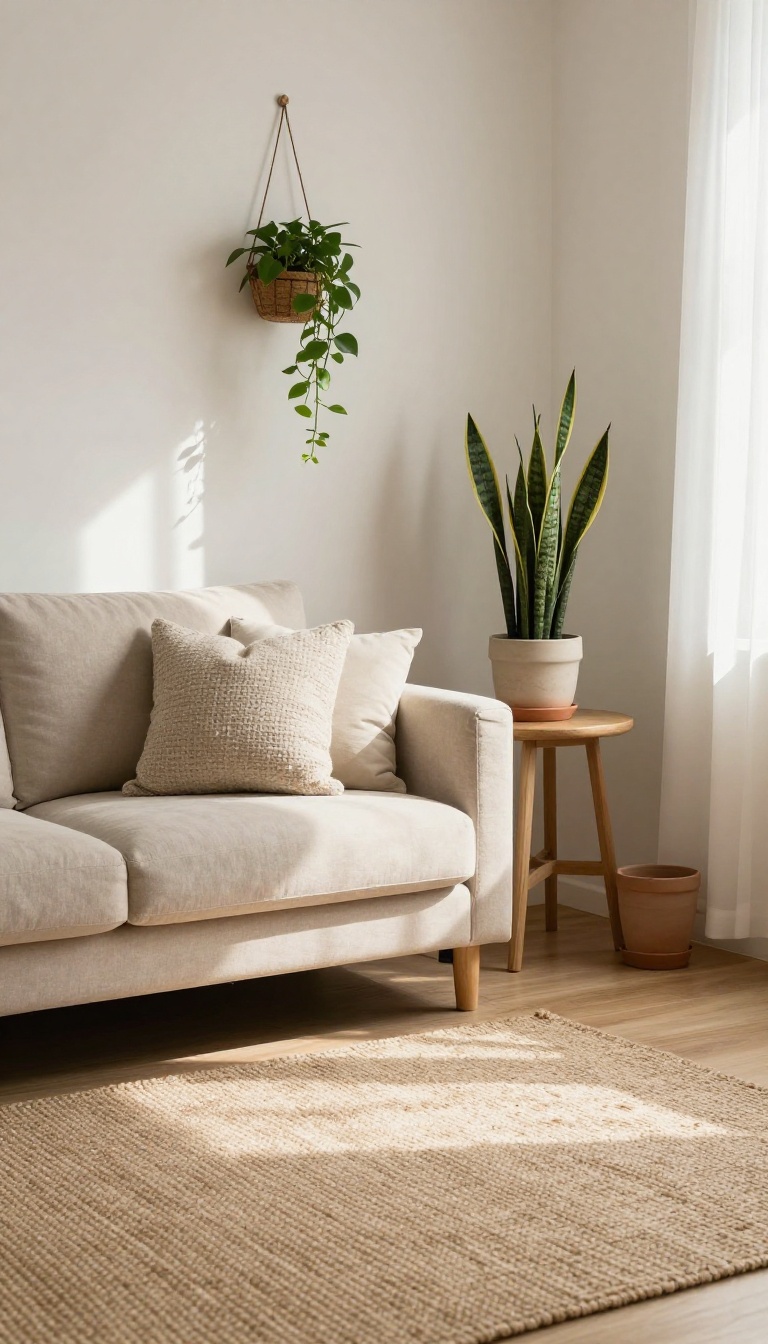
Plants are like the easiest friends to have around—they don't talk back, they just look good and make the air feel fresher. If you've been avoiding them because you think you'll kill them, there's good news: some varieties basically thrive on neglect. Snake plants, pothos, and ZZ plants are forgiving enough for even the most distracted plant parent.
Adding a few pots can instantly soften a room and give it that lived-in, cozy feel.
You don't need a green thumb to enjoy the benefits of indoor plants. Start with one or two easy-care varieties and place them where they'll get indirect light. Grouping plants of different heights adds visual interest, and using stylish pots can double as decor.
Even if you forget to water them for a week, they'll bounce back—just don't overwater them, which is the most common mistake.
Pick The Right Plants
Snake plants, pothos, and ZZ plants are nearly indestructible. They tolerate low light and irregular watering, making them perfect for busy people. If you want a pop of color, try a colorful pothos variety like 'Golden' or 'Marble Queen'.
For a sculptural look, a snake plant's upright leaves add height without taking up much floor space.
Styling With Greenery
Place a tall plant like a fiddle-leaf fig (if you're up for a challenge) or a snake plant in a corner to fill empty space. Use hanging planters for trailing pothos to draw the eye upward. Group smaller plants on shelves or a windowsill to create a mini indoor garden.
Mixing pot materials—ceramic, terracotta, woven baskets—adds texture and warmth.
Caring For Your Plants
Most low-maintenance plants need watering only when the top inch of soil feels dry. Overwatering is the quickest way to kill them, so when in doubt, skip a week. Wipe leaves occasionally to keep them dust-free and happy.
Rotate pots every few weeks so all sides get light and grow evenly.
FAQ
What is the cheapest way to refresh a living room?
Rearranging furniture, adding new throw pillows, and using removable wallpaper are low-cost changes that make a big impact.
How can I make a small living room look bigger?
Use mirrors, keep the color palette light, and choose furniture that doesn't block sight lines. Multi-functional pieces also help.
What are some unique living room decor ideas?
Consider a vintage trunk as a coffee table, a gallery wall with found objects, or mixing unexpected textures like velvet and rattan.
How do I choose a rug for my living room?
Pick a rug that fits the seating area, with a pattern or color that complements your furniture. Make sure it's large enough to anchor the space.
Can I update my living room without painting?
Yes, you can use removable wallpaper, add new textiles, rearrange furniture, and introduce plants or lighting to change the feel without painting.
Conclusion
Refreshing your living room is all about making intentional choices that reflect your personality and lifestyle. You don't need a huge budget or a designer—just a willingness to try something new. Start with one or two ideas that resonate with you, and build from there.
The goal is to create a space that feels comfortable, functional, and uniquely yours. So go ahead, move that chair, hang that mirror, and enjoy the transformation.