11 Double Head Shower Ideas for a More Relaxing Daily Rinse
A double shower head setup can turn an ordinary rinse into something you actually look forward to. Whether you want to soak under a rainfall spray while using a handheld for targeted cleaning, or you simply enjoy the symmetry of two matching fixtures, the right configuration changes how your shower feels and functions.
With eleven distinct approaches, you can match the design to your space, your plumbing, and the kind of daily ritual you want.
From smart digital systems to eco-conscious low-flow options, there's a dual-head idea here that fits your routine without overcomplicating it.
1. Rainfall and Handheld Combo for Full Coverage
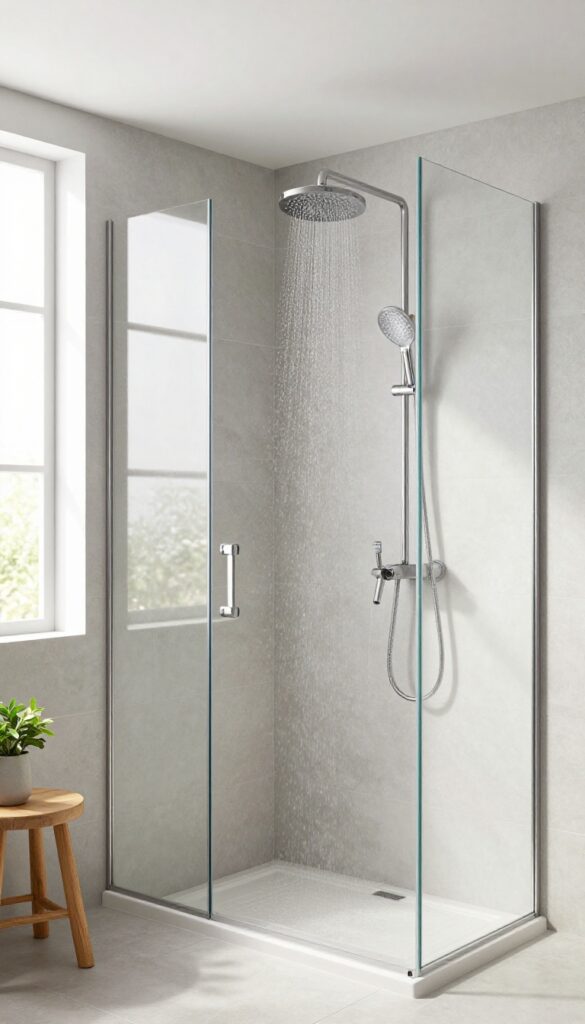
The rainfall and handheld combination is the classic dual-head setup, and for good reason. It brings together the immersive, gentle soak of a ceiling-mounted rain shower with the practicality of a flexible handheld spray. This pairing lets you enjoy a luxurious overhead cascade while still being able to direct water exactly where you need it, whether that's rinsing shampoo from long hair or cleaning the shower walls.
This setup shines in its versatility. During your regular rinse, you can let the rainfall head do its thing, creating a steady, calming downpour. When you need more precision, simply grab the handheld.
It's perfect for a quick targeted rinse, washing off after a workout, or even giving the dog a bath. The combination ensures you never have to compromise between a relaxing soak and a functional clean.
Why This Combo Works So Well
The magic lies in having two distinct spray patterns. The rainfall head offers a wide, gentle flow that feels like standing under a warm summer shower. The handheld, on the other hand, provides a more concentrated, higher-pressure stream that's ideal for thorough rinsing.
Together, they cover all your bases, making your shower both more enjoyable and more efficient.
Ideal Mounting And Placement
For the best experience, mount the rainfall head directly overhead, centered in your shower space. The handheld should be placed at a comfortable height, usually on a slide bar, so you can easily reach it. This placement ensures the rainfall spray covers your body while the handheld is always within arm's reach, ready for a targeted rinse.
Who This Setup Is Perfect For
This combination is a great fit for almost anyone. It's especially useful for families, as it accommodates different preferences—some may love the rainfall, while others prefer the handheld. It's also a boon for people with limited mobility, as the handheld can be used while seated.
And if you simply enjoy a spa-like experience at home, this setup delivers that without sacrificing practicality.
2. Dual Shower Heads on Adjustable Slides for Custom Heights
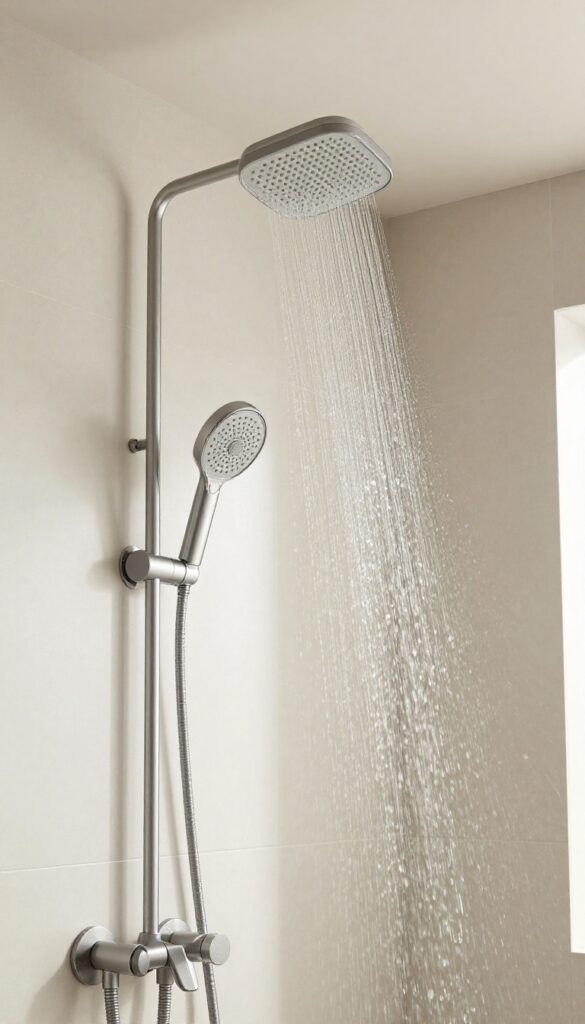
Sharing a shower often means compromising on where the water hits. One person likes it high, the other prefers it lower, and someone else might want it right at shoulder level. Instead of fighting over the same fixed head, two shower heads on adjustable slides let each person set their own perfect height in seconds.
This setup is especially handy in households with different heights, but it also works well if you just like to switch between a strong overhead spray and a gentler, lower rinse. The slides themselves are simple metal or plastic bars mounted vertically on the wall, and each shower head attaches to a bracket that you can move up or down with a light touch. No tools, no fuss—just slide and go.
When you install two adjustable slides, you get the flexibility of a custom shower experience without any complex plumbing changes. Each slide comes with its own shower head, and you can position them independently. That means one person can set their head at 6 feet while the other keeps theirs at 5 feet, and both get the exact spray they want.
It’s a practical solution for couples, families, or even solo users who like to change things up depending on the day. The real beauty of this setup is how easy it is to install. Most adjustable slides mount directly onto the existing shower arm or wall, and you don’t need to reroute pipes.
You can even add a slide to a single-head shower by using a diverter, so you don’t have to tear out tile. And because the slides are adjustable, they work with any ceiling height or wall space—just pick the length that fits your shower.
Why Adjustable Slides Beat Fixed Heads
Fixed shower heads are set at one height, which might be perfect for the person who installed them, but not for everyone else. Adjustable slides solve that by letting each user set their own height. That means no more bending down or standing on tiptoes to get the water where you need it.
It’s also great for washing pets or cleaning the shower floor, since you can lower the head to a convenient level. Plus, if you have kids, you can set the head low enough for them to rinse off without a struggle.
How To Choose The Right Slides
When picking adjustable slides, look for models with smooth, sturdy brackets that lock firmly in place. You don’t want a slide that slips down mid-shower. Also, consider the length of the slide—longer slides give more range, but they need more wall space.
For most showers, a 24-inch slide works well. And check the finish to match your existing fixtures, whether that’s brushed nickel, chrome, or matte black. Some slides even come with a handheld sprayer option, which adds even more versatility.
Installation Tips For A Smooth Setup
Installing adjustable slides is usually a DIY-friendly project. You’ll need to mount the slide bar vertically on the wall, using the included screws and anchors. Make sure the bar is level, then attach the shower head bracket and connect the water supply.
If you’re replacing an existing fixed head, you can often use the same water line. For two slides, you’ll need a diverter or a Y-splitter to feed both heads. If you’re not comfortable with plumbing, a professional can handle it quickly, but most people can manage it in an afternoon.
3. Wall-Mounted Dual Heads for a Symmetrical Look
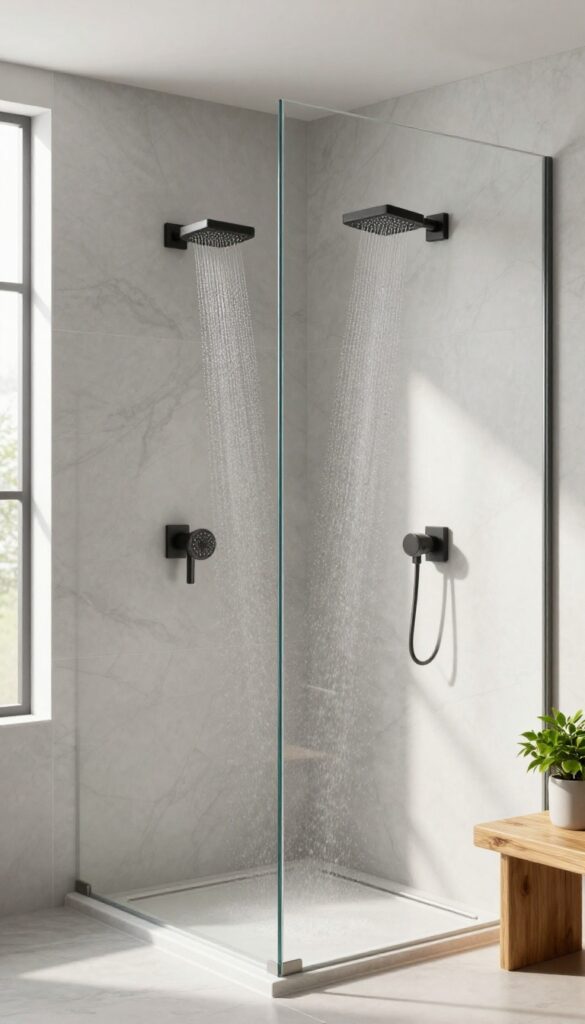
When you want a shower that feels balanced and intentional, mounting two identical heads on opposite walls delivers instant visual harmony. It’s a design choice that turns your daily rinse into a spa-like ritual, with water hitting you from both sides for even coverage. The symmetry isn’t just about looks—it also makes the space feel more open and organized.
Whether you’re renovating or just updating fixtures, this setup is a straightforward way to elevate your bathroom’s aesthetic.
Placing two shower heads on opposite walls creates a balanced, spa-like aesthetic that also provides even water coverage from both sides. This configuration is perfect for those who appreciate order and symmetry in their bathroom design. It’s a practical choice for larger showers, as it eliminates dead zones and ensures you’re never standing in a cold spot.
The key is to choose heads that match perfectly, both in style and finish. You can go with sleek modern rectangles or classic round designs—whatever fits your bathroom’s vibe. The water pressure should be consistent from both sides, so consider your plumbing and water flow when planning the installation.
Choosing The Right Heads
For a truly symmetrical look, pick two identical shower heads. Match the finish (chrome, brushed nickel, matte black) and the spray pattern. Consider the size of your shower—larger heads work well in spacious enclosures, while smaller ones fit compact spaces.
Also, think about the spray settings: a mix of rainfall and massage can be nice, but if you want uniformity, choose heads with the same functions.
Installation Tips
Mounting heads on opposite walls requires careful planning. Ensure your plumbing can support two heads simultaneously without a significant drop in pressure. You may need a pressure-balancing valve or a larger water heater.
Position the heads at a comfortable height and angle, typically around shoulder level, and make sure the spray patterns don’t interfere with each other. If you’re not handy, hire a professional plumber to avoid leaks and water damage.
Enhancing The Experience
To maximize relaxation, add a thermostatic valve to keep water temperature steady. You can also install a diverter to control water flow independently. For a truly spa-like feel, consider adding a bench or a non-slip mat.
The symmetrical design pairs well with natural stone tiles or wood accents to create a calming, organic atmosphere.
4. Overhead Rain Shower with Body Jets for a Spa Feel
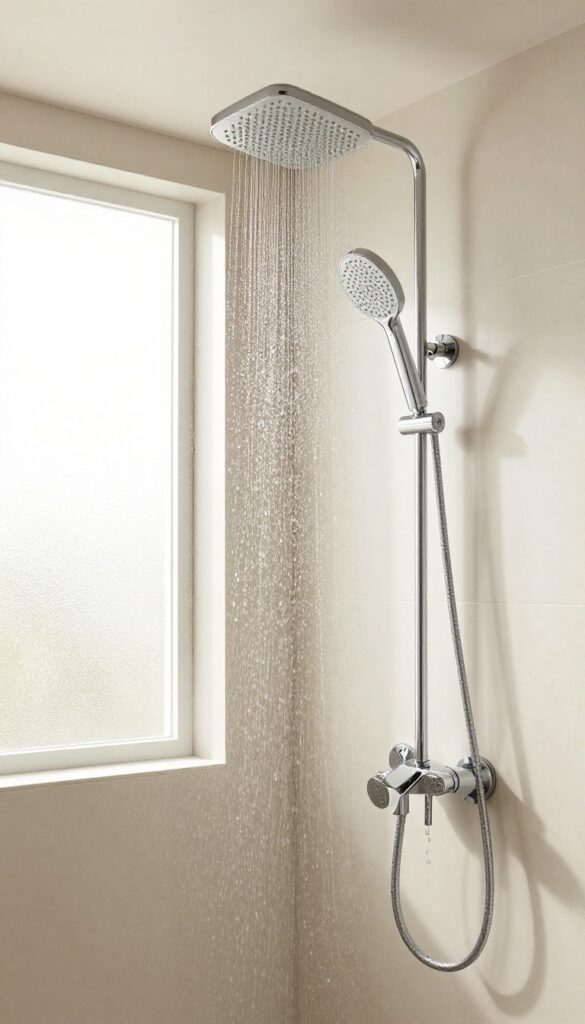
If you've ever stepped into a high-end spa shower, you know the magic of water hitting you from multiple angles at once. That immersive sensation is exactly what you can recreate at home by pairing a generous overhead rain shower with a set of strategically placed body jets. This combo doesn't just get you clean—it turns your daily rinse into a full-body pressure-point massage.
Body jets target the areas that tend to hold tension, like your lower back, shoulders, and calves. Meanwhile, the rain shower provides a gentle, cascading downpour that soothes your mind. Together, they create a layered experience that feels far more luxurious than a standard single-head setup.
The key to nailing this idea is placement and pressure. You want the rain head centered overhead for that natural rainfall effect, and the body jets positioned at different heights to hit your back, sides, and legs. Most systems let you adjust each jet individually, so you can fine-tune the spray pattern to your body.
Think about the plumbing too. This setup usually requires a bit more water pressure, so check your home's water flow before committing. If your pressure is on the lower side, you can still make it work by choosing jets with adjustable flow rates and turning off the rain head while you use the jets, or vice versa.
Choosing The Right Jet Placement
For a truly spa-like feel, place two jets at shoulder height, two at waist level, and two lower for your legs. That way, you get coverage from top to bottom. If you have a smaller shower, you can stick to just two or four jets on one wall.
The goal is to hit the major muscle groups without overwhelming the space.
Pressure And Flow Considerations
Body jets need decent water pressure to feel effective. If your home's pressure is below 40 psi, you might want to install a small booster pump. Also, look for jets with adjustable nozzles so you can change the spray from a gentle mist to a more focused stream.
That flexibility makes a big difference in comfort.
Installation Tips For A Smooth Upgrade
This is a more involved project, so it's often best to hire a professional plumber. You'll need to run extra supply lines and possibly add a diverter valve to control the water flow between the rain head and the jets. Plan the layout carefully so the jets don't interfere with your movement or the shower door.
5. Handheld and Rain Shower with Diverter Valve for Control
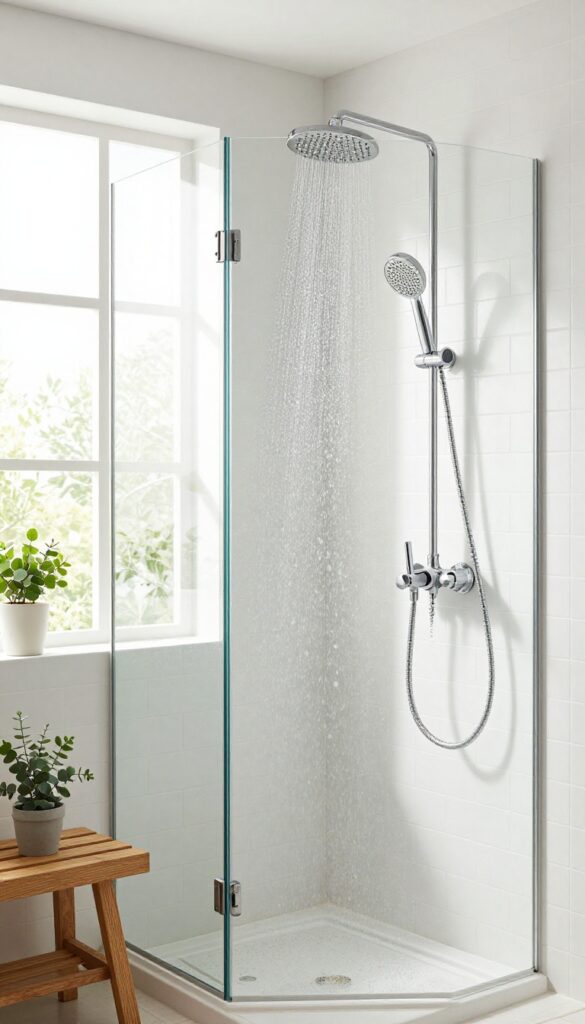
Sometimes you want the full soak of a rain shower, and other times you need the precision of a handheld. A diverter valve lets you switch between the two or run both at once, so you're never stuck with one mode when your mood changes. It's a simple addition that gives you total command over your shower experience without needing a full remodel.
A diverter valve is a small control that directs water flow between two outlets. With a handheld and rain shower combo, you can choose to use the rain head for a gentle, overhead drench, or switch to the handheld for rinsing off shampoo or cleaning the shower walls. Some diverters even allow you to run both heads simultaneously, which is perfect for a quick rinse or for sharing the space with a partner.
The best part? You get this flexibility without complex plumbing—most diverters install right into your existing shower arm.
Why A Diverter Valve Wins
The main advantage is control. You're not locked into one spray pattern. If you want a low-pressure, wide spray for a relaxing rinse, the rain head delivers.
When you need to target a specific area—like your lower back or feet—the handheld gives you that precision. Plus, you can conserve water by using only the head you need at the moment, rather than running both all the time.
Installation Tips
Installing a diverter valve is usually a DIY-friendly project. You'll replace your current shower arm with a diverter that has two outlets, then attach the rain head to one and a handheld with a hose to the other. Make sure to use plumber's tape on the threads to prevent leaks.
If you're not comfortable with plumbing, a professional can do it in under an hour.
Best Of Both Worlds
Using both heads at once can feel luxurious—imagine the rain head soaking you from above while you use the handheld to rinse your hair or wash the dog. This setup is also great for couples who have different preferences; each person can adjust the flow to their liking without a fight over the controls.
6. Dual Shower Heads with Separate Temperature Controls
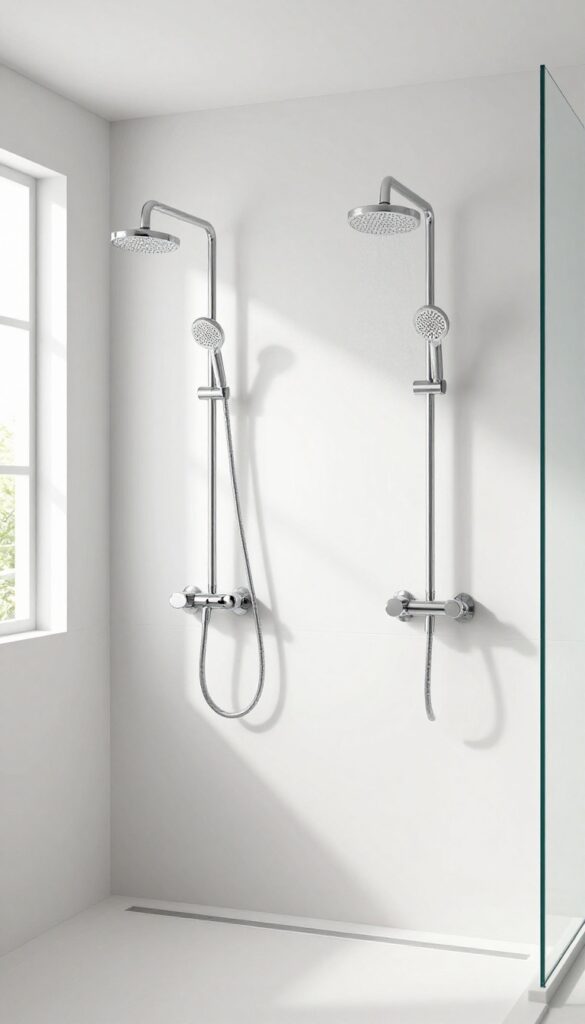
Temperature clashes are a real thing. One person likes it hot, the other prefers a cooler spray, and someone always ends up shivering or scalding. Instead of arguing over the dial, you can install two thermostatic valves so each shower head has its own temperature setting.
That way, both of you get exactly what you want, every single time.
This setup works best with a dual-valve system, where each valve controls one shower head independently. You can mount the valves side by side within easy reach, so adjusting your side doesn't mess with your partner's flow. It's a simple upgrade that makes shared showers feel more like a personal spa experience for each person.
Why Separate Controls Make Sense
When two people shower together, one usually ends up compromising. Separate temperature controls remove that compromise entirely. You can set your side to a steamy 105°F while your partner enjoys a refreshing 95°F.
No more dancing around the dial or shouting over the noise. It also helps if you have different showering habits, like one person who likes a quick rinse and another who lingers.
Installation And Plumbing Tips
You'll need a plumber to add a second valve and run the necessary piping, unless you're comfortable with DIY. The key is to ensure your water heater can supply enough hot water for both heads at different temperatures. A tankless water heater or a larger tank might be needed if you're both using hot water at the same time.
Also, consider the valve placement—mount them at a comfortable height and position so you can reach them without stretching.
Best Fixtures For This Setup
Look for thermostatic valves that allow independent temperature adjustment, like those from brands such as Grohe, Hansgrohe, or Delta. Pair them with any shower head you like—rainfall, handheld, or a combo. Some systems even come with pressure-balancing features to keep the water steady even if someone flushes a toilet.
Choose fixtures that match your bathroom's style, but prioritize function and reliability.
7. Ceiling-Mounted Dual Rain Heads for a Tropical Downpour
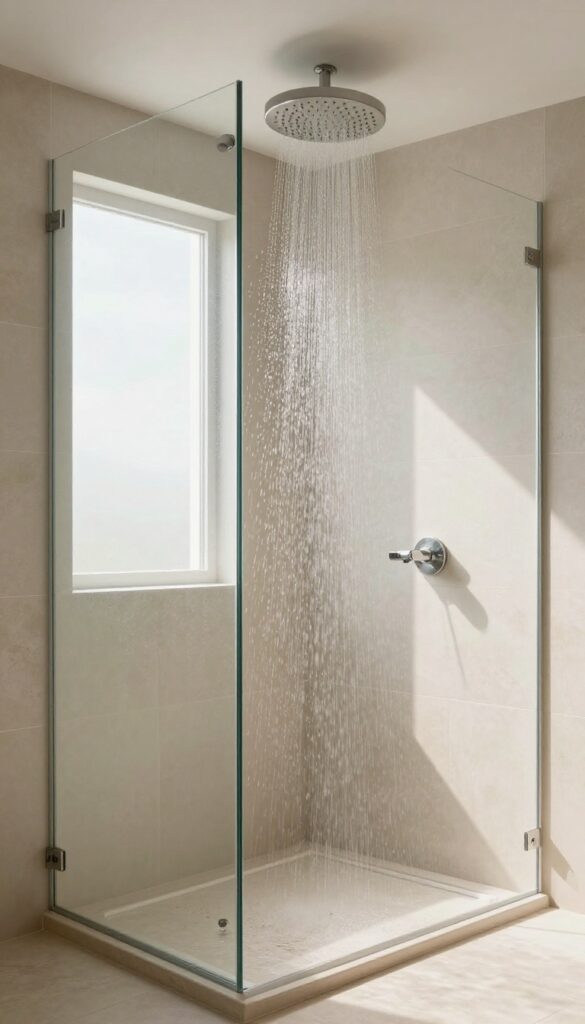
Imagine stepping into your shower and being wrapped in a wide, even sheet of warm water from above. That's the magic of ceiling-mounted rain heads. When you install two of them side by side, the effect becomes even more immersive, turning your daily rinse into a tropical downpour that feels like standing under a gentle storm.
It's a simple upgrade that changes the entire feel of your bathroom, making it a personal retreat.
With two ceiling-mounted rain heads, you get a broader coverage area, so you don't have to shuffle around to stay under the spray. The water falls straight down, mimicking natural rain, which is incredibly soothing. This setup works particularly well in larger showers with a flat ceiling, but with the right adapters, it can be adapted to many spaces.
The key is to position the heads far enough apart to avoid overlapping streams that might feel chaotic, yet close enough to create a continuous curtain of water.
Choosing The Right Size And Spread
Rain shower heads come in various diameters, typically from 8 to 12 inches. For a dual setup, consider the size of your shower. If you have a spacious walk-in, two 10-inch heads spaced about 24 inches apart will give you a generous soak.
For smaller enclosures, opt for 8-inch heads and place them closer together, around 18 inches apart. The goal is to have the water patterns overlap just slightly, creating a seamless shower experience without any dry spots.
Mounting Considerations And Ceiling Height
Ceiling-mounted heads require access to the ceiling joists for secure mounting. If you have a standard 8-foot ceiling, you'll want the heads to extend down about 6 to 8 inches so the water falls freely. For higher ceilings, you might need longer drop pipes to bring the heads closer to you, ensuring the water doesn't cool off before it hits.
Also, check your water pressure—rain heads work best with a pressure of at least 45 PSI. If your pressure is low, consider installing a pressure-boosting pump.
Installation Tips And Waterproofing
Hiring a professional plumber is recommended, especially if you need to reroute pipes through the ceiling. If you're handy, you can DIY, but make sure to turn off the water and use Teflon tape on all threads. The ceiling around the heads should be properly waterproofed to prevent moisture damage.
Use a waterproof membrane or paint with a moisture-resistant sealant. Also, consider adding a diverter valve so you can use both heads together or independently, giving you flexibility.
8. Corner Shower with Dual Heads for Space Optimization
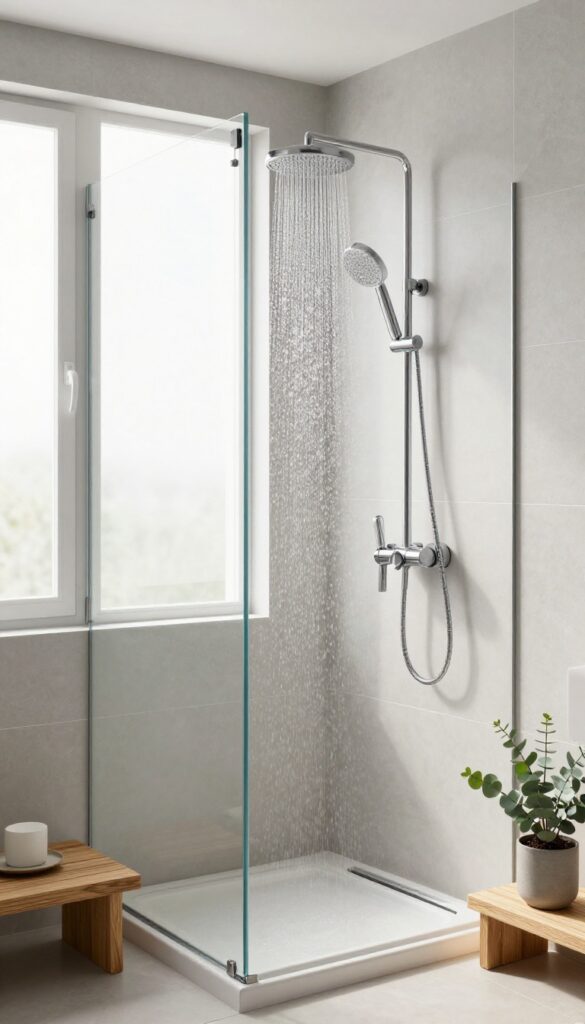
Corners often get ignored in bathroom design, but they can be surprisingly practical. A corner shower with two heads mounted on adjacent walls makes the most of every inch. You get the luxury of a dual-head setup without sacrificing floor space or making the room feel cramped.
Placing one head on each wall creates a cross-flow effect that covers your body from both sides. This arrangement works especially well in smaller bathrooms where a separate tub and shower aren't an option. It's a smart way to bring a spa-like feel into a compact footprint.
Why Adjacent Walls Work
Mounting heads on adjacent walls gives you a wide spray pattern that hits your front and back simultaneously. You can angle each head to target different areas, like one for your shoulders and one for your legs. This setup also keeps the plumbing simple, since both heads can share the same water supply line.
Choosing The Right Heads
For a corner shower, pick heads with adjustable angles and swivel joints. A rainfall head on one wall paired with a handheld on the other gives you flexibility. If space is tight, opt for compact heads that don't protrude too far into the shower area.
Installation Tips
Make sure the shower valve can handle the flow rate for two heads. You might need a pressure-balancing valve to keep water temperature steady. If you're not comfortable with plumbing, hire a professional to avoid leaks and ensure proper drainage.
9. Dual Shower Heads with LED Lighting for Mood Enhancement
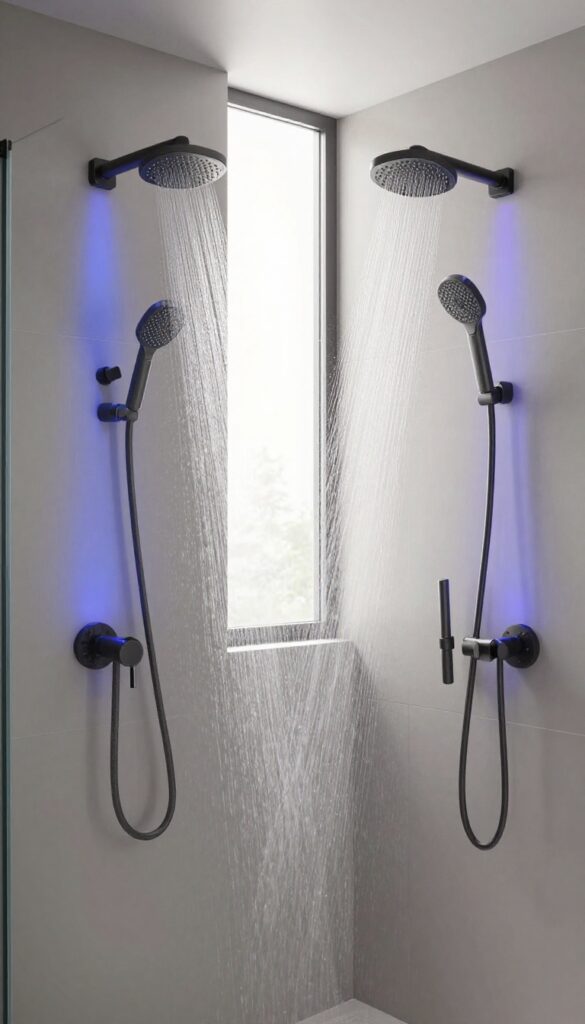
Adding LED lights to your shower heads can transform your daily rinse into a multi-sensory experience. The soft glow of color-changing lights creates a spa-like atmosphere that helps melt away stress. Whether you prefer a calming blue or an energizing green, the right lighting can set the tone for your entire day.
LED-equipped dual shower heads are more than just a visual upgrade. They can sync with your music, change colors based on water temperature, or simply offer a spectrum of hues to match your mood. This feature is especially appealing for those who enjoy a longer, more mindful shower ritual.
Choose The Right Led Color For Your Mood
Different colors evoke different feelings. Cool blues and greens promote calm and relaxation, making them perfect for evening showers. Warmer tones like reds and oranges can boost energy in the morning.
Some models even cycle through colors automatically, offering a dynamic experience that keeps things fresh.
Sync Lights With Music For An Immersive Experience
Many LED shower heads come with built-in microphones that detect sound and pulse the lights in rhythm with your favorite playlist. This turns your shower into a private concert, adding a fun and engaging element to your routine. Just make sure your speaker is waterproof or placed safely outside the shower area.
Safety And Installation Considerations
When choosing LED shower heads, ensure they are rated for wet environments and meet safety standards. Most models are designed for easy DIY installation, but if you're unsure about electrical connections, it's wise to consult a professional. Also, check the power source—some use batteries, while others are powered by the water flow, which can affect longevity and convenience.
10. Smart Shower System with Dual Heads and Digital Controls
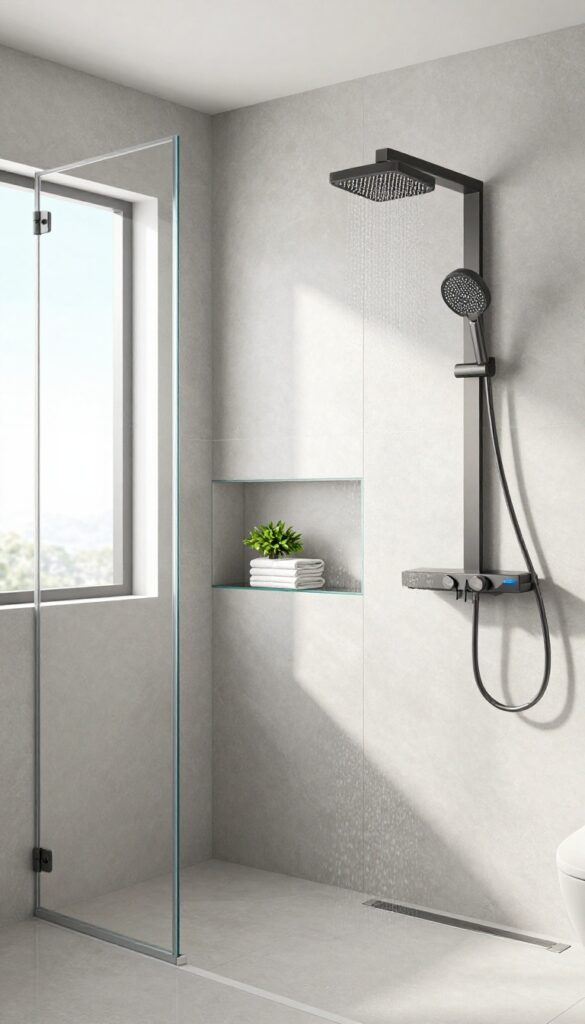
If you love the idea of a fully customized shower, a smart system with dual heads and digital controls takes personalization to the next level. Instead of fiddling with knobs and guessing at temperatures, you can program everything to your exact preferences. It’s the kind of upgrade that makes your morning routine feel effortless, and it’s surprisingly practical once you get the hang of it.
Smart shower systems let you set and remember your ideal water temperature, pressure, and flow for each head separately. You can switch between a gentle rainfall and a powerful massage with a simple tap on a digital panel or an app on your phone. Some models even allow voice control, so you can start your shower before you step in, without touching a thing.
The real magic, though, is the consistency. No more sudden temperature spikes when someone flushes a toilet or runs the washing machine. The system maintains your settings precisely, so every shower feels the same—just the way you like it.
Plus, you can create profiles for different family members, so each person gets their own perfect setup at the press of a button.
Preset Your Perfect Shower
The biggest advantage is the ability to save your favorite settings. Once you dial in the exact temperature and pressure for both heads, you can store them as a preset. Next time, just hit a button and the system brings everything to that level automatically.
It’s like having a personal shower assistant that never forgets.
Control From Your Phone Or Voice
Many smart systems come with Wi-Fi or Bluetooth connectivity, letting you control the shower from your smartphone. You can warm up the bathroom before you get in, adjust settings from bed, or even start the shower from the couch. Voice control via Alexa or Google Assistant adds even more convenience—just say the word and your shower is ready.
Installation And Compatibility
Before you commit, check if your plumbing and electrical setup can support a smart system. Most require a dedicated power source and a compatible valve. It’s often best to hire a professional for installation, especially if you’re not comfortable with wiring.
But once it’s in, the ease of use and daily comfort are well worth the investment.
11. Eco-Friendly Dual Heads with Low-Flow Technology
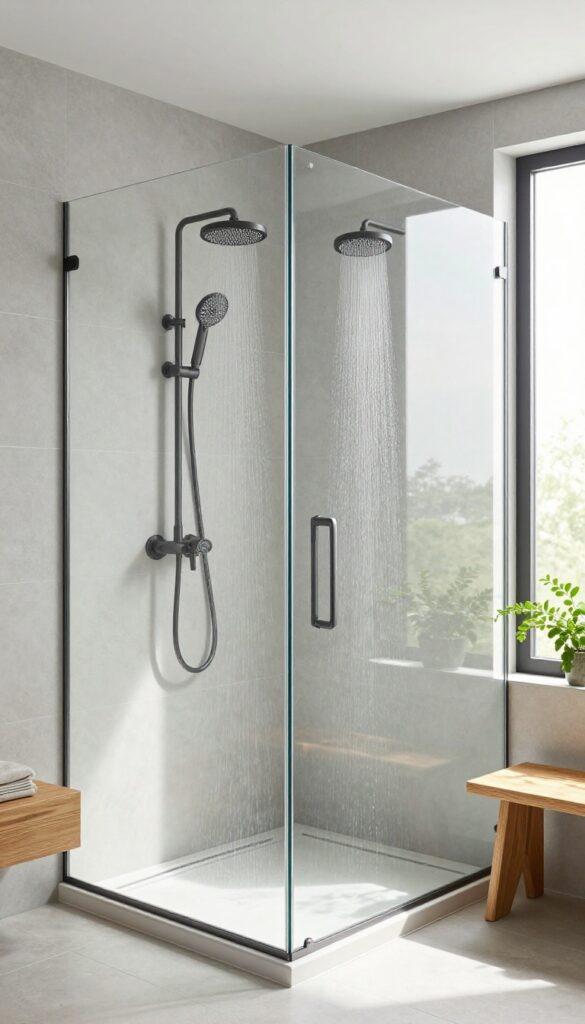
Going green doesn't mean giving up the luxury of a dual-head shower. Modern low-flow technology has come a long way, delivering strong pressure while using significantly less water. With two heads, you can still enjoy that immersive feel, but you'll be saving gallons every minute.
How Low-flow Heads Work
Low-flow shower heads are designed to restrict water flow to 2. 0 gallons per minute or less, compared to older models that can use 2. 5 GPM or more.
They achieve this through aerators that mix air with water, creating a fine mist that feels just as satisfying. Some models use advanced nozzle designs to maintain pressure even at lower flow rates.
Benefits Beyond The Environment
Besides reducing your water bill, low-flow heads can lower your energy costs because you're heating less water. They also extend the life of your water heater and reduce the strain on your plumbing. Plus, many low-flow heads are eligible for rebates from local utilities, making them a smart financial choice.
Choosing The Right Pair
When picking dual low-flow heads, look for models with adjustable spray patterns and pause buttons. A handheld with a low-flow setting is perfect for rinsing pets or cleaning the shower. Consider finishes that match your bathroom and check for WaterSense labels to ensure efficiency.
Many brands offer matching sets for a cohesive look.
FAQ
Can I install a double head shower in an existing bathroom?
Yes, you can often retrofit a second shower head by using a diverter valve or replacing your current shower arm. However, if you need to add new plumbing lines, it's best to consult a professional.
Do double head showers use more water?
Not necessarily. If you use both heads at once, water usage will increase, but many models are low-flow and you can also use a diverter to run only one head at a time.
What is the ideal height for a double shower head?
For overhead rain heads, mount them about 84 inches from the floor. For handhelds, place the slide bar so the head can reach between 60 and 72 inches, depending on your height.
Can I control each shower head independently?
Yes, with a diverter valve or a dual-function thermostatic valve, you can control each head separately, including turning one off while the other runs.
Are double head showers worth the cost?
For many people, the added comfort and luxury are worth it. They can also increase home value, but the cost varies based on the type and installation complexity.
Conclusion
A double head shower can completely change how your bathroom feels, turning a quick rinse into a moment you actually look forward to. Whether you go for a rainfall and handheld combo or something more spa-like, the right setup makes a real difference. Start with your water pressure and layout, then pick the style that fits your routine.
Small upgrades like adjustable arms or a thermostatic valve are worth the extra thought. Once everything is in place, you will wonder how you ever managed with just one showerhead. Take your time choosing, and enjoy the upgrade.