20 Cleaning Tile Grout Tips for a Brighter Bathroom
Bright, clean grout lines can transform a dingy bathroom into a space that feels fresh and well-maintained. You don't need expensive products or professional help to get that look—just the right techniques and a little elbow grease.
These 20 tips cover everything from quick touch-ups to deep cleaning methods that tackle even the toughest grime. Whether you're dealing with mold, discoloration, or just want to keep your grout looking new, you'll find practical solutions here.
Let's get those tiles looking their best.
1. Start with a Baking Soda and Vinegar Paste
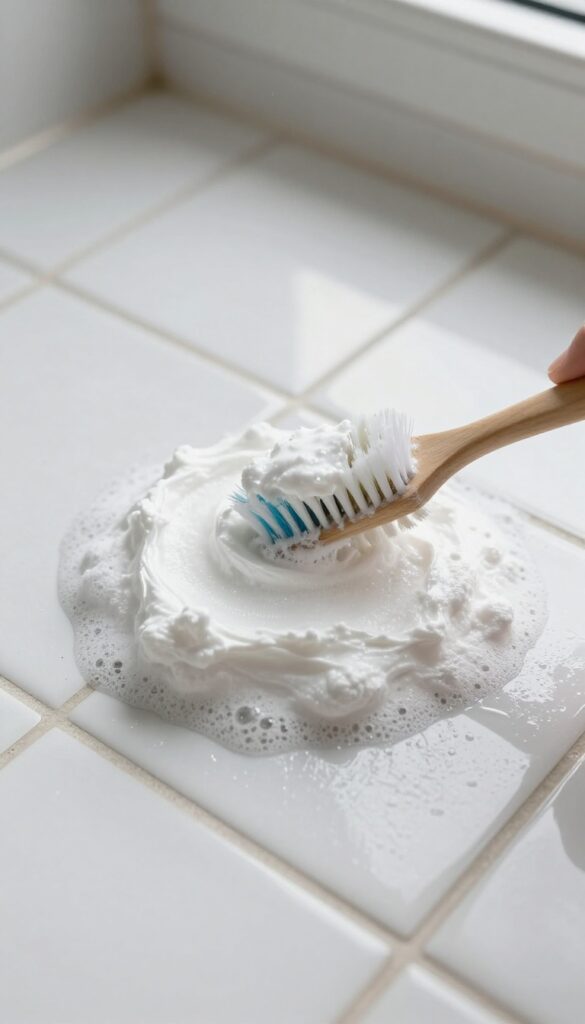
Baking soda and white vinegar are a powerhouse duo for cutting through grime without harsh chemicals. This paste works because the vinegar’s acidity breaks down mineral deposits and soap scum, while the baking soda provides gentle abrasion to lift dirt from porous grout. It’s cheap, non-toxic, and surprisingly effective on light to moderate stains.
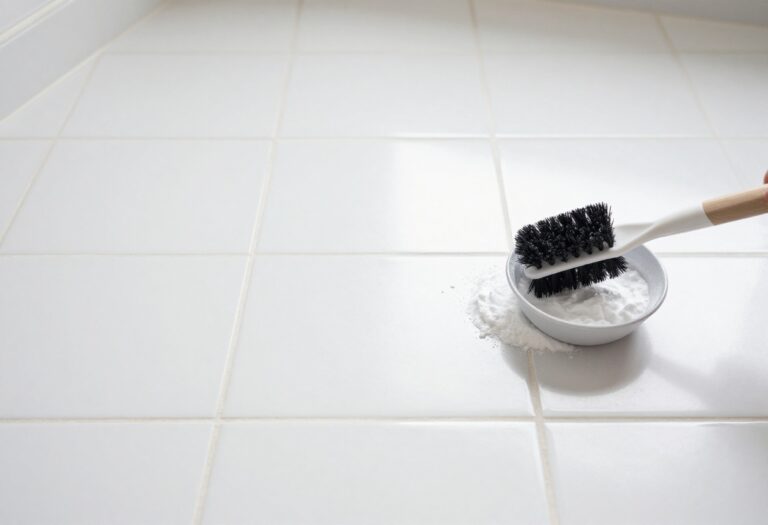
To make the paste, mix three parts baking soda with one part white vinegar in a small bowl. It should be thick enough to spread without dripping. Apply it generously along the grout lines using an old toothbrush or a small spatula.
Let it sit for 5–10 minutes—you’ll see it fizz as the reaction happens. Then scrub in a circular motion, focusing on stained areas. Rinse with warm water and wipe away residue with a damp cloth.
For extra stubborn spots, let the paste dry completely before scrubbing. This method is safe for most tile types, but avoid it on natural stone like marble or limestone, as the acid can etch the surface.
Why This Combo Works So Well
The fizzing action helps lift dirt from deep within the grout pores. Baking soda is mildly abrasive, so it scrubs without scratching tile. Vinegar disinfects and deodorizes, leaving your bathroom smelling fresh.
Together, they tackle the most common grout culprits: soap scum, hard water stains, and mild mildew.
Step-by-step Application
Start by wetting the grout lines slightly. Spread the paste with an old toothbrush or a grout brush. Let it sit for 5–10 minutes—longer for heavy stains.
Scrub vigorously, then rinse with a spray bottle of water. Wipe away residue with a microfiber cloth. Repeat if needed.
When To Skip This Method
Don’t use this paste on unsealed natural stone tiles, as vinegar can cause etching. Also avoid it if your grout is crumbling or badly cracked—the moisture might worsen the damage. In those cases, consider regrouting or using a specialized cleaner.
2. Use a Steam Cleaner for Stubborn Grime
When scrubbing by hand just isn't cutting it, a steam cleaner can be your secret weapon. These handheld devices blast hot steam at high pressure to loosen embedded dirt and kill mold spores without any chemicals. The heat does the heavy lifting, so you just wipe away the grime.
How Steam Cleaning Works On Grout
Steam cleaners heat water to around 200°F and release it as pressurized vapor. The steam penetrates porous grout, softening years of soap scum and dirt. The high temperature also kills most mold and bacteria on contact, making it a chemical-free sanitizer.
Best Steam Cleaners For Bathroom Tiles
Look for a handheld model with a brush attachment and a narrow nozzle for grout lines. Brands like McCulloch, Dupray, and Bissell offer affordable options. A steam mop can work for floors, but a handheld gives you more control for vertical tiles.
Step-by-step Steam Cleaning Process
First, sweep or vacuum loose debris. Fill the steamer with water and let it heat up. Hold the nozzle about an inch from the grout and move slowly along the lines.
Wipe away the loosened grime with a microfiber cloth. For tough spots, repeat or use a stiff brush after steaming.
Safety Tips And Precautions
Steam gets very hot, so wear gloves to avoid burns. Test on a small hidden area first, especially if your grout is old or cracked. Don't use steam on unsealed natural stone tiles, as the heat and moisture can damage them.
Always let the area dry completely after cleaning.
3. Try Hydrogen Peroxide and Baking Soda
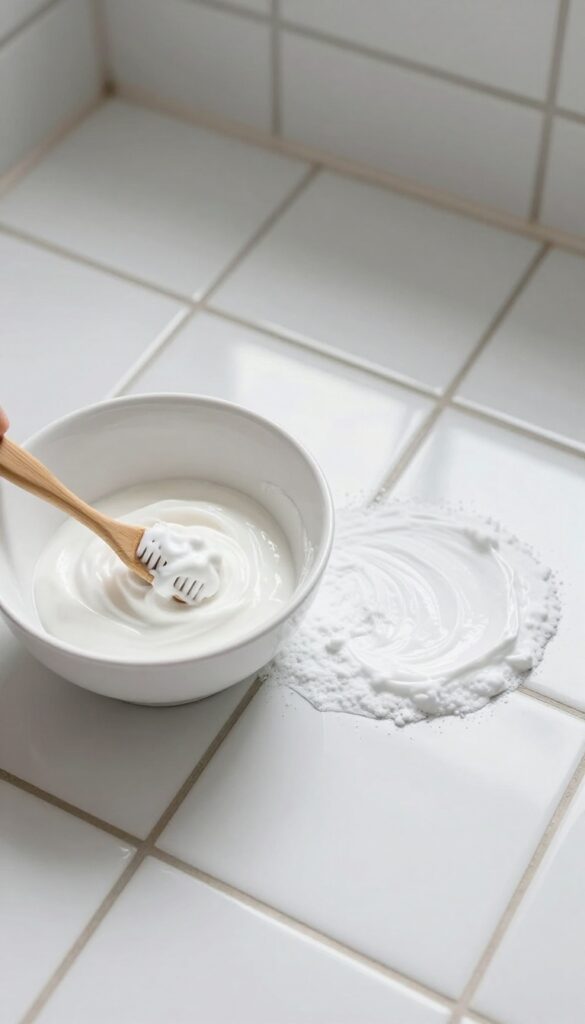
If you want a cleaning paste that whitens and disinfects at the same time, hydrogen peroxide and baking soda are a winning combo. The peroxide acts as a mild bleach, while the baking soda provides gentle abrasion. Together, they tackle discoloration and kill mold spores without the harsh smell of chlorine.
This simple paste works wonders on grout that has turned gray or developed light mildew stains. It's safe for most tile types, but always test on a small hidden area first.
Making The Paste
Mix about 3 parts baking soda with 1 part 3% hydrogen peroxide in a small bowl. Stir until it forms a thick, spreadable paste. If it's too runny, add more baking soda; if too dry, add a few more drops of peroxide.
Application And Dwell Time
Use an old toothbrush or a small brush to apply the paste directly onto the grout lines. Spread it evenly, then let it sit for 10 minutes. This gives the peroxide time to break down stains and kill bacteria.
Scrubbing And Rinsing
After 10 minutes, scrub the grout with the brush using firm circular motions. You'll see the paste darken as it lifts dirt. Rinse thoroughly with warm water and wipe away any residue with a damp cloth.
Repeat on stubborn spots if needed.
4. Seal Grout After Cleaning
You've scrubbed, rinsed, and dried your grout until it looks brand new. But without a protective barrier, all that effort won't last long. Sealing your grout locks in the clean and makes future maintenance much easier.
Grout is naturally porous, which means it soaks up moisture, dirt, and soap scum like a sponge. A good sealer fills those tiny pores and creates a shield that repels stains and mildew. The best part?
Sealed grout is much easier to wipe down during routine cleaning. You'll notice a difference in how long your grout stays bright between deep cleans.
Choose The Right Sealer
Not all sealers are the same. For bathroom grout, look for a penetrating sealer that soaks into the grout rather than sitting on top. Avoid film-forming sealers that can peel or yellow over time.
A quality penetrating sealer will protect without changing the look or texture of your grout.
How To Apply It Right
Before sealing, make sure your grout is completely clean and dry—wait at least 24 hours after cleaning. Apply the sealer with a small brush or applicator bottle, working it into the grout lines. Wipe away any excess from the tile surface immediately, or it will dry into a hazy film.
Let it cure for the time recommended on the label before getting the area wet.
When To Reapply
Even the best sealer wears down over time. Plan to reseal your grout every 6 to 12 months, depending on how much traffic your bathroom gets. A simple water test can tell you when it's time: sprinkle a few drops on the grout—if they soak in, it's time to reseal.
Staying on top of this schedule keeps your grout looking fresh and prevents deep stains from setting in.
5. Use a Grout Pen for Quick Touch-Ups
Not every stain needs a full deep-clean session. Sometimes you just want a fast cosmetic fix that makes your bathroom look instantly better. That's where a grout pen or marker comes in handy.
These little tools let you color over light stains, discoloration, or uneven spots without any scrubbing or waiting. It's more of a band-aid than a cure, but for a quick refresh before guests arrive or while you procrastinate on a deeper clean, it works surprisingly well.
Choose The Right Shade
Grout pens come in several colors, but white and off-white are the most common for bathrooms. Match the pen to your existing grout as closely as possible. If your grout is a warm beige, a stark white pen will stand out.
Test on a hidden spot first.
Prep The Surface
Even though it's a quick fix, a little prep goes a long way. Wipe the grout lines with a dry cloth to remove dust and loose debris. If the grout is greasy or soapy, clean it with a mild degreaser and let it dry completely.
The pen won't stick to a dirty surface.
Apply With A Steady Hand
Hold the pen at a slight angle and run the tip along the grout line. Apply light, even pressure. If you accidentally get ink on the tile, wipe it off immediately with a damp cloth.
Let the pen dry for at least an hour before exposing it to water.
Know When To Skip It
Grout pens are great for light stains and faded color, but they won't cover mold, mildew, or deep-set dirt. If you see black spots or flaking grout, you'll need a proper cleaning or repair first. The pen is a cosmetic touch-up, not a solution for damage.
6. Scrub with an Old Toothbrush and Dish Soap
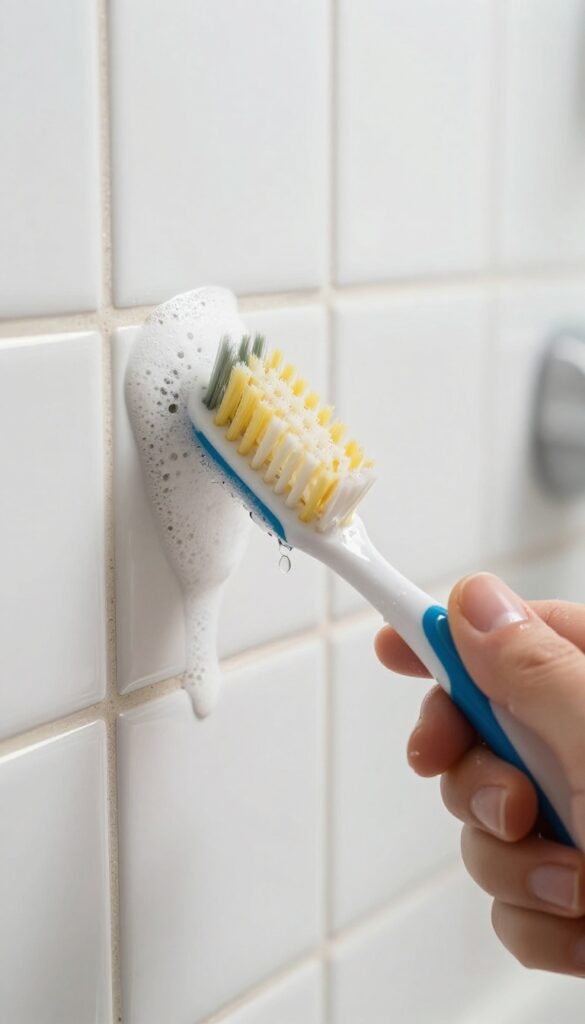
Sometimes the simplest tools get the job done best. An old toothbrush paired with a drop of dish soap and warm water is perfect for tackling mild dirt on your grout lines. It's gentle enough for regular use but effective enough to lift everyday grime without harsh chemicals.
Work in small sections so the soap doesn't dry before you rinse. A little elbow grease goes a long way, and you'll see results almost immediately. This method is especially handy for spot cleaning between deep cleans.
For mild dirt, a toothbrush with a drop of dish soap and warm water works wonders. Focus on small sections and rinse thoroughly.
Why Dish Soap Works
Dish soap is designed to cut through grease and food residue, but it's also great for breaking down soap scum and body oils that accumulate on grout. It's mild enough not to damage the grout or tiles, making it safe for regular use. Plus, it's something you already have in your kitchen.
Technique Tips
Dip the toothbrush in warm, soapy water and scrub in a circular motion. Focus on a 1-foot square area at a time to keep the soap from drying. Rinse with a damp cloth or sponge immediately after scrubbing to remove loosened dirt.
Repeat if needed.
When To Use This Method
This approach is best for light to moderate dirt, like dust, mild soap scum, or everyday stains. It's not strong enough for mold or deep-set discoloration, but it's perfect for weekly touch-ups. Use it as a quick refresh between deeper cleaning sessions.
7. Apply a Bleach Gel for White Grout
Bleach gel is a game-changer for restoring white grout that's turned gray or yellow over time. Unlike liquid bleach that runs everywhere, the thick gel stays put on vertical surfaces and seeps into porous grout lines. This method delivers noticeable whitening in a single session, but you need to work in a well-ventilated space and protect surrounding surfaces.
For stubborn discoloration that regular cleaners can't touch, bleach gel offers a targeted solution. The gel formula clings to grout lines without dripping onto tiles, making it ideal for shower walls and backsplashes. Apply a thick bead directly from the bottle, let it sit for 15 minutes, then scrub with a stiff brush and rinse thoroughly.
The results are often dramatic, but use this method sparingly—once every few months—to avoid damaging grout over time.
Choosing The Right Bleach Gel
Look for a bleach gel specifically designed for household cleaning, like Clorox Gel or a generic brand with at least 5% sodium hypochlorite. Avoid gels with added fragrances or thickeners that might leave residue. Squeeze a test dot on an inconspicuous area first to check for tile discoloration, especially on natural stone.
Application Tips For Best Results
Apply the gel in a continuous bead along each grout line, overlapping slightly to ensure full coverage. Work in small sections (about 2×2 feet) so the gel doesn't dry out before you scrub. Use a toothbrush or grout brush to work the gel into the pores after the 15-minute wait.
Rinse with a damp sponge and wipe dry with a microfiber cloth to prevent streaking.
Safety And Ventilation
Bleach fumes can be strong, so open a window and turn on the exhaust fan. Wear rubber gloves and old clothes—bleach will ruin fabric. Keep the bathroom door closed to contain fumes, and avoid mixing bleach with ammonia or other cleaners.
After rinsing, run the fan for another 30 minutes to clear the air.
8. Use a Magic Eraser on Grout
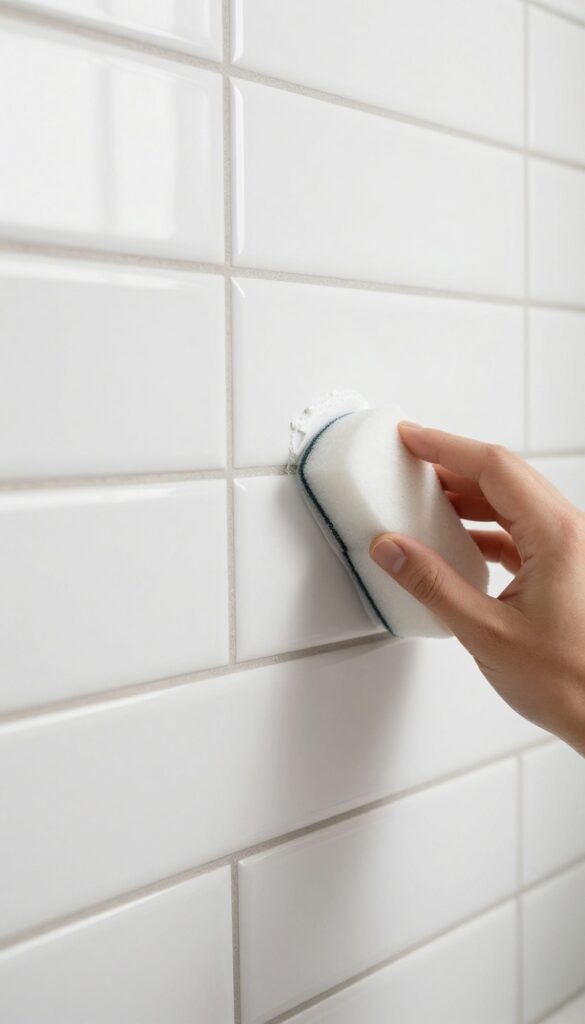
A damp melamine foam eraser—often sold as a Magic Eraser—can lift surface stains from grout with minimal effort. It's a quick fix for light to moderate dirt that doesn't require harsh chemicals. Just gently rub along the grout lines, then wipe clean with a damp cloth.
This method works best on light to moderate dirt. For heavy grime or deep-set stains, you may need a more aggressive cleaner. But for everyday grout maintenance, a Magic Eraser is a convenient and effective option.
How It Works
Melamine foam acts like a very fine abrasive, physically scrubbing away dirt and stains without scratching the tile surface. It's activated by water, so just dampen the eraser and squeeze out excess moisture before use.
Best Practices
Always test on a small, inconspicuous area first to ensure the eraser doesn't damage the grout or tile. Use light pressure and let the eraser do the work. Rinse the grout with water after cleaning to remove any residue.
When To Avoid
Don't use a Magic Eraser on unsealed or porous grout, as it can wear away the surface. Also avoid it on glossy or delicate tiles that might scratch. For those situations, stick to gentler cleaning methods.
9. Try Oxygen Bleach for a Non-Toxic Option
If you want to brighten grout without harsh chemicals, oxygen bleach is a fantastic alternative. It’s safe for colored grout and the environment, yet powerful enough to lift stains and whiten. You probably already have some in your laundry room.
Oxygen bleach powder, when mixed with warm water, releases oxygen bubbles that penetrate grout pores and break down dirt and organic stains. Unlike chlorine bleach, it won’t damage colored grout or produce toxic fumes. This method is especially great for households with kids or pets.
How To Mix And Apply
Mix the powder with warm water according to package instructions—usually a 1: 1 ratio. Apply the paste to grout lines using a small brush or sponge. Let it sit for 15–20 minutes, allowing the bubbles to work.
You'll see the grout lightening as it sits.
Scrubbing And Rinsing
After the wait, scrub gently with a stiff-bristled brush to loosen any remaining grime. Rinse thoroughly with clean water and wipe dry. For tough stains, you can repeat the process or let the paste sit longer.
10. Use a Grout Brush Attachment for a Drill
Hand scrubbing grout lines can be tedious and tiring, especially when you have a large bathroom. A power drill with a grout brush attachment turns a slow chore into a fast, effortless job. The rotating bristles dig into the pores of the grout, lifting dirt and grime much more effectively than manual scrubbing.
To get started, attach a grout cleaning brush—usually a nylon bristle brush with a hexagonal shank—to your drill. Apply a cleaning solution (like a mix of baking soda and vinegar or a commercial grout cleaner) to the grout lines. Then, run the drill at a low to medium speed, moving the brush along the grout lines.
Let the drill do the work; you just guide it. Rinse with water afterward. This method can cut cleaning time in half and yields noticeably cleaner grout.
Choosing The Right Brush
Not all brush attachments are created equal. Look for a brush with stiff nylon bristles that are angled to reach into grout lines. Some sets come with multiple brush sizes for different tile and grout widths.
For most bathroom tiles, a brush about 1/4 inch wide works well.
Safety And Technique Tips
Always wear safety glasses to protect your eyes from splashing cleaner. Start on a low speed to avoid splatter, and increase speed only if needed. Keep the drill moving to prevent overheating or damaging the grout.
Test on an inconspicuous area first to ensure the brush doesn't scratch the tile.
When To Use This Method
This technique is best for routine deep cleaning or tackling moderate buildup. For heavy mold or mildew, pre-treat with a bleach-based cleaner before using the drill. Avoid using this on very old or crumbling grout, as the agitation could cause damage.
11. Prevent Mold with a Daily Shower Spray
A quick spritz after every shower can make a huge difference in keeping grout mold-free. The idea is simple: rinse away soap residue and moisture before they have a chance to settle. A DIY vinegar-water mix or a store-bought daily cleaner works wonders.
This habit takes less than a minute and saves you from deep scrubbing later.
Why Daily Spraying Works
Mold needs moisture and food to thrive. Soap scum and body oils are its favorite snack. By spraying and leaving the solution on the tiles, you break down those residues and create an environment where mold can't easily grow.
The acidity in vinegar also kills mold spores on contact.
The Perfect Diy Spray Recipe
Mix equal parts white vinegar and water in a spray bottle. Add a few drops of tea tree oil for extra antifungal power. Shake well before each use.
Avoid using vinegar on natural stone tiles, as the acid can etch them. For stone, use a pH-neutral daily shower spray instead.
How To Make It A Habit
Keep the spray bottle in your shower or hang it on a hook nearby. After your last rinse, give the walls and floor a quick mist. No need to wipe—just let it air dry.
Do this every time you shower, and you'll notice grout staying lighter and cleaner for months.
12. Use a Toothpaste and Baking Soda Mix
White toothpaste and baking soda are two common household items that can double as a surprisingly effective grout cleaner. The mild abrasives in both ingredients work together to polish away stains without scratching the tile surface. This method is especially handy for quick spot treatments when you don't want to pull out heavy-duty cleaners.
This simple DIY paste is perfect for tackling light to moderate grout discoloration. It's gentle enough for regular use but tough enough to lift everyday grime. Best of all, you probably already have everything you need in your bathroom cabinet.
How To Make The Paste
Squeeze about a tablespoon of white toothpaste into a small bowl. Add a teaspoon of baking soda and stir until it forms a thick, spreadable paste. If it's too dry, add a tiny bit of water.
The consistency should be similar to soft toothpaste.
Application And Scrubbing
Dip an old toothbrush into the paste and apply it directly to the grout lines. Scrub in small circular motions, focusing on stained areas. Let the paste sit for 5-10 minutes to break down grime, then scrub again.
Rinse with water and wipe away residue with a damp cloth.
When To Use This Method
This technique works best on white or light-colored grout where stains are visible. It's ideal for small areas like backsplashes or shower niches. For large bathrooms or heavily soiled grout, consider a stronger cleaner first, then use this as a finishing polish.
13. Apply a Commercial Grout Cleaner for Tough Stains
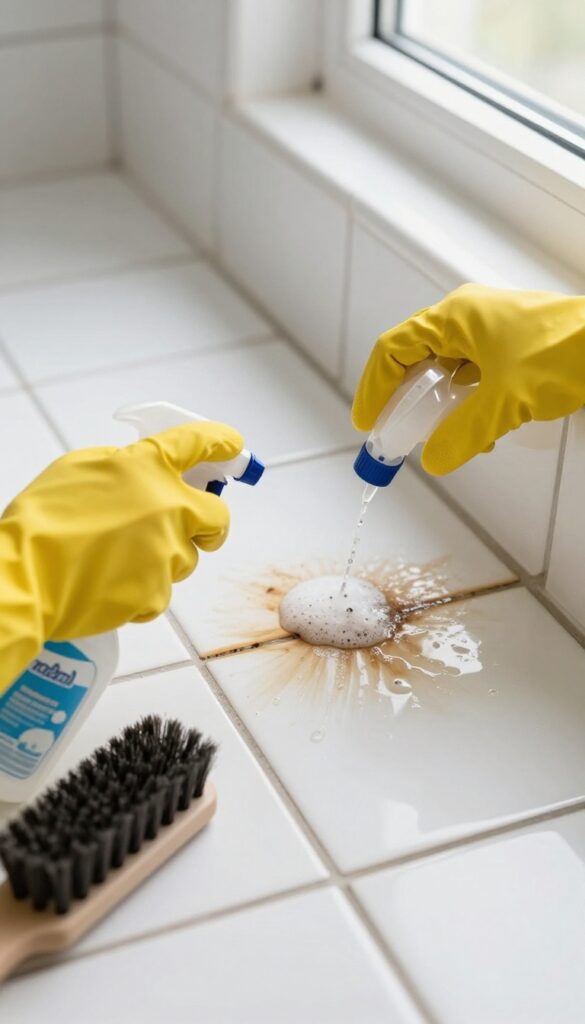
Sometimes, homemade solutions just don't cut it. When you're dealing with set-in stains that have been there for months or even years, it's time to bring out the big guns. Commercial grout cleaners are formulated to break down the toughest grime, and they can save you hours of scrubbing.
Dedicated grout cleaners like Zep or Grout-Eez are designed to penetrate porous grout and lift deep stains. They usually come in spray bottles or squeeze tubes, making application easy. Always read the label first—most require you to spray the product on, let it sit for a few minutes to work, and then scrub with a brush.
For extra stubborn spots, you might need to repeat the process or let it dwell longer. After scrubbing, rinse thoroughly with water to remove any residue. These products are powerful, so wear gloves and ensure good ventilation.
Choosing The Right Cleaner
Not all commercial grout cleaners are the same. Some are bleach-based, which are great for whitening but can be harsh on colored grout. Others are oxygenated or enzyme-based, which are gentler and more eco-friendly.
For mold and mildew, look for a cleaner with fungicidal properties. If you have sealed grout, check that the cleaner is safe for sealed surfaces.
How To Apply For Best Results
Start by cleaning the tile surface with a mild cleaner to remove loose dirt. Then apply the grout cleaner directly to the grout lines. Use a small brush or a toothbrush to work it into the grout.
Let it sit for the recommended time—usually 5 to 10 minutes. Scrub in a circular motion, then rinse with clean water. For vertical surfaces, you may need to apply in sections to prevent the cleaner from drying out.
14. Use a Pumice Stone on Ceramic Tile Grout
For those stubborn, set-in stains that laugh at your regular cleaners, a pumice stone can be a game-changer. This natural volcanic rock is abrasive enough to scrub away grime without damaging the grout—if you use it correctly. It's a low-tech, low-cost solution that works wonders on ceramic tile.
A pumice stone is essentially a soft abrasive that wears down as you scrub, so it's gentle on grout but tough on stains. The key is to wet the stone thoroughly before use—dry pumice can scratch. Gently rub the stone along the grout lines using light pressure, and watch the stains disappear.
It's especially effective for mineral deposits, rust marks, and soap scum that have built up over time.
How To Prep The Stone
Soak the pumice stone in water for at least 10 minutes before you start. This softens the stone and reduces the risk of scratching. Keep a bowl of water nearby to re-wet the stone as you work.
Best Technique For Grout Lines
Hold the stone at a slight angle and use short, back-and-forth strokes along the grout line. Don't press too hard—let the stone do the work. Rinse the area frequently to see your progress and remove loosened debris.
Surfaces To Avoid
Never use a pumice stone on polished marble, granite, or any glossy tile finish. It can leave permanent scratches. Stick to unglazed ceramic or porcelain tiles, and always test in an inconspicuous spot first.
15. Try a Vinegar and Dish Soap Spray
Sometimes the best cleaning solutions are the ones you can whip up in minutes with ingredients already under your sink. A simple vinegar and dish soap spray cuts through everyday grime without harsh chemicals, making it a go-to for regular grout maintenance. It's gentle enough for frequent use but tough on soap scum and light stains.
This DIY spray is perfect for weekly touch-ups. The acidity of white vinegar breaks down mineral deposits and soap residue, while dish soap lifts grease and dirt. Together, they create a non-toxic cleaner that's safe for most grout types.
Just be sure to test on a small, hidden area first, especially if you have natural stone tiles, as vinegar can etch certain surfaces.
How To Mix And Apply
Fill a spray bottle with equal parts white vinegar and warm water. Add a generous squirt of dish soap—about a tablespoon per cup of liquid. Shake gently to combine.
Spray the mixture directly onto grout lines, saturating them well. Let it sit for 5 to 10 minutes so the solution can penetrate and loosen grime. Then scrub with a stiff-bristled brush, working in small circular motions.
Rinse thoroughly with warm water and wipe dry with a clean cloth.
When To Use This Method
This spray works best for light to moderate buildup and regular maintenance. Use it once a week to keep grout looking fresh and prevent stains from setting in. It's also great for spot-cleaning after cooking or showering.
For heavily soiled grout or mold issues, you may need a stronger cleaner, but this is an excellent first line of defense.
Safety And Precautions
Avoid using vinegar-based cleaners on natural stone like marble, limestone, or travertine, as the acid can dull the surface. Also, never mix vinegar with bleach or hydrogen peroxide—this creates toxic fumes. Keep the spray bottle labeled and out of reach of children.
If you have sensitive skin, wear gloves while scrubbing to avoid irritation.
16. Use a Hair Dryer to Dry Grout Quickly
You've scrubbed and rinsed, and your grout looks fantastic. But if you leave those lines damp, mold can start regrowing within hours. That's where a simple hair dryer comes in—it's a fast, effective way to get grout bone-dry and keep it that way.
Why Drying Matters
Grout is porous, so it holds onto moisture like a sponge. That lingering dampness is a perfect breeding ground for mold and mildew, especially in a steamy bathroom. By drying the grout thoroughly after cleaning, you remove the moisture that spores need to take hold.
It's a small step that makes a big difference in how long your clean grout stays clean.
The Right Technique
Grab your hair dryer and set it to the cool or low heat setting—high heat can damage grout or cause it to crack over time. Hold the nozzle a few inches away from the tile and move it slowly along the grout lines. Focus on one small section at a time, making sure each line feels dry to the touch before moving on.
This works especially well in corners and along edges where air circulation is poor.
When To Use This Trick
This method is perfect after a deep clean or any time you've used a wet cleaning solution. It's also great for quick touch-ups between full cleanings—just spot-clean a stained area, then dry it immediately. If you're in a hurry, you can speed things up by wiping the grout with a microfiber cloth first, then using the hair dryer to finish the job.
17. Apply a Grout Colorant for a Uniform Look
Grout colorant is like makeup for your tile lines. It paints over old, stained grout and gives it a fresh, even color. Plus, it seals the grout, so future cleaning becomes much easier.
Why Use A Colorant?
If your grout is discolored but still intact, colorant is a quick fix. It covers stains, whitens yellowed grout, and can even change the color entirely. The sealing effect also prevents moisture and dirt from penetrating, which means less scrubbing down the line.
How To Apply It
Start with clean, dry grout. Apply the colorant with a small brush or applicator pen, carefully staying on the grout lines. Wipe away any excess from the tile surface immediately.
Let it dry according to the instructions, and you're done.
Picking The Right Product
Look for a grout colorant that matches your existing grout color or choose a new shade for a fresh look. Many brands offer a sealer combined with the colorant, so you get two benefits in one step. Test a small area first to make sure you like the result.
18. Use a Mixture of Lemon Juice and Cream of Tartar
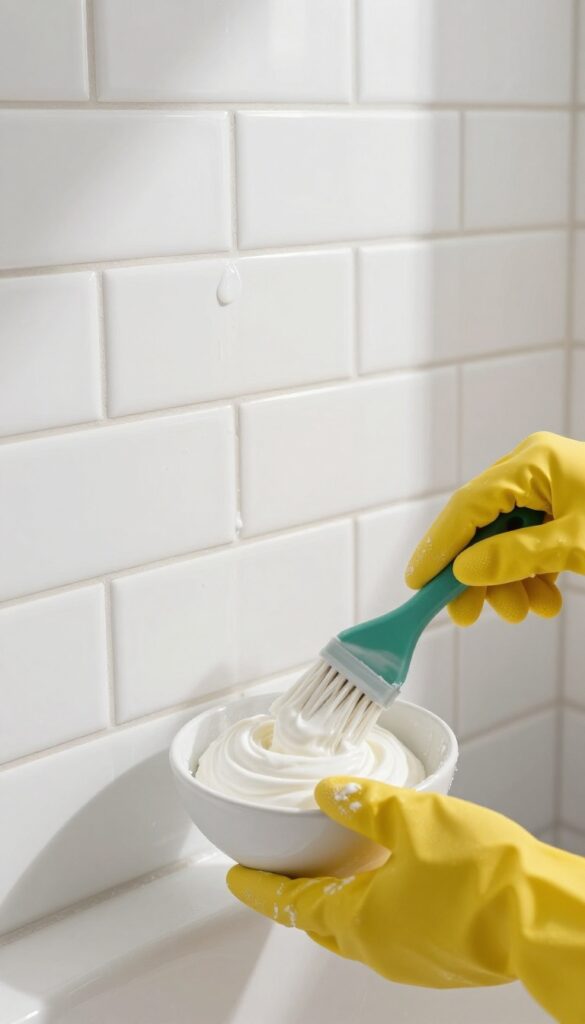
When commercial cleaners feel too harsh or expensive, a simple kitchen pantry solution can work wonders on grout. Lemon juice and cream of tartar combine to form a gentle yet effective paste that tackles mineral deposits and light stains without toxic fumes. This natural duo is especially handy for routine maintenance or for households that prefer eco-friendly cleaning options.
Lemon juice provides natural acidity that breaks down calcium and lime deposits, while cream of tartar (a byproduct of winemaking) acts as a mild abrasive that lifts dirt without scratching tile. Together, they create a paste that clings to vertical grout lines and works deep into pores. This method is best for light to moderate discoloration and regular upkeep, not for heavy mold or deep-set stains.
How To Make The Paste
Mix two tablespoons of cream of tartar with enough lemon juice (fresh or bottled) to form a thick, spreadable paste. Start with a small amount of lemon juice and add more as needed—you want it to be like toothpaste, not runny. Stir until smooth, then let it sit for a minute to activate.
Application And Dwell Time
Apply the paste directly onto the grout lines using an old toothbrush, a small brush, or even your finger (wear gloves if you have sensitive skin). Spread it evenly, making sure to cover the stained areas. Let it sit for exactly 10 minutes—longer may dry it out and reduce effectiveness.
The acidity needs time to dissolve deposits, but don't let it harden.
Scrubbing And Rinsing
After 10 minutes, scrub the grout with a stiff-bristled brush (a grout brush or an old toothbrush works well). Use small circular motions to work the paste into the grout. Then rinse thoroughly with warm water.
A damp cloth or sponge can help remove residue. Repeat if necessary for stubborn spots, but usually one application is enough for routine cleaning.
19. Steam Clean with a Vinegar Solution
Steam cleaning is a powerful way to blast away grime without harsh chemicals, but you can boost its effectiveness with a simple addition. Adding a small amount of vinegar to your steam cleaner's water tank (if the manufacturer allows) gives you extra cleaning power. The steam loosens embedded dirt while the vinegar disinfects and cuts through soap scum.
This method works especially well on grout that's stained but not deeply damaged. The heat helps the vinegar penetrate porous grout, lifting discoloration and killing mold spores. Just be sure to check your steam cleaner's manual first—some models warn against vinegar, and using it could void the warranty.
If your machine can handle it, a 1: 10 vinegar-to-water ratio is a safe starting point.
Why Vinegar Works
Vinegar is mildly acidic, which helps dissolve alkaline mineral deposits and soap residue that build up on grout. Combined with steam's heat, it becomes more effective at breaking down stubborn grime. Plus, it's a natural disinfectant, so you're sanitizing as you clean.
How To Do It Safely
Fill the steam cleaner's tank with water, then add a small splash of white vinegar—about one tablespoon per quart of water. Test on an inconspicuous area first, especially if your grout is unsealed, as vinegar can etch some natural stone tiles. Work in small sections, letting the steam sit on the grout for a few seconds before wiping with a microfiber cloth.
When To Skip The Vinegar
Avoid vinegar if your grout is unsealed or if you have natural stone tiles like marble or travertine. The acid can damage these surfaces. In that case, use plain water in your steamer and rely on the heat alone.
For sealed grout, vinegar is generally safe, but reapply sealant afterward if needed.
20. Regrout Damaged or Missing Sections
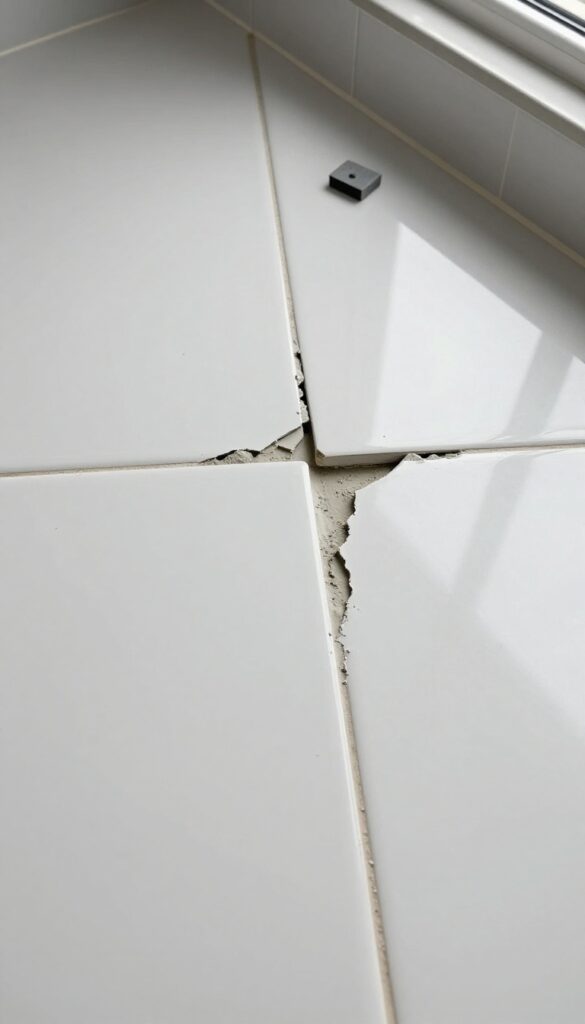
Sometimes grout is beyond cleaning. Cracks, holes, or missing chunks let moisture seep behind tiles, leading to mold and loose tiles. Replacing damaged grout isn't as hard as it sounds, and it gives your bathroom a fresh start.
You'll need a few basic tools and a little patience, but the result is a waterproof barrier that looks brand new.
Regrouting is a straightforward DIY job that can dramatically improve your bathroom's appearance and durability. Start by removing the old, damaged grout with a grout saw or oscillating tool, being careful not to scratch the tiles. Vacuum out all debris, then mix new grout according to the package directions.
Apply it with a rubber float, pressing firmly into the joints. Wipe away excess with a damp sponge before it hardens, then let it cure. Finally, seal the new grout to protect against stains and moisture.
When To Regrout Vs. Just Clean
If you see cracks wider than a hairline, crumbling grout, or dark stains that won't come out after deep cleaning, it's time to regrout. Missing grout is a clear sign. Don't wait—water damage can get expensive.
Choosing The Right Grout
For bathroom floors and wet areas, use sanded grout for joints wider than 1/8 inch; unsanded works for narrow joints. Epoxy grout is more durable and stain-resistant, but trickier to apply. Match the color to your existing grout or go slightly lighter for a fresh look.
Step-by-step Regrouting
Remove old grout, clean the gaps, mix new grout, apply with a float, wipe off excess, let dry, then seal. Work in small sections to avoid the grout hardening before you can wipe. Seal after 48–72 hours for best results.
FAQ
How often should I clean tile grout?
For maintenance, clean grout every 1-2 weeks with a mild spray. Deep clean every 3-6 months, or when you notice discoloration.
Can I use bleach on colored grout?
Bleach can discolor or lighten colored grout. Use oxygen bleach or a pH-neutral cleaner instead to preserve the color.
What is the best homemade grout cleaner?
A paste of baking soda and white vinegar is effective and natural. For whitening, add hydrogen peroxide. Always test on a small area first.
How do I prevent grout from getting dirty?
Seal grout after cleaning, use a daily shower spray, and wipe down tiles after use. Good ventilation also reduces moisture and mold growth.
Is steam cleaning safe for all tile grout?
Yes, steam cleaning is safe for most sealed grout and ceramic tiles. Avoid on unsealed or damaged grout as moisture can seep in and cause issues.
Conclusion
A brighter bathroom starts with clean grout, and these 20 tips give you plenty of options to tackle the job. Whether you prefer natural solutions or powerful tools, there's a method that fits your style and schedule. Regular maintenance and quick touch-ups will keep your grout looking fresh for months.
Pick a few tips that work for you and make them part of your routine. Your bathroom will thank you with a cleaner, more inviting look every time you step in.