13 Baking Soda Cleaning Hacks for Tough Kitchen Messes
Baking soda is a pantry staple that costs pennies but packs a punch against the toughest kitchen messes. From burnt-on grease to stubborn stains, this gentle abrasive lifts grime without scratching surfaces or exposing you to harsh chemicals. These 13 hacks turn that humble box into your go-to cleaning powerhouse.
Each tip targets a specific problem—think scorched pans, smelly disposals, and cloudy stainless steel—with simple steps you can follow right now. No fancy tools or expensive sprays required, just baking soda and a few basic supplies you already own.
Ready to rescue your kitchen from the worst of the worst? Let's get cleaning.
1. Scrub Burnt Pots and Pans Without Scrubbing Your Soul Away
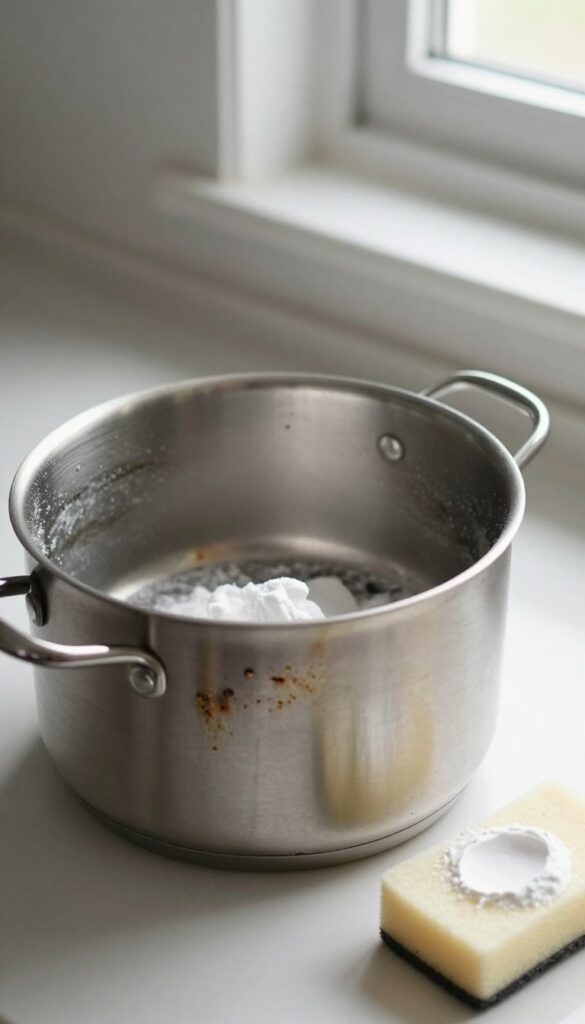
We've all been there—you look away for one minute and dinner is welded to the bottom of your favorite pan. Before you reach for steel wool or harsh chemicals, grab that box of baking soda. This gentle abrasive lifts burnt-on food without damaging your cookware, and it works with minimal elbow grease.
Baking soda's fine crystals are perfect for tackling burnt messes because they provide just enough friction to loosen carbonized food without scratching surfaces like non-stick or stainless steel. The key is letting the paste sit so the baking soda can break down the burnt particles. This method is safe for most pots and pans, and it saves you from a workout.
The Simple Paste Method
Start by removing as much loose food as possible. Sprinkle a generous layer of baking soda over the burnt area—about 1/4 cup for a standard pan. Add just enough water to form a thick paste, then spread it evenly.
Let it sit for 15 to 20 minutes. The paste will start to bubble slightly as it works. After the wait, scrub gently with a non-abrasive sponge or a soft brush.
Rinse and repeat if needed.
Boosting With Vinegar For Stubborn Stains
For really tough, baked-on layers, add a splash of white vinegar after the paste has sat for 10 minutes. The fizzing reaction helps lift the burnt bits. Let it bubble for a minute, then scrub.
This combo is especially effective on stainless steel and enameled cast iron. Just avoid using vinegar on aluminum or uncoated cast iron, as it can react with the metal.
When To Use The Boil Method
If the burnt mess is thick or crusty, try a boil method. Fill the pan with enough water to cover the burnt area, then add 1/2 cup of baking soda. Bring it to a boil and let it simmer for 10 minutes.
The hot water and baking soda loosen the burnt layer. After cooling, pour out the water and scrub. This works wonders on stainless steel and ceramic cookware.
2. Deodorize Your Sink Disposal Naturally
That lingering smell from your garbage disposal can make the whole kitchen feel funky. Instead of masking it with citrus peels or harsh chemicals, let baking soda and vinegar do the heavy lifting. This fizzy duo neutralizes odors at the source and leaves your disposal fresh and clean.
Pour half a cup of baking soda down the disposal, followed by a cup of white vinegar. Let it fizz for a few minutes, then run hot water to flush away odors.
Why This Combo Works
Baking soda is a natural deodorizer that absorbs and neutralizes acidic odor molecules. When mixed with vinegar, the chemical reaction creates carbon dioxide bubbles that help dislodge food particles stuck in the disposal blades and drain. The fizzing action scrubs away grime without damaging the rubber splash guard or metal components.
Step-by-step Instructions
Start by turning off the disposal and unplugging it for safety. Scoop half a cup of baking soda directly into the drain. Slowly pour one cup of white vinegar on top—expect immediate fizzing.
Let the mixture sit for 3–5 minutes. Meanwhile, boil a kettle of water. After the fizzing subsides, pour the hot water down the drain to flush away loosened debris and residue.
Finally, run cold water and turn on the disposal for 10 seconds to rinse everything out.
Extra Tips For Stubborn Odors
If the smell persists, repeat the process with a few lemon or lime wedges tossed in after the hot water flush. The citric acid adds extra cleaning power and a fresh scent. For maintenance, do this once a week to prevent buildup.
Avoid putting fibrous foods like celery or potato peels down the disposal, as they can trap odors and clog the blades.
3. Cut Through Grease on Stovetops and Range Hoods
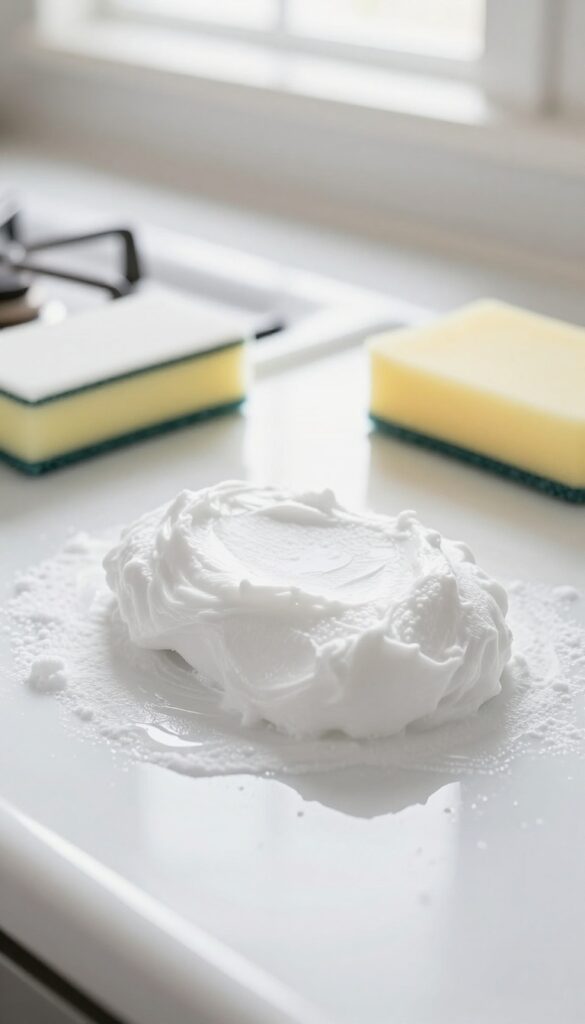
Stovetops and range hoods take the brunt of cooking grease, and over time that sticky film can feel impossible to remove. Commercial degreasers work, but they often leave behind strong fumes or residue. Baking soda offers a gentler way to break down grease without scratching delicate surfaces or filling your kitchen with chemicals.
Make A Simple Paste
Mix three parts baking soda with one part water to form a spreadable paste. Adjust the ratio if needed—you want it thick enough to stay put on vertical surfaces like range hoods. Apply the paste generously to greasy areas using a sponge or your fingers.
Let It Sit And Work
Allow the paste to sit for 10 to 15 minutes. This gives the baking soda time to absorb and lift the grease. For heavy buildup, let it sit longer or apply a thicker layer.
You'll see the paste start to turn yellowish as it pulls up the grime.
Wipe Away The Grease
Dampen a soft cloth or sponge with warm water and wipe the paste off in circular motions. The grease comes off with it, leaving the surface clean and streak-free. Rinse the cloth frequently to avoid redepositing grease.
For stubborn spots, repeat the process or use a soft-bristled brush.
4. Remove Coffee and Tea Stains from Mugs
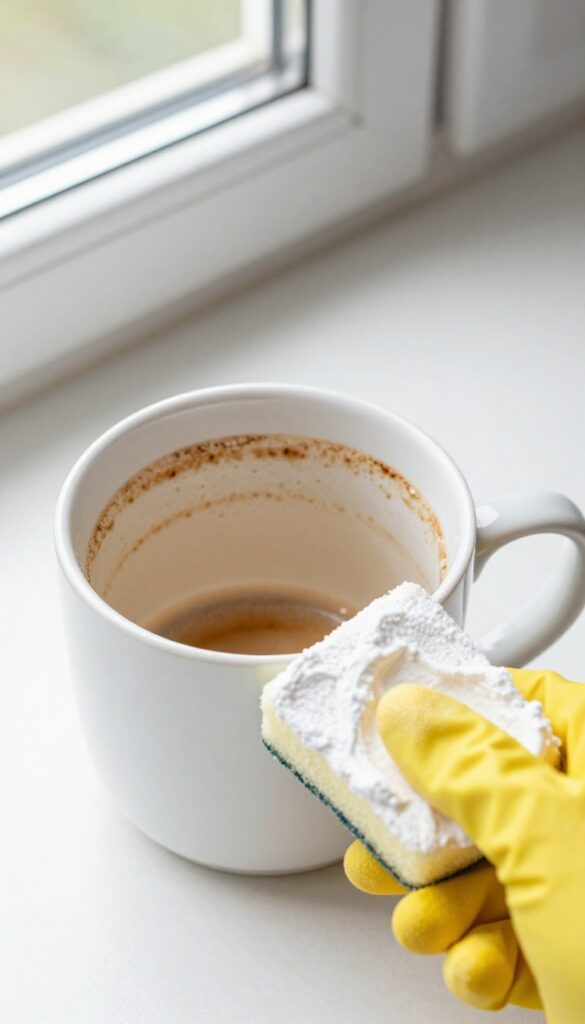
That stubborn brown ring inside your favorite coffee mug doesn't stand a chance against baking soda. Over time, tannins from coffee and tea leave behind stains that regular dish soap can't budge. Instead of tossing your mugs or scrubbing with harsh bleach, reach for that box in your pantry.
Baking soda's gentle abrasiveness lifts tannin stains without scratching ceramic or glass. It's safe, cheap, and works in seconds. Here's how to make your mugs look brand new again.
The Basic Scrub
Sprinkle a teaspoon of baking soda directly onto a damp sponge or cloth. Scrub the inside of the mug in circular motions, focusing on the stained areas. Rinse with warm water.
The brown rings will disappear almost instantly.
For Stubborn Stains
If the stain has built up over time, make a paste with baking soda and a few drops of water. Apply it to the stain and let it sit for 5–10 minutes. Then scrub and rinse.
For extra stubborn marks, add a squeeze of lemon juice to the paste.
Prevent Future Stains
Rinse your mug immediately after use to prevent tannins from setting. Once a week, give all your mugs a quick baking soda scrub to keep them bright. This simple habit saves you from deep cleaning later.
5. Clean Oven Racks Without Harsh Fumes
Oven racks collect baked-on grease and food residue that can smoke and stink every time you preheat. Commercial oven cleaners are full of caustic fumes, but baking soda offers a gentler, equally effective solution. This overnight soak method loosens grime without any scrubbing or harsh chemicals.
Place your oven racks inside a large, heavy-duty trash bag. Add 1 cup of baking soda and a few squirts of dish soap, then fill the bag with enough warm water to submerge the racks. Seal the bag tightly and let it sit overnight.
The next morning, simply rinse the racks with water—grime slides right off. For stubborn spots, a quick scrub with a sponge finishes the job.
Why This Works
Baking soda is mildly alkaline, which helps break down grease and baked-on food. The warm water activates the soda and soap, creating a soaking solution that penetrates layers of grime. Overnight soaking gives the mixture time to work without any elbow grease.
Tips For Best Results
Use a bag that's large enough to hold all racks without crowding. If your racks are extra dirty, add an extra half cup of baking soda. For a faster soak, use hot water and let it sit for at least 6 hours.
Rinse thoroughly to avoid any soapy residue.
Safety Note
This method is safe for most oven racks, including chrome and porcelain-coated ones. Avoid using this technique on self-cleaning oven racks with special coatings—check your manufacturer's instructions first.
6. Freshen Up Cutting Boards and Butcher Blocks
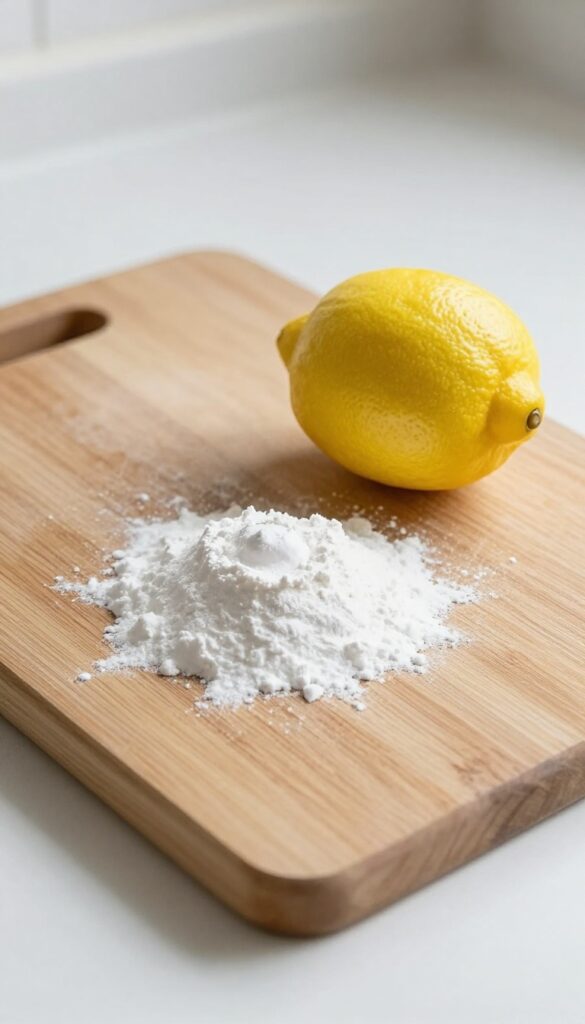
Cutting boards see a lot of action—and they can hold onto odors and stains from garlic, onions, and beets long after you wash them. Instead of scrubbing with harsh chemicals, reach for baking soda and a lemon. This dynamic duo naturally deodorizes and brightens the surface without damaging the wood or plastic.
Why It Works
Baking soda is a mild abrasive that lifts stuck-on particles, while lemon juice contains citric acid that breaks down grease and neutralizes odors. Together, they create a gentle but effective cleaning paste that’s safe for all types of cutting boards.
Step-by-step Instructions
Start by rinsing the board with water to remove loose debris. Sprinkle a generous layer of baking soda over the entire surface. Cut a lemon in half and use the cut side to scrub the baking soda into the board, focusing on stained or smelly areas.
Let the mixture sit for 10 minutes—this gives it time to work. Rinse thoroughly with warm water and pat dry.
Extra Tips For Stubborn Stains
For deep-set stains or lingering smells, make a thicker paste with baking soda and a little water. Apply it to the trouble spots and let it sit for 20 minutes before scrubbing with the lemon. You can also add a splash of white vinegar for extra odor-fighting power, but never mix vinegar and baking soda in a closed container—it will fizz over.
Maintenance Between Deep Cleans
To keep your cutting board fresh, rinse it with a mixture of 1 tablespoon baking soda and 1 cup water after each use. This quick wipe-down prevents stains from setting and keeps odors at bay. For wooden boards, follow up with a light coat of mineral oil to prevent drying and cracking.
7. Polish Stainless Steel Appliances to a Shine
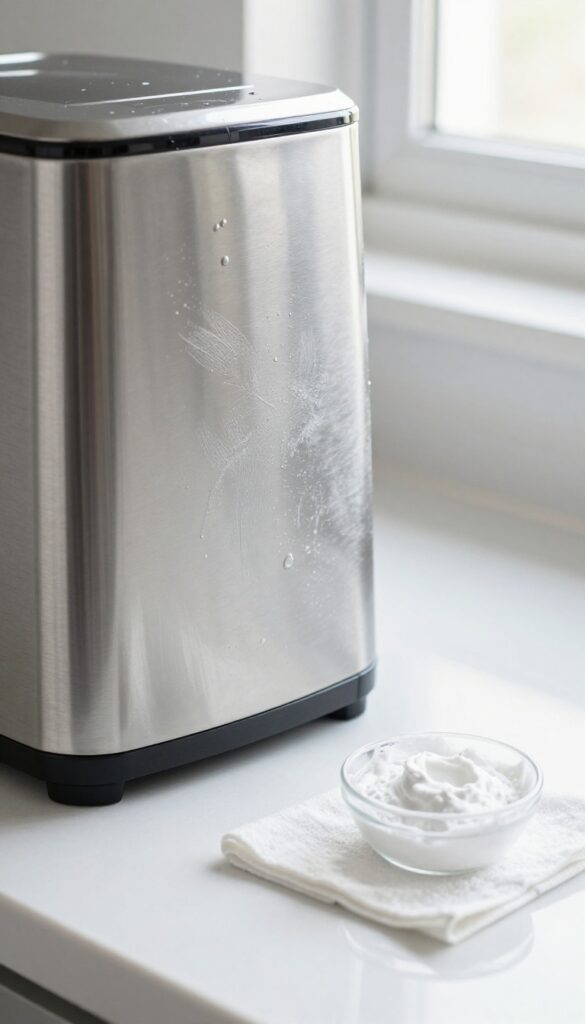
Stainless steel looks sleek, but it's a magnet for fingerprints, water spots, and smudges. Commercial polishes can be pricey and full of chemicals, but baking soda offers a gentle, effective alternative. With just two ingredients, you can restore that mirror-like finish without scratching the surface.
Why Baking Soda Works On Steel
Baking soda's fine, mild abrasive particles are soft enough to avoid scratching stainless steel but strong enough to lift grease and grime. When mixed with water, it forms a paste that gently polishes away fingerprints and light stains without damaging the protective layer. Unlike harsh cleaners, it won't dull the finish over time.
How To Make And Apply The Paste
In a small bowl, mix three parts baking soda with one part water to form a spreadable paste. Dip a soft, lint-free cloth into the paste and apply it to the stainless steel surface, working in the direction of the grain. Rub gently in circular motions, focusing on smudged or streaky areas.
Let the paste sit for a minute, then rinse with a damp cloth.
Buffing For A Streak-free Shine
After rinsing, immediately buff the surface dry with a clean, dry microfiber cloth. Use long, even strokes following the grain to prevent new streaks. For extra shine, you can finish with a drop of mineral oil on a cloth, but dry buffing alone usually does the trick.
Repeat weekly to keep appliances looking their best.
8. Unclog a Slow Draining Kitchen Sink
A slow drain is annoying and often the first sign of a clog forming. Before you reach for harsh chemical drain cleaners, try this baking soda and vinegar trick. It's gentle on pipes but tough on the gunk buildup that's slowing things down.
Start by removing any standing water from the sink. Pour half a cup of baking soda directly down the drain, then follow it with half a cup of white vinegar. The mixture will fizz and bubble—that's the reaction breaking down grease and debris.
Immediately cover the drain with a plug or a damp cloth to contain the reaction inside the pipe. Let it sit for 15 minutes. Finally, flush the drain with a full kettle of boiling water.
If the water still drains slowly, repeat the process once more. For maintenance, do this monthly to prevent future clogs.
Why This Works
Baking soda is a mild alkali that reacts with the acid in vinegar to create carbon dioxide gas. The pressure from the fizzing helps dislodge soft clogs like grease, soap scum, and food particles. Boiling water then flushes everything away, leaving your drain clear and fresh.
When To Call A Plumber
This hack works best for slow drains caused by organic buildup. If your sink is completely blocked or you've tried this method twice with no improvement, the clog might be deeper in the main pipe. In that case, it's time to call a professional to avoid damaging your plumbing.
9. Lift Stubborn Food Stains from Countertops
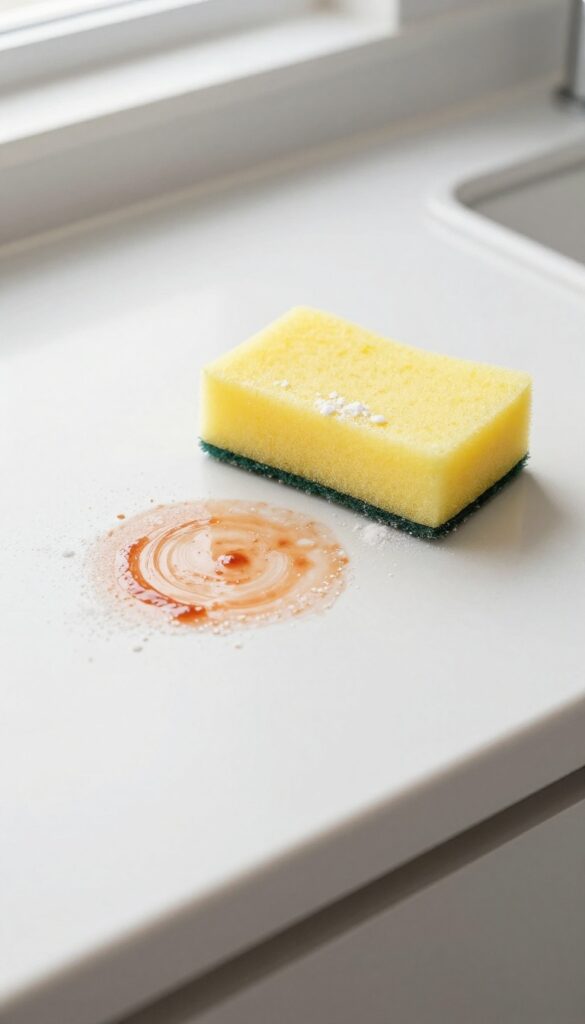
Countertops take a beating—spilled tomato sauce, coffee rings, and turmeric stains can leave unsightly marks. Before you reach for harsh chemicals, try baking soda. It's gentle enough for daily use yet effective at lifting set-in stains without etching or dulling the finish.
Sprinkle a generous amount of baking soda directly onto a damp sponge. Gently scrub the stained area in circular motions, letting the fine particles work into the stain. For tougher spots, let the paste sit for 5 minutes before scrubbing.
Rinse thoroughly with water and dry with a soft cloth. Your countertops will look fresh and stain-free.
Why It Works
Baking soda is a mild alkali with a pH of around 8, which helps break down acidic food stains like tomato and coffee. Its fine crystalline structure provides gentle abrasion that lifts stains without scratching surfaces like laminate, granite, or quartz. Unlike bleach or ammonia, it won't harm sealants or cause discoloration.
Best Practices For Different Surfaces
For laminate: use a soft sponge and avoid scrubbing too hard to prevent wear. For granite and quartz: ensure the baking soda is fully dissolved into a paste to avoid scratching; always rinse thoroughly and reseal granite periodically. Never use baking soda on unsealed marble or limestone, as it can etch the surface.
When To Upgrade To A Paste
For dried-on or stubborn stains, mix baking soda with a few drops of water to form a thick paste. Apply the paste to the stain, cover with plastic wrap, and let it sit for 15-30 minutes. This gives the baking soda time to break down the stain without drying out.
Then scrub gently and rinse.
10. Eliminate Refrigerator Odors for Good
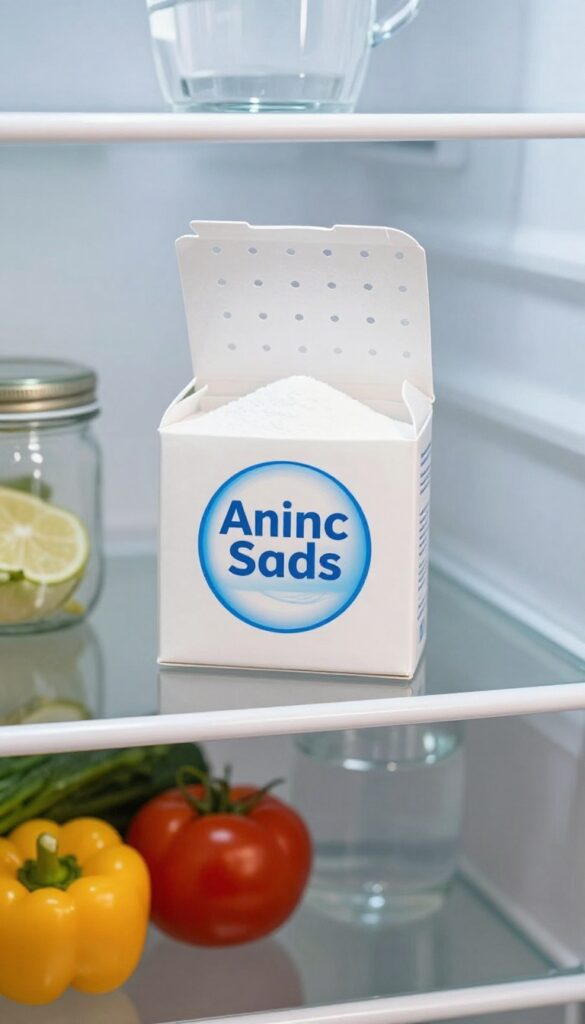
Refrigerators trap all sorts of smells—from forgotten leftovers to pungent cheeses. Baking soda offers a simple, chemical-free way to neutralize those odors without masking them. Just one open box can keep your fridge smelling fresh for months.
Baking soda's porous structure absorbs odor molecules rather than covering them up. This makes it ideal for enclosed spaces like refrigerators where smells can linger and mix. Unlike scented sprays or gels, baking soda won't add artificial fragrances that compete with food aromas.
Why Baking Soda Works So Well
Baking soda (sodium bicarbonate) is a mild alkali that neutralizes both acidic and basic odor compounds. Its fine, porous particles trap volatile molecules, effectively pulling them out of the air. This physical absorption process continues until the baking soda becomes saturated, which is why regular replacement is key.
How To Set It Up Right
Simply open a fresh box of baking soda and place it on a shelf in the fridge—no need to pour it into a bowl. The box's perforated flaps allow air to circulate while keeping the powder contained. For best results, position the box near the center of the fridge where airflow is steady, not in a corner or behind items.
When And How To Replace
Mark your calendar to replace the box every three months. Write the replacement date on the box with a marker so you don't forget. If you notice odors returning sooner, swap it out earlier—especially if you've stored strong-smelling foods like fish or durian.
Dispose of the used baking soda down the drain with hot water to freshen pipes too.
11. Clean and Deodorize Dishwasher Interiors
Your dishwasher works hard to clean your dishes, but it needs a little TLC too. Over time, grease, food particles, and soap scum build up inside, leading to funky smells and reduced performance. A simple baking soda treatment tackles both grime and odors in one short cycle.
Why Baking Soda Works So Well
Baking soda is a mild alkali that helps dissolve grease and neutralize acidic odors. When combined with hot water and the dishwasher's spray action, it breaks down residue without the harsh fumes of chemical cleaners. It's also gentle on rubber seals and stainless steel interiors, so you can use it regularly without worry.
Step-by-step Cleaning Routine
Start by removing any food debris from the filter and drain area. Place a cup of baking soda in a dishwasher-safe bowl on the top rack, or simply sprinkle it across the bottom of the empty dishwasher. Run a short hot cycle (or the rinse-only cycle if available).
Once the cycle finishes, open the door and let the interior air dry. Your dishwasher will look cleaner and smell noticeably fresher.
When To Use This Hack
Use this method once a month to prevent buildup and keep odors at bay. It's also a great quick fix if you notice a musty smell or if your dishes come out less clean than usual. For deeper cleaning, pair this baking soda cycle with a vinegar rinse (run a separate cycle with a cup of vinegar in a bowl) to tackle hard water deposits and stubborn grime.
12. Remove Baked-On Food from Baking Sheets
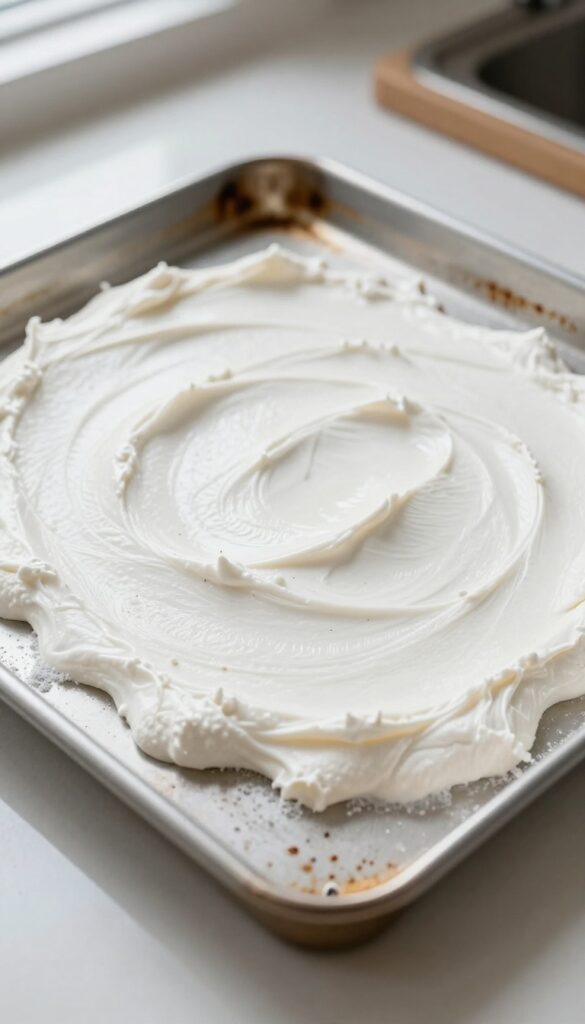
That dark, crusty layer on your baking sheets doesn't have to stay forever. Baking soda and hydrogen peroxide team up to break down even the most stubborn baked-on residue. No harsh scrubbing needed—just a little patience and a simple paste.
Sprinkle a generous layer of baking soda over the entire surface of the baking sheet, focusing on the worst spots. Add just enough hydrogen peroxide to form a thick paste—it should be spreadable but not runny. Let it sit for 30 minutes to allow the mixture to work its magic.
Then, scrub with a non-abrasive sponge or brush, and rinse thoroughly. The crusty residue will slide right off, leaving your baking sheets looking almost new.
Why This Combo Works So Well
Baking soda is a mild abrasive that physically lifts grime, while hydrogen peroxide acts as an oxidizing agent that helps break down carbonized food. Together, they create a fizzing action that loosens debris without scratching the metal. This method is safe for non-stick, stainless steel, and aluminum baking sheets.
Tips For Stubborn Spots
For extra stubborn areas, let the paste sit longer—up to an hour—or cover the sheet with plastic wrap to keep it from drying out. If the residue still clings, sprinkle a little more baking soda on top and scrub with a damp sponge. Avoid using steel wool or harsh scouring pads, as they can damage the surface.
When To Skip This Hack
Avoid using this method on delicate non-stick coatings that are already flaking or peeling. Also, do not mix hydrogen peroxide with vinegar or bleach, as that can create harmful fumes. Stick to the simple paste for safe, effective cleaning.
13. Whiten Dingy Dish Towels and Sponges
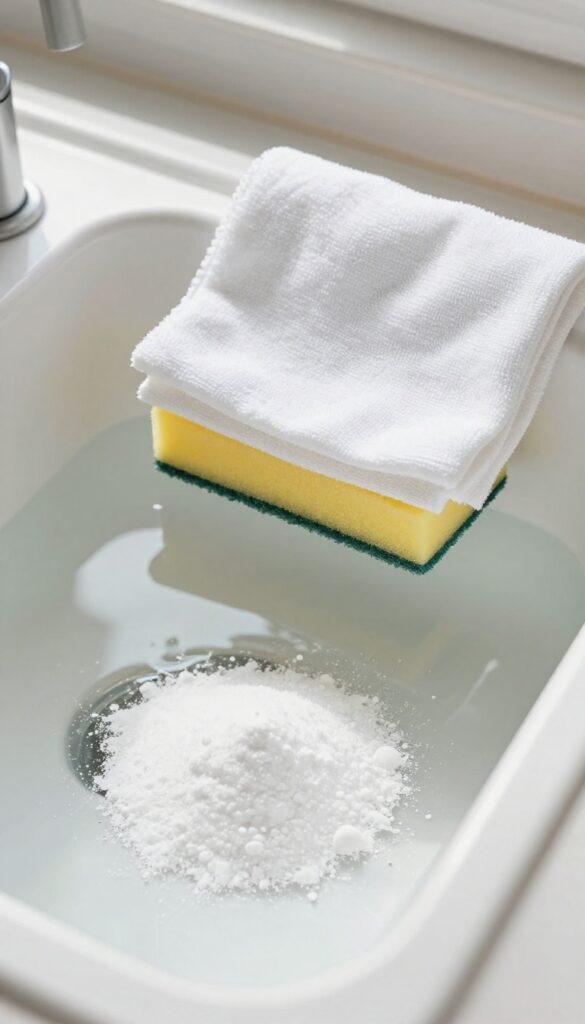
Dish towels and sponges see a lot of action, and over time they pick up stubborn stains and funky smells that regular washing can't fix. Baking soda steps in as a natural whitener and deodorizer, restoring them to like-new condition without bleach. This simple soak tackles grease, food residue, and odors in one go.
To revive your kitchen linens and sponges, fill a sink or bucket with warm water and stir in half a cup of baking soda until dissolved. Submerge the towels or sponges completely and let them soak for 30 minutes. For heavily stained items, you can add a squirt of dish soap to boost the cleaning power.
After soaking, wash the towels in your washing machine with your usual detergent, or rinse sponges thoroughly and squeeze dry. The baking soda lifts embedded stains and neutralizes odors, leaving everything fresh and bright.
Why Baking Soda Works Best
Baking soda is a mild alkali that reacts with acids in stains and grease, breaking them down without harsh chemicals. Its fine grit also provides gentle abrasion to dislodge dirt from fabric fibers and sponge pores. Unlike bleach, it won't weaken fibers or leave a chemical residue, making it safe for regular use.
Step-by-step Soak Method
Start by rinsing off any loose debris from towels or sponges. Fill a basin with warm water (not hot, which can set stains) and add half a cup of baking soda. Stir to dissolve, then submerge the items fully.
Let them sit for 30 minutes, occasionally agitating the water. For extra-stubborn stains, scrub gently with a paste of baking soda and water before soaking. Afterward, wash towels in the machine on a hot cycle, and rinse sponges well under running water.
Extra Tips For Stubborn Stains
If towels have set-in stains like turmeric or tomato sauce, make a thick paste of baking soda and water, apply it directly to the stain, and let it sit for 15 minutes before the soak. For sponges that smell sour, add a few drops of lemon essential oil or white vinegar to the soak (but don't mix vinegar and baking soda in the same step—use one or the other). Replace sponges every two weeks, but this soak can extend their life by a few days.
FAQ
Can baking soda damage kitchen surfaces?
Baking soda is mildly abrasive, so it can scratch delicate surfaces like polished granite or soft plastics if scrubbed too hard. Always test on a small area first and use gentle pressure.
How often should I use baking soda to clean my oven?
For light cleaning, once a month is sufficient. For heavy buildup, you can use it as needed. The overnight soak method is gentle enough for regular use.
Is baking soda safe to use around pets and children?
Yes, baking soda is non-toxic and safe for households with pets and children. However, avoid ingestion of large amounts, and keep it out of reach of small children.
Can I mix baking soda with vinegar for all cleaning tasks?
Baking soda and vinegar create a fizzy reaction that helps lift dirt, but the mixture neutralizes quickly. It's best for immediate scrubbing or drain cleaning, not for long-term storage.
Does baking soda expire for cleaning purposes?
Baking soda doesn't expire, but it loses potency over time if exposed to moisture. For best results, use a fresh box and store it in a dry place.
Conclusion
Baking soda proves you don't need harsh chemicals to conquer even the toughest kitchen messes. From burnt pans to greasy stovetops, this pantry staple handles it all without breaking the bank.
Start with the hack that targets your most stubborn stain or odor, then work through the rest as time allows. Your kitchen will look cleaner, smell fresher, and cost less to maintain—all thanks to a simple box of baking soda.