11 Patio Floor Ideas for a Fresh Outdoor Foundation
Your patio's foundation sets the tone for everything that happens above it. The right floor can make the space feel bigger, cozier, or more polished, while the wrong one can leave you with cracks, stains, or constant upkeep.
Choosing a material isn't just about looks—it's about how you live outdoors, from hosting summer dinners to letting kids run barefoot. That's why we've rounded up 11 patio floor ideas that balance style with real-world practicality.
Some options give you that high-end feel without breaking the bank, while others shine in durability or effortless maintenance. Whether you're starting from scratch or planning a refresh, there's a solution here that fits your space, your budget, and your lifestyle.
1. Stamped Concrete: High-End Look Without the High-End Price
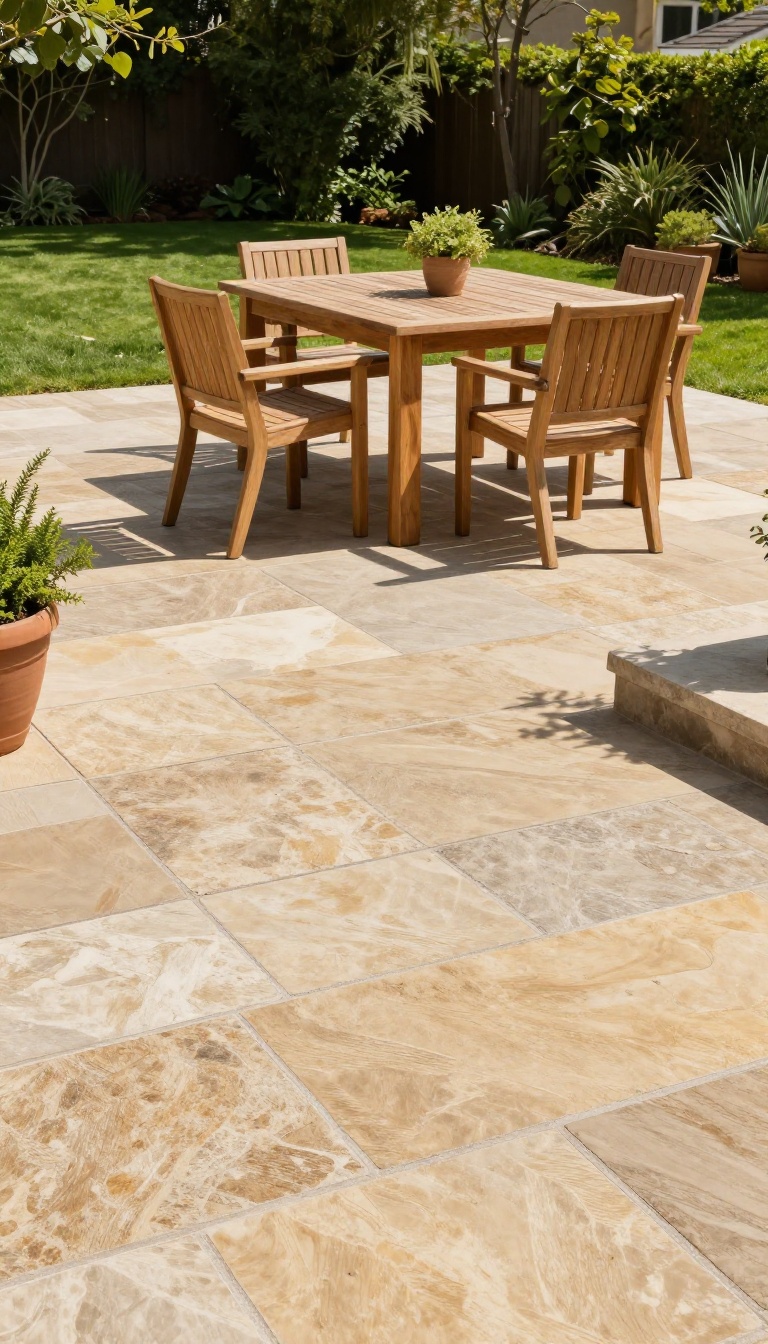
If you love the look of natural stone or brick but not the price tag, stamped concrete is a smart compromise. It gives you that upscale feel while staying budget-friendly and tough enough for everyday life. With a wide range of patterns and colors, you can mimic everything from slate to cobblestone, so your patio looks custom without the custom cost.
Stamped concrete starts with a standard concrete slab, but before it sets, contractors press textured mats into the surface to create patterns. Then they add color, either by mixing it in or applying a stain, to achieve that authentic stone or tile appearance. The result is a seamless, durable floor that resists cracking and requires minimal upkeep—just an occasional reseal every few years to keep it looking fresh.
Why Homeowners Love It
The main draw is the cost savings. Real stone or pavers can run $15 to $30 per square foot installed, while stamped concrete usually lands between $8 and $12. You also get a smooth, continuous surface that's easy to clean and comfortable underfoot, making it ideal for dining areas or play zones.
Customization Options
You're not stuck with one look. Choose from dozens of patterns like ashlar slate, cobblestone, or wood plank, and pick a color that complements your home's exterior. You can even add a border or contrasting band for extra visual interest.
The flexibility lets you match any architectural style, from modern to rustic.
Installation And Maintenance Tips
Professional installation is key because the stamping must be done while the concrete is still workable. Once it's cured, sealing protects against moisture and stains. Plan to reseal every two to three years, and avoid using de-icing salts in winter, as they can damage the surface.
With proper care, your stamped patio can last 25 years or more.
2. Porcelain Pavers: Sleek, Durable, and Stain-Resistant
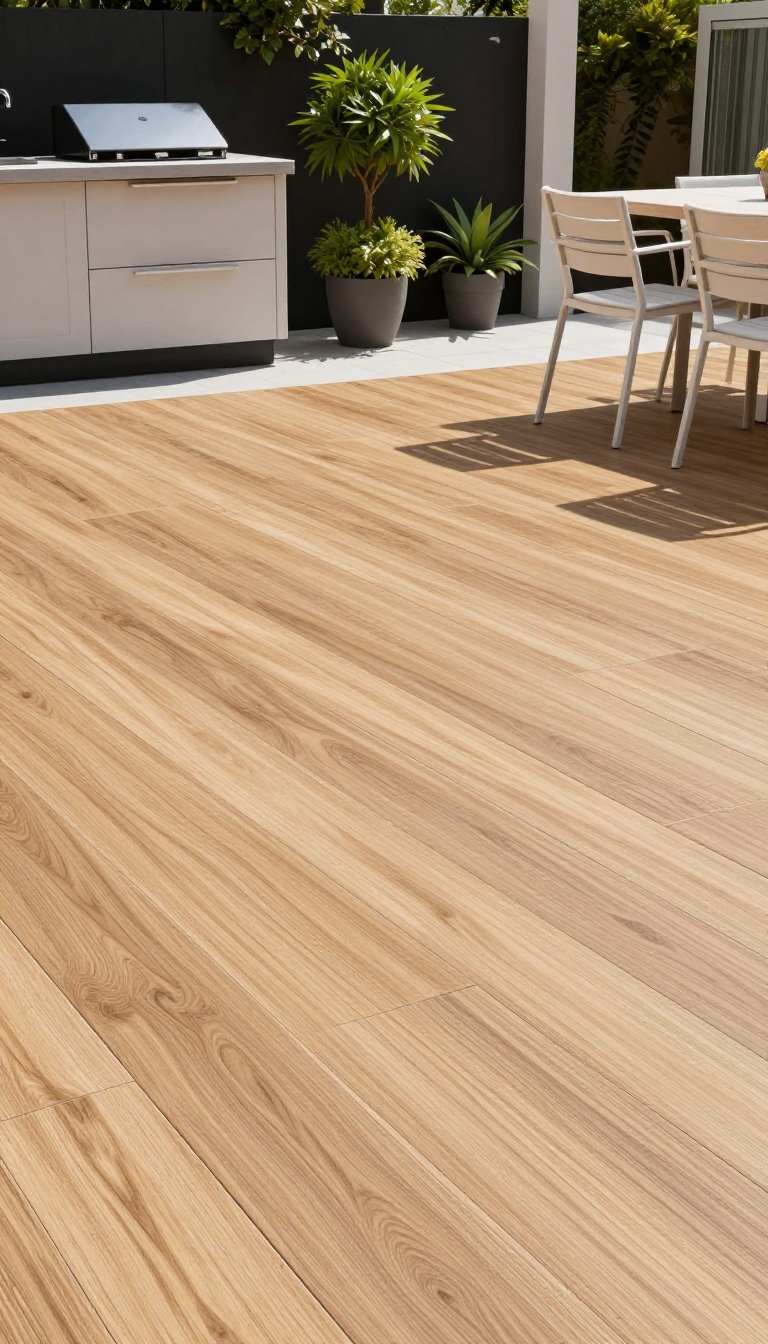
Porcelain pavers have become a go-to for patios that need to handle real life. They bring a polished, contemporary look that still feels warm underfoot, and they don't demand much in return. If you're tired of scrubbing stubborn stains or worrying about scratches from patio furniture, this material might be your answer.
These pavers are engineered to resist moisture, stains, and even extreme temperature swings. That makes them a smart pick for outdoor kitchens, dining areas, or any spot where spills and heavy foot traffic are part of the routine. Plus, they come in a range of finishes that mimic natural stone or wood, so you can get the aesthetic you want without the upkeep.
Why Porcelain Pavers Stand Out
Porcelain pavers are made from dense clay fired at high temperatures, which gives them a low water absorption rate. That means they're far less likely to crack in freezing weather or fade under intense sun. Unlike natural stone, they don't need sealing, and they shrug off oil, wine, and other common patio culprits.
Their surface is also slip-resistant when textured, so you get safety without sacrificing style. And because they're uniform in size and thickness, installation is cleaner and more predictable than with irregular materials.
Design Flexibility For Any Patio
You can find porcelain pavers in colors and patterns that mimic travertine, slate, or even warm wood planks. That gives you the flexibility to match your home's architecture or create a specific vibe—whether it's a sleek modern courtyard or a rustic retreat. They also work well for mixing patterns, like using large-format pavers for a seamless look or smaller ones for a more textured feel.
With so many options, you're not locked into one aesthetic.
Installation And Maintenance Tips
Porcelain pavers can be installed on a compacted base or over pedestals for a raised deck system. For a DIY-friendly approach, consider dry-laying them on sand or gravel, similar to traditional pavers. If you're using them in a high-traffic area, a proper base with edge restraints is key to keeping them level.
Once they're down, maintenance is simple: sweep regularly and rinse with a hose. For tougher spots, a mild detergent and soft brush do the trick. No sealing, no special cleaners—just easy care that lets you enjoy your patio more.
3. Natural Stone: Timeless Elegance That Ages Gracefully
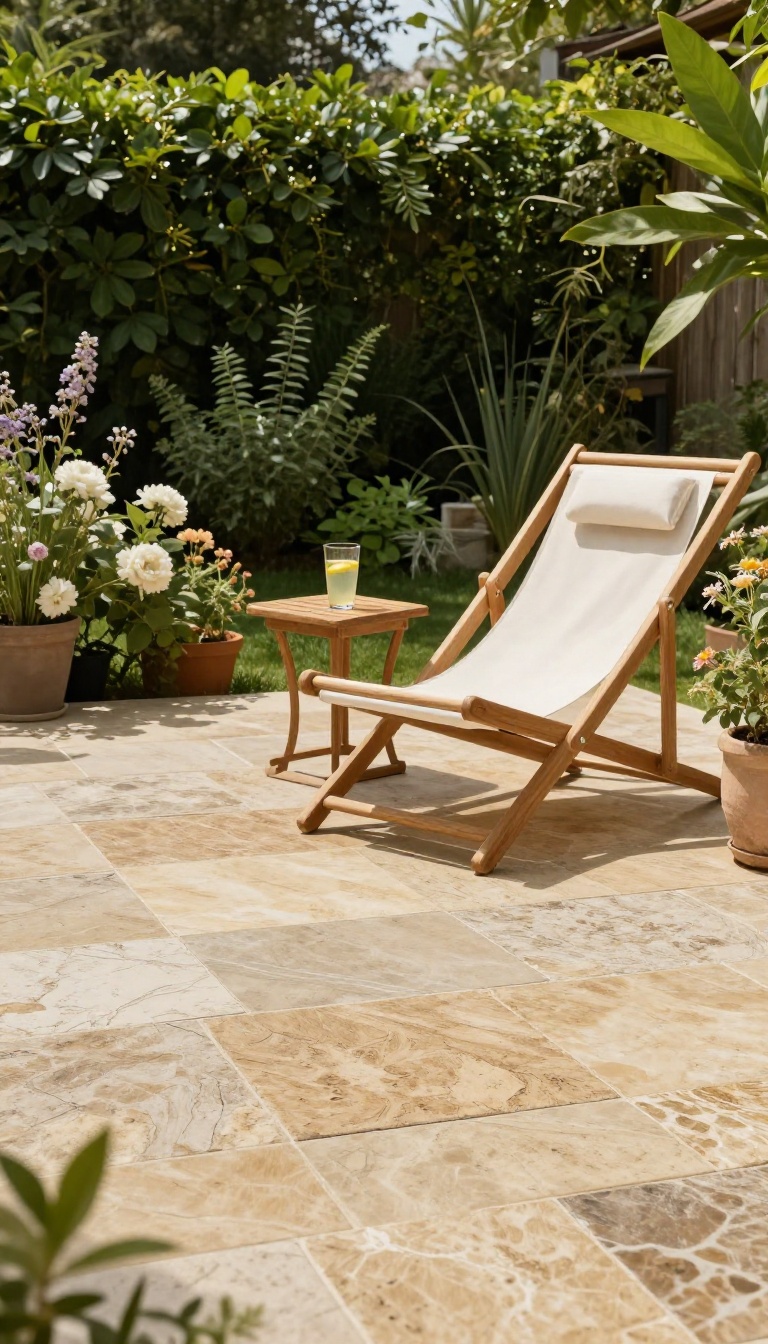
Natural stone brings a quiet sophistication that few materials can match. Think travertine, limestone, or slate—each with its own character and story. Because every piece is unique, your patio becomes one-of-a-kind.
Plus, stone stays cool underfoot, making it a favorite for warm climates.
Natural stone isn't just a floor; it's a statement. Its earthy tones and varied textures blend seamlessly with outdoor surroundings. While it requires a bit more care than some options, the payoff is a surface that looks better with age and adds lasting value to your home.
Why Stone Works Outdoors
Stone handles heat and cold remarkably well. It doesn't warp or fade like synthetic materials, and its natural slip resistance makes it safer around pools or after rain. Plus, the organic colors—cream, tan, rust, gray—complement any landscape style, from desert modern to cottage garden.
Choosing The Right Type
Travertine offers a classic, Mediterranean feel with its pitted surface and warm tones. Limestone is smoother and more uniform, ideal for a contemporary look. Slate brings rich, dark hues and a cleft texture that adds depth.
Consider your climate and how much maintenance you're willing to do—each stone has its own personality.
Installation And Care Tips
Hire a pro for proper base preparation; stone needs a solid, well-drained foundation. Sealing is a must to protect against stains and moisture. For cleaning, a gentle soap and water solution works best.
Avoid harsh chemicals that can etch the surface. With regular sealing every couple of years, your stone patio will stay beautiful for decades.
4. Classic Brick: Warmth and Charm That Never Goes Out of Style
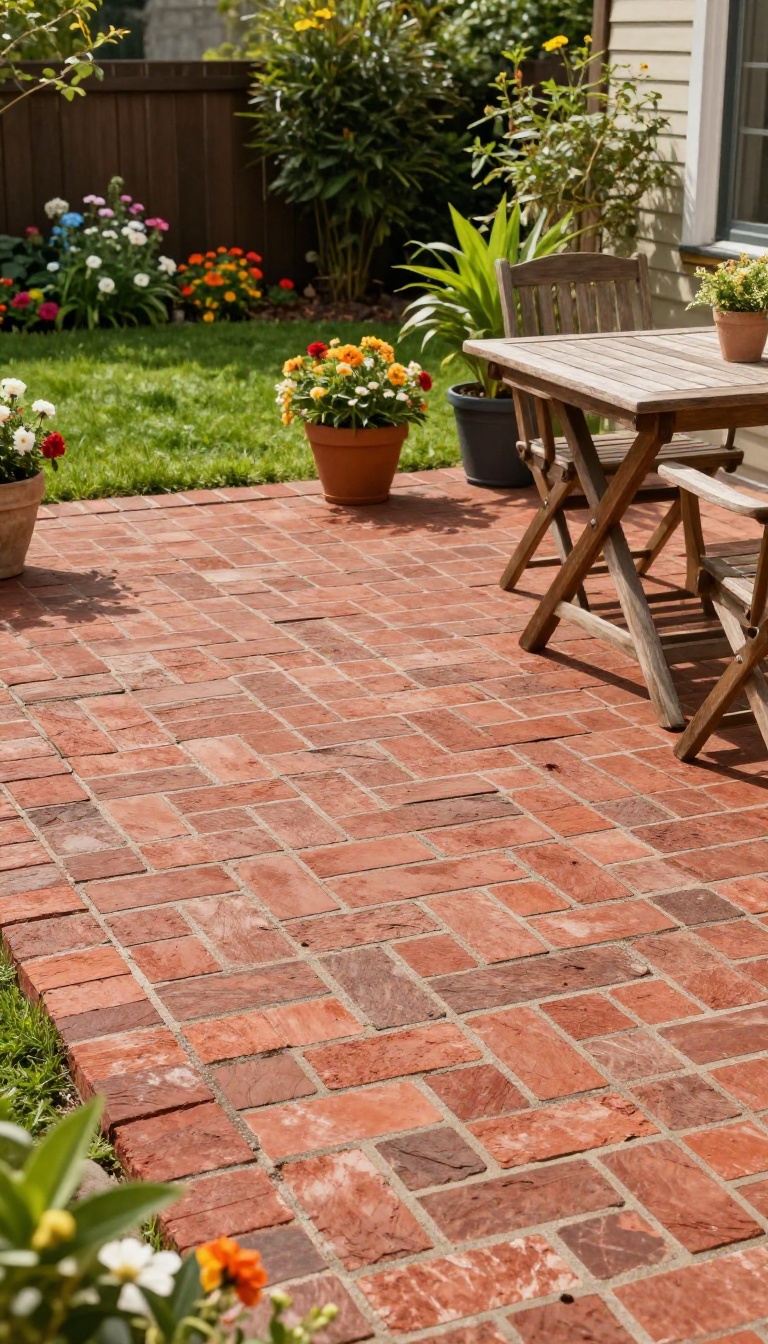
Brick pavers have a way of making a patio feel established, like it's been part of the house for decades. The warm, earthy tones blend effortlessly with green lawns and flowering borders, giving outdoor spaces a welcoming, grounded character that's hard to replicate. Beyond the looks, brick is a practical choice that stands up to weather and heavy use, which is why it remains a favorite for many homeowners.
Brick pavers are made from clay that's fired in a kiln, giving them a dense, durable surface that can last for decades when properly installed. They're naturally slip-resistant, making them a safe option around pools or after rain. The classic rectangular shape allows for a variety of laying patterns, so you can customize the look to match your home's architecture.
Whether you prefer a neat running bond or a more intricate herringbone, brick offers a timeless appeal that fits both traditional and rustic settings.
Choosing The Right Brick
Not all brick is the same. For patios, you'll want pavers that are rated for outdoor use, as some bricks are softer and may crumble under freeze-thaw cycles. Look for 'paver-grade' brick or those with a low water absorption rate.
Also, consider color variations—reds, browns, and even buff tones can shift the mood of your space. Sample a few before committing to see how they look in your outdoor lighting.
Patterns That Add Personality
The pattern you choose can dramatically change the feel of your patio. A herringbone layout adds visual interest and is great for high-traffic areas because it locks together well. A basketweave pattern gives a more formal, traditional look, while a simple running bond feels clean and modern.
Don't be afraid to mix patterns or create borders with contrasting colors to define different zones, like a dining area or a fire pit circle.
Installation And Maintenance Tips
Proper installation is key to a long-lasting brick patio. The base should be compacted gravel and sand, and the bricks should be laid tightly with joints filled with polymeric sand to prevent weeds and ants. Sealing the brick every few years can enhance the color and protect against stains.
For day-to-day care, a broom and occasional rinse are all you need. If a brick ever cracks, it's easy to replace just that one without disturbing the rest.
5. Concrete Pavers: Versatile and Budget-Friendly
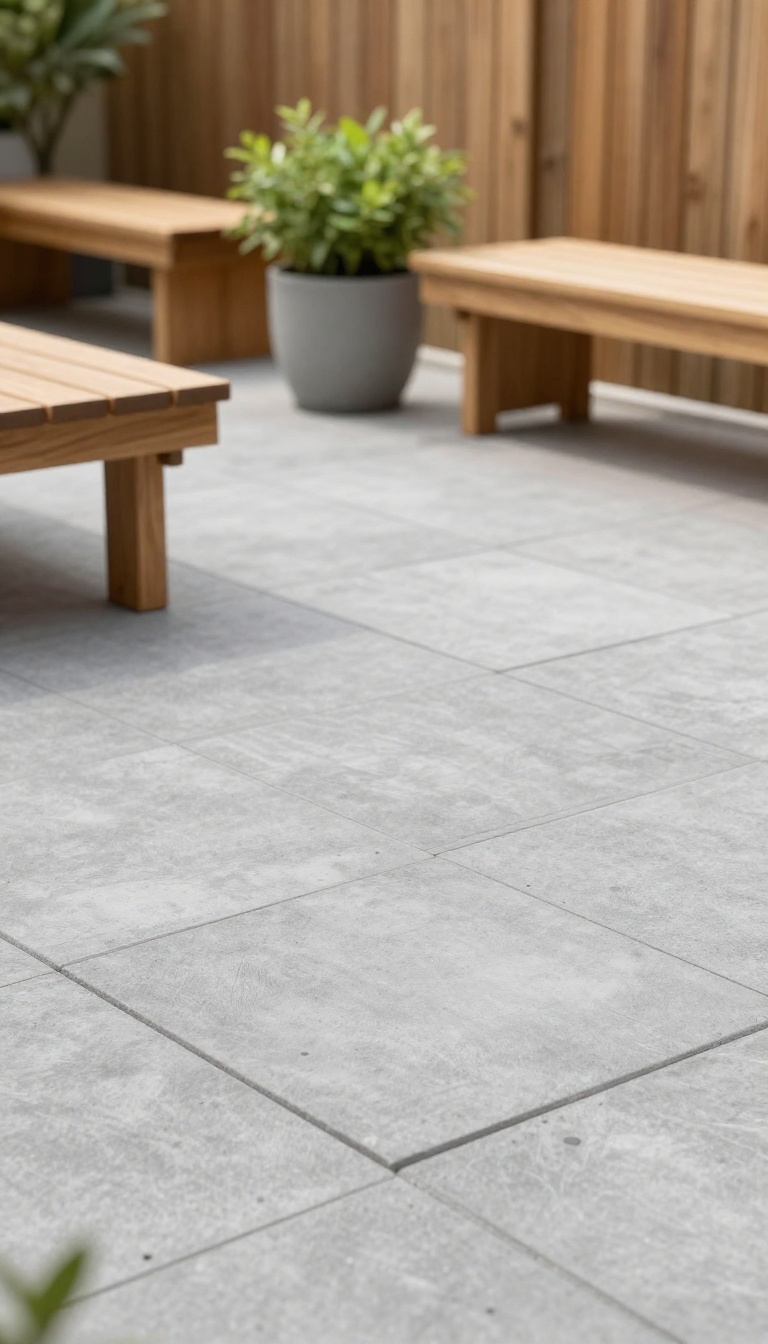
If you want a patio floor that doesn't box you in, concrete pavers are a great middle ground. They give you the flexibility of individual pieces without the high cost of natural stone or brick. You can mix shapes, colors, and laying patterns to create a look that's entirely your own, and you won't have to empty your wallet to do it.
What's more, concrete pavers are forgiving. If one gets cracked or stained, you can replace just that piece instead of tearing up the whole patio. That practicality, combined with their clean, modern feel, makes them a favorite for DIYers and pros alike.
Concrete pavers are a smart choice for anyone who wants a durable, attractive patio without overspending. They come in a huge variety of styles, from smooth and contemporary to textured and rustic, so you can match almost any home aesthetic. Plus, their individual nature means you can get creative with patterns like herringbone or basketweave, or keep it simple with a running bond.
Installation is straightforward—you lay them over a compacted gravel and sand base—and if you're handy, you can tackle it over a weekend. And because they're manufactured, they're consistent in size and color, which takes the guesswork out of laying them. Over time, they hold up well to weather and foot traffic, and maintenance is as easy as sweeping or hosing them down.
Pick The Right Shape And Pattern
The beauty of concrete pavers is that they're not limited to the classic rectangle. You can find squares, hexagons, and even curved pieces that lock together for a more intricate look. If you're going for a modern vibe, large-format pavers in a staggered pattern create a sleek, seamless appearance.
For a more traditional feel, smaller pavers set in a herringbone pattern add texture and visual interest. Don't be afraid to mix sizes and colors to create a custom design. A border in a contrasting shade can define the patio area and tie it to your home's exterior.
Just keep the pattern simple if you're new to laying pavers—complex designs take more time and cutting, but the result is worth the effort.
Installation Tips For A Long-lasting Base
A solid base is what keeps your pavers level and prevents shifting or sinking over time. Start by excavating about 7-8 inches of soil, then add a layer of crushed stone and compact it thoroughly. Follow with a 1-inch layer of coarse sand, screeded smooth, and then lay your pavers with a slight gap between them.
Once they're all in place, spread polymeric sand over the surface and sweep it into the joints. When you wet it down, that sand hardens and locks the pavers together, keeping weeds and ants out. Finally, edge the patio with a sturdy border—like plastic or metal edging—to keep everything from spreading over time.
Maintenance And Long-term Care
Concrete pavers are one of the easiest patio materials to care for. Regular sweeping and an occasional rinse with a garden hose will keep them looking fresh. If you get a stain from a grill or a spilled drink, you can often scrub it away with mild soap and water.
For tougher stains, a pressure washer on a low setting works well. One of the biggest perks is that if a paver cracks or chips, you can replace it without disturbing the rest of the patio. Just lift out the damaged piece, install a new one, and re-sand the joints.
That kind of repairability means your patio can look great for decades with minimal effort.
6. Pea Gravel: Easy, Affordable, and Naturally Draining
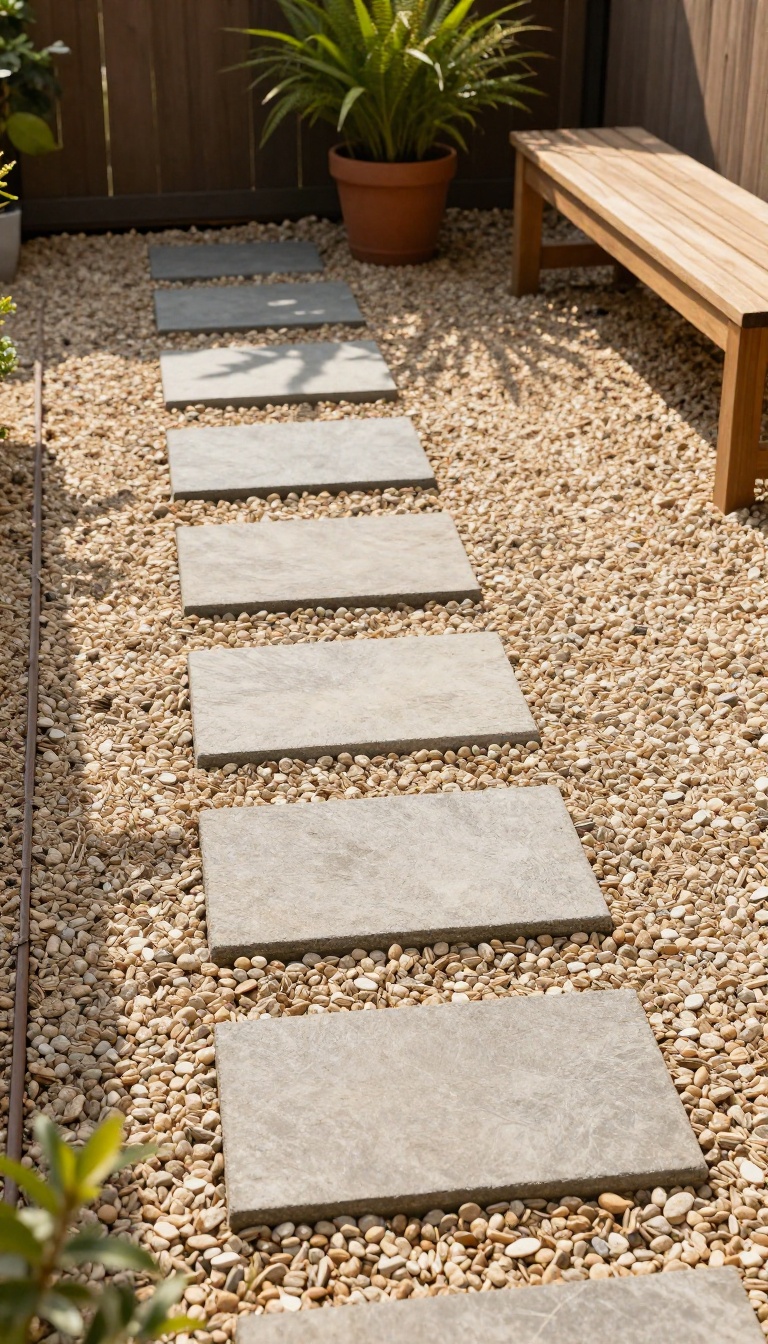
If you want a patio floor that feels relaxed and costs next to nothing, pea gravel is hard to beat. Those small, smooth stones create a soft, crunchy surface that drains instantly after a rain shower. It's a favorite for casual backyard hangouts, and you can install it in an afternoon without any special tools.
Pea gravel is a loose fill that drains well and feels casual underfoot. It's one of the most budget-friendly options and can be used alone or as a filler between stepping stones. The stones come in earthy tones like tan, gray, and white, so they blend easily with plants and outdoor furniture.
Because it's loose, you can easily change the shape of your patio later or top it up when it settles.
Why Pea Gravel Works For Patios
Pea gravel's biggest perk is drainage. Rainwater slips right through the gaps, so you won't deal with puddles or slippery surfaces. It also stays cooler than concrete or pavers on hot days, which makes it nicer for bare feet.
Plus, it's forgiving if you drop a glass—less likely to break than on a hard floor.
Installation Tips For A Stable Surface
To keep the gravel from spreading into your lawn, install a sturdy edge—like metal or plastic edging—around the perimeter. Lay down landscape fabric first to block weeds, then spread the gravel about two inches deep. For extra stability, mix in a binder or use larger stones underneath.
Rake it occasionally to keep the surface even.
Mixing Pea Gravel With Other Materials
Pea gravel shines when paired with stepping stones or concrete pavers. Set large flat stones in a path or grid, then fill the gaps with gravel. This cuts down on the amount of gravel you need and gives you a more solid walking surface.
You can also use it to fill spaces around a fire pit or between garden beds.
7. Outdoor Tile: Endless Patterns for a Polished Look
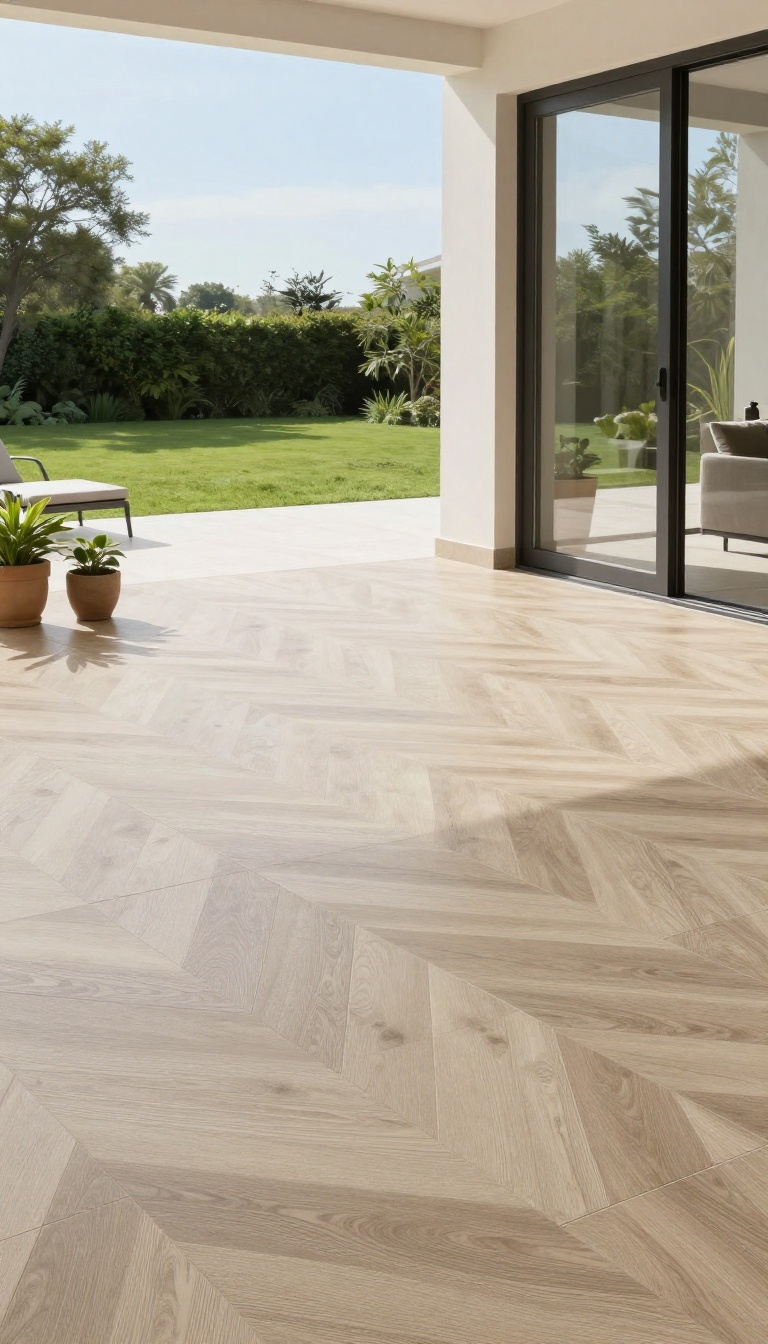
Outdoor tile is a bit of a secret weapon for patios. It brings the clean lines and design flexibility of indoor flooring outside, but with materials built to handle sun, rain, and temperature swings. The result is a surface that looks intentional and put-together, like you hired a designer even if you did it yourself.
Porcelain and ceramic tiles made for outdoor use are dense, low-porosity, and slip-resistant. They can mimic the look of natural stone, wood, or even concrete, but with a smoother, more uniform finish. That makes them a favorite for patios connected to indoor living spaces, because the transition feels seamless.
Why Tile Works Outside
Tile doesn't absorb water the way wood or concrete can, so it resists mold, mildew, and staining. It also stands up to freezing and thawing if you pick a tile rated for exterior use. Plus, cleaning is a breeze—just sweep off dirt and give it a mop with mild soap when needed.
Patterns That Make A Statement
The real fun with tile is the layout. You can go with a classic herringbone for a subtle sense of movement, or a bold geometric pattern like a basketweave or a Moroccan-inspired design. Large-format tiles in a wood-look finish give you the warmth of timber without the upkeep, while encaustic-look tiles add color and personality.
Choosing The Right Tile And Installation
Look for tiles with a PEI rating of 3 or higher for foot traffic, and a slip resistance of at least. 60 on wet surfaces. Porcelain is generally more durable than ceramic, so it's a better bet for high-traffic areas.
For installation, you'll need a proper mortar bed and expansion joints to handle movement. Hiring a pro who knows exterior tile work is worth it, because the prep matters more than the tile itself.
8. Wood Decking: Warmth and Natural Beauty
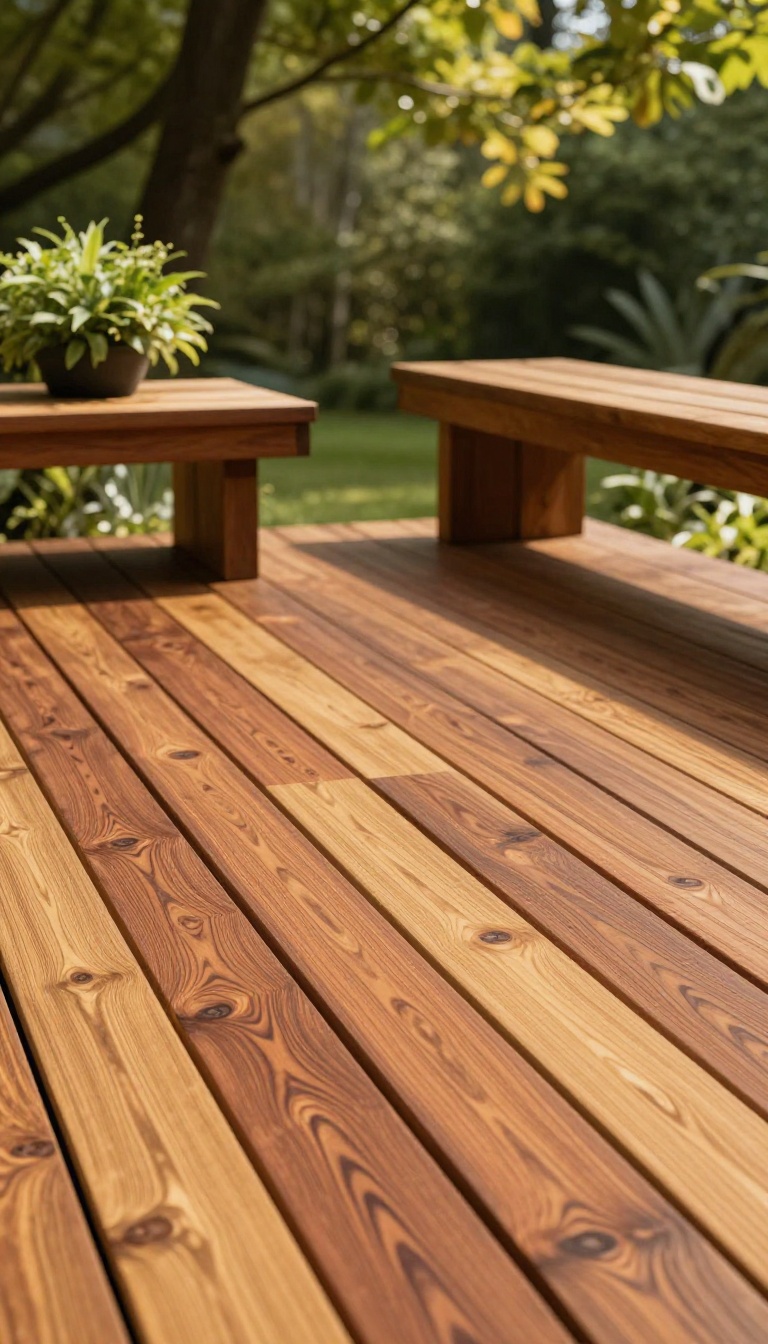
Nothing beats the organic charm of real wood underfoot. Cedar and redwood bring a warm, inviting tone that instantly makes your patio feel like an extension of your home. Yes, wood demands more care than other materials, but the payoff is a timeless look that ages gracefully.
Wood decking offers a classic aesthetic that complements both traditional and modern homes. Its natural grain and color variations add character, and it feels comfortable under bare feet, even on hot days. However, wood is porous and susceptible to moisture, UV rays, and insects, so it requires regular maintenance to stay in top shape.
Choosing The Right Wood
Cedar and redwood are popular for their natural resistance to rot and insects. They also have a pleasant aroma and a beautiful reddish hue. Pressure-treated pine is more budget-friendly but needs more frequent sealing.
For a premium option, consider tropical hardwoods like ipe or mahogany, which are extremely durable but cost more.
Sealing And Staining
To protect your wood deck from moisture and sun damage, apply a high-quality sealant or stain every one to three years. A clear sealant preserves the natural color, while a tinted stain can enhance or change the shade. Always clean the deck thoroughly before applying any finish to ensure proper adhesion.
Maintenance Tips
Regular sweeping and occasional washing with a mild soap solution will keep your deck looking fresh. Check for splinters or loose boards and sand or replace them as needed. Keep planters and furniture elevated to prevent moisture traps.
With consistent care, a wood deck can last for decades.
9. Composite Decking: Low-Maintenance Wood Alternative
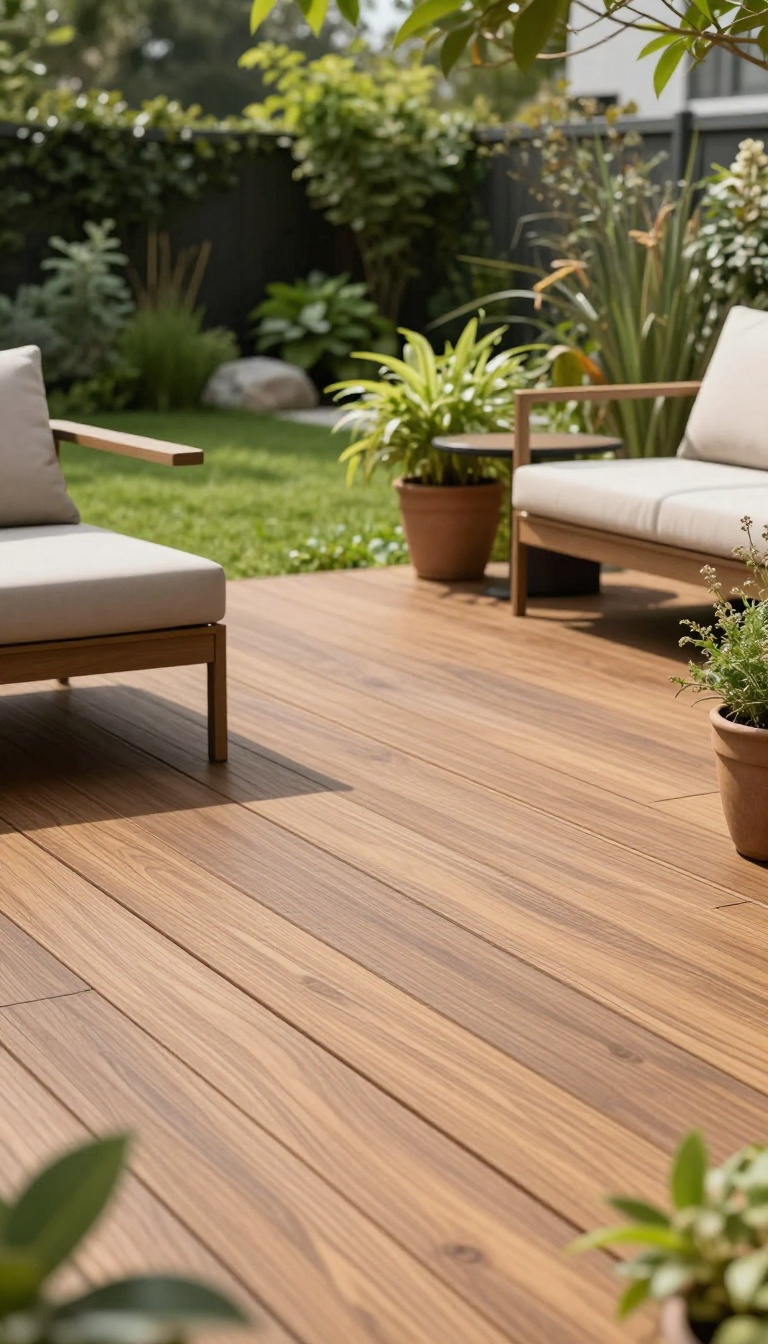
Composite decking brings the warm look of wood without the constant upkeep. It's engineered from a blend of wood fibers and recycled plastic, giving it a durability that natural timber can't match. If you love the idea of a wooden patio but dread sanding, staining, or replacing warped boards, this might be your answer.
What makes composite stand out is how little it demands from you. No annual sealing, no splinter worries, and it holds its color for years. Plus, it's available in a wide range of shades and grain patterns, so you can still get that natural aesthetic you're after.
Composite decking is a smart swap for anyone who wants the charm of wood without babysitting it. Here's how it stacks up and what to keep in mind before you commit.
Why Composite Wins On Maintenance
Traditional wood needs regular sealing, staining, and power washing to stay looking sharp. Composite skips almost all of that. A simple sweep and occasional rinse with soapy water keeps it fresh.
It won't rot, warp, or attract termites, which means fewer headaches down the road. Plus, it's splinter-free, so it's a safer choice for barefoot kids and pets. That alone can be a huge selling point for busy families.
Durability That Lasts
Composite is built to handle the elements. It resists moisture, UV rays, and temperature swings, so it won't fade or crack like painted wood. Most quality brands come with warranties that last 25 years or more, giving you real peace of mind.
Because it's a manufactured product, you also get consistent color and texture across every board. No surprises with knots or grain variations that can weaken natural wood.
What To Watch For
The upfront cost is typically higher than pressure-treated lumber, but you'll save over time on maintenance and replacement. Also, composite can get hot under direct sun, so lighter colors or shaded patios are worth considering. Installation is similar to wood, but you'll need the right fasteners designed for composite to allow for expansion and contraction.
Hiring a pro who knows the material is a good idea if you're not experienced.
10. Loose Stone or River Rock: Textured and Naturalistic
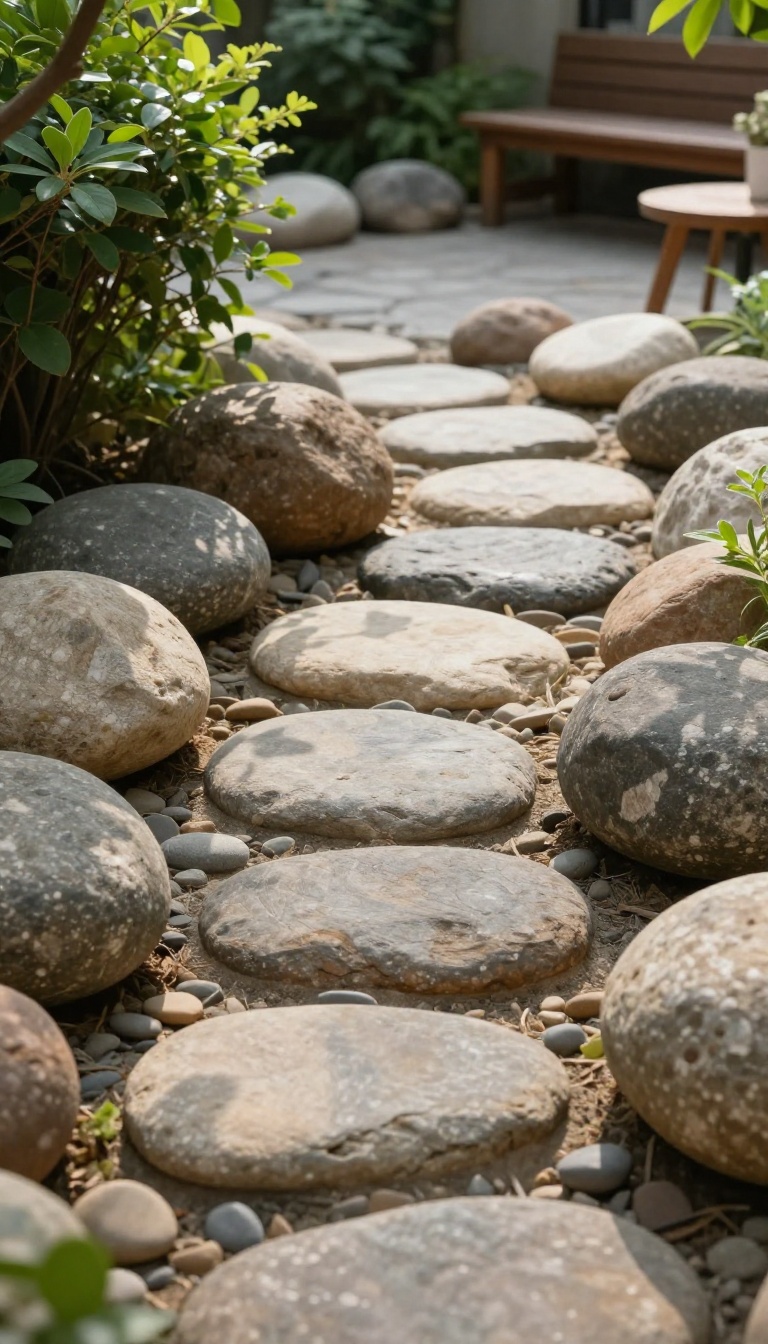
If you want a patio floor that feels like a natural extension of your garden, loose stone or river rock is a compelling choice. It brings an earthy, organic texture that blends seamlessly with landscaping, creating a relaxed, almost meditative outdoor space. Unlike hard, uniform surfaces, this option invites you to slow down and enjoy the subtle crunch underfoot.
Loose stone is more than just a pretty surface—it's a practical solution for certain areas. It works especially well for pathways, casual seating nooks, or as a transition zone between your patio and the rest of your yard. The stones come in a range of sizes and colors, from smooth, rounded river rock to sharper, more angular crushed stone, so you can tailor the look to your landscape.
But before you commit, it's worth understanding the trade-offs, especially if you plan to place furniture or walk on it frequently.
Where Loose Stone Shines
Loose stone is a natural fit for areas where you want a soft, permeable surface that lets water drain through. It's ideal for creating winding paths that guide visitors through your garden, or for filling in odd spaces between larger pavers. You can also use it to define a fire pit area or a casual lounge spot where you don't need a perfectly level surface.
The stones move slightly underfoot, which can feel pleasant and grounding, but it also means they're not the best choice for areas with heavy foot traffic or where you'll place heavy furniture.
Choosing The Right Stone
The type of stone you pick matters more than you might think. River rock is smooth and rounded, which makes it comfortable to walk on barefoot, but it can shift and roll more easily. Crushed stone, on the other hand, locks together better because of its angular edges, creating a firmer surface that's less likely to scatter.
If you want a natural, rustic look, go with earthy tones like tan, gray, or brown. For a more modern feel, you might choose a uniform color like white or black. Just make sure the stone size is appropriate—smaller pebbles are easier to walk on, while larger rocks can be unstable.
Installation And Maintenance Tips
Installing loose stone is relatively straightforward, but it requires some preparation. Start by laying down a weed barrier fabric to prevent unwanted growth, then add a layer of stone—usually 2 to 3 inches deep. For edging, use metal or plastic edging to keep the stones contained, especially along borders.
Over time, you'll need to top up the stone as it settles or gets kicked out of place. Raking the surface occasionally helps keep it even, and you may need to remove leaves or debris. One thing to watch is drainage: while the stone itself is permeable, the ground beneath needs to slope away from your house to avoid pooling water.
11. Outdoor Carpet or Rugs: Instant Comfort and Color
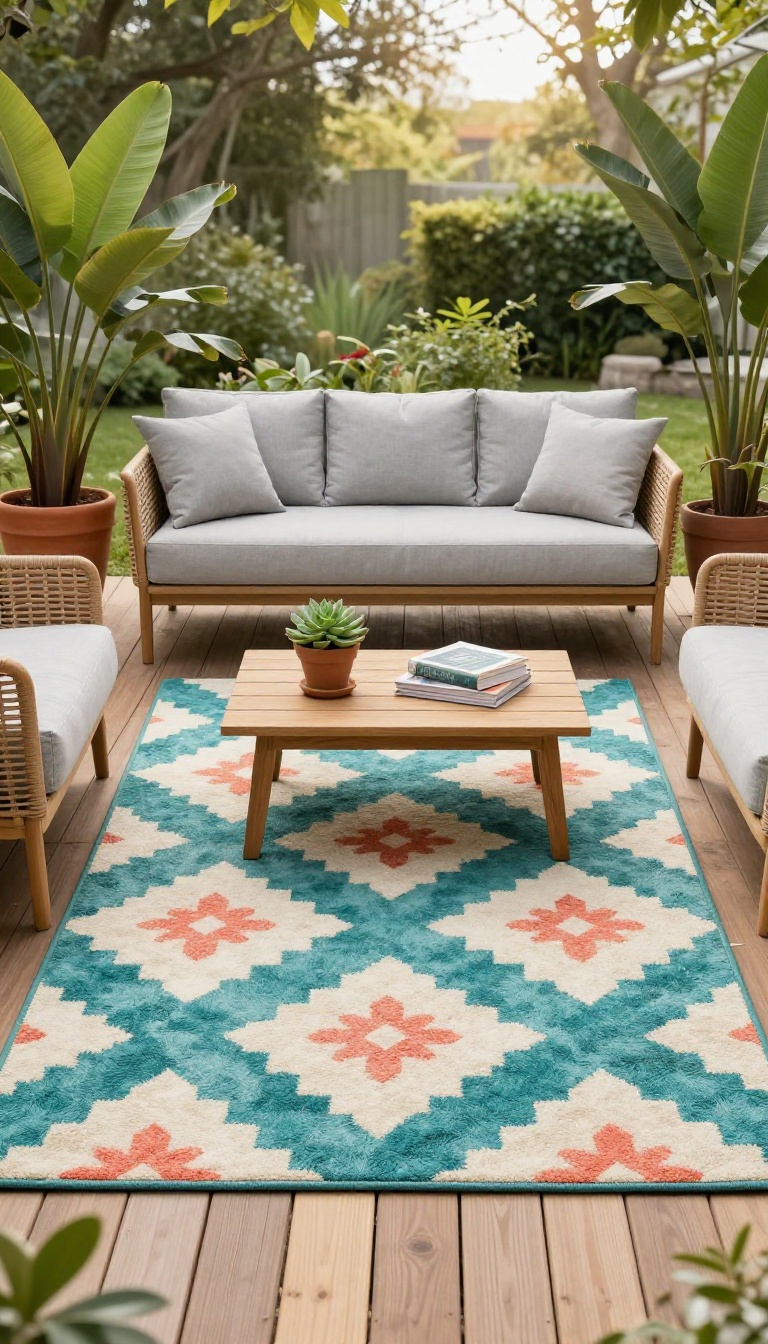
Sometimes the quickest way to transform a patio is to simply roll out a rug. Outdoor carpets and rugs bring a layer of softness that hard surfaces just can't match, making the space feel more like an extension of your living room. They're also one of the most flexible flooring options—you can change them with the seasons or swap them out when you're ready for a new look.
Outdoor rugs are built to handle the elements. They're made from synthetic fibers like polypropylene or recycled plastics that resist moisture, mold, and UV rays, so they won't fade or rot after a few months outside. That means you can enjoy the comfort of a carpet without worrying about the damage that would ruin an indoor rug.
Why Choose An Outdoor Rug?
The biggest draw is comfort. Concrete, stone, and tile can feel hard and cold underfoot, but a rug adds a cushioned layer that's easier on your feet and more inviting for sitting or playing. It also absorbs sound, making a patio feel quieter and more intimate.
Plus, rugs are portable—if you move or decide to rearrange, you can take them with you.
Picking The Right Material And Size
Look for rugs labeled as indoor/outdoor, which are woven from solution-dyed acrylic or polypropylene. These materials resist stains, fading, and moisture. Choose a size that defines your seating area—too small and it looks lost, too large and it overwhelms the space.
A good rule is to have at least the front legs of your furniture on the rug, or go bigger for a full seating arrangement.
Easy Maintenance And Seasonal Swaps
Outdoor rugs are a breeze to clean. Most can be hosed down, scrubbed with mild soap, and left to dry in the sun. This makes them perfect for high-traffic areas or homes with pets and kids.
And because they're affordable compared to permanent flooring, you can buy a couple and rotate them with the seasons—bright patterns for summer, neutral tones for fall.
FAQ
What is the most durable patio flooring?
Porcelain pavers and natural stone are among the most durable options, resisting weather, stains, and heavy foot traffic. Concrete is also highly durable and can last decades with proper installation.
Can I install patio flooring over an existing concrete slab?
Yes, many options like porcelain pavers, outdoor tiles, and composite decking can be installed over concrete. Ensure the surface is clean, level, and in good condition, and use appropriate leveling or pedestal systems.
What patio flooring is best for high-traffic areas?
Porcelain pavers, concrete pavers, and natural stone are excellent for high-traffic areas due to their durability and low maintenance. They resist wear and are easy to clean.
How do I maintain a natural stone patio?
Natural stone requires sealing to prevent stains and moisture damage. Regular sweeping and occasional washing with mild soap and water keep it looking its best. Avoid harsh chemicals that can etch the surface.
Conclusion
Choosing the right patio floor is about balancing style, budget, and how you plan to use the space. Whether you prefer the classic warmth of wood or the modern durability of porcelain, there's an option that fits your needs. Take your time to consider the climate, maintenance, and your personal taste.
A well-chosen patio floor will serve as the foundation for countless outdoor memories. So go ahead, pick your favorite, and start building the outdoor oasis you've been dreaming of.