10 Budget-Friendly Living Room Flooring Ideas for Warm, Durable Style
Your living room floor takes a beating—kids, pets, furniture, and foot traffic. But you don't need to spend a fortune to get a surface that looks beautiful and holds up over time. The trick is choosing materials that balance cost, durability, and that cozy feel you want.
Budget-friendly doesn't mean boring. With today's options, you can get the look of hardwood, stone, or tile without the high price tag. Many affordable choices even offer better durability than their expensive counterparts.
Let's walk through ten living room flooring ideas that keep your wallet happy and your home feeling warm and inviting. Each option is practical, stylish, and built for real life.
1. Luxury Vinyl Plank That Mimics Real Wood
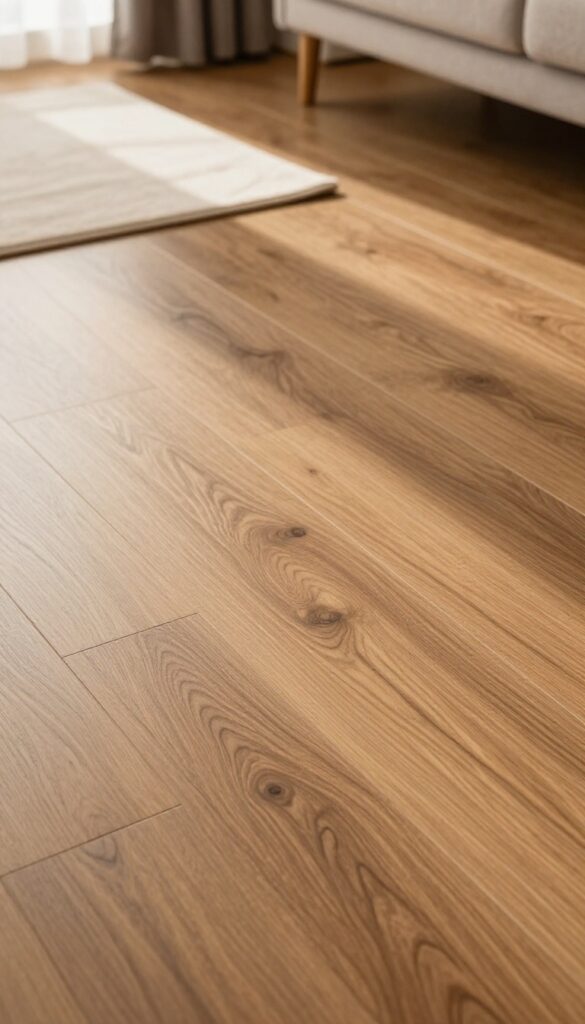
Hardwood floors are beautiful, but they come with a high price tag and a long list of maintenance demands. Luxury vinyl plank (LVP) gives you that same warm, natural look without the stress. It’s waterproof, scratch-resistant, and surprisingly easy to install, making it a top choice for busy homes.
Wide planks in honey or walnut tones bring a cozy, lived-in feel that works with almost any decor style.
LVP has come a long way from the cheap, shiny vinyl of the past. Today’s options feature realistic wood grain textures and matte finishes that look authentic underfoot. The best part?
You can install it yourself over most existing floors, saving even more money. For a warm and cozy vibe, stick with medium to dark brown tones like walnut or chestnut, and pair them with soft area rugs and warm lighting. This flooring handles heavy foot traffic, spills, and pet claws with ease, so you can relax and enjoy your space without worrying about damage.
Best Colors For A Cozy Look
Honey oak and warm walnut are the go-to shades for creating that snug, inviting atmosphere. These tones add richness without feeling dark or heavy. If your room gets lots of natural light, a slightly lighter shade like golden maple keeps things airy while still feeling warm.
Budget-Friendly Swap
Skip the expensive engineered hardwood and choose a mid-range LVP with a thick wear layer (at least 12 mil). You’ll get the same visual effect for a fraction of the cost. Look for brands that offer click-lock installation—no glue or nails required, so you can DIY in a weekend.
Rug Pairing Tip
Anchor your seating area with a natural fiber rug like jute or sisal. The texture contrast makes the vinyl planks look even more like real wood. Add a soft wool or shag rug on top for extra warmth underfoot.
2. Engineered Hardwood for Lasting Warmth
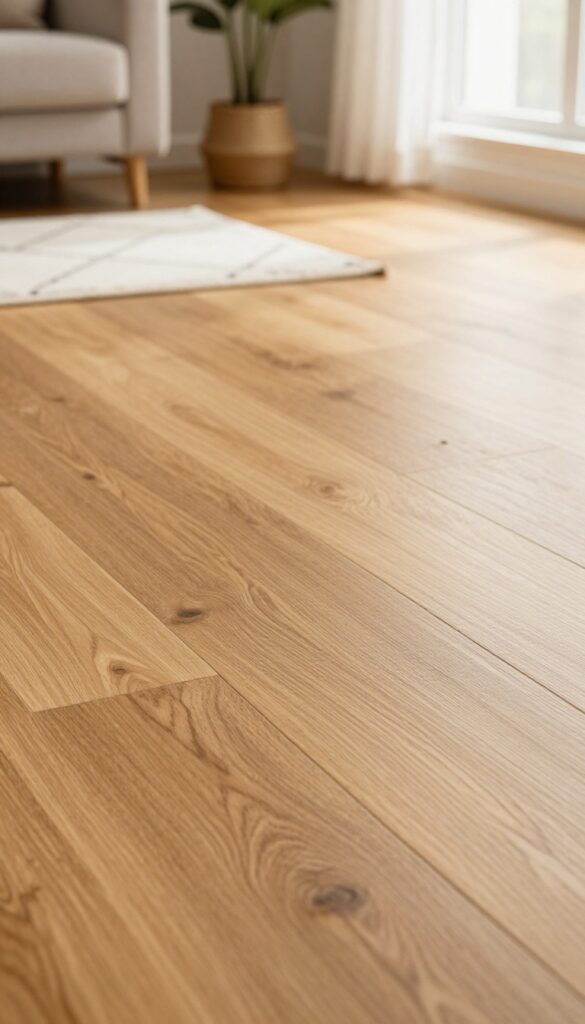
Solid hardwood can be pricey and finicky, but engineered hardwood gives you that same rich, natural look without the drama. A plywood core topped with a real wood veneer makes it way more stable in humid or changing conditions—so no worrying about gaps or warping. Plus, it costs less, which means you can stretch your budget further while still getting that warm, cozy foundation your living room deserves.
Engineered hardwood is a smart choice for busy living rooms because it handles everyday wear without losing its charm. The real wood veneer on top can be sanded and refinished at least once, depending on thickness, so it lasts for years. For a warm and cozy vibe, go with a matte finish in oak or hickory—these species have natural grain patterns that add texture and depth.
The matte surface also hides scratches better than high-gloss, making it perfect for homes with kids or pets. Installation is often easier too, with click-lock options that let you float the floor over existing surfaces, saving on labor costs. Pair it with a soft wool rug in a neutral tone to anchor the space and add even more warmth underfoot.
Best Colors And Finishes
- Stick with medium to warm tones like honey oak, caramel hickory, or toasted walnut. These shades bring a natural coziness that works with both modern and traditional decor. A matte or satin finish is ideal—it feels soft and understated, not shiny or plasticky.
- Avoid ultra-dark stains in small rooms, as they can make the space feel closed in.
Budget-Friendly Swap
- If solid hardwood is out of reach, engineered hardwood is your best alternative. You can find quality options for $4–$8 per square foot, compared to $8–$15 for solid. Look for brands with a thicker wear layer (at least 2mm) so you can refinish down the line.
- Even budget-friendly lines like those from Home Depot or Lowe’s offer warm, realistic wood looks.
Cozy Detail
Layer a chunky knit or shag rug over the engineered hardwood to create a soft contrast. The rug not only adds warmth but also protects the floor in high-traffic zones. Choose a rug with a low pile for easy vacuuming, and go for earthy tones like cream, taupe, or muted rust to complement the wood.
3. Cork Flooring That Softens Every Step
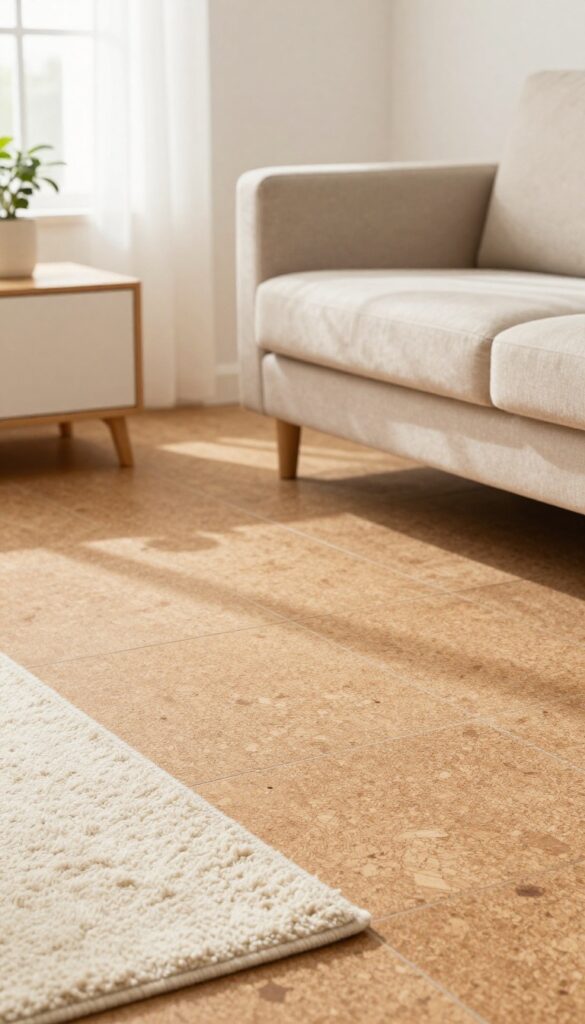
Cork flooring brings a natural warmth that’s hard to beat, especially when you’re after a cozy, budget-friendly update. It feels soft underfoot, which makes standing or walking around the living room far less tiring. Plus, it’s a sustainable choice that adds a quiet, earthy vibe without breaking the bank.
Cork is naturally warm and cushioned, reducing fatigue and softening noise in your living room. It’s also an eco-friendly option that fits a warm and cozy style. To keep it durable, make sure it’s properly sealed, and go for a medium brown tone to enhance that inviting feel.
This flooring works beautifully in low-traffic areas or layered with a rug for extra comfort.
Best Colors For A Cozy Vibe
Medium brown tones are your best bet for a warm, inviting look. They pair well with neutral furniture and natural textures like wool or linen. Avoid very light shades, which can feel cold, or very dark ones, which may show dust more easily.
Budget-Friendly Swap
Cork tiles are often cheaper than hardwood and can be installed as a floating floor, saving on labor costs. Look for click-lock planks that you can DIY—just ensure the subfloor is level for the best results.
Finishing Touch
Add a low-pile wool rug in a warm cream or soft beige to define the seating area. This protects the cork in high-traffic spots while keeping the cozy, layered look intact.
4. Bamboo Flooring for Eco-Friendly Durability
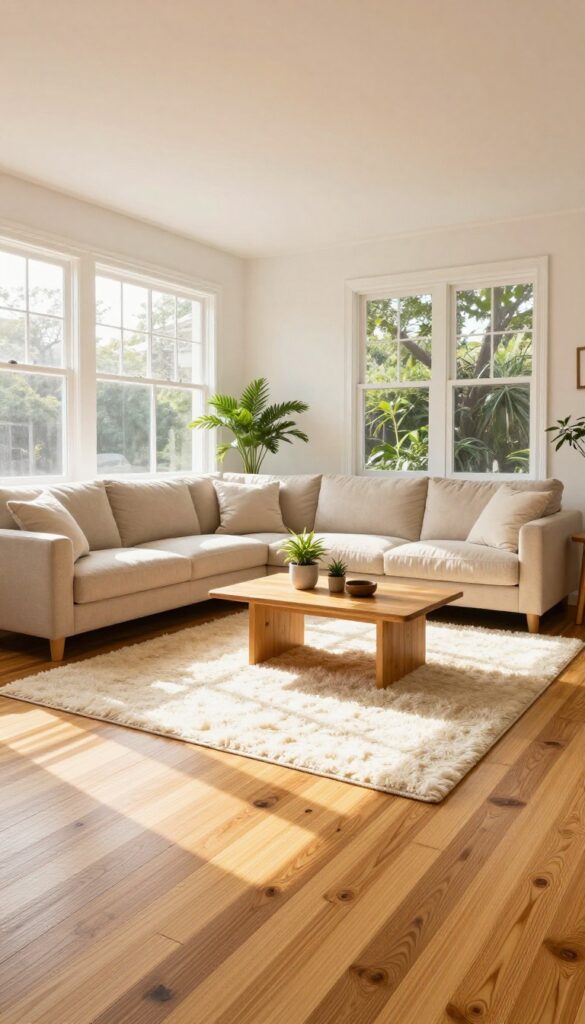
Bamboo flooring brings a warm, natural look to your living room without the high price tag of traditional hardwoods. It’s actually harder than many wood species, so it holds up beautifully in high-traffic areas. The caramel tones add a cozy, sunlit feel that makes the whole room feel more inviting.
Strand-woven bamboo is the toughest option, perfect for homes with kids or pets. It resists scratches and dents better than standard bamboo. To keep the space feeling soft underfoot, layer a plush area rug over the bamboo.
This also helps define the seating area and adds another layer of warmth.
Best Colors And Finishes
Stick with warm caramel or honey shades to match the cozy style profile. Avoid gray-toned bamboo if you want that inviting glow. A matte finish hides scratches better than high-gloss and feels more natural.
Budget-Friendly Swap
Bamboo costs less than oak or maple, but you can save even more by choosing click-lock floating planks instead of nail-down. They’re easier to install yourself, which cuts labor costs. Look for strand-woven options at big-box stores for the best value.
Rug Pairing Tip
A thick wool or shag rug in cream, beige, or soft taupe contrasts nicely with the smooth bamboo surface. Go for a rug that’s large enough to fit under the front legs of your sofa and chairs. This anchors the room and makes the floor feel even cozier.
5. Laminate Flooring with Realistic Texture
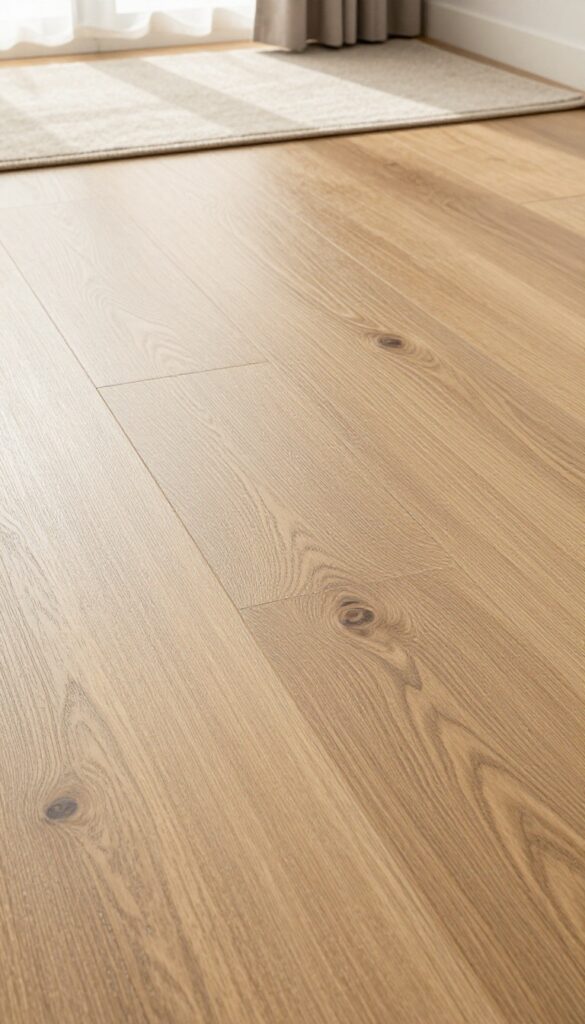
Laminate flooring has come a long way from the shiny, fake-looking planks of the past. Today’s options are incredibly convincing, with embossed grain textures and subtle color variations that mimic real wood or natural stone. The best part?
It’s budget-friendly, scratch-resistant, and a breeze to clean—perfect for busy households with kids or pets. If you want the look of hardwood or tile without the high price tag or maintenance, this is your floor.
Modern laminate flooring is designed to fool the eye. High-definition printing technology captures the knots, grain patterns, and even the slight color shifts found in natural materials. The embossed-in-register texture means the grooves align with the printed grain, so your fingers feel the same ridges your eyes see.
This tactile realism makes a huge difference in how authentic the floor looks. Plus, laminate is tougher than many real wood floors—it resists scratches, dents, and stains, and it won’t fade in sunlight. For a warm, cozy living room, choose a laminate with a matte finish and a hand-scraped or wire-brushed texture.
Pair it with a thick, soft rug in a neutral tone to add warmth underfoot and break up the hard surface. The contrast between the realistic wood grain and a plush rug creates a layered, inviting space that feels both stylish and livable.
Texture And Color Selection
- When shopping for laminate, focus on the texture. Look for planks with beveled edges and embossed grain that mimics real wood. For a cozy living room, choose medium-toned woods like warm oak, hickory, or walnut.
- Avoid ultra-light or gray tones if you want a snug feel—they can read as cool or sterile. Instead, opt for honey, caramel, or reddish-brown shades that bring warmth. Also check the wear layer: at least an AC3 rating is good for residential use, but AC4 is even better for high-traffic areas.
Installation And Layout Tips
- Laminate is a floating floor, meaning it clicks together without glue or nails. This makes it a great DIY project, but proper subfloor preparation is key. Use a moisture barrier and underlayment for sound absorption and a softer feel.
- For a spacious look, install planks parallel to the longest wall. In a narrow room, try a diagonal layout to add visual interest. And don’t forget to leave a small expansion gap around the edges—it’s essential for the floor to move with temperature changes.
Styling For Warmth
- To keep the room cozy, balance the hard laminate surface with soft textures. Layer a large area rug in wool or a high-pile synthetic over the floor—make sure it’s at least 6×9 feet to anchor the seating area. Add curtains, upholstered furniture, and throw pillows in warm fabrics like velvet, chenille, or knit.
- Use warm lighting from floor lamps and table lamps to enhance the wood tones. A few houseplants in woven baskets or ceramic pots will also soften the look and bring life to the space.
6. Peel-and-Stick Vinyl Tiles for Quick Updates
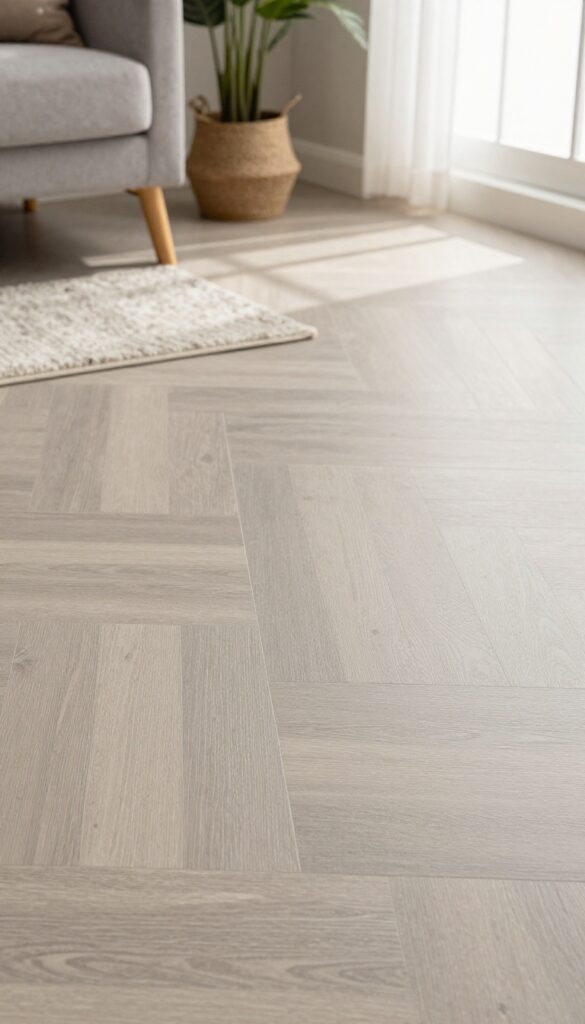
Peel-and-stick vinyl tiles are the ultimate budget DIY option for giving your living room floor a fresh new look in an afternoon. They come in patterns like herringbone or geometric shapes that add visual interest without the mess of traditional tile work. Warm gray or beige tones keep the room feeling cozy and inviting, making this a smart choice for renters or anyone craving a fast, affordable refresh.
These tiles are surprisingly durable and easy to clean, perfect for high-traffic areas. The key is choosing a high-quality brand with a thick wear layer to prevent peeling or shifting. For the coziest effect, stick to matte finishes and warm neutral colors that complement your existing decor.
Best Patterns For A Cozy Look
Herringbone and chevron patterns instantly elevate the space, mimicking expensive wood or stone. Geometric hexagons or diamond shapes add a playful touch without overwhelming the room. Stick to warm grays, beiges, or soft taupes to maintain that cozy, lived-in feel.
Installation Tips For Success
Start from the center of the room and work outward for a balanced layout. Make sure the subfloor is clean, dry, and smooth before sticking anything down. Use a roller to press each tile firmly, especially at the edges, to prevent curling over time.
Budget-friendly Styling Pairings
Pair these tiles with a soft, textured rug in a complementary tone to anchor the seating area. Add warm wood furniture and plenty of indoor plants to soften the look. The result is a stylish, durable floor that feels intentional and inviting without breaking the bank.
7. Stained Concrete for Industrial Warmth
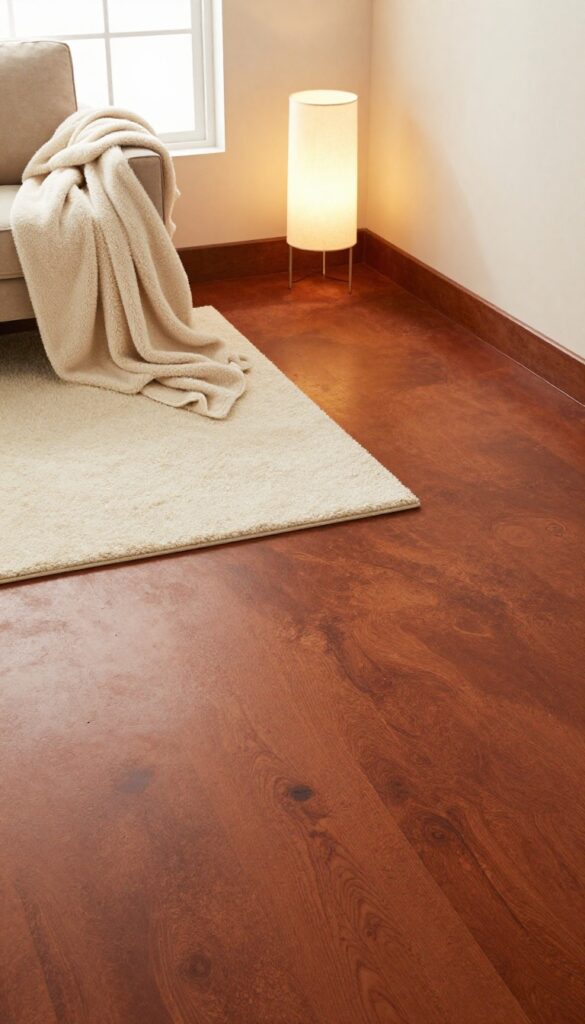
Stained concrete isn't just for basements and garages anymore. With the right finish, it brings an earthy, grounded feel that's surprisingly cozy. Acid staining creates rich, variegated colors—think deep ochre, warm walnut, or soft bronze—that add character without looking cold or harsh.
The key is balancing that hard surface with soft textures and warm lighting.
Stained concrete floors are a budget-friendly alternative to tile or hardwood, especially if you already have a concrete slab. The staining process is durable and low-maintenance, making it ideal for high-traffic living rooms. To keep the space feeling warm and inviting, layer in large wool rugs, plush throws, and plenty of soft lighting.
The contrast between the sleek floor and cozy textiles creates a look that's both industrial and homey.
Best Colors For Warmth
- Skip the gray tones if you're going for cozy. Instead, choose acid stains in amber, terra-cotta, or coffee brown. These colors absorb light and make the room feel grounded.
- You can also apply a second coat for a deeper, more saturated look.
Rug Pairing Tip
A large wool or shag rug in a neutral or cream tone softens the concrete and defines the seating area. Go for a rug that's at least 8×10 feet to anchor the space. Layering a smaller, textured rug on top adds extra warmth.
Lighting Fix
Concrete can feel cool underfoot, so balance it with warm-toned lighting. Use floor lamps with fabric shades, string lights, or dimmable overhead fixtures with warm bulbs. Avoid harsh white light—stick to 2700K to 3000K for a cozy glow.
8. Carpet Tiles for Customizable Comfort
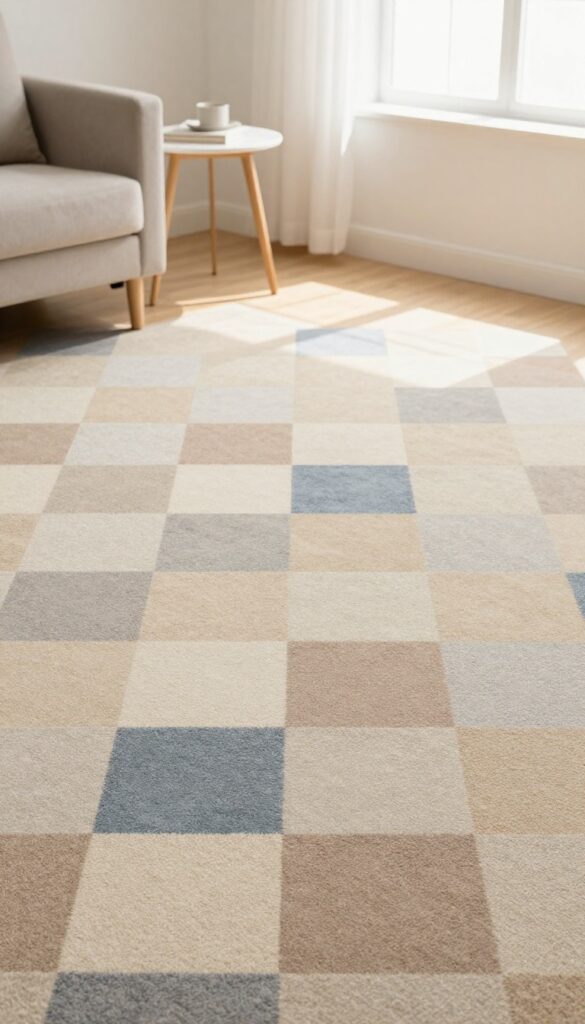
Carpet tiles give you the softness of carpet with the flexibility of a modular system. You can mix colors or patterns to create a floor that's uniquely yours, and if a tile gets stained or worn, just swap it out. For a budget-friendly upgrade, choose low-pile tiles in warm neutral tones like beige, taupe, or soft gray—they hide dirt well and keep the room feeling cozy.
Carpet tiles are a smart choice for high-traffic living rooms because they're durable and easy to maintain. You can arrange them in a checkerboard pattern for a classic look, or go with stripes for a more playful vibe. The modular nature means you can replace damaged tiles without redoing the whole floor, and installation is a DIY-friendly peel-and-stick process.
To keep costs low, look for sales on closeout tiles or mix a solid base color with a few accent tiles in a complementary hue.
Best Colors And Patterns
Stick with warm neutrals like cream, sand, or light brown for the base, then add a second color like slate blue or soft terracotta for contrast. A checkerboard pattern feels timeless, while a striped layout can make a narrow room feel wider. For a subtle twist, try a herringbone arrangement with rectangular tiles.
Budget-Friendly Swap
Instead of wall-to-wall carpet, use carpet tiles as a large area rug by tiling a defined zone in the center of the room. This gives you the comfort of carpet underfoot without covering the entire floor, saving money and making cleaning easier. Edge the tile area with a contrasting border for a finished look.
Maintenance Tip
Vacuum regularly and spot-clean spills immediately. Keep a few extra tiles stored away so you can replace any that get damaged. For a deeper clean, you can remove tiles and take them outside to shake out dust.
9. Linoleum for Retro Charm and Durability
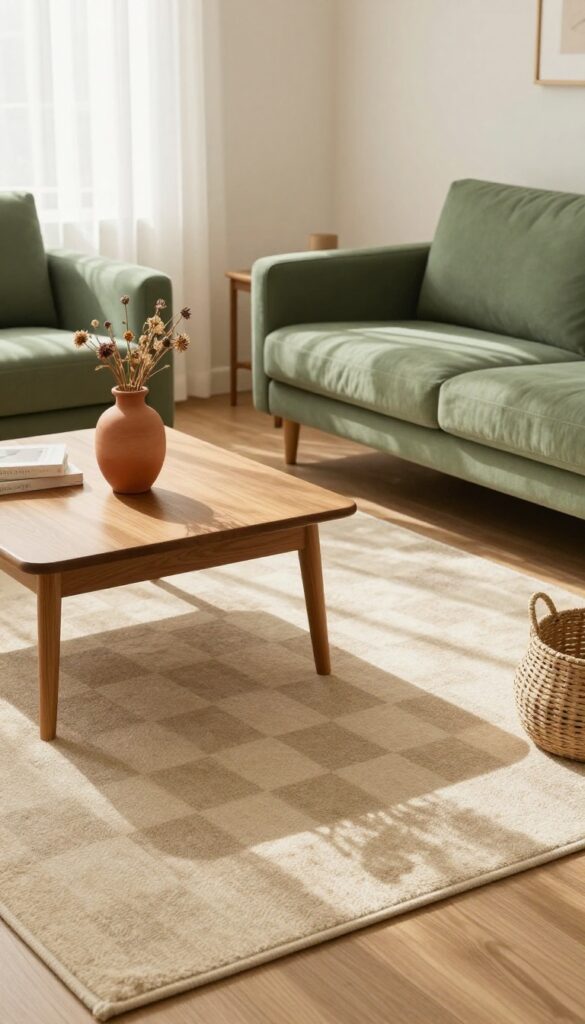
Linoleum is having a quiet comeback, and for good reason. It's made from natural materials like linseed oil and wood flour, so it's eco-friendly and naturally antimicrobial. The warm, muted color palette—think soft ochre, sage green, and terracotta—fits perfectly with a cozy, budget-friendly vibe.
Linoleum is a budget-friendly flooring option that doesn't skimp on style or durability. It's resistant to scratches and stains, making it ideal for high-traffic living rooms. For a retro look, try a classic checkerboard pattern in warm neutrals.
If you prefer something more subtle, a solid warm tone like honey beige creates a soft, inviting base. Pair it with a plush rug to add texture and warmth underfoot.
Best Colors And Patterns
Stick with earthy, muted tones like warm gray, dusty rose, or olive green. A checkerboard pattern in cream and charcoal adds playful retro charm without overwhelming the space. For a more modern take, choose a solid color and let your furniture do the talking.
Budget-Friendly Swap
Linoleum is one of the most affordable flooring options, especially if you install it yourself. Look for remnant sales or discontinued patterns to save even more. It's a smart investment that lasts 20-30 years with proper care.
Texture Mix
Balance linoleum's smooth surface with a soft, high-pile rug in a complementary neutral. A jute or wool rug adds organic texture and makes the room feel cozier. Choose a rug large enough to anchor your seating area for a pulled-together look.
10. Reclaimed Wood for Character on a Budget
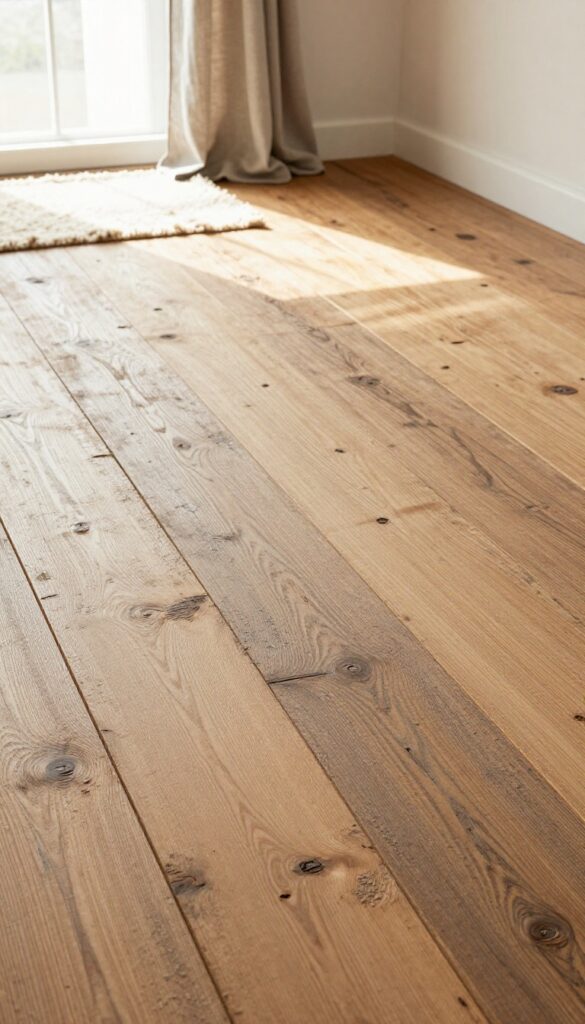
Reclaimed wood planks bring a story into your living room without demanding a high price tag. Sourced from old barns, factories, or even wooden pallets, these boards carry unique grain patterns, nail holes, and weathered patina that new flooring can't replicate. The result is a warm, lived-in look that feels both rustic and refined.
Reclaimed wood is a budget-friendly way to add instant character and warmth to your living room. You can often find planks for free or very cheap from demolition sites, Craigslist, or local salvage yards. The key is to sand them down to remove splinters and seal them with a clear matte finish to protect against daily wear.
Mixing different plank widths creates a more organic, rustic feel, while keeping the finish uniform ties the look together. This flooring works especially well in cozy, casual spaces where you want to invite relaxation. Pair it with soft textiles like wool rugs and linen curtains to balance the rugged texture.
Best Colors And Finishes
Stick with natural wood tones or go for a whitewash to keep the room bright. A clear matte sealer preserves the original patina, while a light gray wash can modernize the look. Avoid high-gloss finishes, which can make the wood feel too polished and less authentic.
Layout And Installation Tip
For a dynamic floor, install planks in a random-width pattern with staggered end joints. This hides imperfections and adds visual interest. If you're working with pallet wood, cut the boards to similar lengths and sand thoroughly before installation to ensure a smooth surface.
Budget-Friendly Swap
If full reclaimed flooring is out of reach, use it as an accent. Install a reclaimed wood border around the room or create a focal point like a herringbone pattern in the center of the floor. This gives you the character without covering the entire space.
FAQ
What is the most budget-friendly living room flooring?
Peel-and-stick vinyl tiles and laminate flooring are typically the most affordable options. Both can be installed DIY and offer good durability for the price.
Which flooring is best for high-traffic living rooms?
Luxury vinyl plank and laminate are excellent for high-traffic areas because they resist scratches and moisture. Strand-woven bamboo is also very durable.
Can I install budget flooring myself?
Yes, many budget-friendly options like vinyl planks, laminate, and carpet tiles are designed for DIY installation. Peel-and-stick tiles are especially easy.
How do I make affordable flooring look warm and cozy?
Use area rugs, add soft lighting, and choose warm wood tones or neutral colors. Textured fabrics and layered rugs also help create a cozy feel.
What flooring works best with radiant heating?
Engineered hardwood, luxury vinyl, and cork are good choices for radiant heating. Avoid solid hardwood and thick carpet, as they can insulate heat.
Conclusion
Choosing the right living room flooring doesn't have to drain your savings. With options like luxury vinyl, cork, and laminate, you can get a durable, warm surface that fits your budget. The key is matching the material to your lifestyle and style preferences.
Remember to add rugs and soft furnishings to enhance the cozy factor. Your floor is the foundation of your living room's comfort—make it count without overspending. Happy decorating!