13 Living Room Accent Wall Ideas That Create a Focal Point (Small-Space Friendly)
Accent walls are one of the easiest ways to give a living room personality without a full renovation. In a small space, the right accent wall can draw the eye and make the room feel bigger, not busier. The trick is choosing a treatment that adds depth without swallowing the square footage.
Whether you rent or own, there are plenty of options that work with tight layouts and modest budgets. From subtle texture to bold color, these ideas are designed to feel intentional and livable.
No complicated DIY skills required. Let's walk through 13 accent wall approaches that keep your living room feeling open, inviting, and totally you.
1. Peel-and-Stick Wallpaper with a Small-Scale Pattern
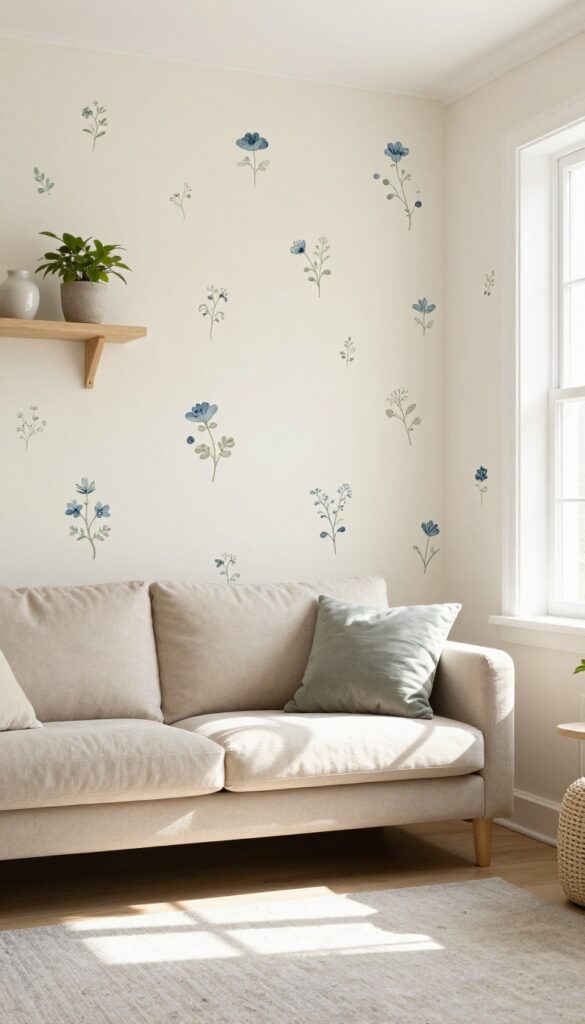
Tiny prints are having a quiet moment, and they're perfect for living rooms where you want a focal point that doesn't shout. Think delicate florals, subtle geometrics, or faint stripes—patterns that read as texture from across the room but reward a closer look. Light backgrounds keep the space feeling open, which is key when you're working with a smaller footprint.
Peel-and-stick wallpaper has come a long way, and small-scale patterns are a smart choice for accent walls because they add depth without visual weight. In a compact living room, a busy large-scale print can make the walls feel like they're closing in, but a ditsy floral or fine trellis pattern creates interest while keeping the room airy. Stick to pale base colors—cream, soft gray, or blush—to maintain brightness.
This approach works especially well behind a sofa or console table, where the pattern becomes a backdrop for furniture and decor.
Best Colors
Light neutrals are your best friend here. A white or off-white background with a muted sage, dusty blue, or warm taupe pattern keeps the wall from feeling busy. If you want a bit more contrast, try a pale gray base with a charcoal geometric—still soft enough to read as subtle.
Small-space Fix
Limit the wallpaper to one wall only, ideally the one your eyes land on first when you enter the room. This creates a clear focal point without overwhelming the space. Pair it with solid-colored furniture and minimal accessories so the pattern stays the star.
Finishing Touch
Add a slim floating shelf above the wallpaper line to anchor the wall visually. Style it with a couple of small framed prints or a trailing plant—the greenery echoes the botanical vibe and adds a natural layer.
2. Vertical Shiplap for Height Illusion
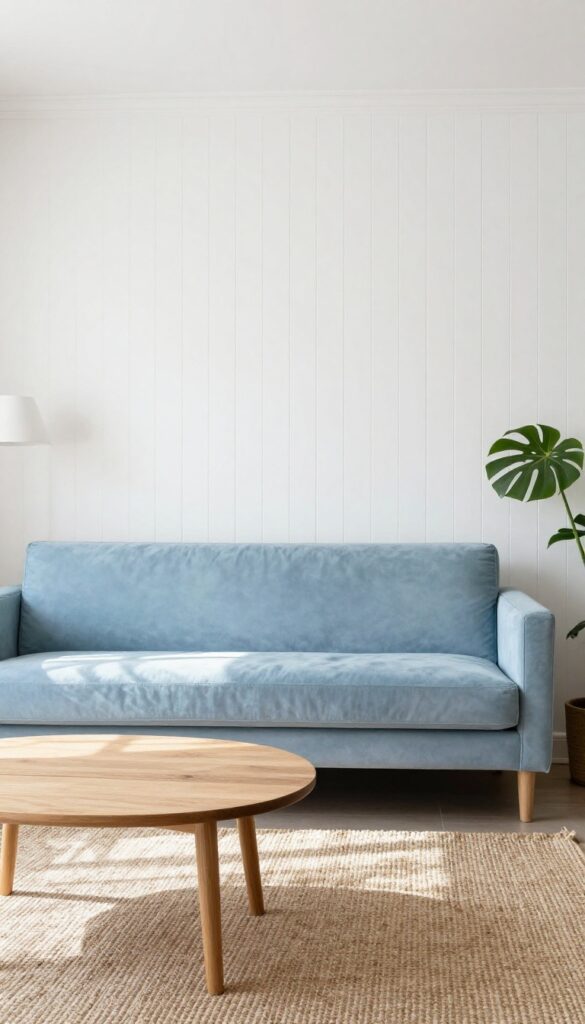
Low ceilings can make a room feel cramped, but vertical shiplap is a clever fix that adds character without sacrificing square footage. By running thin planks from floor to ceiling, you create strong vertical lines that trick the eye into seeing more height. It's a small-space-friendly move that works especially well in living rooms where you want an accent wall that feels intentional, not overwhelming.
Vertical shiplap is a budget-friendly way to add texture and architectural interest to a living room. Unlike horizontal shiplap, which can make a room feel wider, the vertical orientation emphasizes height. This makes it ideal for rooms with ceilings under eight feet.
Paint the planks white or a soft pastel like pale blue or blush to keep the space light and airy. The subtle shadow lines between each board add depth without visual clutter. For a cohesive look, carry the shiplap from the accent wall onto the ceiling by a few inches to further blur the edge where wall meets ceiling.
Best Colors For An Airy Feel
- Stick with light, reflective colors to maximize the height illusion. White is the classic choice—it bounces light around the room and makes the wall recede. Soft pastels like powder blue, sage green, or pale pink add a hint of color without weighing down the space.
- If you want a bit more drama, try a light gray with warm undertones. Avoid dark colors on vertical shiplap in a small room, as they can absorb light and make the ceiling feel lower.
Installation Tips For Diyers
- Thin planks—around 3 to 4 inches wide—work best for the vertical look. You can use pre-primed MDF boards or real wood, depending on your budget. Space them about 1/8 inch apart with spacers for consistent gaps.
- Start from the center of the wall and work outward to ensure the pattern is balanced. If you're not up for full installation, consider peel-and-stick shiplap panels for a renter-friendly alternative. Finish with a coat of semi-gloss paint for easy cleaning and a subtle sheen that enhances the vertical lines.
Styling The Shiplap Wall
- Keep furniture away from the shiplap wall to let the vertical lines shine. A slim console table with a tall mirror or a vertical piece of art can reinforce the upward movement. Add a floor lamp with a slim profile to draw the eye up without blocking the planks.
- For a cozy touch, hang a lightweight macrame wall hanging or a set of floating shelves with a few small plants. The goal is to complement the verticality, not compete with it.
3. Deep Matte Paint in a Warm Neutral
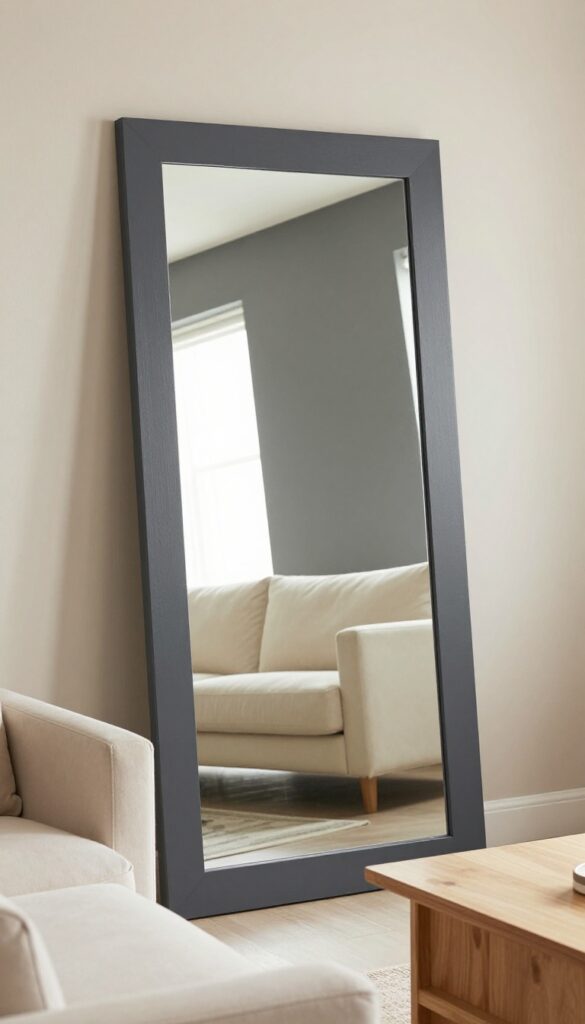
Not every accent wall needs to shout. Sometimes the most effective focal point is a quiet, grounded color that wraps the room in warmth without overwhelming it. A deep matte finish in a rich charcoal, olive, or terracotta brings that cozy, enveloping feel—perfect for small spaces where you want depth without visual weight.
The matte surface absorbs light softly, so the wall recedes just enough to make the room feel intimate, not closed in.
The trick to pulling off a dark accent wall in a compact living room is balance. Pair it with light-colored furniture—think a cream sofa, a pale wood coffee table, or a white console—to keep the space airy. Mirrors are your best friend here: a large leaning mirror or a cluster of smaller ones will bounce light around and prevent the dark wall from swallowing the room.
Stick to one wall only, ideally the one your eyes land on first when you walk in, and let the rest of the walls stay light. This creates a natural anchor without making the room feel smaller.
Best Colors For Small Spaces
- Charcoal gray is a safe bet—it reads neutral and pairs with almost anything. Olive green adds an earthy, organic feel that works beautifully with warm woods and brass accents. Terracotta brings in a subtle warmth that feels especially cozy in north-facing rooms that lack natural light.
- Avoid true black or very dark navy; they can feel too heavy in a small room. Stick to hues with a bit of brown or gray undertone for a softer effect.
Furniture And Lighting Pairing
- Light furniture is non-negotiable here. A beige or off-white sofa keeps the contrast high and the room bright. Add a glass or lucite coffee table to maintain an open feel.
- For lighting, go with warm bulbs (2700K–3000K) and place a floor lamp near the accent wall to highlight the texture of the matte paint. Avoid cool white light—it will make the wall look flat and uninviting.
Finishing Touch
Add one or two metallic accents—a gold mirror frame, brass sconces, or a copper side table—to create small points of light against the matte surface. This prevents the wall from feeling too monolithic and gives the eye something to catch. Keep decor on the wall minimal; the paint is the star.
4. Floating Shelves with Curated Decor
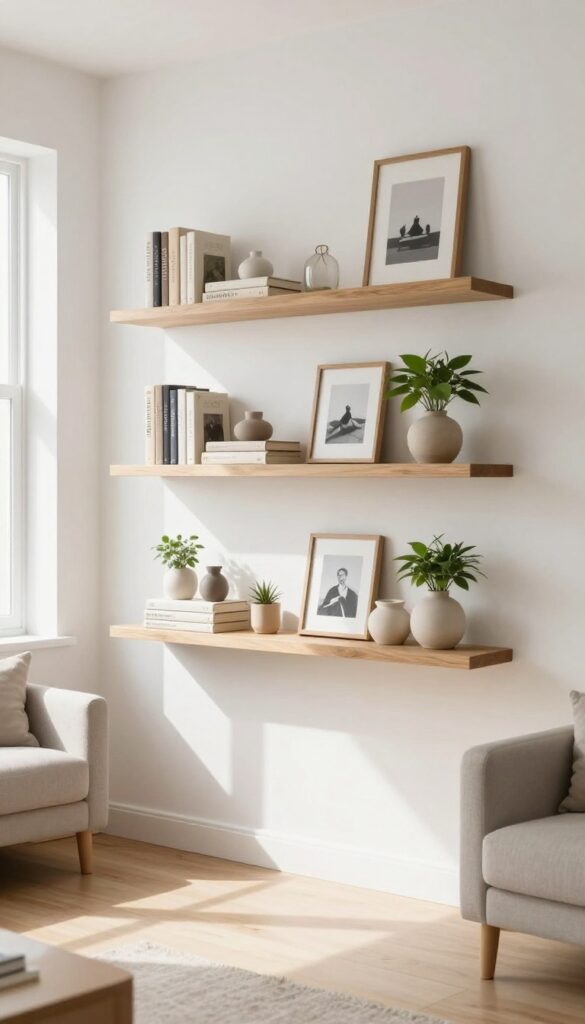
If you want an accent wall that pulls its weight, floating shelves are the way to go. Instead of committing to a bold paint color or wallpaper pattern, you get a flexible display that can evolve with your style. Staggering the shelves at different heights keeps the wall feeling dynamic without overwhelming the room—perfect for small spaces where every inch counts.
Floating shelves create a focal point that’s both functional and visually light. By mixing plants, books, and small art pieces, you add layers of texture and color without closing off the room. This approach works especially well in tight living rooms where floor space is precious, since the shelves keep everything up off the ground.
The key is to edit ruthlessly—leave breathing room between objects so the wall doesn’t look cluttered. Stick to a cohesive color palette (think warm woods, neutral ceramics, and a few green plants) to tie the whole look together.
Shelf Arrangement And Staggering
- Avoid lining up shelves in a perfect grid. Instead, start one shelf a few inches higher or lower than its neighbor, and vary the lengths if possible. This creates a rhythm that draws the eye across the wall.
- In a small living room, keep the shelves within a 4-foot-wide zone so they feel like a deliberate feature, not an afterthought.
Curating The Decor
- Treat each shelf like a mini vignette. Combine a stack of books with a small plant, then add a ceramic vase or a framed photo on the next shelf. Limit yourself to three objects per shelf—any more and it starts to look busy.
- Use matching frames or similar color tones to keep the display cohesive without being matchy.
Small-space Styling Tip
Choose slim, wall-mounted shelves that are no deeper than 8 inches to avoid protruding too far into the room. Paint the shelves the same color as the wall for a seamless look that visually recedes, making the space feel larger. Or go for a contrasting wood tone if you want the shelves to pop as the focal point.
5. Textured Wall Panels (3D or Wainscoting
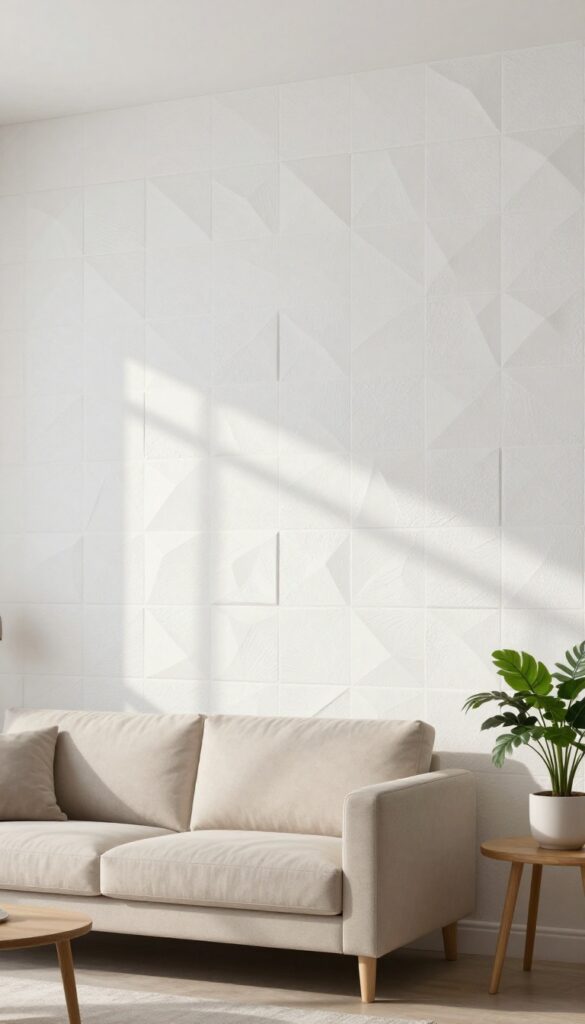
If you want to add serious dimension to a living room without sacrificing a single square foot of floor space, textured wall panels are your best friend. Think MDF or PVC panels that come in everything from classic beadboard to geometric 3D tiles. They turn a flat wall into something you actually want to touch—and they do it without eating into your room's footprint.
That's a huge win for anyone working with a smaller space or just trying to keep the floor plan open.
Textured wall panels create a tactile focal point that instantly draws the eye. Unlike paint or wallpaper, they add physical depth—light and shadow play across the surface, making the wall feel alive. For small living rooms, this is especially smart because the visual interest happens on the wall, not on the floor.
You get a big design moment without crowding the room with furniture or bulky decor. Plus, panels are surprisingly easy to install. Many are peel-and-stick or click-together, so you can tackle it over a weekend.
Stick to one accent wall to keep the effect dramatic but not overwhelming. Pair it with simple, clean-lined furniture to let the texture shine.
Best Materials For The Look
- MDF panels are affordable and take paint beautifully, so you can match them to your existing trim or go bold with a deep color. PVC panels are lightweight and moisture-resistant, making them a solid choice if your living room gets humid or if you're paneling a wall near a window. For a more upscale feel, consider real wood veneer panels—they bring warmth and natural grain.
- But if you're on a budget, 3D PVC tiles in a white or neutral tone mimic the look of expensive carved wood without the price tag.
Small-space Styling Tip
- In a compact living room, go with vertical beadboard or shiplap panels—they draw the eye upward, making the ceiling feel higher. If you prefer geometric tiles, choose a pattern that isn't too busy; a subtle hexagon or wave design adds texture without overwhelming the space. Keep the rest of the room neutral so the textured wall remains the star.
- A single pendant light or a picture light aimed at the paneling will emphasize the shadows and make the texture pop even more.
Finishing Touch
Once your panels are up, add a floating shelf at the midpoint of the wall to break up the texture and give you a spot for a small plant or a stack of books. The shelf should be the same color as the paneling or a contrasting dark tone to anchor the wall. This little detail keeps the look curated and stops the texture from feeling too busy.
6. Large-Scale Art or a Gallery Wall
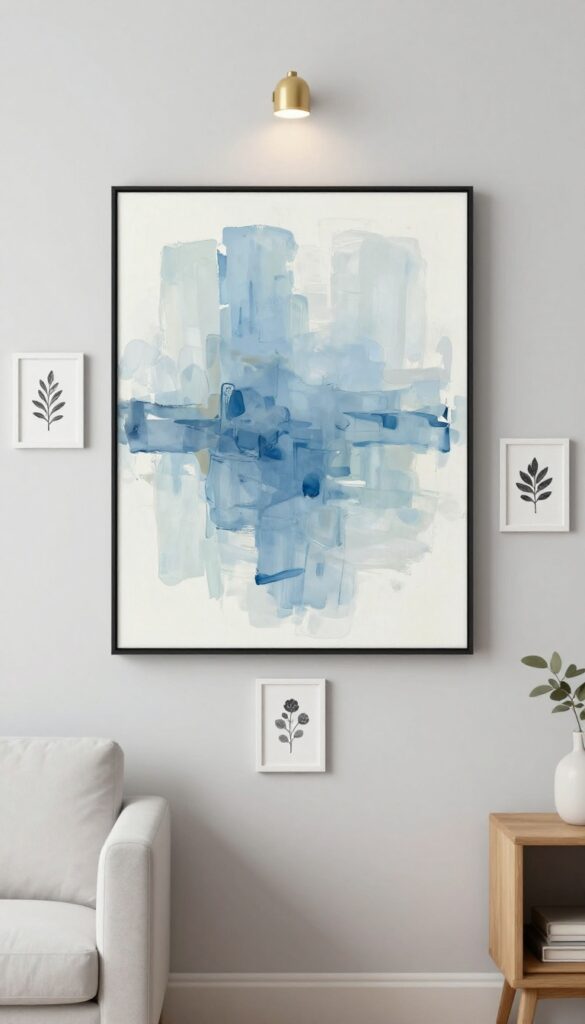
One oversized canvas or a tight cluster of small frames can anchor your living room without taking up any floor space. In a small space, this trick draws the eye upward and makes the room feel taller and more intentional. The key is to keep the arrangement clean and uncluttered—thin frames and light matting keep the look airy rather than heavy.
A single large piece of art acts like a statement rug for your wall, instantly giving the room a focal point. If you prefer a gallery wall, stick to a tight grid or a cohesive theme—black-and-white photos, botanical prints, or simple line drawings work well. The goal is to create visual interest without overwhelming the space.
In a small living room, this approach adds personality without eating into your square footage.
Small-space Layout
For a gallery wall in a tight room, keep frames within a 12-inch perimeter and space them no more than 2 inches apart. This creates a unified block that reads as one piece, which feels less busy. Hang the center of the arrangement at eye level—roughly 57 to 60 inches from the floor—to anchor the room without making it feel top-heavy.
Frame And Matting Choices
Stick with slim frames in black, white, or natural wood to keep the look light. White or cream matting adds breathing room between the art and the frame, preventing a cramped feel. Avoid ornate or dark frames in small spaces—they can visually shrink the wall.
Finishing Touch
Add a small picture light above the main piece or the center of the gallery wall. This not only highlights the art but also creates a warm glow that makes the room feel cozy in the evening. Choose a plug-in or battery-operated light to avoid wiring hassles.
7. Mirror Wall for Light and Depth
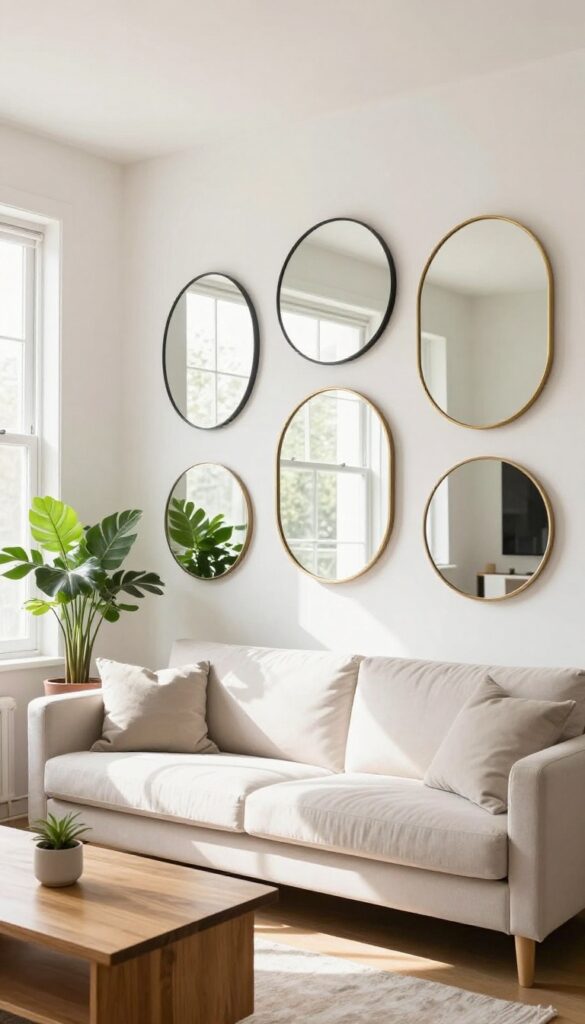
If your living room feels a little cramped or dark, a mirror wall might be the smartest accent wall you never thought of. Instead of paint or wallpaper, you use reflective surfaces to bounce light around and make the whole space feel bigger. It’s especially effective in small rooms or spaces with limited windows—mirrors trick the eye into seeing more square footage than actually exists.
A mirror wall doesn’t have to mean a single giant mirror covering the entire surface. A curated grouping of smaller mirrors in different shapes and sizes can create a gallery-like effect that feels artistic and intentional. Or go with one large statement mirror—think floor-to-ceiling or a wide rectangular piece—to maximize the reflection.
The key is keeping the frames simple and cohesive so the overall look stays elegant rather than chaotic.
Best Placement
Position the mirror wall opposite a window to catch natural light and reflect it back into the room. That’s the number one trick for making a small living room feel brighter and more open. If you don’t have a window on the opposite wall, angle the mirrors to reflect a light-colored wall or a lamp—anything that adds brightness.
Frame Style
Thin metal frames in black, brass, or silver keep the look modern and airy. For a warmer vibe, try natural wood frames in light oak or walnut. Avoid heavy ornate frames if your goal is to open up the space—they can feel bulky and defeat the purpose.
Small-space Fix
In a tiny living room, a mirror wall can double the perceived depth, but be careful not to overdo it. One large mirror or a tight cluster of three to five mirrors works better than scattering them across the wall. Keep the rest of the decor minimal so the reflection doesn’t create visual clutter.
8. Painted Arch or Geometric Shape
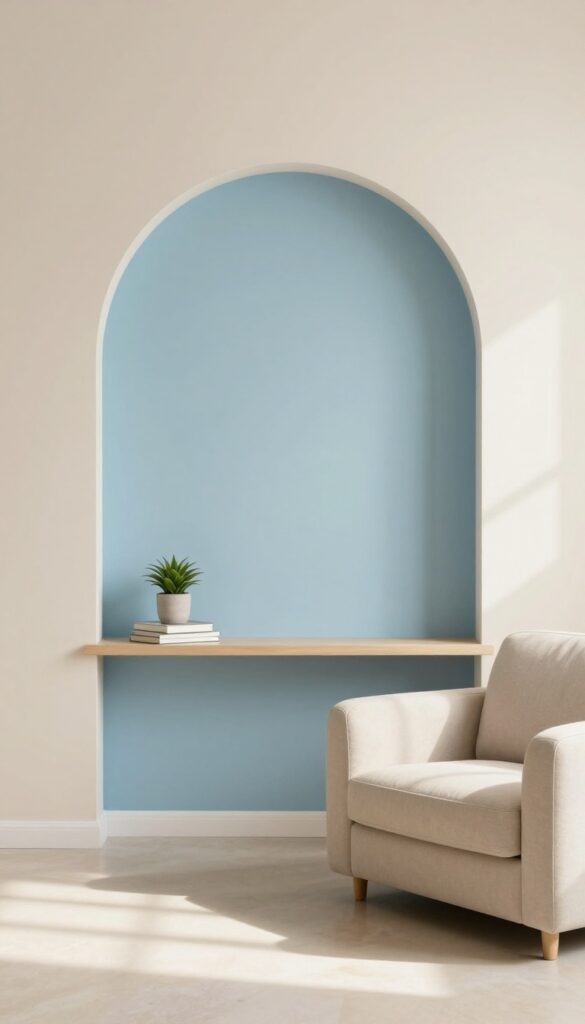
Not ready to commit to a full accent wall? A painted arch or angled color block gives you that same focal-point energy with way less paint and effort. It’s like jewelry for your wall—small but mighty.
The best part? It works wonders in tight spaces because it draws the eye up or across without eating into square footage. Plus, you can switch it up whenever you want without repainting the whole room.
A soft arch or angled color block adds modern flair without covering the whole wall. Use painter's tape for clean lines and a custom look. This idea is especially small-space friendly because it creates visual interest without overwhelming the room.
The shape can echo other curves in your space—like a round mirror or arched doorway—for a cohesive feel. And since you’re only painting a portion of the wall, it’s a budget-friendly way to test a bold color you’ve been eyeing.
Best Colors
For a subtle pop, go with a tone slightly darker than your wall color—think warm taupe on beige or dusty blue on light gray. If you want drama, try a deep charcoal or terracotta. The key is to keep the rest of the room neutral so the shape stands out without competing.
Small-space Fix
Paint an arch behind a slim console table or a petite armchair. The vertical shape tricks the eye into thinking the ceiling is higher, making the room feel larger. Keep furniture low to emphasize the arch’s height.
Finishing Touch
Add a small floating shelf right where the arch meets the wall. Style it with a tiny plant or a stack of books to anchor the shape and give it purpose. The shelf also helps the arch feel intentional, not random.
9. Board and Batten with a Narrow Profile
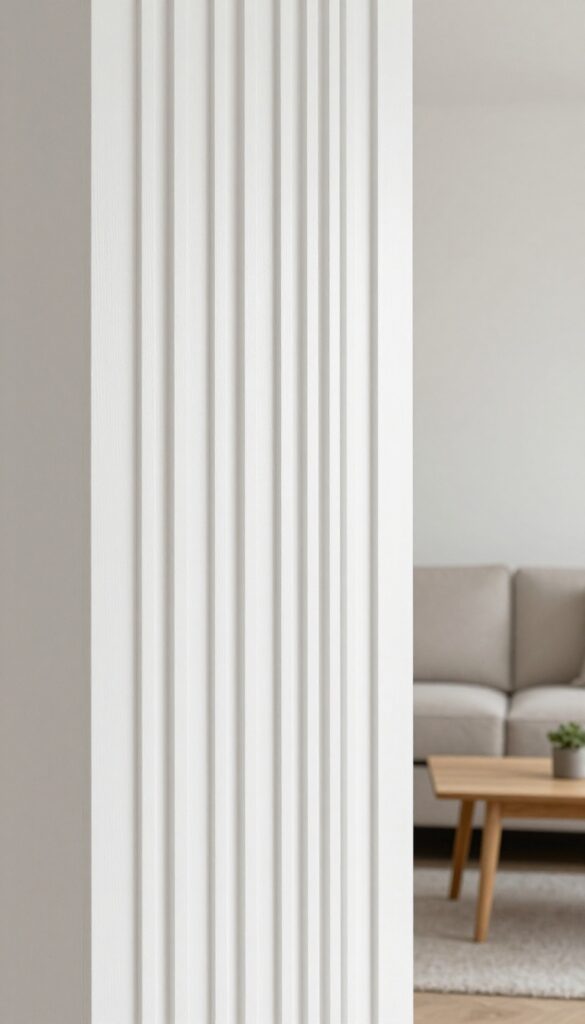
Thin vertical battens spaced just a few inches apart give a wall instant architectural interest without overwhelming a small room. The narrow profile keeps the look refined and tailored—perfect for a compact living area where you want detail without visual weight. Painting everything the same color, whether a soft white or a moody dark tone, makes the texture feel built-in and seamless.
It’s a classic treatment that reads as custom millwork but costs a fraction of the price.
This accent wall idea works especially well in smaller living rooms because the vertical lines draw the eye upward, making the ceiling feel higher. The tight spacing of the battens creates a rhythmic pattern that adds depth without taking up any floor space. You can achieve this look with basic materials: MDF strips, a saw, construction adhesive, and a nail gun.
Paint the entire wall and battens in the same finish for a monochromatic effect that feels cohesive and sophisticated. It’s a weekend project that delivers a high-end, built-in look.
Best Colors
- For a seamless look, choose a single color for both the wall and battens. Soft whites (like Benjamin Moore’s White Dove) keep the space airy and bright, while deeper shades (like Sherwin-Williams’ Iron Ore) add drama and coziness. In a small room, lighter colors help the wall recede, making the space feel larger.
- If you want contrast, paint the battens a shade darker than the wall for a subtle shadow effect.
Small-space Fix
- In a tight living room, keep the battens narrow (around 2 inches wide) and space them 4 to 6 inches apart. This creates a delicate grid that doesn’t feel heavy. Stop the battens at chair-rail height (about 36 inches) to leave the upper wall open, which keeps the room from feeling boxed in.
- Pair with a slim console table or a low-profile sofa to maintain an uncluttered look.
Finishing Touch
Add a thin shelf or picture ledge at the top of the battens to display a few small art pieces or a trailing plant. This breaks up the vertical lines and gives the wall a finished, styled appearance. Keep the accessories minimal—one or two items—to preserve the clean, architectural feel.
10. Fabric Wall Hanging or Tapestry
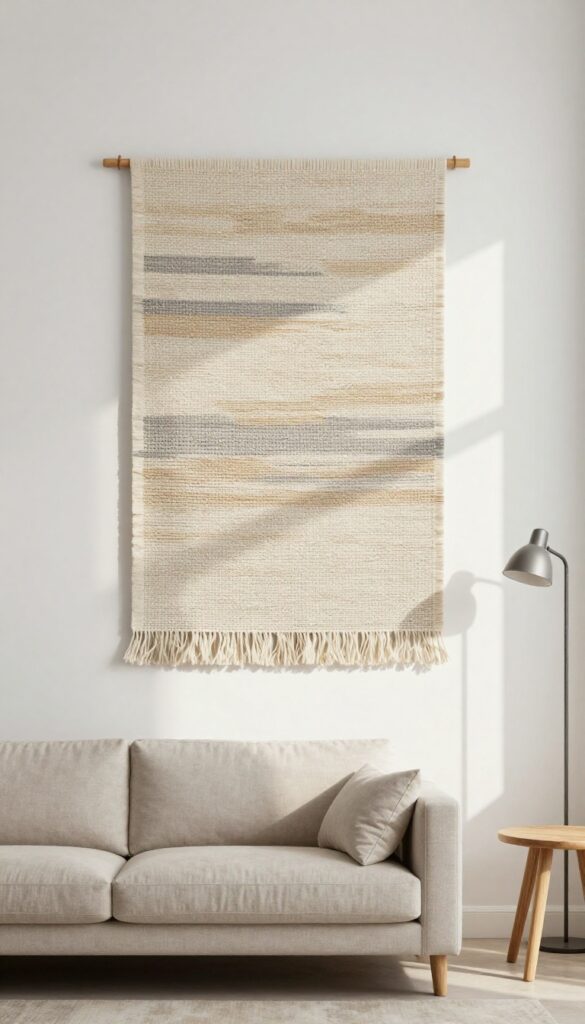
A fabric wall hanging is an accent wall idea that brings softness and texture without a single paintbrush. Whether it's a woven textile, a macramé piece, or a lightweight tapestry, this approach adds warmth and visual interest while keeping the room feeling calm and uncluttered. It's especially effective in small spaces where you want a focal point that doesn't overwhelm.
Choose a neutral or muted pattern to maintain a relaxed vibe. A large woven piece in cream, beige, or soft gray anchors the wall without competing with other decor. The key is to pick something that feels organic and grounded—think natural fibers like cotton, wool, or jute.
Hang it at eye level so it becomes a natural gathering point for the room.
Small-space Fix
In a small living room, a fabric wall hanging can define the seating area without taking up floor space. It draws the eye upward, making the ceiling feel higher and the room more expansive. Pair it with a low-profile sofa or a couple of floor cushions to keep the visual weight low.
Texture Mix
Balance the softness of the hanging with harder surfaces nearby. A sleek metal floor lamp, a wooden side table, or a leather pouf creates contrast and keeps the space from feeling too one-note. The interplay of textures adds depth and interest.
Finishing Touch
Hang the piece using a wooden dowel or a simple brass rod for a polished look. If the fabric is lightweight, use clip rings so you can easily swap it out seasonally. Keep the surrounding wall clean—no other wall art nearby—to let the hanging truly shine.
11. Chalkboard or Whiteboard Wall (Functional Fun
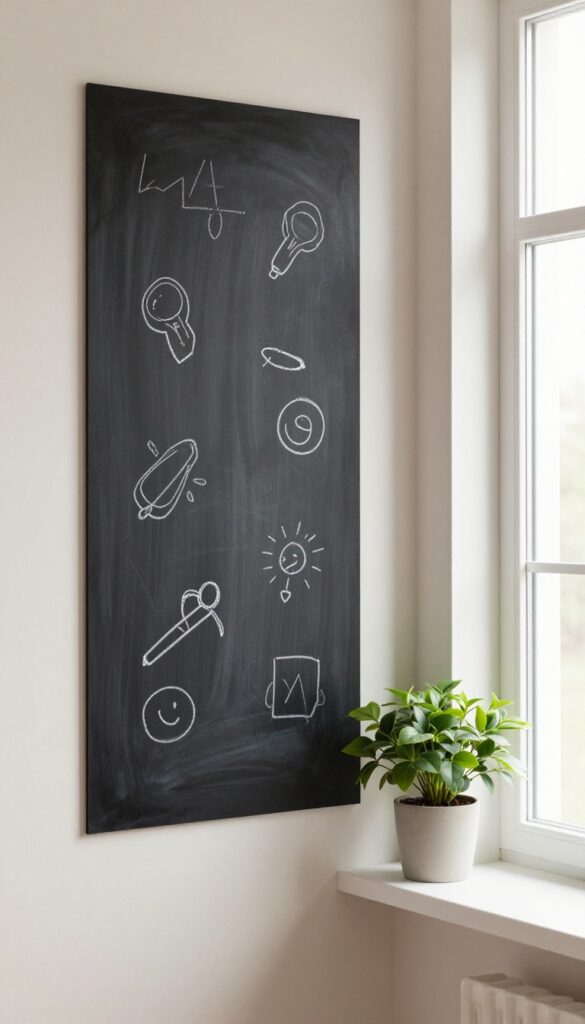
In a small living room, every surface has to earn its keep. A chalkboard or whiteboard accent wall pulls double duty: it adds a bold, dark focal point and becomes a constantly changing canvas for notes, doodles, or a rotating art display. This idea works especially well in compact spaces because it doesn't require any floor space—just a section of wall that might otherwise go unused.
The matte black or crisp white surface also adds nice contrast against lighter walls, making the room feel intentionally layered.
Painting a section of wall with chalkboard or dry-erase paint is a weekend project that instantly makes your living room more interactive. It's perfect for families, remote workers, or anyone who loves to scribble ideas. The best part?
You can customize the size and shape—try a tall vertical strip next to a doorway or a wide rectangle above a sofa. Keep the rest of the room neutral so the dark (or bright) wall feels like a deliberate design choice, not an afterthought.
Best Colors And Finishes
Chalkboard paint usually comes in deep charcoal or black, but you can also find tinted versions in dark green, navy, or even blush. For a whiteboard wall, stick with glossy white or light gray—it stays looking clean and bright. If you want a softer look, try a magnetic primer underneath so you can attach photos or lightweight art with magnets.
Small-space Layout Tip
Place the accent wall in a narrow hallway or behind a desk area to maximize function without sacrificing floor plan flow. In a studio apartment, use it to define the living zone—just paint a section behind the sofa. Keep the rest of the wall light to maintain an open feel.
Styling And Maintenance
- Keep a small tray of colored chalk or dry-erase markers on a nearby shelf or ledge. Change the artwork weekly to keep the space feeling fresh. For whiteboard walls, use low-odor markers and wipe clean with a microfiber cloth to avoid ghosting.
- Add a floating shelf above for a small plant or a few books to balance the utilitarian vibe.
12. Open Shelving Unit as a Room Divider
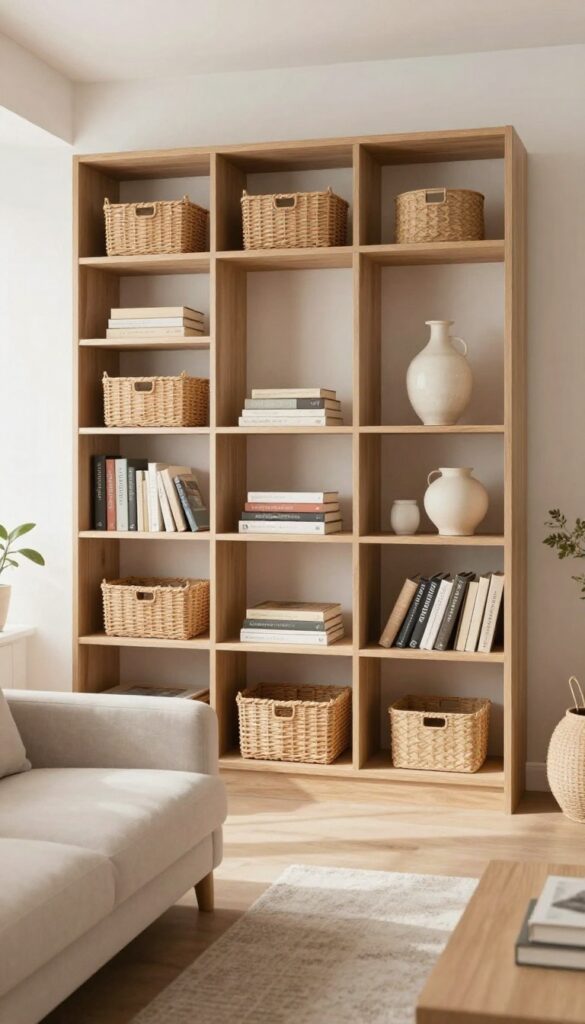
In a small living room, every piece of furniture needs to earn its keep. An open shelving unit placed against one wall does double duty: it creates a strong visual anchor while adding storage that doesn't crowd the space. The trick is to keep it low and wide, so it feels more like a built-in console than a towering bookcase.
Style it with a mix of baskets, books, and a few decor pieces, and you've got an accent wall that's both practical and pretty.
This idea works especially well in open-concept layouts where you want to define the living area without blocking light or views. The low profile keeps the sightline open, making the room feel larger than it is. Plus, the shelving gives you a chance to display your favorite things without overwhelming the space.
Stick to a neutral palette for the unit itself—white, light wood, or black—and let your styling add the personality.
Small-space Layout Tip
- Choose a unit that's no taller than the back of your sofa and at least as wide. This creates a horizontal line that visually widens the room. Place it along the longest wall, and use it to anchor a seating arrangement on the opposite side.
- The open shelves keep the room feeling connected, while the baskets corral clutter like remote controls, charging cables, and kids' toys.
Shelf Styling Tip
- Follow the golden rule: group items in odd numbers, vary heights, and leave some breathing room. Use woven baskets on the bottom shelves for hidden storage, then layer books horizontally and vertically on the middle shelves. Add a small plant or a ceramic vase for a pop of texture.
- Keep the top shelf mostly empty or display a single large piece, like a round mirror or a piece of art, to draw the eye up without making the unit feel top-heavy.
Finishing Touch
Install a slim LED strip under the top shelf to highlight your decor and add a warm glow in the evenings. This turns your shelving unit into a subtle accent wall feature that feels intentional and cozy. Use a dimmable strip with a warm white temperature (2700K) for the most inviting effect.
13. Two-Tone Paint with a Horizontal Split
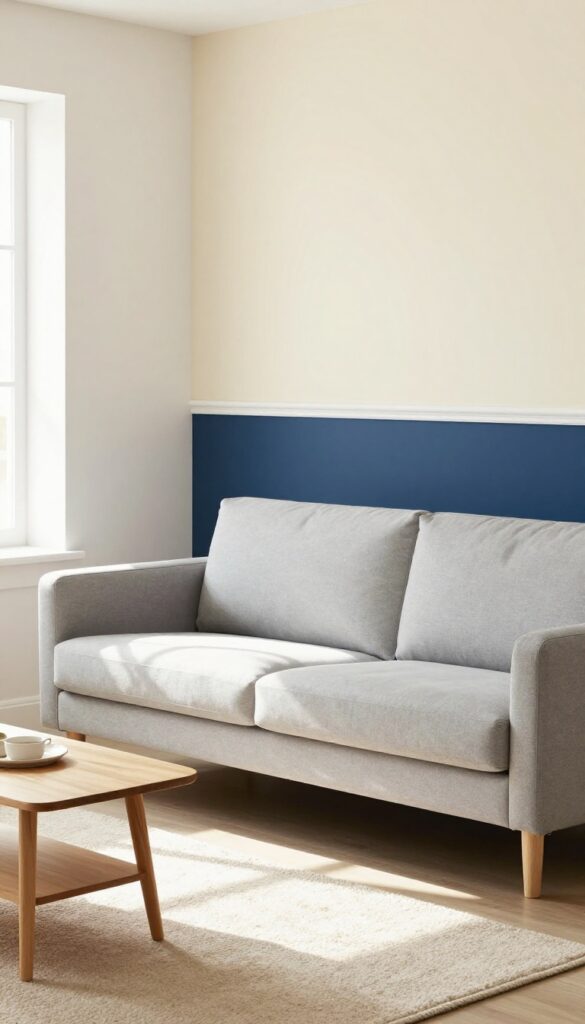
If you want to add drama without overwhelming a small living room, a horizontal split with two paint colors is a smart move. The darker lower half grounds the space and hides scuffs, while the lighter upper half keeps the ceiling feeling high and airy. It’s like giving your wall a waistline—and it instantly creates a focal point that feels intentional, not accidental.
This trick works especially well in rooms where you want to define a seating area without adding bulky furniture. The horizontal line naturally draws the eye around the room, making the space feel wider. Plus, it’s one of the most budget-friendly accent walls out there—just paint and painter’s tape.
Best Colors
For a small living room, stick with a darker shade like navy, charcoal, or deep olive on the bottom, and a soft white, cream, or pale gray on top. The contrast should be noticeable but not jarring. If you’re feeling bold, try a muted terracotta bottom with a warm off-white top.
Where To Split
The split height matters. A good rule is to place the line at the same height as your sofa back or window sills—usually around 36 to 42 inches from the floor. This aligns the split with your furniture, making the room feel more cohesive.
Finishing Touch
Use a chair rail or a thin strip of wood trim along the split line for a crisp, polished look. It adds a bit of texture and protects the paint edge from chipping. Paint the trim the same color as the upper wall for a seamless finish.
FAQ
What is the best accent wall color for a small living room?
Light neutrals like soft gray, warm beige, or pale blue work well because they add depth without shrinking the space. If you want a darker shade, balance it with plenty of natural light and mirrors.
Can I do an accent wall in a rented apartment?
Absolutely. Peel-and-stick wallpaper, removable wall decals, or a large tapestry are renter-friendly options that don't damage walls. You can also use command strips for lightweight art.
How do I choose which wall to accent?
Pick the wall that naturally draws attention, like the one behind your sofa or the wall facing the entrance. Avoid accenting a wall with windows or doors, as it can break the visual flow.
Does an accent wall make a small room look smaller?
Not if done thoughtfully. A light-colored or textured accent wall can actually make the room feel larger by creating depth. Avoid busy patterns on all walls—just one is enough.
What are the cheapest accent wall ideas?
A fresh coat of paint in a contrasting color is the most budget-friendly option. You can also create a gallery wall with frames from thrift stores or use removable wallpaper for under $30 per roll.
Conclusion
An accent wall doesn't have to be a big production. Even a simple change like a fresh coat of paint or a well-placed mirror can shift the whole energy of your living room. The key is choosing something that fits your space and your style without making the room feel cramped.
Start with one idea that excites you, and build from there. Small changes add up, and your living room will feel more like you in no time.