15 Small Living Room Ideas With Dining Area Balance
Balancing a living room and dining area in a small space can feel like a puzzle. You want both zones to shine without one overpowering the other. The good news?
A weekend refresh is all it takes to bring harmony to your layout.
Think of it as a chance to mix cozy seating with a functional dining spot. Whether you're working with a corner nook or an open-plan room, small tweaks can make a big difference. The key is choosing pieces that pull double duty and colors that flow naturally.
Ready to transform your space? These 15 ideas are practical, stylish, and totally doable over a weekend. Let's dive in.
1. Float a Round Dining Table Near the Window
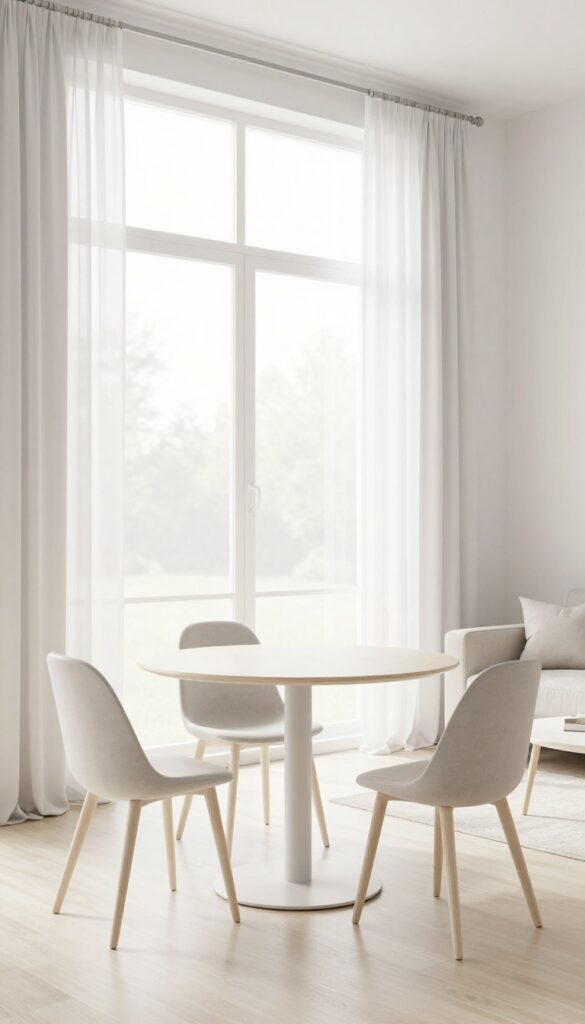
A round table is a small space superhero. It softens all those right angles in the room and fits neatly into a corner or nook without blocking the flow of traffic. Placing one right up against a window turns an awkward spot into a bright, airy dining area that feels like its own little destination.
No sharp corners to bump into, no wasted space, just a cozy spot for meals that doesn't eat up your living room.
The trick is choosing a table that's just big enough for two or three people—usually 36 to 42 inches in diameter—so it feels intimate but not cramped. A pedestal base is ideal because it lets you tuck chairs all the way under when they're not in use. Pair it with slim, armless chairs that slide in easily, and you've got a dining nook that works for weekday breakfasts and casual dinner parties alike.
The window behind it brings in natural light, making the whole area feel larger and more open. For a weekend-refresh friendly update, swap in a new tablecloth or a small vase of fresh flowers to change the mood without any heavy lifting.
Best Colors
Stick with light, airy tones to keep the space feeling open. A white or pale wood table blends right in, while a soft pastel or warm neutral adds a hint of color without overwhelming the room. If your window gets good light, a glossy finish will bounce it around and make the nook feel even brighter.
Layout Tip
Leave at least 24 inches of clearance behind the chairs when they're pulled out so you can still walk past comfortably. If the table is right next to a sofa or armchair, angle the chairs slightly toward the window to create a natural separation between the dining and living zones.
Finishing Touch
A small pendant light or a swing-arm sconce hung above the table adds a cozy glow for evening meals. Keep it low enough to feel intimate but high enough not to block the view. A simple linen shade or a sculptural glass fixture works beautifully here.
2. Use a Slim Console Table as a Dining Surface
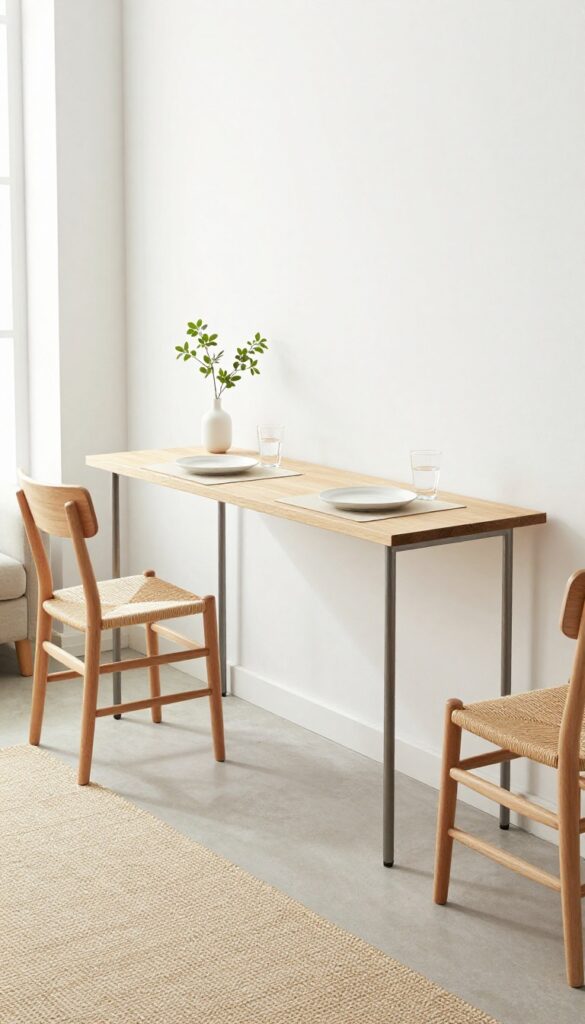
When floor space is tight, a full dining table can feel like a luxury you just can't swing. But a slim console table tucked against the wall? That's a whole different story.
It gives you a dedicated spot for meals without hogging the room, and when you're not eating, it doubles as a sleek surface for decor or mail. It's the kind of practical swap that makes a small living-dining combo feel intentional, not cramped.
A narrow console table against the wall serves as a compact dining spot for two, easily clearing up floor space when not in use. Look for one that's about 12 to 18 inches deep and at least 36 inches wide—enough for two place settings without feeling tight. The key is keeping the look light: choose a slim profile with tapered legs or an open base so the table doesn't visually block the room.
When you're done eating, just push the chairs back in or tuck them to the side, and the table becomes a landing spot for a lamp, a stack of books, or a small plant.
Best Materials
- Go for materials that feel airy but durable. A glass top with a metal frame keeps things see-through and modern, while a light wood console adds warmth without weight. Avoid chunky, dark finishes that can make the piece feel bulky.
- If you need extra durability for daily meals, a laminate or sealed wood top is easy to wipe clean.
Styling Tip
Keep the surface mostly clear to preserve the dining function. Add a slim runner or a small centerpiece that can be moved aside easily. A pair of nesting stools or lightweight chairs that slide under the table completely are perfect—they disappear when not in use and keep the room from feeling cluttered.
Lighting Fix
- Hang a small pendant light or a swing-arm sconce above the console to define the dining zone. Even a simple plug-in wall lamp works wonders. The goal is to create a cozy focal point that makes the table feel intentional, not like an afterthought.
- Avoid overhead fixtures that are too large or low—they can overwhelm the petite setup.
3. Anchor the Dining Area With a Small Rug
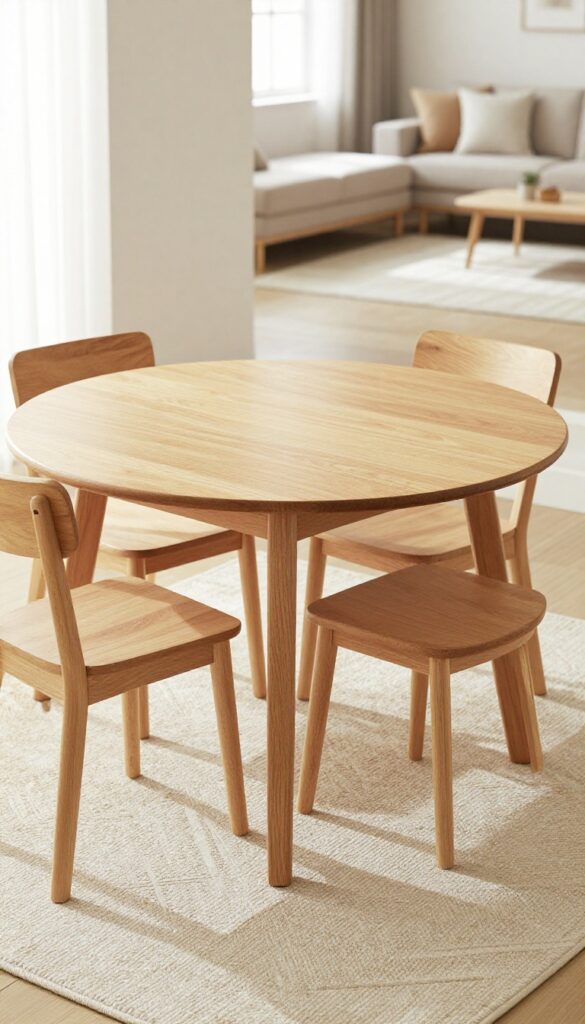
A rug is one of the easiest ways to say, "this is the dining zone" without building a wall. In a small living room, a well-placed rug under the dining table adds warmth, texture, and a clear visual boundary. It keeps the space feeling open while giving each area its own personality.
Plus, swapping out a rug is a weekend-friendly refresh that instantly changes the mood of the room.
Choosing a rug that contrasts with the living area's flooring is key. If your living room has hardwood, go for a flatweave or low-pile rug in a color that complements your dining chairs. The rug should be large enough to accommodate the table and chairs when pulled out, but not so big that it bleeds into the living zone.
A round rug under a round table softens the layout, while a rectangular rug works best with a rectangular table. Keep the rug's pattern simple so it doesn't compete with other decor.
Best Colors And Patterns
Stick with neutral tones like beige, gray, or soft blue for a calm backdrop, or add a subtle geometric pattern for visual interest. If your living area has a bold rug, choose a quieter design for the dining rug to avoid visual chaos. A striped or textured rug can also help define the space without overwhelming it.
Size And Placement Tip
Measure your dining table and add at least 24 inches on each side to allow chairs to slide out comfortably. Place the rug so it sits centered under the table, even if the table is pushed against a wall. This anchors the dining area and makes the room feel intentional.
Material Matters
For high-traffic dining areas, choose a durable material like wool, polypropylene, or indoor-outdoor blends. These are easy to clean and resist stains from spills. Avoid high-pile or shag rugs that can catch chair legs and make moving chairs difficult.
4. Choose a Sofa That Doubles as a Room Divider
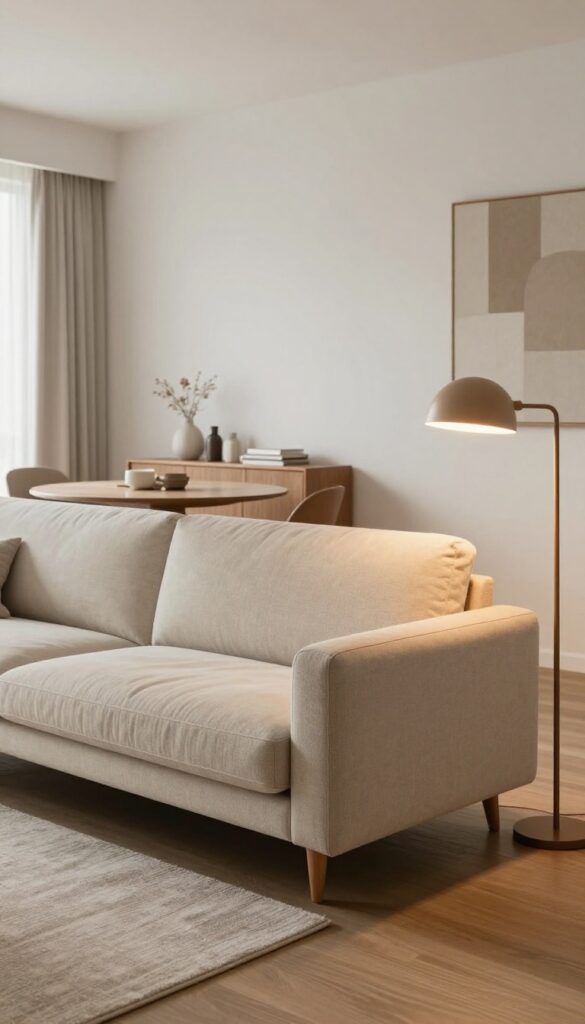
A sofa can do more than just give you a place to sit. In a small living-dining combo, the right sofa acts as a gentle boundary between zones without closing things off. A low-back style keeps sightlines open, so the room still feels connected and airy.
It’s a weekend-friendly swap if you’re already in the market for new seating, and it instantly gives each area its own identity.
Positioning a sofa with its back to the dining area creates a natural separation. The key is choosing a piece that doesn’t block the view or feel bulky. A streamlined design with slim arms and a low back maintains flow while defining the living zone.
This trick works especially well in rectangular rooms where you want to avoid a cramped layout.
Best Sofa Styles For This Trick
- Look for sofas with a back height under 30 inches. A mid-century modern silhouette with tapered legs keeps the visual weight light. Avoid deep, high-backed sectionals that can feel like a wall.
- A loveseat or a two-seater with a chaise on one side also works if you want asymmetry.
Layout Tip: Anchor With A Rug
- Place a rug under the sofa that extends just past the coffee table. This defines the living zone visually. Leave a gap of at least 36 inches between the sofa back and the dining table so people can move around comfortably.
- A narrow console table behind the sofa can add extra surface space without breaking the line.
Finishing Touch: Add A Floor Lamp
A slim floor lamp placed at the end of the sofa nearest the dining area helps reinforce the boundary. Choose one with a slim profile so it doesn’t crowd the path. A warm-toned shade softens the transition between zones and adds a cozy glow in the evenings.
5. Hang a Pendant Light Over the Dining Table
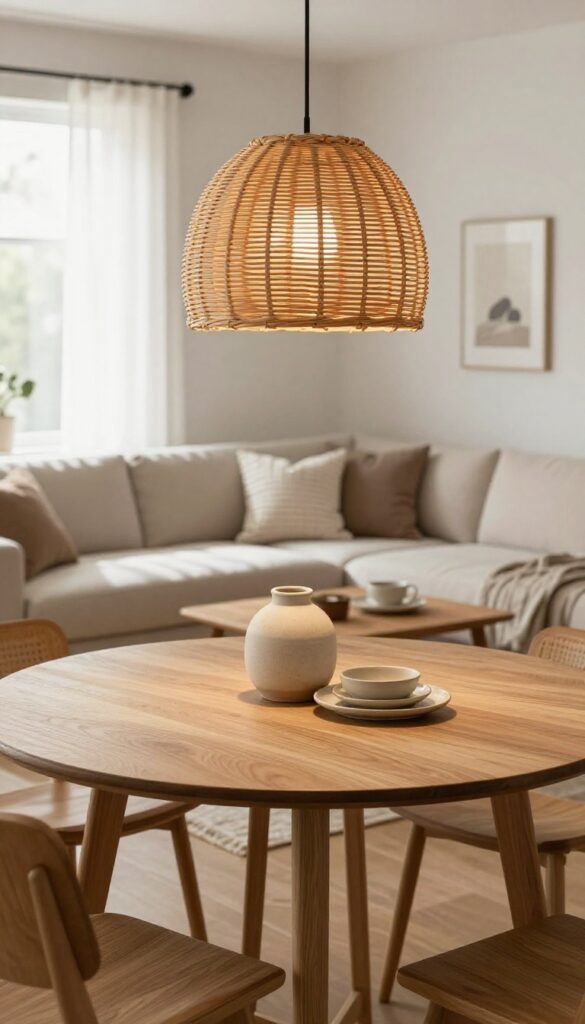
A single pendant light does more than just illuminate your meals. It anchors the dining area, giving it a clear identity separate from the living zone. In a small room, this visual cue helps define the layout without needing walls or dividers.
Plus, it adds a dose of style overhead where you might not expect it.
The trick is choosing a pendant that complements your living room's vibe while standing out enough to mark the dining spot. A low-hanging fixture draws the eye down, creating an intimate feel around the table. Go for a shade that filters light softly—think linen, rattan, or frosted glass—to keep the space airy.
Position it about 30 inches above the tabletop for the sweet spot between function and focal point.
Best Materials For A Cozy Glow
- Natural materials like woven rattan, bamboo, or wood add warmth without weighing down the room. They work especially well if your living area leans neutral or boho. For a more modern edge, try a matte black or brass pendant with a simple drum shape.
- The key is to avoid anything too bulky or dark that might visually shrink the space.
Small-space Placement Tip
If your dining table doubles as a desk or is pushed against a wall, hang the pendant slightly off-center to keep it functional. In a tight corner, a mini pendant with a slim cord works wonders. Just make sure it's not blocking sightlines to the TV or fireplace—you want the room to feel connected, not chopped up.
Finishing Touch: Match The Mood
Pick a pendant that echoes a color or texture from your living room—like a throw pillow or rug—to tie the two zones together. A warm brass finish can pick up on gold frames or lamp bases, while a cream fabric shade softens the transition. This small detail makes the whole space feel intentionally designed, not accidental.
6. Opt for a Drop-Leaf Table That Tucks Away
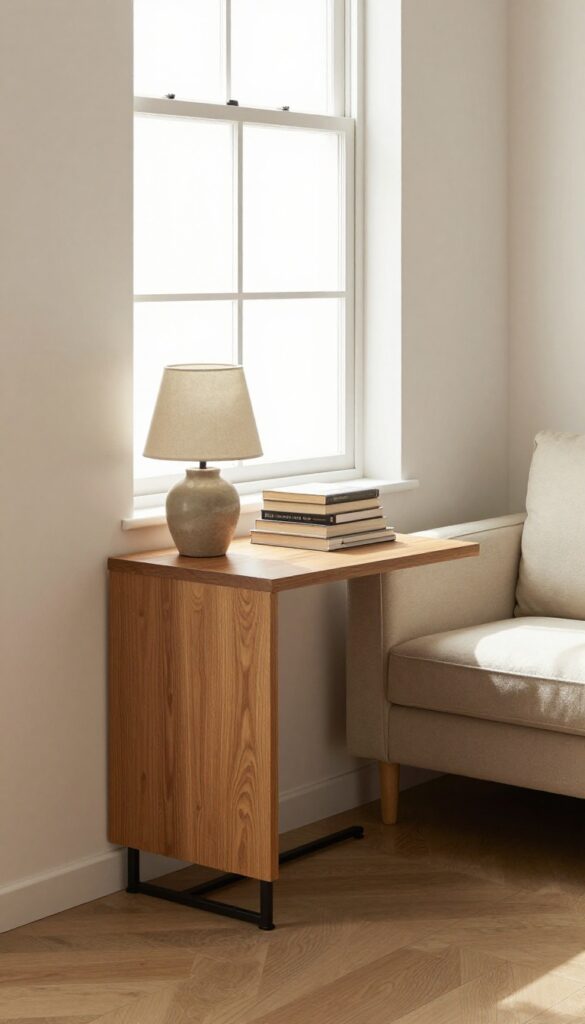
A dining table that disappears when you don't need it? Yes, please. Drop-leaf tables are the unsung heroes of small-space living, especially when your living room doubles as a dining area.
They give you a full dining surface when friends come over, then fold down to reclaim precious floor space the rest of the time. It's like having a secret weapon against clutter.
The beauty of a drop-leaf table is how effortlessly it adapts. On a quiet Tuesday evening, you might keep the leaves down and use it as a console table against the wall, topped with a lamp and a stack of books. When it's time for dinner, just flip the leaves up, pull up a couple of chairs, and you have an instant dining spot.
This flexibility makes it a weekend-refresh friendly choice—you can change the layout in seconds without any heavy lifting.
Best Materials
- Look for a table with a warm wood finish like oak or walnut to keep the living room feeling cozy. A white or light oak option works well if your space leans modern or Scandinavian. Avoid heavy, dark finishes that can make the room feel cramped.
- A slim metal base (black or brass) adds an airy touch and makes the table feel less bulky when folded.
Layout Tip
Position the table against a wall or under a window so the leaves drop down out of the way. When fully extended, make sure there's at least 36 inches of clearance for chairs to pull out. If you're tight on space, consider a wall-mounted drop-leaf table that folds completely flat—it's a game-changer for narrow rooms.
Styling Detail
Keep a small vase or a stack of coasters on the table even when it's folded—it signals that this is a functional, lived-in spot. When the leaves are up, a simple runner or placemats define the dining zone without overwhelming the small surface. A pendant light or a swing-arm lamp above the table helps anchor the dining area visually.
7. Stack Open Shelving Above the Dining Area
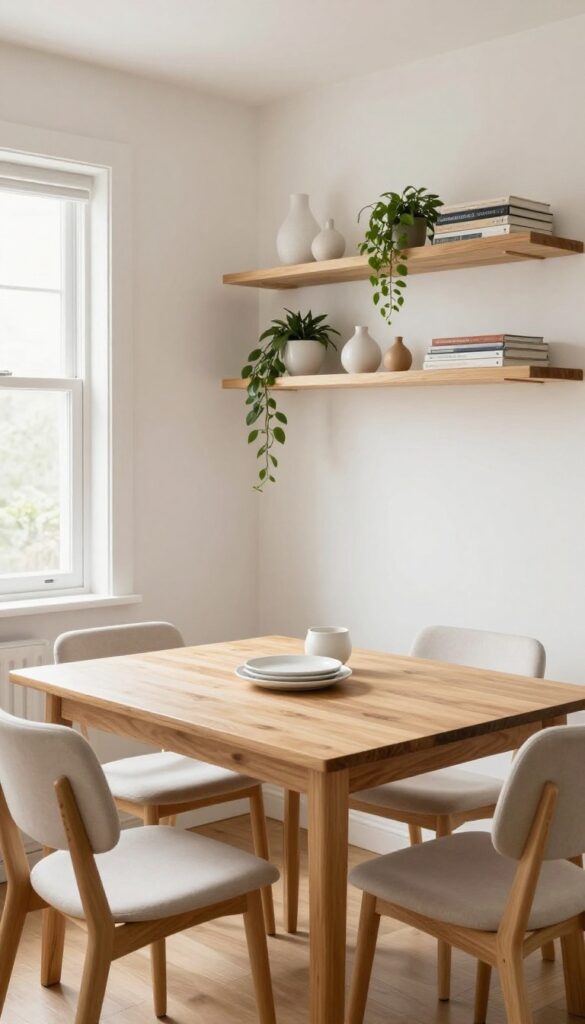
Floating shelves are a weekend-friendly project that instantly adds storage and personality above your dining setup. They keep the floor clear while drawing the eye upward, making the room feel taller and more intentional. Best of all, you can style them with everyday dishes or decorative pieces that reinforce your color palette.
Mounting open shelving near the table turns blank wall space into a functional display zone. It's perfect for storing dinnerware, glassware, or cookbooks you use regularly, so they're within arm's reach during meals. The vertical storage also frees up your tabletop for actual dining, not clutter.
For a cohesive look, choose shelves in a finish that complements your table—wood tones for warmth, black metal for contrast, or white for an airy feel. Style them in odd-numbered groupings, mixing practical items like plates with decor like small plants or ceramic vases.
Shelf Styling Tip
Keep shelves from feeling busy by sticking to a limited color palette. If your dining area has neutral tones, add a pop of color through a single dish set or a trailing plant. Layer items by height: stack plates on one side, lean a small art print on the other, and finish with a low bowl or candle in the middle.
Small-space Fix
In tight layouts, use floating shelves that are narrower than your table width to avoid a top-heavy look. Install them about 18–24 inches above the table so they don't interfere with sightlines or bump heads. For extra function, choose shelves with a lip or rail to keep items secure.
Finishing Touch
Add under-shelf lighting to highlight your displays and create a warm glow during evening meals. Stick-on LED strips are an easy, renter-friendly option that makes the shelves feel built-in and polished.
8. Mix Bench Seating With Chairs
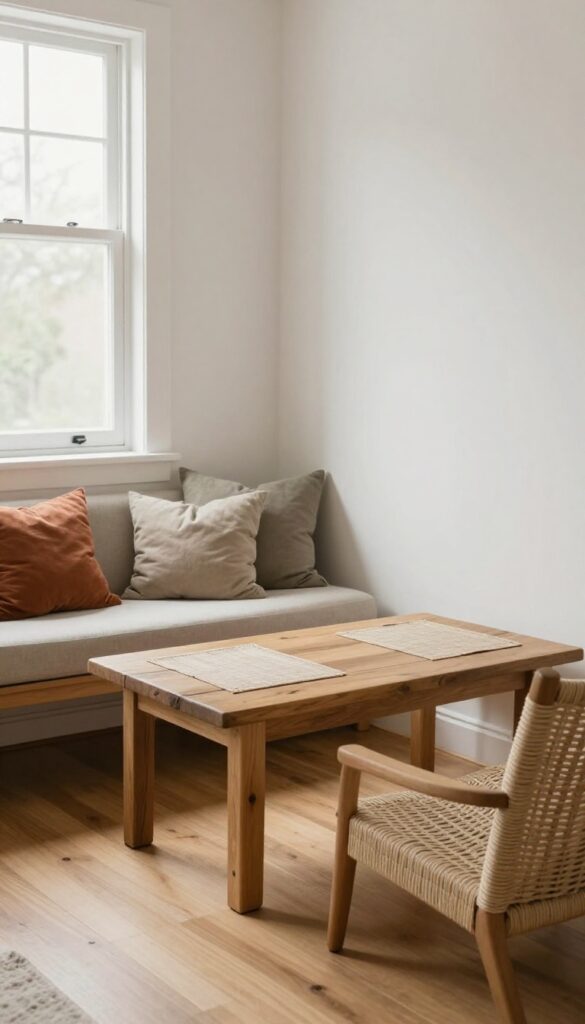
A bench on one side of the table is a classic small-space hack, but it also brings a laid-back, casual energy to your dining nook. It saves inches by sliding under the table when not in use, and it breaks up the formality of a full set of matching chairs. The mix feels intentional and collected, like you pulled it together over time.
Pairing a bench with chairs creates visual variety and makes the dining area feel less cramped. The bench side can seat more people when needed, while chairs on the opposite side offer back support for longer meals. It's a practical, stylish solution that works especially well in narrow spaces or against a wall.
Best Materials
Stick with natural textures to keep the look warm and inviting. A wooden bench with a simple cushion pairs nicely with woven or upholstered chairs. Avoid mixing too many finishes; one wood tone and one neutral fabric keep things cohesive.
Layout Tip
Place the bench against a wall or under a window so it doesn't block traffic flow. Leave enough room for chairs to slide out on the other side. If your table is against the wall, the bench can tuck completely underneath when not in use.
Cozy Detail
Add a few throw pillows on the bench for extra comfort and a pop of color. Choose machine-washable covers for easy upkeep. A small runner or placemats can tie the bench side into the overall table setting.
9. Paint an Accent Wall Behind the Dining Table
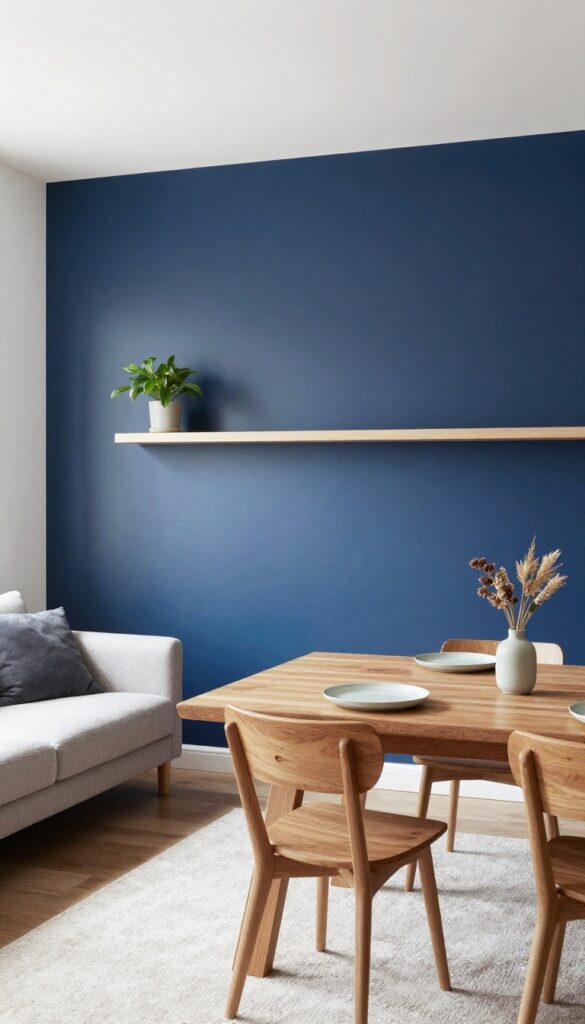
An accent wall is one of the quickest ways to define a dining zone without building anything. By painting just the wall behind your table a bold color, you create a visual anchor that separates eating from lounging. It's a weekend-friendly project that instantly adds personality and depth to a small living room.
Painting an accent wall behind the dining table is a low-commitment, high-impact move. It draws the eye to the dining area, making it feel like a distinct nook even in an open layout. Choose a color that complements your living room palette—think deep navy, forest green, or a warm terracotta.
This trick works especially well when your dining table is against a wall, as it frames the space and adds a focal point without extra furniture.
Best Colors For Small Spaces
Stick with saturated, moody hues that add richness without overwhelming the room. Dark blues, charcoal, and olive green are forgiving and pair well with warm woods and neutral sofas. If you prefer lighter tones, try a dusty blush or soft sage—they still create contrast but keep the space airy.
Finishing Touch
Let the painted wall do the heavy lifting, but enhance it with a simple shelf or a single piece of art. A floating shelf above the table can hold a small plant or a stack of plates, reinforcing the dining zone without clutter. Keep decor minimal so the color stays the star.
Small-space Fix
If your dining table floats in the room rather than against a wall, paint the wall behind a console or sideboard that sits behind the table. This still creates a visual boundary and gives you extra storage. The key is to keep the painted area directly tied to the dining function.
10. Use a Bar Cart as a Mobile Dining Prep Station
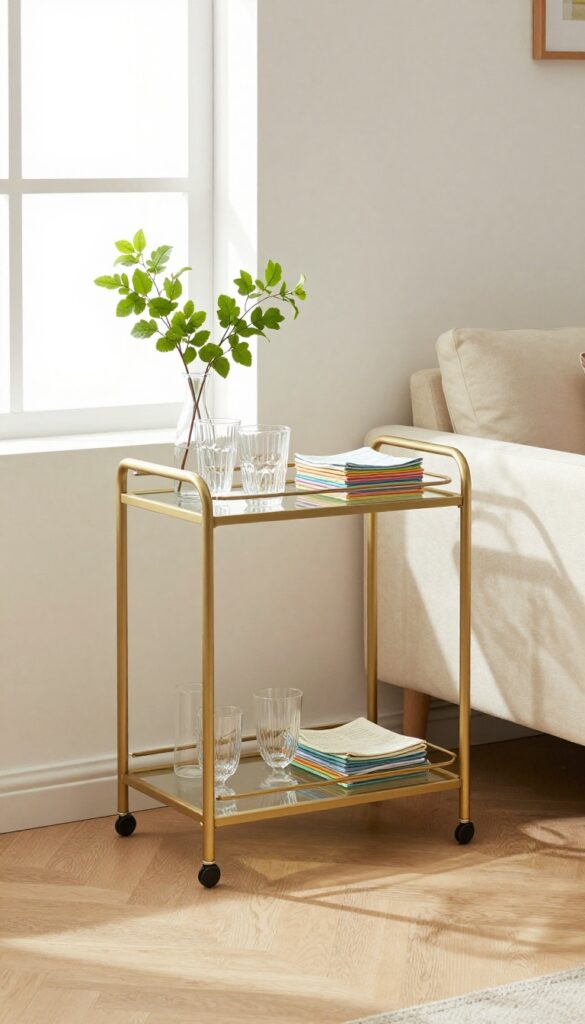
A rolling bar cart is one of those multitaskers that makes small-space living feel effortless. It can hold drinks, extra plates, or even serve as a mini coffee station, and when you need more room for guests, it glides out of the way in seconds. The beauty is in its flexibility: you can style it to match your living room vibe, then wheel it over to the dining area when it's time to eat.
Bar carts aren't just for cocktails anymore. In a small living room with a dining nook, they become a mobile prep station that saves you trips to the kitchen. Load it with glassware, a small vase, and a stack of napkins, and you have a stylish sideboard that doesn't take up permanent floor space.
When you're done, roll it back against the wall or tuck it next to the sofa. It's a practical, weekend-friendly upgrade that adds function without a renovation.
Best Materials & Finishes
- Go for a slim metal frame in gold, brass, or black for a lightweight look that won't overwhelm the room. Glass shelves keep the cart visually airy, while a wooden top adds warmth. If your style leans boho, try a rattan or bamboo cart for texture.
- The key is to match the cart's finish to your existing hardware or light fixtures so it feels intentional.
Styling Tip: Keep It Balanced
- Don't overcrowd the cart. Stick to a theme: one tier for drinks and glasses, the other for dishes or a small plant. Add a tray to corral bottles and prevent spills.
- A stack of colorful cloth napkins or a small candle adds a cozy touch. Remember, the cart should still look good when it's not in dining mode.
Layout Tip: Map Its Parking Spot
- Before you buy, measure where the cart will live most of the time. It should sit flush against a wall or next to the sofa without blocking pathways. When rolled out for dining, make sure it fits beside the table without crowding chairs.
- A cart with locking wheels gives you stability when you need it and mobility when you don't.
11. Layer Curtains to Soften the Transition
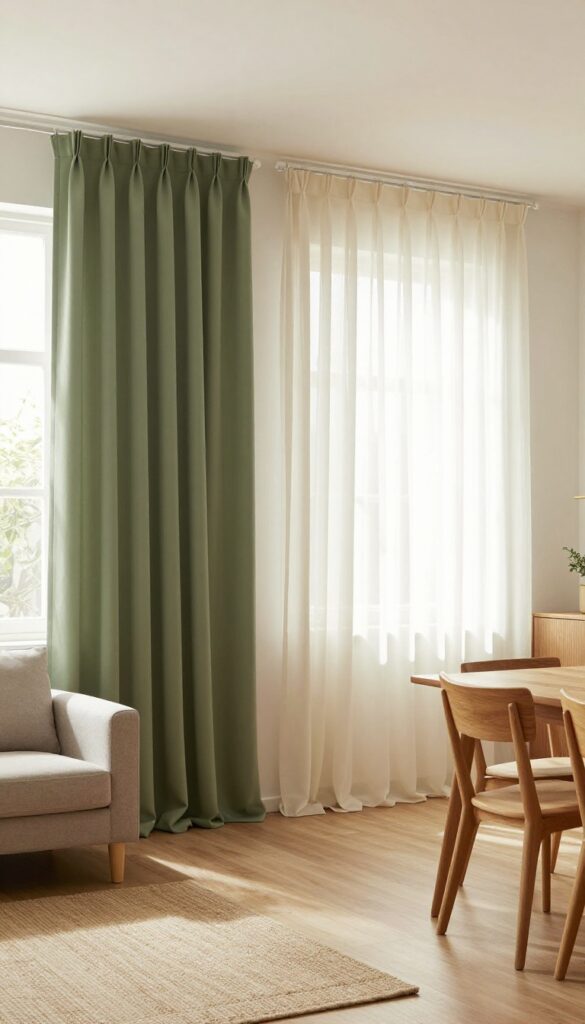
Curtains do more than dress a window—they can quietly define zones without a single wall. In a small living-dining combo, layering sheer curtains on the dining side and heavier drapes in the living area creates a soft visual divide. Light still flows through, but each space gets its own mood: airy and open by the table, cozy and intimate by the sofa.
It’s a weekend-friendly swap that instantly makes the room feel more intentional.
This trick works especially well when you mount both curtain rods from the same ceiling track or continuous rod. Keep the sheers in a light neutral like ivory or soft linen, and choose drapes in a slightly deeper tone—think warm taupe, dusty blue, or olive. The contrast doesn’t have to be dramatic; even a subtle shift in weight and opacity does the job.
On the dining side, let the sheers puddle just a little for a relaxed feel. On the living side, hang the drapes to barely skim the floor for a cleaner line. The result is a room that feels divided yet connected, with no bulky furniture needed.
Best Colors
- Stick with a tonal palette to keep the look seamless. For the sheers, go with white, cream, or soft oatmeal. For the drapes, choose a color that echoes your sofa or rug—like a muted sage, warm gray, or sand.
- Avoid high-contrast combos (like white sheers with black drapes) unless you want a bold statement; the goal here is subtle separation, not drama.
Small-space Fix
Install the curtain rod as high as possible—close to the ceiling—to draw the eye up and make the room feel taller. Extend the rod a few inches past the window frame on each side so the curtains don’t block glass when open. In a tiny room, this simple trick adds perceived square footage without moving a single piece of furniture.
Finishing Touch
Tie the two zones together with a shared accent color. Maybe the dining chairs have cushions in the same deep blue as the living room drapes, or the table runner picks up the warm tone of the sheers. Small echoes like these make the layered curtain treatment feel like a planned design move rather than an afterthought.
12. Incorporate a Mirror to Expand the Space
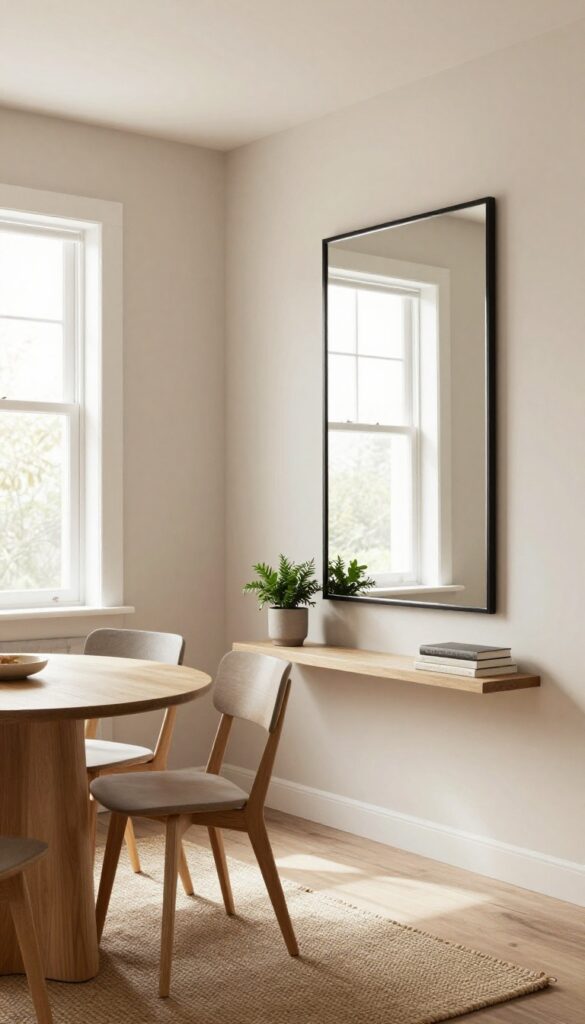
A well-placed mirror does more than just let you check your hair on the way out. In a small living-dining combo, it works like a secret weapon, bouncing light around and tricking the eye into seeing more square footage than you actually have. The trick is choosing the right size and spot so it feels intentional, not like an afterthought.
Hang a large mirror opposite your dining table to reflect the room's main light source, whether that's a window or a lamp. This instantly doubles the visual depth and makes the whole area feel airier. Go for a simple frame that matches your existing finishes—black metal for an industrial vibe, warm wood for a cozy look, or no frame at all for a sleek, modern feel.
Best Placement
The most effective spot is directly across from a window or a bright wall. If your dining table sits against a wall, try hanging the mirror at eye level on the opposite wall so it captures the table and the light. In a narrow room, a vertical mirror can make the ceiling feel higher, while a horizontal one widens the space.
Finishing Touch
Anchor the mirror with a small console table or a low plant beneath it to create a mini vignette. A couple of stacked books or a simple vase keeps it from feeling bare. This also adds a layer of texture and makes the mirror feel like part of a styled corner, not just a reflective surface.
13. Choose Stackable or Nesting Dining Chairs
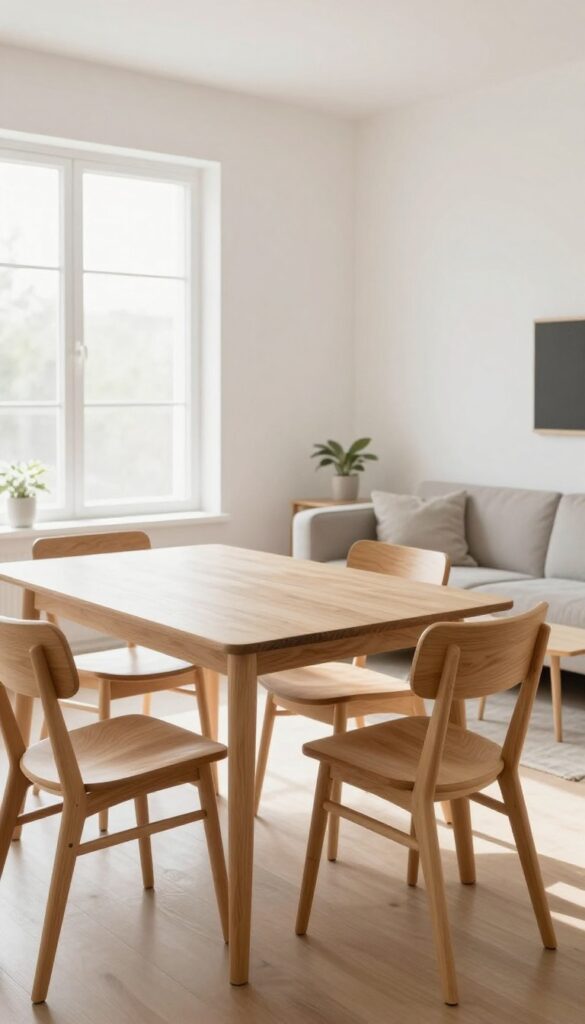
When your living room doubles as a dining space, every piece of furniture has to earn its keep. Stackable or nesting chairs are a smart solution that lets you host a dinner party without permanently sacrificing floor space. The beauty of these chairs is that they disappear when you don't need them, so your living area stays open and airy most of the time.
It's a practical choice that doesn't skimp on style.
Stackable chairs can be stored out of sight when not needed, keeping the living area clutter-free and flexible. Look for designs that stack neatly without wobbling, and consider a small storage rack or a corner cabinet to keep them tidy. Nesting chairs, which tuck under a larger chair or table, work especially well in tight spots.
This setup gives you the freedom to expand your seating instantly for guests, then reclaim your space the moment they leave.
Best Materials
- Lightweight materials like polypropylene, molded plywood, or aluminum are easy to move and stack. Avoid heavy upholstered chairs that are a pain to lift and store. For a warm, homey feel, go with natural wood finishes that blend with your living room decor.
- If you want a pop of color, choose a bold hue like mustard or teal that adds personality without overwhelming the space.
Layout Tip
- Place the stack of chairs in a corner that's visible but out of the main traffic flow. A slim console table or a wall-mounted shelf above the stack can double as a landing spot for keys or decor. When you need extra seating, simply pull them out and arrange around the dining table or coffee table.
- This keeps your living room functional without feeling like a storage unit.
Styling Detail
- To make the chairs feel intentional when stacked, treat them as a sculptural element. Choose chairs with interesting silhouettes or woven details that look good even when piled up. Add a small plant or a stack of books on top to soften the look.
- When nesting chairs are tucked under the table, leave one slightly pulled out with a cozy throw to hint at their purpose.
14. Add a Slim Credenza for Dual-Purpose Storage
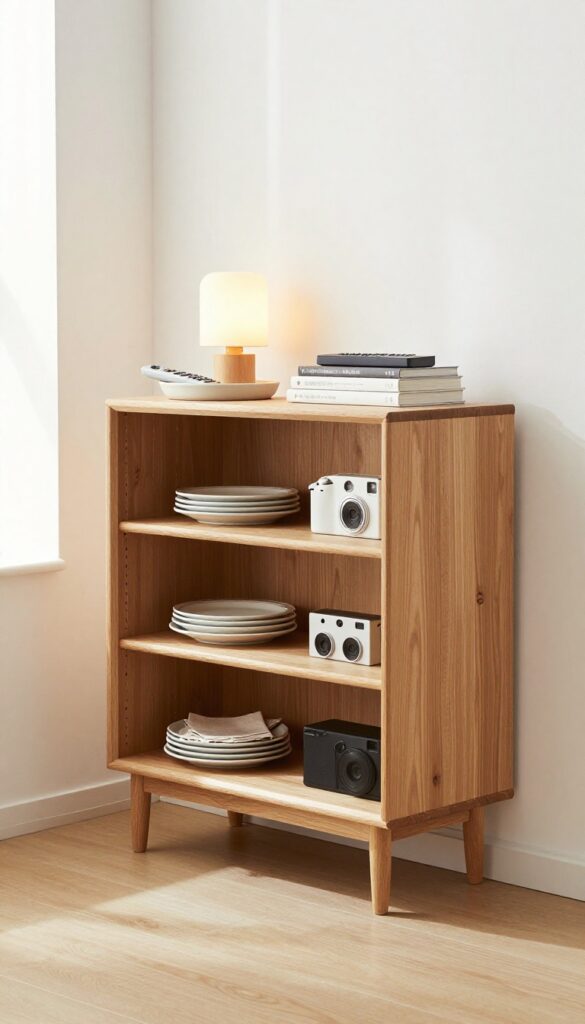
A slim credenza is one of those pieces that quietly pulls its weight in a small living-dining combo. It sits low against the wall, offering a surface for serving during meals and a spot for the TV or decor the rest of the time. The key is choosing one with a narrow depth so it doesn't eat into your floor space, while still providing ample storage for dishes, electronics, or extra linens.
It's a weekend-refresh friendly swap that instantly makes the room feel more intentional.
A slim credenza is a smart, space-saving solution that serves both your living and dining zones without visual clutter. By choosing a piece with clean lines and a light or medium wood finish, you keep the room feeling open and airy. Use the top for a mix of functional and decorative items—a tray for remote controls, a small lamp, and a few stacked books.
Inside, store dining essentials like extra plates and napkins on one side, and media accessories like cables and game controllers on the other. This dual-purpose approach streamlines your storage and reduces the need for bulky cabinets or separate consoles.
Best Materials And Finishes
- For a relaxed, weekend-refresh vibe, go with a credenza in natural oak, walnut, or a matte white finish. These materials feel warm and approachable, and they blend easily with existing decor. Avoid high-gloss or overly ornate styles that can feel heavy in a small space.
- A slim profile with tapered legs adds a light, modern touch and makes cleaning underneath a breeze.
Styling The Top Surface
- Keep the top of your credenza balanced but not crowded. Place a low-profile lamp on one end for ambient lighting, and a small tray or bowl for everyday items like keys and mail. Add a framed photo or a small plant for personality.
- If you use the credenza as a media console, mount the TV on the wall above to free up surface space, and hide cords with a cable management kit.
Storage Organization Tip
- Use baskets or slim bins inside the credenza to keep items grouped and easy to grab. Label bins for dining and media to avoid mix-ups. This keeps the interior tidy and makes setting up for dinner or movie night a quick, no-fuss process.
- The goal is to make your small space feel organized without constant effort.
15. Use a Large Plant as a Natural Room Divider
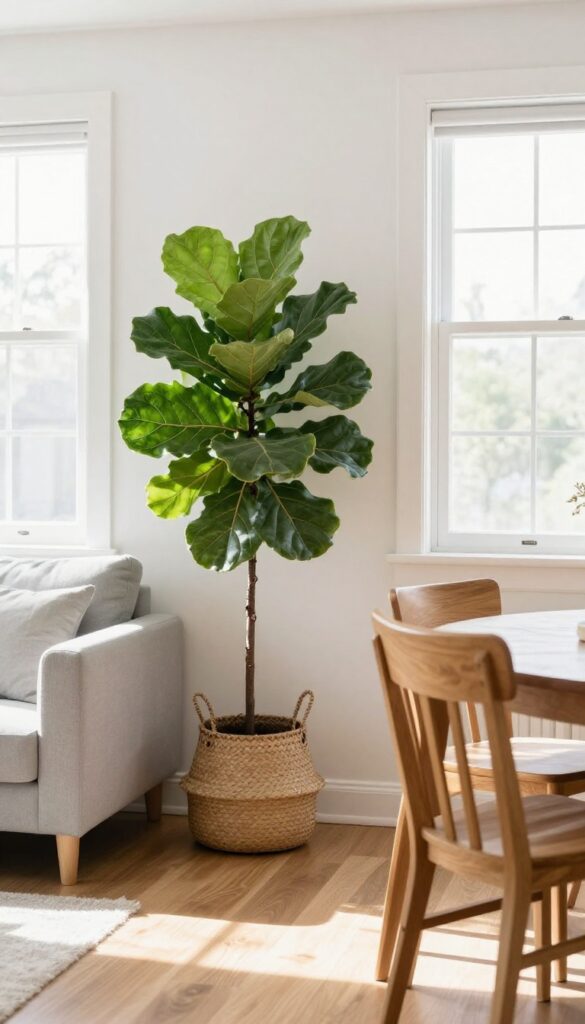
A tall fiddle-leaf fig or a bushy monstera can do more than just clean the air—it can carve out separate zones in your living-dining space without a single wall. Placed between the sofa and the dining table, a big plant adds a soft, organic boundary that feels fresh and inviting. It’s the kind of weekend-refresh idea that instantly makes your room feel more intentional and alive.
A large plant works as a living screen that defines each area while keeping the space open and airy. The key is choosing a plant with a full, upright shape—like a fiddle-leaf fig, rubber tree, or bird of paradise—that creates visual mass without blocking sightlines. Place it in a decorative pot that complements your color scheme, and let the leaves do the rest.
This trick is especially effective in narrow rooms where a solid divider would feel too heavy. Plus, it’s an easy swap: if you get tired of the placement, just roll the plant to a new spot.
Best Plants For The Job
- Go for plants with dense, upright growth that won’t spread too wide. Fiddle-leaf figs, rubber trees, and tall snake plants are top picks. For a softer look, try a weeping fig or a bamboo palm.
- Make sure the plant gets the right light—bright, indirect light works for most of these.
Pot And Placement Tips
Choose a pot that’s at least 12–14 inches in diameter so the plant feels substantial. A woven basket or a ceramic planter in a neutral tone keeps the focus on the greenery. Position the plant so it sits between the two zones, about 2–3 feet from the sofa and the table, to create a clear but gentle separation.
Finishing Touch
Add a small side table or a floor lamp next to the plant to anchor it visually. The lamp can double as a reading light for the living area, while the table holds a drink or a stack of books. This little vignette makes the divider feel intentional, not accidental.
FAQ
How can I make a small living room with dining area feel bigger?
Use light colors, mirrors, and multi-functional furniture. Keep the layout open by avoiding bulky pieces and letting natural light flow through.
What type of dining table works best in a small living room?
Round or drop-leaf tables are ideal. They save space and can be tucked away when not in use, making the room feel less crowded.
How do I separate the living and dining areas without walls?
Use rugs, lighting, or furniture placement. A sofa with its back to the dining area or a pendant light over the table creates a natural divide.
Can I use the same color scheme for both zones?
Yes, a cohesive palette makes the space feel larger. Use different textures or accents to distinguish the areas while keeping the overall look harmonious.
What are some weekend-friendly updates for a small living-dining combo?
Swap out light fixtures, add a new rug, rearrange furniture, or paint an accent wall. These quick changes can refresh the space without a major renovation.
Conclusion
Balancing a small living room and dining area doesn't have to be complicated. With a few thoughtful tweaks over a weekend, you can create a space that feels both functional and inviting. The key is choosing pieces that work hard and letting your style shine through.
Remember, it's all about making the most of what you have. Whether you add a pendant light or swap in a drop-leaf table, each small change brings you closer to a home that feels perfectly balanced. Happy decorating!