13 Living Room Toy Storage Ideas That Keep Clutter Away
Living rooms and toys don't always mix well. One minute your space looks pulled together, the next it's buried under a pile of blocks and stuffed animals. But you don't have to choose between a grown-up living room and a kid-friendly one.
These 13 toy storage ideas are designed for a weekend refresh—quick, achievable changes that make a real difference. Each one keeps things stylish and clutter-free without turning your living room into a playroom. From clever baskets to furniture that does double duty, you'll find solutions that actually work for real homes.
Ready to reclaim your space? Let's dive into ideas that are smart, space-aware, and totally doable by Sunday night.
1. Woven Baskets with Lids
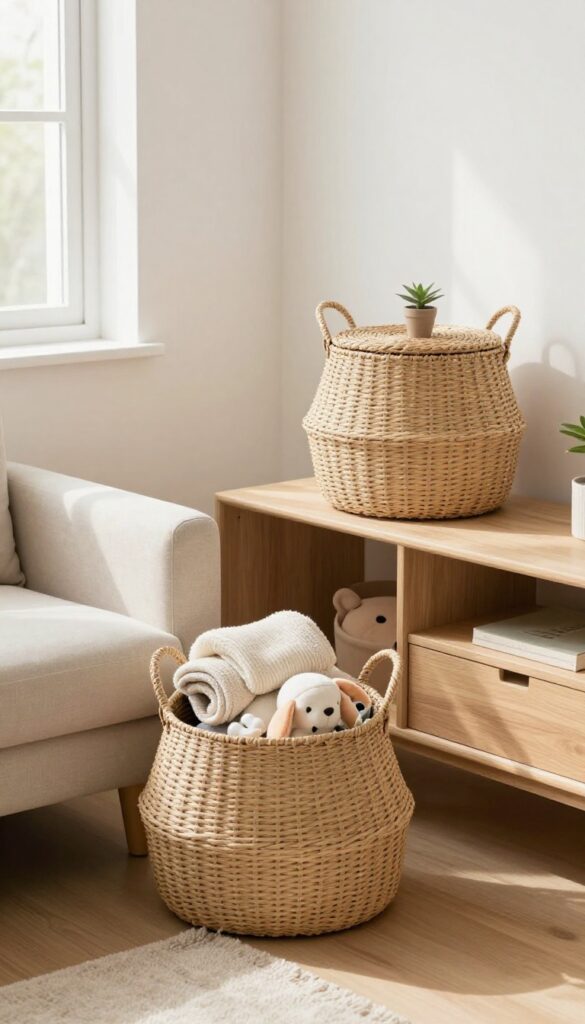
Woven baskets with fitted lids are the unsung heroes of living room storage. They hide toys, blankets, and remote controls in plain sight while adding warmth and texture to your space. Place one or two near the sofa or media console, and you’ve got a quick cleanup solution that looks like it was part of the design all along.
These baskets work because they blend function with style. The natural fibers—seagrass, rattan, or water hyacinth—bring an organic feel that softens the hard edges of furniture. Lids keep the contents out of sight, so even a pile of building blocks disappears in seconds.
For a weekend refresh, swap out plastic bins for a pair of these baskets. They’re lightweight enough to move around, and the neutral tones fit almost any color scheme.
Best Materials
- Seagrass is durable and has a tight weave that holds its shape. Rattan offers a lighter, more open look that works well in boho or coastal rooms. Water hyacinth is sturdier and has a slightly glossy finish—great for high-traffic areas.
- Avoid jute if you have kids, as it can shed and attract dust.
Size And Placement
Go for large baskets—at least 18 inches in diameter—so they can hold bulky toys like stuffed animals or board games. Place one next to the sofa for throw blankets and another under a console table for toys. Keep them within arm’s reach of where the mess happens, so cleanup feels effortless.
Styling Tip
Mix two baskets of different weaves or tones for visual interest. Tuck a small plant or a stack of books on top of the lid to make the basket feel like a decor piece, not just storage. In a small living room, choose baskets with handles so you can easily move them to a closet when guests come over.
2. Storage Ottomans That Pull Double Duty
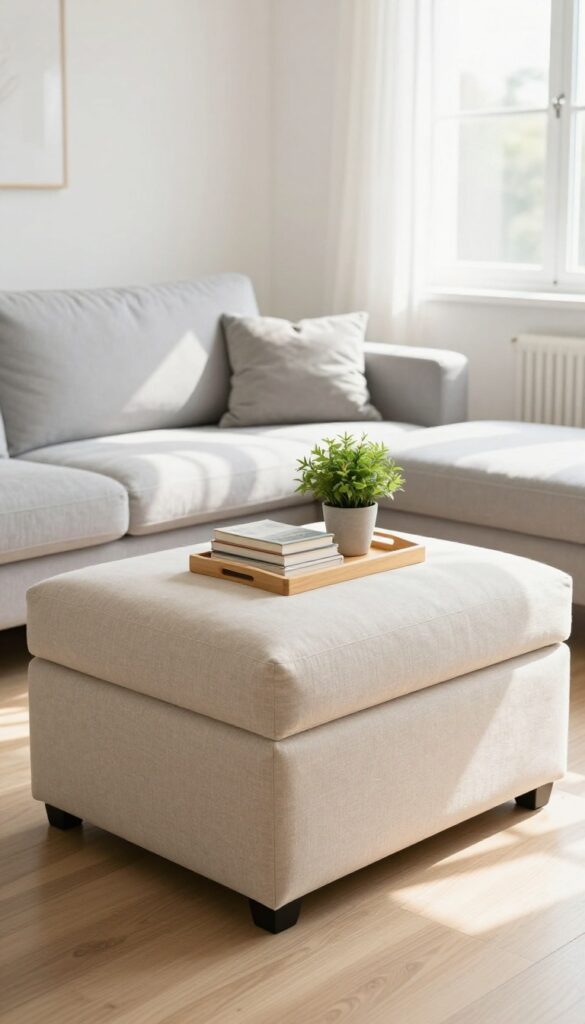
A storage ottoman is the ultimate multitasker for a living room that doubles as a playroom. It hides toys, blankets, or board games inside while serving as a footrest, extra seat, or even a coffee table. The best part?
It doesn't scream "toy storage." With the right fabric and finish, it blends seamlessly into your decor. For a weekend refresh, swap your current coffee table for a large storage ottoman—it instantly clears floor clutter and adds a soft, inviting touch to the room.
A storage ottoman offers hidden space for toys and extra seating. Choose a neutral fabric or leather to blend with your decor, and use it as a footrest or coffee table alternative.
Best Colors And Fabrics
Stick with neutral tones like beige, gray, or navy to keep the ottoman from competing with other furniture. Performance fabrics—such as crypton or microfiber—are smart choices because they resist spills and stains from little hands. If you prefer leather, choose a matte finish that hides wear better than high-gloss.
Size And Placement Tips
- Measure your seating area before buying. A round ottoman works well in small spaces, while a rectangular one can double as a coffee table. Place it within easy reach of the sofa so you can put your feet up or set down a tray.
- Leave at least 18 inches of clearance around it for traffic flow.
Styling The Top
Use a large tray on top to create a stable surface for drinks, remotes, or a stack of books. Add a small plant or a decorative bowl to keep it looking intentional. When guests come over, the tray makes it easy to clear the surface quickly—just lift it off and stash everything inside.
3. Low Open Shelving with Bins
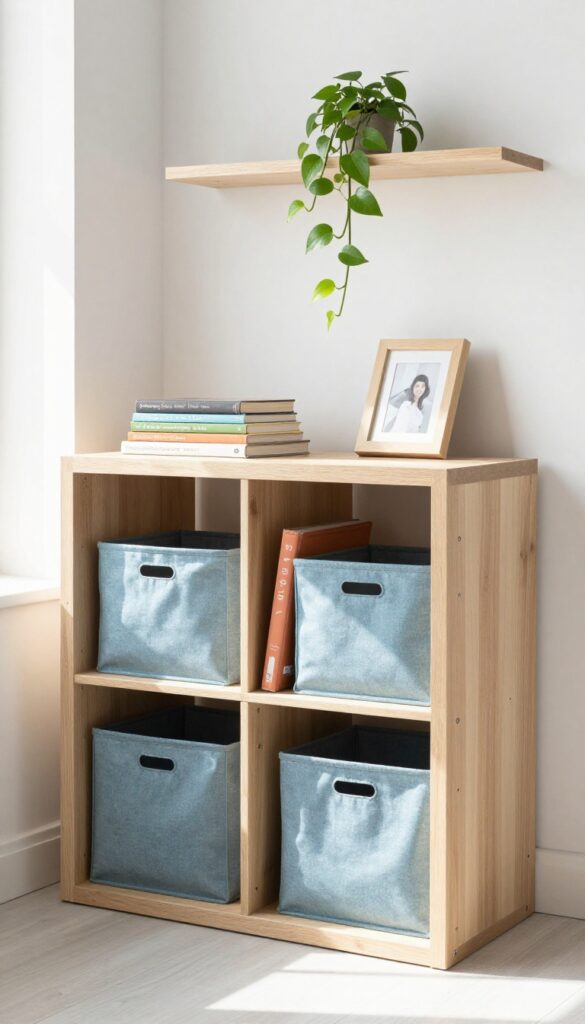
Low open shelving hits that sweet spot between accessibility and style. By keeping shelves within arm's reach of little ones, you create a self-serve system that actually works. Colorful fabric bins add a soft, intentional look while hiding the chaos inside.
Toss in a few books or a small plant, and the whole setup feels more like decor than storage.
This idea is perfect for families who want their living room to feel grown-up but still function for kids. The low profile keeps the visual weight grounded, making the room feel open and airy. Choose bins in a cohesive color palette—think muted blues, warm terracotta, or soft greens—to tie the look together.
Rotate toys seasonally to keep the shelves feeling fresh and curated.
Best Bins For The Look
- Fabric bins with a structured shape work best—they hold their form even when half-empty. Look for ones with handles for easy pulling. Natural materials like canvas or linen add texture, while felted wool bins feel cozy and modern.
- Stick to two or three colors max to avoid visual clutter.
Shelf Styling Tip
Layer bins with a few open items to break up the boxes. Stack a couple of board books on one shelf, lean a small framed photo on another, or add a trailing plant like pothos on top. This mix keeps the shelves from looking like a storage unit.
Weekend Refresh Friendly
Swap out bins seasonally or when toys change. Keep a few extra bins in a closet so you can rotate without buying new ones. A quick shelf dust and a fresh bin arrangement can transform the whole corner in under 15 minutes.
4. Built-In Cabinets with Adjustable Shelves
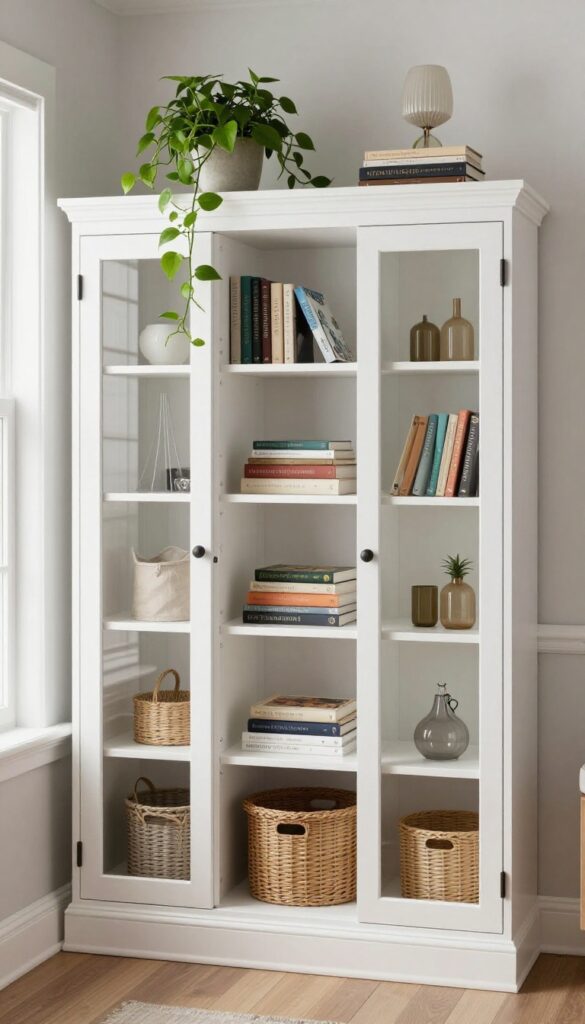
If you're ready to commit to a storage solution that works as hard as you do, built-in cabinets are the way to go. They blend into your living room like they were always meant to be there, hiding toys, games, and craft supplies behind closed doors. The best part?
Adjustable shelves let you reconfigure the inside as your kids grow, so you're not stuck with a layout that only fits blocks and board books. Plus, the top of the cabinet becomes a perfect spot for decor—think a trailing plant, a stack of coffee table books, or a sculptural lamp.
Custom or prefab built-ins with doors hide the mess entirely. Adjust shelves to fit different toy sizes, and use the top for decor. This is a long-term solution that adds home value.
Best Materials
Go with solid wood or high-quality MDF with a painted finish. White or light gray keeps the room feeling airy, while a darker navy or charcoal adds a cozy, library-like feel. Avoid glossy finishes that show every fingerprint—matte or satin is more forgiving.
Layout Tip
Install cabinets on either side of a window or fireplace to create a symmetrical, built-in look. If you're working with a smaller space, one long cabinet along a wall can still provide plenty of storage without overwhelming the room.
Shelf Styling Tip
Use the adjustable shelves to create zones: lower shelves for large toys and bins, middle shelves for books and puzzles, and upper shelves for display items. Mix in a few woven baskets or fabric bins to corral smaller pieces and add texture.
5. Toy Hammocks for Stuffed Animals
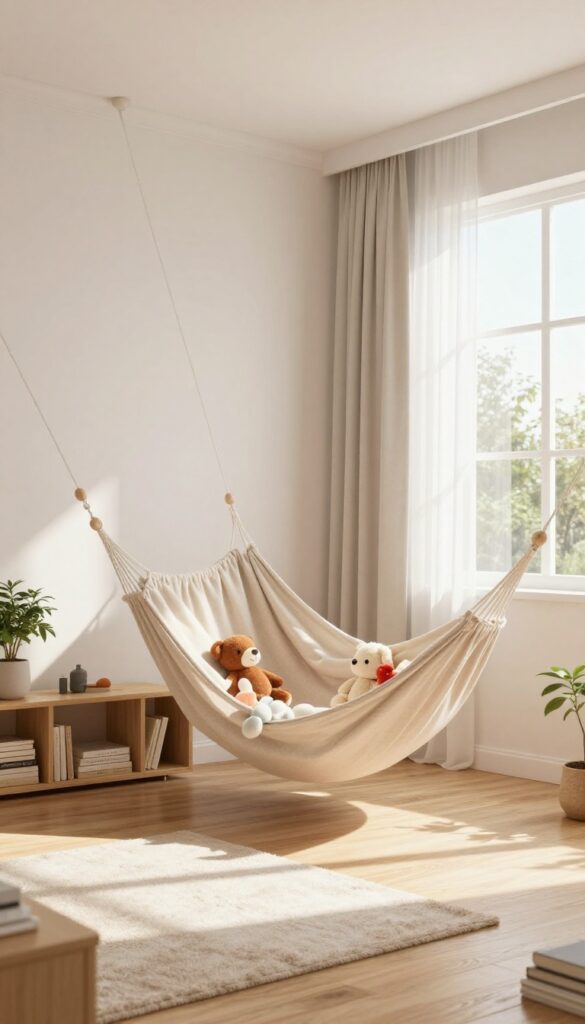
A corner toy hammock turns stuffed animals into a decorative feature. Hang it in an unused corner or above a play area. It keeps plushies off the floor and adds a playful touch.
Stuffed animals tend to multiply overnight, don't they? A toy hammock gives them a designated spot that feels intentional, not chaotic. The hammock itself becomes a soft, sculptural element in the room—think of it as a cozy cloud for plushies.
It works especially well in a corner that's otherwise hard to furnish, like above a low bookshelf or next to a window. The key is to choose a hammock that matches your room's palette. Neutral cotton blends blend in, while a bright color can make the hammock a focal point.
Hang it at a height that's easy for kids to reach but out of the way for adults. This idea is weekend-refresh friendly because installation takes minutes with a couple of hooks. And it's smart and space-aware: you're using vertical space that would otherwise go empty.
Best Materials
- Look for a hammock made from breathable cotton or linen—these materials are durable and easy to wash. Avoid synthetic mesh that can snag delicate stuffed animals. A crocheted or macrame-style hammock adds texture and a handmade feel.
- If you want something more modern, a solid-color canvas hammock keeps the look clean.
Placement Tip
- Hang the hammock in a low-traffic corner where it won't be bumped into. Above a reading nook or play mat works great. Make sure the hooks are anchored into studs or use heavy-duty drywall anchors.
- The hammock should hang slightly loose so you can easily tuck toys in and out.
Styling The Surroundings
- Keep the area around the hammock simple. A small rug underneath defines the zone, and a floor basket can catch overflow. Add a wall decal or a small shelf nearby for a cohesive look.
- Avoid cluttering the wall with too many other items—the hammock is the star.
6. Crate-Style Cubby Units
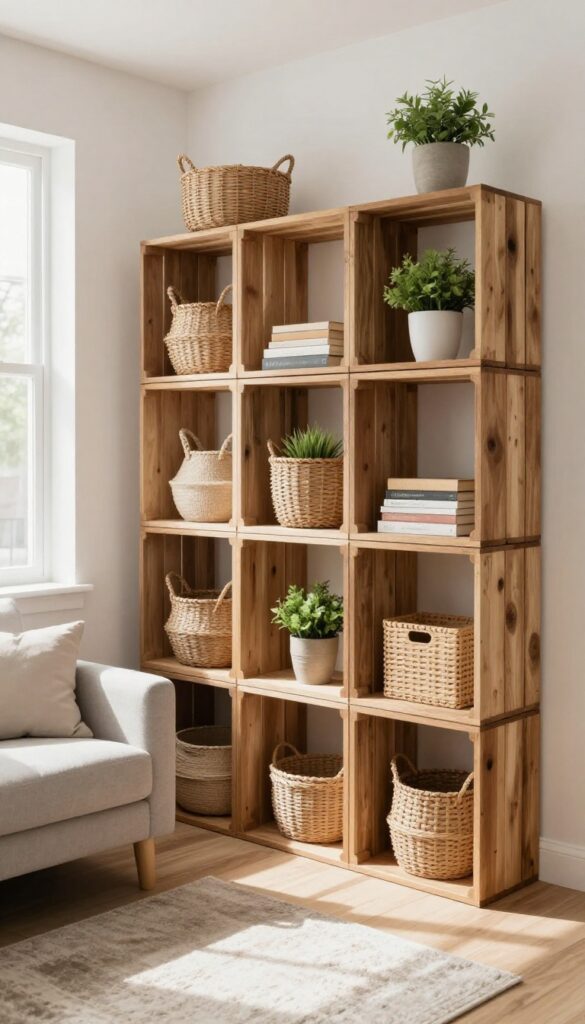
Stackable crate cubbies bring a casual, weekend-project feel to toy storage. They're modular by design, so you can build a configuration that fits your exact wall space—whether that's a single column in a corner or a full grid behind the sofa. The open cubbies keep toys visible and easy to grab, while baskets or bins tucked inside hide the mess in seconds.
Best of all, you can rearrange them whenever your storage needs change, making this a smart choice for growing families.
Crate-style cubby units are a budget-friendly way to add both storage and character to a living room. The raw wood or painted finish gives them a rustic, approachable look that blends with modern, farmhouse, or boho decor. Because each cubby is separate, you can mix and match sizes—use a 2×2 grid for smaller toys and a 3×3 for a bigger collection.
The open front means kids can see what's inside, which encourages them to put things away. For a polished look, stick to a uniform color palette for your bins (like all white or all natural woven) and keep a few cubbies empty to display a plant or a stack of books.
Best Layout For Small Spaces
In a tight living room, stack crate cubbies vertically to use wall height without eating up floor space. A 2×3 or 3×4 arrangement against a narrow wall can hold a surprising amount of toys while leaving the rest of the room open. For an even sleeker look, mount the crates directly to the wall using heavy-duty brackets so they float above the floor—this makes vacuuming underneath a breeze and keeps the room feeling airy.
Styling Tip: Mix Baskets And Open Bins
To keep the unit from looking like a storage closet, alternate between closed baskets and open bins. Use solid fabric bins for items you want hidden (like puzzle pieces or small action figures) and wire or slatted bins for larger toys that are part of the decor (like wooden blocks or stuffed animals). This mix creates visual rhythm and makes the cubby feel more like a furniture piece than a utility shelf.
Budget-Friendly Swap
- Skip expensive pre-made cubby systems and build your own from inexpensive wooden crates. You can find unfinished crates at craft stores or online for a few dollars each. Sand them lightly, paint or stain them in a color that matches your room, then stack and secure them with screws or heavy-duty zip ties.
- This DIY approach costs a fraction of store-bought options and lets you customize the size and finish exactly.
7. Media Console with Toy Storage
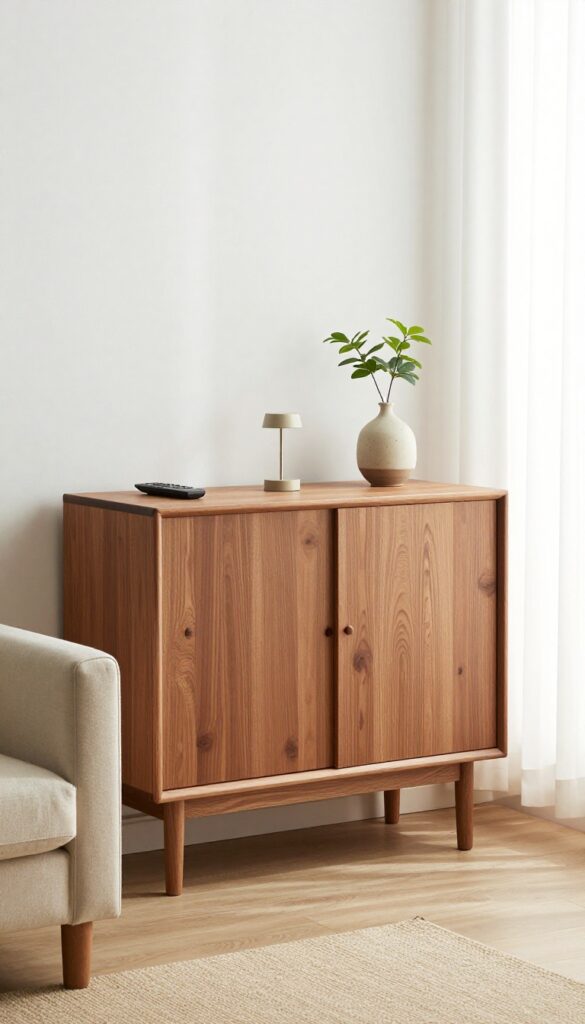
Your media console does double duty when it hides toys inside closed cabinets or deep drawers. The top stays clear for remotes, a lamp, or a small plant, while board games, puzzles, and art supplies live out of sight below. It keeps the room's main focal point streamlined and clutter-free, perfect for a weekend refresh that makes the whole space feel more intentional.
A media console with hidden storage is a smart, space-aware solution for living rooms that double as play areas. Closed cabinets or drawers let you stash toys away in seconds, while the open top keeps electronics and decor accessible. This setup works especially well in open-concept layouts where the TV unit is visible from multiple angles.
Choose a console with a mix of open shelves and closed storage to display a few curated items while hiding the rest.
Best Materials
- Look for a console in wood or wood-look finishes that blend with your existing furniture. Medium-tone oak or walnut adds warmth without feeling heavy. If you prefer a lighter look, white or pale ash keeps the room airy.
- Avoid glass-front cabinets if you want toys fully out of sight—solid doors are your friend.
Storage Tip
Use slim bins or baskets inside cabinets to group similar toys—puzzles in one, art supplies in another. Label bins with simple tags so everyone knows where things go. This makes cleanup fast and keeps the console from becoming a catch-all.
Layout Tip
Position the console so the TV is at eye level when seated, and leave a few inches of space above for soundbar or decor. If your console has open shelves, reserve them for a few pretty toys or books that double as decor—think colorful stacking blocks or a small globe.
8. Rolling Cart for Portable Play
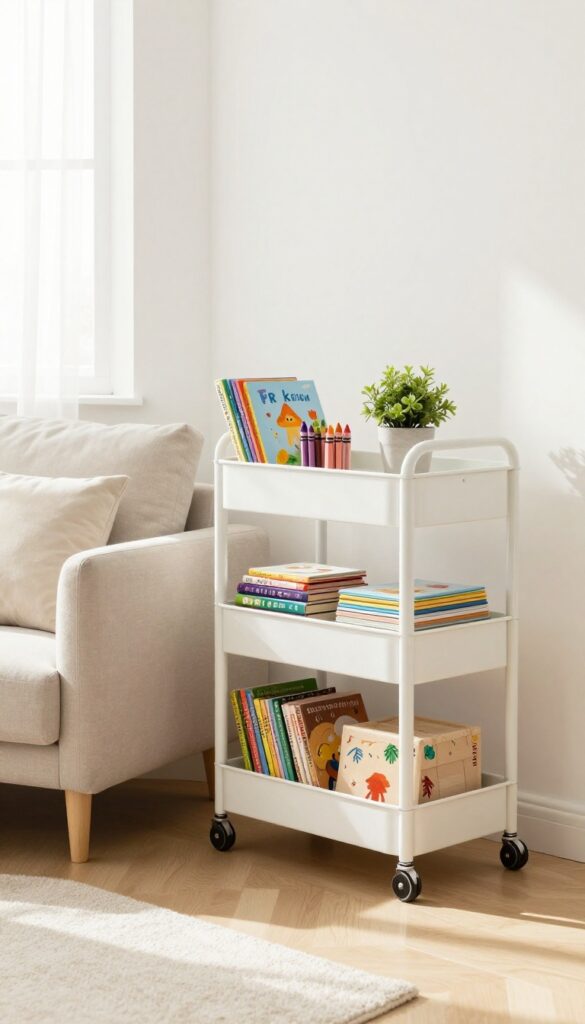
A rolling cart is the ultimate stealth storage solution for living rooms that double as play zones. It keeps toys accessible but out of sight when not in use, and its mobility means you can wheel it from room to room. This idea works especially well in open-plan spaces where you want to maintain a grown-up vibe without sacrificing practicality.
A three-tier rolling cart holds art supplies, small toys, or craft materials. Roll it out for playtime and tuck it away when guests come over. It's lightweight and fits beside a sofa or chair.
The cart's slim profile makes it a smart choice for tight corners or narrow gaps, and its open shelves encourage quick cleanup—just toss items back in and roll away.
Best Materials And Colors
Look for a cart with a metal frame and removable canvas bins—this combo is durable, easy to clean, and visually light. White or black frames blend into most living rooms, while a natural wood tone adds warmth. For a playful pop, choose a cart in a muted pastel like sage green or blush pink that coordinates with your existing palette.
Styling Tip: Keep It Curated
Avoid overstuffing the cart. Reserve the top tier for frequently used items like coloring books and crayons, the middle for puzzles or building blocks, and the bottom for bulkier toys. Add a small plant or a stack of children's books on top to make the cart feel intentional rather than purely functional.
Small-space Fix
In a compact living room, place the cart next to an armchair or tuck it behind a sofa. When not in use, it can double as a side table for a lamp or a cup of tea. Choose a cart with locking wheels to keep it steady during play.
9. Window Seat with Storage Drawers
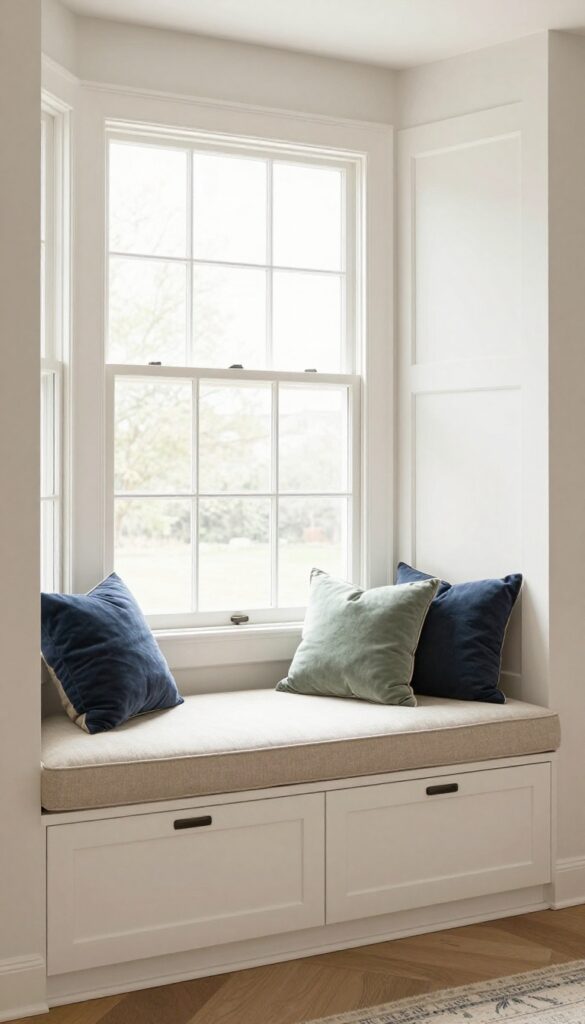
A window seat does double duty in a living room: it gives you a cozy spot to curl up with a book and hides a surprising amount of clutter. By adding deep drawers underneath, you can stash toys, blankets, or even board games without sacrificing style. The key is making the seat feel intentional—choose cushions and pillows that tie into your room’s color palette so it looks like a built-in feature, not an afterthought.
If you have a bay window or an awkward alcove, a window seat with storage drawers is a smart way to reclaim that space. It creates an instant reading nook that kids and adults will gravitate toward, while the drawers keep toys and remotes out of sight. For a weekend-refresh project, you can often add a prefab window seat unit or have a simple bench built to fit your window.
Dress it up with a thick foam cushion (upholstered in a durable fabric like performance velvet or cotton twill) and a few toss pillows in contrasting textures. The result is a polished look that feels custom but doesn’t require a full renovation.
Best Colors And Materials
- Stick with light, airy colors for the seat itself—white, pale gray, or soft beige keeps the space from feeling heavy. For the cushion, choose a fabric that can handle daily use: performance linen or a washable cotton blend. If your living room leans warm, add a few pillows in terracotta or mustard; for a cooler palette, go with navy or sage.
- The drawers should match your existing trim or cabinetry to blend in seamlessly.
Layout And Storage Tip
- Measure the depth of your window alcove before buying anything. Standard bench depth is 18 to 20 inches, which is comfortable for sitting and leaves room for drawers. Use deep drawers (at least 12 inches) to store bulky items like toy bins or folded blankets.
- Add drawer dividers to keep smaller toys organized. If the window is narrow, consider a single wide drawer instead of two smaller ones—it’s easier to access.
Cozy Detail
Layer in a lumbar pillow and a soft throw blanket to make the seat inviting. A small side table or a wall-mounted shelf next to the seat gives you a spot for a cup of tea or a stack of books. For evening coziness, add a floor lamp or a wall sconce with a warm bulb—it turns the nook into a reading retreat that feels like a destination.
10. Decorative Trunks or Chests
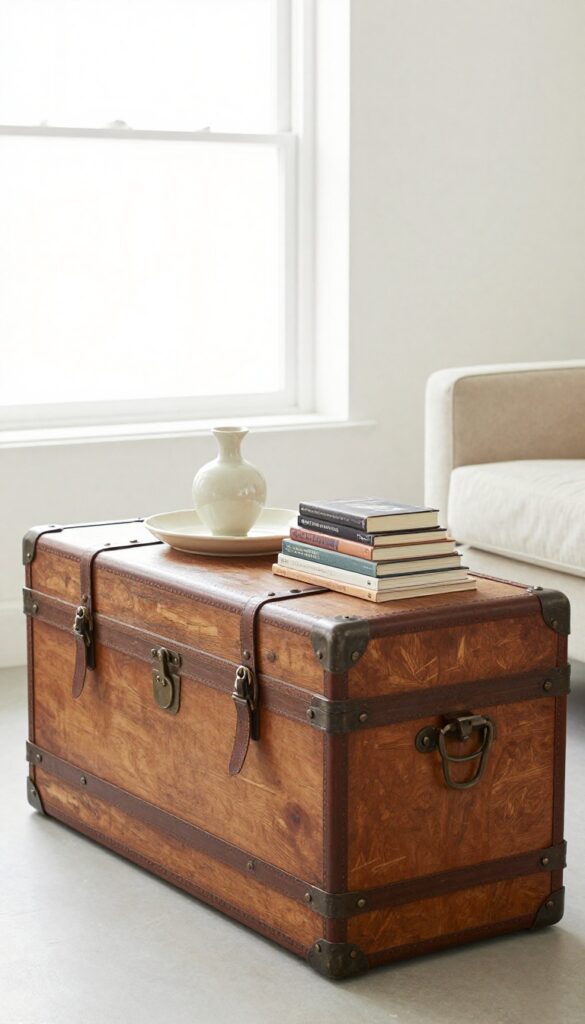
A vintage trunk or a sleek modern chest at the foot of your sofa pulls double duty as both a coffee table and a hidden toy bin. It’s one of those smart, space-saving moves that instantly adds character to your living room while keeping clutter out of sight. The best part?
You can style the top with a tray for drinks or a stack of books, so it looks intentional and polished, not like a storage box in disguise.
Whether you go for an antique steamer trunk with worn leather straps or a clean-lined wooden chest, this piece becomes a conversation starter. It’s roomy enough for bulky items like blankets, building blocks, or board games, and the flat top gives you a surface to decorate. In a weekend-refresh project, swapping a bulky coffee table for a trunk can transform the whole feel of the room without any construction or painting.
Just clear the floor, slide the trunk into place, and add a tray or a few decorative objects on top. It’s that simple.
Best Materials For Durability
Look for solid wood, metal-reinforced corners, or even a sturdy faux leather finish. Vintage trunks often come with metal bands and a hinged lid that can handle daily opening and closing. If you have kids, avoid glass tops or delicate inlays—stick with something that can take a few bumps and still look good.
Styling The Top Surface
- A tray is your best friend here. It corrals coasters, remotes, or a small vase, so the trunk feels like a proper coffee table. Add a stack of coffee table books or a sculptural object to keep it from looking too bare.
- In a small space, keep the tray shallow so you can still lift the lid easily.
Small-space Layout Tip
If your living room is tight, choose a trunk that’s slightly narrower than your sofa—about two-thirds the width works well. Place it close enough to reach from the couch but leave enough room to walk around. A trunk on casters is even better; you can roll it out of the way when you need extra floor space for playtime.
11. Wall-Mounted Pegboards with Bags
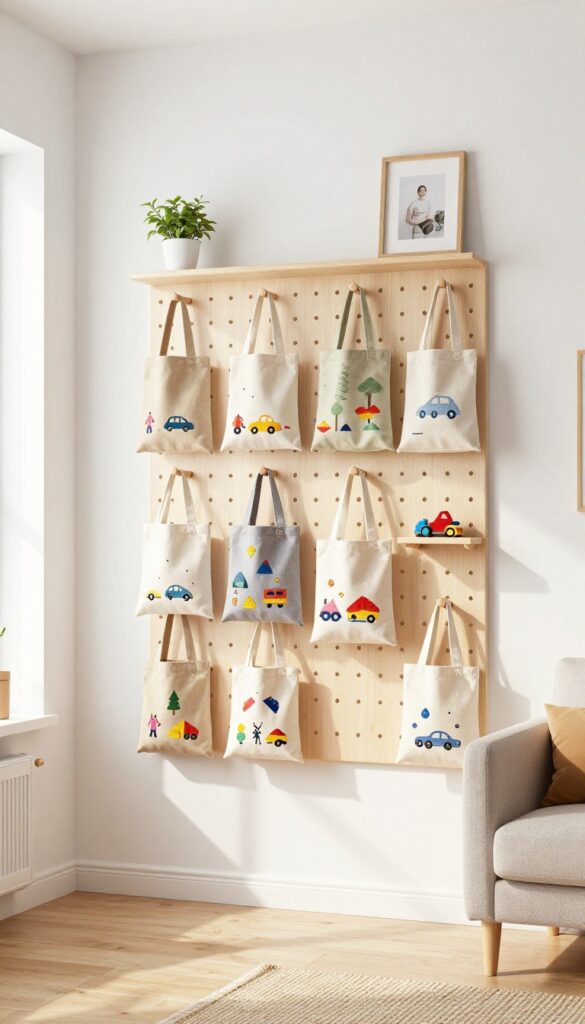
Pegboards aren't just for garages and tool sheds—they're a surprisingly stylish and practical solution for living room toy storage. By mounting a pegboard on a blank wall and hanging small canvas bags or buckets from it, you create a flexible, interactive storage system that keeps tiny toys like cars, action figures, or building blocks off the floor and within easy reach. The best part?
It doubles as wall art, adding texture and visual interest to your space.
This idea works especially well in a family-friendly living room where you want to maintain a grown-up aesthetic without sacrificing functionality. Choose a pegboard that complements your decor—painted wood for a warm, Scandinavian look, or sleek black metal for an industrial edge. Hang a mix of canvas bags in neutral tones or soft pastels, and let your kids help arrange their toys.
The result is a playful yet curated display that evolves as their interests change.
Best Colors And Materials
- For a cohesive look, match the pegboard to your wall color or go for a contrasting shade that pops. Natural wood tones work well with boho or rustic interiors, while white or black pegboards fit modern and minimalist spaces. Canvas bags are a great choice because they're lightweight, washable, and come in various sizes.
- If you want a more polished feel, opt for leather or faux-leather buckets.
Layout Tip
Install the pegboard at a height where kids can easily reach the lower bags, but leave the top row for less frequently used items or decorative touches like a small plant or a framed photo. Arrange the bags in a balanced grid or a playful asymmetrical pattern—just make sure the layout feels intentional and not chaotic.
Finishing Touch
Add a few hooks for hanging larger toys like a doll or a stuffed animal, or clip on a small string of fairy lights to make the pegboard feel magical at night. This turns a practical storage solution into a charming focal point that both kids and adults will appreciate.
12. Under-Sofa Storage Bags
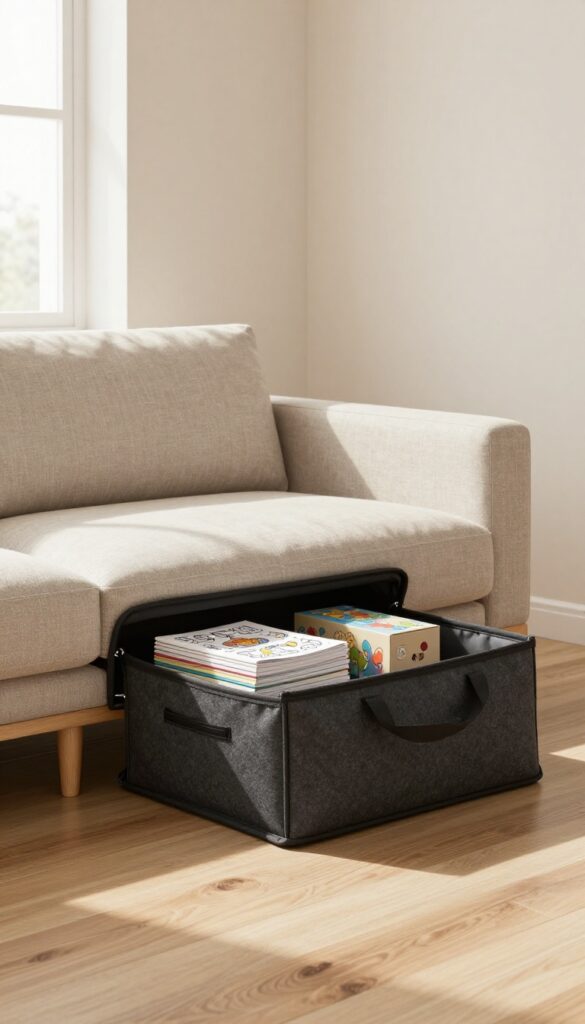
Not every inch of floor space needs to be visible. The gap between your sofa and the floor is prime real estate for stashing things you don't want to look at every day. Under-sofa storage bags are slim, flat pouches that slide right underneath, keeping puzzles, coloring books, or extra board games out of sight but still easy to grab.
They're the kind of low-effort solution that makes a weekend refresh feel instantly more organized without any drilling or assembly.
These bags work best in living rooms where floor clearance is at least 4 to 6 inches. Look for options with a rigid base so they slide smoothly and don't bunch up when you push them under. Neutral tones like beige, gray, or soft white help them disappear against most flooring.
Use them for flat items only—anything bulky will create a visible bump under the sofa skirt or legs. Pair with a small basket nearby for remotes and chargers so the system feels complete.
Best Colors And Materials
- Stick with fabrics that match your floor or sofa base. Felt or heavy cotton blends hold their shape well and resist dust. Avoid shiny synthetics that reflect light and draw attention.
- A matte charcoal or warm taupe works with hardwood, tile, and most carpet tones.
What To Store Inside
Think flat and lightweight: coloring books, puzzle boxes, notebooks, or even a spare throw blanket folded thin. Don't store electronics or items that need airflow. Rotate the contents seasonally so the bags don't become a black hole for forgotten clutter.
Styling Tip For A Finished Look
If your sofa has legs, choose bags with a slim profile that tuck completely out of sight. For sofas with a base that sits close to the floor, opt for a version with a pull handle or loop so you can slide it out without bending down. Add a small tray on the coffee table for the remote and coasters to keep daily essentials accessible.
13. Curtain-Covered Toy Zones
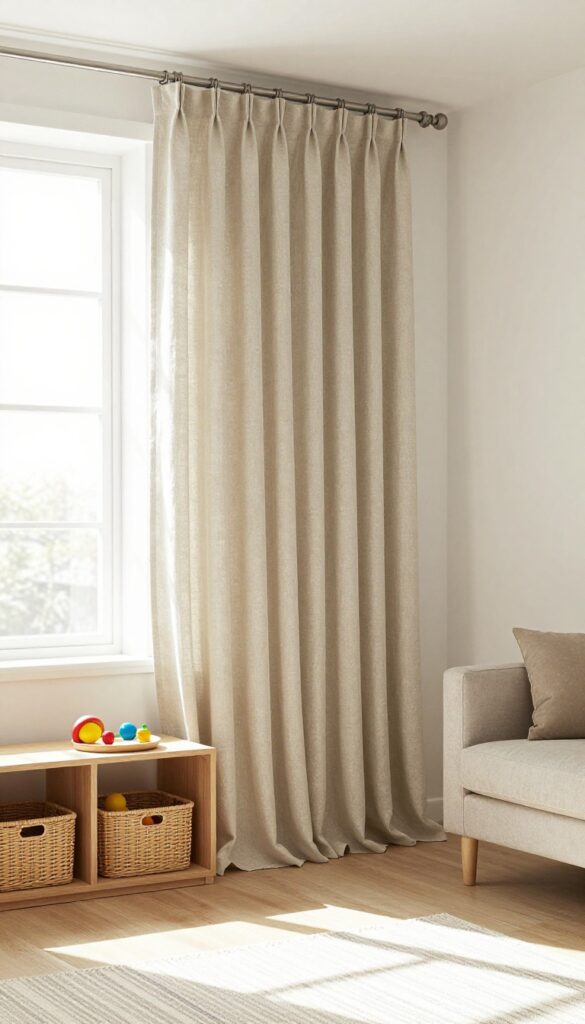
A tension rod and a floor-length curtain can turn a messy corner into a hidden play zone. This trick works especially well in open-plan living rooms where you want to keep toys accessible but out of sight. Choose a fabric that blends with your curtains or adds a soft contrast—think linen, cotton, or a subtle stripe.
The curtain pulls closed in seconds, making tidy-up almost effortless.
Designate a corner or alcove as the dedicated toy zone. Install a tension rod from wall to wall or inside a recessed nook, then hang a curtain that reaches the floor. When playtime is over, just draw the curtain and the mess disappears.
This idea works best in rooms where you can spare a few square feet without blocking traffic flow. Add a low shelf or basket inside to keep toys organized, and let the curtain do the rest.
Best Fabric Choices
- Go with medium-weight fabrics that drape well but aren't too sheer. Linen blends, cotton canvas, or even a soft velvet add texture while providing enough opacity to hide the clutter. If your room has neutral tones, a patterned curtain can become a subtle accent.
- For a cohesive look, match the curtain to your existing window treatments.
Layout And Placement
- Look for an unused corner beside a sofa, under a window, or in a recessed area. Make sure the zone is at least 3 feet wide so toys can spread out a little. Place a low storage bench or a few bins inside so everything has a home.
- Keep the area clear of furniture that would block the curtain from closing fully.
Budget-Friendly Swap
- Skip custom curtains and use a ready-made panel from a big-box store. Tension rods cost under $10, and a single curtain panel can be had for $20–$30. If you want a more polished look, hem the bottom with iron-on tape—no sewing required.
- This whole setup can be done for under $50 and removed in minutes when you no longer need it.
FAQ
How can I store toys in a small living room without making it look cluttered?
Use furniture that doubles as storage, like ottomans or media consoles with cabinets. Stick to a cohesive color palette for bins and baskets so they blend in. Limit visible toys to a few curated pieces.
What are the best toy storage solutions for a living room that also looks stylish?
Woven baskets, storage ottomans, and decorative trunks are stylish options. Choose natural materials like rattan or wood, and opt for neutral or muted colors that match your decor.
How do I encourage my kids to put toys away in the living room?
Make storage accessible with low shelves or bins they can reach. Use labels or pictures on bins so they know where things go. Turn cleanup into a game with a timer or song.
Can toy storage be part of the living room decor?
Absolutely. Use decorative baskets, a colorful toy hammock, or a vintage trunk as statement pieces. The key is to choose storage that complements your existing style rather than hiding it.
What is the easiest weekend project for living room toy storage?
Adding a few woven baskets with lids or a rolling cart is quick and effective. You can also swap out existing bins for ones that match your decor. Both take less than an hour.
Conclusion
Keeping toys in check doesn't mean sacrificing style. With a few smart storage choices, your living room can stay both kid-friendly and adult-approved. The best part?
Most of these ideas take just a weekend to implement.
Start with one or two solutions that fit your space and routine. Small changes add up fast, and soon you'll wonder why you didn't try them sooner. Your living room—and your sanity—will thank you.