11 Burgundy Sofa Living Room Ideas Adding Deep Luxe Color
A burgundy sofa is a bold statement piece that can anchor a living room with warmth and sophistication. But if you're worried it might overwhelm the space, don't be.
With the right approach, this deep red hue can feel surprisingly light and airy. The trick is balancing it with soft neutrals, natural textures, and plenty of breathing room.
Whether your style leans modern, boho, or classic, these 11 ideas will help you make that burgundy sofa the star of your living room without making it feel heavy or dark.
1. Pair with Cream and White Walls
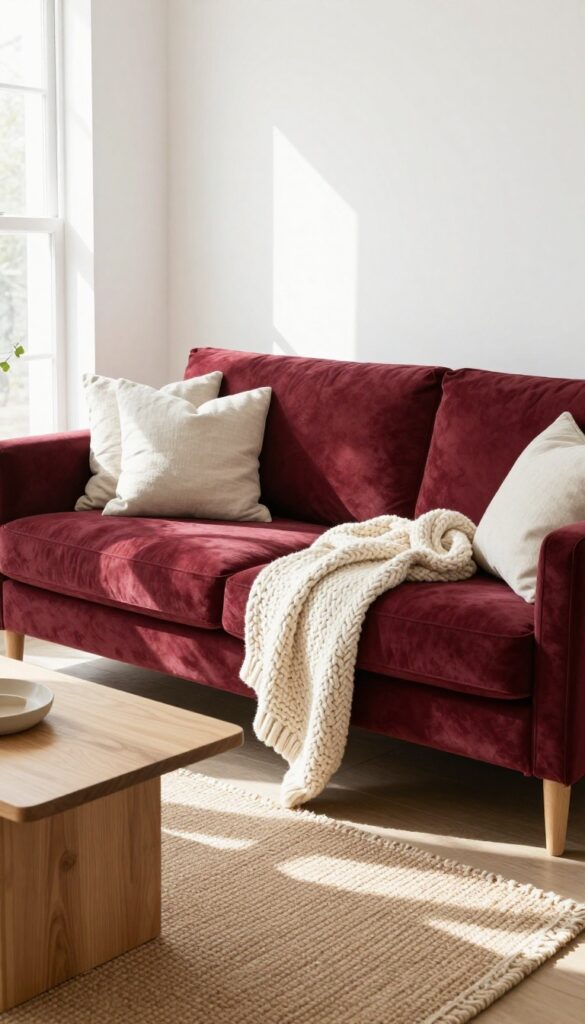
A burgundy sofa is a bold statement piece, but it doesn't have to dominate the room. By keeping the walls light—think creamy white, off-white, or soft warm beige—you create a calm backdrop that lets the deep red hue shine without overwhelming the space. This contrast makes the sofa feel like a deliberate focal point rather than an accidental splash of color.
The result is a living room that feels both fresh and grounded, perfect for anyone who wants a touch of drama without sacrificing an airy, open atmosphere.
Light walls are the secret to making a burgundy sofa look intentional and elegant. The pale backdrop reflects natural light, keeping the room bright and preventing the dark upholstery from making the space feel heavy. This pairing works especially well in smaller living rooms or apartments where you want color without closing in the walls.
To keep the look cohesive, choose wall paint with a hint of warmth—like cream, ivory, or a soft greige—so the burgundy feels connected rather than stark. You can also add white trim or ceiling paint to enhance the crisp contrast, making the sofa stand out even more.
Best Paint Finishes
For a light wall that complements burgundy, opt for an eggshell or satin finish. These finishes have a subtle sheen that bounces light around the room, enhancing the airy feel. Flat finishes can absorb light and make the space feel flatter, so stick with a low-luster paint that adds depth without glare.
Texture Mix
To keep the room from feeling too one-note, layer in textures that add visual interest. A chunky knit throw in cream or beige, a linen curtain, and a wool rug in a light natural tone all soften the contrast and make the burgundy sofa feel cozy rather than stark. Avoid glossy or overly shiny textures that could compete with the sofa's richness.
Finishing Touch
Add a few decorative pillows in warm neutrals like camel, taupe, or soft blush. These colors bridge the gap between the light walls and the deep burgundy, creating a smooth transition. A round wooden coffee table or a rattan side table adds organic warmth that ties the whole look together.
2. Add Soft Blush and Pink Accents
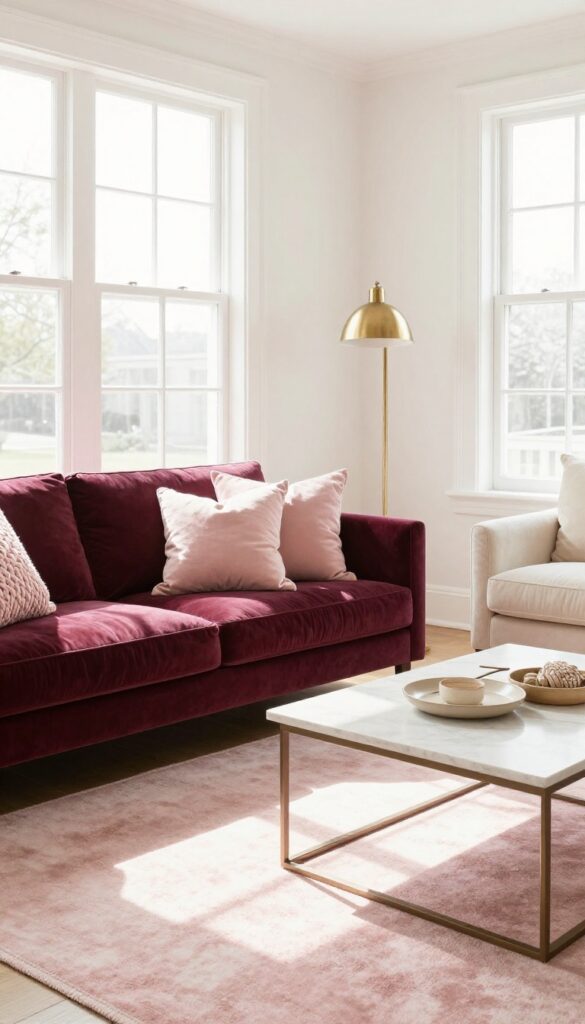
Blush and pink might seem like unlikely partners for a deep burgundy sofa, but they actually create one of the most romantic, balanced palettes you can try. The key is keeping the pinks soft and muted—think dusty rose, ballet slipper, or barely-there blush—so they lift the darkness of the burgundy without competing. This pairing feels especially fresh in rooms that get good natural light, where the pink reads as airy rather than sugary.
Start with a few blush throw pillows in varying textures—linen, velvet, or even a chunky knit—to layer onto your burgundy sofa. A pink area rug underneath the coffee table anchors the seating area and visually lightens the floor. If you're nervous about going too pink, try a single blush-toned armchair or an ottoman as a subtle counterpoint.
The effect is soft, inviting, and surprisingly sophisticated.
Best Colors To Pair
- Stick with warm, dusty pinks like rose, blush, or salmon. Avoid cool or bubblegum pinks, which can clash with burgundy's warmth. Cream, beige, and warm white are excellent neutrals to bridge the two colors.
- A touch of gold or brass in accessories (lamps, frames, or hardware) adds a polished finish.
Texture Mix
Since burgundy is a rich, heavy color, balance it with lighter textures in the pink accents. A chunky knit throw, a linen pillow, or a faux fur cushion all add softness and prevent the combo from feeling too formal. On the floor, a low-pile blush rug with a subtle pattern keeps things grounded without overwhelming the space.
Small-space Fix
In a small living room, use blush as an accent color rather than a dominant one. A single pink throw draped over the sofa arm, a small pink vase on the coffee table, or a blush-toned side table can introduce the hue without taking up visual space. This keeps the room feeling open and airy while still enjoying the contrast.
3. Use Natural Wood Tones
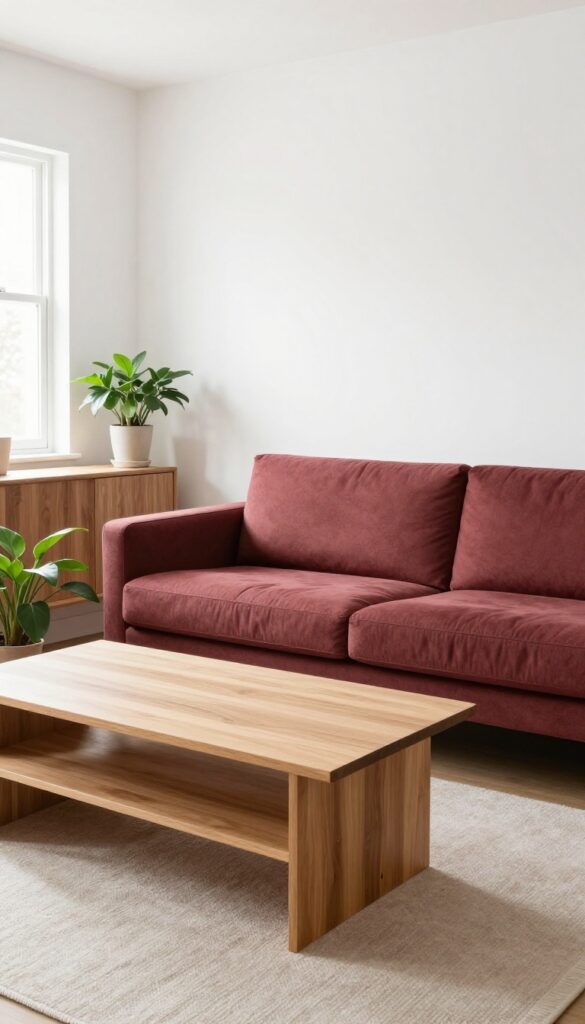
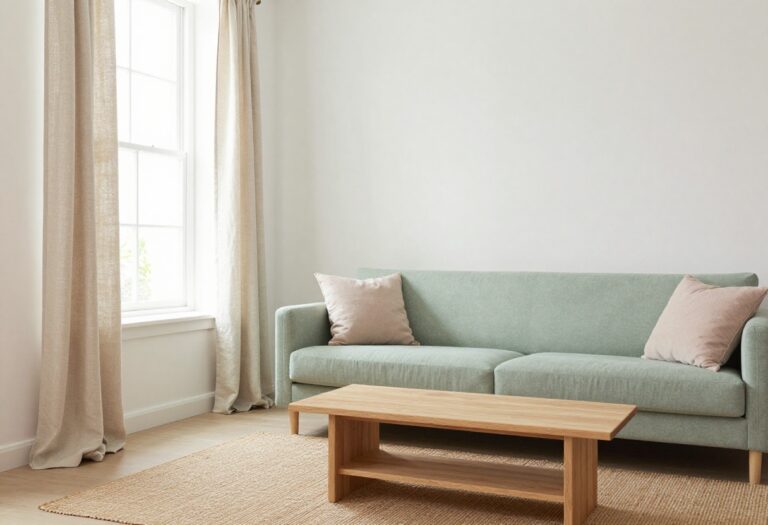
Light oak or walnut coffee tables and sideboards bring warmth without heaviness. Wood grounds the deep red and adds organic texture, keeping the room from feeling too dark or formal. It’s an easy way to balance the bold sofa while staying practical and stylish.
A burgundy sofa naturally draws the eye, so pairing it with natural wood tones creates a grounded, inviting look. The key is choosing wood finishes that feel light and airy—think pale oak, ash, or walnut—rather than dark mahogany or espresso. These lighter woods keep the space bright while letting the sofa’s rich color take center stage.
A floating walnut console table behind the sofa or a light oak coffee table in front instantly softens the visual weight. You can also add wooden shelving or a sideboard in a similar tone to tie the room together. The contrast between the warm red and the natural grain feels effortless and adds a layer of texture that makes the room more interesting without cluttering it.
Best Wood Finishes
- Stick with finishes that have a matte or satin sheen—glossy wood can feel too formal or dated. Oak, ash, and walnut are solid choices because they have visible grain and warm undertones that complement burgundy. Avoid woods with strong orange or yellow tones, as they can clash with the red.
- Instead, go for neutral or slightly gray-washed options if you want a more modern vibe.
Furniture Placement Tip
Place a wood coffee table within easy reach of the sofa, but leave enough space to walk around it comfortably. If your room is small, choose a slim console table behind the sofa or a pair of wooden nesting tables that can be tucked away when not in use. This keeps the layout open and airy while still adding that natural warmth.
Texture Mix
Combine the smooth wood surface with soft textiles like a chunky knit throw or linen curtains. The contrast between the hard wood and cozy fabrics makes the room feel layered and lived-in. A jute or sisal rug under the coffee table also adds another natural texture that ties everything together without competing with the sofa.
4. Incorporate Sheer Curtains
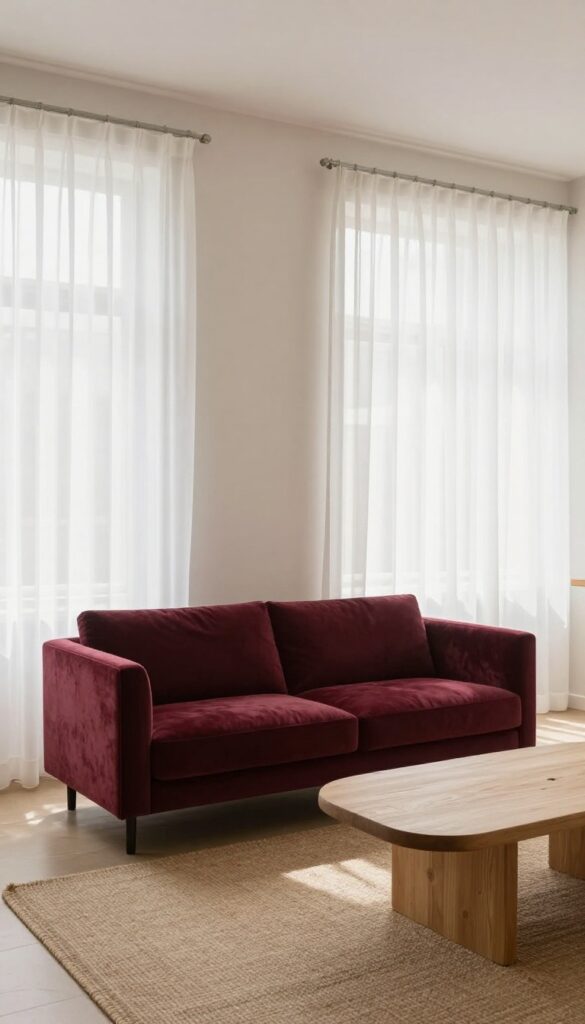
A burgundy sofa is a bold statement, but it can sometimes feel heavy—especially in a room that doesn’t get a ton of natural light. That’s where floor-to-ceiling sheer curtains come in. They soften the look, let in soft daylight, and keep the space from feeling closed in.
Plus, they add a layer of elegance without trying too hard.
Sheer curtains are a simple way to balance the richness of a burgundy sofa. They filter harsh sunlight into a warm glow that complements the deep red tones, while the extra height draws the eye upward, making the room feel larger. For a practical and stylish look, choose white or ivory sheers—they keep things light and airy without competing with the sofa.
Hang them from a rod placed close to the ceiling for maximum effect, and let the fabric pool slightly on the floor for a relaxed, lived-in feel.
Best Colors
Stick with neutral sheers like cream, ivory, or soft white. These tones reflect light and create a gentle contrast against the burgundy. Avoid bright white, which can look stark, and skip patterns that might clash with the sofa’s solid color.
Layout Tip
Install the curtain rod as high as possible—ideally just below the ceiling—and extend it a few inches past the window frame on each side. This makes the window appear wider and adds the illusion of height, which is especially helpful in rooms with standard ceilings.
Finishing Touch
Layer the sheers with heavier drapes in a complementary neutral, like linen or cotton, for evenings when you want more privacy or a cozier vibe. The combination gives you flexibility and adds texture without overwhelming the space.
5. Layer with Light Textures
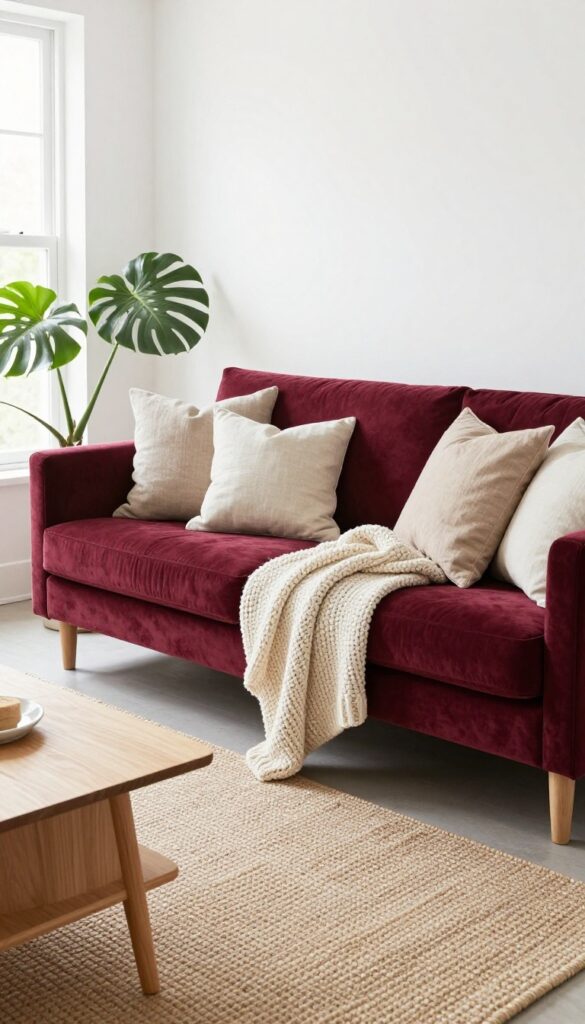
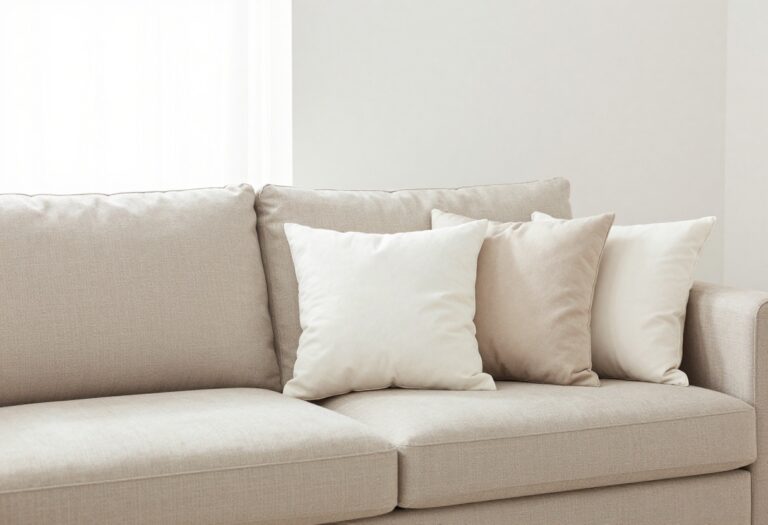
A burgundy sofa naturally draws the eye, so balancing it with soft, light textures keeps the room from feeling too heavy. Think chunky knit throws in cream, linen pillows in beige, or a woven cotton blanket draped over one arm. These airy layers add visual interest without introducing more color, letting the burgundy stay the star.
Texture is your secret weapon when working with a bold sofa color. By piling on light, tactile materials, you create depth and coziness while preserving an open, breathable feel. This approach works especially well in small spaces or rooms with lots of natural light, where the contrast between rich burgundy and pale neutrals feels fresh and intentional.
Best Materials
Stick with natural, matte finishes: chunky knits, linen, cotton, and wool. Avoid shiny synthetics that can clash with the sofa's depth. A linen pillow in oatmeal or a wool throw in cream adds just enough softness without competing.
Texture Mix
Combine at least three different textures on and around the sofa. For example, a ribbed knit throw, a smooth linen pillow, and a nubby bouclé cushion. This variety keeps the look interesting and prevents it from feeling flat.
Finishing Touch
Drape a light-colored textured throw over the back of the sofa, not perfectly centered. A slightly casual arrangement feels more lived-in and approachable, exactly the vibe you want for a cozy living room.
6. Choose a Glass Coffee Table
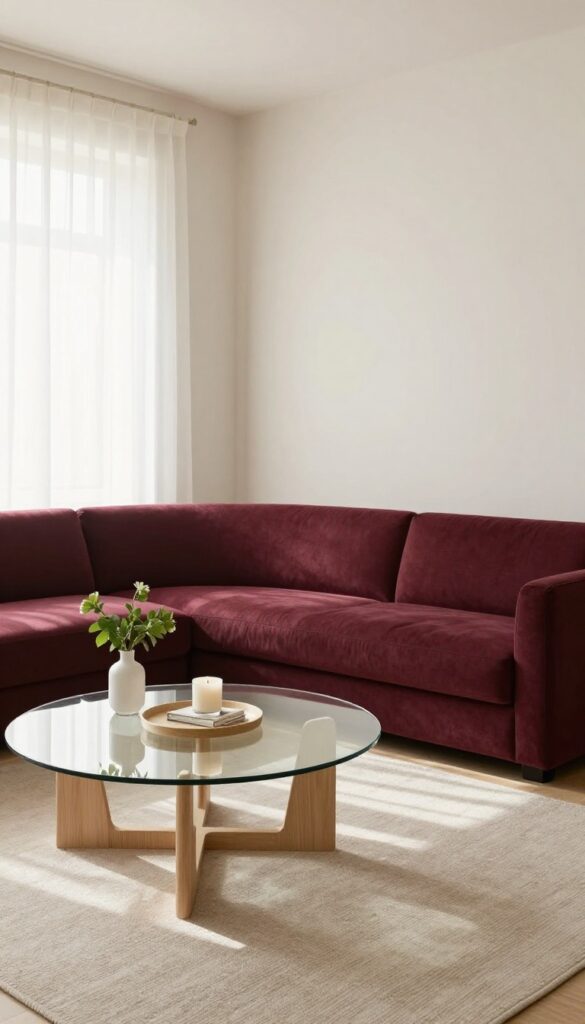
A glass coffee table is one of the smartest moves you can make when your sofa is a bold burgundy. Instead of adding another heavy piece that competes for attention, the transparent surface lets the sofa stay the star. It also keeps the room feeling open and airy, which is exactly what you want when working with a deep, saturated color.
Plus, glass reflects light beautifully, helping to brighten up the space without adding clutter.
A glass coffee table works especially well in smaller living rooms or layouts where you want to maintain a sense of flow. Because it doesn't visually block the view, the eye moves freely around the room, making the whole space feel larger. It's also incredibly versatile—you can style it with trays, books, or a small plant without overwhelming the table.
And since it's a neutral element, it pairs effortlessly with any other materials you bring in, like wood, metal, or velvet.
Best Shape And Size
- Round or oval glass tables are ideal for softening the strong lines of a burgundy sofa. They also make navigating around the table easier, especially in tighter spaces. For size, aim for a table that's about two-thirds the length of your sofa.
- Too small and it looks lost; too large and it overwhelms the seating area.
Styling Without Clutter
- Keep the surface simple to maintain that light, airy feel. A single decorative tray with a candle or a small stack of books works perfectly. Avoid overloading it—glass shows every item, so less is more.
- A low vase with fresh greenery adds a natural touch without blocking the view.
Material Pairings
Pair your glass table with a base in a warm metal like brass or gold to echo the richness of burgundy. Alternatively, a wooden base in a light oak or walnut adds warmth and contrast. Stay away from dark, heavy bases that might feel too bulky against the sofa.
7. Hang Large-Scale Art with White Space
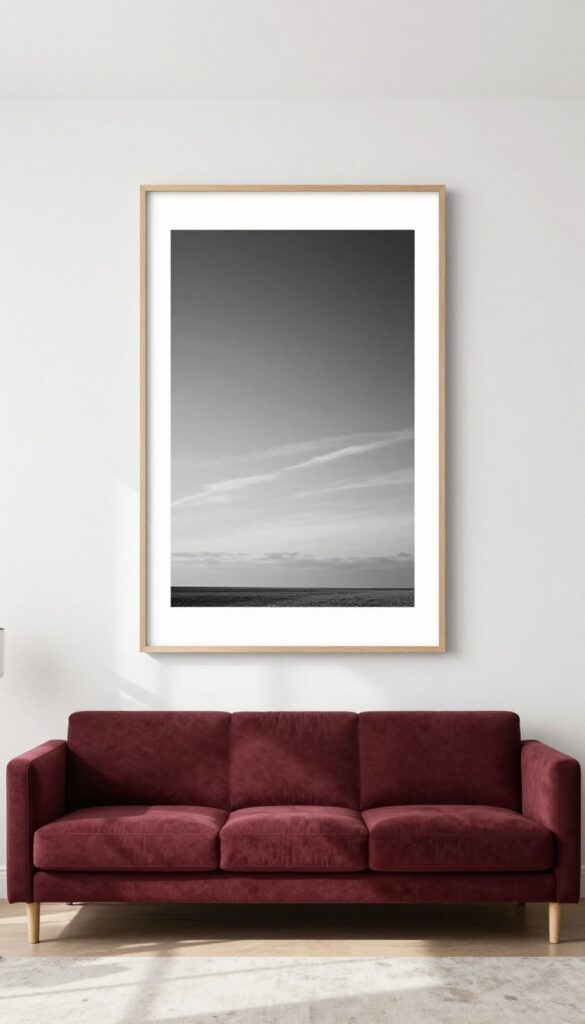
When your sofa is a rich, dark burgundy, you need something on the wall that can hold its own without competing. Oversized art with generous white or light backgrounds creates that perfect counterbalance. The contrast lets the sofa remain the star while the artwork adds height and breathing room.
It’s a simple swap that makes the whole space feel more open and curated, not crowded.
A single large piece of art—think 48 inches wide or more—anchors the wall behind the sofa and creates a focal point that feels intentional. The key is choosing artwork with plenty of negative space: a black-and-white photograph with a lot of sky, a minimalist line drawing on a white canvas, or a soft abstract with pale washes of color. That white space mirrors the lightness you want in the room, preventing the burgundy from feeling heavy.
Hang the art so the center is at eye level, about 57 to 60 inches from the floor, and let it extend beyond the edges of the sofa for a balanced, professional look.
Best Colors For The Art
Stick with pieces that have a lot of white, cream, or light gray. If you want a pop of color, go for muted tones like dusty blue, sage green, or soft blush—they’ll complement the burgundy without clashing. Avoid dark, busy prints that blend into the sofa and make the wall feel heavy.
Finishing Touch
Frame the artwork in a thin, light-colored frame—natural wood, white, or a pale metal. A chunky dark frame would compete with the sofa, while a light frame keeps the look airy. Add a picture light above the art to highlight the contrast and create a cozy evening glow.
8. Add Metallic Accents in Gold or Brass
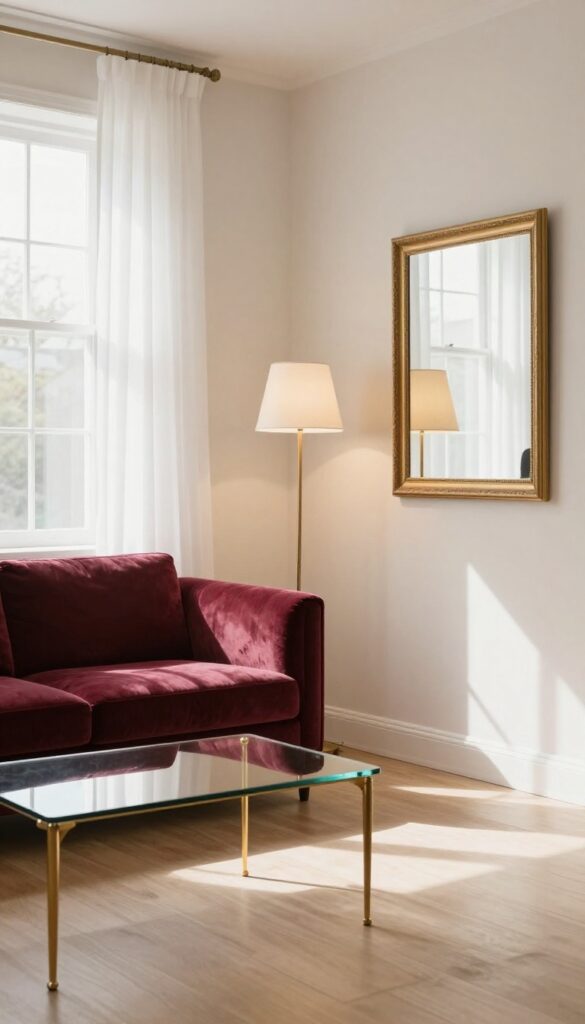
Gold and brass are like the perfect sidekicks for a burgundy sofa—they bring out its warmth without competing for attention. Think of these metals as the jewelry for your room: a little goes a long way, and the right pieces can make the whole space feel more polished and intentional. Whether you prefer the soft glow of antique brass or the shine of polished gold, these accents add a subtle glam factor that keeps the room feeling light and airy.
The trick with metallics is to use them sparingly so they pop against the deep burgundy without overwhelming the space. A brass floor lamp with a slim silhouette, a gold-framed mirror above the sofa, or side table legs in brushed brass are all easy ways to introduce that gleam. Because burgundy is already a strong color, these warm metals act as a bridge between the sofa and lighter elements like cream walls or pale wood floors.
They reflect light beautifully, which helps maintain that airy feel you're going for.
Best Metals To Pair
Stick with warm-toned metals—gold, brass, and rose gold work best. Avoid silver or chrome, which can feel too cool and clash with the burgundy's warmth. If you're mixing metals, keep them all in the same temperature family for a cohesive look.
Where To Place Them
Focus on eye-level spots: a brass table lamp on an end table, a gold picture frame on a shelf, or a brass coffee table base. Avoid going overboard—three to five metallic pieces in the room is plenty. Spread them out so the light catches them from different angles.
Lighting Tip
Metallics shine best when lit. Place a brass lamp near the sofa so it catches the light, or hang a gold-framed mirror opposite a window to bounce natural light around the room. This keeps the space feeling bright and open, not heavy.
9. Use a Light-Colored Rug
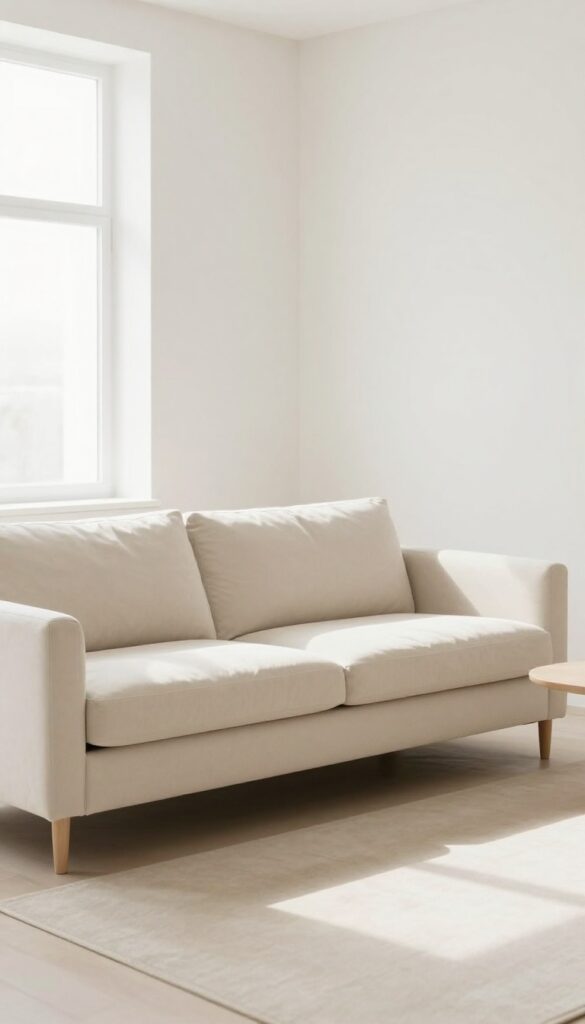
Laying down a pale rug beneath a burgundy sofa is one of the simplest ways to keep the room feeling open and airy. Light gray, cream, or soft beige rugs create a bright foundation that makes the rich sofa color stand out without overwhelming the space. This trick works especially well in smaller living rooms where dark furniture can sometimes feel heavy.
A light rug defines the seating area and softens the floor, adding a layer of texture that balances the deep hue of the sofa. It visually anchors the furniture while keeping the overall look fresh and inviting. For a cohesive feel, choose a rug with a subtle pattern or a low-pile texture that's easy to clean and maintain.
Best Color Pairings
Stick with neutrals like ivory, warm cream, pale gray, or sand. These tones brighten the room and let the burgundy sofa take center stage. If you want a bit of contrast, a very light blush or muted taupe can add warmth without competing.
Texture And Material Tips
A wool or cotton blend rug offers durability and a soft feel underfoot. For high-traffic areas, consider a flatweave or low-pile option that won't trap dirt. A shag rug can work if you keep it light in color, but stick to a shorter pile to avoid overwhelming the space.
Size And Placement
Make sure the rug is large enough to extend at least a few inches past the sofa's front legs. This grounds the seating area and makes the room feel more pulled together. In a small room, a rug that sits under the coffee table and just reaches the sofa's front edge keeps the layout open.
10. Bring in Greenery
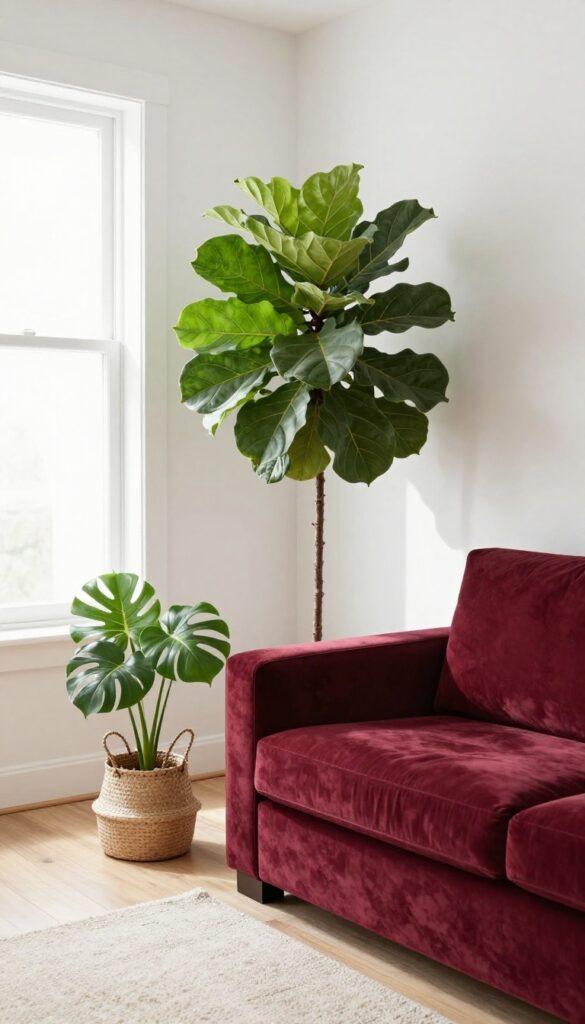
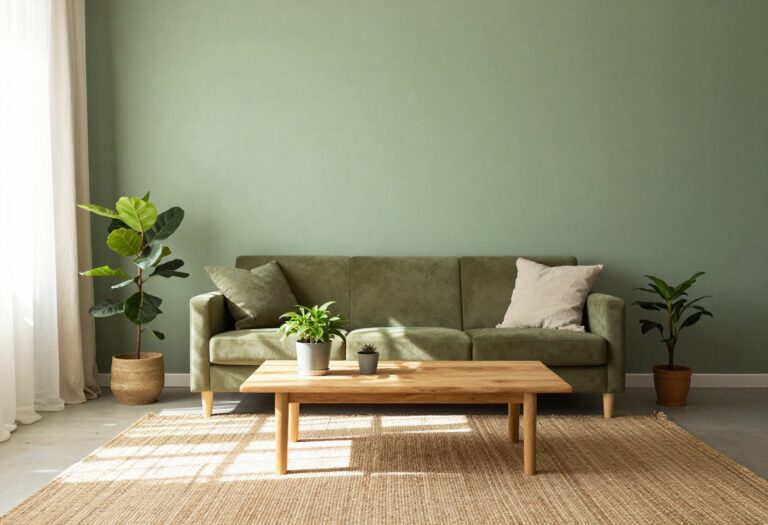
A burgundy sofa can feel heavy if the room lacks natural elements. Adding houseplants is the easiest way to soften that rich red and bring in a fresh, airy feel. The contrast between deep wine tones and vibrant green leaves instantly makes the space feel more alive and balanced.
Plants are a natural companion to deep burgundy upholstery. They break up the color block and introduce organic shapes that keep the room from feeling too formal or dark. For a light and airy effect, choose plants with broad, bright green leaves like fiddle leaf figs, snake plants, or monstera.
Their vertical growth draws the eye upward, making the ceiling feel higher and the room more open. Place a tall plant next to the sofa or cluster a few smaller pots on a side table or shelf. The key is to let the greenery stand out without competing with the sofa.
Stick to simple ceramic or woven pots in neutral tones to keep the look clean and intentional. This is a practical way to refresh your living room without a major renovation—just add water and light.
Best Plant Choices
Fiddle leaf figs and snake plants are top picks because they thrive indoors and have bold, sculptural leaves. Monstera adds a tropical vibe that pairs nicely with burgundy’s warmth. If you prefer low-maintenance options, try a ZZ plant or pothos—they tolerate lower light and still provide that green contrast.
Placement Tips
Position your tallest plant near the end of the sofa to frame the seating area. For smaller plants, group them on a coffee table or a floating shelf at eye level. Avoid placing plants directly behind the sofa where they might get lost—keep them visible and in the line of sight for maximum impact.
Pot And Planter Styling
Stick with neutral pots like white, terracotta, or warm beige to let the foliage stand out. Woven baskets add texture and a casual feel that softens the formality of a burgundy sofa. Avoid glossy or brightly colored pots that might clash with the red tones.
11. Keep Other Furniture Low and Slim
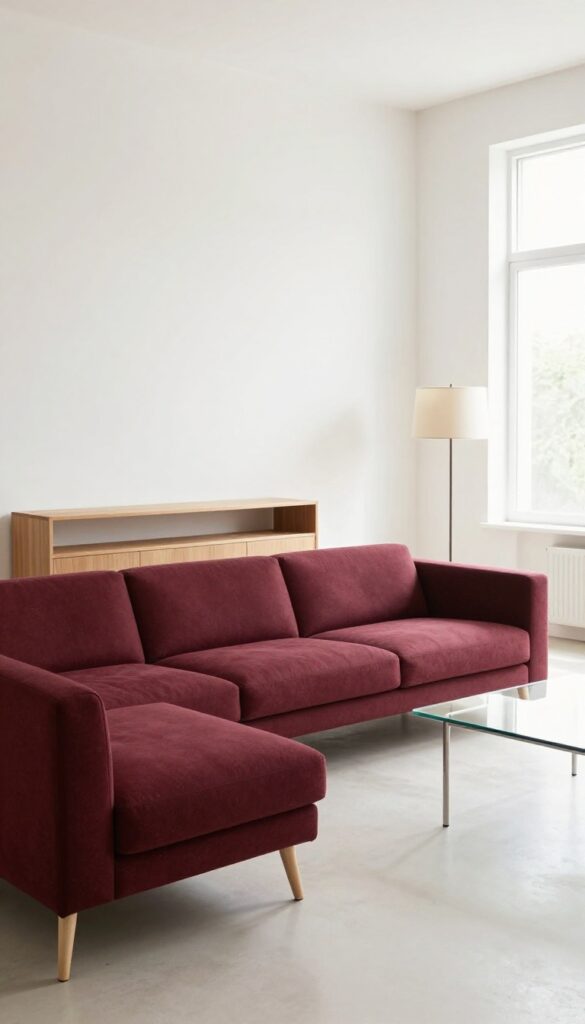
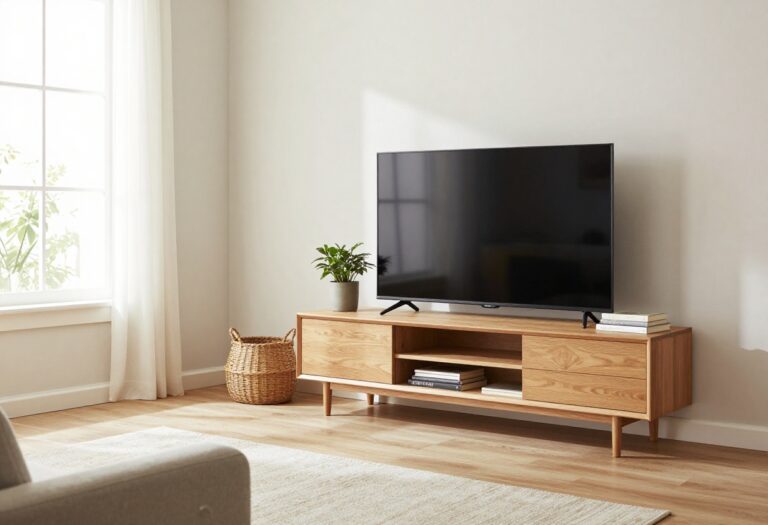
A burgundy sofa naturally draws the eye, so the rest of the room should let it breathe. By choosing low-profile media consoles and slim armchairs, you avoid visual clutter and keep the layout feeling open. This approach works especially well in smaller living rooms where every inch counts, but it also adds a modern, airy feel to larger spaces.
When your sofa is already a bold statement, the supporting furniture should stay quiet and streamlined. Low-profile pieces—think a media console that sits just a few inches off the floor—keep sightlines clear and make the ceiling feel higher. Slim armchairs with exposed legs add to that sense of openness, letting light flow under and around them.
The result is a room that feels spacious and uncluttered, even with a substantial burgundy sofa anchoring it.
Best Materials
Stick with light or natural materials to keep the airy vibe. A pale wood console or a glass-and-metal coffee table works beautifully against the deep burgundy. Avoid heavy, dark finishes that could make the room feel top-heavy.
Layout Tip
Leave at least 18 inches between the sofa and the console to maintain a sense of flow. If you have a slim armchair, angle it slightly toward the sofa to create a conversation area without blocking pathways.
Finishing Touch
Add a slim floor lamp behind the armchair to draw the eye upward and reinforce the light, airy feel. Choose a lamp with a slender stem and a light-colored shade to keep the look cohesive.
FAQ
What colors go with a burgundy sofa?
Soft neutrals like cream, beige, and light gray work beautifully. Blush pink, gold, and natural wood tones also complement burgundy without overwhelming it.
How do I make a burgundy sofa look less dark?
Use plenty of light colors on walls, rugs, and curtains. Add mirrors to reflect light, and choose furniture with slim profiles to keep the space open.
Can a burgundy sofa work in a small living room?
Absolutely. Stick to a light color palette for walls and floors, use a glass coffee table, and keep decor minimal. The sofa becomes a cozy focal point.
What style of rug goes best with a burgundy sofa?
A light-colored rug with a subtle pattern or texture works well. Avoid busy patterns that compete; instead, opt for solid cream, beige, or a soft geometric design.
How do I add warmth without making the room feel heavy?
Layer in natural textures like wood, linen, and wool. Use warm metallic accents and soft lighting from floor lamps or sconces to create a cozy glow.
Conclusion
A burgundy sofa doesn't have to dominate your living room in a heavy way. By balancing it with light, airy elements and thoughtful textures, you can create a space that feels both luxurious and inviting. The key is contrast—letting that deep red shine against a soft, bright backdrop.
Try a few of these ideas and watch your living room transform into a cozy yet elegant retreat. With a little planning, your burgundy sofa can be the centerpiece of a room that feels open, fresh, and totally you.