20 Cleaning Leather Couch Tips for Safe Soft Results
Your leather couch is a long-term investment, but daily use can leave it looking dull and dry. You don't need harsh chemicals or expensive treatments to keep it soft and clean.
With the right approach, you can tackle dust, spills, and stains without damaging the leather. These 20 tips cover everything from weekly dusting to conditioning, ensuring your sofa stays supple and inviting.
Each method is simple, safe, and tested to preserve that rich finish. Ready to give your leather the care it deserves without the guesswork?
1. Dust Weekly with a Microfiber Cloth
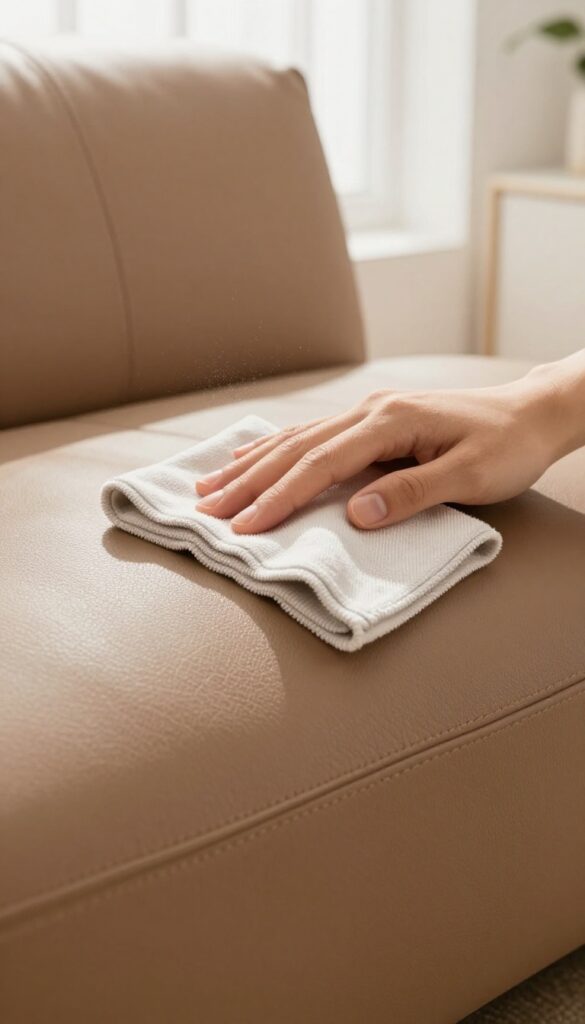
Dust might seem harmless, but on leather, it acts like fine sandpaper. Every time you sit down, those tiny particles grind into the surface, slowly wearing down the finish. A quick weekly dusting removes that abrasive layer before it can do any damage.
Grab a clean, dry microfiber cloth and gently wipe the entire couch, paying extra attention to crevices and seams where dust likes to hide. Microfiber is ideal because its fibers trap dust instead of pushing it around. Avoid using feather dusters or rough rags—they can scratch the leather or leave lint behind.
This one simple habit takes less than five minutes and keeps your couch looking fresh for years.
Why Microfiber Works Best
Microfiber cloths have split fibers that create a static charge, attracting dust like a magnet. They also lift dirt without needing any moisture, which is perfect for leather since water can cause staining or drying over time. Plus, they're reusable—just wash them with mild soap and hang to dry.
Dusting Technique That Protects The Leather
Start from the top of the couch and work your way down, using long, gentle strokes. Don't press hard—you're not scrubbing, just lifting dust. For tight spots like between cushions or along the back, fold the cloth into a point or use a soft brush attachment on your vacuum.
Regular dusting also helps you spot spills or stains early, so they don't set in.
2. Vacuum Crevices with a Soft Brush Attachment
Crumbs, pet hair, and dust love to hide in the crevices of your leather couch. Left alone, these particles can grind into the leather over time, causing tiny scratches and wear. A quick vacuum with the right attachment keeps those hidden areas clean without any risk of damage.
Start by removing all cushions and pillows. Use the soft brush attachment on your vacuum—never a hard bristle or upholstery tool that could scratch the leather. Gently run the brush along every seam, crevice, and the space between the seat and backrest.
Pay special attention to the corners where the cushions meet the frame. This simple step removes abrasive debris before it can cause harm. Do this weekly or whenever you notice buildup.
Why A Soft Brush Matters
Leather is durable but not invincible. A soft brush attachment lifts dust and crumbs without scratching the surface. Hard plastic or metal tools can leave permanent marks.
If your vacuum didn't come with a soft brush, buy one separately—they're inexpensive and worth it.
Don't Forget Under The Cushions
The area under your cushions collects more debris than you'd think. Lift each cushion and vacuum the exposed leather and the cushion bottom. This prevents dirt from transferring to the seating surface when you sit down.
It also keeps the cushion material from breaking down prematurely.
How Often To Vacuum
For a couch in regular use, vacuum crevices once a week. If you have pets or kids, consider twice a week. In a low-traffic room, every two weeks is fine.
Consistency is key—regular vacuuming prevents dirt from embedding into the leather grain.
3. Test Cleaners on a Hidden Spot First
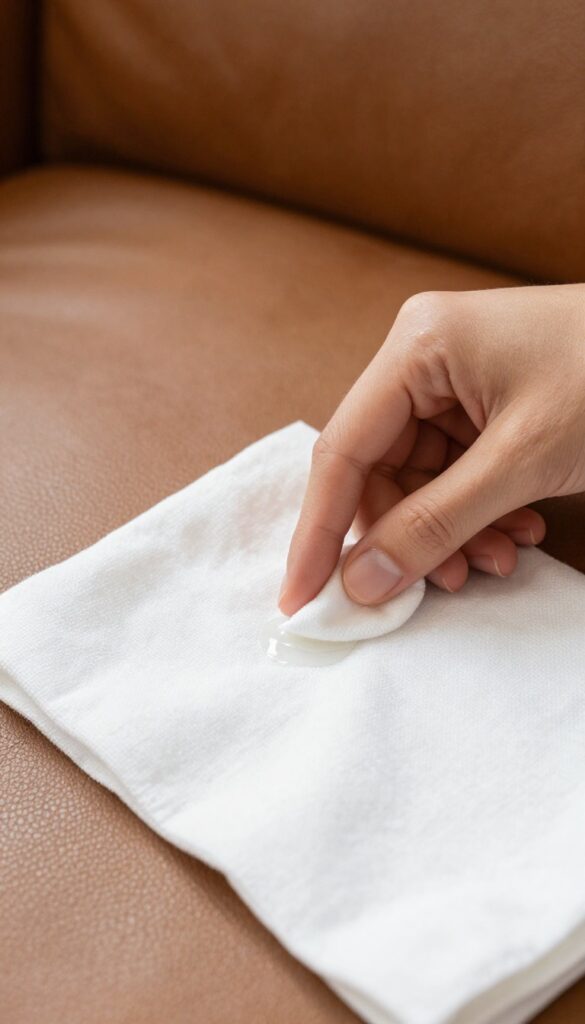
Before you go all-in on a new cleaner, take five minutes to test it somewhere no one will see. Leather is unpredictable—what works on one couch might stain or strip the finish on another. A quick patch test saves you from heartbreak and a permanent mark.
Always test any cleaning solution on an inconspicuous area, like the back or bottom of the couch, to ensure it doesn't discolor or damage the leather. Apply a small amount with a soft cloth, wait a few minutes, then wipe it off. Check for color transfer, dullness, or stickiness.
If the leather looks the same as before, you're good to go.
Where To Test
Flip the couch or look underneath—the back panel, bottom edge, or inside a leg are perfect spots. If your couch has a removable cushion, test on the underside where it won't show. Avoid areas near seams or piping, as those can react differently.
What To Look For
After testing, inspect the area under good light. Look for darkening, lightening, or any residue. Rub the spot gently with a dry cloth—if color comes off, the cleaner is too harsh.
Also feel for stiffness or tackiness, which means the cleaner stripped the finish.
When To Skip A Cleaner
If the test spot changes color, feels sticky, or looks dull, don't use that cleaner. Even if it's labeled 'leather-safe, ' your specific leather type might not tolerate it. Move on to a gentler option, like a mild soap and water mix, and test again.
4. Blot Spills Immediately with a Dry Cloth
A spilled drink or dropped snack doesn't have to spell disaster for your leather couch. The key is speed and the right technique. When liquid hits the surface, grab a clean, dry cloth and blot—don't rub.
Rubbing pushes the liquid deeper into the leather's pores, making stains harder to remove and potentially damaging the finish. Blotting lifts the liquid away, minimizing absorption.
Blotting is your first line of defense against permanent stains. The faster you act, the less time the liquid has to soak in. Keep a stack of soft, lint-free cloths near your couch for quick access.
Microfiber cloths work great because they're absorbent and gentle on leather.
Why Rubbing Is A Bad Idea
Rubbing a spill might feel instinctive, but it's the worst thing you can do. The friction grinds the liquid into the leather, while the pressure forces it deeper. This can also spread the spill, making a small problem much bigger.
Over time, rubbing can wear down the leather's protective coating, leaving it vulnerable to future stains.
The Right Blotting Technique
Place a dry cloth over the spill and press down gently. Let the cloth absorb the liquid, then lift it straight up. Repeat with a fresh section of the cloth until no more liquid transfers.
Avoid pressing too hard—you want to soak up the spill, not push it in. For sticky spills like soda or juice, follow up with a damp cloth and then a dry one.
What To Do After Blotting
Once you've blotted up as much liquid as possible, let the area air dry naturally. Don't use a hairdryer or heater, as direct heat can cause the leather to crack. If a stain remains, use a leather-specific cleaner or a mild soap solution (a drop of dish soap in water) on a damp cloth, then blot again.
Always test any cleaner on a hidden spot first.
5. Use a Mild Soap Solution for Everyday Grime
Everyday dirt and body oils can build up on your leather couch, making it look dull. A gentle soap solution lifts that grime without stripping the leather's natural oils. It's a simple, effective method for regular maintenance.
When your couch needs more than a dusting, a mild soap solution is your go-to. It's safe for most finished leathers and easy to prepare. Just remember to always dry the leather thoroughly afterward to prevent water spots.
Choosing The Right Soap
Stick with a mild dish soap like Dawn or a gentle castile soap. Avoid anything with degreasers, antibacterial additives, or moisturizers—they can leave residue or damage the finish. A few drops per cup of warm water is plenty.
The Wipe-dry Technique
Dip a soft microfiber cloth into the soapy water, then wring it out until it's just damp. Wipe the leather in small sections, following the grain. Use a separate dry cloth to immediately blot and buff the area.
Never let the leather air-dry with soap residue.
When To Skip This Method
This method works only for finished leather (smooth, coated surfaces). Avoid it on aniline or nubuck leather, which are porous and will absorb moisture. For those, stick to dry cleaning or a specialized cleaner.
6. Wipe Down with Distilled Water After Soap Cleaning
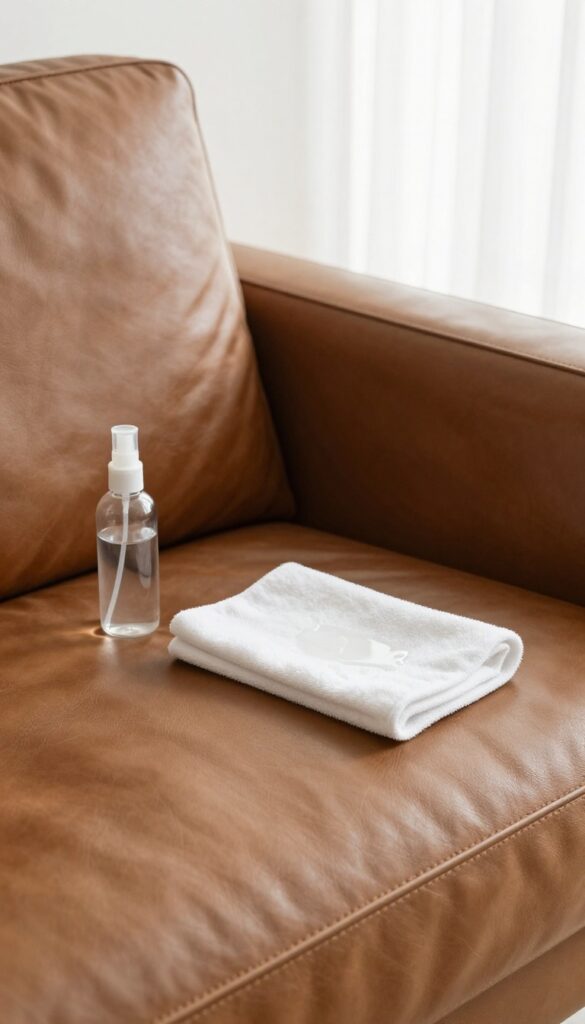
Soap does a great job cutting through grime, but it leaves behind residue that can make leather feel sticky and attract dust. That final rinse with distilled water is what saves your couch from looking dull or feeling tacky. It's a small step that makes a big difference in keeping that soft, clean finish.
After you've cleaned a section with soap, grab a second clean cloth and dampen it with distilled water. Wipe the area gently to lift any leftover soap. Don't oversaturate—just enough to remove the residue.
Then follow with a dry cloth to absorb excess moisture. This two-step rinse keeps the leather's surface clean and prevents buildup that can lead to cracking over time.
Why Distilled Water Matters
Tap water contains minerals and chlorine that can leave spots or react with leather. Distilled water is pure, so it rinses clean without adding anything unwanted. It's especially important if you have hard water, which can leave a white film on dark leather.
How To Do The Final Wipe
Use a soft microfiber cloth—no lint, no scratches. Dip it in distilled water, wring it out well, then wipe the cleaned area in gentle circles. Let it air dry for a minute, then buff with a dry microfiber cloth.
Work in small sections so the soap doesn't dry before you rinse.
7. Condition Leather Every 6 to 12 Months
Leather is a natural material that loses its natural oils over time, especially with regular use and exposure to sunlight. Conditioning replenishes those oils, keeping the leather soft, flexible, and resistant to cracking. It's a simple step that makes a huge difference in how your couch looks and feels.
Conditioning isn't just about making leather look shiny—it's about preserving its structure. Without regular conditioning, leather can become dry, brittle, and prone to permanent damage. A good conditioner penetrates the fibers, restoring moisture and flexibility.
This helps prevent cracks, especially in high-wear areas like armrests and seat cushions. Plus, conditioned leather is more resistant to stains and easier to clean.
Choose The Right Conditioner
Not all leather conditioners are created equal. Look for a product specifically designed for furniture, not shoes or car seats. Avoid conditioners with silicone, wax, or petroleum, as they can clog pores and cause buildup.
Instead, opt for a conditioner with natural oils like lanolin, mink oil, or neatsfoot oil. These absorb well and won't leave a greasy residue.
How To Apply Conditioner
Start with a clean, dry couch. Apply a small amount of conditioner to a soft, lint-free cloth—never directly onto the leather. Rub it into the leather using gentle, circular motions, covering one section at a time.
Let it soak in for the time recommended on the product label (usually 10-20 minutes), then buff off any excess with a clean cloth. Always test on a hidden area first to ensure the color doesn't change.
How Often Should You Condition?
For most homes, conditioning every 6 to 12 months is sufficient. If your couch gets heavy daily use or is in a dry climate, lean toward every 6 months. In more humid environments or with lighter use, once a year is fine.
Signs that your leather needs conditioning include a dry, rough texture, slight cracking, or a dull appearance. Don't over-condition—too much can make leather feel sticky or attract dirt.
8. Avoid Harsh Chemicals Like Bleach or Ammonia
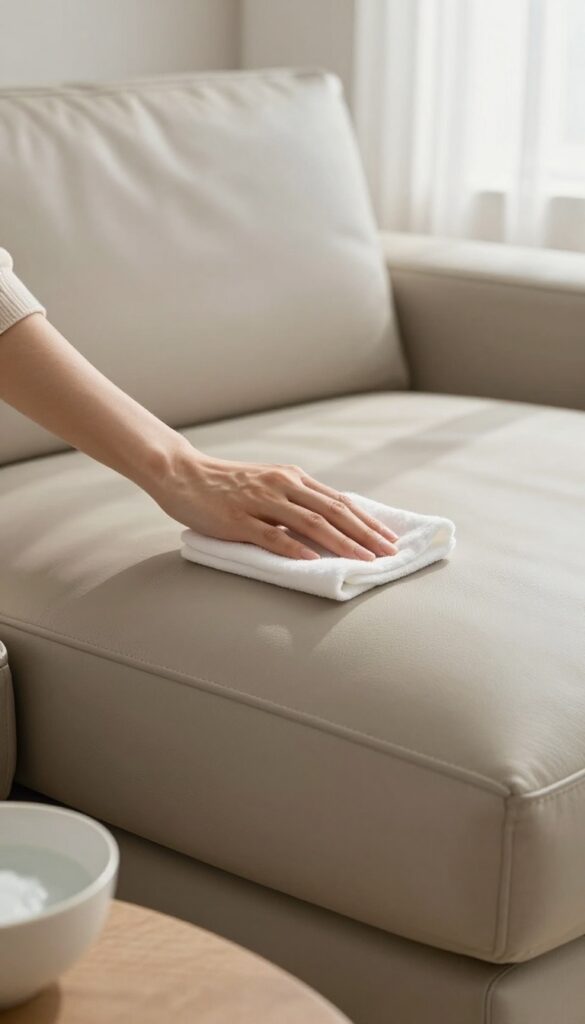
It's tempting to grab a heavy-duty cleaner when your leather couch looks grimy, but that's a fast track to disaster. Bleach, ammonia, and all-purpose cleaners are way too aggressive for leather. They strip the natural oils that keep the material soft and flexible, leaving it dry, cracked, or discolored.
Stick to products made specifically for leather, or use mild soap and water for a safe clean.
Harsh chemicals don't just clean—they damage. Bleach can cause permanent light spots, while ammonia dries out the leather and makes it brittle. Even diluted all-purpose cleaners often contain degreasers or solvents that eat away at the finish.
Once the damage is done, there's no reversing it without professional help. So keep those harsh bottles under the sink and far away from your couch.
What To Look For On Labels
Before you buy any cleaner, check the ingredients. Avoid anything with bleach, ammonia, alcohol, acetone, or strong solvents. Look for pH-balanced, leather-safe formulas.
If the label says "for all surfaces" or "heavy-duty, " it's probably not safe for leather. When in doubt, a drop of mild dish soap in water is your safest bet.
What Happens When You Use Them
Bleach creates white or yellow blotches that won't come out. Ammonia makes the surface feel rough and can cause cracking over time. All-purpose cleaners often leave a sticky residue that attracts more dirt.
In some cases, the damage shows up weeks later as the leather dries out and splits. It's just not worth the risk.
Safe Alternatives That Work
For routine cleaning, a microfiber cloth dampened with water and a tiny bit of mild soap is plenty. For tougher spots, use a dedicated leather cleaner from a trusted brand. You can also make a gentle solution of equal parts white vinegar and water (test first on a hidden area).
These options clean without stripping the leather's natural oils.
9. Remove Ink Stains with Rubbing Alcohol
Ink stains on a leather couch can feel like a permanent disaster, but rubbing alcohol is a surprisingly effective fix. The key is to act fast and blot—never rub. This method lifts the ink without damaging the leather when done carefully.
Ink stains are one of the trickiest marks to remove from leather, but rubbing alcohol can dissolve the ink without harming the finish. The trick is to use a minimal amount and blot gently to lift the stain. Afterward, conditioning is essential to restore moisture and prevent dryness.
Why Rubbing Alcohol Works
Rubbing alcohol is a solvent that breaks down the pigments in ink, making it easy to transfer from the leather to a cloth. It evaporates quickly, so it doesn't soak deep into the material. This makes it safe for most finished leathers, but always test on a hidden spot first.
Step-by-step Blotting Technique
Dip a cotton swab or soft cloth in rubbing alcohol, then gently blot the ink stain. Don't rub, or you'll spread the ink. As the stain transfers to the cloth, switch to a clean area.
Continue until no more ink lifts, then blot with a dry cloth to remove any residue.
Condition Immediately After
Rubbing alcohol can strip natural oils from leather, leaving it dry. Once the stain is gone, apply a leather conditioner to the area. Rub it in with a soft cloth using circular motions, then let it absorb.
This keeps the leather soft and prevents cracking.
10. Treat Oil and Grease Stains with Cornstarch
Oil and grease stains from food or hand lotion can leave an ugly mark on your leather couch. The trick is to absorb the oil before it sets deep into the leather. Cornstarch or baking soda works like a charm for this job.
When you spot a fresh oil stain, act quickly. Sprinkle a generous layer of cornstarch or baking soda directly over the affected area. Let it sit for several hours—overnight is even better—so the powder can pull the oil out of the leather.
After that, gently brush off the powder with a soft cloth or a brush. Wipe the area clean with a dry microfiber cloth. For stubborn stains, repeat the process.
This method is safe for all leather types and won't strip away natural oils.
Why Cornstarch Works
Cornstarch is a natural absorbent. It draws grease and oil out of the leather without harsh chemicals. Baking soda works similarly and also helps neutralize odors.
Both are gentle enough for delicate leather finishes.
Step-by-step Application
Blot any excess oil with a paper towel first. Then cover the stain completely with cornstarch or baking soda. Let it sit for at least 4 hours or overnight.
Use a soft brush or cloth to sweep away the powder. Finish by wiping with a damp cloth and drying with a clean towel.
What To Avoid
Don't rub the stain—it pushes the oil deeper. Avoid using water first, as it can spread the grease. Also, skip any harsh cleaners or solvents that might discolor the leather.
11. Use a Leather-Specific Cleaner for Tough Stains
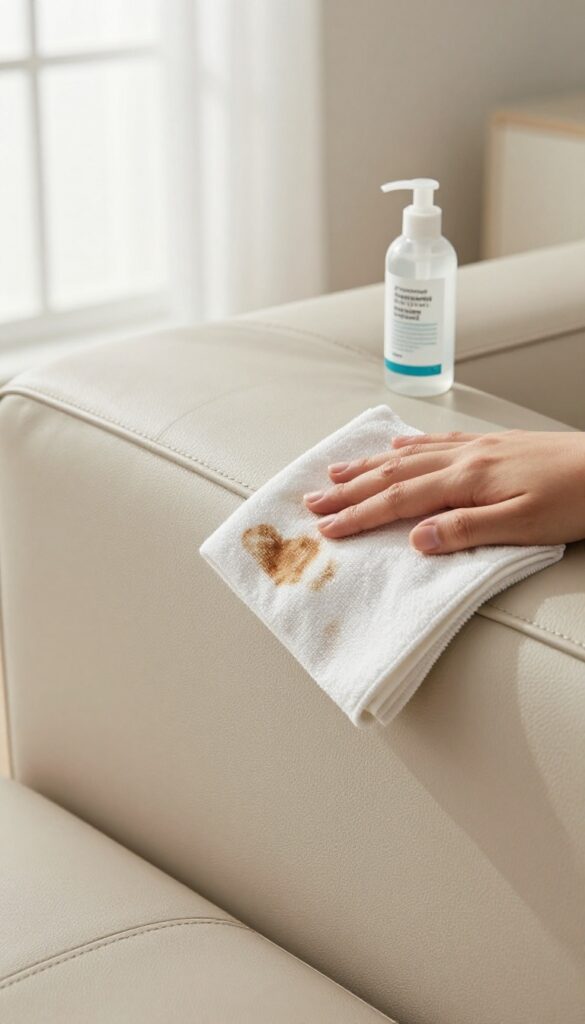
Not all stains wipe away with a damp cloth. When you're dealing with stubborn marks like ink, grease, or dried-on food, it's time to bring out a cleaner made specifically for leather. These products are pH-balanced and free of harsh chemicals that can strip the leather's natural oils.
Generic all-purpose cleaners often contain alcohol, ammonia, or bleach, which can dry out and crack leather over time. A dedicated leather cleaner is formulated to lift dirt and stains without damaging the finish. Look for one that's labeled as pH-balanced and safe for aniline or finished leather, depending on your couch type.
How To Choose The Right Cleaner
Check your couch's care tag first. For finished leather (most common), a standard leather cleaner works. For aniline or nubuck, you need a cleaner specifically for those porous surfaces.
Avoid products with silicones or waxes that can build up.
Application Tips For Best Results
Apply the cleaner to a soft microfiber cloth, not directly on the couch. Gently blot the stain—don't rub, which can spread it. Work from the edges inward.
Let the cleaner sit for a minute, then wipe with a clean damp cloth. Follow with a leather conditioner to restore moisture.
When To Call A Professional
If a stain doesn't budge after two tries, stop. Overcleaning can damage the leather. For deep-set stains or delicate leathers, a professional cleaner has the right tools and expertise to avoid permanent damage.
12. Keep Leather Away from Direct Sunlight
Sunlight might make your room feel bright and airy, but it's one of the worst enemies of leather furniture. UV rays break down the fibers and strip away natural oils, leaving your couch faded, dry, and prone to cracking. Protecting your leather from direct sun is one of the simplest ways to extend its life and keep it looking rich.
If your couch sits near a window that gets strong afternoon light, it's time to rethink the arrangement. Even a few hours of direct sun each day can cause noticeable damage over time. The good news is that prevention is easy and doesn't require any special products.
Rearrange Your Furniture
The most effective fix is to move the couch away from windows that get direct sunlight. If that's not possible, angle it so the sun hits the back or side instead of the seating area. This simple shift can dramatically reduce UV exposure.
Use Curtains Or Blinds
Window coverings are your next best defense. Sheer curtains filter light while still letting brightness in, but blackout curtains or blinds offer full protection during peak sun hours. Close them when you're not in the room to minimize damage.
Apply A Uv Protectant
For an extra layer of safety, consider a leather-specific UV protectant spray. These products add a barrier that reflects harmful rays without altering the look or feel of the leather. Reapply every few months for ongoing protection.
13. Maintain Humidity Between 40% and 60%

Leather is a natural material that responds to its environment. When the air is too dry, the leather loses moisture and becomes brittle, leading to cracks. When it's too humid, moisture can seep in, causing mold or mildew growth.
Keeping your room's humidity in the sweet spot of 40% to 60% helps your couch stay soft and healthy.
A simple hygrometer costs little and takes the guesswork out of monitoring humidity. Place it near your couch, not in direct sunlight or near vents, for an accurate reading. If the humidity drops below 40%, run a humidifier in the room, especially during winter when heating systems dry out the air.
In humid climates or seasons, a dehumidifier or air conditioner can keep moisture levels in check. Your leather will thank you with a longer life and fewer repairs.
Why Humidity Matters For Leather
Leather fibers contain natural oils that keep them flexible. Low humidity pulls those oils out, making the surface stiff and prone to cracking. High humidity encourages mold growth and can cause the leather to warp or develop a musty smell.
Maintaining balanced humidity is one of the easiest preventive measures you can take.
Tools To Monitor And Adjust
A digital hygrometer gives you real-time humidity readings. Pair it with a humidifier or dehumidifier appropriate for your room size. Some humidifiers have built-in hygrostats that automatically maintain the desired level.
In small spaces, a portable unit works well; for larger rooms, consider a whole-home system.
Seasonal Tips For Humidity Control
Winter heating often drops indoor humidity below 30%, so run a humidifier near your couch. In summer, air conditioners naturally dehumidify, but in very humid areas, a standalone dehumidifier may be needed. During rainy seasons, check the area behind and under the couch for hidden moisture.
14. Rotate Cushions Regularly for Even Wear
That one favorite spot on the couch where you always sit? It's taking a toll on your leather. Body heat, oils, and constant pressure break down the finish faster in that area, leaving it looking darker or more worn than the rest.
Rotating cushions is the simplest way to keep everything uniform.
Flip and rotate cushions every few months to distribute body oils and pressure evenly. This prevents sagging and uneven fading, so your couch ages gracefully instead of developing a permanent dent in your spot.
Why Rotation Matters
Leather is porous and absorbs oils from your skin over time. The seat you use most gets more oil, more moisture, and more compression. That leads to premature wear, color changes, and even cracking.
Rotating spreads the love—and the load.
How Often To Rotate
A good rule of thumb is every three to six months, depending on how often the couch is used. If you have kids or pets who claim their own spots, bump it up to every two months. Mark it on your calendar so you don't forget.
The Right Way To Flip And Swap
For reversible cushions, flip them over so the bottom becomes the top. Then swap positions—move the left cushion to the right, and vice versa. If your cushions aren't reversible, just swap their positions.
This evens out wear patterns and keeps the leather looking fresh.
Extra Tip For Loose Cushions
If your cushions are loose and can be turned 180 degrees, do that too. It helps the front edge wear evenly. And while you're at it, vacuum underneath to remove crumbs and dust that can grind into the leather over time.
15. Protect with a Leather-Friendly Fabric Guard
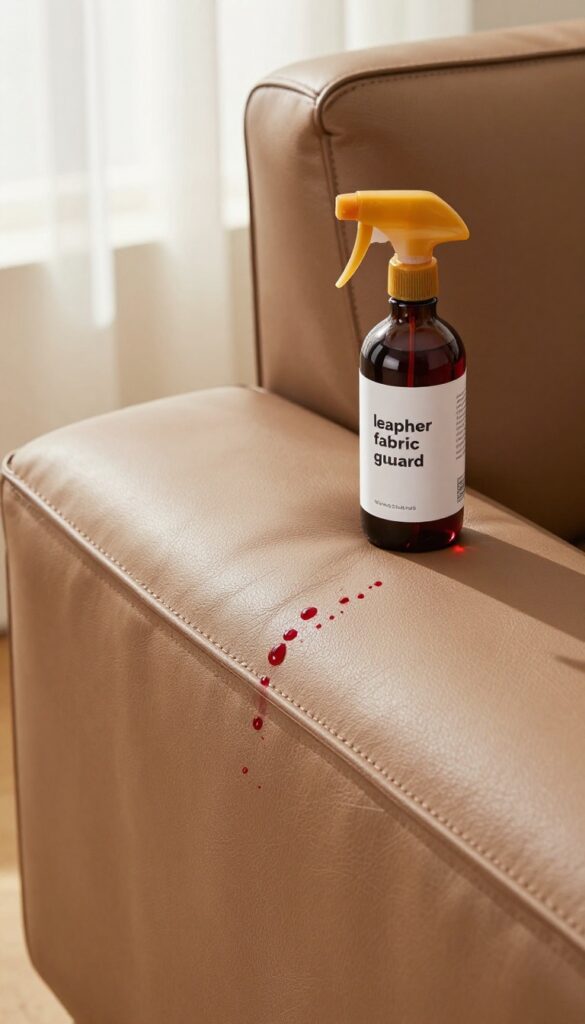
Spills happen. A splash of red wine, a smear of pizza grease, or a pet accident can ruin a leather couch in seconds. But a leather-specific fabric guard adds an invisible shield that buys you time to wipe up messes before they set.
Unlike generic fabric protectors, leather-friendly sprays are designed to repel liquids without blocking the leather's natural breathability. They won't leave a sticky residue or alter the feel of the leather. Just a quick application every few months keeps your sofa ready for real life.
How Leather Fabric Guards Work
Leather fabric guards contain fluoropolymer or silicone-based compounds that bond to the leather fibers. This creates a hydrophobic (water-hating) layer that causes liquids to bead up and roll off rather than soak in. The guard also repels oil-based stains from hand lotions, food, and body oils.
Because the formula is breathable, moisture vapor from the leather can still escape, preventing trapped humidity that leads to cracking.
Choosing The Right Product
Not all protectors are created equal. Look for a product specifically labeled for leather furniture, not for fabric upholstery or shoes. Avoid aerosol sprays with harsh propellants that can dry the leather.
Opt for a pump spray or trigger bottle. Check the ingredients: avoid silicones if you plan to recondition the leather later (they can block conditioner absorption). Brands like Leather Honey, Bickmore, and Guardsman offer reliable options.
Application Tips For Best Results
Start with a clean, dry couch. Vacuum dust and wipe with a damp cloth, then let it dry completely. Shake the bottle well and test on a hidden area first.
Hold the spray 6–8 inches from the surface and apply a light, even coat. Don't oversaturate. Let it dry for 24 hours before using the couch.
For high-use areas like armrests and seat cushions, reapply every 3–4 months. Always follow the manufacturer's instructions.
16. Remove Pet Hair with a Lint Roller or Damp Sponge
Pet hair can cling stubbornly to leather, but it doesn't have to be a battle. Unlike fabric, leather's smooth surface actually makes hair easier to lift—if you use the right tool. A lint roller or a slightly damp sponge works wonders without scratching or leaving residue.
Start by dry-rolling the surface with a standard lint roller. The adhesive picks up loose hair quickly. For hair that's embedded, lightly dampen a clean sponge (not wet) and wipe in one direction.
The moisture creates enough friction to gather hair into clumps. Avoid using tape directly on leather, as the adhesive can leave a sticky film that attracts dirt.
Why Lint Rollers Work Best
Lint rollers are designed for delicate fabrics, and leather is no exception. The gentle adhesive grabs hair without pulling on the leather finish. Roll in short, overlapping strokes for maximum pickup.
Replace the sheet when it loses stickiness.
Using A Damp Sponge Correctly
A slightly damp sponge is ideal for crevices and seams where hair collects. Wring it out well—no dripping. Wipe in the direction of the grain to avoid smearing.
Rinse the sponge frequently to avoid redepositing hair.
What To Avoid
Stay away from sticky tape, which can leave residue. Also avoid dry cloths that just push hair around. Never use a wet sponge, as excess moisture can stain or warp leather over time.
17. Clean Mold or Mildew with a Vinegar Solution
Mold and mildew can sneak onto leather in humid climates or after a spill that wasn't dried properly. The good news is you don't need bleach or harsh fungicides to get rid of them. A simple vinegar solution does the job safely and effectively.
White vinegar is a natural disinfectant that kills mold spores without damaging leather. The key is to use it sparingly and always test first. This method works best on smooth, finished leather—avoid it on suede or nubuck.
Mix The Solution
Combine equal parts white vinegar and distilled water in a small bowl. Distilled water prevents mineral deposits that tap water can leave behind. Stir gently to blend.
Apply And Wipe
Dampen a soft, clean cloth in the solution and wring it out until just moist. Gently blot or wipe the moldy area—don't saturate the leather. Use a light touch to avoid spreading spores.
Dry And Check
After wiping, use a dry cloth to absorb any excess moisture. Let the couch air dry completely in a well-ventilated area away from direct heat. If any mold remains, repeat the process once more.
Condition Afterward
Vinegar can slightly dry out leather, so apply a leather conditioner once the area is fully dry. This restores softness and helps prevent future mold growth.
18. Avoid Over-Wetting the Leather Surface
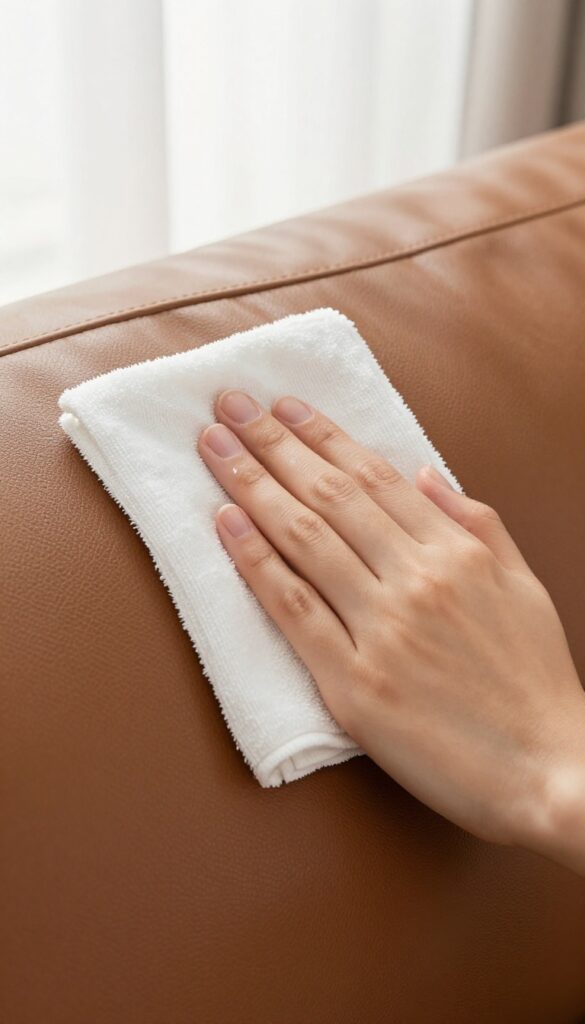
Water and leather aren't best friends, even though a little moisture helps lift dirt. The key is using as little water as possible—just enough to clean without soaking through. When leather gets too wet, the water can seep into seams, padding, or the backing material, leading to warping, staining, or even mold over time.
The Damp-not-wet Rule
Before you start, wring out your cloth until it's barely damp. You want it to feel moist to the touch but not leave any water droplets on the leather. If you can squeeze out even a few drops, it's too wet.
A microfiber cloth works great because it holds moisture without dripping.
Spot Test First
Always test your damp cloth on a hidden area—like the back or bottom of the couch—to see how the leather reacts. Some leathers are more porous and absorb water quickly, while others are sealed. If the test spot darkens significantly or feels wet, use even less moisture.
Dry Immediately After Cleaning
Once you've cleaned a section, go over it with a dry, soft cloth to remove any lingering moisture. Don't let the leather air-dry while still wet, especially in seams or crevices. This simple step prevents water from sitting and causing damage.
19. Use a Soft Bristle Brush for Textured Leather
Textured leathers like nubuck and suede need a different approach than smooth leather. A soft bristle brush is your best friend here, helping lift dirt and restore the nap without damaging the surface. Brushing in one direction keeps the texture uniform and prevents wear.
Grab a brush specifically designed for nubuck or suede. Gently brush the entire surface in one direction to remove dust and revive the soft, velvety feel. For stubborn spots, a suede eraser can be used first.
Always brush before conditioning, as conditioners can flatten the nap.
Why One Direction Matters
Brushing back and forth can crush the fibers and create uneven patches. By always brushing in the same direction, you keep the nap consistent and the leather looking fresh. It also prevents tiny scratches that can dull the surface over time.
When To Brush
Make it a weekly habit, especially in high-traffic areas. Brushing before vacuuming helps loosen embedded dirt so it's easier to remove. If you spill something, let it dry completely, then brush gently to lift the residue.
20. Schedule a Professional Deep Clean Every 2 Years
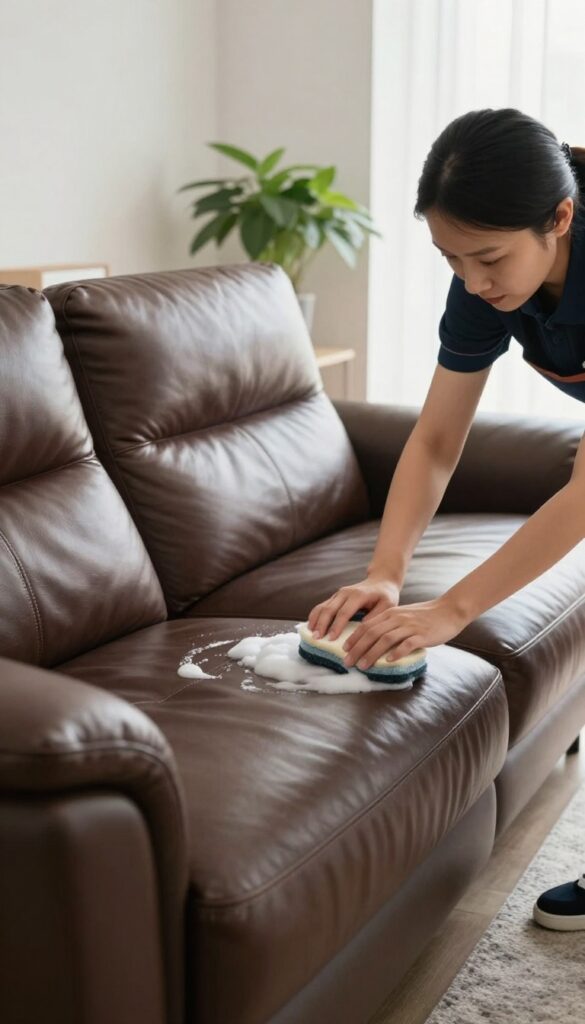
Even with the best at-home care, leather can accumulate embedded dirt and oils that regular cleaning misses. A professional deep clean every couple of years resets the surface and restores suppleness. Think of it as a spa day for your couch—it removes the buildup that makes leather feel stiff and look dull.
Professionals use specialized cleaners and conditioners that are stronger than what you can buy at the store, but still safe for your leather. They also have equipment to extract dirt from seams and crevices. This service not only revives the look but also extends the life of your sofa, making it a worthwhile investment.
What A Professional Clean Includes
A typical deep clean involves a gentle cleaning solution applied evenly, followed by a thorough extraction with a vacuum or steam tool. Then, a conditioner is worked into the leather to restore moisture and flexibility. Some services also offer color repair or touch-ups for faded areas.
How To Choose A Reliable Service
Look for companies that specialize in leather furniture, not just general upholstery. Check reviews and ask about their cleaning agents—avoid anyone who uses harsh chemicals or silicone-based products. A good pro will inspect your couch first and explain their process.
When To Schedule Between Cleanings
If you have kids or pets, consider yearly cleanings instead of every two years. Also, if you notice a persistent odor, sticky spots, or color transfer on clothes, it’s time to call in the experts. Regular professional care keeps your leather looking like new.
FAQ
Can I use baby wipes to clean my leather couch?
It's not recommended. Baby wipes often contain alcohol, fragrances, or other chemicals that can strip leather's natural oils and cause drying or cracking over time. Stick to a mild soap solution or a dedicated leather cleaner.
How often should I condition my leather couch?
Condition every 6 to 12 months, depending on usage and climate. If the leather feels dry or looks dull, it's time to condition. Over-conditioning can make it greasy, so follow product instructions.
What's the best way to remove pen ink from leather?
Dab rubbing alcohol on a cotton swab and gently blot the ink stain. Blot with a dry cloth to lift the ink, then condition the area. Avoid rubbing, which can spread the ink.
Is it safe to use vinegar on leather?
White vinegar diluted with water (1: 1) can be used for mold or mildew, but it's acidic and may damage some leather finishes. Always test on a hidden spot first and rinse with a damp cloth afterward.
Can I use olive oil to condition my leather couch?
No. Olive oil can go rancid, attract dirt, and leave a sticky residue. Use a commercial leather conditioner designed for furniture to ensure safe, effective moisturizing.
Conclusion
Keeping your leather couch clean and soft doesn't require a professional or a cabinet full of products. With regular dusting, prompt spill cleanup, and occasional conditioning, you can maintain that luxurious feel for years. Remember to always test new cleaners on a hidden area and avoid harsh chemicals.
These 20 tips give you a complete routine—from daily care to stain removal—so your couch stays a welcoming centerpiece in your home. Start with one or two habits, and build from there. Your leather will thank you.