15 How to Clean Outdoor Cushions After Dirt Rain and Mold
Outdoor cushions face a lot: sun, rain, dirt, and sometimes mold. If they've seen better days, you don't need to replace them just yet. With the right approach, you can bring them back to life.
Cleaning them isn't just about looks—it's about extending their life and keeping your outdoor space inviting. Whether you're dealing with a light dusting or stubborn mildew, there's a solution that fits. In this guide, you'll find 15 practical methods to tackle dirt, rain stains, and mold.
Each one is straightforward and uses common household items or simple techniques. Let's get those cushions looking fresh again.
1. Start with a Dry Brush
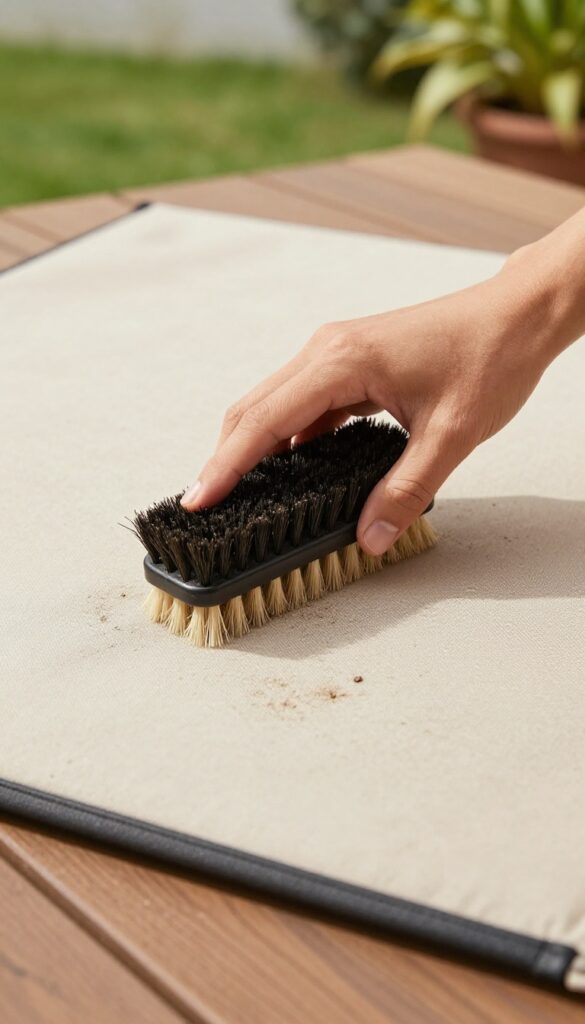
Before you bring out any water or cleaning solution, give your cushions a good dry brushing. This simple first step makes a big difference. It lifts away loose dirt, dust, and debris that would otherwise turn into mud when wet.
Why Dry Brushing Matters
When you wet dirty cushions, the water mixes with the grime and can push it deeper into the fabric. Dry brushing removes the surface layer, so your cleaning efforts focus on the actual stains instead of just moving dirt around. It also prevents scratches on delicate fabrics and keeps your cleaning solution from getting dirty too quickly.
Choosing The Right Brush
A stiff-bristled brush works best for most outdoor fabrics like polyester or canvas. For more delicate materials, use a soft-bristled brush or a broom with gentle bristles. Avoid wire brushes—they can damage the fibers.
If you don't have a brush, a dry microfiber cloth or a vacuum with a brush attachment can do the job.
Technique And Tips
Work in one direction, using short, firm strokes. Start from the top and move down, so the dirt falls off rather than settling back. Pay extra attention to seams and crevices where debris likes to hide.
If the cushions have zippers, brush around them carefully to avoid snagging. Do this outside or over a trash bin to keep the mess contained.
2. Vacuum Away Surface Dust
Before you reach for a spray bottle, let a vacuum do the heavy lifting. Dust, pollen, and pet hair settle into the fabric and can get ground in when you start scrubbing. A quick pass with the right attachment lifts that loose debris without spreading it around.
It's a simple step, but it makes a real difference. You'll avoid turning dirt into mud, and you'll give your cleaning solution a fair shot at the actual stains. Plus, it's a great way to keep cushions looking fresher between deep cleans.
Choose The Right Attachment
Most vacuums come with an upholstery brush or a crevice tool. Use the upholstery brush for flat surfaces and the crevice tool for seams, zippers, and corners where dirt likes to hide. If your vacuum has adjustable suction, start low to avoid pulling the fabric or damaging the fill.
Work In Sections
Go over each cushion in a slow, overlapping pattern. Start at the top and work your way down, then flip the cushion and do the bottom. Don't forget the sides and any piping.
This also helps you spot any areas that need extra attention later.
Don't Forget The Crevices
Dust and debris collect along seams and around zippers. Use the crevice tool to get into those tight spots. If you have a brush attachment, you can also gently agitate the fabric to loosen embedded particles before vacuuming them up.
3. Spot Clean with Mild Dish Soap
Sometimes a full wash is overkill. If you're dealing with a small stain or a dirty patch, a quick spot clean can do the trick. Mild dish soap is gentle enough for most outdoor fabrics and tough enough on everyday grime.
It's a simple fix that doesn't require pulling out the hose or mixing a big batch of cleaner.
Spot cleaning is your go-to for localized issues like coffee spills, bird droppings, or muddy footprints. The key is to act fast and use the right technique. You'll want to avoid soaking the cushion, which can lead to mold or mildew down the line.
Instead, focus on the affected area and blot, don't scrub.
Mix A Gentle Solution
Fill a small bowl with warm water and add a few drops of mild dish soap. Stir it gently to create suds. You don't need much—just enough to lift the dirt.
Avoid using harsh detergents or bleach, which can fade colors or damage the fabric's water-resistant coating.
Blot, Don't Scrub
Dip a soft cloth or sponge into the soapy water, wring it out well, and blot the stain. Start from the outside and work inward to prevent spreading. Scrubbing can push the dirt deeper into the fibers and rough up the fabric.
Let the soap sit for a minute or two, then blot again with a clean, damp cloth to rinse.
Rinse And Dry
After blotting, use a separate cloth dampened with plain water to remove any soap residue. Then, pat the area with a dry towel to absorb excess moisture. Leave the cushion to air dry completely before using it again.
If possible, prop it up so air circulates around the spot.
4. Use a Vinegar and Water Solution
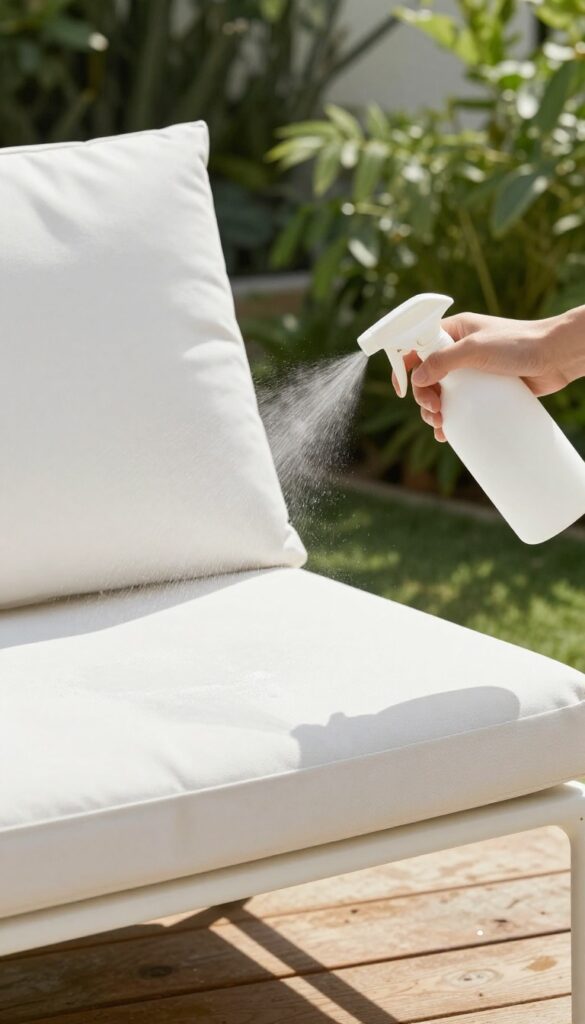
When you're dealing with musty smells or a light layer of mold, vinegar is a reliable go-to. It's cheap, natural, and surprisingly effective at cutting through grime without harsh chemicals. This method is especially handy for regular maintenance or when you want a quick refresh between deeper cleanings.
Mixing white vinegar and water in equal parts gives you a gentle but powerful cleaner. The acidity in vinegar breaks down dirt and neutralizes odors, while also tackling mild mold spores. It's a safe option for most cushion fabrics, though it's always smart to test a small hidden area first.
Mix The Solution Properly
Grab a clean spray bottle and combine one part white vinegar with one part water. Shake gently to mix. Avoid using apple cider vinegar or other types, as they can leave stains.
For extra cleaning power, you can add a few drops of dish soap, but plain vinegar works well on its own.
Apply And Let It Sit
Spray the solution generously over the entire surface of the cushion, focusing on stained or musty areas. Let it sit for 10 to 15 minutes. This gives the vinegar time to break down grime and kill mold spores.
Don't let it dry completely—you want it to stay damp while it works.
Wipe And Rinse
After the wait, use a soft brush or cloth to gently scrub any visible spots. Then wipe the cushions down with a clean, damp cloth to remove the vinegar residue. If the fabric allows, give them a quick rinse with a hose to ensure no vinegar smell remains.
Let them air dry completely in the sun.
5. Try Baking Soda for Odors
If your cushions smell musty even after a good cleaning, baking soda is your best friend. It's gentle, cheap, and works wonders at absorbing odors and leftover moisture. Here's how to use it effectively without making a mess.
Start by giving your cushions a quick brush or shake to remove loose dirt. Then, generously sprinkle baking soda over the entire surface, focusing on areas that smell the strongest. Let it sit for 15–20 minutes—longer if the odor is stubborn.
Finally, vacuum it all up using an upholstery attachment. This simple step will leave your cushions smelling fresh and clean.
Why Baking Soda Works
Baking soda is a natural deodorizer. It neutralizes acids and bases, which helps eliminate odors rather than just covering them up. It also absorbs moisture, which is key for preventing mold and mildew growth.
Plus, it's safe on most fabrics and won't leave behind any harsh chemical residue.
Step-by-step Application
First, make sure the cushions are dry—baking soda works best on dry surfaces. Then, sprinkle a thin, even layer over the entire cushion. For tough smells, you can rub it in gently with a soft brush.
Let it sit for 15–20 minutes, or up to an hour if the odor is really set in. Vacuum thoroughly to remove all the powder. If you have a steam cleaner, you can follow up with a quick pass for extra freshness.
Tips For Stubborn Odors
If the musty smell persists, mix a little baking soda with a few drops of your favorite essential oil (like lavender or lemon) before sprinkling. This adds a pleasant scent while still deodorizing. For heavy mold smells, consider repeating the process or combining it with a vinegar spray.
Just make sure the cushions are completely dry before you apply the baking soda again.
6. Harness the Power of Sunlight
After a thorough cleaning, the sun can do some of the heavy lifting for you. UV rays are a natural disinfectant and can help fade those stubborn stains. Plus, it's free and doesn't require any extra elbow grease.
Once your cushions are clean and rinsed, place them in direct sunlight for a few hours. The UV rays will kill any remaining mold spores and help lift stains naturally. Flip them halfway through so both sides get equal exposure.
This step not only dries the cushions thoroughly but also leaves them smelling fresh.
Why Sunlight Works
Ultraviolet light breaks down the cell walls of mold and mildew, killing them effectively. It also acts as a mild bleaching agent, which helps lighten dark spots left by dirt or water. This is a chemical-free way to sanitize and brighten your cushions.
How To Do It Right
Choose a sunny day with low humidity. Lay the cushions flat on a clean, dry surface—like a patio or deck—and let them sit for at least 3-4 hours. Flip them once to ensure even drying and sun exposure.
If you're in a hurry, you can prop them up against a wall, but make sure both sides get their fair share of rays.
What To Watch Out For
Sunlight can fade fabric over time, so avoid leaving cushions out for days. A few hours is plenty. Also, if your cushions have bright colors, consider turning them over so the underside gets the most sun.
This way, you minimize fading on the visible side.
7. Mix a Hydrogen Peroxide Solution
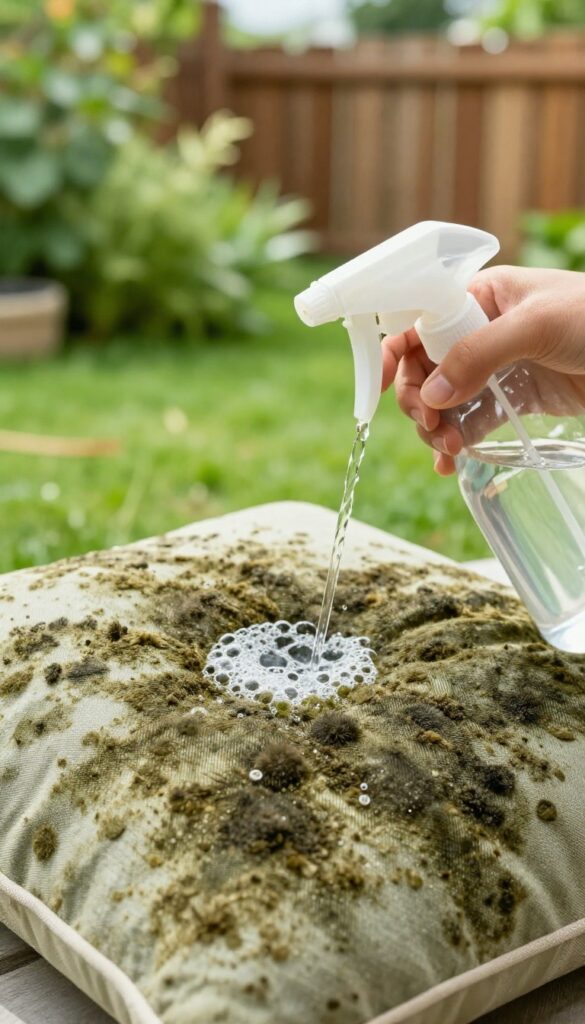
When mold has really dug in, vinegar or baking soda might not cut it. Hydrogen peroxide is a stronger option that still stays gentle on fabrics. It breaks down mold and mildew without the harsh fumes of bleach, making it a solid choice for tougher stains.
Why Hydrogen Peroxide Works
Hydrogen peroxide is a mild antiseptic that releases oxygen when it comes into contact with organic material. That oxygen bubbles help lift mold and stains from the fabric fibers. It's also color-safe on most outdoor cushion materials, but you should always test it first.
How To Mix And Apply
In a spray bottle, combine one part 3% hydrogen peroxide with two parts water. Shake gently to mix. Spray the solution directly onto the moldy areas, making sure the fabric is saturated but not dripping.
Let it sit for about 15 minutes – you'll see it start to fizz and work. Then wipe the area with a clean cloth or sponge. For really stubborn spots, you can use a soft-bristled brush to gently scrub before wiping.
Safety And Testing
Always test the solution on a hidden spot first, like the underside of a cushion. Wait a few minutes to make sure the color doesn't fade or bleed. Also, avoid using hydrogen peroxide on wool or silk, as it can damage those fibers.
Wear gloves to protect your hands, and work in a well-ventilated area.
8. Use a Commercial Fabric Cleaner
Sometimes a full wash is overkill, and you just need a quick refresh. That's where commercial fabric cleaners come in. They're made specifically for outdoor fabrics, so they handle dirt, stains, and even mild mold without much effort.
Plus, they're designed to be gentle on the material while still getting the job done.
Commercial fabric cleaners are a convenient option when you want results without mixing your own solutions. They come in sprays or foams that you apply directly to the cushion, then wipe or rinse off. Many are formulated to protect against future stains and UV damage, adding a layer of defense.
Just be sure to choose one that's safe for your cushion's fabric type—check the label before you buy.
Pick The Right Cleaner
Not all fabric cleaners are the same. Look for one labeled for outdoor use, as these are designed to handle mildew, mold, and UV exposure. If your cushions are made of a specific material like acrylic or polyester, find a cleaner that's compatible.
Some cleaners are also eco-friendly, which is a nice bonus if you're conscious about chemicals.
Apply And Wipe
Most commercial cleaners are spray-on and wipe-off. Start by brushing off loose dirt, then spray the cleaner evenly over the cushion. Let it sit for the time specified on the label—usually a few minutes—so it can break down the grime.
Then, wipe with a clean cloth or sponge. For tougher spots, use a soft brush to work the cleaner in.
Rinse And Dry
After wiping, you might need to rinse the cushion with water to remove any residue. Check the instructions—some cleaners are no-rinse. If you do rinse, use a hose and let the cushion air dry completely before putting it back.
Drying in the sun helps kill any remaining mold spores and leaves your cushions smelling fresh.
9. Deep Clean with a Soft Brush and Soapy Water
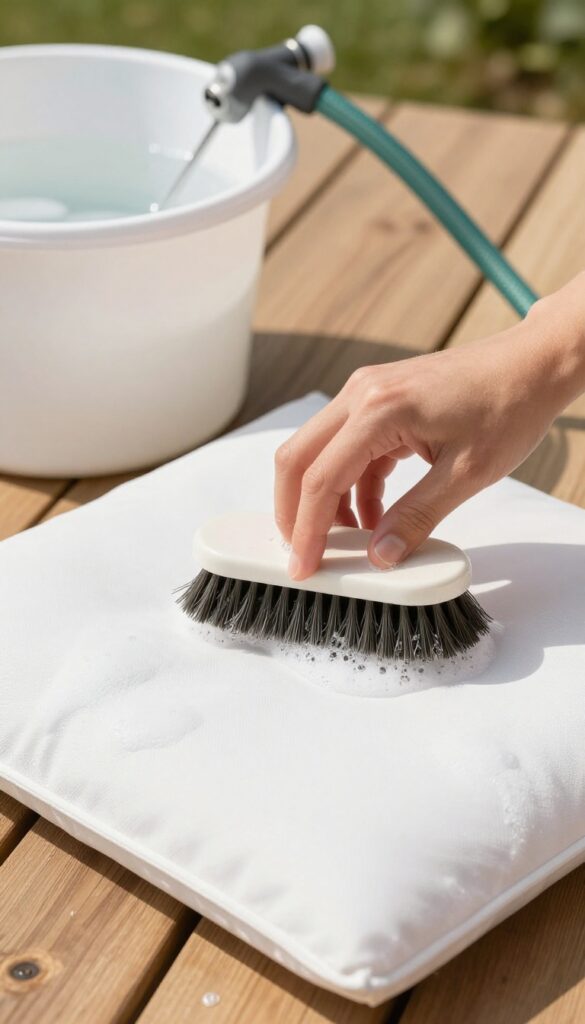
Sometimes a quick wipe just doesn't cut it. When your cushions have ground-in dirt or a stubborn grime layer, it's time to bring out the soft brush and soapy water. This method is gentle enough for most fabrics but tough on the mess.
Start by removing any loose debris with a dry brush or vacuum. Then, mix a mild detergent with warm water in a bucket. Dip your soft-bristled brush into the solution and scrub the cushions in a circular motion, paying extra attention to stained areas.
Rinse thoroughly with a hose to remove all soap residue, and let them air dry completely before using.
Choosing The Right Brush
A soft-bristled brush is key to avoid damaging the fabric. Look for a brush with nylon or natural bristles that are gentle yet effective. Avoid wire brushes or anything too stiff, as they can fray the material.
Detergent Selection
Use a mild detergent that's safe for outdoor fabrics. Dish soap or a gentle laundry detergent works well. Avoid harsh chemicals like bleach, which can discolor or weaken the fabric.
Rinsing And Drying
After scrubbing, rinse the cushions thoroughly with a garden hose. Make sure all soap is gone, as leftover residue can attract dirt. Let them dry completely in the sun, ideally propped up to allow air circulation.
10. Rinse with a Garden Hose
Once you've scrubbed in a cleaning solution, the next step is to wash it all away. A garden hose is perfect for this job. It's quick, easy, and gets the job done without any extra fuss.
A thorough rinse removes soap residue and loosened dirt, leaving your cushions clean and ready to dry. Just be mindful of the water pressure—too strong and you might push grime deeper into the fabric.
Rinsing with a garden hose is a simple yet crucial step in the cleaning process. It ensures that all the cleaning agents and dirt are fully removed, preventing any residue from attracting more dirt or causing fabric damage. This method is especially effective after using stronger cleaners like bleach or vinegar solutions, as it dilutes and washes them away completely.
To get the best results, use a nozzle that offers a gentle spray setting. A wide, soft spray covers more area and is less likely to damage the fabric. Hold the hose a few inches away and move it in even, sweeping motions.
Pay extra attention to seams and crevices where dirt and soap can hide. After rinsing, gently squeeze the cushions to remove excess water, then let them air dry completely before putting them back on your furniture.
Why Rinsing Matters
Rinsing isn't just about removing soap—it's about lifting away the dirt and grime that the cleaning solution loosened. If you skip this step, you might leave behind a film that attracts more dirt or even causes discoloration. A good rinse also helps prevent any cleaning product residue from irritating skin or pets that come into contact with the cushions.
Best Hose Settings
Not all spray settings are created equal. For cushion cleaning, you want a gentle, wide spray. A jet setting might feel powerful, but it can push dirt deeper into the fabric or even damage the fibers.
Look for a 'shower' or 'mist' setting on your nozzle. If your hose doesn't have adjustable settings, you can simply place your thumb over the end to soften the spray.
Drying After Rinsing
After rinsing, it's crucial to dry the cushions properly to prevent mold and mildew from returning. Gently squeeze out excess water, then place them in a sunny, well-ventilated area. Avoid folding or stacking them while they're still damp.
If possible, prop them up so air can circulate all around. This helps them dry faster and more evenly.
11. Machine Wash Removable Covers
If your cushion covers have zippers and care tags that say machine washable, you're in luck. This is the easiest way to get them deeply clean without all the scrubbing. Just pop them off and let your washing machine do the work.
Before tossing them in, check the care label for any specific instructions. Some fabrics need cold water, while others can handle warm. A gentle cycle is always a safe bet.
Use a mild detergent, and skip the bleach unless the label says it's okay. Once the cycle finishes, resist the urge to toss them in the dryer. Air drying is key to preventing shrinkage and keeping the fabric from warping.
Lay them flat or hang them in a shady spot, and they'll be ready to go back on the cushions in no time.
Prep The Covers First
Give the covers a quick shake outside to remove loose dirt and debris. Check the pockets and seams for any hidden leaves or grime. If there are any stains, treat them with a stain remover before washing.
This step helps the wash cycle work more effectively.
Choose The Right Settings
Use cold water and a gentle cycle to protect the fabric. A mild detergent is best, and you can add a cup of white vinegar to the rinse cycle to help eliminate odors and brighten colors. Avoid fabric softeners, as they can leave a residue that attracts dirt.
Drying Without Damage
Air drying is the safest option. Lay the covers flat on a clean surface or hang them over a clothesline in the shade. Avoid direct sunlight, which can fade colors.
If you're in a hurry, you can use a dryer on the lowest heat setting, but keep a close eye on them and remove while slightly damp to prevent shrinking.
12. Steam Clean for Deep Grime
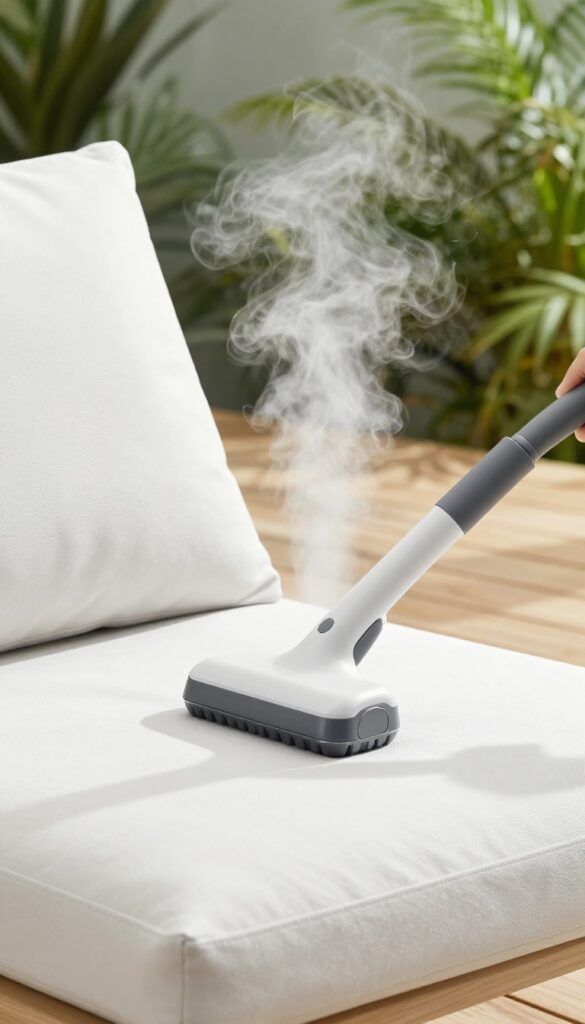
When scrubbing and soaking aren't enough, steam can be your secret weapon. A handheld steam cleaner uses high-temperature vapor to break down stubborn dirt and kill mold spores without harsh chemicals. It's a gentle yet powerful method that's especially good for delicate fabrics.
Why Steam Works
Steam penetrates deep into the fabric fibers, loosening embedded grime that regular cleaning misses. The heat also neutralizes mold and mildew at the root, so it's less likely to come back. Plus, you're not adding any soap or bleach, which means no residue left behind.
Choosing The Right Steamer
A handheld steamer with a brush attachment is ideal for cushions. Look for one with adjustable steam settings so you can start with a lower pressure on delicate fabrics. If you don't own a steamer, you can rent one from a local hardware store or borrow from a friend.
Steaming Steps
Start by vacuuming the cushion to remove loose dirt. Then, fill your steamer with water and let it heat up. Hold the nozzle a few inches away from the fabric and move it slowly across the surface, overlapping slightly.
For tough spots, use the brush attachment to agitate while steaming. After steaming, let the cushion air dry completely in a sunny spot.
Safety And Care Tips
Always check the care label first—steam isn't suitable for all fabrics. Test on a small, hidden area to make sure the color doesn't bleed or fade. Avoid saturating the cushion, as excess moisture can lead to mold.
Work in a well-ventilated area and wear gloves if the steam feels too hot.
13. Apply a Mold and Mildew Spray
When mold has really dug in, a dedicated spray can save the day. These products are made to kill spores and prevent them from coming back. Just remember to spot-test first—you don't want to trade one problem for another.
Mold and mildew sprays are your heavy artillery for stubborn spots. They come in ready-to-use bottles or concentrates you dilute. Look for ones labeled safe for outdoor fabrics, and always follow the instructions on the label.
Why A Dedicated Spray Works
Regular cleaners might not kill mold at the root. Sprays formulated for mildew contain active ingredients that penetrate the fabric and neutralize spores. This means you're not just wiping away the visible stain—you're stopping regrowth.
How To Apply It Right
Start by brushing off any loose dirt. Then spray the affected areas generously, making sure the fabric is saturated but not dripping. Let it sit for the time specified on the product—usually 10 to 15 minutes.
After that, rinse thoroughly with a hose or in a tub. If the mold is heavy, you might need a second round.
Spot Test First
Even though these sprays are designed for outdoor fabrics, they can cause discoloration on some materials. Before you go all in, test a small hidden area. Apply the spray, wait, and rinse.
If the color stays true, you're good to go. If not, you'll need a different approach.
14. Dry Thoroughly to Prevent Regrowth
You've scrubbed, rinsed, and squeezed—but if you skip the drying step, all that effort could go to waste. Moisture left behind is like a welcome mat for mold and mildew, ready to move back in. Drying your cushions completely before storing or using them is the final, non-negotiable step to keep them fresh.
After cleaning, the goal is to get every bit of moisture out. Even if they feel dry on the surface, the inner foam might still be damp. That trapped moisture can lead to musty smells and mold growth over time, undoing all your hard work.
Here's how to make sure your cushions are truly dry.
Air Dry In The Sun
The sun is your best friend here. Place cushions upright in a sunny spot, preferably on a clean, dry surface like a patio or deck. Sunlight not only evaporates moisture but also helps kill any lingering mold spores.
Flip them every few hours to ensure all sides dry evenly. If you're in a hurry, a breezy day speeds things up.
Use A Fan For Faster Drying
If the sun isn't cooperating or you're dealing with thicker cushions, set up a fan. Position it so it blows air directly onto the cushions, and rotate them periodically. A box fan or a standing fan works well.
For extra efficiency, you can even hang cushions over a railing or chair to allow airflow from all sides.
Check For Hidden Moisture
Before you put them away, give the cushions a quick squeeze. If any water seeps out, they need more time. Also, feel the fabric and the seams—these areas can hold moisture longer.
If you're storing them in a bin or cover, make sure they're 100% dry to avoid trapping dampness. When in doubt, give them an extra hour in the sun.
15. Protect with a Fabric Sealant
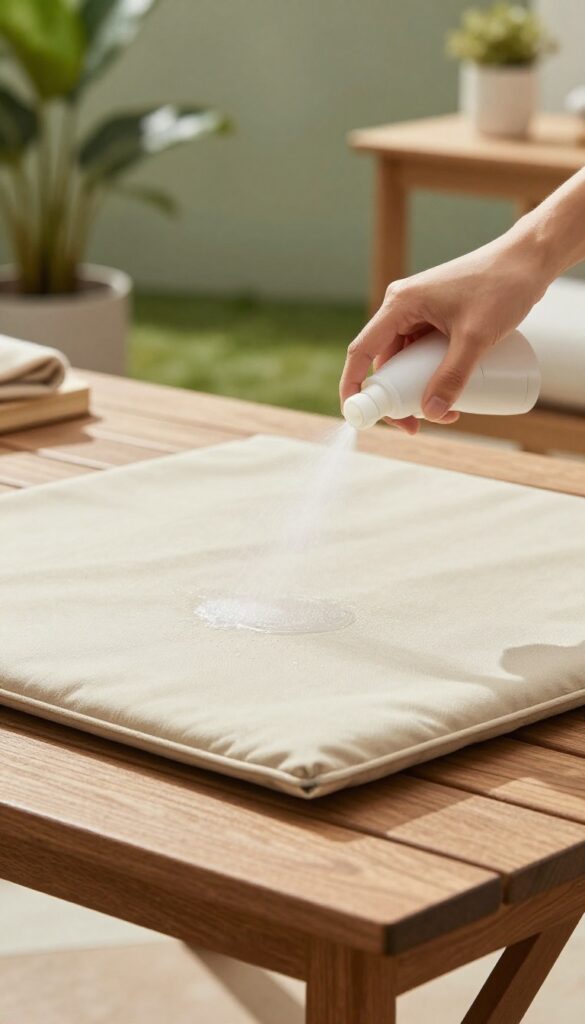
You've cleaned and dried your cushions, but the battle isn't over. The next rain could bring back those stains, and future spills will be just as stubborn. A fabric sealant adds a protective barrier that repels water and resists dirt, making your cushions easier to clean and longer-lasting.
It's like giving them a shield against the elements.
Why Sealant Matters
Fabric sealants work by coating the fibers with a microscopic layer that causes liquids to bead up and roll off. This prevents water from soaking in, which is key to avoiding mold and mildew. It also keeps dirt and grime from embedding into the fabric, so a quick wipe often does the trick.
Over time, this means less deep cleaning and more time enjoying your outdoor space.
Choosing The Right Sealant
Not all sealants are created equal. Look for one specifically designed for outdoor fabrics, like those used on patio furniture or boat covers. Check that it's compatible with your cushion material—whether it's polyester, acrylic, or olefin.
Some sealants also offer UV protection, which helps prevent fading from the sun. Read reviews and pick a reputable brand for the best results.
How To Apply It
Start with clean, completely dry cushions. Apply the sealant in a well-ventilated area, preferably outdoors. Shake the can or bottle well, then spray evenly from about 6 to 8 inches away.
Use a light, even coat—don't saturate the fabric. Let it dry for the time specified on the label, usually a few hours. For heavy-duty protection, apply a second coat after the first is dry.
Always test on a small, hidden area first to ensure it doesn't discolor the fabric.
Maintenance And Reapplication
Sealants aren't permanent. They wear off with use, weather, and cleaning. Check your cushions every few months—if water no longer beads up, it's time to reapply.
After washing your cushions, you'll need to reapply the sealant to restore protection. Keeping up with this routine will keep your cushions looking fresh and extend their life significantly.
FAQ
Can I use bleach on outdoor cushions?
It's best to avoid bleach as it can discolor or weaken the fabric. Opt for oxygen-based cleaners or vinegar solutions instead.
How often should I clean outdoor cushions?
A quick wipe-down every couple of weeks and a deep clean at least twice a season (or after heavy rain) keeps them in good shape.
What's the best way to remove mold from outdoor cushions?
A mixture of vinegar and water or a commercial mold spray works well. Always test on a small area first and dry thoroughly afterward.
Can I put outdoor cushion covers in the washing machine?
Yes, if the care label says they're machine washable. Use cold water on a gentle cycle and air dry to avoid damage.
How do I prevent mold from coming back?
Ensure cushions are completely dry before storing, keep them covered when not in use, and apply a fabric protector to repel moisture.
Conclusion
Outdoor cushions can bounce back from dirt, rain, and mold if you give them the right care. Start with a simple brush-off, then match your cleaning method to the fabric and the mess you're dealing with. Don't skip the drying step—it's what keeps mold from coming back.
Once your cushions are clean and dry, a little routine maintenance goes a long way. Toss them under cover during heavy rain, and give them a quick wipe-down every couple of weeks. With these habits, your outdoor space stays fresh and ready for relaxing.