15 Bedroom Ideas for Small Rooms Women Can Style Their Way
Turning a small bedroom into a space that truly feels like yours isn't about squeezing in more stuff—it's about making smart choices that reflect your style. You can work with the square footage you have, not against it, by focusing on layout, color, and multi-purpose pieces.
These 15 ideas are designed to help you maximize every inch while keeping the room personal and inviting. From clever storage solutions to styling tricks that add depth, each tip is practical and easy to put into action.
Let's transform your compact bedroom into a cozy, stylish retreat that works for you.
1. Go Vertical with Storage
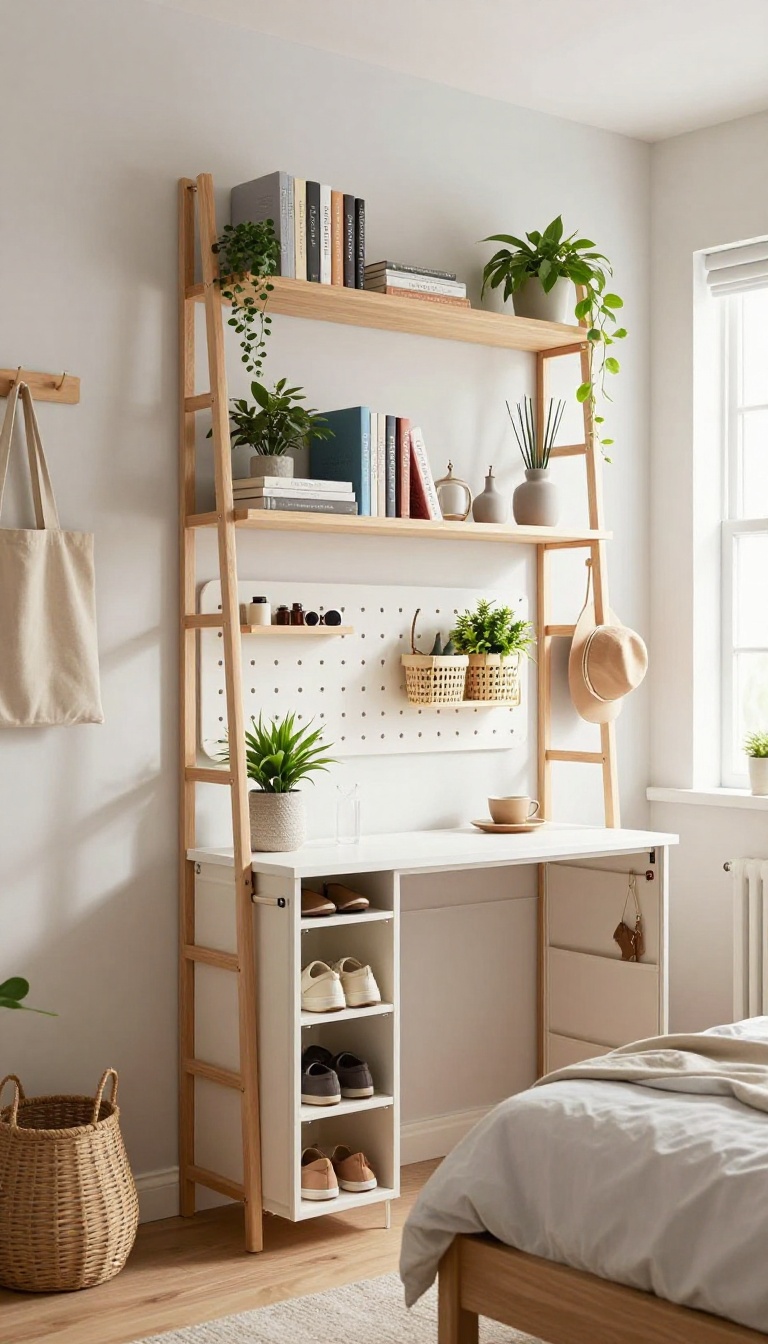
When floor space is tight, the walls become your best friend. Vertical storage takes advantage of the often-overlooked area above your head, freeing up precious square footage for movement and style. It's a simple shift in perspective that can make a small room feel twice as large.
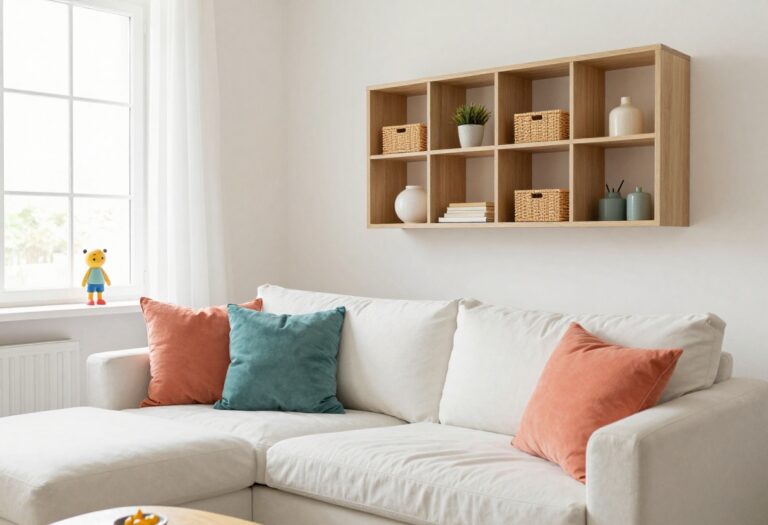
Start by swapping bulky floor-standing pieces for tall, slim shelving units that reach toward the ceiling. This draws the eye upward, making the room appear taller and more spacious. Use floating shelves above your bed or desk to display books, plants, or decorative items without taking up any floor space.
Hanging organizers on the back of doors or inside closets can hold shoes, accessories, or toiletries, keeping them off surfaces and out of sight. Wall-mounted hooks are perfect for bags, hats, or jewelry, turning empty wall space into functional storage.
Tall Shelves That Fit Any Style
Look for ladder shelves or modular units that can be customized to your needs. Choose materials and colors that complement your existing decor—wood for a warm, natural feel, or metal for an industrial edge. Tall shelves don't just store items; they also provide a chance to showcase your personality with curated displays.
Hanging Organizers And Hooks
Over-the-door organizers are a game-changer for small closets. Use them for shoes, scarves, or cleaning supplies. For a stylish touch, install a pegboard above your desk and hang baskets, tools, or plants.
Hooks in a row behind the door can hold your daily outfit, a robe, or a tote bag, keeping them accessible but out of the way.
Maximizing Closet And Wall Space
Don't forget the space above your closet rod. Install a shelf to store out-of-season items or extra linens. Use vertical dividers to stack sweaters or jeans neatly.
On walls, consider a wire grid system that allows you to clip photos, notes, or accessories, adding both function and visual interest.
2. Choose Multi-Functional Furniture
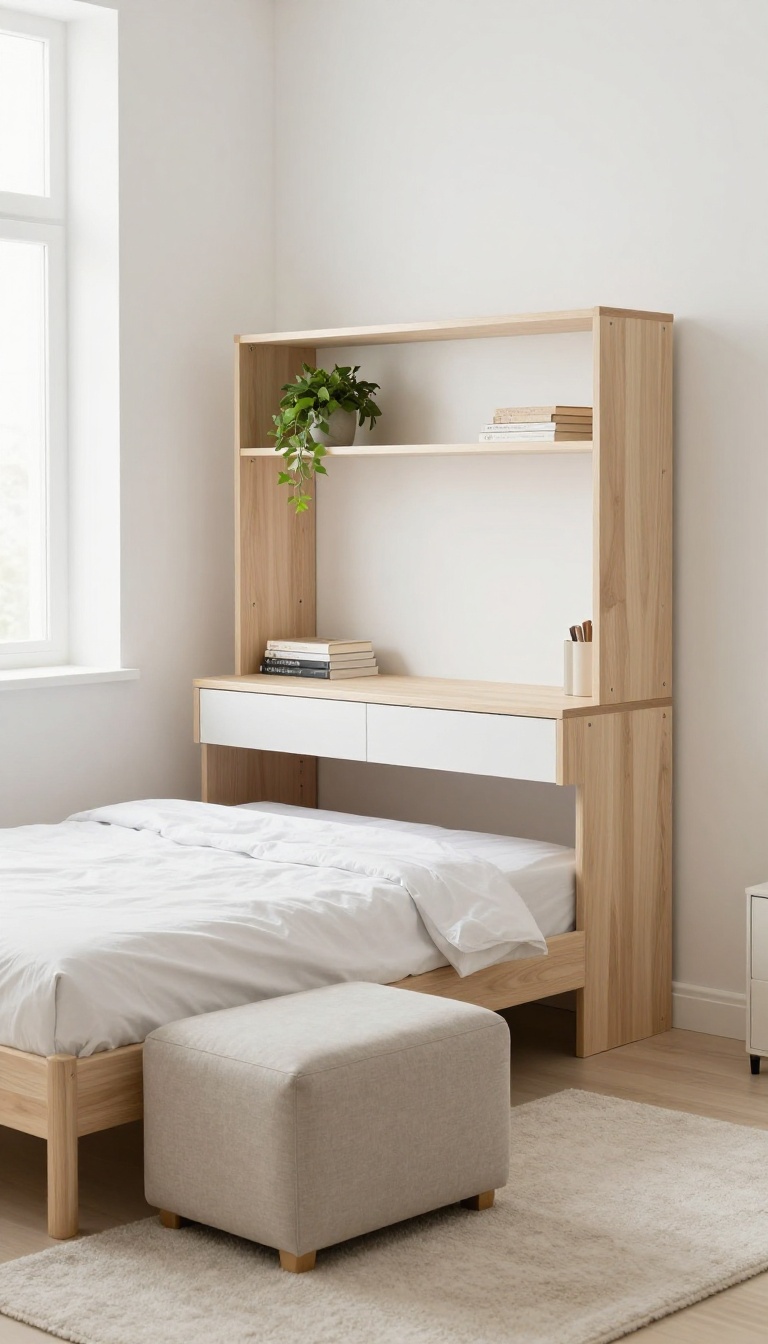
In a small bedroom, every piece of furniture should earn its keep. Multi-functional furniture is a game-changer because it combines two or more purposes into one footprint, freeing up valuable floor space. Think of it as smart styling that works as hard as you do, letting you have both function and beauty without the clutter.
When you're short on space, the right furniture can make your room feel twice as large. Multi-functional pieces are designed to adapt to your needs, whether that's extra storage, a workspace, or a guest bed. The key is to choose items that blend seamlessly with your decor, so they don't look like a compromise—they just look like good design.
Beds With Built-in Storage
Your bed is the largest piece in the room, so why not make it work harder? Beds with drawers underneath or a lift-up frame offer generous storage for off-season clothes, extra linens, or shoes. This eliminates the need for a bulky dresser, freeing up wall space for a cozy reading nook or a stylish vanity.
Look for designs that match your aesthetic, from sleek modern to rustic charm.
Fold-down Desks And Wall-mounted Tables
If you need a workspace but don't have room for a permanent desk, a fold-down desk or wall-mounted table is a brilliant solution. When closed, it takes up just a few inches of wall space and can even double as a decorative shelf. Open it up, and you have a dedicated spot for your laptop, journal, or crafting projects.
Pair it with a comfortable stool that can tuck underneath when not in use.
Ottomans And Benches With Hidden Compartments
A storage ottoman or bench at the foot of your bed is a versatile addition. It provides extra seating when you need it, and the hidden compartment is perfect for stashing blankets, pillows, or even your yoga mat. Use it as a coffee table by placing a tray on top, or simply as a place to sit while you put on your shoes.
Choose a fabric that complements your color scheme, and you've got a stylish, functional piece.
3. Use Light Colors to Open Up the Space
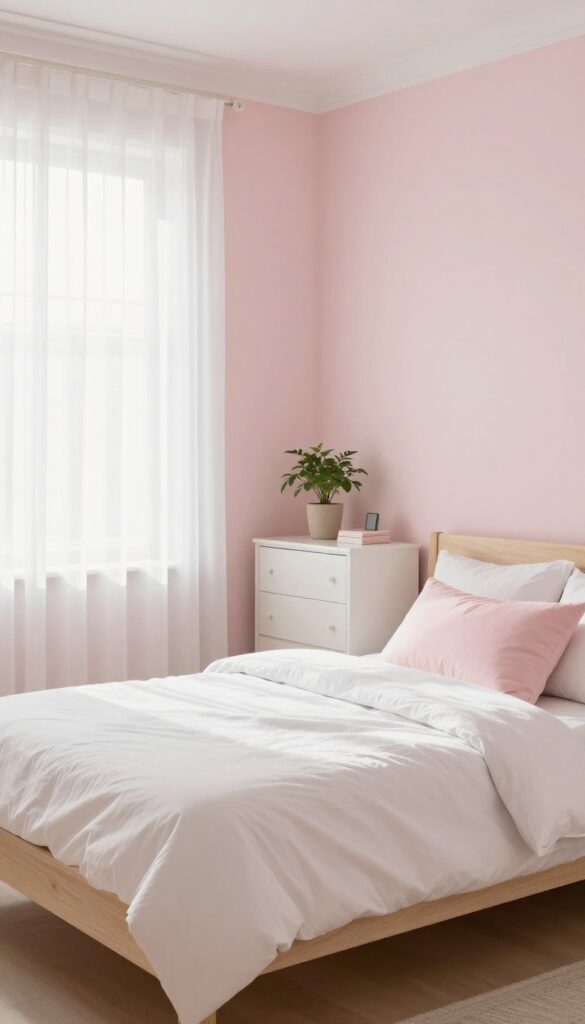
Light colors are a small room's best friend. They bounce natural light around, making the walls seem to recede and the ceiling feel higher. This doesn't mean your room has to be all white—soft pastels, warm creams, and gentle greiges can add personality while still keeping things airy.
The trick is to use light shades thoughtfully, not just on the walls but throughout the room.
When you paint your walls in a light color, you're essentially making the boundaries of the room less visible. Dark colors absorb light and make a space feel enclosed, while light colors reflect it, creating an illusion of openness. This is especially important in small bedrooms where every square foot counts.
A light palette can make the room feel twice as large without moving a single piece of furniture.
Choose The Right White Or Pastel
Not all light colors are created equal. Pure white can feel stark and clinical, so consider warm whites with a hint of yellow or pink, like cream or ivory. Pastels like soft blush, pale blue, or mint green add a subtle touch of color without overwhelming the space.
Test a few samples on your wall and observe them at different times of day—natural light changes how they look.
Extend The Light Palette To Furniture And Bedding
Your walls aren't the only place to use light colors. Choose furniture in light wood tones or white finishes to keep the room visually cohesive. Bedding in white, cream, or soft pastel shades will brighten the bed area and make it the focal point rather than the walls.
Even your rug, curtains, and decorative accessories can follow the same light color family to maintain that open feel.
Add Contrast With Textures And Accents
A completely monochrome room can feel flat, so introduce contrast through textures and small accents. A chunky knit throw in a slightly darker shade, a woven basket, or a metallic lamp can add depth without breaking the light color scheme. These touches give the room character while keeping the overall look bright and spacious.
4. Add Mirrors to Create Depth
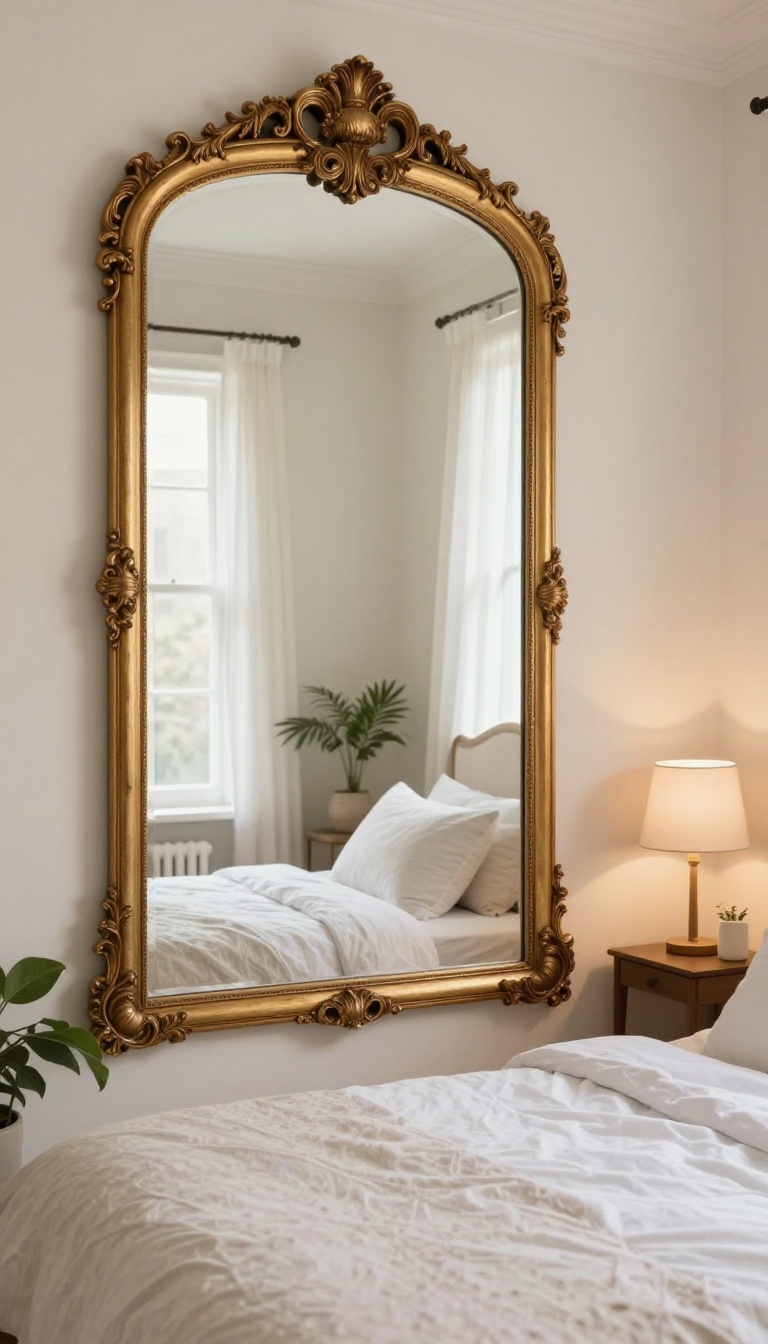
Mirrors are like magic for small rooms—they trick the eye and make the space feel twice as big. Instead of hiding them in a corner, use them strategically to bounce light and add a sense of openness. Whether you lean toward a sleek modern look or a cozy vintage vibe, a mirror can be both functional and a stylish focal point.
Start by placing a large mirror opposite a window. This instantly reflects natural light, making the room brighter and airier. If your window is small, even a medium mirror can help.
Another trick is to position a mirror behind a lamp or a sconce. The glow from the light will be amplified, adding warmth and depth, especially in the evening. You don't need to go overboard—one well-placed mirror can do wonders, but a cluster of smaller mirrors in different frames can also create a gallery effect that adds character.
Where To Place Mirrors For Maximum Effect
The classic spot is opposite a window, but don't forget about dark corners. Place a mirror in a corner that gets little light to reflect whatever light is available. You can also lean a tall mirror against a wall—it adds a casual, relaxed vibe while making the ceiling seem higher.
If you have a narrow room, place a mirror on the long wall to visually push the wall back, making the space feel wider.
Styling Mirrors To Match Your Vibe
Mirrors aren't just functional—they're decor. Choose a frame that complements your style: a rustic wooden frame for a farmhouse feel, a sleek gold or black frame for a modern look, or a vintage ornate mirror for a touch of glam. You can also group smaller mirrors in different shapes for an eclectic gallery wall.
The key is to make the mirror feel intentional, not just an afterthought.
5. Hang Curtains High and Wide
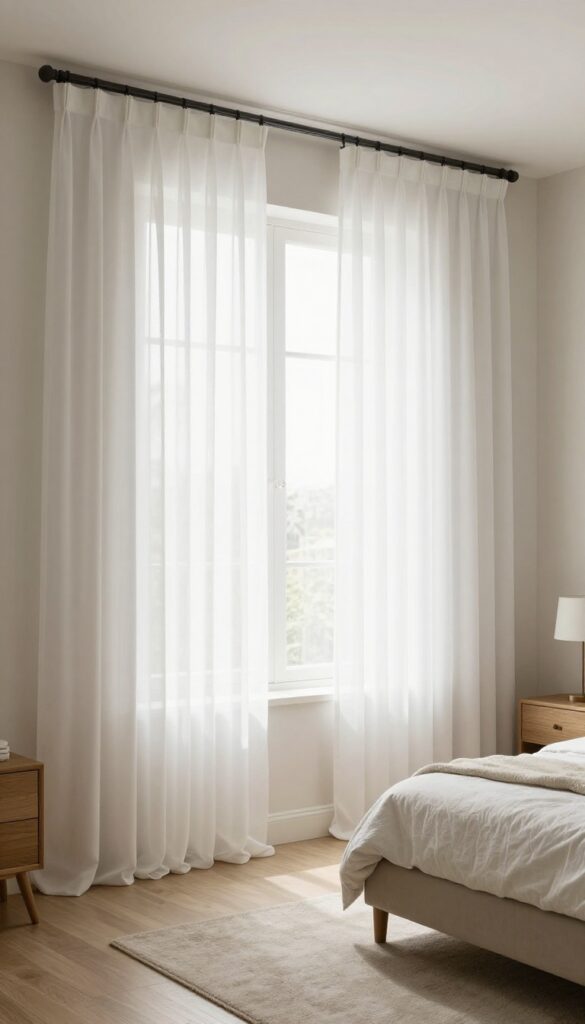
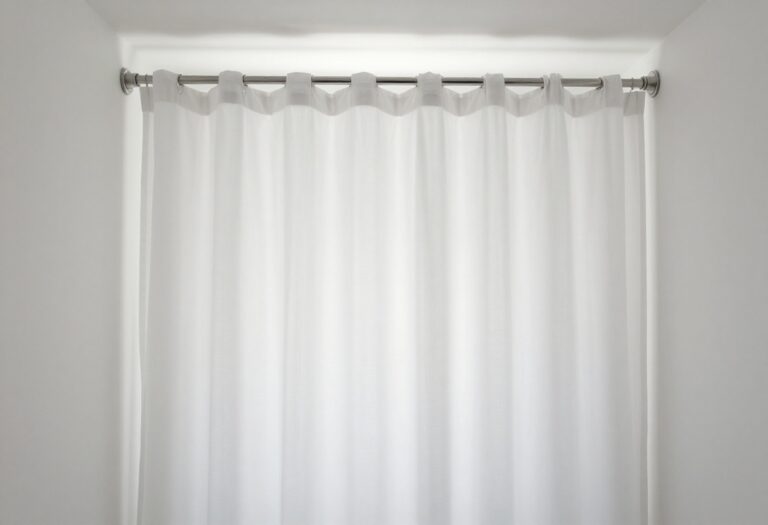
One of the quickest ways to make a small bedroom feel taller and more open is to play with your curtain placement. Instead of hanging the rod right above the window frame, mount it closer to the ceiling and extend it several inches beyond the window on each side. This simple trick draws the eye upward, creating the illusion of higher ceilings and making the window appear larger than it is.
This technique works because our brains use visual cues to judge space. When curtains run from near the ceiling down to the floor, they create a continuous vertical line that stretches the room. Extending the rod beyond the window also lets in more natural light when the curtains are open, since the fabric stacks outside the glass rather than blocking it.
The result is a brighter, airier feel that makes your small bedroom feel more expansive without moving a single piece of furniture.
Choose The Right Curtain Length
For this trick to work, your curtains need to be long enough to touch the floor or puddle just slightly. Measure from the rod to the floor and add a couple of inches for a clean break. If you have standard 84-inch curtains, you may need to buy longer panels or sew on a contrasting hem band—this can also add a stylish design detail.
Pick The Perfect Rod And Hardware
A sturdy rod is key, especially if you're hanging it higher and wider. Use a tension rod or a ceiling-mount track if you don't want to drill into the wall above the window. For a decorative look, choose a rod with finials that match your room's style—whether that's modern brass, matte black, or natural wood.
Make sure the brackets are placed close to the ceiling, leaving just enough room for the curtain rings to slide easily.
Style With Sheer Or Light Fabrics
Heavy velvet or dark curtains can make a small room feel closed in, even when hung high. Instead, go for sheer or light-colored fabrics that let in soft light. Linen, cotton, or semi-sheer materials keep the space feeling breezy and open.
If you need privacy, layer them with a blackout shade underneath—that way you still get the airy look without sacrificing function.
6. Incorporate Floating Nightstands
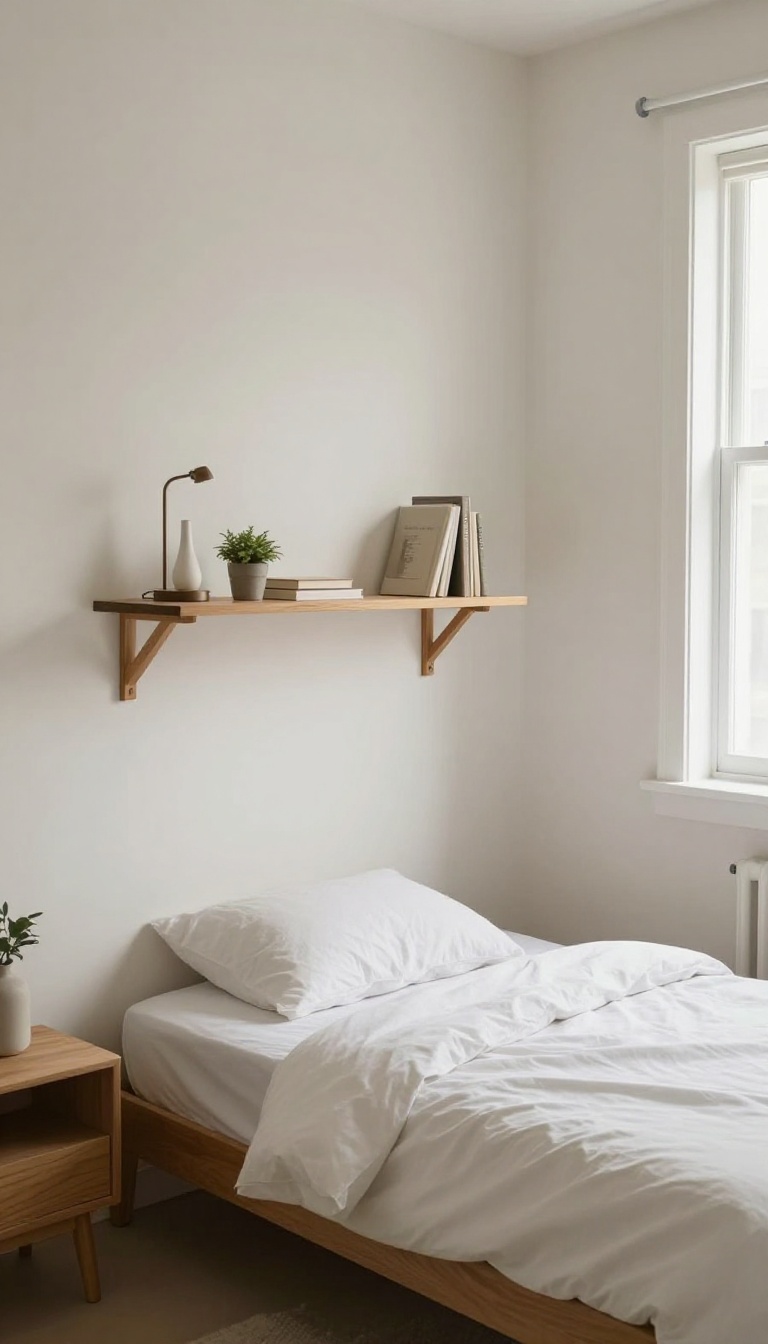
Floating nightstands are a game-changer for small bedrooms. By mounting them on the wall, you free up precious floor space while keeping your essentials within arm's reach. They also add a modern, airy feel that makes the room look less cluttered and more open.
Traditional nightstands can take up valuable square footage, especially in tight spaces. Floating options solve this by using vertical space instead. Plus, they're easier to clean under and can be styled to match your decor perfectly.
Choose The Right Height And Size
When installing floating nightstands, aim for a height that's level with the top of your mattress. This makes it easy to reach your phone or a glass of water without sitting up. Pick a size that fits your space—a slim shelf might be enough for a lamp and a book, while a larger one can hold more.
Style Them With Purpose
Since these nightstands are compact, every item should have a job. Use a small tray to corral jewelry or glasses, add a tiny plant for a touch of green, and keep a stylish lamp for reading. Avoid overcrowding—the beauty of floating shelves is their clean, minimalist look.
Installation Made Simple
You don't need to be a DIY expert to mount floating nightstands. Most come with clear instructions and mounting hardware. If you're renting, look for damage-free adhesive options or ask your landlord for permission.
Just make sure to anchor them into studs or use proper wall anchors for safety.
7. Create a Cozy Reading Nook
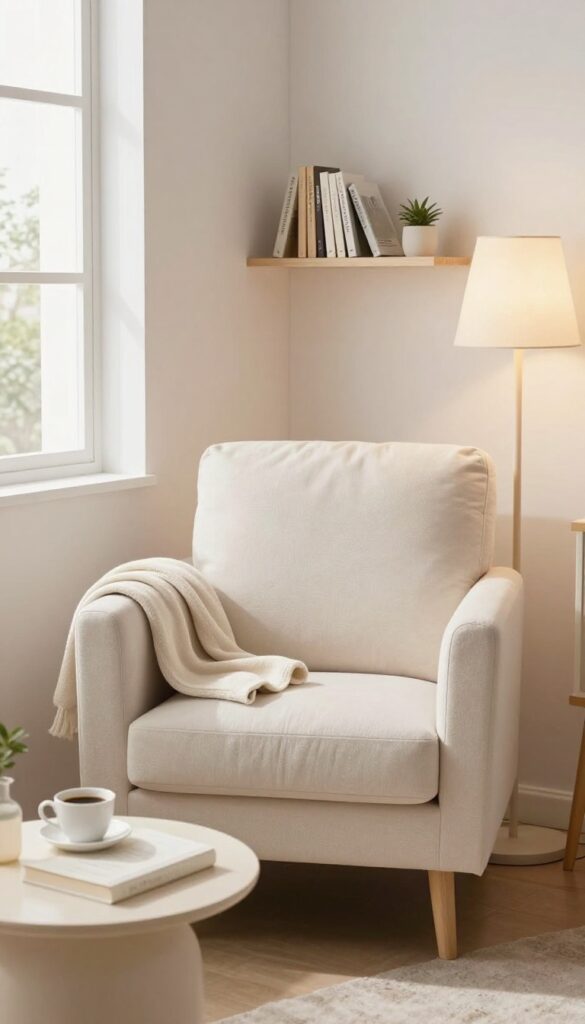
A tiny bedroom doesn't have to be all about sleep. If you love to unwind with a book or just need a quiet spot for your morning coffee, carving out a reading nook can make your room feel more personal and complete. The trick is to use a corner that might otherwise go unused, so you don't lose any precious floor space.
Start by picking a spot near a window if you have one, but even a corner with good artificial light works. A comfy chair, a small side table or shelf, and a lamp are all you need. With the right pieces, this nook becomes a functional little escape without overwhelming the room.
A reading nook adds character and a sense of purpose to your small bedroom. It gives you a dedicated spot to relax that isn't your bed, which can help you separate sleep from other activities. Plus, it's a great way to use an awkward corner or an empty wall.
Here's how to set one up without cluttering your space.
Pick The Perfect Spot
Look for a corner that gets natural light during the day, or a spot near an outlet for a lamp. If you have a window seat, that's ideal, but even a simple corner can work. Make sure the spot doesn't block your walking path or door swing.
You want the nook to feel inviting, not cramped.
Choose Furniture That Fits
A small armchair or a cozy floor chair with a backrest is perfect. If space is tight, consider a compact chair or even a stack of floor cushions. Add a small side table or a floating shelf to hold your book, phone, or a mug.
A floor lamp with a warm bulb creates a reading-friendly glow without needing a lot of room.
Add Personal Touches
Make the nook feel like yours with a soft throw blanket, a couple of pillows, and a small rug to define the area. Use a wall-mounted bookshelf or a tiny cart to store your current reads. A plant or a piece of art on the wall above can make the corner feel intentional and cozy.
Keep It Tidy
Since it's a small space, avoid letting the nook become a dumping ground. Use a basket or a small bin to store extra items, and keep the surfaces clear. A neat nook is more inviting and helps maintain the open feel of your bedroom.
8. Use Under-Bed Storage Wisely
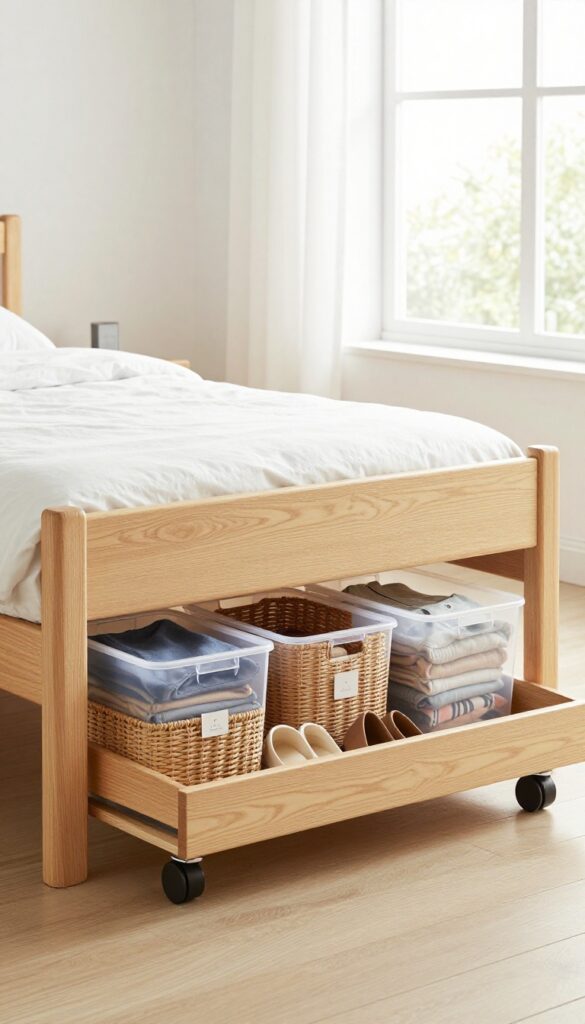
The space under your bed is prime real estate, and it's often left empty or stuffed with random clutter. When you use it wisely, you can free up your closet and keep your floor clear, which makes the whole room feel more open and organized.
Start by measuring the clearance under your bed to know what will fit. Then, choose storage that matches your needs—rolling drawers for easy access, clear bins for visibility, or cute baskets that add a touch of style. Rotate seasonal items so you're not digging through everything at once.
Pick The Right Containers
Rolling under-bed drawers are great for shoes or folded clothes, while clear plastic bins let you see what's inside without pulling everything out. Woven baskets or fabric boxes add a cozy, decorative feel and work well for extra linens or off-season sweaters. Just make sure whatever you choose fits comfortably and slides smoothly.
Sort And Label Everything
Group items by type or season, and label each bin or basket so you know exactly where things are. Use labels on the outside or a simple tag attached to the handle. This saves time when you're hunting for a specific pair of boots or that extra blanket, and it keeps the space tidy.
Keep It Accessible
Store items you use less often in the back, and keep everyday essentials closer to the edge. If you have a bed frame with drawers built in, use those for things you grab regularly. For bins, add handles or wheels so you can slide them out without a struggle.
This way, you'll actually use the space, not just hide things away.
9. Add a Bold Accent Wall
An accent wall is one of those design moves that instantly gives a room a focal point, and it works especially well in small bedrooms. Instead of covering every surface with color, you pick one wall to make a statement. That single pop of color or pattern adds depth and personality without making the space feel closed in.
It’s also a low-commitment way to experiment with bolder choices. If you’re renting or just not ready for a full paint job, removable wallpaper is your best friend. You can change it as often as you change your mind.
Choose a wall that naturally draws the eye—usually the one behind your bed or the wall facing the door. This creates a sense of purpose and anchors the room. For small spaces, darker shades like deep navy, forest green, or charcoal can actually make the room feel cozier and more intentional, not smaller.
The key is to keep the other walls light and neutral to balance the look. Patterned wallpaper can also do wonders. A subtle geometric print or a bold floral adds texture and interest without taking up any floor space.
If you're worried about it being too much, stick to a smaller pattern or a tone-on-tone design. The goal is to make the room feel designed, not chaotic.
Pick The Right Wall
Not every wall is the right candidate. The best accent wall is the one that naturally draws attention when you walk in. Usually, that's the wall behind your headboard or the wall opposite the door.
Avoid busy areas like the wall with a window or a closet door, as they can break the visual flow. Once you've chosen, commit to it—that wall is your focal point.
Color And Pattern Choices
For a small bedroom, deep, saturated colors can create a sense of depth and intimacy. Think jewel tones like emerald, sapphire, or plum. If you prefer patterns, consider large-scale florals or geometric prints that add movement without feeling busy.
Lighter colors with subtle patterns can also work if you want a softer look. The trick is to keep the rest of the room neutral so the accent wall stands out.
Diy Tips For Renters
If you're renting, removable wallpaper is a game-changer. It comes in countless designs and is easy to apply and remove without damaging the walls. Another renter-friendly option is using fabric panels or a large tapestry as a temporary accent.
Just make sure the surface is clean and smooth before applying anything. And always test a small patch first to see how it looks in your lighting.
10. Layer Lighting for Ambiance
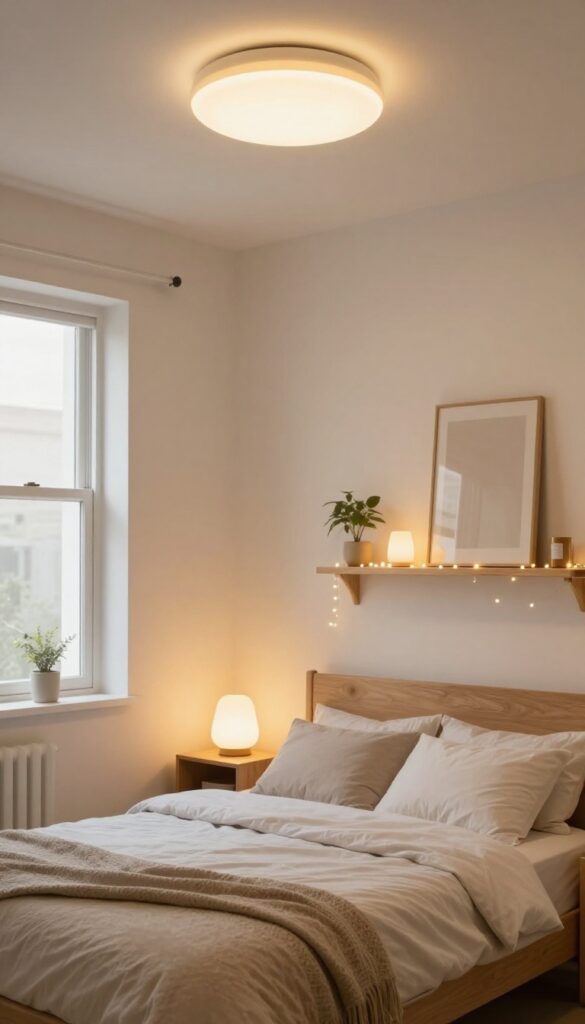
Lighting can make or break a small bedroom, especially after sunset. A single overhead fixture often leaves corners dark and makes the room feel boxy. By layering different light sources, you can soften shadows, highlight your favorite details, and create a cozy glow that visually expands the space.
It's one of the easiest upgrades that doesn't require a single tool.
Start with your overhead light as the base, but don't stop there. Add a warm task lamp on your nightstand for reading, and string lights along a shelf or window frame for that magical, soft touch. The key is to place lights at different heights—eye level, mid-level, and low—so the room feels balanced and inviting.
Dimmer switches are a bonus, letting you adjust the mood instantly.
Mix Ambient, Task, And Accent Lighting
Think of lighting in three layers: ambient (general), task (focused), and accent (decorative). Your ceiling light handles ambient, a bedside lamp covers task, and fairy lights or a small picture light add accent. Together, they create depth and make the room feel larger than it is.
Avoid relying on just one source, which can feel harsh or flat.
Use Warm Bulbs And Dimmers
Warm-toned bulbs (2700K–3000K) mimic sunset and instantly make a space feel more relaxing. Pair them with dimmer switches or smart bulbs so you can lower the light for winding down. This flexibility is a game-changer in a small room, letting you go from bright and functional to soft and dreamy in seconds.
Place Lights To Highlight Vertical Space
In a small bedroom, draw the eye upward with wall sconces or a tall floor lamp. This tricks the brain into perceiving more height. String lights hung vertically along a corner or a pendant light centered over the bed can also add visual interest without taking up floor space.
Just be mindful of cord placement for safety.
11. Incorporate Wall-Mounted Desks
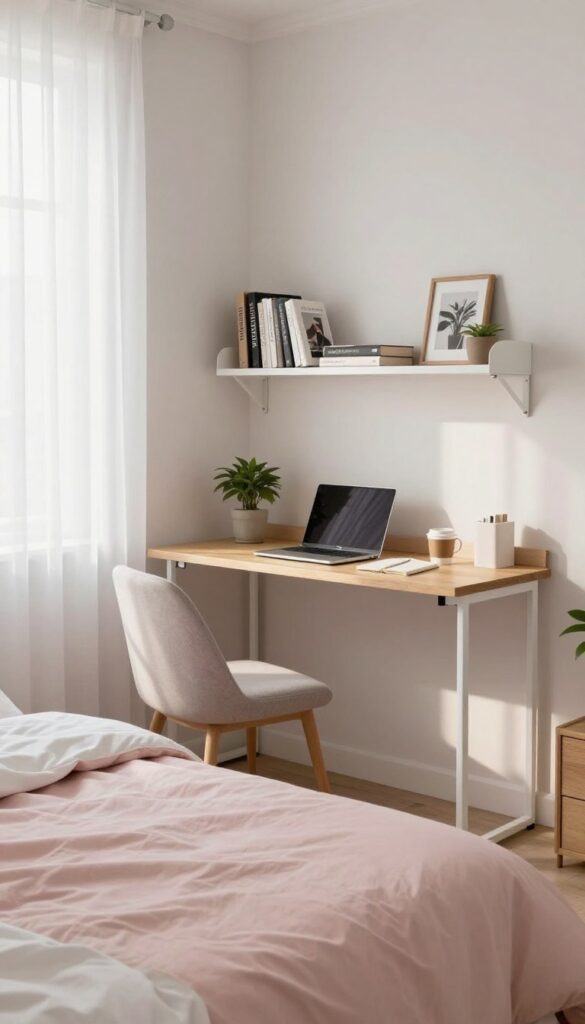
A small bedroom doesn't have to give up on having a workspace. Wall-mounted desks are the perfect compromise—they give you a functional area without eating up precious floor space. Whether you work from home or just need a spot for late-night journaling, these clever setups keep your room feeling open and airy.
When floor space is tight, think vertical. A wall-mounted desk attaches directly to the wall, so it takes up zero square footage when not in use. Many designs fold down flat, turning your workspace into a sleek shelf or even a piece of art when you're done.
This way, you get all the benefits of a desk without the bulk.
Choose A Fold-down Style
Fold-down desks are the ultimate space savers. They hinge on the wall and fold up when you need more room. Look for one with a built-in shelf or drawer to keep your essentials handy.
When closed, it becomes a slim console or a decorative ledge, perfect for a small plant or a framed photo.
Add A Floating Shelf Above
Pair your wall-mounted desk with a floating shelf above it. That gives you extra storage for books, decor, or office supplies without taking up any desk surface. Use the shelf to display your favorite pieces, and keep the desk itself clear for work.
It's a simple way to maximize vertical space and keep your small room organized.
Style It With A Comfy Chair
Don't forget the chair. A compact, stackable stool or a slim chair that can slide under the desk when not in use keeps the area uncluttered. Choose a chair with a cushion for comfort, and pick a style that matches your room's vibe—whether that's a cozy fabric seat or a sleek modern design.
12. Use Rugs to Define Zones
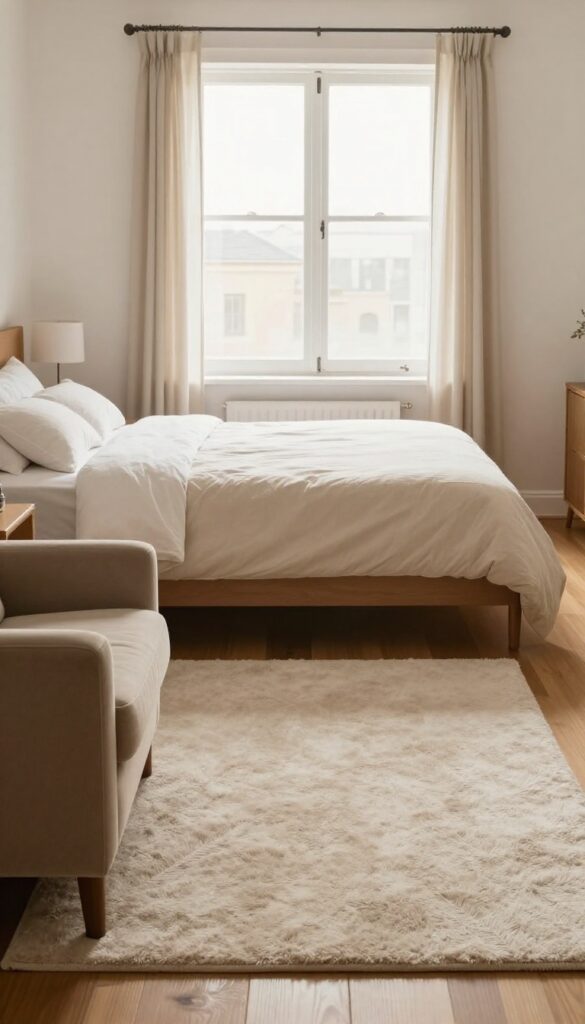
When your bedroom is small, every square foot has to multitask. A rug can be the quiet hero that helps you carve out distinct areas without adding a single wall. It's a simple styling trick that adds warmth, texture, and a sense of order to a compact space.
Layering a rug under your bed or in a cozy reading nook instantly signals where one function ends and another begins. In a small room, this visual separation makes the space feel more organized and intentional. Plus, the softness underfoot is a bonus you'll appreciate every morning.
Anchor The Bed
Place a rug that extends just past the sides and foot of your bed. This grounds the sleeping area and makes the bed feel like the centerpiece. Choose a size that leaves a border of floor around it—too big can overwhelm the room, too small looks like a postage stamp.
Create A Cozy Corner
If you have a small chair or a floor pouf, a rug can turn it into a dedicated reading spot. It doesn't need to be large—just enough to define the space. A soft, plush rug in a contrasting color or pattern adds depth and invites you to sit and relax.
Layer For Texture
Don't be afraid to layer a smaller rug over a larger one, especially if you have wall-to-wall carpet. A flat-weave or sheepskin rug on top adds visual interest and a touch of luxury. Mixing textures like jute and wool keeps the room feeling rich and curated.
13. Opt for Sliding Doors or Curtains
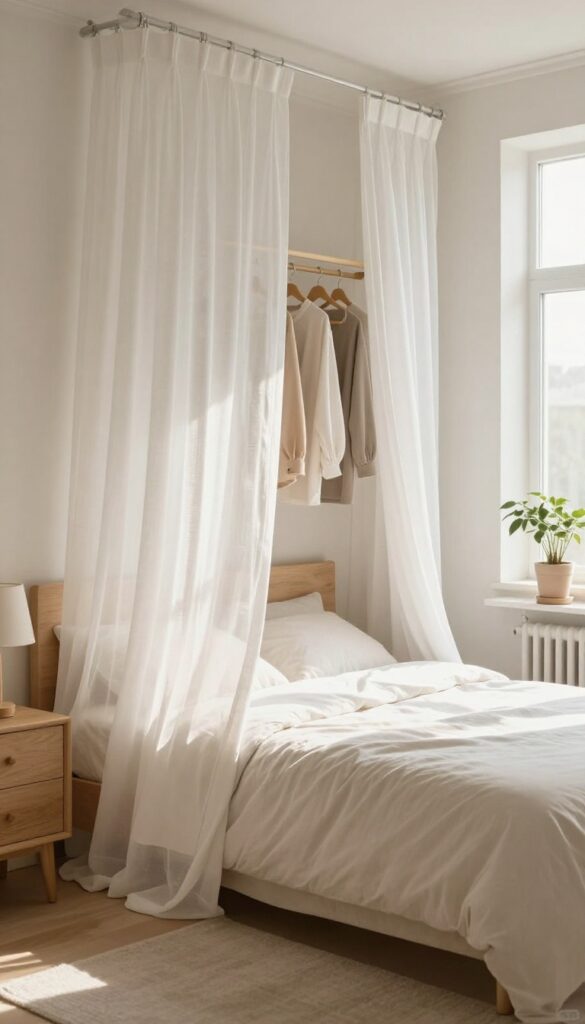
Traditional swinging closet doors can eat up valuable floor space and make a small bedroom feel even more cramped. Swapping them for sliding barn doors or soft curtains is a smart move that instantly opens up the room. You'll gain easier access to your clothes and add a touch of style that fits your personality.
Sliding doors or curtains are a simple upgrade that can transform how your bedroom feels. They don't need clearance to swing open, so you can place furniture right up against the closet. Plus, they come in a range of materials and colors, making it easy to match your decor.
Choose The Right Sliding Door Style
Barn doors are a popular choice for their rustic charm, but they can also be sleek and modern. If you prefer a lighter look, consider a sliding door with a mirror or a frosted glass panel. For a softer touch, curtains in a fabric that complements your bedding can add texture and warmth.
Install Curtains For A Budget-friendly Option
Curtains are an affordable and DIY-friendly alternative to sliding doors. Use a tension rod or a ceiling-mounted track to hang them. Choose a fabric that's not too heavy so they glide easily.
You can even use two panels that overlap in the middle for full coverage.
Maximize Space With Pocket Doors
If you're planning a bigger renovation, consider pocket doors that slide into the wall. This option completely hides the door when open, giving you the most usable space. It's a bit more involved, but the result is a clean, seamless look that makes the room feel larger.
14. Add Greenery for Life
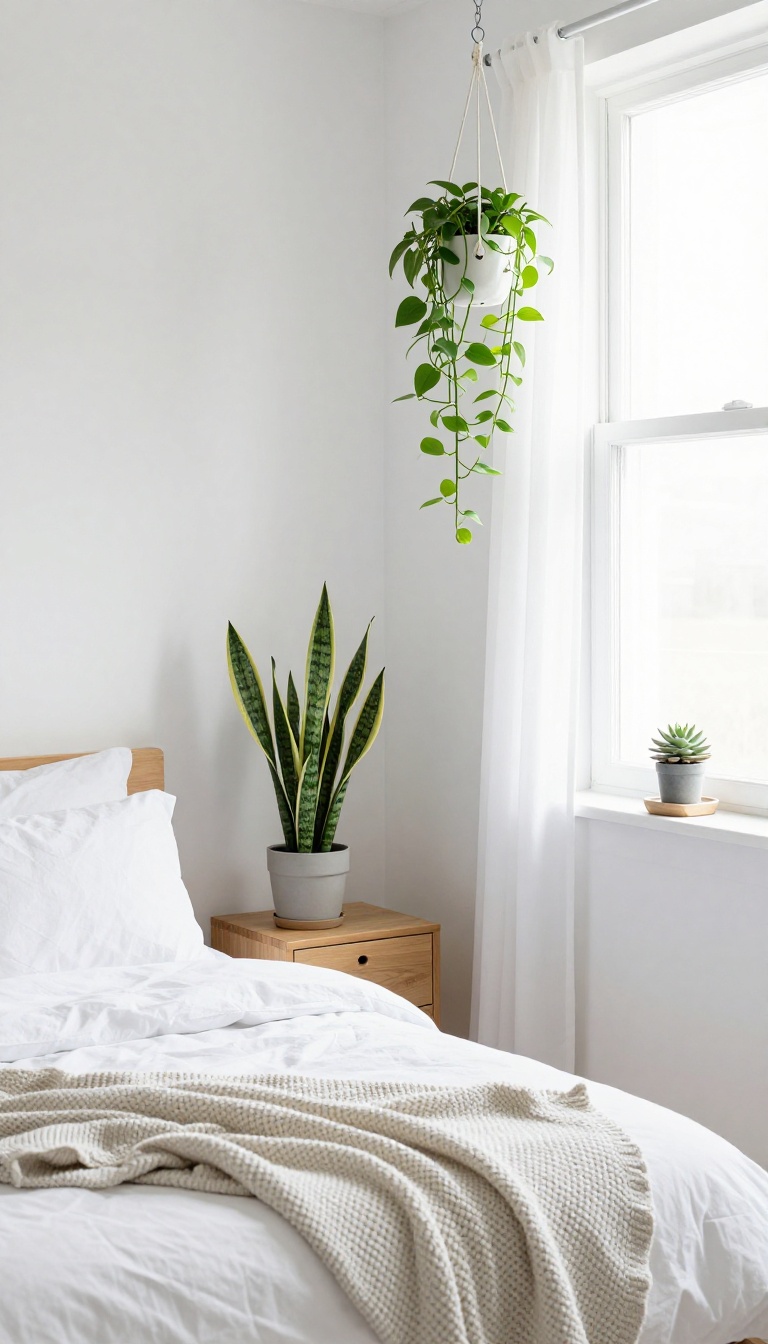
Plants have a way of making any room feel more alive, and a small bedroom is no exception. A touch of green can soften hard edges, add a fresh pop of color, and even improve the air you breathe. The trick is choosing the right plants and placing them where they won't get in the way.
Bringing plants into a small bedroom doesn't mean turning it into a jungle. Low-maintenance varieties like snake plants, pothos, or succulents thrive with minimal attention and don't need a lot of space. You can set them on a nightstand, a floating shelf, or even hang them from a ceiling hook to keep surfaces clear.
Not only do they look great, but they also help purify the air and create a calming vibe that's perfect for winding down.
Pick The Right Plants
Not all plants are created equal when it comes to small spaces. Snake plants and pothos are forgiving if you forget to water them, and they do well in low light. Succulents are another good option—they're tiny and add a modern touch.
If you want a trailing plant, a string of pearls or a small ivy can hang from a shelf without taking up floor space.
Smart Placement Ideas
Think vertical when you're placing plants. A small shelf near the window can hold a few pots, or you can use a wall-mounted planter to keep them off surfaces. A nightstand is a classic spot, but if you're tight on space, try a hanging planter from the ceiling or a windowsill if you have one.
Just make sure they get the right amount of light—most low-maintenance plants prefer indirect sunlight.
Low-maintenance Care Tips
Keeping plants alive in a small bedroom is easier than you think. Water them only when the soil feels dry to the touch, and avoid overwatering, which is a common mistake. Dust the leaves occasionally so they can breathe, and rotate the pots every few weeks so they grow evenly.
With just a little attention, your green friends will thrive and keep your room feeling fresh.
15. Personalize with Textiles and Art
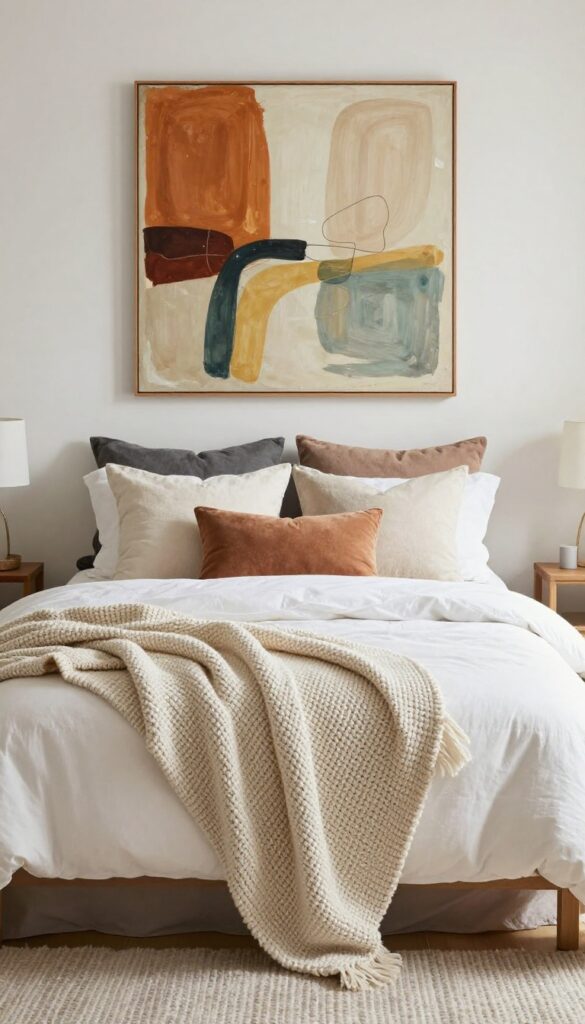
When a room is small, it's easy for it to feel generic or impersonal. But your bedroom should be a reflection of you, no matter its size. One of the simplest ways to make that happen is by layering in textiles and art that speak to your taste.
These elements add color, texture, and warmth, turning a functional space into a personal sanctuary.
Think of textiles and art as the finishing touches that bring your small bedroom to life. They don't take up floor space, so they're perfect for compact rooms. Plus, they're easy to swap out when your style evolves.
Whether you're drawn to bold patterns or subtle neutrals, there's a way to make it work in your space.
Layer Throw Pillows And Blankets
Start with your bed—it's usually the focal point. Mix and match throw pillows in different sizes, shapes, and textures to add depth. A cozy knit blanket draped at the foot of the bed not only looks inviting but also keeps you warm on chilly nights.
Don't be afraid to play with colors and patterns that complement your existing decor.
Hang Art That Speaks To You
Art is a powerful way to express your personality. Choose pieces that resonate with you, whether it's a vibrant abstract print, a serene landscape, or a gallery wall of family photos. In a small room, a single large piece can make a bold statement, while a collection of smaller frames can create visual interest.
Just keep the arrangement balanced and not too cluttered.
Add A Rug For Warmth And Texture
A soft area rug can anchor your space and make it feel more comfortable underfoot. In a small bedroom, a rug that extends beyond the sides of your bed can make the room appear larger. Choose a pattern or color that ties your textiles and art together, and don't forget to consider the material—something plush for cozy mornings or a flatweave for easy maintenance.
FAQ
What is the best way to make a small bedroom look bigger?
Use light colors, add mirrors, and keep the floor clear by utilizing vertical storage and multi-functional furniture. Also, ensure good lighting to brighten the space.
How can I add storage to a small bedroom without clutter?
Opt for under-bed storage, floating shelves, and furniture with built-in compartments. Use decorative baskets and boxes to keep items organized and out of sight.
What colors work best for a small bedroom?
Soft, light colors like white, cream, pastel blue, or pale gray reflect light and make the room feel airy. You can add pops of color with accessories.
Can I have a workspace in a small bedroom?
Yes, consider a wall-mounted desk or a fold-down table that saves space. Use vertical storage for supplies and keep the area tidy to avoid visual clutter.
How do I choose the right furniture for a small bedroom?
Look for pieces that serve multiple purposes, such as a bed with drawers or a storage ottoman. Measure your space and prioritize functionality over size.
Conclusion
Making a small bedroom feel like yours isn't about squeezing in more—it's about choosing pieces that pull double duty and reflect your taste. Start with the idea that solves your biggest headache, whether that's clutter, light, or just making the bed feel like a retreat.
Small shifts, like a floating shelf or a bold rug, can change the whole mood without a full makeover. Pick one or two changes, live with them for a week, and see how the space starts to feel like it was always meant to be yours.