10 Small Box Bedroom Ideas That Turn Limits into Design Wins
Think a small bedroom means settling for cramped and cluttered? Not quite.
With a little creativity and smart planning, you can turn those tight square footage into a stylish, functional space that feels twice as big. The trick is to work with the room's limitations instead of against them, using clever storage, multi-purpose furniture, and light-enhancing tricks.
These 10 ideas are practical, budget-friendly, and easy to implement, whether you're sprucing up a tiny apartment or a compact guest room. Let's dive into how you can make every inch count.
1. Go Vertical with Storage
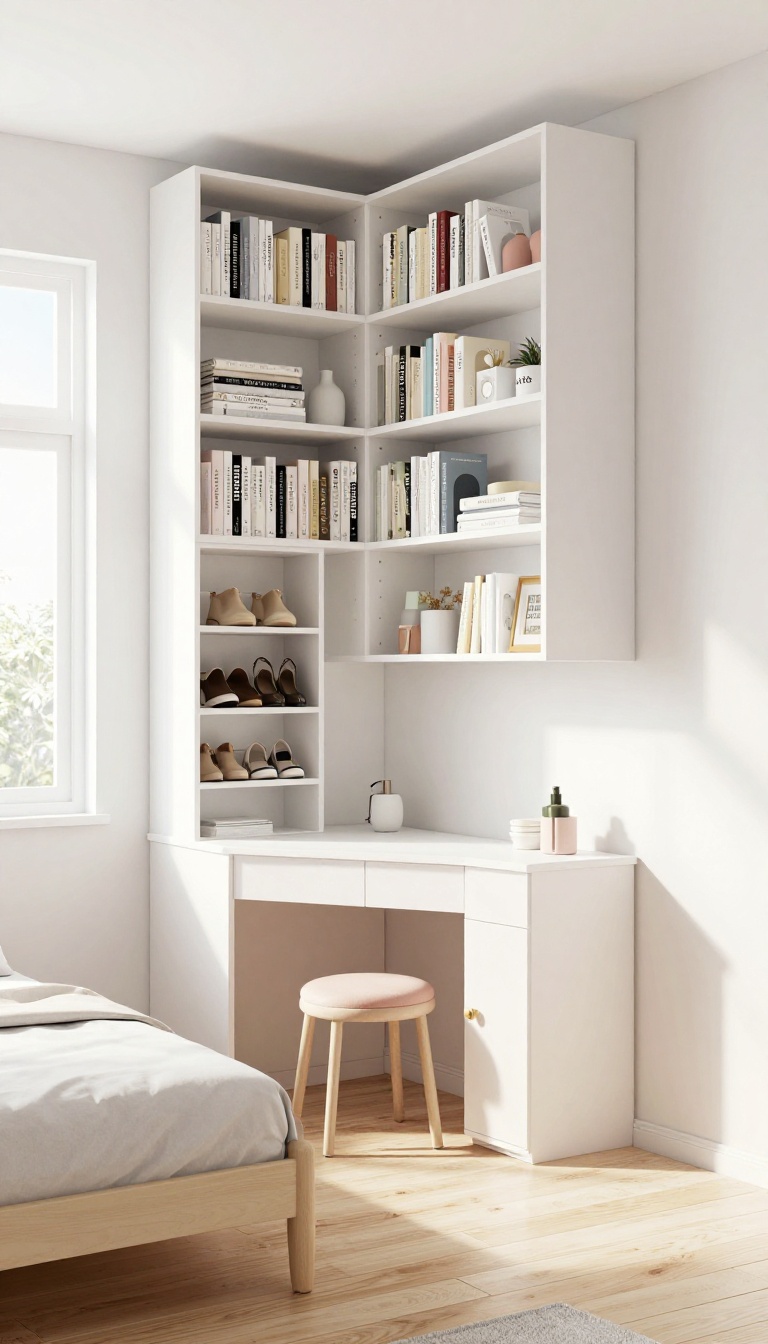
When floor space is scarce, the walls become your best friend. Tall shelving units, wall-mounted cabinets, and over-door organizers can transform unused vertical space into valuable storage, freeing up the floor for movement and making the room feel less cramped. Plus, it's a great way to keep clutter out of sight.
Start by assessing your wall space. Look for empty areas above doors, windows, and furniture where you can add shelves or cabinets. Tall, narrow bookcases are perfect for tucking into corners, while wall-mounted racks can hold everything from books to decorative items.
Over-door organizers are a lifesaver for shoes, accessories, or cleaning supplies, keeping them handy but out of the way.
Pick The Right Shelving
Choose shelves that match your room's style and meet your storage needs. Floating shelves are sleek and modern, while ladder shelves add a rustic touch. Consider adjustable shelves for flexibility, and make sure they're securely anchored to the wall—especially if you're storing heavy items.
Maximize Awkward Spots
Don't overlook the space above your closet or behind the door. Install a shelf above the closet rod for out-of-season items, or use an over-door shoe organizer for accessories and small essentials. Even the space under the bed can be used with rolling bins, but that's a different idea—focus on vertical for now.
Keep It Balanced
While going vertical is great, avoid overwhelming the room. Use a mix of open and closed storage to prevent visual clutter. Leave some breathing room between shelves, and choose light colors for shelving to keep the space feeling airy.
2. Choose a Multi-Functional Bed
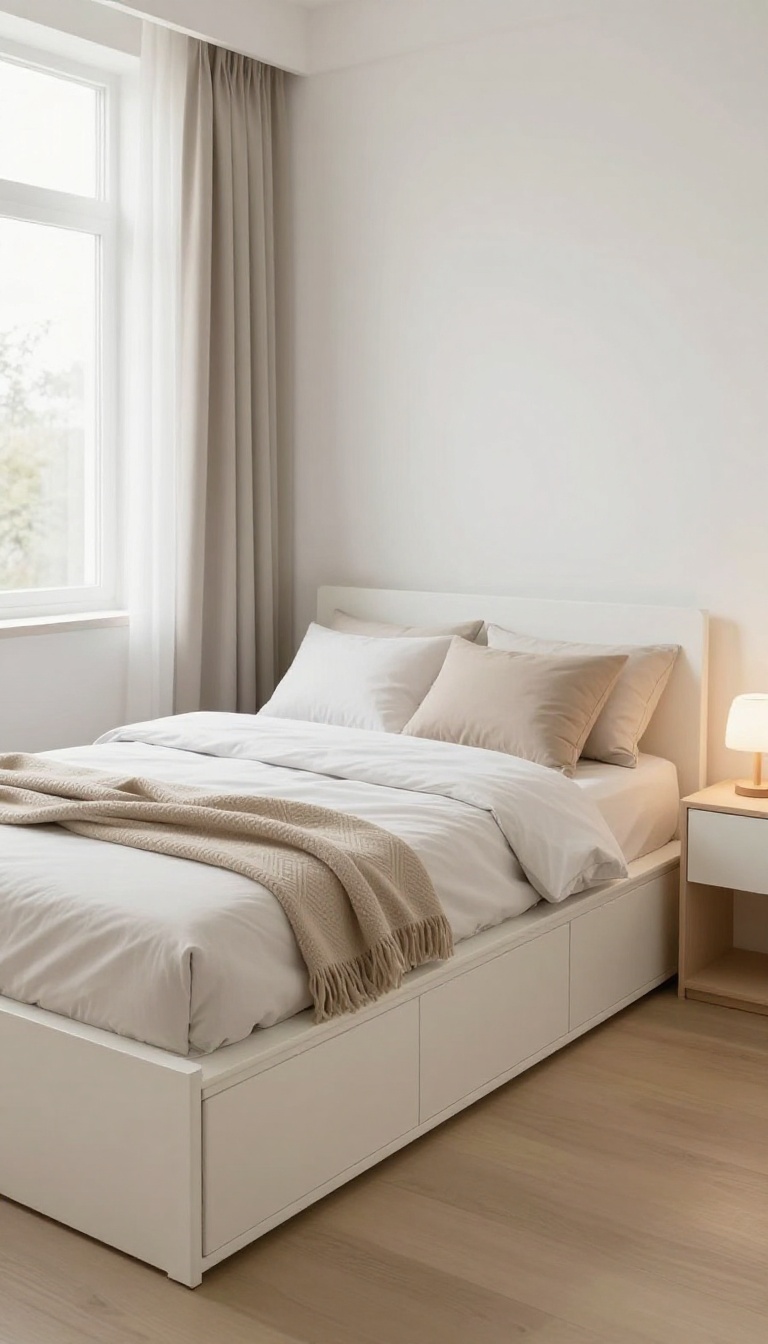
Your bed is the centerpiece of the room, so why not make it work harder? A multi-functional bed can combine sleeping, storage, and even a workspace in one piece of furniture. This is a game-changer in a small bedroom, where every square foot counts.
When you're tight on space, the bed is often the biggest piece of furniture. But it can also be the most versatile. By choosing a bed with built-in features, you can eliminate the need for extra furniture and free up valuable floor space.
Built-in Drawers
Beds with drawers underneath are a classic choice for small bedrooms. They offer easy access to clothes, linens, or seasonal items without taking up extra room. Look for drawers that glide smoothly and are deep enough to hold what you need.
This is a simple, affordable upgrade that pays off in organization.
Loft Beds
If you're really short on floor space, a loft bed raises the sleeping area and leaves the space below open. You can turn that area into a cozy reading nook, a small desk, or extra storage. Loft beds are great for kids' rooms or studio apartments where you need to maximize every inch.
Murphy Beds
A Murphy bed folds up into the wall when not in use, instantly turning your bedroom into a living room or office. Modern Murphy beds come with integrated shelving or cabinets, making them a stylish and practical solution for very small spaces. They're a bit more of an investment, but the versatility is unmatched.
3. Use Light Colors and Mirrors
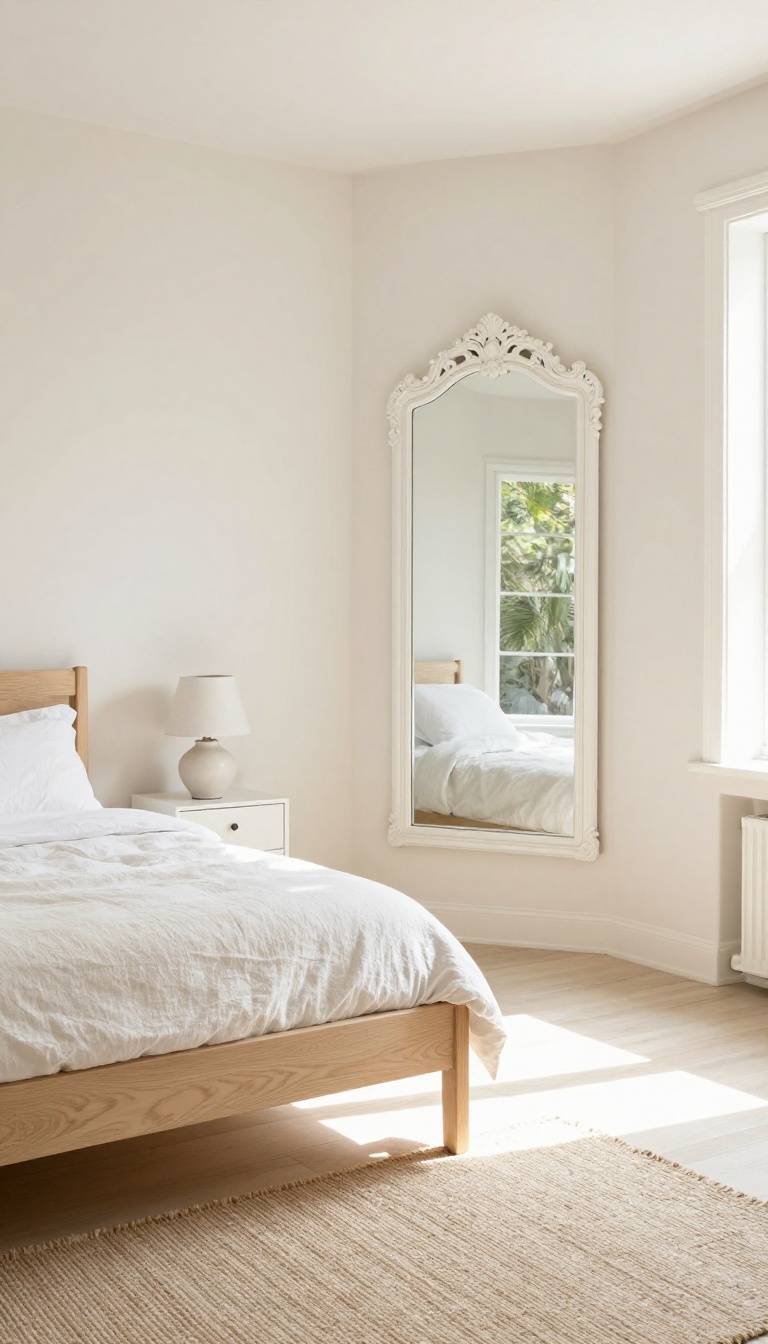
Light colors and mirrors are a classic duo for making small spaces feel bigger. Pale walls bounce natural light around, while mirrors double the visual space by reflecting both light and views. Together, they can transform a boxy room into an airy retreat without any major construction.
Start by choosing a soft, light palette for your walls—think whites, creams, or pale pastels. These shades don't absorb light like darker tones do; they reflect it, making the room feel open and bright. If you're worried about a sterile look, add warmth with wooden furniture or textured textiles in natural fibers.
Mirrors work best when placed opposite a window or a light source. A large mirror on one wall can effectively double the perceived space, especially if it's framed elegantly to double as decor. You can also lean a floor mirror against a wall for a casual, modern vibe that doesn't require drilling.
Pick The Right Paint Finish
Opt for a satin or eggshell finish rather than flat paint. These finishes reflect a bit more light, which helps brighten the room. If you're feeling bold, paint the ceiling a shade lighter than the walls—it makes the ceiling feel higher and the room more expansive.
Mirror Placement Tricks
Place mirrors at right angles to windows to capture the most light. If your room lacks a window, position a mirror behind a lamp or sconce to amplify the glow. A mirrored wardrobe door is a practical way to add a large reflective surface without taking up extra floor space.
Layer With Light Accessories
Use light-colored bedding, curtains, and rugs to complement the walls. Sheer curtains let in more daylight, while a light rug visually expands the floor area. Keep accessories minimal and in similar tones to maintain a cohesive, uncluttered look.
4. Maximize Under-Bed Space
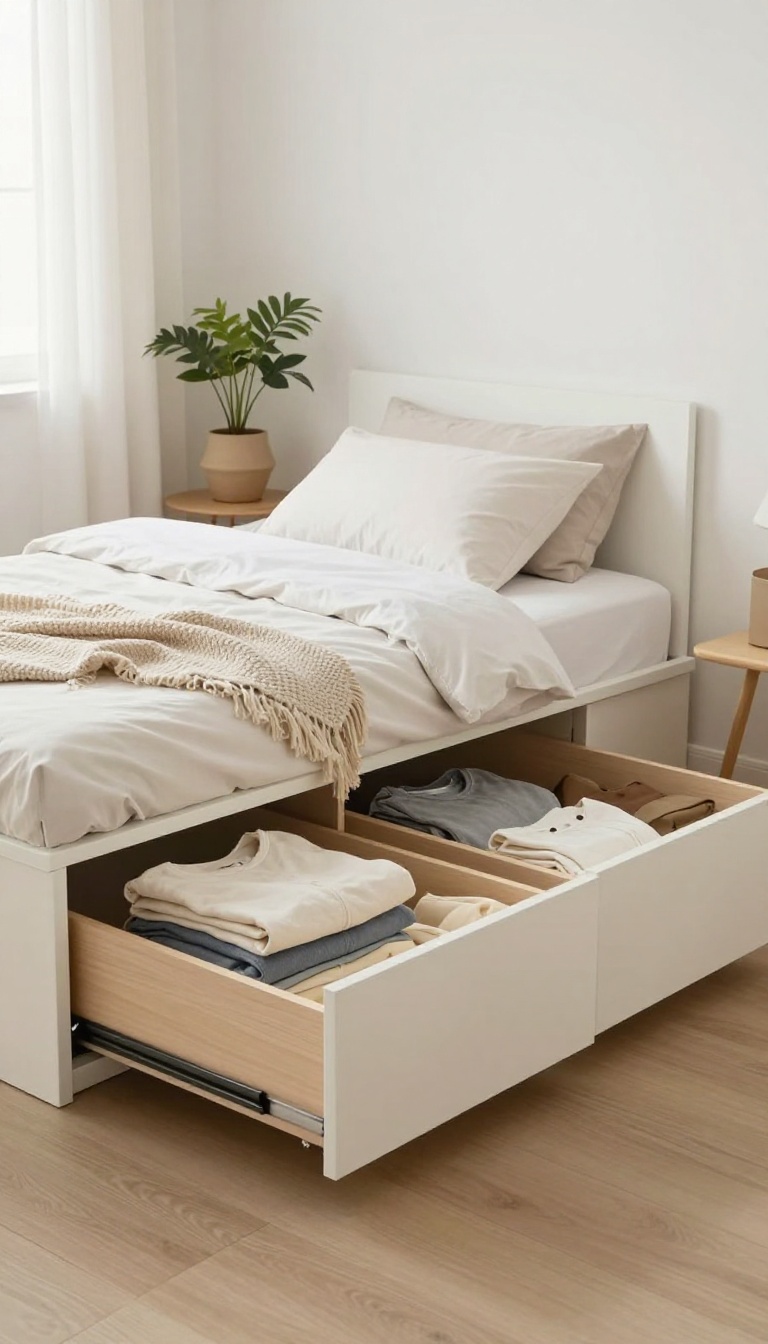
The area under your bed is prime real estate that often goes to waste. In a small bedroom, that hidden space can become a storage powerhouse. Rolling bins, flat storage boxes, or a custom platform with drawers can stash off-season clothes, extra linens, or even shoes.
The key is to use containers that slide easily and keep everything organized.
Start by measuring the clearance under your bed. Standard bed frames offer about 6 to 8 inches, but you can find low-profile bins that fit. If you're handy, consider building a platform with built-in drawers for a seamless look.
Use clear bins or label everything so you don't have to dig around. Rotate seasonal items—winter sweaters in summer, summer clothes in winter—to keep things fresh. This frees up closet space and keeps your room clutter-free.
Choose The Right Storage Containers
Look for bins with wheels or handles for easy access. Flat, under-bed boxes are great for bulky items like blankets. For smaller items, use modular cubes that stack neatly.
Avoid flimsy bags that tear easily.
Diy Platform Bed With Drawers
If you're up for a weekend project, build a simple platform using plywood and casters. Add drawers that slide out from the side. This gives you custom storage without buying a new bed frame.
Many tutorials online show how to do it with basic tools.
Keep It Organized And Accessible
Group items by category and use dividers inside bins. Store things you rarely need toward the back, and daily-use items near the front. A quick monthly check helps keep the space tidy and prevents it from becoming a dumping ground.
5. Install Floating Shelves and Wall Desks
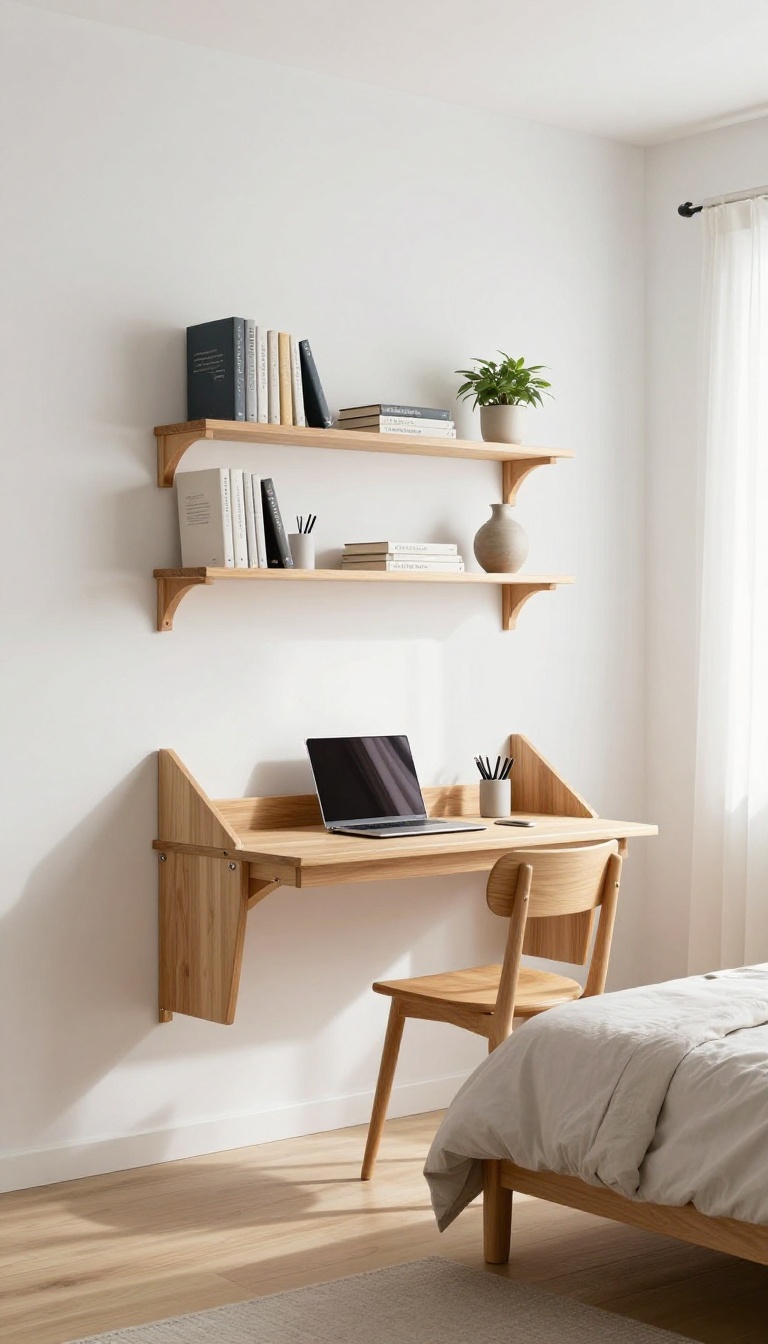
When the floor is packed with furniture, the walls are your next best storage spot. Floating shelves keep books, plants, and decor off the ground, making the room feel more open. A fold-down desk gives you a workspace without stealing permanent floor space.
Floating shelves are a simple upgrade that instantly adds storage and style. They work above the bed, beside a window, or even in awkward corners. Use them for daily items like glasses and chargers, or display a mix of books and small plants for a personal touch.
A wall-mounted desk is a game-changer for small bedrooms. When you're done working, fold it up and the room returns to its calm, clutter-free self. Pair it with a slim chair that tucks underneath, and you have a functional office that disappears in seconds.
Choosing The Right Shelves
Pick shelves that match your room's style—wood for warmth, white for a clean look, or black for contrast. Make sure they're sturdy enough for what you plan to display. Floating shelves with hidden brackets look sleek and save visual space, while corner shelves maximize tricky areas.
Setting Up A Wall Desk
Look for a fold-down desk with a hinge mechanism that locks securely when open. Install it at a comfortable height, usually around 28-30 inches from the floor. Add a small wall-mounted lamp or a clip-on light to keep the desk functional without taking up surface area.
Styling And Organization Tips
Keep shelves tidy by grouping items in sets of three or using small baskets for loose items. On the desk, use a wall-mounted pencil holder or a small tray to keep essentials within reach. Mix decorative pieces with practical storage so the setup feels intentional, not cluttered.
6. Embrace Smart Lighting
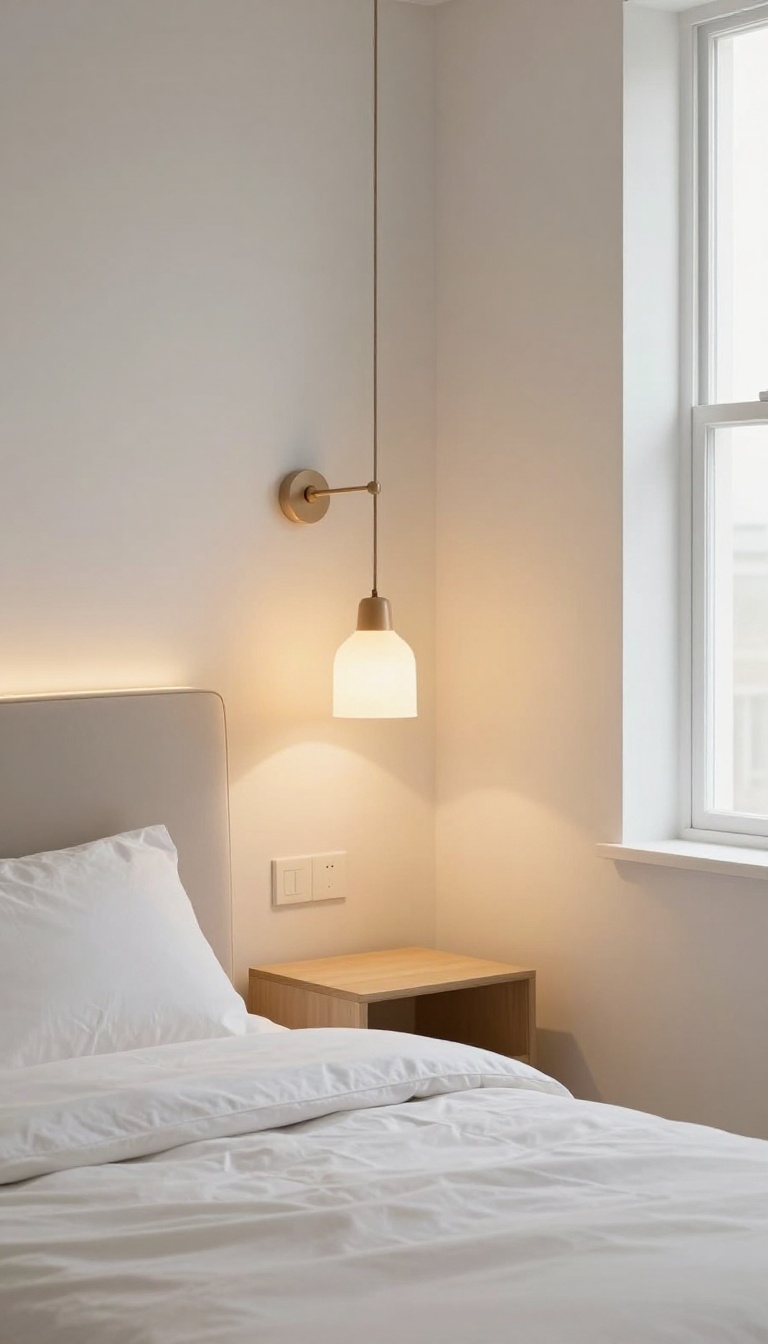
Lighting can make or break a small bedroom. A single overhead fixture often casts harsh shadows and makes the room feel boxy. Instead, layer your lighting to create depth and flexibility, so the space adapts to your mood and needs.
Layer For Function And Mood
Think of lighting in three layers: ambient, task, and accent. Ambient light fills the room softly—think ceiling fixtures or floor lamps. Task light focuses on activities like reading or getting dressed, with wall sconces beside the bed or a small desk lamp.
Accent light highlights architectural details or decor, like LED strips under the bed frame or behind a headboard. Combining these layers lets you switch from bright and energetic to cozy and calm with a simple switch.
Save Space With Wall And Pendant Lights
Floor lamps eat up precious floor space, so mount lights on walls or hang pendants from the ceiling. Swing-arm sconces are perfect for reading in bed without taking up nightstand space. Pendant lights over nightstands free up surfaces and add a stylish focal point.
If you're renting, look for plug-in wall sconces that don't require hardwiring—they're easy to install and remove.
Use Led Strips For Subtle Glow
LED strips are a game-changer for small bedrooms. Stick them under the bed, along shelves, or behind a mirror to create a soft, indirect glow that makes the room feel larger. Choose warm white for a cozy vibe or cool white for a more energetic feel.
Many strips are dimmable and can be controlled with a remote or smartphone, letting you adjust the ambiance without getting up.
Avoid Shadows And Glare
Shadows can make a small room feel even smaller. Position lights to minimize dark corners—place sconces at eye level when sitting, and use frosted shades to diffuse light. Avoid placing a single bright light directly above the bed, as it can create harsh shadows on your face.
Instead, aim for multiple, softer light sources spread around the room.
7. Use Curtains as Room Dividers
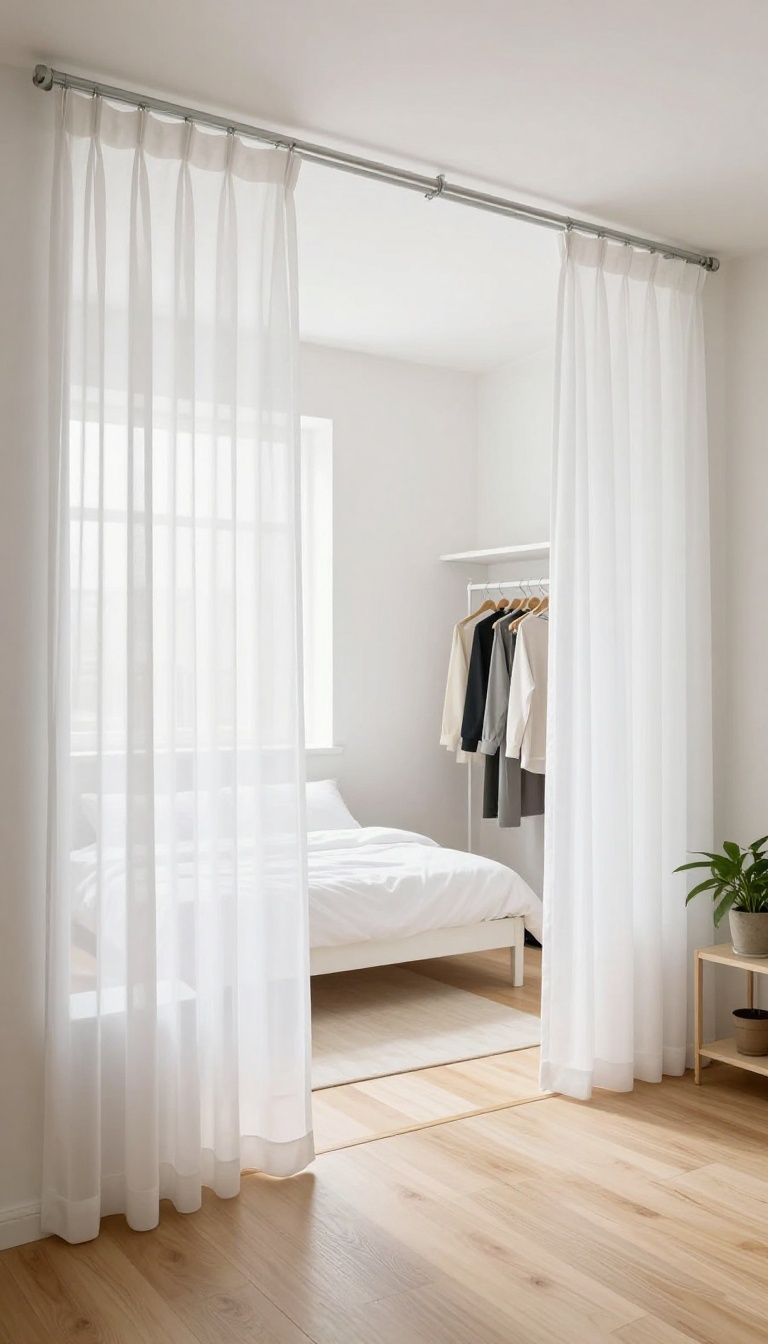
Sometimes the best way to make a small bedroom feel bigger is to give it a clear sense of purpose. A curtain can do that without the permanence or bulk of a wall. It’s a soft, flexible solution that lets you carve out a cozy sleeping nook while keeping the rest of the room open and airy.
Hanging a curtain to separate zones is a trick that works wonders in studio apartments or shared rooms. It’s also a great option if you’ve squeezed a home office or dressing area into your bedroom. The beauty is that you can push the curtain aside during the day to let light flow through, then close it at night for privacy and focus.
Pick The Right Fabric
Choose a fabric that matches the mood you want. A sheer curtain lets in light and feels breezy, perfect for keeping the room open. A heavier fabric like velvet or linen adds warmth and blocks out light, which is great for a sleeping area.
Consider a double rod with both sheer and blackout panels for maximum flexibility.
Install A Ceiling Track
For a clean, modern look, install a ceiling-mounted track instead of a traditional rod. This allows the curtain to hang from floor to ceiling, making the room feel taller and more polished. It also glides smoothly, so you can easily open and close the divider without fuss.
Create A Dressing Nook
If you lack a walk-in closet, use a curtain to hide a clothing rack or a simple shelving unit. This instantly creates a dressing area that feels separate from your bed. The curtain adds a touch of elegance and keeps your clothes dust-free while making the room look tidier.
Add A Touch Of Style
Don’t treat the curtain as an afterthought. Use it as a design element. Choose a pattern or color that complements your bedding and decor.
A bold print can become a focal point, while a neutral tone blends in seamlessly. You can also add tiebacks or a valance to give it a finished look.
8. Opt for Sliding or Pocket Doors
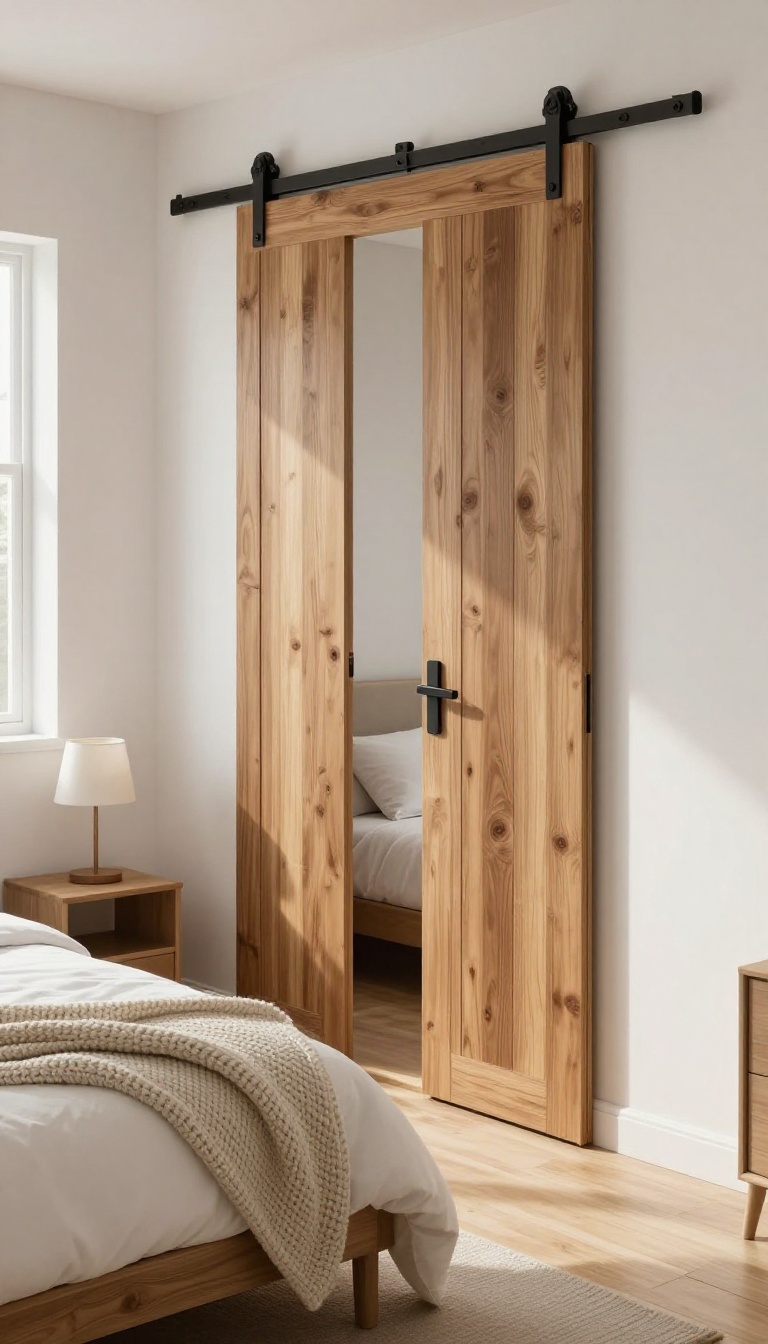
Swinging doors are silent space thieves in a small bedroom. They eat up floor area when open and can block furniture placement. Swapping them for sliding or pocket doors frees up that precious square footage and makes the room feel more open and easier to move around.
Replacing a traditional hinged door with a sliding barn door or a pocket door that disappears into the wall can transform how your small bedroom functions. Not only do you gain usable floor space, but you also open up layout possibilities—you can push the bed or dresser right up against the wall where the door used to swing. It's a simple change that pays off every single day.
Why Swinging Doors Waste Space
A standard door needs about 8 to 10 square feet of clearance to swing open and closed. That's space you could use for a nightstand, a reading nook, or simply walking. When the door is open, it also blocks the wall, making it hard to place furniture.
Sliding doors eliminate this problem entirely.
Pocket Doors: The Ultimate Space Savers
Pocket doors slide into a cavity inside the wall, completely out of sight when open. They're perfect for small bedrooms because they don't take up any floor or wall space when not in use. The installation requires a bit of construction, but the payoff is a seamless, clutter-free look.
If you're handy, you can even retrofit one yourself.
Barn Doors: Style Meets Function
Barn doors slide along a track mounted above the doorway, adding a rustic or industrial charm to your bedroom. They're easier to install than pocket doors and can be a stylish focal point. Plus, they allow you to use the wall space on either side of the door for furniture or decor, making the room feel more intentional.
9. Add a Fold-Down Table or Bench
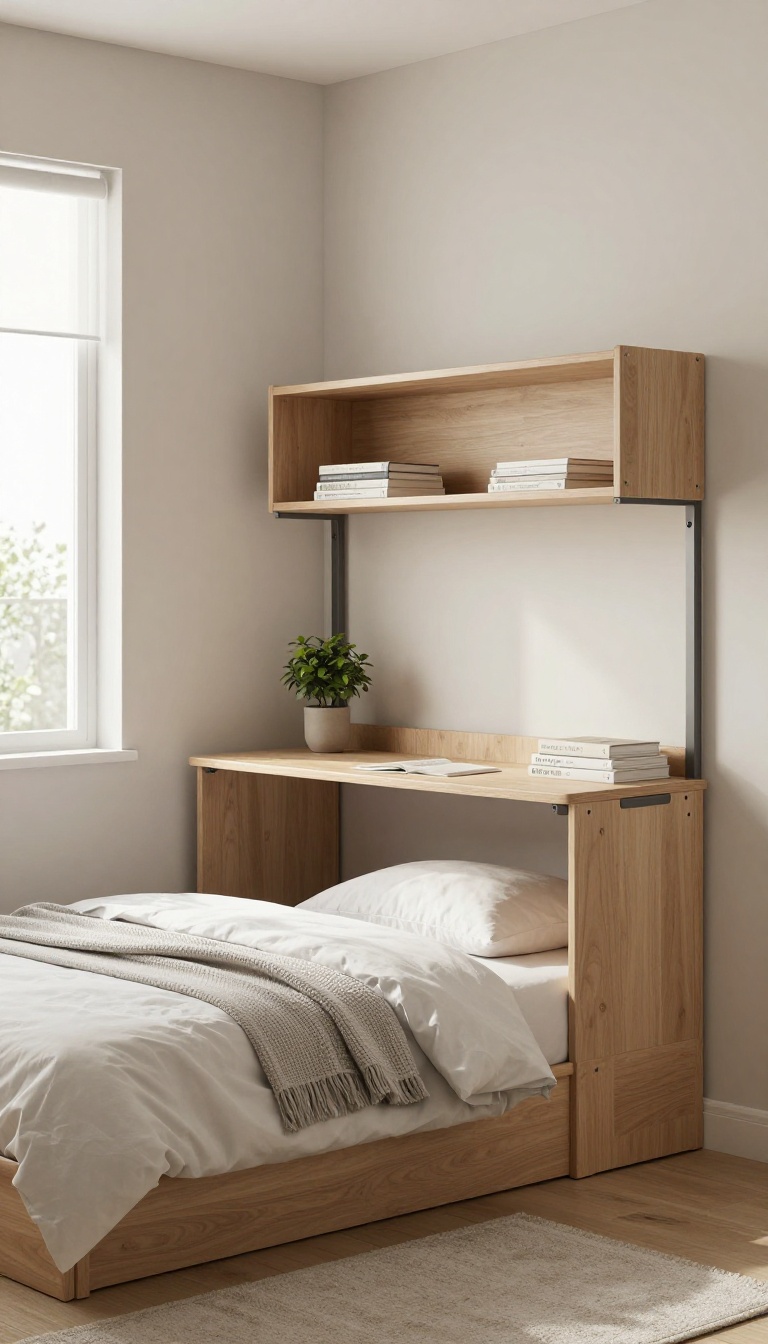
A wall-mounted fold-down table or a storage bench can serve as a nightstand, desk, or seating without taking up permanent space. When you're tight on square footage, every piece of furniture needs to earn its keep, and these dual-purpose items are perfect for that. They give you the function you need without the bulk, and they tuck away neatly when you're done.
A fold-down table is a game-changer in a small bedroom. It can act as a bedside table when you need a spot for your book and glasses, then fold flat against the wall when you need more floor space. Some models even come with built-in shelves or cubbies, so you don't lose storage when the table is closed.
Similarly, a storage bench at the foot of your bed offers seating, a place to toss a throw blanket, and a hidden compartment for extra linens or out-of-season clothes. Both options are compact, affordable, and easy to install, making them ideal for renters and homeowners alike.
Pick The Right Wall Spot
Place your fold-down table near the bed or in a corner where it won't block traffic. A height of about 26 to 30 inches works well for a desk or nightstand. If you're using it as a desk, make sure there's enough legroom when you're seated.
Measure your space and test the fold-down motion before committing to a spot.
Choose A Bench With Hidden Storage
Look for a bench with a hinged top or built-in drawers. That way, you're not just adding seating—you're also gaining valuable storage. Use it for extra pillows, blankets, or even shoes.
Place it at the foot of the bed or against a wall, and you'll have a handy perch for putting on socks or setting down a laundry basket.
Style It To Fit The Room
These pieces don't have to look utilitarian. Choose a fold-down table in a warm wood tone or a sleek white finish to match your decor. Add a small plant or a framed photo on top when it's closed.
For the bench, toss on a cushion or a textured throw to make it inviting. The goal is to blend function with style so it feels like a natural part of the room.
10. Keep It Minimal and Clutter-Free
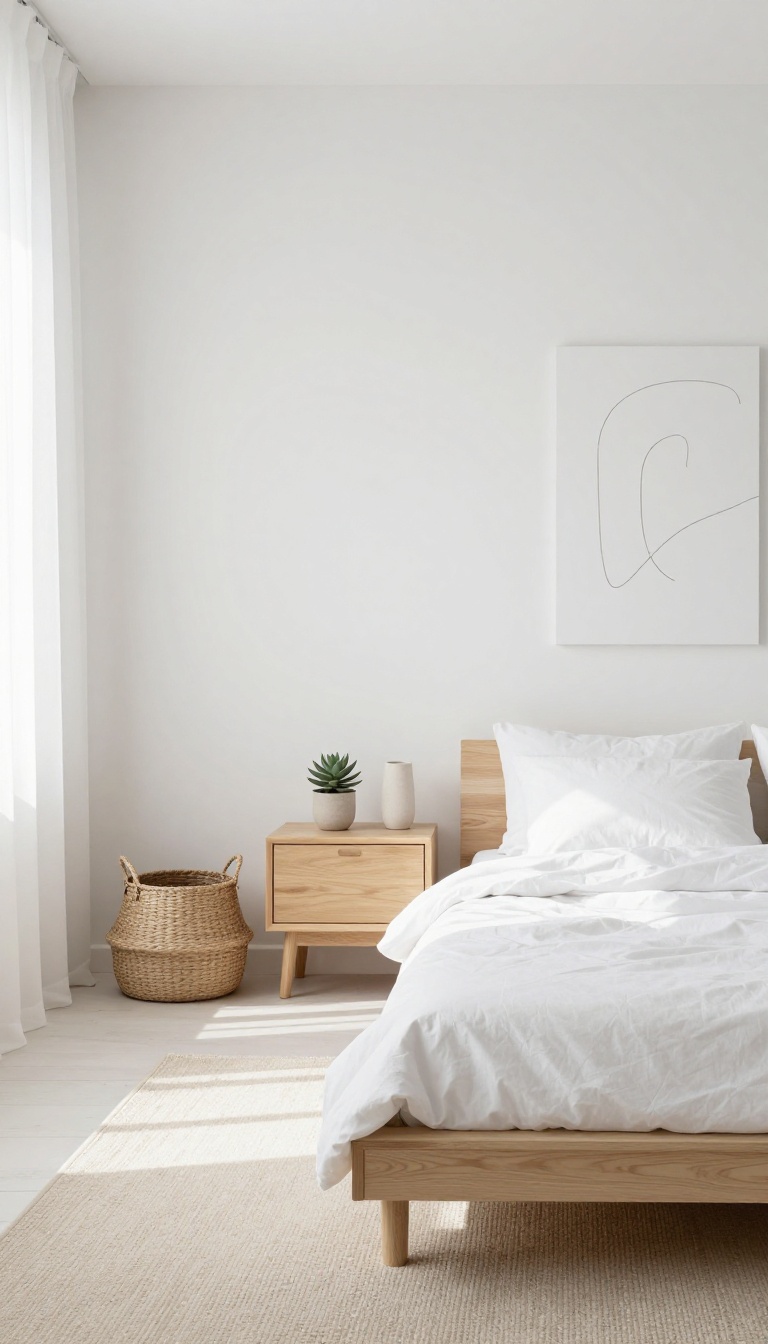
A small bedroom can feel instantly more spacious when every item has a purpose. Minimalism isn't about living with nothing—it's about choosing what truly matters and giving it a designated home. By cutting back on unnecessary extras, you create breathing room and a sense of calm that makes the space feel larger than it is.
Start by clearing surfaces like nightstands and dressers. Keep only the essentials: a lamp, a book, maybe a small plant. Everything else can go into hidden storage like baskets or bins.
When you see less, your brain registers more open space, and that psychological trick works wonders in tight quarters.
Adopt A One-in, One-out Rule
To prevent clutter from creeping back, make a simple habit: every time you bring something new into the bedroom, remove something old. This keeps your belongings in check and forces you to evaluate what you really use. Over time, you'll naturally own fewer things, and the room stays airy.
Use Decorative Baskets For Hidden Storage
Baskets are your best friend in a minimal bedroom. They hide clutter while adding texture and warmth. Place a couple under the bed or on open shelves to stash extra linens, off-season clothes, or electronics.
Choose baskets that match your decor so they blend in seamlessly.
Keep Surfaces Clear
Make it a rule that nightstands and dressers stay mostly empty. If you need a spot for your phone or glasses, use a small tray to corral them. Wipe down surfaces regularly so they don't accumulate dust or random items.
A clear surface instantly makes the room feel tidier and more open.
FAQ
What is the best bed for a small box bedroom?
A platform bed with built-in drawers or a loft bed are excellent choices because they combine sleeping and storage, freeing up floor space.
How can I make a small bedroom look bigger?
Use light paint colors, place mirrors opposite windows, keep the floor visible, and choose furniture with exposed legs to create an airy feel.
Are there budget-friendly ways to maximize a small bedroom?
Yes, DIY projects like floating shelves, repurposing crates for storage, and using tension rods for curtains are affordable and effective.
What colors are best for a tiny bedroom?
Soft whites, pastels, and light neutrals work best. They reflect light and make the room feel more open. Add pops of color with accessories.
How do I fit a workspace in a small bedroom?
Use a wall-mounted fold-down desk or a narrow console table. Pair it with a compact chair that can slide underneath when not in use.
Conclusion
Small bedrooms reward clever thinking, not square footage. Pick one idea from this list that solves your biggest pain point—whether that's storage, layout, or lighting—and start there. You don't have to do everything at once.
Even a single change, like a lofted bed or a fold-down desk, can make the room feel twice as large. Try one tweak this weekend, live with it for a bit, and then tackle the next. Before you know it, your compact space will feel like a design win, not a compromise.