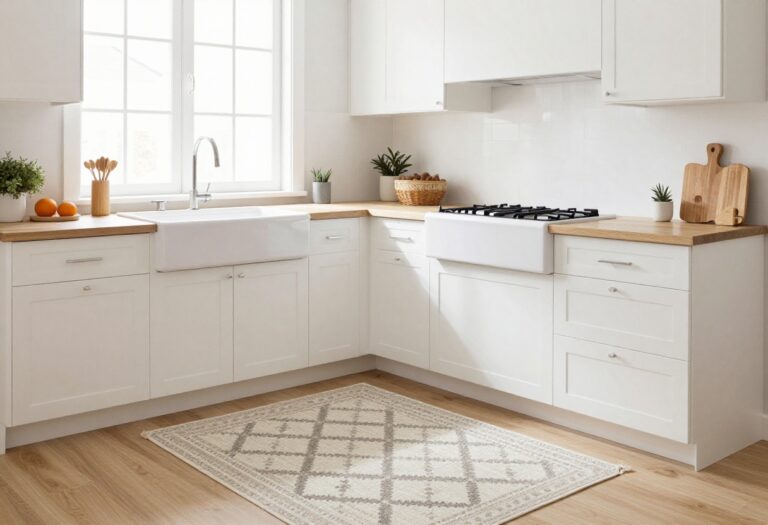
13 Unique Modern Farmhouse Kitchen Ideas That Add Function and Personality
A farmhouse kitchen should feel warm, lived-in, and ready for real cooking—not just look pretty in photos. But the charm often gets lost when style overshadows daily function.
You end up with a space that's beautiful yet awkward to work in, with clutter creeping onto every counter. The trick is to weave practicality into every design choice, from storage to seating to lighting.
These 13 ideas blend rustic character with smart solutions, so your kitchen works as hard as it looks. Each one solves a specific problem, whether it's knife storage, spice organization, or a cozy spot for family meals.
1. Butcher Block Island with Built-In Knife Storage
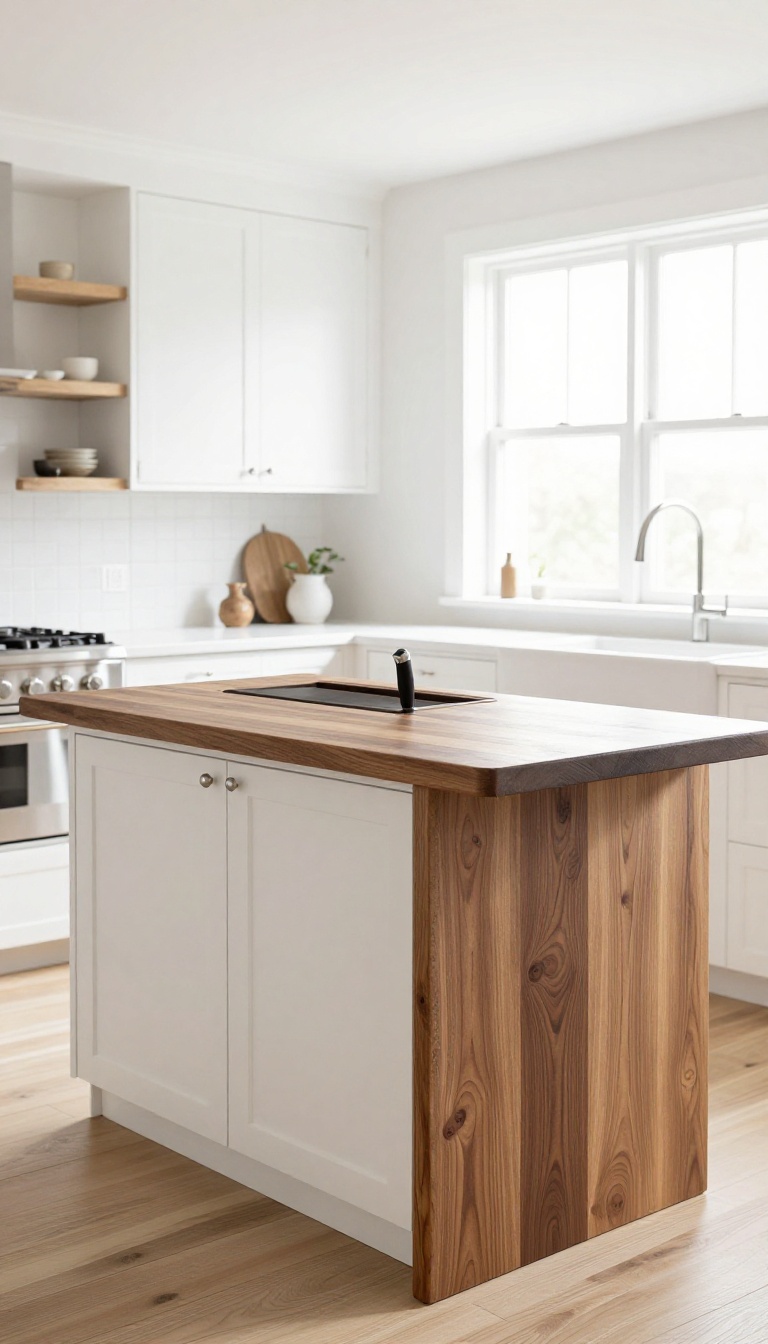
A butcher block island is a classic farmhouse feature that brings warmth and a dedicated prep surface into the heart of your kitchen. But the real magic happens when you add a built-in knife slot—a slim, discreet opening that keeps your most-used blades within arm's reach while protecting both the edge and your fingers. This small detail transforms a simple island into a highly functional workstation that feels both rustic and thoughtfully designed.
The knife slot is more than a gimmick—it's a daily convenience that eliminates the need for a bulky knife block or a cluttered drawer. You can slide your chef's knife in and out with one hand, and the slot's depth keeps the blade safely nestled when not in use. Plus, the natural wood grain of the butcher block becomes a conversation piece, blending seamlessly with the farmhouse aesthetic.
Why A Knife Slot Works
A built-in knife slot keeps blades accessible without taking up counter space. It also protects the knife edge from dulling against other utensils, and since the slot is integrated into the island, it's always in the same spot—no more hunting for the right knife when you're mid-recipe.
Choosing The Right Butcher Block
Opt for a hardwood like maple or walnut, which is durable and gentle on knife edges. Consider the island's size and your prep needs—a thicker block offers more stability, while a lighter wood can brighten the space. Make sure the surface is sealed properly to resist moisture and stains, especially around the knife slot.
Installation Tips
If you're handy, you can retrofit an existing butcher block by routing a slot into the surface. For new builds, work with a carpenter to integrate the slot during fabrication. Always position the slot away from the edge to prevent accidental contact, and add a magnetic strip inside for extra security.
2. Open Shelving with Baskets for Hidden Storage
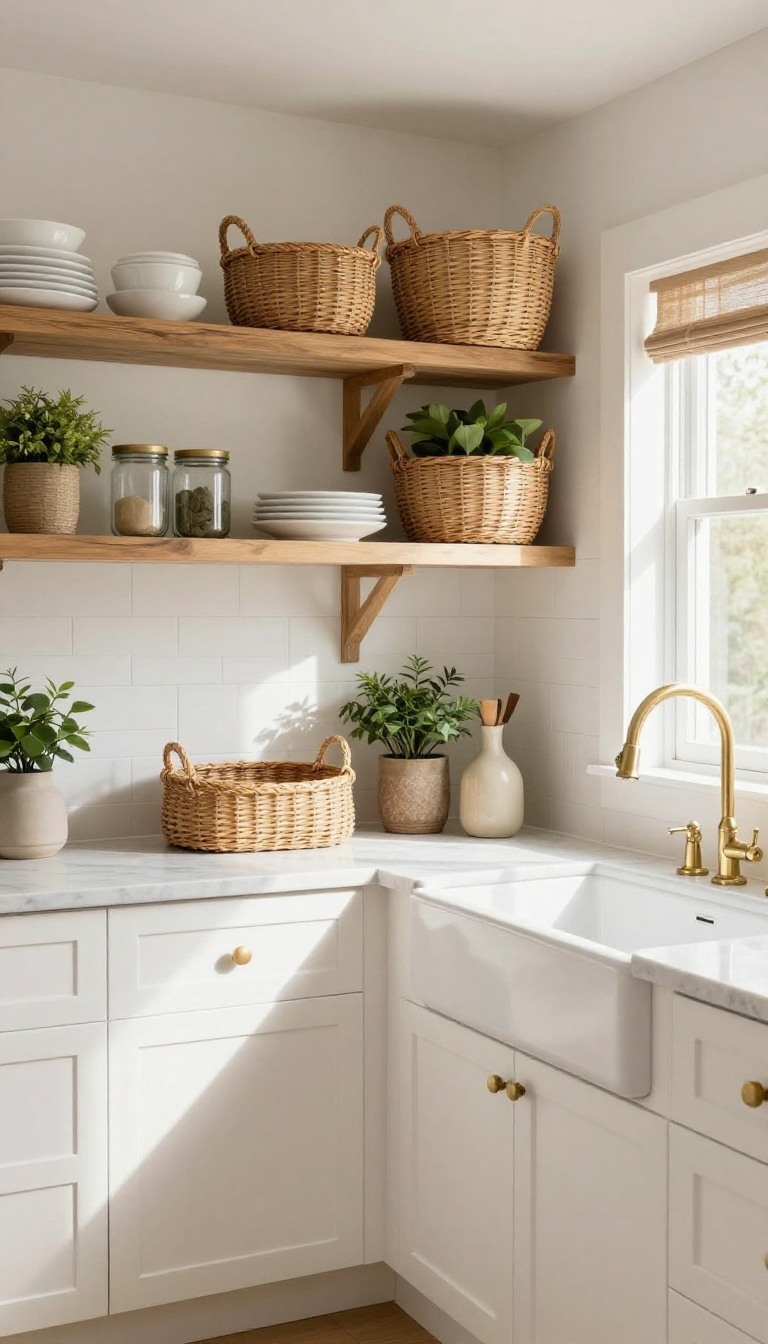
Open shelves are a farmhouse staple, but they can quickly turn into a cluttered mess if you're not careful. The solution? Pair them with woven baskets.
These baskets keep everyday items like snacks, napkins, or small gadgets out of sight while still letting you show off your favorite dishes and glassware. It's a simple swap that adds warmth and texture without sacrificing practicality.
Open shelving with baskets strikes the perfect balance between display and concealment. You get the airy, rustic look that defines farmhouse style, but you also gain a place to tuck away the things you don't want on display. Baskets come in all shapes and sizes, so you can mix and match to fit your storage needs.
Plus, they're easy to move around, making it simple to reorganize when your needs change.
Choosing The Right Baskets
When picking baskets, think about what you'll store in them. For bulky items like bread or potatoes, go with large, sturdy baskets with handles. For smaller items like spice packets or tea bags, opt for smaller baskets that can sit on a shelf without overwhelming it.
Natural materials like seagrass or rattan add that organic farmhouse feel, while wire baskets give a more industrial twist. Just make sure they have a tight weave so small items don't fall through.
Styling Your Shelves
Group baskets together on one shelf to create a cohesive look, or spread them out among your displayed dishes. A good rule of thumb is to fill about one-third of each shelf with baskets, leaving the rest for plates, mugs, or jars. Mix heights and textures to keep it visually interesting.
For example, place a tall basket next to a stack of plates, or nest a small basket inside a larger one for a casual, collected feel.
Keeping It Functional
The real beauty of baskets is that they make daily life easier. Use them to corral items you reach for often, like coffee filters, cooking utensils, or kids' snacks. Label each basket with a chalkboard tag or a simple wooden tag to keep everyone organized.
And since baskets are lightweight, you can easily lift them down to grab what you need, then set them back. That way, your shelves stay tidy without a lot of effort.
3. Farmhouse Sink with a Gooseneck Faucet
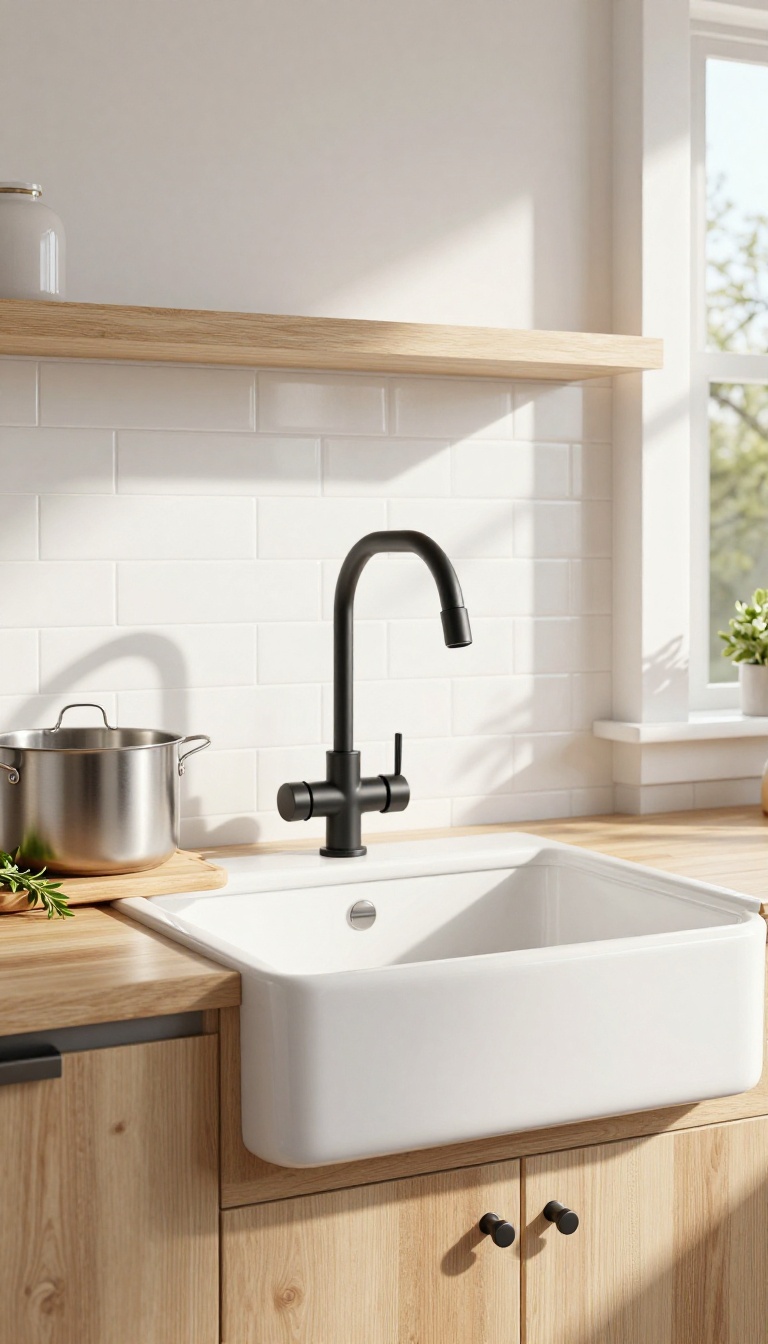
The deep apron sink is practically a farmhouse badge of honor, but its full potential only shines with the right faucet. A gooseneck design isn't just about looks—it adds real reach and clearance that make everyday tasks feel effortless. From filling tall stockpots to rinsing bulky baking sheets, this pairing turns a pretty centerpiece into a workhorse.
Pairing a farmhouse sink with a gooseneck faucet creates a functional focal point that handles the messiest kitchen jobs with ease. The tall arching spout clears the sink's deep basin, giving you room to maneuver large pots and pans without awkward angles. Plus, the high clearance makes it simple to fill water pitchers, vases, or even a bucket for floor cleaning.
This combo proves that classic design and modern convenience can live happily together.
Why Gooseneck Works With A Deep Basin
A standard faucet often feels cramped over a deep farmhouse sink, forcing you to tilt pots just to get them under the stream. The gooseneck's elevated arc solves that by providing generous vertical space. You can fill a tall pasta pot or a large Dutch oven without splashing water all over the counter.
It also makes washing bulky items like baking sheets or roasting pans much more comfortable, since you can angle them freely.
Choosing The Right Finish And Style
Gooseneck faucets come in finishes that can either blend in or stand out. A matte black or oil-rubbed bronze adds a rustic touch, while brushed nickel or stainless steel keeps things bright and modern. Think about your sink's finish and your kitchen's overall vibe.
A bridge-style gooseneck with exposed pipes enhances the farmhouse feel, while a sleek single-handle version offers a cleaner look. Pick one that feels like it belongs in your kitchen, not just on a showroom shelf.
Practical Features To Look For
Not all gooseneck faucets are created equal. Look for a pull-down spray head, which makes rinsing every corner of the sink a breeze. A single-handle design allows easy temperature and flow control, even with messy hands.
Some models include a pot-filler attachment or a side sprayer for extra convenience. Also, consider the spout height and reach—make sure it matches your sink's depth and your countertop layout. A little planning here saves you from future frustration.
4. Magnetic Spice Rack on the Range Hood
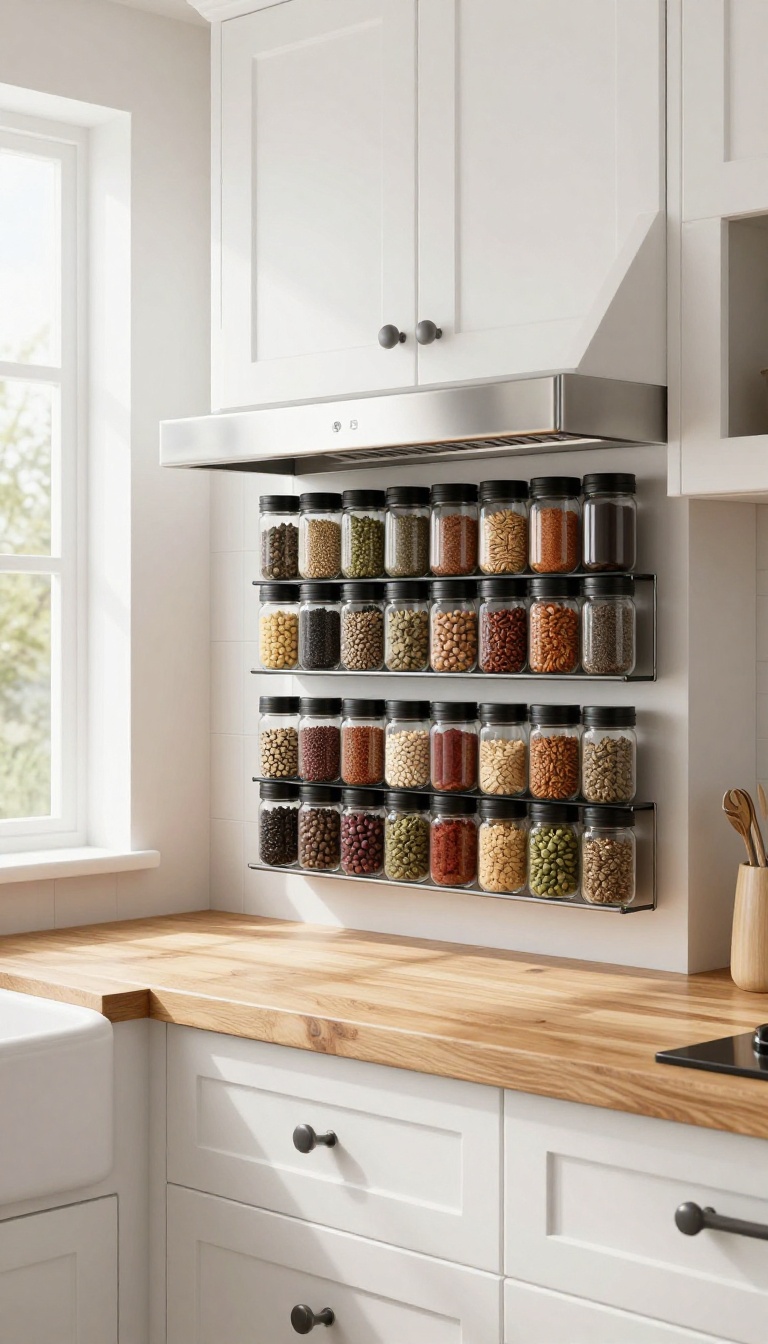
When you're mid-recipe, the last thing you want is to dig through a cabinet for smoked paprika. A magnetic spice rack mounted on the side of your range hood puts your most-used seasonings right where you need them, without eating up valuable counter space. It's a simple, clever upgrade that keeps your workflow smooth and your surfaces clear.
The range hood is often an overlooked vertical surface in the kitchen, but it's prime real estate for storage. By attaching a magnetic strip, you can turn that blank metal into a functional spice station. This idea works best if your hood is made of stainless steel or another magnetic material—if it's not, you can use a metal plate adhered to the side.
The beauty is that you can see all your spices at a glance, and you can grab them with one hand while the other stirs the pot.
Choose The Right Strip And Containers
For this to work well, you need a strong magnetic strip and containers with magnetic backs. Look for strips that can hold at least a pound per inch, and opt for small, uniform jars that fit neatly on the strip. Avoid glass containers that are too heavy; lightweight tins or plastic jars are safer and more practical.
You can buy pre-made magnetic spice jars or DIY by gluing small magnets to your existing jars.
Placement And Organization Tips
Mount the strip on the side of the hood that faces you when you're cooking—usually the front or left side if you're right-handed. Keep the most frequently used spices (salt, pepper, garlic powder, chili flakes) within easy reach, and store less common ones lower or on a second strip if space allows. Group them by cuisine or use, like 'Italian' or 'Mexican, ' to speed up your cooking flow.
Safety And Maintenance
One concern is heat and grease near the range hood. Keep the spice rack at least a foot away from the burners to avoid heat damage, and wipe the jars regularly to prevent a greasy film. Also, make sure the magnets are strong enough to hold the jars securely, especially if you have kids or pets that might bump into them.
With a little care, this rack will stay tidy and functional for years.
5. Sliding Barn Door Pantry
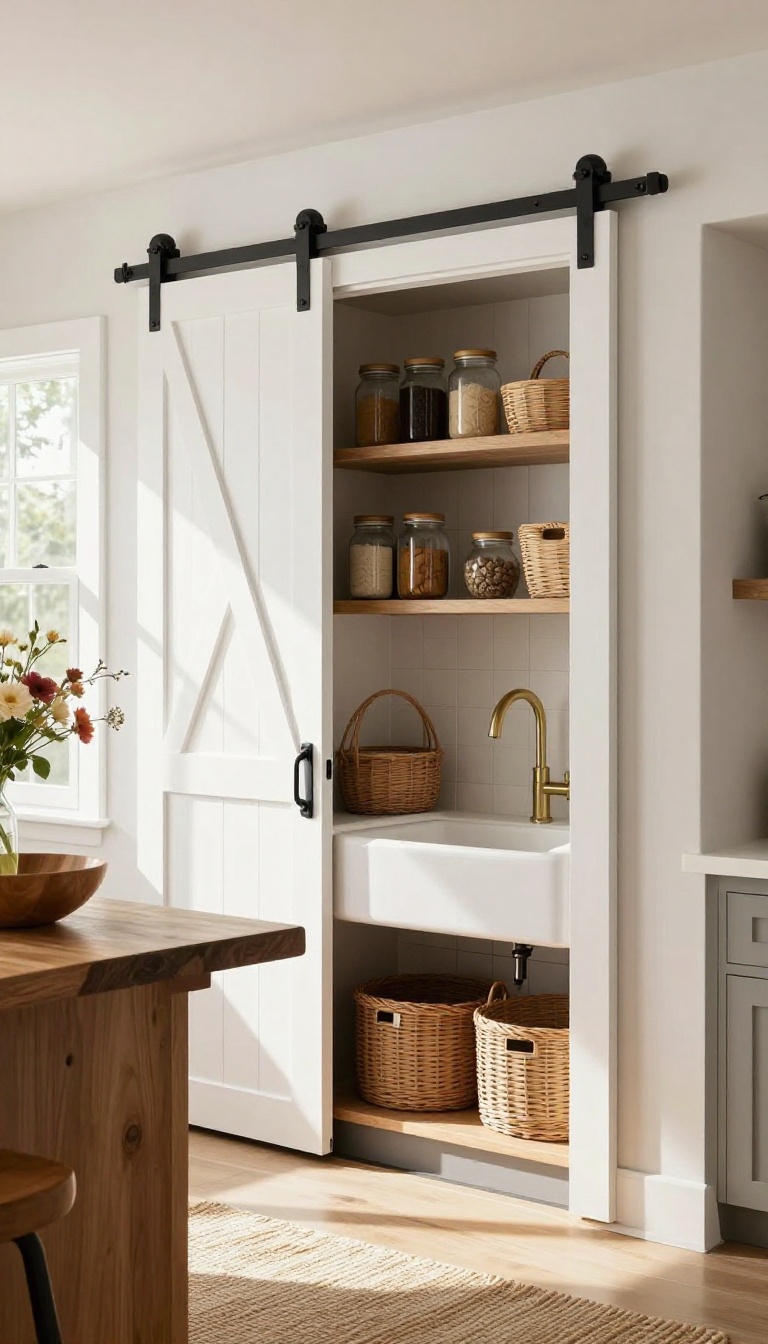
A pantry is a lifesaver, but traditional swing doors eat up floor space and can feel cramped in a busy kitchen. A sliding barn door solves that problem with a rustic twist that fits right into the farmhouse aesthetic. It glides along a track, saving precious square footage while adding a charming focal point to the room.
Beyond the space-saving benefit, a barn door pantry brings a sense of warmth and character that standard cabinet doors just can't match. The sliding motion is smooth and satisfying, and it makes grabbing ingredients or small appliances effortless. Plus, you can customize the door with different wood tones, hardware, and even chalkboard paint for a personal touch.
Why It Works In A Farmhouse Kitchen
The farmhouse style thrives on natural materials and functional design. A barn door made of reclaimed wood or shiplap instantly adds texture and a rustic vibe. It also creates a visual break from rows of cabinets, making the kitchen feel more dynamic.
And because it doesn't swing out, you can place it in tight spots without worrying about clearance.
Smart Storage Inside
The real magic happens behind the door. Install adjustable shelving to fit everything from cereal boxes to stand mixers. Add pull-out drawers for spices and canned goods, and use clear bins for snacks and baking supplies.
A few hooks on the inside of the door can hold measuring cups or aprons, making the most of every inch.
Choosing The Right Door And Hardware
Pick a door that matches your kitchen's finish—white shiplap for a bright look, or dark wood for contrast. The hardware matters too: matte black or oil-rubbed bronze handles feel authentic, while stainless steel gives a more modern edge. Make sure the track is sturdy and long enough to fully expose the pantry opening, and install a soft-close mechanism to avoid slamming.
6. Built-In Coffee Station with a Farmhouse Feel
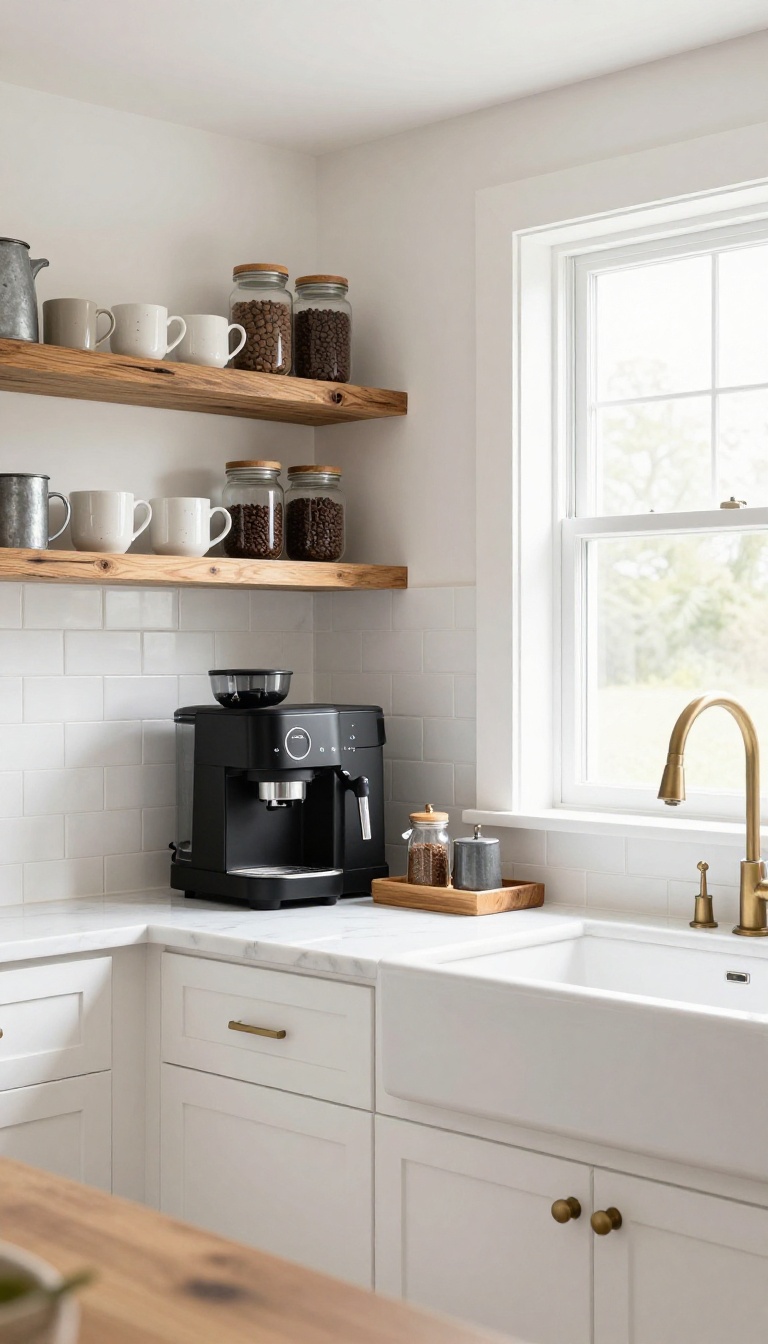
Mornings move faster when your coffee setup has a permanent home. A built-in station keeps the counter clear and adds a cozy, intentional touch to the kitchen. With a few rustic details, it becomes a favorite spot for both daily brews and weekend chats.
Designing a built-in coffee station starts with choosing a corner or a stretch of wall that can handle a small counter and some storage. You don't need a huge footprint—just enough for a coffee maker, a few mugs, and the essentials. Open shelving above keeps everything visible and within reach, while a chalkboard menu adds a personal, farmhouse-style touch.
A small farmhouse sink nearby is a game-changer for rinsing carafes and filling the kettle without trekking to the main sink.
Choosing The Right Spot
Look for an unused corner, a nook under a window, or even the end of a counter. Make sure there’s an outlet nearby for the coffee maker and enough clearance for the station to feel open, not cramped. If you have a pass-through or a breakfast bar, that can work beautifully too.
Storage That Works
Open shelves are perfect for displaying mugs and jars of coffee beans, but you’ll also want a couple of closed cabinets or drawers for hiding filters, sweeteners, and backup supplies. A pull-out drawer for the coffee maker itself keeps the counter clean when it’s not in use.
Farmhouse Details That Matter
Incorporate materials like reclaimed wood for the shelving, a galvanized metal tray for condiments, and a vintage-style faucet for the small sink. A chalkboard or a slate tile for writing the daily special or a fun quote adds character. Don’t forget a cozy rug or a stool to make the spot feel inviting.
7. Reclaimed Wood Accent Wall Behind the Stove
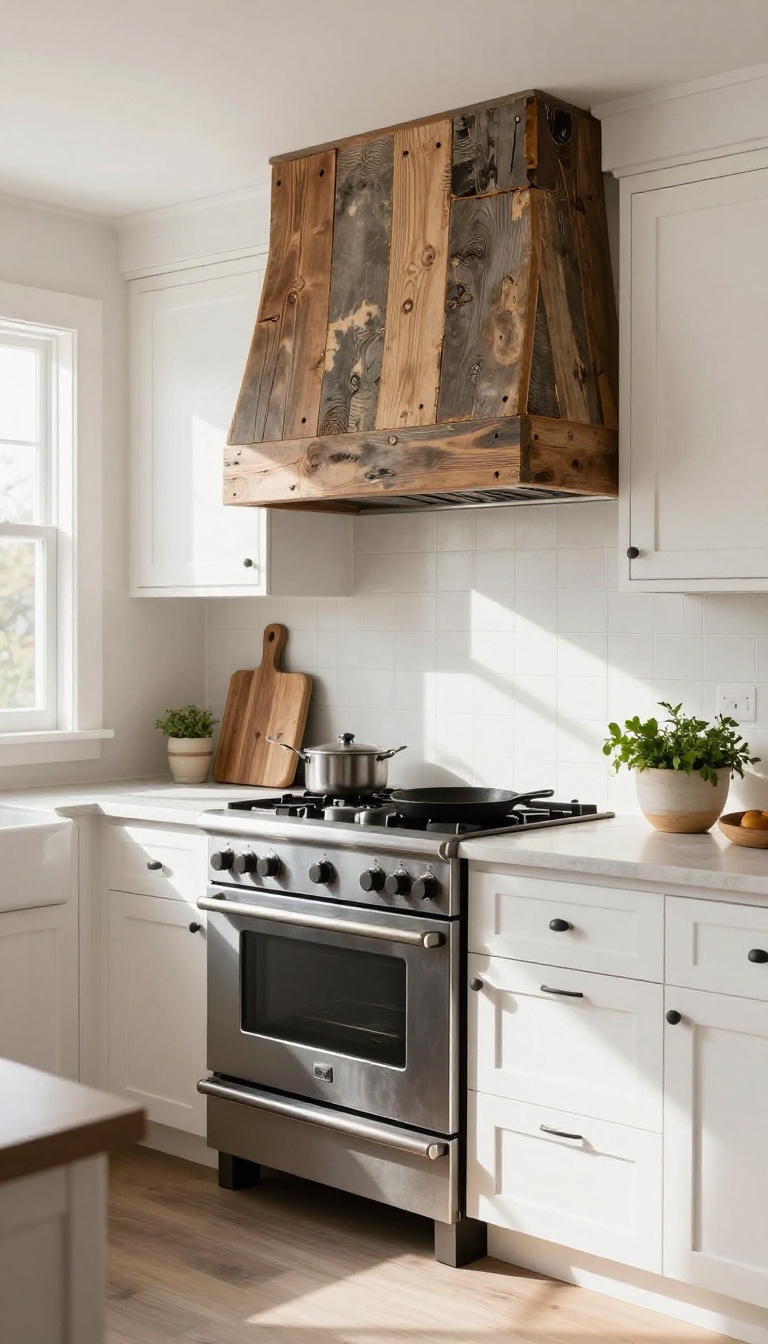
That wall behind the stove often ends up as a grease magnet, especially if you're cooking up a storm. Instead of scrubbing tile grout or wiping down stainless steel, why not give it some rustic character? A reclaimed wood backsplash or accent wall adds warmth and a sense of history, and with the right sealant, it's surprisingly easy to keep clean.
Reclaimed wood brings a unique texture that you just can't get from new materials. Each board has its own story, with nail holes, grain patterns, and weathered finishes that add depth to your kitchen. It's a great way to introduce that farmhouse feel without going overboard.
Plus, it's an eco-friendly choice, giving old wood a second life instead of sending it to a landfill.
Choosing The Right Wood
Not all reclaimed wood is created equal. Look for boards that are dry, free of pests, and have a consistent thickness. Hardwoods like oak or maple are durable, while softer woods like pine can dent easily.
You'll also want to source from reputable suppliers to ensure the wood is safe for indoor use, especially near heat and food.
Sealing For Easy Maintenance
The key to a low-maintenance wood backsplash is a good sealant. Use a food-safe, heat-resistant polyurethane or a marine-grade varnish to protect against moisture, grease, and splatters. Apply several coats, allowing proper drying time between each.
This creates a smooth, wipeable surface that keeps the wood looking great for years.
Installation Tips
Installing a reclaimed wood accent wall is a doable DIY project. Start by measuring the area and cutting boards to size. Use a strong construction adhesive and finish nails to secure them to the wall.
Leave a small gap between boards for expansion, and fill any gaps with wood filler. Finish with the sealant for a polished look.
8. Pot Rack Over the Island
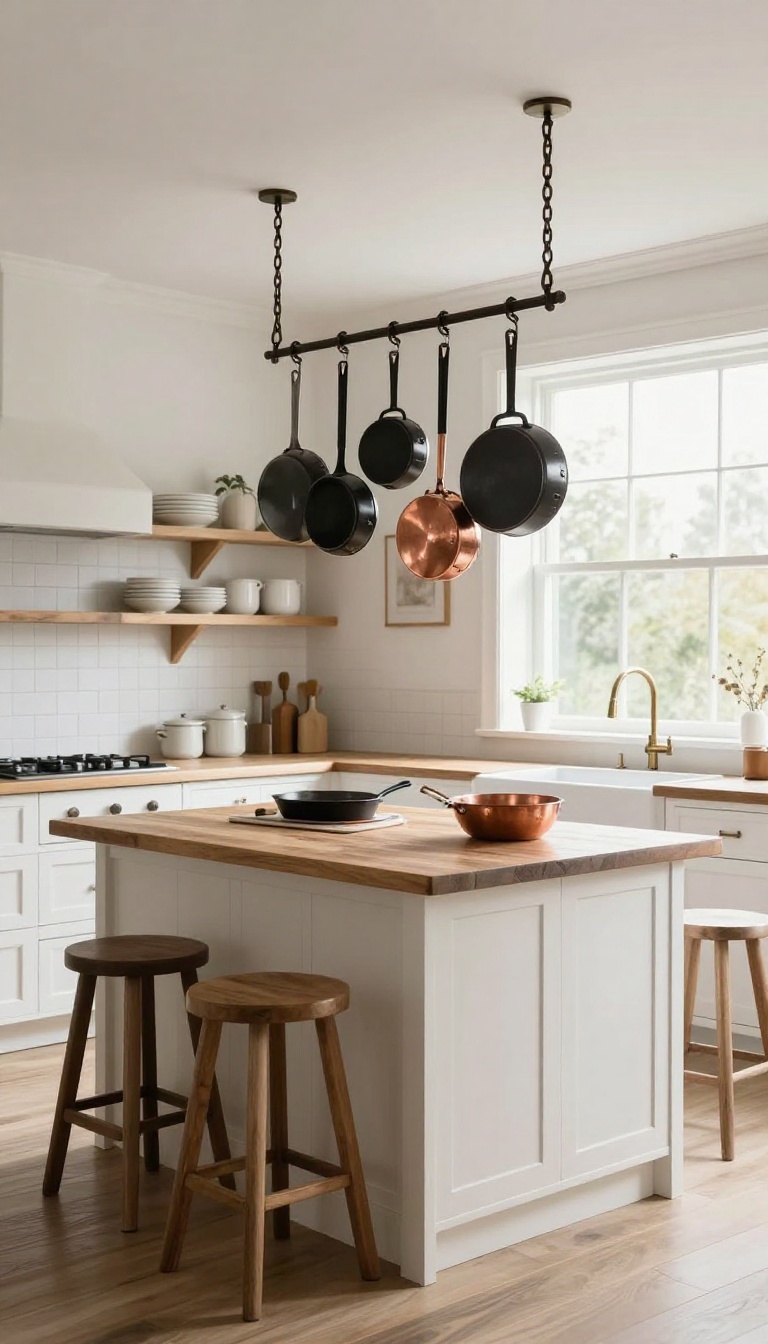
Hanging your pots and pans from the ceiling does more than just clear out cabinet space—it turns your island into the command center of the kitchen. You grab what you need in a second, and the cookware becomes part of the decor. It's a move that feels both professional and perfectly at home in a farmhouse.
A pot rack over the island is a classic farmhouse feature that blends rustic charm with serious practicality. By keeping your most-used pots within arm's reach, you cut down on digging through cabinets and free up valuable storage for other items. Plus, the visual weight of hanging cookware adds an inviting, lived-in feel that matches the farmhouse aesthetic perfectly.
When choosing a rack, think about the size and layout of your island. A large wrought-iron rack can handle heavy Dutch ovens and cast iron skillets, while a lighter wooden rack might be better for a smaller space. Make sure the rack is installed securely into a ceiling joist—safety first, especially if you have kids or pets.
To keep the look cohesive, arrange your pots by size and frequency of use. Hang the everyday pans at the front and reserve the back for specialty pieces. And don't forget to consider the height: it should be high enough to avoid head bumps but low enough that you can easily reach the handles.
Choosing The Right Rack
The material and style of your pot rack set the tone for the whole kitchen. Wrought iron with a matte black finish adds a rugged, traditional feel, while a light oak or pine rack brings a softer, more rustic warmth. If you have a modern farmhouse look with clean lines, consider a stainless steel or matte black metal rack with simple shapes.
Also, think about the size and weight capacity. A rack that's too small will look cluttered, and one that's too large can overwhelm the island. Measure the width of your island and consider the number of pots you plan to hang.
Most racks hold between 6 and 12 pieces, but heavy cast iron may require a sturdier design.
Installation Tips And Safety
Proper installation is crucial—this is not a DIY job to take lightly. The rack must be attached to a ceiling joist, not just drywall, to support the weight. If you're not sure, hire a professional.
Use heavy-duty screws or lag bolts, and consider a ceiling plate that distributes the weight evenly. Also, think about the height. The bottom of your pots should hang at least 30 inches above the countertop to avoid head bumps, but no higher than 60 inches so you can still reach comfortably.
If you have tall family members, test the height before finalizing.
Styling And Organizing Your Cookware
A pot rack is a chance to show off your cookware. Group similar items together—saucepans on one side, skillets on the other—and hang utensils or measuring cups from S-hooks for extra convenience. Keep the most-used pieces at the front and store rarely used items in cabinets.
To keep it looking tidy, clean your pots regularly, but don't worry about a little patina. That's part of the farmhouse charm. And if you have mismatched pans, consider spray-painting the handles in a uniform color for a cohesive look.
9. Farmhouse Table with Bench Seating
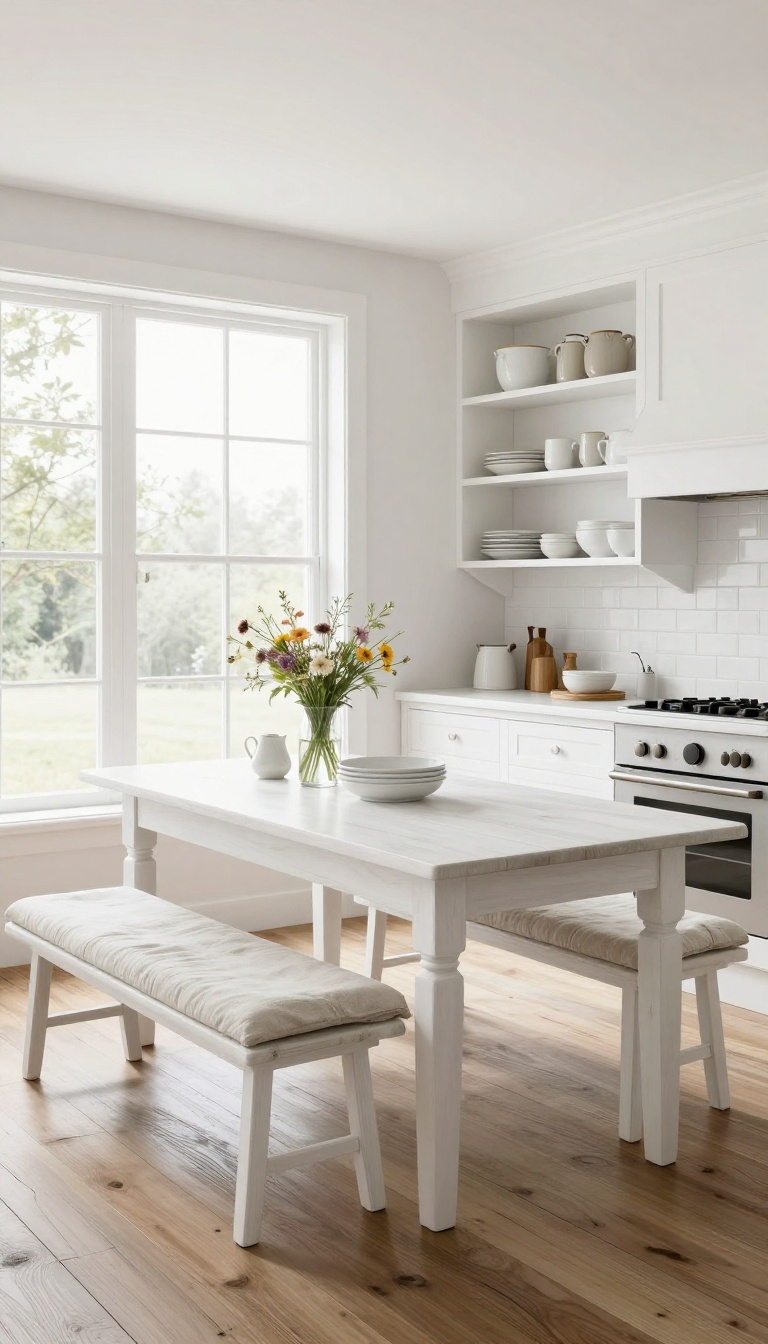
A farmhouse table instantly grounds a kitchen in rustic charm, but the real magic happens when you pair it with a bench. Benches pull double duty—they pack in more people for casual meals and slide neatly under the table when not in use. This setup makes the kitchen feel more like a gathering spot than just a cooking zone.
The bench-and-table combo is a classic farmhouse move for good reason. It creates an open, airy feel under the table, which can make a smaller kitchen appear larger. Plus, benches are perfect for kids or a crowd—no one fights over armrests, and you can squeeze in an extra guest or two without dragging in another chair.
To keep things practical, look for a bench with a slightly angled seat or a cushion that’s easy to wipe down.
Choosing The Right Bench Size
Measure your table’s length first—a bench that’s about 10-12 inches shorter than the tabletop feels balanced and leaves room to move around the ends. For a 6-foot table, a 5-foot bench works well. If your table is round or square, a shorter bench that fits one side is still a great option.
Don’t forget to account for legroom: leave at least 12 inches between the bench seat and the table edge so people can sit comfortably.
Mixing Materials For Durability
Solid wood is the go-to for a farmhouse look, but you don’t have to stick to one material. A reclaimed pine bench adds warmth, while a metal frame or legs can bring an industrial edge that resists wear. For families, consider a bench with a sealed, water-resistant finish—spills and sticky fingers won’t ruin it.
You can also add a washable cushion or a sheepskin throw for extra coziness that’s easy to swap out.
Styling The Bench For Everyday Use
Keep styling simple and practical. A couple of linen pillows at the ends add comfort without getting in the way. During the day, let the bench sit bare for easy wiping; in the evening, toss on a soft throw for a relaxed vibe.
If you have a long bench, use it as a catch-all for school bags or a spot to set groceries—just remember to clear it before meals.
10. Apron-Front Drawers for Utensils
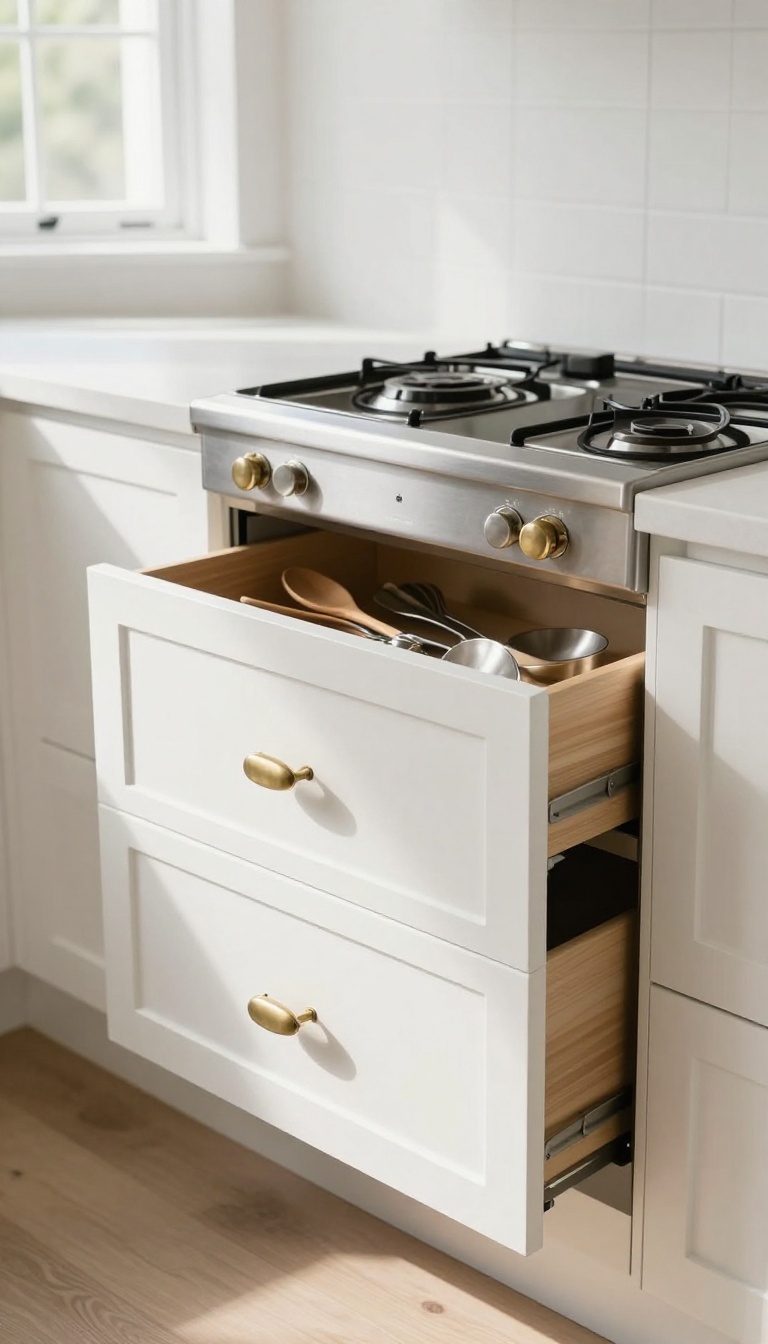
Your everyday utensils—spatulas, ladles, tongs—often end up crammed in a drawer, tangled and hard to find. Apron-front drawers solve that by giving you a dedicated, stylish spot that's always within reach. The paneled front mirrors the classic farmhouse sink, tying the whole look together without shouting for attention.
Apron-front drawers are exactly what they sound like: drawers with a recessed panel that mimics the exposed front of a farmhouse sink. They're typically installed near the stove or prep area, so the tools you grab most often are right where you need them. The design adds a subtle architectural detail that makes the kitchen feel more custom and considered, even if the rest of the cabinetry is simple.
Why They Work
These drawers combine form and function beautifully. The recessed panel gives your fingers a natural grip, so opening them is easy even with messy hands. They also break up the monotony of flat cabinet fronts, adding depth and texture that fits the farmhouse aesthetic perfectly.
Where To Place Them
The best spot is right next to the range or cooktop, where you'll be reaching for utensils constantly. If that's not possible, tuck them near the main prep zone. You can also use a narrow apron-front drawer for cutting boards or baking sheets, keeping everything organized and accessible.
Design Tips
Match the wood tone and paint color to your existing cabinets for a seamless look. Or go a shade darker to create a subtle contrast. For a truly custom feel, add a brass or matte black pull that echoes your other hardware.
Just avoid handles that are too large, as they'll overpower the clean lines of the panel.
11. Window Herb Garden with a Watering Tray
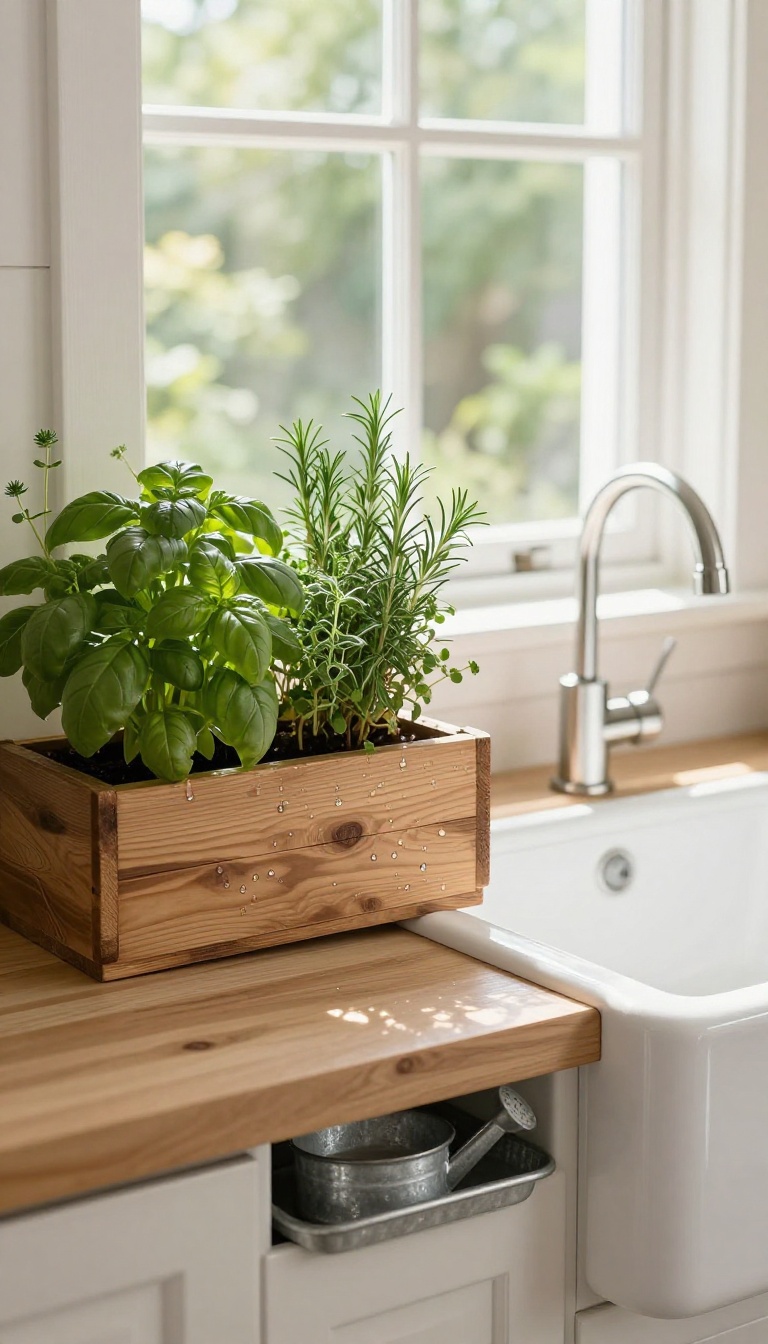
Fresh herbs can transform a meal, but they often end up as sad, wilted bundles from the store. A window herb garden puts basil, thyme, and rosemary right where you need them—steps from the stove. The built-in planter box with a watering tray keeps things tidy and makes daily care a breeze.
This idea works best on a kitchen windowsill that gets plenty of sunlight. The planter box sits flush with the sill, holding several small pots or a continuous trough. A removable tray underneath catches excess water, so you never have to worry about drips on the counter or windowsill.
Choosing The Right Spot
Look for a window that gets at least six hours of direct sunlight a day. South-facing windows are ideal, but east or west can work with the right herbs. If your kitchen lacks natural light, consider adding a small grow light above the planter.
Picking Herbs That Thrive
Stick with herbs you actually use—basil, parsley, chives, and mint are forgiving and grow quickly. Avoid mixing herbs with very different water needs; keep moisture-loving herbs together and drought-tolerant ones in another box. Label each herb with a small wooden tag for a farmhouse touch.
Building Or Buying The Planter
You can DIY a wooden planter box to match your cabinets or buy a ready-made metal or ceramic trough. Make sure it has drainage holes and fits your windowsill depth. Pair it with a galvanized tray that slides out for easy cleaning.
12. Industrial Pendant Lighting with Edison Bulbs
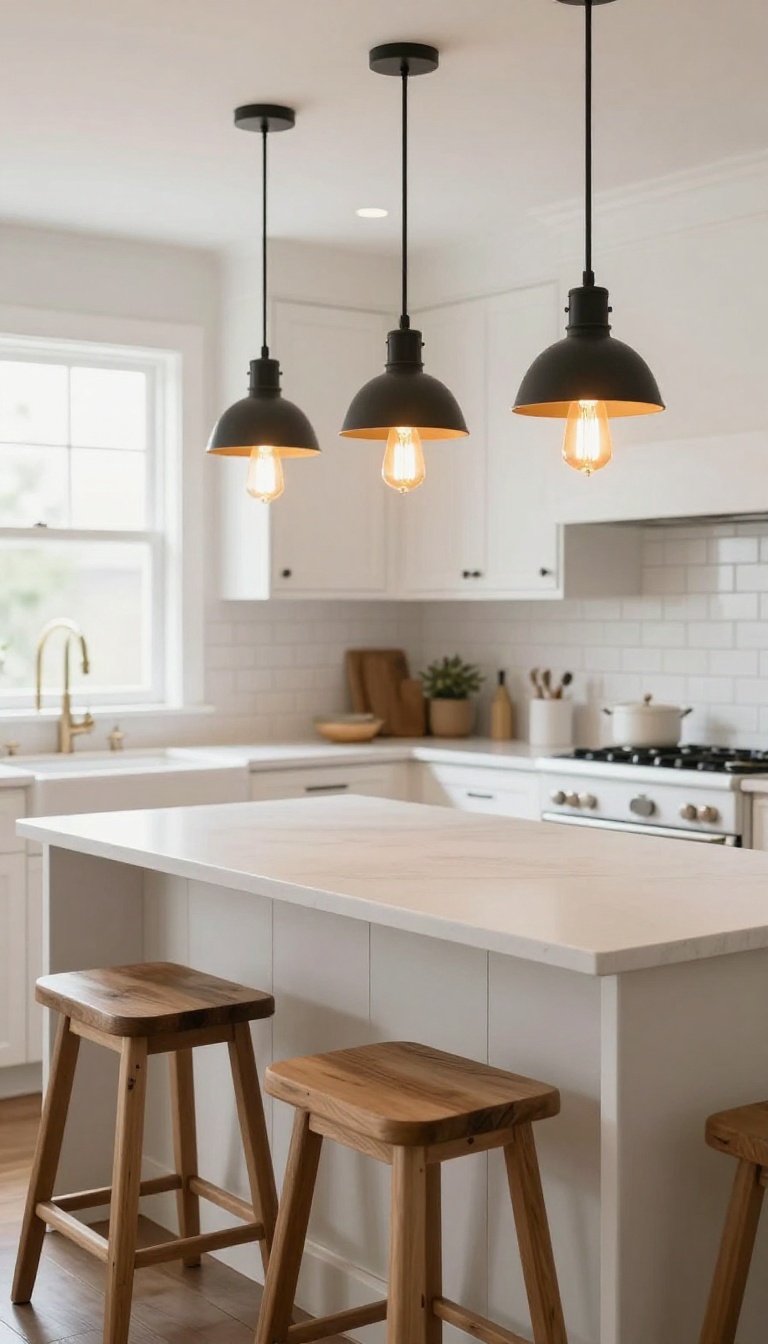
Lighting can make or break the vibe in a farmhouse kitchen, and nothing sets the mood quite like a row of industrial pendants. Those exposed Edison bulbs cast a warm, amber glow that feels both nostalgic and modern, instantly drawing the eye to your island or dining table. The contrast between sleek metal shades and the rustic farmhouse backdrop adds a layer of character that plain recessed lights just can't match.
Swapping out basic fixtures for industrial pendants is a straightforward upgrade that packs a big visual punch. The key is to hang them at the right height—about 30 to 36 inches above the counter or table—so they provide task lighting without blocking sightlines. Edison bulbs are the star here, with their visible filaments adding a vintage touch that suits the farmhouse aesthetic perfectly.
Choosing The Right Fixture
Go for metal finishes like matte black, brushed nickel, or aged bronze to complement your hardware and fixtures. A dome or cone shape focuses light downward, which is ideal for islands, while a cage or open design lets the bulb shine in all directions. If you have a long island, a row of three or four smaller pendants creates a balanced, cohesive look.
For a more eclectic vibe, mix different shapes or sizes, but keep the finish consistent to avoid visual chaos.
Placement And Height Tips
Hang pendants so the bottom sits about 30 to 36 inches above your counter or table. If you have a two-story ceiling, you can go a bit higher, but make sure the light still feels intimate. Space them evenly—roughly 24 to 30 inches apart—to avoid a crowded or sparse look.
For a round table, center a single pendant or cluster of three directly overhead. For an island, align them along the centerline, and consider adding a dimmer switch so you can adjust the brightness from bright task lighting to a soft evening glow.
Mixing With Other Lighting
Industrial pendants work best when they're part of a layered lighting plan. Pair them with under-cabinet LED strips for focused prep areas, and add a statement chandelier or flush mount over the sink for ambient light. Use the warm glow of Edison bulbs to create a cozy focal point, while other fixtures handle the practical tasks.
This way, you get both function and atmosphere, and the pendants become the star of the show without leaving you in the dark.
13. Hidden Appliance Garage with Barn Door Front
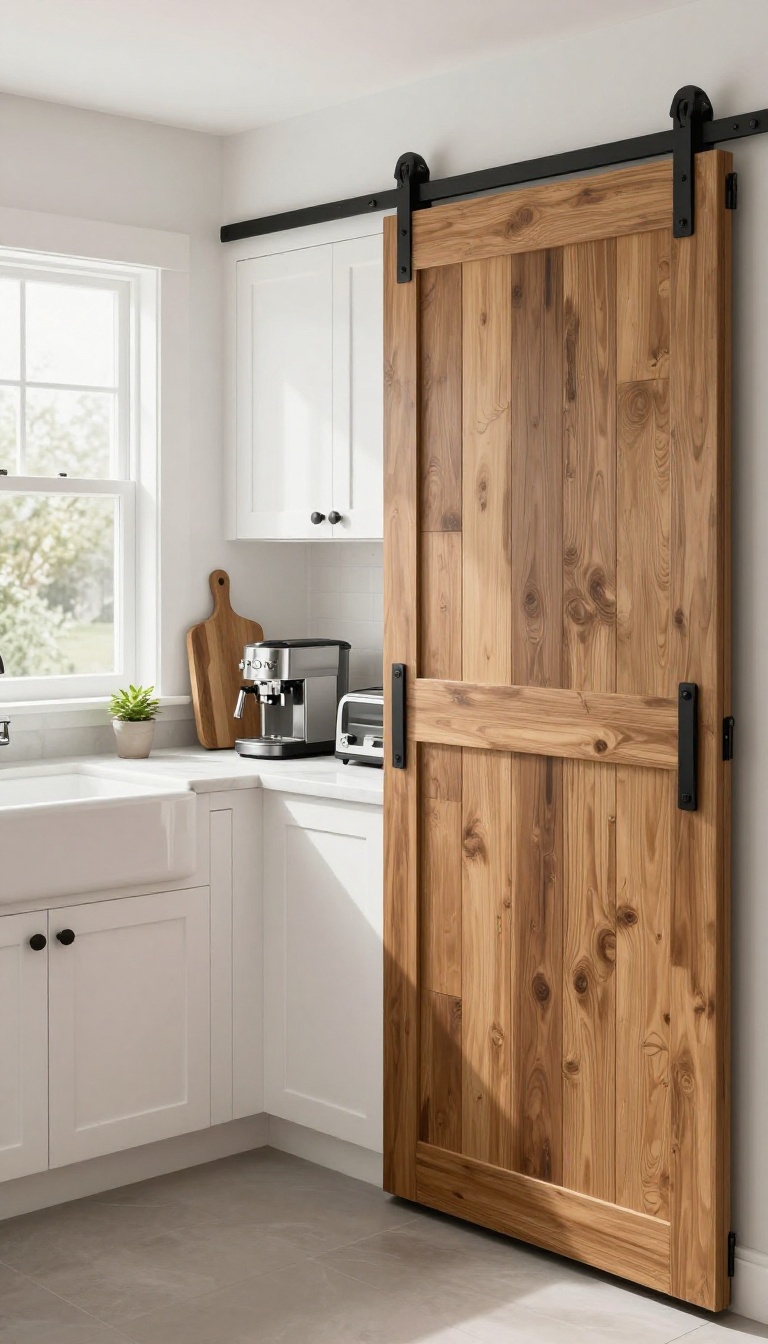
Small appliances have a way of taking over your countertops, even when you use them only once a week. A hidden appliance garage solves that by giving your mixer, toaster, or coffee maker a dedicated home that's still within easy reach. The barn door front adds a farmhouse touch while keeping the mess out of sight.
When you're designing a farmhouse kitchen, you want that cozy, curated look without sacrificing everyday practicality. An appliance garage with a barn door front does exactly that—it tucks away your countertop gadgets behind a sliding wooden door that looks right at home with your rustic decor. You get the convenience of having your most-used appliances ready to go, but the visual calm of a clear counter.
Why An Appliance Garage Works
The whole point is to keep your counters looking clean without making you dig through cabinets every morning. You just slide the door open, pull out the toaster or coffee maker, and slide it back when you're done. It's especially handy if you have limited cabinet space or just want to hide the visual clutter of cords and plastic bodies.
Choosing The Right Barn Door Style
The barn door front can be as simple or as fancy as you like. A solid wood door with a matte black track gives off that classic farmhouse vibe, while a glass-front door lets you see your appliances without exposing them fully. You can also paint it to match your cabinets or go with a reclaimed wood finish for extra character.
Installing Your Own Appliance Garage
If you're handy, you can convert an existing upper cabinet by adding a roll-up or sliding door kit. Or you can build a custom unit from scratch that fits your exact appliance sizes. Just make sure you have enough depth to close the door with tall items like a blender or stand mixer inside.
A little planning goes a long way.
FAQ
What defines a modern farmhouse kitchen?
A modern farmhouse kitchen combines rustic elements like wood, shiplap, and apron sinks with modern amenities and clean lines. It feels warm and inviting but functions well for today's cooking needs.
How can I add farmhouse style without a full remodel?
Simple swaps like changing cabinet hardware, adding open shelving, installing a farmhouse sink, or incorporating wood accents can bring farmhouse charm without a major renovation.
Are open shelves practical in a farmhouse kitchen?
Yes, if you use them wisely. Keep everyday items within reach and use baskets or bins for less attractive storage. They also encourage you to stay organized and display pretty pieces.
What's the best countertop material for a farmhouse kitchen?
Butcher block and soapstone are popular for their warmth and durability. Quartz is also a good choice if you want low maintenance with a natural look.
How do I make a small kitchen feel more farmhouse?
Use light colors, maximize natural light, add open shelving, and choose compact farmhouse elements like a smaller apron sink or a slim barn door pantry.
Conclusion
Modern farmhouse style works best when it feels lived-in, not staged. Pick one or two ideas that solve a real problem in your kitchen—like adding a peg rail for storage or a bench for extra seating—and let those choices guide the rest. You don't need to tackle everything at once.
Start small, mix in pieces that feel personal, and your kitchen will naturally strike that balance between function and warmth. The goal is a space that works hard for you and still feels like home.