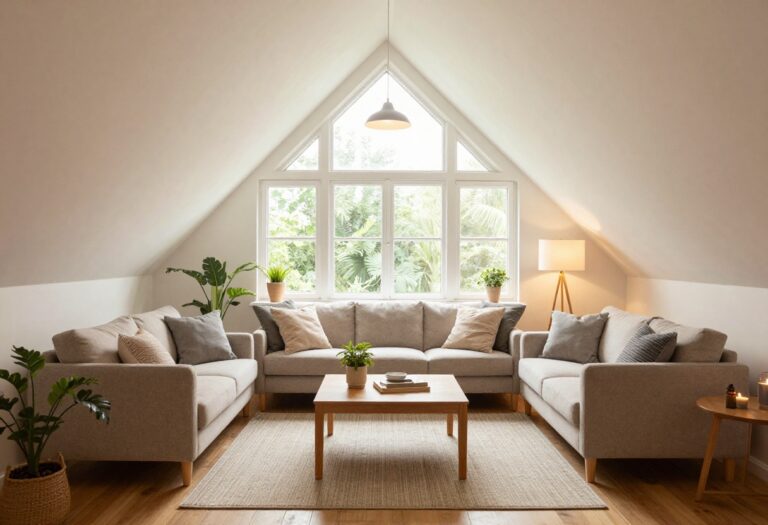
9 College Living Room Ideas That Make the Room Look Better
Your college living room shouldn't look like a storage unit for hand-me-down furniture. With a few clever tweaks, you can turn that bland space into a spot friends actually want to hang out in—without breaking your budget or your security deposit.
These nine ideas focus on big visual wins with minimal effort, from lighting tricks that make the room feel warmer to smart storage that clears the clutter. Each one is practical, renter-friendly, and designed to make your space look put-together in a weekend.
Ready to upgrade your hangout spot? Let's get into it.
1. Layer Your Lighting for Instant Warmth
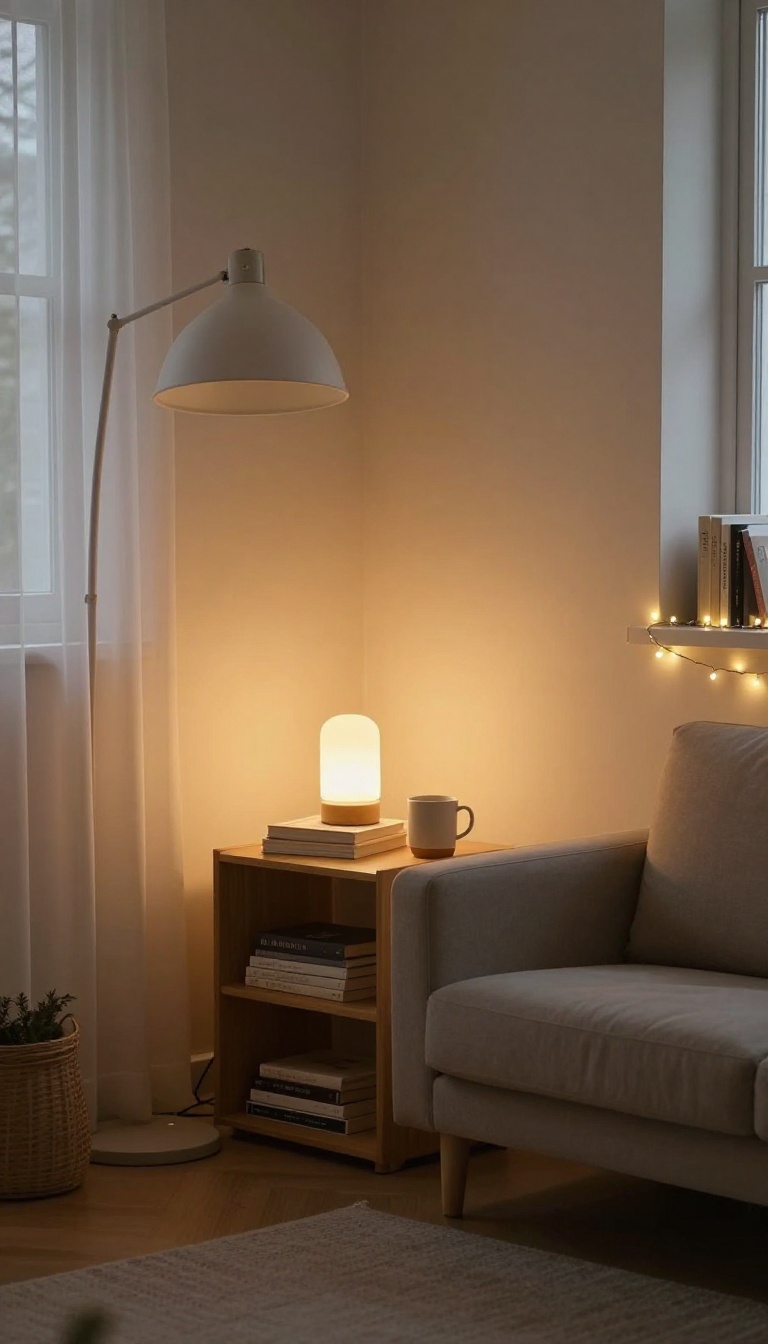
Overhead lights are the fastest way to make a room feel like a waiting room. They wash everything in flat, harsh light that flattens the space and makes it feel smaller. The fix isn't a single fancy lamp—it's layering different light sources at different heights.
Start by turning off the overhead light and never turning it on again unless you're looking for something you dropped. Then, think in layers: ambient light for overall glow, task light for reading or studying, and accent light to highlight a corner or a piece of art. You don't need to buy everything at once—even two or three sources can transform the room.
Mix Floor Lamps And Table Lamps
A floor lamp in a corner adds height and fills the room with soft, indirect light. Pair it with a table lamp on a side table or desk to create a pool of light that's perfect for chatting or studying. Aim for at least three light sources in the room, each at a different height, to avoid that flat, single-source look.
Add String Lights For A Cozy Vibe
String lights aren't just for dorm rooms—they add a warm, twinkly glow that instantly makes the space feel more inviting. Drape them along a wall, over a window, or around a bookshelf. Choose warm white bulbs instead of colored ones to keep the look mature and relaxed.
Use Desk Lamps For Focused Light
A desk lamp with a flexible arm is perfect for late-night study sessions or reading in bed. Angle it toward your book or laptop, and it doubles as a stylish accent when not in use. Pick a lamp with a warm bulb to keep the mood cozy.
Try Smart Bulbs For Instant Mood Changes
Smart bulbs let you adjust brightness and color temperature from your phone. Set them to a warm dim in the evening for movie nights, or bright white when you need to focus. They're renter-friendly—just swap them in and out—and they make the room feel high-tech without a big investment.
2. Use Command Hooks for Wall Art Without Damage
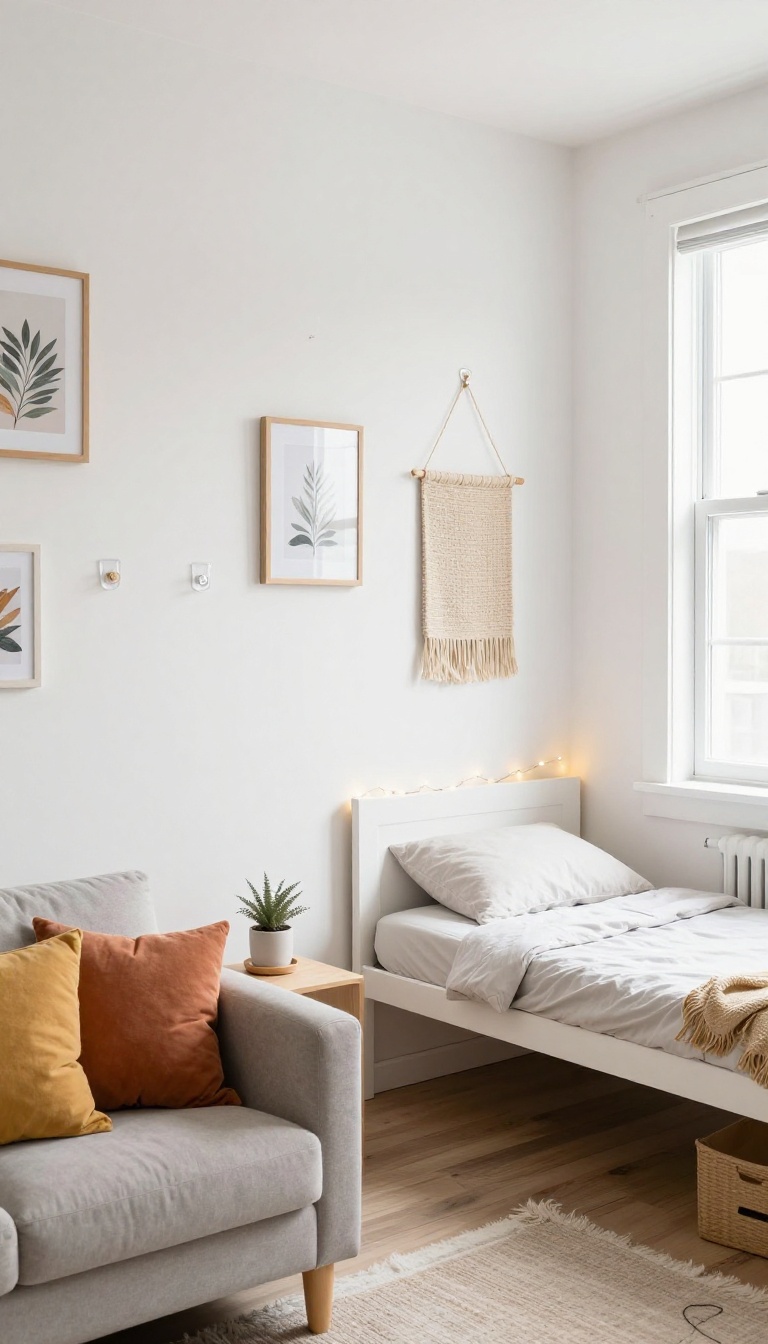
Blank walls can make even the coziest living room feel unfinished and cold. But if you're renting, the thought of drilling holes and patching them later is enough to keep those walls bare. That's where command hooks come in—they're the renter's best friend for adding personality without leaving a trace.
With a few hooks, you can hang lightweight art, tapestries, or even string lights. It's a simple, budget-friendly way to inject color and style into your space, and you can rearrange or remove them in seconds without worrying about your security deposit.
Command hooks are surprisingly strong and come in various sizes and styles, so you can use them for more than just coats. They work on most smooth surfaces, including painted drywall, and removing them is as easy as pulling the tab—no sticky residue left behind. To get the most out of them, plan your wall layout before sticking anything up.
Use a level to keep things straight, and give the adhesive a few minutes to set before hanging anything. For heavier pieces, use multiple hooks or opt for the larger command strips designed for frames.
Create A Gallery Wall Without The Commitment
A gallery wall instantly adds character, but the thought of committing to a layout can feel overwhelming. With command hooks, you can experiment freely. Lay out your frames on the floor first, then transfer the arrangement to the wall using hooks.
Mix and match different sizes and colors for an eclectic look that feels curated. Since it's easy to move things around, you can tweak the arrangement until it feels just right.
Hang Tapestries And Fabric Art
Tapestries are a dorm room staple, but they don't have to look tacky. Use a few command hooks along the top edge to hang a fabric wall hanging smoothly. This works great for adding texture and a pop of pattern behind your couch or bed.
You can also use hooks to drape fairy lights or lightweight garlands for a soft, cozy glow.
Style With String Lights And Banners
String lights can transform a room's mood, but hanging them often involves nails or tape that leaves marks. Command hooks make it easy to run lights along the ceiling line or drape them around a window. Use small clear hooks that blend in, and you'll have a magical, warm atmosphere.
Banners, pennants, or even a lightweight macramé piece can also be hung this way.
Mix And Match For A Personalized Look
Don't be afraid to combine different types of wall decor. Use hooks to hang a mix of framed photos, postcards, and small mirrors. You can even create a mini display shelf by attaching a few hooks and resting a lightweight wooden board on them.
The key is to have fun and make the space feel like yours.
3. Add a Large Area Rug to Define the Space
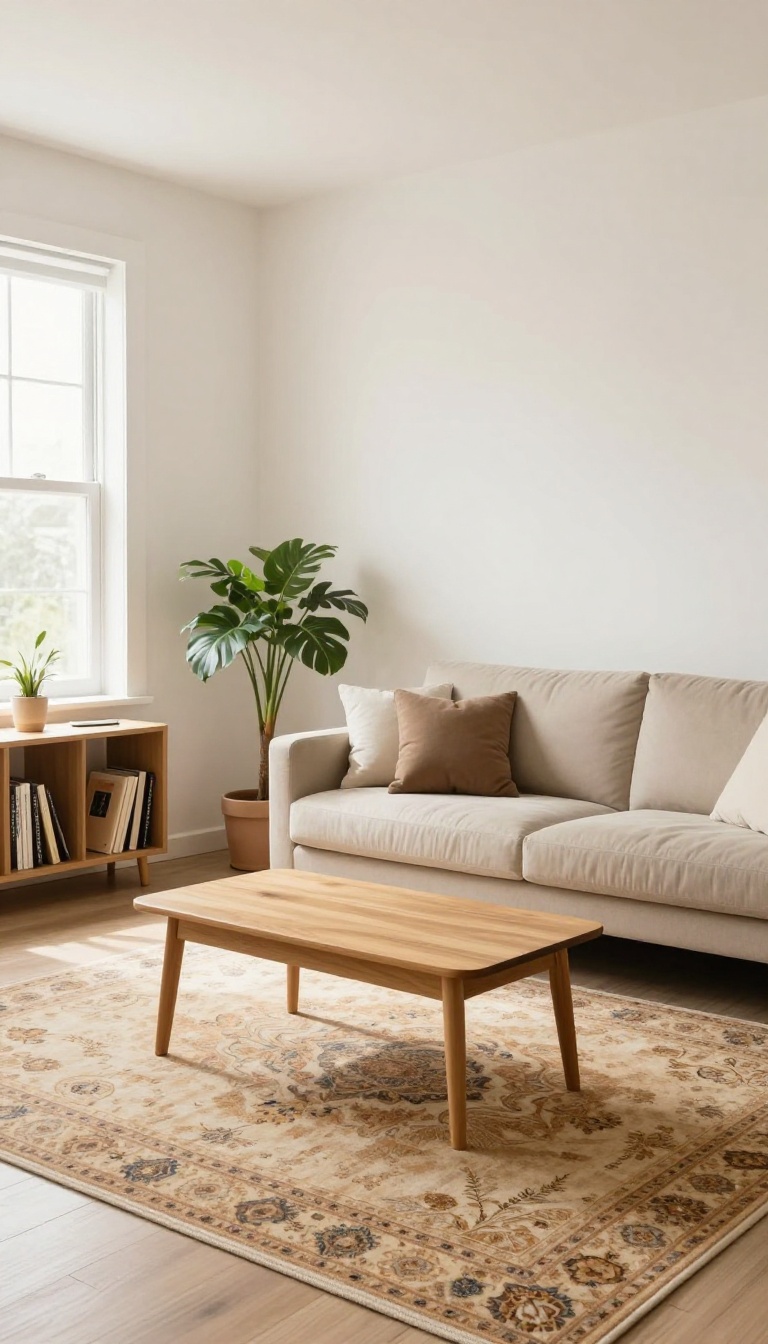
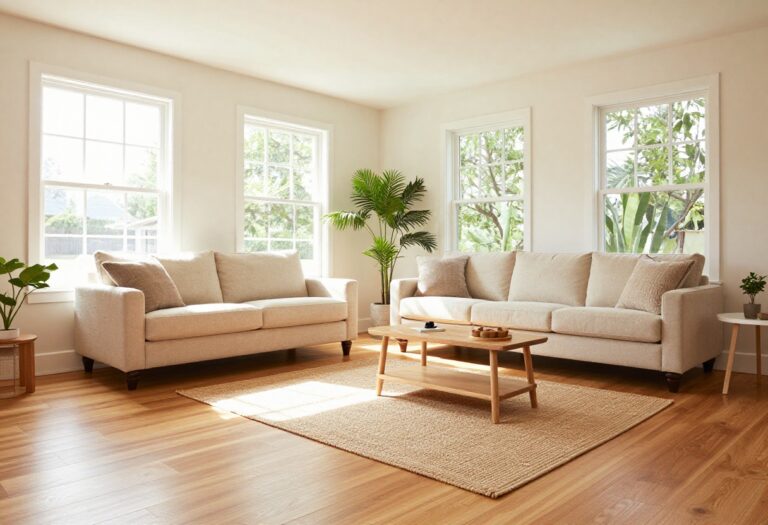
A big rug is one of those rare decor pieces that does a lot of heavy lifting without asking for much in return. It anchors your furniture, gives your eyes a place to rest, and instantly makes the room feel more intentional. If your living room has seen better days—stained carpet, scuffed hardwood, or just plain boring flooring—a rug is the quickest cover-up that actually looks like a design choice.
When you’re working with a small or awkwardly shaped room, a rug can be the secret weapon that pulls everything together. It creates a clear zone for your couch, coffee table, and chairs, making the space feel organized even if the rest of your stuff is a little chaotic. Plus, it adds a layer of softness underfoot, which is a huge win when you’re walking around in socks or sitting on the floor during movie marathons.
Size Matters: Go Big Or Go Home
The biggest mistake people make is buying a rug that’s too small. A tiny rug floating in the middle of the room makes the furniture look disconnected and the space feel smaller. Aim for a rug that’s large enough to fit at least the front legs of your couch and chairs.
If you can, go even bigger—a rug that extends past the edges of your seating area makes the room feel more expansive. Measure your space before you shop, and don’t be afraid to size up.
Patterns And Textures: Pick What Works For You
Solid rugs are safe, but a subtle pattern or a textured weave can hide stains and add visual interest. If you’re worried about spills, choose a low-pile rug in a darker color or one with a busy pattern. For a softer feel, go with a shag or a flatweave with a bit of depth.
Just remember: the rug should complement your existing furniture, not compete with it. If your couch is neutral, you can afford a bolder rug. If your furniture is already colorful, stick with something more understated.
Renter-friendly Tricks: No Damage, No Worries
Worried about your security deposit? You don’t have to glue or nail anything down. Use a non-slip rug pad underneath to keep it in place and protect the floor.
If you’re dealing with carpet, a rug pad still works and adds extra cushioning. When you move out, just roll it up and go—no harm done. And if you’re on a budget, check thrift stores, online marketplaces, or discount home stores for a deal.
A used rug can be cleaned and look brand new for a fraction of the price.
4. Maximize Vertical Storage with Tall Bookshelves
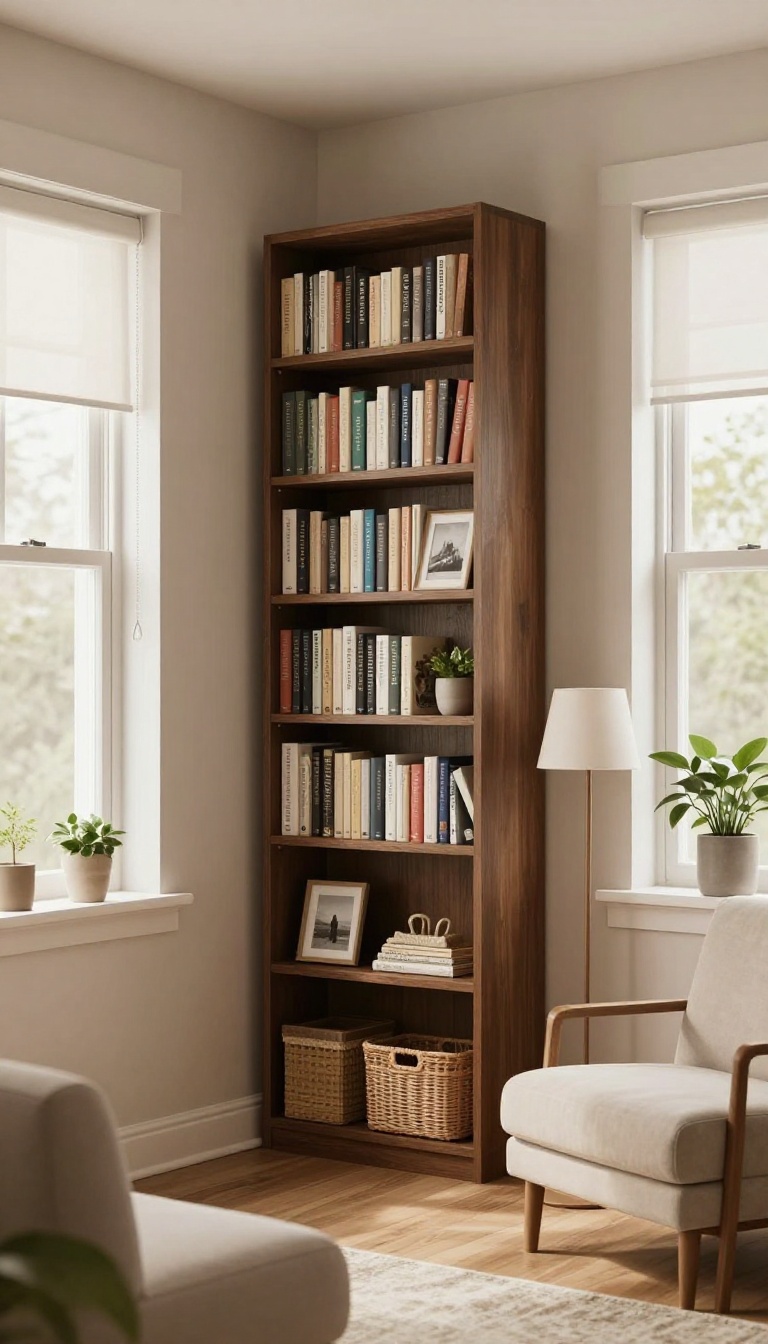
When floor space is at a premium, the only way to go is up. Tall bookshelves not only provide a home for your books and knick-knacks but also draw the eye upward, making the ceiling feel higher and the room more expansive. Plus, they keep clutter off surfaces, so your living room looks tidy without constant tidying.
A tall bookshelf is a multitasker: it stores, displays, and visually opens up a room. By using the vertical plane, you free up valuable floor area for seating or walking. And because the shelves go high, they create a natural focal point that makes the space feel taller and more intentional.
Choose The Right Height And Style
Look for a bookshelf that reaches close to the ceiling—ideally within a foot of it. This maximizes storage and avoids that awkward gap where dust collects. For a cohesive look, pick a style that matches your room's vibe: sleek metal for industrial, light wood for Scandinavian, or dark wood for a classic feel.
If you're renting, consider a freestanding unit that doesn't require wall mounting.
Style The Shelves Like A Pro
Don't just cram books in any which way. Mix horizontal and vertical stacks, add a few plants, and sprinkle in decorative objects like vases or framed photos. Use baskets or bins for items you want hidden—they keep the visual clutter down while adding texture.
Leave some breathing room between items so the shelf doesn't look overloaded.
Anchor The Room With Symmetry
If you have two tall bookshelves, place them on either side of a TV or sofa to create a balanced, symmetrical look. This instantly makes the room feel more put-together. If you only have one, use it as a statement piece on a wall that needs some weight.
Either way, the vertical lines will make the ceiling seem higher.
5. DIY a Headboard or Accent Wall with Removable Wallpaper
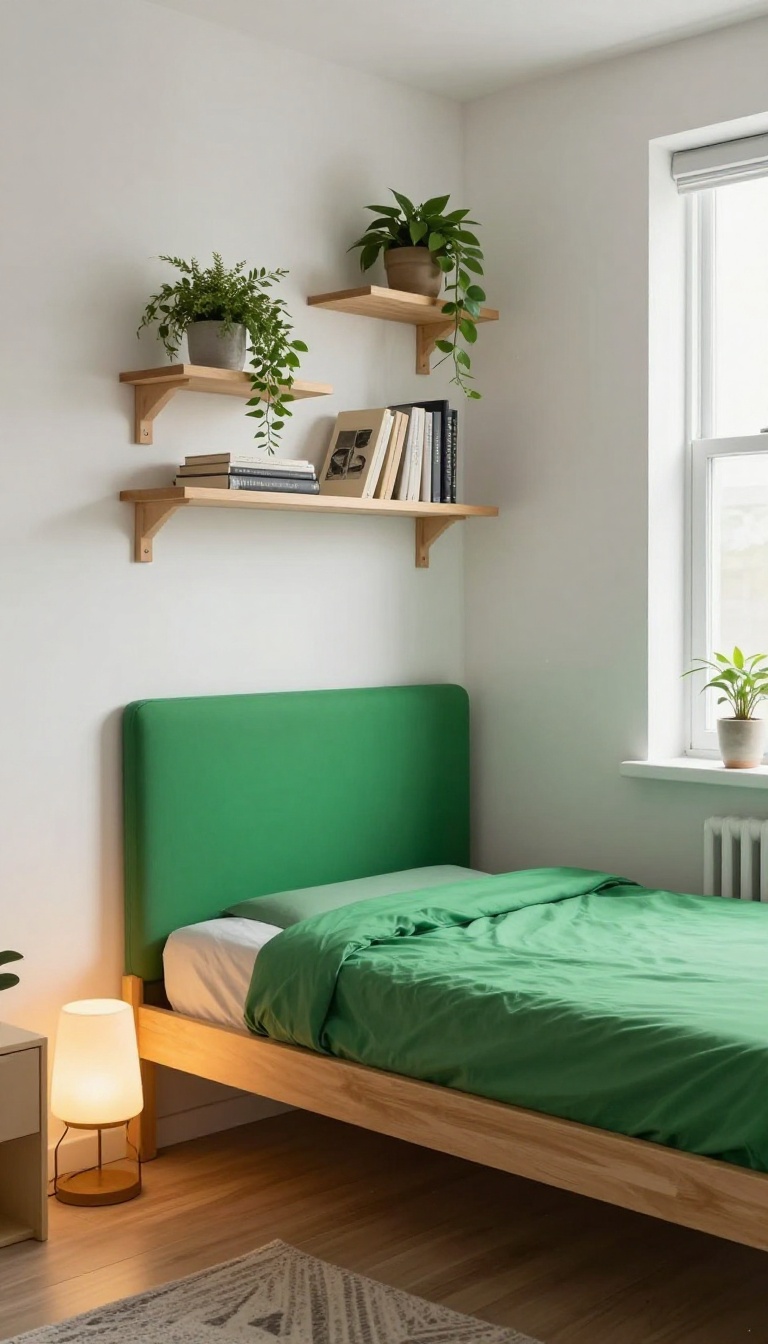
A bold accent wall or a faux headboard adds a designer touch without a permanent commitment. Removable wallpaper is renter-friendly and comes in tons of patterns, so you can change it up anytime. It’s one of those weekend projects that instantly makes the room feel intentional and polished.
Start by picking a wall that’s the first thing you see when you walk in—usually the one behind the couch or the bed. Measure the height and width, then order a few rolls of peel-and-stick wallpaper. You don’t need to be a pro to apply it; just watch a quick tutorial and take your time smoothing out bubbles.
If you mess up, you can peel it off and try again without damaging the paint. For a headboard effect, cut a piece of wallpaper to match the width of your bed and stick it directly above the headboard area, leaving a few inches of blank wall on each side. Add a couple of floating shelves or a small wall lamp to complete the look.
Pick The Right Wall And Pattern
Choose a wall that’s free from outlets and switches if possible—it makes the job way easier. For patterns, go with something that matches your existing decor but adds a pop. Geometric prints or tropical leaves are popular, but even a subtle texture like faux brick works.
If you’re nervous about commitment, buy a sample first and tape it up for a few days to see how it feels in the light.
Application Tips For Renters
Clean the wall with a damp cloth and let it dry completely before you start. Use a smoothing tool to push out air bubbles as you go, and don’t worry about tiny wrinkles—they often settle after a few hours. If you need to remove it later, just pull gently from a corner and it should come off cleanly.
Avoid using it on textured walls, as it won’t stick well.
Styling Around Your New Accent
Once the wallpaper is up, let it be the star. Keep the rest of the decor simple: a neutral couch, a few throw pillows, and maybe a floor lamp. If you did a headboard, add a couple of framed photos or a small plant on the nightstand to balance the visual weight.
The goal is to make the space look curated, not cluttered.
6. Incorporate Multi-Functional Furniture
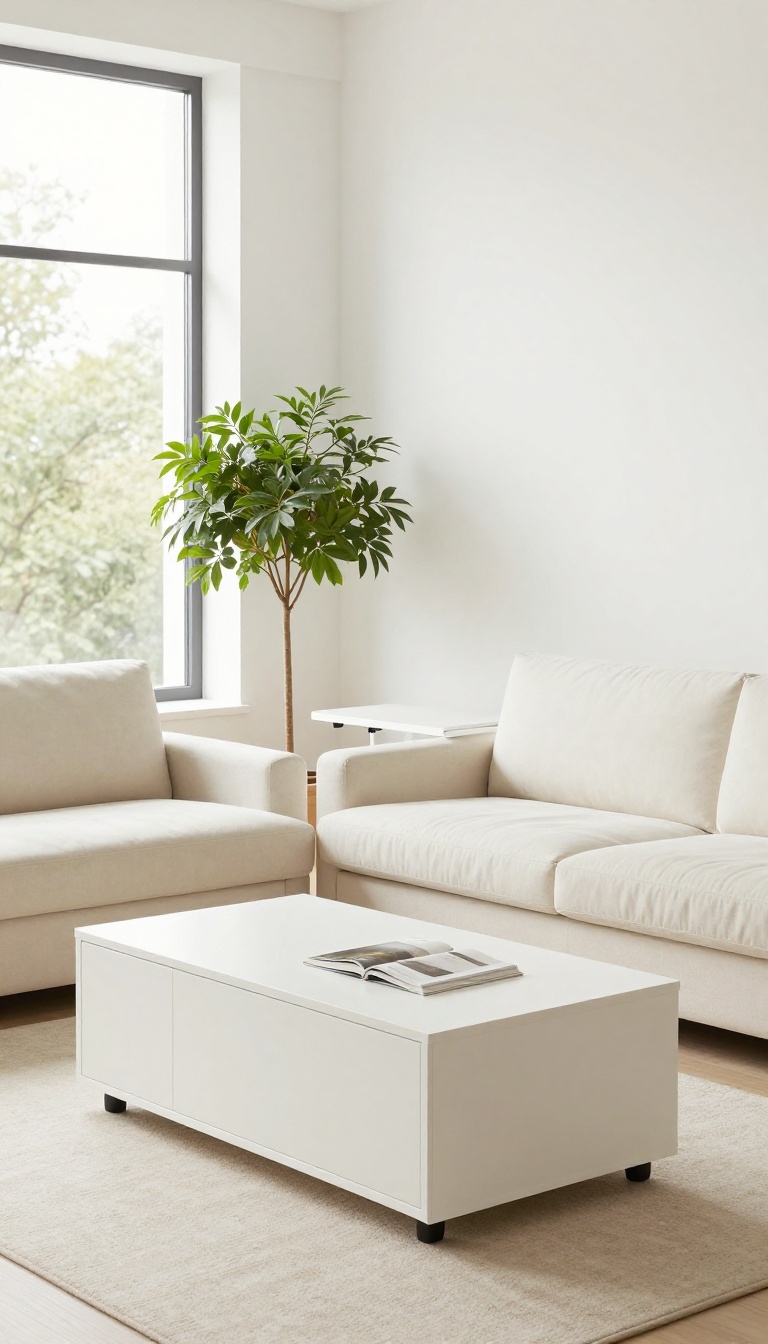
College living rooms often double as study spaces, dining areas, and guest rooms. That means every piece of furniture should work harder than a typical couch or coffee table. Multi-functional furniture saves space, reduces clutter, and instantly makes the room feel more organized and open.
Think about pieces that serve two purposes at once. An ottoman with hidden storage can hold blankets or textbooks while acting as a footrest. A futon gives you seating by day and a bed for overnight guests.
A foldable desk can be tucked away when you need more floor space for movie nights. These smart swaps cut down on visual noise and make the room look bigger and tidier.
Storage Ottomans And Benches
A storage ottoman is a simple upgrade that pays off. Use it as a coffee table, extra seat, or footrest, and stash remotes, chargers, or snacks inside. A bench with storage near the door can hold shoes and bags, keeping them out of sight.
This clears surfaces and makes the room feel more pulled together.
Futons And Sleeper Sofas
If you host friends overnight, a futon or sleeper sofa is a lifesaver. During the day it's a comfortable couch, and at night it transforms into a bed. This eliminates the need for a separate guest bed, freeing up space for other furniture.
Look for one with a sturdy frame and a washable cover to handle everyday wear.
Foldable Desks And Tables
A foldable desk or wall-mounted drop-leaf table gives you a workspace without taking up permanent floor space. When you're done studying, fold it away and reclaim the room. Some designs even come with built-in shelves, adding storage without extra footprint.
This is perfect for small living rooms that need to do double duty.
7. Add Greenery with Low-Maintenance Plants
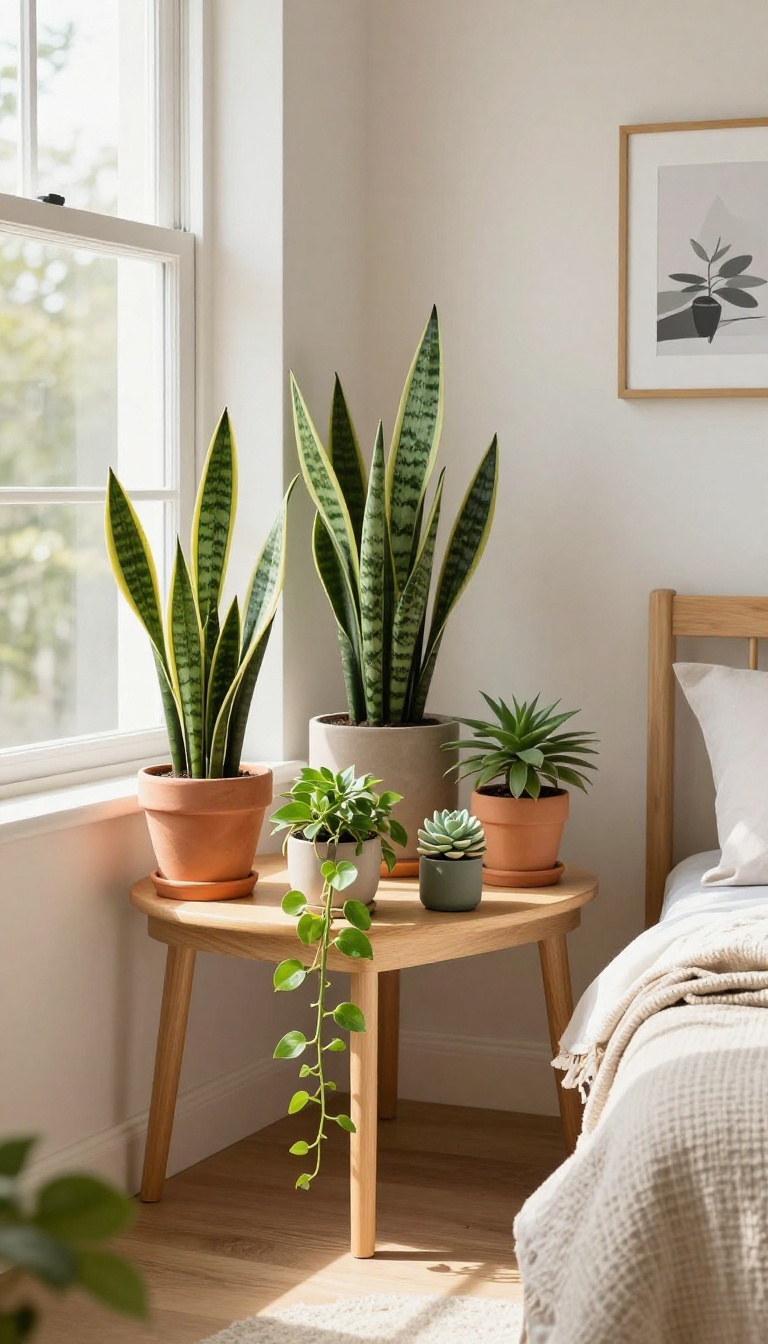
Plants have a way of making any room feel more alive, even when the rest of the decor is basic dorm furniture. A few leafy friends can soften hard edges, add a pop of color, and make the space feel less like a temporary holding cell. The trick is choosing plants that won't throw a fit if you forget to water them for a week or two.
Low-maintenance plants are the perfect roommate: they don't talk back, they don't eat your snacks, and they make the place look better just by existing. Snake plants and pothos are practically indestructible, thriving on neglect and low light. They also filter the air, which is a nice bonus when you're stuck in a small room with questionable ventilation.
Pick The Right Plants
Not all plants are created equal when it comes to surviving college life. Snake plants, pothos, and ZZ plants are the holy trinity of low-maintenance greenery. They tolerate irregular watering, low light, and the occasional party-induced neglect.
Succulents are also a solid choice, but they need more sunlight, so keep them near a window.
Find Spots That Work
You don't need a dedicated plant corner to make greenery work. Place a snake plant on the floor next to the TV stand, hang a pothos from a shelf, or set a small succulent on the coffee table. Just make sure they're not in the way of foot traffic or blocking your view of the TV.
Grouping a few plants together can create a mini jungle vibe without taking up too much space.
Keep Them Alive (barely)
The secret to low-maintenance plants is not overwatering. Most of these hardy varieties prefer to dry out completely between waterings. A good rule of thumb is to stick your finger an inch into the soil—if it's dry, give it a drink.
If you're the type to forget, set a reminder on your phone or use a self-watering pot. Even if you neglect them for a bit, they'll bounce back.
8. Use Throw Pillows and Blankets for a Pop of Color
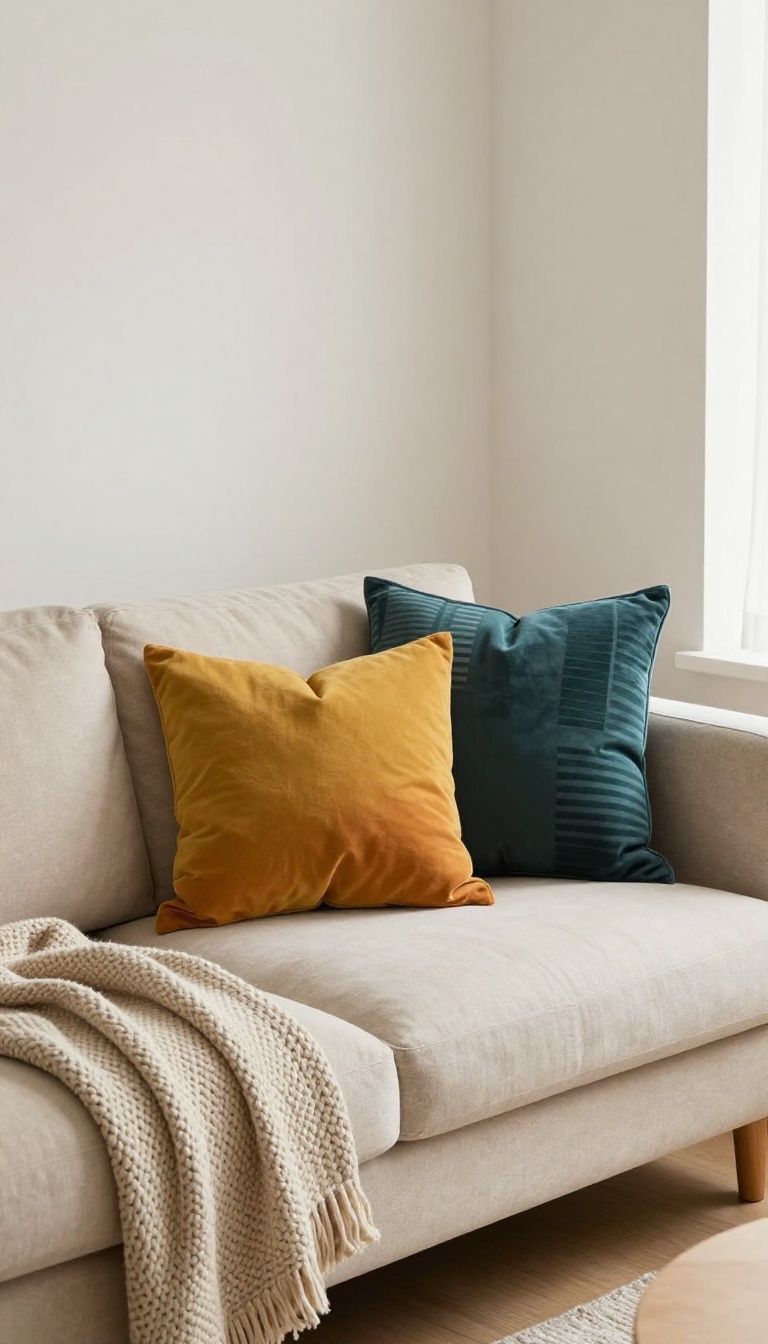
Textiles are the quickest way to change the whole mood of a room, and they don't require a single tool or a trip to the hardware store. A few well-chosen throw pillows and a soft blanket can make a hand-me-down couch look intentional and cozy. Plus, you can swap them out whenever you want a fresh look without any commitment.
Start with a neutral base if you can, then add pillows in colors that make you happy. Mixing patterns and textures adds depth, so don't be afraid to combine a chunky knit pillow with a smooth velvet one or a graphic print with a solid. Aim for an odd number of pillows—three or five usually looks better than two or four.
Drape a blanket over the arm or back of the couch for an instant lived-in feel, and fold it neatly when you want a more polished look.
Pick A Palette That Pops
Choose two or three colors that complement each other, like mustard yellow, rust orange, and deep teal. These warm tones instantly brighten a neutral sofa. If your couch is already colorful, go with pillows in a single accent shade to tie the room together.
Mix Patterns Like A Pro
Combine a large-scale print with a smaller one, and keep a solid in between to give your eyes a resting spot. Stripes, geometric shapes, and florals can all work together if they share a common color. Don't overthink it—if it looks fun to you, it'll probably look good in the room.
Layer Textures For Depth
Throw in a chunky knit blanket, a faux fur pillow, or a woven cotton throw to add tactile variety. Different textures make the space feel richer and more inviting, even if the pieces are budget-friendly. Plus, they're perfect for movie nights when you want to snuggle up.
9. Create a Gallery Wall with Personal Photos and Prints
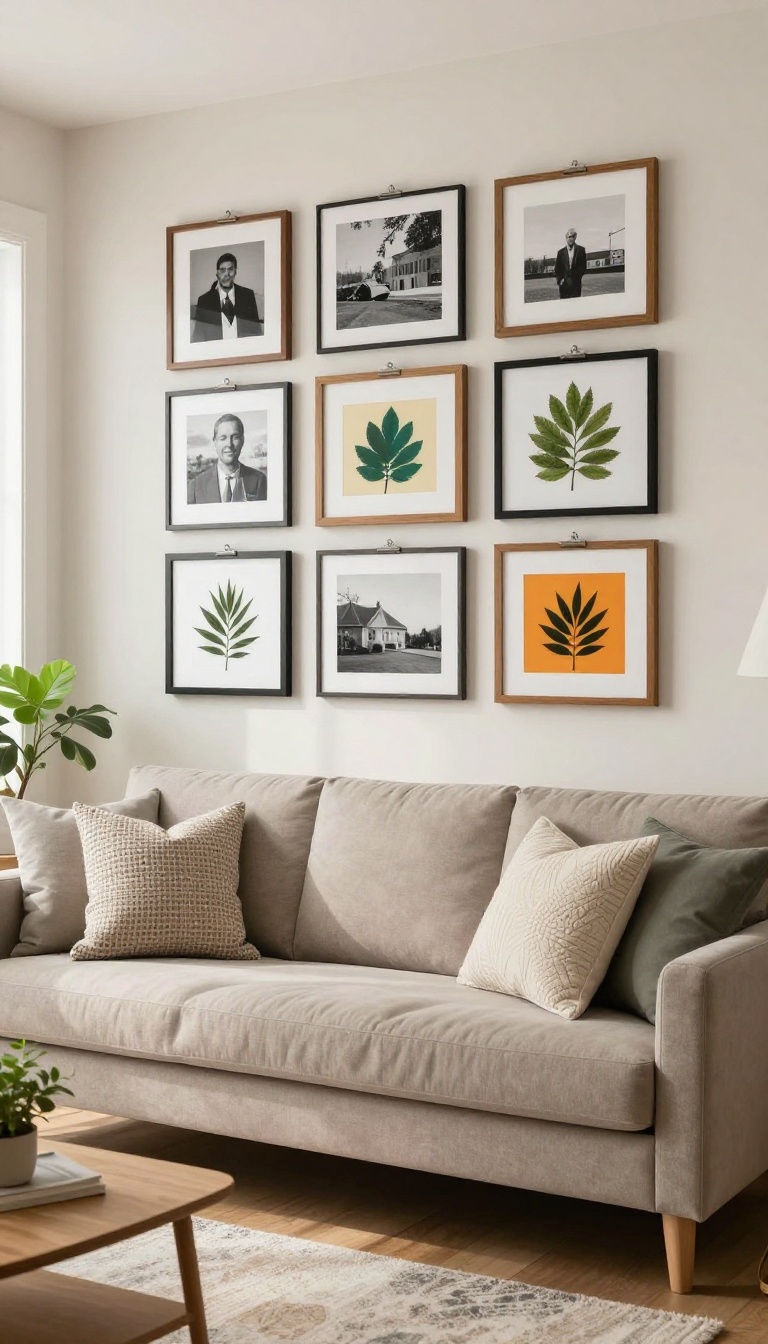
Blank walls are a missed opportunity. A gallery wall turns that empty space into a visual story of your life, your tastes, and your people. It’s one of the most personal touches you can add to a college living room, and it doesn’t require a big budget or any DIY skills.
Start by gathering photos, posters, art prints, or even postcards that mean something to you. Mix in a few small objects like a pressed leaf or a ticket stub for extra texture. Lay everything out on the floor first to plan the arrangement—no need to measure perfectly.
Use lightweight adhesive strips or removable hooks to keep your walls damage-free. A gallery wall is also a great conversation starter when friends come over, and it makes the room feel uniquely yours.
Pick A Theme That Feels Like You
A cohesive look starts with a loose theme. Maybe it’s all black-and-white photos, or a mix of your favorite band posters and travel prints. You don’t have to be matchy-matchy, but having a common thread—like a color palette or a subject—keeps it from feeling chaotic.
For example, choose frames in the same finish or stick to a few accent colors.
Mix Frame Styles For A Curated Vibe
Matching frames are safe, but mixing styles adds character. Combine a chunky wood frame with a thin metal one, or throw in a clip frame for a casual touch. The key is balance—if you have one bold frame, keep the rest simple.
This mix-and-match approach makes the wall look collected over time, not bought in a set.
Hang Without The Damage
Renter-friendly hanging is a must. Use adhesive strips designed for posters and lightweight frames—they hold well and come off clean. For heavier pieces, use removable hooks or command strips rated for the weight.
Avoid nails unless you’re ready to patch holes later. Lay out your arrangement on the floor first, then transfer the layout to the wall with painter’s tape as a guide.
FAQ
How can I make my college living room look bigger?
Use mirrors to reflect light, choose light colors for walls and furniture, and keep the floor clear with vertical storage. Also, avoid bulky furniture and use multi-functional pieces.
What are some budget-friendly decor ideas for a dorm?
Thrift store finds, DIY projects, and removable wallpaper are great. Use string lights, plants, and throw pillows to add style without spending much.
Can I hang things on dorm walls without damaging them?
Yes, use command hooks, strips, or removable adhesive putty. These are renter-friendly and won't leave marks when removed properly.
How do I choose the right area rug for a small living room?
Pick a rug that fits under your main seating area, leaving about 6-12 inches of floor around the edges. Go for a lighter color or a pattern to make the room feel larger.
What are the best low-maintenance plants for a college student?
Snake plants, pothos, ZZ plants, and succulents are perfect. They tolerate low light and irregular watering, making them ideal for busy students.
Conclusion
A college living room should feel like a place you actually want to hang out in, not just a holding area between classes. Try one or two of these ideas that fit your space and budget—like swapping in a rug or adding warm lighting—and you'll notice the difference right away. Small changes add up fast.
Start with the fix that annoys you most, whether it's cramped seating or harsh overhead lights. Once that's solved, you can layer in more personality over time. Your living room can be both practical and a spot you're proud to show off.