11 Patio Shade Ideas for Cooler More Relaxing Spaces
Your patio should be the place you go to unwind, not the spot you avoid when the sun gets too intense. The right shade can transform a scorching concrete slab into a cool, inviting retreat where you actually want to linger.
From quick DIY fixes to permanent structures, there's a solution for every style and budget.
We've rounded up 11 practical ways to beat the heat and make your outdoor space feel like a true extension of your home.
1. Classic Pergola with a Twist
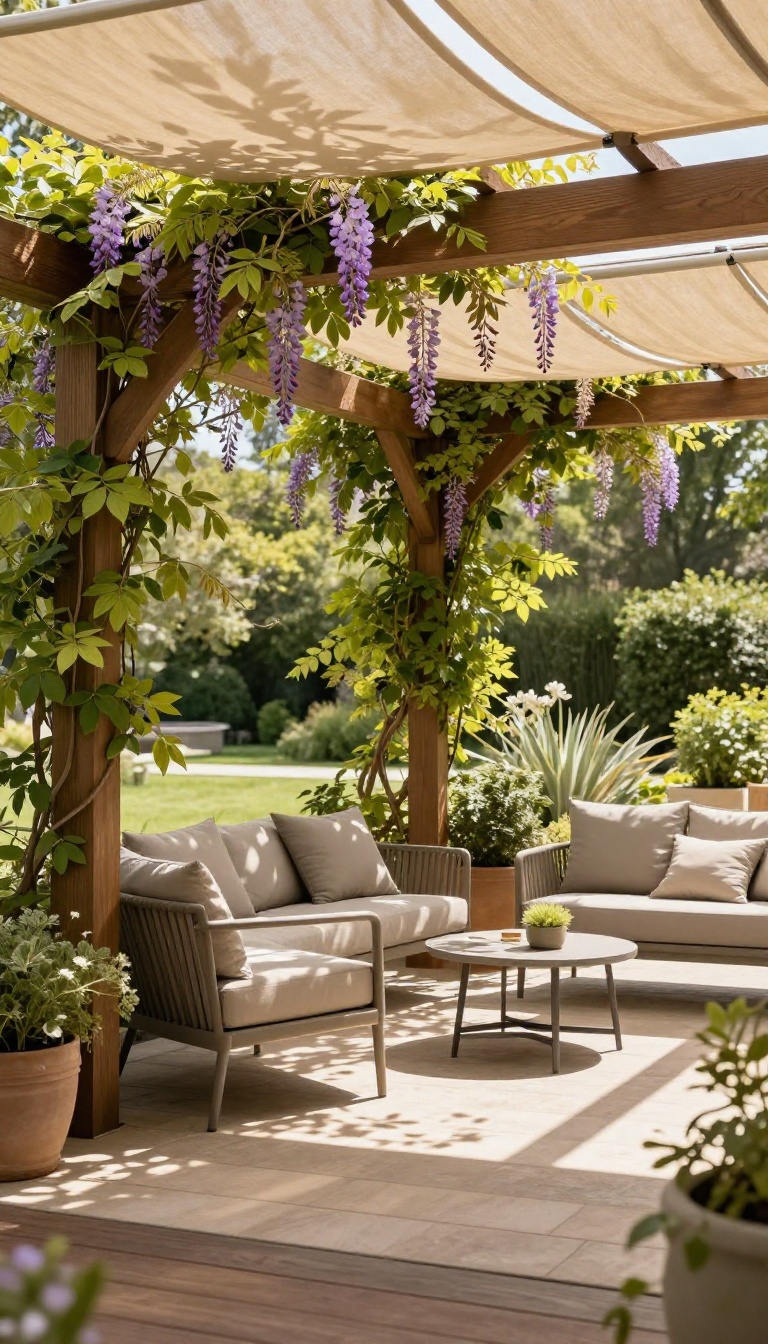
A pergola is a timeless way to add structure and partial shade to your patio. The open slats let in dappled light while blocking the harshest rays, but the real magic happens when you add a twist. By incorporating a retractable canopy or training climbing vines overhead, you can dial in the perfect amount of coverage for any time of day or season.
A pergola alone might not be enough to escape the midday sun, but with a few clever upgrades, it becomes a dynamic shade solution that works as hard as you need it to. The key is to make it flexible, so you can enjoy the sun when you want it and retreat to cool shade when you don't. Plus, the added greenery or fabric brings a softer, more inviting feel to your outdoor space.
Retractable Canopy For On-demand Shade
A retractable canopy is the simplest way to add adjustable coverage to a pergola. You can extend it fully on scorching afternoons, pull it back to let in the evening sun, or leave it partially open for a mix of light and shade. Look for weather-resistant fabric that won't fade or mildew, and consider a manual crank or motorized system for easy operation.
Climbing Vines For Natural Beauty
Training climbing vines like wisteria, clematis, or grapevines over your pergola creates a living canopy that filters sunlight beautifully. The dense foliage cools the air through evaporation and adds a lush, organic feel. Just be sure to choose a vine suited to your climate and provide sturdy support for the weight of mature growth.
Mix Both For Maximum Flexibility
Why choose between fabric and vines when you can have both? Use a retractable canopy for quick, reliable shade, and let vines grow along the sides or over a portion of the top for extra coverage and texture. This combo gives you full control over light and adds layers of visual interest to your patio.
2. Shade Sails for a Modern Look
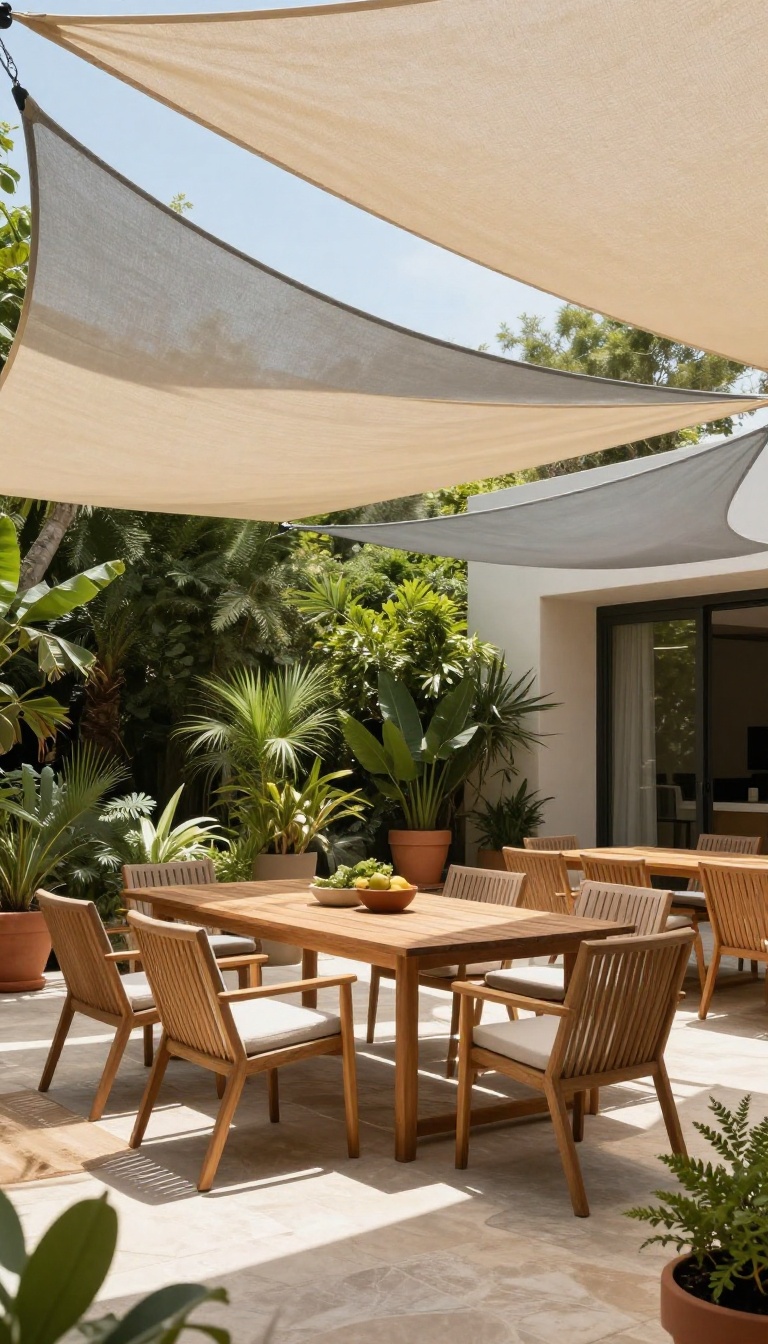
Shade sails bring a sleek, contemporary vibe to any patio without breaking the bank. These fabric canopies come in a variety of colors and shapes, letting you customize the look to match your outdoor decor. They're also surprisingly easy to install, making them a favorite DIY project for homeowners.
Shade sails are an affordable and stylish way to add shade to your patio. They're made of durable, UV-resistant fabric that blocks harmful rays while allowing a gentle breeze to pass through. You can install them over a seating area, dining space, or even a kids' play zone.
With a few poles or existing structures, you can create a dynamic, sculptural look that's both functional and eye-catching.
Choosing The Right Fabric
Shade sails come in different materials, from high-density polyethylene (HDPE) to polyester. HDPE is the most common because it's breathable, water-resistant, and offers UPF 50+ protection. Polyester is softer and more opaque, but it may not be as durable in harsh weather.
Pick a fabric that suits your climate and how much sun you want to block.
Installation Tips
For a secure installation, use stainless steel turnbuckles and heavy-duty mounting hardware. Attach the sail to sturdy anchor points like walls, posts, or trees. Make sure the sail is taut to prevent sagging and water pooling.
If you're not confident in your DIY skills, consider hiring a professional for a flawless finish.
Design Ideas For Multiple Sails
Instead of a single sail, try using two or three overlapping sails at different heights and angles. This creates a layered, artistic effect that adds depth to your patio. Mix colors for a playful look or stick to neutral tones for a more sophisticated aesthetic.
Overlapping sails also provide better coverage as the sun moves across the sky.
3. Retractable Awning for Flexibility
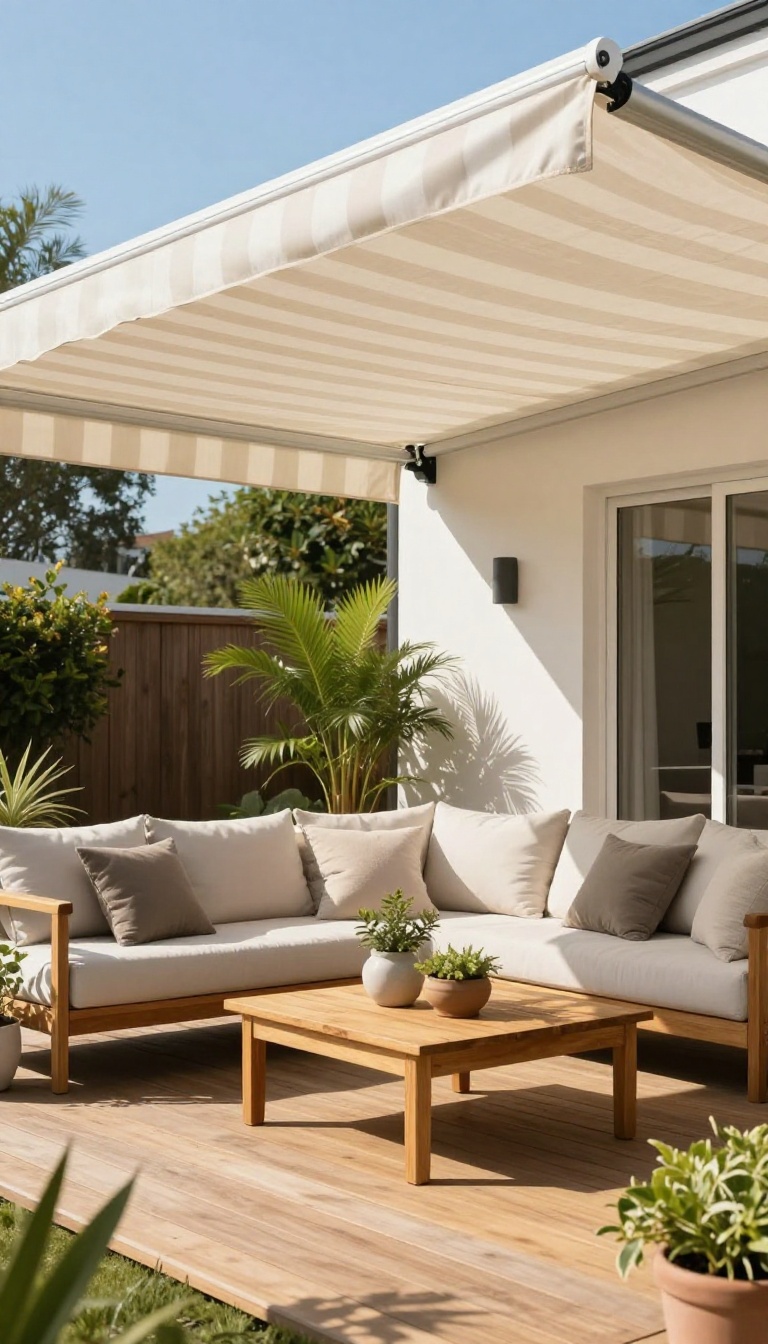
Sometimes you want full sun, and sometimes you want shade—without committing to a permanent structure. That's where a retractable awning shines. It gives you the freedom to adjust coverage as the sun moves or as your mood changes.
Whether you're hosting a brunch or enjoying a quiet afternoon, you can dial in the perfect amount of shade.
A retractable awning is a smart, flexible solution for patios that get varying amounts of sun throughout the day. You can extend it during the hottest hours and retract it when you want more light or to enjoy the evening sky. Modern options come with manual or motorized controls, and many can be operated with a remote or even a smartphone app.
The key is choosing a model that fits your space and lifestyle, and picking a fabric that not only looks great but also stands up to the elements.
Pick The Right Fabric
The fabric is the heart of your awning. Look for solution-dyed acrylic or polyester fabrics that resist fading and mildew. These materials are breathable, which helps reduce heat buildup underneath.
Choose a color that complements your home's exterior—neutral tones blend in, while bold stripes add a classic touch. Also, consider the fabric's UV rating; higher ratings mean better protection.
Manual Vs. Motorized
Manual awnings are budget-friendly and simple to operate with a hand crank. They're a great choice if you don't mind a little effort. Motorized awnings offer push-button convenience and can be integrated with smart home systems.
Some even have sensors that automatically retract during high winds or extend in strong sunlight. If you want effortless control, motorized is worth the investment.
Installation And Positioning
Proper installation is crucial for stability and longevity. Mount the awning securely to your home's exterior, ensuring it's angled slightly downward so water runs off. Position it to block the sun during the hottest part of the day—usually south or west-facing.
If you're not handy, hire a professional to avoid issues down the road.
4. Umbrella with a Heavy Base
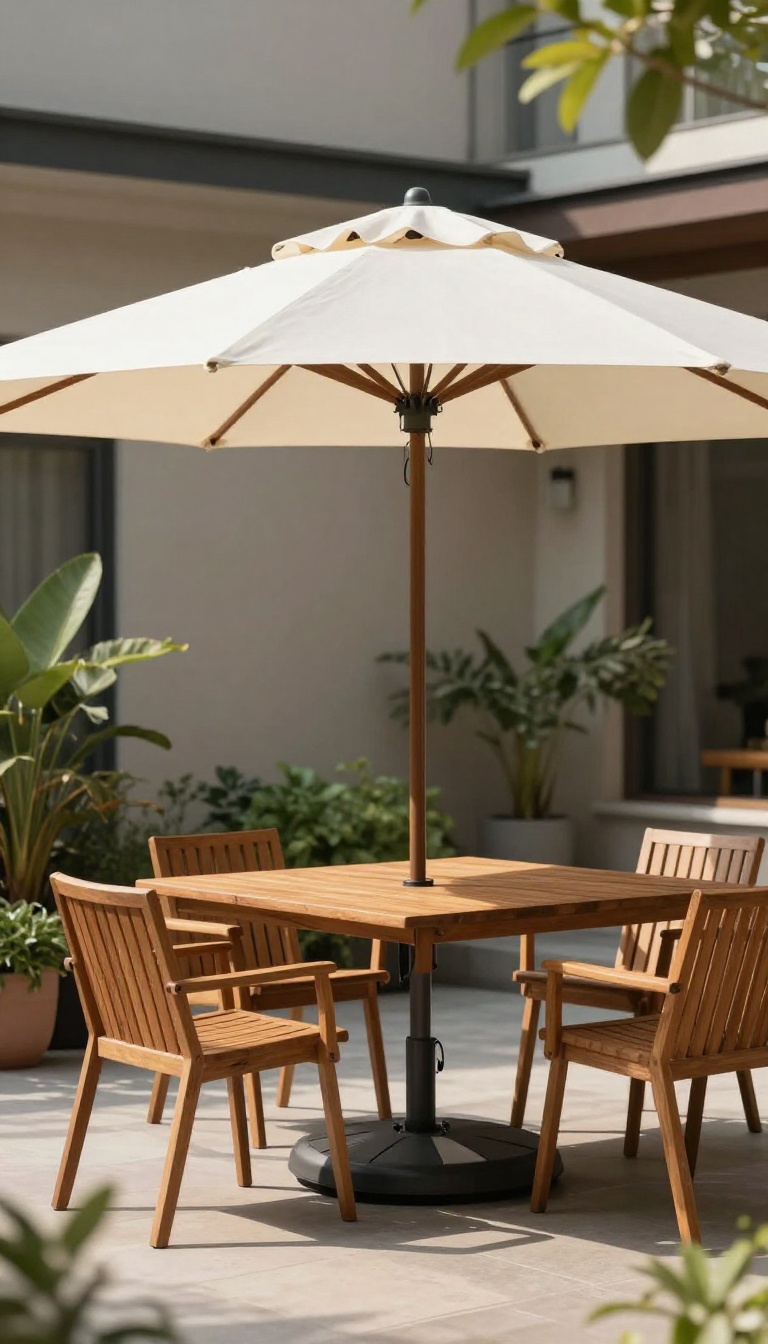
A single umbrella can be the most flexible shade solution you own, especially when it’s mounted on wheels or a cantilever arm. You can tilt it to follow the sun, swing it over a seating area, or move it aside entirely when you want full rays. The key is a base that can handle real wind without turning your umbrella into a kite.
Cantilever umbrellas are the standout choice here because they don’t have a pole in the middle of your conversation circle. Instead, the pole sits off to the side, and the canopy hangs overhead like a floating cloud. That design lets you position shade exactly where you need it—over a dining table, a lounge chair, or a kids’ play area—without blocking sightlines or foot traffic.
But that same cantilever arm catches wind like a sail, so a flimsy base is a recipe for disaster. You need something heavy enough to anchor the umbrella securely, even on breezy afternoons.
Why A Heavy Base Matters
A standard umbrella base that’s too light can tip over with a sudden gust, potentially damaging your patio furniture, your umbrella, or worse, someone nearby. A heavy base—typically 50 to 100 pounds or more—keeps the umbrella grounded. Look for bases made of concrete, steel, or filled with sand or water.
Some even come with wheels, so you can roll the whole setup around your patio without straining your back. That mobility is a huge bonus when you want to chase the shade or clear the deck for a party.
Choosing The Right Umbrella Base
Match the base weight to the umbrella size and your local wind conditions. A 9-foot cantilever umbrella might do fine with a 50-pound base in a sheltered yard, but if you live in a windy area, bump that up to 80 or 100 pounds. Also, check the pole diameter—your base must fit the umbrella’s pole snugly.
Many bases come with adjustable collars or adapters, but it’s worth measuring before you buy. If you’re unsure, go heavier than you think you need; it’s better to have a base that’s overkill than one that’s useless in a breeze.
Placement Tips For Maximum Shade
Position your umbrella so it blocks the sun during the hottest part of the day, usually between 2 p. m. and 5 p. m. For a cantilever model, place the base near the edge of the seating area and swing the canopy over the chairs. That way, the pole stays out of the way, and you can adjust the angle as the sun moves.
If you’re using a traditional center-pole umbrella, you’ll need a table with a hole or a standalone base that sits beside your furniture. Either way, test the coverage before you commit—sit in every chair and make sure you’re shaded, not just the table.
5. Climbing Plants on a Trellis
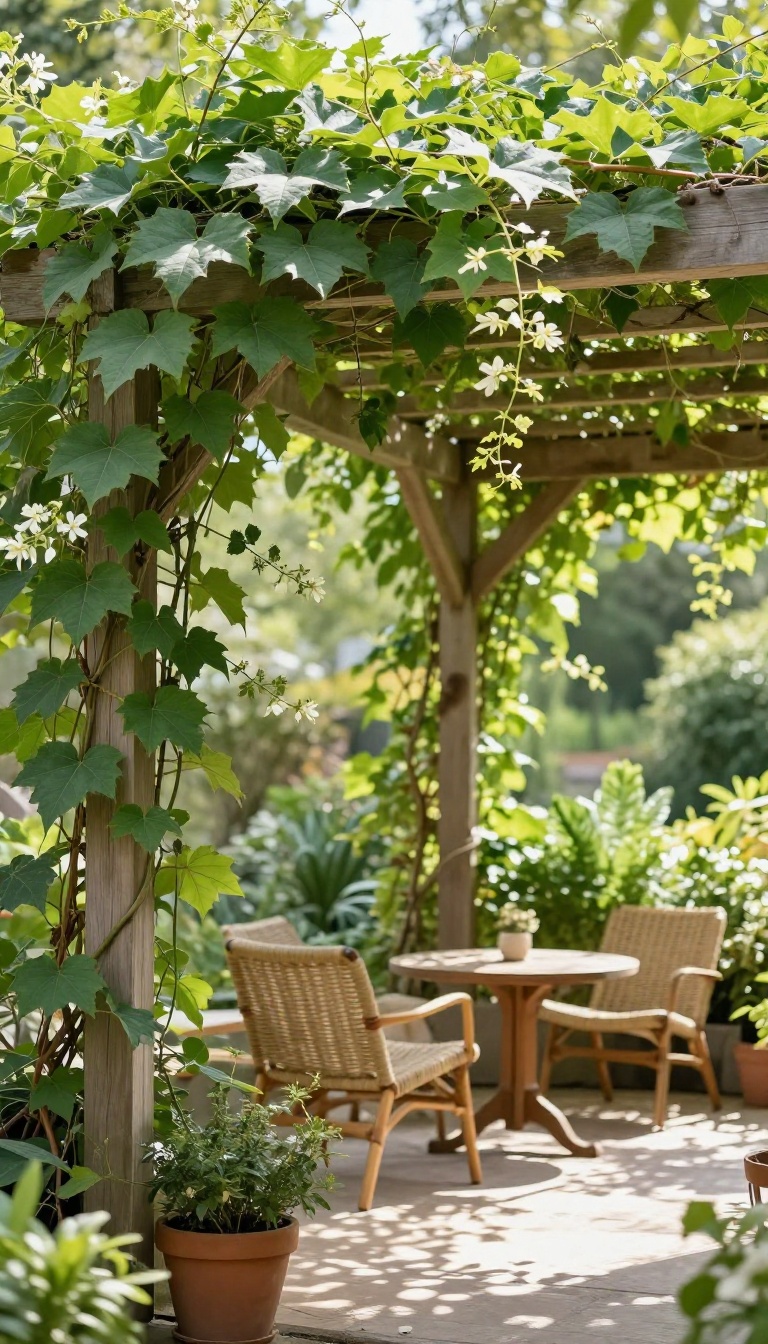
Growing vines on a trellis is a patient gardener's way to build shade. It takes a season or two to fill in, but the payoff is a living canopy that cools the air and looks gorgeous. Plus, you get the bonus of flowers or fruit depending on what you choose.
A trellis covered in dense foliage can block a surprising amount of sun, especially when the plants are trained to create a thick overhead layer. The leaves absorb sunlight and release moisture, cooling the air around your patio naturally. It's a softer, more organic look than fabric or wood, and it blends beautifully with any garden.
Picking The Right Vines
Not all climbers are equal when it comes to shade. Wisteria grows fast and creates a dense canopy, but it's heavy and needs strong support. Grapevines offer broad leaves and edible fruit, though they drop leaves in fall.
For quick coverage, try annual vines like morning glories or hyacinth beans—they'll fill a trellis in one season.
Building A Sturdy Structure
Your trellis needs to handle the weight of mature vines, especially after rain. Use pressure-treated wood or metal posts set in concrete. A pergola-style top works great because it lets vines spread horizontally, creating a solid overhead layer.
Attach the trellis securely to your patio or fence so it won't tip over in strong winds.
Training And Maintenance Tips
Guide young vines upward by tying them loosely with soft ties. Pinch back tips to encourage branching, which makes the canopy denser. Water deeply and regularly during the first year.
Once established, most vines need only occasional pruning to keep them in check and prevent them from invading windows or gutters.
6. Outdoor Curtains for Privacy and Shade
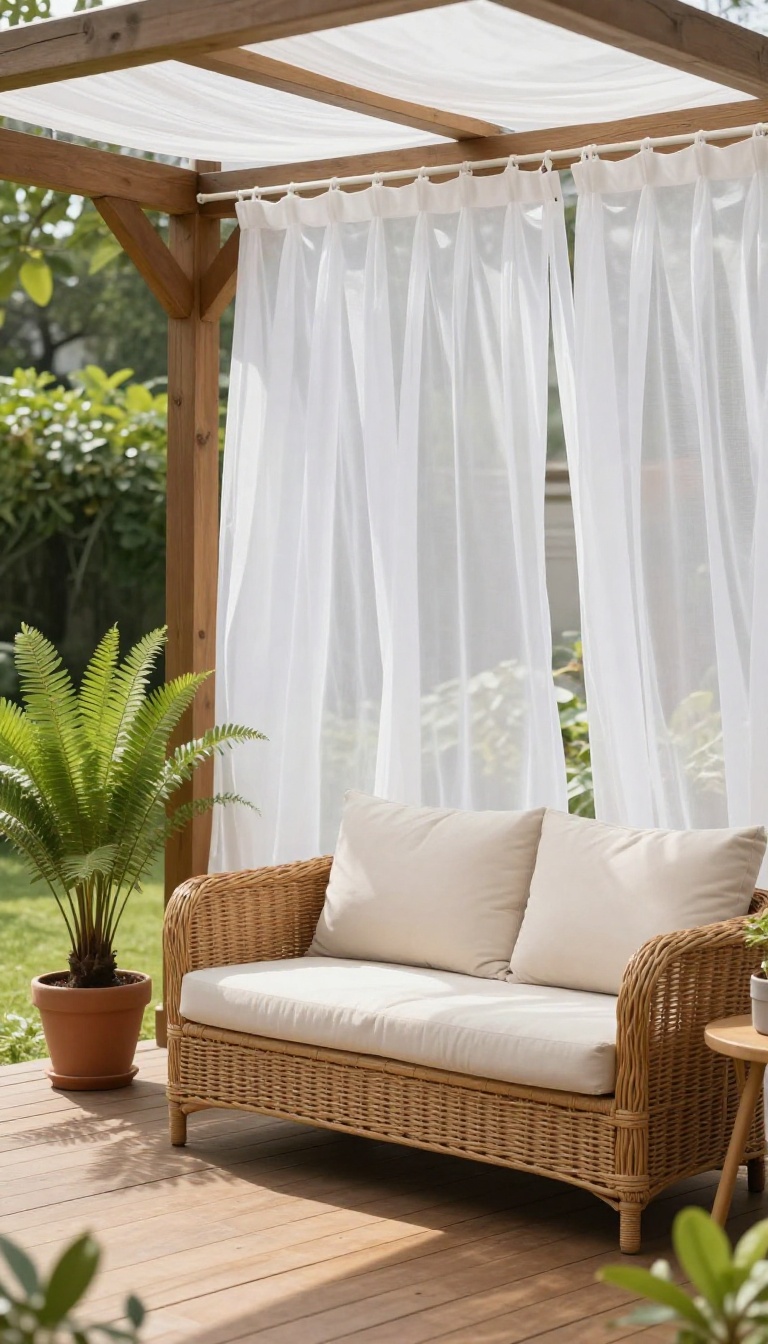
If you want a shade solution that feels a bit more romantic and private, outdoor curtains are a fantastic choice. They soften the hard lines of a pergola or gazebo, and they can be drawn closed to block out the sun or opened to let in a breeze. Plus, they add a layer of privacy that makes your patio feel like a cozy outdoor room.
Choosing The Right Fabric
Not all curtains are created equal. Look for fabrics that are specifically designed for outdoor use, like solution-dyed acrylic or polyester. These resist fading, mildew, and water damage.
Avoid cotton or linen, which can rot or fade quickly when exposed to the elements. Also, consider the opacity: sheer curtains let in soft light while heavier, blackout-style curtains block more sun and provide more privacy.
Hanging And Hardware
You'll need a sturdy rod or wire system that can handle wind and weight. Use stainless steel or aluminum hardware to prevent rust. For a pergola, you can attach a rod directly to the beams.
If you have a gazebo with open sides, use a tension wire or a track system. Make sure the curtains hang close to the ground to block sun from low angles, but leave a small gap to avoid dirt and moisture buildup.
Styling And Maintenance
Outdoor curtains come in a variety of colors and patterns. Choose light colors to reflect heat, or go with a bold pattern to add personality. Keep them clean by brushing off debris and hosing them down occasionally.
During storms or high winds, it's best to tie them back or remove them to prevent damage. With a little care, they'll last for many seasons.
7. Solid Roof Addition
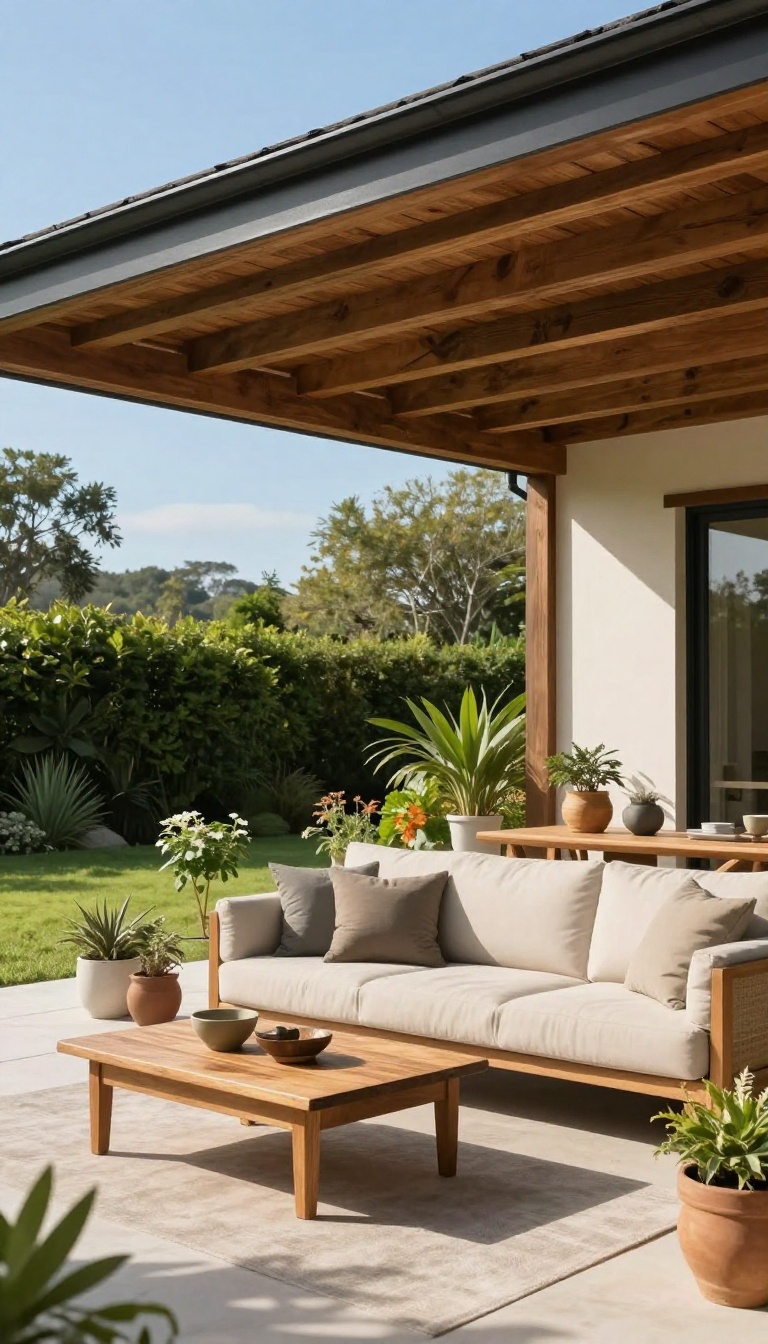
If you're ready to commit to a permanent shade solution, a solid roof addition is the ultimate upgrade. It not only blocks harsh sunlight but also keeps your patio usable during light rain, extending your outdoor living season. Whether you extend your home's existing roofline or build a freestanding pergola with a solid top, this option delivers maximum comfort and a seamless transition between indoors and out.
A solid roof addition is a significant investment, but it pays off in durability, protection, and year-round usability. Unlike fabric or retractable options, a solid roof won't fade, tear, or need seasonal maintenance. It also adds architectural interest and can increase your home's resale value.
If you're planning to install one, consider these key points to get the most out of your new shaded space.
Design Options
You have two main routes: extending your existing roof or building a detached structure. Extending the roofline creates a seamless look and often integrates with your home's gutters and drainage. A freestanding solid roof, like a pavilion or cabana, offers more flexibility in placement and can define a separate lounging or dining zone.
Both can be flat, sloped, or pitched to match your home's architecture and manage rainwater effectively.
Materials And Insulation
Choose materials that suit your climate and style. Metal roofing is lightweight, durable, and reflects heat, while shingle or tile options blend with your home's exterior. To keep the space cooler, add insulation beneath the roof—this reduces heat transfer and helps regulate temperature.
For a touch of elegance, consider a wood ceiling or exposed beams that add warmth and character.
Lighting And Ceiling Fans
A solid roof creates a darker environment, so plan for layered lighting. Recessed fixtures, pendant lights, or string lights can brighten the space for evening gatherings. Ceiling fans are a game-changer—they improve airflow and make the area feel cooler on hot days.
Install them on a covered patio to keep you comfortable even when the sun is at its peak.
8. Bamboo or Reed Roll-Up Shades
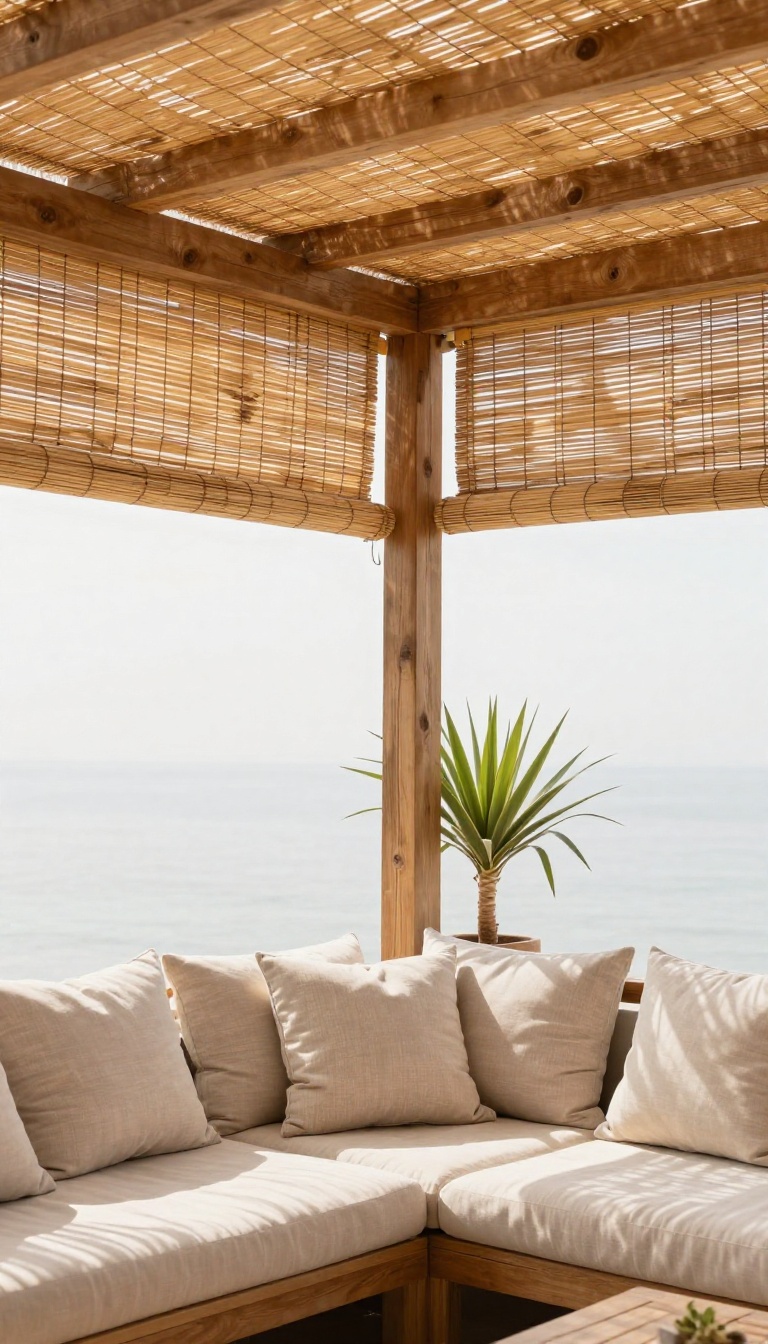
Roll-up bamboo shades offer a laid-back, natural look that fits almost any patio style. They're lightweight, easy to install, and surprisingly effective at cutting glare and heat. Best of all, you can roll them up when you want the sun back.
Why Bamboo Works So Well
Bamboo and reed shades are made from natural materials that filter sunlight rather than blocking it completely. This creates a soft, dappled light that feels cool and inviting. They also provide privacy without making your patio feel like a cave.
Plus, the natural texture adds warmth and a touch of tropical charm.
How To Mount Them
You can attach these shades to your existing pergola, awning, or even the eaves of your house. Use simple hooks or a wooden mounting board to secure them. For a more permanent feel, you can install a roller mechanism that lets you raise and lower them with ease.
If you're handy, this is a quick weekend project.
Tips For Longevity
Natural materials can fade or get brittle after a season or two in harsh sun. To extend their life, look for shades treated with UV protection or apply a clear outdoor sealant. During heavy rain or storms, roll them up and store them indoors if possible.
This keeps them looking good year after year.
9. Market Umbrella with a Table
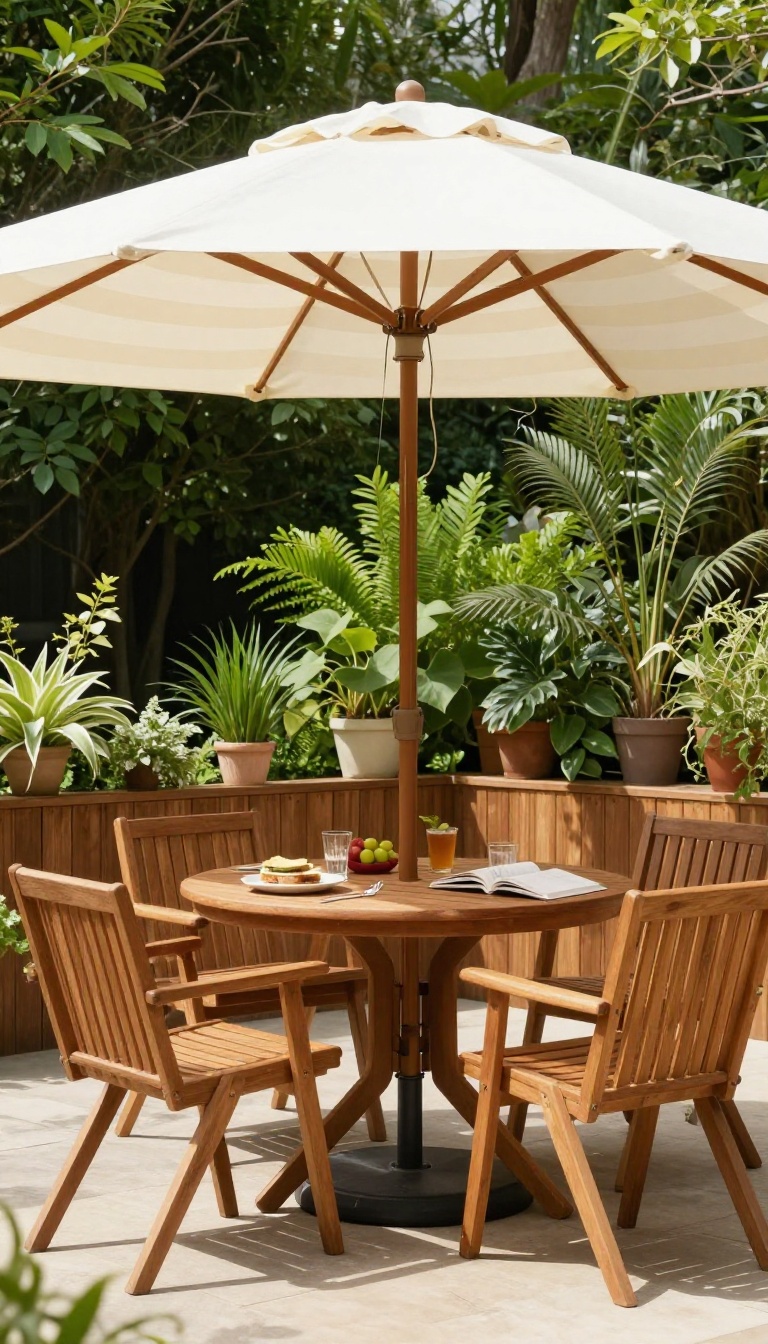
There's a reason market umbrellas are the go-to for cafe patios everywhere. They're simple, effective, and instantly make a space feel more inviting. When you pair one with a sturdy table, you get a dedicated spot for meals, drinks, or a lazy afternoon with a book.
The key is to choose a size that fits your table and your space. A 9-foot umbrella is a safe bet for a standard 4-person table, but measure your table's diameter and add a few feet for comfortable coverage. And don't forget to look for a tilting model—being able to angle the shade as the sun moves makes a huge difference.
Pick The Right Base
A wobbly umbrella is a hazard and a nuisance. For a table-mounted umbrella, you'll need a base that's heavy enough to handle wind gusts. A concrete or steel base with a pole sleeve is a classic choice.
If you're using a table with a center hole, make sure the base fits through it or sits securely on the legs.
Match Your Table Style
The umbrella should complement your table, not clash with it. A classic wooden table pairs well with a neutral canvas umbrella, while a modern aluminum table might look better with a bold stripe or a solid color. Don't be afraid to use the umbrella as a pop of color to liven up the space.
Adjust As The Sun Moves
The sun doesn't stay put, so your shade shouldn't either. If your umbrella has a tilt feature, use it to follow the sun's path. This way, you can keep the table shaded from late morning through early evening without having to move the whole setup.
10. Patio Canopy or Gazebo
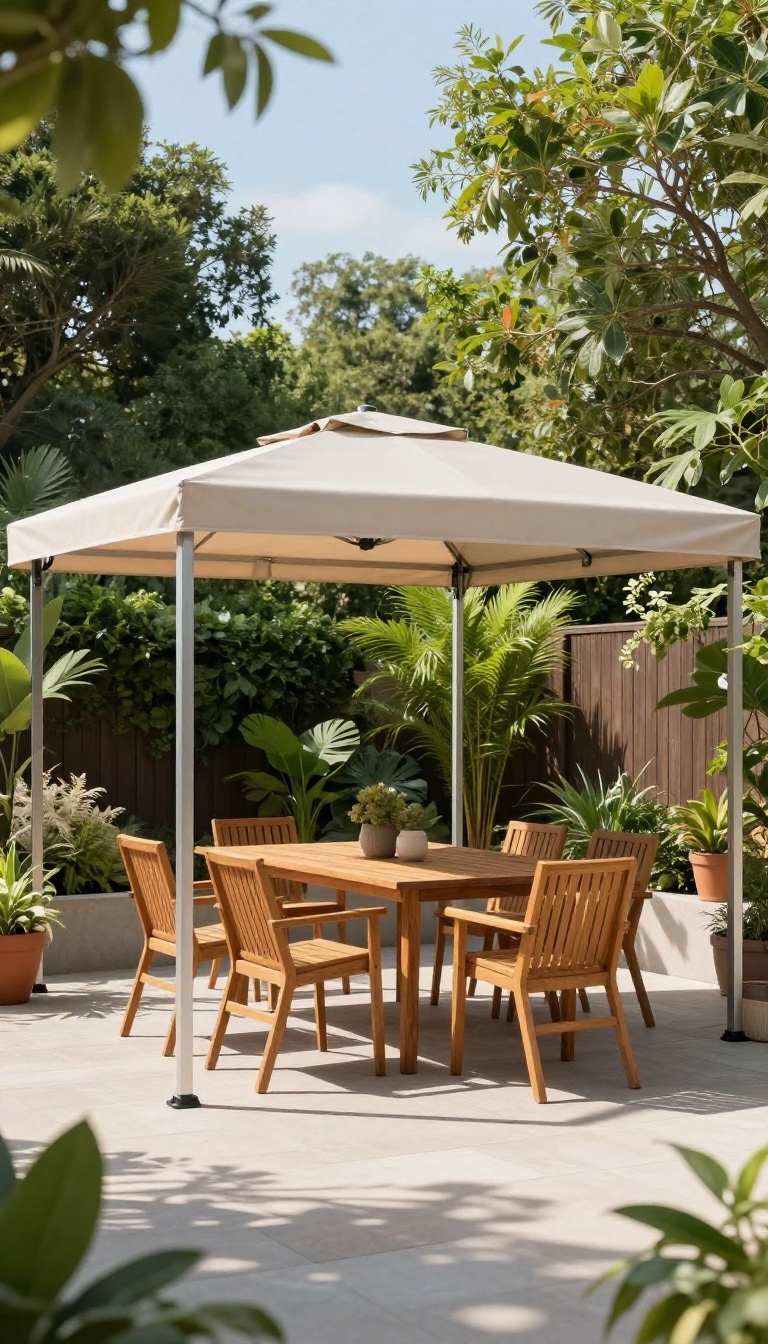
When you want full coverage that feels like an outdoor room, a canopy or gazebo is the way to go. These structures provide generous shade and can become the centerpiece of your patio. Many models come with mosquito netting, turning your space into a bug-free zone for evening relaxation.
A freestanding canopy or gazebo offers more than just shade—it creates a defined area for dining, lounging, or entertaining. Unlike umbrellas that leave edges exposed, these structures cover the whole space, so you can leave chairs and tables out without worrying about sun damage. Plus, they add a touch of elegance and permanence to your backyard.
Choosing The Right Size And Style
Measure your patio before you buy. You want a canopy that's proportional to the space—not too small that it feels cramped, not so large that it overwhelms. Think about the style: a classic wooden gazebo blends with traditional gardens, while a sleek aluminum canopy suits modern patios.
Also, consider the shape—rectangular works well for long tables, while square or octagonal options create a cozier feel.
Features That Make A Difference
Look for canopies with adjustable heights or side panels that can be rolled up or down. This flexibility lets you control airflow and protection from wind or rain. Mosquito netting is a game-changer for summer evenings—you can enjoy the breeze without the buzzing.
Some models even come with built-in lighting or hooks for string lights, adding ambiance after dark.
Installation And Maintenance Tips
Freestanding models are easier to install than permanent structures, but you'll still need a flat, stable surface. Many canopies come with stakes or weights for anchoring—make sure you secure them properly to withstand gusty winds. For maintenance, clean the fabric regularly and store it during harsh winters if it's not designed for year-round use.
A little care goes a long way.
11. DIY Pallet Shade Wall
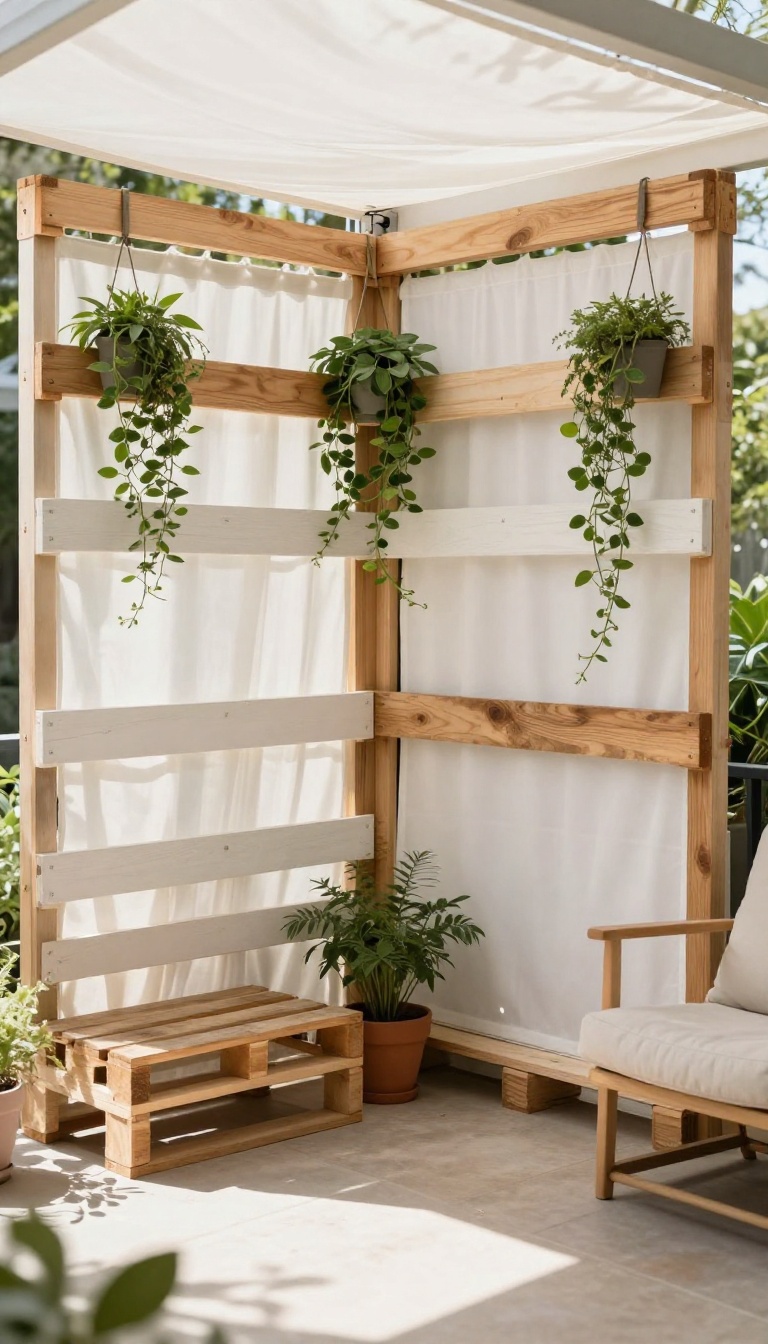
Wooden pallets are cheap, easy to find, and surprisingly sturdy. With a little creativity, they can become a functional shade wall that adds character to your patio. This project is perfect for renters or anyone who wants a flexible, movable solution without making permanent changes.
A pallet shade wall works by blocking the sun's rays while still allowing air to flow through. You can leave the pallets as-is for a rustic look, or dress them up with fabric, plants, or paint. The best part?
You can build it in an afternoon with basic tools and materials from a hardware store.
Gather Your Materials
You'll need two or three wooden pallets (check local stores or online marketplaces for free ones), outdoor screws, a drill, and a saw if you need to adjust sizes. For extra shade, grab some outdoor fabric, zip ties, or potted plants. Sand down any rough edges to avoid splinters.
Build And Customize
Stand the pallets upright and secure them together at an angle or in a straight line. Use screws to attach them firmly. To increase shade, attach fabric panels to the back or weave them through the slats.
Alternatively, hang lightweight planters with trailing vines for a natural, green screen.
Placement And Stability
Position the wall to block the afternoon sun, which is usually the harshest. Make sure it's stable by anchoring it with sandbags or stakes if you live in a windy area. You can also add wheels to the bottom for easy repositioning throughout the day.
FAQ
What is the most cost-effective patio shade idea?
Shade sails and roll-up bamboo shades are among the most affordable options. They require minimal materials and can be installed yourself.
How do I choose the right shade for my patio?
Consider your climate, patio size, and how you use the space. For flexibility, go with umbrellas or retractable awnings. For permanent coverage, a pergola or solid roof works best.
Can I install a shade sail myself?
Yes, with proper anchors and tensioning hardware, most DIYers can install a shade sail. Ensure the structure you attach it to is sturdy and can handle wind loads.
What plants are best for a living shade canopy?
Fast-growing vines like wisteria, grapevines, and climbing hydrangeas are excellent choices. They provide dense foliage and beautiful blooms.
How can I make my patio cooler without adding a permanent structure?
Use portable options like umbrellas, shade sails, or outdoor curtains. Also, incorporate cooling elements like a misting system or fans to enhance comfort.
Conclusion
Once you add the right shade, your patio becomes a place you actually want to hang out in, even on the hottest afternoons. Start with one idea that fits your space and budget, then build from there. The goal is simple: make your outdoor area comfortable enough that you’ll use it more often.
Whether you go with a quick canopy or a full pergola, the payoff is cooler days and longer evenings outside. Pick what suits your climate and lifestyle, and enjoy the difference.