10 Gravel Patio Ideas That Feel Stylish and Easygoing
Gravel patios have a way of making a backyard feel instantly more relaxed. They don't demand the precision of pavers or the upkeep of a wooden deck, yet they can look just as put-together.
Whether you're working with a tight budget or simply love that natural, earthy vibe, gravel gives you room to play. What's great about gravel is how forgiving it is.
You can shape it around trees, curve it into cozy nooks, or mix it with other materials for a custom look. And because it's one of the most affordable hardscaping options, you can spend more on the furniture and plants that make the space yours.
1. The Classic Gravel Circle
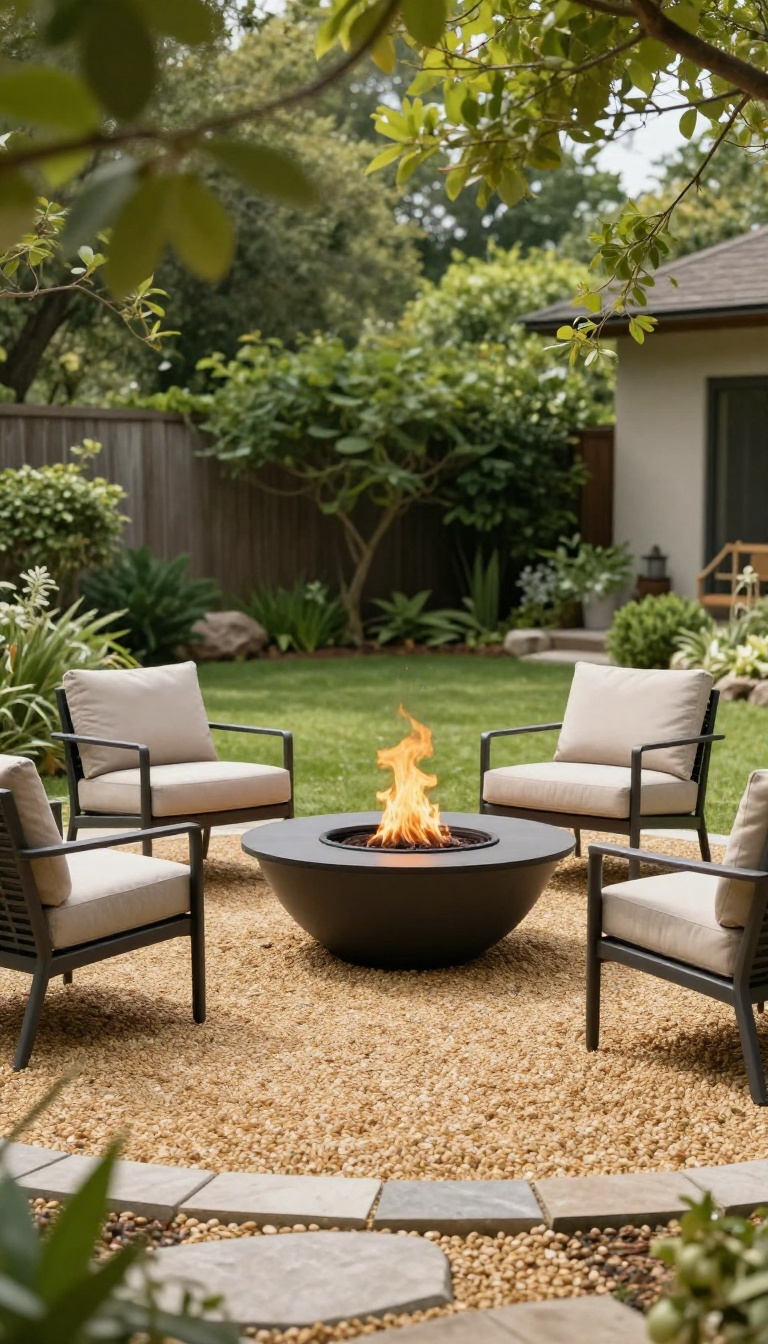
A simple circular gravel pad can turn an empty stretch of yard into a natural gathering spot. It’s an easy layout that works with almost any landscape, and the round shape softens the edges of a backyard. You can keep it bare for a minimalist look or dress it up with a few chairs and a table.
The beauty of a gravel circle is that it doesn’t need to be perfect. You can mark out the area with a garden hose, dig down a few inches, and fill it with gravel. A border of stones or steel edging keeps everything tidy, while a fire pit or a bistro table in the center gives people a reason to sit down and stay a while.
Why A Circle Works
Circles naturally draw people in. Unlike straight lines that push you to the edges, a round patio feels more intimate and encourages conversation. It also makes it easier to arrange seating because every chair faces the center, which is where the action happens.
Choosing The Right Gravel
Pea gravel is a popular choice because it’s smooth underfoot and comes in warm, earthy tones. Crushed stone packs down tighter, which helps prevent shifting. If you want a more polished look, consider a mix of sizes or a single color that complements your home’s exterior.
Edging Options That Last
Steel edging gives a crisp, modern line and holds up well over time. Natural stone or brick borders add a softer, more rustic feel. Whichever you choose, make sure the edging sits slightly above the gravel level to keep the stones from wandering into your lawn.
2. Mixed Materials: Gravel + Pavers
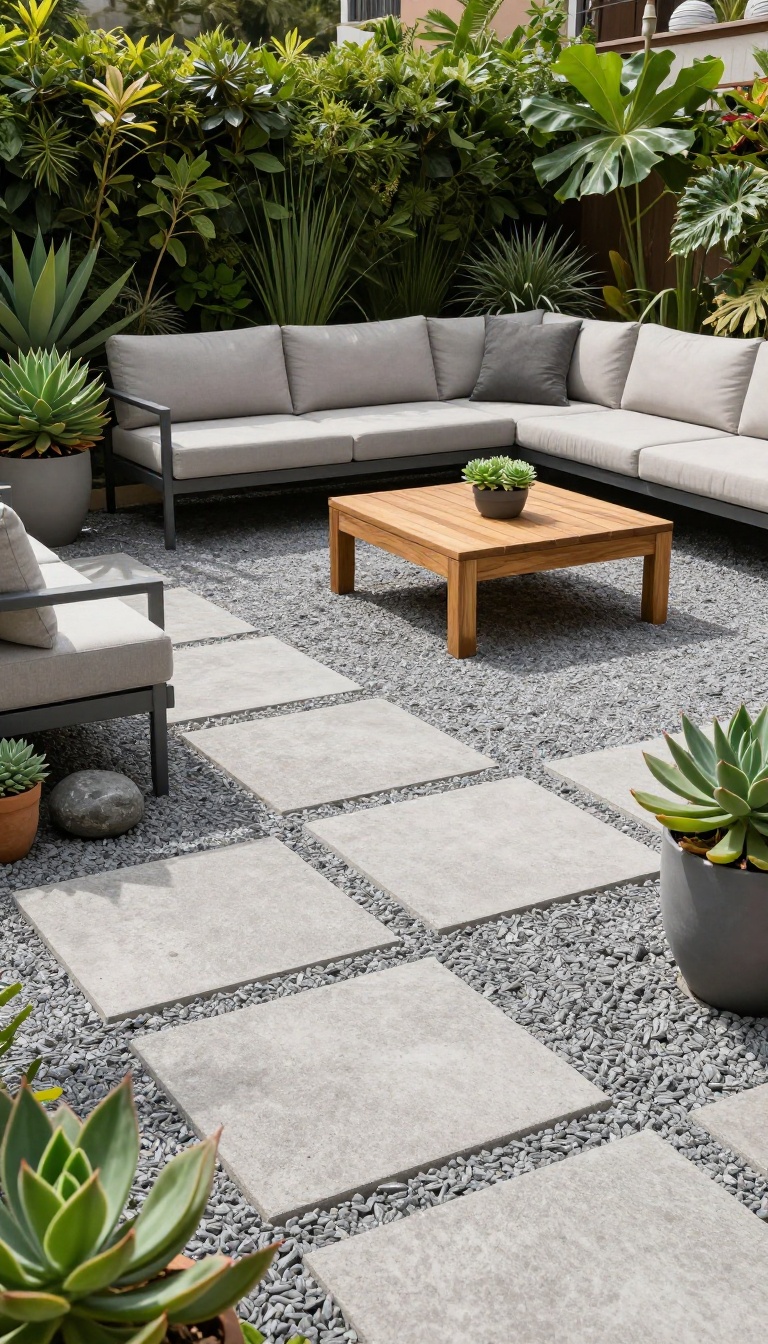
Pairing gravel with pavers gives you the best of both worlds: the laid-back texture of gravel and the clean lines of hard surfaces. This combo adds structure to your patio while keeping that easygoing feel. Plus, it's a smart way to cut costs and make the space more walkable.
Mixing gravel with pavers is a practical design choice that also looks great. The pavers create stable paths and seating areas, while the gravel fills in the gaps, softening the overall look. You can use less gravel than you think, which saves money and reduces maintenance.
And because the pavers break up the gravel, it stays in place better, even in high-traffic spots. Whether you go for a geometric grid or a more organic scatter, this mix gives your patio a custom feel without a lot of effort.
Why Combine Gravel And Pavers?
Gravel alone can shift underfoot and spread into your lawn. Pavers anchor the main walking paths and sitting areas, so you get a stable surface where you need it most. The gravel then acts as a filler that adds texture and visual softness.
This combo also lets you use less gravel, which lowers your material costs and cuts down on weeding between stones.
Design Ideas For Gravel And Paver Combos
One popular approach is to lay a grid of concrete pavers with gravel in between, creating a checkerboard effect. For a more natural look, scatter irregular stepping stones through a gravel bed, letting the stones lead the way. You can also define a central seating area with pavers and surround it with gravel for contrast.
If you want a border, edge the patio with pavers and fill the interior with gravel for a clean, finished edge.
Installation Tips To Keep It Simple
Start by leveling the ground and adding a weed barrier to keep growth down. For a paver-and-gravel mix, set the pavers on a compacted sand or gravel base, then fill the gaps with gravel. Choose gravel that complements the paver color—warm beige or gray tones usually work well.
If you're worried about shifting, use larger pavers or add a stabilizing grid beneath the gravel. This keeps everything in place and makes walking easier.
3. Gravel with a Wooden Deck Border
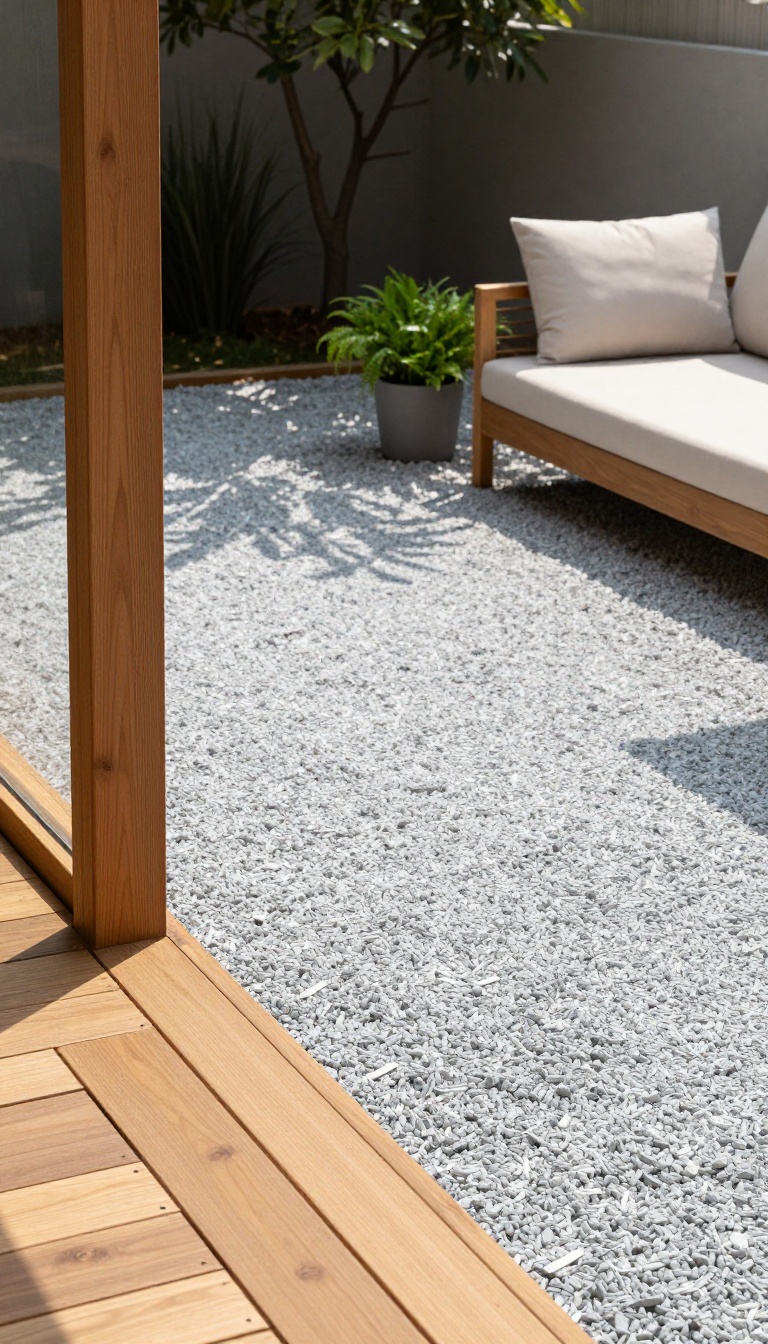
A wooden border can turn a simple gravel area into a polished outdoor room. The contrast between the soft, loose gravel and the crisp, warm wood creates a look that feels both refined and laid-back. This combination is especially handy when you want to define the patio without building a permanent structure.
This approach works beautifully for homes with an existing deck or for those who want a smooth transition from the house to the garden. The wood acts as a visual anchor, giving the gravel a clear edge and preventing it from straying into your lawn. Plus, it adds a touch of natural warmth that complements the earthy tones of the gravel.
Why It Works
The wood border provides a clean, finished look that elevates the casual feel of gravel. It also helps contain the gravel, making maintenance easier. The combination of materials adds texture and visual interest, and the wood can be stained or painted to match your home's exterior.
How To Build It
Start by leveling the ground where the border will go. Use pressure-treated lumber or cedar for durability, and secure it with stakes or a concrete footing. Leave a small gap between the wood and the gravel to allow for drainage.
Then, fill the area with gravel and compact it lightly. For a more polished look, consider adding a layer of landscape fabric underneath to prevent weeds.
Design Variations
You can use the border as a low retaining wall for a raised gravel bed, or keep it flush with the ground for a seamless look. If you have a sloping yard, the border can help terrace the area. You can also incorporate built-in seating by extending the border into a bench-like structure.
For a more natural feel, use rough-cut logs or reclaimed wood.
Styling Tips
Pair the wood border with outdoor furniture in similar tones to create a cohesive look. Add potted plants or string lights to soften the edges. If you want a more modern vibe, choose a dark wood stain and use larger, uniform gravel.
For a rustic feel, go with natural wood and a mix of gravel sizes.
4. Mediterranean-Style Gravel Patio
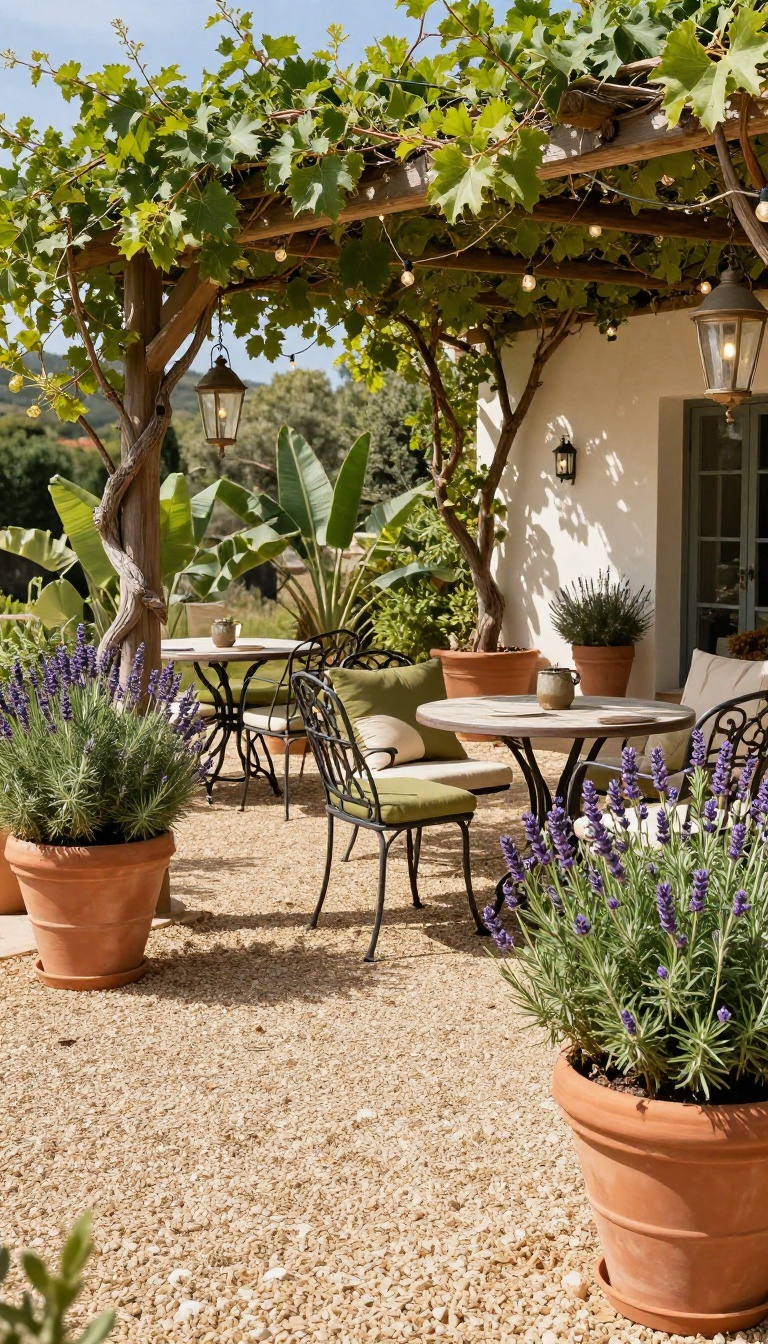
If you’ve ever dreamed of sipping coffee under a vine-covered pergola in the south of France, this style is for you. A Mediterranean gravel patio leans into warm, earthy tones and relaxed, sun-soaked charm. It’s about creating a space that feels timeless, inviting, and effortlessly elegant—without the high maintenance of a formal garden.
Start with gravel in soft beige, gold, or warm terracotta tones to set the base. These colors reflect sunlight and blend beautifully with the natural landscape. Pair the gravel with terracotta pots filled with lavender, rosemary, or olive trees to bring in that classic Mediterranean fragrance and texture.
For furniture, choose wrought iron or dark wood pieces with clean lines and a slightly weathered look. Add a few cushions in muted olive, rust, or cream to keep it comfortable. Finish with string lights or lanterns for a warm evening glow.
Choosing The Right Gravel
Not all gravel is created equal. For a Mediterranean feel, look for rounded pea gravel in warm shades like golden beige, soft terracotta, or even a mix of warm browns. Avoid stark white or gray gravel, which can feel too cold.
A 1-2 inch layer is usually enough, but you might want a bit more in high-traffic areas. If you’re unsure, buy a small bag and test it in your yard to see how it looks in different lighting.
Planting For That Mediterranean Vibe
The plants are what really sell this style. Lavender, rosemary, and sage are perfect—they’re drought-tolerant, smell amazing, and attract pollinators. Olive trees in large terracotta pots add structure and a sense of age.
You can also add trailing plants like ivy or jasmine to soften walls or fences. Group pots in odd numbers for a natural, unforced look, and don’t be afraid to mix different heights and textures.
Furniture And Decor Touches
Wrought iron is a classic choice for Mediterranean patios. Look for bistro sets, curved benches, or a simple table with a few chairs. Dark wood with a distressed finish also works well.
Add cushions in earthy tones like terracotta, olive, or mustard. For lighting, string lights or wrought-iron lanterns create a warm, inviting glow. A small water feature, like a ceramic fountain, can add a soothing soundtrack and a touch of luxury.
5. Gravel Patio with a Fire Pit
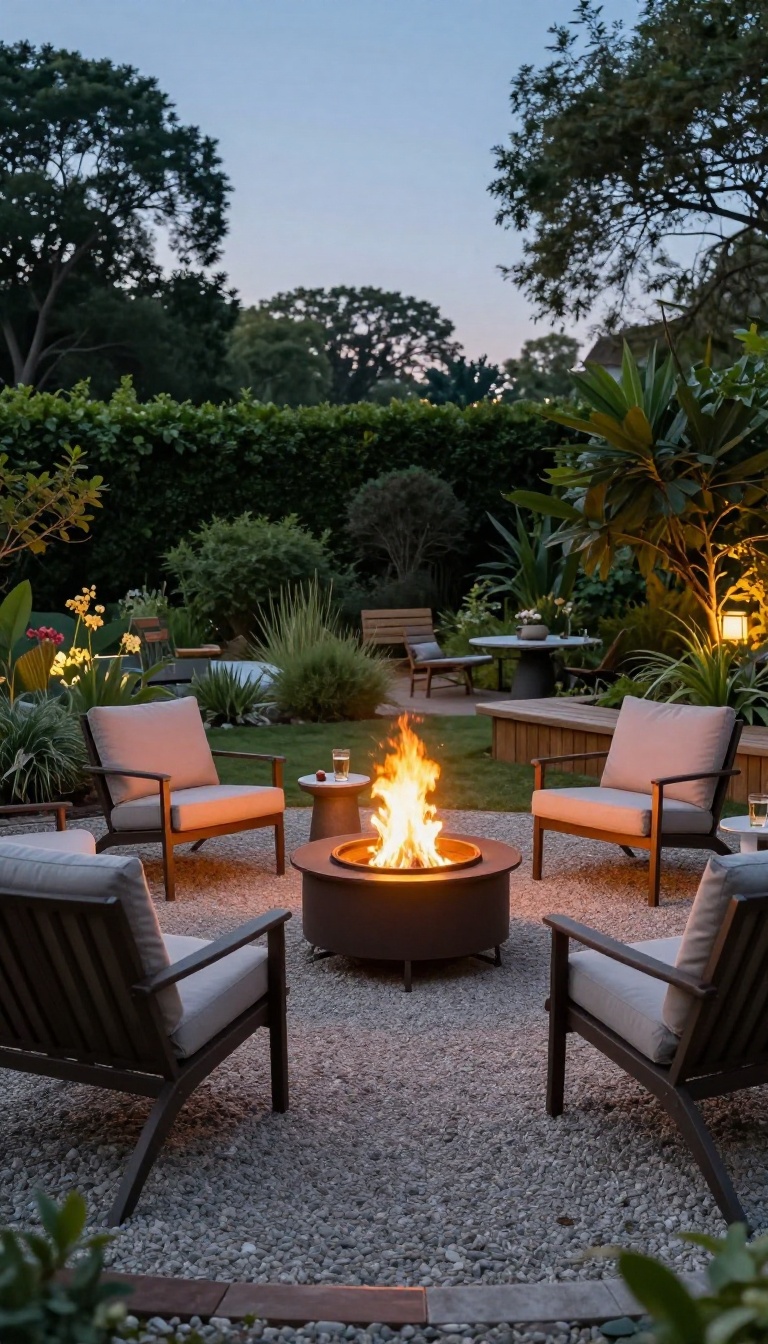
Nothing says easygoing like gathering around a crackling fire on a warm summer night. A gravel base is the perfect partner for a fire pit because it handles sparks and heat without a fuss. Plus, the soft crunch underfoot adds to the relaxed, campfire feel.
A fire pit can be the heart of your gravel patio, turning it into a natural gathering spot for friends and family. The gravel not only looks great but also provides a safe, low-maintenance surface that can handle dropped embers and stray sparks. Choose a pea gravel for a smoother surface that's comfortable to walk on barefoot, and you'll have a cozy spot that's ready for s'mores and stories.
Choosing The Right Gravel
When it comes to fire pits, not all gravel is created equal. Pea gravel is a top pick because its rounded stones are gentle on bare feet and shift less underfoot. If you prefer a more stable surface, consider crushed stone with finer particles, which packs down tighter.
Just avoid large, jagged rocks that can be uncomfortable to sit or walk on.
Arranging Seating Around The Fire
The key to a cozy fire pit area is seating that encourages conversation. Arrange a mix of chairs, benches, and even some large stones or logs around the pit. Leave enough space for people to move around safely, and consider placing a few side tables or flat stones for drinks and snacks.
The goal is to create an inviting circle that feels natural and unforced.
Safety And Maintenance Tips
Even though gravel is fire-resistant, it's smart to place a fire pit mat or a metal ring under the pit to keep the gravel clean and prevent any heat damage. Keep a fire extinguisher or a bucket of water nearby, and always check local fire regulations before lighting up. Raking the gravel occasionally will keep it looking fresh and help distribute any stray ashes.
6. Curved Gravel Pathways and Patio
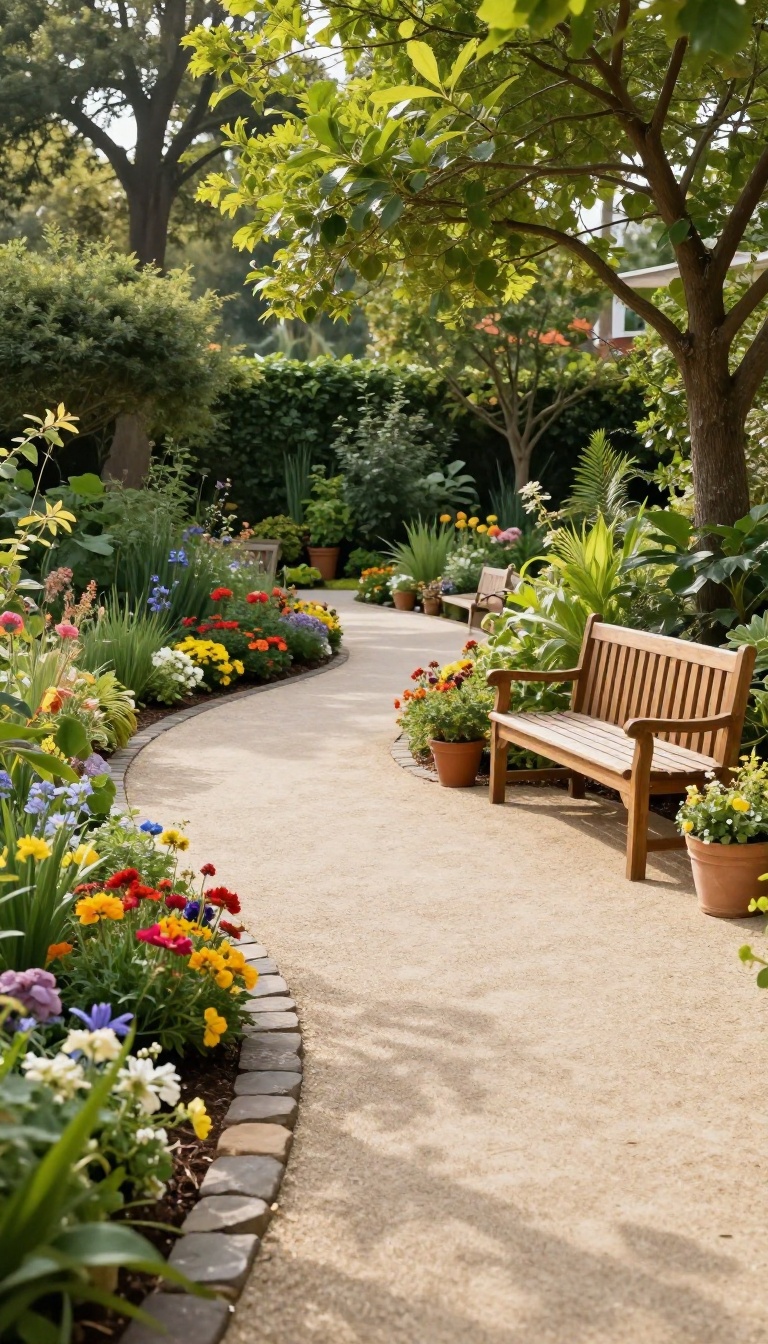
Straight lines have their place, but there's something undeniably soothing about a curve. A curved gravel patio and matching pathways can make your yard feel more organic and inviting, as if the landscape naturally led you there. This design works especially well in gardens with existing trees, flower beds, or slopes because it can weave around obstacles instead of fighting them.
Curved gravel areas soften the overall look of your outdoor space and create a sense of flow. They also make the space feel larger, as the eye follows the winding path rather than hitting a hard edge. To pull this off, you'll need to plan the layout carefully and use edging to keep the gravel in place.
The result is a patio that feels like a natural extension of your garden.
Why Curves Work So Well
Curves mimic the shapes you see in nature, so they instantly make a landscape feel more relaxed. They also encourage exploration—a curved path hides what's around the corner, making the space more intriguing. Plus, curved edges are more forgiving if your yard isn't perfectly level, since you can adjust the line to follow the terrain.
Planning Your Curve Layout
Start by marking the outline with a garden hose or rope, which is easy to bend and adjust. Walk the path to make sure the curve feels natural and comfortable. Keep the radius generous—too tight a curve can look awkward and make it hard to move furniture or a wheelbarrow.
Think about how you'll use the space: a gentle S-curve leading to a circular patio creates a beautiful arrival moment.
Edging And Ground Cover Ideas
To keep the gravel contained, use flexible edging like steel, aluminum, or rubber that can bend with the curve. Bricks or stones set on edge also work and add a rustic touch. For a softer look, plant low ground covers like creeping thyme or sedum along the edges—they'll spill over the border and blend the hardscape into the garden.
7. Gravel Patio with a Pergola
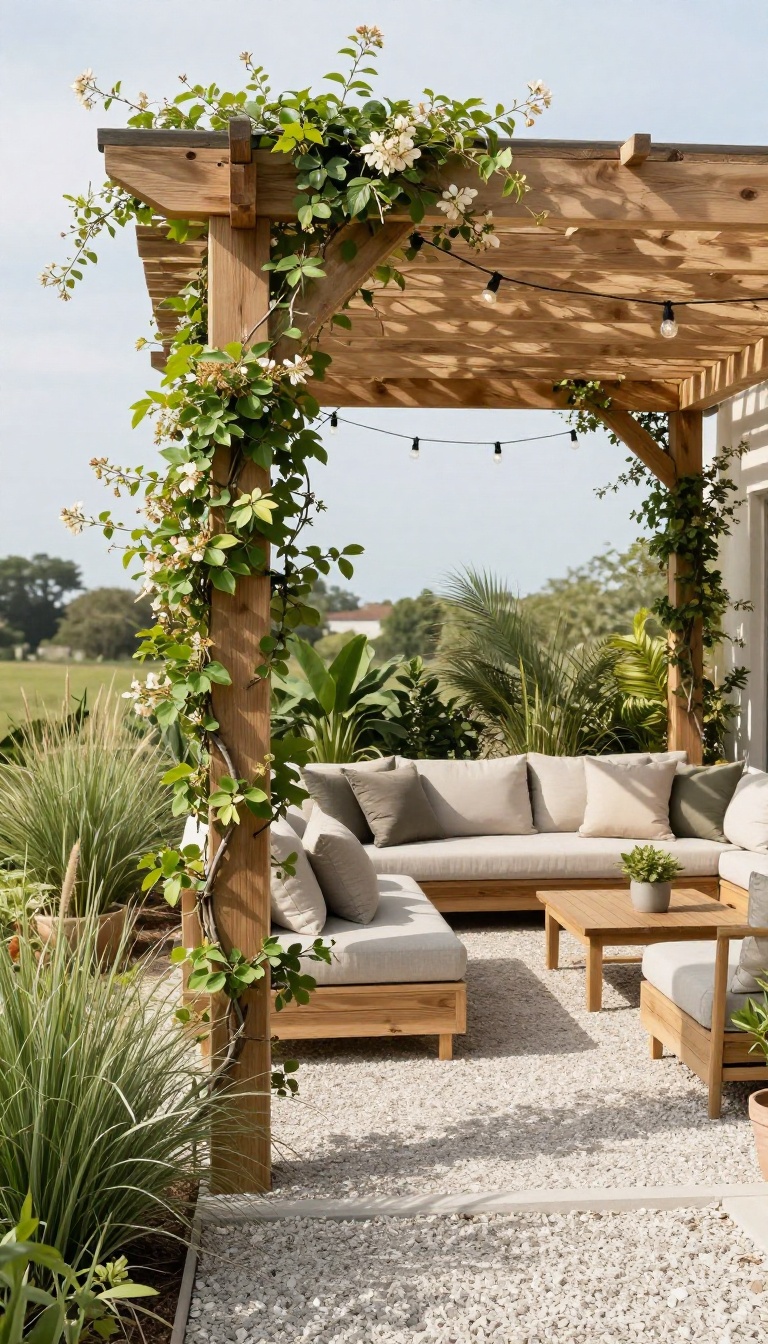
A pergola can turn a basic gravel patio into a shaded retreat that feels intentional and inviting. The gravel keeps things easy, while the overhead structure adds a touch of architecture and a natural focal point. It's a smart way to get the best of both worlds: relaxed vibes and a defined outdoor room.
Adding a pergola to your gravel patio is like giving the space a ceiling without closing it in. The open slats let sunlight filter through, creating a dappled shade that's perfect for long afternoons. Plus, the gravel base means you won't have to worry about weeds or mud, so you can focus on enjoying the space.
A pergola also gives you a reason to add some vertical interest. Train climbing vines like wisteria or clematis up the posts, or hang string lights for a cozy evening glow. The structure anchors the seating area, making it feel more like a true outdoor room rather than just a patch of gravel.
Choosing The Right Pergola
When picking a pergola, think about the size of your patio and the style of your home. A wooden pergola with a natural stain blends beautifully with the earthy feel of gravel, while a metal one can give a more modern edge. If you're handy, a DIY kit can save money, but make sure it's anchored securely to withstand wind.
Planting For Shade And Privacy
The real magic happens when you add plants. Fast-growing vines like trumpet vine or climbing hydrangea will cover the pergola in a season or two, providing extra shade and a lush, romantic feel. For privacy, consider planting tall grasses or shrubs around the perimeter, or hang outdoor curtains on the sides.
Furnishing And Styling
With the structure in place, focus on making it comfortable. A dining table and chairs work well for meals, or go for a low lounge setup with floor cushions and a coffee table. Add an outdoor rug to define the area and soften the gravel underfoot.
Finish with lanterns or a chandelier for ambiance.
8. Gravel Patio with Boulders and Ornamental Grasses
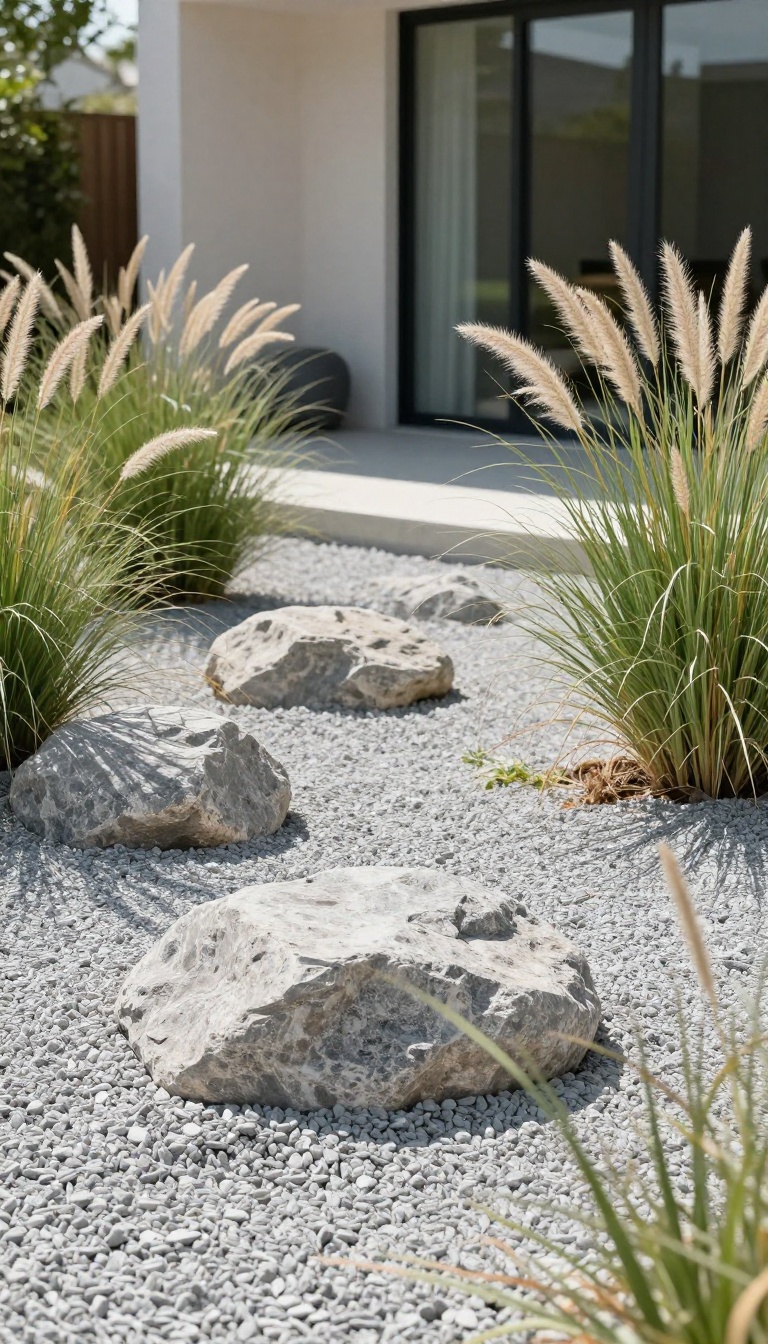
For a patio that feels like it belongs in the landscape rather than on top of it, try pairing gravel with large boulders and ornamental grasses. This combination leans into nature's own design, where the gravel acts as a neutral canvas and the stones and plants become the stars. It's a look that feels both grounded and intentional, and it works especially well in arid or modern settings where simplicity is key.
The beauty of this idea is that it doesn't require much maintenance. Boulders are permanent, and ornamental grasses are some of the easiest plants to care for. Once established, they need little water and only a yearly trim.
The gravel itself is low-maintenance too—just an occasional raking to keep it even. This is a patio that lets you spend more time enjoying it and less time working on it.
Choosing The Right Boulders
When picking boulders, think about size and color. Larger stones make a stronger statement, but they need to be placed with care. You want them to look like they've always been there, so bury them a few inches into the ground.
For color, go with tones that complement your home and the surrounding landscape. Warm browns, grays, and earthy reds tend to blend well with gravel.
Selecting Ornamental Grasses
Ornamental grasses come in many shapes and sizes, so choose ones that fit your space. Tall, upright grasses like switchgrass or feather reed grass add height and movement. For a softer look, try fountain grass or blue fescue.
Group them in clusters of three or five for a natural effect, and mix different textures to keep the planting interesting.
Placing Elements For A Natural Look
Avoid a symmetrical layout. Instead, scatter boulders and grasses in a way that mimics how they might appear in the wild. Place some boulders partially in the gravel and others at the edge.
Let grasses spill over the borders. The goal is to create a scene that feels effortless, as if the patio grew there on its own.
9. Gravel Patio with a Retaining Wall
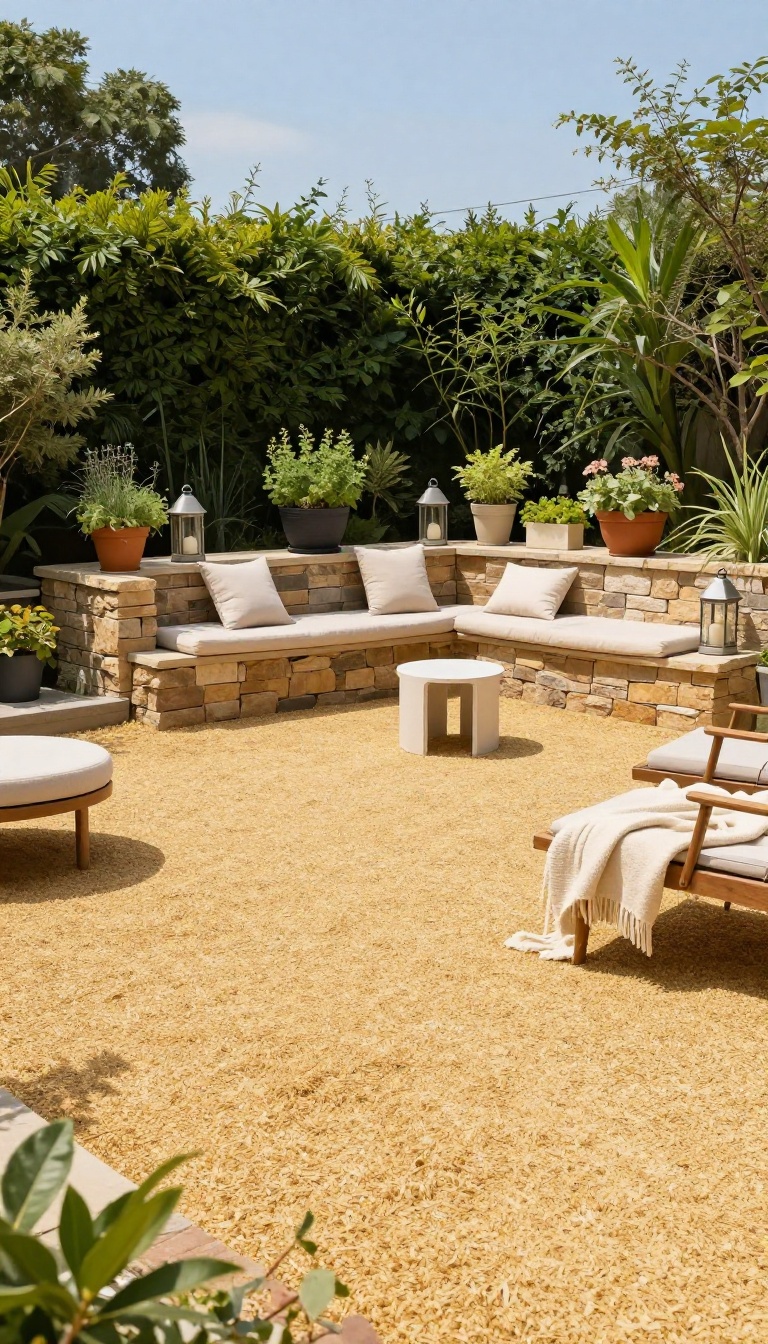
Sloped yards can feel like a design dead end, but they're actually a chance to build something with real character. A retaining wall solves the practical problem of uneven ground while adding structure and visual interest. Once the wall is in place, the gravel patio becomes a level, inviting space that works for lounging, dining, or just soaking up the sun.
A retaining wall does more than hold back soil—it defines the entire patio area. By terracing the slope, you create a flat surface that feels intentional and polished. The wall itself can double as a built-in bench, a planter ledge, or a display spot for lanterns and potted herbs.
Choosing gravel that complements the wall material ties the whole look together, whether you go with warm flagstone, sleek concrete blocks, or rustic natural stone.
Why A Retaining Wall Changes The Game
When your yard tilts, every chair wobbles and water pools where you don't want it. A retaining wall flattens the ground so you can actually use the space. It also prevents erosion and keeps gravel where it belongs, so you're not constantly raking it back into place.
Plus, the wall adds a clean edge that makes the patio look designed, not just dumped.
Choosing Materials That Work Together
Match your gravel to the wall for a cohesive feel. For a modern look, pair dark gray gravel with concrete blocks. For something warmer, use golden gravel with natural stone or brick.
Think about texture too—rounded pea gravel feels softer underfoot, while sharp-edged crushed stone locks together better on slopes. If you're using the wall as a seat, top it with flat cap stones for comfort.
Making The Wall Do Double Duty
Turn the retaining wall into a multitasking feature. Build it high enough to sit on, and add cushions for instant seating. Leave pockets in the wall for soil and plant succulents, herbs, or trailing flowers.
You can even attach string lights or mount small lanterns to the wall for evening ambiance. The wall becomes more than a structural necessity—it's part of the patio's personality.
10. Gravel Patio with a Water Feature
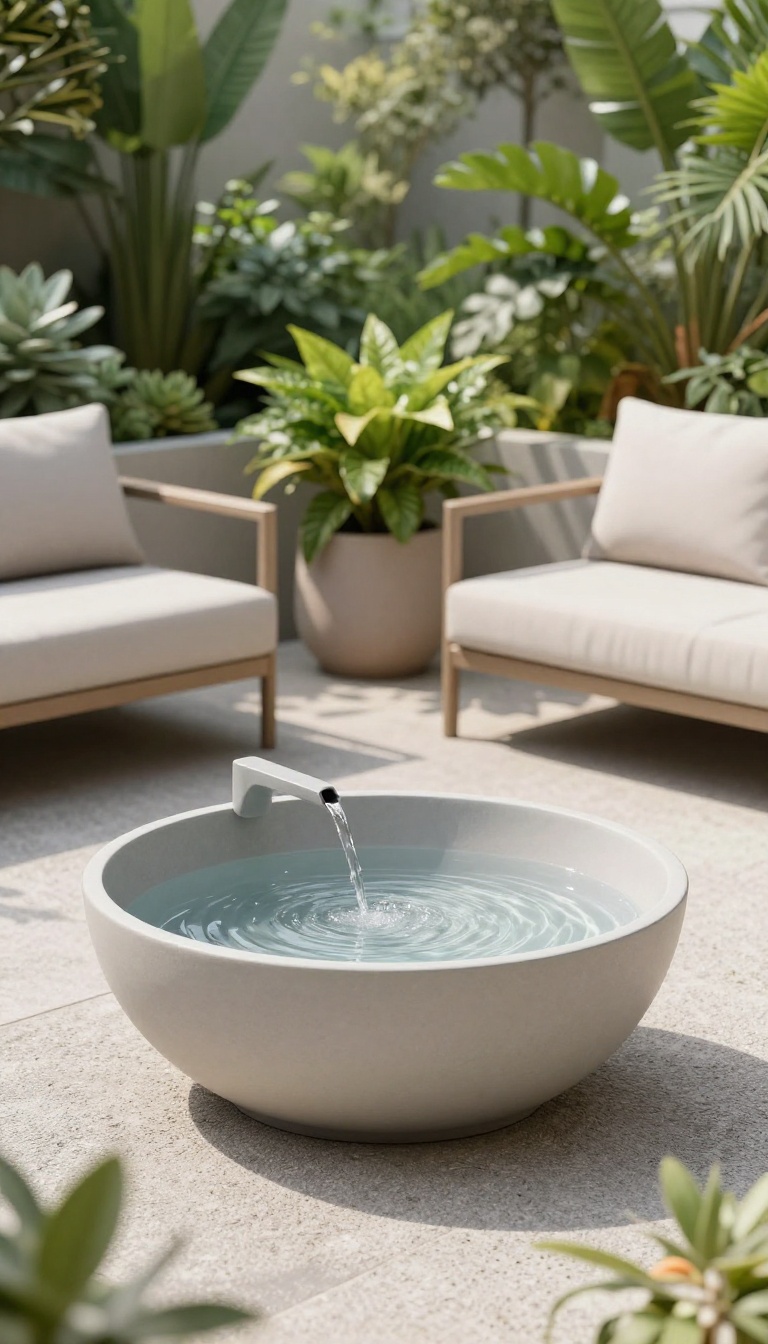
Water has a way of making any outdoor space feel more alive, and when you pair it with gravel, the result is surprisingly calming. The soft, earthy texture of gravel contrasts beautifully with the smooth, reflective surface of water, creating a sensory experience that's both grounding and refreshing. Adding a water feature doesn't have to be complicated or expensive—even a simple bubbling urn or a small pre-formed pond can transform your patio into a peaceful retreat.
A water feature brings movement and sound to your gravel patio, turning it into a spot where you'll want to linger. The gentle trickle of water masks street noise and creates a private, spa-like atmosphere. Gravel's natural drainage makes it an ideal base for water features, as excess water simply seeps through the stones.
You can keep things minimal with a self-contained fountain or go a bit more ambitious with a lined pond and a few water plants. Either way, the combination of gravel and water feels effortlessly elegant.
Choosing The Right Water Feature
Think about the scale of your patio and the vibe you want. A compact, pedestal-style fountain works well for small spaces and adds a vertical accent. For larger patios, a ground-level pond with a recirculating pump can become a focal point.
If you're drawn to a modern look, consider a sleek, geometric basin with a simple spout. The key is to keep the water feature proportionate to the area so it doesn't overwhelm the easygoing feel of the gravel.
Placement And Integration
Position the water feature where you can enjoy it most—near a seating area or at the edge of the patio where it catches the eye. Make sure it's on a stable, level base, especially if you're using a heavy fountain or pond liner. Incorporate gravel around the base to blend it seamlessly into the patio.
You can also surround the water feature with a few potted plants or river rocks to soften the edges and create a natural transition.
Maintenance And Care
Gravel patios are low-maintenance, and water features can be too with a little routine care. Clean the pump and filter regularly to prevent clogs, and top off the water as needed. In colder climates, drain the system before winter to avoid freezing damage.
Keep the gravel around the water feature clear of leaves and debris to maintain good drainage and a tidy look. With minimal effort, your water feature will stay inviting year after year.
FAQ
What type of gravel is best for a patio?
Pea gravel is a popular choice because it's smooth and comfortable underfoot. Crushed stone with angular edges compacts better and stays in place, but it can be sharper. Consider a mix of sizes for both comfort and stability.
Do I need a weed barrier under gravel?
Yes, a landscape fabric or weed barrier is recommended to prevent weeds from growing through. It also helps keep the gravel from mixing with the soil, which reduces maintenance over time.
How do I keep gravel from spreading?
Use edging materials like steel, aluminum, or stone borders to contain the gravel. A stable base and proper compaction also help. For high-traffic areas, consider a stabilizer grid or a layer of crushed stone underneath.
Is a gravel patio cheaper than a concrete or paver patio?
Generally, yes. Gravel is one of the most affordable hardscaping materials, and installation is simpler and faster. You can save even more by doing the work yourself, though you'll need to factor in the cost of edging and base materials.
Can I put furniture on a gravel patio?
Absolutely. Use furniture with wide, stable feet to avoid sinking. For chairs, consider using furniture pads or placing a paver under each leg.
A gravel patio is perfectly suitable for dining sets, lounge chairs, and fire pits.
Conclusion
Gravel patios offer a fantastic mix of style, affordability, and ease. Whether you go with a simple circle or a more elaborate design, the key is to plan for good drainage and proper edging. With a little effort, you can create an outdoor space that feels both polished and laid-back.
Don't be afraid to mix in your own touches—plants, lighting, or a favorite chair. The best patio is one that fits how you live. So grab a rake, pick your gravel, and start building a spot you'll love to relax in.