15 Patio Pergola Ideas That Add Shade and Structure
A pergola does more than block the sun—it gives your patio a sense of purpose. The right structure can turn a bare slab into a shaded retreat, a dining spot, or a cozy outdoor living room.
With so many styles to choose from, the hardest part is picking the one that fits your home and habits. These 15 ideas range from classic wood to modern minimalism, with plenty of options for adding fabric, greenery, or even a ceiling fan.
Whether you're building from scratch or upgrading an existing frame, you'll find a design that adds both shade and character.
1. Classic Wooden Pergola with Cross Beams
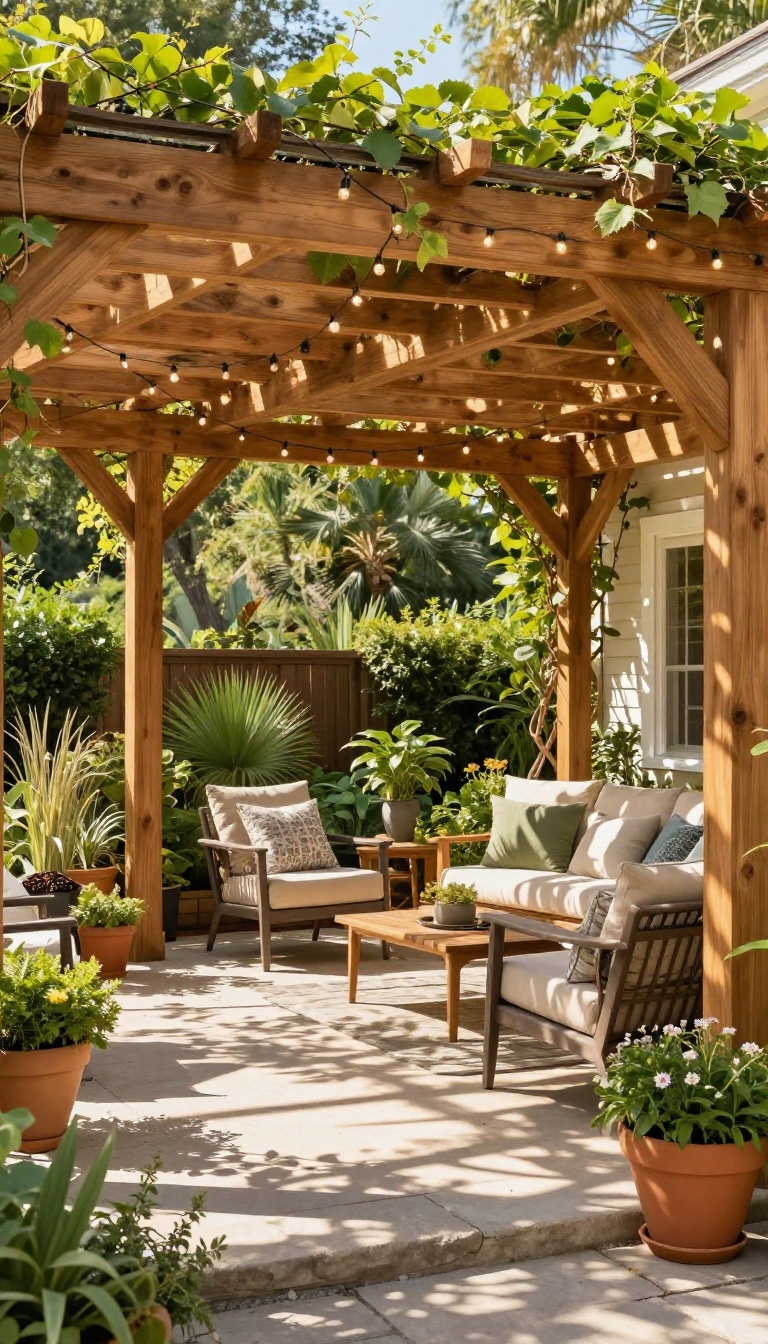
There’s a reason the classic wooden pergola never goes out of style. It’s sturdy, familiar, and easy to dress up with climbing vines or string lights. The cross beams on top create that iconic open-grid look that filters sunlight beautifully while still letting some warmth through.
This design uses pressure-treated lumber or cedar, both of which hold up well outdoors. Cedar naturally resists rot and insects, while pressure-treated pine is a budget-friendly alternative that can be stained or painted to match your home. The cross beams not only add visual interest but also provide a natural framework for shade options like adjustable louvers or a retractable canopy.
Why Cross Beams Work
Cross beams break up the direct sun into shifting patterns of light and shadow. This keeps the space cooler than full sun but still bright and airy. You can also space the beams closer together for more shade or wider apart for a more open feel.
Choosing The Right Wood
Cedar is the top pick for its natural beauty and durability, but it costs more. Pressure-treated pine is cheaper and can be stained to look like cedar or any other wood. Just make sure to seal it properly to prevent warping and cracking over time.
Adding Shade Flexibility
To get full shade when you need it, add a retractable canopy that slides along the beams. Or install adjustable louvers that you can tilt to block the sun at different angles. Both options let you control how much light filters through.
2. Modern Minimalist Pergola with Clean Lines
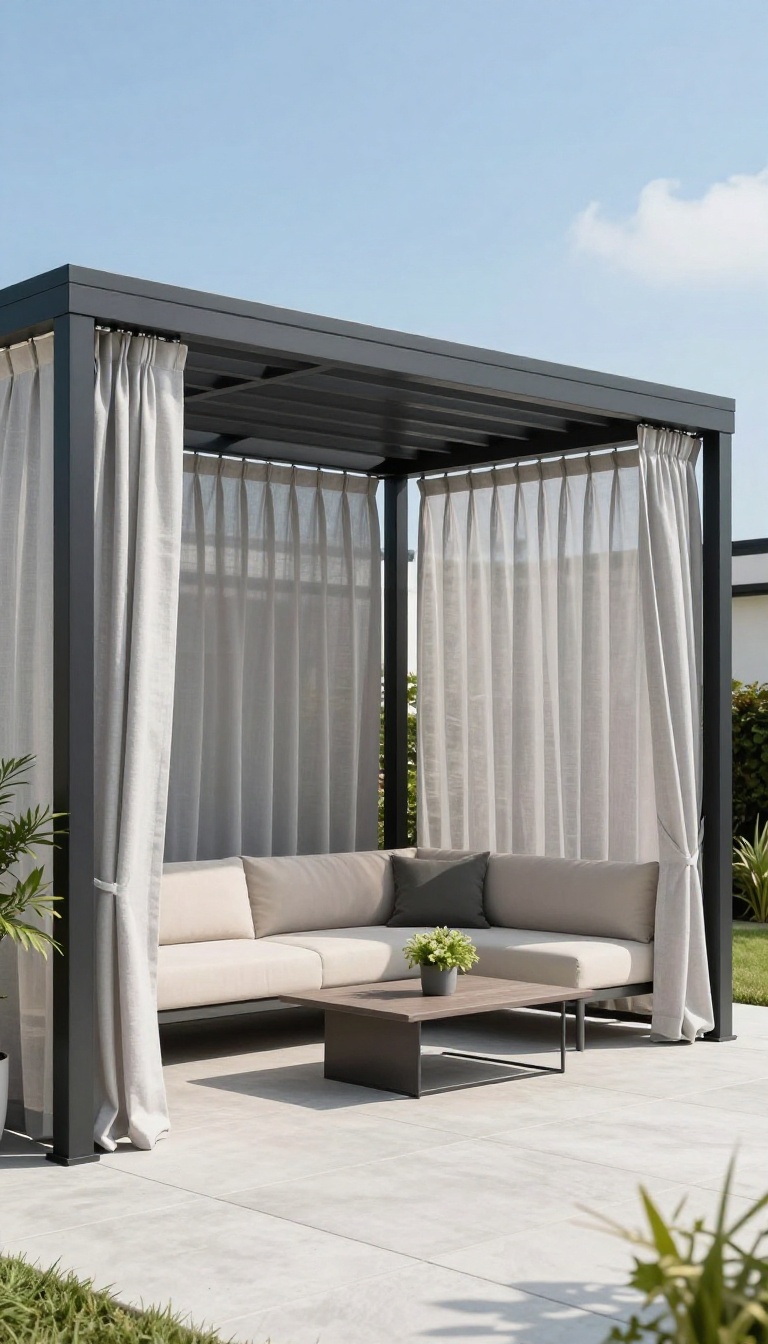
If your patio leans toward sleek and uncluttered, a modern minimalist pergola might be the perfect fit. Think straight lines, open spaces, and materials like aluminum or steel that feel crisp and contemporary. This style isn't about ornate details—it's about creating a calm, structured outdoor area that complements a modern home.
A modern minimalist pergola relies on clean geometry and a restrained palette. Typically, the frame is made of powder-coated aluminum or steel in neutral colors like black, white, or gray. The design often features flat or slightly angled beams, with no unnecessary ornamentation.
This creates a sense of order and openness, making the structure feel almost architectural rather than purely decorative.
Choose The Right Materials
Aluminum and steel are the go-to choices for this look. They're durable, low-maintenance, and can be fabricated into precise, slender profiles that look great. Aluminum is lightweight and resistant to rust, while steel offers extra strength for larger spans.
Both can be finished in matte or satin textures to avoid glare and keep the minimalist vibe.
Add Softness With Curtains
To soften the hard edges, hang outdoor curtains in a light, neutral fabric. They add a touch of elegance and can be drawn for shade or privacy. Choose weather-resistant materials like polyester or solution-dyed acrylic that can handle sun and rain.
The curtains also introduce gentle movement, which contrasts nicely with the fixed structure.
Keep The Layout Simple
Minimalism thrives on simplicity, so avoid cluttering the space with too much furniture or decor. Opt for a few high-quality pieces with clean lines, like a low-profile sofa or a simple dining set. Use a neutral color scheme with maybe one accent color to keep the eye calm.
The pergola itself should be the star, so let it breathe.
3. Rustic Pergola with Reclaimed Wood
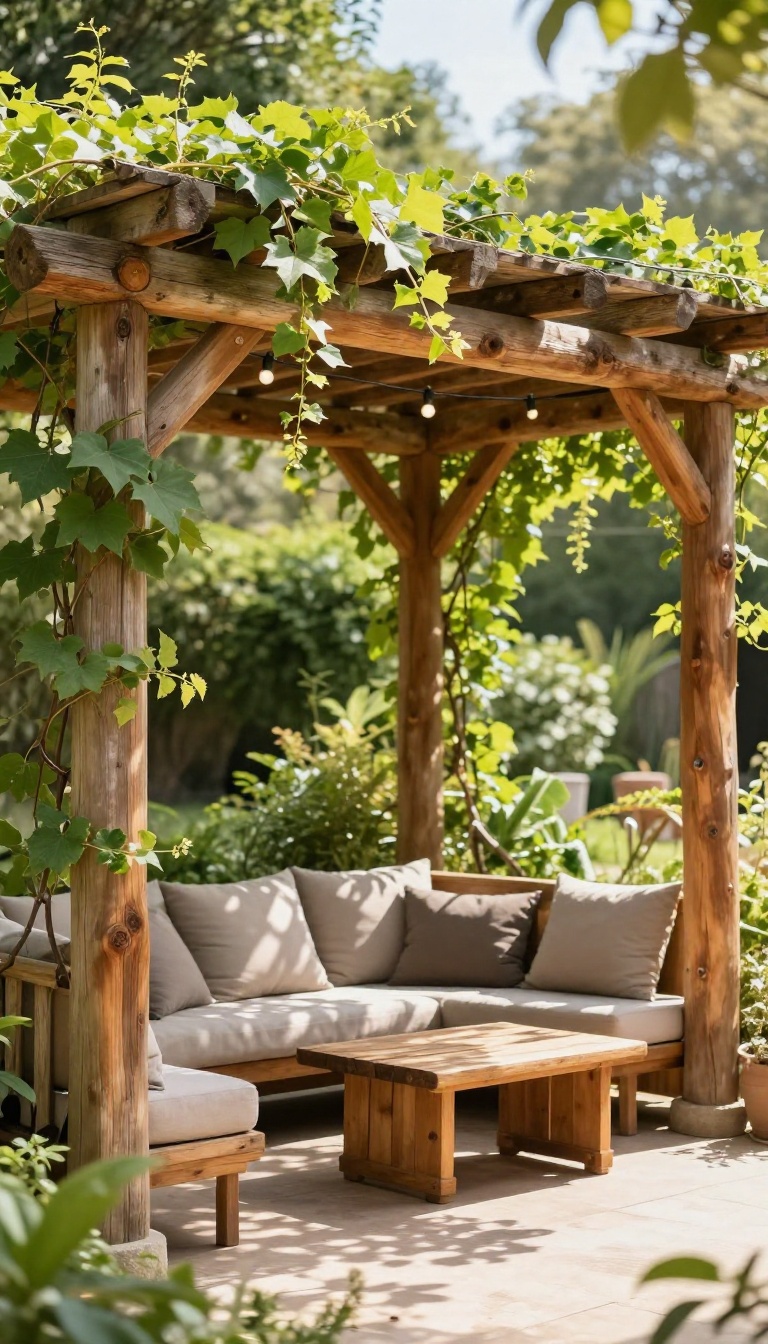
Reclaimed wood brings instant character and a sense of history to your patio. Barn boards, pallets, or old beams carry unique grain, nail holes, and weathering that new lumber can't replicate. Plus, you're giving discarded materials a second life, which feels good and looks even better.
A rustic pergola doesn't have to be rough or unfinished. With the right treatment and styling, it becomes a warm, inviting centerpiece that blends seamlessly with nature. Add some greenery and soft lighting, and you'll have a cozy retreat that feels like it's been there for decades.
Building with reclaimed wood requires a bit more care than using fresh lumber. You'll want to inspect each piece for rot, insect damage, or structural weakness. Clean the wood thoroughly and apply a protective sealer to help it withstand the elements.
If you're working with pallets, make sure they're heat-treated (marked with HT) rather than chemically treated. Mixing different wood tones and textures adds to the rustic charm, but keep the overall structure sturdy and level. For the design, think simple and sturdy.
A basic post-and-beam layout works well, with cross beams spaced to allow dappled sunlight through. You can leave the wood natural to weather gracefully, or apply a clear matte finish to preserve the patina. If you want a bit more color, a light stain in a warm honey or driftwood gray can enhance the grain without hiding its character.
Choosing And Preparing Reclaimed Wood
Start by sourcing wood from local salvage yards, old barns, or even your own backyard. Look for pieces that are straight and free of major cracks. Before you build, let the wood acclimate to your climate for a few days.
Sand rough edges to avoid splinters, especially on areas you'll touch often. Treat the wood with a wood preservative to prevent moisture damage and insect infestations. If you want to keep the aged look, use a clear sealer.
For a more uniform appearance, a semi-transparent stain in a neutral tone works nicely.
Styling With Lights And Greenery
String lights are a must for that cozy evening glow. Drape them across the beams in a zigzag pattern or hang them from hooks along the perimeter. Choose warm white bulbs for a soft, inviting ambiance.
Climbing vines like wisteria, clematis, or grapevines will weave through the wood and soften the structure over time. If you prefer something low-maintenance, hang potted plants or use artificial vines for instant greenery. Add outdoor curtains or a shade sail on one side to block low-angle sun without hiding the rustic beauty.
Placement And Practical Tips
Position your rustic pergola to take advantage of natural shade and views. If possible, orient it so the beams run north-south to maximize dappled light throughout the day. Anchor the posts securely in concrete footings to withstand wind and weather.
Consider adding a gravel or flagstone floor beneath to enhance the rustic feel and improve drainage. For extra comfort, add a ceiling fan or outdoor heater to extend your use of the space into cooler evenings.
4. Attached Pergola for Seamless Transition
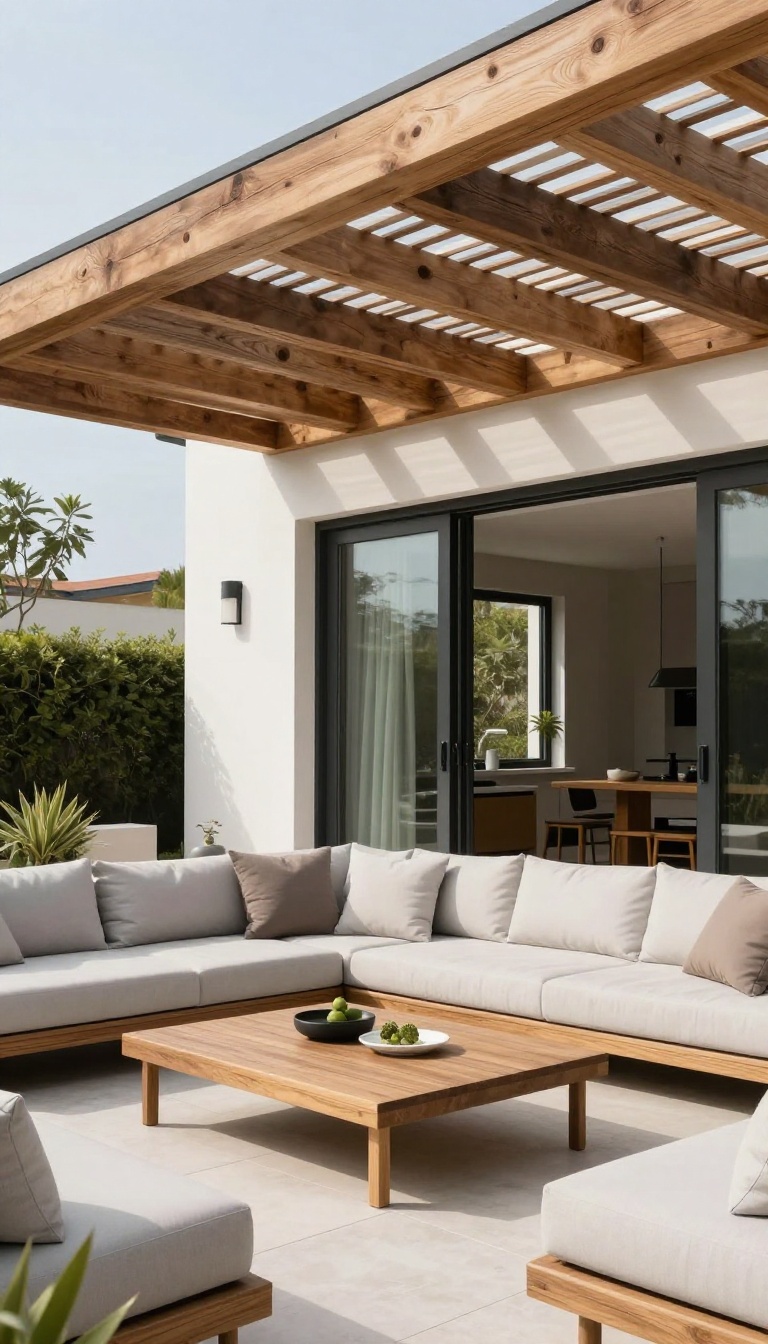
An attached pergola is one of the smartest ways to blur the line between inside and out. By anchoring the structure to your home’s roofline, you create a shaded zone that feels like a natural extension of your living space. It’s a practical choice for patios and decks right off the back door, giving you easy access to the outdoors without stepping into full sun.
Attached pergolas are popular for good reason—they’re convenient, cost-effective, and can be customized to match your home’s architecture. Because one side is supported by the house, you’ll need fewer posts, which leaves more open space underneath. This design also allows for easy integration with existing rooflines, making the transition from indoor to outdoor feel effortless.
Design Considerations
When planning an attached pergola, think about the height and angle of your roof. The pergola should be slightly lower than the roofline to create a smooth visual connection. Also consider the direction of the sun—position the beams to block harsh afternoon rays while still letting in morning light.
You can adjust the spacing of the slats to control how much shade you get.
Material And Style Options
Match the material to your home’s exterior for a cohesive look. Wood offers a classic, warm feel, while aluminum or steel provide a modern, low-maintenance alternative. If your home has brick or stone, you can incorporate those elements into the support columns.
For a softer touch, add a retractable canopy or climbing vines to the top.
Functional Additions
An attached pergola can be more than just shade. Install outdoor curtains for privacy, add a ceiling fan for airflow, or hang string lights for evening ambiance. You can also mount a TV or speakers for an outdoor entertainment area.
Since it’s close to the house, running electricity and water lines is easier, making it a great spot for an outdoor kitchen or bar.
5. Freestanding Pergola as a Focal Point
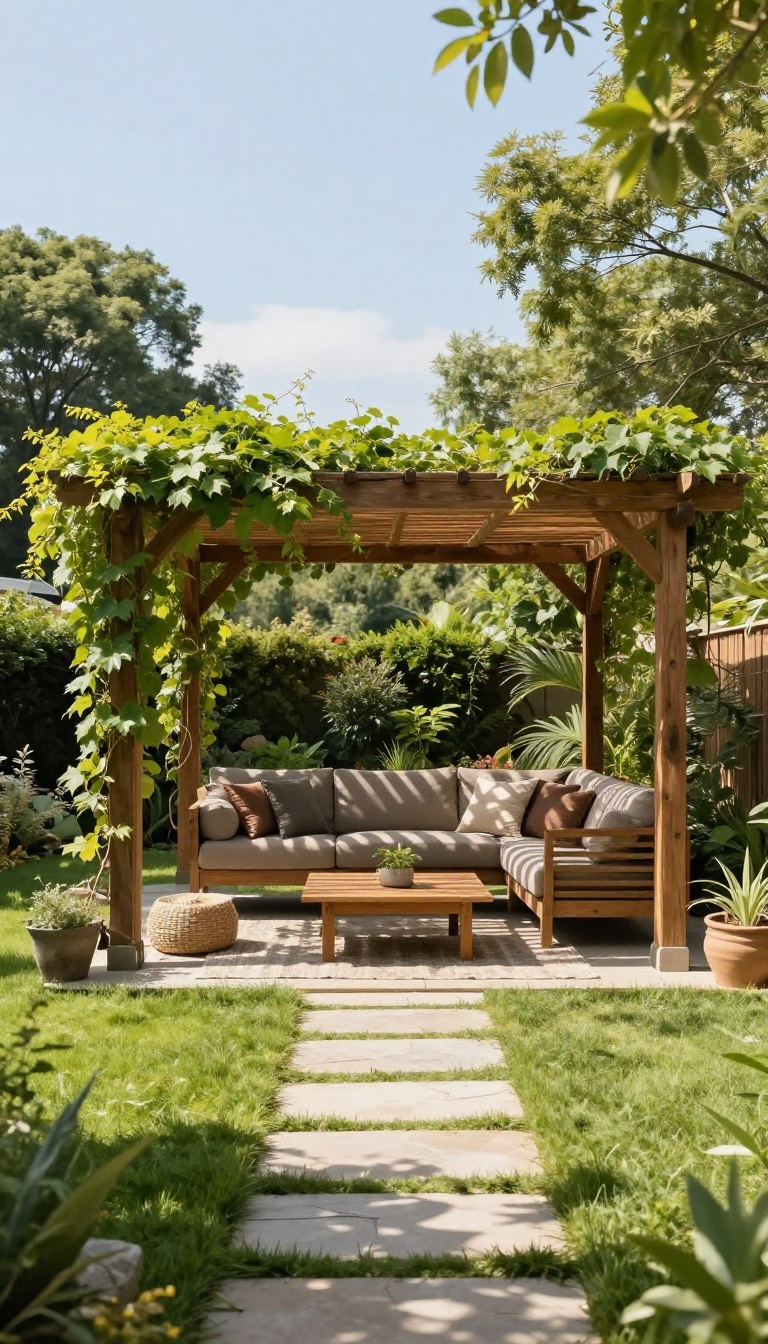
A freestanding pergola doesn't have to hug the house. Placed in the middle of your yard, it becomes a destination—a spot that draws people out and gives the landscape a clear center. Whether you use it for lounging or dining, it turns an open lawn into a purposeful outdoor room.
Positioning a pergola away from the house changes how you use your entire yard. It creates a natural gathering spot that feels separate from the everyday bustle, and it can anchor a seating area, a fire pit, or even a small outdoor kitchen. The key is to give it enough breathing room so it feels intentional, not randomly dropped.
Choose The Right Spot
Think about sun patterns and sight lines. Place the pergola where you'll get afternoon shade when you want to relax, and make sure it's visible from the house so it feels connected. Also consider foot traffic—leave a clear path from the patio or door so the space feels inviting.
Style And Materials
A freestanding structure can be a bold statement, so choose materials that complement your home. Wood gives a warm, natural feel, while metal or vinyl offers a cleaner, more modern look. You can also add climbing plants or outdoor curtains to soften the structure and increase shade.
Furnish And Define
Once the pergola is up, furnish it to match its purpose. For a lounge area, use deep-seated sofas and a low coffee table. For dining, a sturdy table and chairs work well.
Add an outdoor rug to define the space and make it feel like a room, even though it's open to the sky.
6. Pergola with Retractable Canopy
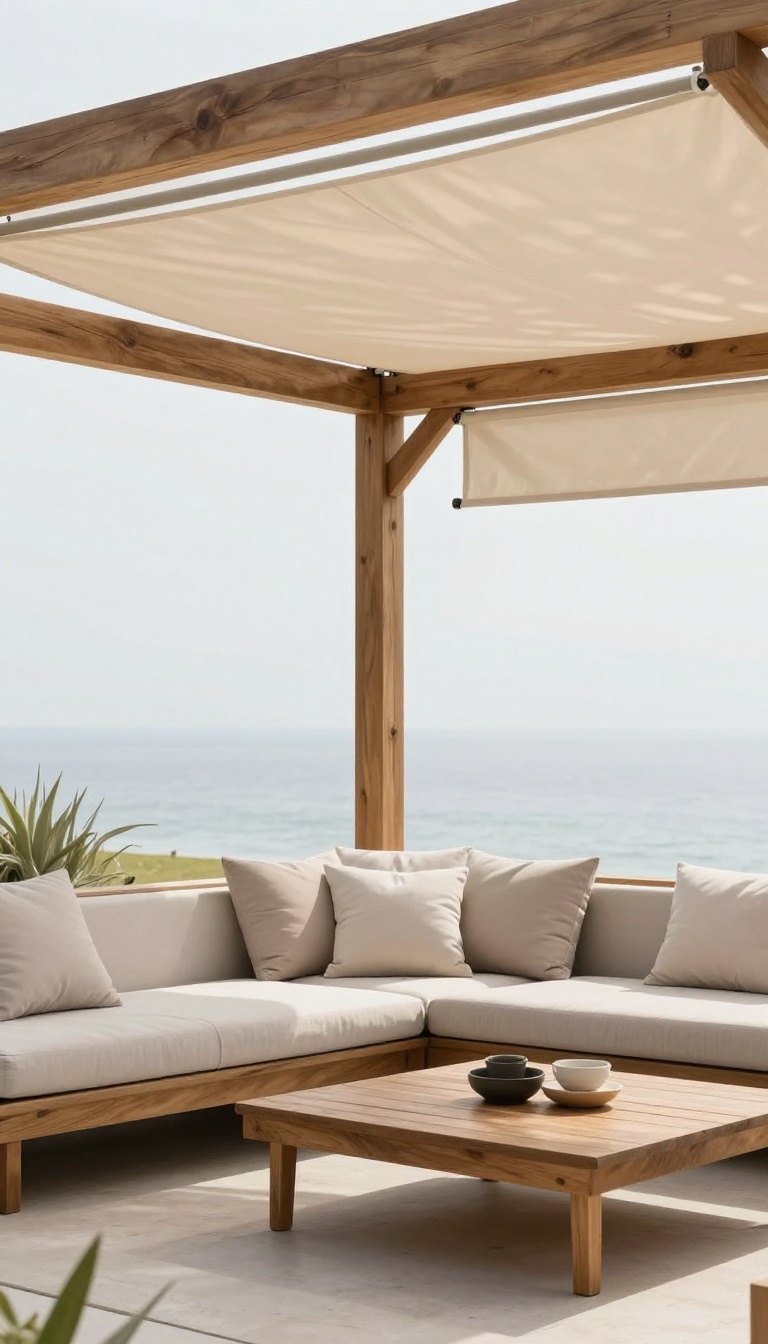
Sometimes you want full sun, and other times you need deep shade. A pergola with a retractable canopy gives you both, letting you adjust coverage in seconds. Whether you go with a manual crank or a motorized system, this setup adds real flexibility to your outdoor space.
A retractable canopy pergola is all about control. You can enjoy the open beams on a mild morning, then pull the canopy across when the afternoon sun gets intense. It’s a practical upgrade that keeps your patio comfortable without locking you into one fixed shade pattern.
Pick Your Canopy Style
Canopies come in a few main types. A fabric canopy is the most common, with options like acrylic or polyester that resist fading and mildew. Some pergolas use a louvered roof that tilts open or closed, giving you even more control.
For a softer look, a shade sail can be attached to the frame and adjusted as needed.
Manual Vs. Motorized Operation
Manual canopies use a simple crank or pull system—reliable and budget-friendly. Motorized versions let you adjust with a remote, wall switch, or even a smart home app. If your pergola is tall or hard to reach, motorized is worth the extra cost.
You can also add sensors that retract the canopy automatically in strong wind.
Installation And Maintenance Tips
Most retractable canopies are designed to fit standard pergola frames, but check the measurements before buying. You’ll want to mount the track securely to the beams, and make sure the fabric is taut to avoid sagging. Clean the canopy regularly with mild soap and water, and retract it during heavy rain or snow to extend its life.
7. Pergola with Climbing Plants and Vines
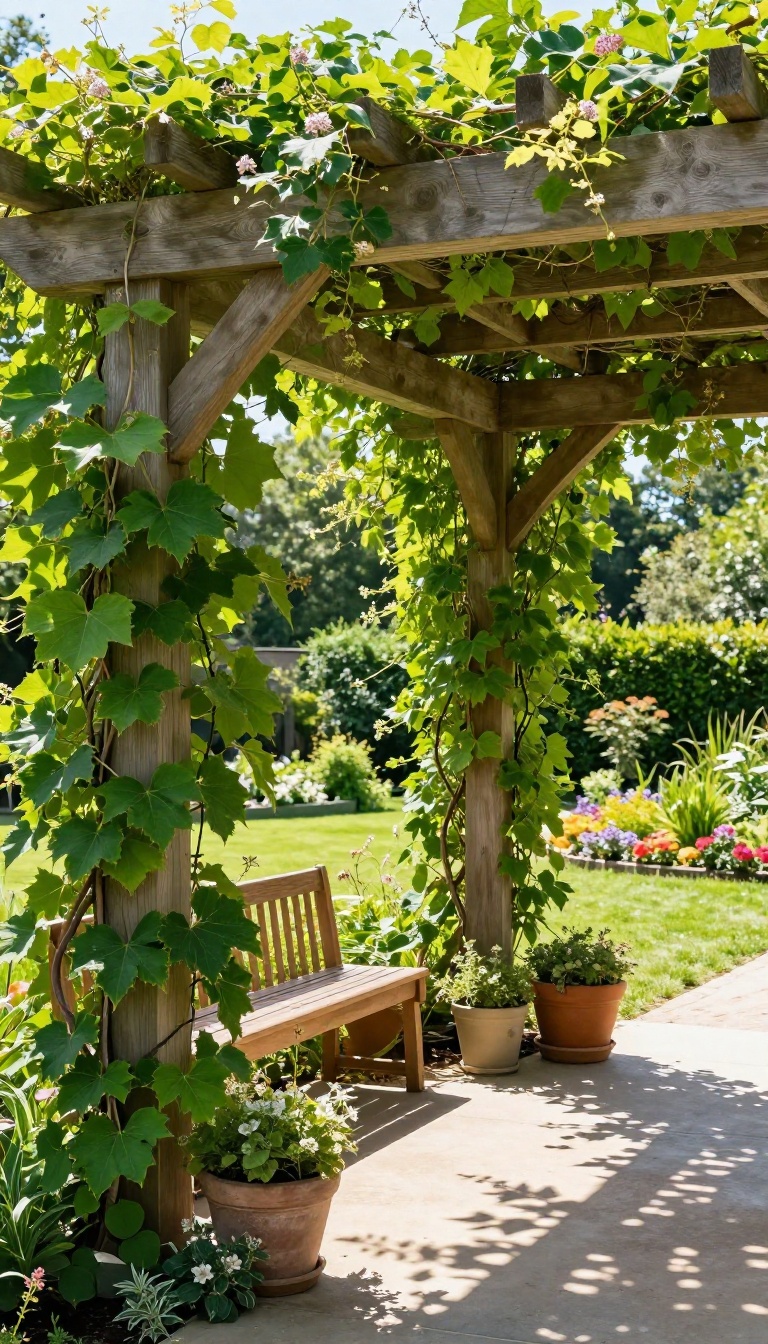
There's something magical about a pergola that's been overtaken by greenery. The wood or metal frame becomes a living canopy, and the whole structure feels like it's been there for decades. If you're willing to wait a season or two, climbing plants can transform your patio into a lush, private retreat.
This approach works best with a sturdy pergola that can handle the weight of mature vines. You'll also need to think about sun exposure and watering from day one. But the payoff?
A natural shade ceiling that changes with the seasons and smells incredible.
Climbing plants are one of the most rewarding ways to add shade and structure to your pergola. They soften the lines of the frame, create a dappled light effect, and attract pollinators like bees and butterflies. Plus, they give you a reason to spend time outside just to watch them grow.
The key is choosing the right vine for your climate and your pergola's strength. Some vines are aggressive and can damage weaker structures, while others are slower to establish but easier to manage. You'll also need to decide between evergreen and deciduous options, depending on whether you want year-round coverage or seasonal interest.
Patience And Payoff
Expect to wait at least one or two full growing seasons before your vines cover the top of the pergola. During that time, you'll need to be patient and keep training the growth. But once established, a vine-covered pergola becomes a living feature that only gets better with age.
The shade it provides is cooler than solid roofing because the leaves allow some airflow. And the dappled light creates a beautiful, ever-changing pattern on your patio floor. Plus, you'll have a unique, natural retreat that no prefab canopy can match.
8. Pergola with Outdoor Curtains
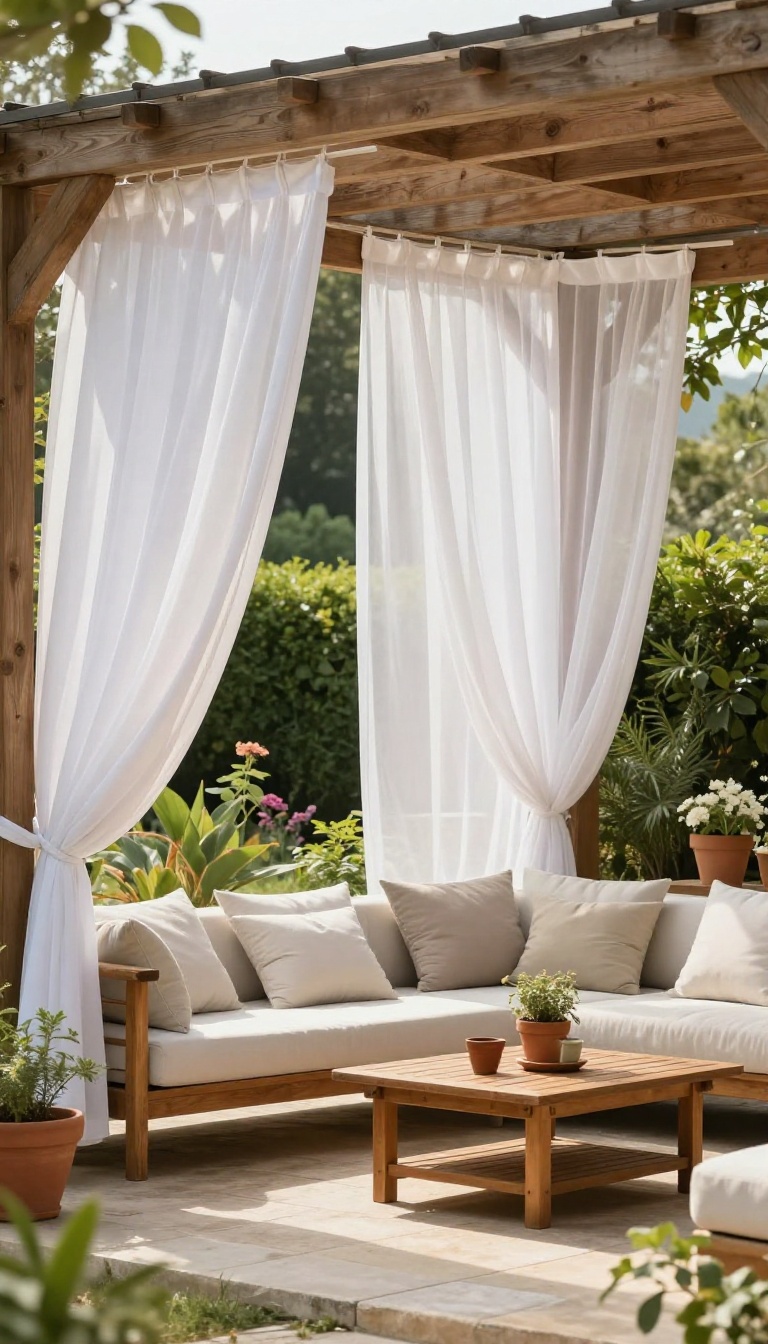
Curtains aren't just for windows. Hanging weather-resistant fabric from your pergola's beams adds a soft, flowing layer that instantly makes the space feel more intimate. It's a simple upgrade that can transform an open structure into a cozy, private nook.
Whether you want to block the afternoon sun, shield against a breeze, or just create a sense of enclosure, curtains give you flexibility. You can tie them back for an open feel or let them hang loose for full coverage. Plus, they come in so many colors and textures that they double as a design statement.
Curtains are one of the easiest ways to add both function and style to a pergola. They provide movable shade, increase privacy, and soften the overall look. The key is choosing the right fabric and hanging method for your climate and needs.
Think about how you'll use the space. If you're dining, you might want curtains that can be pulled back during the day and closed at night for a cozy glow. If you're lounging, you might prefer sheers that filter light without blocking the view entirely.
The versatility makes this idea a favorite among homeowners who want to change the mood of their patio without a major remodel.
Choosing The Right Fabric
Fabric choice matters more than you might think. For most outdoor settings, look for materials labeled as weather-resistant, UV-protected, or mildew-resistant. Sunbrella fabric is a popular option because it's durable and comes in many colors.
Lighter fabrics like polyester or acrylic sheers create a breezy, airy feel and are perfect for mild climates. Heavier fabrics like canvas or outdoor velvet offer better wind protection and block more light, but they can trap heat. Consider your local weather and how much maintenance you're willing to do.
If you live in a rainy area, choose quick-drying fabrics that won't sag when wet.
Hanging And Hardware
The right hardware makes all the difference. You can use curtain rods attached to the pergola beams, or install a track system that lets curtains glide smoothly. For a more permanent look, consider using eyelet grommets and a wire cable system.
Make sure the hardware is rust-resistant and rated for outdoor use. If your pergola is freestanding, you might need to add a supporting beam or tension wire. The goal is to have curtains that open and close easily without sagging or catching the wind.
Styling And Layering
Don't underestimate the aesthetic impact of curtains. They can make a pergola feel like an outdoor room. For a relaxed, bohemian vibe, choose sheer white or cream curtains that billow in the breeze.
For a more dramatic look, go with bold colors or patterned fabrics. You can also layer curtains: a sheer layer for daytime filtering and a heavier outer layer for evening privacy. Tiebacks add a decorative touch and let you control how much of the view you want to expose.
Mixing textures, like linen with a heavier cotton, adds depth and visual interest.
9. Pergola with Integrated Lighting
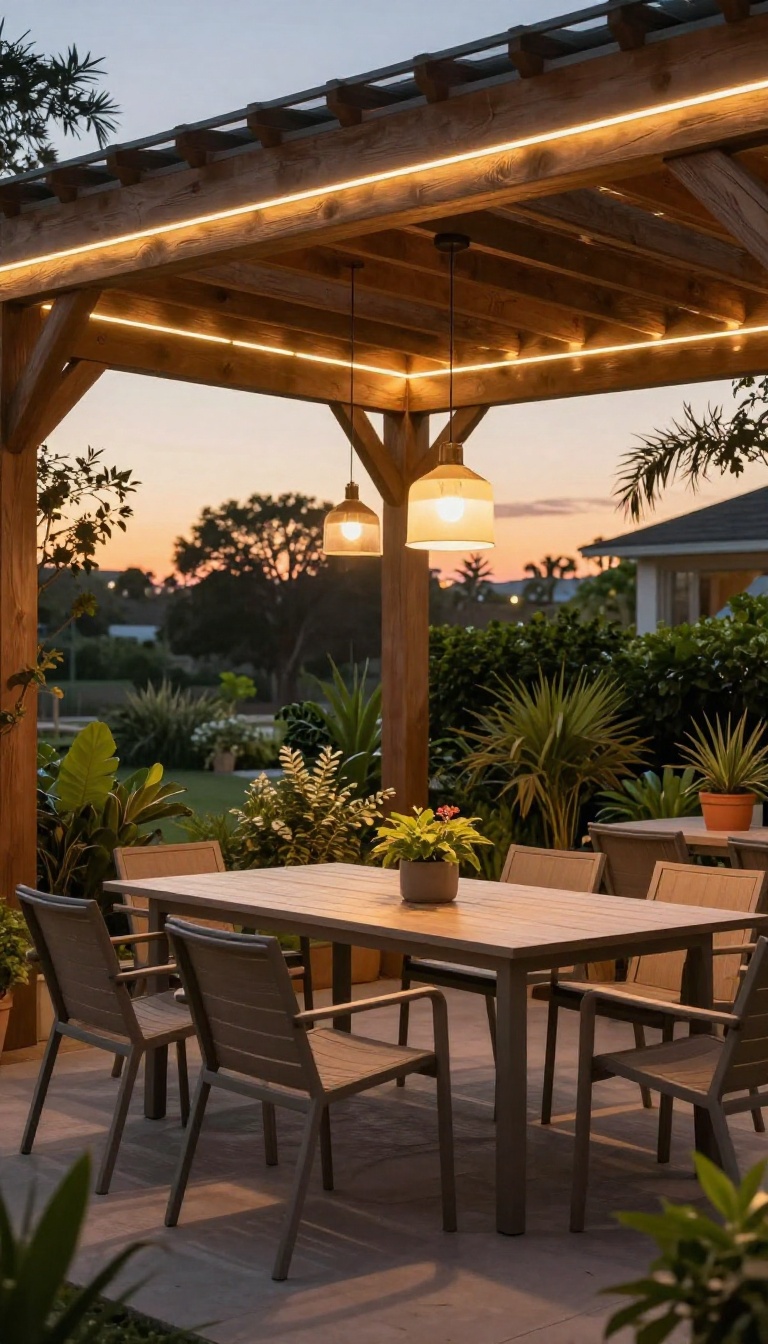
When the sun goes down, a pergola with integrated lighting becomes the heart of your patio. Instead of fumbling with extension cords or lanterns, you can have light built right into the beams, posts, or rafters. It’s a simple upgrade that makes your outdoor space usable long after dusk.
Integrated lighting isn’t just about visibility—it’s about setting the mood. Warm LED strips tucked under the beams create a soft glow, while pendant lights add a touch of elegance. String lights draped across the top give a festive feel, perfect for dinner parties or quiet evenings with a book.
Choose The Right Light Type
Think about how you’ll use the space. For dining, you want brighter, focused light from pendants or a chandelier. For lounging, dimmer, ambient options like LED strips or fairy lights work better.
Mixing a few types can give you flexibility—bright when you need it, cozy when you don’t.
Plan The Wiring Early
If you’re building a new pergola, plan the wiring before you add the roof. Running wires through hollow posts or along beams is much easier when everything is open. For an existing structure, surface-mounted conduits or low-voltage options can work without major renovations.
Add A Dimmer Or Smart Control
A dimmer switch or smart home integration lets you adjust the brightness to match the occasion. You can set the lights to turn on automatically at sunset or control them from your phone. It’s a small touch that makes a big difference in convenience.
10. Pergola with Ceiling Fan
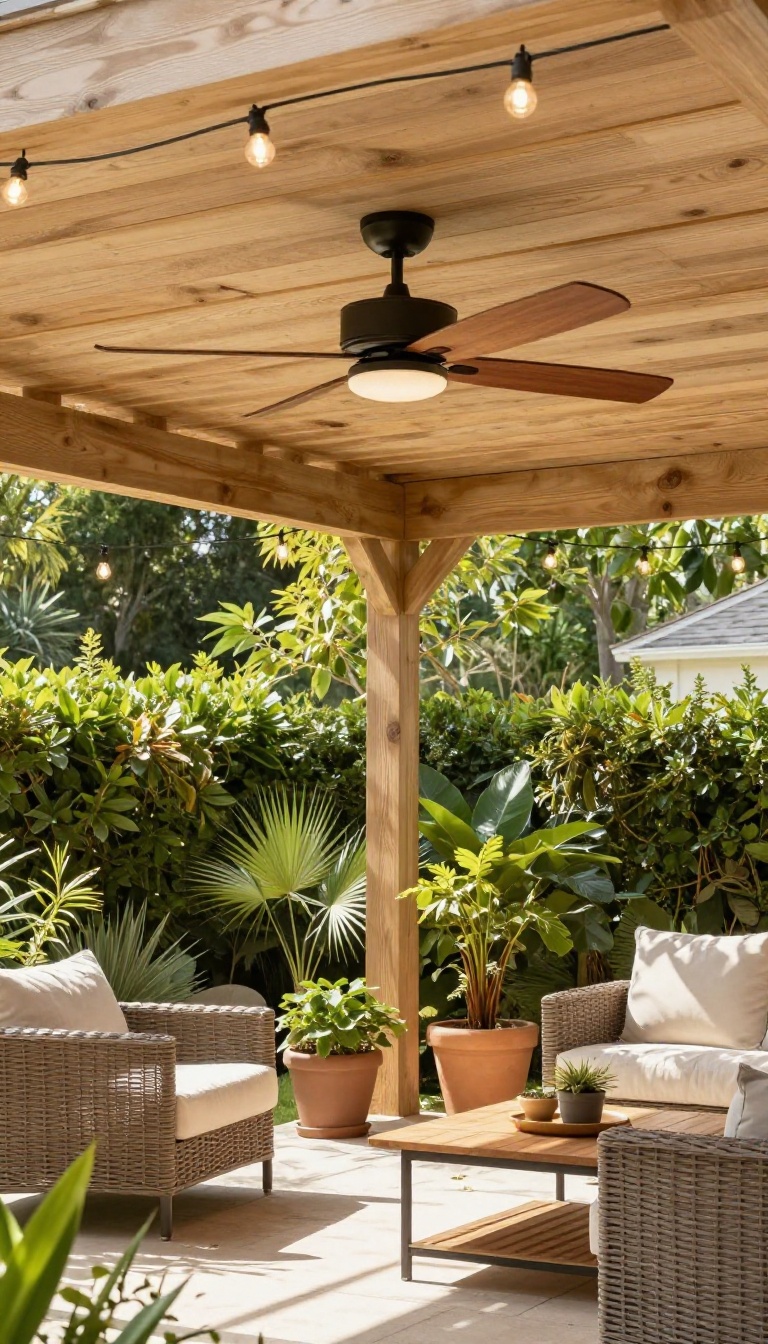
If you live in a humid area, a ceiling fan under your pergola can be a game-changer. It keeps the air moving, which makes the space feel cooler and helps keep bugs away. This simple addition turns your pergola into a comfortable spot even on sticky summer days.
Mounting a ceiling fan under a pergola is easier than you might think. You'll need to run power to the structure, which may require an electrician if you're not comfortable with wiring. Once it's up, the fan provides a gentle breeze that makes sitting outside much more pleasant.
Why Add A Ceiling Fan?
A ceiling fan does more than just cool you down. It circulates air, which helps reduce humidity and keeps mosquitoes from hovering. It also makes the area feel more like an outdoor room, perfect for dining or lounging.
Choosing The Right Fan
Look for a fan rated for outdoor use, with blades that can handle moisture. Choose a size that fits your pergola—larger spaces need bigger fans. Consider a fan with a light kit to add both function and ambiance.
Installation Tips
Make sure your pergola is sturdy enough to support the fan's weight. Use a mounting bracket designed for ceilings. If you're not handy with electrical work, hire a pro to run the wiring safely.
11. Pergola with Privacy Screens
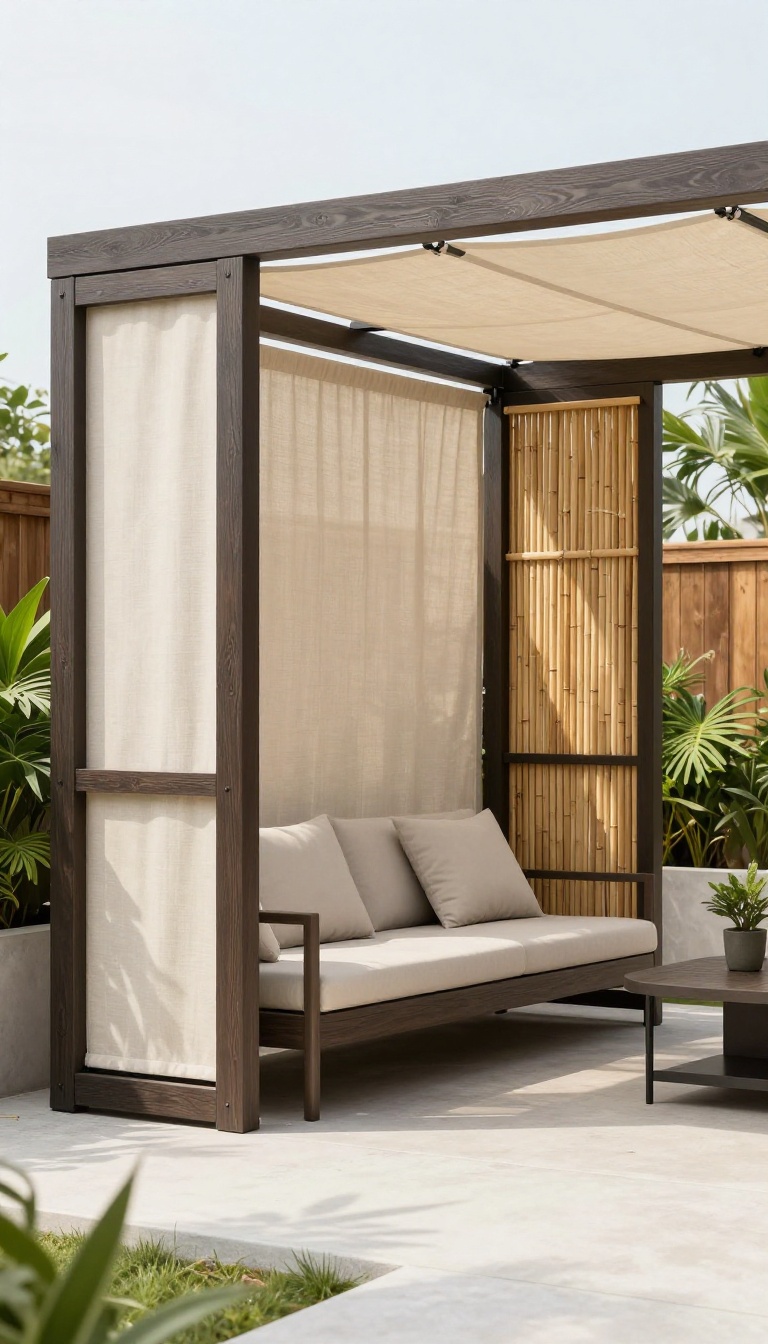
A pergola is meant to be open and airy, but that doesn't mean you want the whole neighborhood peeking in. Adding privacy screens on one or more sides gives you the best of both worlds: shade overhead and seclusion all around. Whether you're dealing with nosy neighbors or just want a quiet corner to yourself, screens can transform your pergola into a private sanctuary.
Privacy screens come in many forms, from natural bamboo to sleek fabric panels. The key is to choose a material that complements your pergola's style and meets your privacy needs. Lattice panels offer a classic look with partial coverage, while solid screens or dense bamboo create a more enclosed feel.
You can also go with retractable screens for flexibility—open them up when you want a view, close them when you need seclusion.
Choose Your Screen Material
Bamboo rolls are a fast, affordable option that brings a tropical vibe. Lattice panels are timeless and work well with climbing plants. For a modern look, consider fabric screens in outdoor-rated materials that resist fading and mildew.
Solid wood or composite panels give maximum privacy but can make the space feel darker, so think about how much light you want to block.
Installation Tips
Attach screens directly to the pergola posts using brackets or hooks. For a more permanent solution, build a frame that fits between the posts and attach the screening material to it. If you want flexibility, use curtain rods or wire cables to hang fabric panels that can be pulled aside.
Make sure any material you choose is weather-resistant and can handle wind without tearing.
Add Greenery For Extra Seclusion
Pair your screens with climbing vines or potted plants to soften the look and increase privacy. Fast-growing options like clematis or jasmine can weave through lattice screens, while tall grasses or shrubs in containers add a natural barrier at ground level. This combination gives you a lush, layered retreat that feels both private and inviting.
12. Pergola with Built-In Seating
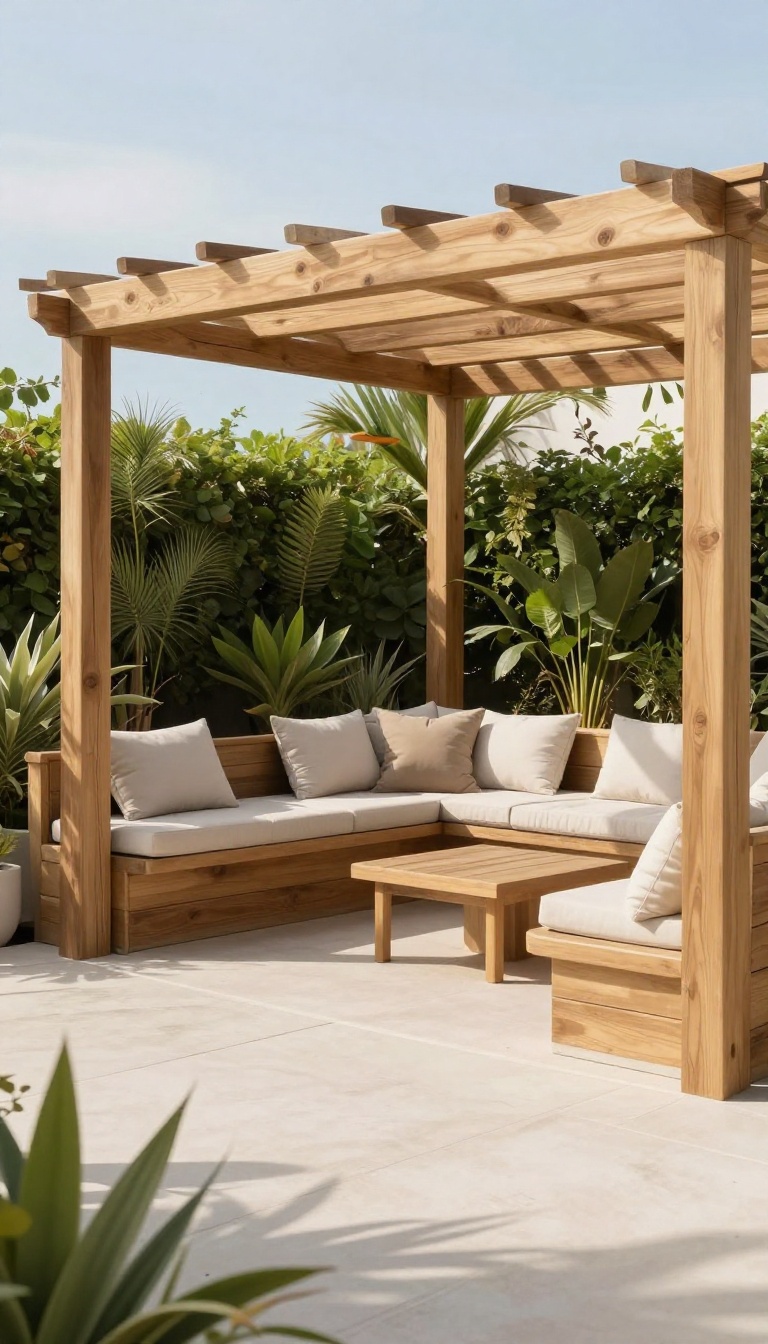
Instead of scattering chairs and benches around, what if your pergola came with seating built right in? This approach saves space, looks intentional, and turns the structure into a true outdoor room. Whether you have a small patio or a sprawling backyard, built-in seating along the perimeter can make the area feel more inviting and cohesive.
Built-in seating isn't just about saving space—it's about creating a seamless, custom look that matches your style. You can opt for simple benches, a wrap-around daybed, or even a corner lounge with cushions. The key is to integrate the seating with the pergola's posts and beams so it feels like part of the architecture, not an afterthought.
Designing For Comfort
Start by measuring the perimeter of your pergola to determine how much seating you can add. Aim for a depth of at least 18 to 20 inches for comfortable seating, and consider adding backrests or armrests for extra support. Use weather-resistant materials like cedar, teak, or composite decking that can handle the elements.
Add thick, outdoor cushions in a fabric that resists fading and mildew, and you'll have a spot that's as cozy as it is durable.
Making It Multipurpose
Built-in seating can do double duty. Add hidden storage under the benches for cushions, gardening tools, or outdoor games. Or, design the seating to double as a daybed for lazy afternoons.
If you love hosting, incorporate a low table or a built-in planter between sections to break up the space and add visual interest. The goal is to make every inch work for you.
Styling And Finishing Touches
Once the seating is in place, style it with throw pillows, blankets, and a few lanterns or string lights to create a warm ambiance. Use outdoor rugs to define the seating area and add texture. If you want a more natural look, leave the wood unfinished and let it weather to a silvery gray, or paint it to match your home's exterior.
Adding a few potted plants or a vertical garden nearby can soften the lines and tie the whole space together.
13. Pergola with Fire Pit or Outdoor Fireplace
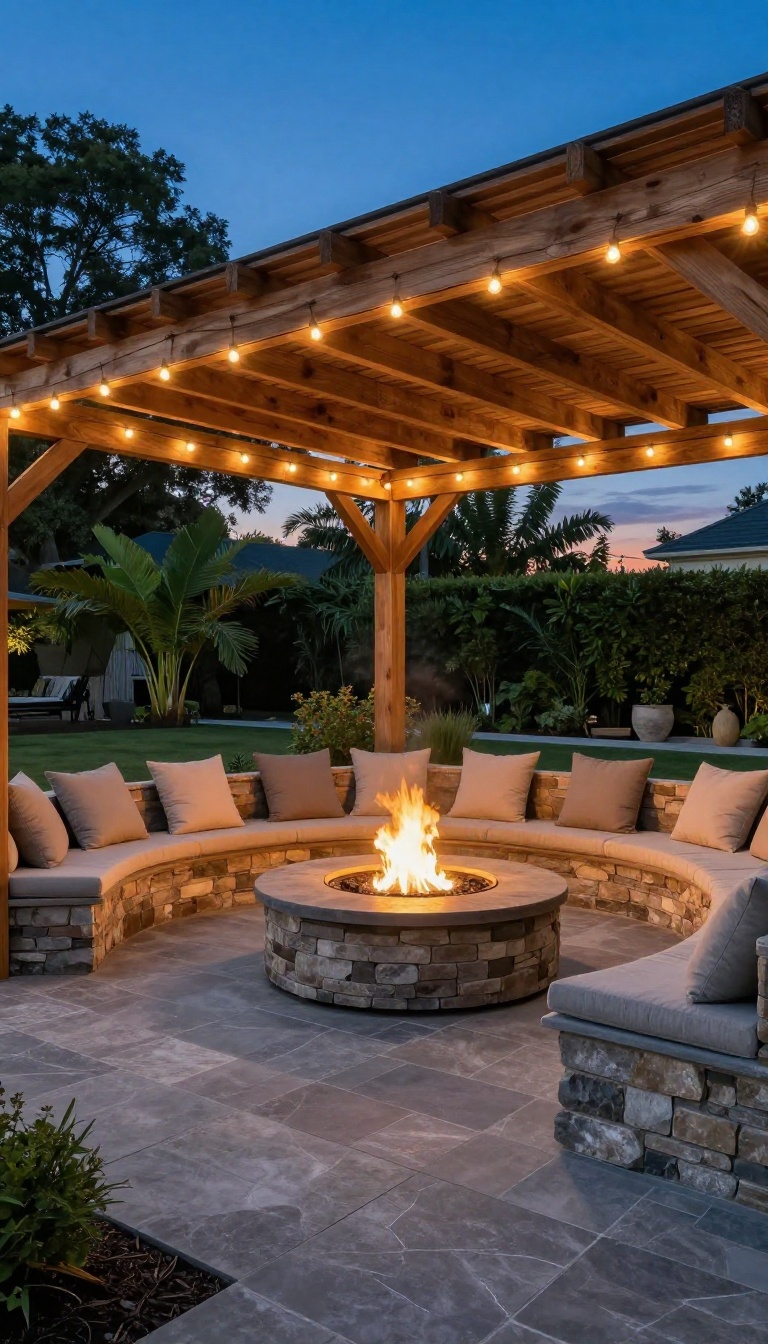
A pergola and a fire feature are a match made in outdoor heaven. The structure gives you a defined spot to gather, while the flames add warmth and a focal point that draws people in. Together, they make your patio usable long after the sun goes down and the temperatures drop.
Adding a fire pit or fireplace under your pergola creates a cozy, inviting atmosphere that encourages lingering. The pergola overhead provides a sense of enclosure without making the space feel closed in, and the fire becomes the natural center of attention. Whether you prefer the crackle of a wood-burning pit or the convenience of gas, this combo turns your patio into a year-round retreat.
Safety First: Placement And Materials
Before you start, check local building codes and maintain proper clearance from the pergola structure. Use fire-resistant materials for the surrounding area, like stone, brick, or concrete pavers. Keep the fire feature at least 10 feet from any overhanging branches or combustible materials, and always have a fire extinguisher nearby.
Built-in Vs. Portable Fire Features
A built-in fire pit or fireplace can be integrated into the pergola design, with a matching stone or brick base that anchors the space. Portable options, like a standalone fire pit or a tabletop fireplace, offer flexibility—you can move them around or take them with you if you relocate. Built-ins look more permanent and upscale, while portable ones are easier on the budget and simpler to install.
Designing Around The Fire
Arrange seating in a circle or U-shape around the fire to encourage conversation. Add weather-resistant cushions and throws for comfort. Consider a low-profile fire pit that doubles as a coffee table, or a tall fireplace that creates a dramatic backdrop.
You can also hang string lights or lanterns from the pergola to enhance the glow.
14. Pergola with Outdoor Kitchen or Bar
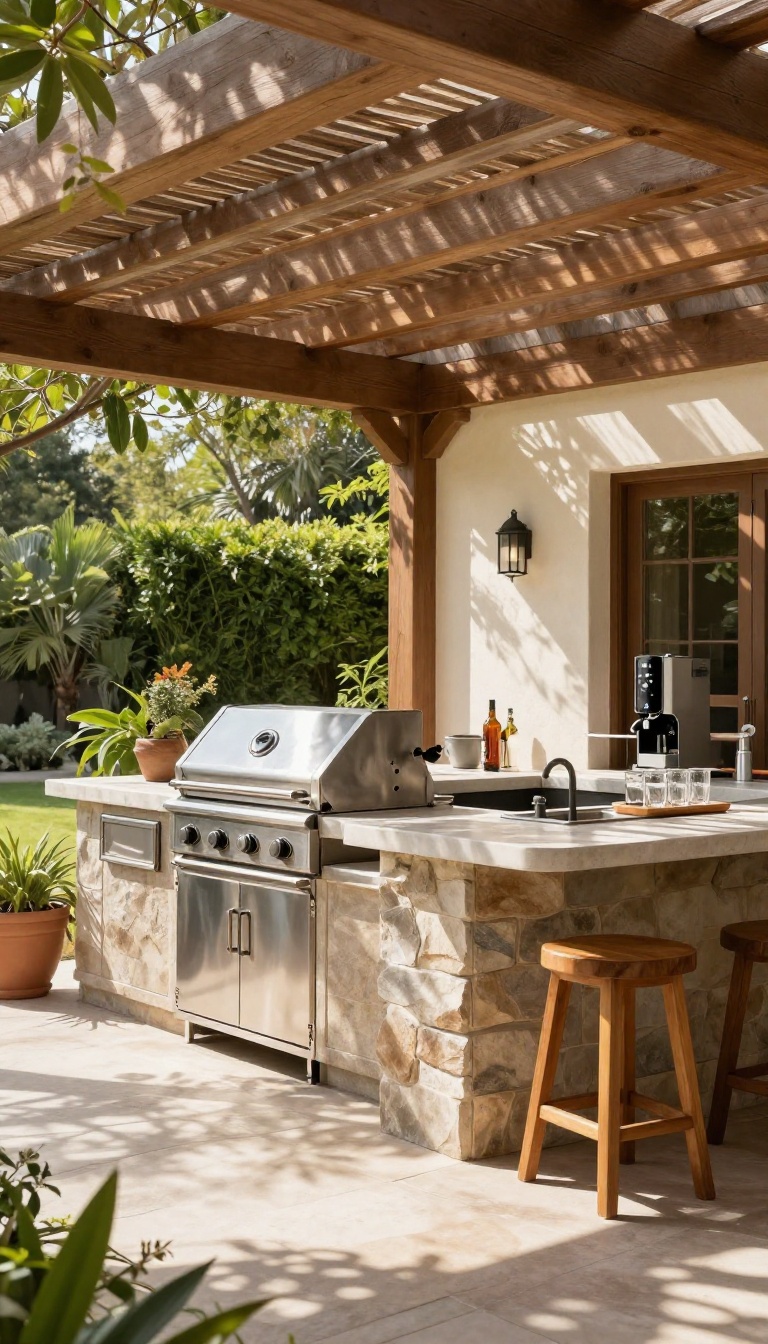
Cooking outside is more enjoyable when you're not squinting into the sun or hovering over a hot grill in the open. Adding an outdoor kitchen or bar under your pergola gives you a dedicated spot for meal prep and entertaining, all while staying cool in the shade. It's a practical upgrade that makes your patio the go-to gathering place.
An outdoor kitchen under a pergola is all about convenience and comfort. You can install a built-in grill, a countertop for prepping, and even a small fridge or sink. The pergola provides shade for you and your guests, so you can cook and socialize without overheating.
For a simpler setup, a bar cart or a counter with stools can create a casual drink station that's perfect for parties.
Plan The Layout For Workflow
Think about how you move when cooking. Place the grill on one side, a prep area in the middle, and a serving counter on the other. This keeps the flow natural and avoids crowding.
If you're adding a sink or fridge, make sure they're close to the grill for easy access. Leave enough counter space for plating and setting down drinks.
Choose Materials That Handle The Elements
Outdoor kitchens need materials that can withstand heat, moisture, and sun. Stainless steel is a top choice for grills and appliances because it resists rust and is easy to clean. For countertops, go with stone, concrete, or tile—they're durable and look great.
Use weather-resistant cabinetry, like marine-grade polymer or teak, to protect your storage from the elements.
Add Lighting And Fans For Comfort
Cooking after dark? Install task lighting above the grill and prep areas, plus ambient lights for the seating zone. A ceiling fan can keep the air moving and help with smoke and heat.
If you're building a bar, add under-counter lighting to highlight the countertop and make it easy for guests to see their drinks.
15. Pergola with Mixed Materials
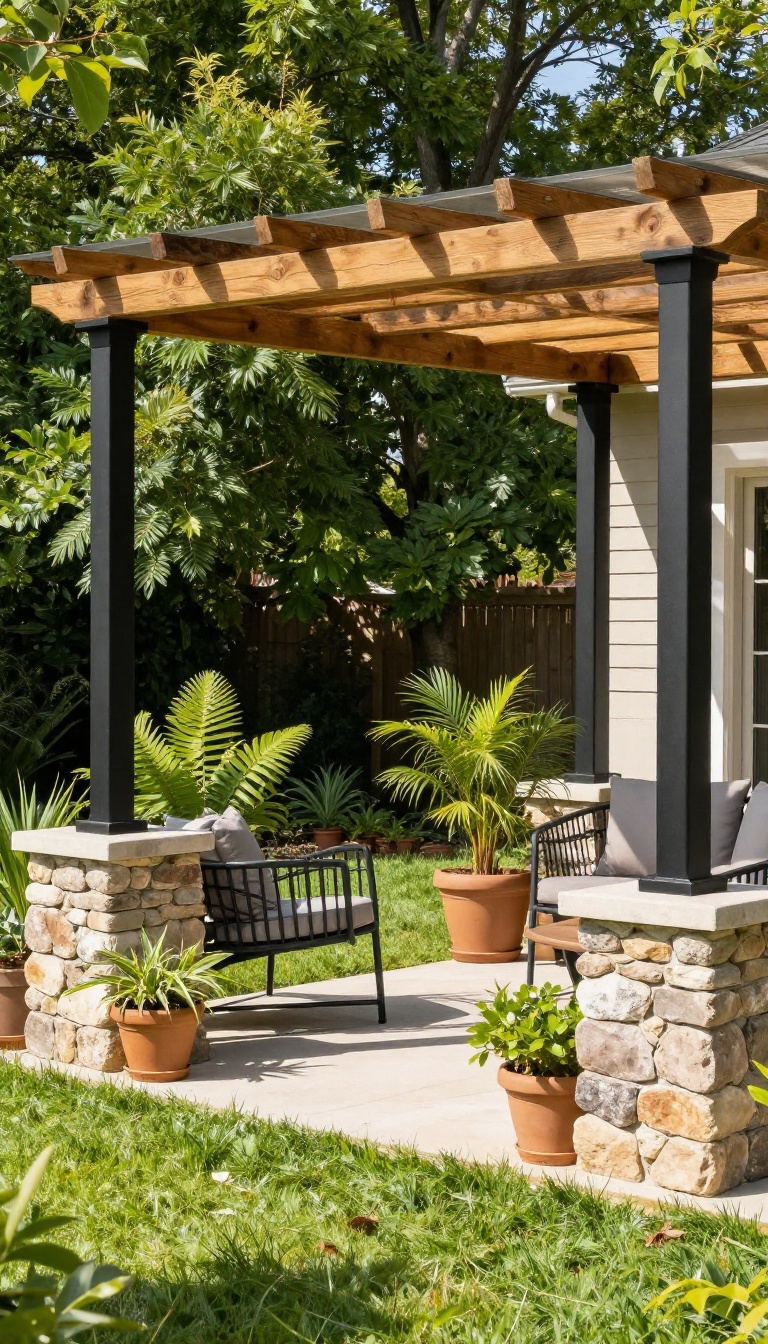
Who says a pergola has to stick to one material? Mixing things up—like pairing metal posts with wooden beams or anchoring the corners with stone pillars—gives your structure a custom, one-of-a-kind look. It’s a design move that adds texture and depth, making your patio feel more intentional and less cookie-cutter.
This approach works especially well if your home already blends different materials, like brick and siding or stucco and wood. By echoing those elements in your pergola, you tie the whole outdoor space together. Plus, you get the best of each material: metal for strength, wood for warmth, and stone for that grounded, elegant feel.
Why Mixing Materials Works
Mixing materials isn’t just about looks—it’s about function. Metal posts are incredibly durable and resist rot, insects, and warping, making them a smart choice for ground contact. Wooden beams, on the other hand, are easier to shape and give a softer, more natural appearance.
Stone pillars add a sense of permanence and luxury, instantly elevating the overall design. Combining these materials also lets you play with proportions and visual weight. For example, thick stone columns at the corners can make a large pergola feel grounded, while slim metal posts keep a smaller structure feeling airy.
The contrast between textures—smooth metal, grainy wood, rough stone—creates visual interest that’s hard to achieve with a single material.
Design Ideas To Steal
One popular combo is using black or bronze metal posts with natural cedar or redwood beams. The dark metal adds a modern edge, while the wood brings warmth and a classic vibe. Another option is to wrap the base of wooden posts with stone veneer, giving the illusion of solid stone pillars without the weight or cost.
If you’re feeling bold, mix three materials: stone base, metal mid-section, and wooden top—this creates a layered, architectural look that feels custom and high-end. Don’t forget about the roof. You could use wooden rafters with metal purlins, or vice versa, to add even more mix-and-match appeal.
The key is to keep the overall palette cohesive—stick to a limited color range so the different materials feel intentional, not chaotic.
Practical Tips For A Smooth Build
Before you start, make sure the materials are compatible. For example, if you’re attaching wood to metal, use galvanized or stainless steel fasteners to prevent corrosion. For stone, you’ll need a solid concrete footing to support the extra weight.
Also, consider maintenance: wood needs regular sealing or staining, metal may need a rust-resistant coating, and stone might require occasional cleaning to prevent moss or staining. Hiring a professional for the structural parts is wise, especially if you’re mixing heavy materials like stone. But if you’re handy, you can tackle simpler combos like metal posts with wood beams on your own.
Just be sure to check local building codes and obtain any necessary permits.
FAQ
What is the best material for a patio pergola?
The best material depends on your climate and style. Wood (cedar, redwood) is classic and affordable but requires maintenance. Aluminum and steel are durable, low-maintenance, and modern.
Vinyl is also low-maintenance but may not be as strong.
How much does it cost to build a pergola?
Costs vary widely based on size, material, and labor. A DIY wood pergola can cost $1, 000-$3, 000, while a professionally installed aluminum or custom design can range from $5, 000 to $15, 000 or more.
Do I need a permit to build a pergola?
In many areas, permits are required for structures over a certain size or attached to your home. Check with your local building department to be safe.
How do I attach a pergola to my house?
Attach a ledger board to the exterior wall, ensuring it's properly flashed and secured to the structure. Use lag bolts and consult a professional if unsure about load-bearing walls.
Can I add a pergola to an existing patio?
Yes, you can install a pergola on an existing concrete, paver, or wood deck patio. Ensure the foundation is solid and use appropriate anchors or footings.
Conclusion
A pergola does more than just block the sun—it gives your patio a sense of structure and purpose. Whether you go with a classic wood design, a modern louvered roof, or a simple fabric canopy, the right choice can turn a bare backyard into a favorite hangout spot.
Start with one idea that fits your space and budget, then let it evolve as you spend more time outside. Pick what feels right for your climate and lifestyle, and you'll create a shaded retreat that works for years to come.