13 How to Clean Couch Cushions for a Softer Fresh Feel
Couch cushions take a beating—spills, crumbs, pet hair, and everyday wear can leave them looking tired and feeling rough. But you don't need to replace them to bring back that plush, inviting feel.
With a few simple cleaning techniques, you can refresh your cushions and extend the life of your sofa. Whether you're dealing with stubborn stains or just want to eliminate odors, these 13 methods cover everything from quick maintenance to deep cleaning.
Each approach is practical, easy to follow, and uses common household items or affordable products. Pick the ones that fit your situation, and your couch will feel like new again in no time.
1. Vacuum Thoroughly to Remove Surface Dirt
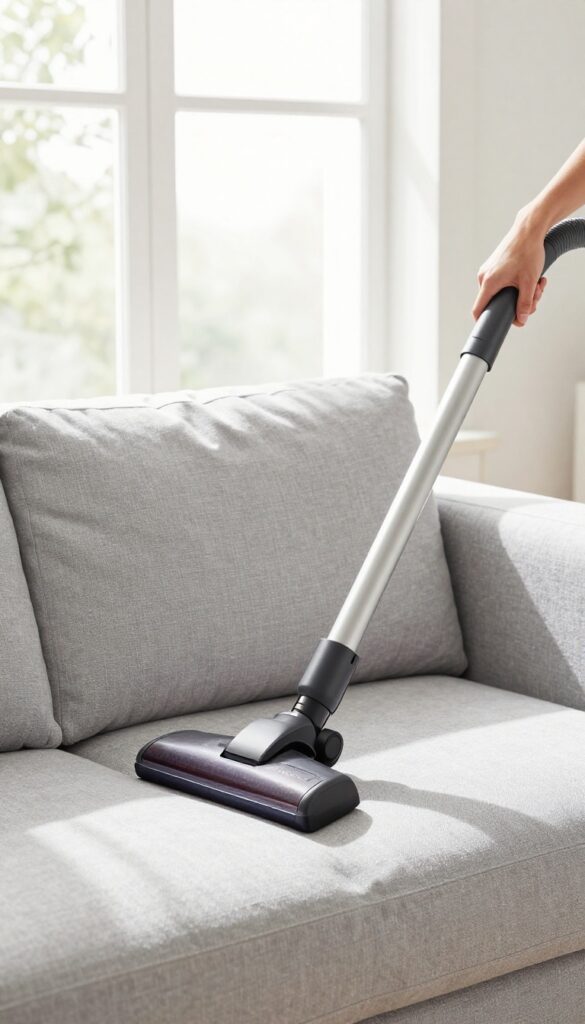
Before you even think about sprays or scrubbing, grab your vacuum. Loose dirt and dust sit on the surface of your cushions, and if you skip this step, you're just pushing that grit deeper into the fabric. A quick vacuuming session makes every later step more effective and keeps your couch looking fresher for longer.
Vacuuming is the foundation of any cushion cleaning routine. It lifts away the everyday debris that makes fabric feel rough and dull. Plus, it's a zero-cost, low-effort way to see immediate improvement.
You'll be surprised how much dust and pet hair hides in plain sight.
Use The Right Attachment
Your vacuum's upholstery tool is your best friend here. It's designed to be gentle on fabric while still pulling up embedded dirt. If you don't have one, a soft brush attachment works too.
Avoid the bare floor setting—it's too harsh and can damage the weave.
Don't Forget The Crevices
Cushions have seams, corners, and zipper lines where crumbs and dust love to hide. Use the crevice tool to get into those tight spots. Run it along the edges where the cushion meets the frame, and flip the cushion to vacuum the underside as well.
This catches everything that's been ground in from sitting.
Vacuum Both Sides
Most people only vacuum the top of the cushion, but the bottom collects just as much debris. Turn each cushion over and vacuum the underside thoroughly. This also gives you a chance to inspect for any hidden stains or wear that might need extra attention later.
2. Check the Care Labels for Cleaning Codes
Before you grab any cleaner, flip the cushion over and look for the care tag. That little label holds the secret to safe cleaning. It tells you exactly what method your fabric can handle, so you don't accidentally ruin it.
Ignoring it is like playing roulette with your couch.
Care labels use a simple letter code: W means water-based cleaners are safe, S means use solvent-based products only, WS means either works, and X means vacuum or brush only. Knowing your code prevents disaster—like turning a delicate fabric into a crusty mess. It's a five-second check that saves you from costly mistakes.
Decoding The Letters
W stands for water, so mild detergents and water are fine. S means solvent, so you'll need dry-cleaning products or alcohol-based sprays. WS is the best of both worlds—you can pick whichever suits the stain.
X is the tricky one: no liquids at all, just vacuuming or gentle brushing.
What If The Tag Is Missing?
If the tag is gone or faded, you can test a hidden spot. Dab a small amount of water on an inconspicuous area and see if it soaks in or beads up. If it soaks in, water-based cleaning is probably safe.
If it beads, stick to dry methods. When in doubt, dry cleaning is the safest bet.
Why The Code Matters
Using the wrong method can shrink, fade, or discolor your cushions. For example, water on a solvent-only fabric can leave rings or cause the padding to clump. The label is there to protect your investment, so treat it as your couch's instruction manual.
3. Spot Clean Stains with a Gentle Solution
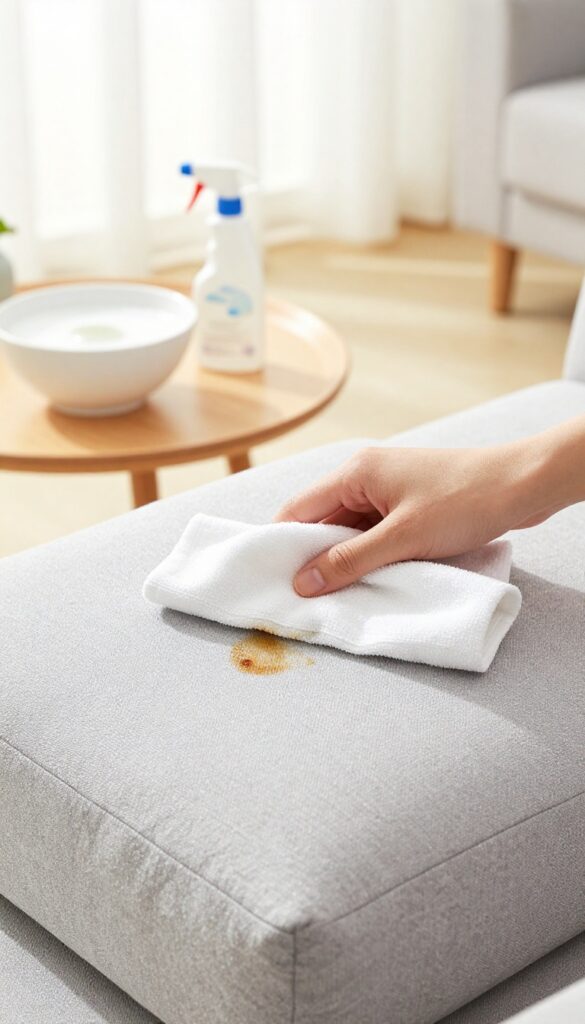
Fresh spills and stains are easier to tackle when you act quickly. The right approach can lift the mess without spreading it or damaging the fabric. A simple homemade solution often works as well as store-bought cleaners, and it’s gentle on most cushion materials.
When a spill happens, the first thing to remember is to blot, not rub. Rubbing pushes the stain deeper into the fibers and can make it worse. Instead, gently dab the area with a clean cloth or paper towel to soak up as much liquid as possible.
Then, mix a few drops of mild dish soap with warm water to create a gentle cleaning solution. Dip a soft cloth into the mixture, wring it out well, and test it on a hidden spot—like the underside of the cushion—to make sure it won’t discolor the fabric. Once you’re sure it’s safe, dab the stain lightly, working from the outside in to prevent spreading.
Keep blotting until the stain lifts, then use a separate damp cloth to rinse away any soapy residue. Finally, let the cushion air dry completely before putting it back on the couch.
Gather Your Supplies
You don’t need much for this method. Grab a bowl of warm water, a few drops of mild dish soap (like Dawn or a gentle hand soap), and a couple of clean, white cloths or paper towels. Avoid colored cloths, as the dye can transfer to your cushion.
Having a spray bottle is handy for mixing the solution, but a bowl works just fine.
Blot, Don’t Rub
The golden rule of stain removal is to blot. Press the cloth onto the stain and lift it away, repeating as needed. Rubbing might feel effective, but it grinds the stain into the fabric and can damage the fibers.
Be patient—some stains take a few rounds of blotting to fully disappear.
Test First, Always
Before you apply any solution to the visible part of the cushion, test it on a hidden area. This is especially important for delicate fabrics like linen or velvet. Wait a few minutes to see if any color fades or the texture changes.
If it looks good, proceed with confidence.
Rinse And Dry Properly
After the stain is gone, you need to remove the soap residue. Dip a clean cloth in plain water, wring it out, and blot the area again. Then, use a dry towel to absorb excess moisture.
Let the cushion air dry completely, away from direct sunlight or heat, to prevent shrinkage or fading.
4. Use Baking Soda to Absorb Odors
If your couch has started to smell a little musty or just a bit off, baking soda is your best friend. It’s cheap, natural, and incredibly effective at pulling odors right out of the fabric. This simple method works wonders for everyday smells like sweat, pet dander, or lingering food aromas.
Start by removing any loose debris or crumbs from the cushions. Then, sprinkle a generous, even layer of baking soda over the entire surface. Let it sit for at least 15 to 30 minutes—longer if the odor is strong.
The longer it sits, the more time it has to absorb. Finally, vacuum it all up using the upholstery attachment, and you’ll notice a fresher, cleaner scent.
Why Baking Soda Works
Baking soda is a natural deodorizer that neutralizes acidic and basic odor molecules. It doesn’t just mask smells—it actually eliminates them. That’s why it’s a go-to for fridges, carpets, and yes, couch cushions.
It’s also gentle on fabrics, so you don’t have to worry about fading or damage.
How To Apply It Right
For best results, use a fine-mesh sieve or a shaker to distribute the baking soda evenly. Avoid dumping it in clumps, as those can leave white residue. If your cushions have removable covers, you can also toss them in the wash after this treatment for an extra layer of freshness.
Boosting The Effect
Want to kick it up a notch? Mix a few drops of your favorite essential oil (like lavender or lemon) into the baking soda before sprinkling. Stir it well so there are no oily spots, then apply as usual.
This adds a subtle, natural fragrance that lasts longer than a spray.
5. Steam Clean for a Deep Refresh
Sometimes a surface clean just isn't enough. When cushions have absorbed years of sweat, spills, and dust, steam cleaning can lift out what regular methods can't. The high heat not only loosens grime but also kills bacteria and dust mites, leaving your couch feeling genuinely fresh.
You don't need a heavy-duty machine to get results. A handheld steamer works well for spot treatments, while a rental upholstery cleaner can handle the whole sofa. Either way, steam is a chemical-free way to deep clean without worrying about harsh residues.
Steam cleaning works by using heat and moisture to break down dirt that's settled deep into the fabric. The steam penetrates the fibers, loosening grime so it can be extracted with a vacuum or towel. This method is especially effective for cushions that have absorbed odors or are starting to look dull.
Before you start, make sure your cushions are safe to steam. Check the care tag for any warnings about heat or moisture. If the fabric is delicate, like silk or wool, skip this method or test on a small hidden area first.
For most cotton, polyester, and microfiber cushions, steam is a safe and powerful option.
Prep For Steam Success
Start by removing cushion covers if they're removable and washable separately. If not, vacuum the cushions thoroughly to get rid of loose dirt and pet hair. This prevents the steam from pushing debris deeper into the fabric.
Also, check that the cushions are completely dry before you begin—steam works best on fabric that isn't already soaked.
Steam With The Right Technique
Using a handheld steamer, hold the nozzle a few inches away from the fabric and move it slowly across the surface. Keep the steam moving to avoid saturating one spot. For tougher stains, you can hold the steamer in place for a few seconds, but don't overdo it.
After steaming, use a clean, dry microfiber cloth to blot up the moisture and loosened dirt. Repeat until the cloth comes away clean.
Dry And Fluff For A Soft Finish
After steaming, let the cushions air dry completely. This can take a few hours, so plan ahead. While they're still slightly damp, use your hands or a soft brush to fluff the fibers and restore the cushion's shape.
Once dry, give them a quick vacuum to remove any remaining residue. Your cushions will feel softer and look brighter, with a fresh, clean scent.
6. Try a DIY Upholstery Shampoo
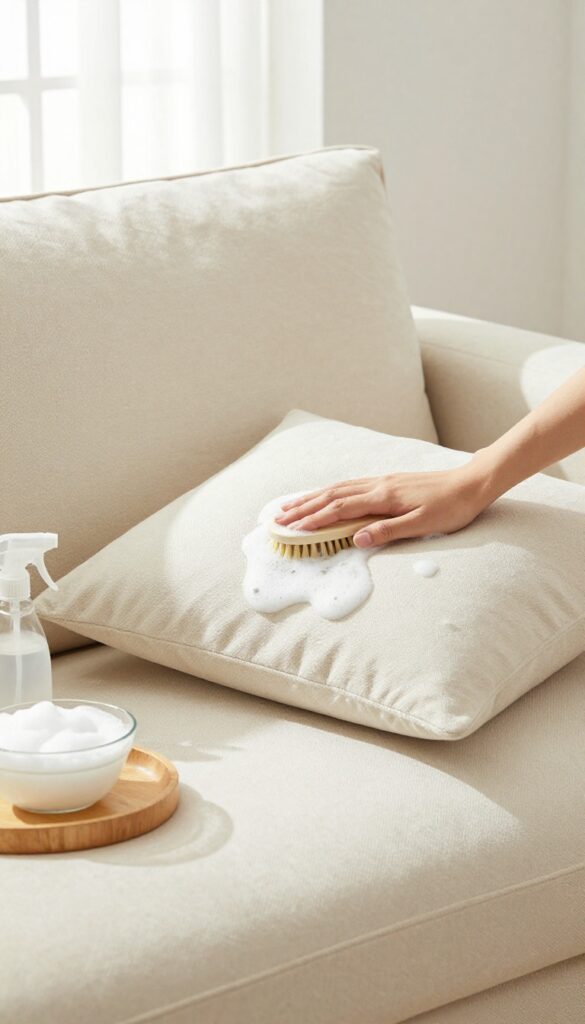
Store-bought upholstery cleaners can be pricey and full of chemicals you might not want near your family. A simple homemade foam shampoo is a gentle, budget-friendly alternative that still lifts dirt and grime effectively. You only need a few basics—mild dish soap or castile soap, warm water, and a soft brush.
The key is to use the foam, not the liquid, so your cushions don't get soaked.
This method works best on fabric cushions that are moderately soiled but not heavily stained. It’s a great middle ground between a quick surface clean and a deep steam cleaning. The foam gently lifts embedded dirt without saturating the cushion, so it dries faster and avoids musty smells.
Always test the solution on a hidden area first to ensure it doesn’t discolor or damage the fabric. If you’re unsure about your cushion’s material, check the care tag—this method is safe for most synthetic and cotton blends.
Mix The Foam
In a bowl, combine about a teaspoon of mild liquid dish soap or castile soap with a cup of warm water. Use a hand mixer or whisk to whip it into a stiff foam. You want the foam to hold its shape, not turn into soapy water.
Apply And Scrub
Using a sponge or a soft-bristled brush, scoop up only the foam and apply it to the cushion surface. Work in small circular motions, letting the foam lift the dirt. Avoid pressing too hard—you don’t want to push grime deeper into the fibers.
Rinse And Dry
Dampen a clean cloth with plain water and wipe away the foam, rinsing the cloth frequently. This step removes any soapy residue that could attract more dirt. Let the cushions air dry completely before putting them back on the couch.
Fluff them occasionally while drying to keep the filling from clumping.
7. Deodorize with a Vinegar and Water Spray
If your couch cushions have picked up lingering odors from pets, food, or everyday life, a simple vinegar and water spray can work wonders. Vinegar is a natural deodorizer that neutralizes smells without leaving behind harsh chemical residues. Plus, it’s gentle on most fabrics, making it a safe choice for regular refreshment.
This method is perfect for a quick freshen-up between deep cleans. The vinegar smell might be strong at first, but it fades quickly as it dries, taking the bad odors with it. It’s also budget-friendly and uses ingredients you likely already have in your kitchen.
What You’ll Need
Gather a clean spray bottle, white vinegar, and water. You don’t need anything fancy—just a simple mixture of equal parts vinegar and water. If you want a light scent, you can add a few drops of your favorite essential oil, but that’s optional.
How To Apply
Fill the spray bottle with the vinegar-water solution. Lightly mist the cushions, making sure they’re damp but not soaking wet. Avoid saturating the fabric, as too much moisture can lead to mold or mildew.
Let the cushions air dry completely, preferably in a well-ventilated area or near an open window.
When To Use This Method
Use this spray whenever your couch starts to smell less than fresh—maybe after a movie night with popcorn or a nap with your furry friend. It’s also great as a preventative measure every few weeks to keep odors from building up. Just remember to test it on a small, hidden area first to ensure it doesn’t affect the fabric color.
8. Use a Fabric Refresher Spray
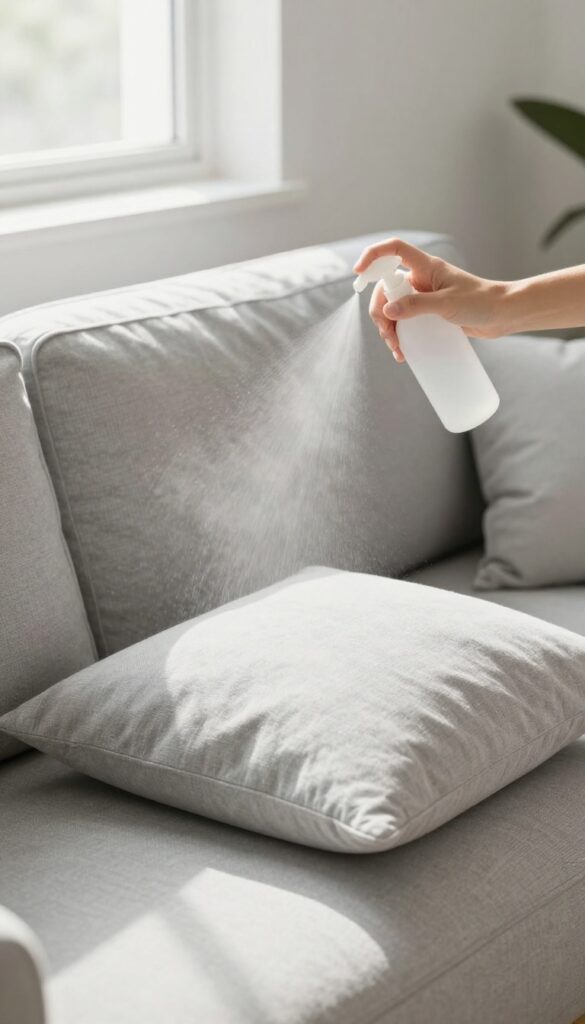
Sometimes all your couch needs is a quick scent boost, not a full deep clean. Fabric refresher sprays are perfect for those moments when you want a fast pick-me-up between washes. They're easy to use, smell great, and can help your cushions feel fresher in minutes.
Fabric refresher sprays are a convenient solution for everyday odors and light freshness. Unlike deep cleaning, they don't require any scrubbing or drying time—just spray and go. Look for a spray that's specifically designed for upholstery to avoid any residue or damage.
Many brands offer a range of fragrances, from fresh linen to citrus, so you can pick one that suits your home. For best results, spray lightly and evenly, holding the bottle about 6-8 inches away from the fabric. Let it air dry completely before sitting on the couch, which usually takes just a few minutes.
This method is especially handy for high-traffic areas or homes with pets, as it neutralizes odors without masking them.
Why It Works
These sprays often contain odor-neutralizing ingredients that break down smelly compounds rather than just covering them up. They also add a light layer of moisture that can help relax fabric fibers, making cushions feel a bit softer to the touch. Plus, the fresh scent can instantly lift the mood of a room.
How To Apply
Start by vacuuming the cushions to remove loose dirt and debris. Then, shake the spray bottle well and test it on a small, hidden area to ensure it doesn't discolor the fabric. Spray in a sweeping motion, keeping the nozzle about 6-8 inches from the surface.
Avoid saturating the fabric—a light mist is enough. Let the cushions dry completely before using the couch.
When To Use It
Use a fabric refresher spray weekly as a maintenance step, or whenever you notice a lingering odor. It's also great after hosting guests or when you've just brought home a new piece of furniture. For best results, pair it with regular vacuuming and spot cleaning.
9. Brush the Fabric to Restore Fluffiness
Once your cushions are clean and dry, there's one more step that makes a surprising difference: brushing the fabric. It’s like giving your couch a mini spa treatment that fluffs up the fibers and brings back that soft, inviting texture. Brushing isn't just about looks—it also helps distribute the filling evenly and removes any lingering dust or debris that washing might have missed.
Plus, it’s a quick and satisfying way to finish off your cleaning routine.
Brushing your couch cushions after cleaning is a simple yet effective way to revive their softness. The friction lifts flattened fibers, making the fabric feel plush and look refreshed. It also helps to smooth out any wrinkles or clumps that may have formed during washing or drying.
To get the best results, use a brush with soft bristles—a dedicated upholstery brush works great, but a clean, soft-bristled clothes brush or even a dry, clean toothbrush for small areas can do the trick. Always brush in one direction, following the natural grain of the fabric, to avoid damaging the fibers. This technique is especially useful for cushions with pile fabrics like velvet, chenille, or microfiber, which tend to flatten over time.
Regular brushing, even between deep cleans, can keep your couch looking and feeling its best.
Choose The Right Brush
Not all brushes are created equal when it comes to upholstery. A soft-bristled brush is essential—stiff bristles can scratch or fray delicate fabrics. Look for brushes labeled for upholstery or suede, or repurpose a clean, soft-bristled clothes brush.
For tight corners or tufted areas, a small, soft toothbrush can help you reach those tricky spots without causing damage.
Brush In One Direction
Always brush in a single, consistent direction, following the natural nap or weave of the fabric. This lifts the fibers uniformly and prevents matting or distortion. If you're unsure which direction to go, test a small, hidden area first.
Brushing against the grain can create a rough, uneven appearance, so stick to one way for a smooth, soft finish.
Finish With A Quick Vacuum
After brushing, give your cushions a once-over with a vacuum using the upholstery attachment. This picks up any loosened dust, pet hair, or debris that the brush brought to the surface. It also helps to fluff the fibers even more, leaving your couch feeling clean and airy.
Just be gentle—don't press too hard, or you'll flatten the fibers you just lifted.
10. Sun-Dry Cushions for Natural Freshness
When the forecast cooperates, let the sun do some of the heavy lifting. Sunlight is a natural disinfectant that kills bacteria and helps evaporate trapped moisture, leaving your cushions fresher and drier. Just be mindful of the clock—too much direct sun can fade fabric, so a few hours is plenty.
Why Sunlight Works
Sunlight contains UV rays that break down odor-causing bacteria and mold spores. It also helps lift moisture from deep within the foam, which is especially helpful after a wet cleaning or a spill. A few hours of gentle sun can make a noticeable difference in both smell and feel.
How To Dry Cushions In The Sun
Start by checking the weather—you want a clear, dry day with low humidity. Place cushions on a clean, dry surface like a patio table or a sheet on the grass. Turn them every hour to ensure even drying and to avoid one side getting too much sun.
Bring them inside as soon as they feel completely dry to the touch.
Protecting Fabric From Fading
Direct sun for hours can fade colors, especially on darker or vibrant fabrics. To minimize risk, limit sun exposure to two or three hours, and avoid the harshest midday sun if possible. If you're worried about fading, you can also dry them in a shaded spot with good airflow—still fresh, but gentler on the fabric.
11. Fluff and Rotate Cushions Regularly
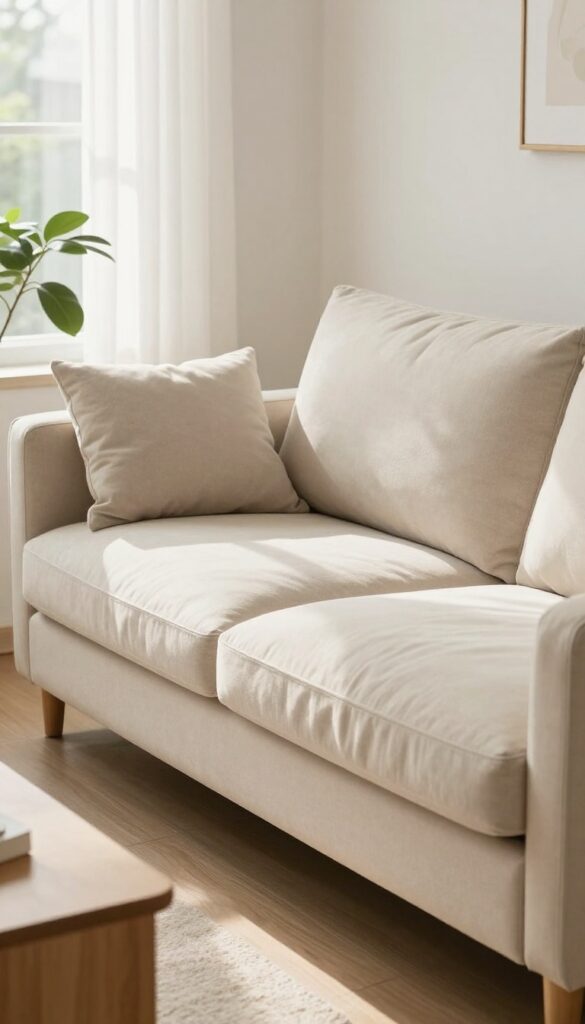
Cushions that get all the love in one spot start to sag and flatten. Rotating them weekly spreads the wear, so they stay plump and even. Fluffing adds extra loft and keeps that just-bought softness alive.
Regular rotation and fluffing are the simplest ways to keep your couch feeling fresh. It takes less than five minutes and makes a big difference over time.
Why Rotate?
The same spot gets the most pressure every time you sit down. Rotating cushions front to back and side to side evens out the compression. This prevents one side from becoming permanently flattened.
How To Fluff
Give each cushion a good squeeze and shake. Use both hands to lift and plump the filling. For stubborn lumps, a quick pass with a pillow fluffer or a few pats with your hand can restore the shape.
Make It A Habit
Tie this task to something you already do weekly, like vacuuming or changing the sheets. Set a phone reminder if needed. Consistency is key to keeping cushions looking and feeling their best.
12. Use a Lint Roller for Pet Hair and Lint
Pet hair and lint can make your couch look dingy even after a deep clean. A lint roller is your best friend for quick touch-ups between cleaning sessions. It’s fast, easy, and works wonders on high-traffic areas where fur and fuzz tend to accumulate.
Why A Lint Roller Works So Well
Lint rollers use adhesive sheets that grab and lift hair, lint, and crumbs from fabric surfaces. They’re especially effective on microfiber and tightly woven fabrics, where debris tends to cling. Unlike vacuuming, a lint roller doesn’t require setup or power cords, making it perfect for a quick once-over before guests arrive.
How To Get The Best Results
Start by rolling in one direction, applying light pressure. Overlap each pass slightly to cover the entire cushion. If the roller gets full, peel off the used sheet and continue.
For stubborn pet hair, you can also try wrapping your hand with masking tape (sticky side out) and patting the surface—this works in a pinch when you run out of refills.
When To Use This Method
Make it a habit to lint-roll your cushions weekly, or more often if you have pets. It’s also a great final step after vacuuming to catch any remaining debris. This quick maintenance keeps your couch looking fresh and prevents hair from embedding deeper into the fabric over time.
13. Consider Professional Cleaning for Stubborn Stains
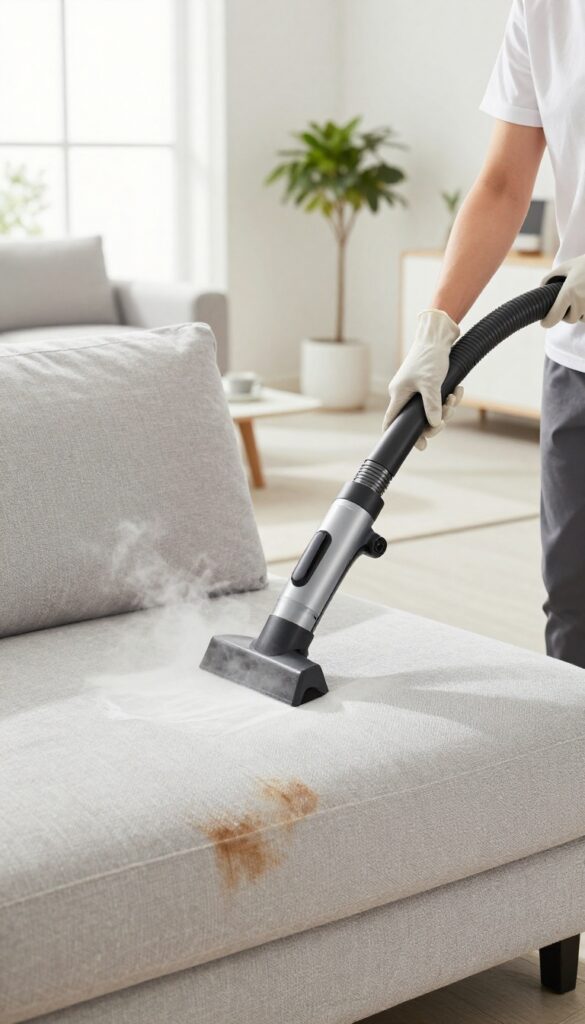
Sometimes, no matter how many DIY tricks you try, those deep-set stains just won't budge. Coffee spills, ink marks, or mystery spots from last year's movie night can feel impossible to tackle at home. That's when it's time to call in the pros.
Professional upholstery cleaners have industrial-grade equipment and specialized solutions that can lift stains and odors without damaging your fabric. They also know how to handle different materials, from delicate linen to sturdy microfiber. It's an investment, but it can save you from buying a whole new couch.
When DIY methods fall short, professional cleaning is the safest, most effective way to restore your cushions. Experts use hot water extraction or steam cleaning to reach deep into the foam and fabric, removing dirt and allergens that regular vacuuming misses. They can also identify the exact type of stain and choose the right treatment, so you don't risk making things worse.
Before you book, check the cleaner's reputation and ask about their experience with your couch's fabric. Some companies offer free estimates or will come to your home, which is convenient for large sofas. While it costs more than a DIY approach, it often pays off by extending the life of your furniture and keeping it looking fresh for years.
When To Call A Professional
If you've tried multiple cleaning methods and the stain is still visible, or if your cushions have a lingering odor that won't go away, it's time to call in an expert. Also, if your couch is made of delicate fabric like silk or velvet, professional cleaning is the only safe option. Don't wait until the stain sets in further—acting quickly can improve the chances of full removal.
What To Expect From A Professional Service
Most professional cleaners will inspect your couch, test a small area for colorfastness, and then choose the appropriate cleaning method. They'll typically vacuum, pre-treat stains, and use a hot water extraction machine. Some also offer fabric protection treatments afterward.
The whole process can take a few hours, and you'll need to let the cushions dry completely before using the couch again.
Cost And Preparation Tips
Prices vary based on your location, the size of your sofa, and the type of cleaning needed. On average, you might pay between $100 and $300 for a standard three-seater. To get the most out of the service, remove any loose items and pet hair before they arrive.
Also, ask about any warranties or guarantees—many companies will re-clean if you're not satisfied with the results.
FAQ
How often should I clean my couch cushions?
It's a good idea to vacuum your cushions weekly and do a deeper clean every 3-6 months, depending on usage and if you have pets or kids.
Can I put couch cushions in the washing machine?
Only if the care label says they are machine washable. Otherwise, hand cleaning is safer to avoid damaging the fabric or filling.
What is the best way to remove pet hair from couch cushions?
A lint roller or a damp rubber glove works well. You can also vacuum with a rubber brush attachment to lift hair effectively.
How do I get rid of musty smells from couch cushions?
Sprinkle baking soda, let it sit, then vacuum. You can also use a vinegar-water spray or place the cushions in the sun to air out.
Is it safe to use bleach on couch cushions?
Bleach is generally too harsh for upholstery and can discolor or damage the fabric. Stick to mild detergents or professional products.
Conclusion
Your couch cushions don’t have to feel flat or look tired. By picking a few of these cleaning methods and sticking to a simple routine, you’ll keep them soft, fresh, and inviting for years.
Start with the quickest fix—maybe vacuuming or a baking soda refresh—and see the difference. Once you get into the habit, you’ll wonder why you waited so long to give your cushions the care they deserve.