13 Patio Roof Ideas Attached to House for Easy Shelter
A patio attached to your house should feel like a natural extension of your living space, not an afterthought. The right roof can turn that slab into a shaded retreat where you can actually enjoy summer afternoons without baking.
But with so many materials and styles out there, it's easy to get stuck at the decision stage. That's why we've rounded up 13 practical options that balance cost, looks, and ease of installation.
Whether you're handy with a drill or planning to hire a pro, there's a solution here that fits your home and your wallet.
1. Classic Wood Pergola
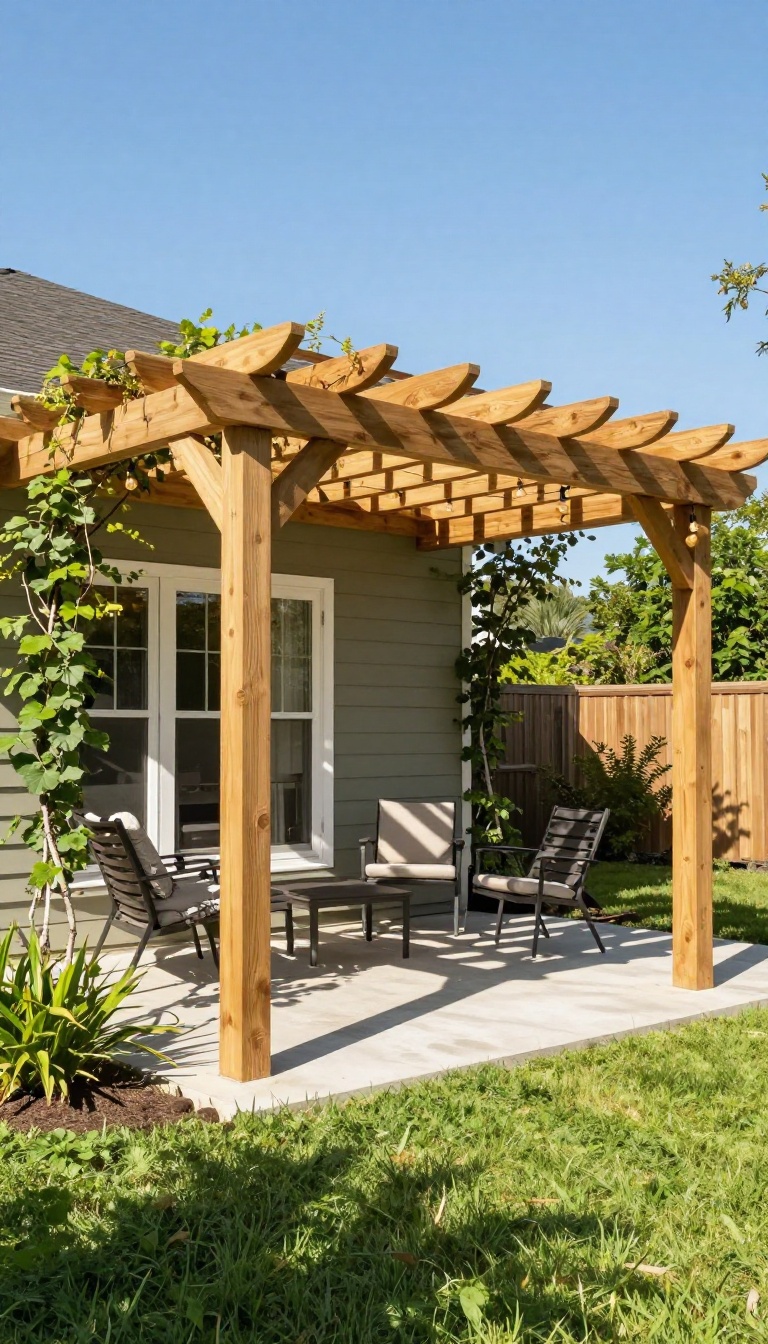
A wood pergola is the go-to choice for homeowners who want that open, airy feel without a full roof. It's basically a framework of vertical posts and horizontal beams that lets sunlight filter through while offering a bit of dappled shade. The charm comes from its versatility—you can dress it up with climbing vines, string lights, or even a retractable canopy for extra coverage.
Plus, the natural wood tones blend beautifully with most home exteriors, making it a timeless addition that never goes out of style.
The beauty of a wood pergola lies in its simplicity. It doesn't block the sun completely, but it creates a comfortable, shaded spot where you can relax with a book or host a small gathering. The open top also means you won't feel closed in, which is perfect if you love being outdoors but want a little relief from direct sunlight.
And because it's attached to the house, it extends your living space seamlessly, making the patio feel like a true outdoor room. One of the best parts about a wood pergola is how easy it is to customize. You can choose cedar, redwood, or pressure-treated pine, each with its own look and level of durability.
Cedar and redwood naturally resist rot and insects, while pressure-treated pine is budget-friendly and can be stained or painted to match your home. If you're handy, you can build one over a weekend with basic tools, or you can hire a contractor for a more elaborate design. Either way, you'll end up with a structure that adds both function and curb appeal.
Why Go With Wood?
Wood has a warmth that metal and vinyl just can't replicate. It feels organic and inviting, and it ages gracefully—developing a lovely patina over time if left natural, or you can keep it looking fresh with regular staining. Wood also offers plenty of strength, so you can hang swings, planters, or even a ceiling fan if you add a solid roof panel later.
Plus, it's a renewable resource, making it an eco-friendly choice for the environmentally conscious homeowner.
Adding Shade And Greenery
The open slats of a pergola are perfect for training climbing plants like wisteria, clematis, or grapevines. These plants weave through the beams and create a natural canopy that filters sunlight and adds privacy. Not only do they look stunning, but they also help cool the air around your patio through evapotranspiration.
If you want more immediate shade, you can install a retractable canopy or shade cloth that rolls out when the sun gets intense, then tucks away when you want the open sky.
Installation Tips
When attaching a pergola to your house, you'll need to secure a ledger board to the exterior wall, making sure it's anchored into the structural framing, not just the siding. The posts on the outer edge should be set in concrete footings that go below the frost line to prevent shifting. If you're not confident in your DIY skills, it's worth hiring a professional to ensure the structure is safe and up to local building codes.
But if you're up for the challenge, there are plenty of online guides and kits that simplify the process.
2. Aluminum Louvered Roof
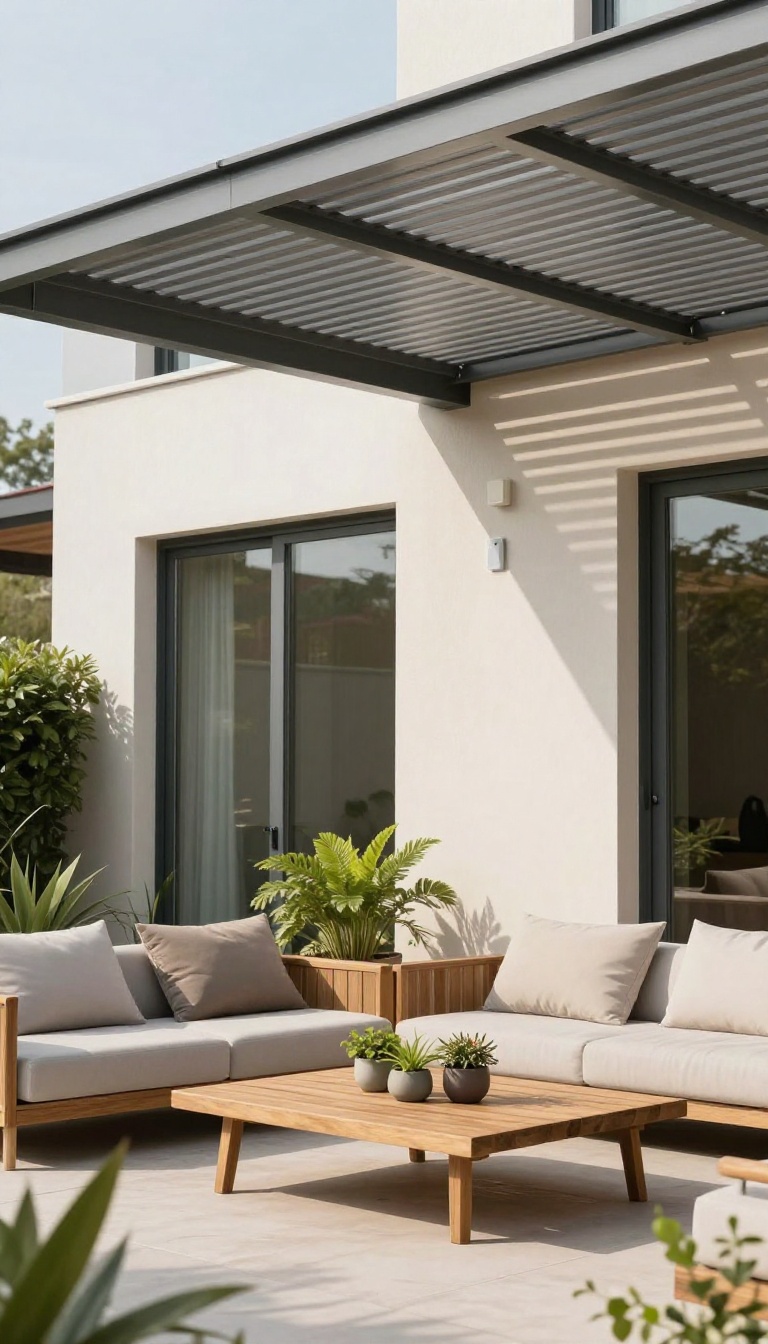
If you want total control over your patio's climate, an aluminum louvered roof is a smart pick. The adjustable slats let you dial in just the right amount of sun and breeze, so you're never stuck in a stuffy or overly bright spot. Plus, it's built to last with minimal upkeep, making it a favorite for modern homes.
Aluminum louvered roofs are all about flexibility. You can tilt the slats to let in sunlight during cooler months or close them completely for shade and rain protection. Many systems even come with motorized controls and sensors that automatically adjust based on weather, so you barely have to think about it.
The material itself is lightweight yet strong, resisting rust, corrosion, and fading, which means it stays looking sharp for years.
Why Homeowners Love It
The big draw is the ability to change your outdoor space in seconds. One minute you're soaking up the sun, the next you're sheltered from a sudden downpour. It's also a breeze to clean—just a hose down now and then.
And because aluminum doesn't warp or rot, you won't be dealing with constant repairs like you might with wood.
Things To Consider
Cost is the main factor here. Louvered roofs are pricier than fixed options, especially if you add motors and smart features. Installation also requires a solid structure to support the moving parts, so you'll likely need a professional.
But if you're after long-term convenience and style, the investment often pays off.
Design Flexibility
These roofs come in a range of colors and finishes, so you can match your home's exterior seamlessly. Some systems even allow for integrated lighting or heating, extending your patio's usability into the evenings and cooler seasons. Whether your house is sleek and contemporary or more traditional, there's a louvered design that fits right in.
3. Solid Polycarbonate Roof
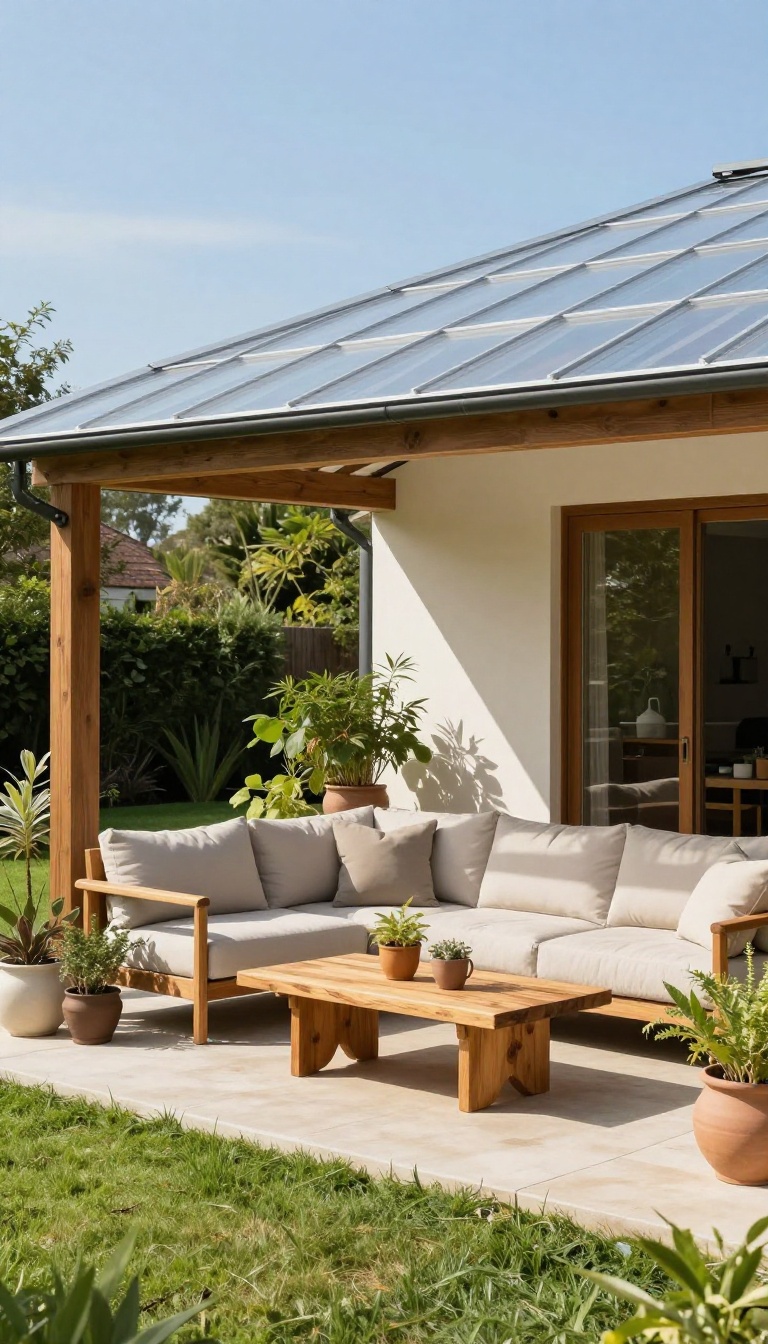
Sometimes you want a solid roof that blocks the sun but still keeps things bright. That’s where polycarbonate panels shine. They’re lightweight, tough, and let in soft, diffused light while blocking harmful UV rays.
Plus, they’re one of the most budget-friendly options out there, and you can install them over a weekend with basic tools.
Polycarbonate roofing is a smart middle ground between a fully opaque roof and a pergola. It gives you real protection from rain and sun, but you don’t lose the feeling of being outdoors. The panels come in clear, bronze, or opal finishes, so you can control how much light and heat you want under your patio.
Why Polycarbonate Works For Patios
Polycarbonate is practically unbreakable, which makes it a safe choice for areas with hail or falling branches. It’s also much lighter than glass or metal, so you don’t need a heavy support structure. The panels are easy to cut and attach to existing beams, making them a favorite for DIYers.
Plus, they’re recyclable, so they’re a decent pick if you’re trying to be a bit greener.
Choosing The Right Panel Thickness
Panels come in various thicknesses, usually from 6mm to 16mm. Thicker panels are stronger and provide better insulation, but they cost more and are heavier. For most patios, a 6mm or 8mm twin-wall panel is plenty.
If you live in a very hot climate, go for a bronze or opal tint to cut down on glare and heat buildup.
Installation Tips For A Leak-free Roof
The key to a successful polycarbonate roof is proper sealing. Use aluminum or PVC profiles at the edges, and always install the panels with the UV-protected side facing up. Overlap panels slightly and use rubber gaskets or silicone sealant at the joints.
Make sure your roof has a slight slope so water runs off easily. If you’re not confident, watch a few tutorials or ask a friend who’s handy—it’s a manageable weekend project.
4. Retractable Awning
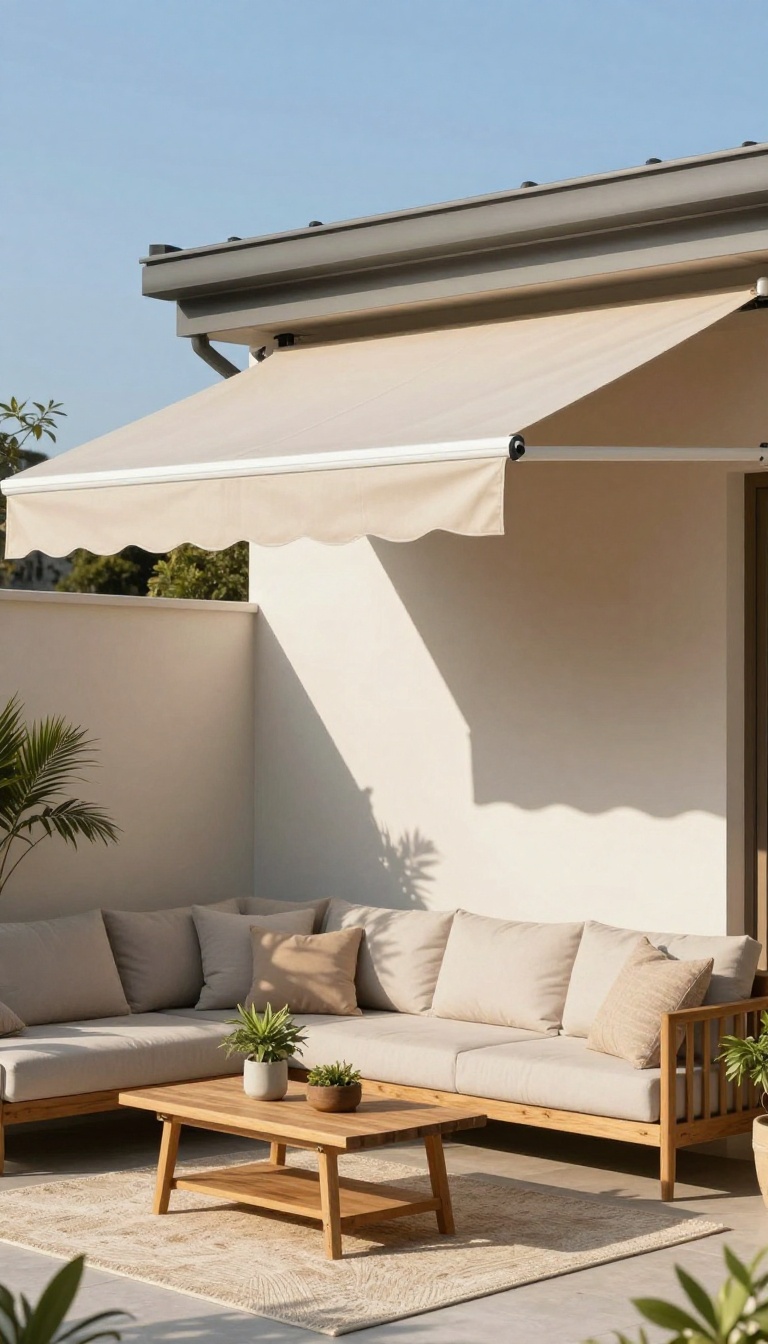
A retractable awning gives you the best of both worlds: full sun when you want it, cool shade when you don't. With a simple push of a button or a turn of a crank, the fabric canopy glides out to cover your patio, then tucks neatly away when the weather turns. It's a flexible, budget-friendly option that adapts to your mood and the forecast.
Retractable awnings are all about flexibility. They let you control how much sun hits your patio, which is perfect for those who love soaking up rays in the morning but need shade by afternoon. You can extend them during peak heat hours and retract them for evening stargazing or to let the rain wash the dust away.
Plus, they're a relatively affordable way to add shelter without a permanent structure. Most models come with manual cranks or motorized options that can be operated with a remote, wall switch, or even a smartphone app. Some high-end versions include wind and sun sensors that automatically adjust the canopy, so you don't have to think about it.
That kind of convenience makes them a favorite for busy homeowners who want effortless comfort. One thing to keep in mind: retractable awnings are made of fabric, so they won't block heavy rain or snow. They're designed for sun protection, not all-weather coverage.
But if your main goal is to beat the heat while keeping your options open, this is a great pick.
Manual Vs. Motorized: Which One Fits Your Routine?
Manual awnings use a crank or a simple pull system. They're cheaper and don't require wiring, but you have to go outside to adjust them. Motorized awnings, on the other hand, let you control everything from your couch or phone.
They cost more upfront but add serious convenience, especially if your patio is large or you have mobility issues. If you're the type who forgets to retract the awning before a storm, motorized with sensors might be worth the extra cash.
Choosing The Right Fabric And Frame
The fabric is your main defense against the sun, so pick a solution-dyed acrylic that resists fading and mildew. Look for a UV rating of 90% or higher to keep the area genuinely cool. The frame is usually aluminum or steel—aluminum is lightweight and rust-resistant, while steel is stronger but heavier.
Make sure the frame is rated for your local wind speeds; a flimsy frame will wobble in a breeze. Also, check the warranty—good awnings come with at least a 5-year coverage on both fabric and hardware.
Installation And Placement Tips
You can install a retractable awning yourself if you're handy, but it's a two-person job and requires solid mounting points. The brackets need to be anchored into the house's structure, not just the siding. If your patio is wider than 8 feet, consider a model with intermediate supports or a stronger frame.
Also, think about the angle—a slight tilt helps water run off and keeps the fabric taut. If you're not confident, hiring a pro is a safe bet, especially for motorized versions that need electrical work.
5. Glass Roof with Shade Blinds
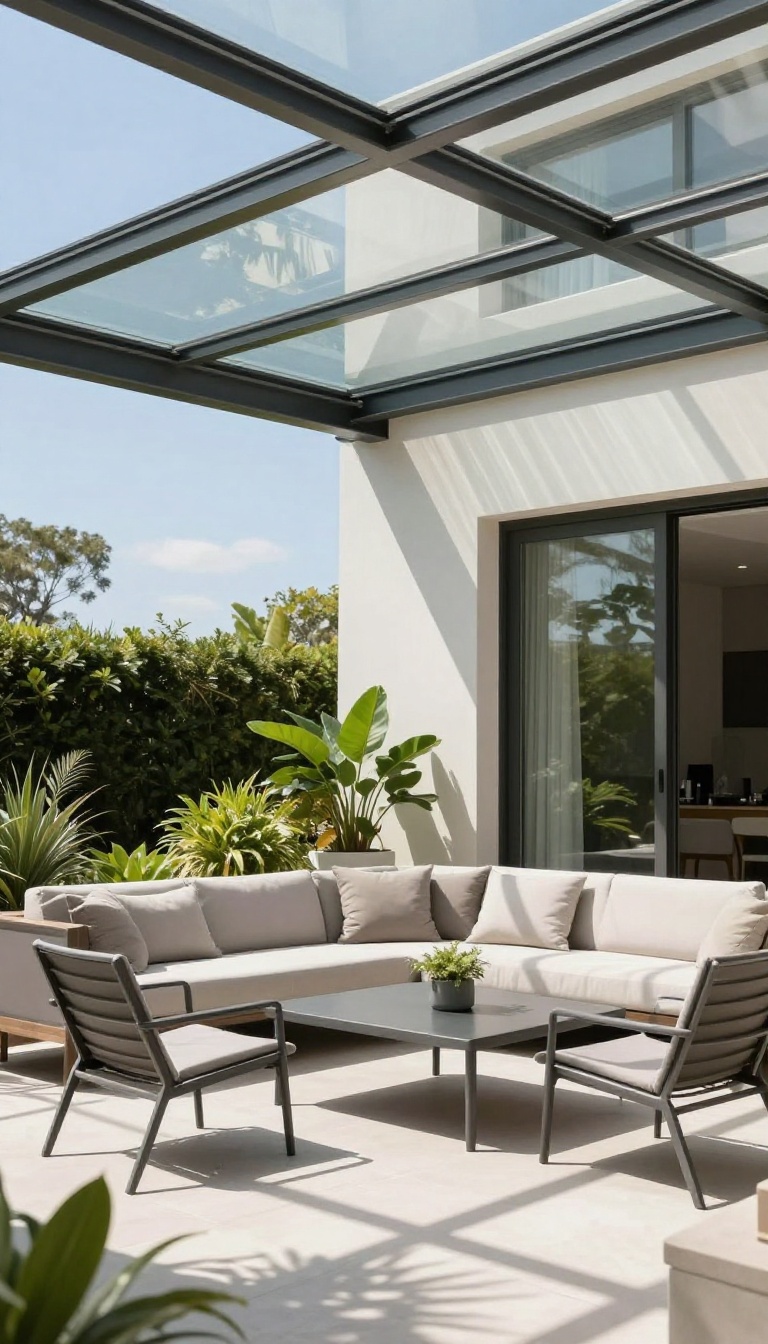
A glass roof brings the sky right into your patio, making the space feel open and airy even when it's closed off. But full sun can be a lot, so pairing it with built-in shade blinds gives you control over how much light filters through. It's a sleek, modern look that works beautifully on contemporary homes, though it does ask for a bit more upkeep than other options.
Why Glass Works So Well
Glass lets in natural light without the bulk of a solid roof, so your patio stays bright and connected to the outdoors. You can enjoy the view of the sky or treetops while staying protected from light rain or wind. The open feel is perfect for entertaining or just relaxing with a book.
Built-in Blinds For Flexibility
The real magic happens with integrated blinds. These sit between the glass panes or just below the roof, so you can slide them open for full sun or close them for shade. Motorized options are easy to control with a remote, letting you adjust the light as the day changes without getting up.
What To Watch Out For
Glass roofs need a bit more love. You'll be cleaning the panes regularly to keep them clear, and you should choose tempered or laminated glass for safety and durability. Heat buildup can be an issue in summer, so look for low-E glass or add a ceiling fan to keep things comfortable.
Also, check your local building codes — some areas require special permits for glass overhead.
6. Insulated Metal Roof
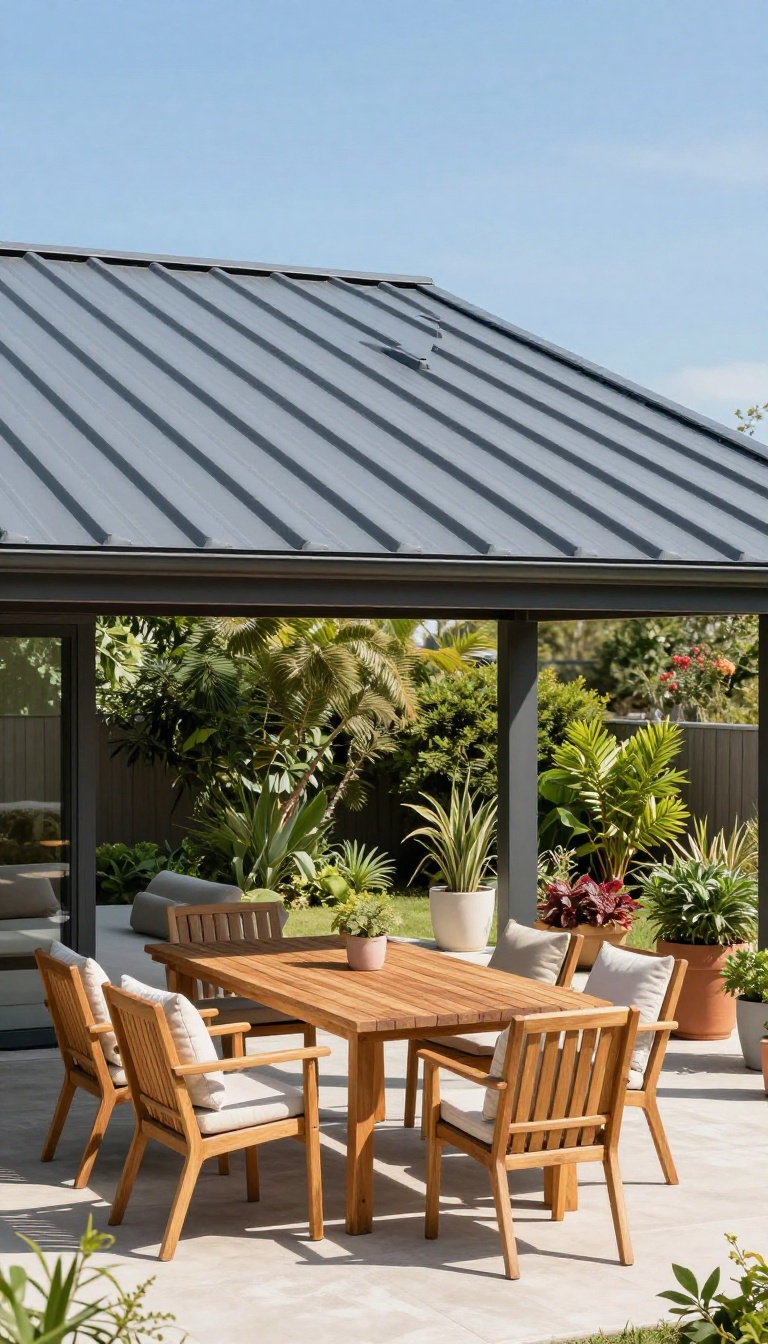
If you want a patio roof that truly works year-round, insulated metal panels are a serious contender. They give you the durability of metal but add a layer of insulation that keeps the heat out in summer and traps warmth in winter. The result is a comfortable outdoor space no matter the season, and it's a roof you can install and forget about for decades.
Insulated metal roofs are built with a rigid foam core sandwiched between two layers of metal. That foam is what makes all the difference—it cuts down on heat transfer, so the area under the roof stays noticeably cooler on hot days and warmer when the temperature drops. The metal exterior is tough, resistant to rust, and handles heavy rain, snow, and wind with ease.
You can choose from steel or aluminum, and the panels come in a range of colors and finishes to match your home's exterior.
Why Insulation Matters
A plain metal roof can turn your patio into an oven in summer, radiating heat straight down. Insulated panels solve that problem by blocking the heat before it reaches your space. In winter, the same insulation keeps the cold from seeping through, so you can use the patio longer into the season.
If you plan to add a ceiling fan, lights, or even a heater, an insulated roof makes those features far more effective.
Installation And Cost
These panels are lightweight and come in large sheets, so installation is relatively quick. Many homeowners hire a professional because of the size and the need for precise cutting around edges and roof attachments. The cost is higher than basic polycarbonate or fabric options, but it's still reasonable compared to a full home extension.
Over time, the energy savings and low maintenance can offset the initial investment.
Design And Finish Options
You're not stuck with a plain silver roof. Insulated metal panels come in a variety of colors, from classic white to deep bronze, and some have a wood-grain texture that mimics real timber. You can also choose a standing seam profile for a sleek, modern look or a corrugated style for a more traditional feel.
The panels work well with both flat and sloped roofs, so you can adapt them to your existing home's architecture.
7. Fabric Sail Shade
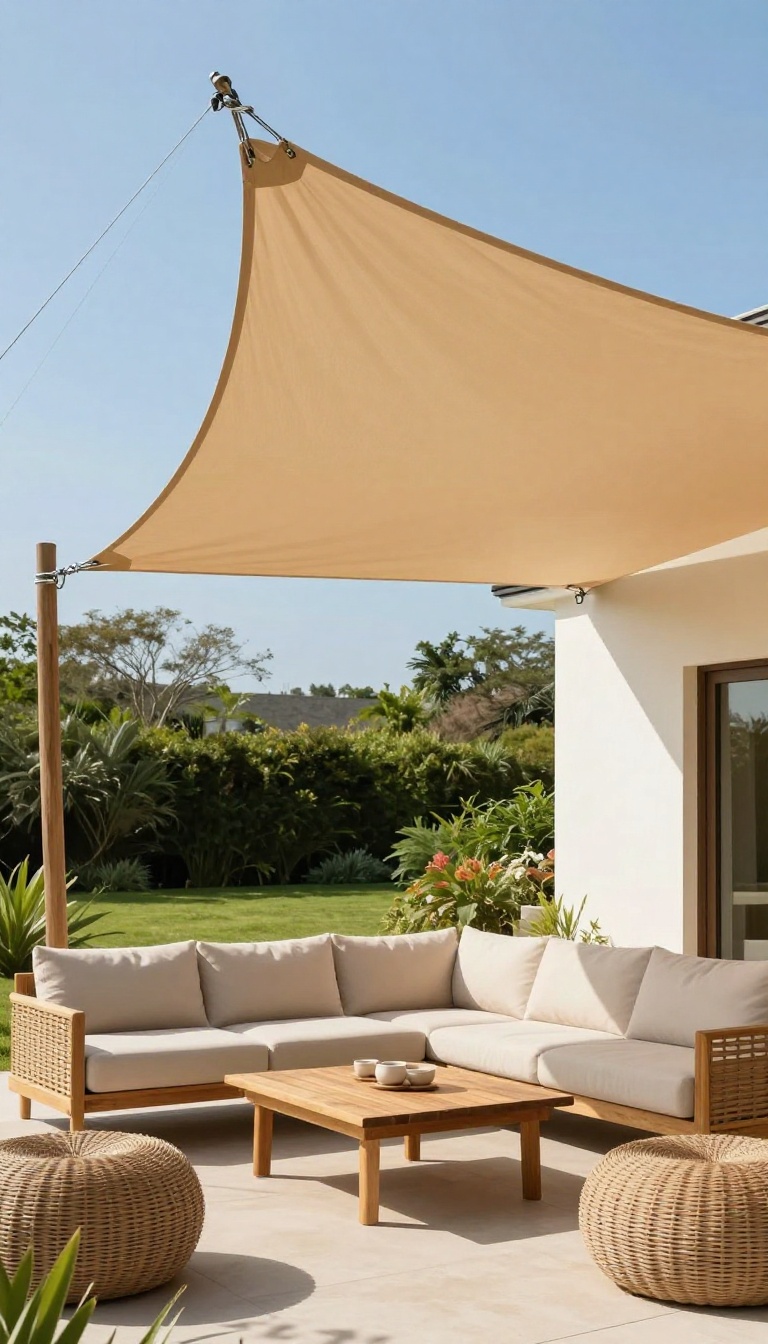
Fabric sail shades are the chameleons of patio coverings—they come in countless shapes, sizes, and colors, so you can match them to your home’s style or go bold with a vibrant hue. They’re also one of the most budget-friendly options out there, making them a favorite for renters and homeowners alike. Best of all, they’re a breeze to install, often requiring just a few anchor points and some basic tools.
Fabric sail shades are a fantastic way to add shelter without the permanence of a solid roof. They create a relaxed, resort-like vibe that’s perfect for lounging or dining outdoors. Because they’re lightweight, they put minimal stress on your home’s structure, and you can easily remove them during harsh weather or when you want an open-air feel.
Pick The Right Shape And Size
Sails come in triangles, rectangles, and squares, each offering a different look and coverage. Triangular sails are great for corner spaces, while larger rectangles provide more shade for dining areas. Measure your patio and decide how much coverage you need—remember, the sun moves, so you might want to overlap a couple of sails for all-day protection.
Installation Tips For A Secure Fit
You’ll need strong anchor points—either on your house, existing posts, or freestanding poles. Use stainless steel turnbuckles to tension the sail properly, which prevents sagging and flapping in the wind. Aim for a slight slope so rainwater can run off, and check local building codes if you’re attaching to your home’s exterior.
Fabric Choices And Maintenance
Look for UV-resistant, waterproof fabric like high-density polyethylene (HDPE) that’s breathable and won’t trap heat. These fabrics are also mold-resistant and easy to clean—just hose them down or wipe with mild soap. Over time, you may need to re-tighten the sail, but with minimal care, it can last for years.
8. Gable Roof Extension
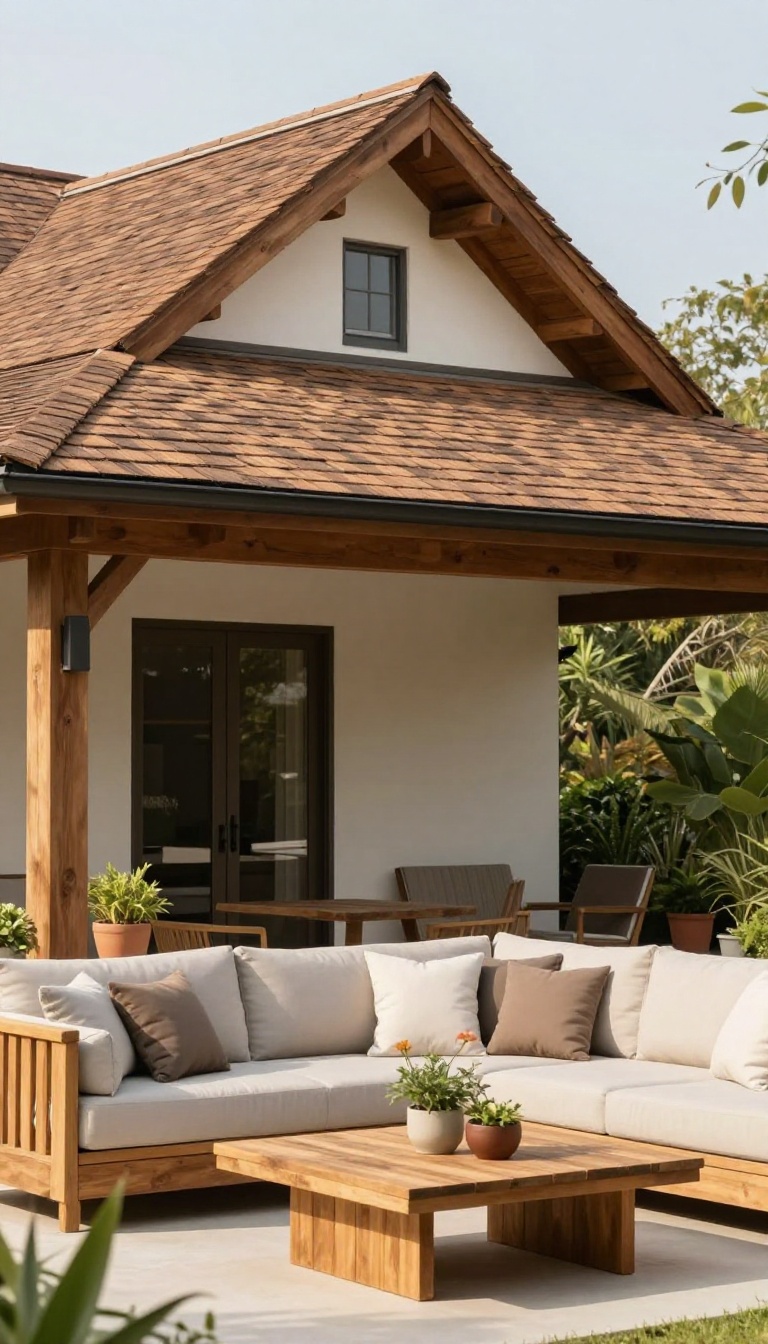
A gable roof extension takes the classic peak of your home and stretches it right over the patio. It's a permanent, built-in look that feels like the house grew the shelter itself. Because it matches your roofline, it blends in seamlessly.
You get a solid cover that handles rain, snow, and harsh sun without any fuss.
This option is all about harmony. The gable's triangular shape adds a bit of architectural interest, breaking up the flat lines of a typical patio. It's a smart choice if you're already planning a roof repair or renovation, since the framing can tie into your existing structure.
Plus, the open peak allows for better airflow and natural light, so you won't feel boxed in.
Why It Works
A gable extension is strong and durable. The sloped sides shed water and snow easily, reducing the risk of leaks. It also raises the ceiling height, making the patio feel more spacious.
And because it mirrors your home's design, it adds to your curb appeal instead of detracting from it.
Design Options
You can match the exact roofing material—shingles, metal, or tile—to create a seamless look. For a lighter feel, add skylights or a cupola. Or leave the ceiling open with exposed beams for a rustic touch.
The shape also allows for ceiling fans or pendant lights without feeling cramped.
Installation Tips
This is a job for a professional, especially if you're tying into your existing roofline. You'll need to ensure proper flashing where the new roof meets the old one. Check local building codes for snow load and wind requirements.
Plan for a slight slope to direct water away from the house.
9. Sloped Roof with Gutters
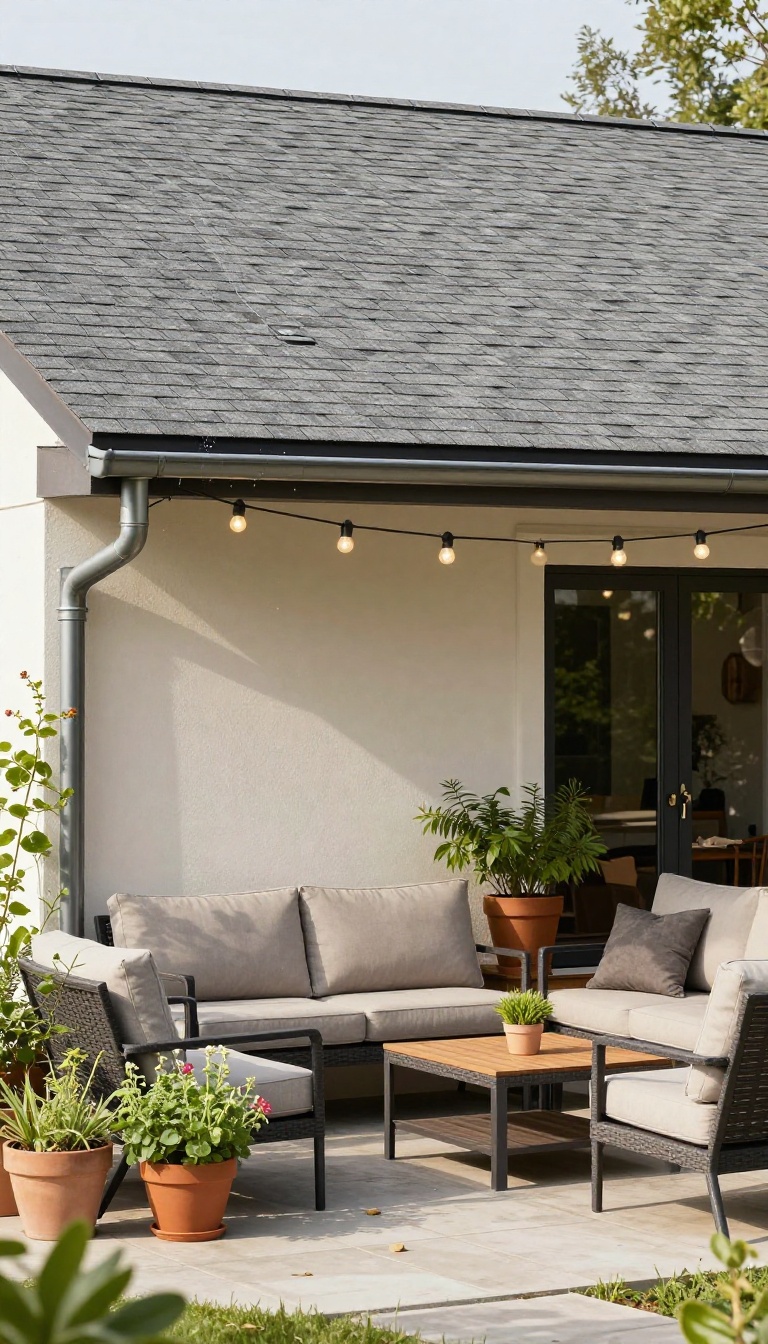
Sometimes the simplest solution is the smartest. A sloped roof with gutters does exactly what it says: it angles rainwater away from your house and channels it safely to a downspout. It’s a no-fuss design that blends with most architectural styles and keeps your patio dry during storms.
Why Slope Matters
A flat roof might look sleek, but it can collect water and cause leaks over time. A sloped roof, even a slight pitch, lets gravity do the work. Rain runs off quickly, reducing the chance of pooling and structural damage.
Plus, the slope can be subtle enough to not dominate your home’s exterior.
Gutter Options
You don’t need to overcomplicate the gutter system. Standard aluminum gutters are affordable and easy to install. If you want something more durable, consider copper or steel.
Just make sure the gutters are sized correctly for your roof area to handle heavy downpours. Adding leaf guards can save you from frequent cleaning.
Style And Materials
This roof works with almost any material—metal, shingles, or polycarbonate. Match the existing roof of your house for a seamless look, or choose a contrasting color to make the patio pop. The slope can be oriented away from the house or to the side, depending on your yard layout and drainage.
10. Bamboo or Reed Roof
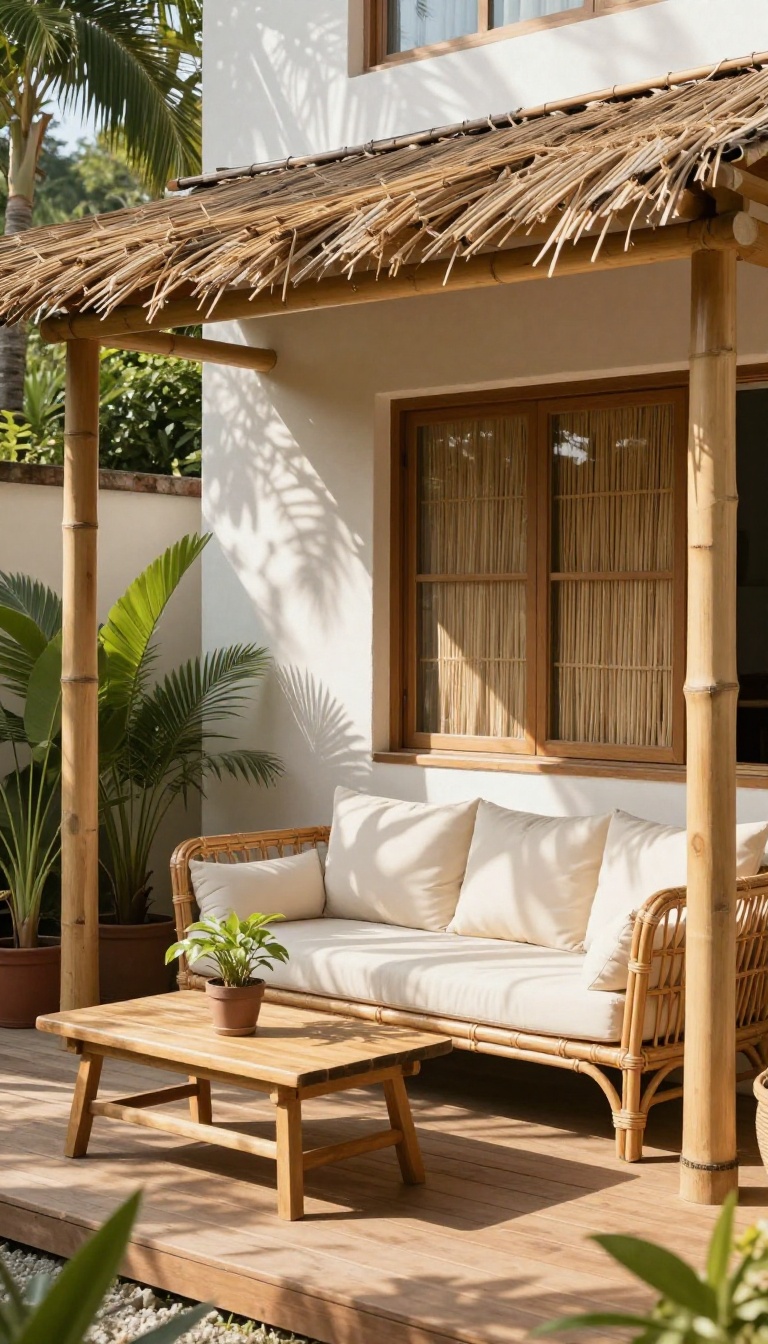
Bamboo and reed roofs bring a laid-back, tropical energy to any patio without demanding a big budget. They’re lightweight, easy to work with, and give you that dappled shade that feels like sitting under a palm tree. If you want a quick weekend project that changes the whole mood of your outdoor space, this is a fun route to take.
Why Bamboo And Reed Work So Well
These natural materials are incredibly versatile. You can use them as a full roof, a partial canopy, or even as decorative panels that filter light. The texture adds warmth and organic charm that’s hard to replicate with metal or fabric.
Plus, they’re affordable—often a fraction of the cost of a solid roof. And because they’re so light, you don’t need heavy framing or permits in most cases.
Installation Tips For A Secure Fit
Start by building a simple wooden frame—pressure-treated lumber works best. Lay the bamboo poles or reed panels across the frame, overlapping them slightly to prevent gaps. Secure them with galvanized screws or heavy-duty zip ties.
For extra stability, add a layer of clear polyurethane or marine varnish to protect against moisture and UV rays. If you live in a windy area, consider adding cross-bracing or wire ties to keep everything in place.
Maintenance And Longevity
Bamboo and reed need a bit of care to last. They’re naturally resistant to insects, but they can rot if they stay wet. Make sure your roof has good drainage and airflow.
Reapply sealer every couple of years to keep them looking fresh. With proper maintenance, they can last 5 to 10 years. When they start to fade or fray, you can easily replace individual panels without redoing the whole structure.
11. Solar Panel Roof
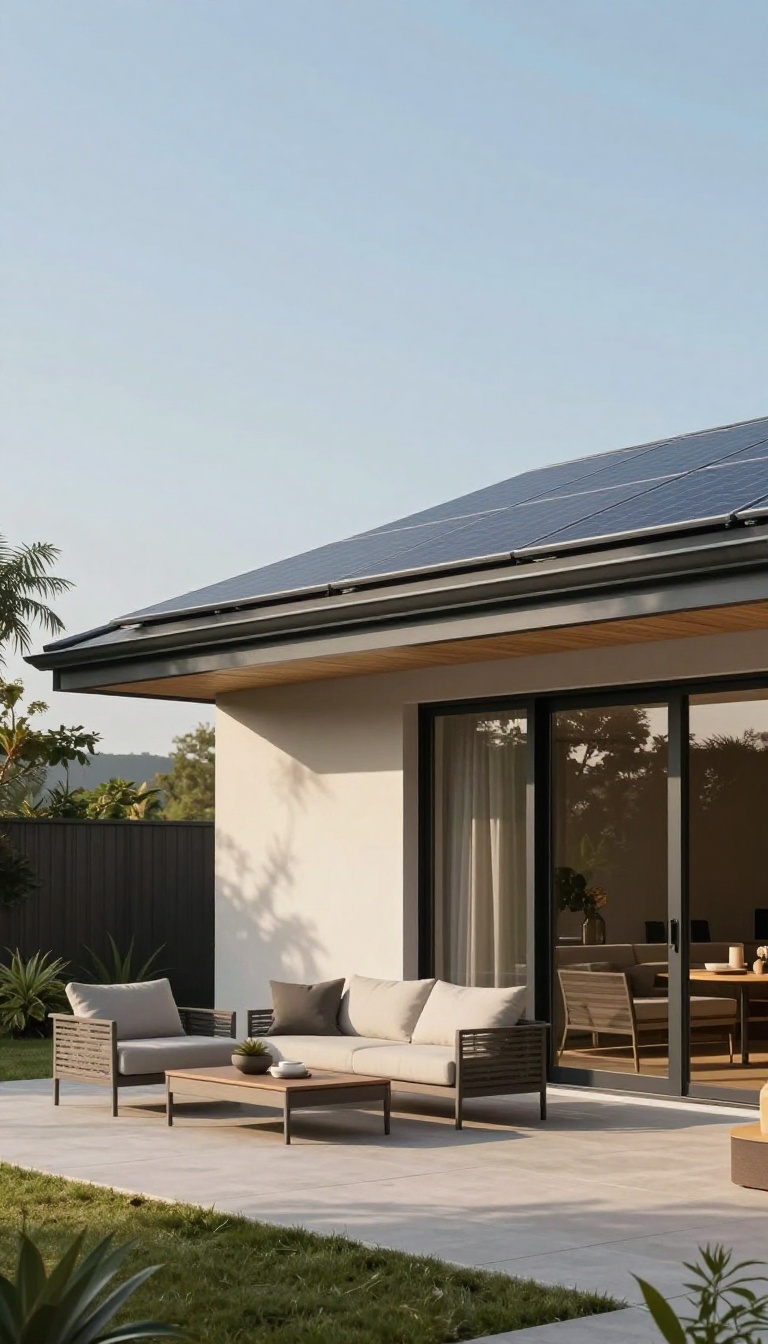
A solar panel roof is the ultimate two-for-one: it shelters your patio and generates electricity at the same time. Instead of a plain cover that just blocks the sun, you get a structure that works for you, cutting energy bills while you lounge underneath. The upfront cost is higher than other options, but the long-term savings and environmental payoff make it a smart investment for many homeowners.
Solar panel roofs come in a few different setups. You can install traditional panels on top of a solid patio roof, or use solar tiles that blend in with your existing roofline. Some systems are mounted on pergola-style frames, leaving gaps for light to filter through.
The key is to position them to catch maximum sunlight, which usually means a south-facing orientation. Before you commit, check your local building codes and utility regulations—some areas have incentives or net metering programs that make the payback period even shorter.
How It Works
The panels convert sunlight into DC electricity, which an inverter changes into AC power for your home. Any excess energy can often be sent back to the grid, earning you credits or payments. The roof itself is typically made of aluminum or steel, with the panels mounted on top.
You'll need a structural engineer to ensure your patio can handle the weight, especially if you're adding it to an existing structure.
Cost Vs. Savings
Expect to pay anywhere from $15, 000 to $30, 000 for a full solar patio roof, depending on size and panel efficiency. But federal tax credits and local rebates can knock off a significant chunk. Over 20 years, most homeowners save more than they spend, especially if their electricity rates are high.
Plus, it adds value to your home—a solar array is a desirable feature for many buyers.
Design And Aesthetics
Solar panels aren't the eyesores they used to be. Modern panels are sleeker, and solar tiles can mimic traditional shingles almost perfectly. You can choose a design that matches your home's architecture, whether that's a flat roof with low-profile panels or a sloped roof with integrated tiles.
The look is clean and modern, and the environmental statement is a plus.
Installation And Maintenance
Hiring a professional is a must for solar installations—this isn't a DIY weekend project. The process takes a few days, including electrical work and permitting. Once installed, maintenance is minimal: occasional cleaning to remove dust or leaves, and an annual inspection to ensure everything is running efficiently.
Most panels come with 25-year warranties, so you're covered for the long haul.
12. Corrugated Metal Roof
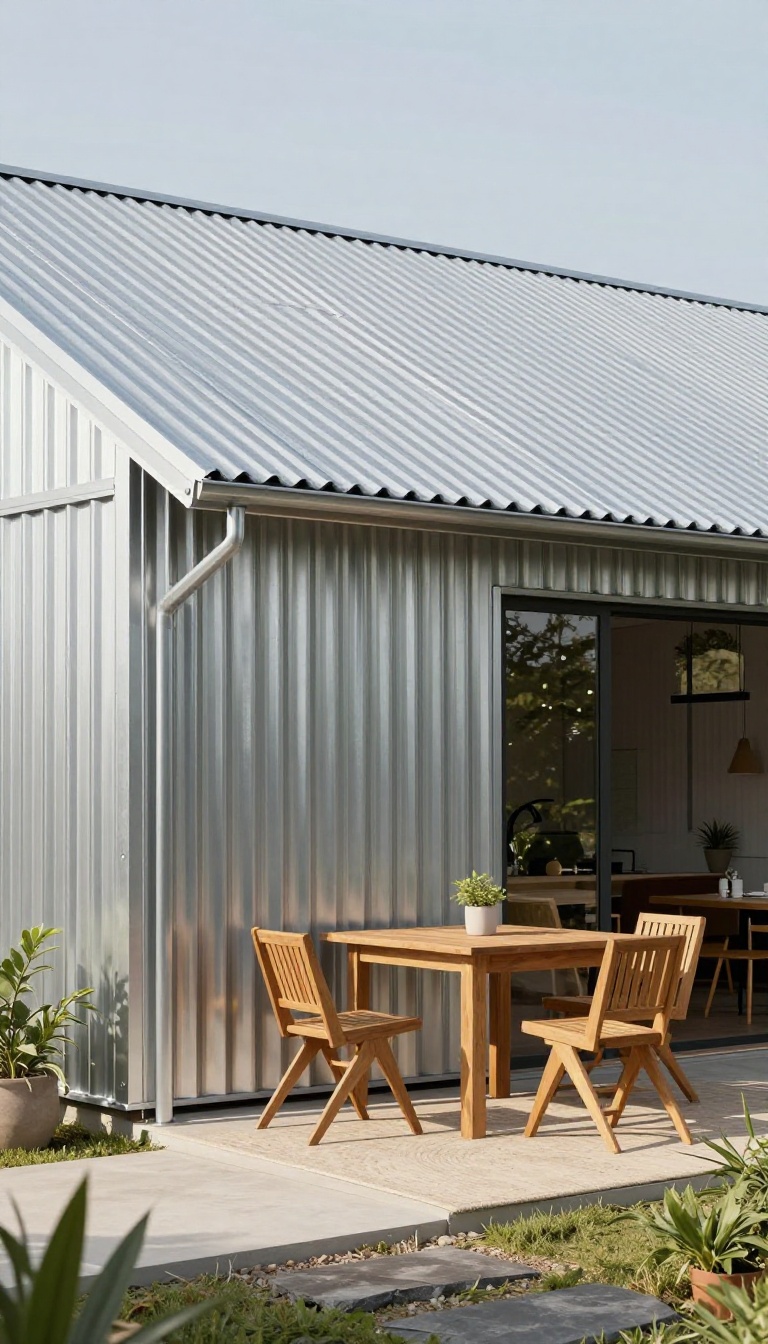
If you want a patio roof that means business, corrugated metal is a solid pick. It's tough, looks sharp with that industrial edge, and won't drain your budget. Plus, it's a project many DIYers can tackle over a weekend.
Corrugated metal roofing brings a clean, utilitarian look that pairs well with modern, farmhouse, or even traditional homes. The panels are lightweight, easy to cut, and fasten directly to rafters or purlins, so installation is straightforward. You can also choose from galvanized steel, aluminum, or coated options in various colors to match your exterior.
The metal reflects heat, keeping the patio cooler in summer, and it handles heavy rain or snow without complaint. Just make sure to add proper insulation or a radiant barrier if you want to minimize noise during downpours and keep the space more comfortable year-round.
Why It Works
Corrugated metal is one of the most durable roofing materials you can buy. It won't rot, warp, or attract pests, and it can last 40 years or more with minimal upkeep. The panels are also fire-resistant, which is a nice bonus for homes in wildfire-prone areas.
And because the material is relatively inexpensive, you get a lot of protection for your money.
Installation Tips
Before you start, check your local building codes for wind and snow load requirements. Use galvanized screws with rubber washers to prevent leaks, and overlap panels by at least one corrugation. If you're attaching the roof to your house, install a flashing against the wall to divert water.
For a cleaner look, consider adding a trim piece along the eaves.
Design Variations
You don't have to stick with plain silver panels. Corrugated metal comes in a range of colors, from classic gray to deep green or barn red. You can also choose different profiles, like corrugated or box-rib, to change the visual texture.
Pair it with wooden beams or steel posts for an industrial vibe, or go with a painted finish that complements your home's palette.
13. Living Green Roof
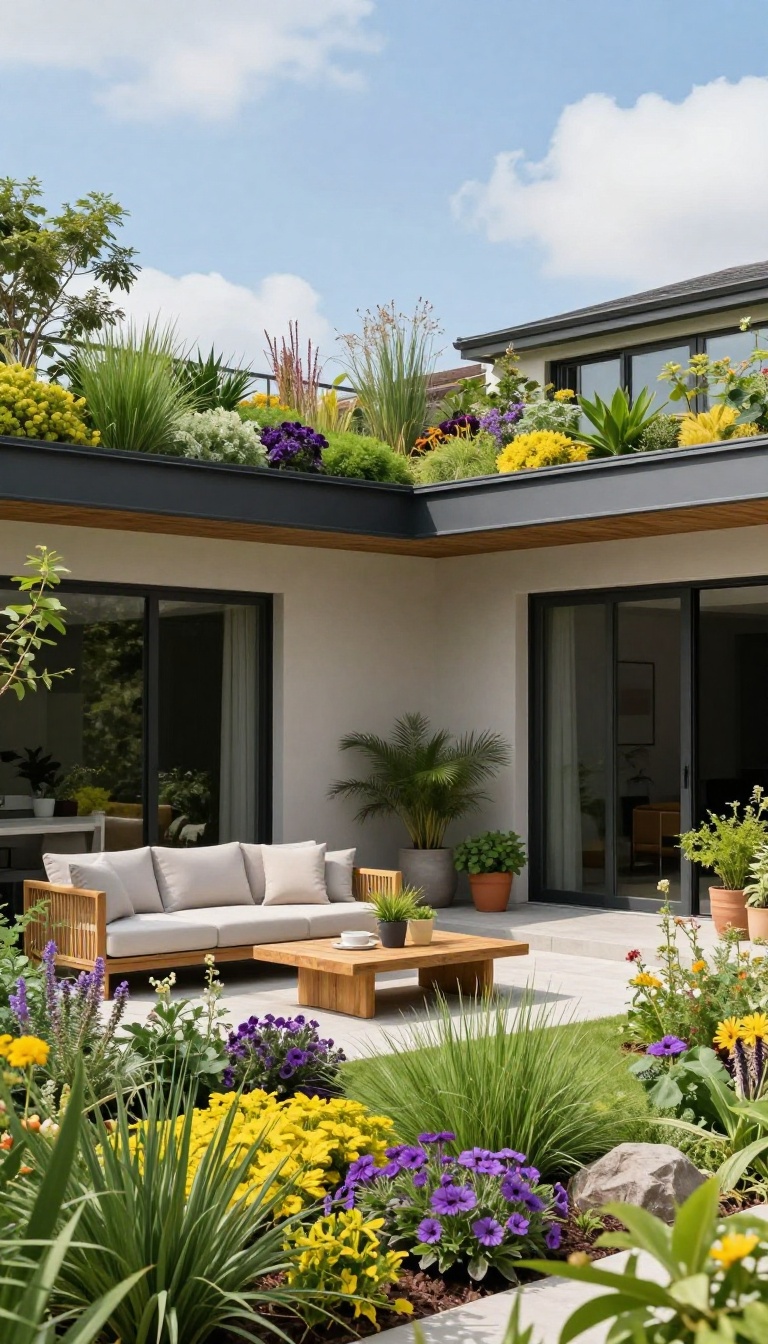
Imagine stepping onto your patio and being greeted by a lush carpet of greenery overhead. A living green roof does exactly that—it replaces traditional roofing with a layer of soil and plants that thrive in the open air. This isn't just a roof; it's a mini-ecosystem that works for you while looking stunning.
Beyond the wow factor, a green roof is a powerhouse of practicality. It naturally insulates your home, cutting energy costs, and soaks up rainwater like a sponge, reducing runoff. Plus, it provides a habitat for birds and pollinators, making your home more eco-friendly in a visible way.
A living green roof is a bold choice that pays off in both beauty and function. It's not a weekend DIY project for most, but the rewards are worth the effort. Let's break down what it takes to make this idea work for your home.
How It Works
A green roof is built in layers: a waterproof membrane to protect your structure, a root barrier to prevent damage, a drainage layer to shed excess water, a growing medium (special lightweight soil), and finally the plants. The key is to use drought-tolerant species like sedums, grasses, or wildflowers that can handle sun, wind, and occasional dry spells. The entire system adds weight, so your patio roof must be engineered to support it—this usually means consulting a structural engineer.
The Benefits
The perks go beyond looks. A green roof keeps your home cooler in summer and warmer in winter, reducing your energy bills. It absorbs rainwater, which means less strain on storm drains and a lower risk of flooding around your foundation.
It also extends the life of your roof membrane by protecting it from UV rays and temperature swings. And let's not forget the mental boost: having a green space above your head is proven to reduce stress.
Installation And Maintenance
This isn't a simple DIY—you'll likely need a professional with experience in green roofing. The process involves reinforcing the existing structure, installing the layers, and planting the vegetation. Once in place, maintenance is relatively low: occasional weeding, fertilizing, and watering during dry spells.
The first year is the most critical, as plants establish their roots. After that, it's mostly about keeping it tidy.
FAQ
What is the cheapest patio roof idea attached to the house?
A fabric sail shade or a corrugated metal roof are among the most budget-friendly options. Both are relatively inexpensive and can be installed as DIY projects.
Do I need a permit to build an attached patio roof?
Often yes, because it affects the structure of your home. Check with your local building department to see what permits are required in your area.
What is the best patio roof for year-round use?
An insulated metal roof or a solid roof extension with proper insulation and weatherproofing will provide the most comfortable year-round shelter.
Can I install a patio roof myself?
Some options like fabric sails or polycarbonate panels are DIY-friendly. However, solid roofs and electrical components (like motorized louvers) are best left to professionals.
How do I choose the right patio roof for my home?
Consider your climate, budget, and how you plan to use the space. Also, think about the architectural style of your home and whether you want a permanent or flexible solution.
Conclusion
Adding a roof to your attached patio is one of those upgrades that pays off every single time you use the space. You don't have to commit to a full renovation—start with a simple canopy or a retractable option and see how it changes your outdoor routine.
Match the style to your home's look and your local weather, and you'll have a comfortable spot that works for years. Take a quick look at your layout, pick the idea that fits best, and enjoy the shade.