15 Small Patio Ideas That Make Limited Space Feel Bigger
Small patios often get dismissed as too cramped for real enjoyment, but that's far from the truth. With a few strategic tweaks, you can turn even the tiniest concrete slab into a favorite spot for morning coffee or evening chats.
The key is to focus on visual tricks and smart furniture choices that open up the area rather than clutter it. Whether you're working with a balcony, a narrow side yard, or a postage-stamp courtyard, these ideas will help you maximize every inch.
Let's explore how to make your small patio feel bigger and more welcoming.
1. Use Vertical Planters to Draw the Eye Upward
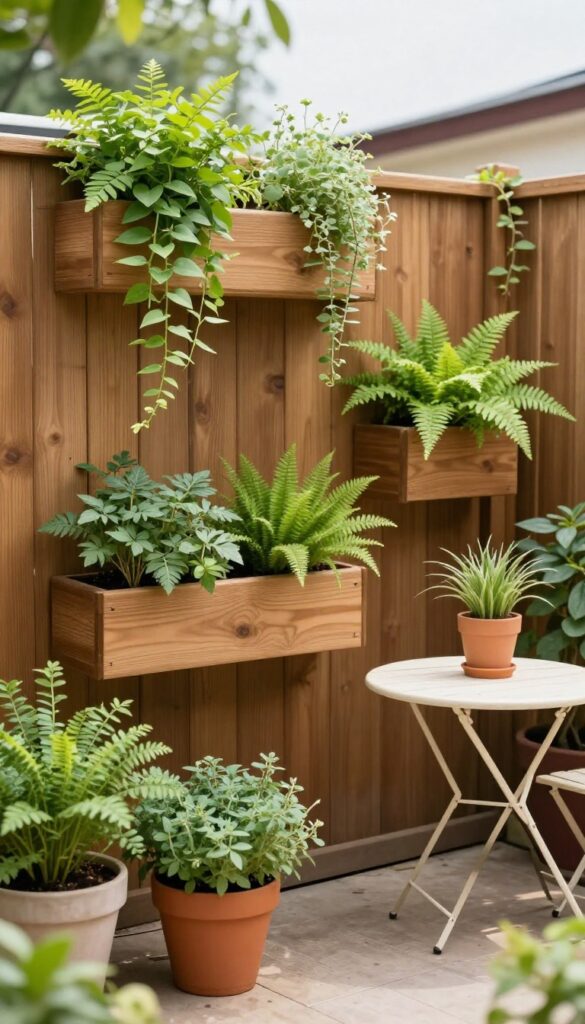
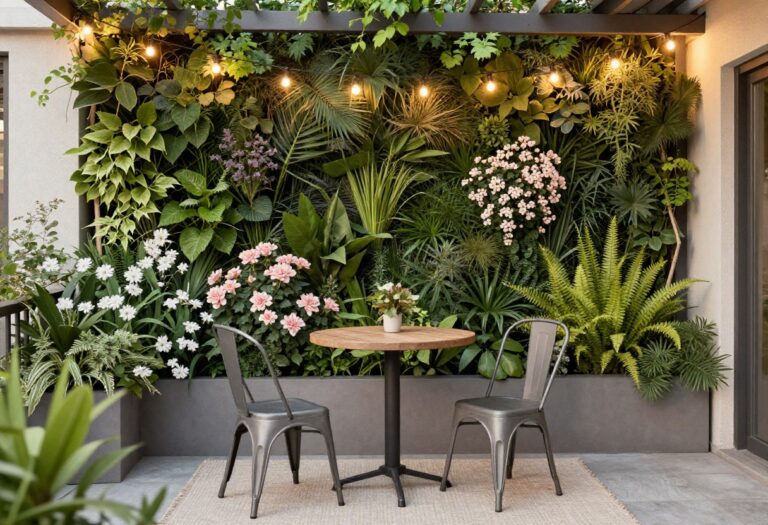
When floor space is tight, the walls become your best friend. Vertical planters let you pack in greenery without sacrificing a single square foot of walking room. They also pull your gaze upward, which makes the ceiling feel higher and the whole patio feel more open.
Start by choosing a wall that gets decent light and isn't in the main walkway. A mix of trailing vines, compact herbs, and small ferns adds texture without overwhelming the space. You can buy a ready-made living wall system or DIY it with a few sturdy shelves and pots.
Pick The Right Plants
Go for plants that thrive in your light conditions and don't need constant fussing. Herbs like basil and mint are great for sunny walls, while ferns and pothos handle shade well. Mixing leaf shapes and colors keeps the display interesting without looking cluttered.
Install Smartly
Make sure your wall can handle the weight of wet soil and pots. Use proper anchors or a freestanding trellis if you're renting. Position planters at eye level or slightly above so the greenery becomes a focal point, not an afterthought.
Add A Watering Routine
Vertical gardens dry out faster than ground beds, so check them regularly. A simple drip irrigation kit or a watering can with a long spout makes the job easier. Grouping plants with similar water needs saves time and keeps everything healthy.
2. Choose Multi-Functional Furniture
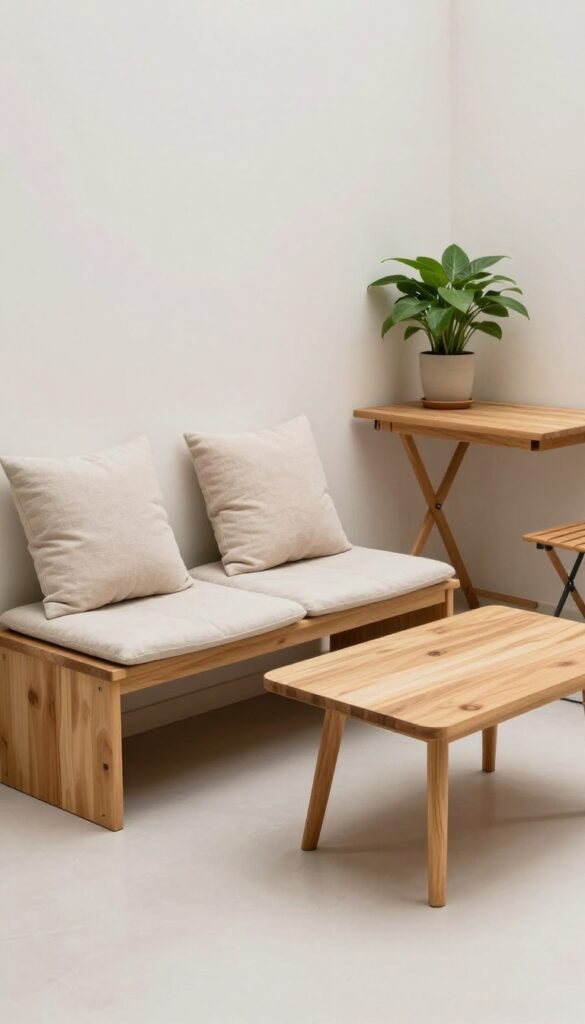
On a small patio, every piece of furniture should earn its keep. Multi-functional pieces are the ultimate space-savers, letting you switch from lounging to dining without adding extra items. This approach cuts down on clutter and makes the area feel more open and airy.
Look For Built-in Storage
Benches with lift-up seats or ottomans that open up are perfect for stashing cushions, gardening tools, or outdoor games. This keeps essentials close at hand while hiding them from view, which instantly makes the space look tidier and more spacious.
Convertible Tables Do Double Duty
A coffee table that raises to dining height or a console that expands into a buffet can transform your patio for different occasions. This means you don't need separate tables for eating and relaxing, saving both money and precious square footage.
Think Vertical With Fold-down Options
Fold-down tables and wall-mounted desks are brilliant for tiny patios. They take up zero floor space when not in use, and you can easily set up a workspace or dining spot in seconds. Pair them with folding chairs that tuck away neatly.
3. Add a Large Outdoor Mirror
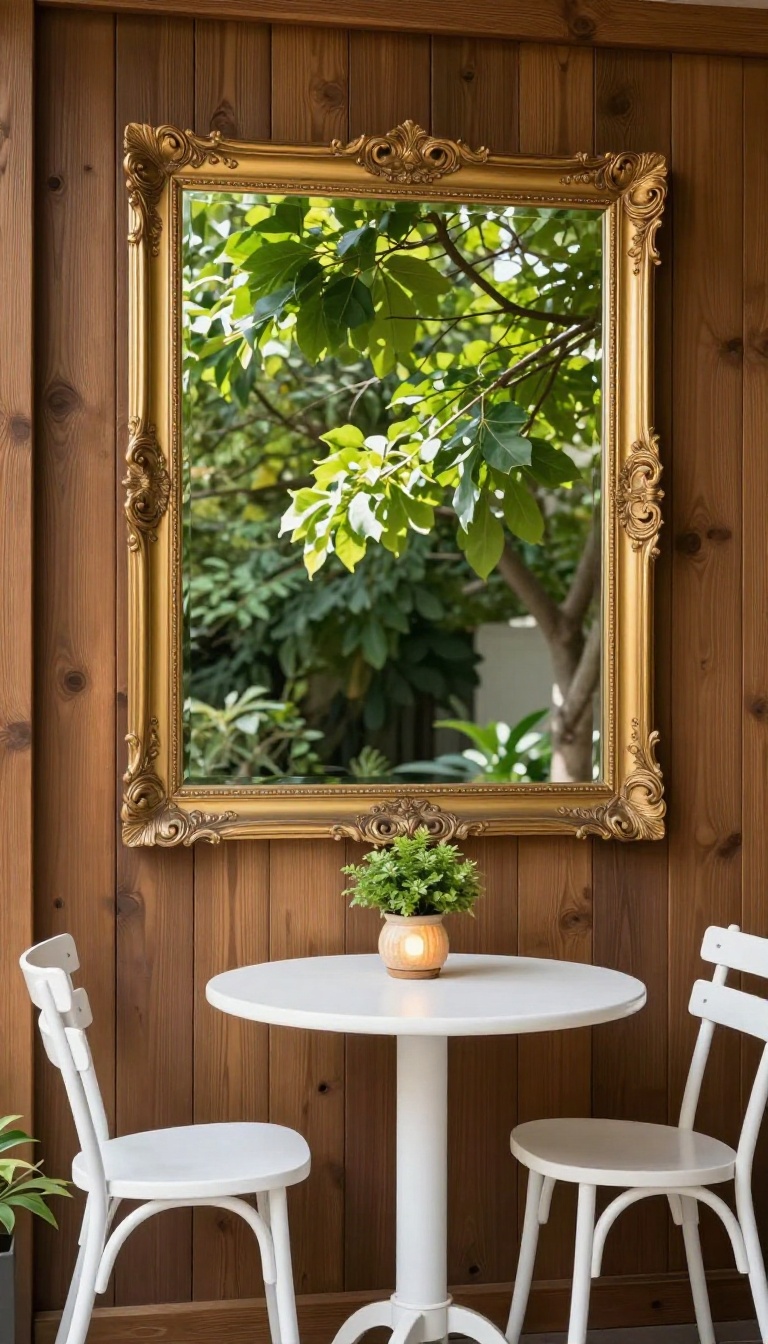
A mirror on a patio wall reflects light and greenery, instantly doubling the visual space. It's an affordable trick that makes the area feel twice as large. You don't need a fancy frame or a perfect placement—just a sturdy mirror that can handle the outdoors.
Mirrors work wonders in small spaces because they create the illusion of depth. When you place one strategically, it bounces light around and shows a reflection of your plants or seating, tricking the eye into seeing more square footage. Plus, it adds a touch of elegance without taking up any floor space.
Where To Hang It
The best spot is a wall that gets some sunlight during the day. Position it opposite a window or a cluster of potted plants to maximize the reflection. If your patio has a solid fence, that's a perfect canvas.
Just make sure the mirror is securely fastened and won't get damaged by rain or direct sun for long periods.
Choosing The Right Frame
A weather-resistant frame is key. Look for frames made of aluminum, plastic, or treated wood that can withstand the elements. If you prefer a frameless look, opt for a mirror with sealed edges to prevent moisture from seeping in.
The size matters too—go bigger than you think you need. A large mirror creates a stronger illusion of space.
Styling Around The Mirror
Once it's up, let the mirror become a focal point. Place a small bistro table and chairs in front of it, or hang a couple of lanterns nearby. The reflection will make the area feel more inviting and open.
You can also lean a mirror against a wall if you want a more casual, bohemian vibe.
4. Lay Down an Outdoor Rug to Define Zones
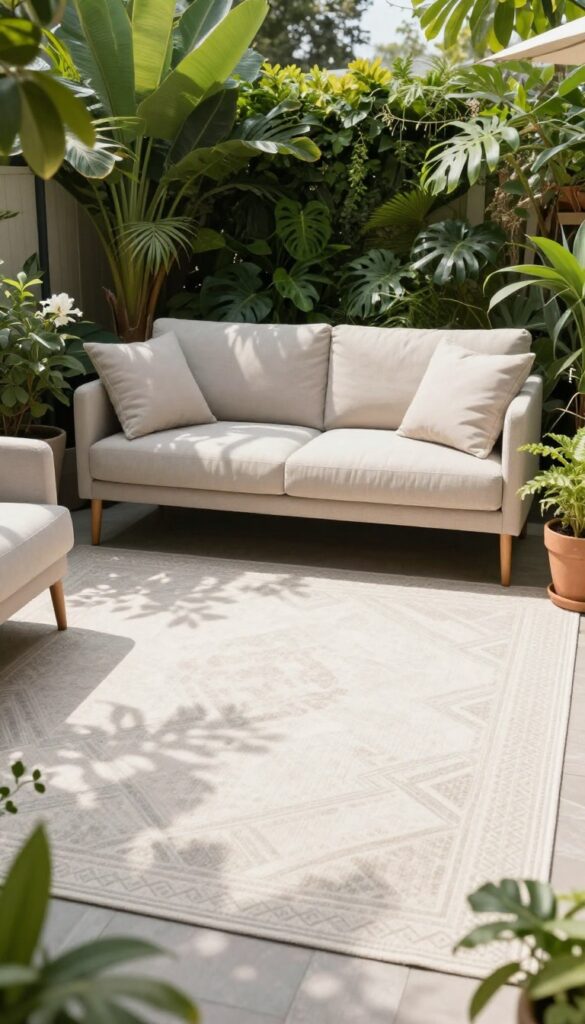
An outdoor rug does more than just soften the ground underfoot. It visually carves out a seating area, making the patio feel intentional and organized. A light-colored rug with a subtle pattern can also reflect sunlight, which helps the space feel larger and more open.
Start by measuring your patio to find a rug that fits your main seating arrangement without overwhelming it. Aim for a rug that's large enough to anchor your furniture—ideally, the front legs of your chairs and sofa should rest on it. This creates a cohesive zone that draws the eye and makes the area feel more expansive.
Choose a flat-weave or low-pile rug that's easy to clean and won't trap moisture.
Choose The Right Size And Placement
The size of your rug matters more than you might think. A rug that's too small can make the space feel disjointed, while one that's too large can swallow the patio. Measure your seating area and add a few inches on each side for a balanced look.
Place the rug centrally under your furniture to define the conversation zone, leaving a border of flooring around it to create a visual break that adds depth.
Pick A Light Color And Simple Pattern
Light colors like cream, soft gray, or pale blue reflect sunlight and make the patio feel airy. A simple geometric or striped pattern adds visual interest without overwhelming the space. Avoid dark or busy designs that can make the area feel smaller and heavier.
If you're worried about stains, look for a rug with a subtle texture or a pattern that hides dirt, but keep the overall tone light.
Layer Rugs For A Cozy Look
If you have an odd-shaped patio or want to add extra warmth, try layering a smaller rug on top of a larger one. Use a natural jute or sisal base rug and top it with a softer, patterned one. This adds dimension and makes the space feel more curated.
Just ensure the top rug is secure and won't slip, especially in high-traffic areas.
Maintain Your Rug For Longevity
Outdoor rugs are built to withstand the elements, but a little care goes a long way. Shake it out regularly to remove debris, and spot-clean spills promptly. During heavy rain or snow, roll it up and store it if possible.
A well-maintained rug will keep your patio looking fresh and inviting for years.
5. Install String Lights for Ambiance and Depth
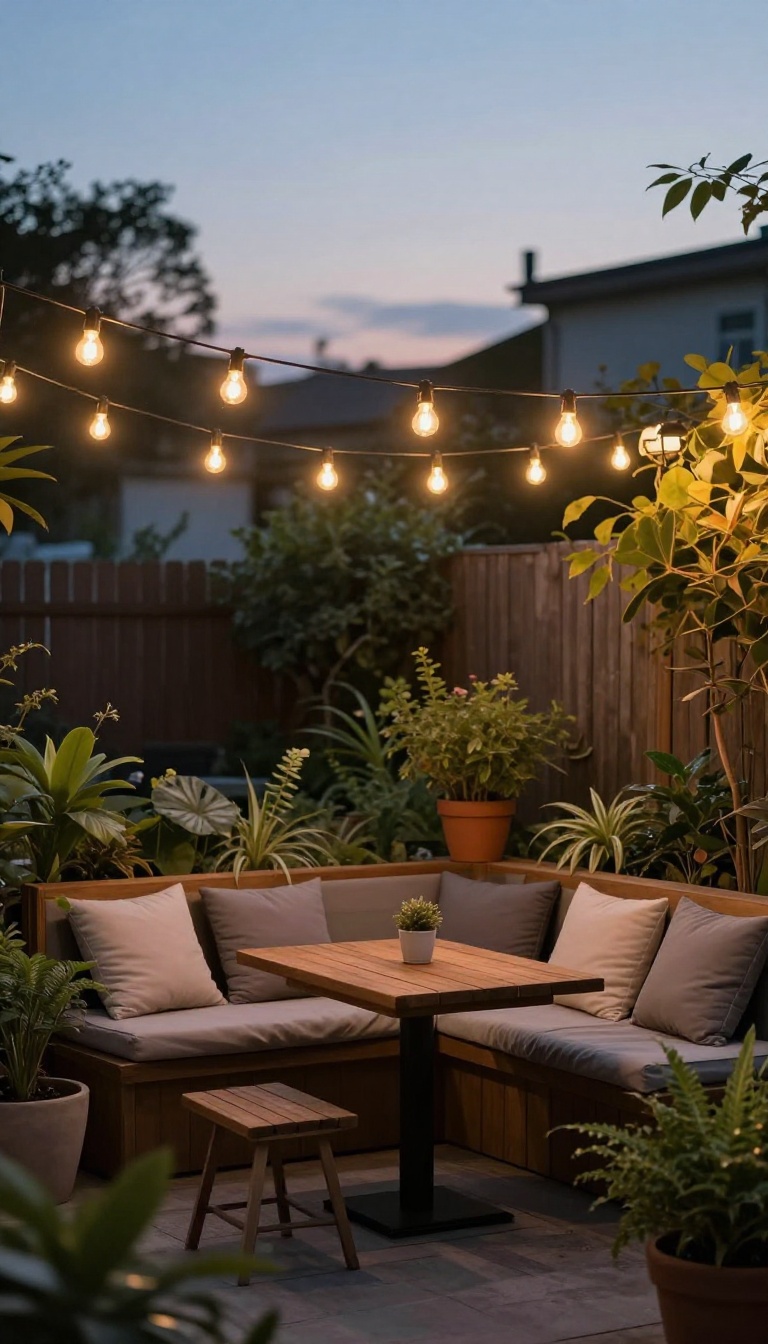
Once the sun goes down, a small patio can feel like a dark box if you don't plan for lighting. String lights are the easiest fix—they add a warm glow and instantly make the space feel more inviting. But they do more than just brighten things up.
When hung overhead, they draw your eye across the entire patio, creating a sense of depth that makes the area feel larger than it actually is.
Hanging string lights is a simple upgrade that transforms the mood of your patio. The key is to string them overhead, not just along the walls. This pulls the eye upward and outward, which visually expands the space.
Plus, the soft, diffused light makes the area feel cozy and welcoming, perfect for evening relaxation or entertaining.
Choose The Right Bulb Style
The type of bulbs you pick can change the whole vibe. For a warm, intimate feel, go with Edison bulbs or globe lights that emit a soft amber glow. If you want a more modern look, try LED string lights with a cooler white tone.
Avoid overly bright or colored lights, which can make the space feel smaller and more cluttered.
Hang Them At Different Heights
Instead of stringing them all at the same level, vary the height. Drape some strands lower over a seating area and others higher across the patio. This adds visual interest and makes the ceiling feel less flat.
Just make sure they're high enough to avoid head bumps—around 7 feet is a safe minimum.
Use Hooks Or Poles For Easy Setup
If you don't have a pergola or fence to attach to, use freestanding poles or shepherd's hooks. These are easy to install and can be moved around as needed. For a more permanent solution, consider installing eye hooks into the wall or ceiling.
Just be sure to use outdoor-rated lights and extension cords for safety.
6. Go Vertical with a Hanging Chair or Swing
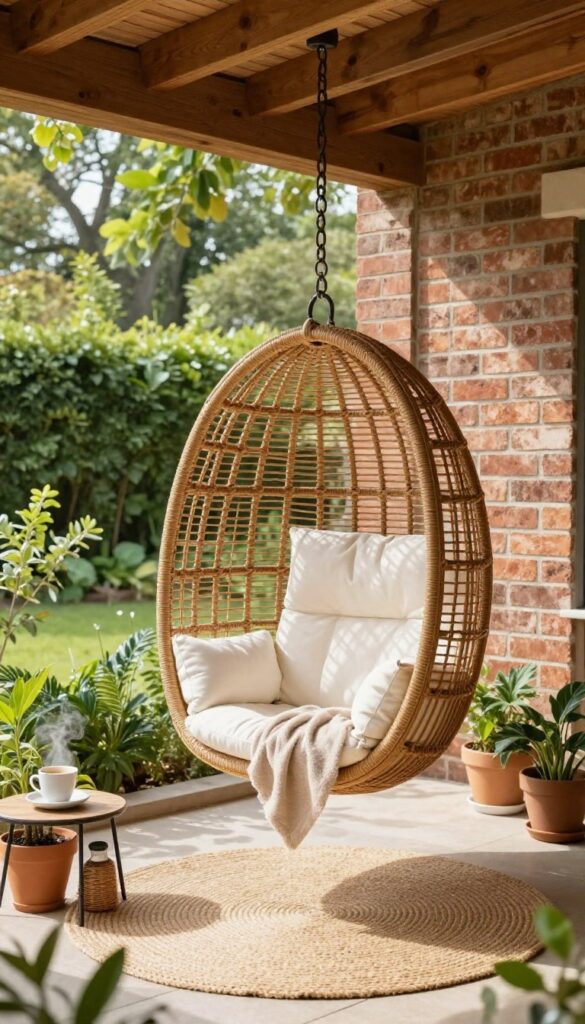
Floor space is precious on a small patio, so why not use the air above it? A hanging chair or porch swing adds a playful, cozy spot to relax without taking up a single square foot of ground. It also gives you a place to sit back and enjoy the outdoors without crowding your layout.
Hanging seating is a smart way to add function and charm to a compact patio. Whether you choose a swinging chair, a hammock chair, or a classic porch swing, you'll create a focal point that draws the eye upward, making the space feel taller and more open. Plus, it's an instant conversation starter and a favorite nook for reading or napping.
Choose The Right Style For Your Space
Think about your patio's vibe and how you plan to use the seating. A wicker egg chair gives a boho feel, while a sleek metal swing suits a modern look. If you have a covered patio, a traditional porch swing works beautifully.
For a sunny corner, a hammock chair with a canopy adds shade and a relaxed vibe. Measure your space and ceiling height to ensure the swing hangs at a comfortable level.
Installation And Safety Tips
Safety is key when hanging anything. Use a sturdy ceiling mount or a freestanding frame if you can't attach to a structure. Check the weight rating and make sure the hardware is rated for outdoor use.
If you're renting, consider a portable stand that lets you move the chair around. Always follow the manufacturer's instructions and inspect the hanging mechanism regularly.
Make It Cozy And Inviting
Add plush cushions and a soft throw blanket to make your hanging seat irresistible. Hang a small side table or use a tray to hold drinks and books. String a few lights overhead to create a magical evening glow.
With these touches, your hanging chair becomes the go-to spot for relaxation and enjoying the fresh air.
7. Use Foldable or Stackable Seating
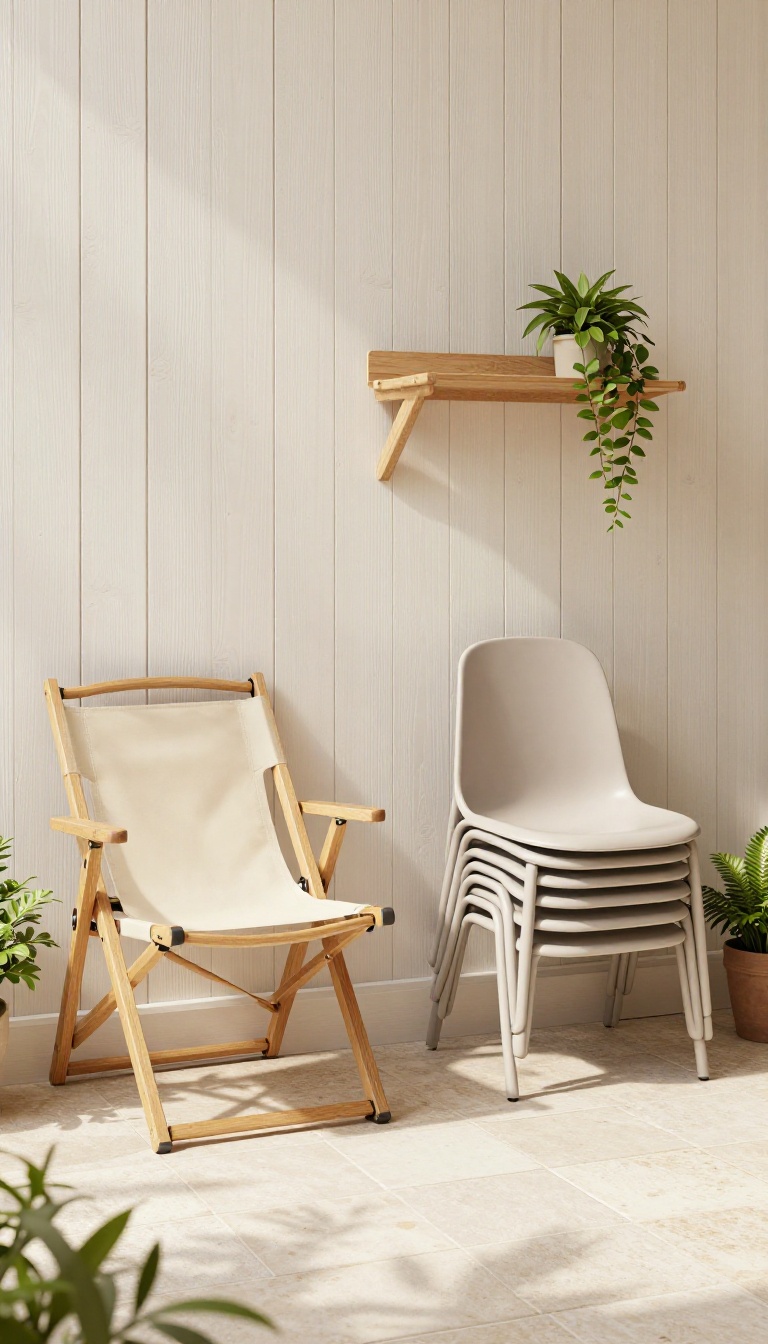
When every square foot counts, the furniture you choose can make or break the space. Foldable or stackable seating is a game-changer because it gives you flexibility without sacrificing style. You can set up a cozy nook for coffee, then clear it out for yoga or a dance party with friends.
Foldable and stackable chairs and tables are the ultimate multitaskers for small patios. They let you adapt your space in seconds, whether you need extra seating for guests or a clear area for activities. Plus, they store easily in a corner, against a wall, or even indoors when the weather turns.
Why Foldable And Stackable Works
The beauty of foldable and stackable furniture is that it doesn't commit to a permanent footprint. You can pull out a couple of chairs when you're lounging, then fold them away when you need room to move. This flexibility makes a small patio feel much larger because you're not constantly surrounded by bulky furniture.
Best Materials For Outdoor Folding Furniture
Look for weather-resistant materials like teak, aluminum, or synthetic wicker. These hold up well outdoors and are easy to clean. Folding chairs with canvas or mesh seats are lightweight and dry quickly, while stackable resin chairs are durable and come in a variety of colors.
Avoid heavy wood or iron that's hard to move.
Smart Storage For Folding Pieces
Even when folded, you need a spot to store them. A slim storage bench or a wall-mounted rack can keep chairs and tables tidy without eating up floor space. You can also lean folding chairs against a fence or wall, creating a decorative element that's still functional.
8. Add a Water Feature for a Focal Point
A small patio can sometimes feel static, but adding water changes the whole vibe. The gentle sound of trickling water instantly makes the space feel more alive and inviting. Plus, a water feature draws the eye, giving your patio a clear focal point that shifts attention away from its size.
Water features come in many forms, so you can easily find one that fits your space and style. A compact tabletop fountain works well on a side table or shelf, while a wall-mounted waterfall saves floor space and adds a vertical element. Even a simple birdbath with a solar pump can create a peaceful ambiance without taking up much room.
Choose The Right Size And Type
When selecting a water feature, measure your patio first to ensure it won't overwhelm the space. A small, self-contained fountain is perfect for tight corners, while a wall-mounted option keeps the floor clear. For a modern look, consider a sleek, minimalist design; for a rustic feel, a stone or ceramic bowl works beautifully.
Placement Tips For Maximum Impact
Position your water feature where you can see and hear it easily, such as near your seating area or entryway. Avoid placing it in a high-traffic zone where it might get bumped. If you have a wall, a mounted waterfall can become a stunning vertical accent that draws the eye upward, making the ceiling feel higher.
Maintenance Made Simple
Keep your water feature looking its best with minimal effort. Use distilled water to reduce mineral buildup, and clean the pump regularly. In colder months, drain and store portable fountains to prevent damage.
A quick weekly wipe-down keeps algae at bay and ensures the water stays clear.
9. Paint the Floor or Walls a Lighter Color
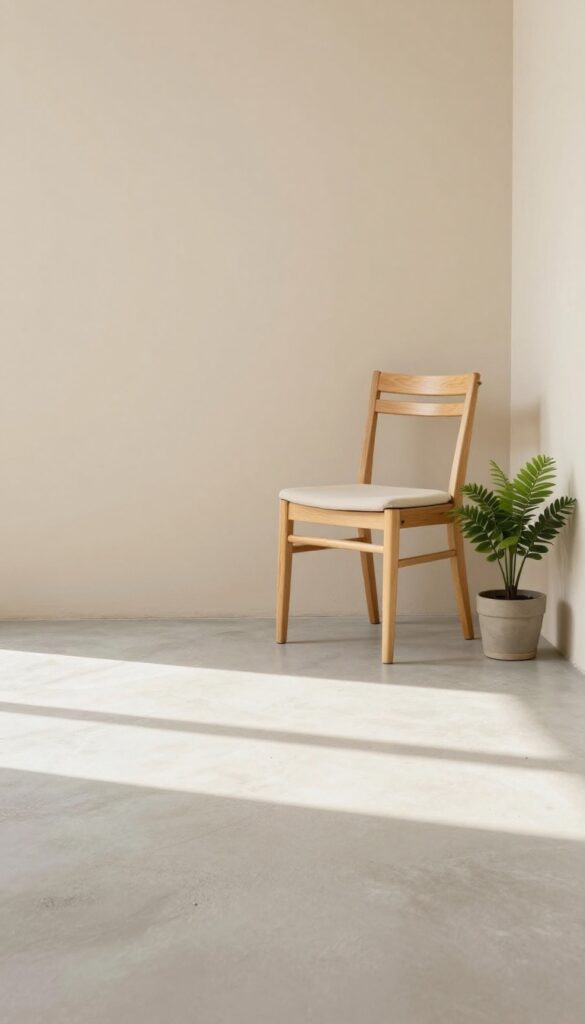
Color has a huge impact on how spacious a patio feels. Dark surfaces absorb light, making the area seem smaller and heavier. Lighter tones, on the other hand, reflect light and create a sense of openness.
A simple paint job on the floor or walls can transform the entire space. It's an affordable, high-impact change that doesn't require tearing anything out.
Start with the floor. If you have concrete, a coat of light-colored patio paint can work wonders. Soft whites, pale grays, or light beige are safe choices that brighten the area.
You can also opt for light-toned tiles or decking if you're planning a bigger update. Don't forget the walls or fences surrounding your patio. Painting them a light color can make the space feel like it extends beyond its physical boundaries.
It also creates a clean backdrop for plants and furniture. Before you start, make sure the surface is clean and dry. Use a primer designed for the material, then apply two coats of exterior paint.
This will ensure the color lasts through weather changes.
Why Light Colors Work
Light colors reflect more natural light, which brightens the entire area. This makes the patio feel more open and airy, even if it's physically small. Dark colors absorb light, creating shadows that can make the space feel cramped and gloomy.
Choosing The Right Shade
Stick with whites, off-whites, pale grays, or light tans for the floor. For walls, you can go a shade darker than the floor but still keep it light. Avoid pure white if your patio gets a lot of direct sun—it can create glare.
A warm off-white or light gray is more comfortable.
Diy Vs. Professional Help
Painting a patio floor is a manageable DIY project if you have the time and patience. Just make sure to use proper prep and paint. If you're unsure about the process or have a large area, hiring a professional might be worth it to get a smooth, long-lasting finish.
10. Create a Cozy Nook with a Bench and Cushions
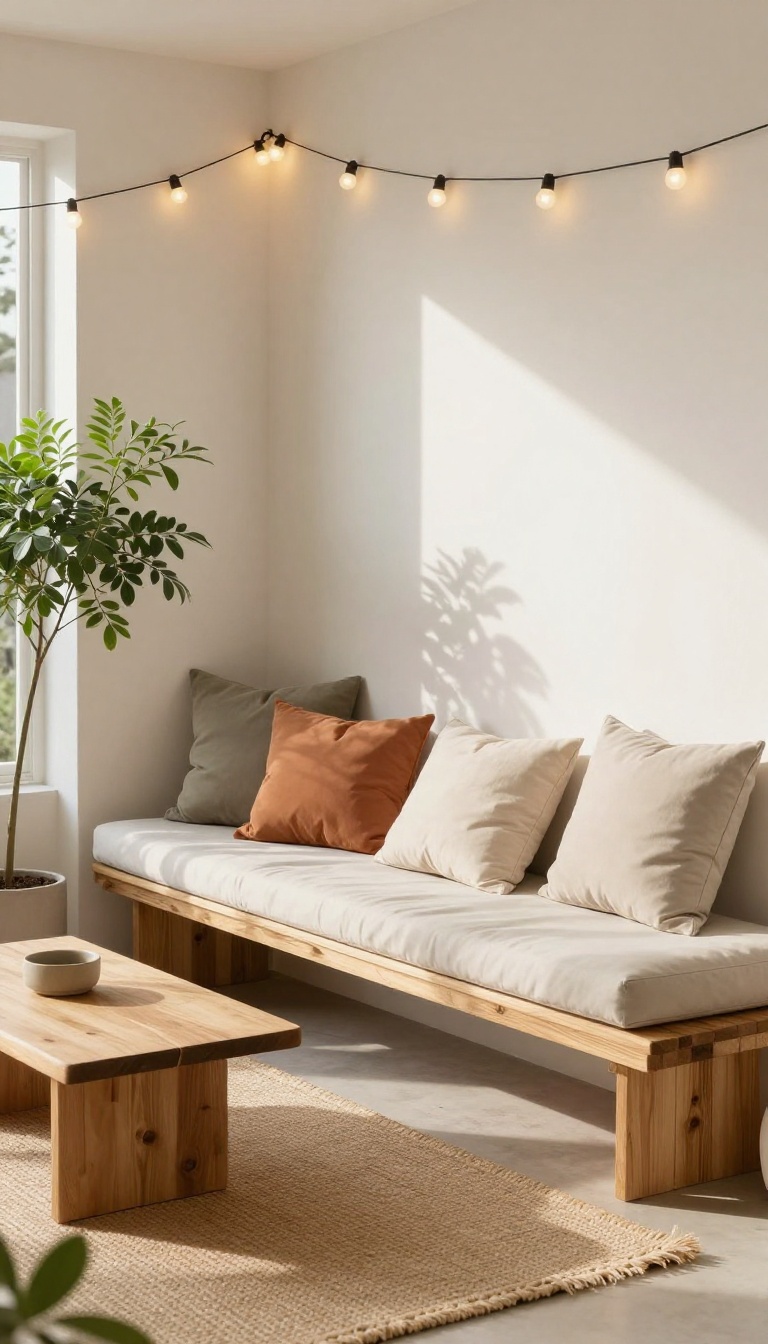
A built-in bench along one wall can be a game-changer for a small patio. It hugs the perimeter, freeing up the center for movement, and with the right cushions, it becomes an irresistible spot to lounge. This nook doesn't just add seating—it adds a sense of purpose to an otherwise unused edge.
When you're short on space, every piece of furniture has to earn its keep. A bench does that by offering multiple seats without the bulk of individual chairs. Plus, it creates a natural focal point that draws the eye along the wall, making the patio feel longer and more intentional.
Built-in Vs. Freestanding
If you're handy, a built-in bench can be customized to fit your exact dimensions, even wrapping around corners. But a freestanding bench is a simpler option that you can move or swap out later. Either way, look for something with a slim profile so it doesn't eat up too much floor space.
Cushion Comfort And Care
The cushions are what turn a hard bench into a cozy retreat. Choose thick, weather-resistant foam with a removable, washable cover. Outdoor fabrics like polyester or solution-dyed acrylic hold up well against sun and rain.
Don't forget to add a few throw pillows for back support and a pop of color.
Styling The Nook
To make the nook feel inviting, layer in a soft outdoor rug underneath, and add a small side table or a hanging planter nearby. A string of lights overhead or a lantern on the bench adds warmth for evening use. Keep the palette light and airy to maintain that open feel.
11. Install a Retractable Awning or Umbrella
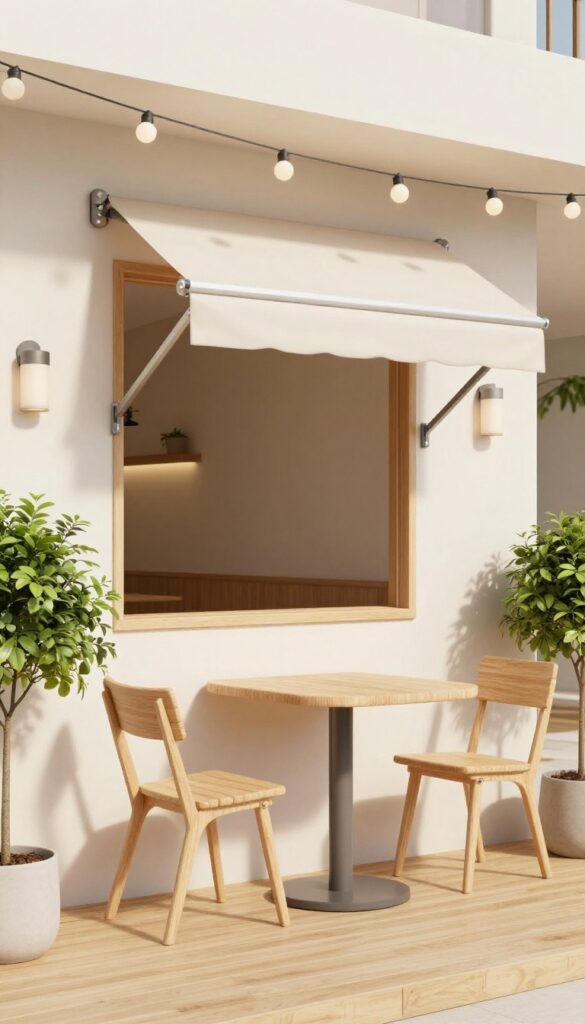
Shade is a must-have on any patio, but bulky umbrellas can quickly overwhelm a small space. A retractable awning or a slim-profile umbrella gives you protection from the sun without hogging valuable floor area. These options let you adjust coverage on demand, so you can enjoy the breeze when you want it and block the harsh rays when you don't.
When you're working with limited square footage, every piece of furniture and accessory needs to earn its place. Traditional patio umbrellas often come with heavy bases that eat up floor space and can make the area feel cramped. Retractable awnings, on the other hand, mount to the wall or ceiling and tuck away neatly when not in use.
This frees up your patio for seating, plants, or just walking space. Plus, awnings provide more consistent shade across the entire seating area, not just a small circle under the umbrella.
Pick The Right Style
Consider a wall-mounted retractable awning if you have a solid wall or fence to attach it to. These come in manual or motorized versions and can extend several feet to cover your seating area. If wall mounting isn't an option, a freestanding cantilever umbrella is a great alternative.
It has a side pole that doesn't block the center of the space, and the canopy can be tilted to follow the sun. Look for models with a compact base or one that can be weighted down with sandbags to save floor space.
Think About Fabric And Color
The fabric of your awning or umbrella plays a big role in both aesthetics and function. Light-colored fabrics reflect heat and brighten the space, making it feel airier. Darker fabrics hide stains but can absorb heat, making the area warmer.
Choose a fabric that's UV-resistant and water-repellent for durability. Stripes or subtle patterns can add visual interest without overwhelming the small area.
Installation And Maintenance Tips
If you're handy, a manual awning can be a DIY project, but motorized versions may require professional installation. For umbrellas, ensure the base is sturdy enough to handle wind gusts. Regularly clean the fabric with mild soap and water, and retract the awning during storms to extend its life.
With proper care, these shade solutions will serve you for years.
12. Use Hanging Planters and Baskets
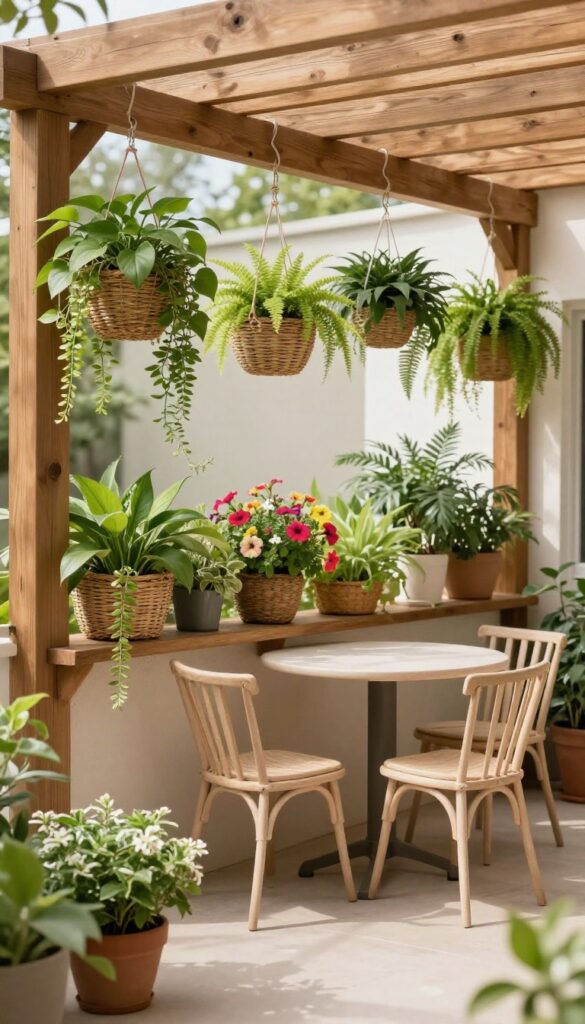
Floor space is precious on a small patio, so why not look up? Hanging planters and baskets let you add greenery without sacrificing a single square inch of walking room. Plus, they create a lush, layered canopy that instantly makes the space feel more established and inviting.
Hanging plants draw the eye upward, which visually expands the patio. They also soften hard edges and add a sense of depth. Choose a mix of trailing and upright plants to create texture and interest at different heights.
Pick The Right Spots
Look for overhead beams, pergolas, or railings that can support hanging baskets. If you don't have a structure, consider a freestanding plant stand with hooks or a wall-mounted bracket. Make sure the location gets the right amount of sunlight for the plants you choose.
Choose Easy-care Plants
For low-maintenance options, go with trailing succulents, pothos, or ferns. These thrive in hanging baskets and don't need constant attention. Mix in a few colorful annuals like petunias or begonias for a pop of color.
Layer Heights For Depth
Hang baskets at different levels to create a dynamic, full look. Combine high-hanging plants with lower ones on shelves or tables. This adds visual interest and makes the patio feel more lush without cluttering the floor.
13. Add a Compact Fire Pit or Tabletop Fire Bowl
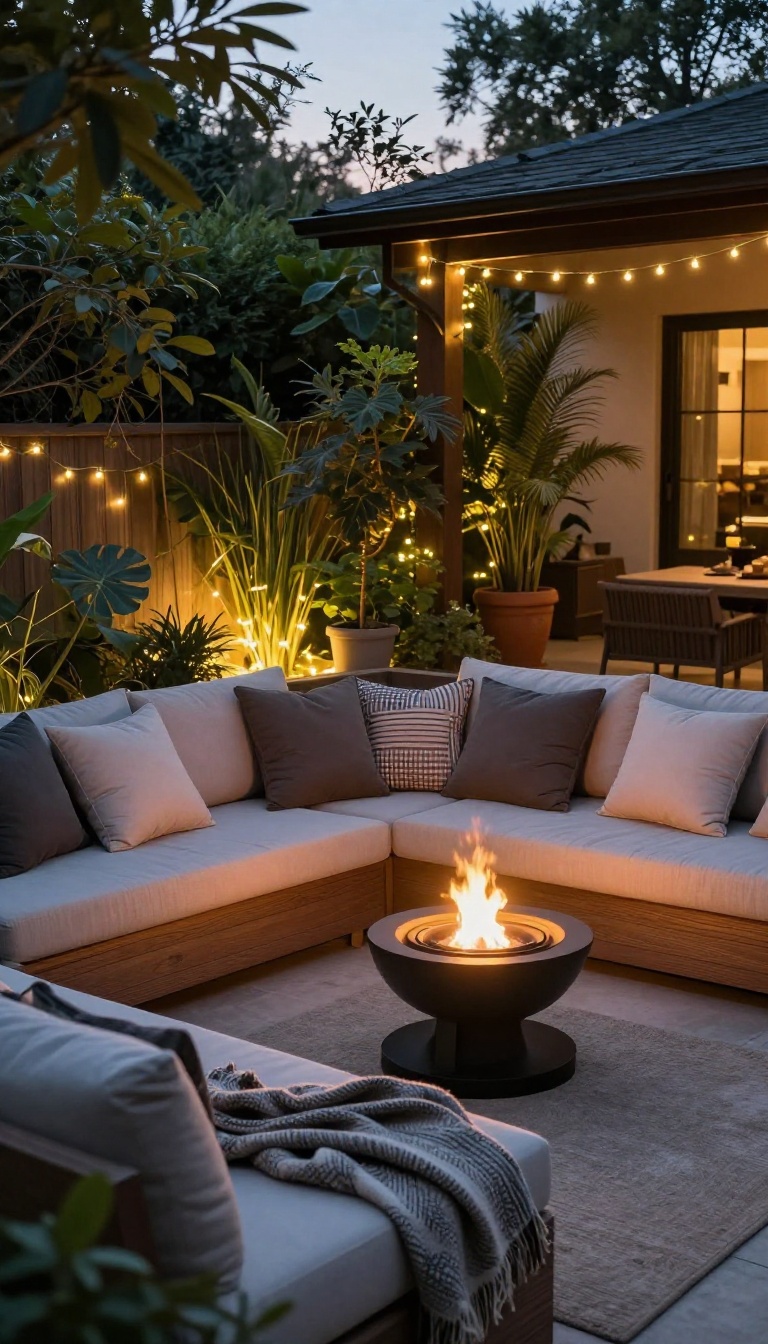
When the sun goes down, a small patio can quickly lose its charm. A compact fire pit or a tabletop fire bowl changes that instantly, adding warmth and a cozy glow that draws people in. Best of all, these options take up very little space, so you don't have to sacrifice precious square footage.
A small fire feature becomes the natural centerpiece of your patio, giving everyone a reason to gather around. It extends the usability of your outdoor space well into the cooler evenings, making it feel like a true extension of your home. With so many sizes and styles, you can find one that fits your patio's proportions without overwhelming it.
Choose The Right Size And Type
The key is to match the fire feature to your patio's scale. For tiny balconies, a tabletop fire bowl is perfect—it sits on a side table or railing and provides a surprising amount of warmth. For slightly larger patios, a compact fire pit table offers both heat and a surface for drinks or snacks.
Avoid oversized pits that dominate the space and make it feel cramped.
Place It Strategically
Position your fire feature where it won't block walkways or clutter the main seating area. A corner spot often works well, drawing the eye outward and making the patio feel more spacious. If you have a view, angle the fire feature so it enhances it rather than obstructs it.
Safety is also a priority—keep it at least a few feet away from any furniture or plants.
Accessorize For Comfort And Style
Surround your fire feature with comfortable seating that encourages conversation. Add a few outdoor cushions or throw blankets for chilly nights. A fire pit also pairs beautifully with string lights or lanterns to create a layered, inviting ambiance.
Just keep the accessories minimal to maintain that open, airy feel.
14. Incorporate Built-In Seating with Storage
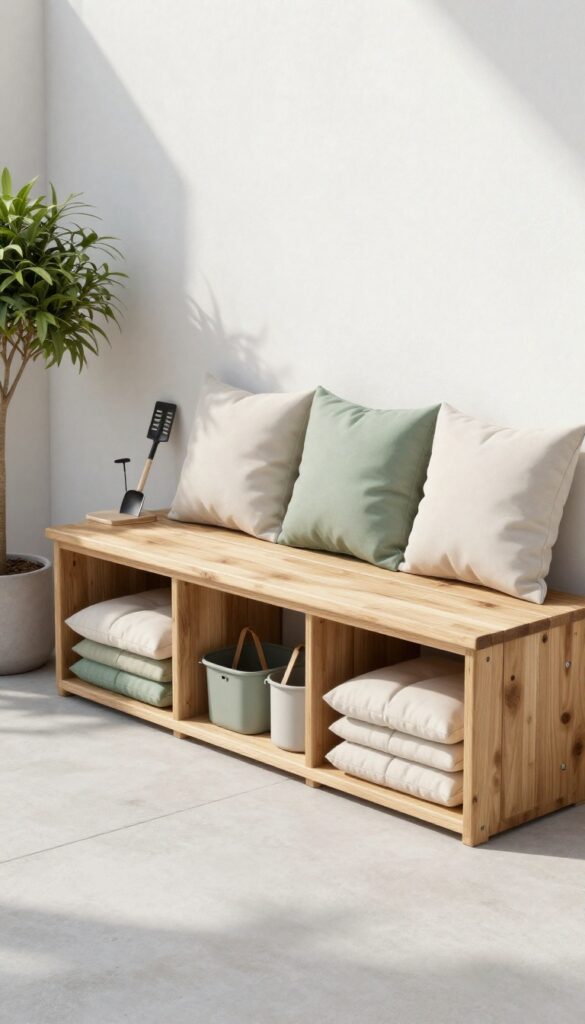
When every square foot counts, furniture that does double duty is a lifesaver. A built-in bench with hidden storage gives you a comfy spot to sit and a place to stash cushions, tools, or outdoor games. It keeps the patio tidy and frees up floor space, making the whole area feel more open.
Built-in seating is a smart way to add function without eating up precious square footage. By attaching a low platform to the wall or fence, you create a permanent seating area that doesn't need to be moved or stored. The space underneath becomes valuable storage, so you can keep the patio clutter-free and visually larger.
Designing The Perfect Bench
Start by measuring the available wall space and deciding on the height and depth. A typical bench height is around 18 inches, with a depth of 18 to 24 inches. Use weather-resistant materials like cedar, composite decking, or concrete blocks.
Add a hinged top or pull-out drawers to access the storage easily. You can also incorporate a backrest for extra comfort, but keep it low to maintain an open feel.
Storage That Keeps Things Tidy
The storage area can hold everything from throw pillows and blankets to gardening supplies and BBQ tools. Use bins or baskets to organize smaller items and make them easy to grab. If you're storing cushions, make sure the compartment is well-ventilated to prevent mold.
A clean, organized patio instantly feels more spacious.
Styling And Comfort
Add outdoor cushions in a color that complements your patio palette. Use weatherproof fabric that can handle sun and rain. Place a few throw pillows for extra coziness.
You can also add a small side table or a plant on top of the bench to make it feel intentional. The built-in look creates a seamless, custom feel that makes the space appear larger.
15. Keep the Layout Simple and Uncluttered
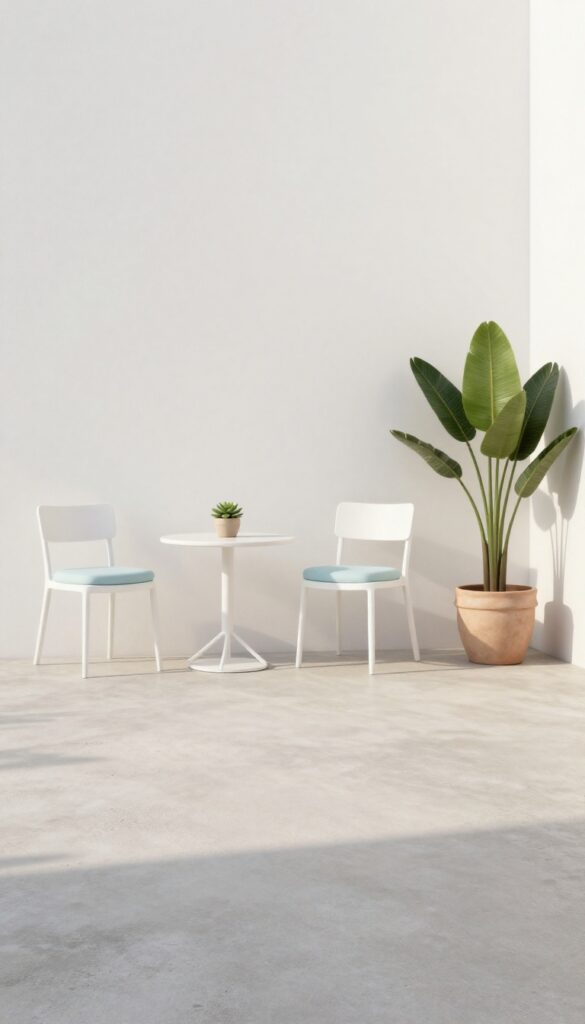
The final trick to making a small patio feel bigger is to stop adding and start subtracting. A cluttered space feels cramped and chaotic, while an open, simple layout gives your eye a place to rest and your mind a sense of calm. By keeping only what you truly need and love, you'll create a patio that feels larger and more inviting.
Think of your patio as a blank canvas. Each piece you add should earn its spot. If a chair isn't comfortable or a planter is just taking up space, consider removing it.
A few well-chosen items—a cozy seating area, a small table, maybe a lantern—are all you need. Leave some empty floor space to let the patio breathe.
Choose A Focal Point
Every small patio needs one focal point to anchor the space. It could be a small bistro table, a fire pit, or a striking plant. Once you have that, arrange everything else around it, but don't overcrowd.
A single focal point draws the eye and makes the area feel intentional, not haphazard.
Stick To A Cohesive Color Palette
Too many colors and patterns can make a small space feel busy and smaller. Choose a simple palette—like neutrals with one accent color—and stick to it for furniture, cushions, and accessories. This creates visual continuity and makes the patio feel more open and serene.
Edit Ruthlessly
Once or twice a season, take a hard look at your patio and remove anything that doesn't serve a purpose or bring you joy. That extra chair that's always in the way? The decorative sign that's faded?
Let them go. An uncluttered space not only looks bigger but also makes you want to spend more time there.
FAQ
What is the best way to make a small patio look bigger?
Use a combination of vertical elements, light colors, and mirrors to create the illusion of more space. Also, choose furniture that is proportionate to the area and avoid overcrowding.
Can I put a fire pit on a small patio?
Yes, but opt for a compact, tabletop fire bowl or a small portable fire pit that doesn't take up too much floor space. Always check local regulations and ensure proper ventilation.
How do I choose the right furniture for a small patio?
Look for multi-functional, foldable, or stackable pieces that can be easily stored. Measure your space and choose furniture that fits without blocking walkways.
Are there any plants that are best for small patios?
Yes, choose vertical growers like climbing vines, or compact plants like herbs, succulents, and dwarf shrubs. Hanging planters and wall-mounted pots are also great for saving space.
What colors make a small patio feel larger?
Light and neutral colors, such as white, beige, light gray, and pastels, reflect more light and make the space feel airy and open. Use these for walls, floors, and furniture.
Conclusion
A small patio doesn’t have to feel cramped. By mixing a few of these ideas—like vertical planters, foldable furniture, or clever lighting—you can turn even the tightest space into a spot you actually want to use. Start with one change that solves your biggest pain point, and build from there.
You’ll be surprised how quickly the space opens up. Pick what fits your style and budget, and enjoy your new outdoor retreat.