13 Tiny Patio Ideas That Turn Tight Space Into a Retreat
A tiny patio can still deliver big on comfort and character—if you plan it right. The trick isn't squeezing in more, but choosing pieces that pull double duty and create a sense of openness.
Whether you're starting with a bare concrete slab or a narrow balcony, these 13 ideas focus on smart layouts, visual tricks, and cozy details that make every square foot count. From vertical gardens to foldable furniture, each tip helps you build a retreat that feels intentional, not cramped.
Ready to transform that small outdoor space into your favorite spot? Let's get started.
1. Hang a Vertical Garden Wall
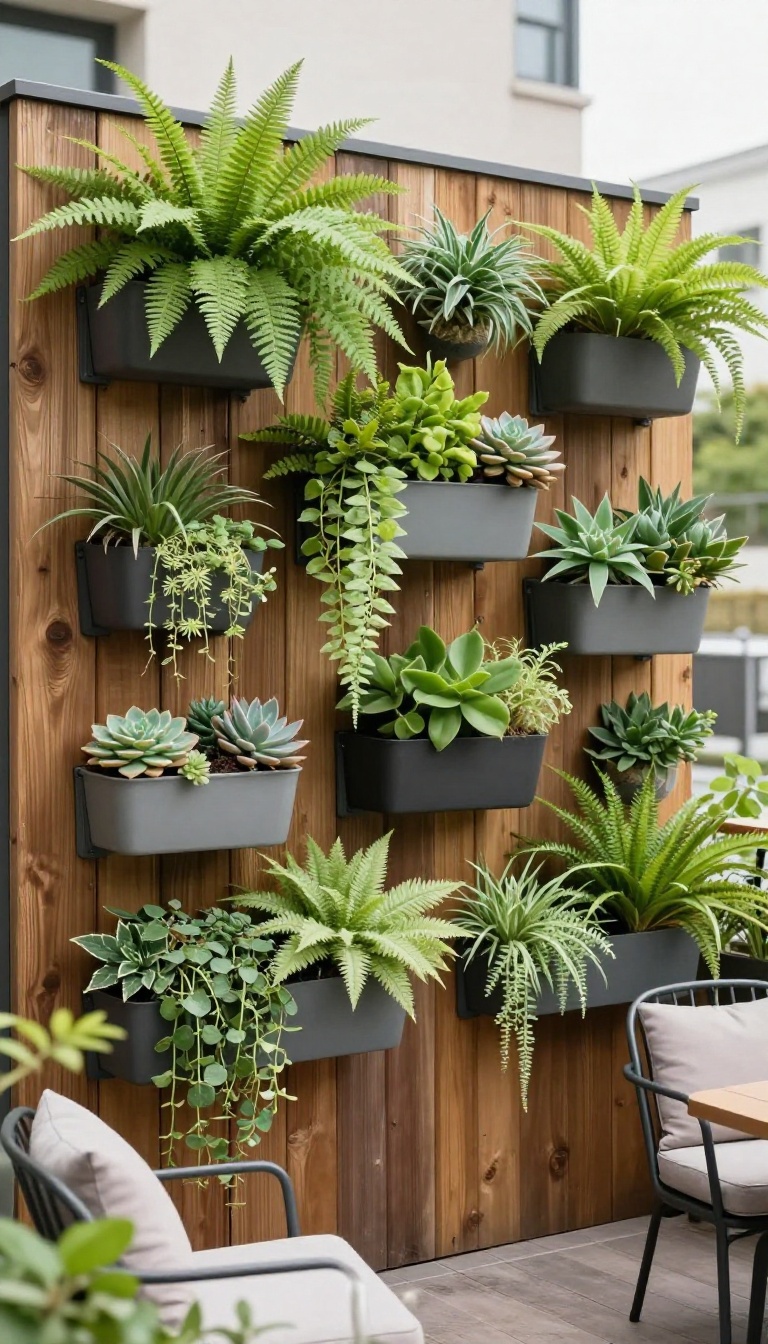
When floor space is tight, the only way to go is up. A vertical garden not only adds lush greenery but also creates a natural focal point that draws the eye upward, making the patio feel taller and more open. Plus, it's a smart way to soften hard walls or fences without taking up a single inch of precious floor area.
Start by choosing a sunny or shaded wall, depending on the plants you pick. Mount a modular living wall system, a set of wall-mounted planters, or even a repurposed pallet with pockets. For a low-maintenance approach, stick with succulents, ferns, or trailing vines that thrive with minimal fuss.
Watering is easier if you install a drip irrigation kit, but a simple watering can works too—just check the soil regularly.
Pick The Right Plants
Match your plant choices to the light your wall receives. For full sun, go with succulents like sedum or hens-and-chicks. For shade, ferns, pothos, or peace lilies do great.
Mix textures and leaf colors to create visual interest, and consider adding a few herbs like basil or mint for a functional touch.
Diy Vs. Store-bought Systems
If you're handy, build your own vertical garden using a wooden frame, landscape fabric, and a drip tray. Store-bought systems are easier to install and often come with built-in watering features. Either way, ensure the structure is securely anchored to the wall to handle the weight of wet soil.
Maintenance Tips
Check plants weekly for dryness—vertical gardens can dry out faster than ground beds. Use a moisture meter if you're unsure. Prune regularly to keep growth tidy, and fertilize lightly every few weeks during the growing season.
With a little care, your green wall will stay vibrant all year.
2. Choose Foldable or Stackable Furniture
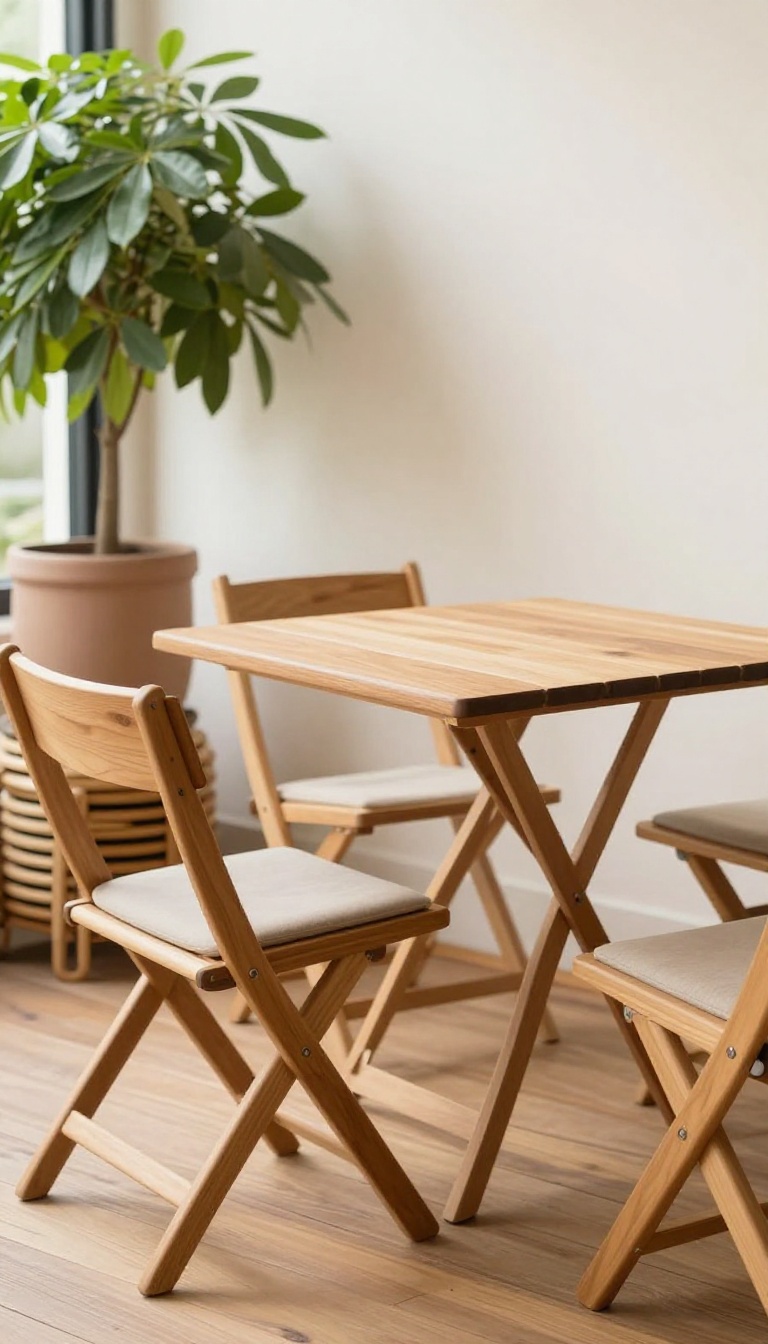
When your patio is measured in inches rather than feet, every piece of furniture needs to earn its spot. Foldable and stackable options are the ultimate space-savers because they let you open up the floor when you need room to move, then tuck everything away when you're done. This flexibility turns a tight area into a versatile zone that works for morning coffee, afternoon reading, or an evening get-together.
The beauty of foldable or stackable furniture is that it gives you options without committing you to a cluttered layout. You can keep the patio open for yoga or kids' play, then quickly set up seating when guests arrive. Plus, when the season changes, these pieces are easy to store indoors, protecting them from harsh weather and extending their life.
Think Beyond The Basic Folding Chair
You don't have to settle for those flimsy lawn chairs from the big-box store. Today's foldable furniture comes in stylish materials like acacia wood, teak, and powder-coated aluminum. Look for folding chairs with padded seats or armrests for comfort, or consider a folding bistro set that adds charm without taking up permanent space.
A drop-leaf table is another clever option—keep it small for daily use, then extend it when you need extra surface for snacks or drinks.
Stackable Stools Do Double Duty
Stackable stools are a tiny patio's best friend. They can serve as extra seating, a side table, or even a plant stand when you need a boost. Choose stools that are lightweight but sturdy, and stack them in a corner or against a wall when not in use.
If you want a cohesive look, pick stools that match your existing decor or go for a pop of color to add personality.
Make Storage Part Of The Plan
Foldable furniture only helps if you have a place to put it when it's folded. Consider a slim storage bench or a weatherproof deck box that doubles as seating. You can also use wall-mounted hooks or shelves to hang folded chairs or stack stools vertically.
The key is to designate a spot for everything so your patio stays uncluttered and ready for action.
3. Add a Compact Bistro Set
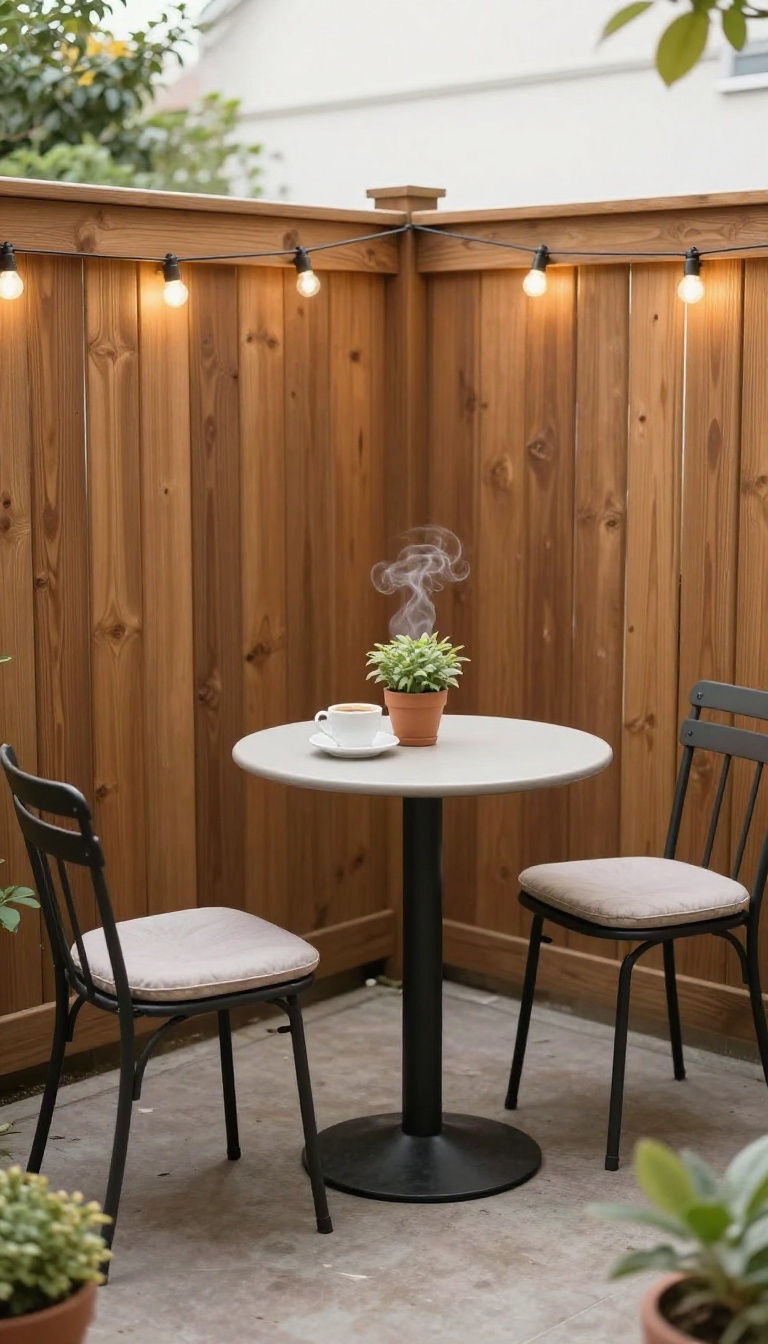
A tiny patio can still host a proper coffee date or a quiet dinner for two. The secret is choosing a bistro set that fits the space without overwhelming it. Compact round tables and slim chairs tuck neatly into corners or against a wall, leaving room to move.
Bistro sets are the unsung heroes of small patios. They bring a classic café vibe and give you a dedicated spot to sit, sip, and unwind. When you’re working with limited square footage, a full dining table is out of the question, but a petite table with two chairs hits the sweet spot between function and footprint.
Measure Before You Buy
Before you fall for a cute set, grab a tape measure. You need at least 24 inches of clearance around the table so chairs can slide out comfortably. A 24- to 30-inch round table works best for two people without eating up the whole patio.
Also, check the chair width—those with armrests can feel bulky in tight spots.
Pick Materials That Last
Outdoor furniture takes a beating, so choose materials that can handle sun, rain, and everything in between. Look for powder-coated aluminum, teak, or all-weather wicker. These resist rust, fading, and warping.
If you have storage space, a foldable bistro set is a smart pick—you can stash it when not in use.
Style It To Feel Like A Retreat
A bistro set alone can look bare. Soften it with a small potted plant on the table, a weatherproof cushion on each chair, and maybe a string light overhead. These little touches make the corner feel intentional and cozy.
Choose a table with a hole for a market umbrella if you need shade.
4. Install String Lights for Ambiance
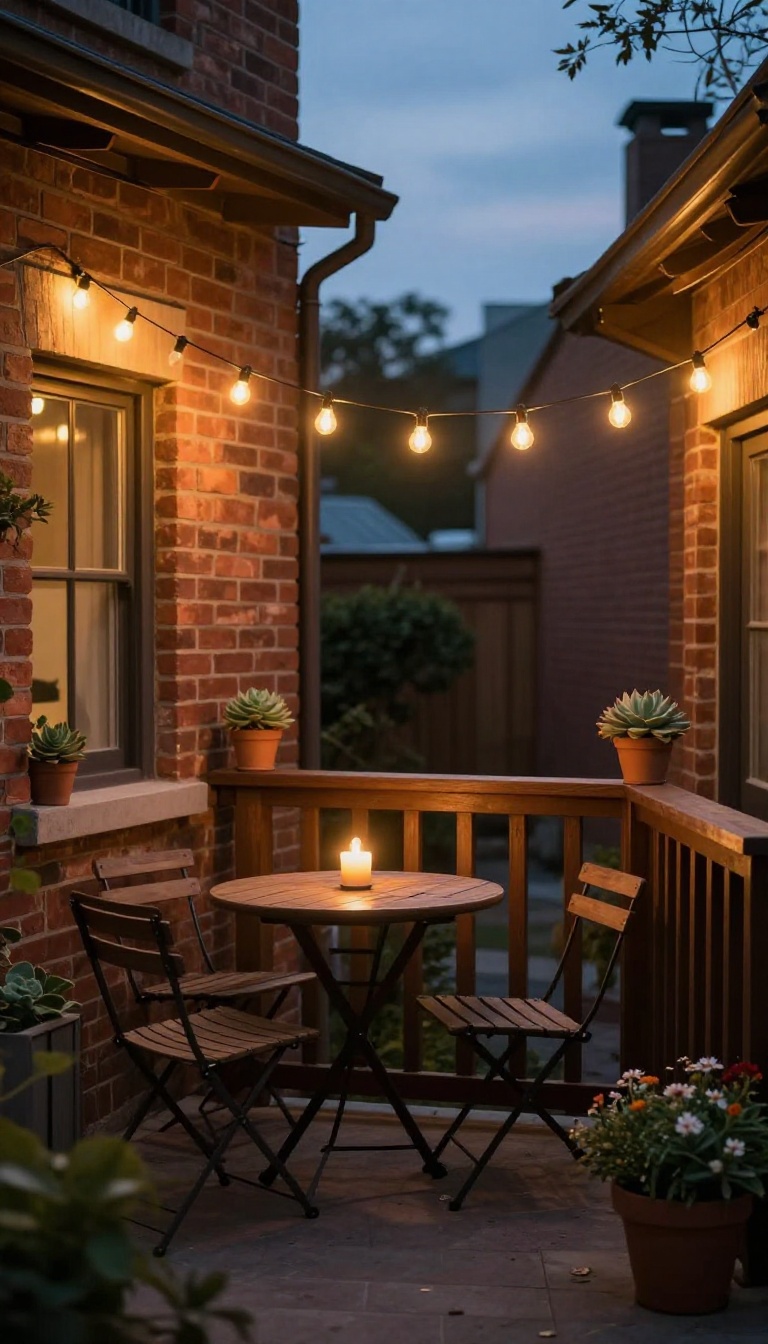
When the sun goes down, a tiny patio can feel dark and closed in. String lights change that completely. They add a soft, warm glow that makes the space feel bigger and more inviting, without taking up any floor space.
You don't need an electrician or a ton of outlets to make this work. Solar-powered string lights are easy to hang and move around, so you can experiment until you find the perfect setup. Plus, they turn on automatically at dusk, so you get instant ambiance every evening.
Map Your Light Path
Before you start hanging, take a look at your patio and figure out where the lights will have the most impact. Overhead is a classic spot—draping them across the ceiling or between walls creates a canopy effect that feels cozy and intimate. If you have a railing, wrap them along the top or weave them through the balusters for a subtle, guiding glow.
Think about the areas you use most, like a seating nook or a dining spot. You want the light to highlight those zones, not just fill empty corners. A quick sketch or just standing in the space at night with a flashlight can help you visualize where the light will land.
Pick The Right Bulbs
Not all string lights are created equal. For a warm, inviting feel, look for LED bulbs with a color temperature around 2700K—that's the same soft white as traditional incandescent bulbs. Avoid cool white or blue-tinted lights, which can feel harsh and clinical.
Bulb size matters too. Larger bulbs (like the classic Edison style) give off more light and make a statement, while smaller fairy lights create a delicate, twinkling effect. If you're going for a relaxed retreat vibe, a mix of both can work beautifully.
Just make sure whatever you choose is rated for outdoor use.
Hang Without Damage
Renting or just don't want to drill holes? There are plenty of damage-free ways to hang string lights. Use adhesive hooks designed for outdoors, or clip them to a pergola beam with binder clips.
For railings, zip ties are your best friend—they're cheap, easy to remove, and won't leave marks. If you have trees or a fence, you can also use eye hooks or simple nails, but always check that they're secure. The goal is to have the lights taut enough not to sag too much, but not so tight that they pull on the hooks.
A little slack in the line also gives a more natural, relaxed look.
5. Use a Mirror to Create Depth
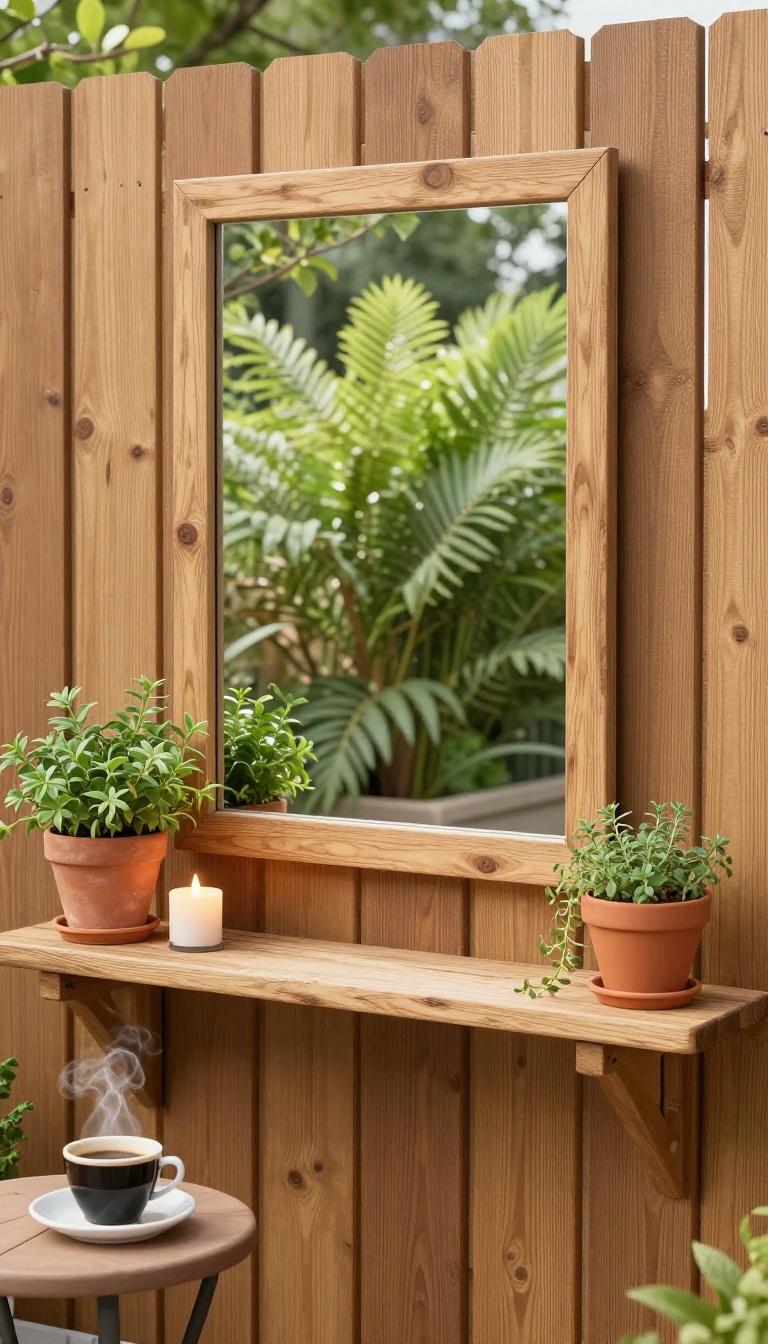
One of the best visual tricks for a small patio is adding a mirror. It’s a simple idea that makes the space feel twice as large by reflecting light and greenery. An outdoor-rated mirror on a wall can turn a cramped corner into an open, airy retreat.
Mirrors are a classic trick for small indoor rooms, and they work just as well outdoors. By placing a mirror strategically, you can bounce sunlight around, highlight your favorite plants, and create the illusion of a much bigger patio. It’s an affordable upgrade that delivers a surprising amount of visual impact.
Choosing The Right Mirror
Not all mirrors are suitable for outdoor use. Look for mirrors specifically designed for damp or humid environments, with sealed edges and weatherproof backing. Acrylic mirrors are a safer choice than glass because they won’t shatter and are lighter to mount.
If you prefer a real glass mirror, make sure it’s framed in a material that can handle the elements, like teak or powder-coated metal.
Placement Tips For Maximum Effect
Position the mirror to reflect something you want to highlight—a cluster of potted plants, a string light arrangement, or a pretty corner of the yard. Avoid reflecting a blank wall or a direct view of your neighbor’s window. Angling the mirror slightly upward can capture more sky and greenery, making the patio feel more open.
Also, consider placing it opposite a window or door to bring the outdoors in.
Styling Around The Mirror
Once the mirror is up, treat it like a piece of art. Add a small shelf below to hold a candle or a trailing plant. Lean a few potted herbs nearby to create a layered look.
The mirror will multiply whatever you place in front of it, so keep the area tidy and intentional. A simple arrangement can feel lush and abundant when doubled.
6. Incorporate a Water Feature
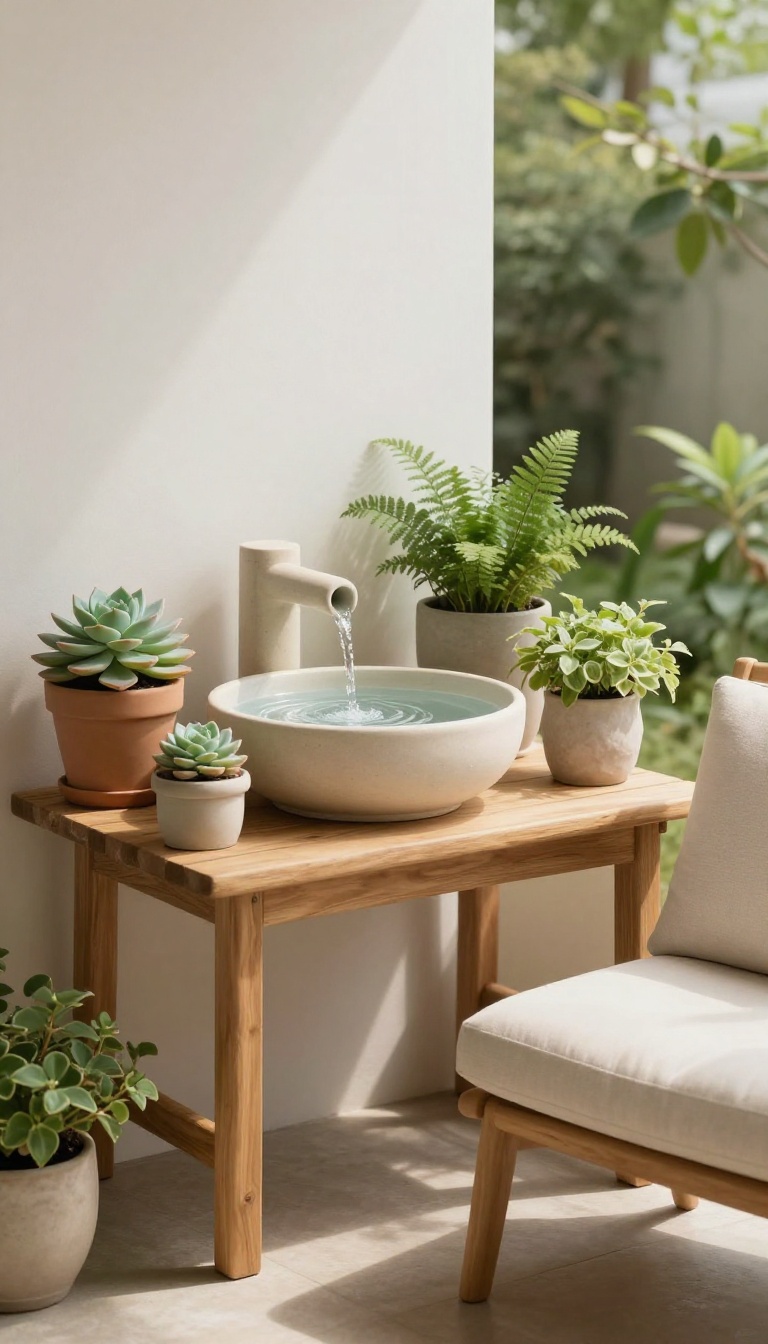
Sound plays a bigger role in how a space feels than most people realize. On a tiny patio, the right background noise can mask street traffic and make the whole area feel more private and calm. A small water feature adds that layer of tranquility without taking up much room.
Choose The Right Scale
A tabletop fountain works well on a side table or plant stand. Look for one that's self-contained, so you don't have to run a long hose or hide a pump. Wall-mounted spouts are another smart option because they use vertical space and let the water cascade into a basin below.
Whichever style you pick, keep the footprint small—something around 12 inches wide or less is plenty.
Placement And Power
Position the feature near a seating area so you can actually hear the water. If you're using a plug-in model, make sure an outdoor outlet is within reach. For a wireless option, a solar-powered fountain can sit anywhere, but it needs direct sun for a few hours to run reliably.
Avoid placing it where it might get splashed by rain or in a spot that's easily knocked over.
Style And Maintenance
A simple ceramic or stone fountain blends with most patio styles, while a sleek metal design adds a modern edge. To keep it looking fresh, wipe down the surface weekly and top up the water as it evaporates. In colder months, drain and store it indoors to prevent cracking.
With just a few minutes of care, your water feature stays a soothing focal point rather than a chore.
7. Build a Built-In Bench with Storage
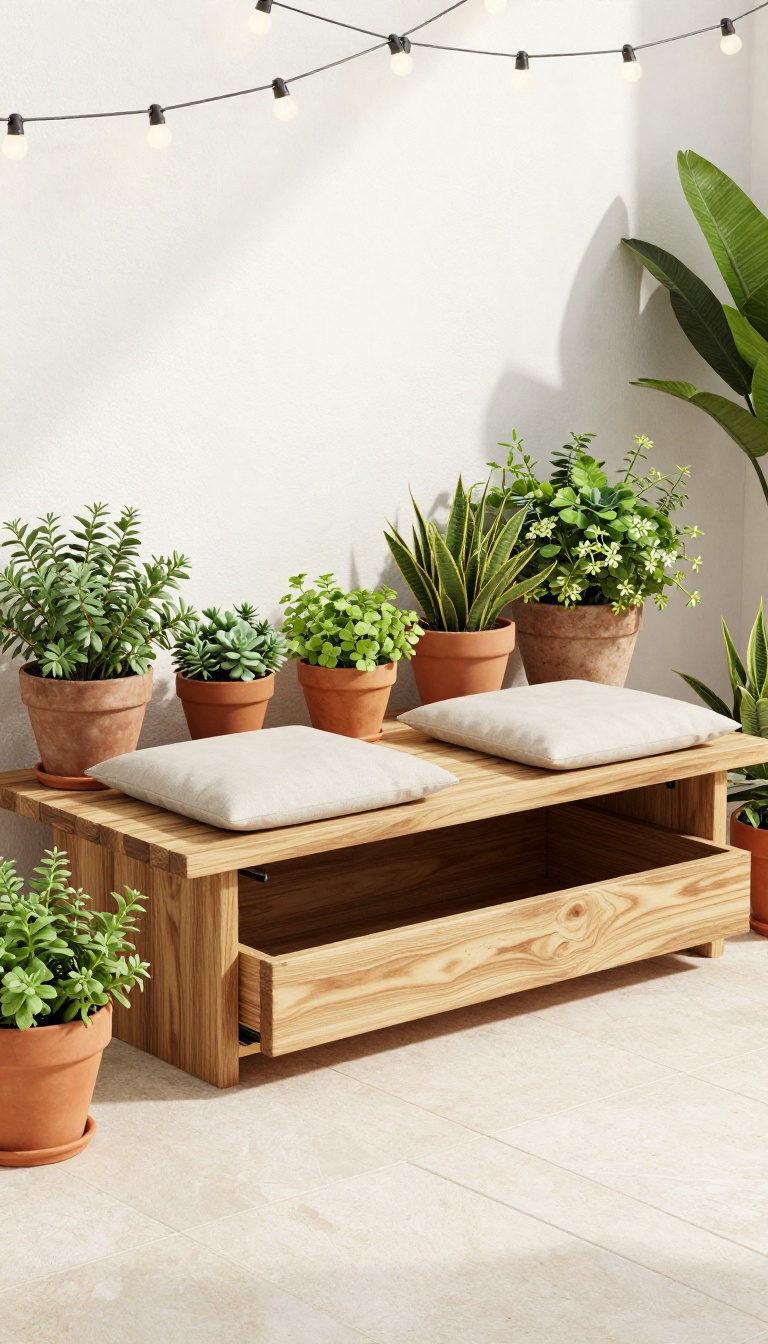
If you're short on square footage, a freestanding bench can eat up precious floor space without giving you much back. A built-in bench along one side of your patio changes that equation—it hugs the wall, provides ample seating, and hides all your outdoor essentials underneath. It's one of those upgrades that feels custom and instantly makes the space look more polished.
Building a bench with storage is a weekend project that pays off in both style and function. You get a comfortable spot to sit, plus a hidden home for cushions, gardening tools, or board games. The key is to design it so the storage is easy to access and the bench doesn't overwhelm the patio.
Choose The Right Dimensions
Before you start, measure your patio and decide how long the bench should be. A depth of 18 to 20 inches is comfortable for seating, and a height of 18 inches works well for most people. If you plan to use the bench for dining, match it to your table height.
Keep the bench proportional to the space—too long and it feels bulky, too short and it looks like an afterthought.
Build Or Buy A Bench Kit
If you're handy, you can build a bench from scratch using pressure-treated lumber or cedar. But if you want a simpler route, many home improvement stores sell bench kits that include the frame and storage box. You just add the seat boards.
This option is budget-friendly and takes less time. Either way, make sure the wood is rated for outdoor use to withstand the elements.
Add A Flip-up Or Slide-out Top
The easiest way to access storage is a hinged seat that flips up, but you can also design a seat that slides out like a drawer. Flip-up tops are great for stashing larger items like cushions, while slide-out bins work well for smaller tools. If you go with a flip-up, add a soft-close hinge or a gas strut to prevent slamming.
For a cleaner look, install a handle or a small notch to lift the seat.
Style It With Cushions And Pillows
Once your bench is in place, make it inviting with weatherproof cushions and throw pillows. Choose fabrics that resist fading and moisture, and pick colors that complement your patio palette. Add a few outdoor pillows for back support, and you've got a cozy nook that encourages lounging.
You can also place a small side table nearby for drinks or books.
8. Add an Outdoor Rug for Coziness
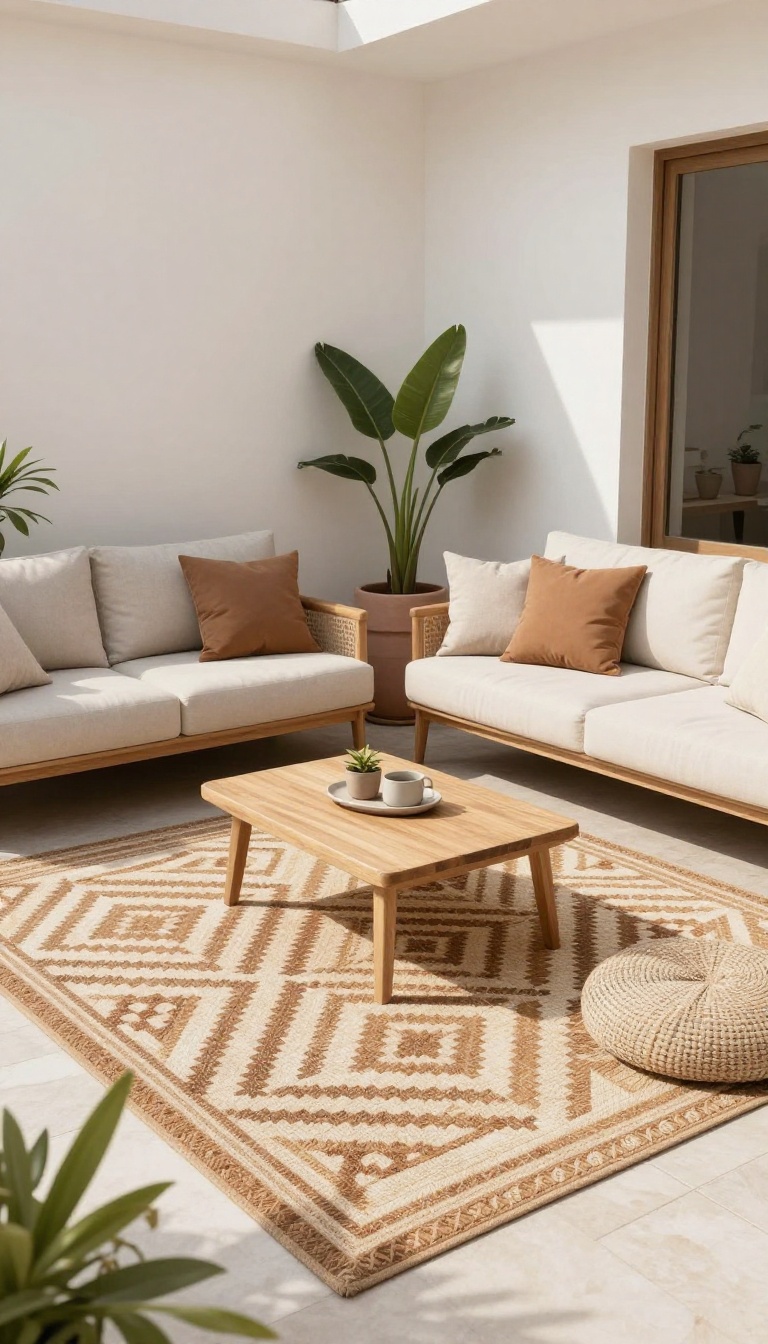
Bare concrete or worn decking can make a small patio feel unfinished. An outdoor rug changes that instantly, adding warmth underfoot and a visual anchor that pulls your seating area together. It’s one of the quickest ways to make a compact space feel like a real room.
A weatherproof rug does more than just look pretty—it defines the seating zone, softens hard surfaces, and introduces color or pattern without taking up any floor space. Since it lies flat, it won’t block pathways or make the area feel crowded. Plus, it’s an easy swap when you want a seasonal refresh.
Choose A Rug That Can Take A Beating
Outdoor rugs are made from synthetic fibers like polypropylene or polyester that resist moisture, mold, and fading. Look for one labeled "indoor/outdoor" and check that it has a low pile and a non-slip backing. A flat weave is easier to clean and won’t trap dirt, so you can just hose it down or shake it out.
Pick A Pattern That Hides The Mess
Solid colors show every leaf and crumb. Instead, go for a pattern with multiple tones—like a geometric print, a faded medallion, or a subtle stripe—that camouflages everyday wear. Darker backgrounds with lighter accents are especially forgiving.
That way, the rug still looks good even if you don’t sweep it every day.
Size It Right For Your Seating Area
The rug should be big enough that the front legs of your chairs or sofa sit on it, but leave a border of floor around the edges. Measure your main seating piece and add about 18 to 24 inches on all sides. If you’re between sizes, go larger—a too-small rug makes the space feel choppy.
9. Create a Privacy Screen with Potted Plants
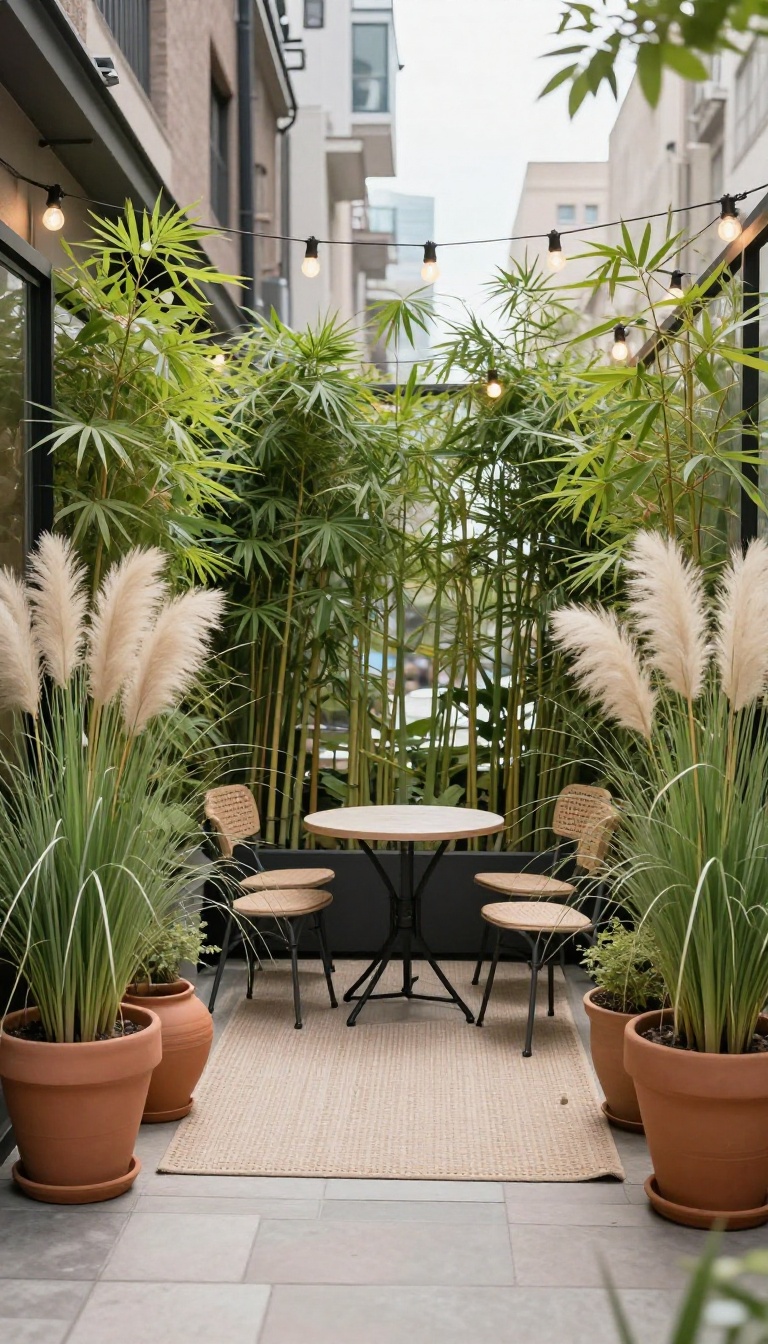
Neighbors peeking in can make a tiny patio feel even smaller. A living screen of tall potted plants blocks sightlines without the permanence of a fence. Plus, you get to customize the look with greenery that fits your style.
Choose fast-growing plants like bamboo or tall ornamental grasses that thrive in containers. Arrange them in a row or cluster at the edge of your patio to form a natural barrier. Lightweight pots make it easy to shift the screen as needed, so you can open up the space when you want more sun or a clearer view.
Picking The Right Plants
Bamboo (clumping varieties) and feather reed grass are excellent choices because they grow tall without spreading aggressively. If you prefer a tropical vibe, go with potted evergreen shrubs or small trees like boxwood or dwarf olive. Check your climate and sun exposure before buying, and remember that some plants need winter protection if left outdoors.
Arranging For Maximum Coverage
Place the pots on a wheeled plant caddy so you can roll them into position with ease. For a staggered look, use pots of different heights and place them slightly apart—this creates depth and makes the screen feel fuller. If you need extra coverage, add a bamboo trellis behind the pots and let climbing vines weave through.
Maintaining Your Living Screen
Keep the soil consistently moist but not soggy, and feed with a slow-release fertilizer in spring. Trim back any dead or yellowing leaves to keep the screen looking fresh. During windy seasons, weigh down the pots with a layer of gravel or use sturdy, heavy-duty containers to prevent tipping.
10. Use Multi-Functional Pieces
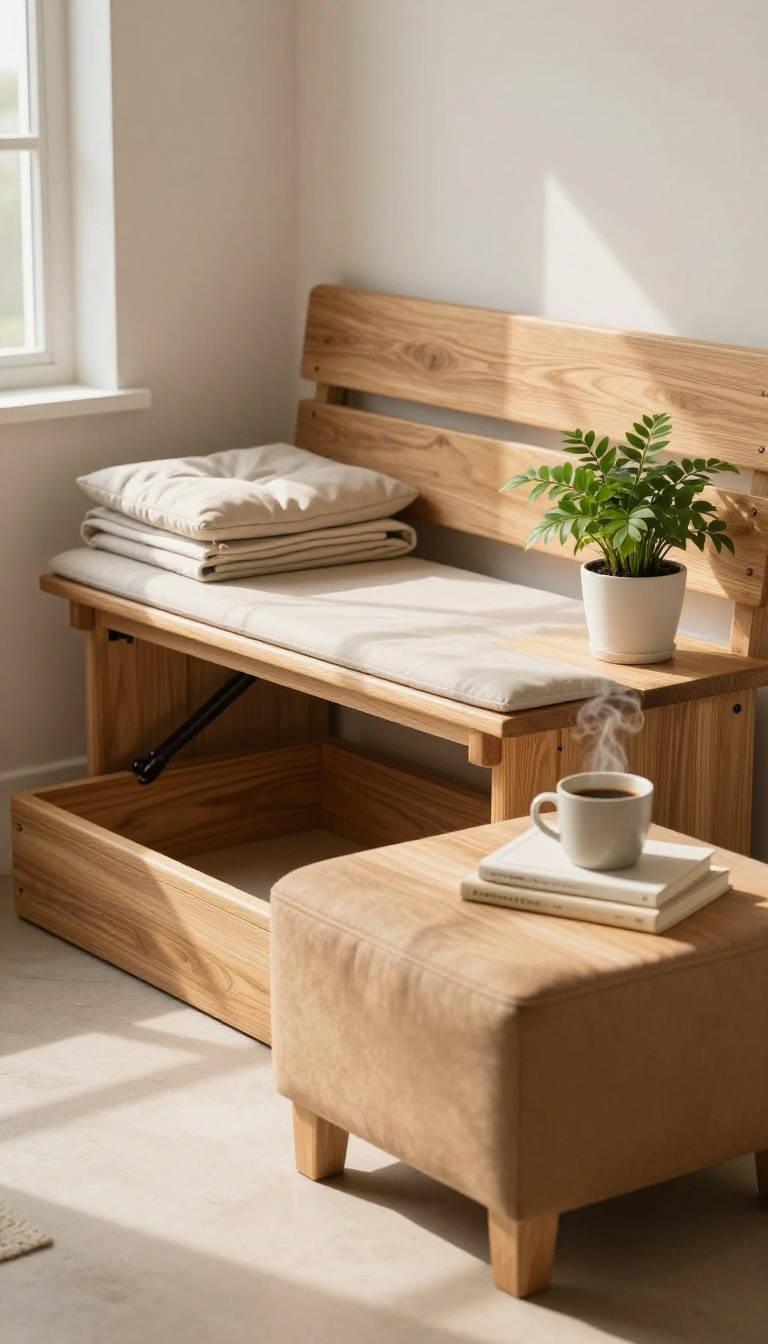
On a small patio, every piece of furniture needs to earn its spot. That's where multi-functional pieces come in—they give you more bang for your buck without cluttering your space. By choosing items that serve more than one purpose, you can have the comfort you want without sacrificing precious square footage.
Look for furniture that can adapt to your needs throughout the day. An ottoman with a hidden tray top can hold your morning coffee and then transform into a footrest by evening. A bench with built-in storage can tuck away cushions and gardening tools when not in use.
The key is to think about how each piece can work harder for you.
Ottomans That Do Double Duty
A large ottoman can be a coffee table, extra seating, or a footrest. Choose one with a reversible lid that flips to a solid surface for drinks or snacks. Some even come with storage inside for blankets or outdoor games.
This single piece can replace three separate items, saving both money and space.
Benches With Hidden Storage
A bench with a lift-up seat offers a spot to sit and a place to stash outdoor essentials. Use it to store cushions, throws, or even a small grill. Place it against a wall to create a cozy nook, and you'll have a practical seating area that also keeps your patio tidy.
Tables That Transform
Look for coffee tables that can raise to dining height or side tables that fold down when not needed. A drop-leaf table can be compact against a wall but expand for dinner parties. These adaptable pieces let you change your setup based on the occasion without taking up permanent floor space.
11. Add a Pop of Color with Pillows and Throws
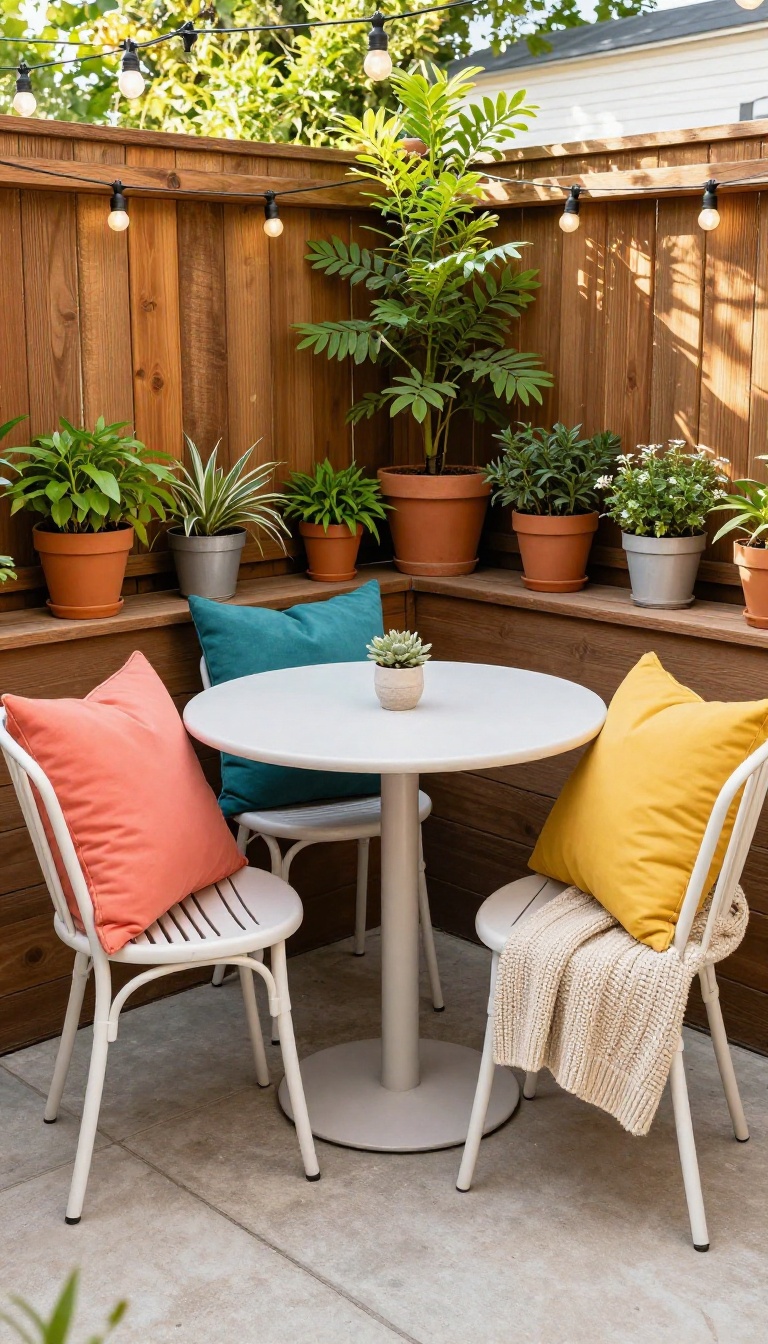
Color is one of the fastest ways to change how a small patio feels. A few bright cushions or a soft throw can turn a plain seating area into a spot that feels personal and welcoming. Because pillows and blankets don't require any permanent changes, they're perfect for renters or anyone who likes to switch things up with the seasons.
You can experiment with bold hues or mix patterns without worrying about a big commitment.
When you're working with limited square footage, textiles are your best friend. They add warmth, texture, and personality without taking up any floor space. The trick is to choose pieces that can handle the outdoors and to arrange them in a way that feels intentional, not cluttered.
Start by picking a color palette that complements your patio's existing features—like the furniture finish or the wall color. Then, layer different sizes and shapes to create depth. A mix of solids and patterns keeps things interesting without overwhelming the eye.
Choose Weather-resistant Fabrics
Outdoor pillows and throws need to stand up to sun, rain, and wind. Look for fabrics labeled as water-resistant or quick-drying, like solution-dyed acrylic or polyester. These materials resist fading and mildew, so they'll stay bright through many seasons.
If you love natural textures, consider outdoor-grade cotton canvas or woven polypropylene. Just make sure to store cushions and throws indoors or in a waterproof bin during heavy storms to extend their life.
Mix Patterns And Textures
Don't be afraid to combine stripes, florals, or geometric prints. The key is to keep a common color thread so everything feels cohesive. For example, pair a bold tropical print with a solid in a matching shade, or mix a chunky knit throw with smooth velvet pillows.
Texture adds another layer of coziness. A woven throw draped over a chair back or a soft faux-fur cushion can make the space feel more inviting. Just balance busy patterns with simpler pieces to avoid visual chaos.
Arrange For Comfort And Visual Balance
Place pillows where they'll actually be used—on chairs, benches, or the ground if you have low seating. Use a mix of lumbar pillows for back support and square ones for decoration. On a small patio, avoid piling on too many; two or three per seat is usually enough.
Throws can be folded neatly over an armrest or left loosely on a seat to suggest relaxation. This not only adds color but also makes the space look lived-in and ready for lounging.
12. Install a Retractable Awning or Umbrella
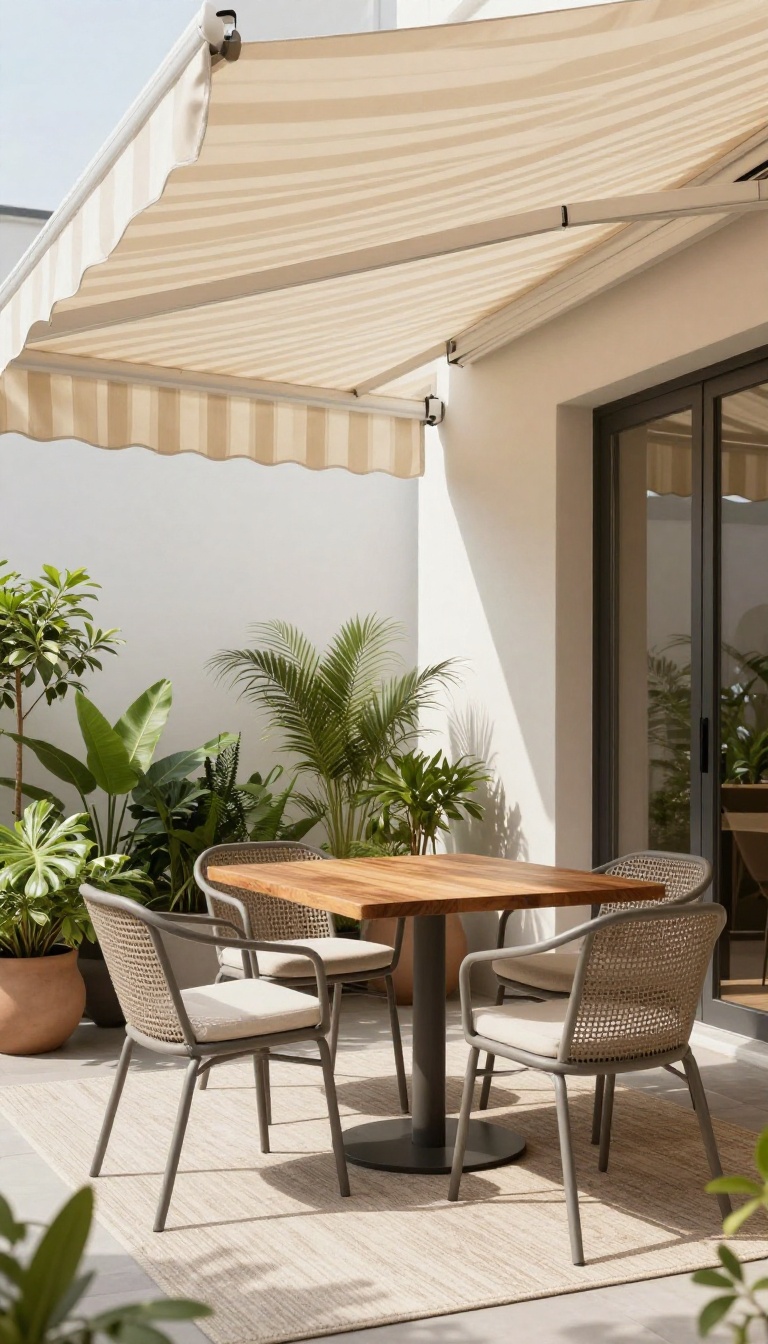
Shade can make or break a tiny patio. Without it, that cozy corner can turn into an oven by midday, and sudden showers can cut your relaxation short. A retractable awning or a cantilever umbrella gives you control over sun and rain, so your outdoor space stays comfortable longer.
Unlike fixed structures, these options let you adjust coverage as the sun moves or when you want an open sky. They also fold away neatly, keeping your patio feeling airy and spacious when not in use.
When you're working with limited square footage, overhead shade is a game-changer. It not only protects you from harsh rays but also shields your furniture and plants from damage. Plus, a shade structure can define your seating area, making the patio feel more like an outdoor room.
A retractable awning mounts to your house wall and extends over the patio, offering seamless coverage. A cantilever umbrella, on the other hand, stands on a side pole, freeing up space directly underneath. Both are practical, but they suit different layouts and budgets.
Why Retractable Shade Works On Small Patios
Fixed pergolas and permanent roofs can overwhelm a tiny patio, making it feel enclosed and dark. Retractable options give you flexibility: extend them during peak sun hours, then retract them to enjoy the stars or let in natural light. This adaptability is key in a compact space where every element should serve a purpose.
Awnings and cantilever umbrellas also come in various sizes, so you can match the coverage to your patio's dimensions without blocking walkways or views. Many models are wind-resistant and have UV protection, adding both comfort and durability.
Choosing Between An Awning And A Cantilever Umbrella
Think about your patio's orientation and how you use the space. If you have a wall to mount on, a retractable awning offers a clean, integrated look and can cover a larger area. It operates with a crank or motor, and some even have sensors that retract in strong winds.
A cantilever umbrella is more portable and often less expensive. It works well for patios without a suitable wall, and because the pole sits to the side, you can place it over a dining set or lounge chairs without a center post getting in the way. Choose the one that fits your layout and lifestyle best.
Placement Tips For Maximum Comfort
Position your shade so it covers the seating area during the hottest part of the day, usually from late morning to late afternoon. On a south-facing patio, that means extending the awning or angling the umbrella to block direct sunlight. If your patio gets morning sun only, you might not need as much coverage.
Also, consider wind direction. An awning that flaps in a breeze can be annoying, so opt for a model with wind sensors or tie-downs. For umbrellas, a sturdy base is essential—look for one that can handle the umbrella's size without taking up too much floor space.
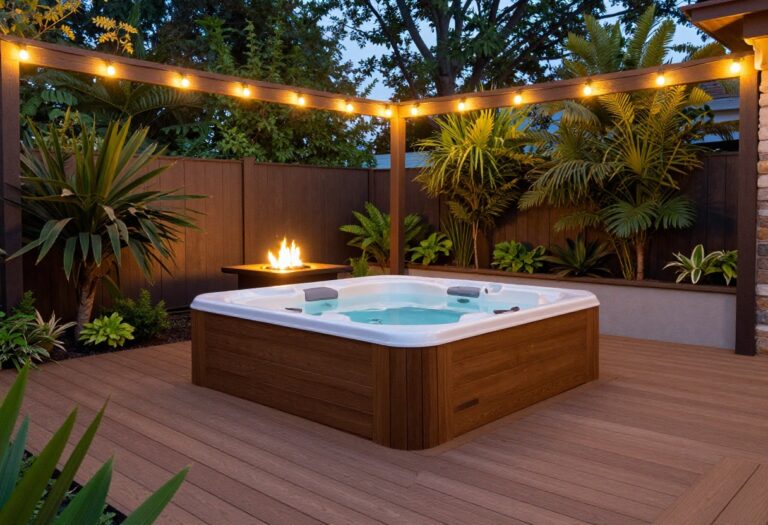
13. Light a Fire Pit for Evening Warmth
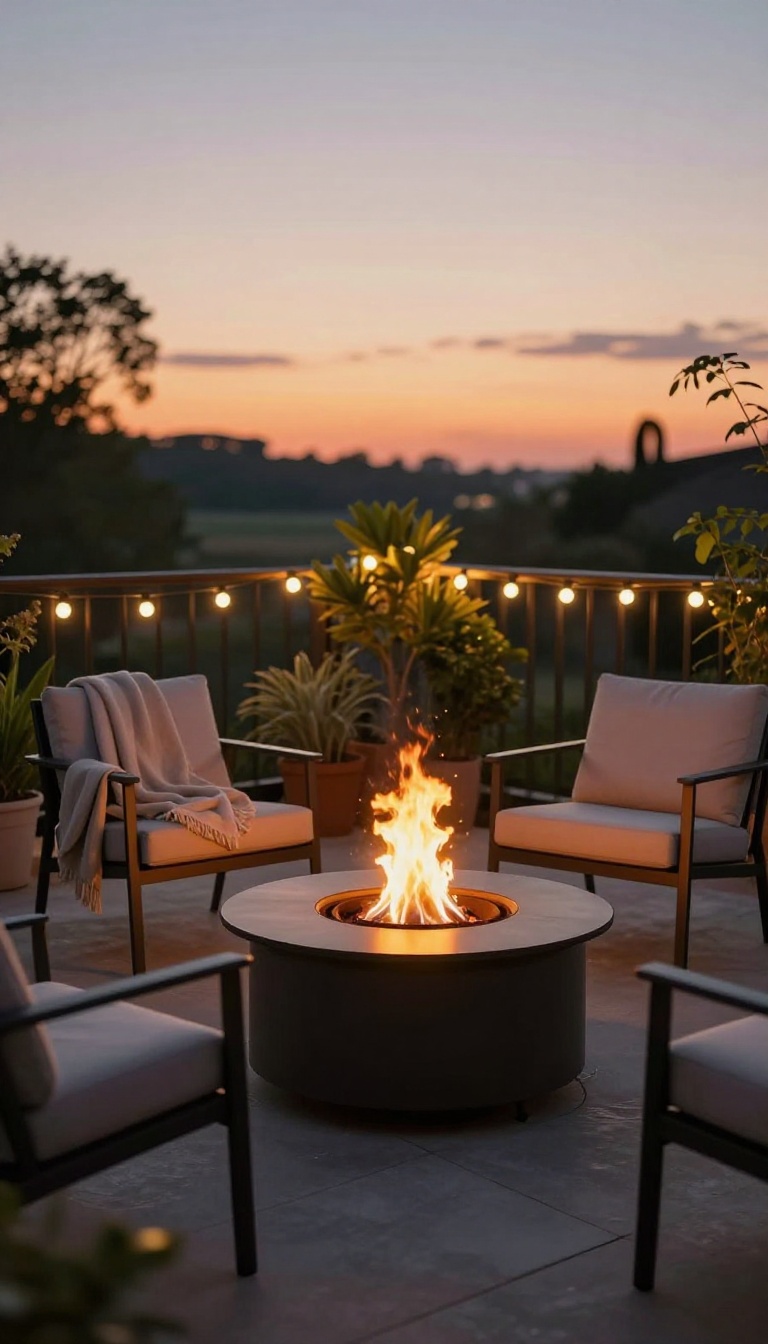
Evenings on a tiny patio often get cut short when the temperature drops. A compact fire pit changes that, turning your small space into a cozy gathering spot that extends the season. The key is choosing a size that fits your footprint and following basic safety rules.
A tabletop fire pit or a small portable model adds warmth and a gathering point without eating up valuable floor space. Many run on propane or gel fuel, so they light instantly and produce little smoke—perfect for tight areas. Place it on a sturdy, non-combustible surface, keep it away from overhead branches or fabric, and always check local regulations before you buy.
Choose The Right Size And Fuel
For a truly small patio, a tabletop fire pit (around 12–18 inches wide) is ideal. It sits on an existing table or a sturdy stand, so it doesn't claim extra square footage. Propane models are the easiest to control, while gel fuel offers a clean burn with no bulky tank.
If you prefer wood, look for a portable metal bowl that’s easy to move and clean—just be mindful of sparks in tight quarters.
Arrange Seating Around The Glow
Pull your chairs or benches close enough to feel the heat but leave a safe clearance of at least 2 feet on all sides. A low bench or floor cushions can create an intimate circle without overwhelming the space. Angle the seating toward the fire to encourage conversation and make the most of the warmth.
Follow Smart Safety Practices
Always place the fire pit on a flat, fireproof surface like concrete, tile, or a metal tray. Keep a small fire extinguisher or a bucket of sand nearby, and never leave the flames unattended. Check wind direction to avoid smoke blowing into your home or neighbors’ windows.
And make sure the area is well-ventilated—especially if you’re using a gel or propane model on a covered patio.
FAQ
What is the best way to make a small patio look bigger?
Use mirrors to reflect light, choose light-colored furniture and rugs, and keep the space clutter-free. Vertical elements like hanging plants draw the eye upward, creating a sense of height.
How do I choose furniture for a tiny patio?
Look for pieces that are foldable, stackable, or multi-functional. Measure your space carefully and leave room for walking. Consider slim-profile designs that don't overwhelm the area.
Can I have a garden on a small patio?
Absolutely. Use vertical planters, hanging baskets, and rail-mounted pots to grow herbs, flowers, or small vegetables. Choose compact varieties that thrive in containers.
What are some budget-friendly tiny patio ideas?
Add string lights, repurpose old furniture with paint, create a pallet bench, or use DIY planters. Even simple additions like an outdoor rug or a few pillows can transform the space.
How can I make my small patio private?
Use tall potted plants, bamboo screens, or outdoor curtains. A trellis with climbing vines can also create a natural barrier without taking up much floor space.
Conclusion
Small patios reward smart choices over square footage. Pick the one or two ideas that solve your biggest pain point—maybe it's seating, shade, or just making the space feel intentional—and build from there. You don't need a big renovation to create a spot you actually want to use.
Start with a simple change like a folding bistro set or a vertical garden, and let the rest follow as you get comfortable. Before long, that cramped corner will feel like the cozy retreat you've been after.